21 Historic Photos of American Public Swimming Pools
A public pool photograph looks simple: water, crowds, a lifeguard chair, and a city’s idea of leisure. The best of them record far more than a summer afternoon, because pools have always been where strangers were forced to share space, and where the rules about who counted were written in chlorine.
The twenty-one pools below range from cliffside bathhouses to Depression-era concrete basins and hot springs that predate the cars parked beside them. Some were celebrated, some were fought over, and a few survive only in the pictures.
Sutro Baths Beneath the Cliffs of Lands End
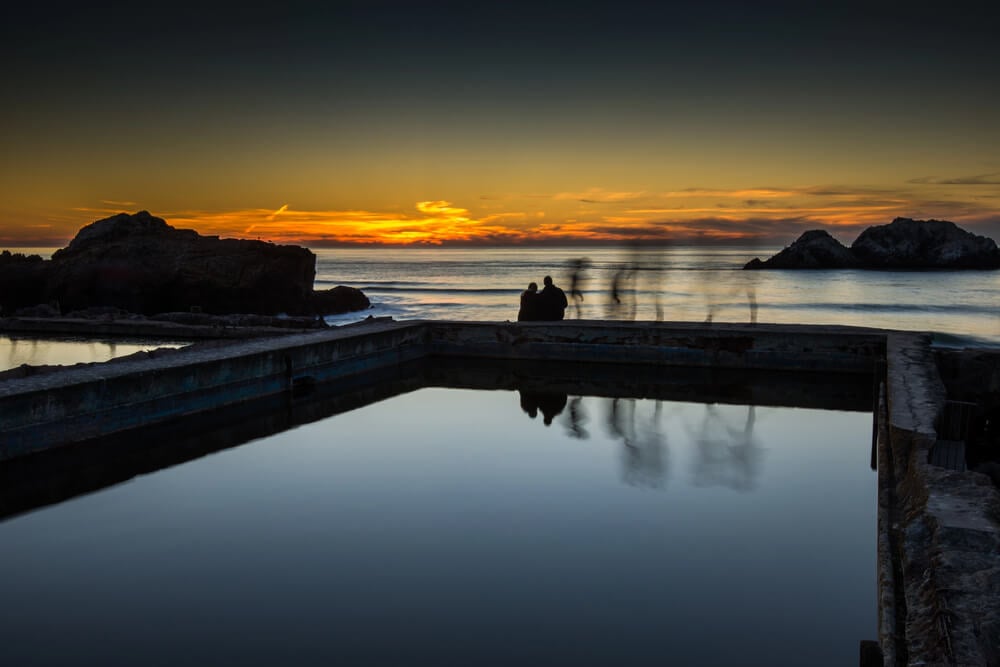
Adolph Sutro opened his enormous glass-roofed bathhouse beside the Pacific in San Francisco in 1896, with six pools under one roof, one of them freshwater. Ocean water flowed into the saltwater pools at high tide, so the tide chart mattered as much as the plumbing.
The empty structure burned in 1966 during demolition work, and its concrete ruins still sit at the edge of the surf.
Evans Plunge and the Warm Spring Under the Roof
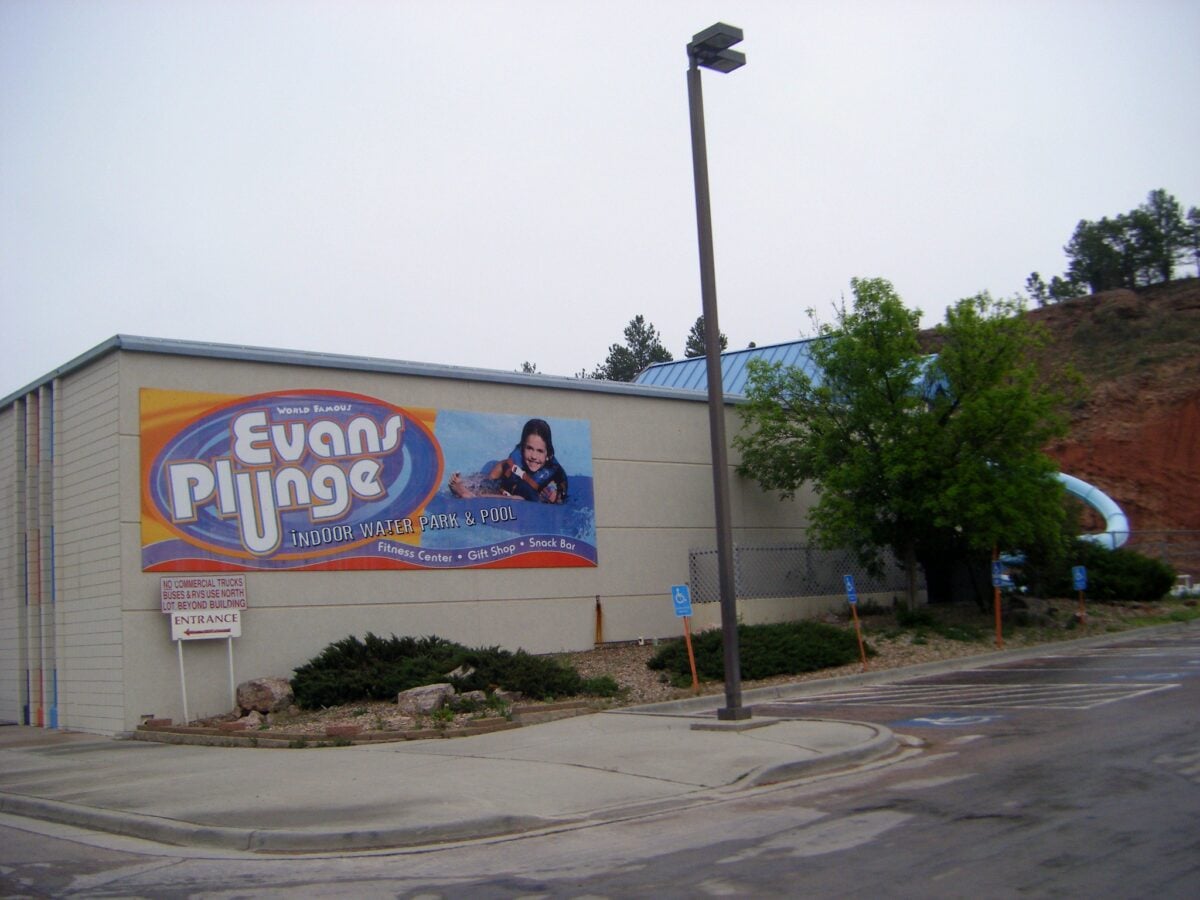
Fred Evans opened Evans Plunge in Hot Springs, South Dakota, in 1890, building a pool around a natural spring that flows at roughly 87 degrees. The water never needs much heating, which is a luxury in a state where winters are famously unfriendly to swimmers.
Visitors still float in an indoor pool fed by the same spring, more than a century after the first customers did.
Glenwood Hot Springs Pool, Two City Blocks Long
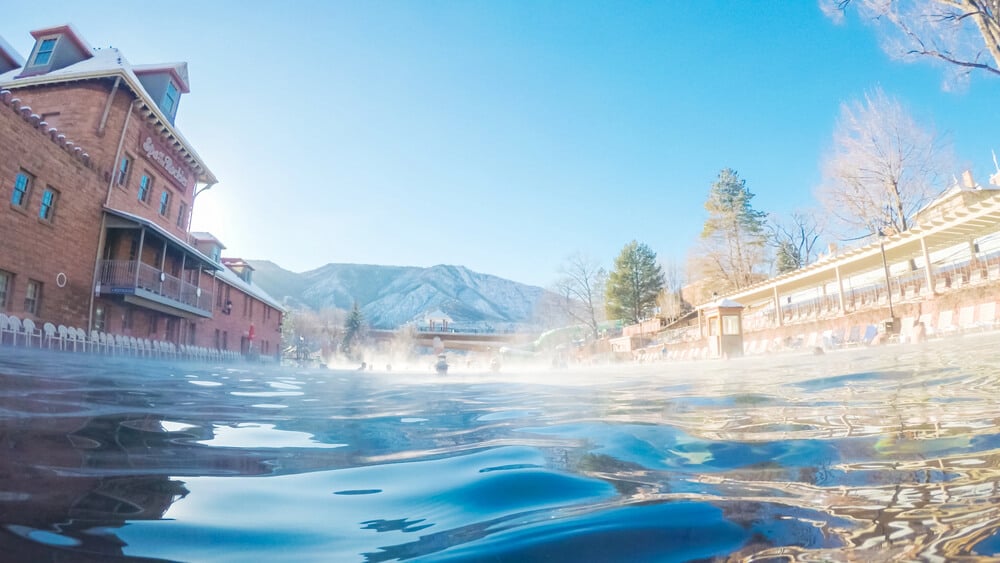
Walter Devereux opened the hot springs pool in Glenwood Springs, Colorado, in 1888, and promoters have billed it as the largest hot springs pool in the world ever since. The pool stretches roughly the length of two city blocks, fed by mineral water that emerges from the ground already hot.
President Theodore Roosevelt was among the notable visitors who came to the town in the early 1900s.
Venetian Pool in a Coral Rock Quarry
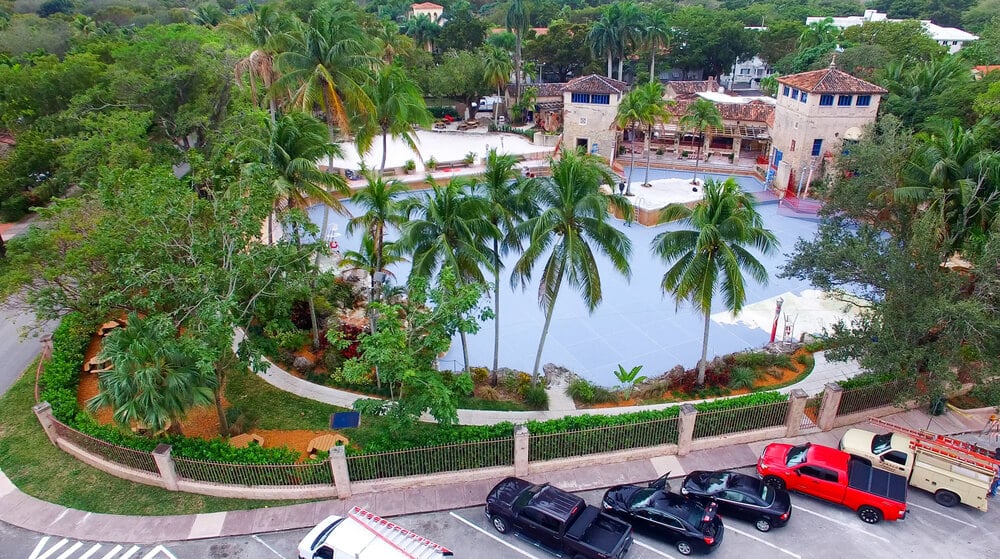
Coral Gables, Florida, turned a limestone quarry into the Venetian Pool in 1924, using the pit that had supplied rock for the city’s first houses. The design by Phineas Paist and Denman Fink added coral rock caves, bridges, and striped mooring poles that suggest a Mediterranean lagoon.
City records say the pool, about 820,000 gallons, is drained and refilled with fresh water on a regular schedule, and Bahamian workers helped build it.
Deep Eddy and the Tarzan Connection
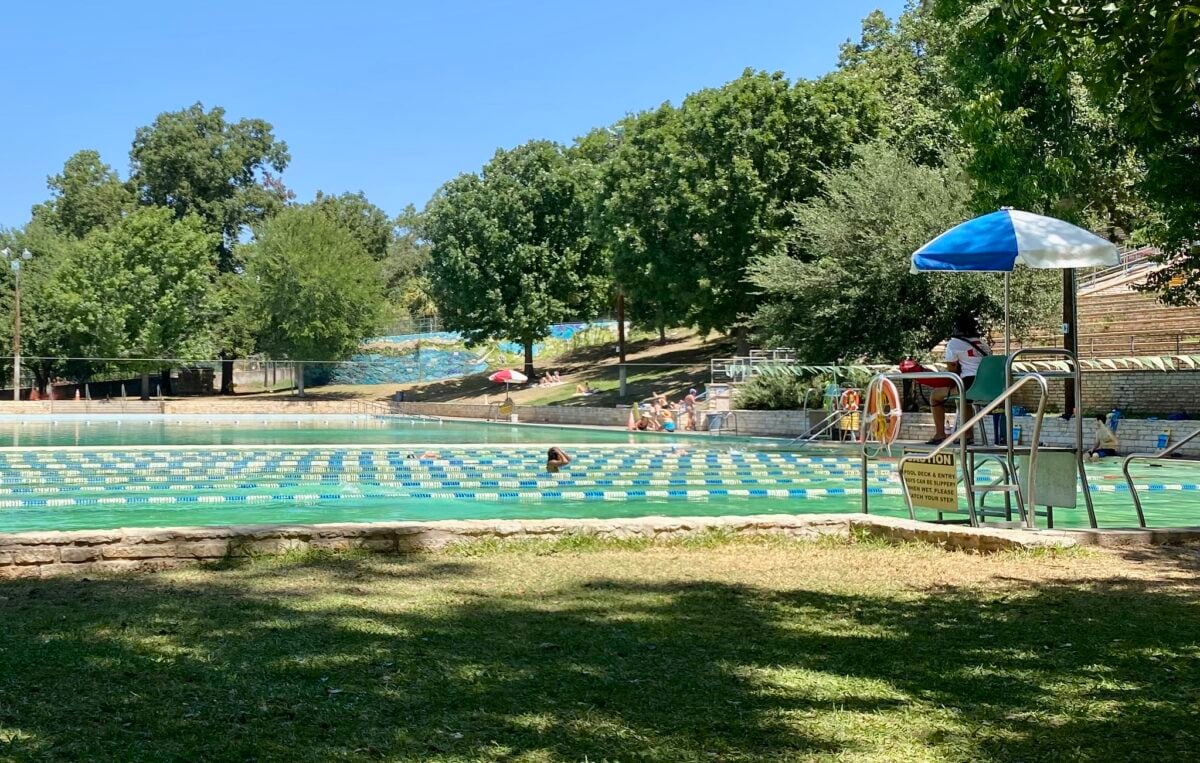
Deep Eddy Pool in Austin, Texas, is widely described as the oldest artificial swimming pool in the state. A. J. Eilers developed the swimming area on the Colorado River in the 1910s, and the city later took it over and rebuilt it with Depression-era labor.
Johnny Weissmuller, who went on to play Tarzan, is among the swimmers associated with the pool.
Barton Springs and the Salamander That Lives Nowhere Else
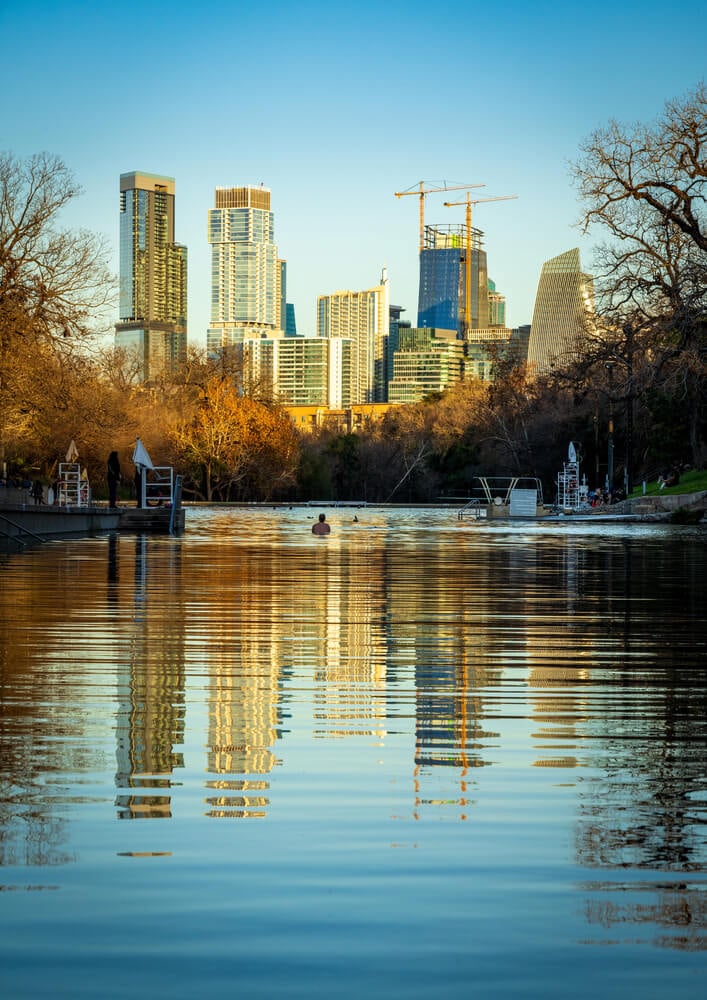
Barton Springs Pool in Austin’s Zilker Park stretches close to a thousand feet long and covers about three acres, fed by springs that keep the water near 68 to 70 degrees all year. The same springs shelter the Barton Springs salamander, a species found only there, which was listed as endangered in 1997.
Swimmers share the pool with a creature that has no other address on Earth.
Mission Beach Plunge, Born the Same Summer as a Roller Coaster
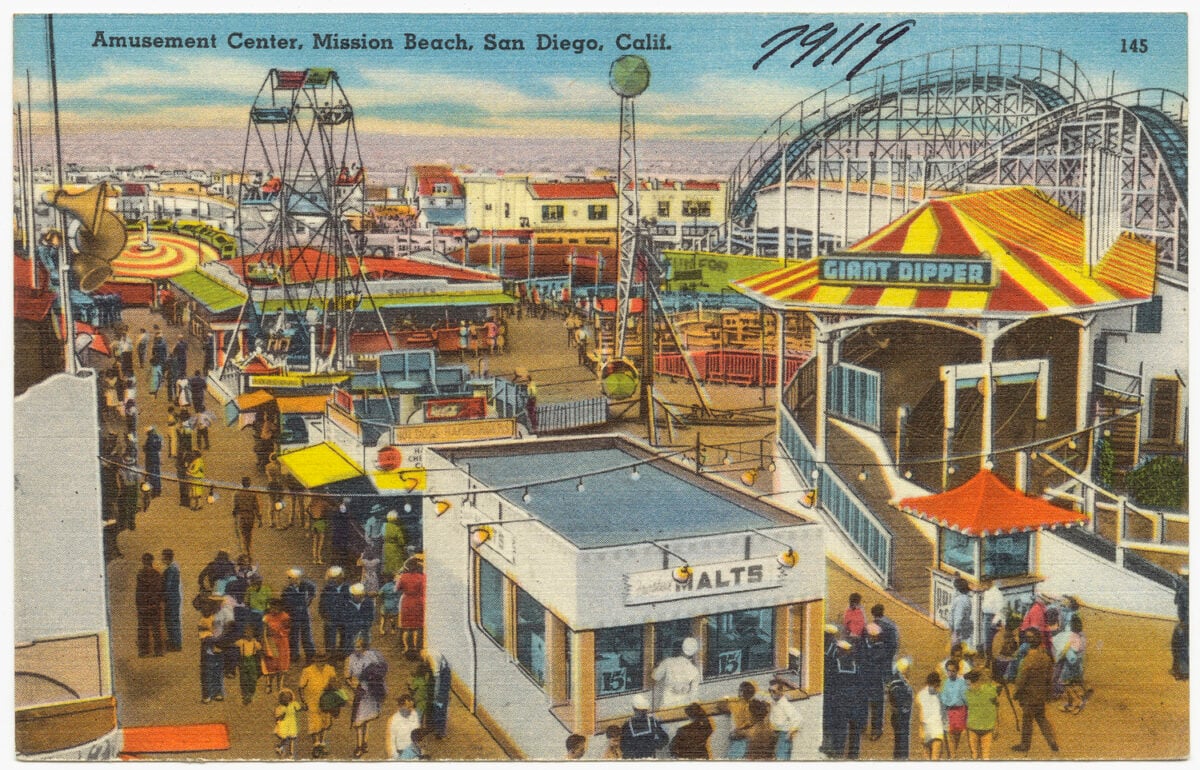
John D. Spreckels opened the Mission Beach Amusement Center in San Diego in 1925, and the indoor pool known as the Plunge opened alongside the Giant Dipper roller coaster. The complex was designed to draw streetcar riders to a stretch of sand that had little else going for it.
The Plunge reached its 100th anniversary in 2025, which makes it one of the few attractions in the park that has kept the same job all that time.
Sunlite Pool at Coney Island, Cincinnati
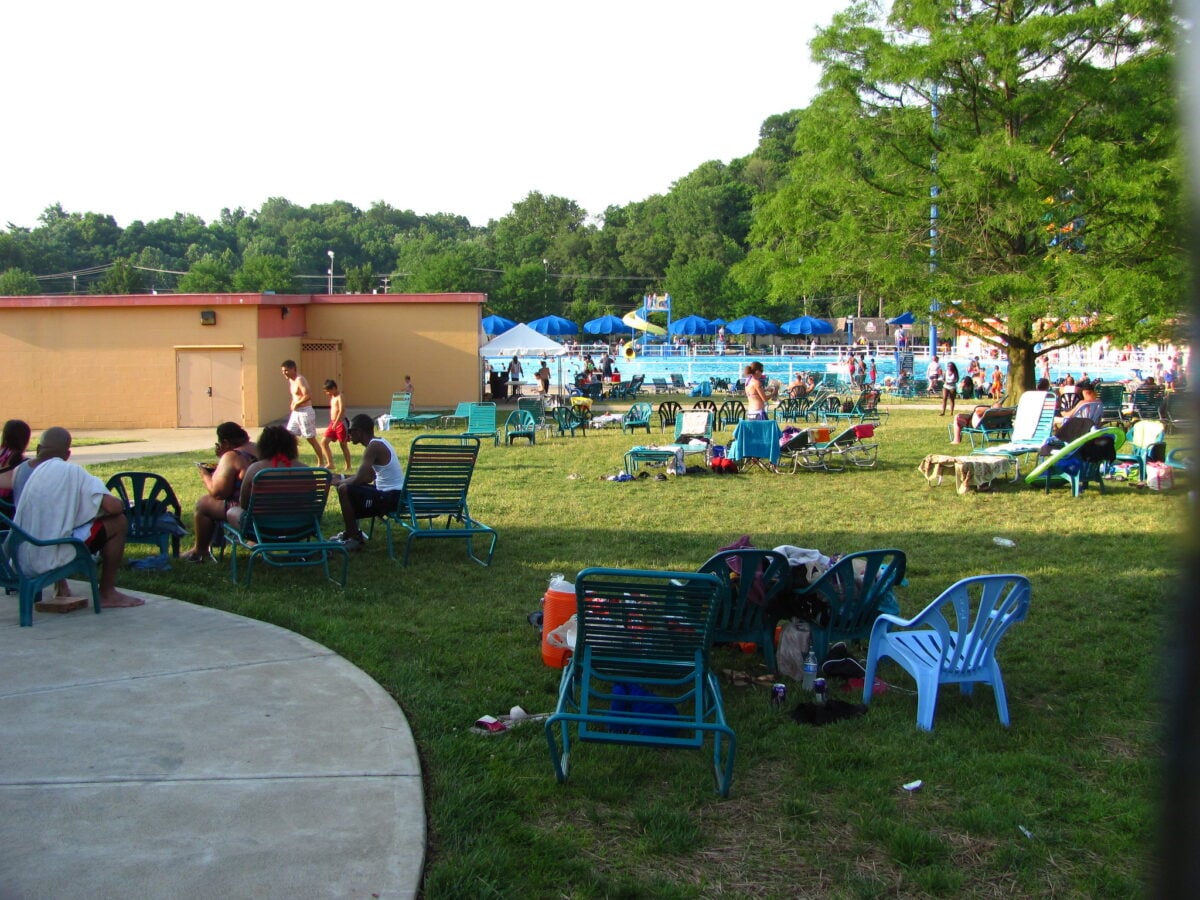
The Sunlite Pool opened at Coney Island, the amusement park on the Ohio River near Cincinnati, in 1925, and it was billed as the largest recirculating swimming pool in the world. It sat beside Moonlite Gardens, a dance venue where swimmers could dry off and then dress up.
When the park closed for good, thousands signed a petition to save the pool, and preservation groups argued that it deserved better than demolition.
Fleishhacker Pool and Its Thousand-Foot Length
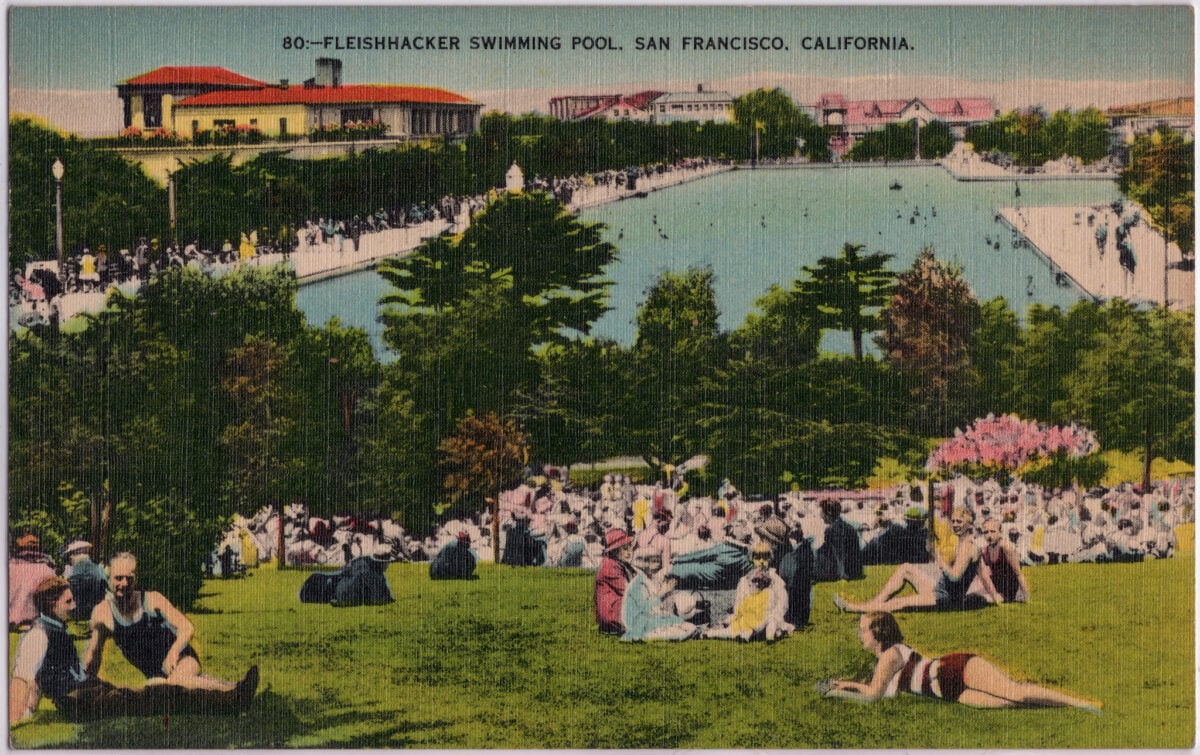
San Francisco opened the Fleishhacker Pool beside the Pacific in 1925, a basin roughly 1,000 feet long and 150 feet wide. Seawater was pumped in, filtered, and heated, and a pool this size needed a small fleet of lifeguards to cover the water.
Storm damage to the plumbing helped close it in 1971, and the site is now part of the San Francisco Zoo grounds.
Waikiki Natatorium, a Memorial You Could Swim In
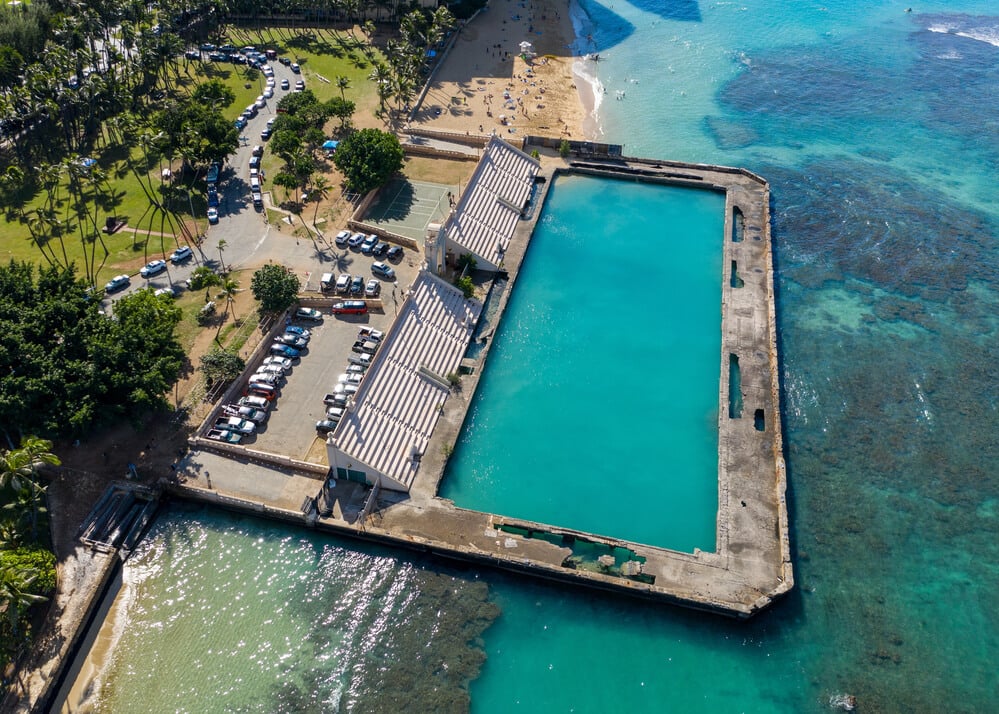
The War Memorial Natatorium in Honolulu was dedicated in 1927 as a living memorial to Hawaii’s World War I service members, and Duke Kahanamoku swam in the dedication. The 100-meter saltwater pool sat directly on the shore at Kaimana Beach.
It closed in 1979 after years of decay, and restoration plans have been announced in recent years.
Warm Springs, Where Roosevelt Went to Swim
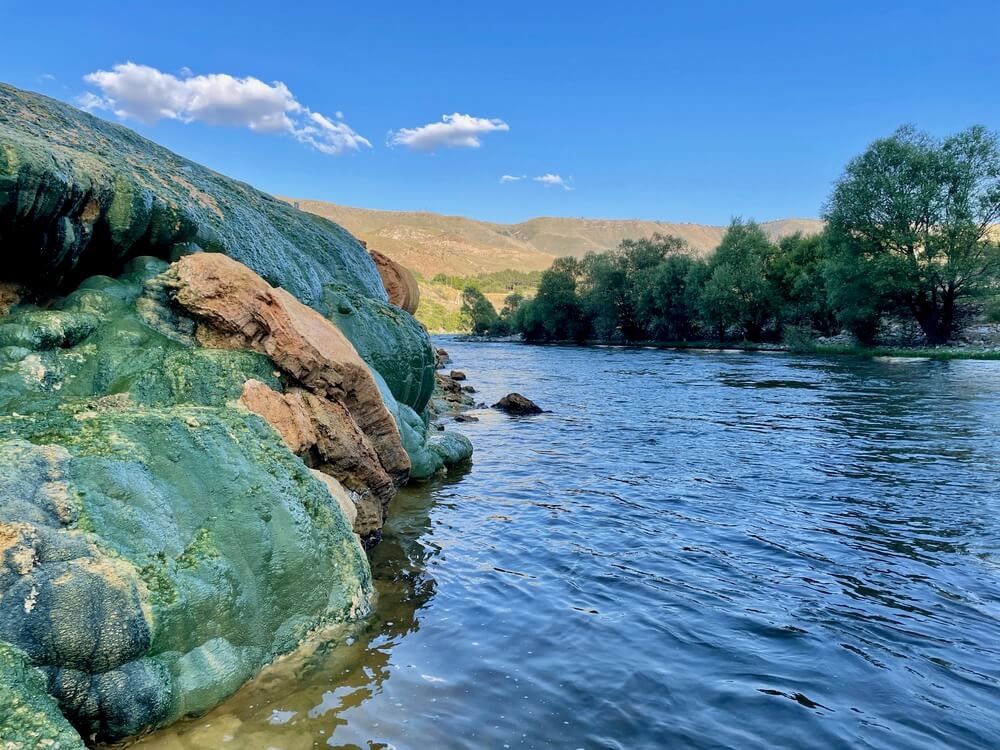
Franklin D. Roosevelt first visited Warm Springs, Georgia, in 1924, hoping the naturally warm spring water would help him recover from polio. The pools there stayed near 88 degrees, warm enough to allow exercise that he could not manage elsewhere.
Georgia state parks has since restored the historic pools used by Roosevelt and other patients.
Palisades Park and Its Saltwater Waves
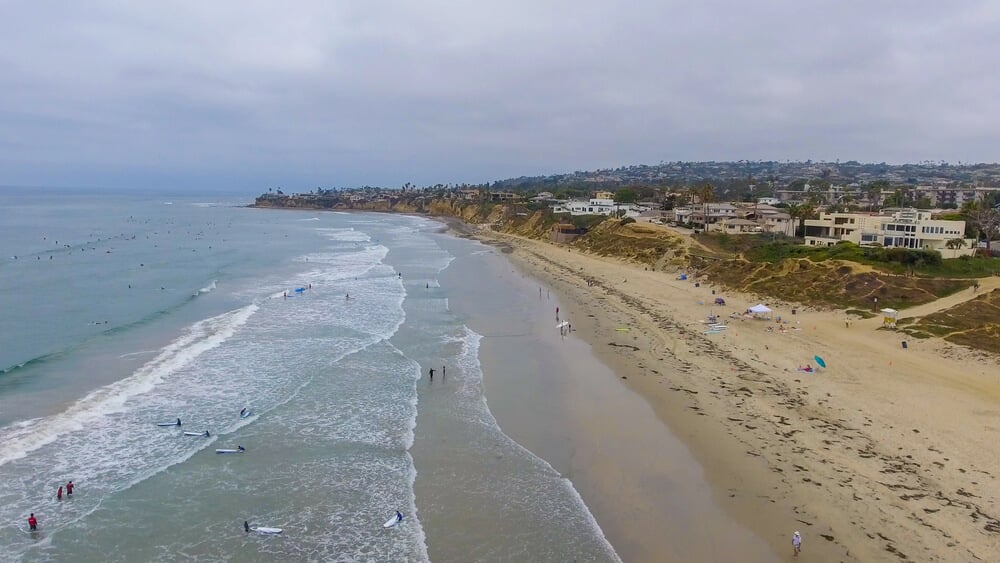
Palisades Amusement Park, perched on the cliffs above the Hudson River in Cliffside Park, New Jersey, built a huge saltwater pool in the 1930s that featured a wave machine. Swimmers could ride artificial surf in a pool that sat hundreds of feet above the river, a trick that few inland resorts could match.
The park closed in 1971, but the wave-making pool remains one of its best-remembered attractions, and decades of old postcards still circulate among collectors.
Colman Pool, Filled Straight From Puget Sound
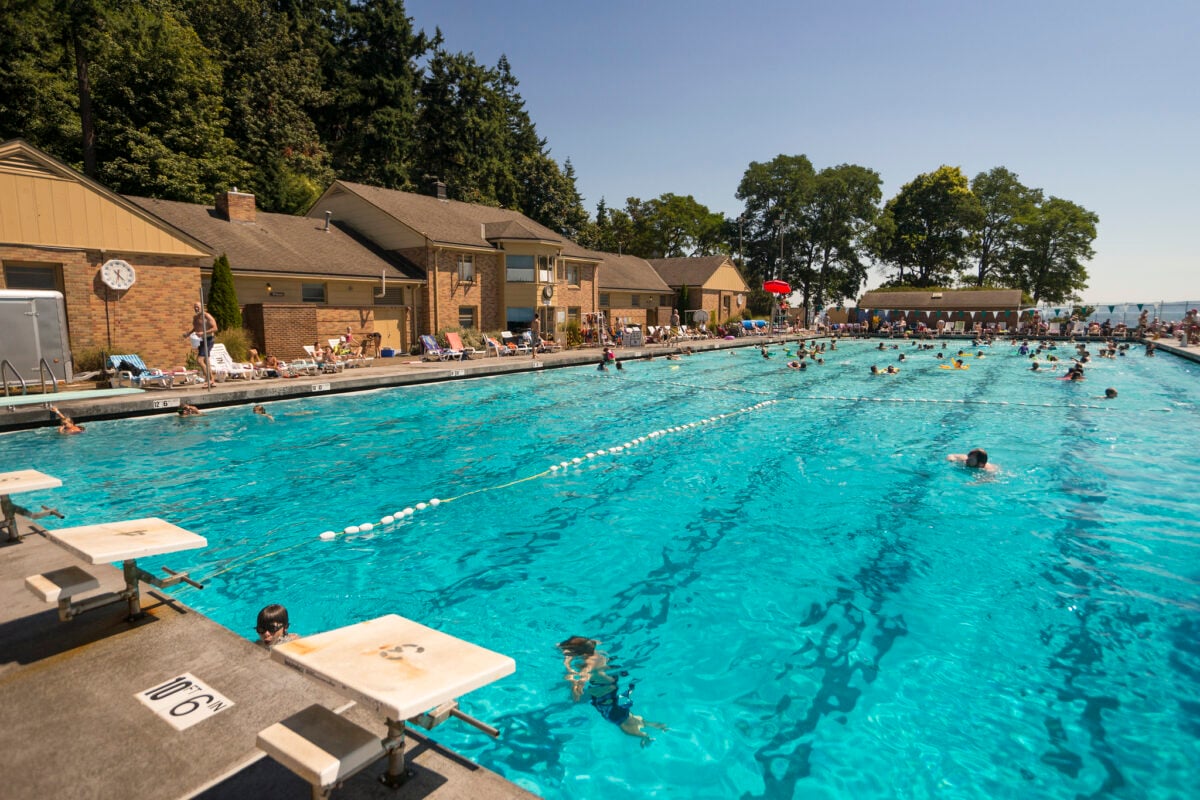
Colman Pool at Lincoln Park in West Seattle opened in 1941 on a concrete platform at the edge of Puget Sound. The pool is filled with water pumped from the Sound, then heated, so swimmers are paddling in the same water that carries ferries a few hundred yards away.
It takes its name from Kenneth Colman, a Seattle park board member who championed it.
Astoria Pool and the Olympic Trials
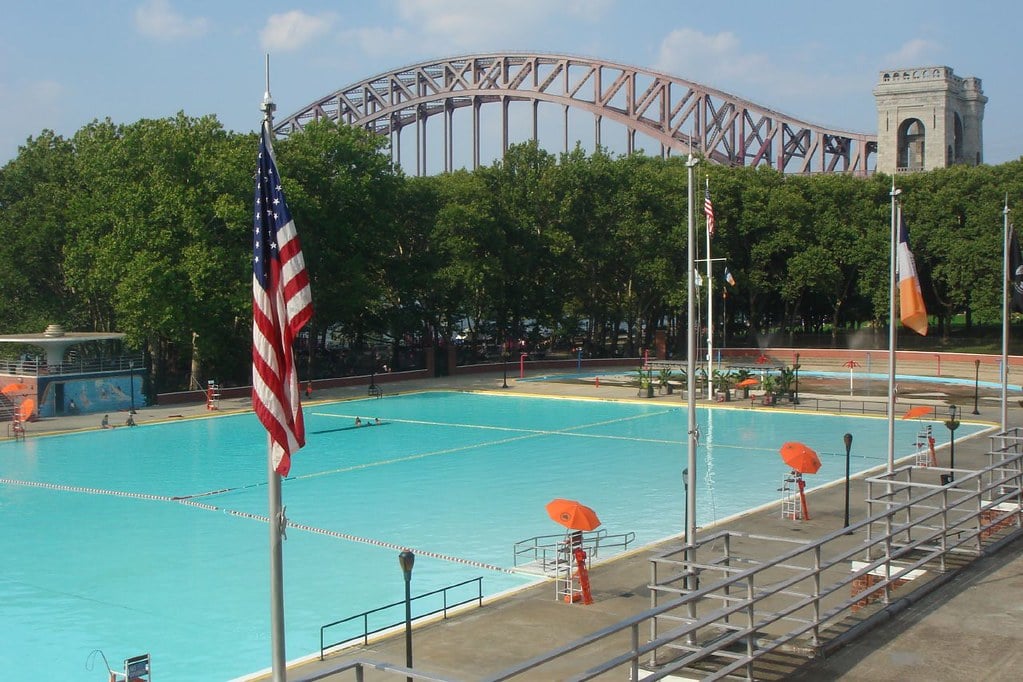
Astoria Pool in Queens opened in 1936 as one of eleven large pools built in New York City that summer with Works Progress Administration labor. It hosted the 1936 United States Olympic swimming and diving trials, which turned a neighborhood pool into a national stage.
The complex has since been designated a New York City landmark, which is a formal way of saying the neighborhood never stopped using it.
McCarren Park Pool, Dry for Twenty-Eight Years
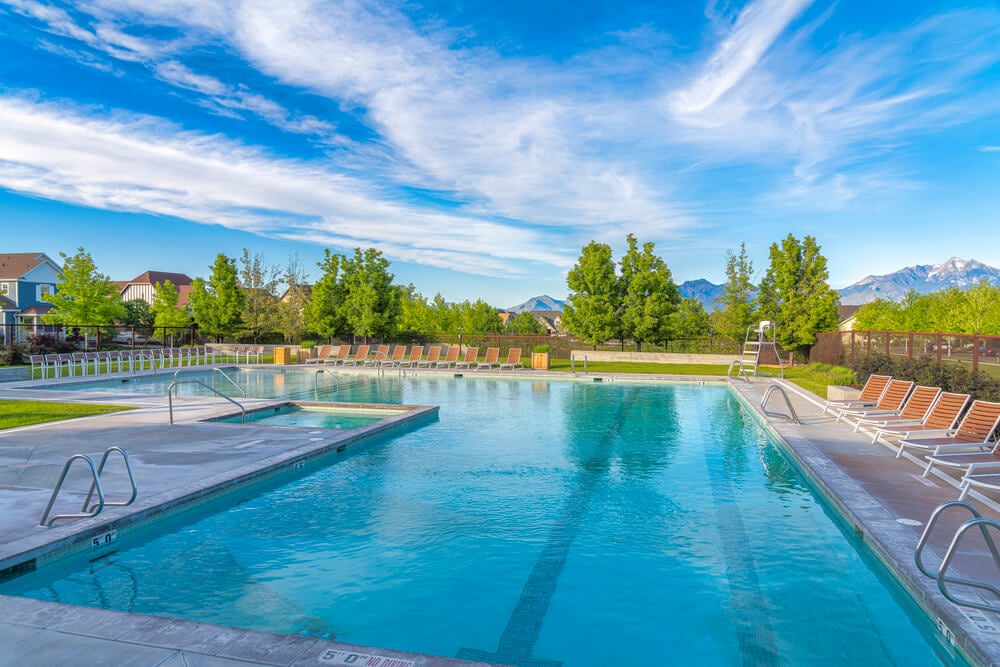
McCarren Park Pool in Brooklyn opened in 1936 and could hold thousands of swimmers at once, with a capacity often cited near 6,800. The city closed it in 1984, and the empty basin later hosted concerts, an odd second career for a place built for swimmers.
It reopened to swimmers in June 2012 after 28 years without water.
Betsy Head Pool and the Brownsville Crowd
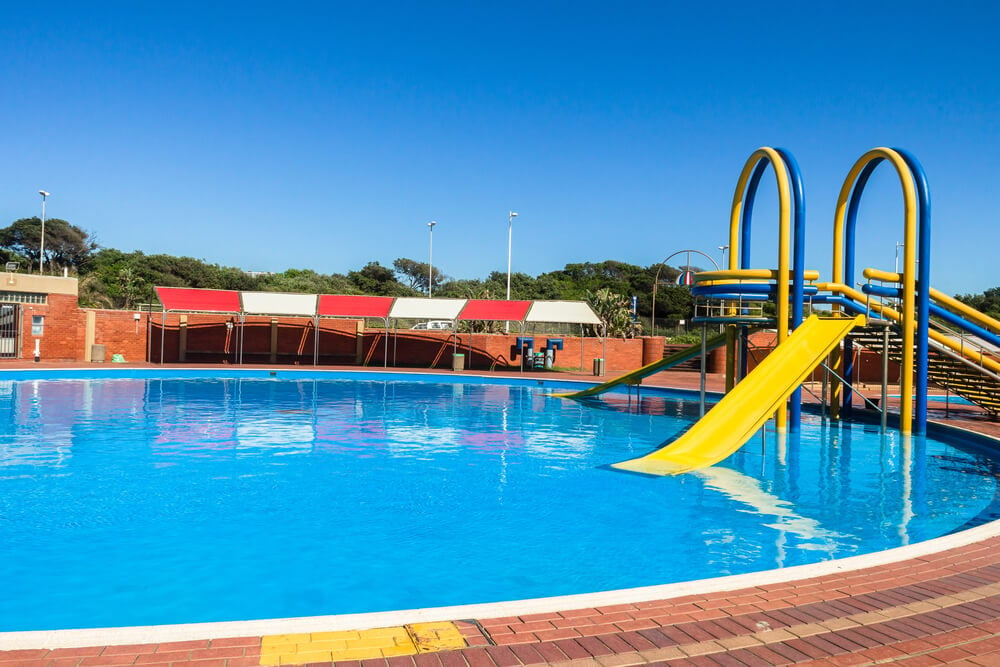
Betsy Head Play Center in Brownsville, Brooklyn, opened in 1936 as part of the same Works Progress Administration pool program. Aymar Embury II was the architect behind the New York City pool complexes, designing bathhouses with monumental brick entrances.
The complex has been designated a New York City landmark, an unusual honor for a place built mainly to cool off kids in August.
Jackie Robinson Pool in Harlem
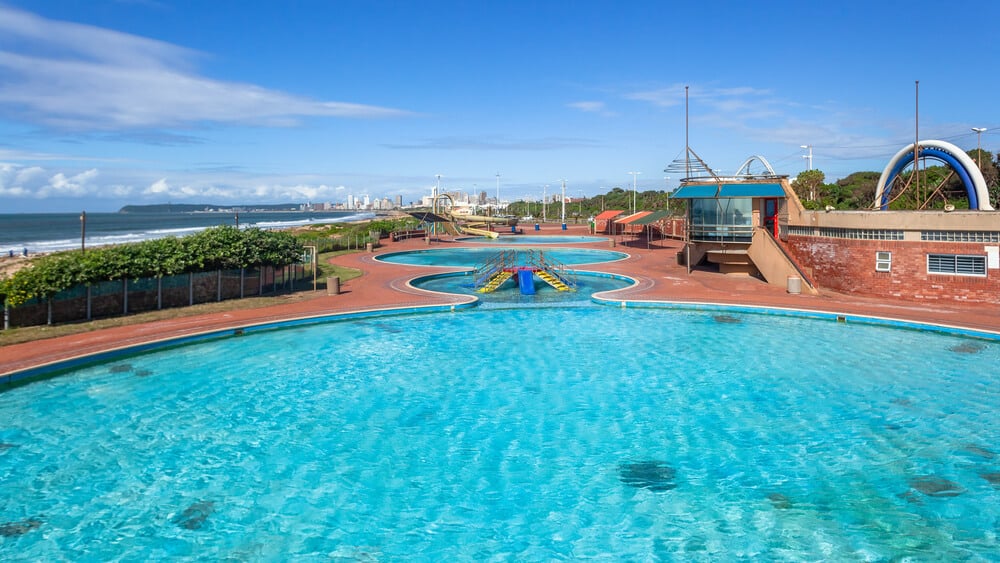
The pool in Harlem’s Colonial Park opened in 1936 as one of New York City’s eleven large Works Progress Administration pools. Colonial Park was renamed Jackie Robinson Park in 1978, and the pool took the Brooklyn Dodgers star’s name along with it.
The bathhouse and pool were designed by Aymar Embury II, whose work gave the entire citywide program a recognizable look.
Fairground Park, St. Louis, 1949
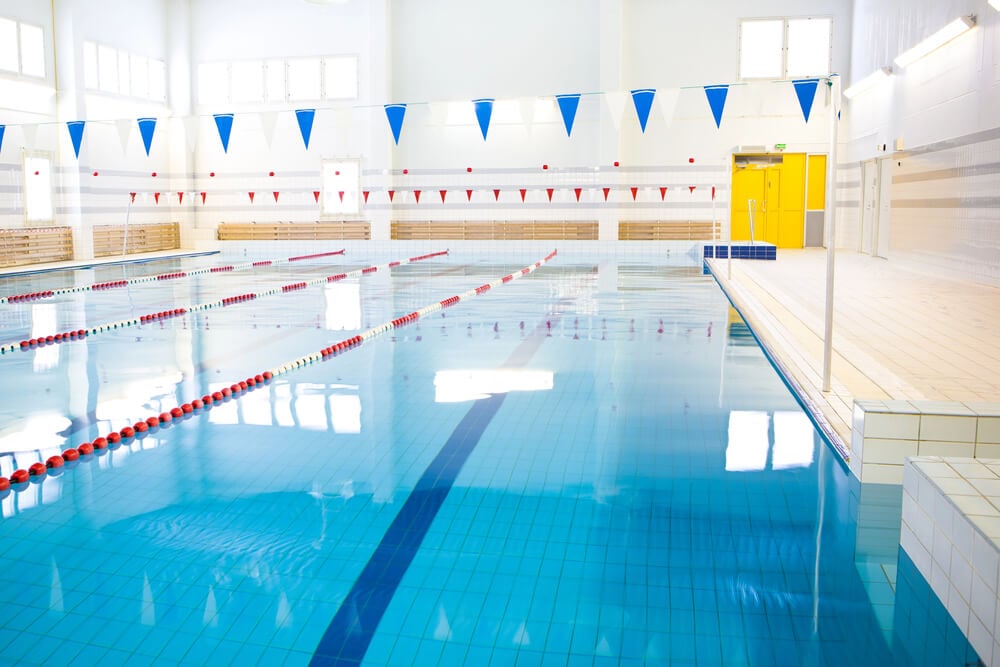
Fairground Park in St. Louis opened its pool to Black swimmers on June 21, 1949, after the city said it would no longer enforce segregation at public pools. A mob estimated in the thousands gathered, and Black swimmers were beaten and chased from the park.
The pool reopened under tension, and the episode became one of the best-known examples of violence over the integration of American public swimming facilities.
Glen Echo Park and the Crystal Pool
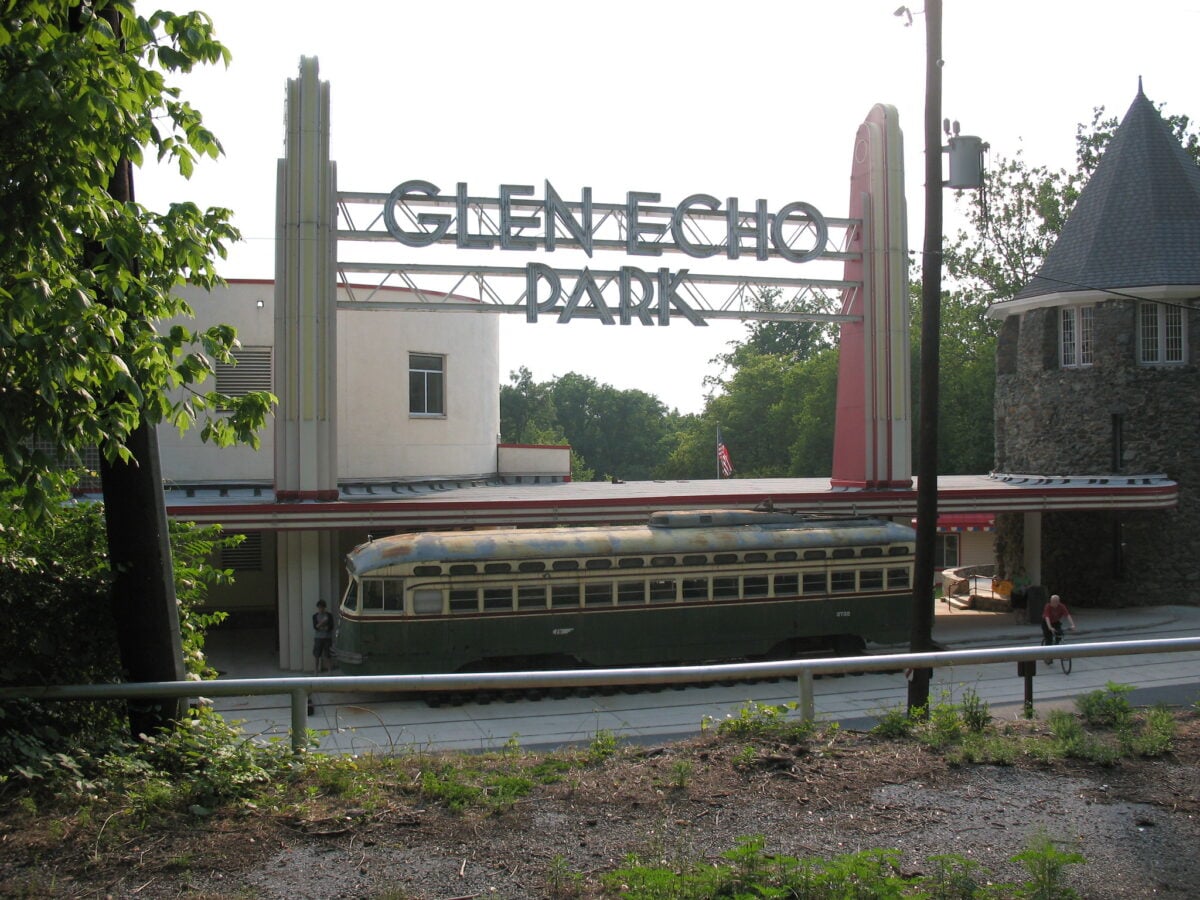
Glen Echo Park in Maryland, an amusement park outside Washington, DC, was segregated until 1961, and its Crystal Pool was one of its main attractions. Howard University students staged a carousel sit-in in June 1960, a protest that helped end the policy.
The park closed as a commercial amusement park in 1968 and is now a National Park Service site for arts and culture.
Monson Motor Lodge, June 18, 1964
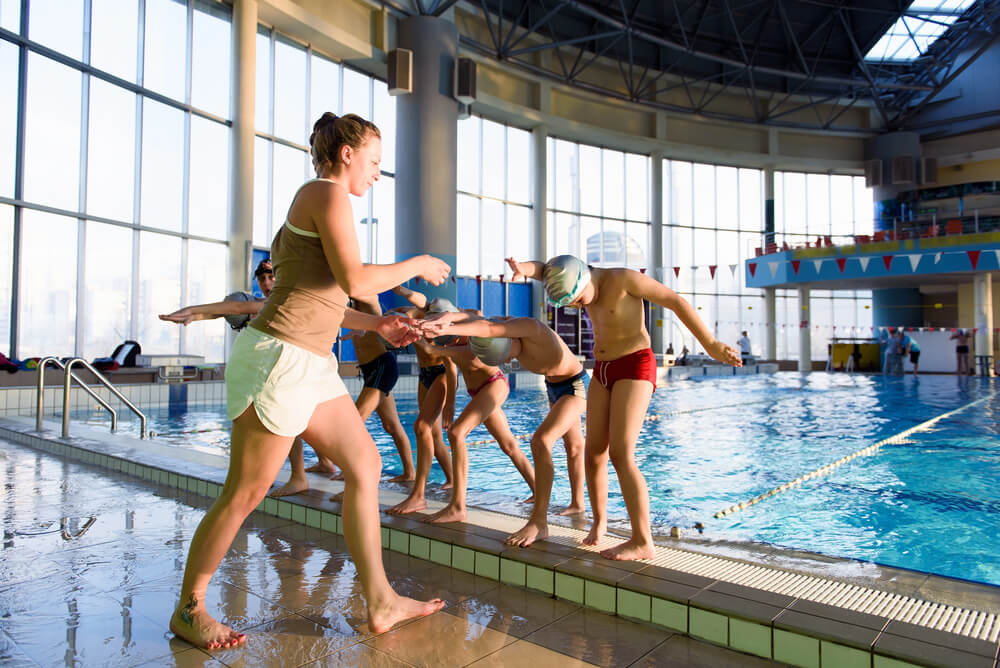
Manager James Brock of the Monson Motor Lodge in St. Augustine, Florida, poured muriatic acid into the motel pool on June 18, 1964, while Black and white activists swam in it. The Associated Press photographer Horace Cort captured the scene, and the image ran in newspapers as Congress debated the Civil Rights Act, which President Lyndon Johnson signed on July 2.
A police officer also jumped into the water to arrest swimmers.
Jackson, Mississippi, Drains the Argument
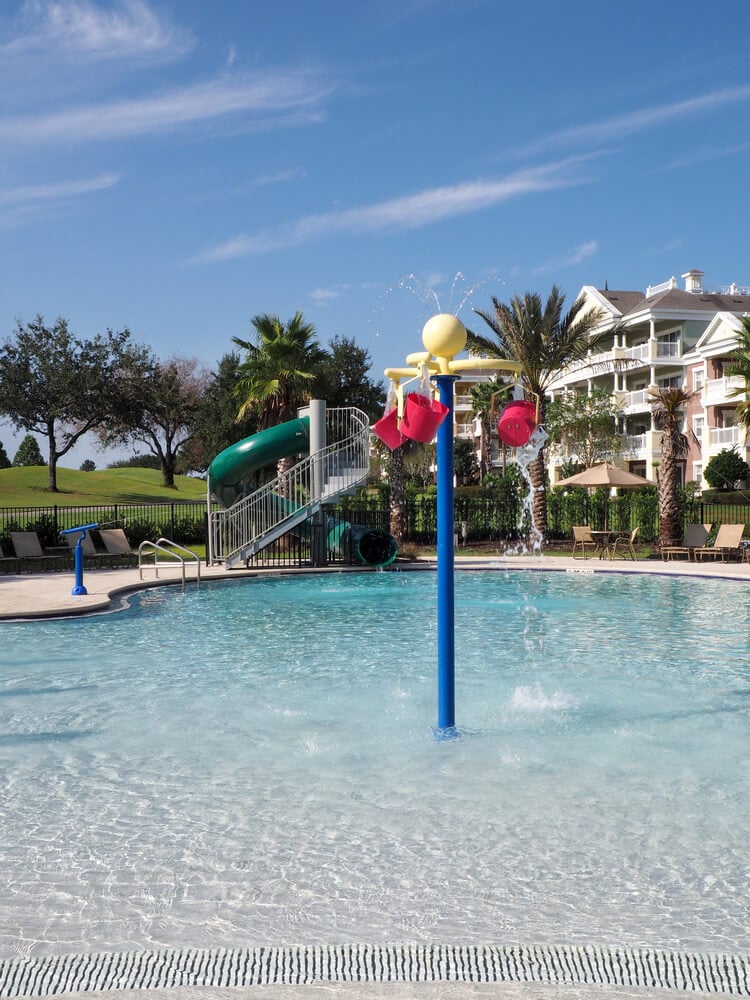
After a federal court ordered the integration of its public recreation facilities, Jackson, Mississippi, closed its public swimming pools instead. Black residents sued, and in Palmer v. Thompson in 1971 the Supreme Court ruled 5 to 4 that closing the pools did not violate the Constitution.
Justice Hugo Black wrote the majority opinion, reasoning that no one was being denied equal treatment once nobody could swim. The pools stayed closed to everyone.
What the Water Remembers
Each of these pools was built around the same promise: a shared place to cool off, open to the public. The photographs show how often that promise was broken, and also how often ordinary people kept swimming anyway.
A cliffside ruin, a restored spring, and a photograph of acid poured into a motel pool all belong to the same story. The pools that survive tend to be the ones people loved enough to rescue, and the ones that vanished left their record in pictures and court decisions.
Reading them side by side makes clear that a pool is never only a pool. It is a decision a community makes about who belongs, written in concrete, water, and sometimes in law.
More from Go2Tutors!

- 27 Silver Dollars and Half Dollars Worth Keeping
- 28 Restaurant Menu Items Nobody Orders Anymore
- 17 Places Built in Seemingly Impossible Spots
- 27 Vintage Rings Worth More Than They Look
- 25 Restricted Sites Tourists Can’t Enter
Like Go2Tutors’s content? Follow us on MSN.