29 Family Restaurant Desserts From the 1970s
The dessert menu at a family restaurant in the 1970s was often a laminated card with photographs faded by years of fluorescent light. Once it landed on the table, children began negotiating and parents began calculating how full everyone really was.
Many of these sweets still exist, but few arrive the way they once did: scooped, sliced, flambéed, or spooned from a glass dish at the end of a long Sunday meal.
Hot Fudge Sundae
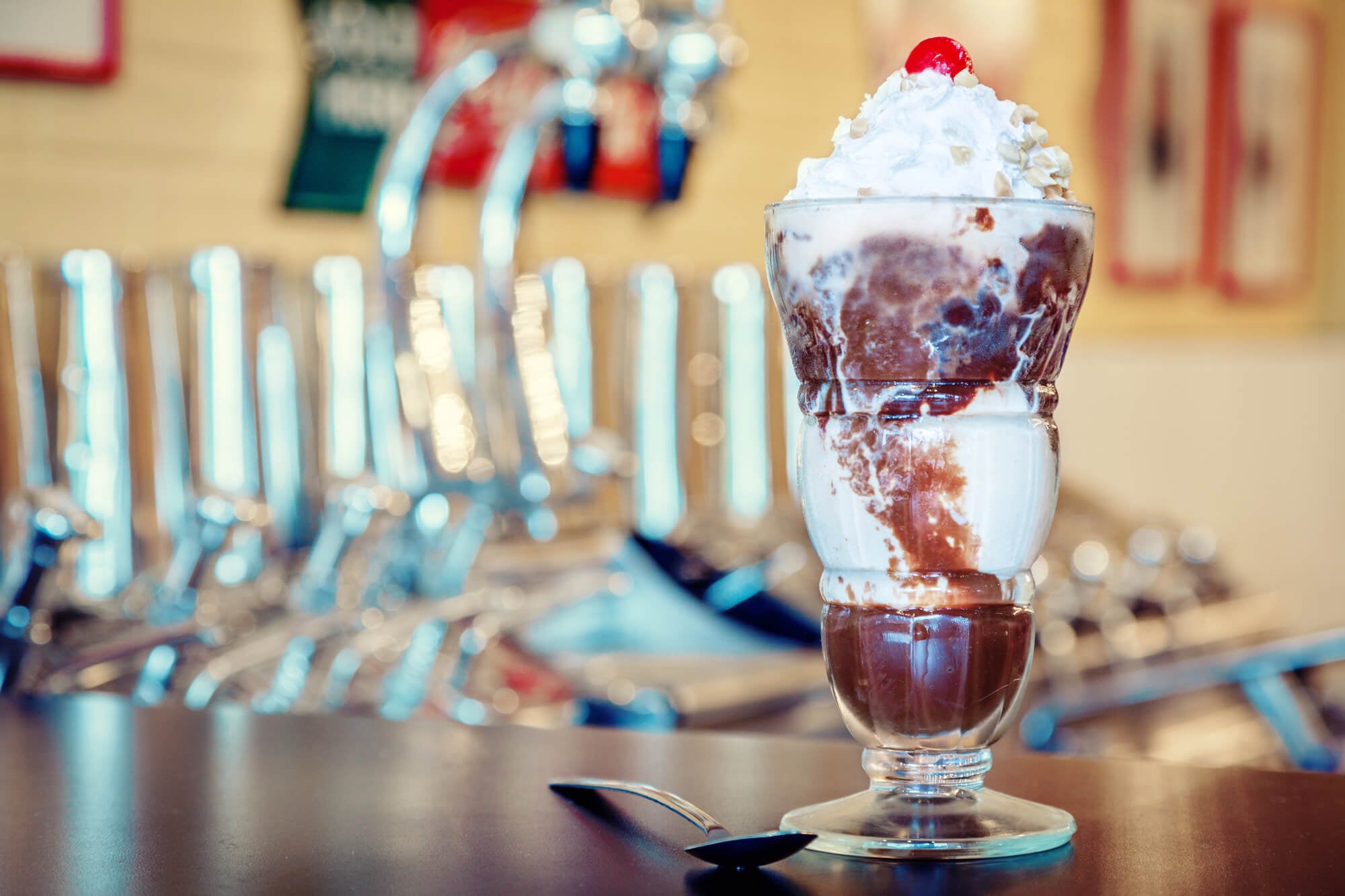
Vanilla ice cream, a ladle of warm fudge, whipped cream, chopped nuts, and a single maraschino cherry made up the standard build. The appeal came from temperature contrast, since the sauce was hot enough to melt the nearest scoop into a puddle within minutes.
Restaurants delivered it in a tulip-shaped glass with a long spoon that could reach the bottom.
Banana Split
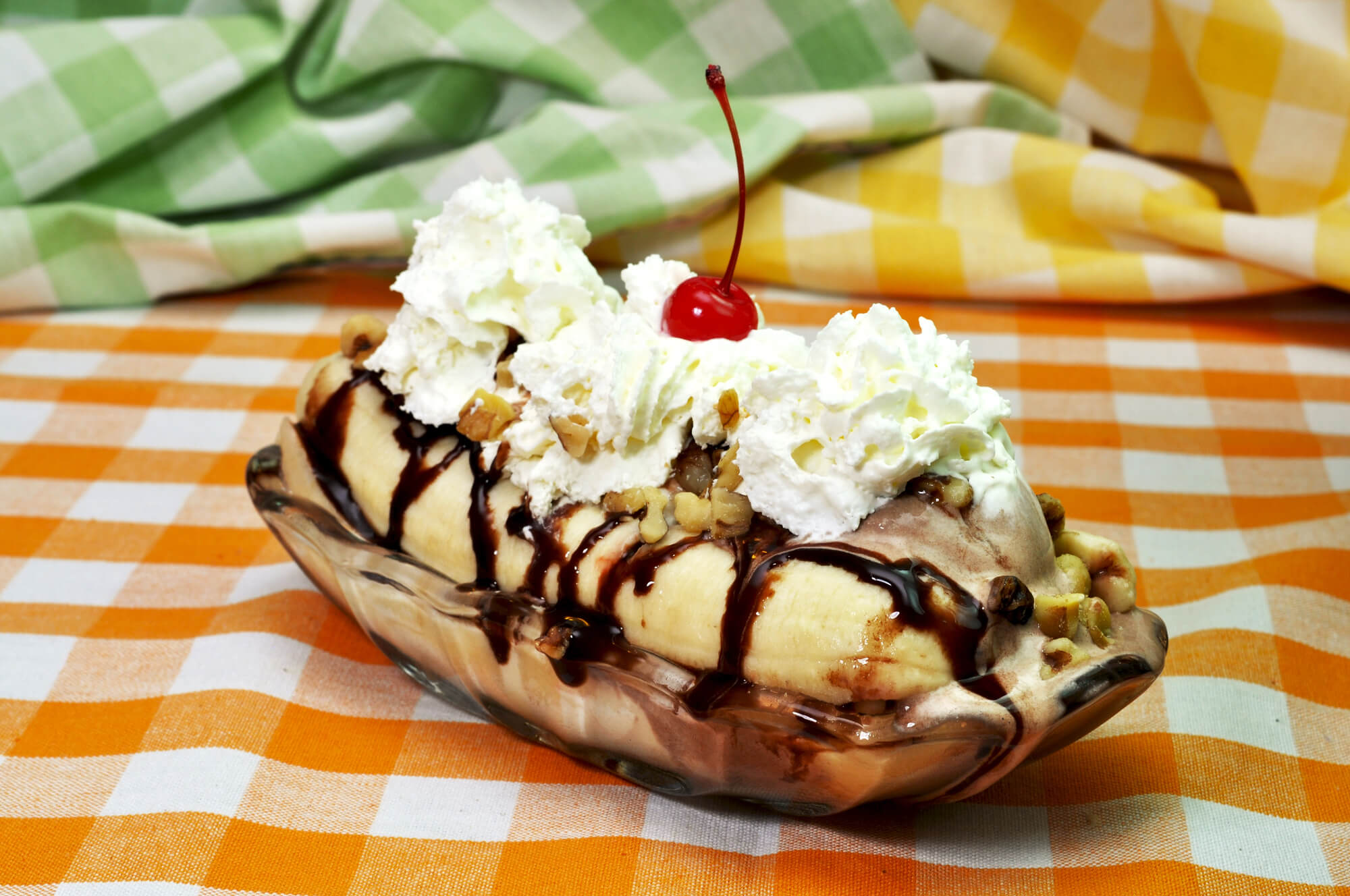
Credit for the banana split usually goes to David Strickler, a pharmacist’s apprentice in Latrobe, Pennsylvania, who is said to have built the first one in 1904. The classic version laid a split banana beside three scoops of ice cream, then covered them in pineapple, strawberry, and chocolate toppings.
Family restaurants served it in a long boat-shaped dish, which made it a shared centerpiece rather than a single portion.
Baked Alaska
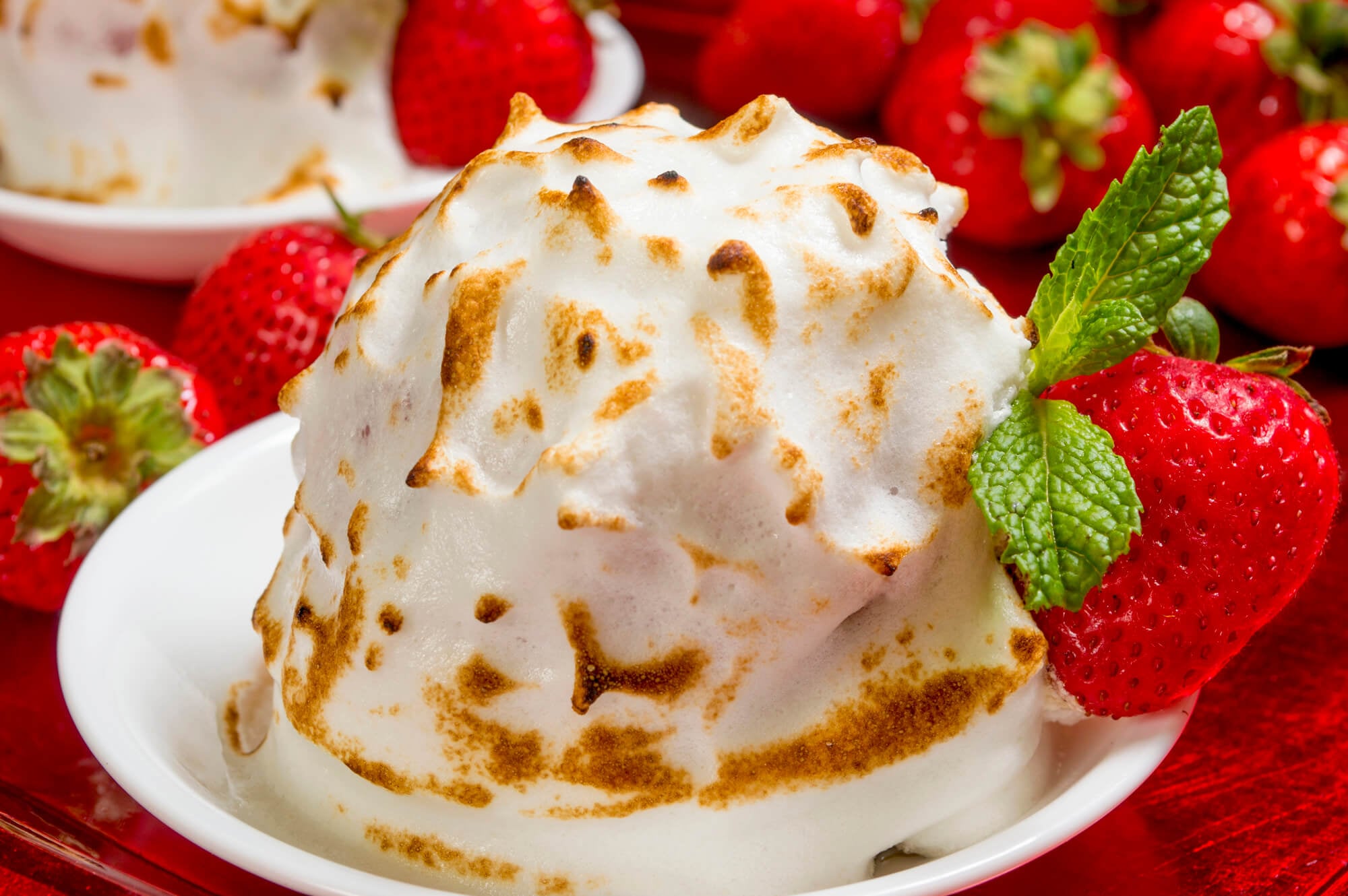
A slab of cake topped with ice cream and sealed under a thick coat of meringue, baked Alaska was browned in a very hot oven or under a torch just before serving. The meringue works as insulation, so the ice cream stays frozen inside even as the outside turns golden.
Its name is often linked to the 1867 purchase of Alaska, and Delmonico’s in New York is credited with an early version.
Cherries Jubilee
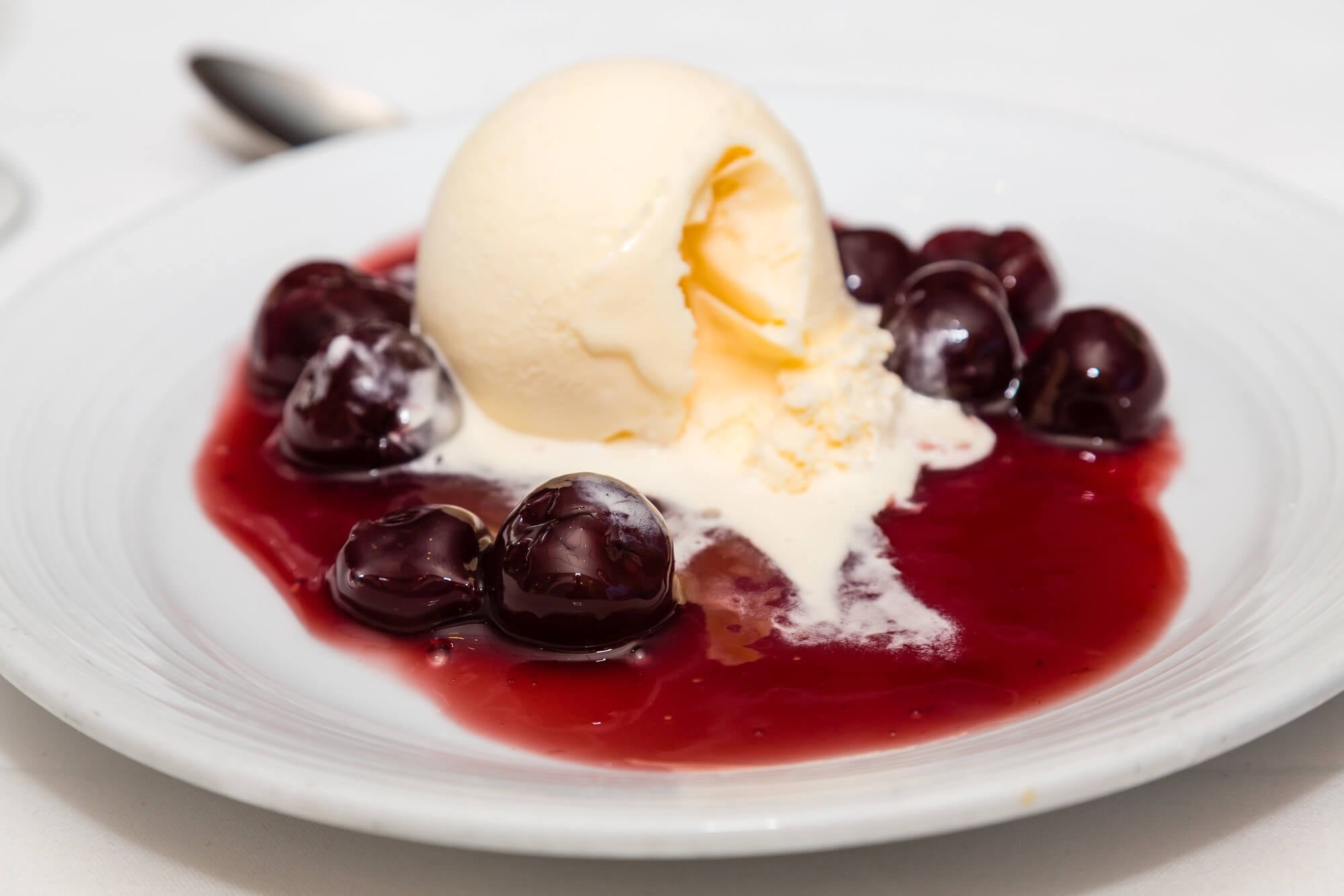
Dark cherries simmered in a sweet sauce, splashed with kirsch or brandy, and set alight at the table gave dinner a small piece of theater. The flame burned off much of the alcohol and left a syrup that was spooned over vanilla ice cream.
Auguste Escoffier is commonly credited with the dish, said to have been created for a celebration of Queen Victoria’s jubilee.
Bananas Foster
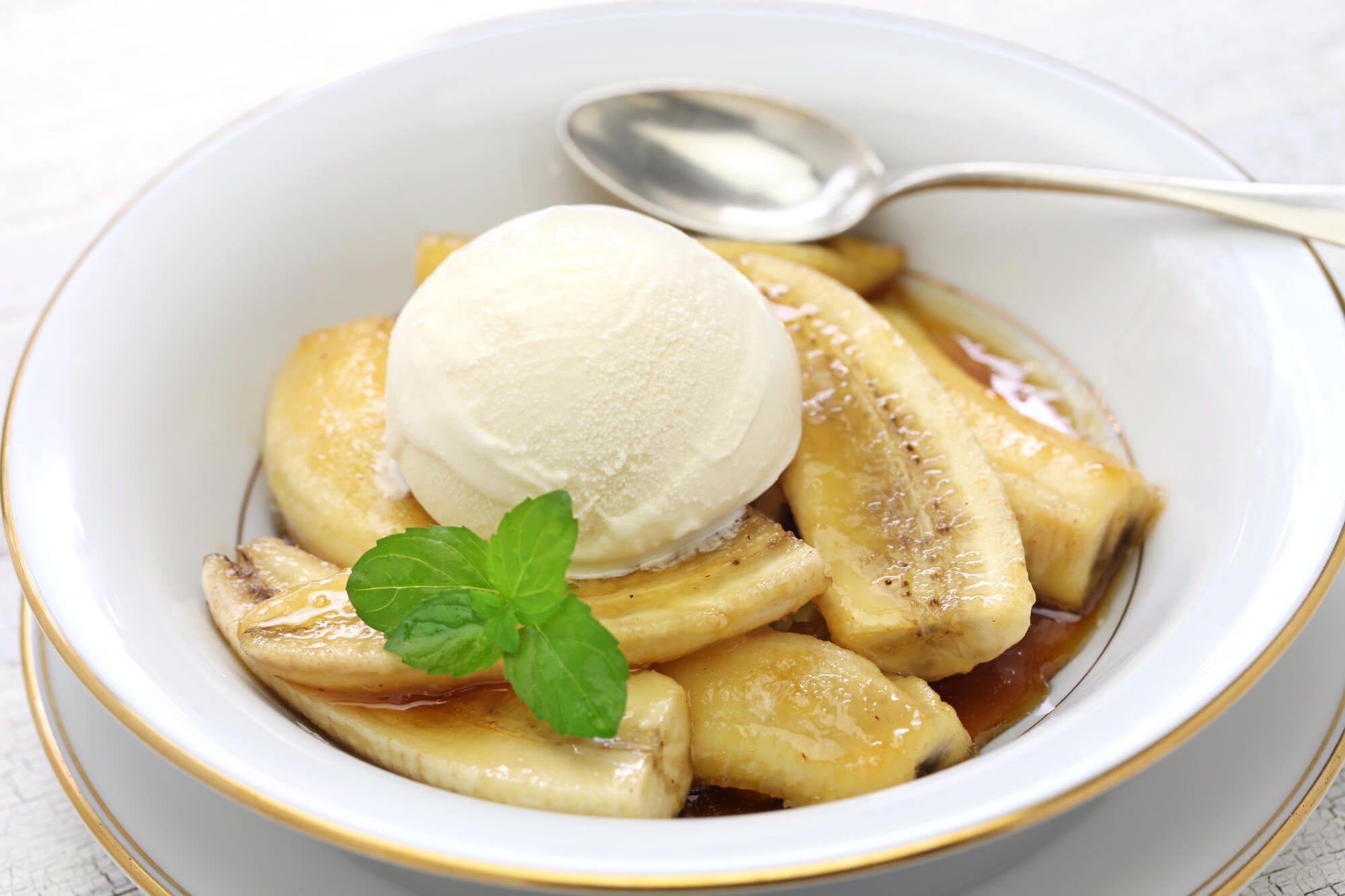
Bananas Foster was born at Brennan’s in New Orleans in 1951 and named for Richard Foster, a friend of the restaurant’s owner. Sliced bananas were cooked in butter, brown sugar, and cinnamon, then flamed with rum and banana liqueur and poured over ice cream.
By the 1970s, restaurants well outside Louisiana were copying the tableside routine.
Lemon Meringue Pie
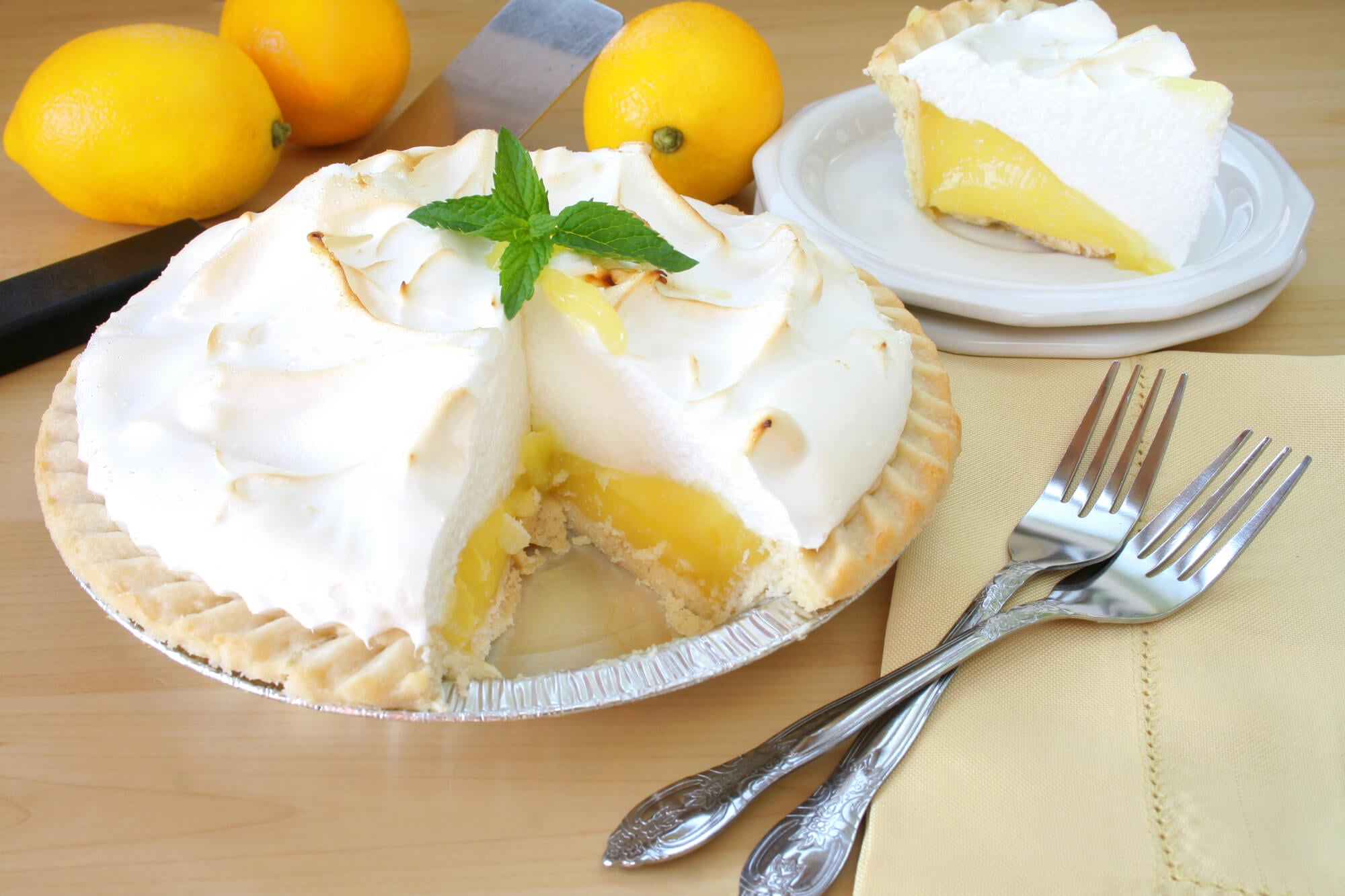
A tall wedge of lemon meringue pie, with peaks of browned egg white above a sharp yellow filling, was a fixture of the rotating dessert case. The balance depended on contrast, since the sweet, airy topping softened the pucker underneath.
On humid days the meringue often wept a thin layer of moisture, which cooks quietly accepted as part of the deal.
Boston Cream Pie
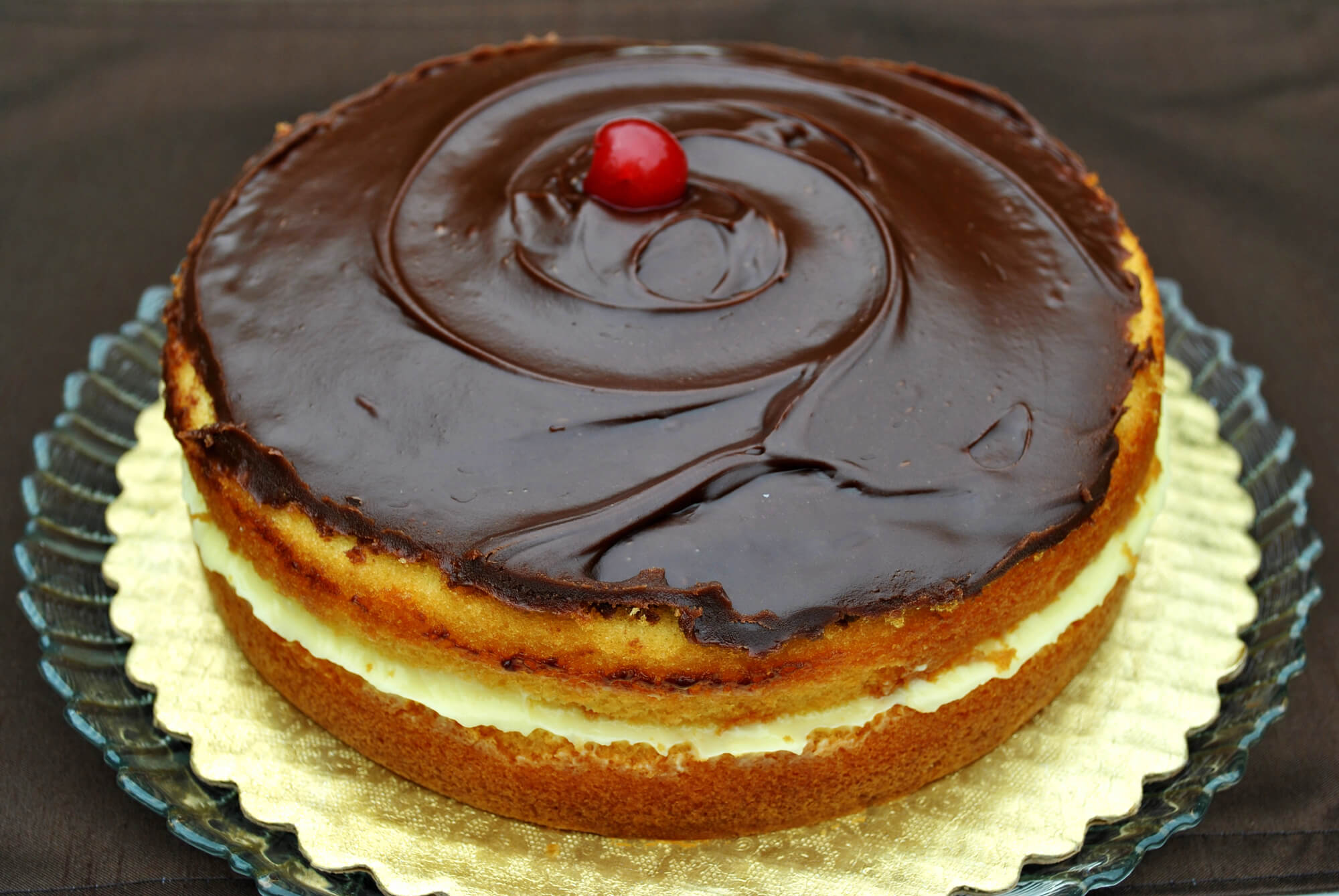
Despite the name, Boston cream pie is a cake, made of two layers of sponge around vanilla custard and finished with a chocolate glaze. Massachusetts named it the official state dessert in 1996, and the Parker House hotel in Boston is credited with popularizing it in the nineteenth century.
Restaurants of the 1970s typically served it chilled, which firmed up the custard.
Black Forest Cake
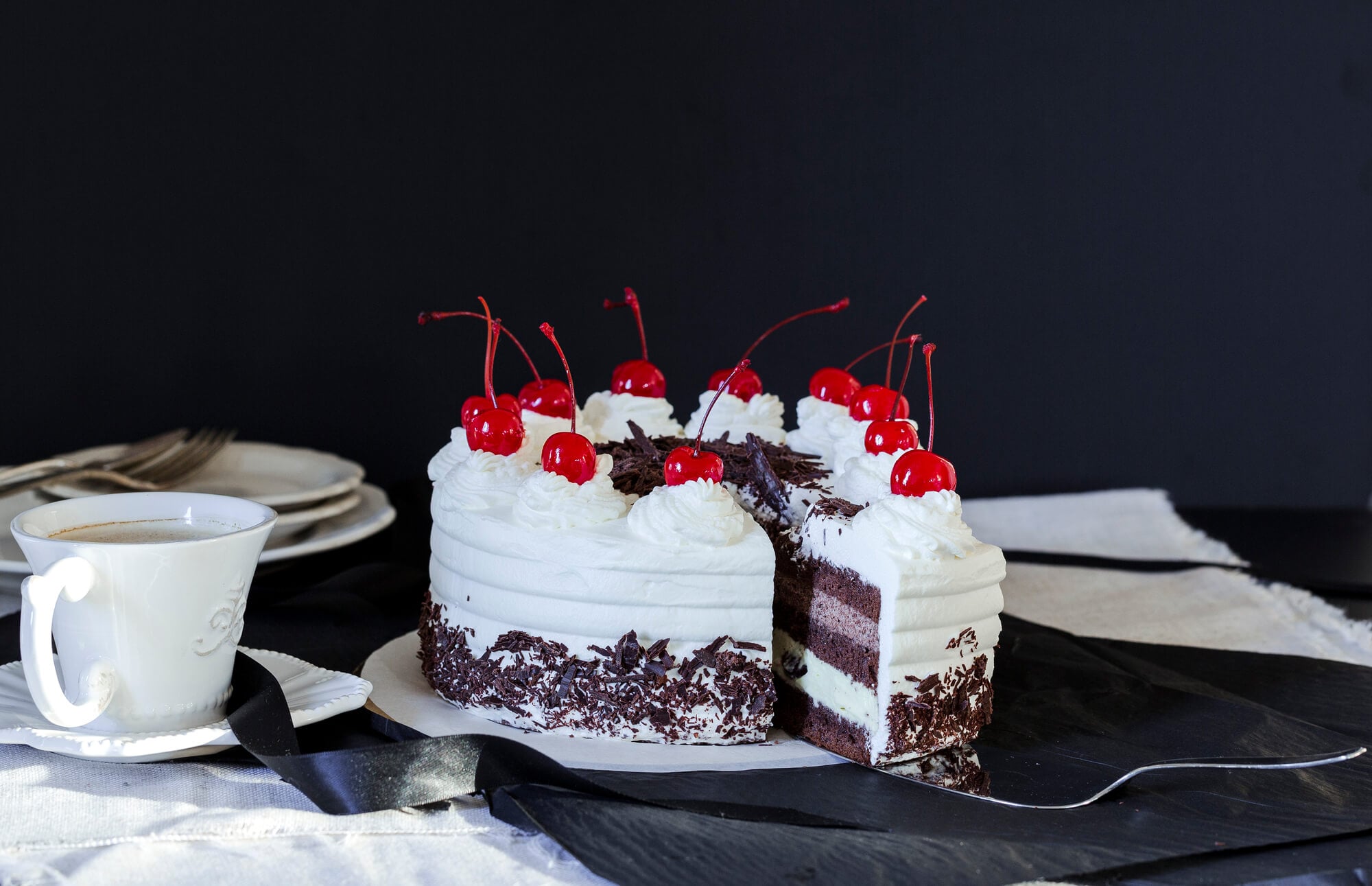
Chocolate sponge, whipped cream, and sour cherries soaked in kirsch are layered together in this German import, named for the region where cherry brandy is a local specialty. The top was crowned with chocolate shavings and a ring of intact cherries.
It arrived in American restaurants as a sign of elegance, sliced thick enough to stand up on its own.
German Chocolate Cake
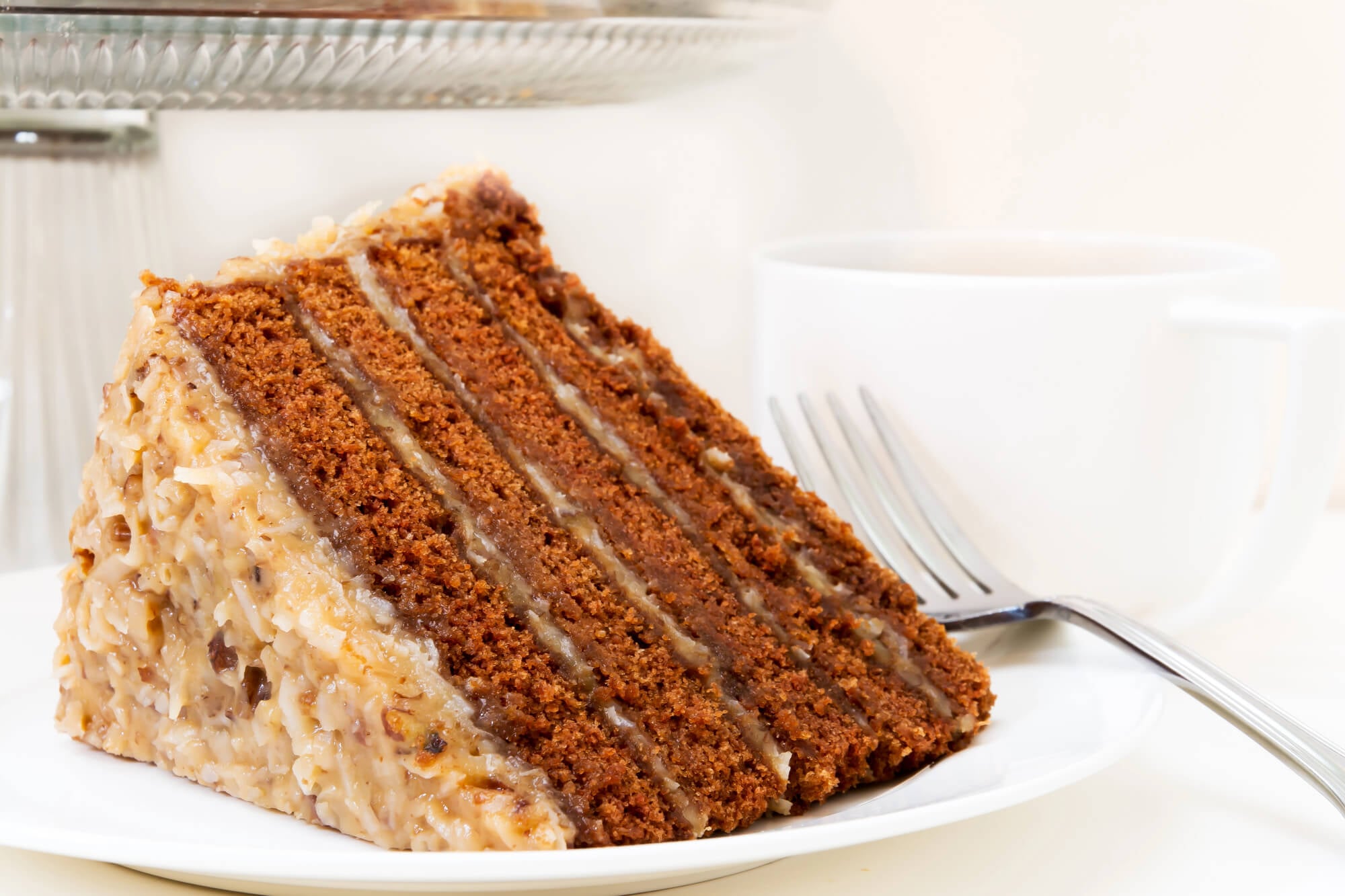
German chocolate cake has no real link to Germany. It takes its name from Samuel German, who developed a sweet baking chocolate in the 1850s, and a recipe using that chocolate appeared in a Dallas newspaper in 1957.
The signature feature is a gooey topping of coconut and pecans cooked in evaporated milk and egg yolks.
Carrot Cake
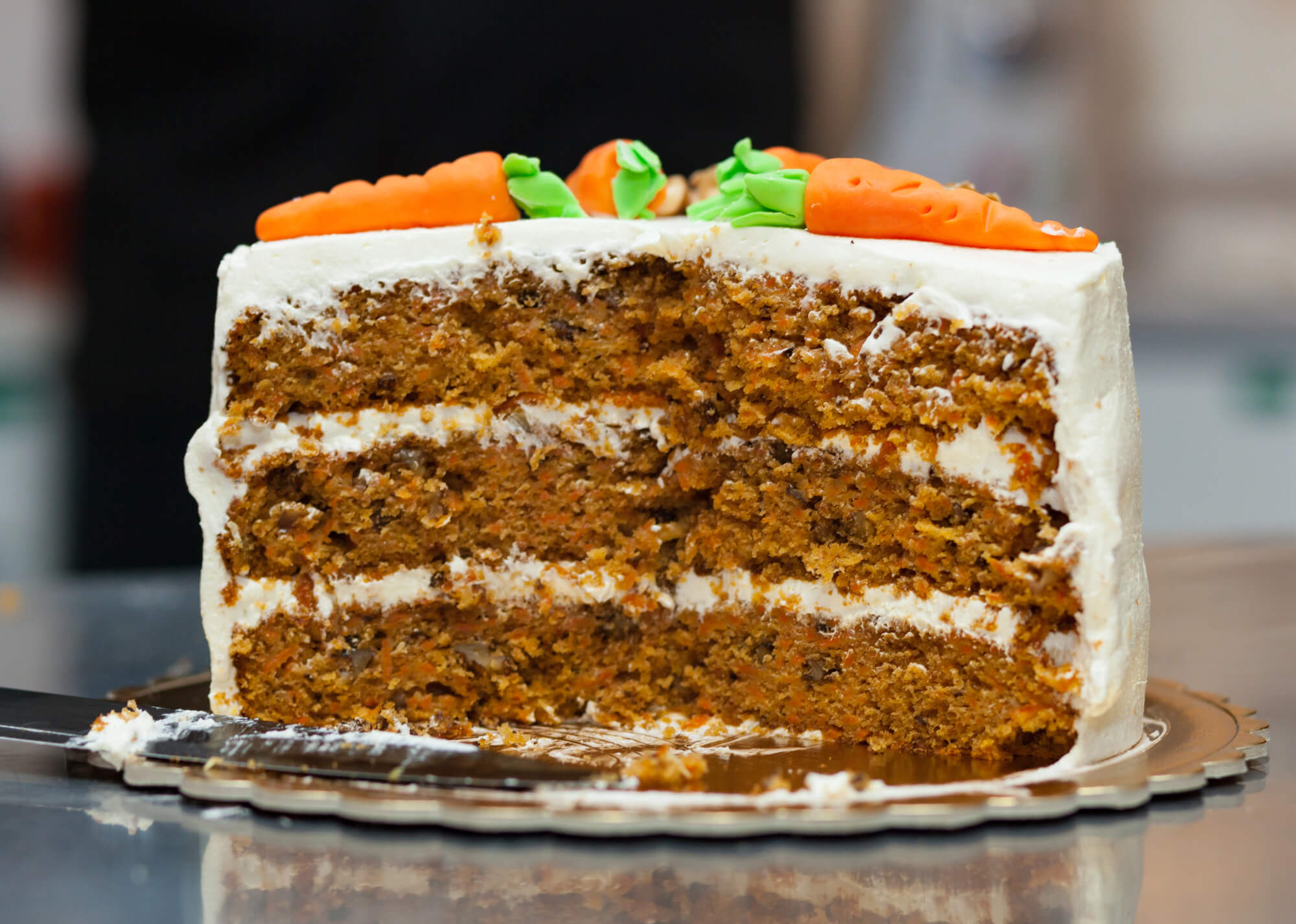
Carrot cake climbed in popularity through the 1970s, helped along by an era that liked any dessert that seemed at least a little good for you. Grated carrots kept the crumb moist, walnuts or crushed pineapple added texture, and a thick layer of cream cheese frosting held the layers together.
Restaurants served it as a way to let diners feel slightly virtuous about dessert.
New York Cheesecake
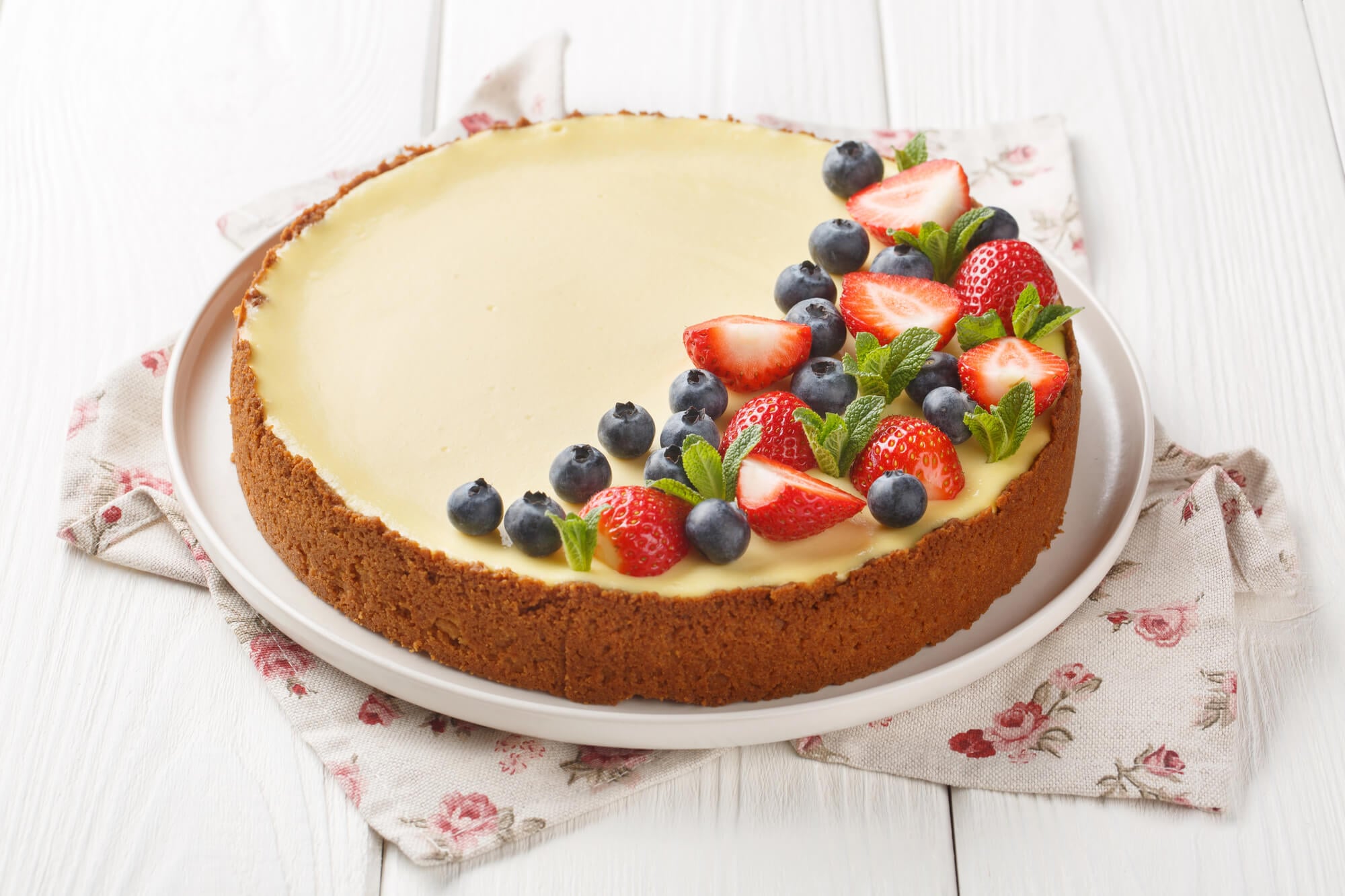
The dense, tall style of New York cheesecake relies on cream cheese rather than the lighter farmer cheese used in older European recipes. It was baked on a thin graham cracker crust and often topped with strawberries or cherries from a can.
Diners and steakhouses across the country served it by the slice, and a good one showed barely any browning on top.
Key Lime Pie
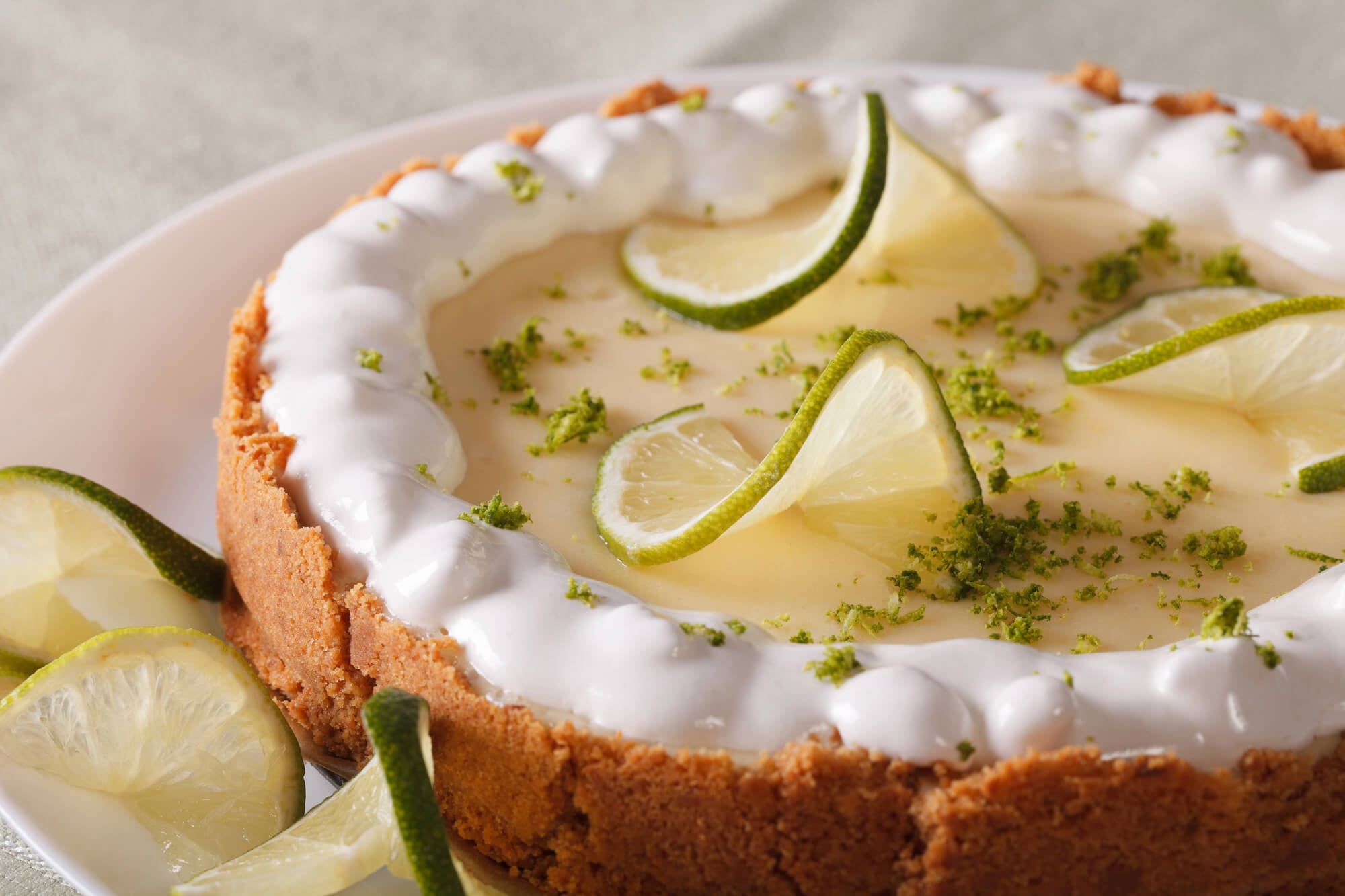
A true Key lime pie gets its filling from swerietened condensed milk, egg yolks, and the juice of small, aromatic limes from the Florida Keys. The acid in the juice thickens the mixture, which is why the filling is pale yellow rather than green.
Restaurants outside Florida sometimes cheated with food coloring, a sign of how customers expected it to look.
Pecan Pie
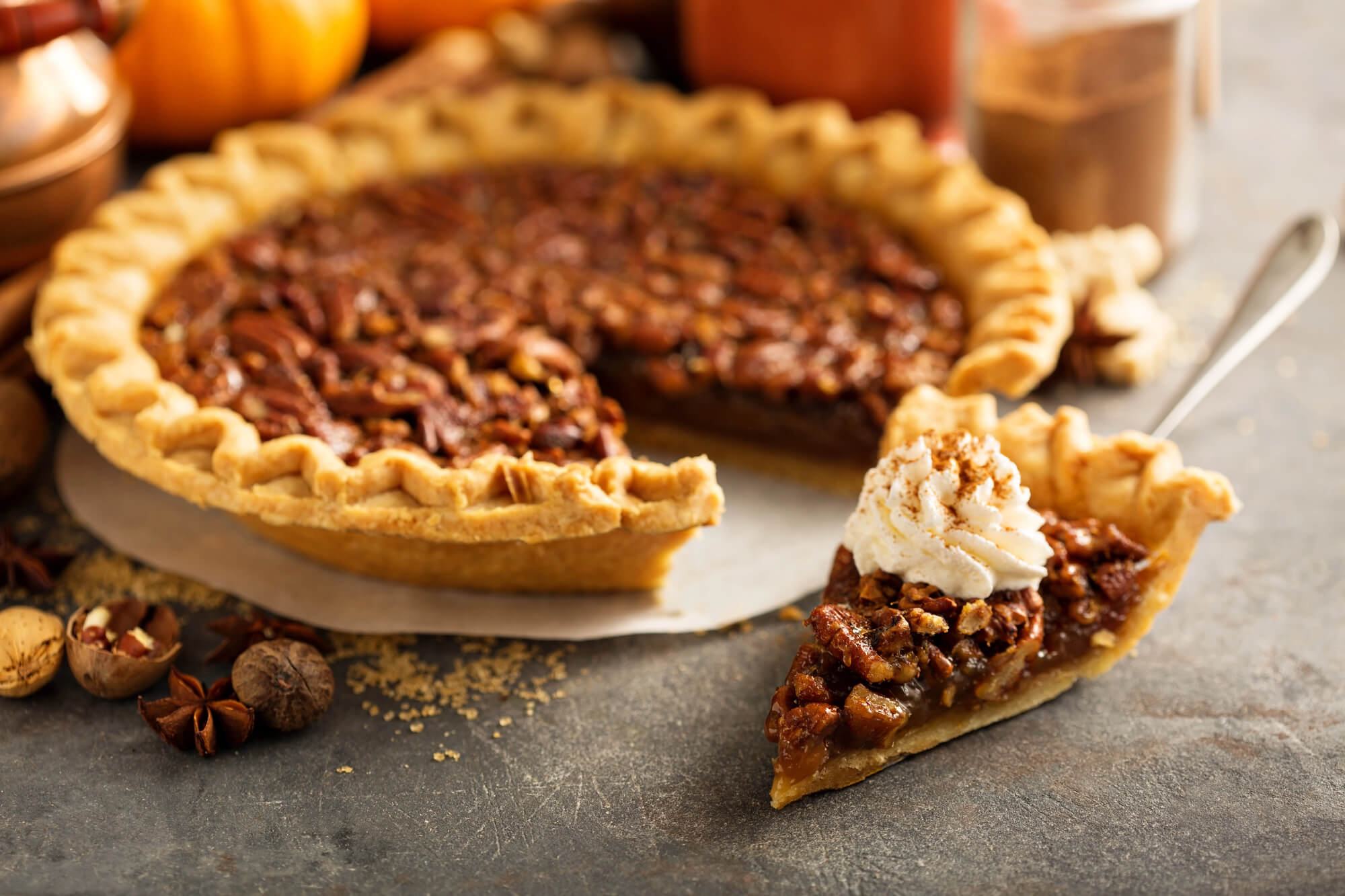
Pecan pie holds its shape because eggs and corn syrup set into a sticky custard around a layer of toasted nuts that rises to the top. Corn syrup, a staple of the mid-century pantry, gave the filling its glossy, caramel-like texture.
It was best served warm with a scoop of vanilla ice cream, which turned each slice into a sweet puddle.
Pineapple Upside-Down Cake
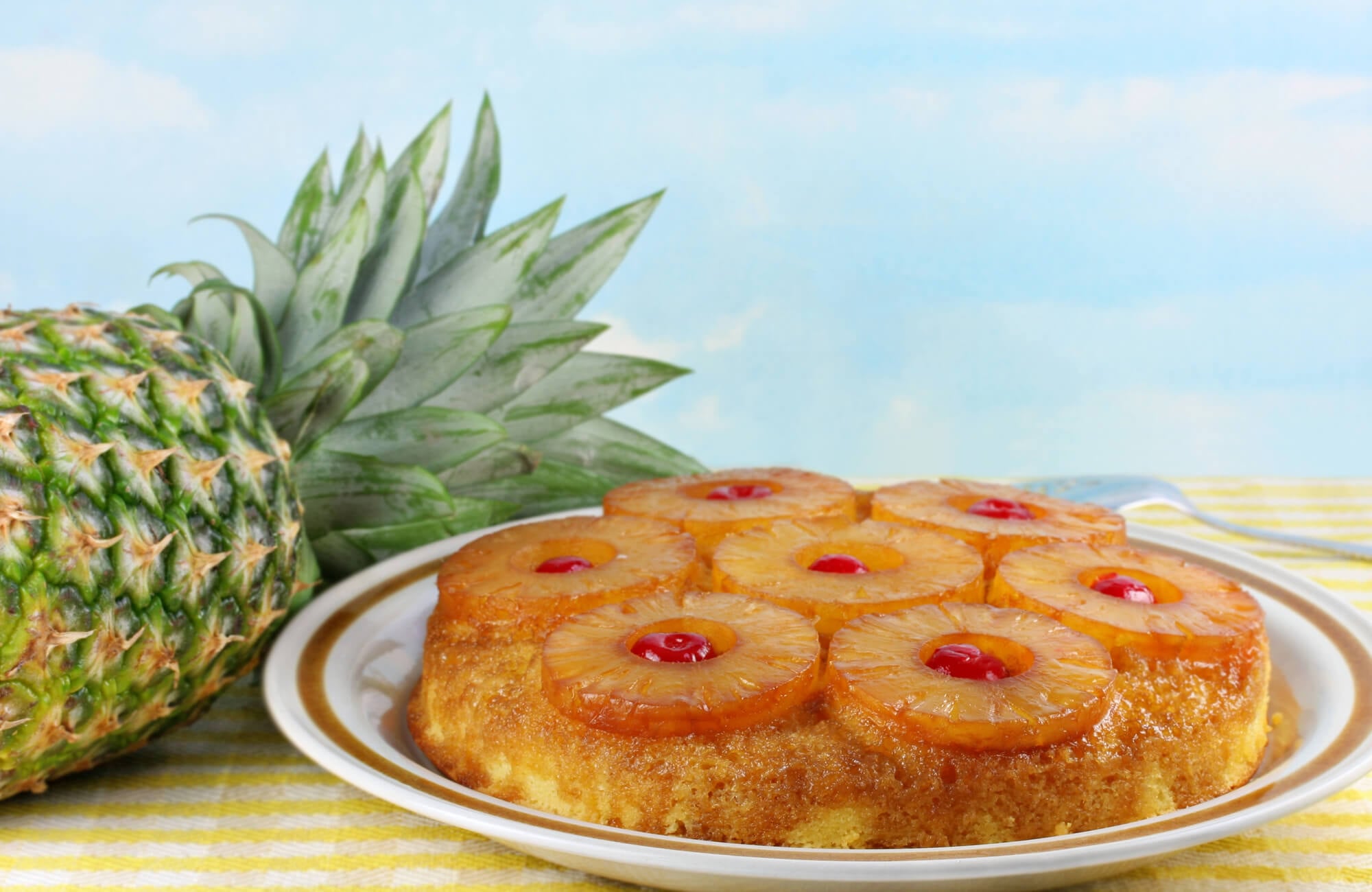
Rings of canned pineapple and maraschino cherries sat at the bottom of a pan in melted butter and brown sugar, then were covered in batter and baked. After baking, the cake was flipped, revealing a glistening, jewel-like surface.
It was a pantry-friendly dessert that made canned fruit look impressive.
Strawberry Shortcake
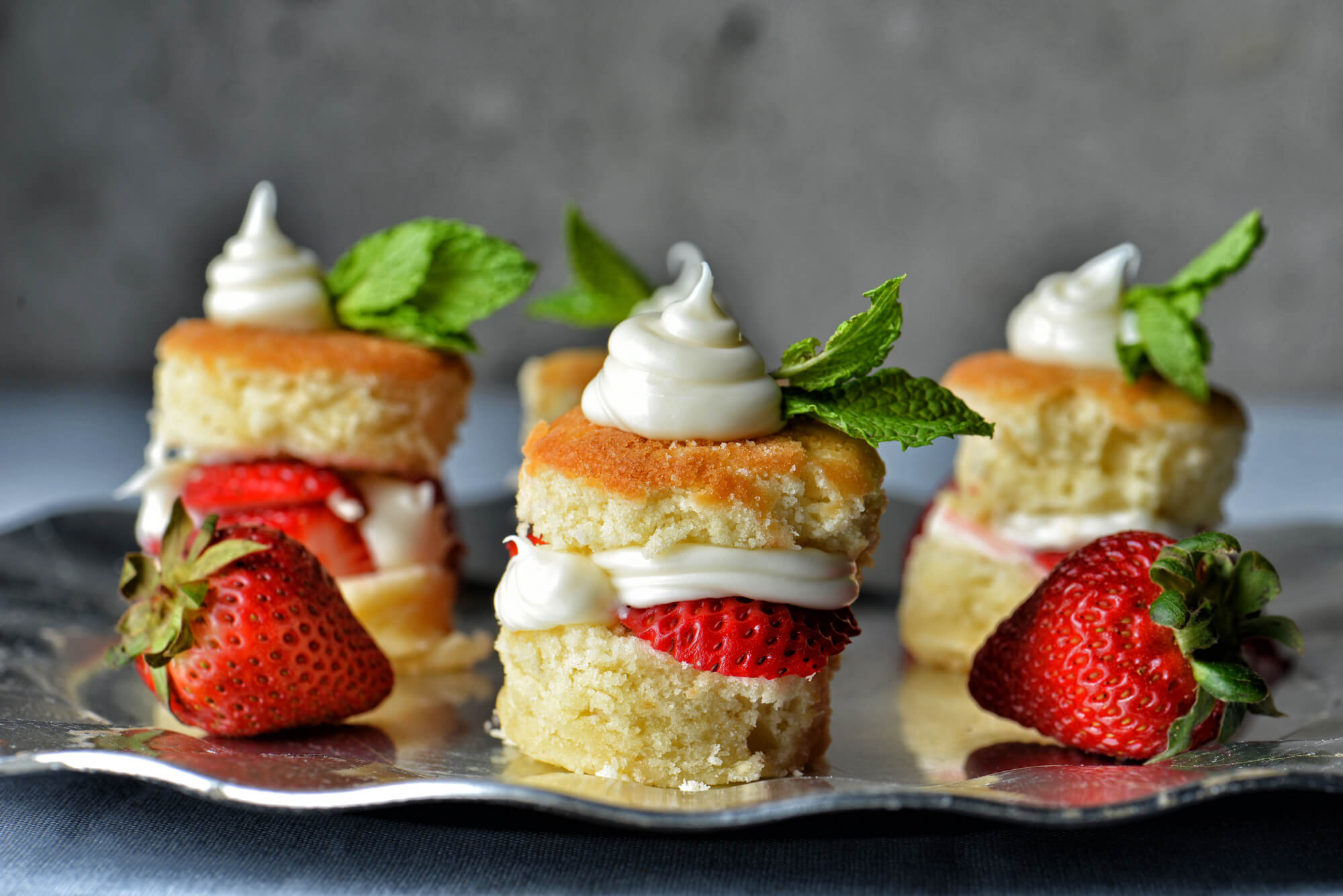
Strawberry shortcake could mean either a split biscuit or a slice of sponge cake, with berries and whipped cream between the layers. The strawberries were soaked in sugar so they released a ruby syrup that sank into the base.
Diners tended to hold strong opinions about which version counted as the real one.
Rice Pudding
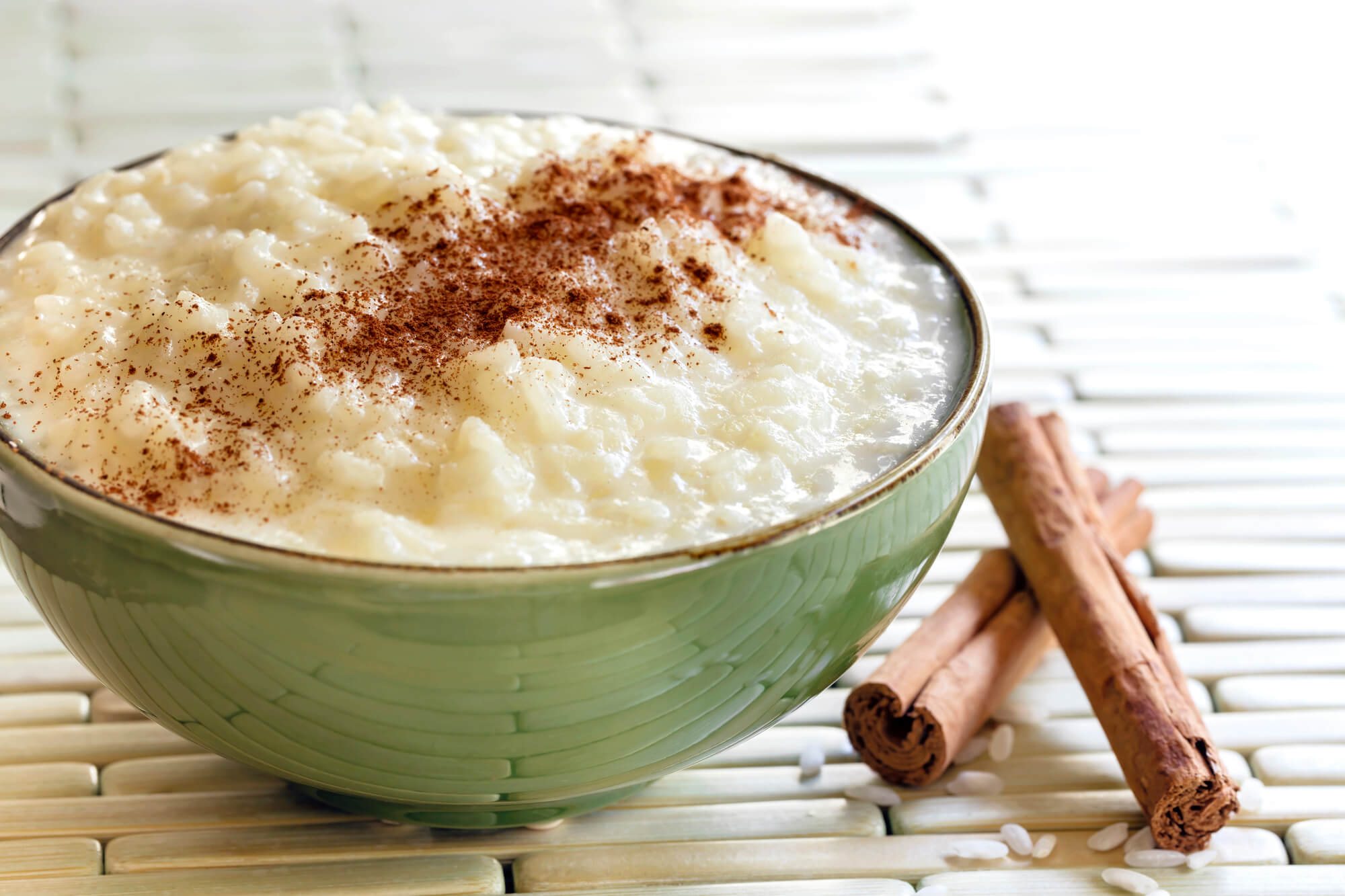
Rice, simmered slowly in milk, sugar, and vanilla and often dusted with cinnamon and sometimes studded with raisins, made rice pudding the humble comfort option. It was served in small glass cups, either warm or cold, and cost very little to make in large batches.
The starch released by the grains gives it a creamy texture without any added thickener.
Tapioca Pudding
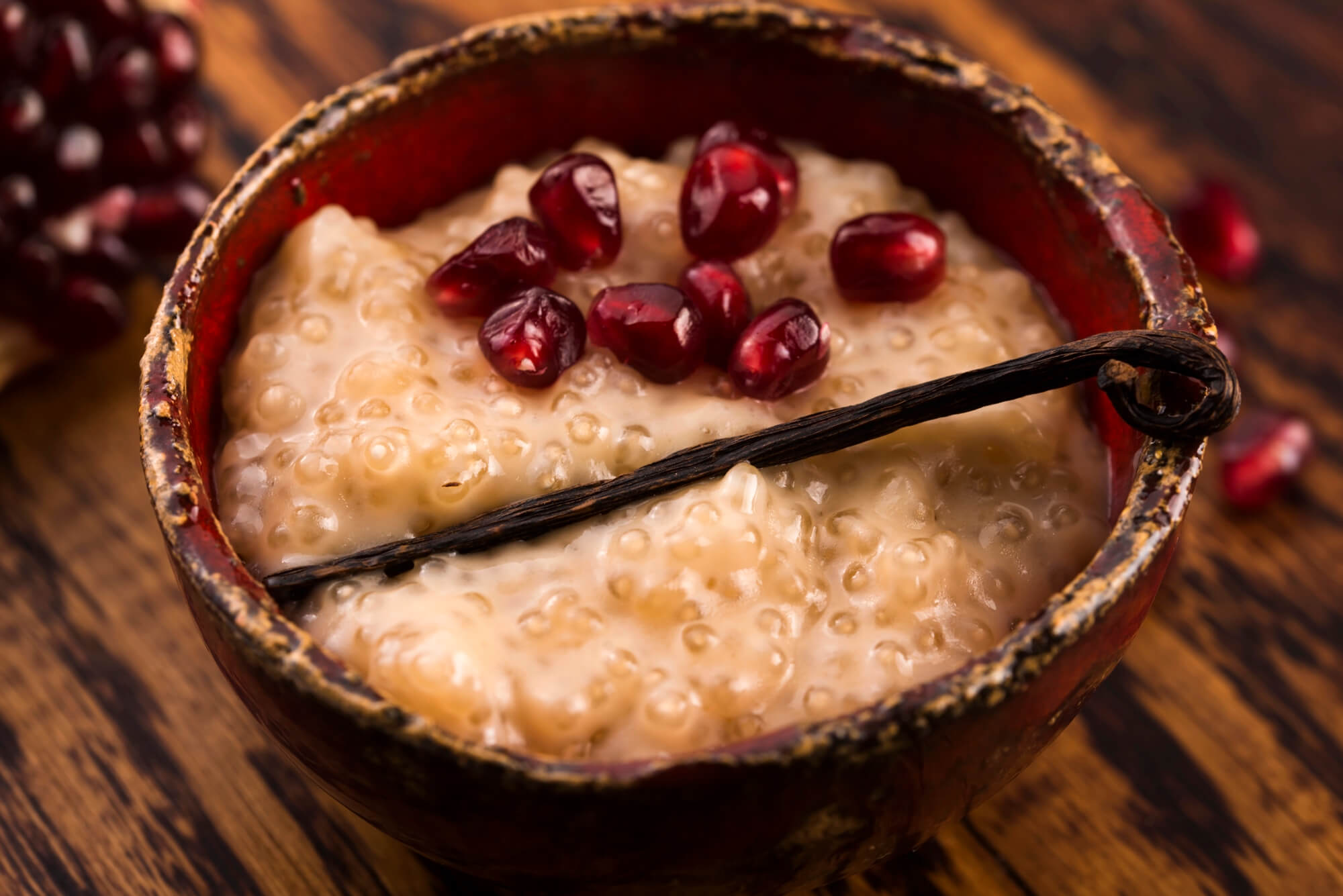
Tapioca pudding gets its texture from small pearls made of cassava starch, which swell and turn translucent as they cook in sweetened milk. Children often called it frog eggs, a nickname that did nothing to dent its popularity at lunch counters.
The best versions stayed smooth and cloudy with a hint of vanilla and a light skin on top.
Bread Pudding
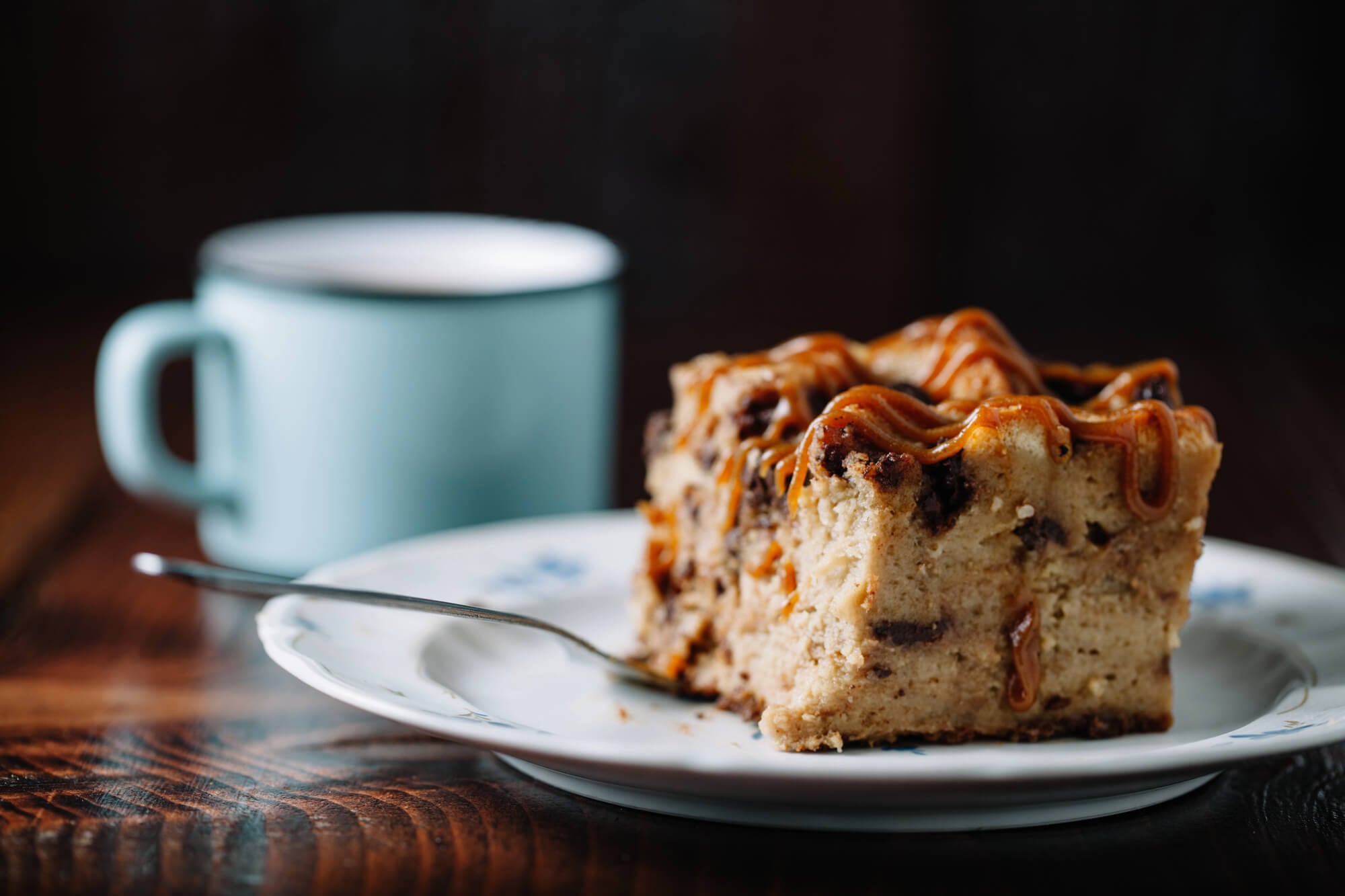
Stale bread soaked in a custard of milk, eggs, sugar, and spices bakes into a soft, sticky dessert that began as a way to avoid wasting leftovers. Raisins and cinnamon were typical additions, and a pour of warm vanilla or bourbon sauce usually finished it in southern kitchens.
Restaurants valued it because day-old bread cost almost nothing.
Peach Cobbler
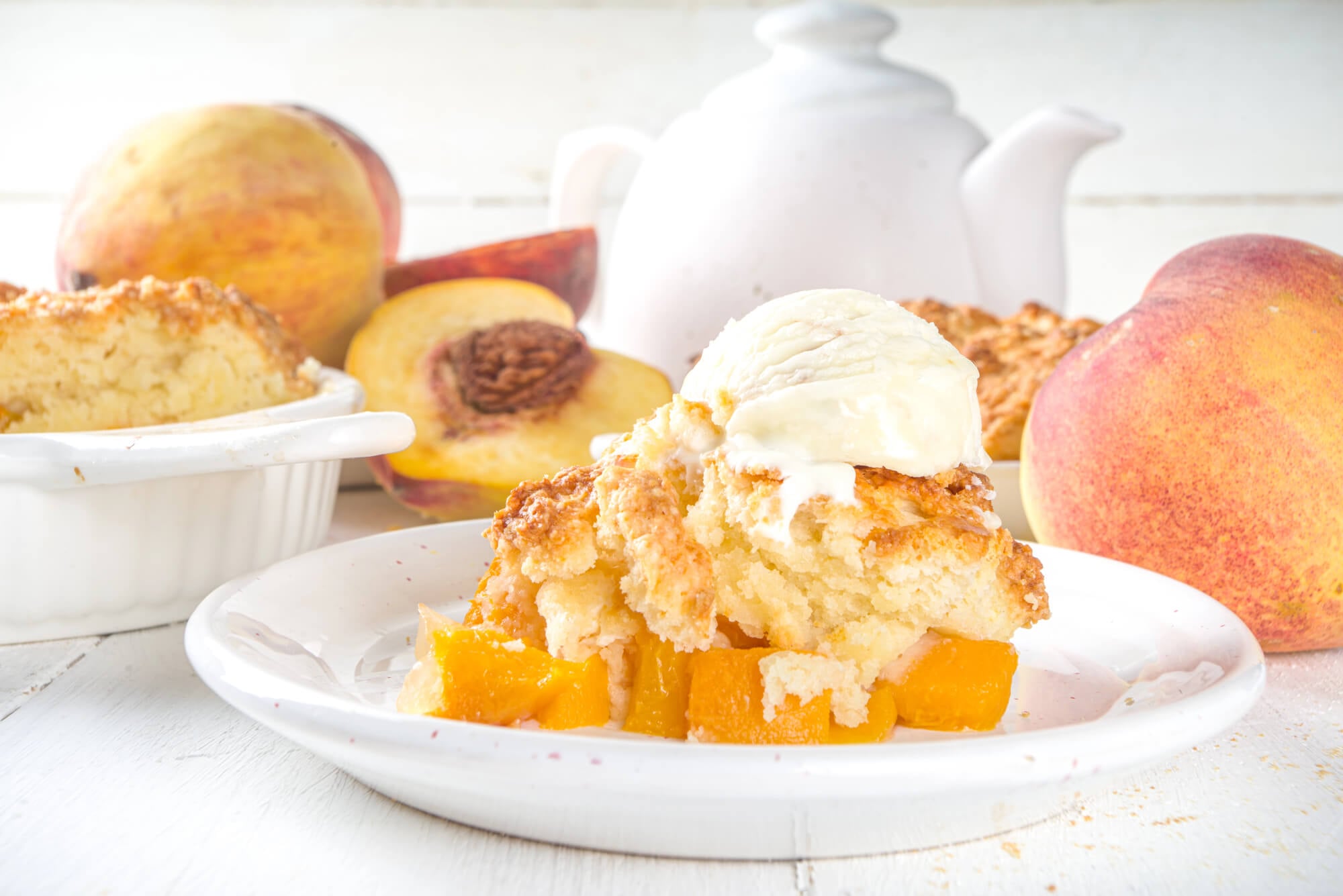
A cobbler differs from a pie in that the fruit is the star and the crust is a rough, biscuit-like cover instead of a neat shell. Peach cobbler baked until the juices bubbled up around the edges, and it was served in a bowl rather than on a plate.
A scoop of vanilla ice cream melting into the warm syrup was nearly required.
Rainbow Sherbet
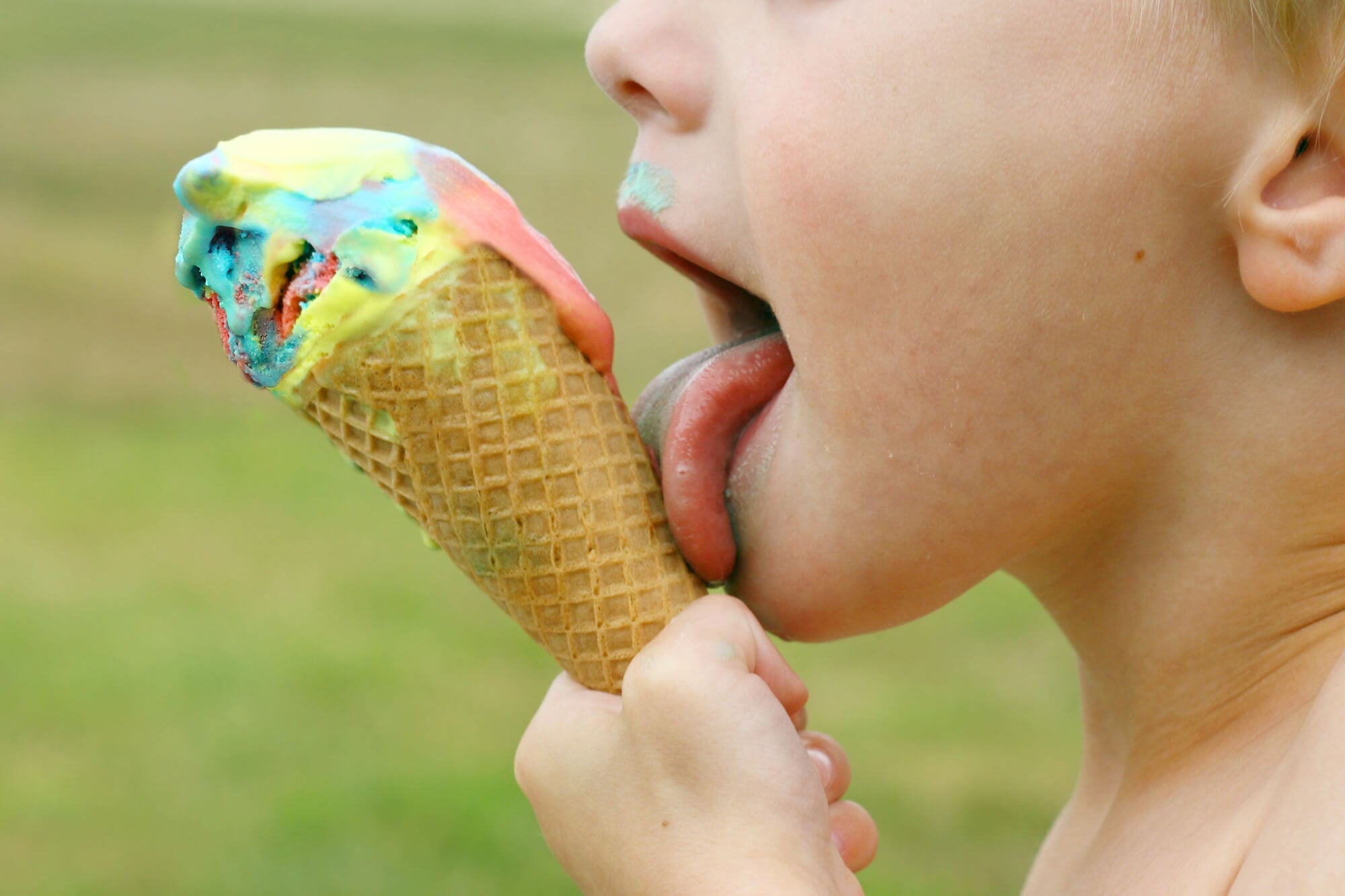
Rainbow sherbet combined orange, lime, and raspberry flavors in a single carton, and restaurants scooped all three together into a swirled mound. Sherbet differs from ice cream in its low dairy content, since federal rules set its milkfat at just 1 to 2 percent.
That lighter body made it the sensible-sounding choice after a heavy meal.
Spumoni
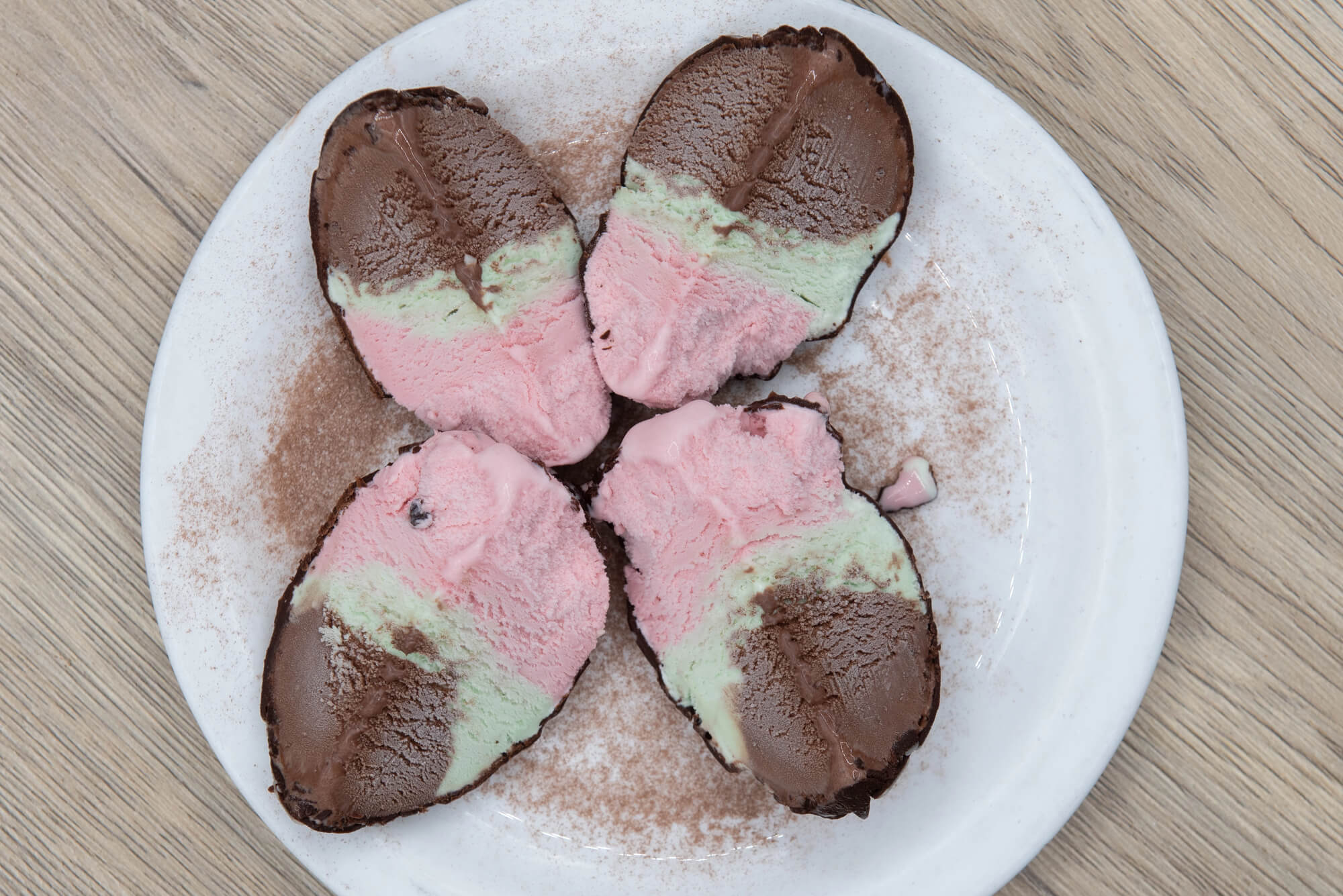
Spumoni is an Italian frozen dessert made of layers of different-colored ice cream, typically pistachio, cherry, and chocolate, along with candied fruit and nuts. It came to American restaurants through Italian immigrant communities, and a slice looked like a striped brick on the plate.
Red-sauce restaurants made it the default finish to a plate of spaghetti.
Neapolitan Ice Cream
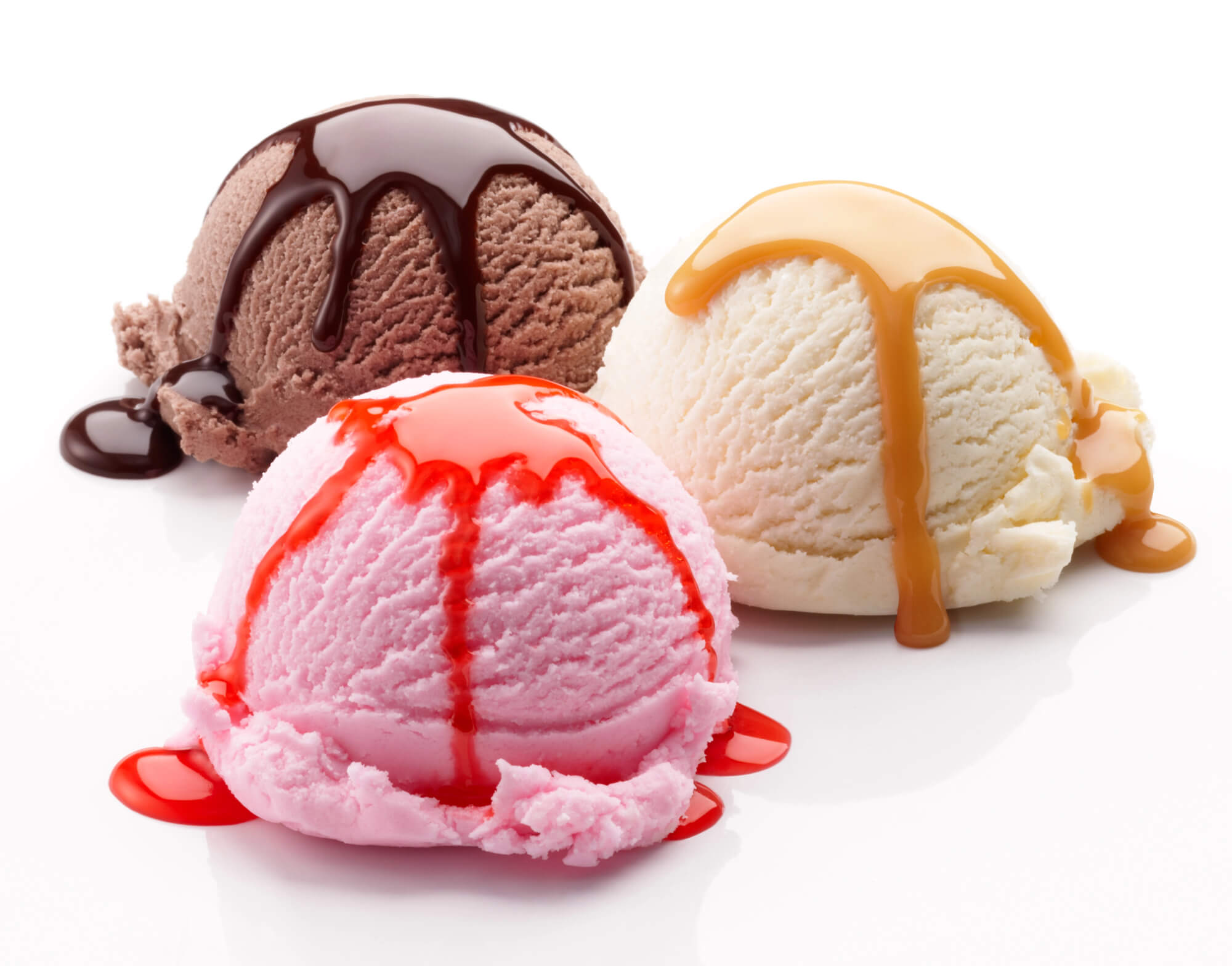
Chocolate, vanilla, and strawberry sit side by side in a brick of Neapolitan ice cream, an arrangement that made it a diplomatic choice for families who could not agree on a flavor. The name nods to Naples, where Italian ice cream makers had long been admired.
Servers sliced or scooped across all three stripes so each bowl got a taste of everything.
Root Beer Float
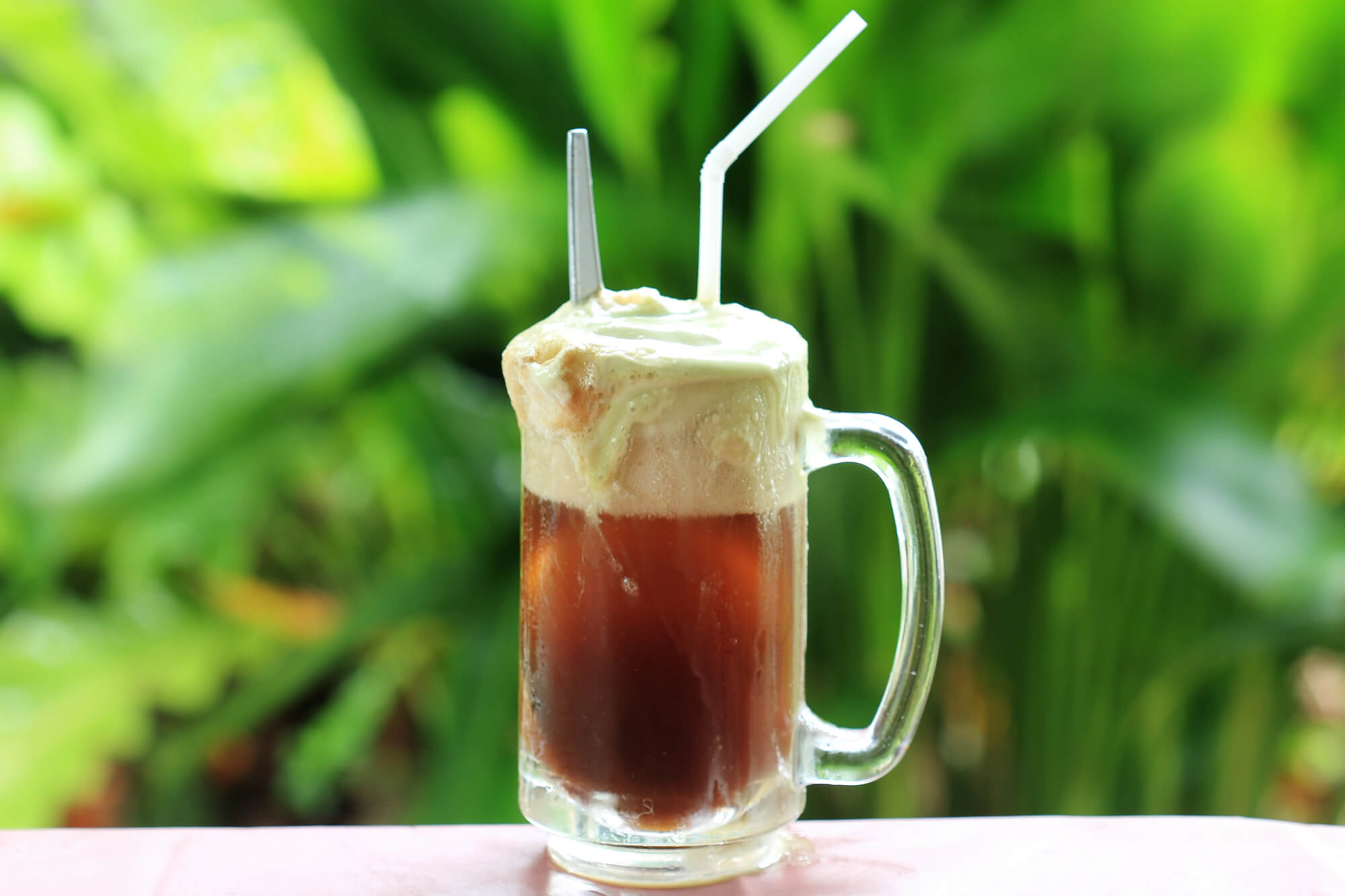
A scoop of vanilla ice cream dropped into a frosted mug of root beer produces a creamy, foaming drink that doubles as dessert. The carbonation reacts with the fat in the ice cream and builds a thick head of foam that rises to the rim.
It came with a straw and a long spoon, and in some regions it went by the name black cow.
Ice Cream Soda
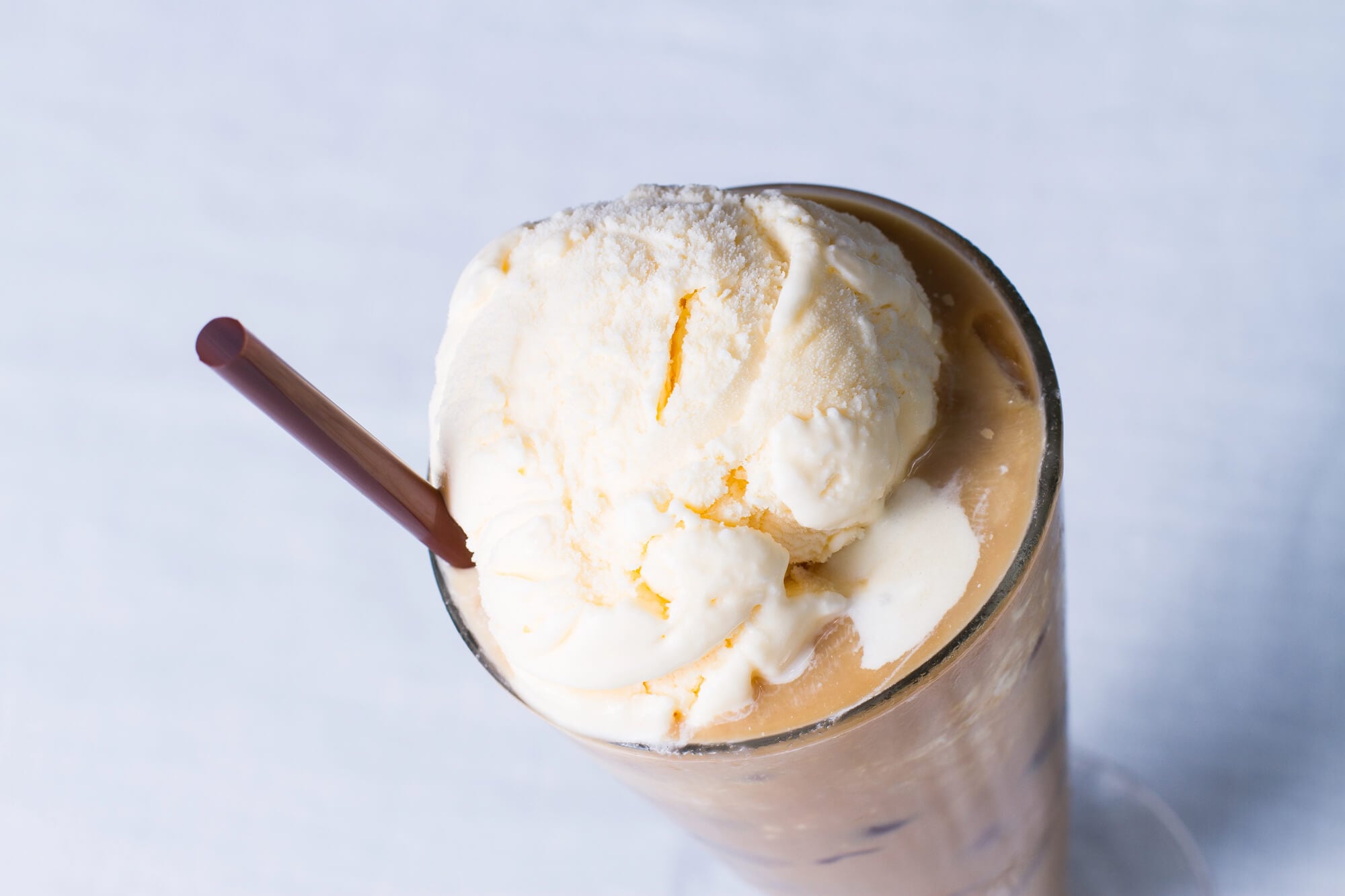
The ice cream soda is traditionally credited to Robert Green, who is said to have created it at a Philadelphia exposition in 1874, though rival soda fountain owners made competing claims. Flavored syrup, carbonated water, and a scoop of ice cream went into a tall glass, finished with whipped cream.
By the 1970s it had become a nostalgic order, associated with an older kind of soda fountain.
Grasshopper Pie
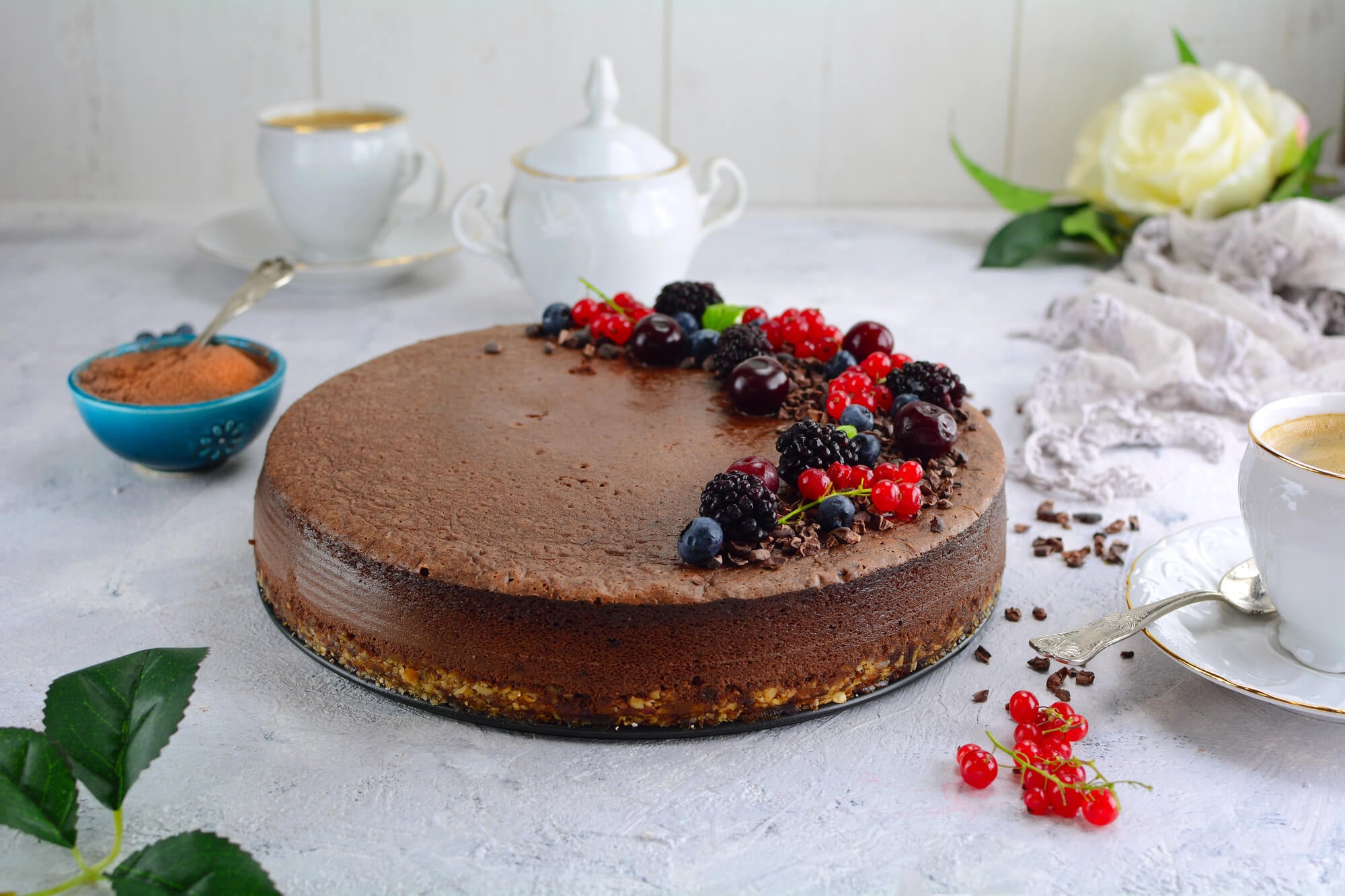
Grasshopper pie borrowed its pale green color and minty flavor from the cocktail of the same name, which combines crème de menthe, crème de cacao, and cream. The filling was a chilled, mousse-like mixture set in a chocolate cookie crust.
It was the sort of dessert that looked retro even while it was fashionable.
Mississippi Mud Pie
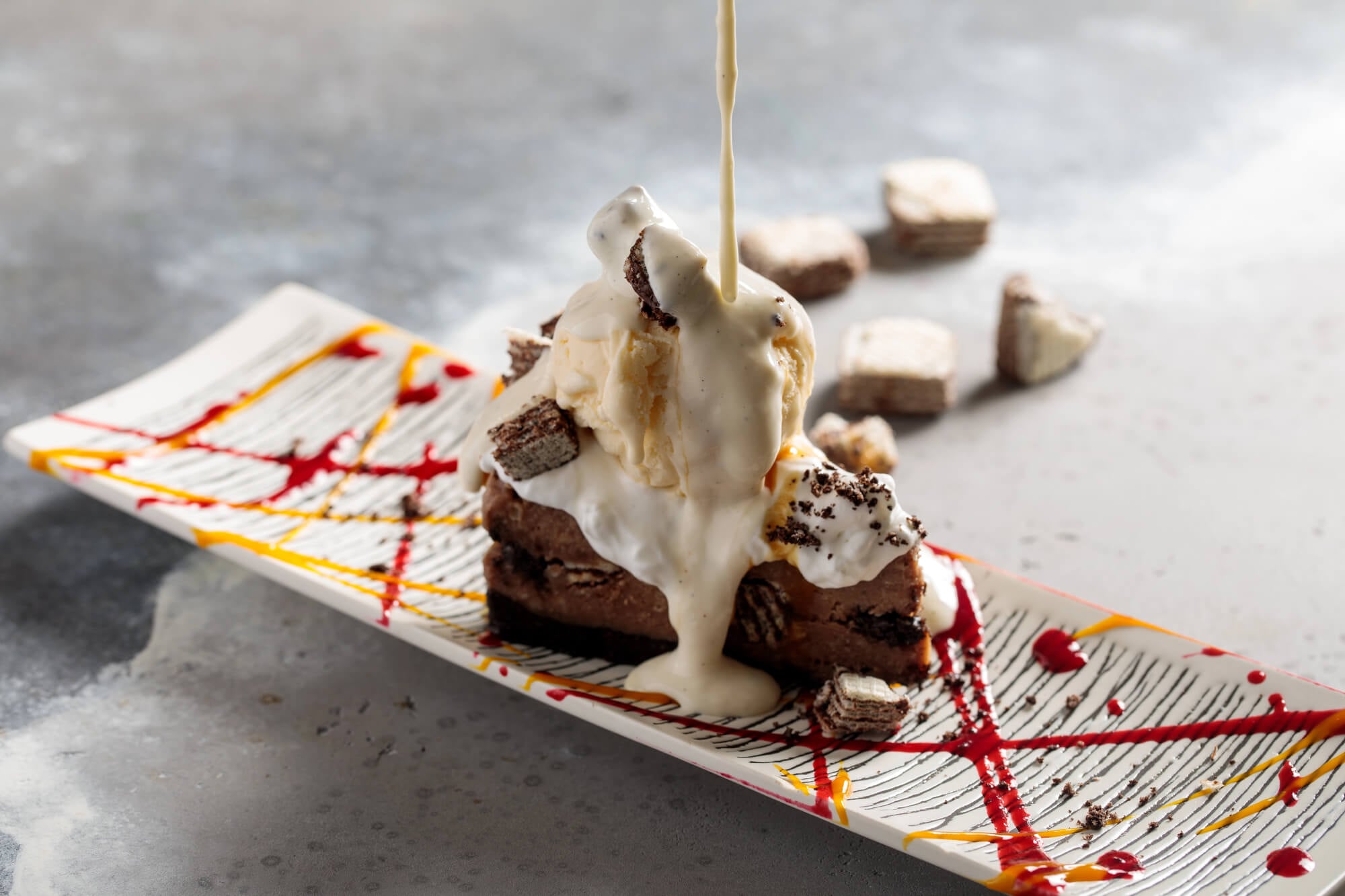
Mississippi mud pie layered a chocolate cookie crust with coffee or chocolate ice cream, a thick fudge sauce, and whipped cream, all meant to suggest the dark mud of a river bank. It was often served frozen and eaten with a fork.
Slices tended to slump if left on the table too long.
Flan
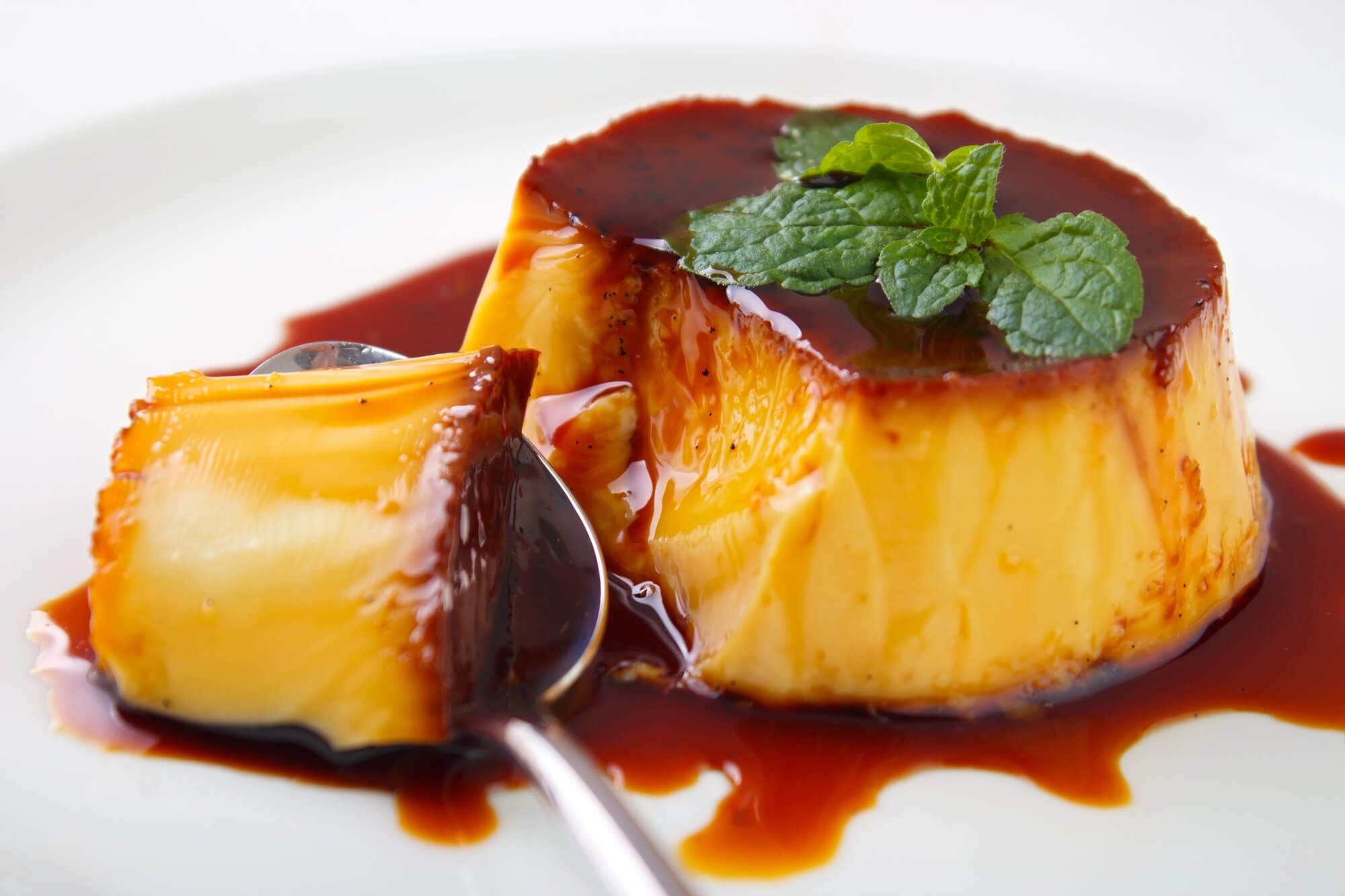
Flan arrived in many American restaurants through Mexican and Spanish kitchens, where a caramel-lined mold of baked egg custard is flipped onto a plate so the amber syrup runs down the sides. The texture should be silky and just firm enough to hold a clean edge.
Because it can be made in advance, it was an easy menu item for busy kitchens.
Sopapillas
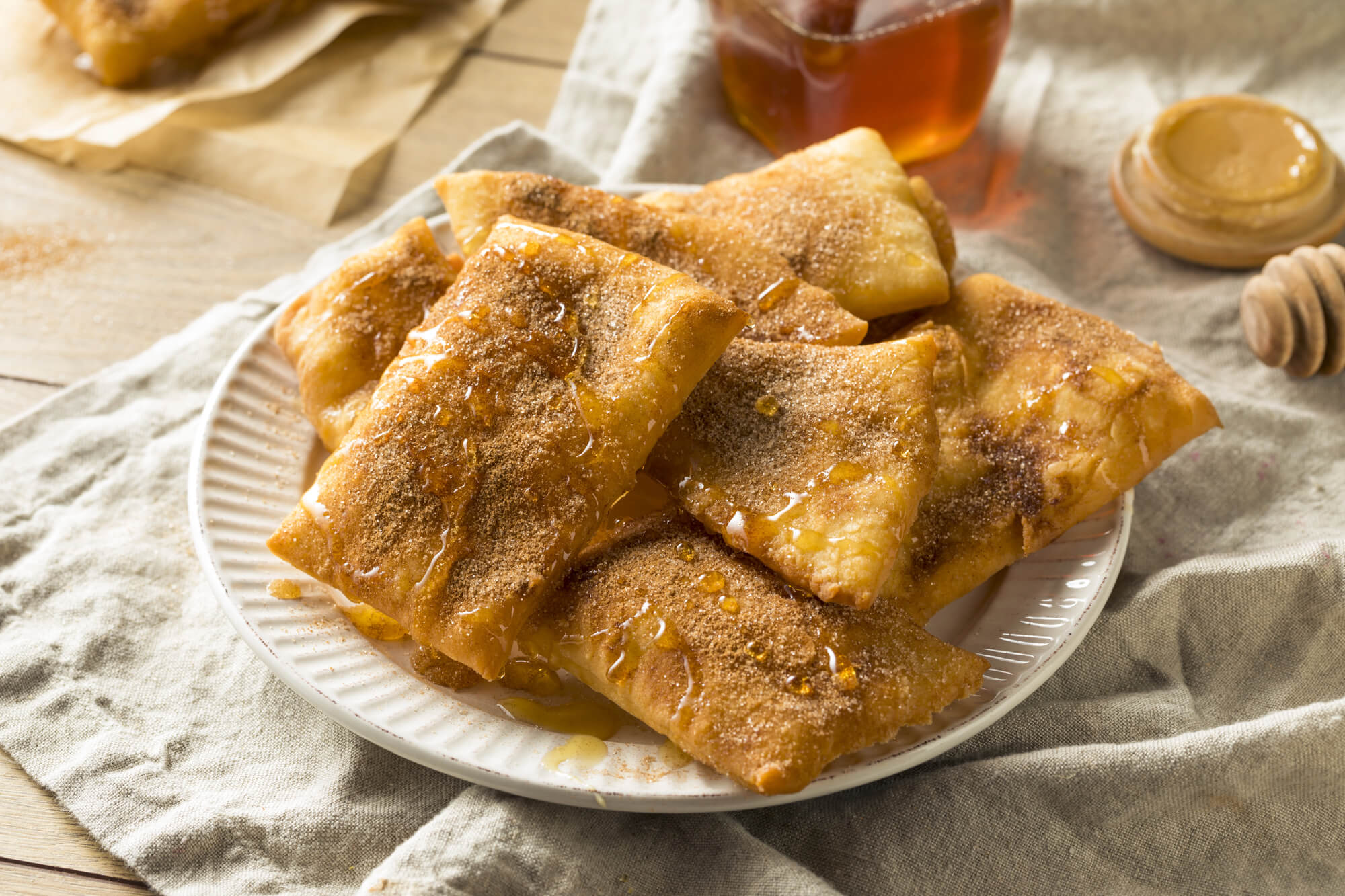
Sopapillas are pillows of fried dough that puff up into hollow pockets, a trait that makes them ideal for drizzling with honey. They are closely tied to New Mexico, and Southwestern restaurants brought them out warm, often with a small squeeze bottle of honey on the side.
A common technique was to bite off a corner and pour the honey inside.
Fried Ice Cream
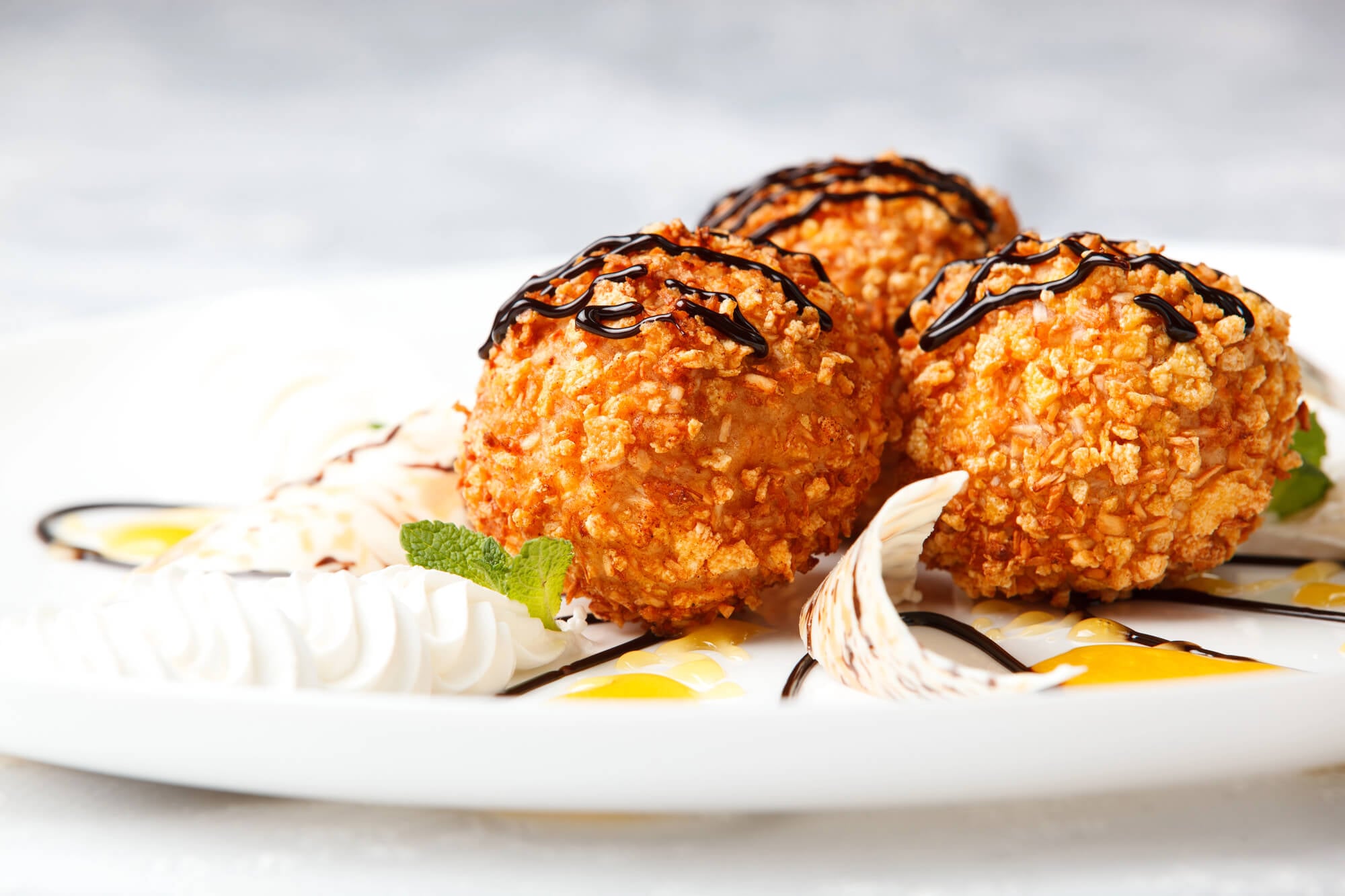
Fried ice cream, a scoop rolled in cornflakes or crumbs and quickly deep-fried, became a signature finale at Mexican-American restaurants. The shell turned crisp and warm while the center stayed frozen, a trick that depends on freezing the ice cream rock hard before frying.
It was usually topped with honey, cinnamon, and whipped cream.
What the Dessert Card Promised
Looking back, these desserts shared a quiet purpose: they turned the end of a meal into an event. A flame at the table, a swirl of three flavors, or a slice of pie in a revolving case gave families a reason to stay seated a little longer.
Nobody needed the sugar, and nobody minded.
The restaurants that served them have mostly changed hands, and the cases that held them have been replaced by tablets and short menus. Yet the recipes survive in home kitchens and old cookbooks, waiting for the next occasion that calls for something sweet and slightly theatrical.
More from Go2Tutors!

- 27 Silver Dollars and Half Dollars Worth Keeping
- 28 Restaurant Menu Items Nobody Orders Anymore
- 17 Places Built in Seemingly Impossible Spots
- 27 Vintage Rings Worth More Than They Look
- 25 Restricted Sites Tourists Can’t Enter
Like Go2Tutors’s content? Follow us on MSN.