Weekend Errands That Used to Take All Morning
Saturday used to have a to-do list that came with a route. Shoes on, keys in hand, and a rough plan to hit the bank before noon, the photo counter before it got crowded, and the video store before the late fee kicked in.
Most of those stops are now a thumb tap away or have disappeared entirely. Here is what the old Saturday actually looked like.
The Teller Window Deposit Run
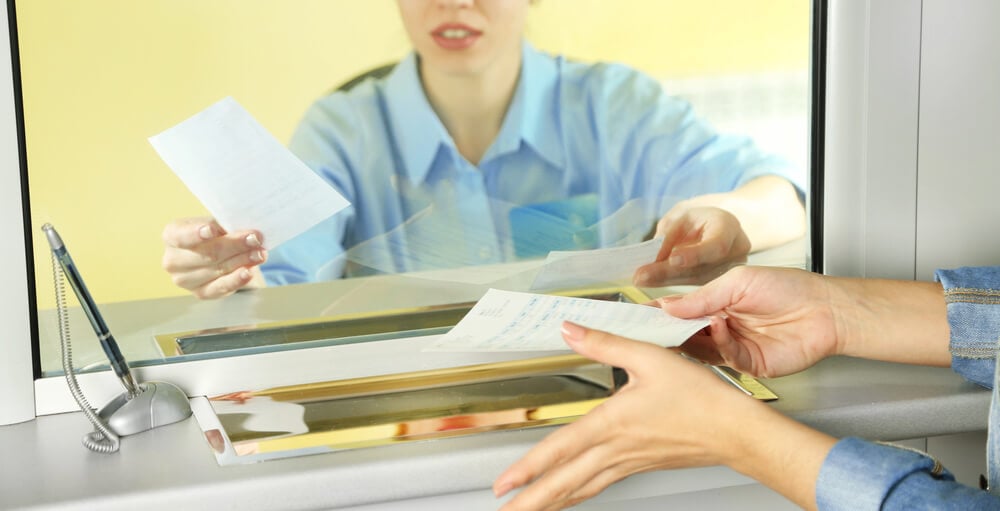
For most of the twentieth century, depositing a paycheck meant arriving during branch hours, standing in a line behind someone with a bag of coins, and handing a slip to a human being. That changed in 2009, when USAA let members photograph a check with an iPhone and deposit it from the couch. The feature was so unusual that banks spent years persuading customers it was safe to throw the paper check away afterward. A Saturday that once began with a drive to the branch could now end before the coffee cooled.
The Fotomat Drive-Up Drop-Off
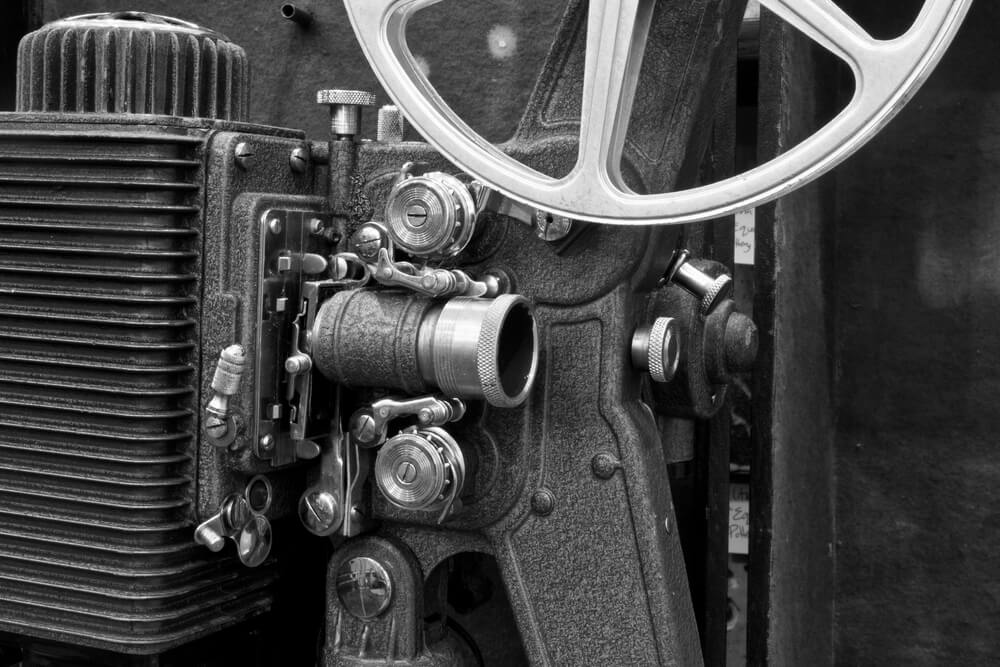
Fotomat, founded by Preston Fleet, put tiny photo booths in shopping center parking lots so drivers could hand over a roll of film without leaving the car. The convenience stopped at the handoff, because the pictures themselves came back days later, and nobody knew whether the vacation shots were framed well or all blurry thumbs. A second trip was required just to pick up an envelope of prints. Two errands for one roll of film was normal.
The Kodachrome Mail-In
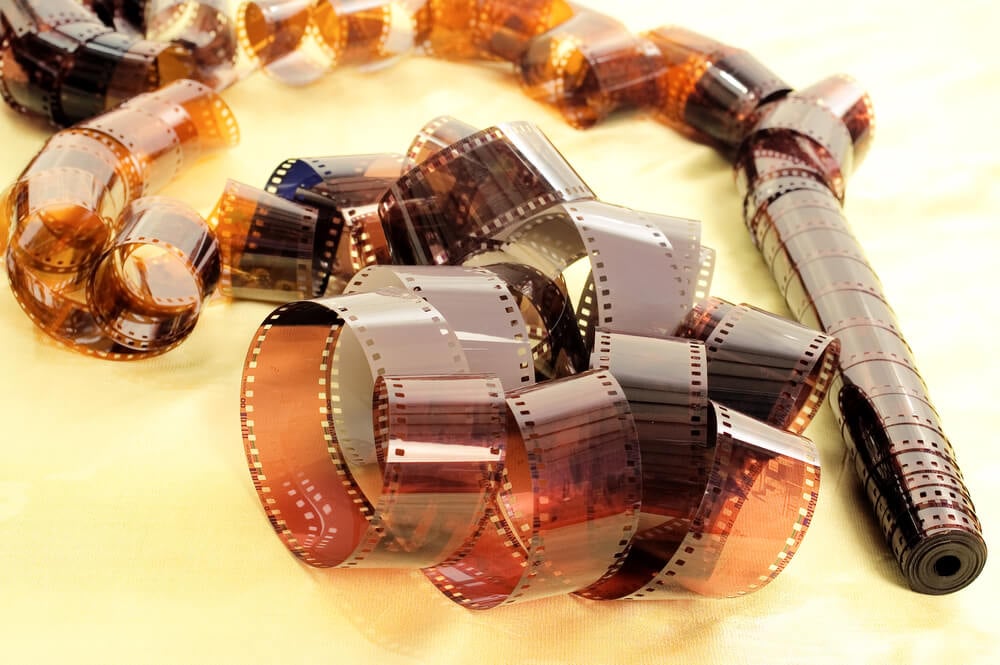
Kodachrome slide film could not be developed at a drugstore counter, because its process was far more complicated than standard color film. By the end, a single lab in Parsons, Kansas, Dwayne’s Photo, was the last place on Earth still running it. That lab processed the final rolls on December 30, 2010, after Kodak had retired the film. Photographers who wanted to see their slides had to mail the canisters off and wait.
The Blockbuster Friday Night Run
At its peak, Blockbuster operated around 9,000 stores, and a weekend movie meant circling shelves of empty cases that were stand-ins for tapes already rented. Cases on the shelf often held a cardboard insert rather than a tape, which meant the real copy was out with someone else. Late fees turned a forgotten return into a small financial lesson. Today the last remaining Blockbuster operates in Bend, Oregon, where it has become a tourist stop.
The Thomas Guide Detour
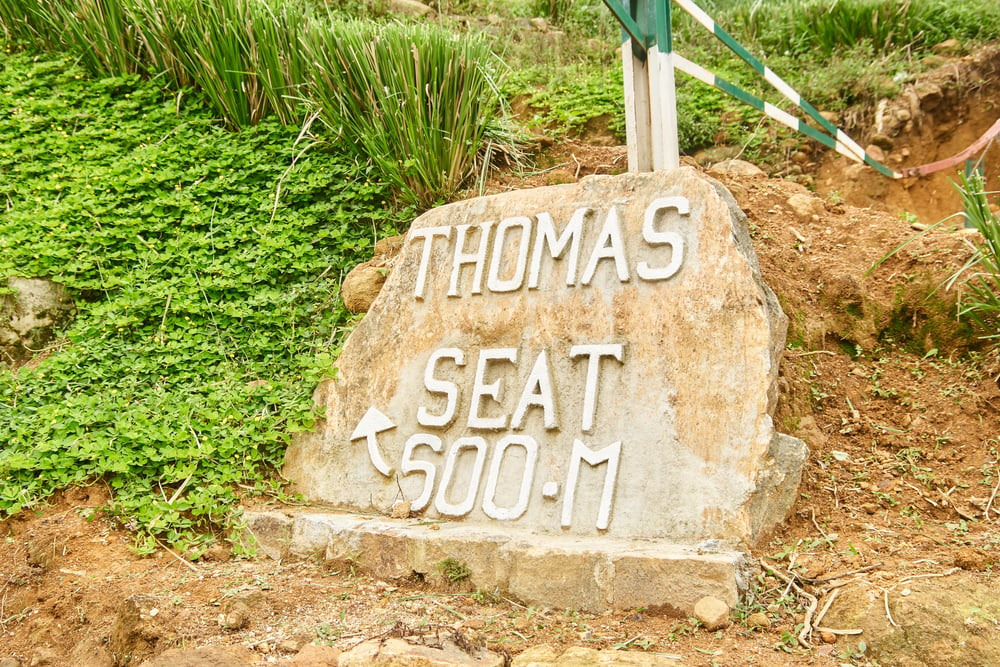
Southern California drivers once kept a spiral-bound Thomas Guide on the passenger seat, the way later drivers kept a phone charger. Thomas Brothers Maps, a company with roots in Oakland, divided cities into page-and-grid coordinates that sent readers flipping from one edge of a page to the corresponding page listed in the margin. Finding a single address could mean following a chain of page numbers across the book. The system worked well, but only for people willing to turn pages at red lights.
The AAA TripTik Pickup
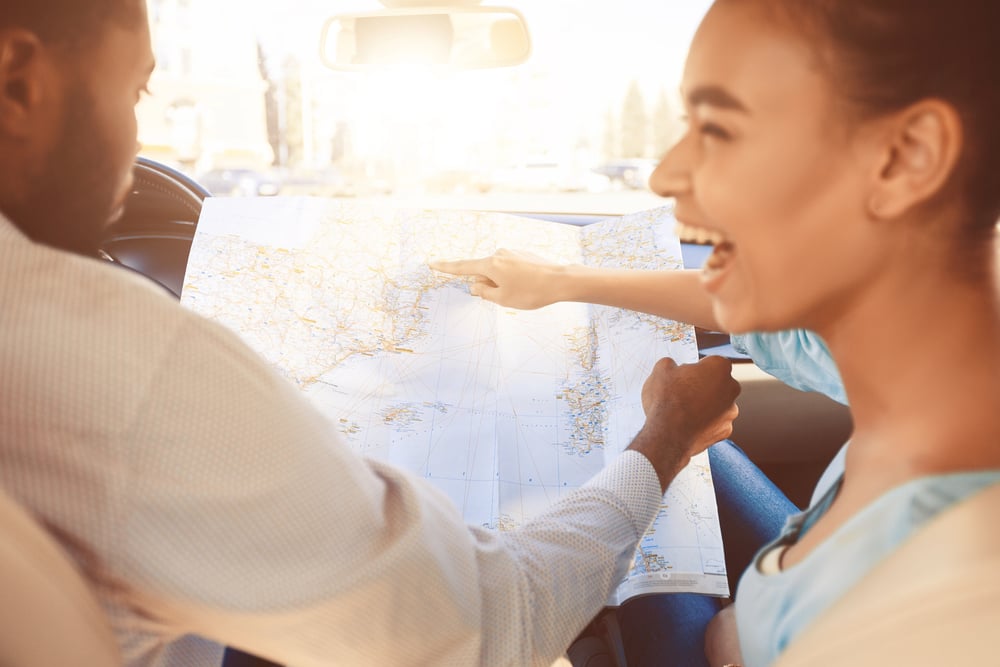
Before a long drive, members visited an AAA office and asked staff to prepare a TripTik, a booklet of strip maps that followed a driver’s route mile by mile. Staff marked the route on each page by hand, with construction notes and highlights along the way. The Henry Ford museum holds an example prepared for a trip from Detroit to Fort Lauderdale in 1951 and 1952. The errand turned a vague idea of driving south into a personalized, hand-marked document.
The MapQuest Printout
When MapQuest arrived in 1996, directions no longer had to come from a paper atlas, but they still ended up on paper. Drivers typed in two addresses, waited for the page to load, and printed several sheets of turn-by-turn steps to read at stoplights. A single missed exit meant the printout became useless, because it had no way to reroute. For years, a stack of directions in the passenger seat was normal equipment.
The Post Office Package Line
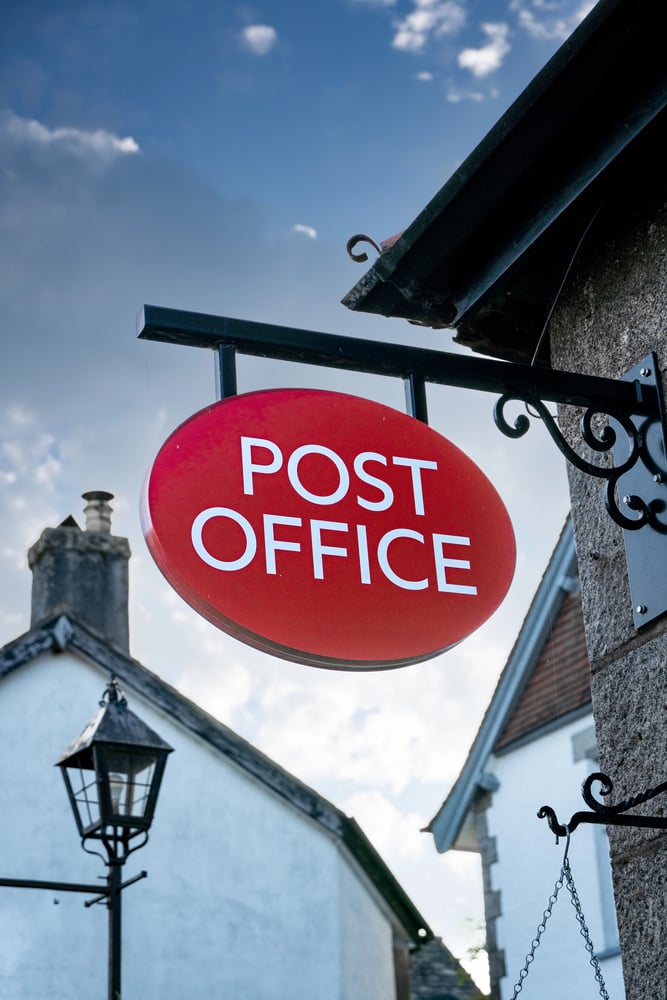
Mailing a package once meant carrying the parcel to a post office counter, waiting for a clerk, and filling out the right forms by hand. Zip codes were introduced on July 1, 1963, with a cartoon mascot named Mr. ZIP making the case for writing them on every envelope. Weekend hours were short, and Saturday lines at the window were a regular feature of the week. Prepaid labels printed at home have since removed much of that line.
The Kinko’s Copy Counter
Paul Orfalea opened the first Kinko’s near the University of California, Santa Barbara, in 1970, and the chain grew into a destination for faxes, copies, binding, and poster printing. The name came from Orfalea’s own nickname, which referred to his curly hair. Customers often planned half a morning around standing at a copier, feeding in pages and waiting for jams to clear. FedEx bought the company in 2004 and later folded it into FedEx Office.
The Ticketron Window
Before online ticketing, buying concert seats meant going to a Ticketron outlet or the venue’s box office, often in person and often early. Ticketmaster, founded in 1976, built its business partly by competing against Ticketron’s terminals, and eventually took over Ticketron’s operations in 1991. People camped out overnight for popular shows because the window opened at a set hour and sold out quickly. A phone line or a website now does the same job from a bed.
The Moviefone Phone Call
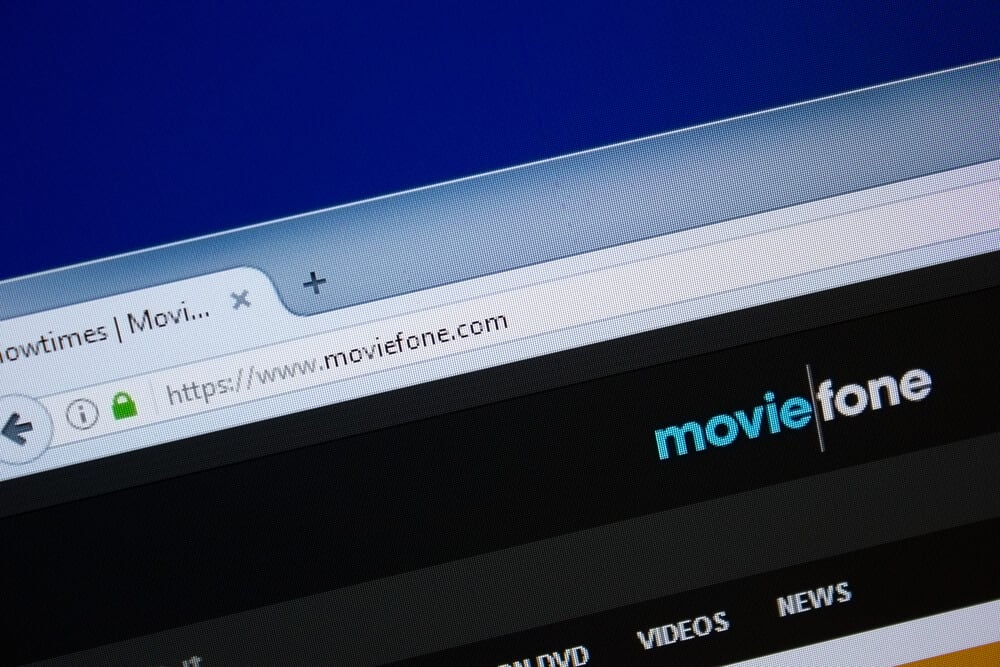
Checking what time a film was playing once meant either reading the newspaper listings or calling 777-FILM and listening to a recorded voice. Moviefone began its phone service in 1989, and callers could even buy tickets by pressing buttons on the keypad. The dial-in line was shut down in 2014 after AOL pushed users to its app. A short phone call to find out showtimes seems almost quaint now.
The Travel Agent Ticket Pickup

Airline tickets used to be paper documents, sometimes carbons stapled together, that had to be collected from a travel agency or mailed to the traveler. The International Air Transport Association ended paper ticketing in the industry on June 1, 2008, making electronic tickets the standard worldwide. Until then, an itinerary change could require a second visit to the agent to swap out the physical ticket. A boarding pass on a phone replaced an entire category of errands.
The Readers’ Guide Hunt
To find magazine articles on a subject, students and researchers consulted the Readers’ Guide to Periodical Literature, a multivolume index that began publishing in 1901. Each entry gave only a title, magazine name, and date, so the next step was walking to the shelves or asking a librarian to retrieve the issue. If the library did not own the magazine, the trip ended without an answer. A research question that now takes a minute could use up an afternoon.
The Card Catalog Search
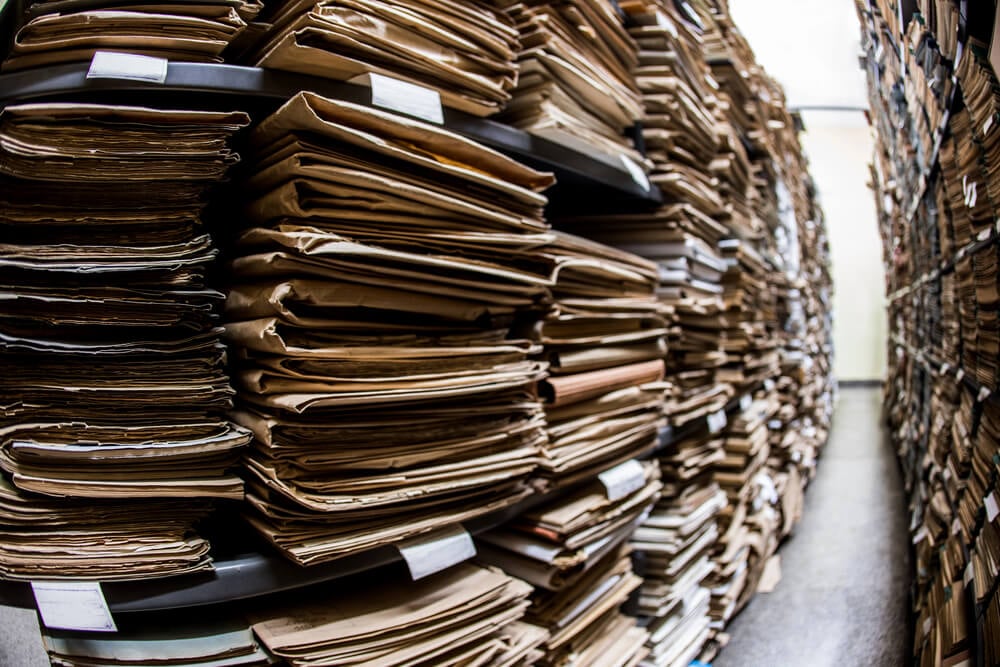
Finding a book meant flipping through wooden drawers of index cards sorted by author, title, and subject. Libraries relied on a central supply of printed cards, and OCLC finally printed its last set in 2015 after producing nearly two billion of them over the years. Misfiled cards could make a book effectively invisible, which led to long searches through the stacks. Online catalogs now handle the lookup before anyone leaves home.
The Passport Photo Booth
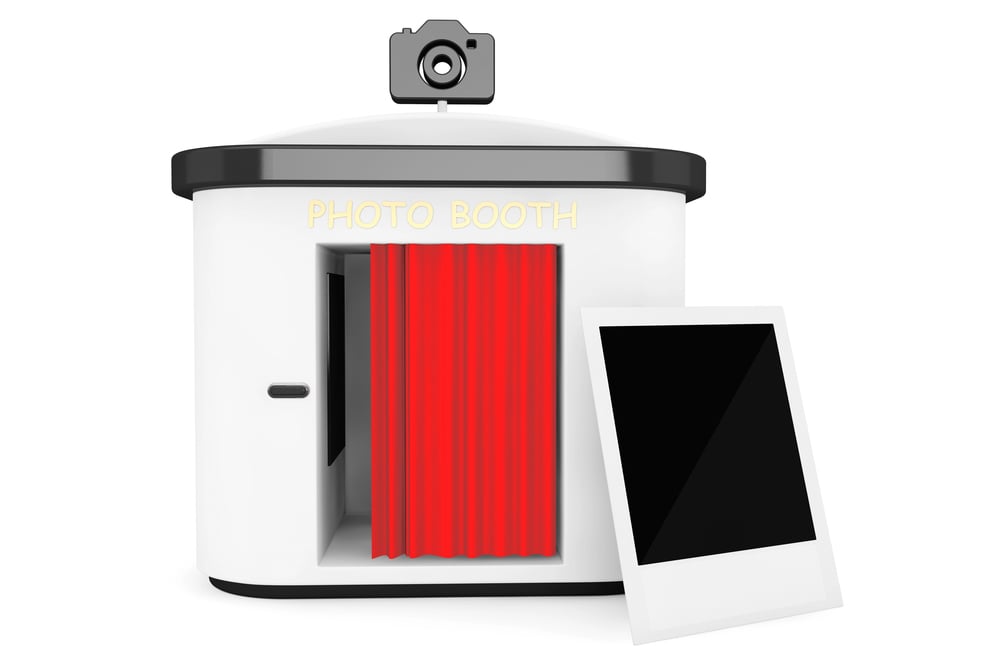
A U.S. passport photo has to measure 2 by 2 inches, with the head sized between 1 and 1 and three-eighths inches from chin to crown. Getting one right meant a trip to a drugstore, a photo studio, or a shipping store, where staff used a template to line up the head. A single bad crop could mean returning for a retake. Fixing it involved finding the same counter again and paying for a second set.
The DMV Renewal Morning
Renewing a driver’s license once meant an office visit, a numbered ticket, and a bench to wait on while the number display slowly changed. Many states have since allowed online renewal, but REAL ID enforcement began on May 7, 2025, and sent many people back to counters with a folder of documents. The required paperwork, such as proof of identity and residency, meant that a missed item would send a visitor home to dig through drawers. The ticket number remains the true unit of time at the DMV.
The Tax Form Hunt
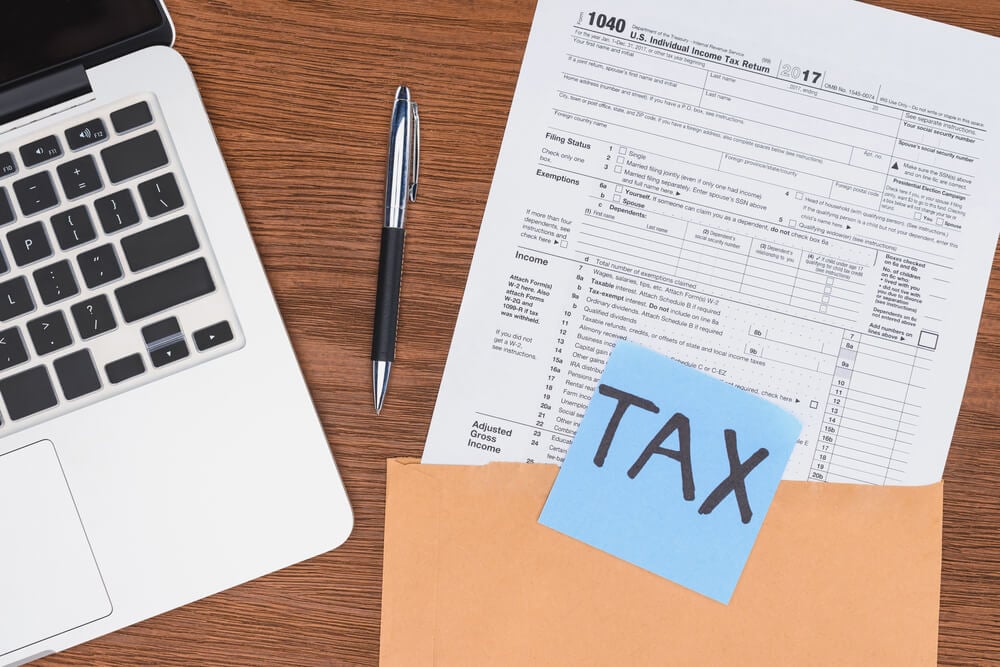
Before electronic filing, taxpayers picked up paper forms at post offices and libraries, filled them in by hand, and mailed the return in an envelope. The IRS began testing electronic filing in 1986, and the program grew over the following decades until it became the normal way to file. In earlier years, the mailing deadline in April sent people to post office counters at the last minute for proof of a postmark. Now software handles the math and the submission in one sitting.
The Coin Roll Chore
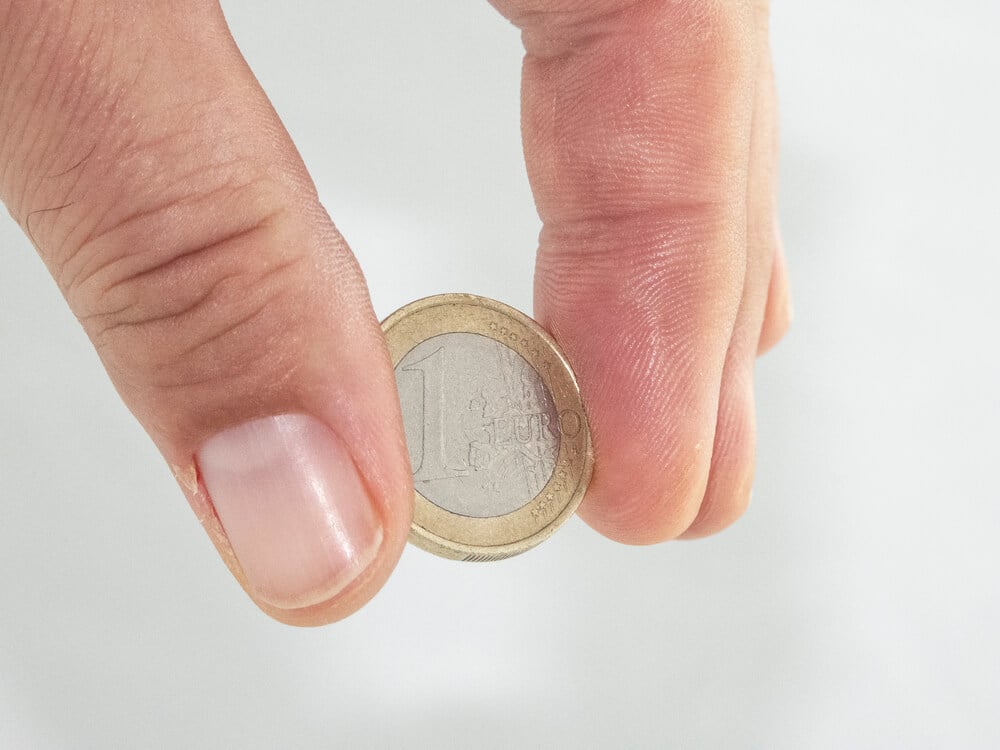
A jar of loose change used to mean sorting the pieces by denomination, wrapping them in paper tubes, and carrying the rolls to a bank branch. Coinstar, founded in 1991, put coin-counting machines in grocery stores so shoppers could pour in a jar and walk away with a voucher. The machines took a fee, which turned convenience into a slightly costly trade. Still, the machines removed the tedious task of rolling quarters at the kitchen table.
The Social Security Check Cashing Trip
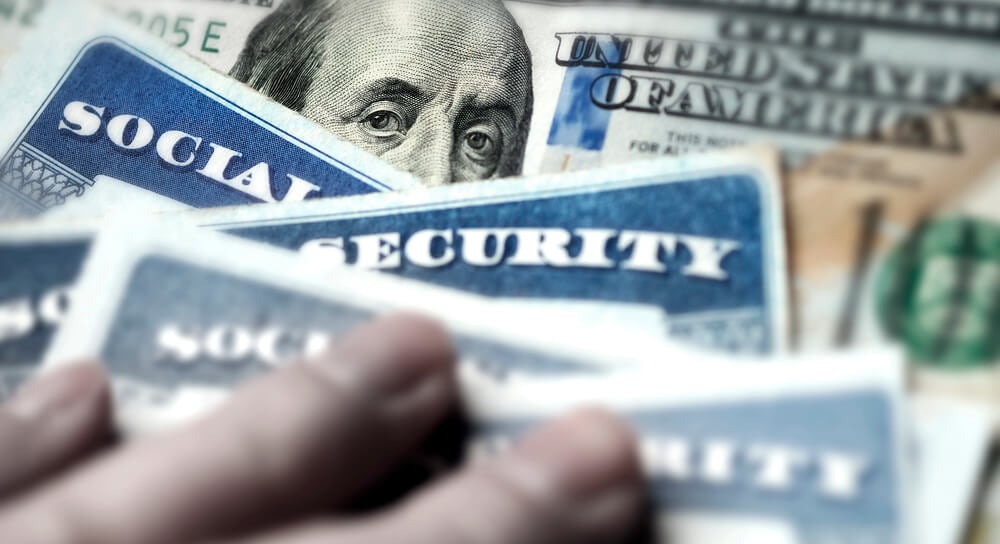
For generations, benefit recipients waited for a paper check in the mailbox and then took it to a bank, credit union, or check casher to turn it into cash. The federal government moved to phase out paper checks for federal payments, with September 30, 2025, set as the date for Social Security to stop issuing them in most cases. Direct deposit and prepaid cards replaced the check in the mailbox. The long trip to a teller window ended for many people without a second thought.
The Peapod Grocery Trip

Peapod began taking grocery orders by computer in 1989, years before most households had internet access. It was founded by brothers Andrew and Thomas Parkinson, and early customers used a dial-up connection and special software. Shoppers who would have spent a Saturday pushing a cart through the aisles could instead schedule a delivery. The idea took decades to become routine, but it laid the groundwork for modern grocery apps.
The Sears Catalog Order

For a century, the Sears catalog served as a department store delivered to the mailbox, and orders were placed by mail or phone. The company ended its big book in 1993, after the rise of malls and, later, online shopping made the thick volume less necessary. Customers who ordered by mail waited weeks for delivery and had to return items by taking them to the post office. The process of choosing, ordering, and returning took far longer than a modern checkout page.
The Netflix Red Envelope Return

Netflix built its early business on mailing DVDs in red envelopes, which saved subscribers a trip to a rental store but still required timing a return. The company mailed its final DVDs on September 29, 2023, closing the service after about twenty-five years. Anyone who loved the system had to drop an envelope in a mailbox and wait for the next disc to arrive. The wait between films was the cost of avoiding the drive to a store.
The Hours Nobody Counted
Each of these errands had an obvious cost in gas, fees, and wasted patience, but the larger cost was time. Entire mornings disappeared into lines, drawers, and counters, and nobody thought to question it because everyone else was doing the same thing. A Saturday was assumed to include travel, waiting, and a second trip to fix whatever went wrong on the first one.
The tools that replaced them did not just make chores faster. They gave weekends back, and most people have long since forgotten how those hours used to be spent.
More from Go2Tutors!

- 27 Silver Dollars and Half Dollars Worth Keeping
- 28 Restaurant Menu Items Nobody Orders Anymore
- 17 Places Built in Seemingly Impossible Spots
- 27 Vintage Rings Worth More Than They Look
- 25 Restricted Sites Tourists Can’t Enter
Like Go2Tutors’s content? Follow us on MSN.