25 Photographs That Shifted Public Opinion Almost Overnight
Some images do more than document a moment. They reach through the frame and rearrange something in the people who see them — a quiet conviction, a long-held assumption, a comfortable distance from a problem that suddenly feels very close.
History is full of photographs that arrived at exactly the right moment with exactly the wrong kind of news, and the world was never quite the same for having seen them. These are 25 of those images.
The Falling Man
No photograph from September 11, 2001 disturbed the American public more quietly or more permanently than Richard Drew’s image of a man falling from the North Tower. It was pulled from most newspapers within days — editors called it too painful, too intimate, too much — and yet the decision to suppress it became its own controversy, one that forced a genuine national conversation about what grief is allowed to look like in print.
The image didn’t just document the attacks; it asked something most people weren’t prepared to answer.
Phan Thi Kim Phuc
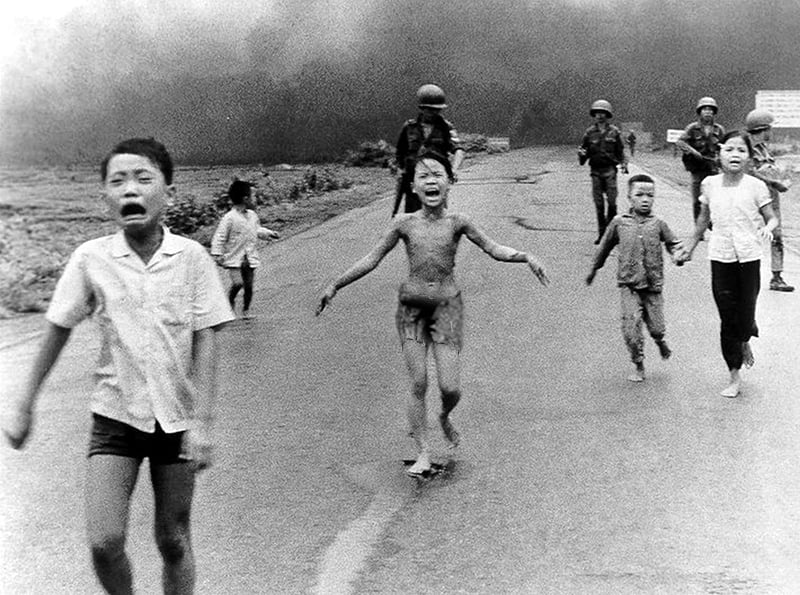
Nick Ut’s 1972 photograph of a nine-year-old girl running down a road in Vietnam — her clothes burned away by napalm, her face a portrait of pure terror — landed on front pages across the United States and did something months of protest hadn’t managed to do. It made the war personal.
Public support for the conflict, already fraying, dropped measurably in the polls taken after the image ran.
The Vulture and the Child
Kevin Carter’s 1993 photograph from Sudan showed a vulture crouched behind a small, collapsed child, waiting. The image won the Pulitzer Prize, prompted enormous outpourings of aid money toward famine relief in Africa, and also triggered a brutal public interrogation of Carter himself — why hadn’t he helped?
The photograph raised questions about the ethics of photojournalism that the industry is still, honestly, working through.
Omayra Sanchez

When the Nevado del Ruiz volcano erupted in Colombia in 1985, a thirteen-year-old girl named Omayra Sanchez became trapped beneath the rubble of her home, submerged in water up to her neck. Frank Fournier’s photograph of her face — calm, heartbreaking, and absolutely dignified — was published after her death and ignited fury across Europe and Latin America over the government’s failure to mount a faster rescue.
The image didn’t just move people; it moved parliaments.
Alan Kurdi

There’s a particular cruelty in the way a shoreline, which carries so many associations with arrival and relief, became the setting for one of the most devastating images of the 2010s. The 2015 photograph of three-year-old Alan Kurdi, a Syrian refugee whose small body was found on a Turkish beach, shifted European public opinion on refugee policy so sharply and so fast that several governments — who had been resistant — announced policy reversals within days.
Turns out a statistic can be ignored far more easily than a child’s red sneakers.
Napalm Girl’s Full Context
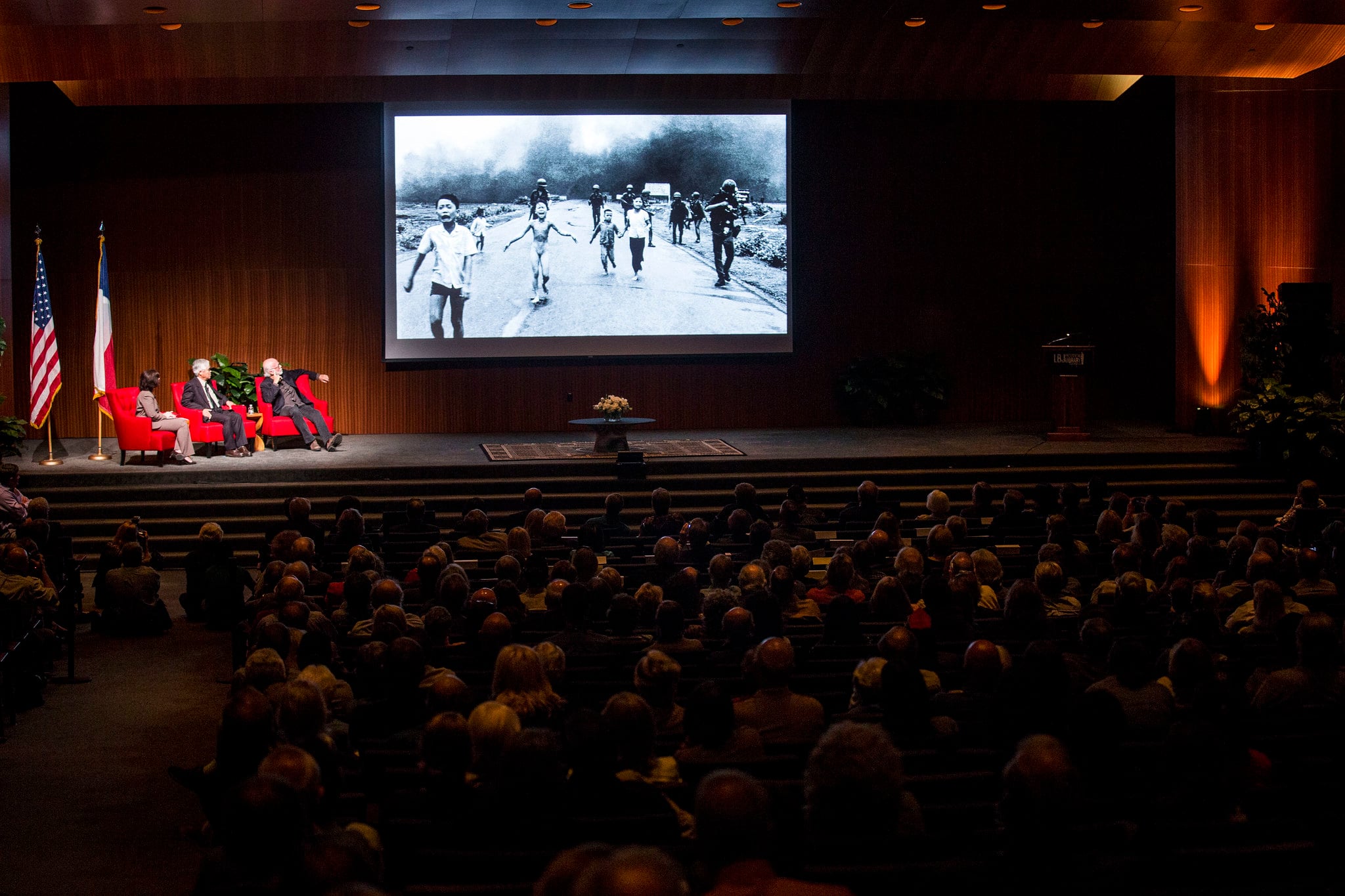
The immediate aftermath of Nick Ut’s most famous photograph is worth its own entry, because what happened next matters as much as the image itself. Ut didn’t just take the picture — he drove the children to a hospital and persisted when staff were initially reluctant to treat them, and Phan Thi Kim Phuc survived.
That survival, and her later work as a UNESCO Goodwill Ambassador, became a living counterargument to the idea that bearing witness is a passive act.
Eddie Adams and General Loan
Eddie Adams photographed South Vietnamese General Nguyen Ngoc Loan executing a Viet Cong prisoner on a Saigon street in 1968 — the image ran on front pages worldwide the next morning and became, almost instantly, a defining symbol of the war’s brutality. Adams himself spent years afterward expressing ambivalence about the photograph’s impact, arguing that it stripped away the full context of what Loan was doing and why.
The image won the Pulitzer anyway, and the public had already decided what it meant.
Earthrise
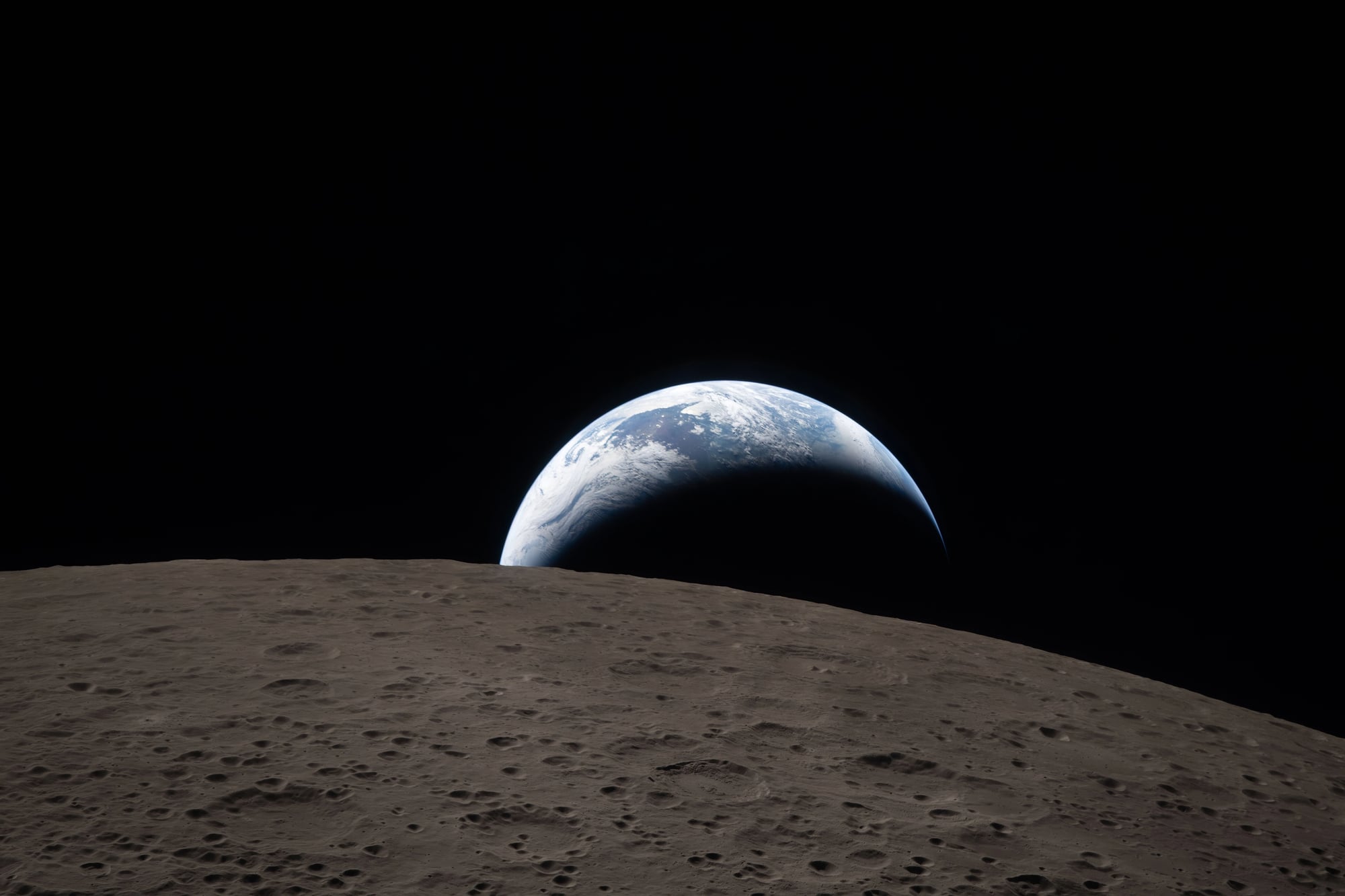
William Anders took the photograph known as “Earthrise” on December 24, 1968, during Apollo 8’s orbit of the Moon, and what it showed — the Earth, fragile and luminous, hanging in absolute black — reoriented the environmental movement the way a compass needle snaps to north. The image arrived just two years before the first Earth Day and is credited by environmental historians as one of the catalysts that made the event imaginable.
Seeing the planet from the outside, it turns out, makes you want to protect it from the inside.
Tank Man
The photograph of an unidentified man standing in front of a column of tanks near Tiananmen Square in June 1989 became one of the most reproduced images of the twentieth century — and one of the most suppressed. In China, it remains heavily censored to this day; in the West, it became shorthand for a particular kind of defiant courage that doesn’t require a name or a winning side.
The man was never identified. The image outlasted the silence anyway.
Dorothea Lange’s Migrant Mother
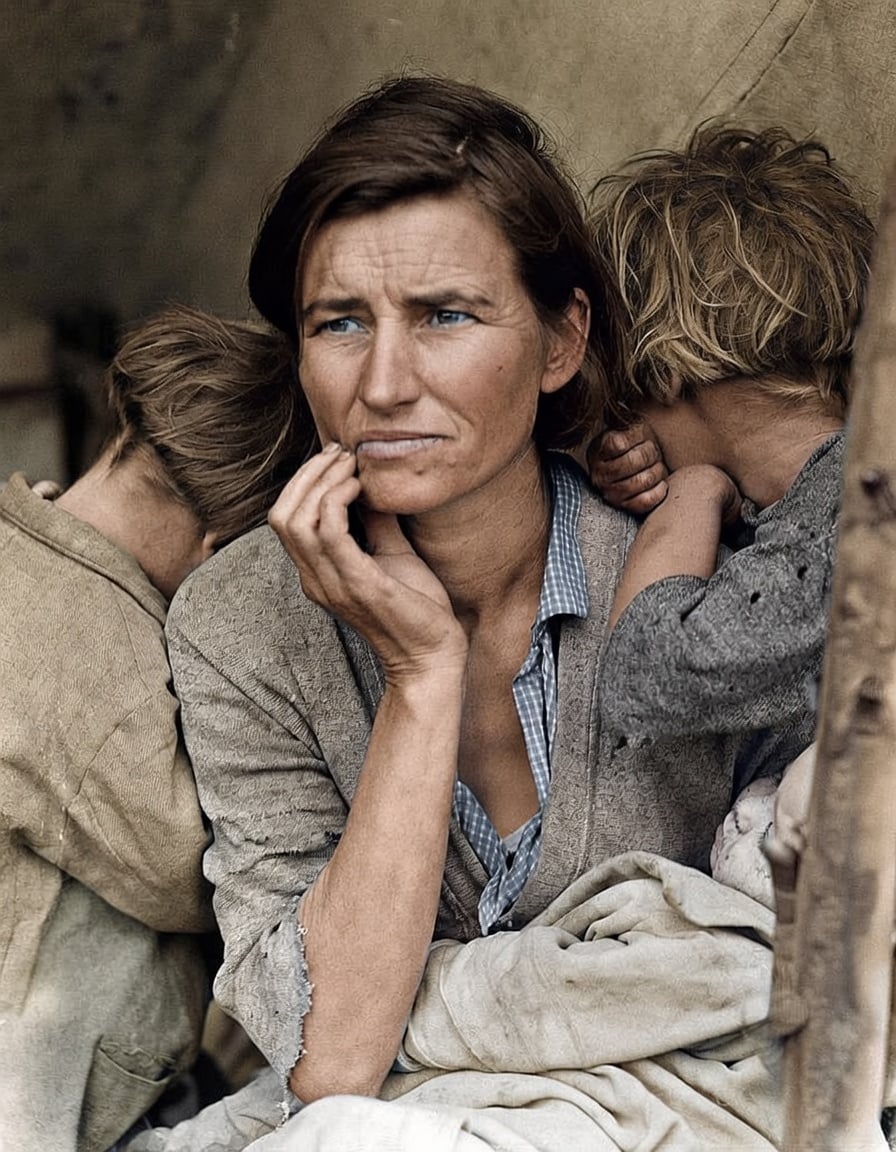
Florence Owens Thompson’s face — exhausted, worried, holding two children who’ve turned their faces away — became the human face of the Great Depression when Dorothea Lange photographed her in a California pea-pickers’ camp in 1936. The photograph ran in newspapers, prompted the federal government to send 20,000 pounds of food to the camp, and secured Lange’s reputation as the most important documentary photographer of her generation.
Thompson herself reportedly never received a cent.
The Execution of Nguyễn Văn Lém
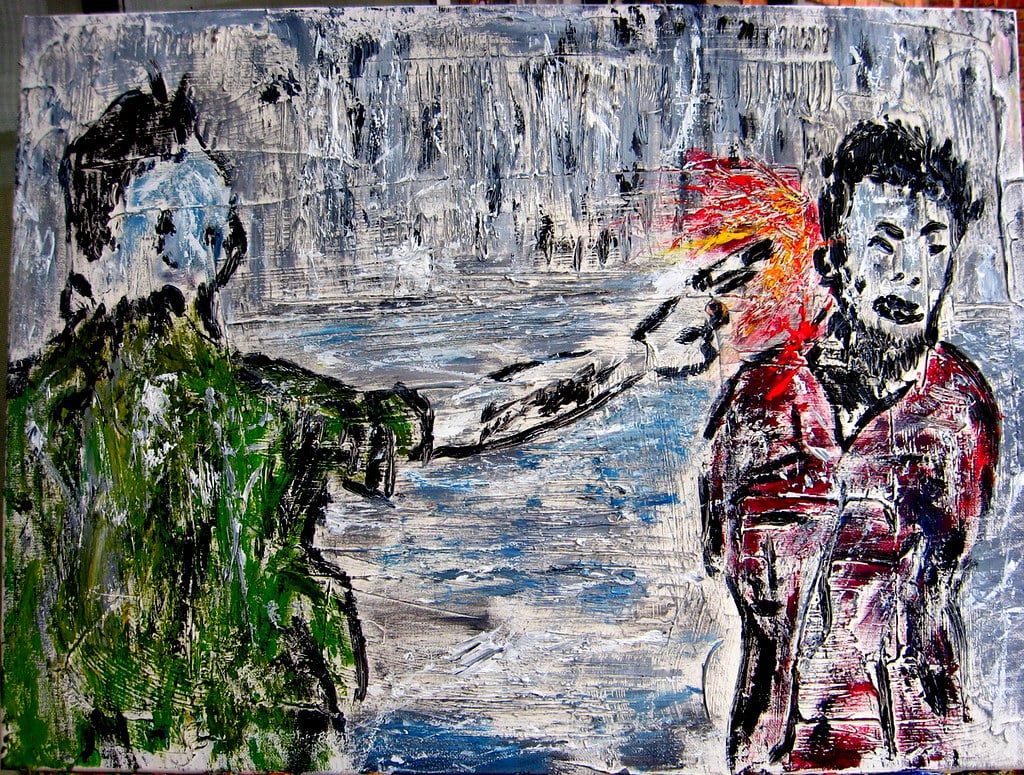
What made Adams’ photograph of the Saigon execution so destructive to American public confidence isn’t just the act it captured — it’s the daylight, the casual posture of the general, the nearness of the camera, and the way the condemned man’s face registers the moment. The image felt less like war photography and more like evidence.
And once the American public saw it as evidence rather than combat coverage, the moral architecture of the war began to crack in ways official statements couldn’t repair.
The Birmingham Campaign

In 1963, photos of police in Birmingham, Alabama using fire hoses and police dogs against peaceful civil rights demonstrators — many of them children — ran in newspapers across the country and around the world. President Kennedy called the images “shameful,” and the photographs are widely credited with accelerating congressional support for what became the Civil Rights Act of 1964.
The demonstrations were coordinated in part precisely because organizers understood that images of peaceful protesters being attacked would shift the political center in ways speeches couldn’t.
Nick Ut’s Second Legacy
It’s worth noting that the photograph of Kim Phuc didn’t just shift opinion on the Vietnam War — it fundamentally changed how news organizations thought about publishing images of children in crisis. Before 1972, there was no standard editorial framework for those decisions; after the image ran and was then pulled, papers began writing actual policies.
A single photograph created a professional infrastructure that still governs photojournalism today, which is saying something.
Abu Ghraib

The photographs taken inside Abu Ghraib prison in Iraq in 2003 and published in April 2004 by The New Yorker and CBS News did something that years of critical reporting on the Iraq War had not: they made the public viscerally, personally responsible. Opinion polling on the war shifted sharply in the weeks after publication, and the images became a permanent fixture in global discussions about detention, accountability, and American foreign policy.
The smiling faces in the photographs were arguably as damaging as anything else in them.
The Hindenburg
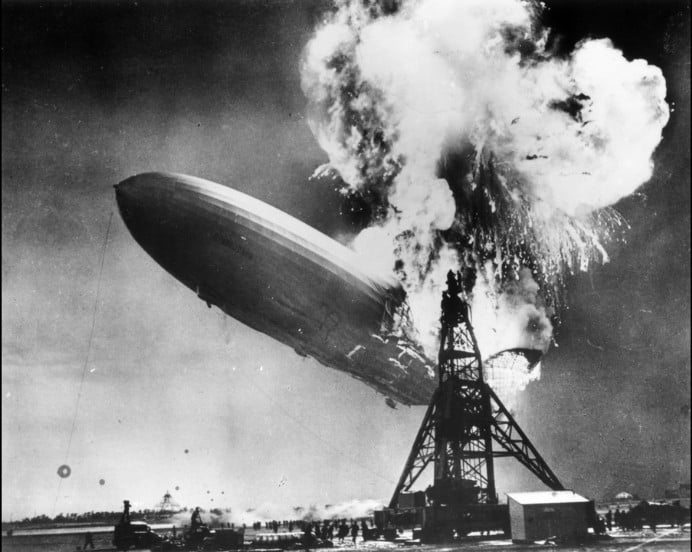
Sam Shere’s photograph of the Hindenburg airship erupting in flames over Lakehurst, New Jersey on May 6, 1937 didn’t just document a disaster — it ended an era. Public confidence in transatlantic airship travel, which had been genuinely popular and considered glamorous, essentially evaporated overnight.
The photograph is a small masterpiece of accidental timing: a moment of destruction so total and so photogenic that it made the entire enterprise of rigid airship travel seem like a fantasy the world had briefly agreed to share.
Emmett Till
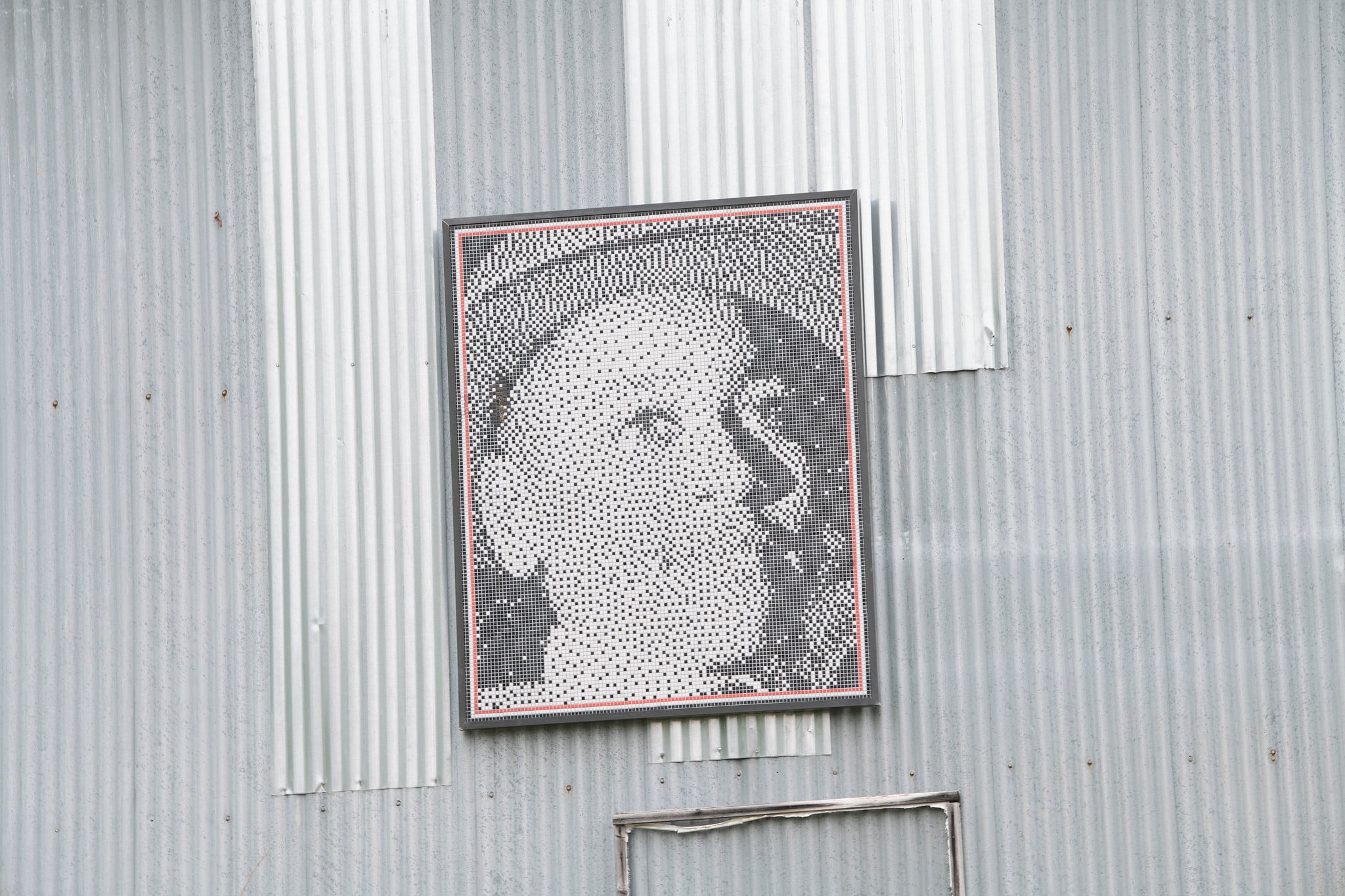
Mamie Till made the deliberate decision to have her son Emmett’s casket left open and to allow photographs of his battered face to be published in Jet magazine in 1955 — because she wanted the world to see what had been done to him. The images, and the acquittal of his killers, galvanized the civil rights movement with a clarity and fury that historians describe as a turning point.
The photographs are, in the most precise sense, a mother’s witness statement.
The Blue Marble

NASA’s 1972 photograph of Earth taken by the crew of Apollo 17 — the one that shows the full, lit disc of the planet against dark space — became the most reproduced photograph in history. It appeared on the cover of the first wave of environmental publications, was adopted by the nascent recycling movement, and gave a generation a single, shareable image of the planet as a thing worth protecting.
There’s a reason it still appears on every climate report published today.
Lewis Hine and Child Labor
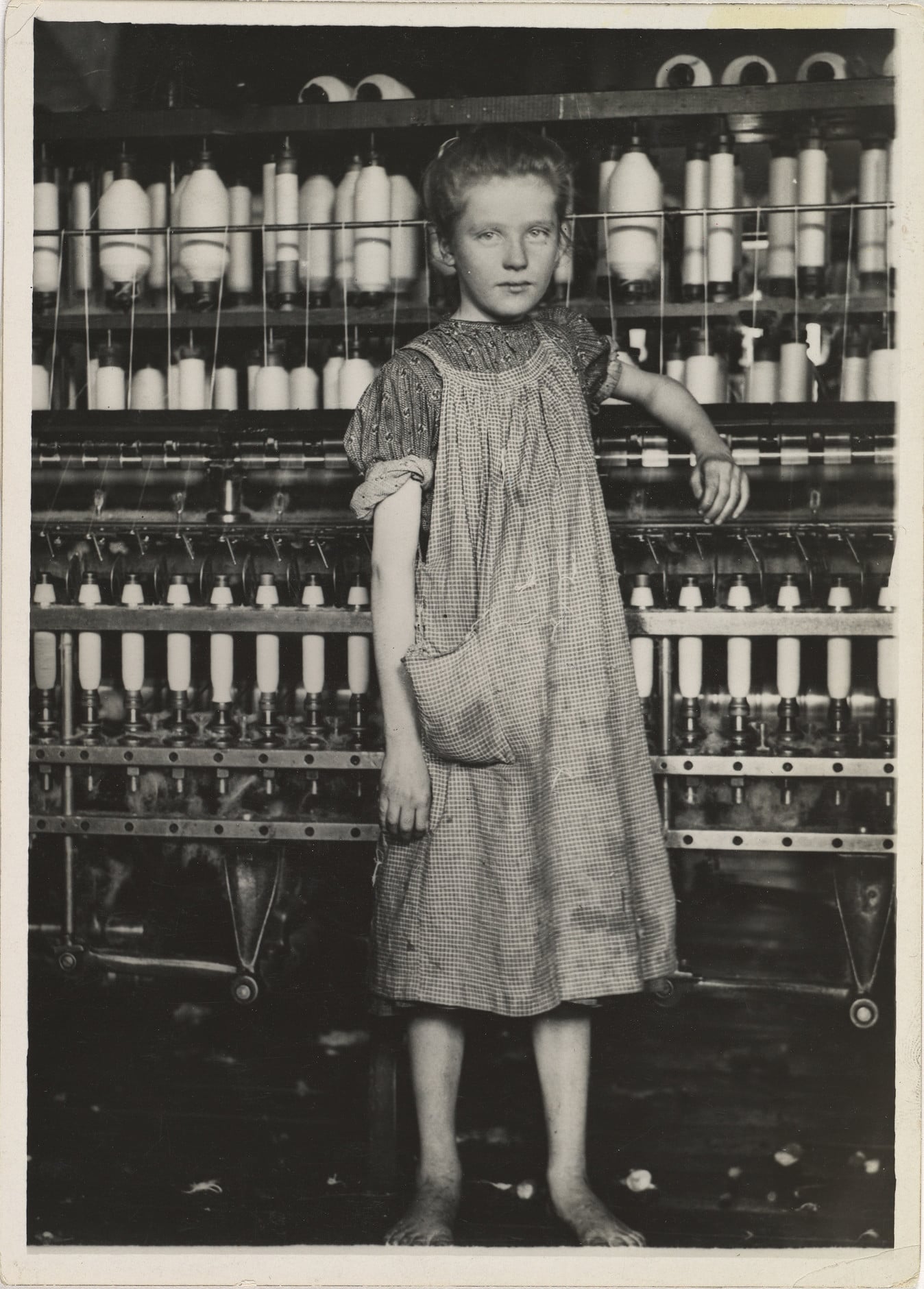
Lewis Hine spent years in the early 1900s photographing children working in textile mills, coal breakers, and canneries across the United States — documenting small hands, missing fingers, and faces that had stopped looking like children’s faces. His photographs for the National Child Labor Committee were so specific, so unsparing, and so persistent that they are directly credited with building the public support necessary to pass the Keating-Owen Child Labor Act of 1916.
The law was later overturned, but Hine kept taking photographs, and eventually the laws held.
The Flag Raising at Iwo Jima
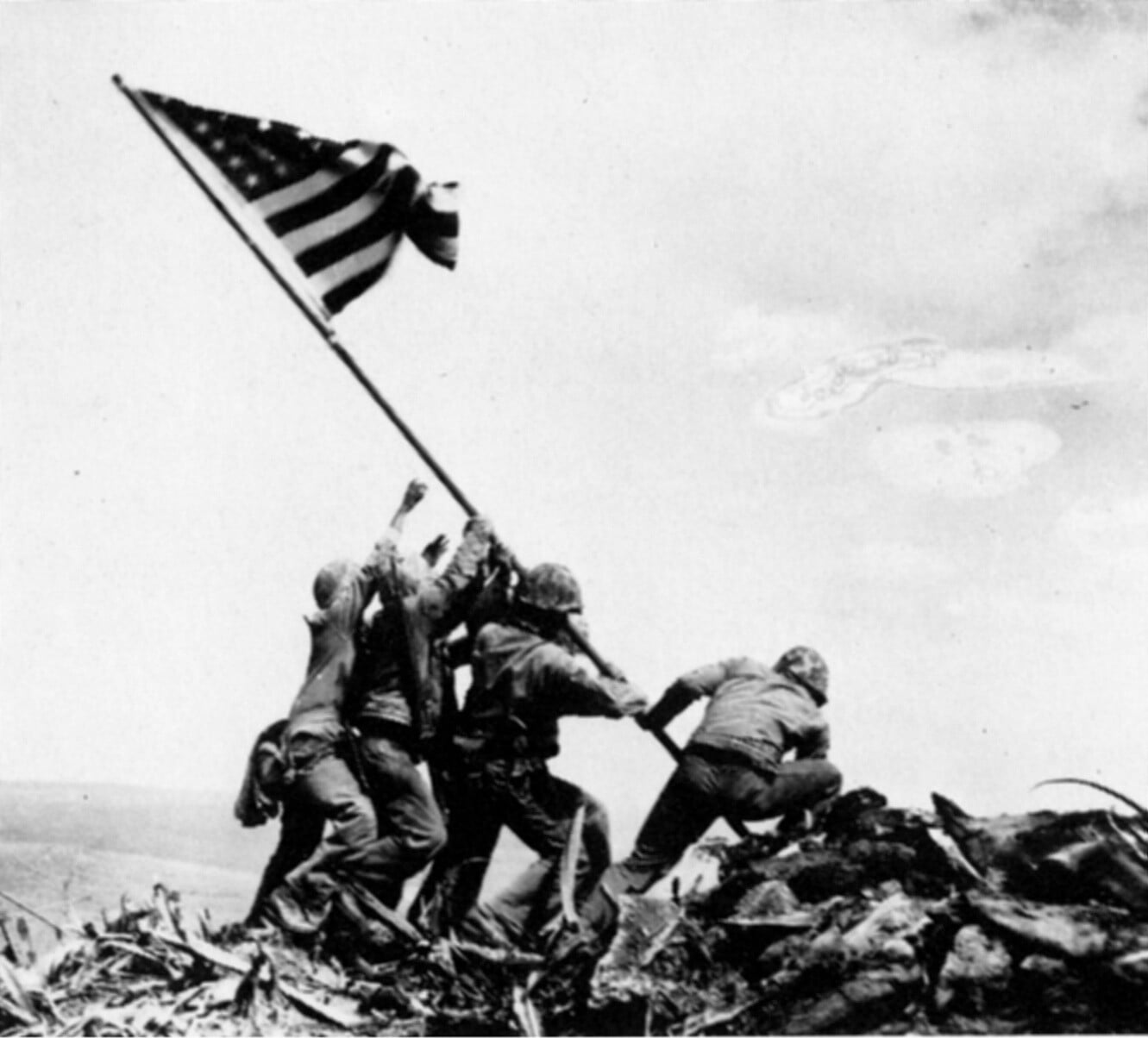
Joe Rosenthal’s photograph of six Marines raising a flag on Mount Suribachi on February 23, 1945 became the most reproduced war photograph in American history — and one of the most complicated. It was staged in the sense that it was a second flag raising, not the first, and three of the six men pictured were later killed on the island.
And yet the image did what it was meant to do: it rallied a war-weary public, was used extensively in war bond campaigns, and remains the basis for the Marine Corps War Memorial outside Arlington. The truth behind the image is messier than the image itself, which is probably true of most monuments.
Robert Capa and the Falling Soldier
Robert Capa’s 1936 photograph of a Republican soldier at the moment of being shot during the Spanish Civil War became the most famous war photograph of its era and, later, one of the most debated. Its authenticity was questioned for decades — some historians believe it was staged, others maintain it was genuine — but by the time the debate began in earnest, the image had already done its work: it had put a human body into the abstraction of a war most Western audiences were watching from a distance, and it had made that war feel real in a way newspaper dispatches hadn’t.
The 1968 Chicago Democratic Convention
Images of Chicago police beating protesters outside the 1968 Democratic National Convention aired on live television and ran in newspapers the following morning, and the effect on public opinion was immediate and divisive in equal measure. A substantial portion of the public was horrified; another portion approved.
But the photographs forced a national reckoning with the question of what political dissent was allowed to look like in America, and they remain one of the defining images of the fracture lines that still shape American politics.
The Napalm Aftermath in El Salvador
The 1980s saw a sustained campaign of photojournalism from Central America that slowly, unevenly, shifted American public opinion on U.S. involvement in the region. Susan Meiselas’s photographs from El Salvador — bodies, mass graves, refugee columns — ran in major American outlets and generated congressional pushback against Reagan administration policies that had largely been approved without much public scrutiny.
The photographs didn’t end the involvement, but they changed the political cost of supporting it.
Kevin Carter’s Sudan Image Reconsidered
What the Pulitzer committee gave Carter an award for, much of the public treated as an indictment — and that tension itself became the story. The debate over whether Carter should have put down his camera and intervened (the child, it later emerged, recovered and walked away after the photograph was taken) rewired how newsrooms, ethicists, and journalism schools thought about the observer’s obligation.
The photograph didn’t just move people to donate money; it moved an entire profession to reexamine its own rules.
Thich Quang Duc
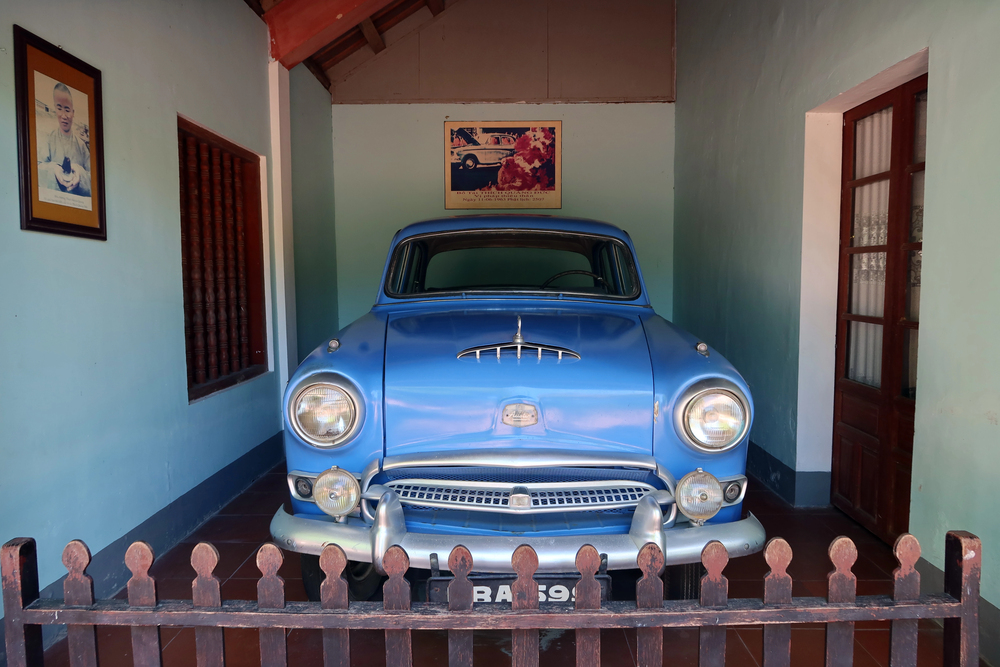
On June 11, 1963, a Buddhist monk named Thich Quang Duc sat down at a busy Saigon intersection, was doused in gasoline by fellow monks, and set himself on fire in protest of the South Vietnamese government’s persecution of Buddhists. Malcolm Browne’s photograph of the monk sitting in the flames — upright, still — ran on front pages globally and reportedly prompted President Kennedy to remark that no news picture in history had generated as much emotion around the world.
The South Vietnamese government’s response — Madame Nhu calling it a “barbecue” — accelerated the collapse of American support for the Diem regime.
Sandy Hook and the Aftermath

The photographs that emerged from Sandy Hook in December 2012 were not crime scene images — by that point, editorial standards had shifted significantly. What ran instead were photographs of parents’ faces outside the school, of children being led out by teachers, of a community in a state of shock so complete it looked like weather.
Those images, combined with the specific detail that twenty of the victims were six and seven years old, produced the largest single-week surge in public support for gun control legislation in polling history. The legislation didn’t pass. The photographs, and the argument they made, haven’t gone away.
When a Frame Outlasts Its Moment

Photographs age differently than words do. A sentence from a 1968 editorial feels dated within a decade; an image from the same year can land with full force on a twenty-year-old who wasn’t alive when it was taken, because the camera doesn’t editorialize — it just shows.
What makes the photographs on this list remarkable isn’t just that they moved people in the moment, but that they kept moving people long after the immediate crisis passed, kept insisting on being looked at, kept refusing the comfortable distance that time usually provides. The most powerful images don’t just shift opinion. They become the opinion — the thing people carry with them into every argument, every vote, every quiet decision about what kind of world they’re willing to accept.
More from Go2Tutors!

- The Romanov Crown Jewels and Their Tragic Fate
- 13 Historical Mysteries That Science Still Can’t Solve
- Famous Hoaxes That Fooled the World for Years
- 15 Child Stars with Tragic Adult Lives
- 16 Famous Jewelry Pieces in History
Like Go2Tutors’s content? Follow us on MSN.