27 Social Clubs Americans Joined in the 1950s
A typical weeknight in 1955 might end in a lodge hall, a church basement, or a living room full of folding chairs. Americans of that decade belonged to clubs the way later generations belonged to streaming services, and often to several at once.
These 27 organizations drew members from small towns and big cities alike. Some were fraternal orders with secret handshakes, some were women’s service groups, and a few were simply hobbies with a dues card attached.
Rotary International
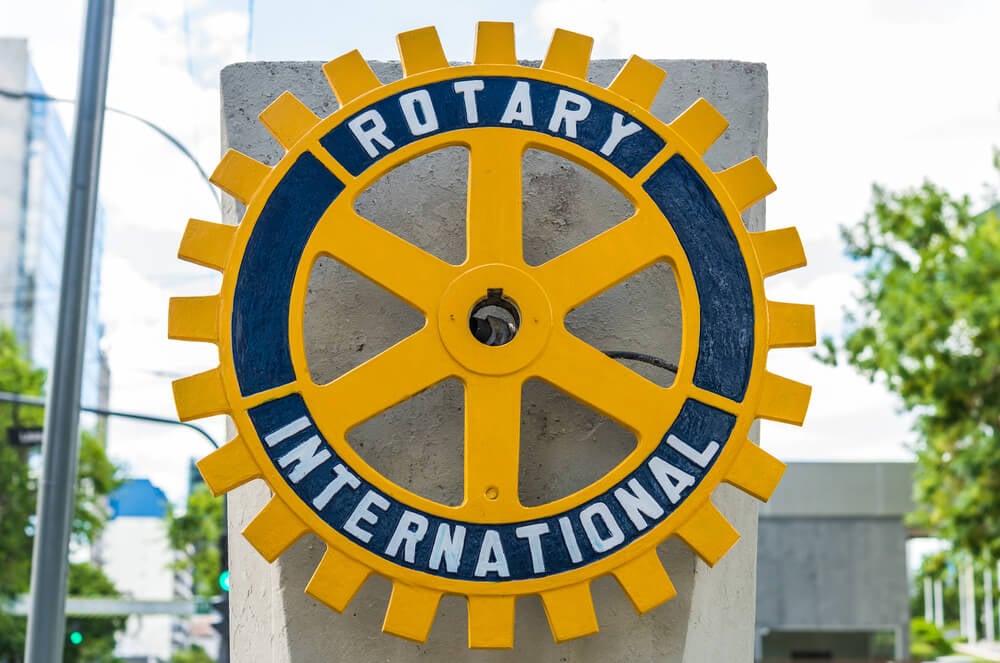
Paul Harris founded the first Rotary club in Chicago in 1905, and the name came from rotating meetings among members’ offices. By the 1950s the weekly luncheon was a fixture in town after town. Rotarians also used the Four-Way Test, a four-question checklist for ethical business conduct that Herbert Taylor wrote in the 1930s.
Kiwanis International
Kiwanis began in Detroit in 1915 and grew into one of the largest service clubs in the country. Its Key Club program, founded in Sacramento in 1925, gave high school boys their own version of the weekly meeting. Fathers and sons often ended up in the same organization two generations apart.
Lions Clubs
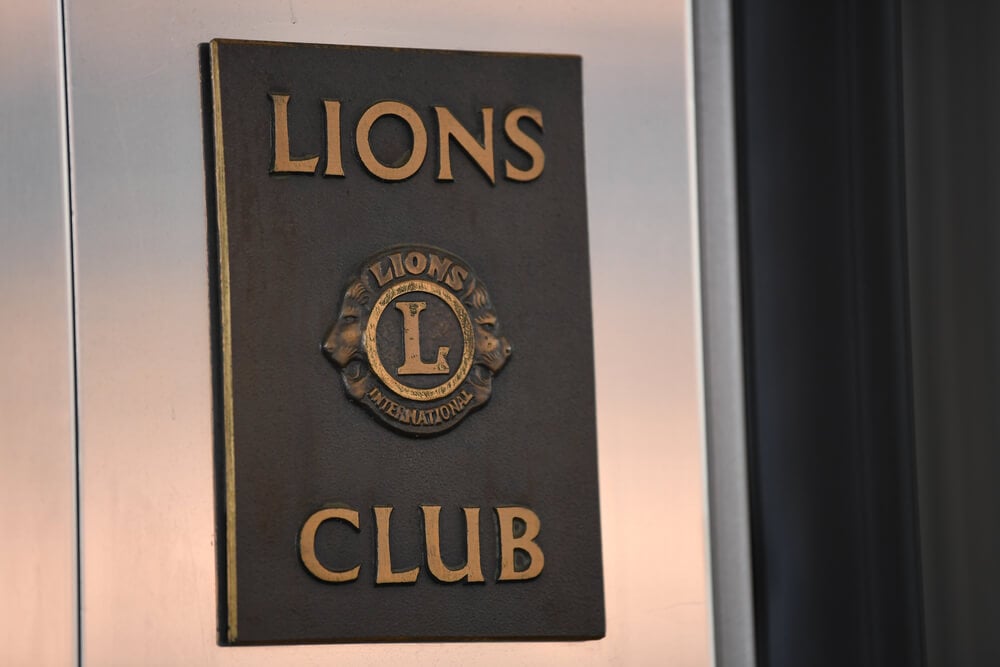
Melvin Jones founded Lions Clubs in Chicago in 1917. In 1925, Helen Keller addressed the convention in Cedar Point, Ohio, and challenged the members to act as knights for the blind. The group took that to heart, and sight programs became its signature cause.
Optimist International

Optimist clubs organized in 1919 around a youth-centered mission. Local chapters sponsored oratorical contests, sports leagues, and scholarship drives. Members saw themselves as the adults who showed up for children in the neighborhood.
The Junior Chamber of Commerce
The Jaycees began in St. Louis in 1915 for young men in the early years of their careers, and members aged out once they reached the upper limit. Their Ten Outstanding Young Men award, launched in 1938, gave the organization national visibility. Jaycee chapters used community projects as a way to practice leadership before reaching the senior service clubs.
Benevolent and Protective Order of Elks
The Elks formed in New York in 1868 out of a social group of performers who called themselves the Jolly Corks. It became a national fraternity with its own lodge buildings and charity work for veterans. Many Elks lodges were among the most recognizable buildings on a small-town main street.
Loyal Order of Moose
The Moose began in Louisville in 1888 and became known for its care of children and the elderly. Mooseheart, a residential community for children near Aurora, Illinois, opened in 1913. Moosehaven, a retirement community in Florida, followed in 1922.
Fraternal Order of Eagles
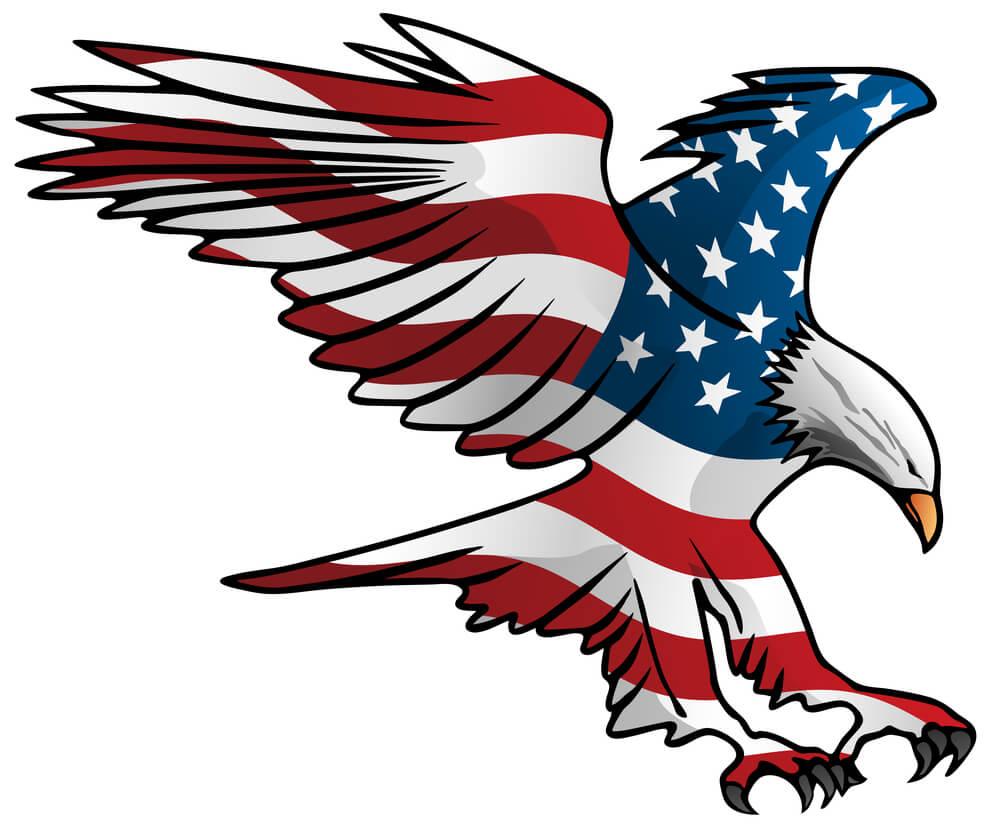
The Eagles began in Seattle in 1898, founded by a group of theater owners. Local chapters, called aeries, hosted dances and bingo nights. The order campaigned for a national Mother’s Day and later became known for its activism on behalf of older Americans.
The Shriners
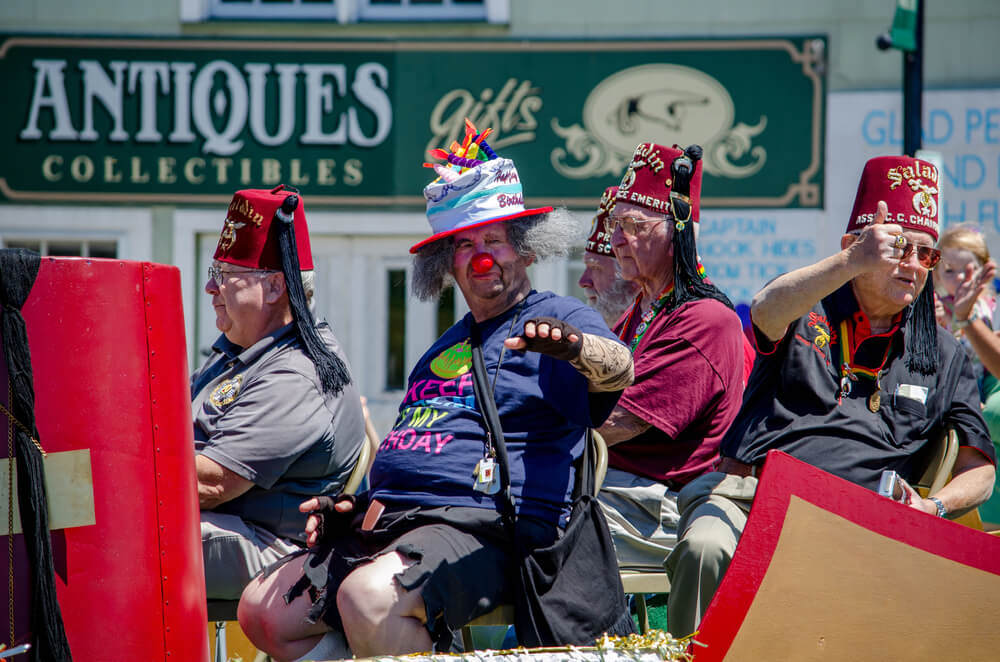
Walter Fleming and William Florence founded the Shriners in New York in the 1870s as a fun-loving offshoot of Freemasonry. Members wore red fezzes and drove tiny cars in parades, a sight that still defines the group. The first Shriners Hospital for Children opened in Shreveport, Louisiana, in 1922.
Independent Order of Odd Fellows
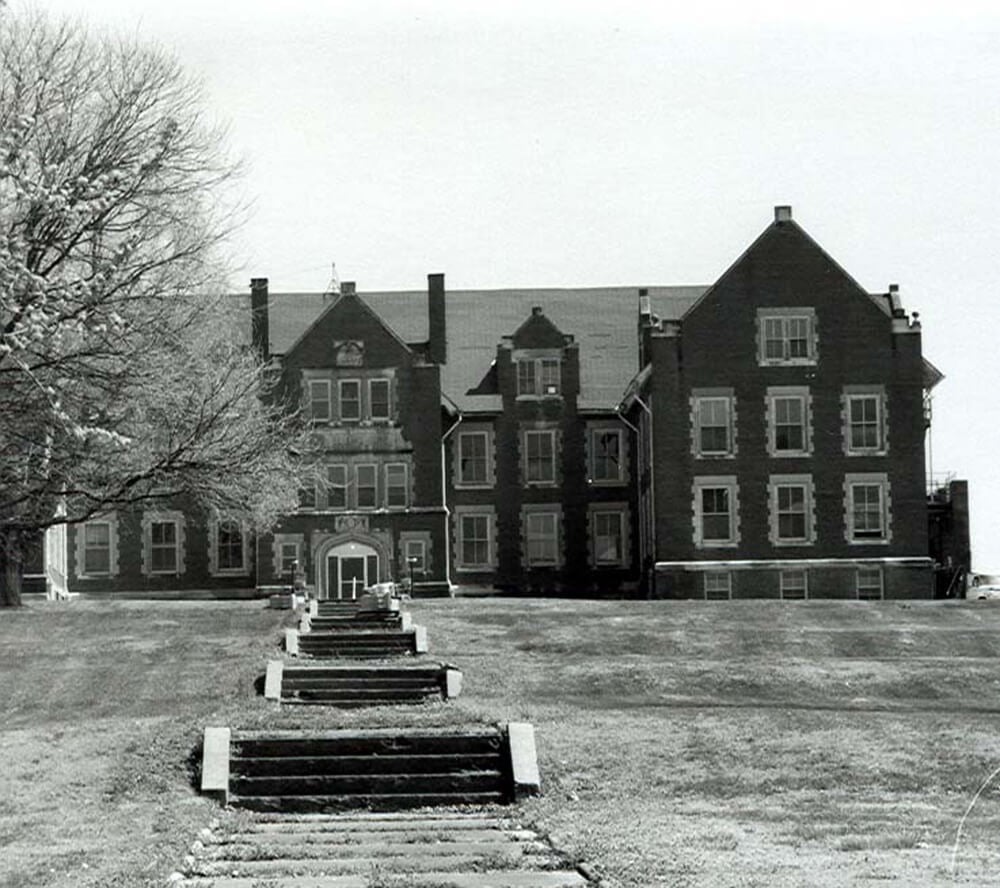
Thomas Wildey organized an American lodge of Odd Fellows in Baltimore in 1819. The three linked rings on its emblem stood for friendship, love, and truth. The Rebekah Lodges, established in 1851, gave women their own place in the order.
The National Grange
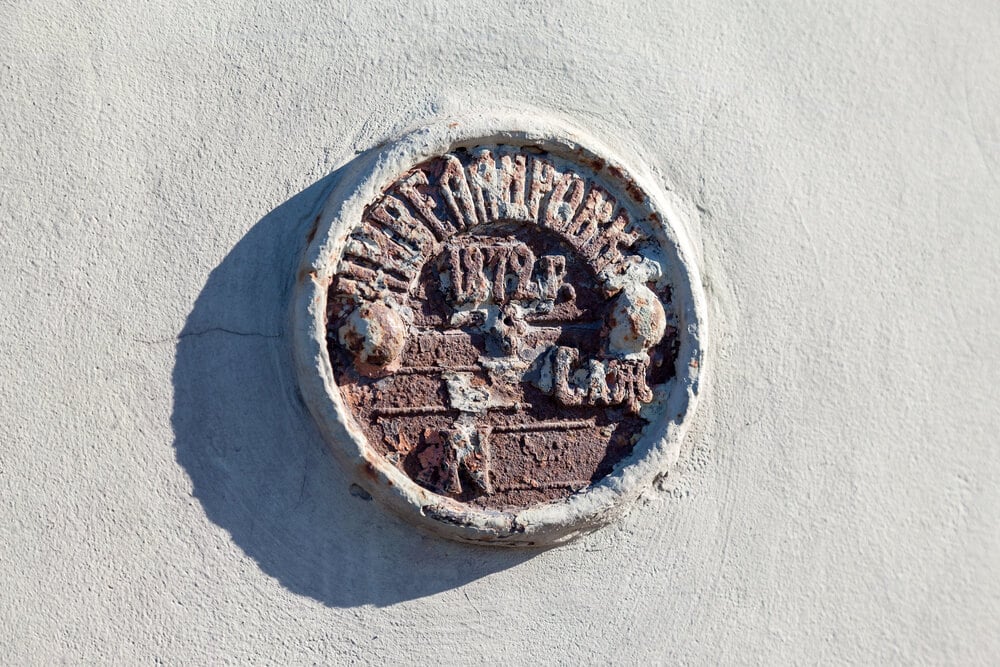
Oliver Hudson Kelley founded the Grange in 1867 to bring farm families together and give them a collective voice. Women were admitted as members from the beginning, which was rare for the era. In the 1950s the Grange hall still hosted potlucks, dances, and lobbying meetings on farm policy.
Knights of Columbus
Father Michael McGivney founded the Knights of Columbus in New Haven, Connecticut, in 1882. The order offered Catholic men fellowship and low-cost life insurance. In the 1950s it campaigned for adding the words under God to the Pledge of Allegiance, which Congress approved in 1954.
The American Legion
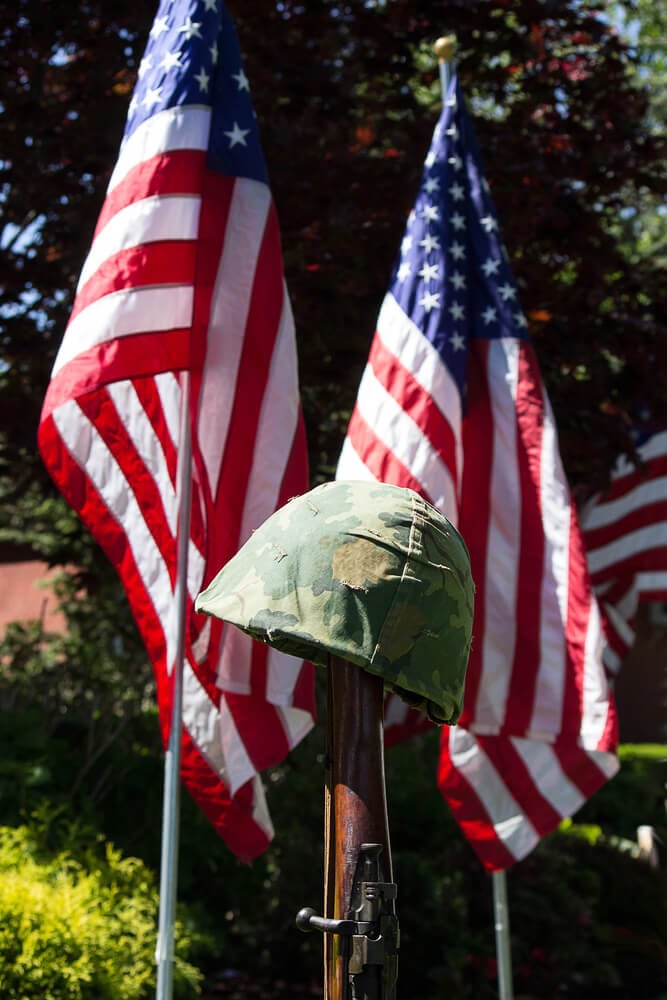
Veterans meeting in Paris in 1919 formed the American Legion, and it grew into the largest veterans’ organization in the country. Its members were central to the push for the GI Bill. The Legion also sponsored Boys State, a mock-government program that began in 1935.
4-H Clubs
The four H’s stand for head, heart, hands, and health. A child joined a local club, picked a project such as raising a calf or baking bread, and then exhibited the results at a county fair. The program had roots in Ohio in the early 1900s and became a national institution.
The Junior League
Mary Harriman founded the first Junior League in New York in 1901. Members, mostly young women from prosperous families, committed hours of volunteer work to hospitals, libraries, and children’s programs. By the 1950s the League was a pipeline into the civic leadership of many cities.
League of Women Voters
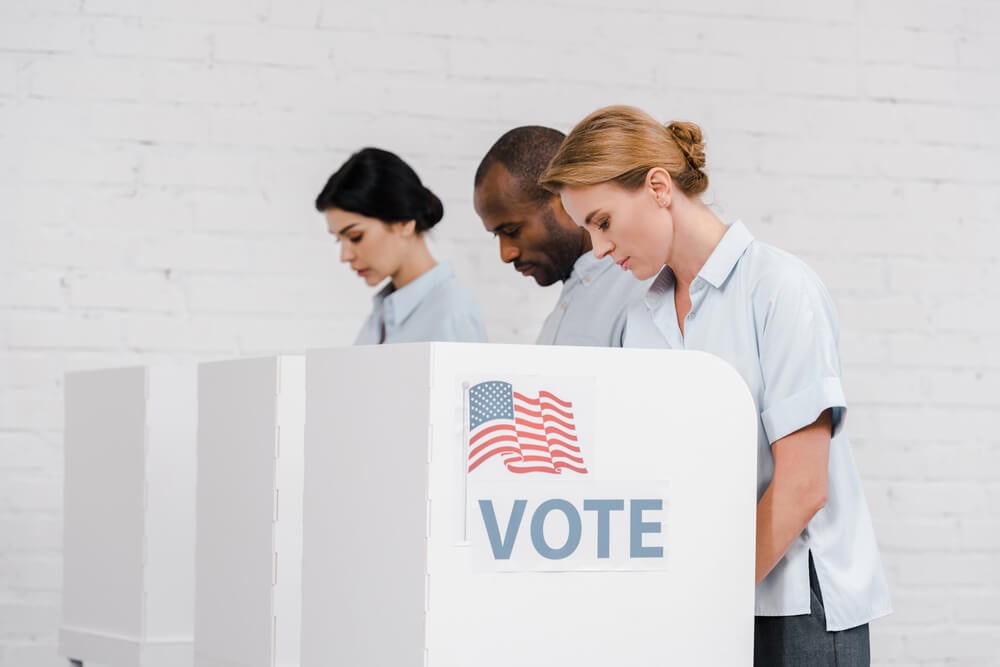
Carrie Chapman Catt founded the League in 1920, months before ratification of the Nineteenth Amendment. Its nonpartisan stance made it the group that ran candidate forums and published voter guides. Local chapters turned out volunteers by the thousands.
The PTA
The National Congress of Mothers, founded in 1897 by Alice McLellan Birney and Phoebe Hearst, became the PTA. In the 1950s the monthly meeting was one of the few places where parents and teachers talked directly. Bake sales, carnivals, and fundraising drives paid for school equipment.
Toastmasters International

Ralph Smedley founded the first Toastmasters club in the YMCA in Santa Ana, California, in 1924. Members practiced giving short speeches and received structured feedback from their peers. For people moving into management in the postwar economy, it was a cheap way to lose a fear of public speaking.
Soroptimist International

The first Soroptimist club formed in Oakland, California, in 1921 for professional and business women. The name comes from Latin words meaning best for women. Chapters raised money for scholarships and projects that supported women’s education.
The Garden Club of America
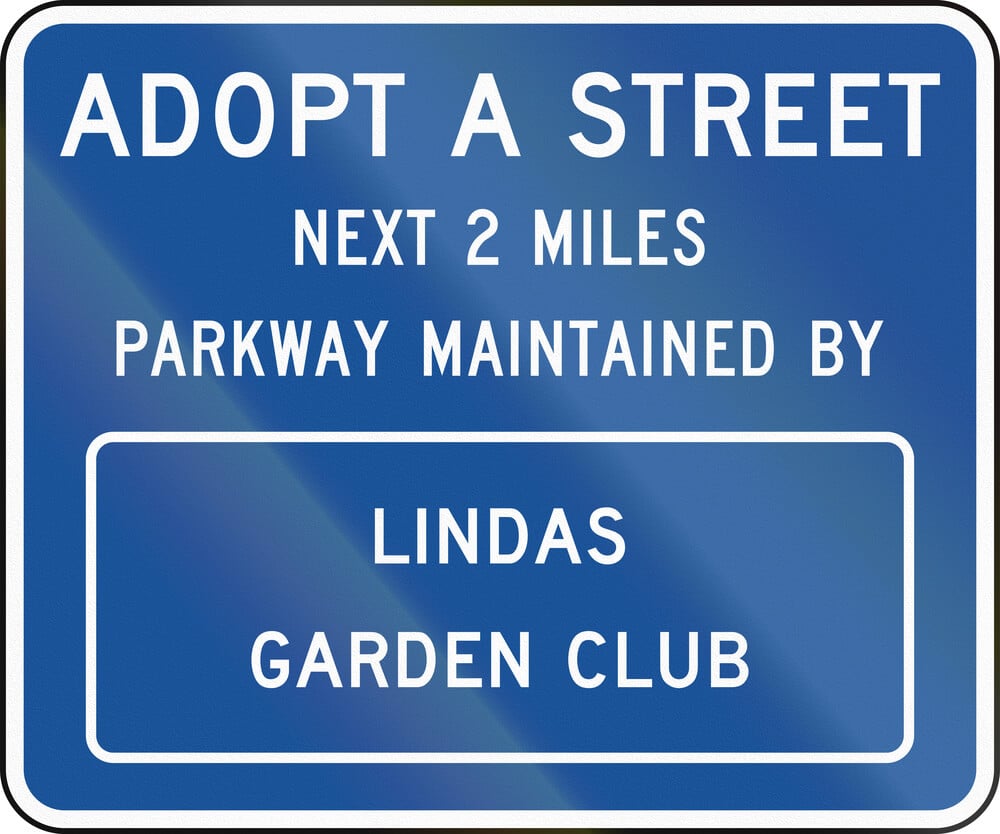
The Garden Club of America was founded in Philadelphia in 1913. Local garden clubs organized flower shows, civic plantings, and conservation drives. Judging a prize dahlia could be as competitive as any sporting event.
Daughters of the American Revolution
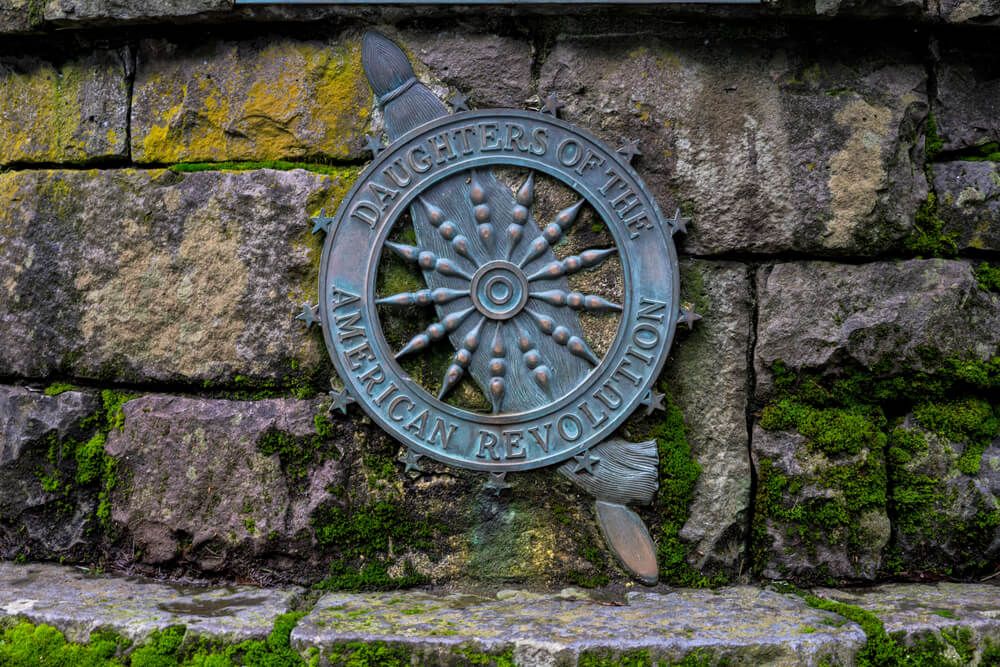
The DAR was founded in 1890 for women who could trace descent from a patriot of the Revolutionary War. Its Constitution Hall in Washington, D.C., opened in 1929 as a concert venue. Local chapters ran genealogy projects, historical markers, and essay contests.
Woodmen of the World
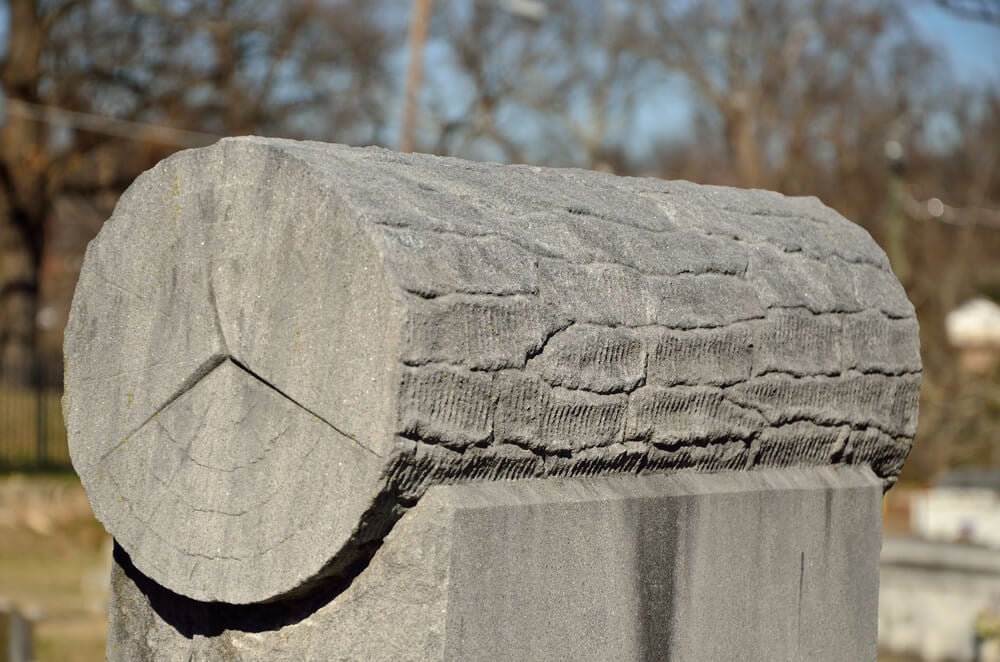
Joseph Cullen Root founded Woodmen of the World in Omaha in 1890 as a fraternal insurance society. Members who died were sometimes memorialized with gravestones carved to look like tree stumps. The monuments still stand in cemeteries across the country.
Sons of Norway
Norwegian immigrants founded Sons of Norway in Minneapolis in 1895 as a mutual aid society. Local lodges held Norwegian-language classes, folk dancing, and lutefisk dinners. The group connected Scandinavian-American families with their heritage and each other.
Hadassah
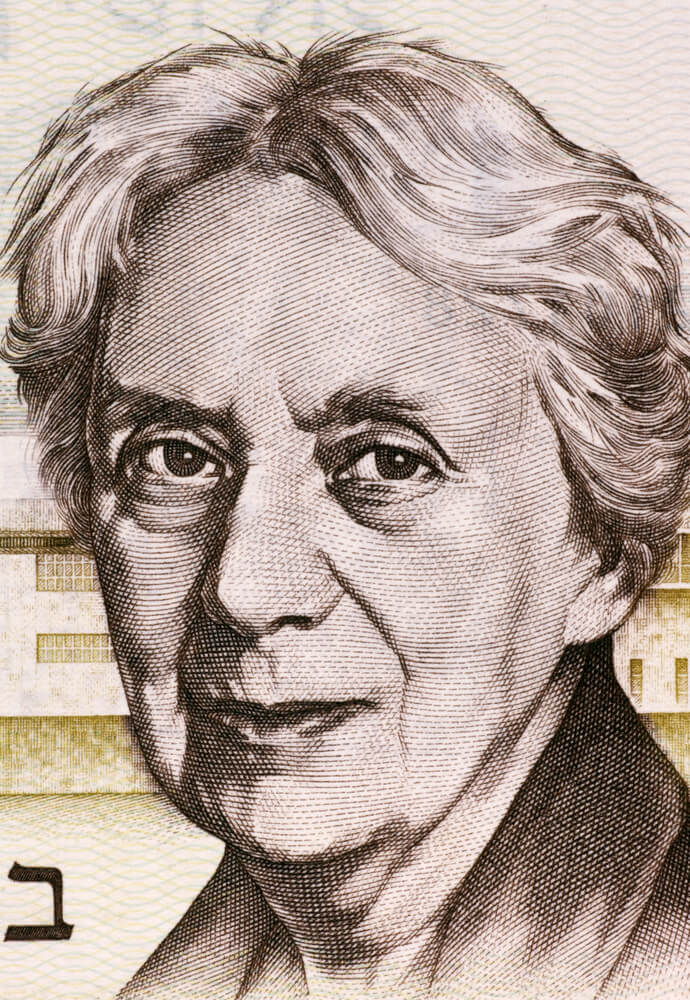
Henrietta Szold founded Hadassah in New York in 1912 to support medical care and nursing in what was then Palestine. Chapters across the United States held fundraising luncheons and study groups. In the 1950s it was one of the largest women’s volunteer organizations in the country.
Square Dance Clubs
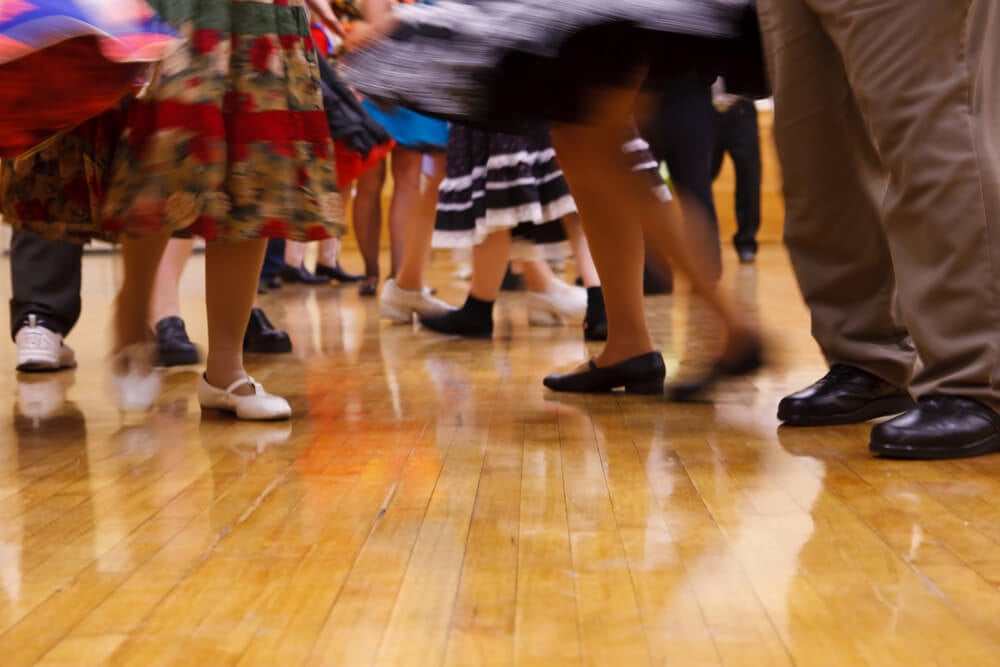
Lloyd Shaw, a Colorado Springs educator, helped spark a national revival of square dancing with his 1939 book Cowboy Dances. Clubs sprang up across the country in the postwar years. Members wore matching outfits, with full skirts for women, and followed a caller’s patterns through an evening.
The American Radio Relay League
Hiram Percy Maxim founded the ARRL in 1914 to link amateur radio operators. By the 1950s, ham operators held call signs and traded signal reports across states and oceans. The annual Field Day let clubs practice emergency communication in a parking lot or park.
Bridge Clubs
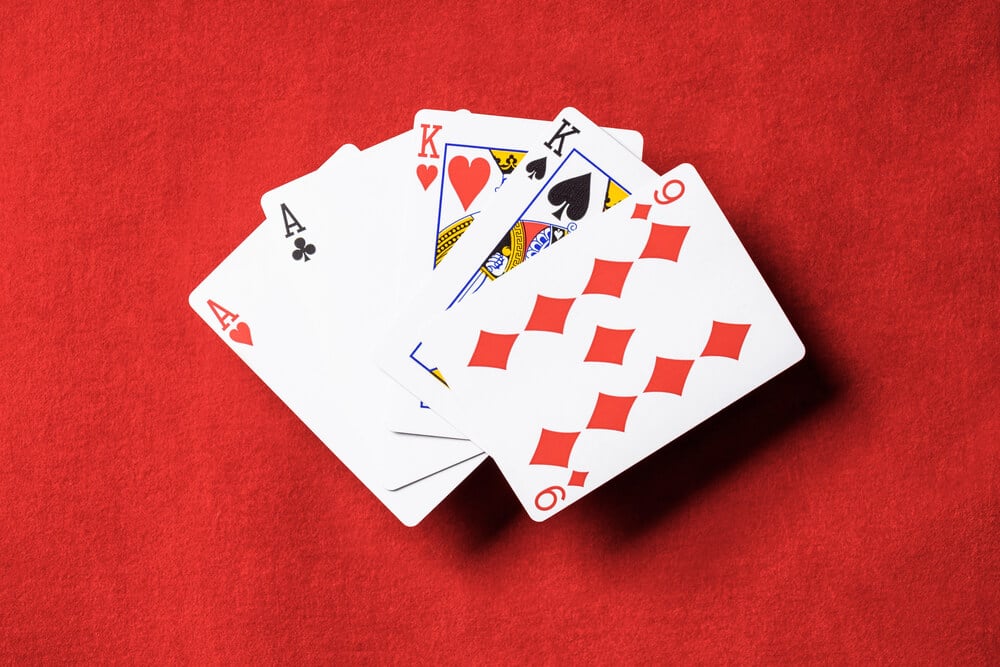
Contract bridge took over American card tables in the 1930s, thanks largely to Ely Culbertson’s promotion. In the 1950s, Charles Goren became the face of the game, appearing on the cover of Time in 1958. Neighborhood bridge clubs rotated houses, and some groups played together for decades.
Why Belonging Came With a Dues Card

None of these clubs promised to change the world, and most did not try. They offered a standing appointment, a routine that gave a weeknight shape, and a group that noticed when a member stopped showing up. That regularity mattered more than any single project.
The groups also taught practical skills that were rarely labeled as such. Members learned to run a meeting, keep a treasury, speak in public, and organize a fundraiser. Many of those habits came through the front door of a hobby or a cause and stayed with members for the rest of their lives.
More from Go2Tutors!

- 27 Silver Dollars and Half Dollars Worth Keeping
- 28 Restaurant Menu Items Nobody Orders Anymore
- 17 Places Built in Seemingly Impossible Spots
- 27 Vintage Rings Worth More Than They Look
- 25 Restricted Sites Tourists Can’t Enter
Like Go2Tutors’s content? Follow us on MSN.