18 American Buildings Converted From Former Factories
Factories were built to last, with thick floors, tall ceilings, and more windows than anyone needs for a modern office. That sturdiness is exactly why so many of them outlived the products they once made.
Across the country, old plants now hold museums, hotels, food halls, and student unions. Some kept their smokestacks, some kept their signs, and a few kept the smell of what was made there.
Dia Beacon, the Cookie-Box Printing Plant Turned Museum
Dia Beacon sits inside a former Nabisco box-printing factory in Beacon, New York, along the Hudson River. The Dia Art Foundation opened it as a museum in 2003, and the saw-toothed skylights that once lit the printing floor now light monumental works by artists such as Richard Serra.
The factory’s long, open floors proved ideal for sculptures too large for a conventional gallery. Visitors arrive by train from Manhattan, and the station is a short walk away.
MASS MoCA, a Textile Printing Works Reborn as a Contemporary Art Giant
The Massachusetts Museum of Contemporary Art fills the old Arnold Print Works complex in North Adams, a textile printing operation that later housed the electronics maker Sprague Electric. After decades of industrial use, the sprawling brick campus reopened as a museum in 1999.
Its enormous galleries were designed to hold installations that other museums have to turn away. Musicians also perform on the grounds, so a former mill yard now doubles as a concert venue.
Chelsea Market, Where the Oreo Was Born
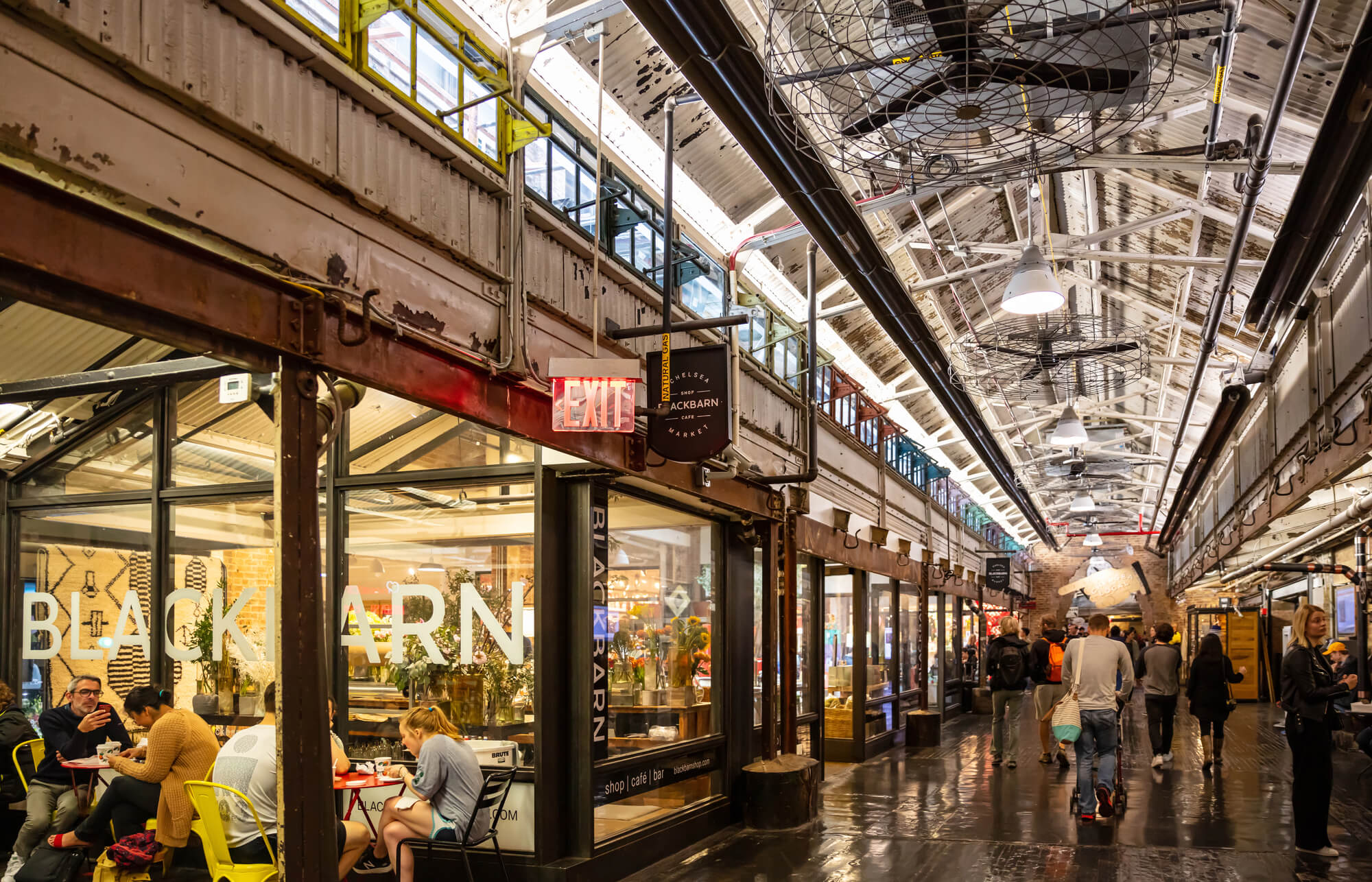
Chelsea Market occupies the old Nabisco bakery complex in Manhattan’s Chelsea neighborhood, the site where the Oreo cookie debuted in 1912. The cookie-making era ended, and the building was transformed into a food hall and office complex that opened in 1997.
Shoppers now buy lobster and tacos on the same ground floor where cookies once rolled off the line. A brick-lined concourse and exposed pipes keep the factory character intact.
Mill City Museum, a Flour Mill That Survived Fire and Explosion
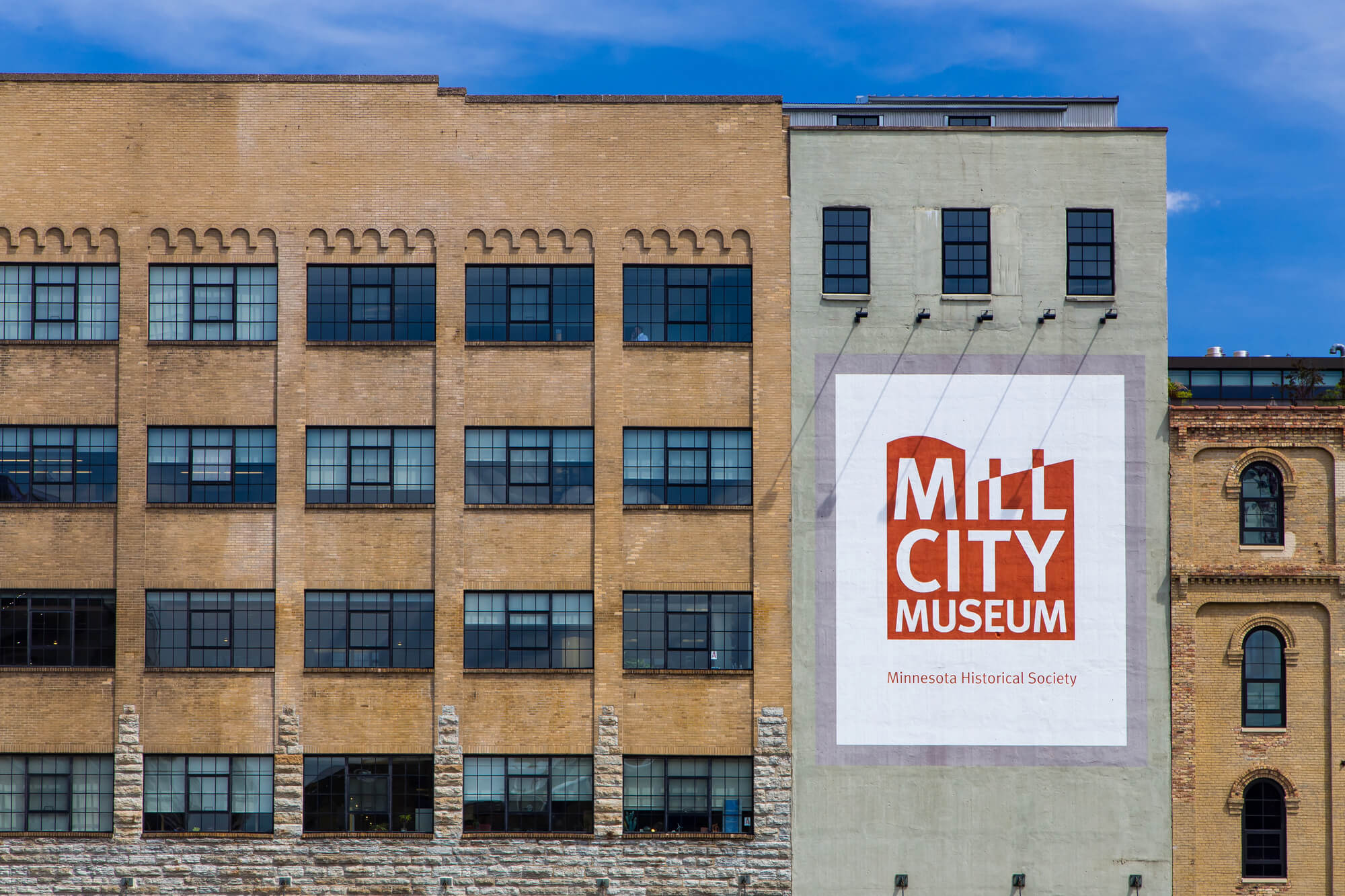
The Washburn A Mill in Minneapolis was a flour-making powerhouse beside the Mississippi River, and its history includes a deadly 1878 explosion that destroyed the original mill. After a fire gutted the building in 1991, its ruins were stabilized and incorporated into the Mill City Museum, which the Minnesota Historical Society opened in 2003.
Part of the visit is a ride in the Flour Tower, an elevator staged as a trip through the mill’s old floors. Exposed stone walls show the damage that the building absorbed.
City Museum, a Shoe Factory Filled With Salvaged Architecture
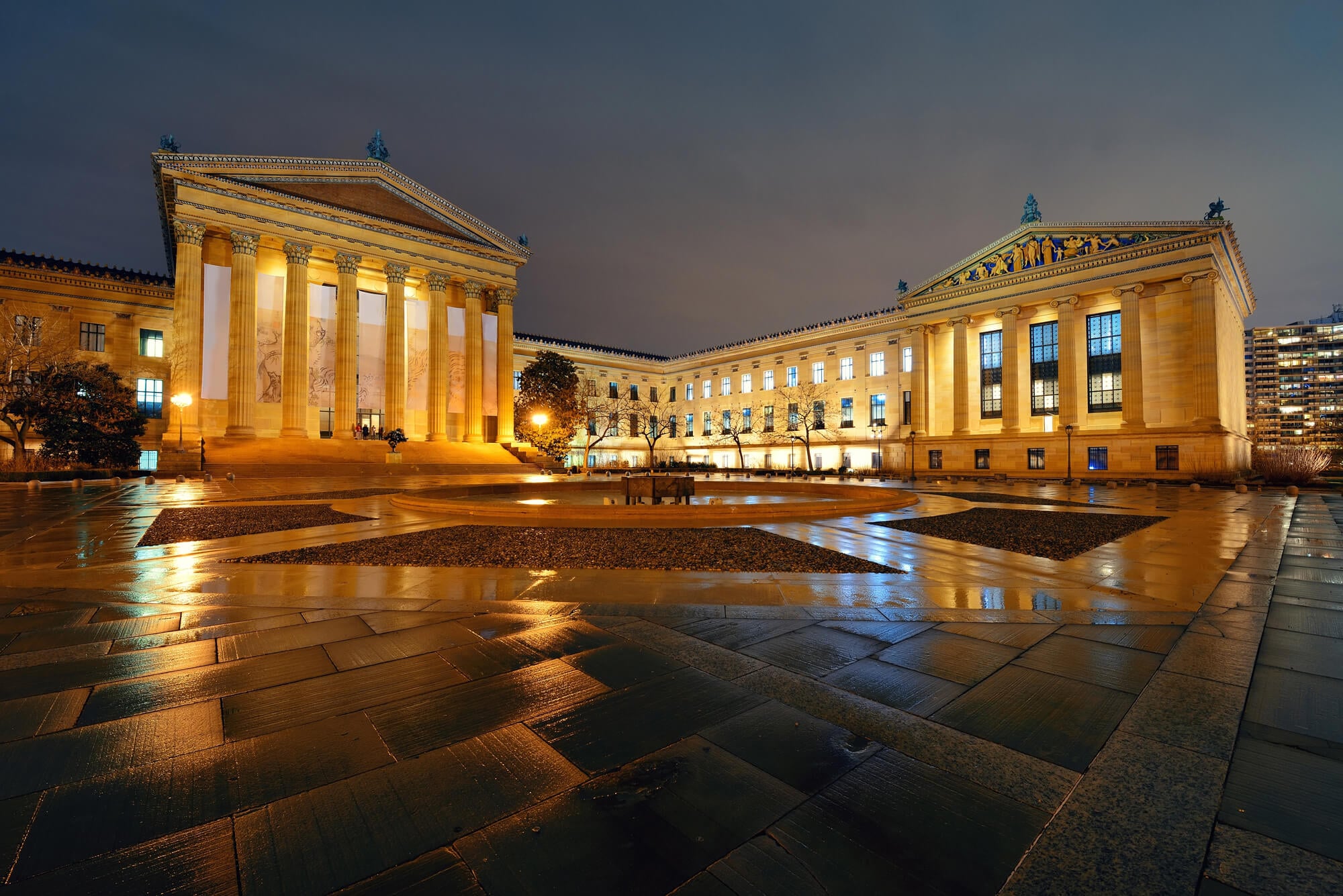
St. Louis’s City Museum fills the former International Shoe Company building, a warehouse and factory that sat empty before sculptor Bob Cassilly and his collaborators transformed it. The museum opened in 1997 and is built largely from reclaimed architectural pieces, including salvaged bridges, chimneys, and other industrial scraps.
Visitors climb through tunnels, slides, and metal structures that wind through the old floors. The result is closer to an adventure park than a typical museum.
Torpedo Factory Art Center, Munitions Plant Turned Artist Studios
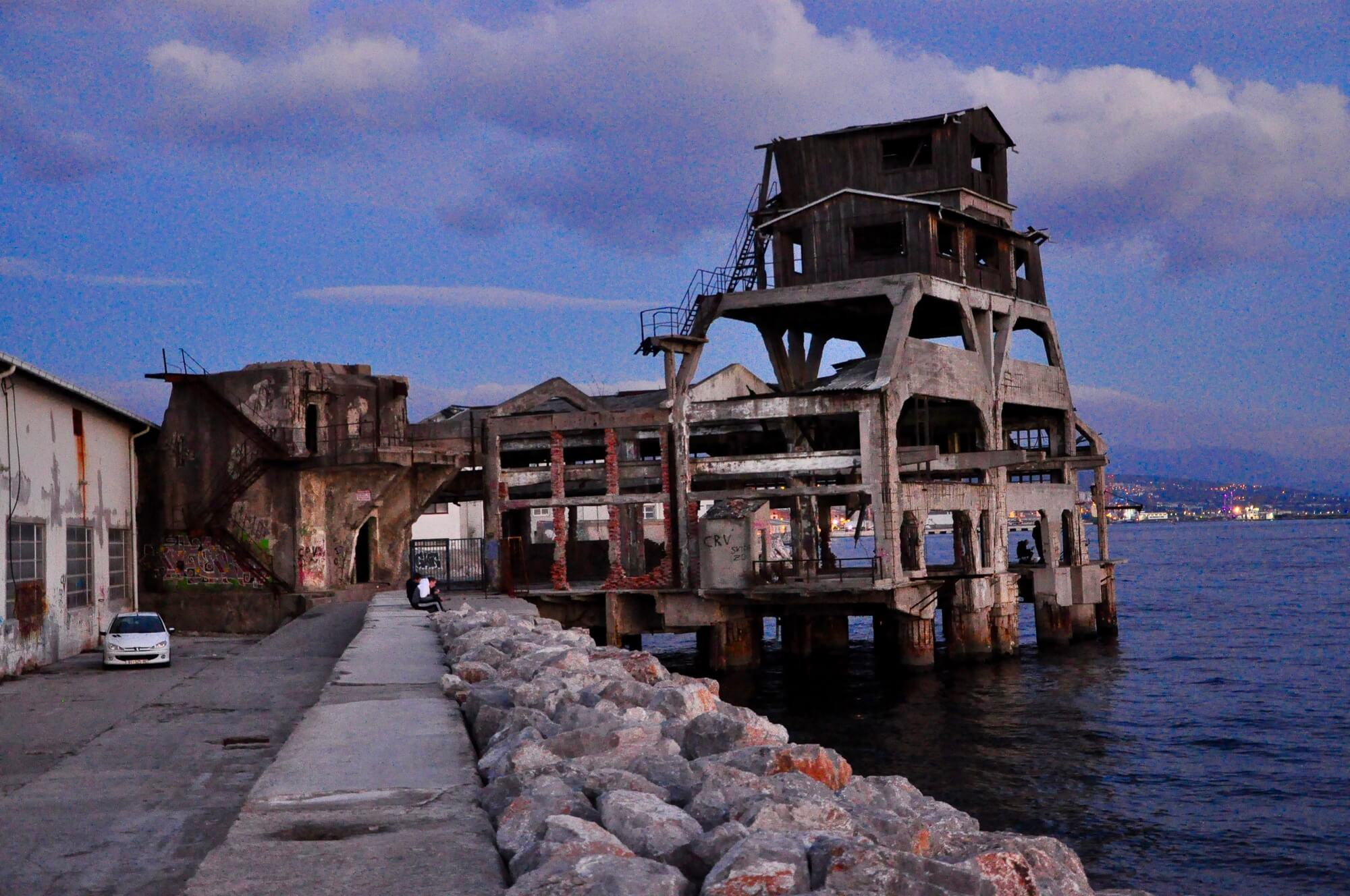
The Torpedo Factory in Alexandria, Virginia, was a US Navy torpedo plant built at the end of World War I. After years as government storage, the building was converted, and artists moved into former work spaces in 1974.
Today the waterfront building holds working studios where visitors can watch painters, sculptors, and printmakers at work. The name is a reminder of what the building was built to make.
Ghirardelli Square, a Chocolate Factory Turned Waterfront Landmark
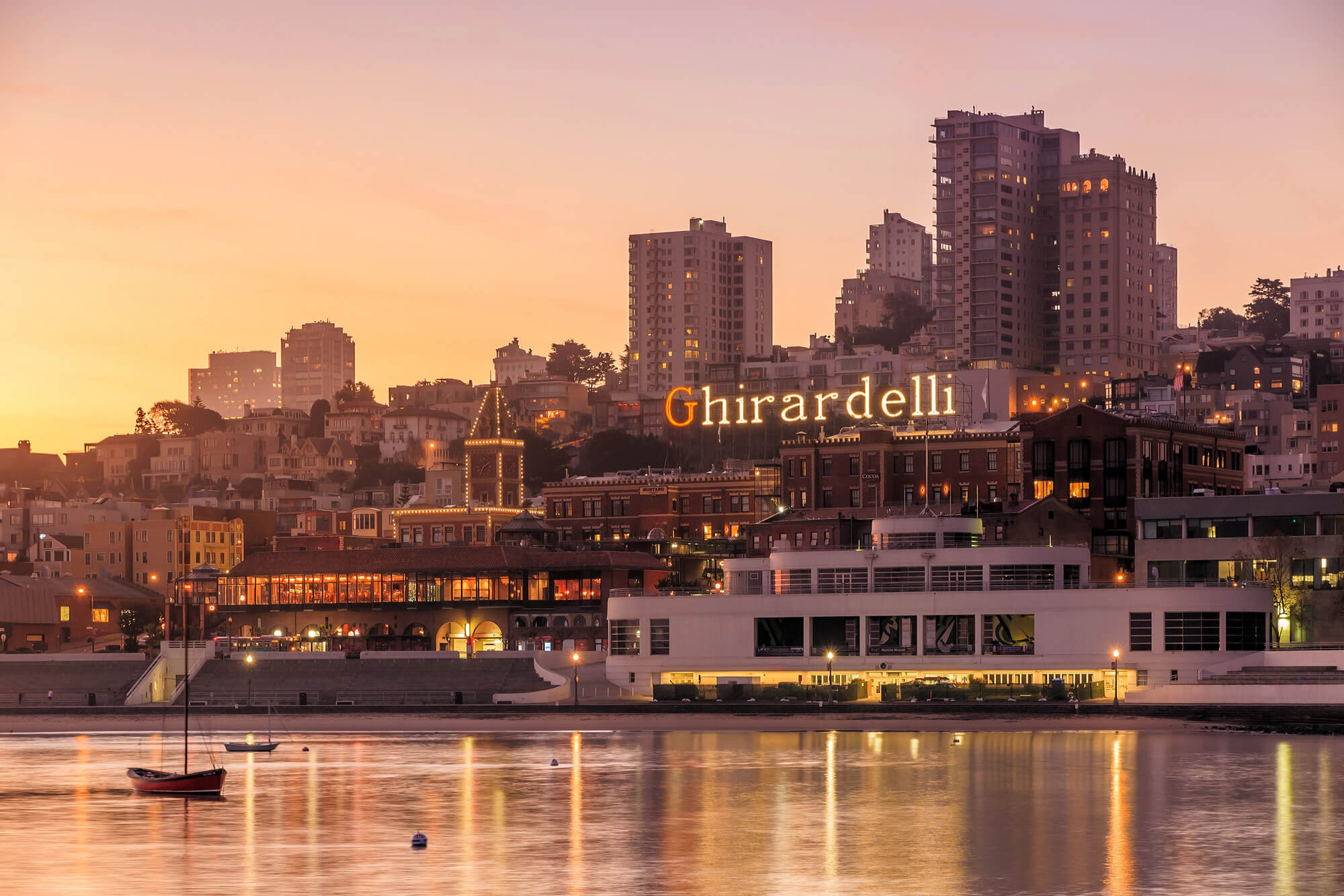
Ghirardelli Square in San Francisco grew from the buildings of the Ghirardelli chocolate factory near Fisherman’s Wharf. In 1964 the old factory complex reopened as a center for shops and restaurants, with developer William Matson Roth leading the transformation.
The giant illuminated Ghirardelli Square sign still glows above the bay, and the complex now includes a Fairmont Heritage Place residence-style hotel. Chocolate remains the souvenir of choice.
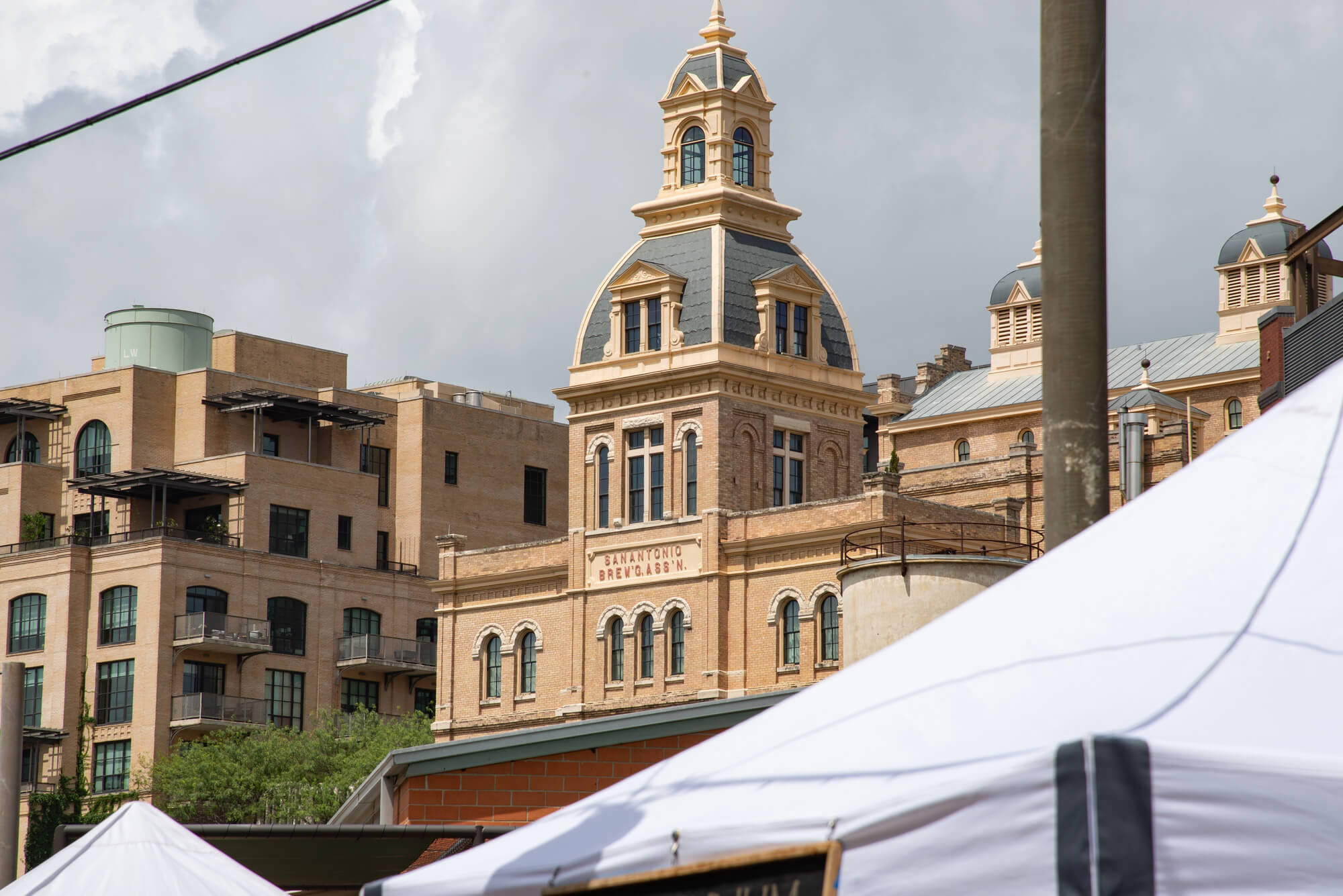
Hotel Emma, a San Antonio Brewhouse With a Brewer’s Widow as Namesake
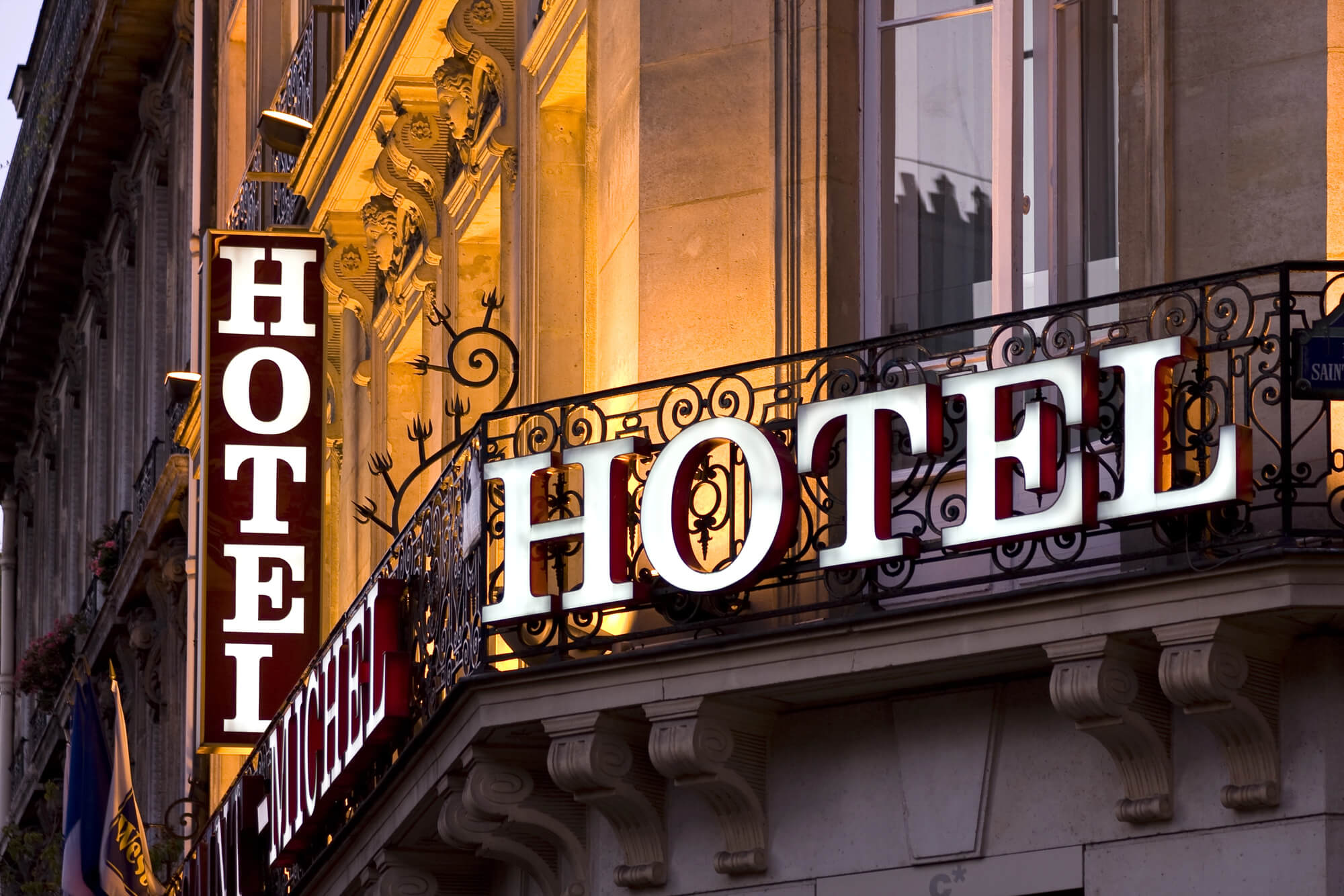
Hotel Emma opened in 2015 inside the old brewhouse of the Pearl Brewery in San Antonio. The hotel is named for Emma Koehler, who ran the brewery after her husband’s death in 1914 and steered it through Prohibition.
Its lobby keeps the industrial scale of the old brewhouse, with iron machinery and towering ceilings left in view. The surrounding Pearl district has since grown into a neighborhood of restaurants, shops, and housing.
Quaker Square, an Oat Mill Where Guests Slept in Silos
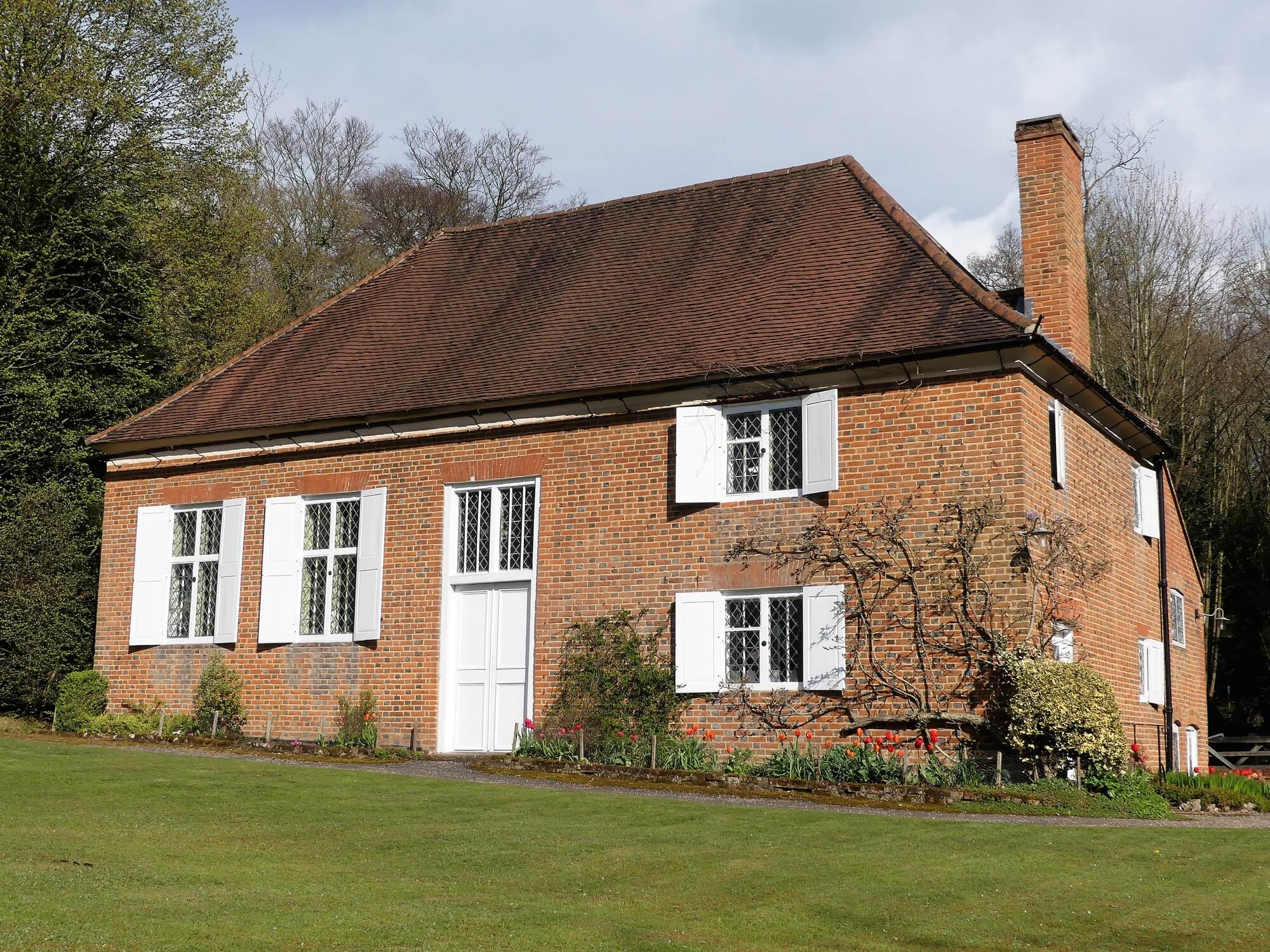
In Akron, Ohio, the grain silos of the old Quaker Oats mill were converted into a hotel in 1980 whose round guest rooms occupied the cylindrical concrete bins. Shops, restaurants, and a collection of railroad cars filled the surrounding mill buildings.
Visitors could say, with some accuracy, that they had slept inside a cereal factory. The University of Akron later used the complex for student housing.
SteelStacks, Blast Furnaces Reborn as an Arts Campus
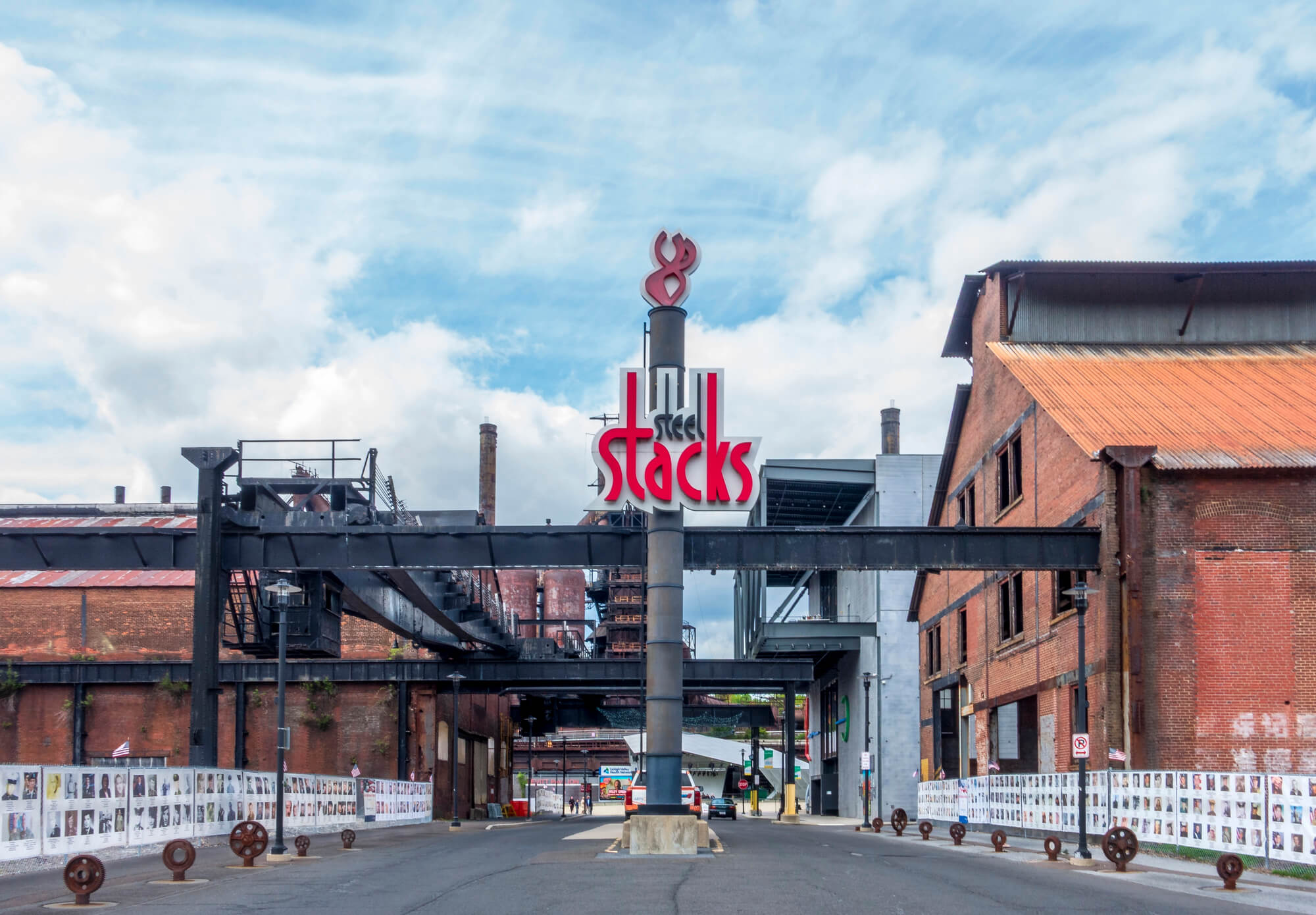
Bethlehem Steel’s blast furnaces dominated Bethlehem, Pennsylvania, until the company’s steelmaking ended in 1995. The rusting furnaces were preserved, and in 2011 the SteelStacks arts and cultural campus opened around them.
It includes the ArtsQuest Center and an outdoor Levitt Pavilion, where free concerts take place under the old stacks. The furnaces are lit at night, turning the skyline of a former steel town into a stage set.
Krog Street Market, a Stove Factory That Became an Atlanta Food Hall
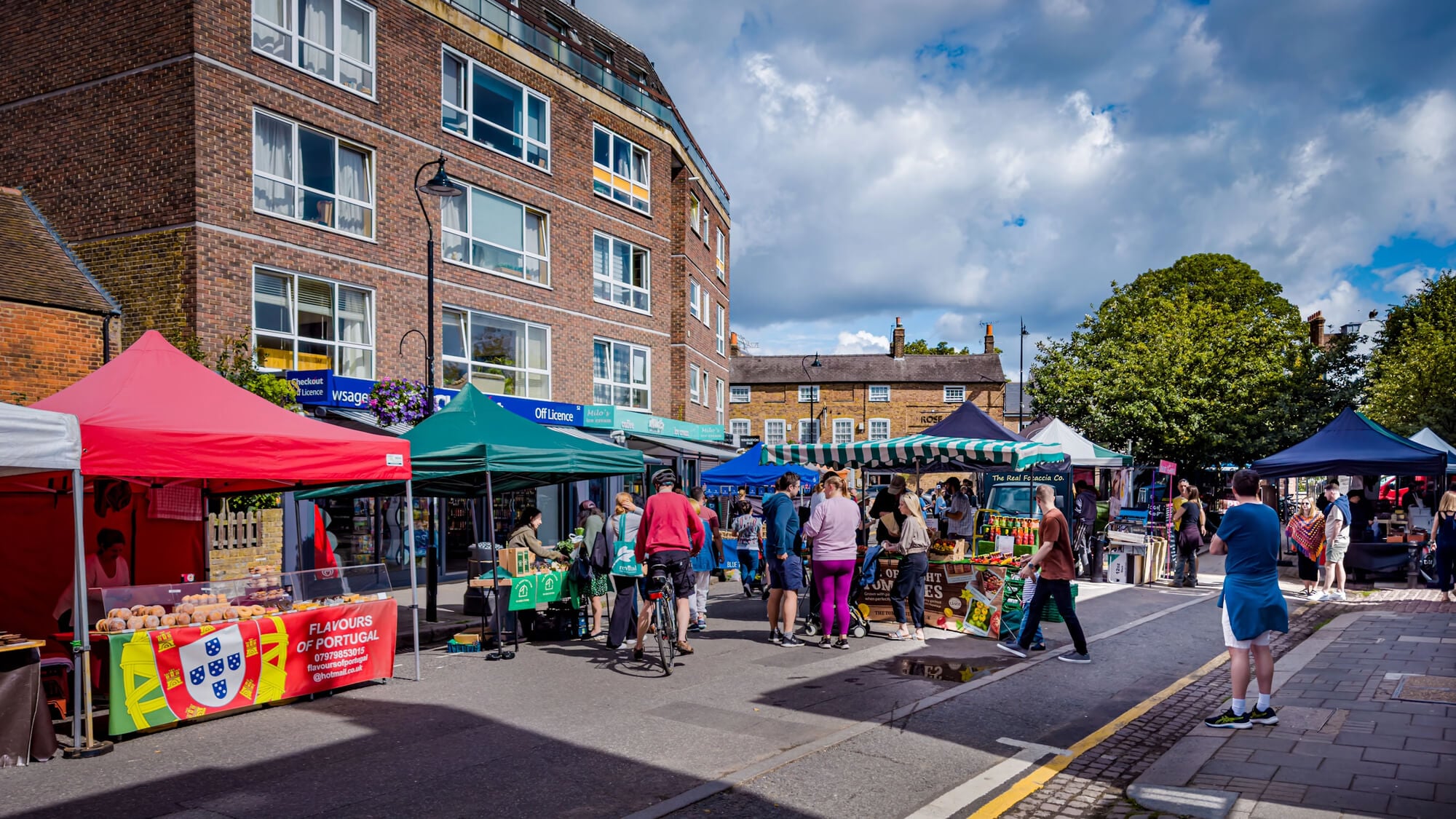
Krog Street Market occupies part of the former Atlanta Stove Works complex in the Inman Park neighborhood. The factory that made stoves for American kitchens is now a food hall, which opened in 2014 and sells everything from ramen to ice cream.
It sits beside the Krog Street Tunnel, one of the most photographed graffiti corridors in the city. The irony of a stove factory feeding thousands of diners every week is hard to miss.
Camp North End, a Model T Plant That Later Built Missiles
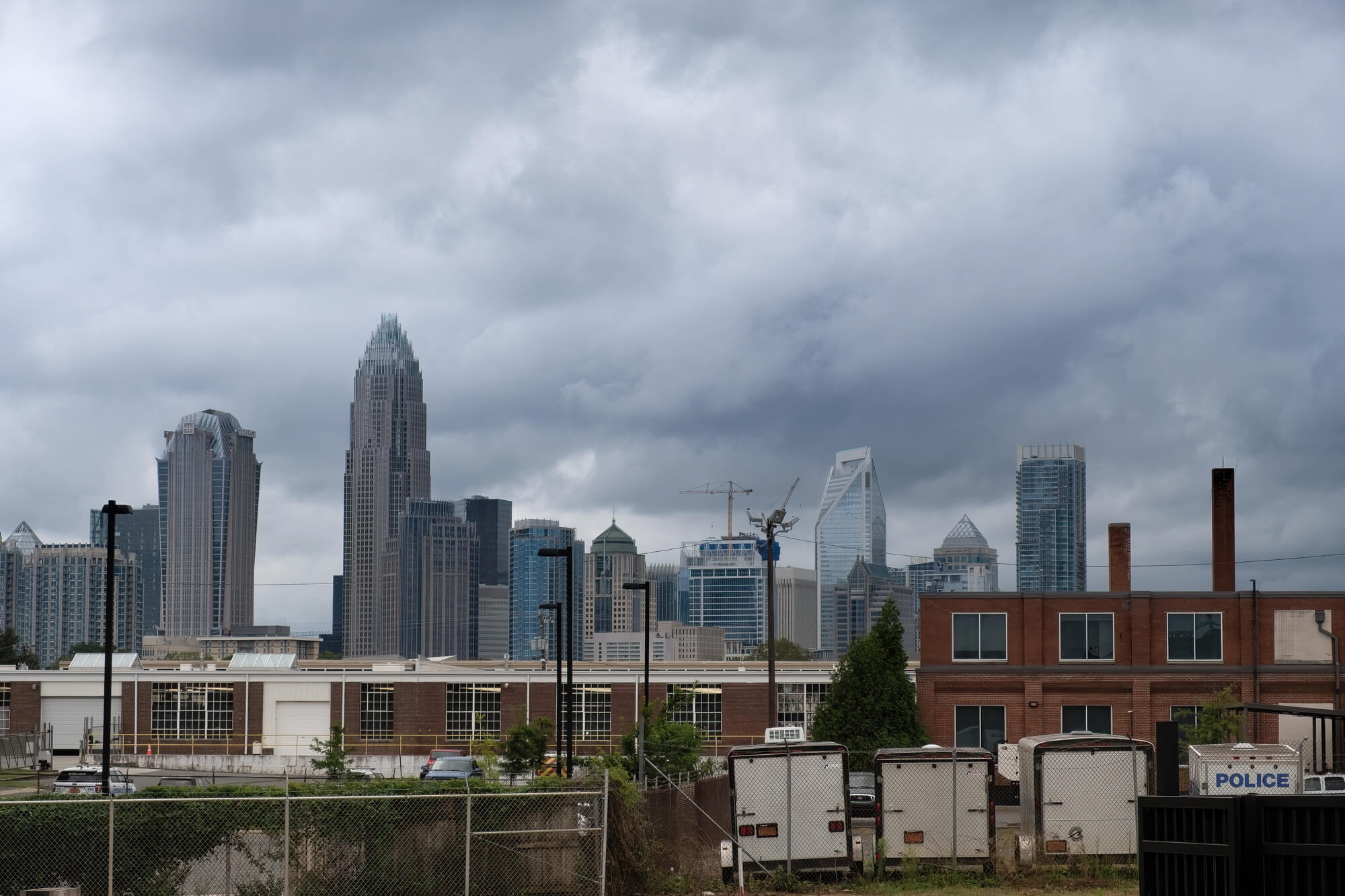
Ford began assembling Model T cars at the Charlotte site in 1924, and decades later the Army used the same complex for missile assembly. After years of neglect, redevelopment turned the sprawling campus into a hub of offices, restaurants, galleries, and housing.
It now serves the surrounding North End as a gathering place for art, food, and events. Few buildings can say that they have served both the assembly line and the arms race.
Revolution Mill, a Flannel Mill Turned Mixed-Use Campus
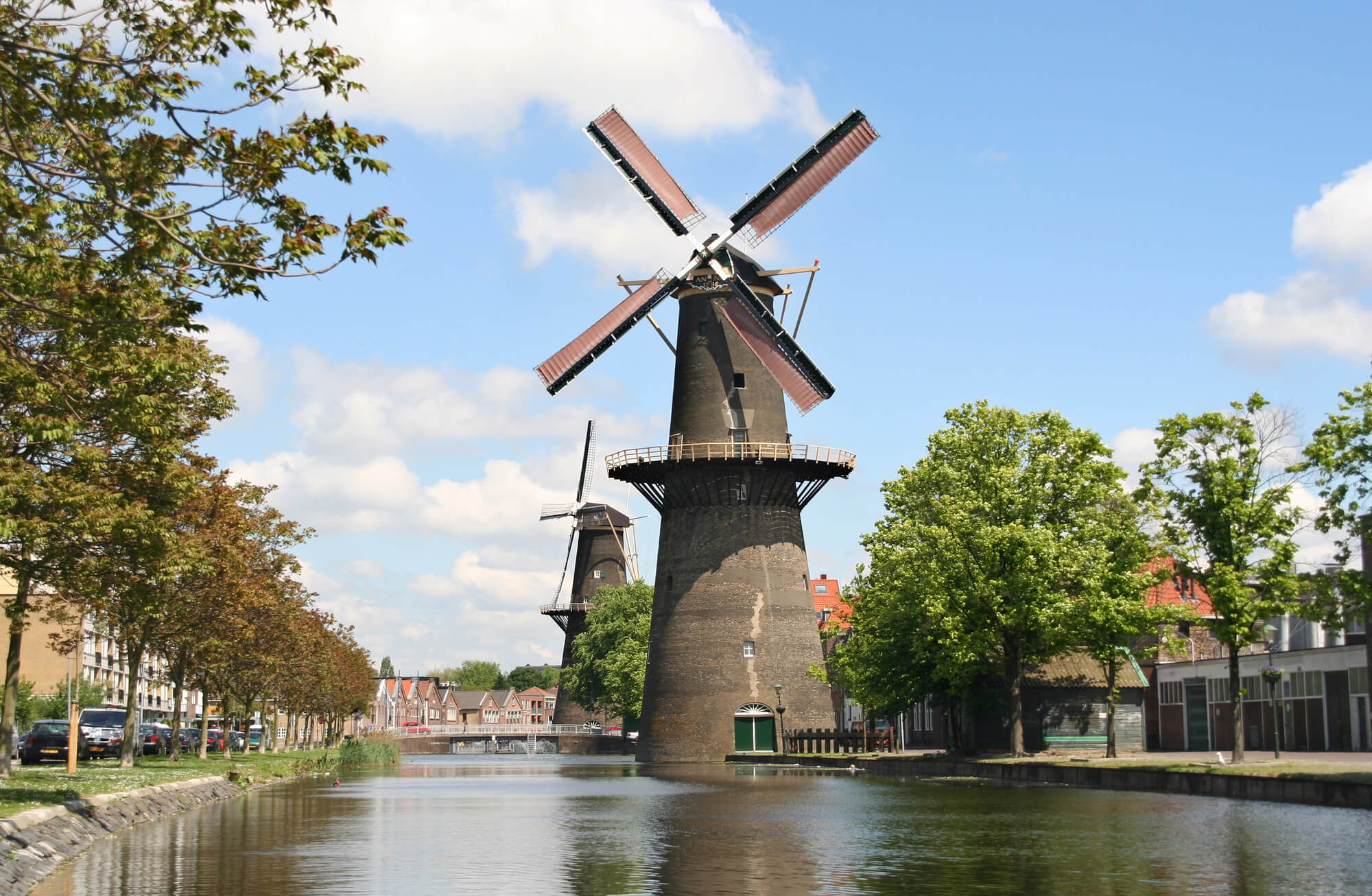
Revolution Mill in Greensboro, North Carolina, was a Cone Mills flannel mill that dominated the city’s textile industry. A redevelopment costing roughly $100 million turned its enormous floors into a mixed-use campus of offices, apartments, and event space.
The project used historic tax credits and preserved the mill’s distinctive brick and steel character. Greensboro’s textile past is now visible in the building’s original columns and windows.
Marathon Village, Nashville’s Forgotten Car Factory
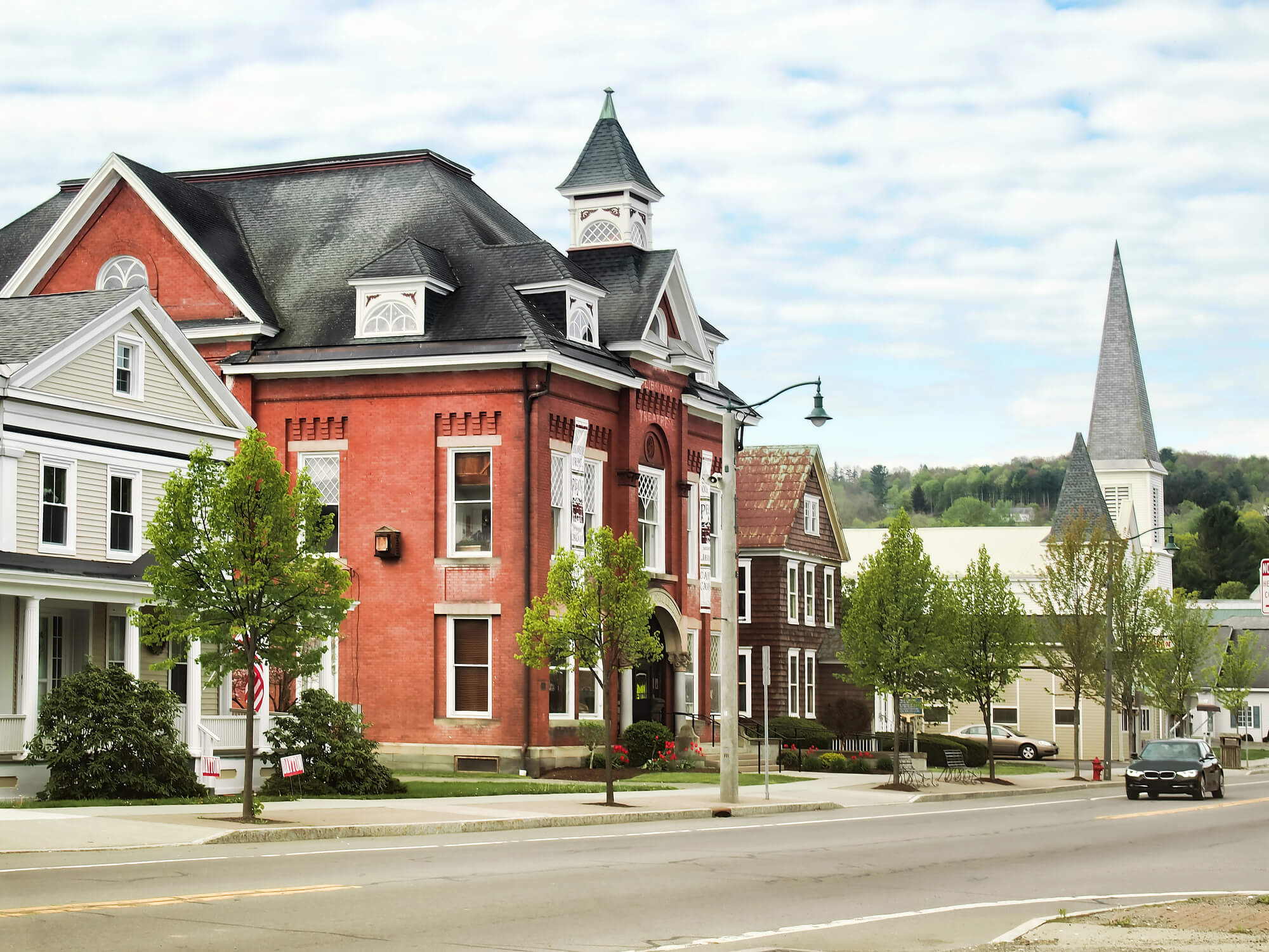
Marathon Motor Works built automobiles in Nashville from 1910 to 1914, making the building a rare Southern car factory. Today the complex, known as Marathon Village, holds shops, offices, and a distillery.
It is also home to Antique Archaeology, the Nashville outpost of the antiques store made famous by the television show American Pickers. The old factory is listed on the National Register of Historic Places.
American Civil War Museum, the Iron Works That Armed the Confederacy
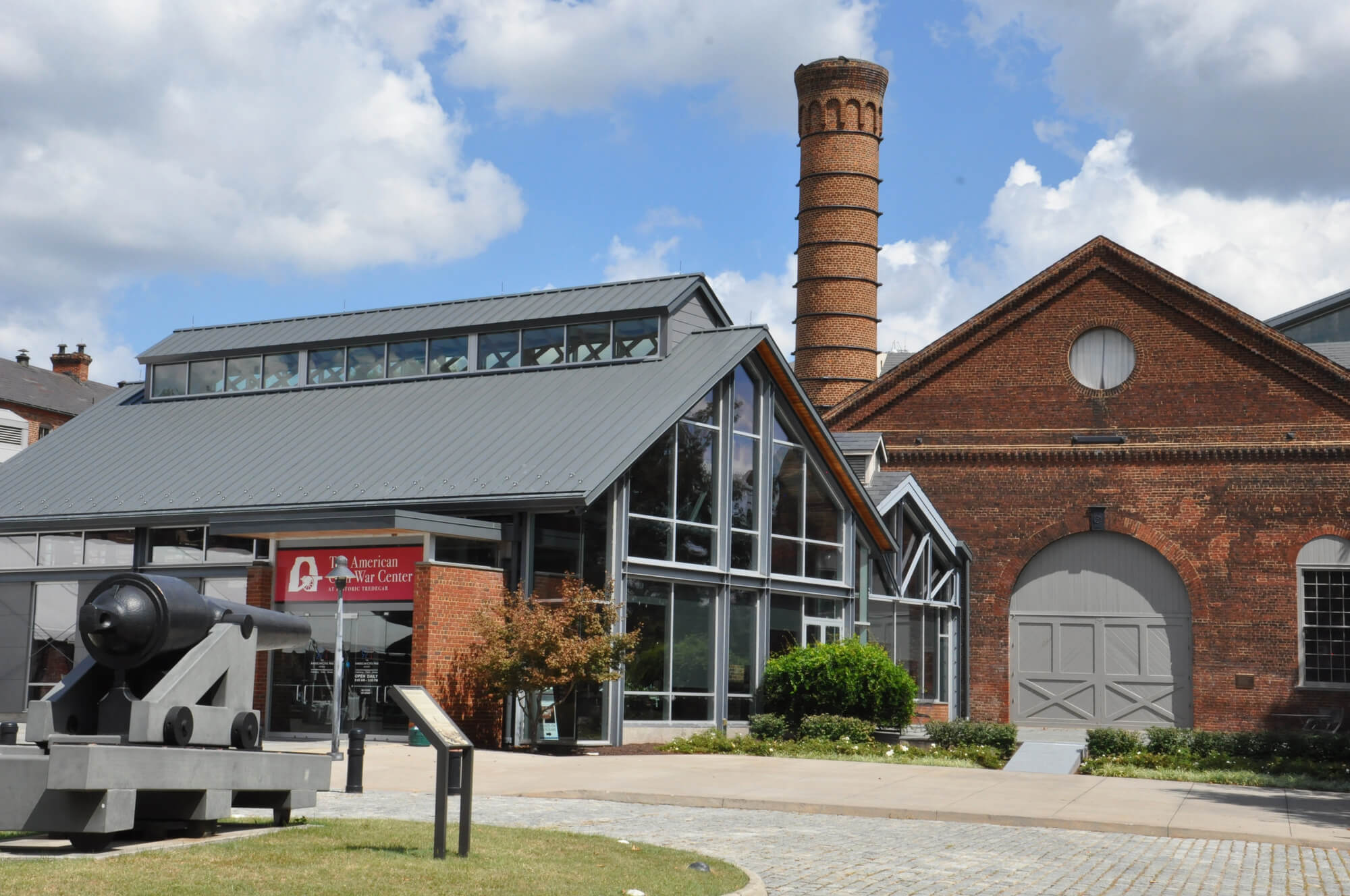
The Tredegar Iron Works in Richmond, Virginia, supplied much of the Confederacy’s artillery during the Civil War. The American Civil War Museum opened at Historic Tredegar in 2019, placing exhibits in and around the foundry’s surviving buildings.
Visitors walk beside the James River and the same industrial site where cannon once were cast. The museum carries the story of a factory that shaped the war’s outcome.
Tivoli Student Union, a Denver Brewery Serving Three Schools
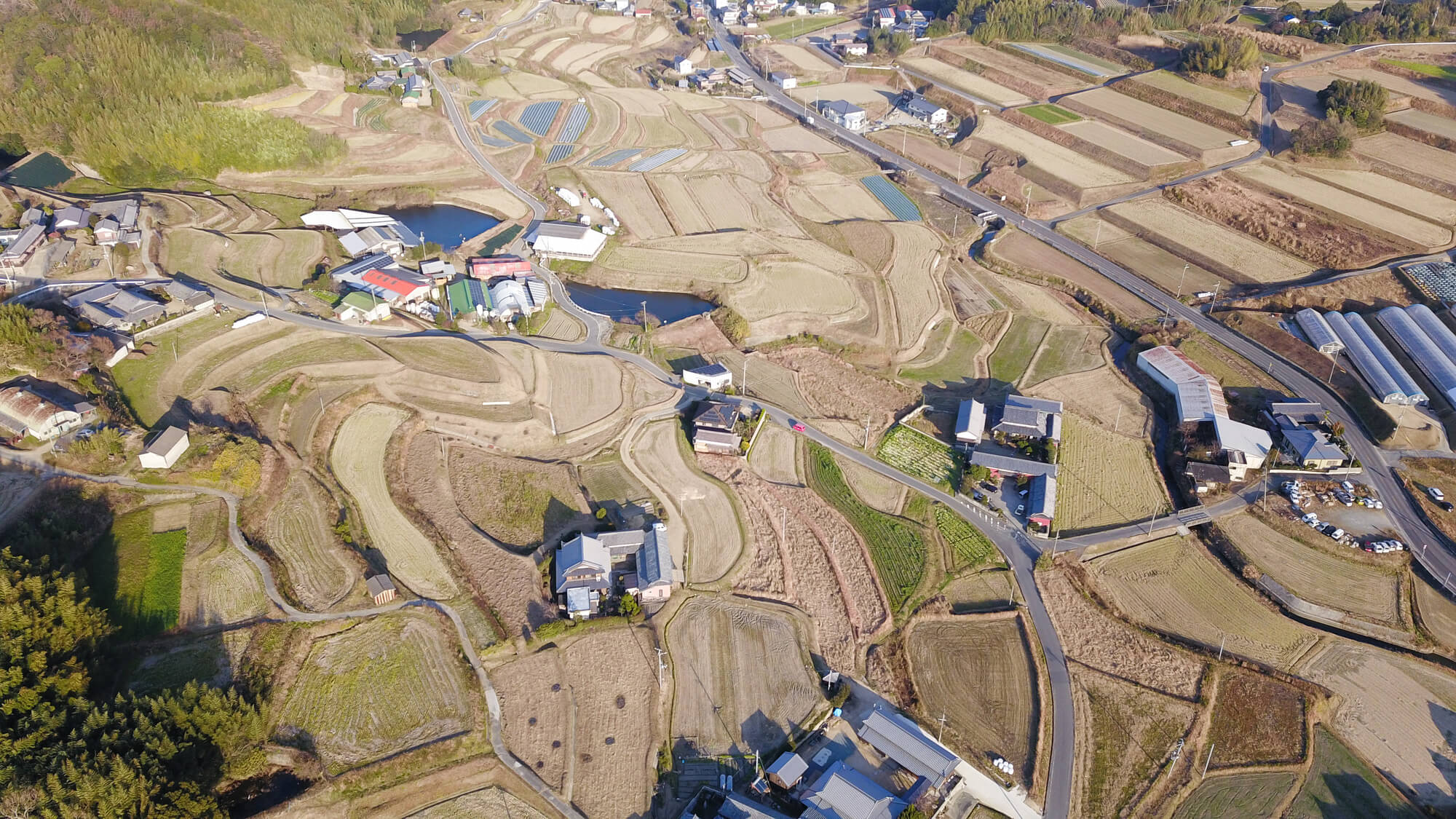
The Tivoli Brewery in Denver closed in 1969 after producing beer for generations of Coloradans. The brick brewery buildings were later restored and opened in 1994 as the Tivoli Student Union on the Auraria Campus.
The union serves students from three institutions that share the campus. The brewery’s distinctive tower still rises above downtown.
The Brewery Blocks, Portland’s Blitz-Weinhard Makeover
The Blitz-Weinhard Brewery in Portland’s Pearl District brewed beer for generations before closing in 1999. Developer Gerding Edlen rebuilt the five-block site as offices, apartments, shops, and restaurants, and the work earned an Urban Land Institute award.
The brewery’s historic buildings were kept and woven into the new construction. The neighborhood around it grew into one of the city’s most popular districts.
Hauser & Wirth Los Angeles, a Flour Mill in the Arts District
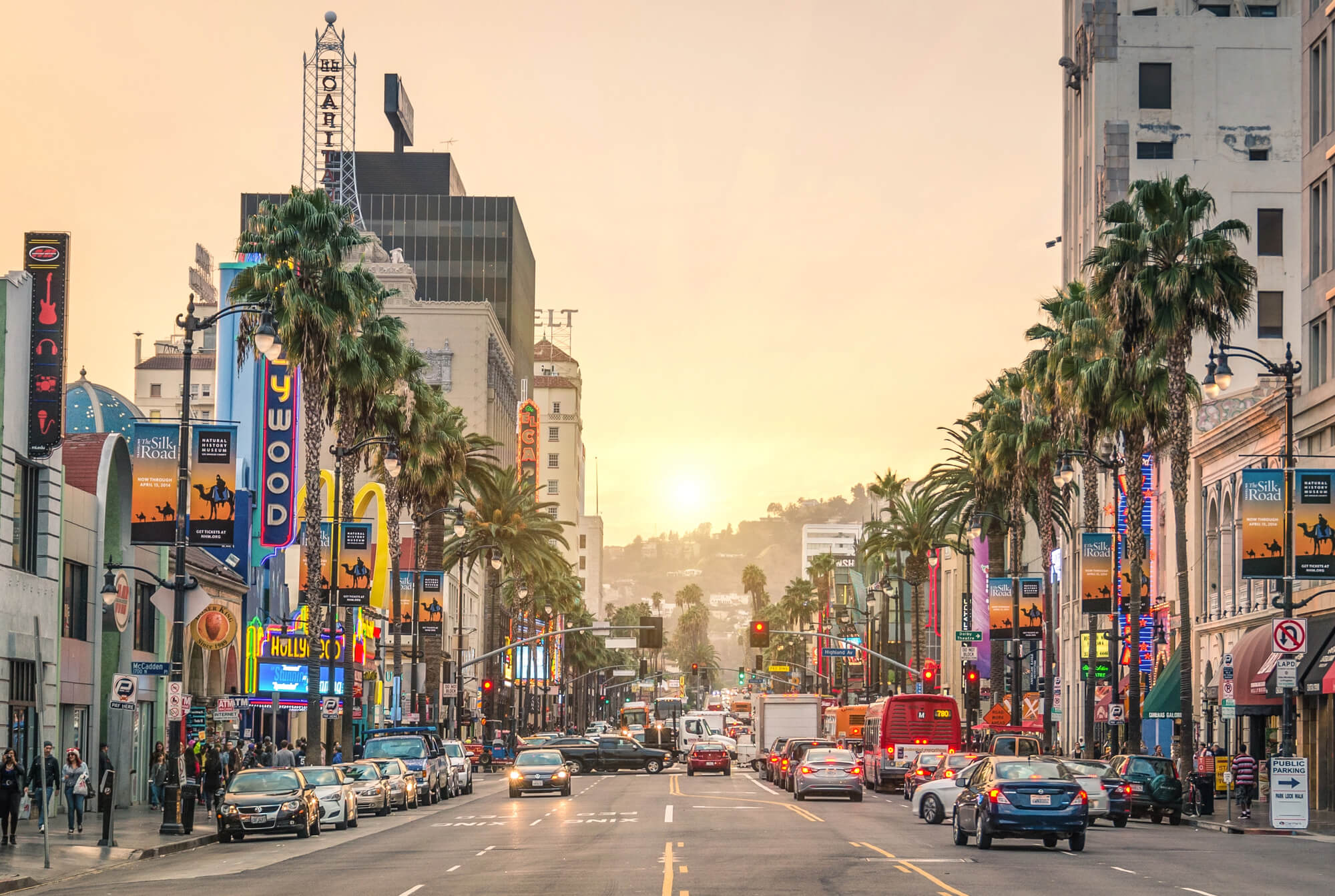
Hauser & Wirth’s Los Angeles gallery occupies the former Globe Mills flour mill in the city’s Arts District. Selldorf Architects redesigned the complex, and the gallery opened in 2016.
Its tall industrial walls and long, light-filled rooms provide a setting for exhibitions that few traditional galleries can match. The mill that once produced flour for local bakers now serves as an international stop on the art circuit.
What Factories Leave Behind
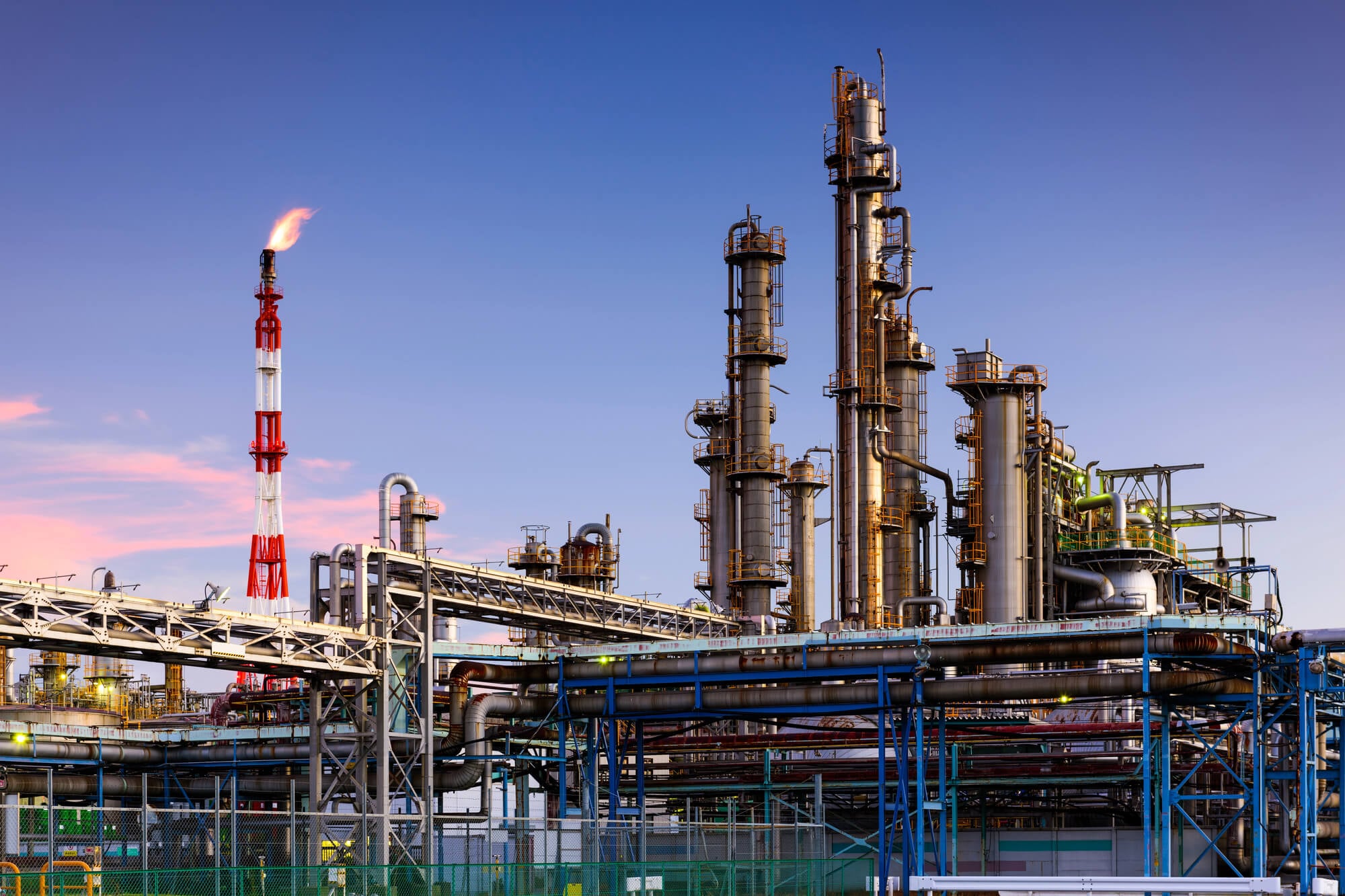
The best conversions respect the buildings they inherit. Skylights, brick, silos, and smokestacks stay in place because they are the reason people visit.
A museum in a printing plant or a hotel in a grain silo carries a history that a new construction project cannot buy.
These buildings also show how quickly a city’s economy can change. The workers who once filled these floors are mostly gone, but the structures they built continue to serve neighbors who never saw a single product roll off the line.
In that sense, the factory’s real product may be the shell it leaves behind.
More from Go2Tutors!

- 27 Silver Dollars and Half Dollars Worth Keeping
- 28 Restaurant Menu Items Nobody Orders Anymore
- 17 Places Built in Seemingly Impossible Spots
- 27 Vintage Rings Worth More Than They Look
- 25 Restricted Sites Tourists Can’t Enter
Like Go2Tutors’s content? Follow us on MSN.