Differences Between Pickleball vs Tennis
Anyone who has picked up a racket knows the awkward moment when someone asks about your sport and you have to explain why those tiny courts exist next to the tennis ones. Both games involve hitting something over a net, both make you sweat more than expected, and both have devoted players who swear their sport is better.
Yet the similarities end there faster than most people realize.
Court Size
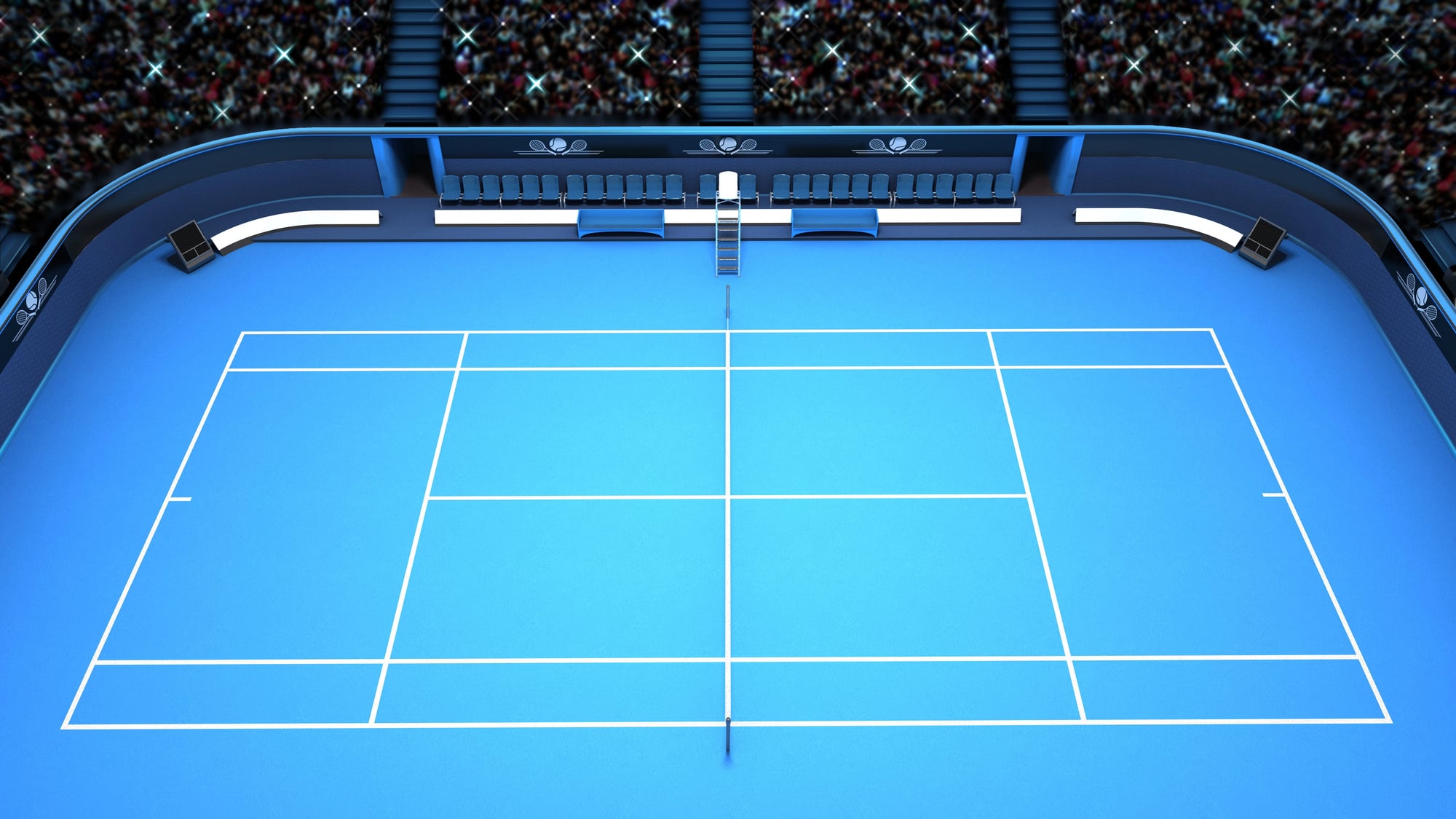
Pickleball courts are smaller. Much smaller.
A pickleball court measures 20 by 44 feet — about the size of a badminton court. Tennis courts stretch to 36 by 78 feet for singles play, nearly four times the area.
This isn’t just a trivial measurement difference. The smaller court changes everything about how the game moves and feels.
Equipment
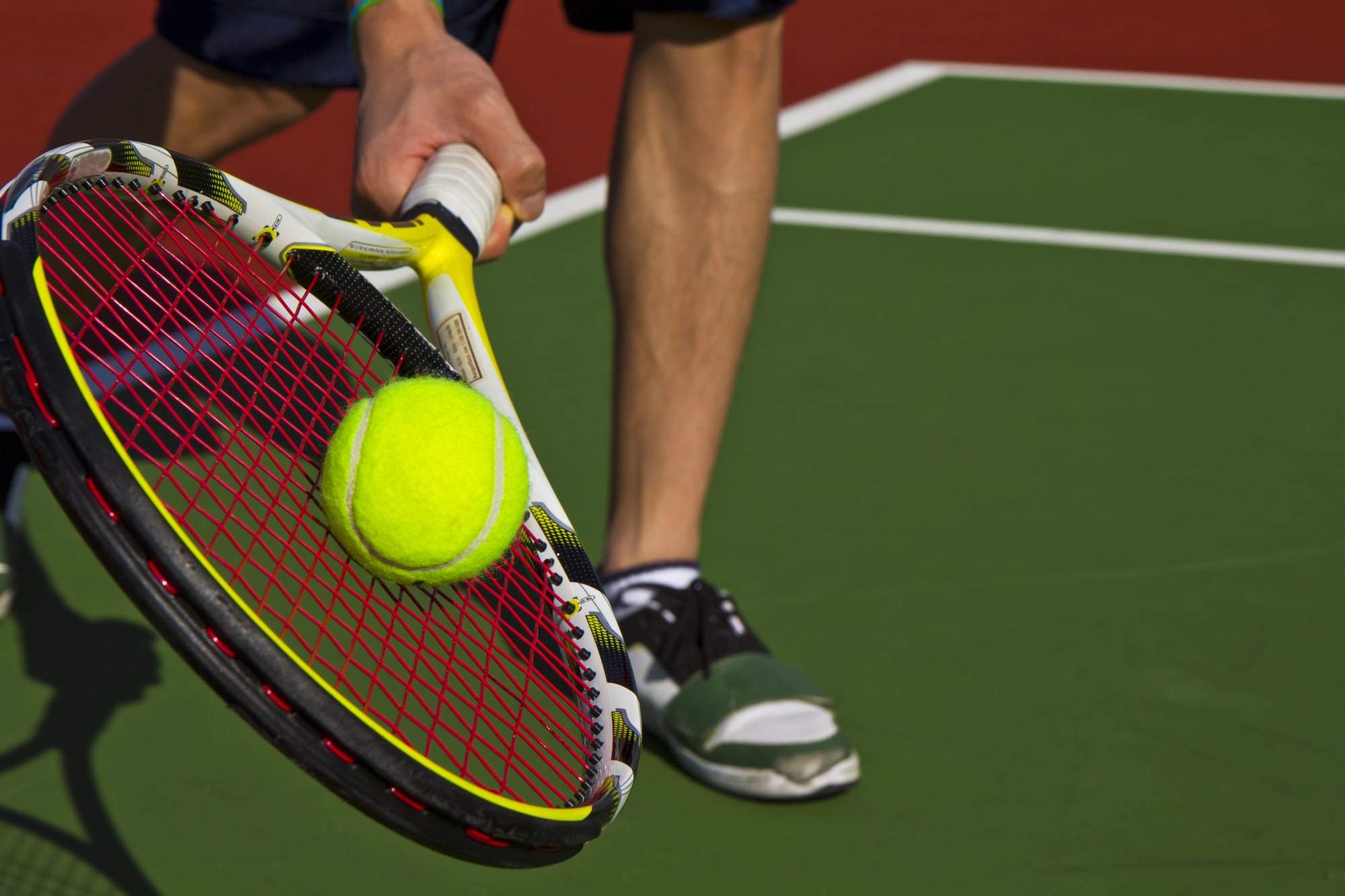
The paddle versus racket debate matters more than it sounds (and yes, pickleball players get corrected constantly — it’s a paddle, not a racket, which is something tennis converts learn the hard way). Pickleball paddles are solid, typically made from composite materials or wood, with no strings to break or tension to worry about.
Tennis rackets are strung, lighter in total weight but longer in reach, and require the kind of maintenance that pickleball equipment simply doesn’t. But here’s the thing that catches people off guard: the orbs are completely different creatures.
Pickleball uses a plastic orb with pores— think wiffle orb’s more serious cousin — while tennis sticks with the familiar fuzzy, pressurized rubber sphere. And because the pickleball is lighter and full of pores, it moves through the air differently, slowing down faster, which explains why pickleball rallies can go on longer than anyone expects, even though (or perhaps because) the court is so much smaller than what tennis players are used to dealing with.
Scoring System
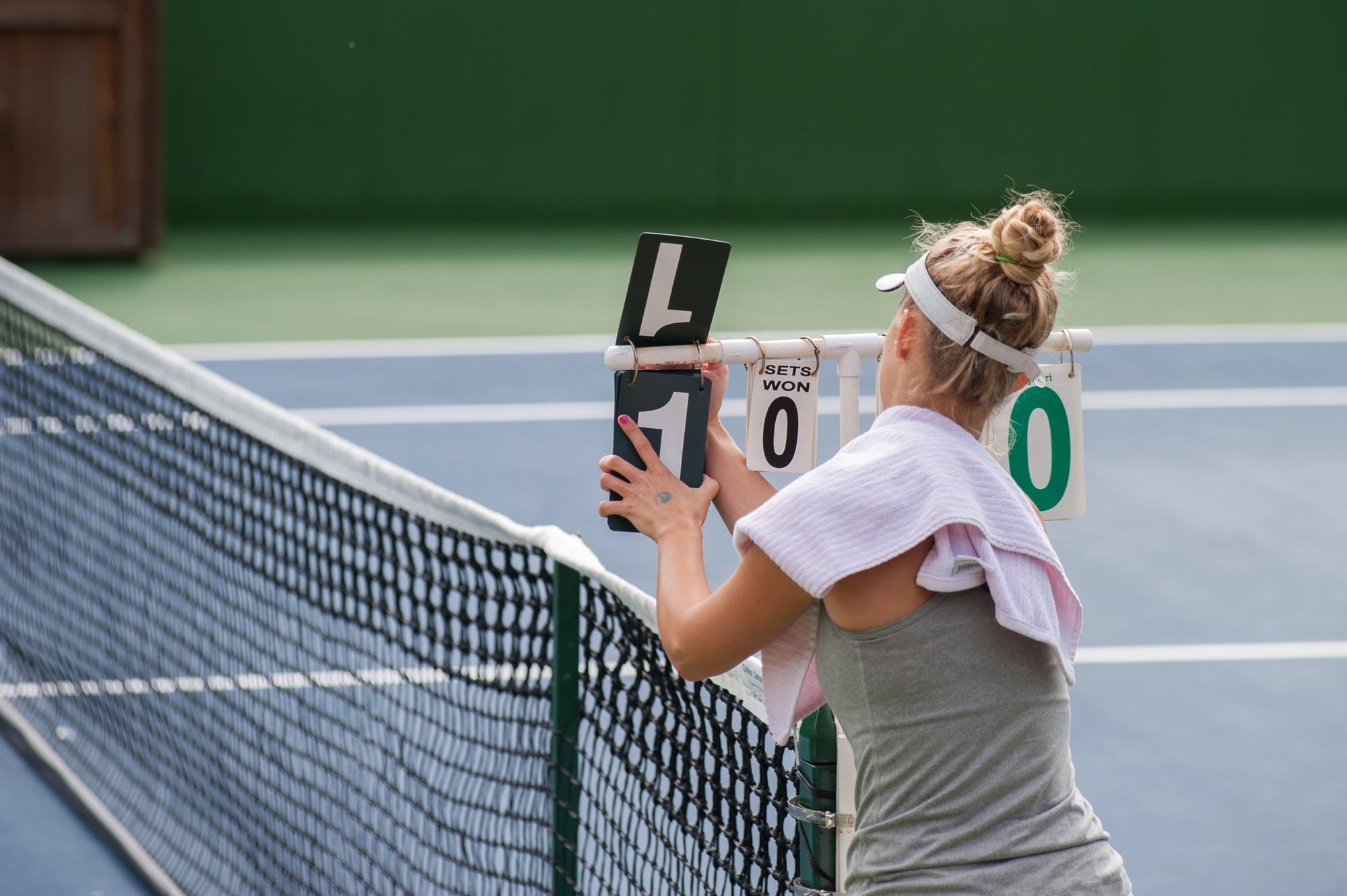
Tennis scoring makes no logical sense and everyone knows it. Love, 15, 30, 40, deuce — it’s a relic from medieval France that somehow survived into the modern era.
You accept it because that’s how tennis has always worked, like driving on the right side of the road or putting ketchup on french fries. Pickleball counts like a normal human sport.
Games go to 11 points, you win by 2, and the numbers actually correspond to how many points each side has scored. Revolutionary concept.
The Net
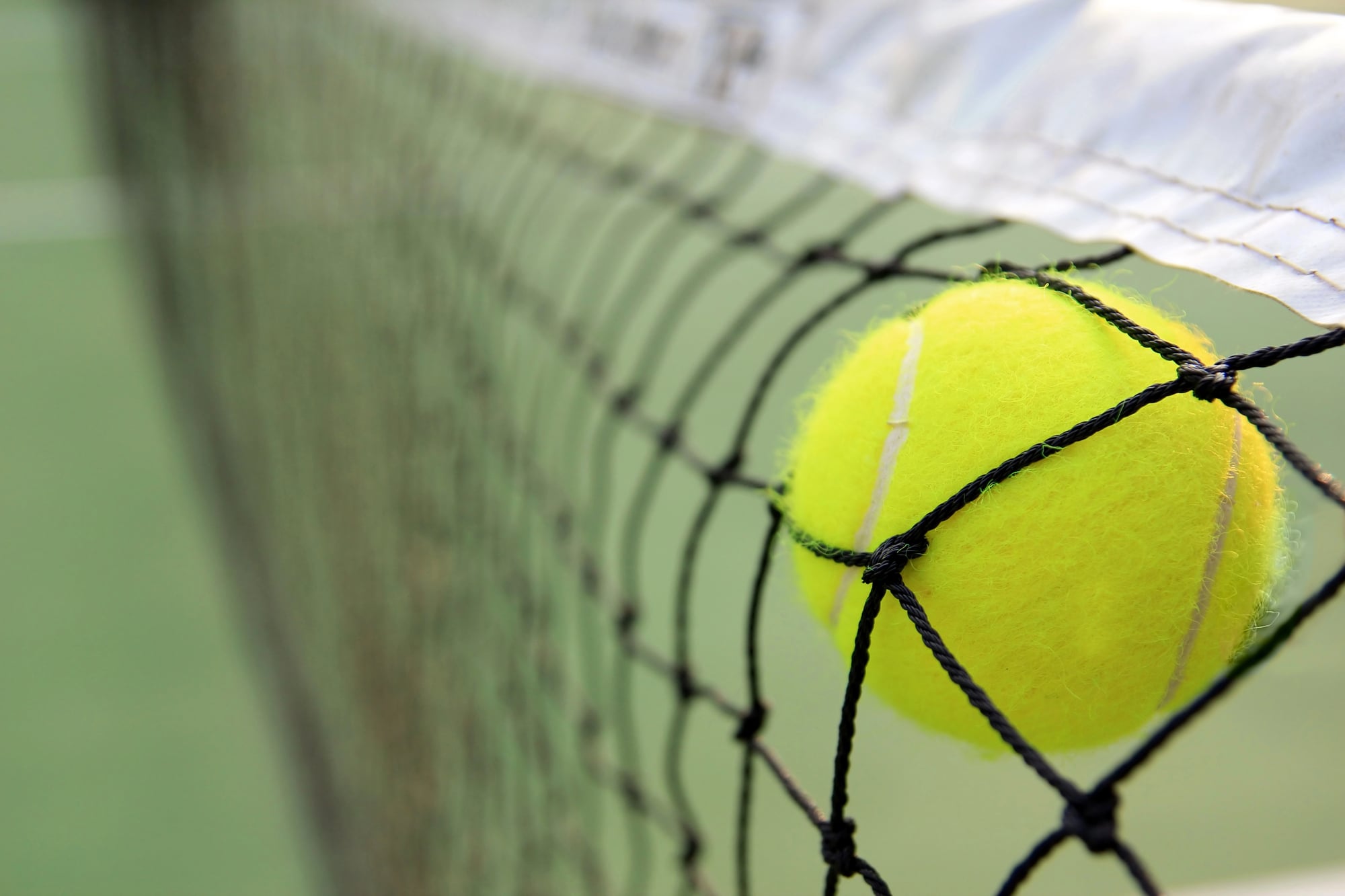
Stand next to both nets and the difference is subtle but important.
Actually, pickleball nets are 36 inches at the posts and 34 inches in the center, while tennis nets are 42 inches at the posts and 36 inches in the center. The lower pickleball net accommodates the different orb flight and playing style.
Serving Rules
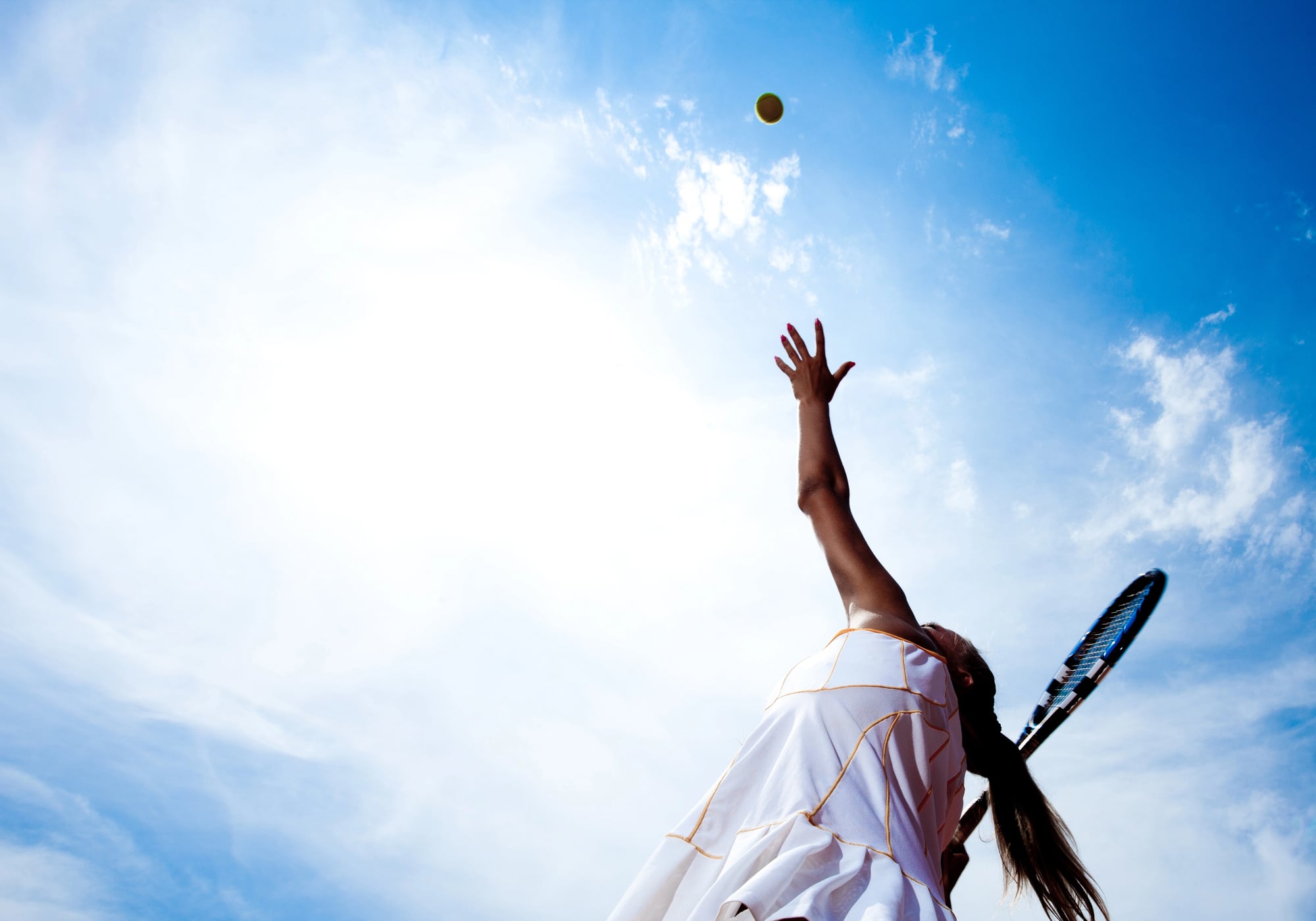
Tennis serves come from above your head with whatever power and spin you can generate. You get two chances per point, you can serve anywhere in the service box, and the orb can bounce on your side before you hit it if you want to serve underhand — though nobody does because it looks ridiculous.
Pickleball serving is more restricted and somehow more complicated. Underhand only.
The paddle must contact the orb below your waist. You get one serve attempt per point (except at the start when the first server gets one fault before switching).
And there’s this thing called the double bounce rule that requires the orb to bounce once on each side before anyone can hit it in the air.
Physical Demands
Here’s where things get interesting in ways that surprise both tennis players trying pickleball and pickleball players trying tennis. Tennis demands explosive power — those courts are big, the orbs move fast, and you’re constantly running longer distances to reach shots.
Your legs, shoulders, and cardiovascular system get tested regularly. Pickleball is sneaky about fitness.
The court is smaller, so you’re not sprinting as much, but the rallies go longer, which means you’re moving constantly in shorter bursts. It’s less about explosive power and more about sustained movement and quick reflexes at the net.
Both sports will make you sweat, just in different ways and for different reasons.
Strategy Differences
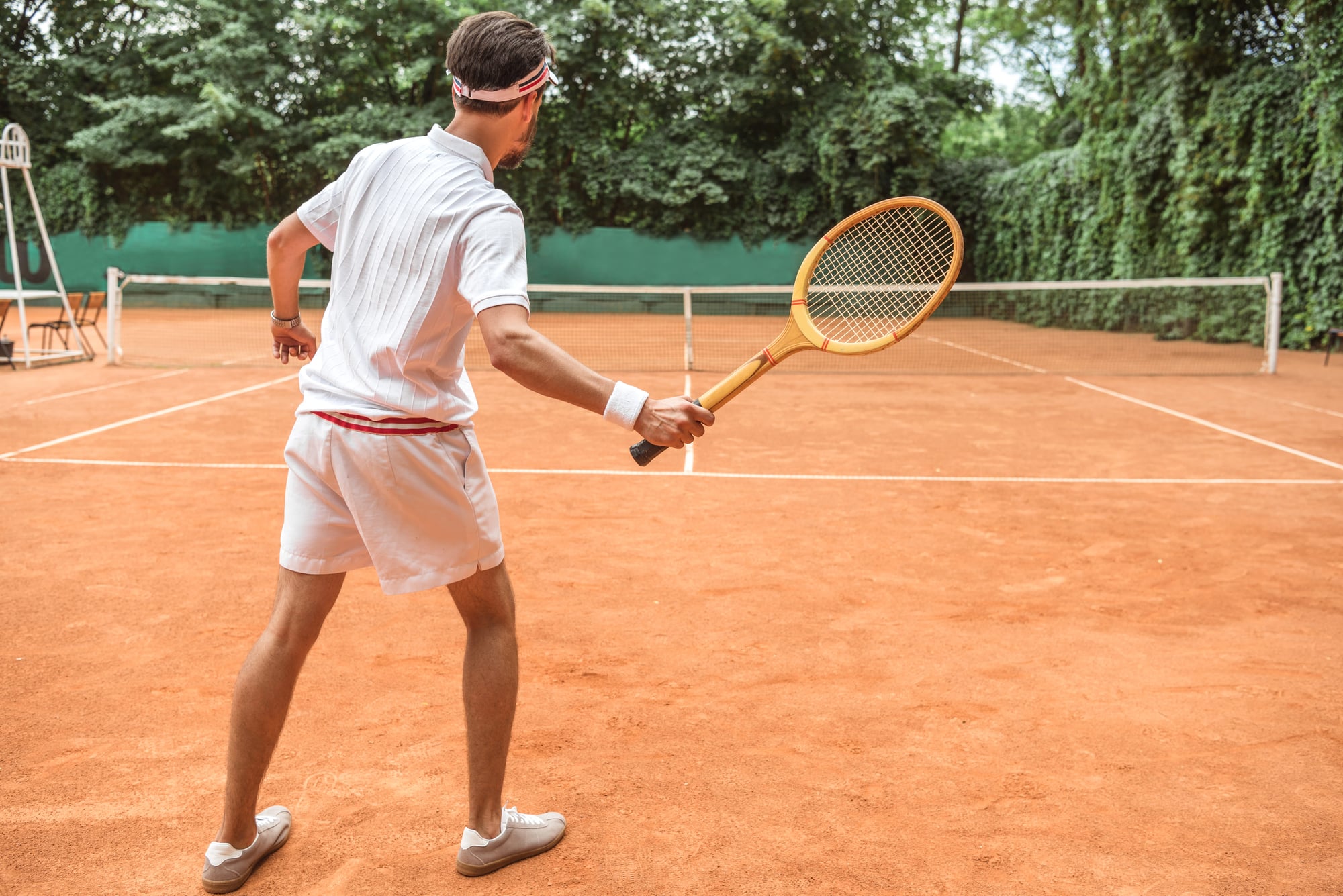
Tennis strategy revolves around controlling the court from the baseline or attacking the net when the opportunity presents itself. You’re trying to move your opponent around a large space, create angles, hit winners from anywhere on the court.
Power and placement both matter, and you can end points with a single well-struck shot from almost any position. Pickleball strategy is more chess-like, more about patience and positioning.
There’s this seven-foot zone called “the kitchen” where you can’t hit the orb in the air, which changes everything about net play. Points develop differently — less power, more finesse, longer rallies where you’re setting up your opponent rather than trying to blast past them.
Learning Curve
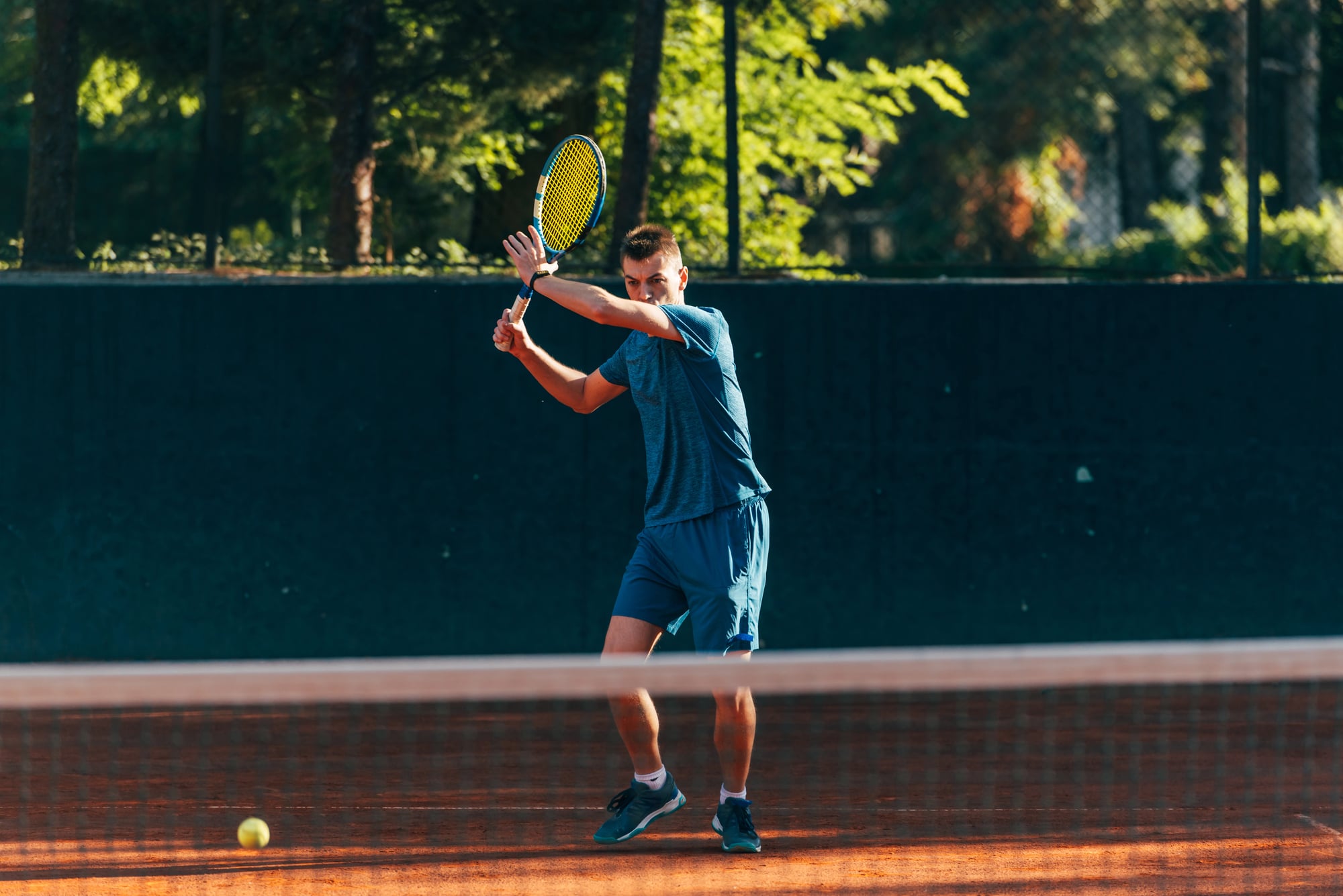
Tennis takes longer to learn properly. The court is bigger, the racket is longer, the orb moves faster, and the serving motion requires coordination that doesn’t come naturally to most people.
You can play tennis badly right away, but playing tennis well takes considerable time and practice. Pickleball has a gentler entry point — the underhand serve is easier to master, the smaller court means fewer wild shots, and the slower orb gives beginners more time to react.
But don’t mistake “easier to start” for “less complex.” Good pickleball players develop subtle skills that take time to appreciate.
Age and Accessibility
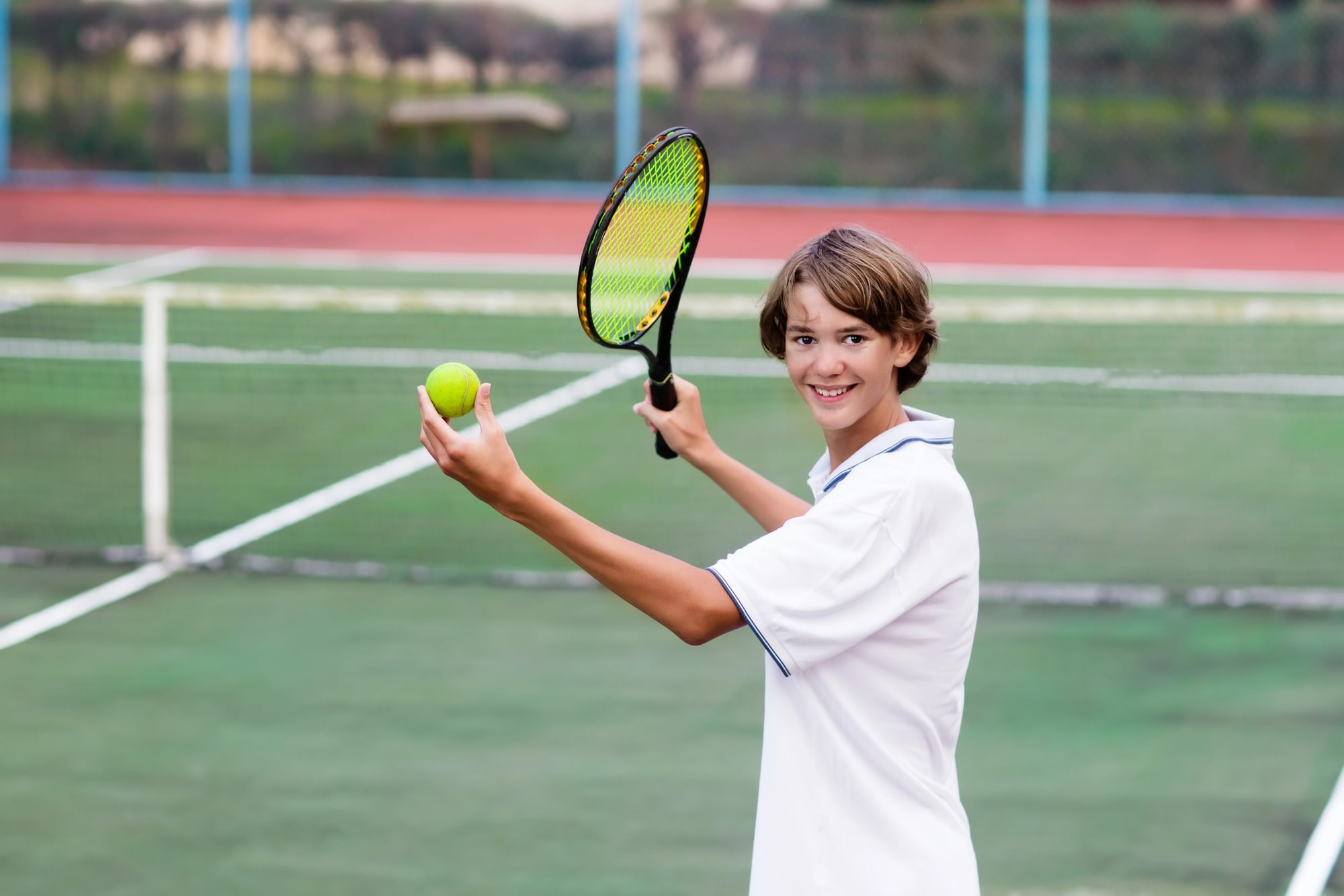
This is where pickleball has carved out its most significant advantage. The smaller court, lighter paddle, and slower orb make it accessible to players who might struggle with tennis.
Older players, those recovering from injuries, or anyone dealing with mobility issues can often play pickleball when tennis becomes too demanding. Tennis remains more physically demanding across all age groups, which isn’t necessarily better or worse — just different.
Some players want that challenge; others prefer pickleball’s more forgiving approach.
Noise Factor

Pickleball is louder than expected. The plastic orb hitting solid paddles creates a distinctive “pop” that carries farther than tennis sounds.
This has actually created conflicts at some facilities where tennis players complain about pickleball noise levels. Tennis produces a softer “thwack” when the orb hits strings, and while powerful shots can be loud, the sound doesn’t carry the same way or have the same sharp quality as pickleball’s characteristic pop.
Social Aspects
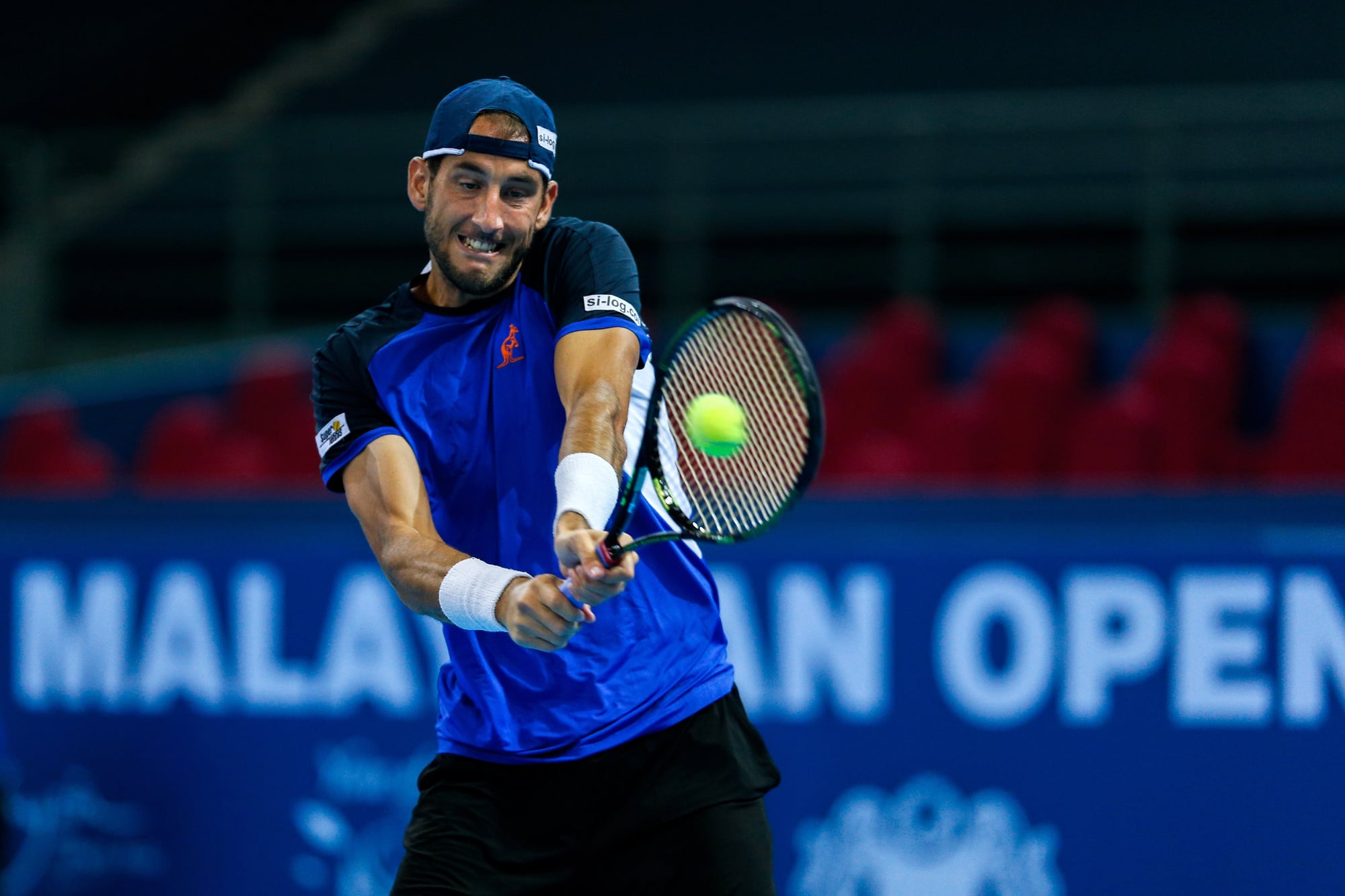
Tennis traditionally skews toward individual competition — even doubles feels like two separate games happening simultaneously. The court size and game pace create natural separation between players.
Pickleball crowds players closer together, making conversation easier during and between points. The sport has developed a more social reputation, with many players emphasizing the community aspect as much as the competition.
Professional Levels
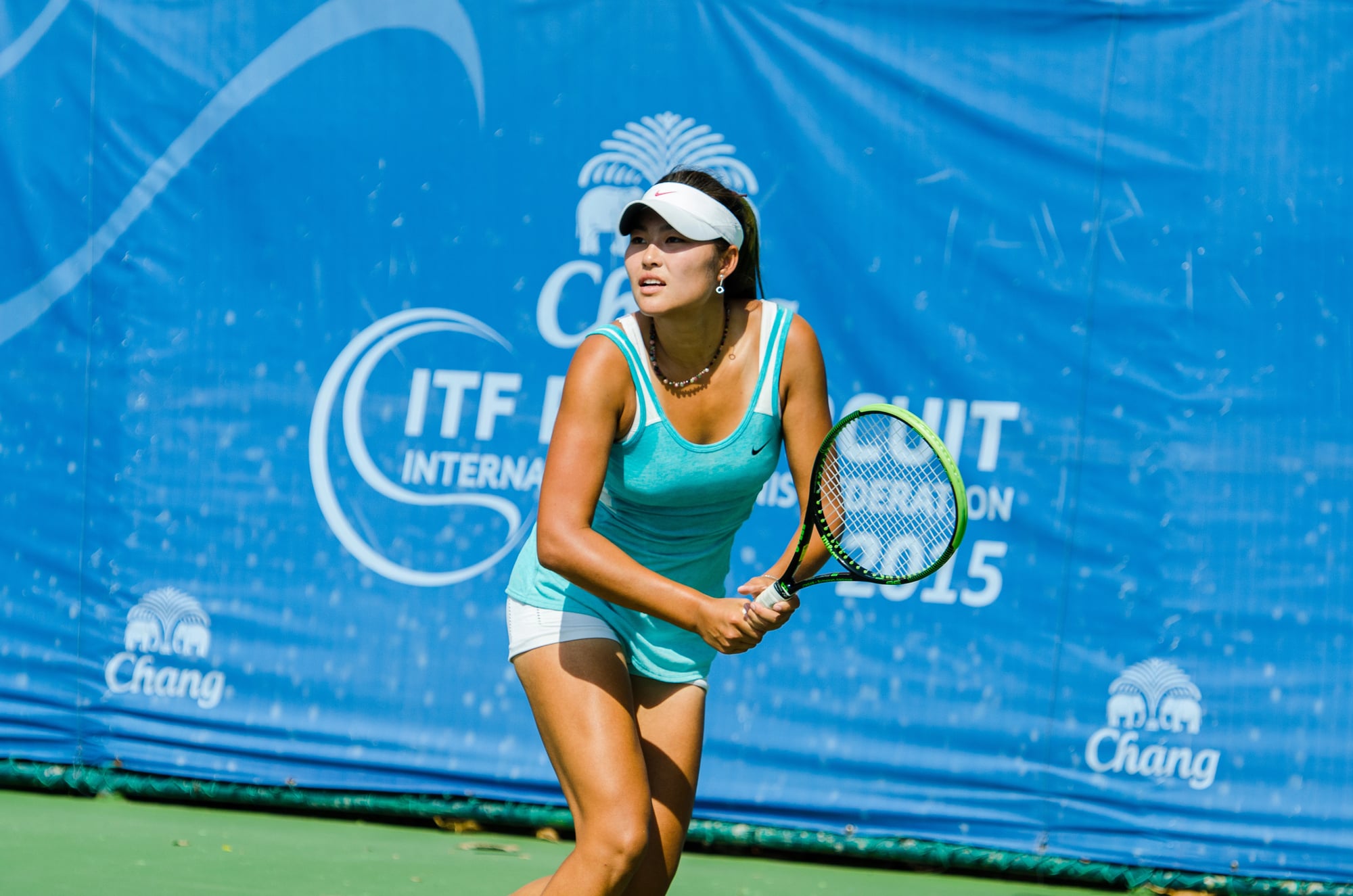
Tennis has a century-long head start on professional development. The ATP and WTA tours, Grand Slam tournaments, and massive prize pools create clear pathways for elite players.
Tennis professionals are household names with endorsement deals and global recognition. Professional pickleball exists but remains in its early stages.
Prize money is growing, television coverage is expanding, and corporate sponsors are paying attention, but it’s still working toward the institutional recognition that tennis has established.
Cost to Play
Tennis typically costs more to play regularly. Court time at private clubs or public facilities generally runs higher than pickleball, equipment replacement (especially string jobs) adds up, and lessons from certified instructors command premium rates.
Pickleball offers a lower financial barrier to entry. Paddles last longer than tennis rackets, orbs don’t need regular replacement, and court fees are often lower.
Many players find they can play pickleball more frequently without the cost becoming prohibitive.
Which Game Chooses You
The choice between pickleball and tennis often comes down to what kind of challenge appeals to you. Tennis rewards power, athleticism, and individual excellence — it’s a sport that can make you feel either dominant or completely outmatched, sometimes within the same match.
Pickleball offers a different kind of satisfaction, one built on strategy, consistency, and social connection. It’s competitive without being brutal, challenging without being overwhelming.
Both sports have their place, both have devoted followings, and both can provide years of enjoyment for players willing to learn their particular rhythms and rewards.
More from Go2Tutors!

- The Romanov Crown Jewels and Their Tragic Fate
- 13 Historical Mysteries That Science Still Can’t Solve
- Famous Hoaxes That Fooled the World for Years
- 15 Child Stars with Tragic Adult Lives
- 16 Famous Jewelry Pieces in History
Like Go2Tutors’s content? Follow us on MSN.