14 Photos Inside America’s Old Boarding Houses
A boarding house was never meant to be photographed. It was a place to sleep, eat, and leave early, and the people who lived in one rarely owned a camera.
The pictures that survive were mostly made by outsiders with a purpose, and archives have kept them anyway.
Some were taken by reformers and government photographers, and others by local studios or the camp crews themselves. Together they show long tables, shared rooms, and rows of bunks that most of the country once took for granted.
Five Cents a Spot on Bayard Street

Jacob Riis photographed lodgers packed into a crowded Bayard Street tenement in New York and gave the picture a caption that doubles as a price list: “Five Cents a Spot.” The wording matters, because the rent bought a place to lie down rather than a room.
Prints are held by institutions including the Museum of the City of New York and the Museum of Modern Art. The image has outlived most of the buildings Riis spent his career trying to condemn.
Steelworkers at a Russian Boarding House in Homestead
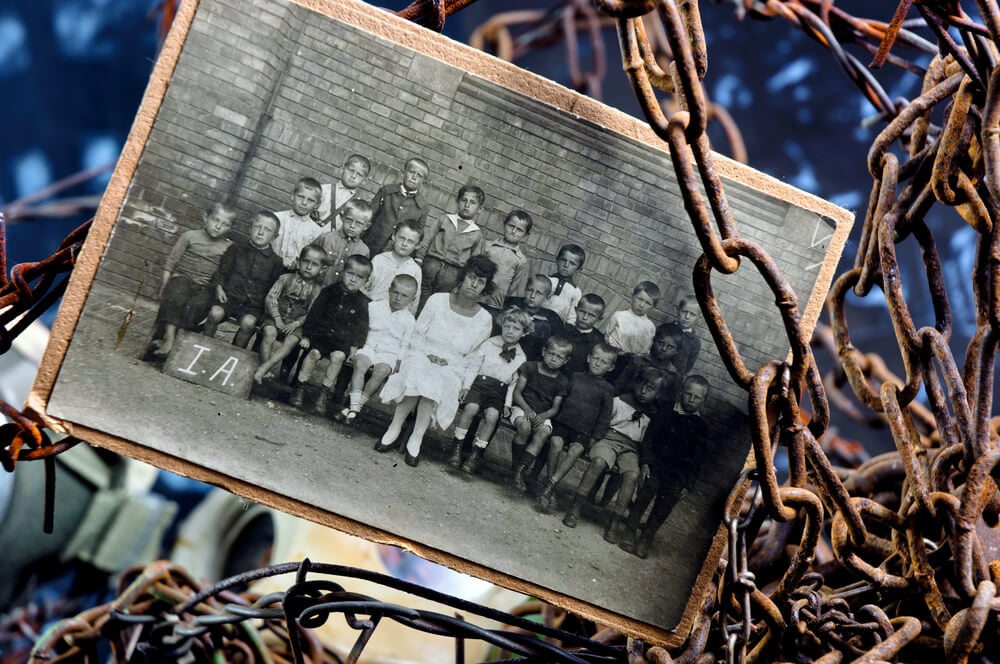
Lewis Hine took his camera to Homestead, Pennsylvania, and made a picture titled Steelworkers at Russian Boarding House. The subject is the men who worked the mills and ate and slept under one roof, in a house the title identifies as Russian.
Copies sit in museum collections that include the Science Museum Group in Britain and Vassar College. A photograph about immigrant labor ended up in galleries on two continents.
A Washington Boarding House for Government Workers, 1943
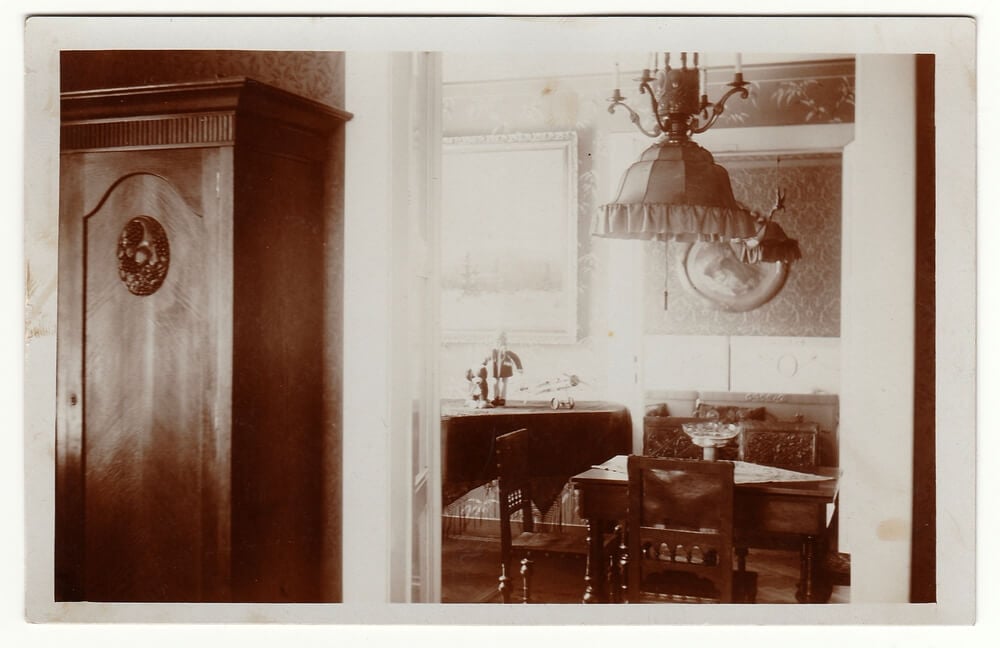
Esther Bubley spent time documenting a boarding house in wartime Washington, D.C., where government workers rented rooms in 1943. The series is unusual because the subject is office-bound wartime workers rather than miners or millhands.
The Esther Bubley Archive still credits the work to her. The war that drew people to the capital also filled every spare bedroom with a stranger.
Mrs. Jones’s Boarding House in Portsmouth
A photograph in the Chrysler Museum of Art collection is titled Men in Their Room at Mrs. Jones’ Boarding House. The caption names the landlady and not the men, which says plenty about who held the power in these arrangements.
The museum also holds a nearby picture of a house near the navy yard in Portsmouth, Virginia, suggesting a shipyard town full of workers who needed beds. The room itself is the subject, with the lodgers as part of the furniture.
Ladies Who Live in a St. Paul Rooming House
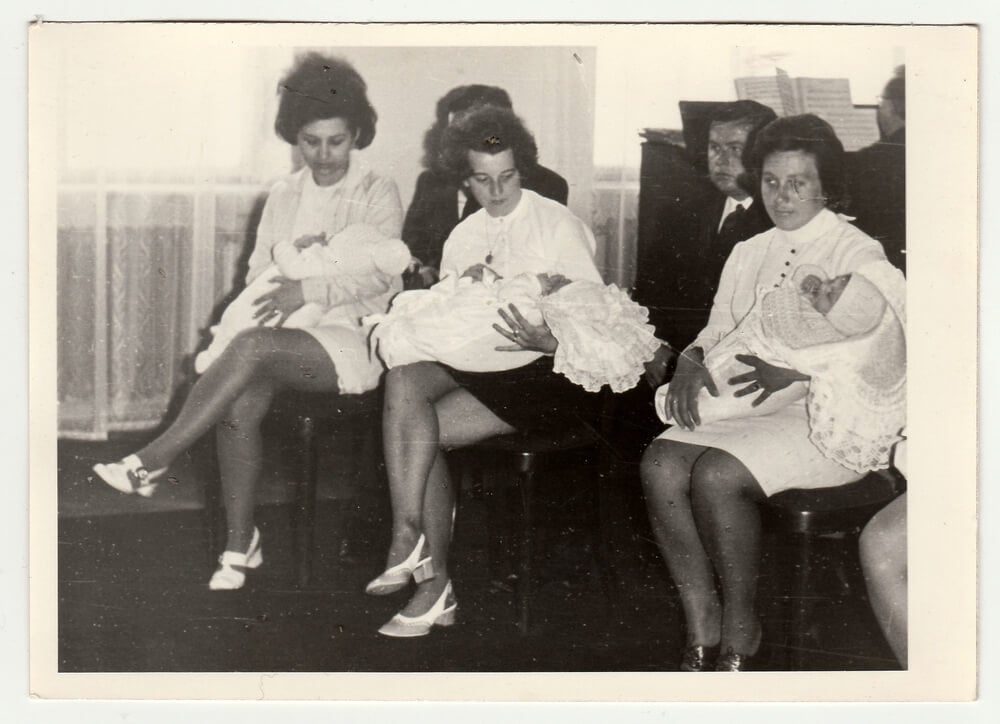
MNopedia, the Minnesota Historical Society’s online encyclopedia, includes a photograph titled Ladies Who Live in Rooming House, St. Paul, Minnesota. Rooming houses were one of the few respectable options for single women working in a city, and the title puts them at the center of the frame.
The picture is an everyday portrait of a household assembled from strangers. Nothing about the caption suggests the women expected to be remembered.
Boarders Near the Troy Mine
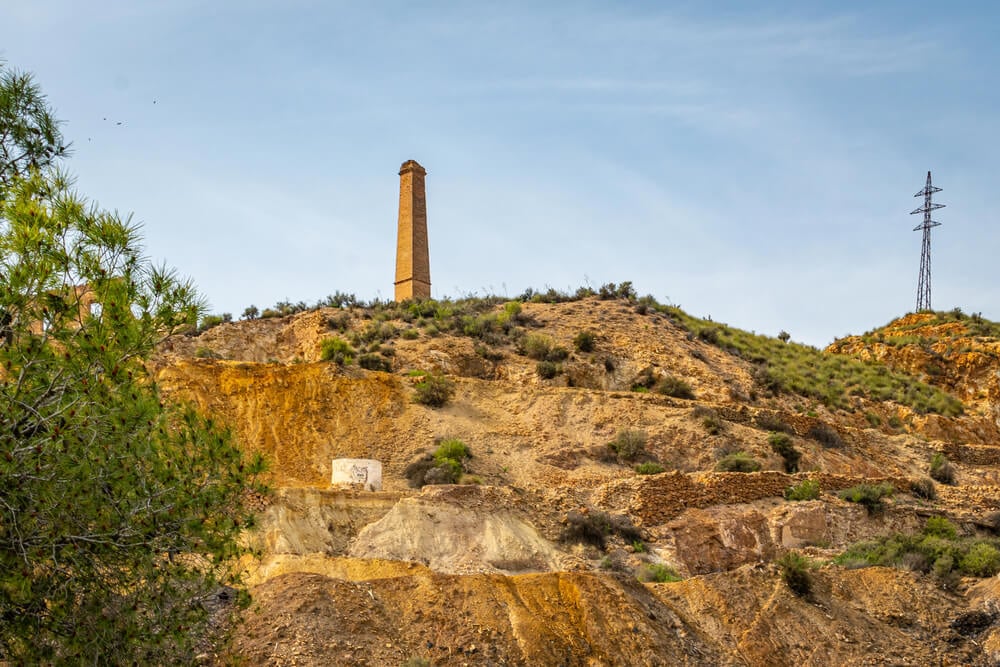
Another MNopedia photograph shows boarding house residents near the Troy Mine, a short distance from the town of Eveleth, Minnesota, on the Iron Range. The same encyclopedia pictures miners at the Troy Mine outside Eveleth, so the boarders and the workforce can be read together.
Iron Range towns grew fast around the pits, and housing for single men followed the ore. The photograph keeps the boarders tied to the mine that employed them.
The Volk Boarding House and Its Steelworkers
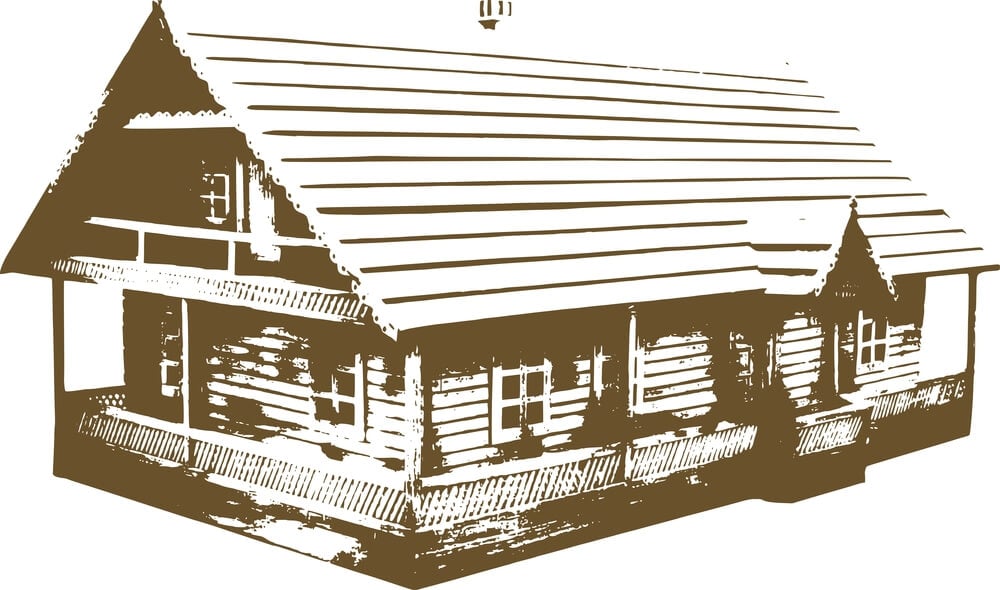
A local library collection preserves a photograph titled Volk Boarding House Family and Steelworker Residents, near Hayes Street and Daly Avenue. The caption lists the family first and the steelworkers second, which is how many of these houses actually worked.
The household operated as a small business, and the paying lodgers lived beside the people who owned the roof. A street corner in the title gives the picture a precision that most boarding house photographs lack.
Residents of a Private Boarding House in Kentucky
Eastern Kentucky University’s digital collections hold a photograph titled Residents of a Private Boarding House. The word “private” separates it from company-run housing, where the employer owned the beds and often the store downstairs.
A private house meant a landlord who answered to no one but the tenants. The caption leaves the residents unnamed, so the distinction is the main thing it records.
A Washington State Bunkhouse in 1892
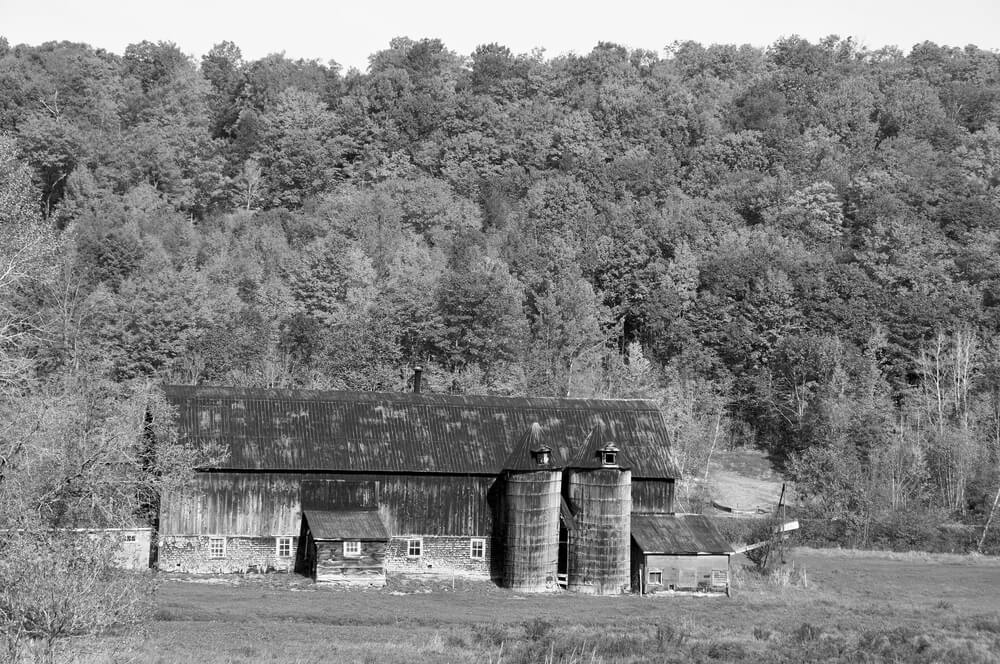
The interior of an unidentified logging camp bunkhouse in Washington was photographed in 1892, and the picture is now searchable through the Digital Public Library of America. The year is the notable part, because it predates most of the photographs that tend to illustrate lumber camp life.
Nobody recorded the name of the camp, yet the room has been preserved in an online library. It remains one of the earliest bunkhouse interiors on the list.
Inside a Logging Camp Bunkhouse, circa 1900
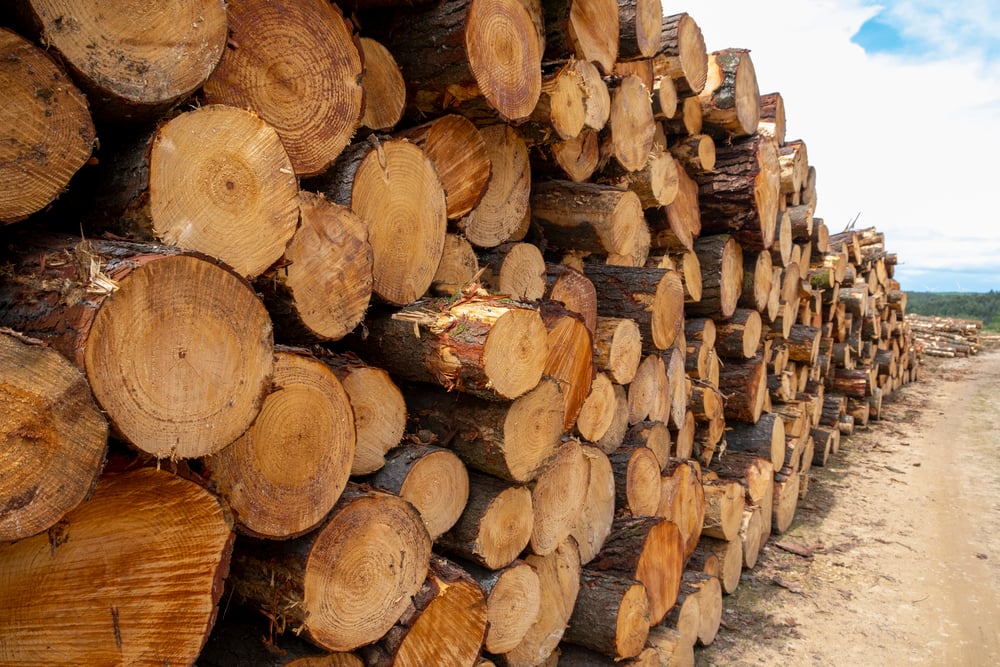
The University of Washington’s classroom materials on the state’s history include a document titled Inside a Bunkhouse at a Logging Camp, circa 1900. Teachers use it to show students how loggers lived between seasons of cutting.
The image is part of a curriculum packet rather than a museum display, which means thousands of schoolchildren have studied it. A bunk room became a lesson plan.
Loggers in a Camp Bunkhouse, circa 1903
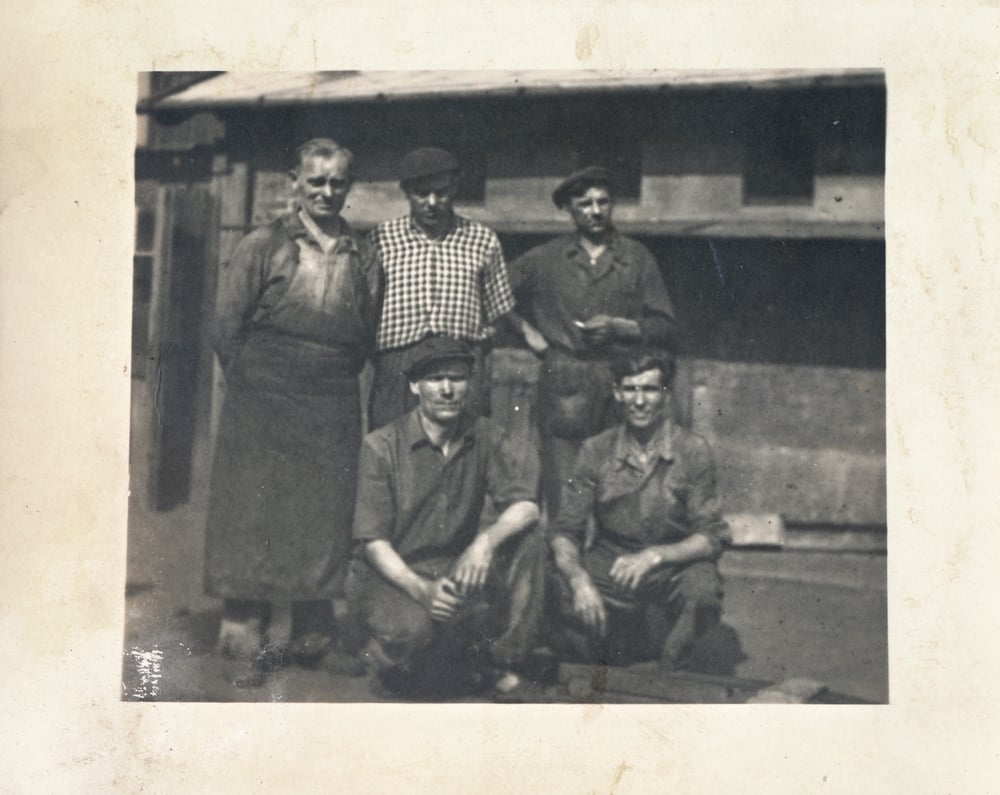
The Digital Public Library of America lists a photograph titled Loggers in a Logging Camp Bunkhouse, ca. 1903. The caption is brief and gives only the trade, the building, and an approximate year.
That is the usual extent of what survives about these crews, whose names rarely made it into the record. The bunkhouse was where a camp’s workers spent the few hours they were not in the woods.
Lumberjacks in the Bunkhouse, Wisconsin
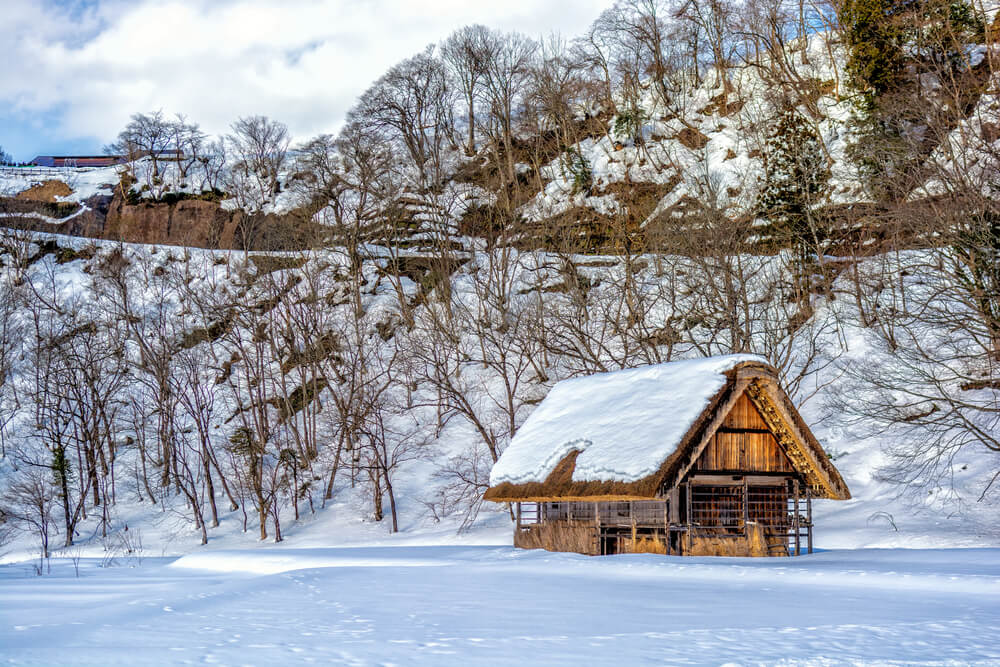
The Wisconsin Historical Society holds an image titled Lumberjacks in the Bunkhouse. The society’s catalog groups it with other camp scenes, among them a logging camp crew and Ole Emerson’s lumber camp.
The bunkhouse picture is the one that shows where the work crews actually lived.
A Logging Crew at Rest in a Wisconsin Bunkhouse
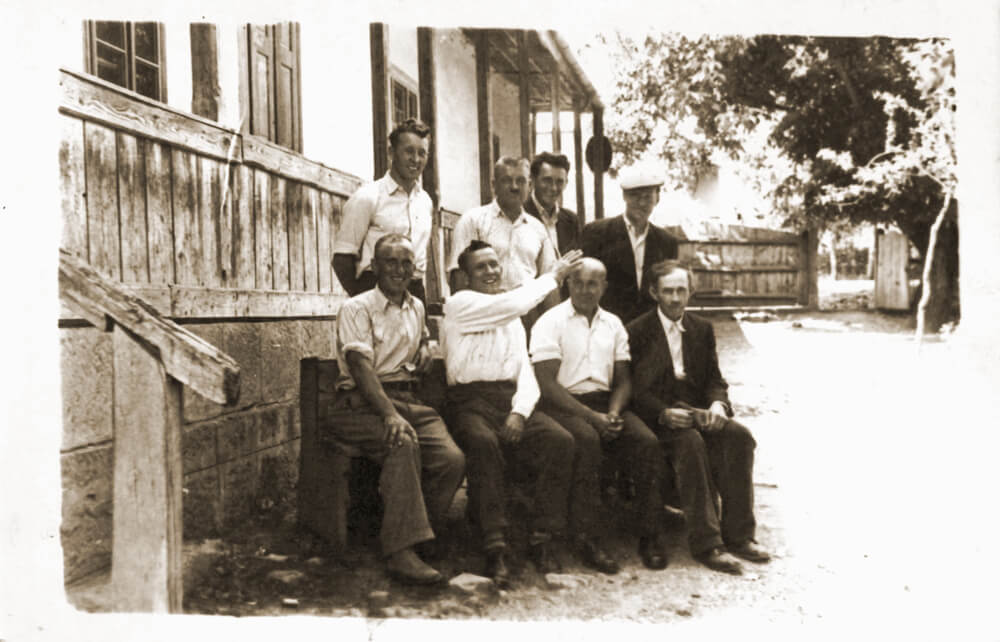
A second Wisconsin Historical Society record is titled Logging Crew in Bunkhouse. It is distinct from the lumberjacks photograph, though the two share a building type and a state.
The archive keeps both, which suggests that the interior was worth documenting more than once. Crews that slept in bunks also tended to eat together, and the same walls often held both routines.
The Cook at a Mine Boarding House

Oregon Digital hosts a photograph titled Type of Cook at a Mine Boarding House. The subject is the person who kept the household running, since a mine boarding house depended on whoever fed the men.
The caption is framed as a kind of portrait, which was an unusual way to treat a worker in a kitchen. Cooks rarely appear in the foreground of labor history, and this one does.
What the Camera Left Behind
The pictures cover steel towns, iron mines, lumber camps, and a wartime capital, yet they keep returning to the same few things: a bed, a table, and a landlady or cook. The captions are often as spare as the rooms, giving a trade, a street, a price, or an approximate year and little else.
That scarcity is part of the appeal. Boarding houses housed millions of people who left no letters and no portraits, and a handful of archived frames is most of what remains of how they lived.
The photographs are the receipt for a way of life that mostly vanished without ceremony.
More from Go2Tutors!

- 27 Silver Dollars and Half Dollars Worth Keeping
- 28 Restaurant Menu Items Nobody Orders Anymore
- 17 Places Built in Seemingly Impossible Spots
- 27 Vintage Rings Worth More Than They Look
- 25 Restricted Sites Tourists Can’t Enter
Like Go2Tutors’s content? Follow us on MSN.