Products Invented for Different Purposes
Sometimes the best ideas come from happy accidents. Throughout history, inventors have created things for one specific reason, only to discover their creations worked even better for something completely different.
These unexpected turns have given us some of the most useful and beloved products we use today. Let’s take a look at some everyday items that started out with totally different jobs than the ones they’re famous for now.
Play-Doh
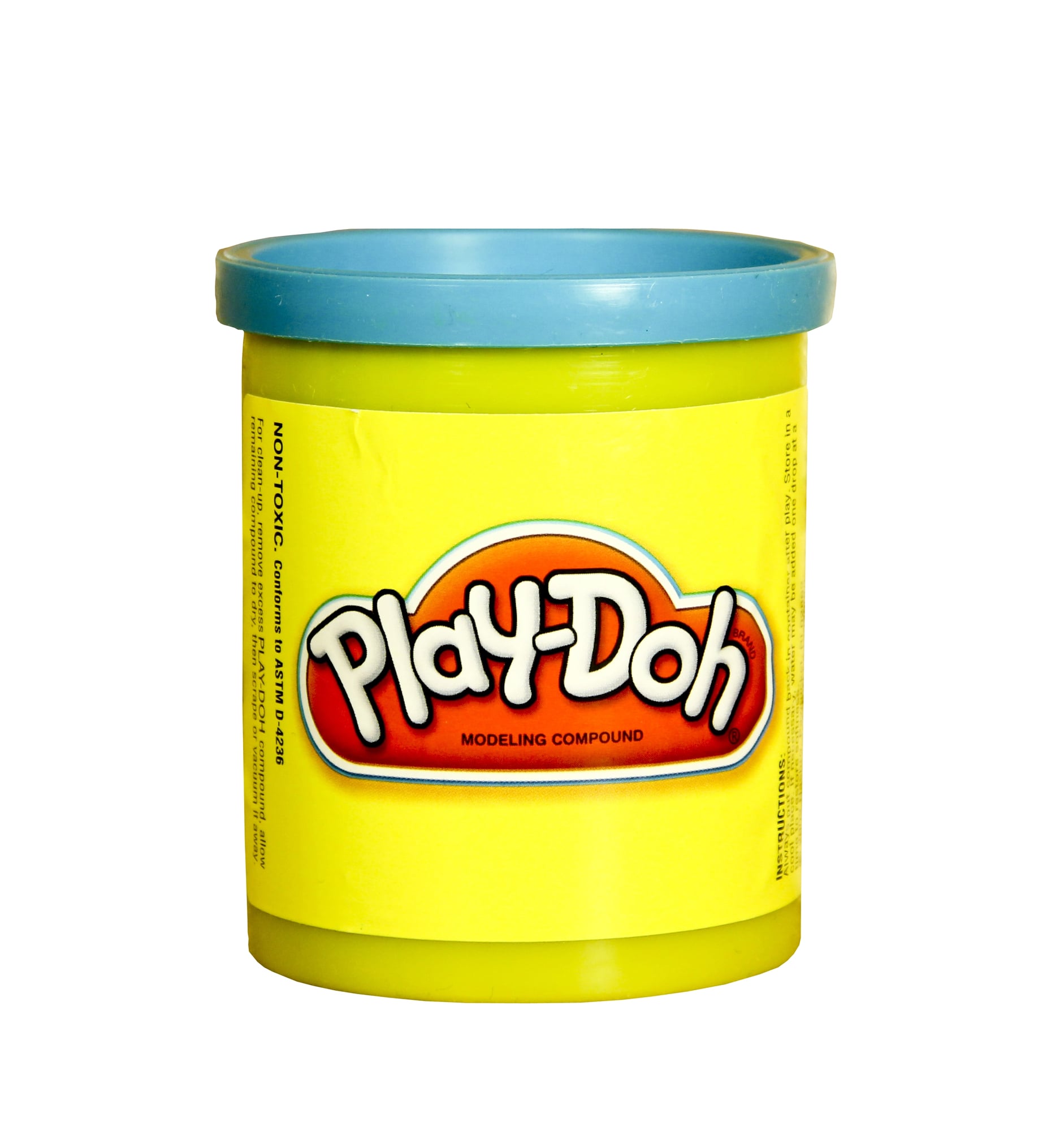
Kids around the world squish and shape this colorful modeling compound into endless creations, but it wasn’t always a toy. Back in the 1930s, a soap company developed it as a wallpaper cleaner.
Families used coal furnaces to heat their homes, and the soot left grimy marks all over their walls. The putty-like substance worked perfectly for lifting dirt off delicate wallpaper without damaging it.
When natural gas replaced coal and vinyl wallpaper became easier to clean, the product nearly disappeared. A nursery school teacher discovered kids loved playing with it, and the company quickly rebranded it as a children’s toy in the 1950s.
Bubble wrap
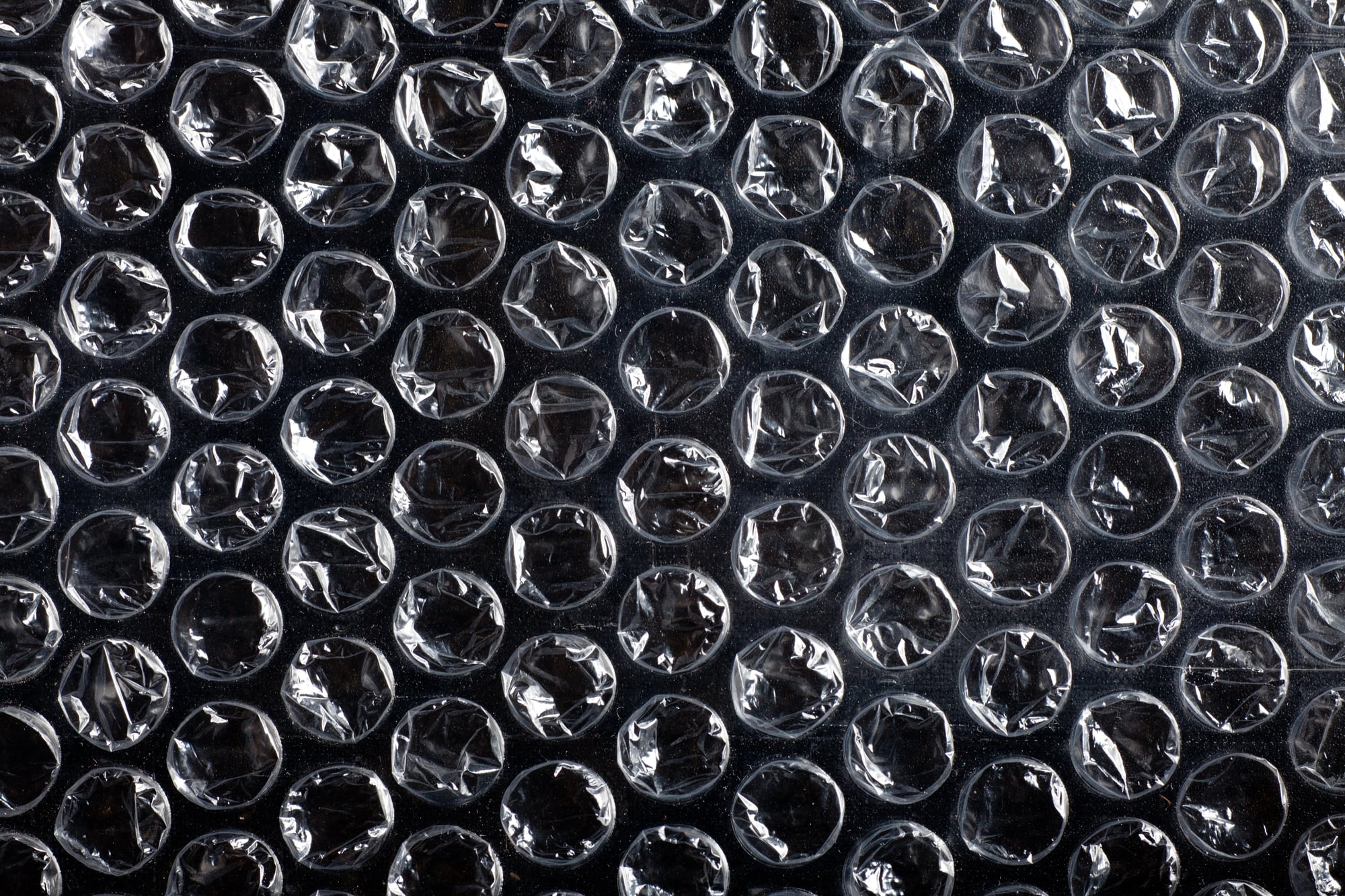
That satisfying pop when you squeeze those little air pockets brings joy to people of all ages. The original inventors had a much fancier vision in mind.
In 1957, two engineers tried to create textured wallpaper by sealing shower curtains together with air bubbles trapped inside. Nobody wanted bubbly walls in their homes, so that idea floated away pretty quickly.
They pitched it as greenhouse insulation next, but that didn’t catch on either. IBM finally found the perfect use when they needed protective packaging for their new computers during shipping, and bubble wrap became the go-to cushioning material for fragile items everywhere.
Coca-Cola

The world’s most famous soft drink started as medicine in a pharmacy. Dr. John Pemberton, a pharmacist in Atlanta, created the syrup in 1886 as a patent medicine to treat headaches and nervous disorders.
He sold it at his drugstore’s soda fountain, where customers could buy a glass for five cents. Pemberton advertised it as a brain tonic and intellectual beverage that could cure morphine addiction and calm nerves.
His bookkeeper came up with the name and the distinctive script logo that’s still used today. The drink became popular for its taste rather than any medicinal properties, and the company eventually dropped all health claims to focus on refreshment.
Listerine
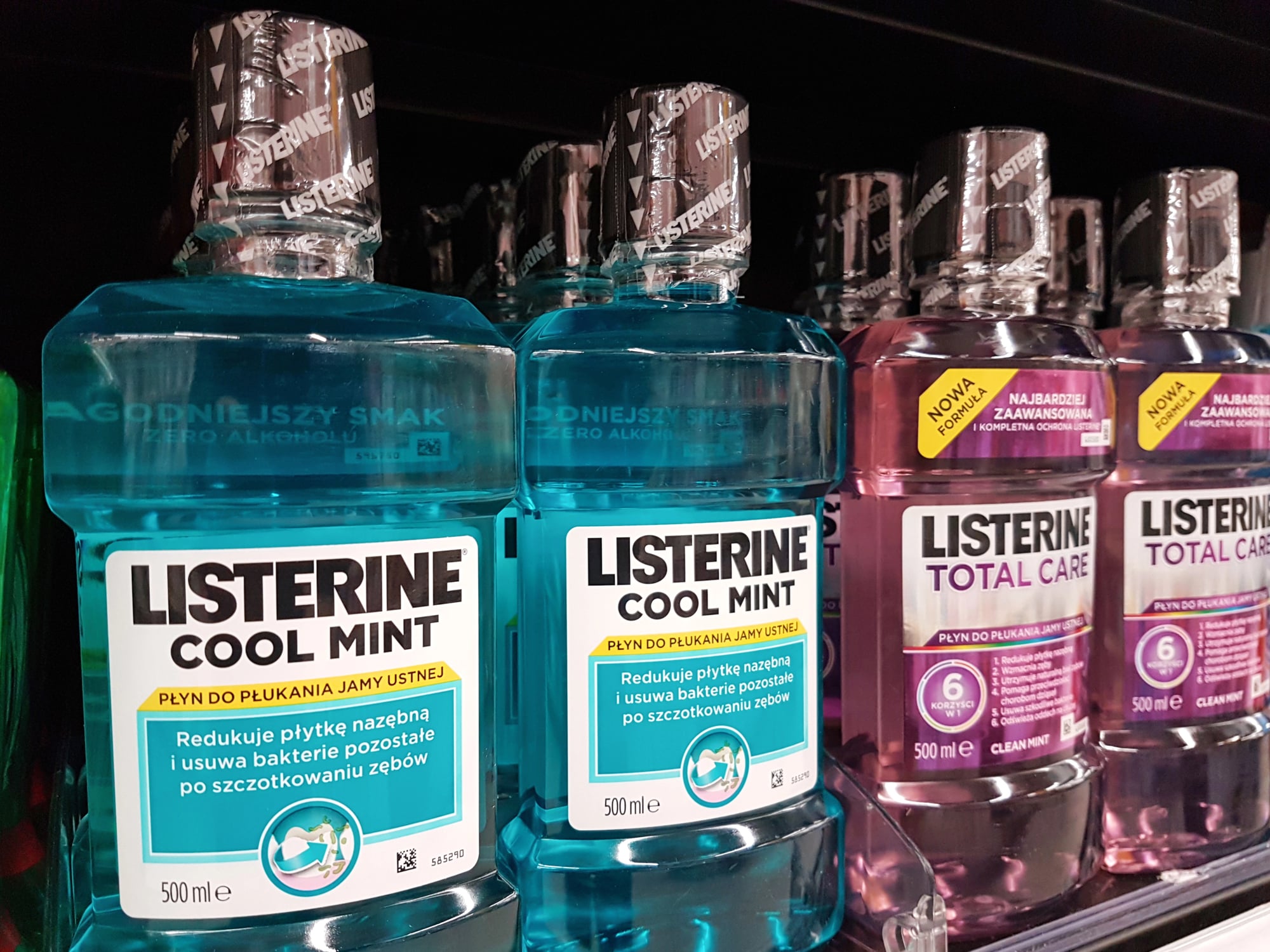
This amber-colored mouthwash has a strong, distinctive taste that people either love or hate. Joseph Lawrence invented it in 1879 as a surgical antiseptic for use in operating rooms.
Doctors used it to sterilize equipment and clean wounds because it killed germs effectively. The product also found work as a floor cleaner and a cure for gonorrhea, though neither use lasted very long.
In the 1920s, the company started marketing it as a solution for bad breath, even popularizing the term ‘halitosis’ to make people self-conscious about their mouths. That campaign worked so well that Listerine became a household name for oral hygiene instead of surgery.
Kleenex

People grab these soft tissues for runny noses without thinking twice, but the company had beauty in mind originally. Kimberly-Clark developed the thin paper in 1924 as a disposable way to remove cold cream and makeup.
They marketed it as a sanitary alternative to washable towels, targeting fashionable women who followed beauty routines. Customers started writing letters saying they used the tissues to blow their noses instead.
The company tested both uses in their advertising and found the cold and allergy angle sold way more boxes. They switched their entire marketing strategy in 1930, and Kleenex became synonymous with facial tissues rather than makeup removal.
Frisbee

College students have tossed these flying discs across campuses for decades, creating an entire sport around them. The story starts with the Frisbie Pie Company in Connecticut, which sold pies in round tins during the 1870s.
Yale students discovered the empty pie tins flew pretty well when thrown, and they’d yell ‘Frisbie!’ to warn people of incoming tins. A building inspector named Walter Morrison saw military personnel throwing cake pans on the beach and got inspired.
He developed a plastic flying disc in 1948, originally calling it the ‘Flying Saucer’ to cash in on UFO excitement. Wham-O bought the rights and renamed it Frisbee, slightly changing the spelling but keeping the connection to those New England pie tins.
Viagra

This little blue pill changed many lives, but researchers weren’t looking for that particular effect. Scientists at Pfizer developed it in the 1990s to treat high blood pressure and angina, a type of chest pain.
The drug didn’t work particularly well for heart conditions during clinical trials. Male participants reported an interesting and unexpected side effect that got the researchers’ attention fast.
Pfizer quickly shifted focus and got approval for treating erectile dysfunction in 1998. The medication became one of the most successful pharmaceutical products ever, earning billions of dollars and helping millions of people, just not in the way anyone originally planned.
Super Glue

This incredibly strong adhesive bonds almost anything in seconds, making it essential for quick repairs. Dr. Harry Coover discovered it by accident in 1942 while trying to make clear plastic gun sights for rifles during World War II.
The substance stuck to everything it touched, which made it completely useless for precision optics. Coover set the formula aside and forgot about it for several years.
He stumbled across it again in 1951 while working on heat-resistant jet canopy parts and finally realized its potential as an adhesive. The product hit store shelves in 1958, and people found countless uses for something that could bond materials so quickly and permanently.
Cornflakes

Millions of people pour these crispy golden flakes into their bowls every morning. Dr. John Harvey Kellogg created them in 1894 while running a health sanitarium in Michigan.
He believed bland, plain foods would reduce what he considered ‘sinful’ urges and promote good health among his patients. Kellogg and his brother Will accidentally left cooked wheat sitting out too long, and when they rolled it anyway, it formed flakes instead of sheets.
They toasted the flakes and served them to patients, who actually enjoyed eating them. Will saw the commercial potential and added sugar to make them tastier, which angered his brother but created a breakfast empire.
Vaseline

People slather this petroleum jelly on dry skin, chapped lips, and minor cuts without knowing its industrial origins. Robert Chesebrough, a chemist, discovered it in 1859 while visiting oil fields in Pennsylvania.
Workers complained about a waxy residue called ‘rod wax’ that gunked up drilling equipment, but they also noticed it seemed to heal cuts and burns. Chesebrough took samples back to his lab and spent years refining the substance into a clear, smooth jelly.
He demonstrated its healing properties by burning himself with acid and fire, then treating the wounds with his product at public events. The name comes from the German word for water and the Greek word for oil.
Wheaties
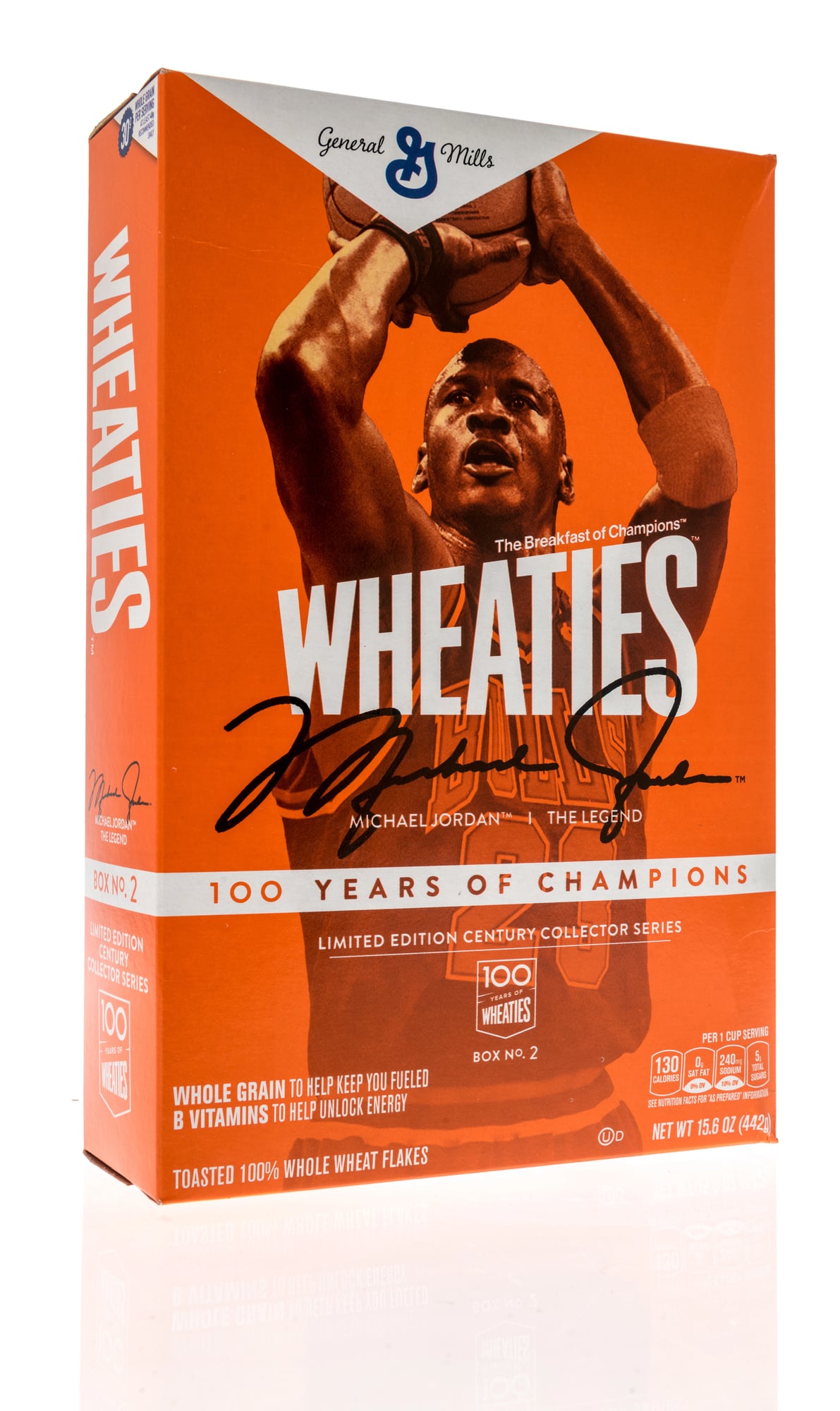
The ‘Breakfast of Champions’ came from a clumsy moment in a Minnesota clinic. A health clinician accidentally spilled wheat bran mixture onto a hot stove in 1921.
Instead of tossing the crispy flakes, he tasted them and thought they might make a decent cereal. The Washburn Crosby Company, which later became General Mills, bought the rights and perfected the recipe.
They struggled to keep the flakes crispy during production and storage at first. Once they solved those problems, Wheaties became famous for featuring athletes on the box, creating one of the most recognizable marketing campaigns in breakfast history.
Silly Putty

This stretchy, bouncy substance entertains kids and adults who enjoy its weird properties. Engineers tried to create synthetic rubber during World War II when real rubber became scarce.
James Wright, working for General Electric, mixed boric acid with silicone oil in 1943 and created something that bounced, stretched, and copied newspaper print. The strange material didn’t work for any wartime purpose, so GE sent samples to scientists worldwide, hoping someone would find a use for it.
A toy store owner saw its potential as a novelty item, packaged it in plastic eggs, and sold it at a toy fair in 1950. People loved the odd putty that seemed to break physics rules, and it became a classic toy instead of a rubber substitute.
Matchsticks

Lighting fires used to require flint, steel, and a lot of patience. John Walker, an English chemist and druggist, discovered friction matches by complete accident in 1826.
He was stirring a pot of chemicals with a wooden stick, and some of the mixture dried on the end. When he tried to scrape it off on the floor, the stick burst into flames.
Walker saw the practical value immediately and started making ‘friction lights’ to sell in his pharmacy. He never patented the invention because he wanted everyone to benefit from it.
Other people copied and improved his design, adding safety features to prevent accidental fires in people’s pockets.
Slinky

This simple metal coil has walked down stairs and brought smiles since the 1940s. Richard James, a naval engineer, was working with tension springs meant to stabilize sensitive ship equipment.
He knocked one off a shelf in 1943 and watched it ‘walk’ across his desk, down books, and onto the floor in a mesmerizing way. James knew he’d stumbled onto something fun rather than functional.
His wife Betty came up with the name after finding the Swedish word that means sleek and graceful. They borrowed money to manufacture 400 units and sold out completely in 90 minutes at a Philadelphia department store demonstration.
Preparation H

This hemorrhoid treatment has helped countless people with an uncomfortable problem. Doctors originally used the formula to reduce swelling in surgical patients.
Someone noticed it worked particularly well for one specific type of swelling, and the company rebranded it for that purpose. The cream became famous for an entirely different off-label use when models and celebrities discovered it temporarily tightened skin and reduced under-eye puffiness.
Fashion photographers kept it in their kits for quick touch-ups before photo shoots. The manufacturer never officially endorsed this beauty hack, but it spread through the industry anyway, giving the product an unexpected second life in Hollywood makeup rooms.
Treadmills

Gym-goers and home fitness enthusiasts use these machines to run miles without going anywhere. The original version was far less pleasant than modern exercise equipment.
British engineer William Cubitt invented the treadmill in 1818 as a prison punishment device. Prisoners walked on large paddle wheels connected to mills that ground grain or pumped water, turning their labor into productive work.
The devices were intentionally exhausting and monotonous, designed to break the spirits of criminals. Prisons used them extensively until they were banned as too cruel in 1898.
Decades later, doctors repurposed the idea as a diagnostic tool to monitor heart patients, and eventually, someone realized healthy people might actually choose to walk on them for exercise.
Microwave ovens

These convenient kitchen appliances heat leftovers and pop popcorn in minutes. Percy Spencer, an engineer working on radar technology for Raytheon in 1945, made the discovery while testing a magnetron.
He noticed a chocolate bar in his pocket had melted, which seemed strange since he wasn’t standing near any heat source. Spencer tested the magnetron with popcorn kernels and then an egg, which exploded in his colleague’s face.
The company quickly developed the technology into a cooking device, though the first commercial units stood over five feet tall and weighed 750 pounds. Restaurants and ships used them first because they cost thousands of dollars and required plumbing for the cooling system.
How accidents shaped our world

These unexpected inventions show that some of the best discoveries happen when plans go sideways. Scientists and inventors set out to solve one problem and ended up creating solutions for completely different ones.
The products we rely on every day often have origin stories that nobody could have predicted. Next time you pop bubble wrap or spread Vaseline on dry skin, remember that someone originally had a totally different idea in mind.
More from Go2Tutors!

- The Romanov Crown Jewels and Their Tragic Fate
- 13 Historical Mysteries That Science Still Can’t Solve
- Famous Hoaxes That Fooled the World for Years
- 15 Child Stars with Tragic Adult Lives
- 16 Famous Jewelry Pieces in History
Like Go2Tutors’s content? Follow us on MSN.