Military Uniforms That Told Secret Stories
Throughout history, military uniforms have been more than just clothing. They served as walking documents that communicated rank, unit affiliation, achievements, and sometimes much more sensitive information. Hidden within the fabric, patches, and insignia were coded messages, secret identities, and classified operations that only those in the know could decipher. From ancient armies to modern special forces, soldiers have used their uniforms to tell stories that were never meant to be public.
So what secrets were sewn into the threads of military history? Let’s decode some of the most fascinating hidden messages that uniforms have carried into battle and beyond.
The Ghost Army’s Deception Patches
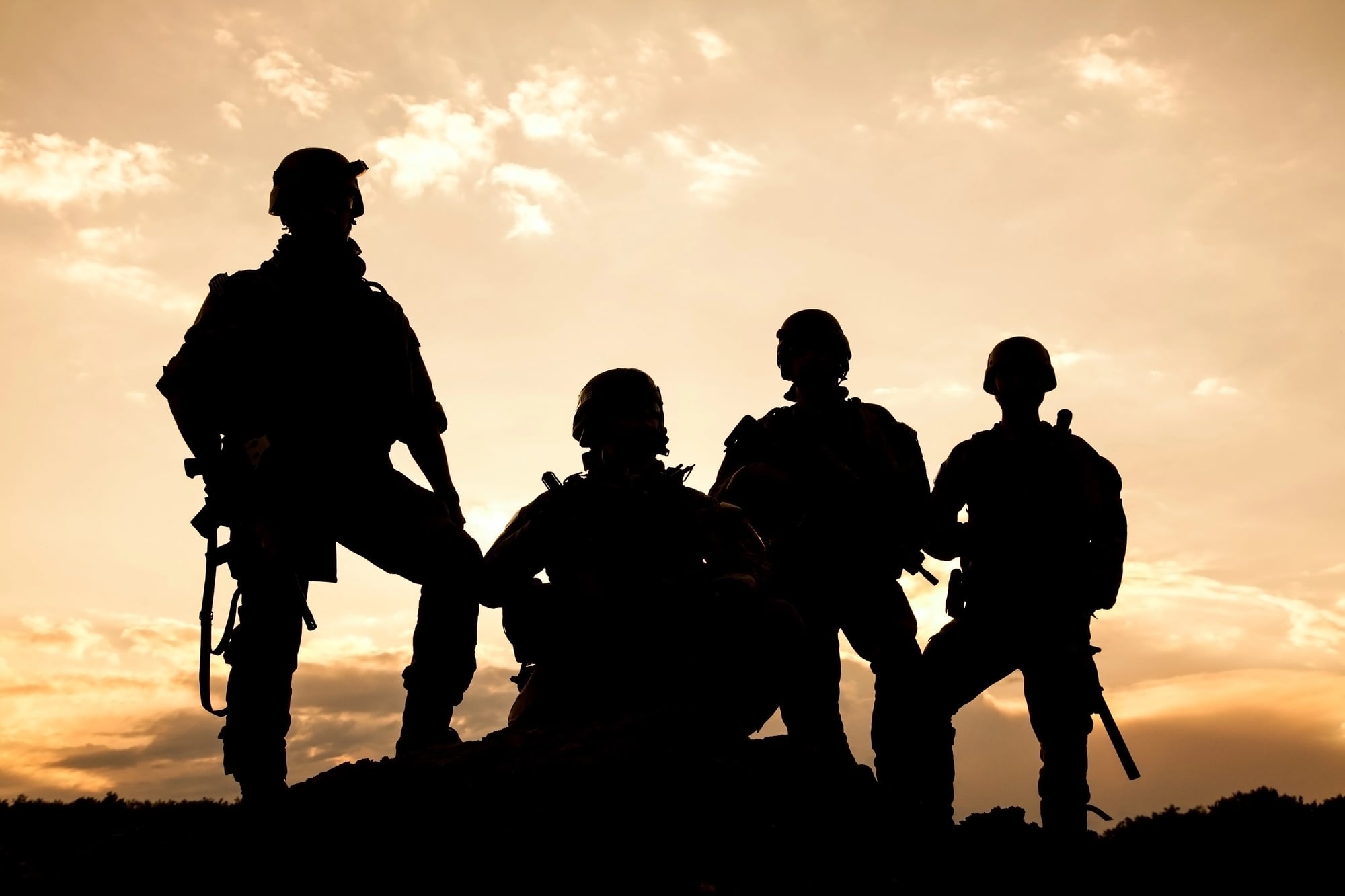
During World War II, the U.S. Army created a top-secret unit known as the “Ghost Army” that used theatrical deception to fool German forces. Their patch, featuring a ghostly figure, remains one of the coolest army patches ever designed.
The soldiers wore standard uniforms but with special patches that looked normal from a distance yet contained subtle differences that identified them to Allied forces. These deception specialists used inflatable tanks, fake radio transmissions, and costume changes to make small units appear like massive armies.
Their uniform patches were deliberately designed to be confusing, often mixing symbols from multiple real units to maintain their cover story.
Roman Legion Secret Markings
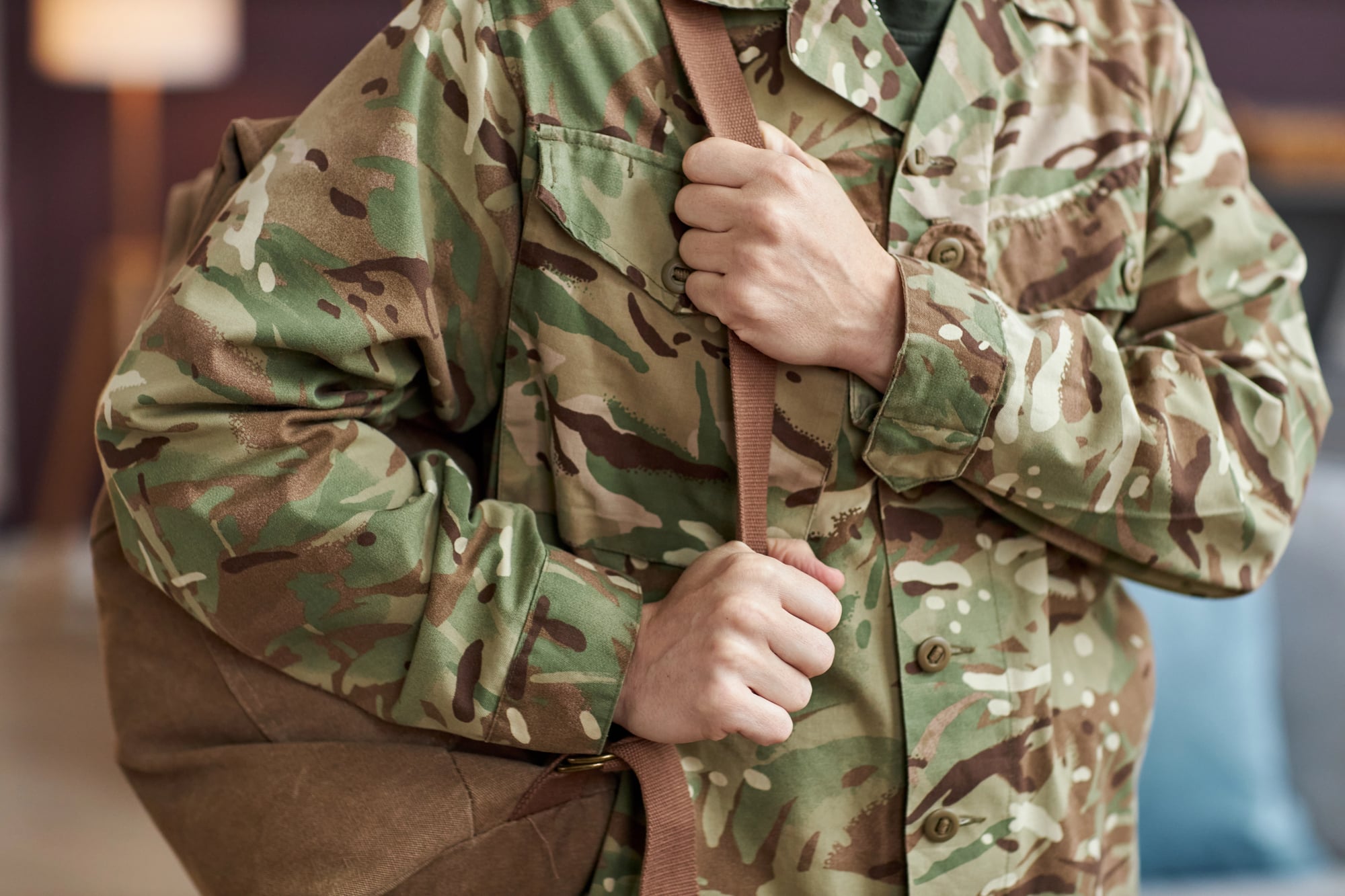
Ancient Roman soldiers encoded information into their uniform decorations that revealed their battle experience and special assignments. Certain metal studs on their armor told stories about campaigns in Germania or Britain, while specific leather arrangements indicated whether they belonged to regular legions or special reconnaissance units.
Veterans often wore small, seemingly decorative elements that actually served as identification markers for undercover operations in enemy territory. The placement of these elements followed strict codes that could reveal a soldier’s true mission to other Romans while appearing purely ornamental to outsiders.
World War I Trench Coat Messages
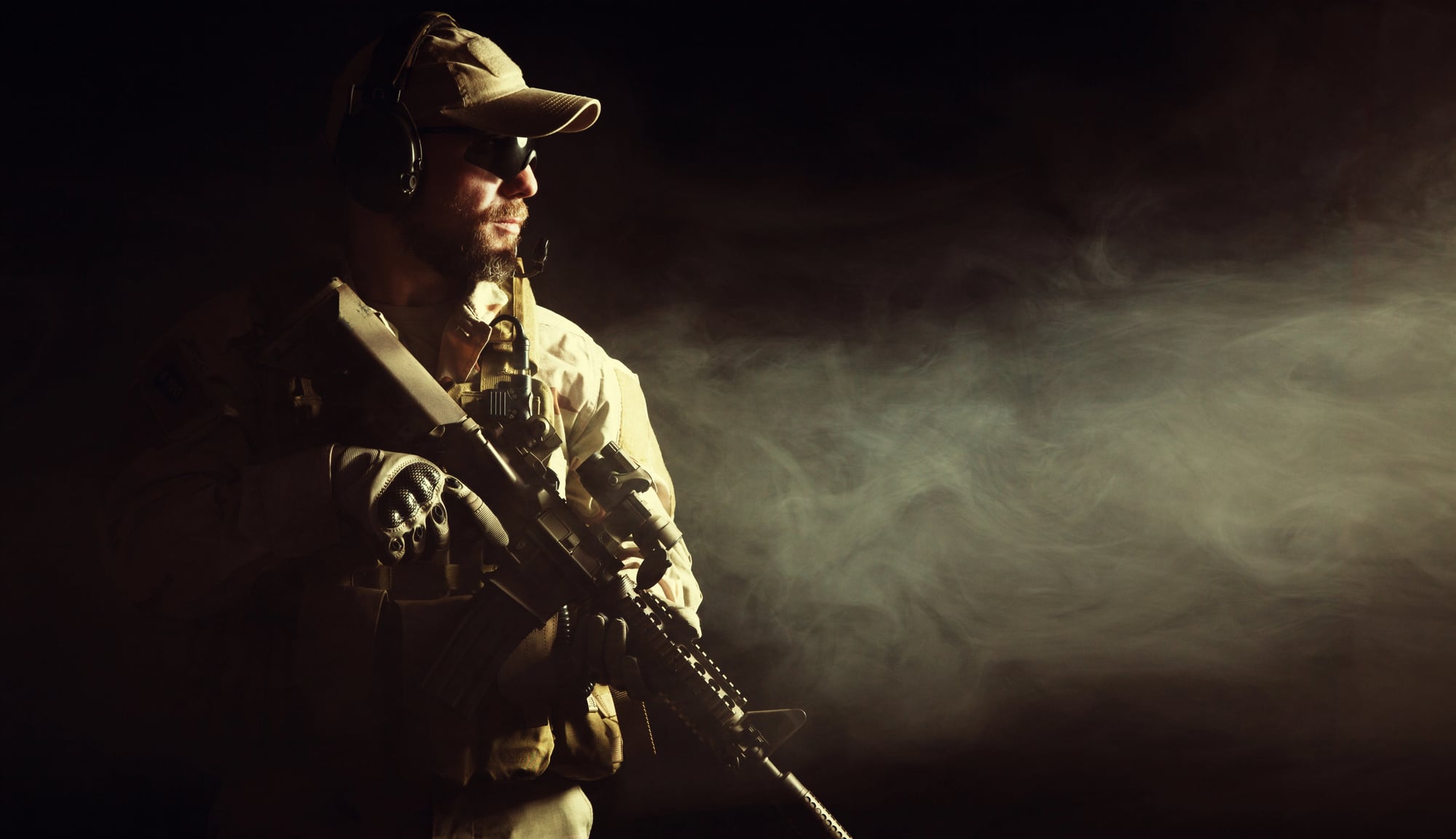
British officers during the First World War developed a system of conveying classified information through seemingly innocent modifications to their trench coats. The number of buttons left undone, the way belts were tied, and even how collars were turned up could signal everything from upcoming attacks to the location of enemy positions.
The military has used codes and ciphers for years, but the use and complexity of codes skyrocketed during World War I. Intelligence officers would walk past each other in trenches and instantly communicate sensitive data through these clothing adjustments.
Some coats even had hidden pockets sewn in specific patterns that indicated the wearer’s clearance level for accessing classified materials.
Cold War Spy Uniform Indicators
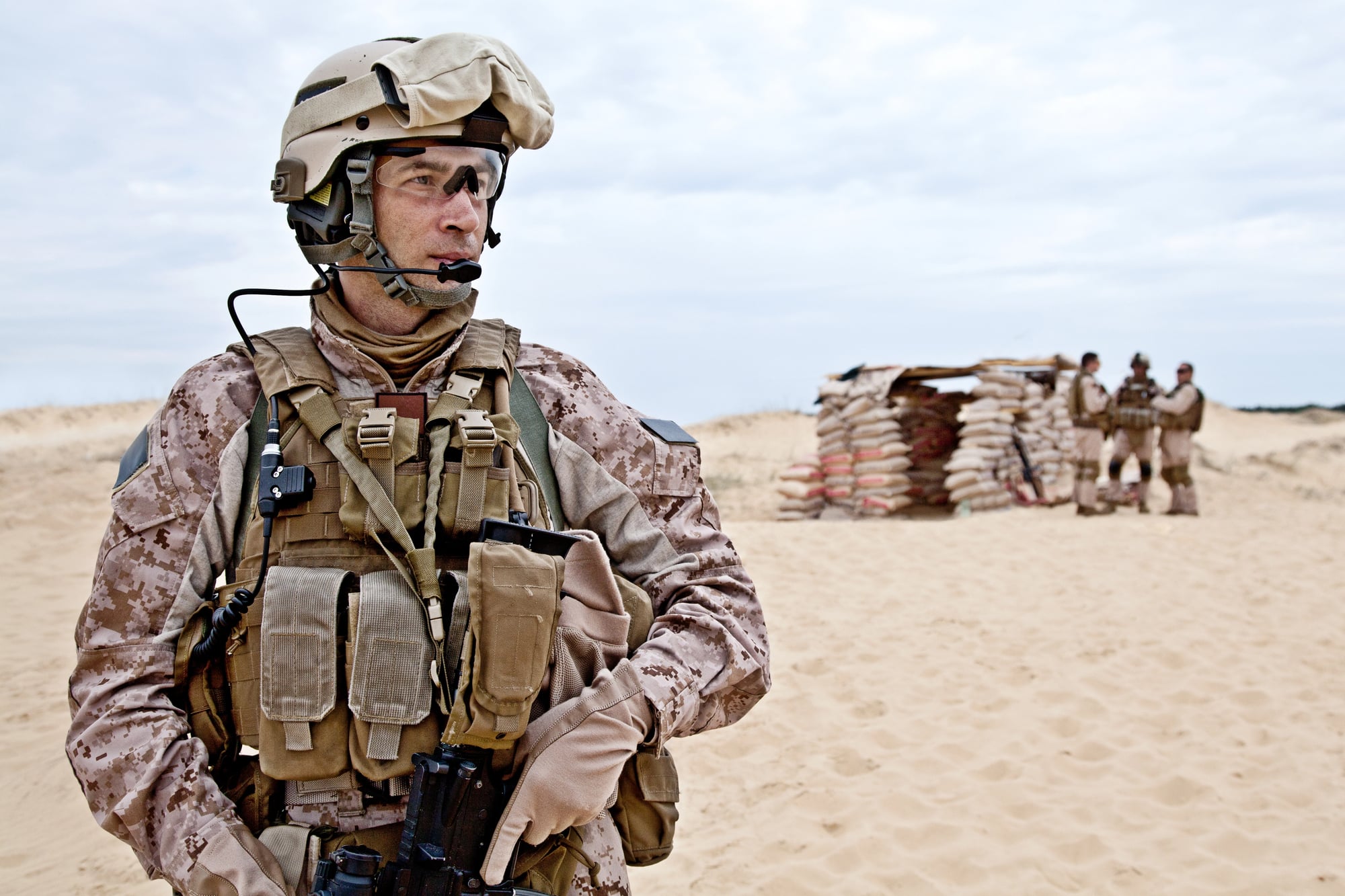
During the height of the Cold War, both American and Soviet agents used military uniforms to identify themselves to contacts while operating in foreign countries. A particular way of wearing service ribbons, the angle of a cap, or specific color combinations in uniform accessories served as recognition signals.
CIA operatives posing as military attachés would use tiny variations in regulation dress to communicate with local assets. These signals were so subtle that even trained military personnel from other nations would miss them completely.
The system worked so well that some of these identification methods remained classified for decades after the war ended.
Vietnam Jungle Patrol Secrets
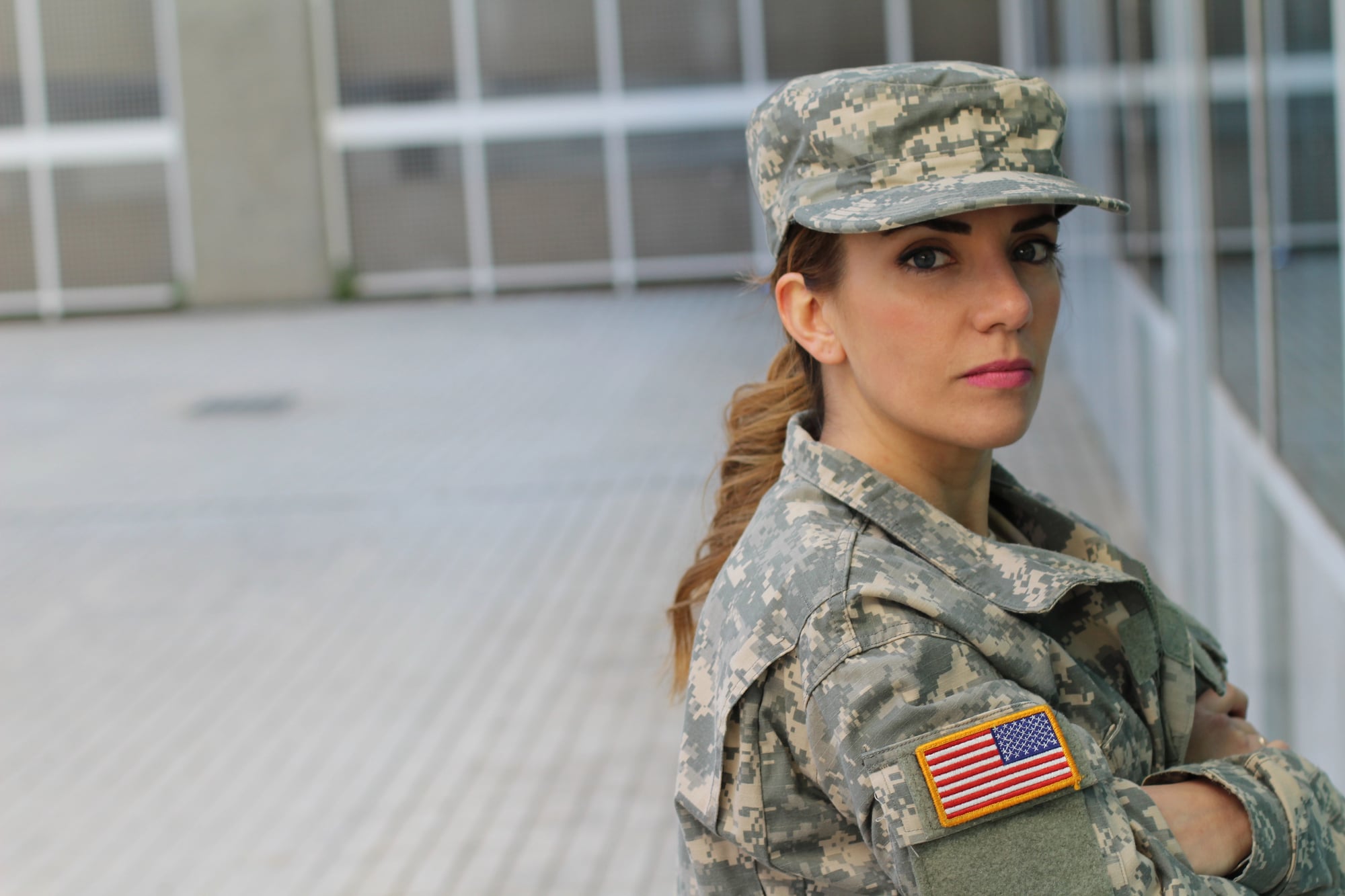
American special forces operating in Vietnam developed elaborate uniform coding systems to identify friendly units in the dense jungle environment. Specific arrangements of ammunition pouches, the way dog tags were worn, and even dirt patterns applied to helmets could reveal unit assignments and current mission status.
Teams working on classified operations would modify their gear in predetermined ways that looked like normal field wear to outsiders. Some units had backup identification systems built into their clothing that would only be visible under specific lighting conditions or when viewed from particular angles.
Medieval Knight Heraldic Codes
Knights in medieval times used their surcoats and banners not just for identification but also to convey complex political and military information. Certain color combinations indicated allegiances to specific lords or participation in particular campaigns.
The placement of heraldic symbols on different parts of the garment could signal whether a knight was on a diplomatic mission, seeking reinforcements, or carrying important messages. Some knights wore special versions of their family crests that included subtle modifications visible only to other nobility, indicating their involvement in secret political negotiations or military planning.
Napoleonic Era Message Systems
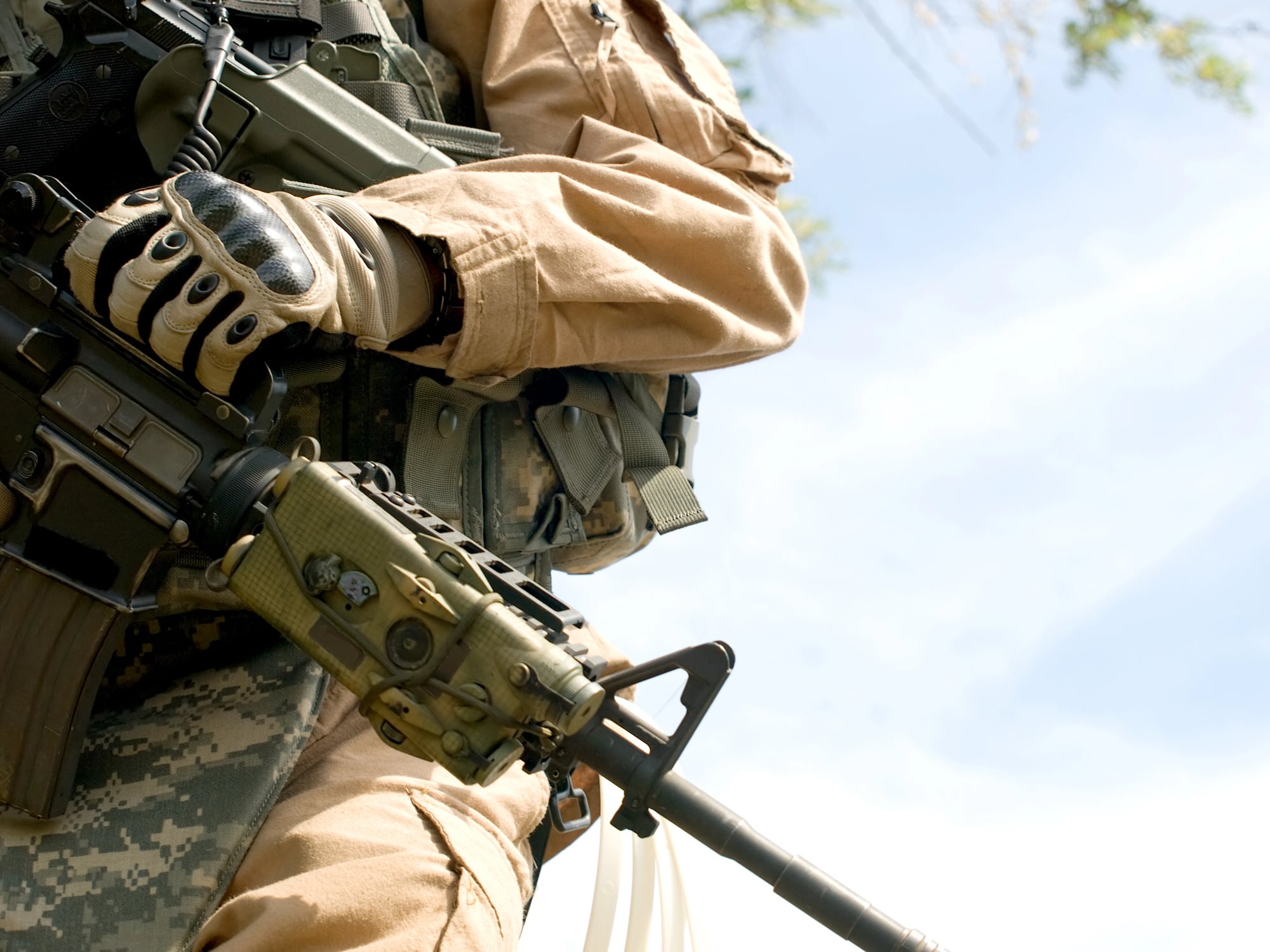
Officers in Napoleon’s army used their elaborate uniforms to communicate strategic information across the battlefield and beyond. The number of gold braids worn, specific button arrangements, and the positioning of medals could convey everything from troop movements to supply needs.
French intelligence operatives embedded with foreign armies would wear standard enemy uniforms with tiny French-made components that served as identification markers. Some officers carried special uniform pieces that could be quickly rearranged to send different coded messages depending on the military situation they encountered.
Modern Special Operations Patches
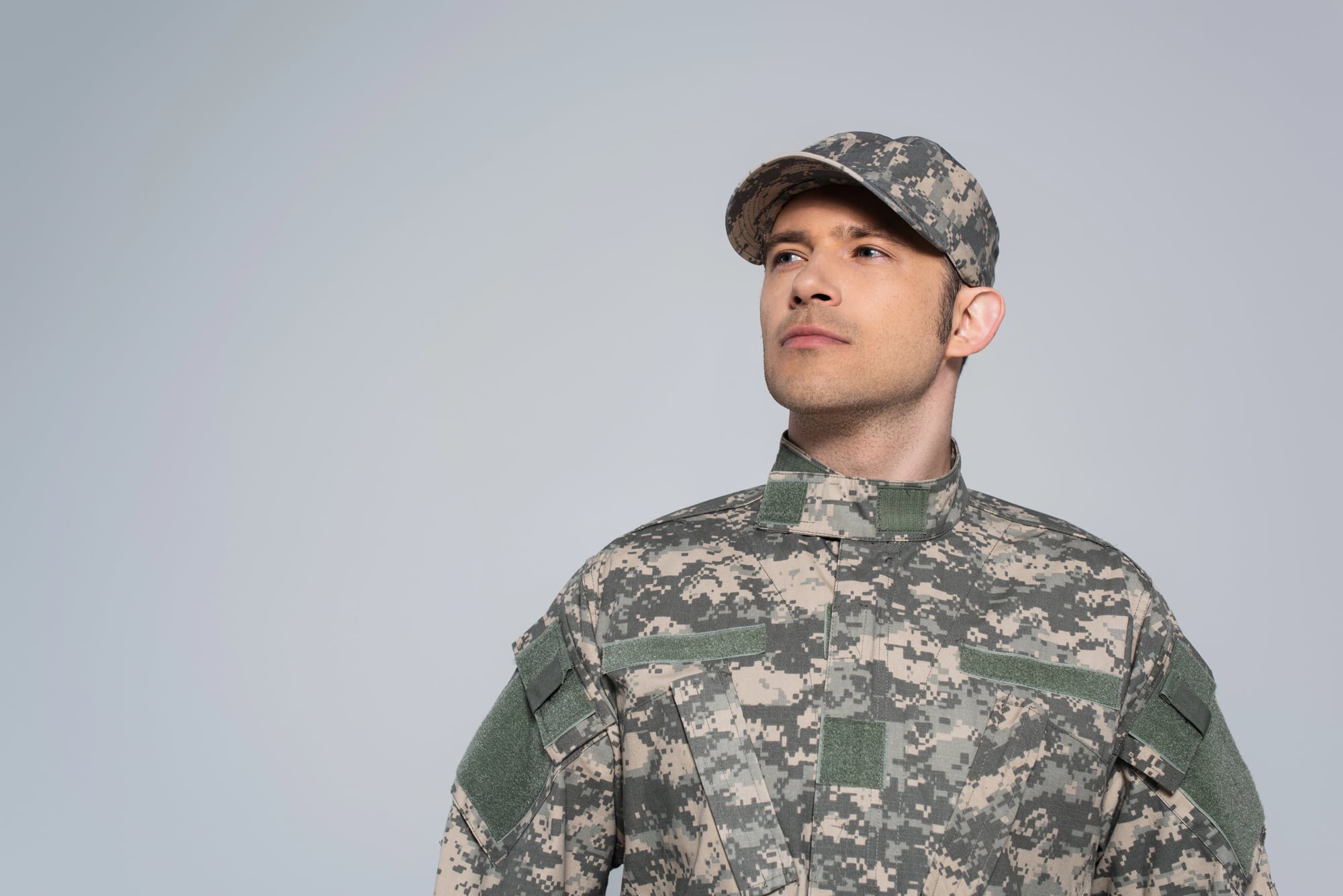
Today’s elite military units continue the tradition of using patches and insignia to tell hidden stories about their operations. Secret military patches reveal cryptic symbols, classified missions, and inside jokes from black ops units, with some featuring dragons representing spy satellites peering out of darkened clouds.
These patches often contain references to classified programs, operational codenames, and mission achievements that can’t be publicly acknowledged. The designs frequently include inside jokes and cultural references that create bonds between unit members while keeping outsiders completely in the dark about their true meaning.
Secret Service Uniform Signals
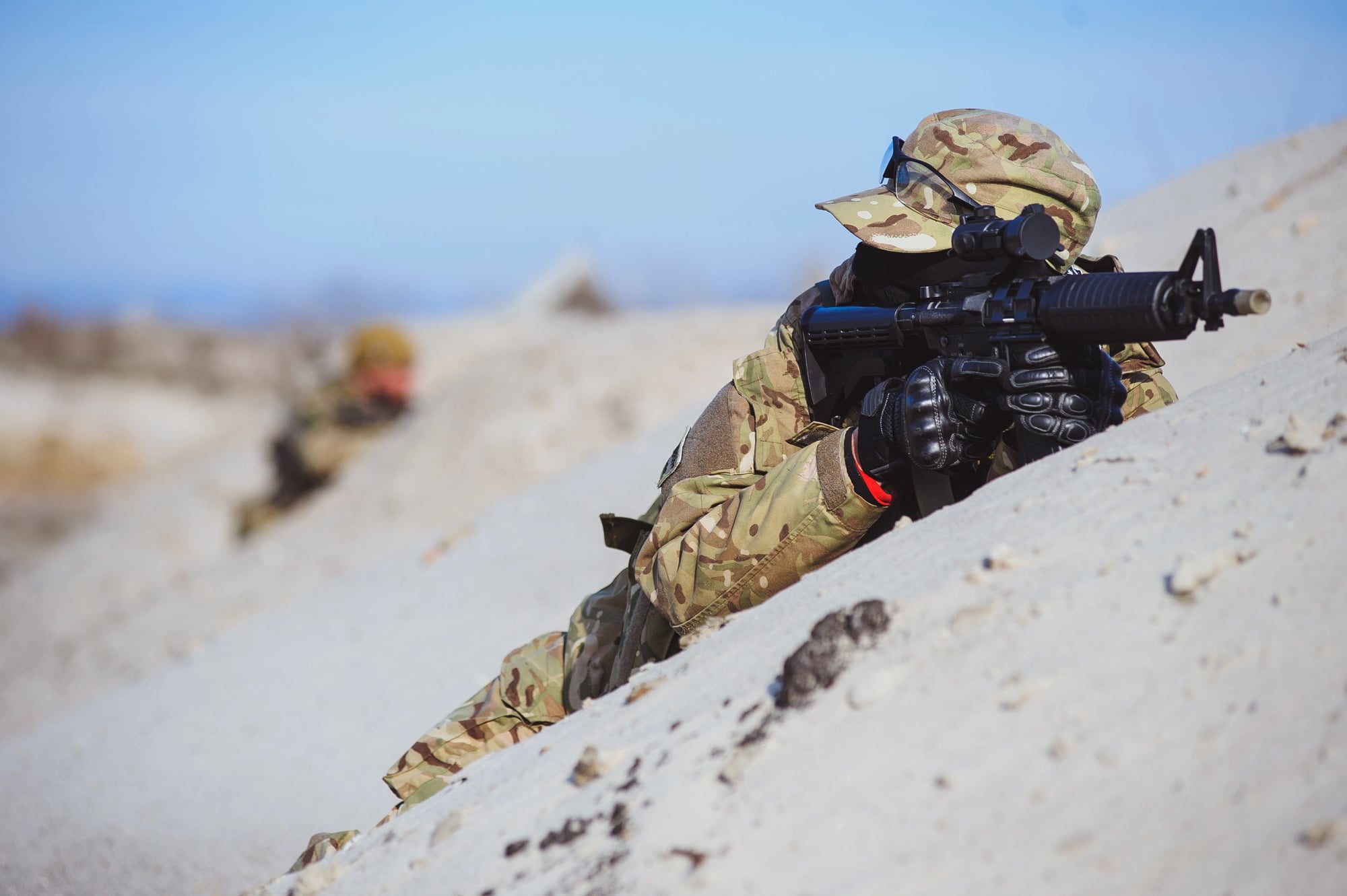
Presidential security details and other protective services have developed sophisticated uniform-based communication systems for high-stakes situations. The way ties are positioned, specific lapel pin arrangements, and even the choice of cufflinks can indicate threat levels and operational status to other team members.
During public events, agents use predetermined clothing adjustments to signal everything from crowd control needs to evacuation procedures. These visual codes allow for instant communication in environments where radio chatter might be monitored or compromised by hostile forces.
Intelligence Agency Dress Codes
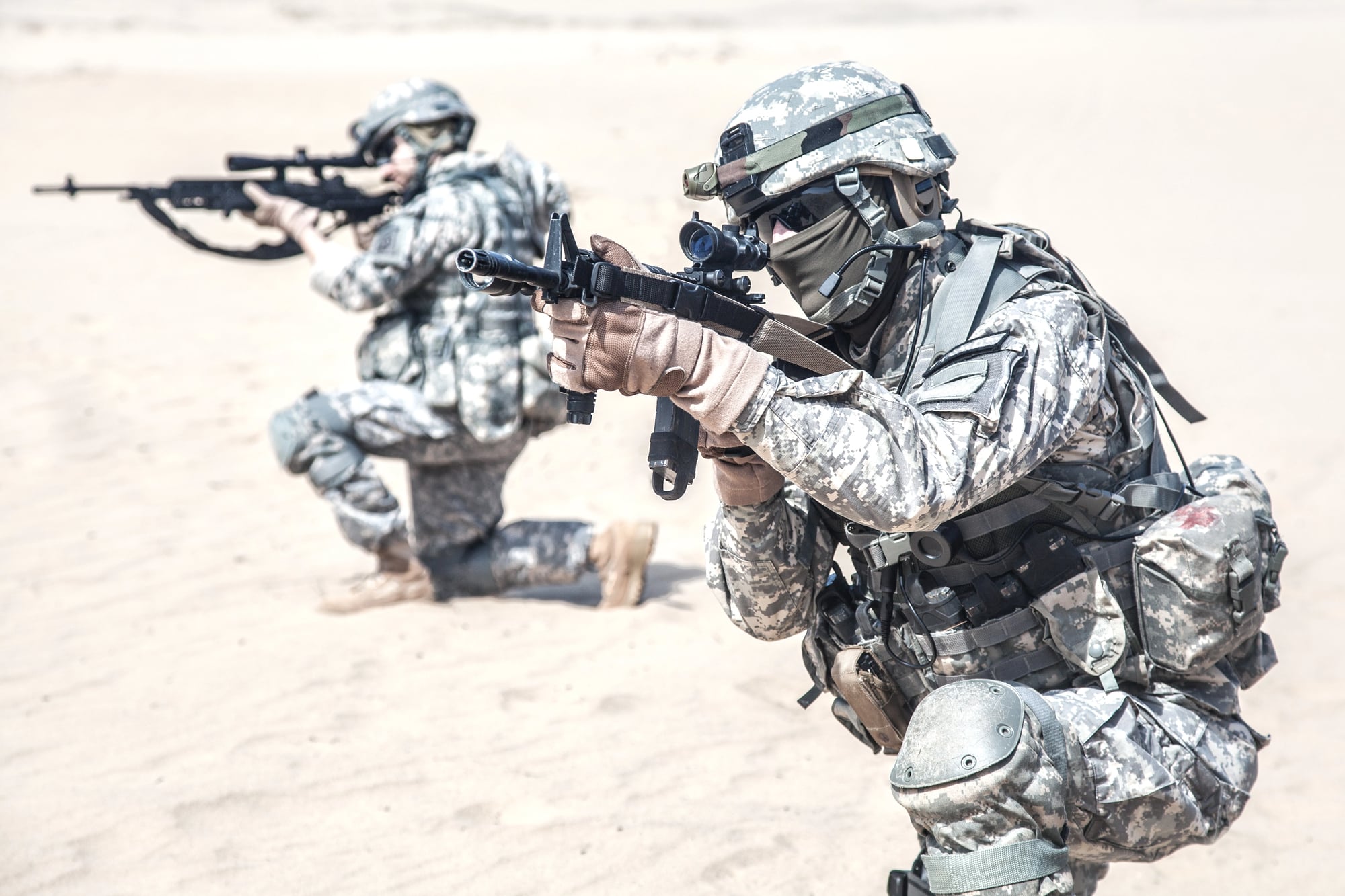
Agents working for various intelligence organizations have long used clothing and uniform elements as identification tools and communication methods. A specific type of watch worn with a military uniform, particular eyeglass frames, or certain shoe styles could indicate agency affiliation and security clearance level.
Some intelligence officers working undercover as military personnel would incorporate tiny civilian elements into their regulation dress that served as recognition signals for other operatives. These subtle modifications helped create networks of agents who could identify each other without compromising their cover identities.
Private Military Contractor Signals
Modern private military contractors working alongside regular forces have created their own uniform-based identification systems to distinguish themselves from other personnel in combat zones. These might include specific types of tactical gear arrangements, particular weapon configurations, or certain uniform modifications that indicate their company affiliation and operational authority.
Contractors often need to quickly identify each other’s roles, security clearances, and command relationships in fast-moving situations. Their uniform systems help create order in environments where traditional military hierarchy doesn’t apply but coordination remains absolutely essential for mission success.
From Battlefield Codes to Modern Mysteries
Military uniforms have served as secret messengers for thousands of years, carrying coded information from ancient Roman battlefields to modern special operations centers. What started as simple ways for soldiers to identify friends from enemies evolved into sophisticated communication systems that could convey complex military and political information.
More from Go2Tutors!

- The Romanov Crown Jewels and Their Tragic Fate
- 13 Historical Mysteries That Science Still Can’t Solve
- Famous Hoaxes That Fooled the World for Years
- 15 Child Stars with Tragic Adult Lives
- 16 Famous Jewelry Pieces in History
Like Go2Tutors’s content? Follow us on MSN.