Historic Photographs of Families Arriving Out West
A photograph of a family beside a loaded wagon says more than a page of statistics about migration. The faces show tiredness, hope and determination.
The surroundings show how little people carried and how much they hoped to build. These fourteen kinds of images, drawn from the long era of western settlement, record how families reached new land and what they found there.
Each reflects a distinct moment in the movement west.
Families Beside Covered Wagons
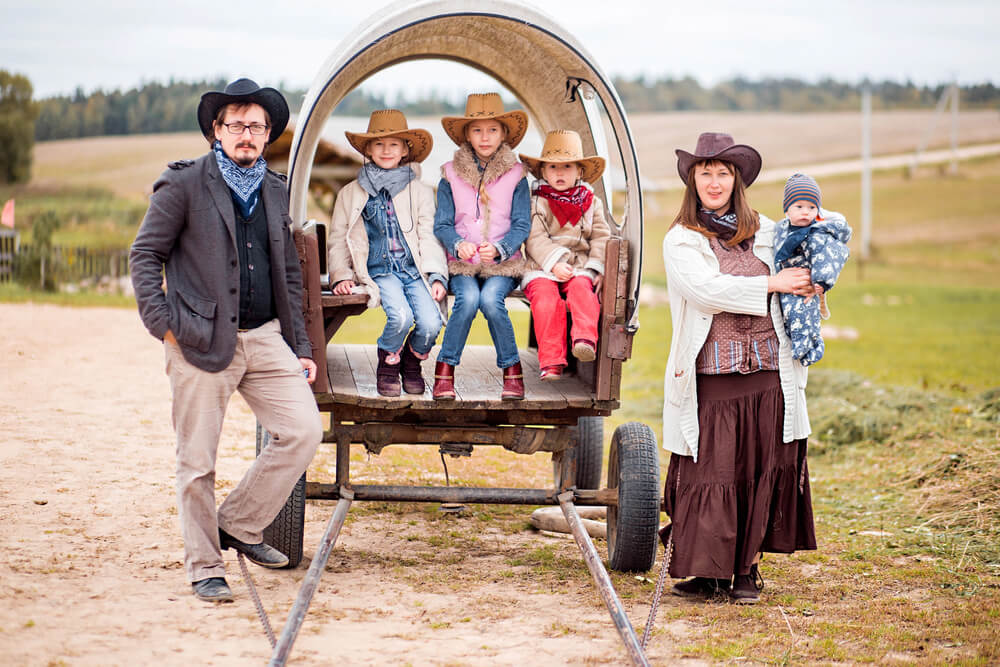
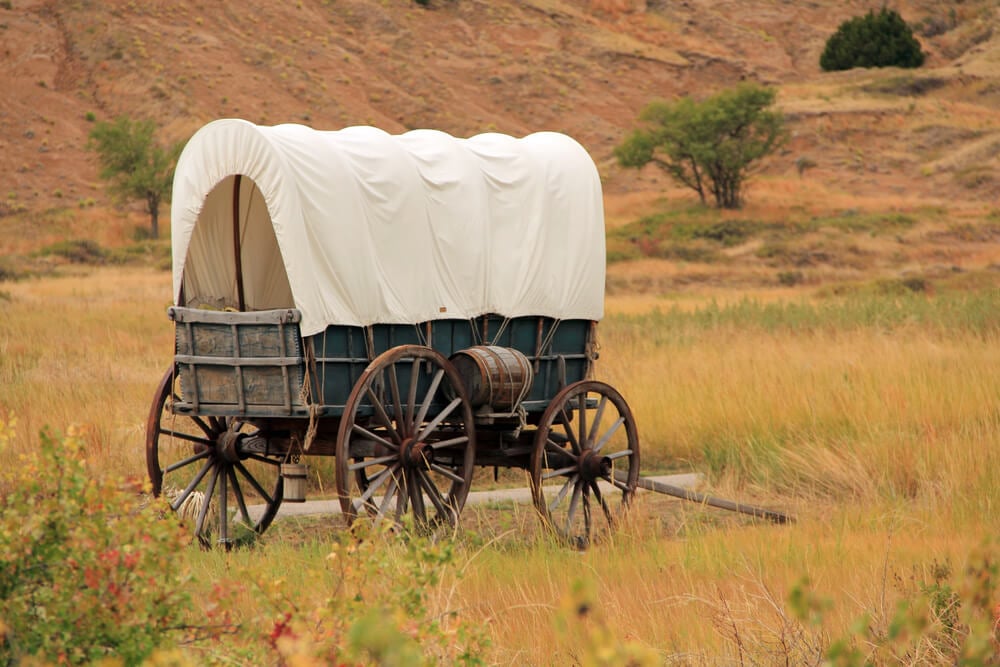
The covered wagon is the best-known image of overland migration, and photographs of families standing beside theirs are treasured. Most were taken after the trail was done, at a new homestead, as a way to mark the journey.
Details such as the canvas patches, the tied-on barrels and the worn clothing reveal how long the trip had been.
Sod House Portraits on the Plains
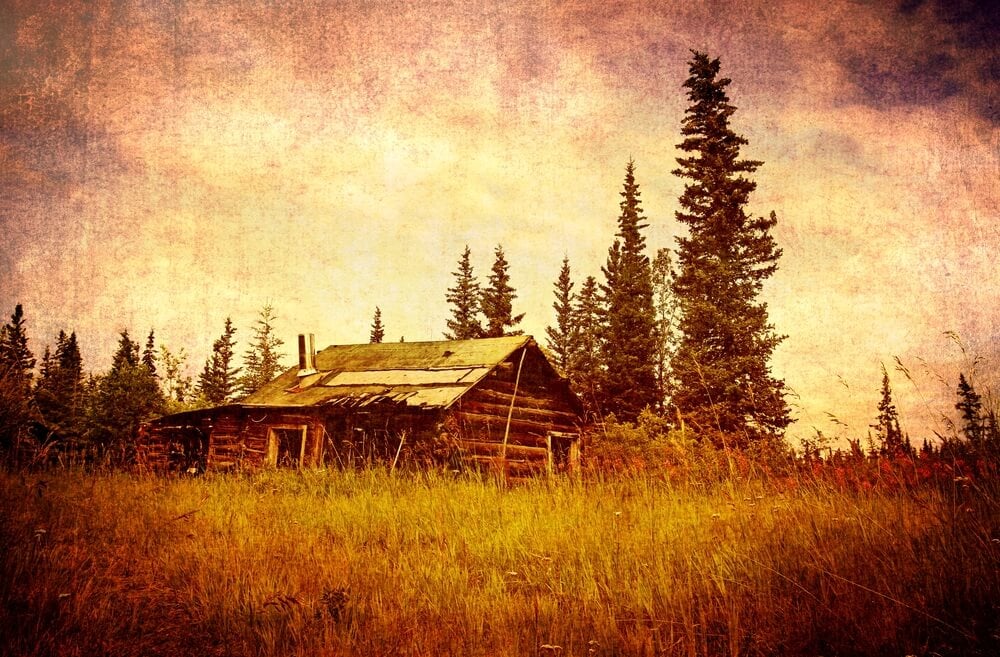
Settlers on the treeless plains built homes from cut prairie sod, and many posed proudly in front of them. Photographers traveled to remote farms to take these pictures, often at the request of families who wanted to send proof of success to relatives.
The thick walls, small windows and grass-covered roofs show how ingenuity filled the gap left by missing timber.
Homestead Claim Photographs
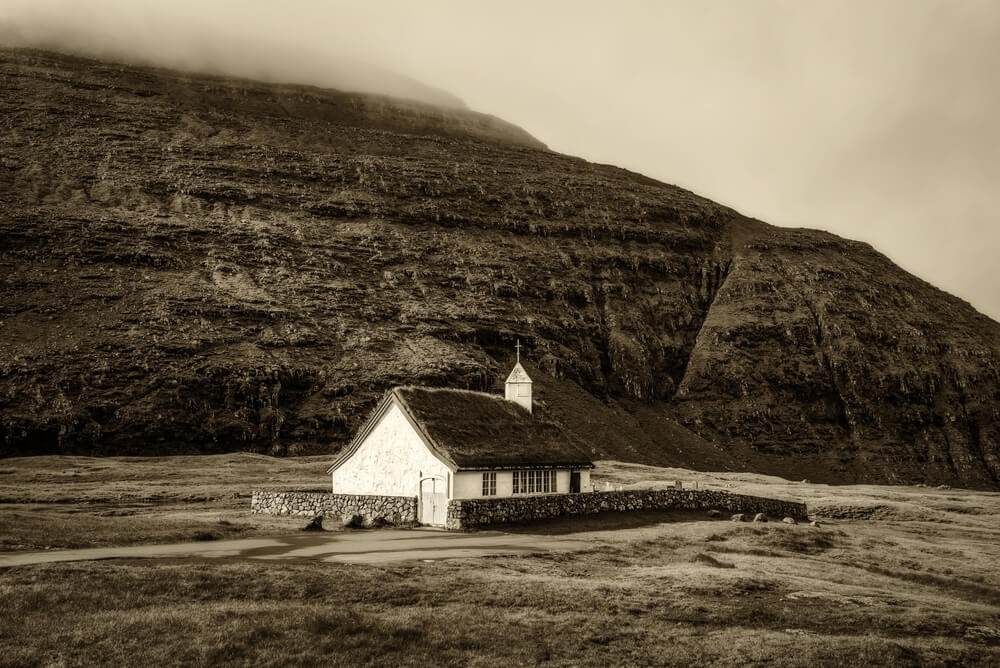
Under the Homestead Act of 1862, settlers could claim 160 acres by living on and improving the land. Families photographed their cabins, fields and fences as evidence of progress.
These images served both as pride and as practical documentation of work done.
Emigrant Trains at Rest
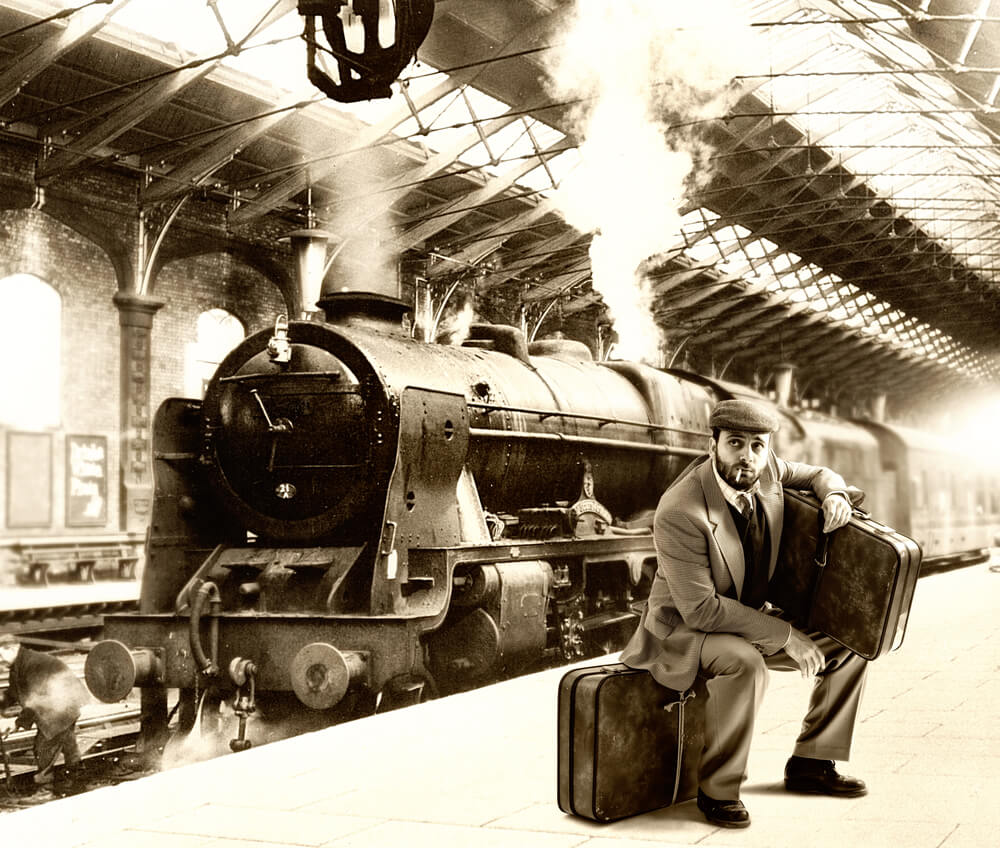
Large wagon trains sometimes paused near rivers or forts, and photographers captured the long lines of wagons and tents. The scenes show livestock, cook fires and families sitting in the shade.
They give a sense of the scale and organization of overland travel.
Railroad Colonist Cars
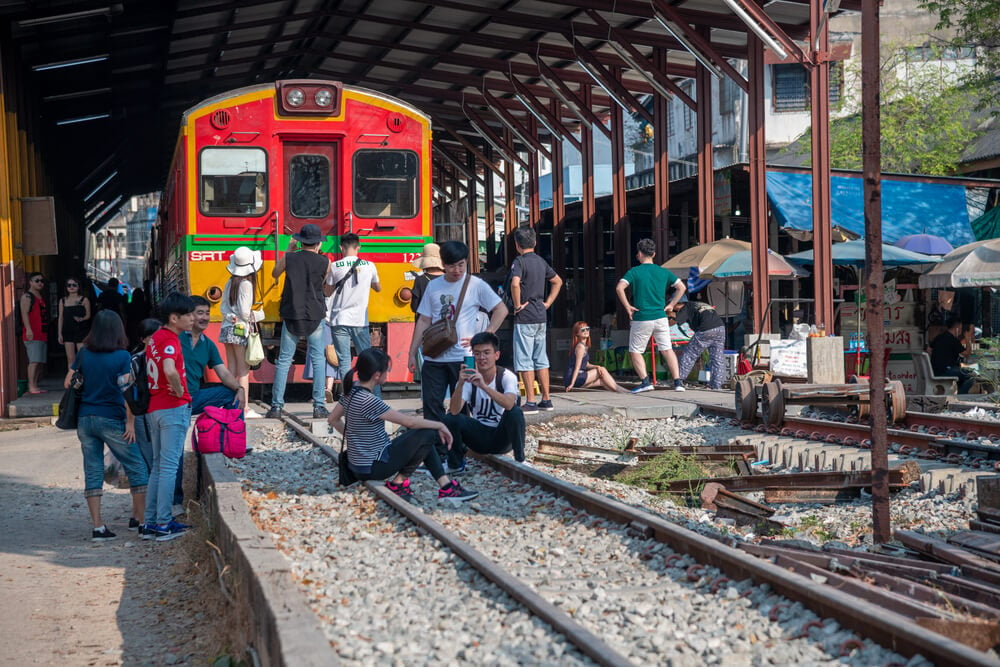
After the transcontinental railroad opened in 1869, families increasingly traveled west by train. Photographs of crowded passenger cars and station platforms show clustered luggage and children pressed against windows.
The change from months by wagon to days by rail is visible in the faces of the travelers.
Immigrant Families on Western Farms
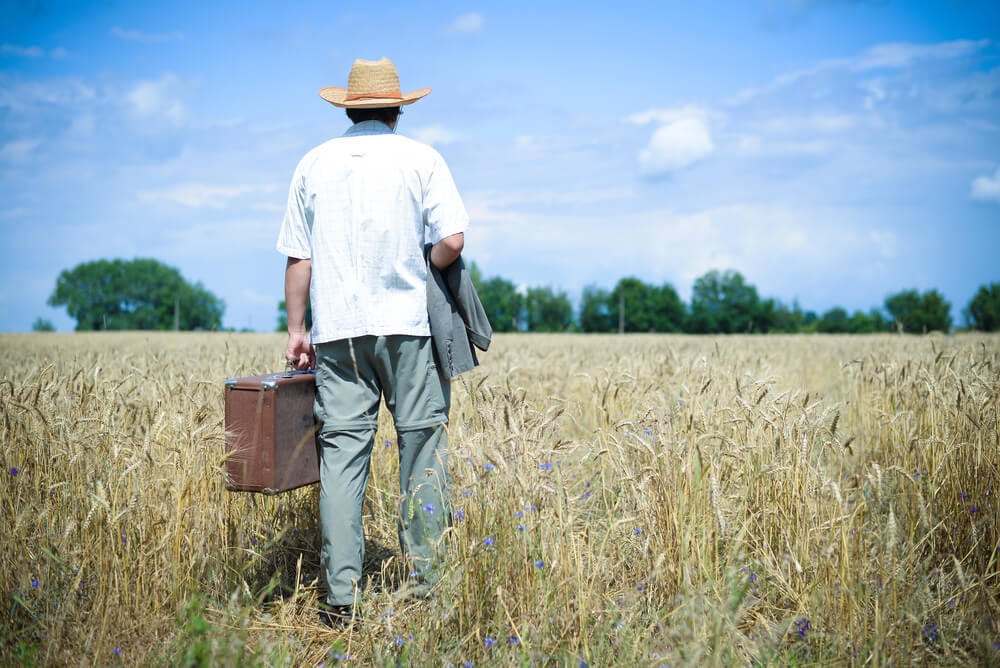
Many families arriving on the plains had recently come from Europe, and their portraits record languages and customs carried across the Atlantic. Scandinavian, German and Czech farm families posed in their best clothes.
The photographs show the way immigrants and migrants mingled in the settling of the West.
Oklahoma Land Run Crowds

On April 22, 1889, thousands of people rushed into Oklahoma’s Unassigned Lands to claim homesteads. Photographers recorded wagons, horses and crowds gathered at the opening line.
The images capture the frantic energy of a single day that reshaped the territory.
Tent Towns Along the Rail Lines
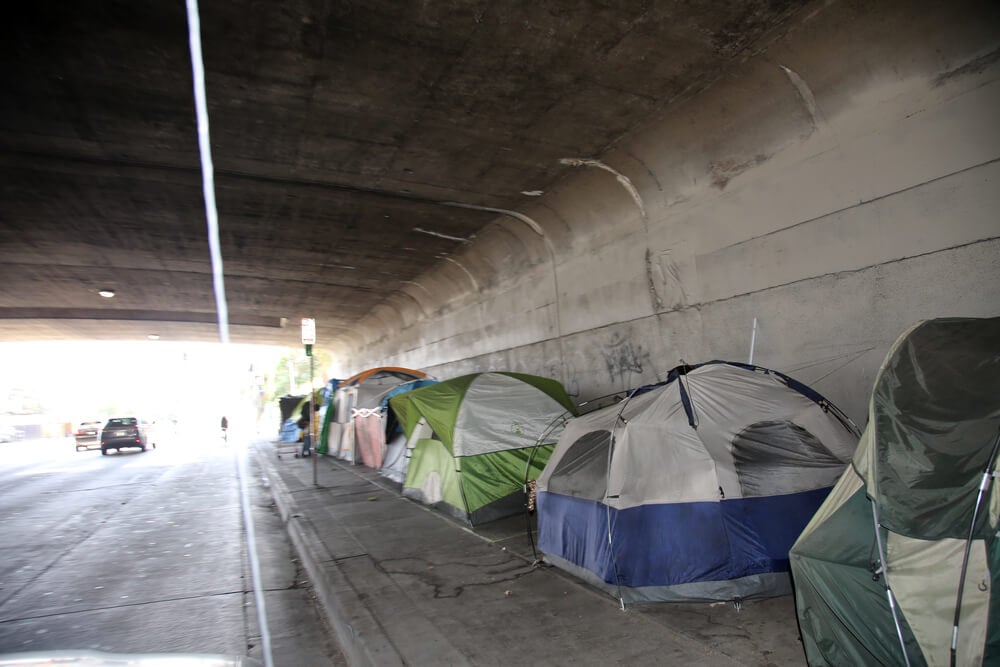
New railroad towns often began as clusters of tents where families stayed while building permanent homes. Photographs show canvas shelters set beside freshly laid track.
They remind viewers that many western towns began in a few weeks as improvised settlements.
Dugout Homes in the Hillsides
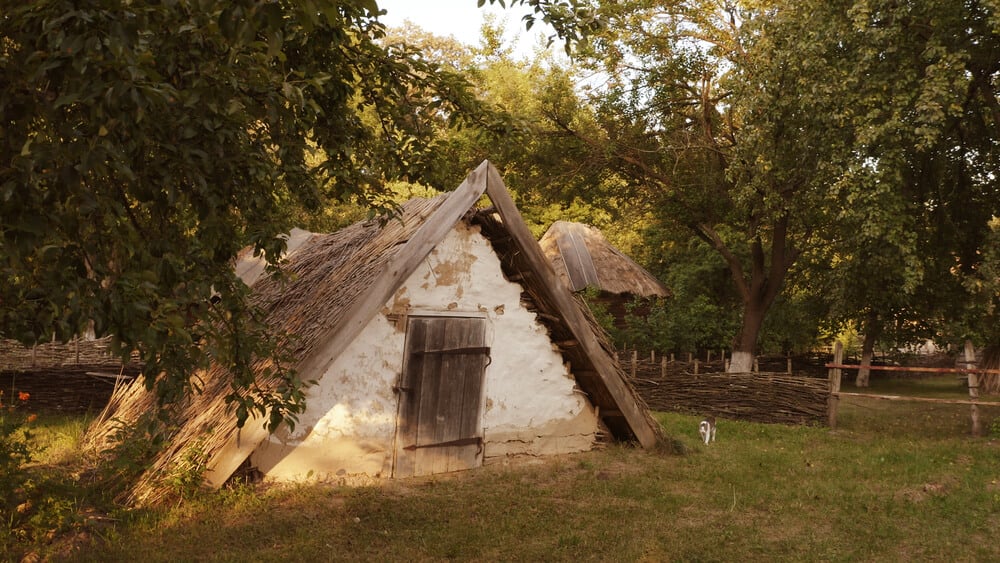
Where sod was unavailable, some settlers dug homes into hillsides or riverbanks. Photographs of families standing at the doors of these dugouts show how little shelter some had at first.
The earthen walls kept rooms cool in summer and warm in winter.
Mining Camp Families
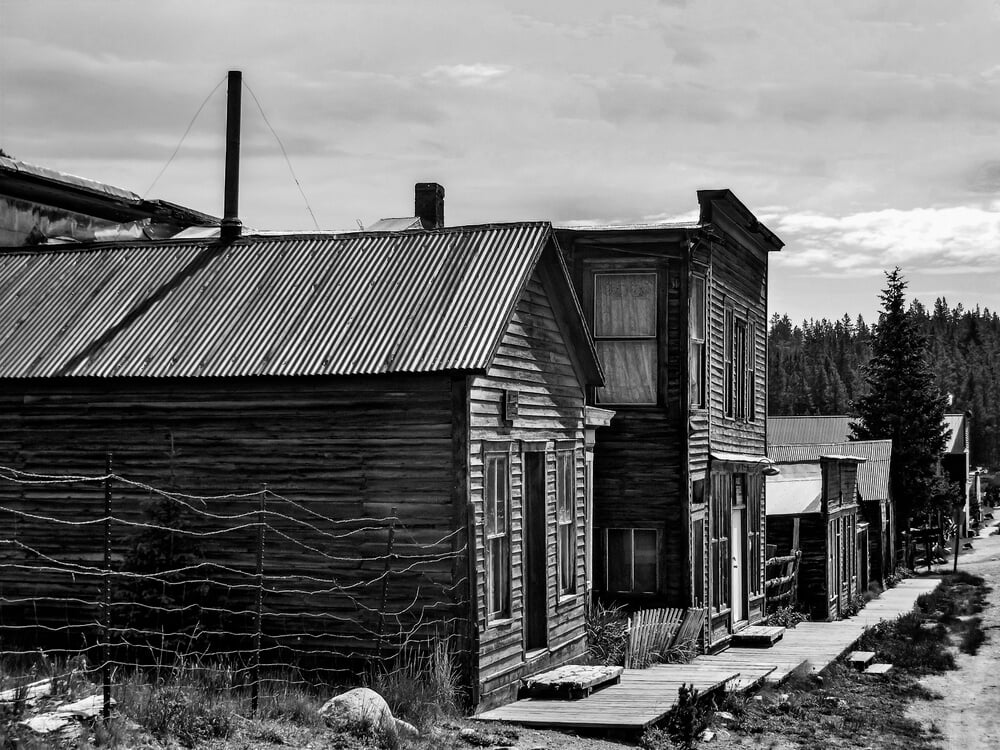
Not every family farmed, and miners’ wives and children appear in photographs from mining camps across the Rockies and the Sierra Nevada. The images show simple cabins, laundry lines and children playing in rough surroundings.
They challenge the idea that mining camps were all male.
Families on the Oregon Trail Monuments
Later generations photographed descendants beside trail markers and ruts still visible in the ground. These images connect the original migrants to the families that followed.
The deep wagon ruts near places like Guernsey, Wyoming, remain a favorite photographic subject.
Portraits by Itinerant Photographers
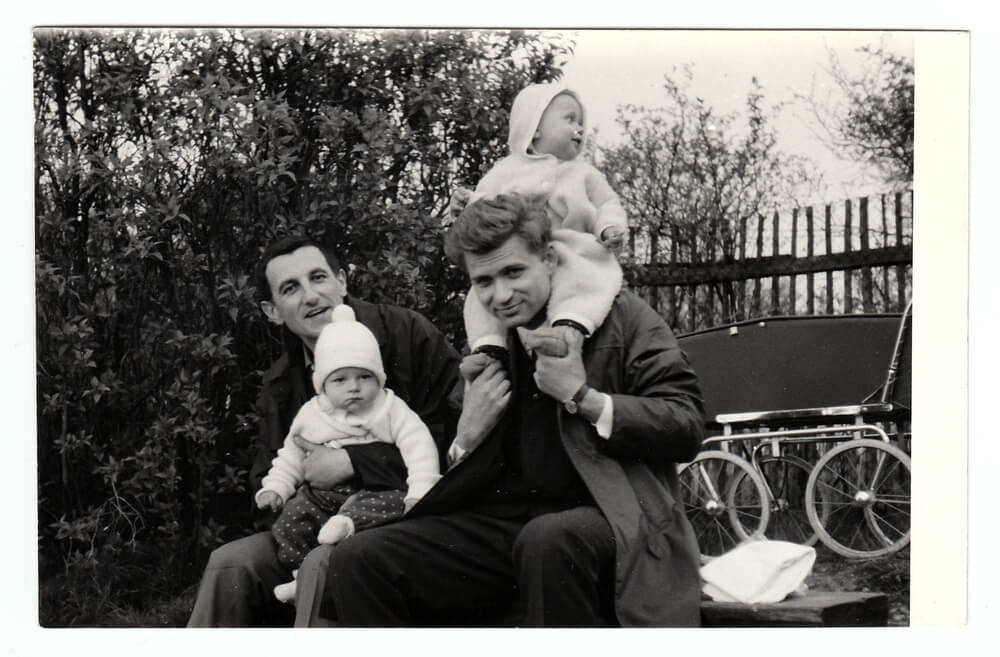
Traveling photographers carried cameras and darkroom tents from farm to farm. Their portraits of families in front of simple homes are among the few images many settlers ever had made.
The stiffness of the poses reflects long exposure times and the seriousness of the occasion.
Harvest Day Group Photographs
Neighbors gathered at harvest time and often posed together with threshing machines and horse teams. The photographs show how much cooperation farming required in communities far from town.
Large groups of men, women and children appear before towering stacks of grain.
Church and School Gatherings
Within a few years of arrival, families built churches and one-room schoolhouses. Photographs of congregations and schoolchildren show how quickly communities formed.
They mark the point when a scattered group of newcomers became a settled town.
Faces That Anchor the Story
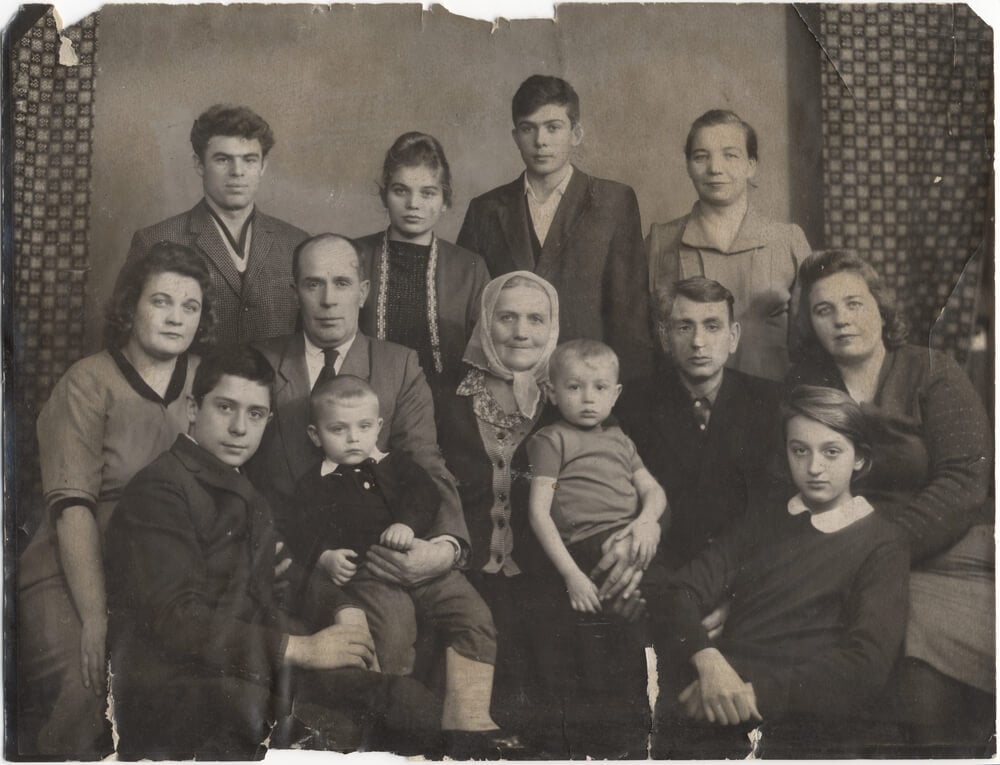
The most powerful part of these photographs is not the wagons or houses but the people. Their expressions show that every success was uncertain and every harvest a gamble.
Looking at them today turns a statistic about westward expansion into a family sitting in the dust. Collections in historical societies and libraries continue to preserve these images, often with handwritten names on the back.
A single caption can recover a family’s origin, destination and fate. In an age of cheap digital photographs, those carefully made portraits still teach the value of choosing what to remember.
More from Go2Tutors!

- 27 Silver Dollars and Half Dollars Worth Keeping
- 28 Restaurant Menu Items Nobody Orders Anymore
- 17 Places Built in Seemingly Impossible Spots
- 27 Vintage Rings Worth More Than They Look
- 25 Restricted Sites Tourists Can’t Enter
Like Go2Tutors’s content? Follow us on MSN.