Lost American Ferry Routes Preserved in Photographs
Bridges, tunnels and highways have erased dozens of American ferry routes. Some vanished overnight when a new span opened, while others faded slowly as passengers drifted away. What remains is often a photograph of a boat tied up at a wooden slip, with commuters waiting in hats and overcoats.
These fourteen routes no longer run, or no longer run as they once did. The pictures that survive record a way of crossing water that most travelers have never experienced.
The Fall River Line Steamers
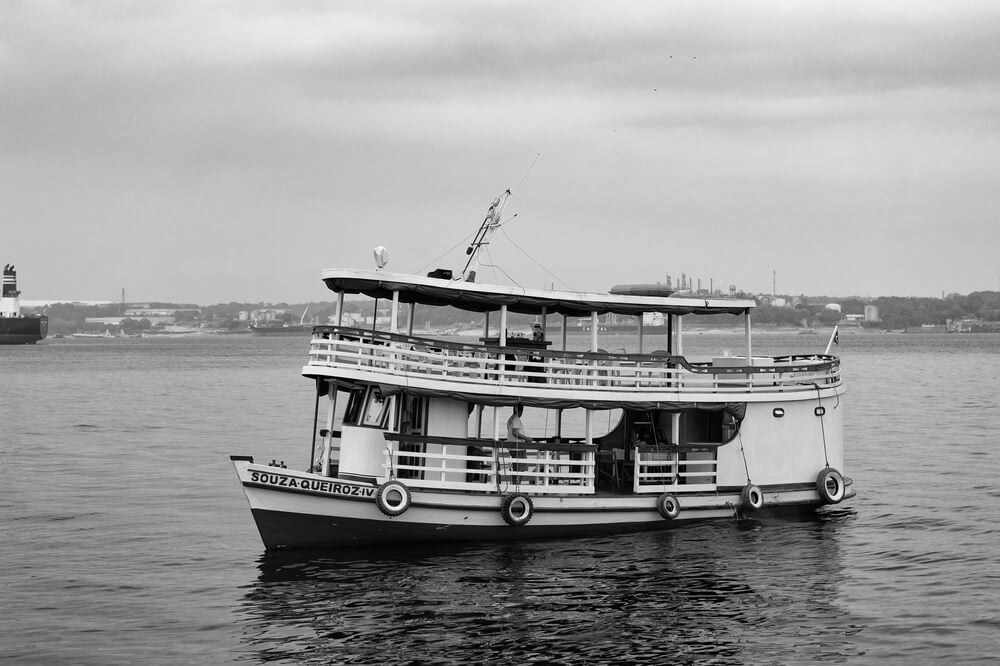
The Fall River Line carried overnight passengers between New York City and Fall River, Massachusetts, on large side-wheel and later propeller steamers. Photographs show grand salons, gleaming brass and lines of passengers boarding for the evening trip.
Service ended in 1937, closing a chapter in coastal travel.
The Nyack-Tarrytown Ferry
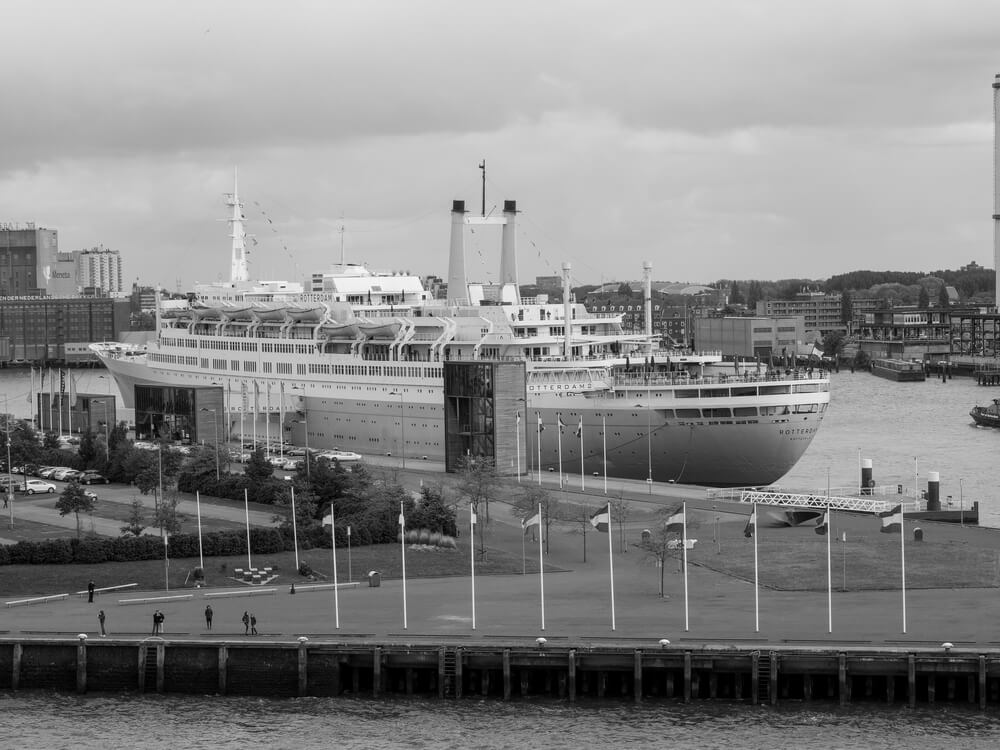
Across the Hudson River, a ferry connected Nyack and Tarrytown for decades. Photographs show cars lined up on the slip and passengers leaning on rails as the boat crossed.
The route ended on November 30, 1941, years before the Tappan Zee Bridge opened.
The Straits of Mackinac Car Ferries
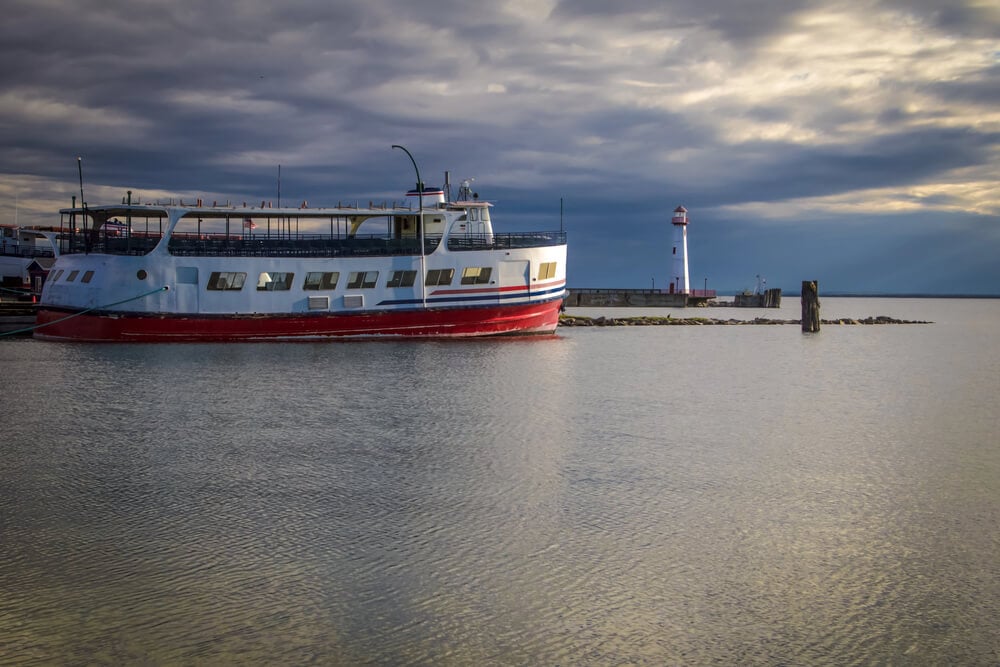
Before the Mackinac Bridge opened on November 1, 1957, travelers between Michigan’s two peninsulas often waited hours in long lines for a car ferry. Photographs show queues stretching back from the docks in summer.
The bridge replaced the ferries almost at once, and the waiting lines vanished.
The Kiptopeke and Little Creek Ferries
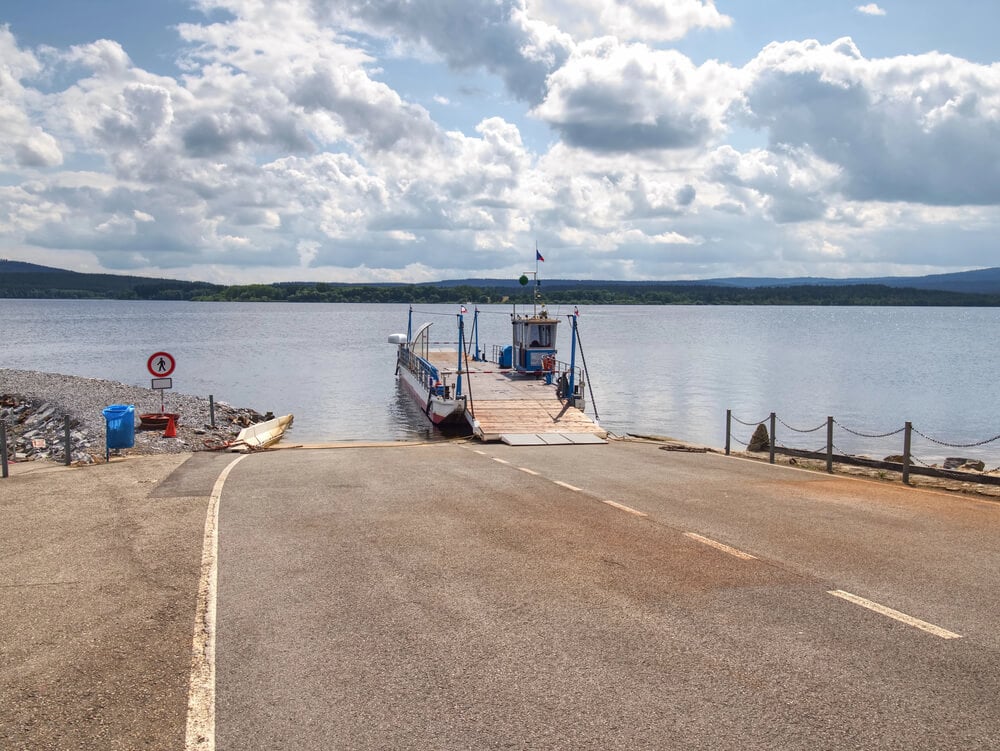
Ferries across the mouth of the Chesapeake Bay linked Virginia’s Eastern Shore to the Hampton Roads area. Photographs show cars crowded on open decks with the bay stretching behind them.
Service ended in 1964 with the opening of the Chesapeake Bay Bridge-Tunnel.
The Astoria-Megler Ferry
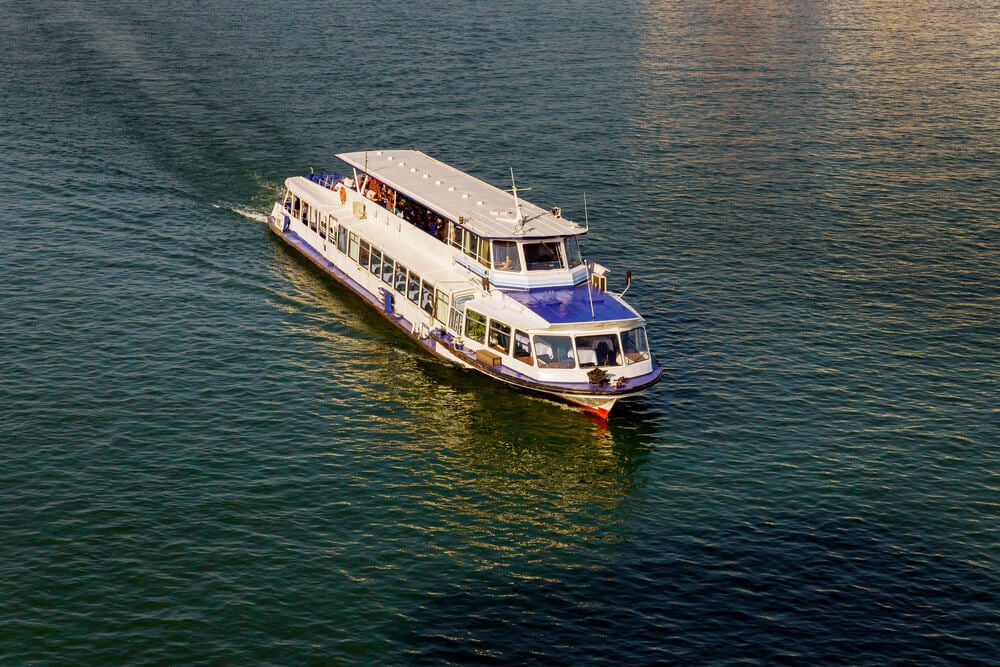
For years, a ferry carried vehicles across the wide mouth of the Columbia River between Oregon and Washington. Images show vehicles lined up beside cannery buildings and fishing boats.
The route ended in 1966 when the Astoria-Megler Bridge opened.
The Brooklyn to Staten Island Ferry
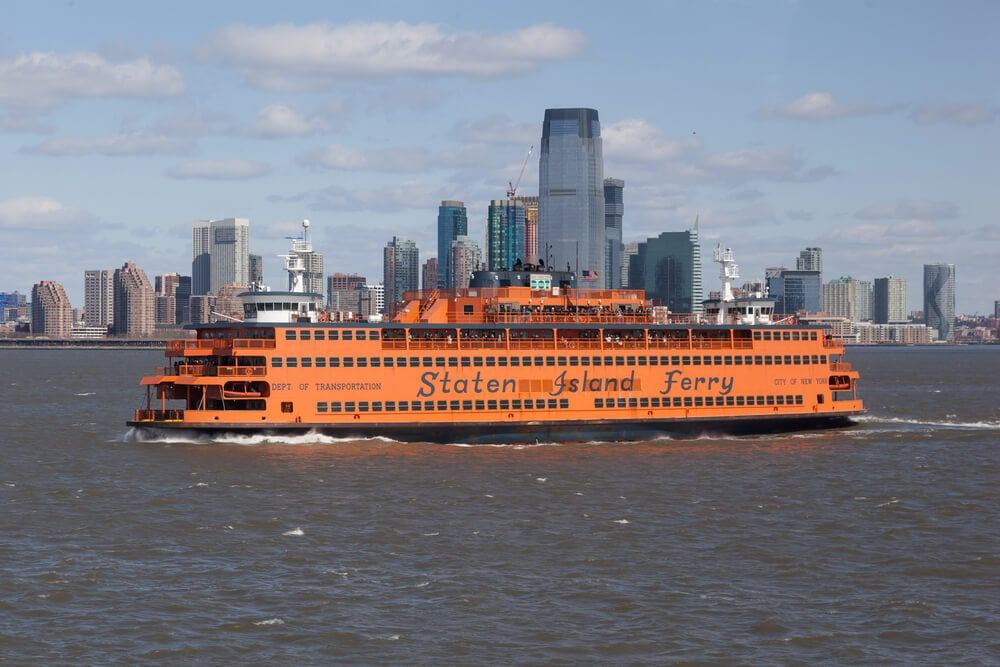
A ferry once connected Bay Ridge in Brooklyn with St. George on Staten Island. Photographs show commuters filling the decks and the Brooklyn shoreline in the background.
The route ended in 1964 as the Verrazzano-Narrows Bridge opened to traffic.
Hoboken and Jersey City Commuter Ferries
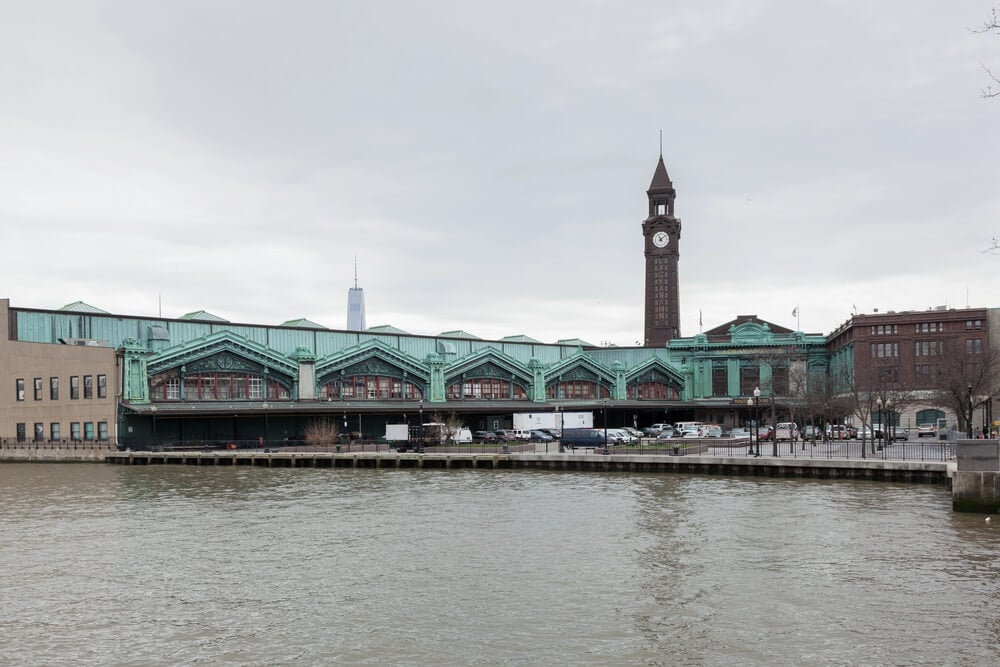
Railroad companies operated ferries from terminals in New Jersey to docks across the Hudson in Manhattan. Photographs capture crowds moving from trains onto waiting boats, with skyline towers beyond.
As tunnels and bridges grew, these ferries dwindled and eventually disappeared.
The Hudson River Day Line
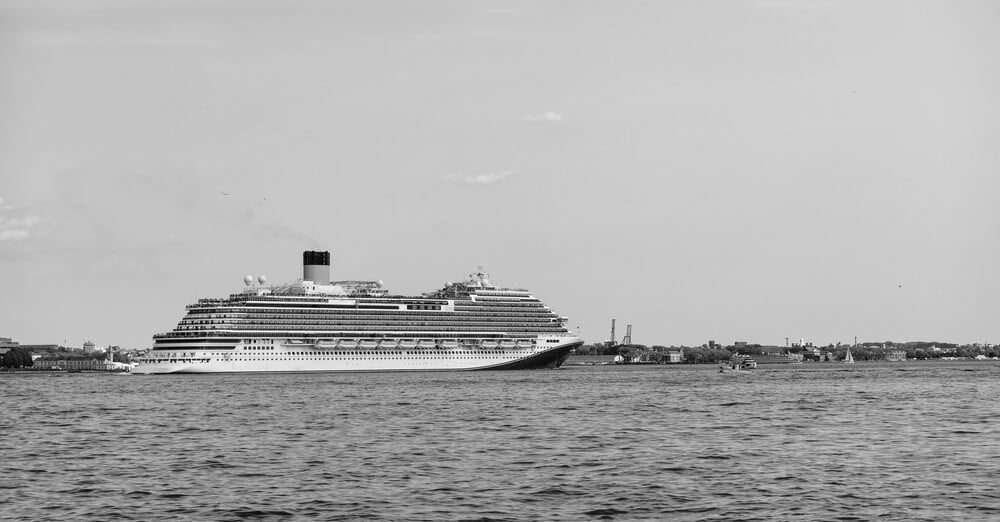
The Hudson River Day Line ran excursion steamers between New York and Albany, offering scenic daytime trips. Photographs show families on the decks watching the Palisades and the Catskills pass by.
The service ended in 1971 after decades of declining ridership.
Detroit and Windsor Ferries
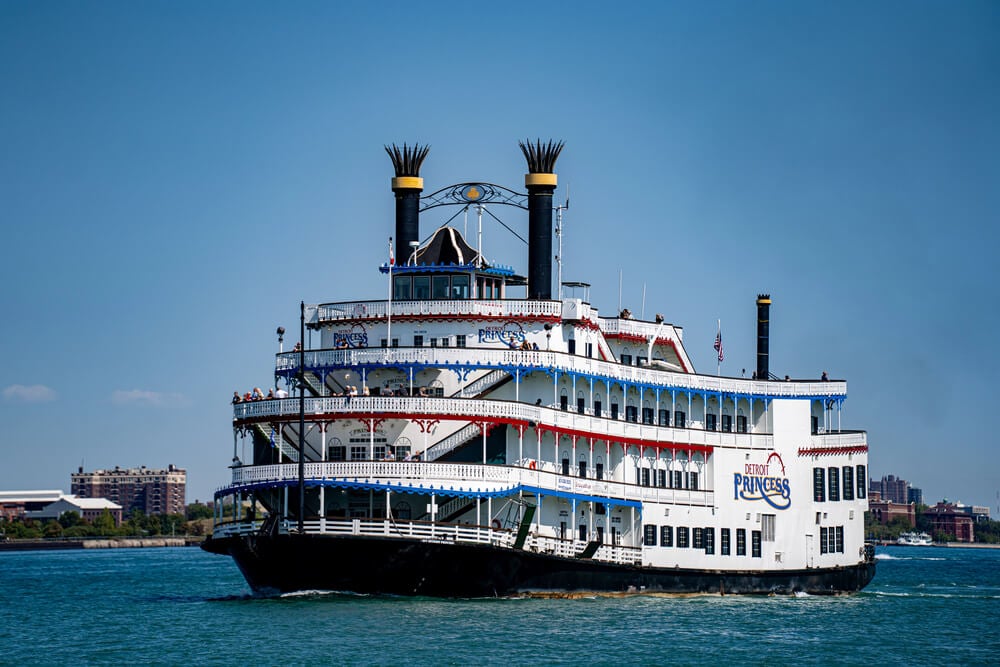
Ferries once linked Detroit with Windsor, Ontario, before the Ambassador Bridge opened in 1929 and the tunnel in 1930. Photographs of crowded decks and busy landings show a border crossing that was also a daily commute.
Traffic migrated to the new routes, and the ferry service faded away.
The Puget Sound Mosquito Fleet
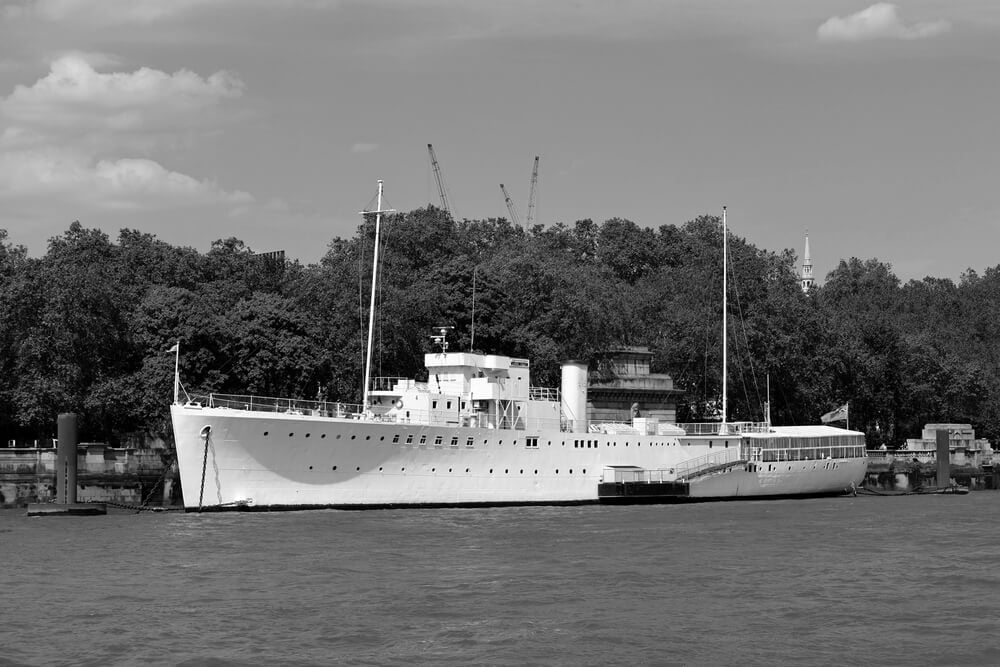
Small steamers known as the Mosquito Fleet connected towns around Puget Sound in the late nineteenth and early twentieth centuries. Photographs show wooden boats piled with freight and passengers.
Roads, bridges and larger ferries gradually replaced them.
The Milwaukee Clipper
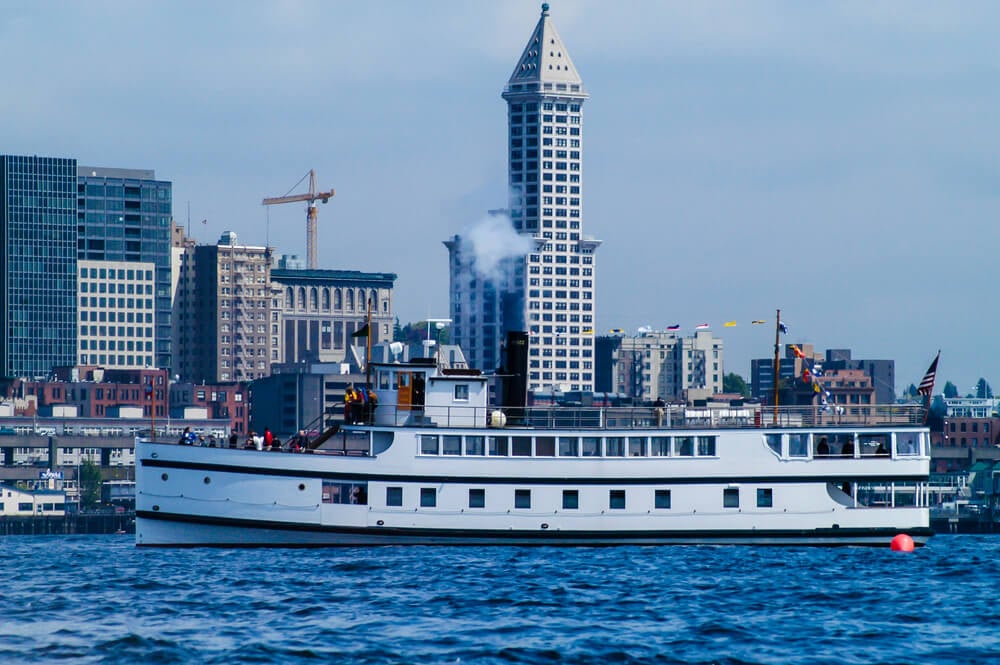
The Milwaukee Clipper carried passengers and automobiles across Lake Michigan between Milwaukee and Muskegon. Photographs show a sleek lake steamer with a promenade deck and vacationers leaning on the rail.
Cross-lake service ended in 1970.
San Francisco Bay Commuter Ferries
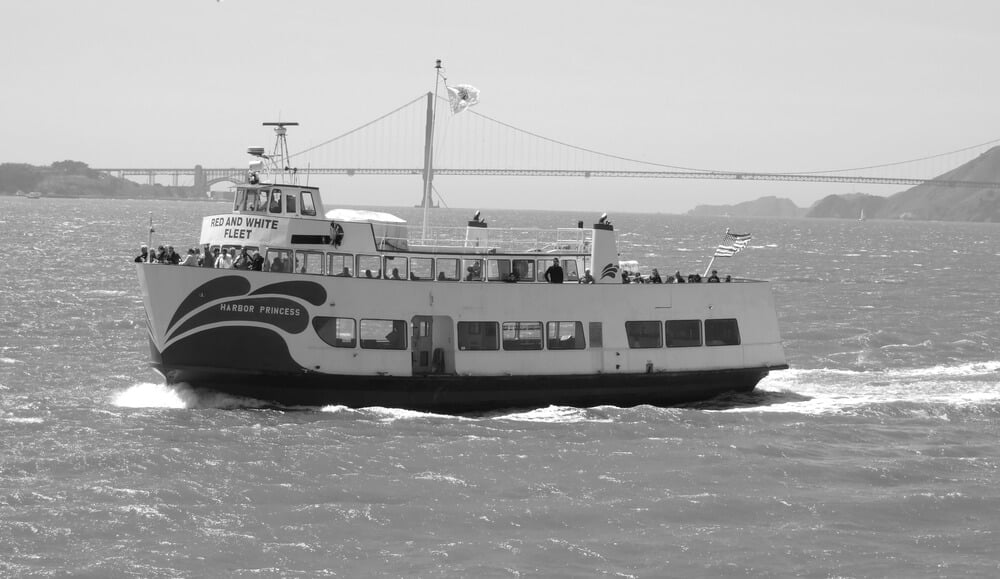
— Photo by 1markim
Before the Bay Bridge opened in 1936, ferries carried hundreds of thousands of commuters across San Francisco Bay. Photographs show the Ferry Building crowded with passengers at rush hour.
The bridge pulled traffic away, and many routes soon lost their reason to exist.
The Golden Gate Car Ferries
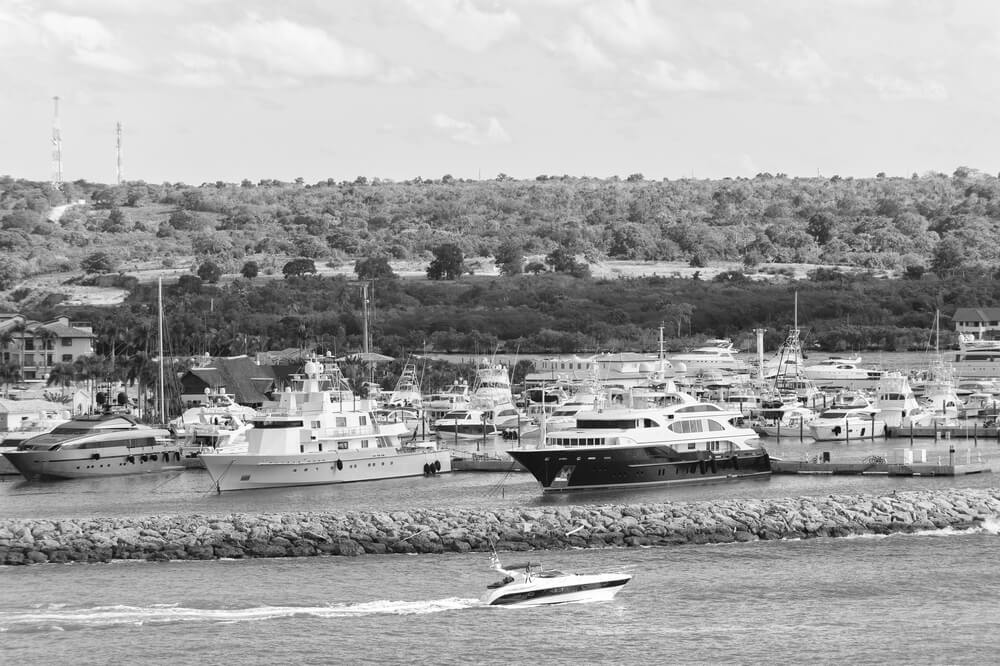
Before the Golden Gate Bridge opened in 1937, car ferries linked San Francisco to Marin County. Photographs show cars rolling onto broad decks with the hills behind them.
The bridge reduced the need for these crossings almost immediately.
Cable Ferries on Western Rivers
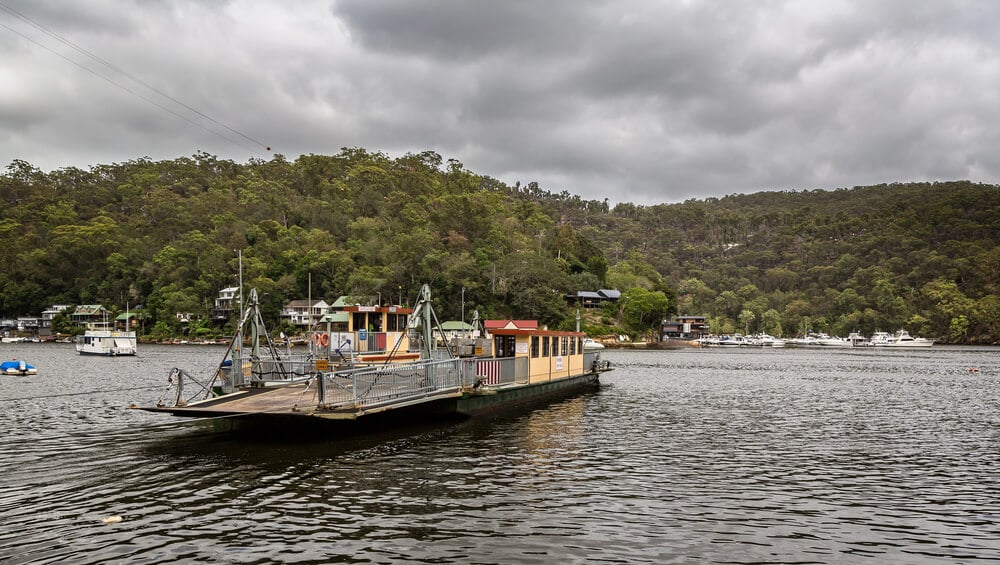
Small cable ferries moved along stretched wires across rivers in many western regions, carrying wagons and later automobiles. Photographs show flat decks, a few vehicles and a ferryman at the controls.
Most were replaced by bridges as roads improved.
What Photographs Keep When Routes Disappear
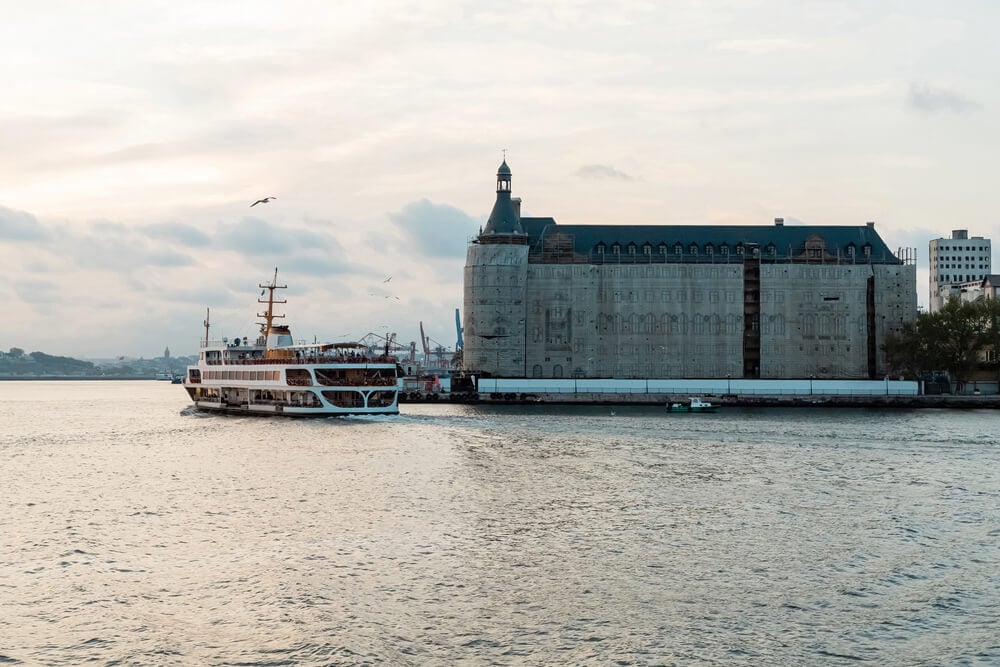
A ferry route is more than a line on a map. It is a daily ritual of waiting, boarding, standing at a rail and arriving. Photographs preserve those small gestures that written schedules cannot hold.
Preservation of these images depends on archives, historical societies and families who kept old postcards. Each frame is a small proof that travel once meant slowing down and watching the water.
Seeing them again can prompt questions about what is gained and lost when a bridge replaces a boat.
More from Go2Tutors!

- 27 Silver Dollars and Half Dollars Worth Keeping
- 28 Restaurant Menu Items Nobody Orders Anymore
- 17 Places Built in Seemingly Impossible Spots
- 27 Vintage Rings Worth More Than They Look
- 25 Restricted Sites Tourists Can’t Enter
Like Go2Tutors’s content? Follow us on MSN.