25 TV Themes People Can Still Hum
A good theme song did more than fill airtime before the opening credits finished. It set a mood in under a minute, taught an audience how to feel about a show before a single character spoke, and burrowed into memory so deeply that decades later, people can still hum the melody even after forgetting most of the plot.
These are not simply nostalgic jingles. Several were written by respected composers, charted as actual singles, or became so recognizable that they got sampled, parodied, or licensed for entirely unrelated purposes years after their shows ended.
The Cheers Theme
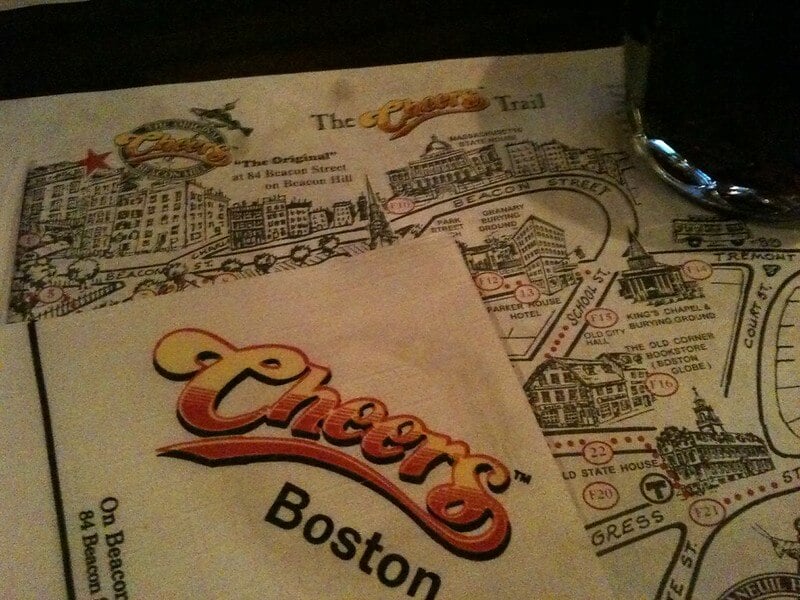
“Where Everybody Knows Your Name,” written by Gary Portnoy and Judy Hart Angelo, became so closely tied to the show’s premise about a neighborhood bar that the full song was later released as a single. Portnoy has said in interviews that the lyrics were written specifically to capture the show’s central idea before any dialogue had even been shot.
The Friends Theme

“I’ll Be There for You” by The Rembrandts was written specifically for the show’s opening credits before becoming a full commercial single due to unexpected radio demand. The song eventually reached the top of the Billboard charts despite originally being intended only as a 45-second title sequence piece.
The Fresh Prince Of Bel-Air Theme
Will Smith rapped the show’s entire backstory in its opening theme, a structural choice that doubled as both a song and a functional plot summary for new viewers. The theme has remained popular enough to be performed live by Smith himself at public events decades after the show ended.
The Sanford And Son Theme
Composed by Quincy Jones, the instrumental theme for “Sanford and Son” became one of the most recognizable funk compositions of the 1970s, later sampled by hip-hop producers well outside the context of the original show. Jones has cited the piece as one of his favorite television compositions from that period of his career.
The Happy Days Theme
“Happy Days” by Pratt and McClain became a top-five hit single in 1976, an unusual crossover success for a sitcom theme at the time. The show had actually used a different opening song in its first two seasons before switching to the version most audiences remember.
The Golden Girls Theme
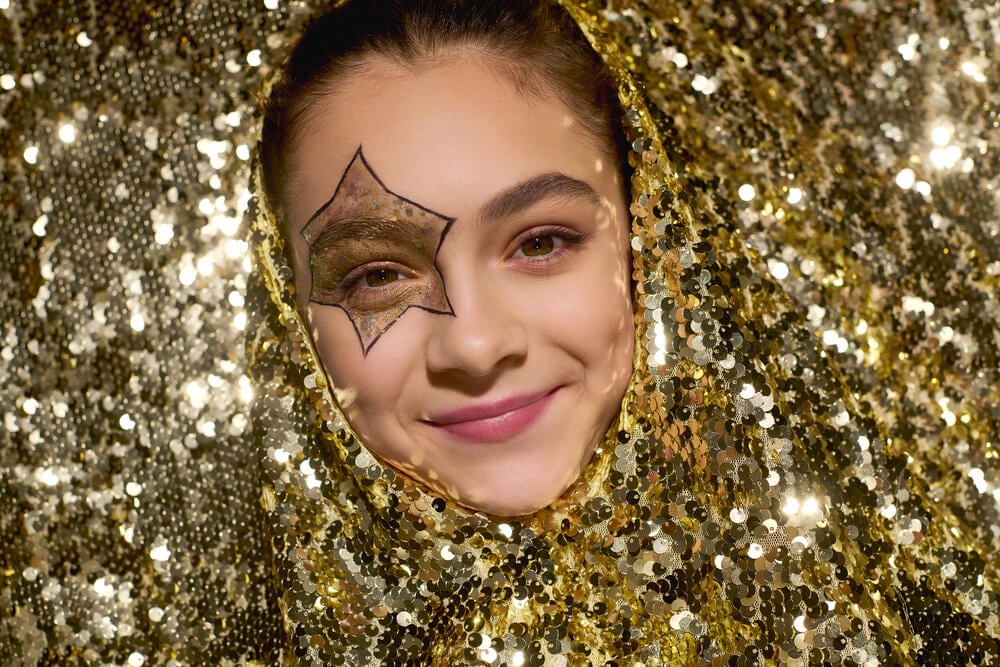
“Thank You for Being a Friend,” originally written and performed by Andrew Gold, became inseparable from the show after being re-recorded by Cynthia Fee for the opening credits. The song has continued to appear in commercials and other media largely because of its association with the series.
The Facts Of Life Theme
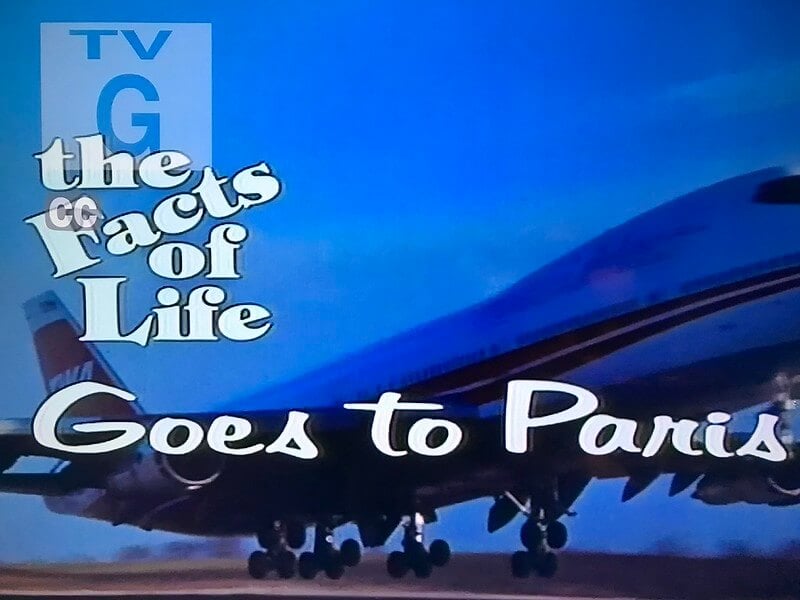
“You’re the One” was rewritten between seasons to reflect the show’s evolving premise, giving the theme song two distinct versions with different lyrics over the course of the series. Fans have noted the shift as one of the more unusual mid-run theme changes in sitcom history.
The Perfect Strangers Theme
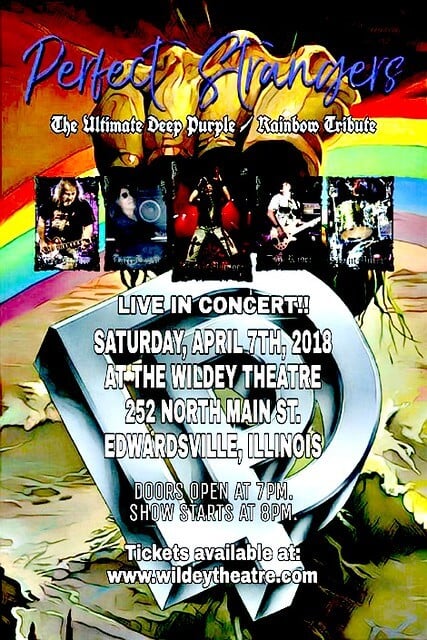
“Nothing’s Gonna Stop Me Now” became closely associated with the show’s fish-out-of-water premise about an immigrant cousin adjusting to American life. The song’s soaring chorus made it a frequent target for parody on later comedy sketch shows.
The Family Ties Theme

“Without Us,” performed by Johnny Mann and Dennis Tufano, was written to reflect the show’s central theme about generational differences within a single household. The song’s lyrics directly referenced the show’s premise, a device common to many sitcom themes of its era.
The Different Strokes Theme
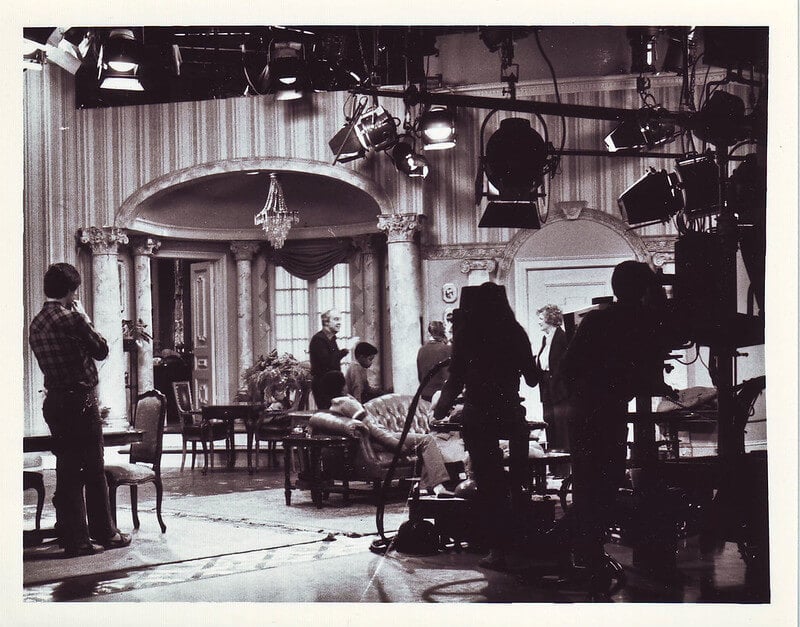
“It Takes Diff’rent Strokes,” written by Alan Thicke among others, became one of the more distinctive theme songs of its era for using its full runtime to lay out the show’s premise in narrative form. Thicke went on to write theme songs for several other well-known sitcoms during the same period.
The Growing Pains Theme
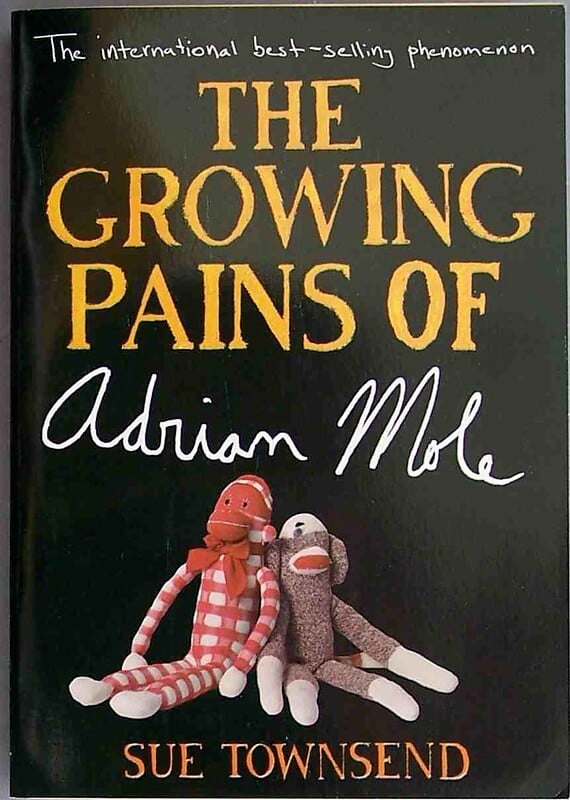
“As Long as We Got Each Other” underwent a notable change partway through the show’s run when B.J. Thomas’s original vocal was replaced by a duet version featuring Dusty Springfield and later Jennifer Warnes. The shifting arrangement made it one of the more musically layered sitcom themes of the decade.
The Full House Theme

“Everywhere You Look,” originally performed by Jesse Frederick, became so associated with the show’s tone that it was directly referenced in the title of the character Jesse’s onscreen musical career. The song saw a resurgence in popularity after the show’s revival series premiered decades later.
The X-Files Theme

Composer Mark Snow’s instrumental theme, built around a distinctive whistling-like synthesizer line, became one of the most recognizable pieces of television music of the 1990s despite having no lyrics at all. Snow has said the melody came together largely by accident during a late-night studio session.
The Law And Order Theme
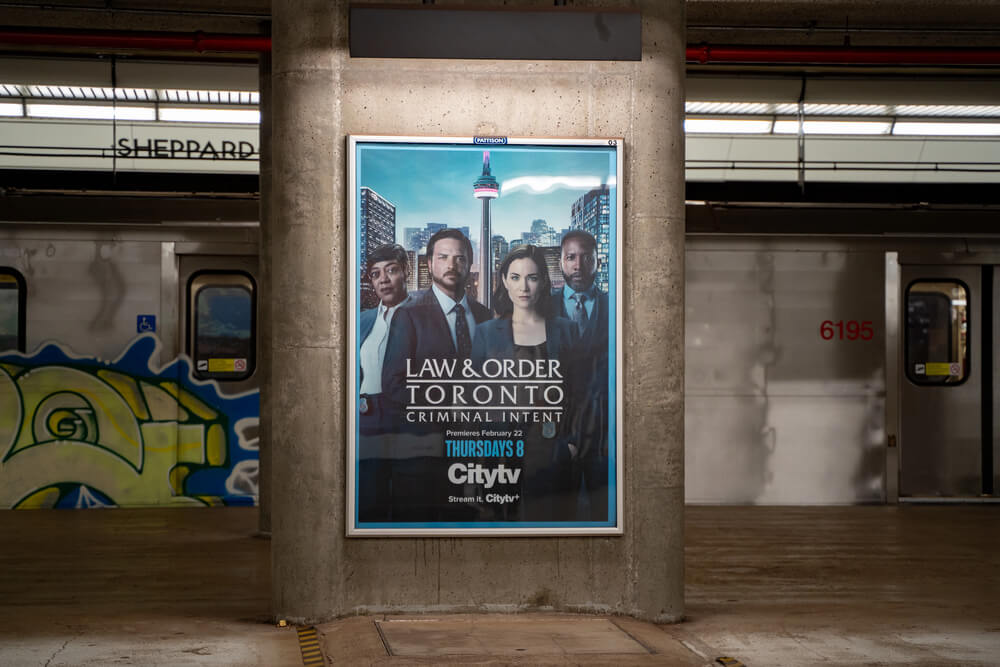
Composer Mike Post’s theme, punctuated by its signature “clang” sound effect, became so recognizable that the sound alone is now instantly associated with the franchise’s scene transitions. Post has said the percussive effect was created using a combination of a jail door slam and other layered sound elements.
The Twin Peaks Theme
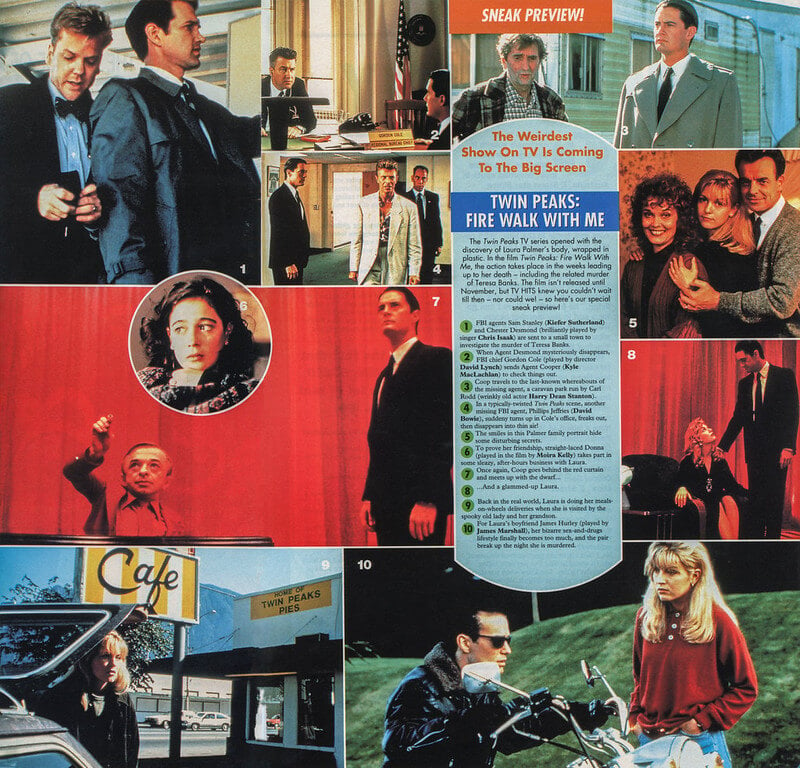
Composer Angelo Badalamenti’s haunting instrumental theme for “Twin Peaks” became a genuine chart success outside the context of the show, reaching listeners who had never seen a single episode. The composition is frequently cited by film and television composers as an influence on later atmospheric scoring work.
The Miami Vice Theme
Jan Hammer’s instrumental theme became a number-one single on the Billboard Hot 100 in 1985, an unusual achievement for an entirely synthesizer-based television composition. The song’s commercial success helped define the sound of mid-1980s television scoring more broadly.
The Knight Rider Theme
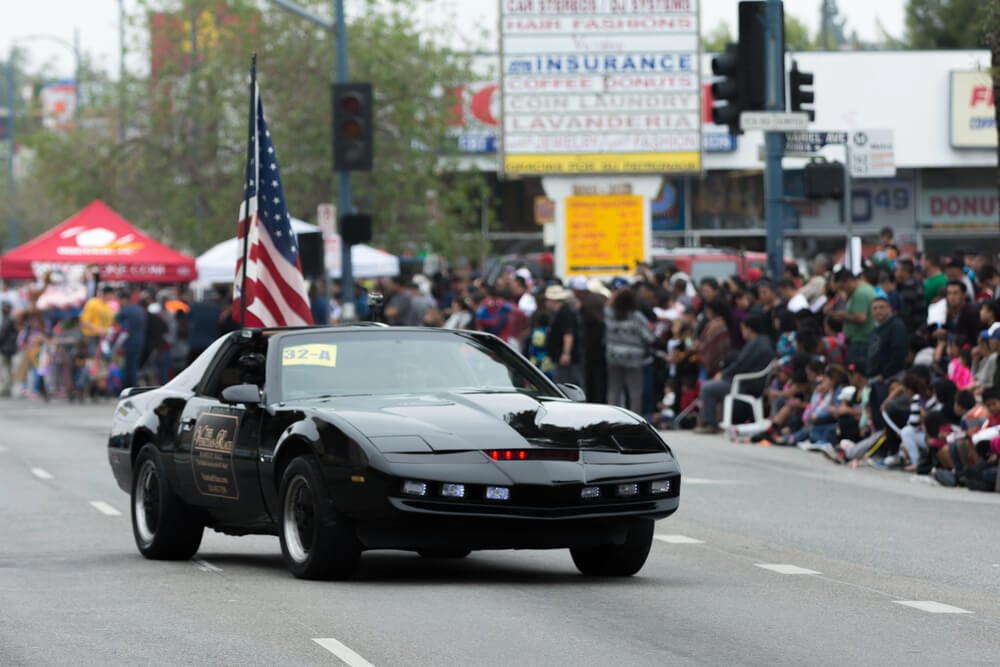
Stu Phillips’s synthesizer-driven theme became closely associated with the era’s fascination with technology, matching the show’s premise about a talking, self-driving car years before such concepts became a mainstream reality. The theme remains a frequently referenced example of 1980s television scoring style.
The Dukes Of Hazzard Theme
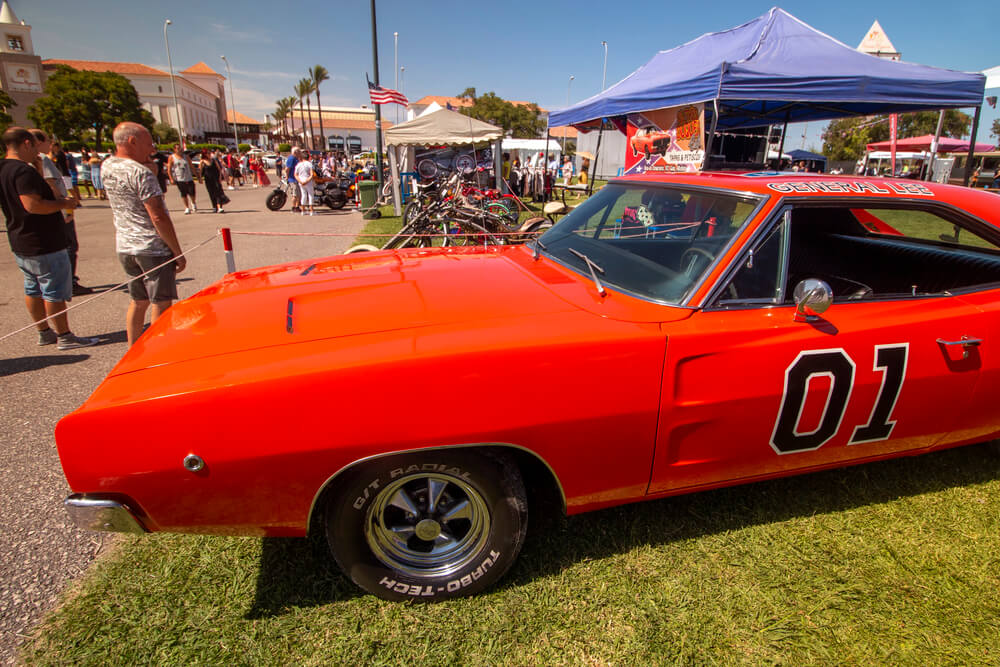
“Good Ol’ Boys,” written and performed by Waylon Jennings, doubled as both the show’s opening theme and its narration throughout individual episodes, an unusual dual role for a television song. Jennings also served as the show’s narrator, giving the theme an unusually direct connection to the show’s storytelling.
The Greatest American Hero Theme
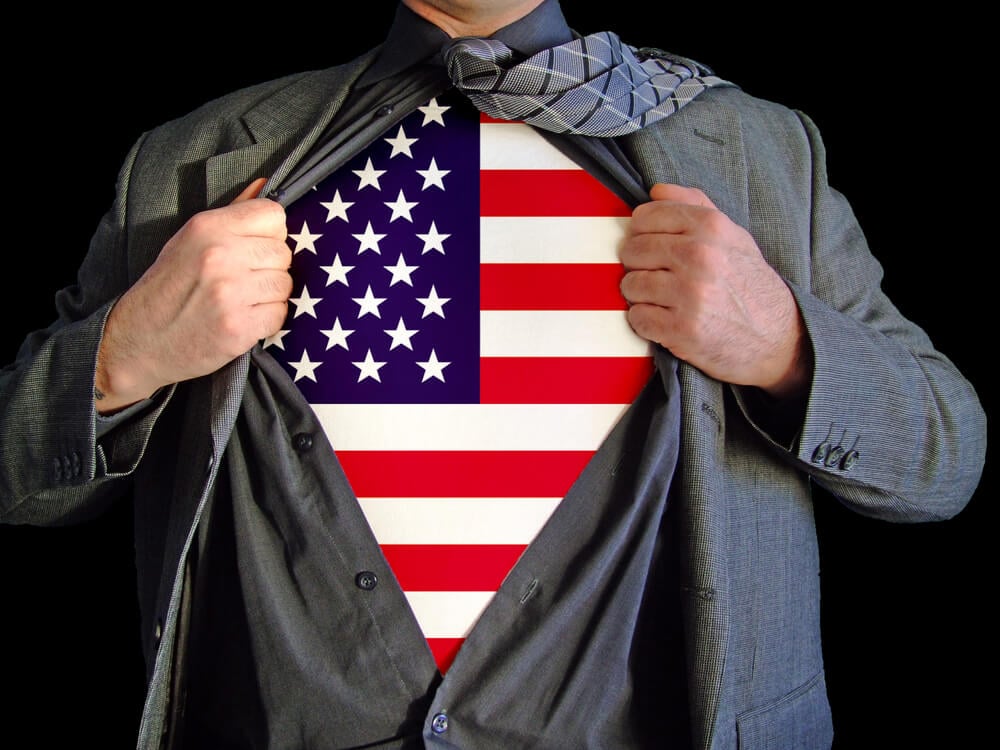
“Believe It or Not” by Joey Scarbury became a top-two Billboard hit in 1981, one of the most commercially successful sitcom-adjacent theme songs of its decade. The song has continued to find new audiences through its recurring use in film and television soundtracks referencing the era.
The Full House Spin On Step By Step

The theme for “Step by Step” echoed the blended-family premise of the show through lyrics about two households becoming one. The soul-influenced arrangement stood out among the more pop-oriented themes common on the same network at the time.
The Charles In Charge Theme
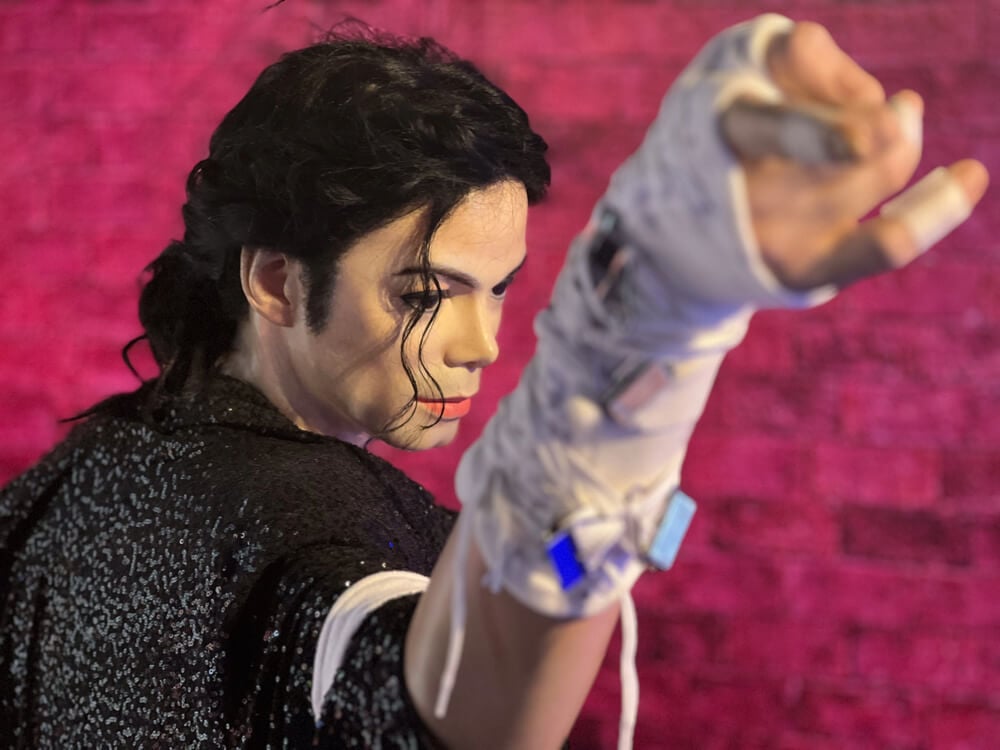
The title theme for “Charles in Charge,” performed by Michael Jackson’s sister La Toya Jackson in a later season, became a notable example of a show updating its own opening song mid-run with a recognizable pop vocalist. The change coincided with a broader shift in the show’s cast and format.
The Punky Brewster Theme

“Every Time I Turn Around (Back in Love Again)” was performed by L.T.D. and became closely associated with the show’s upbeat tone about a resilient young foster child. The theme’s optimistic lyrics were frequently cited by critics as setting the tone for the show’s blend of comedy and more serious subject matter.
The Sabrina The Teenage Witch Theme
The instrumental and vocal opening for “Sabrina the Teenage Witch” became closely tied to the show’s blend of teen comedy and light supernatural elements. Its jazzy, upbeat arrangement stood apart from the more guitar-driven themes common to other teen sitcoms of the same period.
The Cosby Show Theme
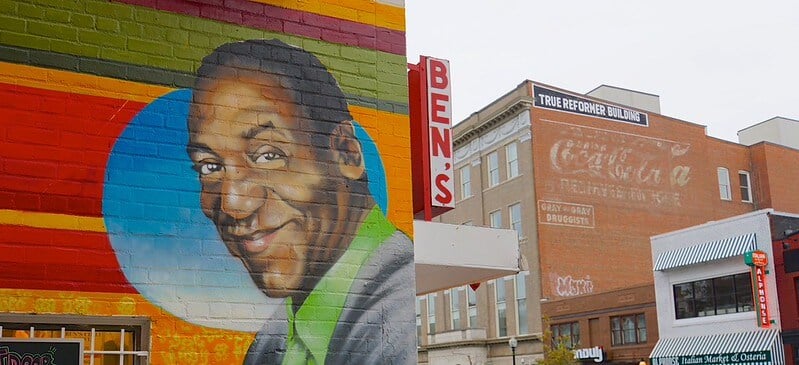
The instrumental jazz theme for “The Cosby Show,” composed by Stu Gardner and Bill Cosby, changed its arrangement nearly every season, giving the show one of the more musically varied opening sequences of the decade. The rotating cast of jazz musicians credited on different versions of the theme made it a minor point of interest among music historians tracking the show’s production credits.
The Welcome Back Kotter Theme
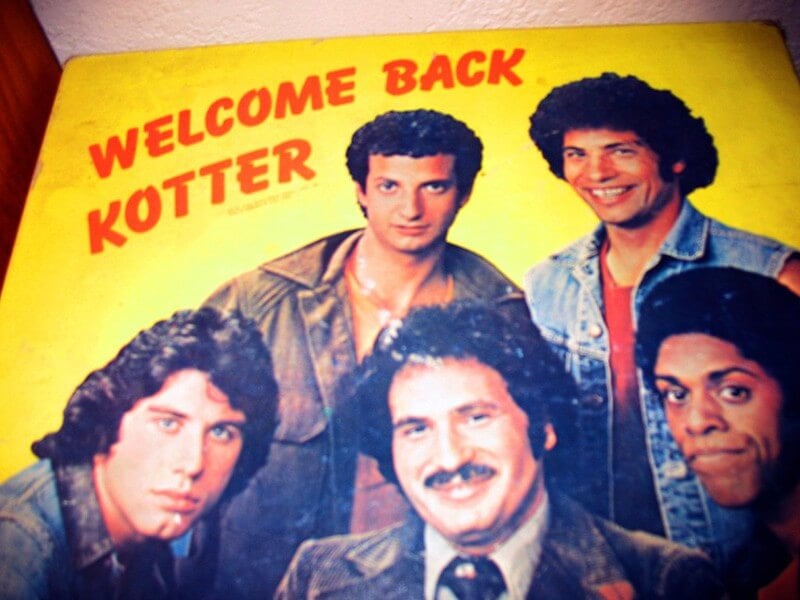
“Welcome Back,” performed by John Sebastian, became a number-one Billboard hit in 1976, giving the show one of the most commercially successful theme songs of its era. Sebastian wrote the song specifically at the network’s request after the show’s title was changed during development, requiring a new opening number to match.
The Melody That Outlasted The Show
A theme song only had a matter of seconds to do its job, and the best ones used that time efficiently, establishing tone, mood, and sometimes an entire premise before the opening credits finished rolling. That economy is part of why so many of these songs became hits in their own right, independent of the shows that introduced them.
Decades later, the shows themselves may only survive in reruns or streaming catalogs, but the melodies persist on their own, triggered by a few opening notes long after most of the plots have been forgotten.
More from Go2Tutors!

- The Romanov Crown Jewels and Their Tragic Fate
- 13 Historical Mysteries That Science Still Can’t Solve
- Famous Hoaxes That Fooled the World for Years
- 15 Child Stars with Tragic Adult Lives
- 16 Famous Jewelry Pieces in History
Like Go2Tutors’s content? Follow us on MSN.