25 Vintage Men’s Accessories Beyond Watches and Ties
Every antique dealer knows the pattern: a tray of pocket watches draws a crowd, while the small objects beside it go unnoticed. Those overlooked items did the quiet work of holding a gentleman together, from the collar to the cuff to the umbrella in his hand.
Most were made to be used daily, then replaced, lost, or tucked into a drawer. The survivors carry more history per square inch than almost anything in a modern wardrobe.
Cufflinks Made in Matched Evening Sets
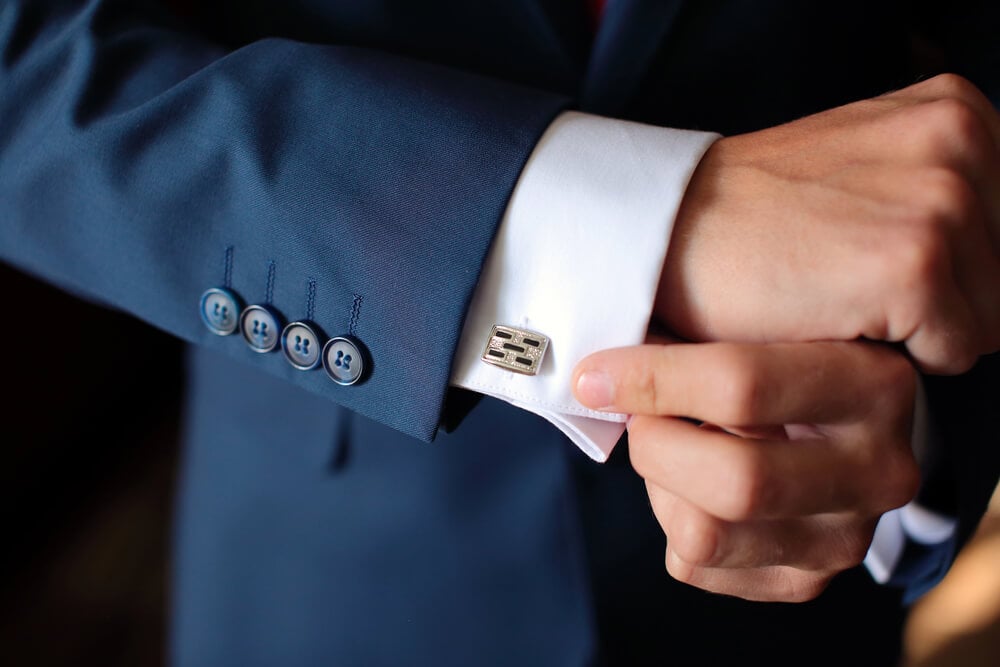
A shirt with double cuffs has no buttons at the wrist, which is the entire reason cufflinks exist. By the 1920s, Cartier of Paris was making them in Art Deco designs, including dress sets that paired links with shirt studs in materials such as moonstone, sapphire, and onyx.
Evening wear called for the full set to match. A complete set in its original case sells for far more than a single surviving link, and condition of the enamel and stones drives the price.
Collar Studs and the Wife Who Cut Off a Collar
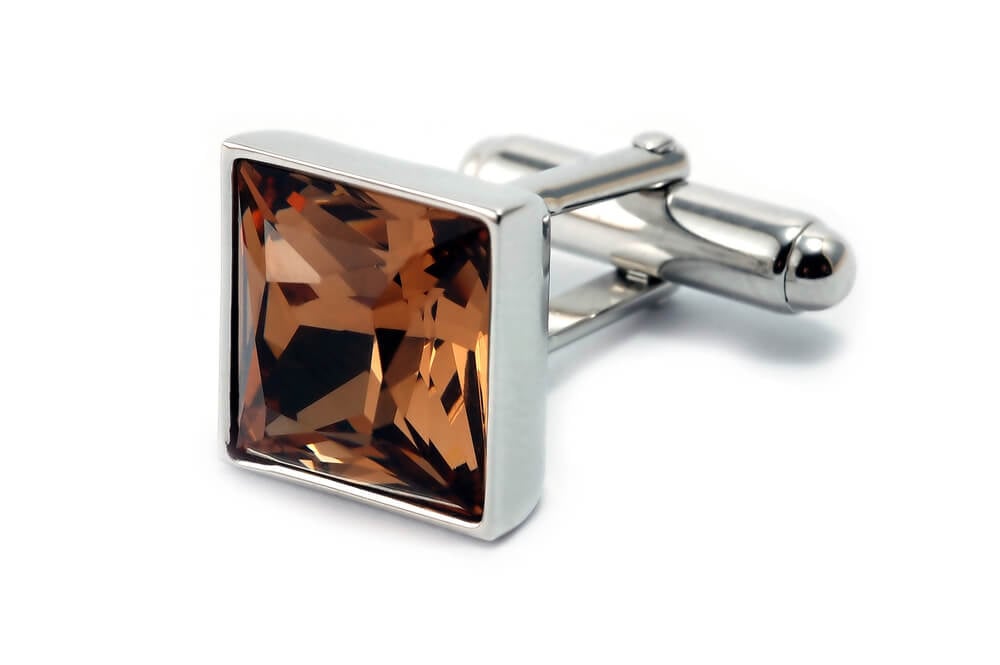
The detachable collar is credited to Hannah Montague of Troy, New York, who reportedly snipped the collar from her husband’s shirt around 1827 so the grimy part could be washed on its own. Troy later took the nickname Collar City.
A collar stud, a small button with a post and a head, fastened the separate collar to the shirt band at the front and back. Vintage studs in gold, mother-of-pearl, and enamel often turn up in sets of three or four.
Collar Stays That Kept Points Crisp
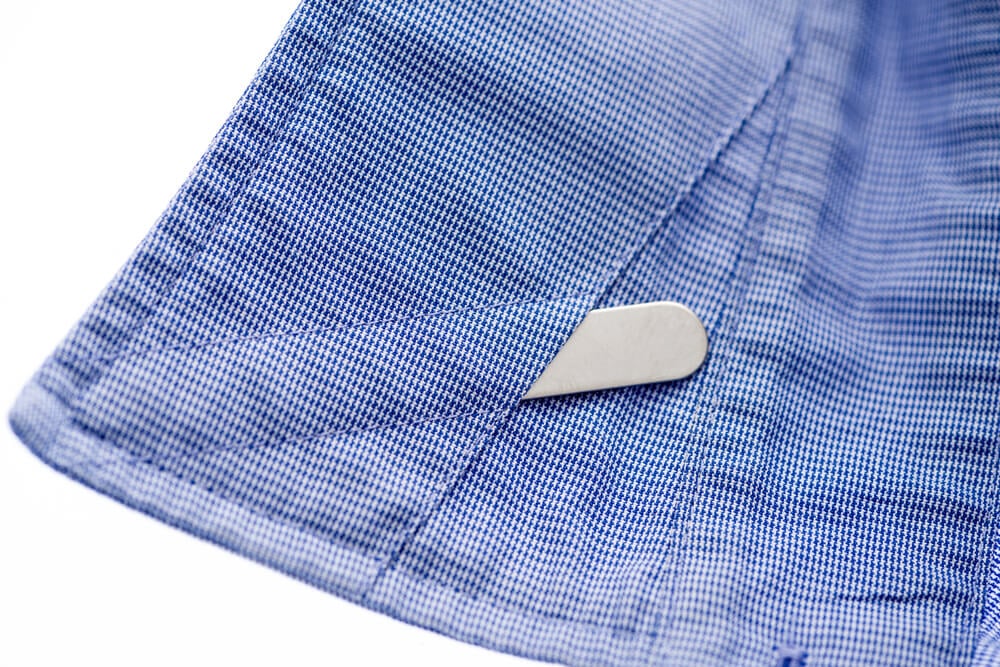
Collar stays are slim strips slipped into narrow slots on the underside of a collar to keep the points flat and sharp. Early versions were made of metal, bone, or plastic, and a good shirtmaker still stitches in a slot for them.
They are so small that most men who wore them never thought about them, until one went missing and the collar curled. Antique silver and mother-of-pearl pairs are now collected as miniature jewelry.
Tie Bars That Pinned Down the Mid-Century Look
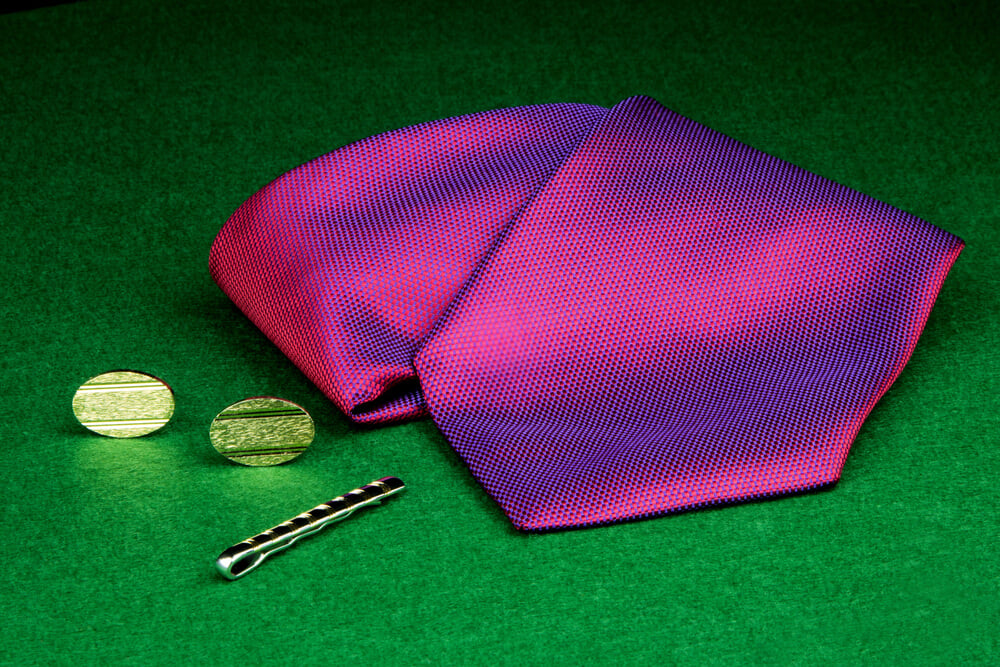
A tie bar clamps the tie to the shirt placket so it hangs straight rather than swinging into a soup bowl. The accessory became a staple of men’s dress in the first half of the twentieth century and was typically sold in sterling silver or gold-filled metal.
Many carried engraved initials, which is useful when attributing a piece to a specific owner. Condition matters, since weak spring tension and worn plating reduce the value.
Stickpins Descended from Cravat Pins
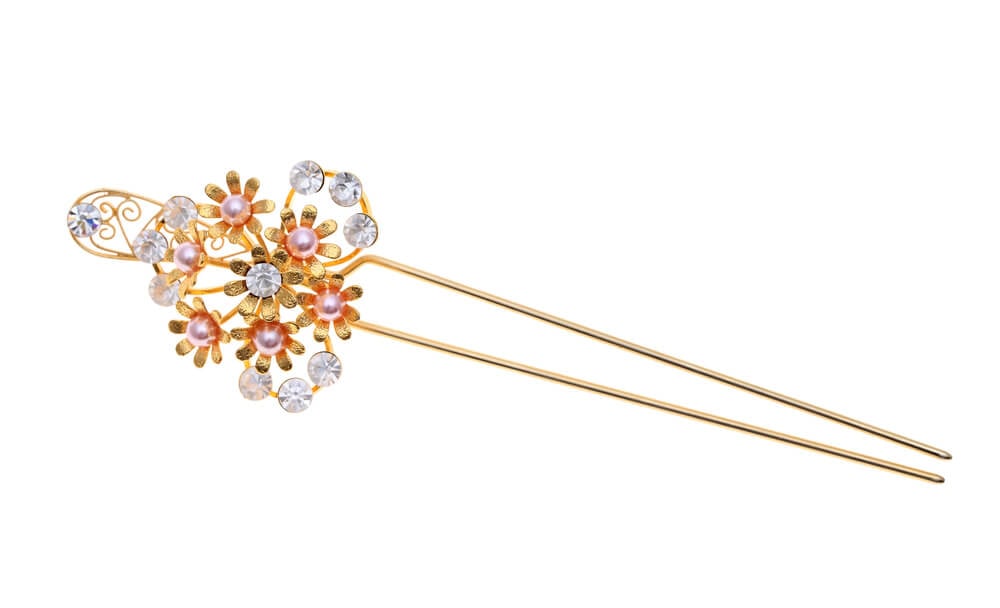
The stickpin is a long, sharp pin with a decorative head, pushed through the tie and into the shirt beneath. It grew out of the pins used to secure elaborate cravats in the nineteenth century and was often topped with pearls, gemstones, or tiny carved animals.
A protective cap on the point, called a guard, kept it from stabbing the wearer. Pins with intact guards and original heads command more attention from collectors than bare shafts.
Pocket Squares and a King’s Nose
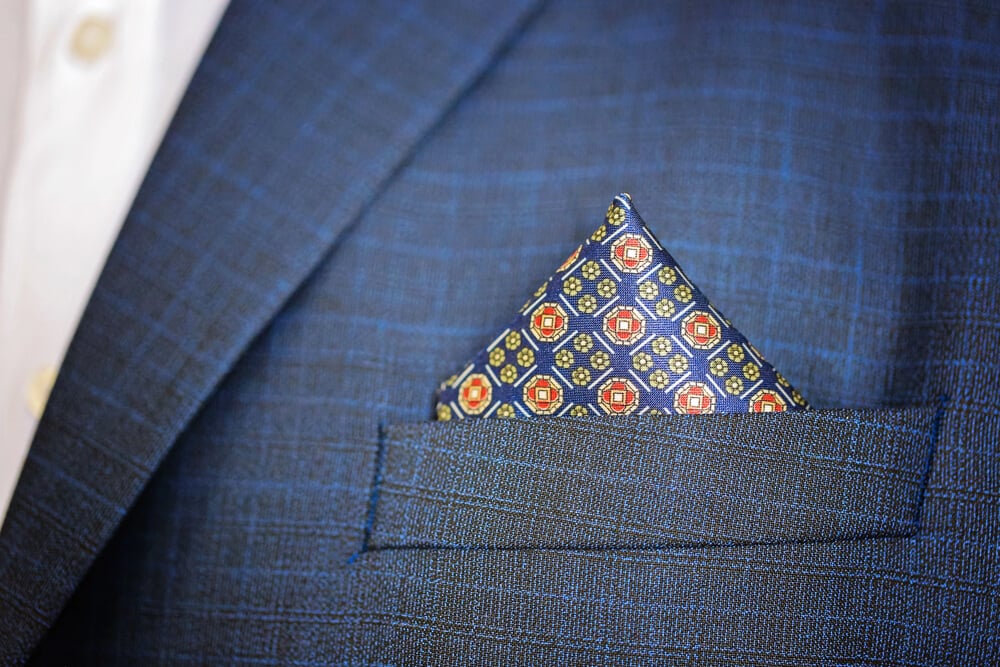
The handkerchief is traditionally credited to Richard II of England, who reportedly used cloth squares to wipe his nose in the late fourteenth century. Centuries later, a folded square of silk or linen peeking from a breast pocket became a signal of polish rather than hygiene.
Men developed distinct folds, including the flat presidential fold and the puffed style. A vintage square with a hand-rolled edge and a maker’s mark is a small piece of textile history.
Suspenders and Mark Twain’s Patent
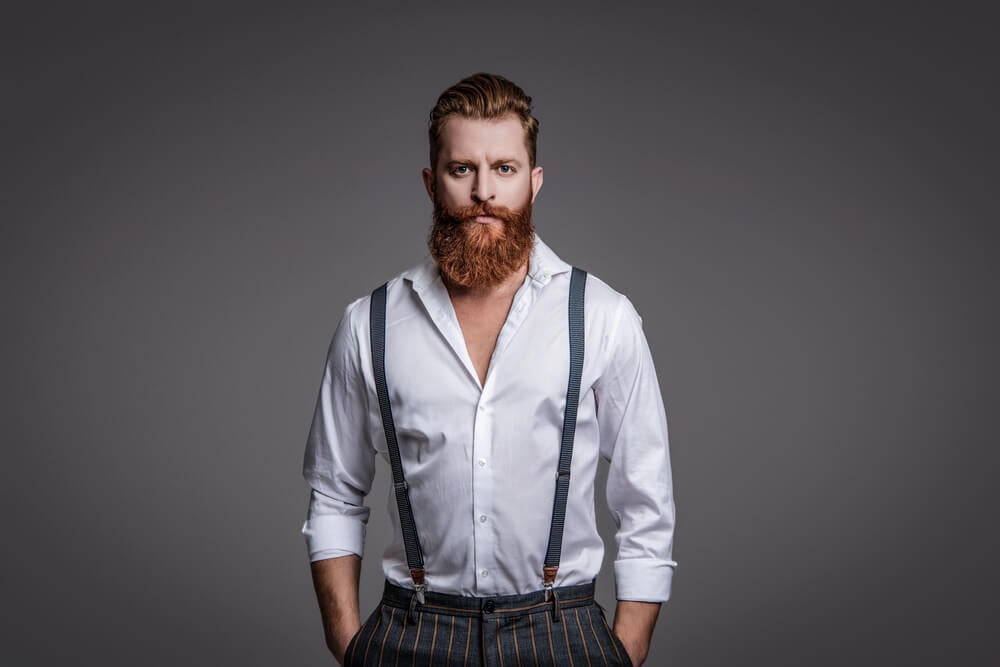
Mark Twain received a patent in 1871 for an adjustable and detachable strap for garments, which he intended for undergarments and vests, though it was also adapted to suspenders. Men had worn braces, or galluses, long before that, and they remained the standard way to hold up trousers until the belt took over.
Vintage pairs with leather ends, metal clips, and elastic webbing show the evolution clearly. Rot in the elastic is the most common flaw in old pairs.
Sleeve Garters for the Shirtsleeve Set
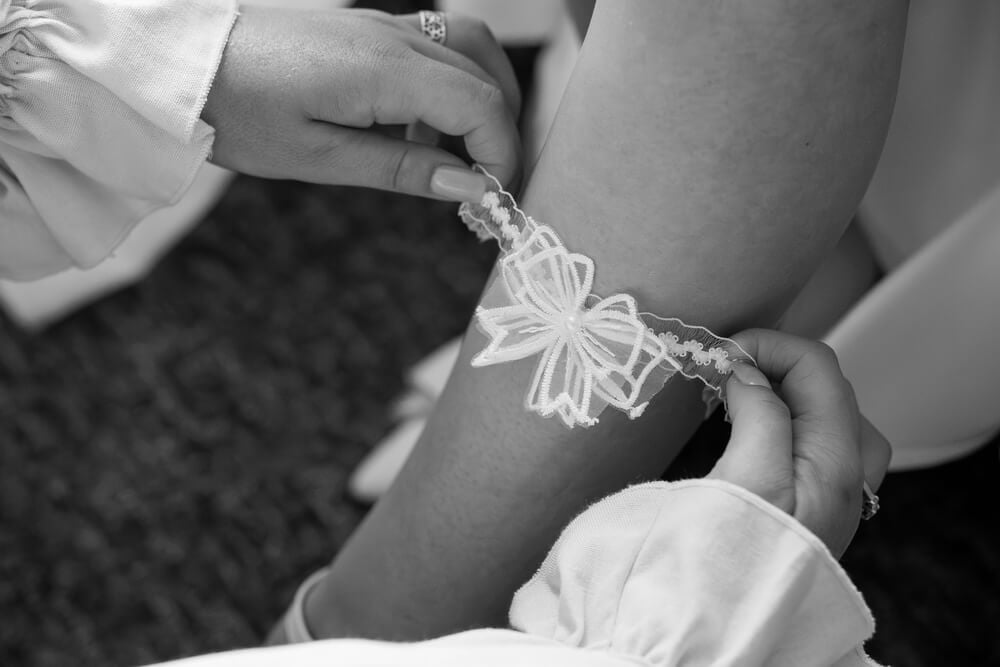
Sleeve garters are elastic bands worn around the upper arm to shorten a shirt sleeve that was too long or to keep cuffs from dragging through paperwork. Bank clerks, bartenders, and card dealers are the figures most associated with them.
The metal expanding versions with a spring pattern are common in antique shops. They fit the arm like a bracelet and look odd without a rolled-up sleeve to match.
Spats Named for Spatterdashes
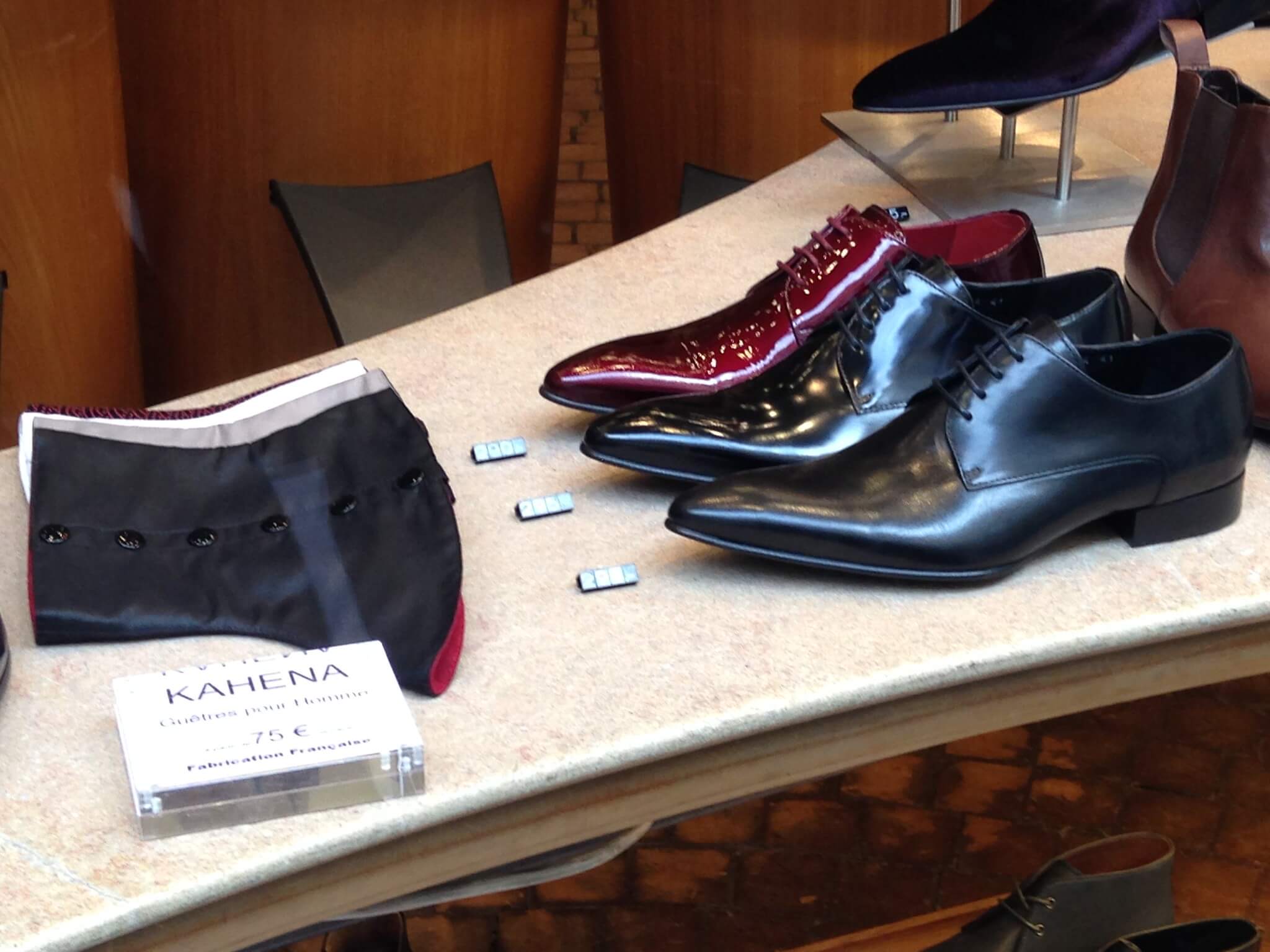
Spats get their name as a shortened form of spatterdashes, a type of gaiter worn to protect stockings and shoes from mud. By the late nineteenth century they had become a dressy cover for the ankle, buttoned over the shoe, usually in gray or white felt.
They were common in the 1920s, particularly in city offices and at formal events. A pair with intact buttons and a button hook included is a more complete find than the spats alone.
Albert Chains Named for a Prince
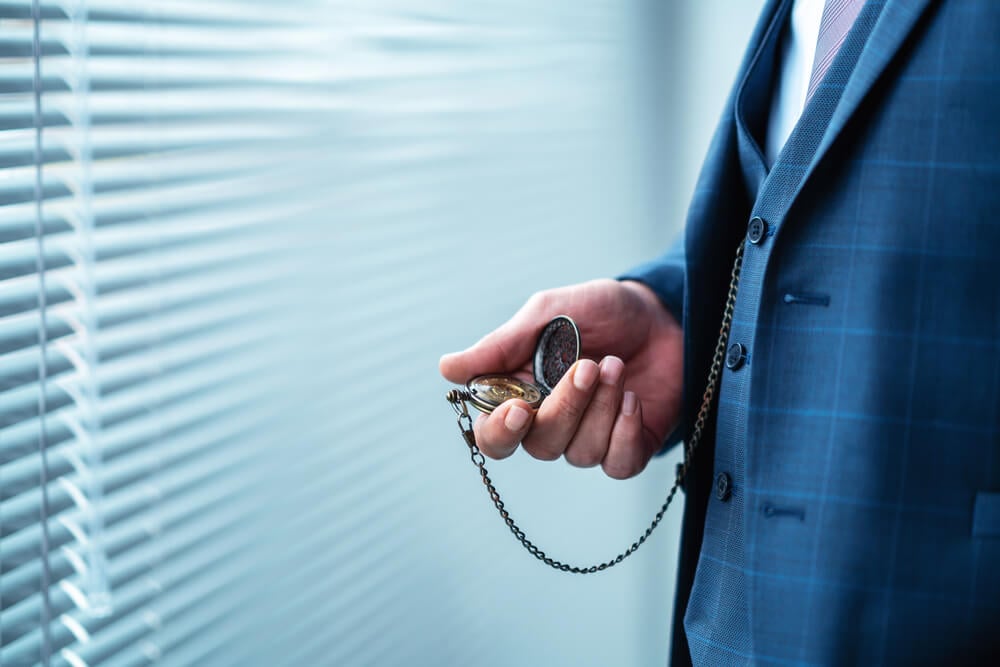
The Albert chain is named for Prince Albert, Queen Victoria’s husband, who was known for wearing a heavy watch chain across his waistcoat. A short T-bar at one end passes through a waistcoat to hold the chain in place, while a clip at the other attaches to the watch.
Collectors distinguish between single and double Alberts, which run to two watches. Hallmarks on the links help date and authenticate the metal.
Watch Fobs That Swung Below the Waistcoat
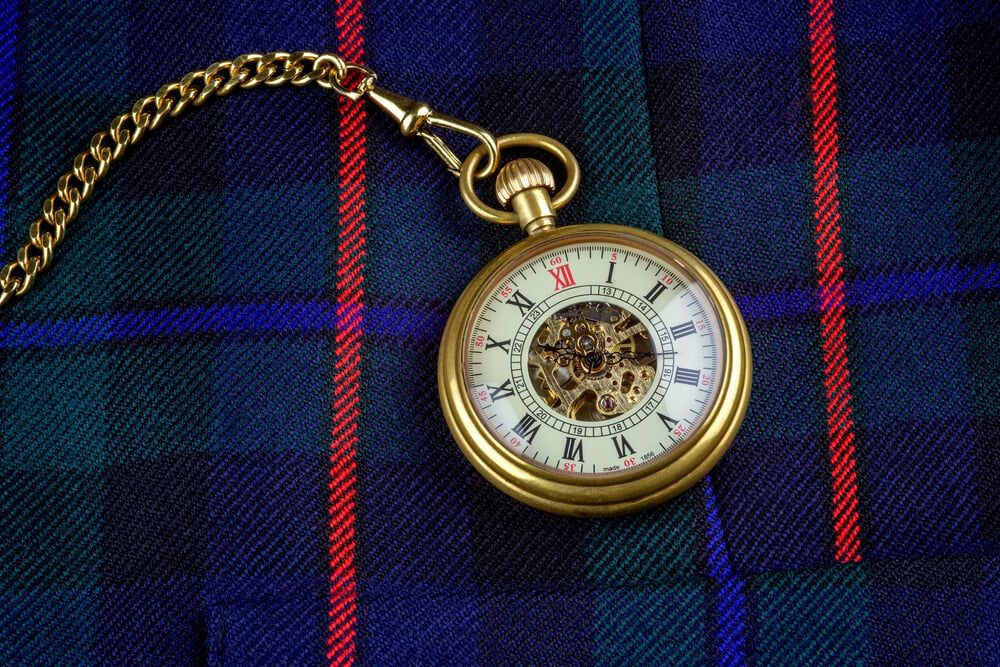
A fob is the small ornament or seal that hangs from a watch chain, and the word itself originally referred to a small pocket for the watch. Fobs carried personal symbols, including Masonic emblems, family seals, and fraternal badges.
Some also served as actual seals for pressing a signature into wax. An engraved fob that can be tied to a specific lodge or family has more story than a plain gold bauble.
Card Cases for the Calling Culture
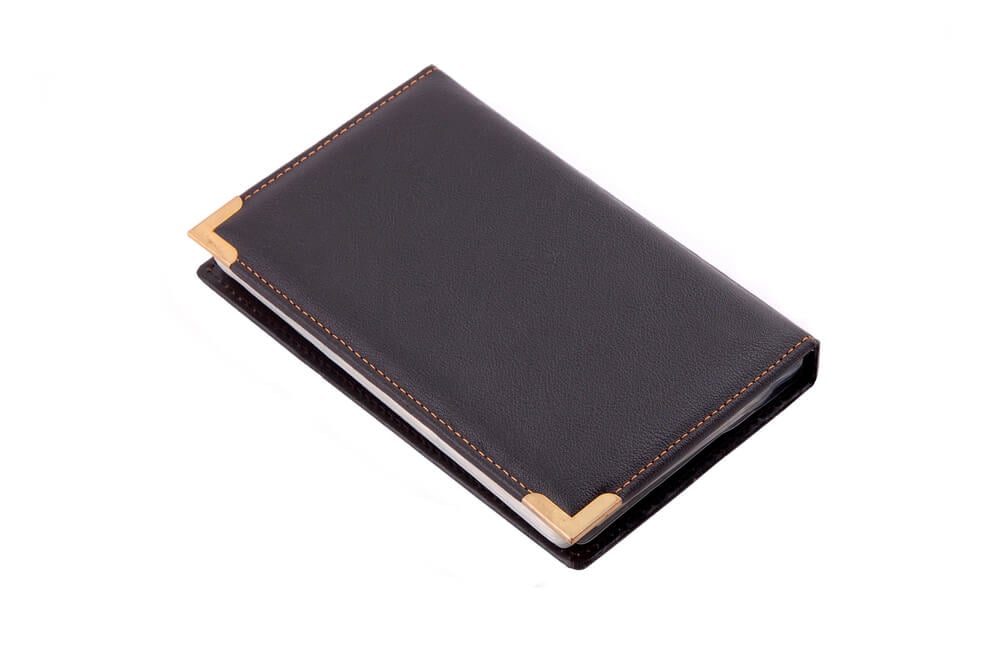
Victorian etiquette demanded that visitors leave a calling card, and men carried slim cases to keep them crisp. Birmingham silversmiths made so-called castle-top cases, with lids decorated in relief with landmarks such as Windsor Castle and Newstead Abbey.
Nathaniel Mills is among the most collected makers. A case with a sharp, undimmed lid scene is worth considerably more than one rubbed smooth by decades of pockets.
Walking Canes with Secrets Inside
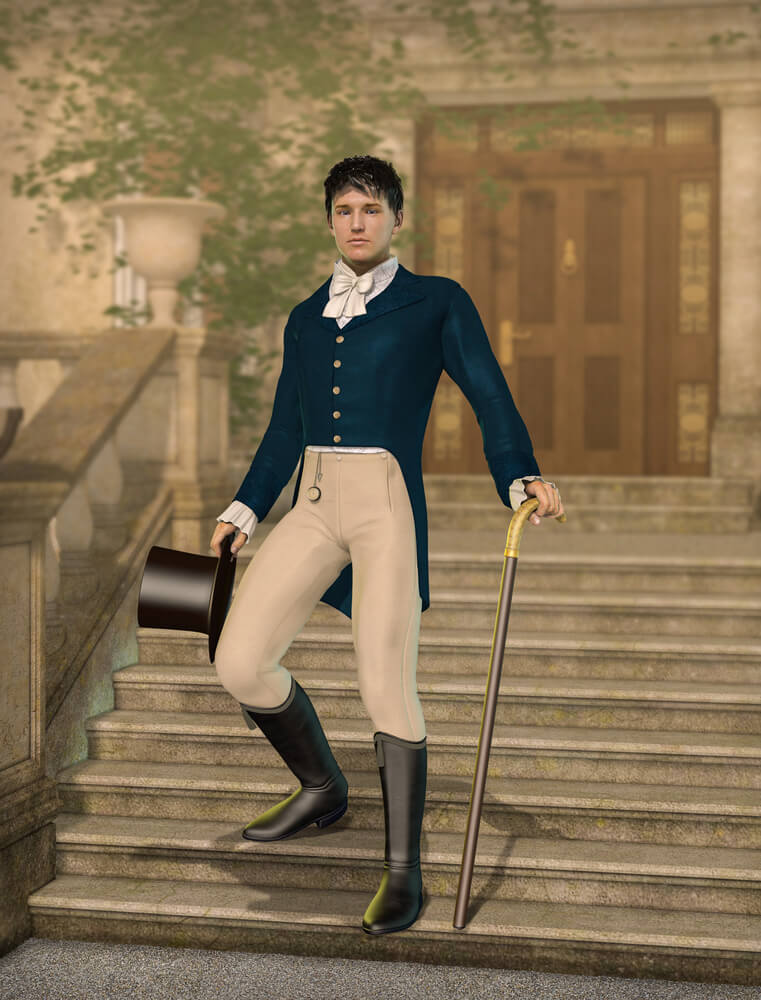
Gentlemen carried walking sticks as a mark of dress for centuries, and makers hid mechanisms inside them, including swords, flasks, and even small compartments in the handle. Malacca canes, cut from a rattan palm that grows in Southeast Asia and named for the Malay port of Malacca, were prized for their light weight and natural pattern.
Silver collars below the handle were often engraved with the owner’s name. A cane’s value depends on its handle, its hallmarks, and any surviving hidden features.
Monocles and a Collector Who Wore One First
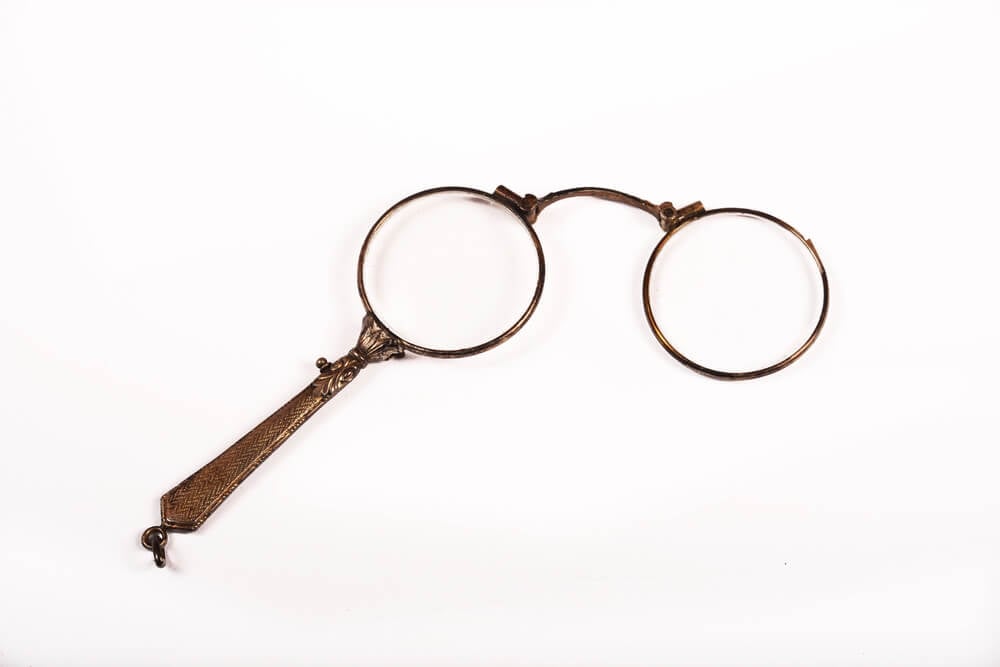
The monocle is a single lens held in the eye socket by muscle alone, with no frame wrapped around the head. The German antiquarian Philipp von Stosch is often cited as one of the earliest men shown wearing one, in a portrait from around 1727.
A cord attached to the rim let the wearer drop it to his chest rather than lose it. Original lenses in tortoiseshell or gold frames are rare because the glass was fragile.
Pince-Nez and a Bullet-Stopping Speech
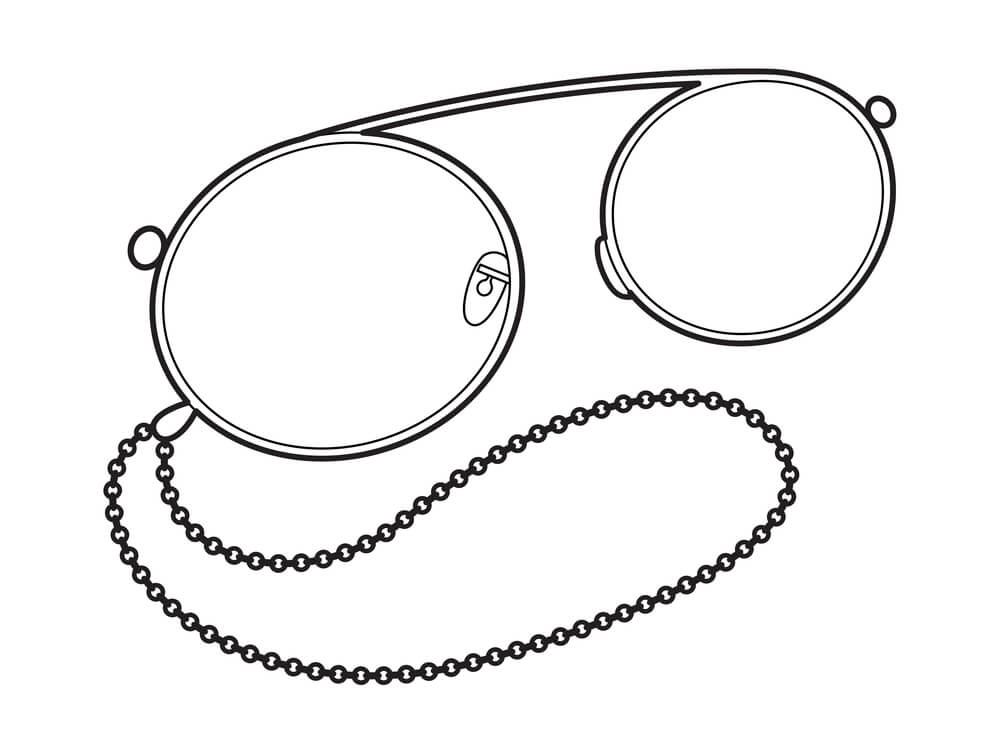
Pince-nez, French for pinch-nose, are spectacles with no arms that grip the bridge of the nose with a spring. Theodore Roosevelt wore them, and during a 1912 campaign stop in Milwaukee, a bullet struck him after passing through his steel eyeglass case and a folded copy of his speech.
He gave the speech anyway before seeking treatment. Original cases and chains add to the value of a surviving pair.
Bow Ties with a Polka-Dot Prime Minister
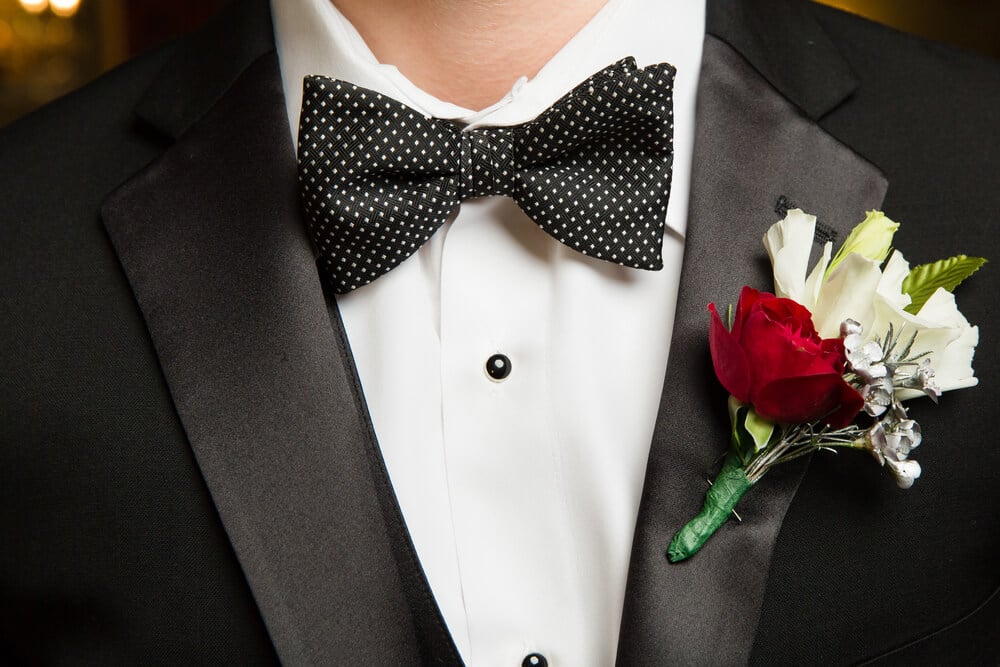
Winston Churchill made the spotted bow tie one of the most recognizable pieces of neckwear of the twentieth century. Self-tie versions required skill, and hand-tied vintage examples in silk foulard are distinct from the clip-on version.
The knot is meant to be slightly asymmetrical, which sets it apart from a pre-made version. Pre-tied bows from the mid-twentieth century are common, while hand-tied examples are harder to find.
Ascots from the Royal Enclosure
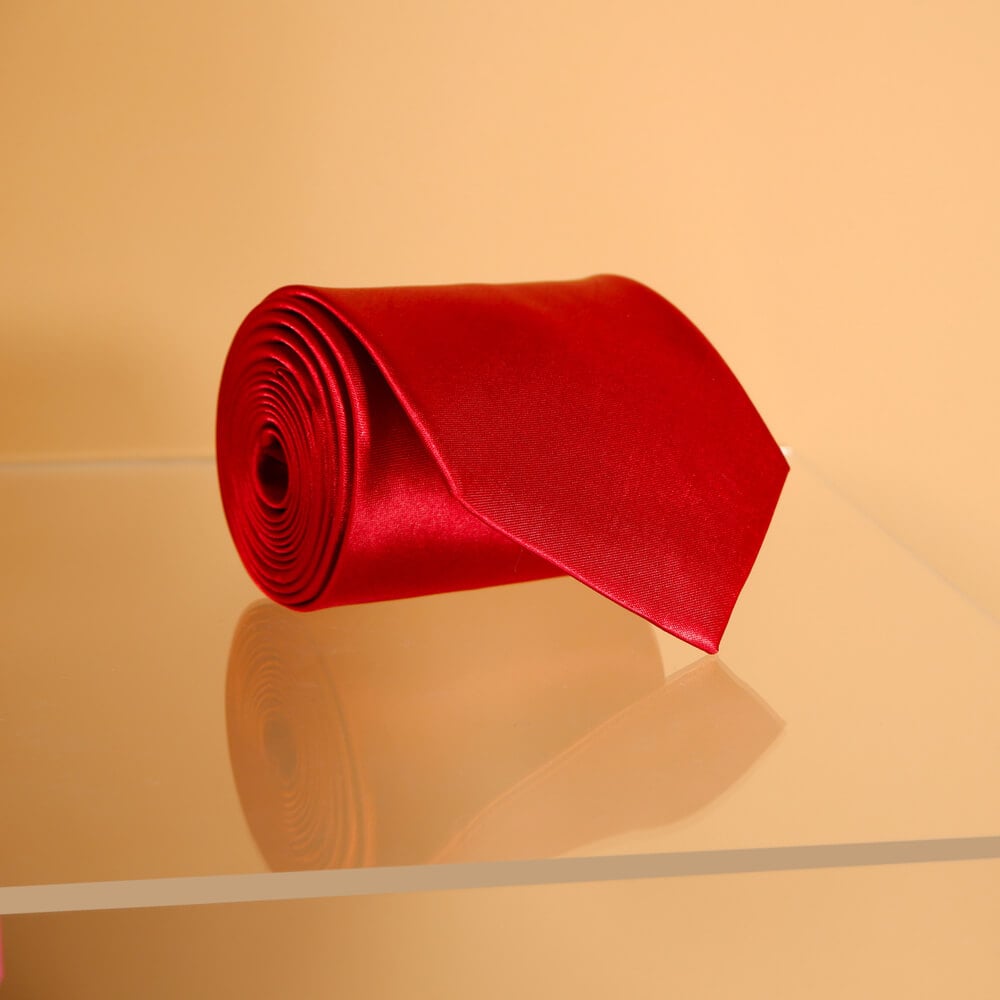
The ascot tie takes its name from Royal Ascot, the racing meeting held at Ascot in Berkshire since Queen Anne established the racecourse in 1711. The wide, folded silk neckpiece was worn with morning dress in the royal enclosure and later became associated with relaxed gentleman’s style.
It is secured with a pin through the layers, which gave stickpin makers a second market. Vintage ascots in paisley and foulard patterns survive in silk that can fade with sunlight.
Lapel Pins from the Rotary Wheel
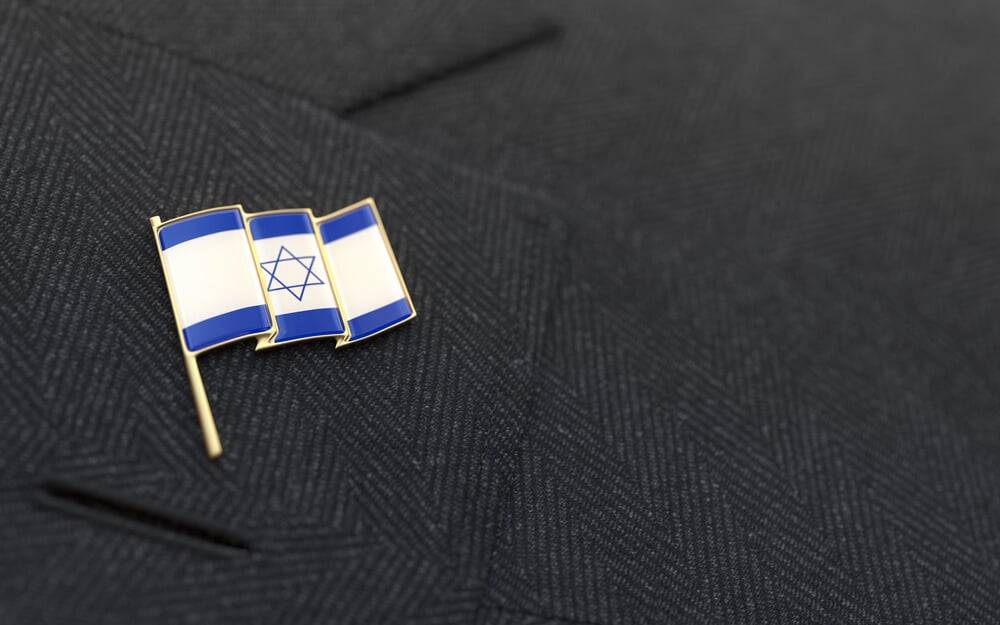
Fraternal and service organizations turned the lapel into a membership badge. Rotary, founded in Chicago in 1905, adopted a wheel emblem that members wore as a pin on the lapel.
Vintage lodge and club pins in enamel and gold are collected by organization. Pins with their original backs and clutch fittings are valued over pins where the hardware has been replaced.
Boutonnieres and an Orchid a Day
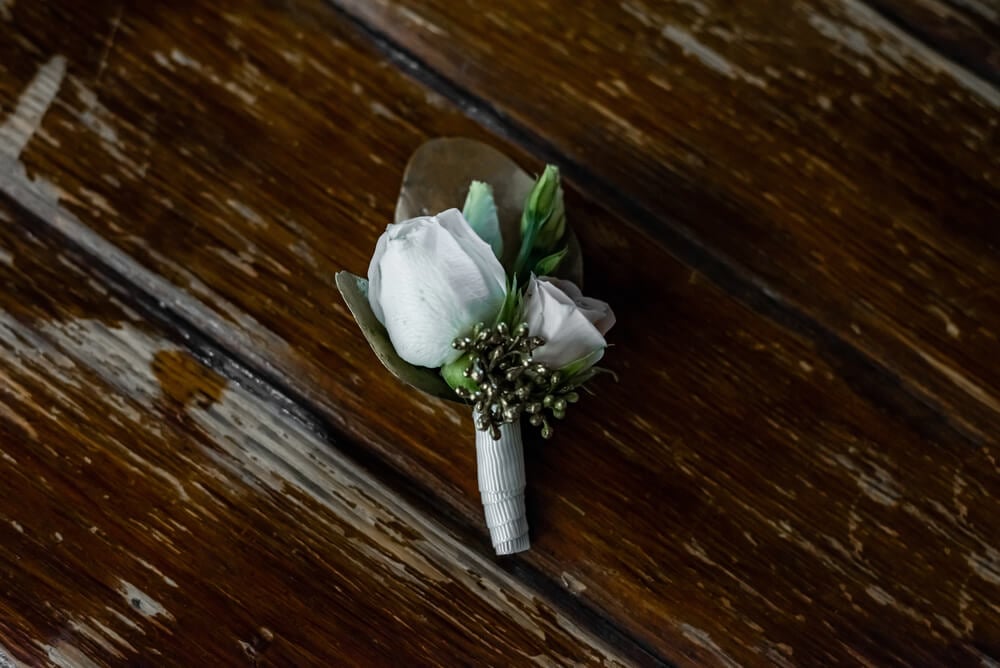
Boutonniere is a French word for the slit in a coat lapel where a flower was originally slipped. British politician Joseph Chamberlain became famous for wearing an orchid there daily, along with a monocle.
Fresh flowers wilt, so Victorian men also used small glass or metal vases pinned behind the lapel to keep the stem in water. A surviving boutonniere holder is a rare piece of dressing-room engineering.
Pocket Combs from the Comb Capital
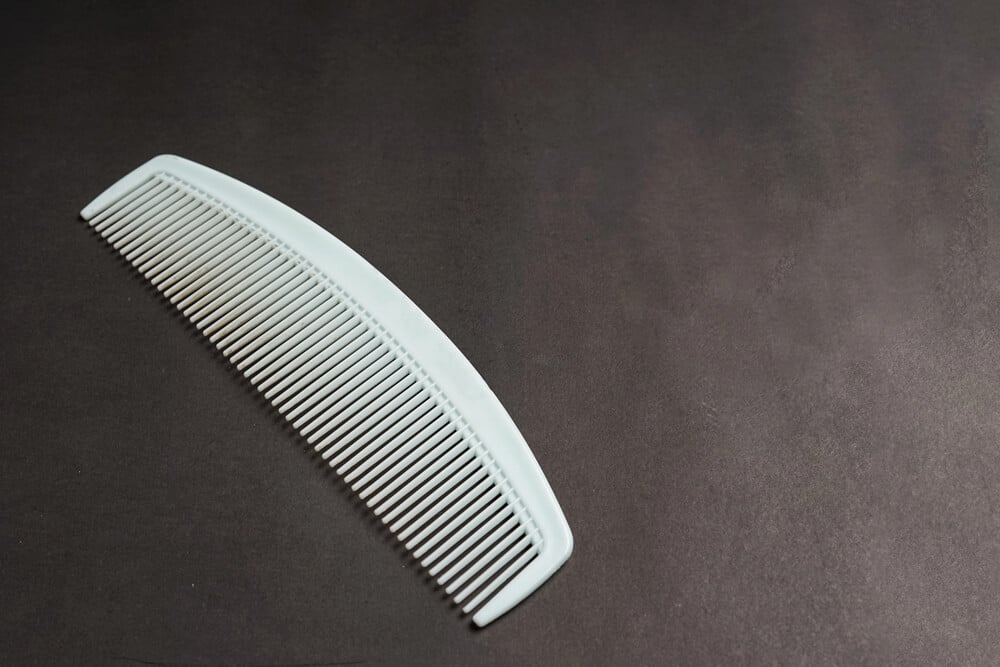
The pocket comb, a slim comb often with a short handle, was a daily tool for men whose hairstyles were set with oil and pomade. Leominster, Massachusetts, built its reputation on comb manufacturing and later earned the nickname Pioneer Plastic City.
Hard rubber and celluloid combs were common, and many came with a leather or metal sheath. Intact teeth and a legible maker’s mark on the spine make the difference between a find and a curiosity.
Match Safes and the Friction Match
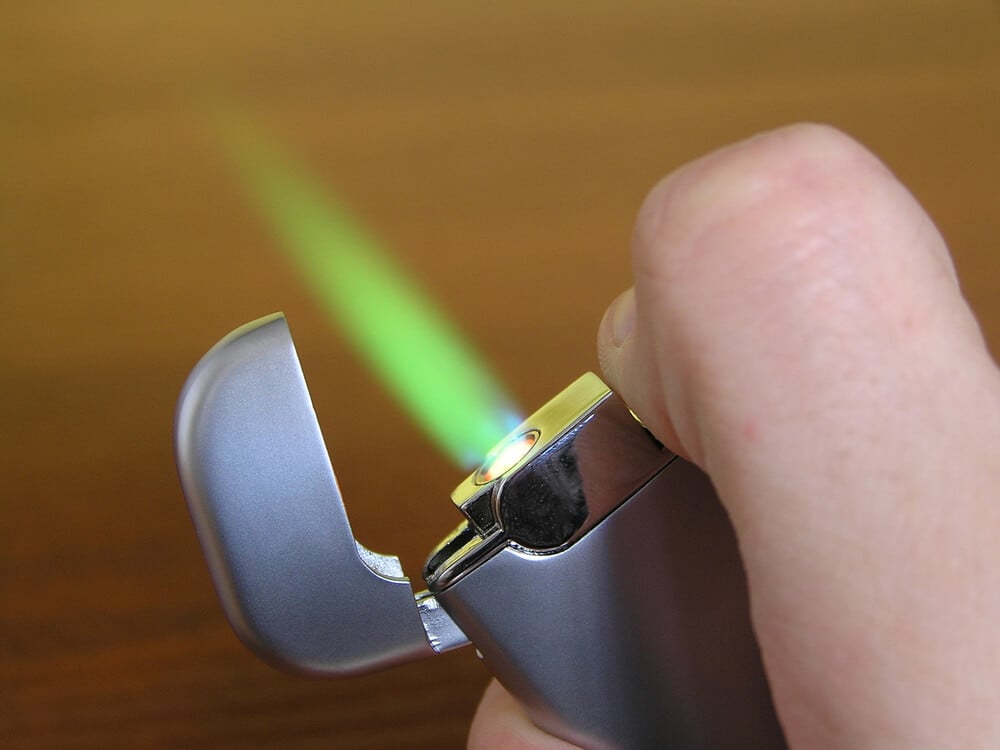
John Walker, an English chemist from Stockton-on-Tees, invented the friction match in 1826. Early matches ignited easily, so men carried them in small metal cases known as match safes or vesta cases, named for Vesta, the Roman goddess of the hearth.
The cases were made of silver, brass, and nickel, and many have a rough strip on the base for striking the match. Novelty shapes, from boots to bulldogs, fetch far higher prices than plain rectangles.
Hip Flasks Shaped to Fit the Body
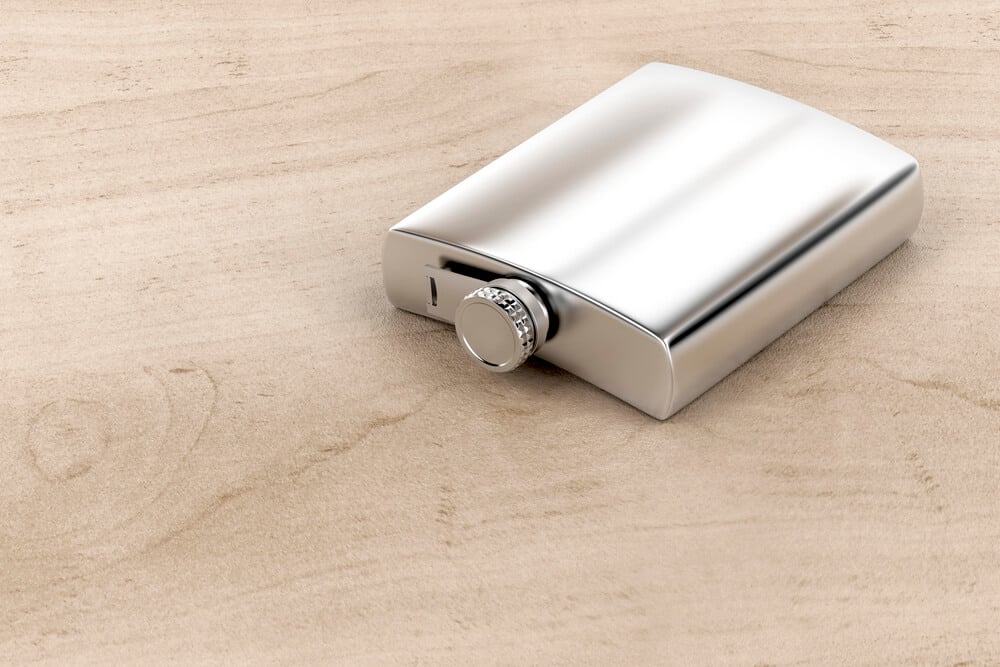
The hip flask is curved to follow the line of the thigh so it sits flat inside a trouser or coat pocket. Sterling silver versions with glass or pewter linings were favored by sportsmen and travelers, and the form received a boost during Prohibition in the United States.
Many carried a hinged cap tethered to the neck so it would not be dropped. Dents, loose hinges, and worn linings reduce the value of an otherwise handsome flask.
Driving Gloves for Open-Top Motoring
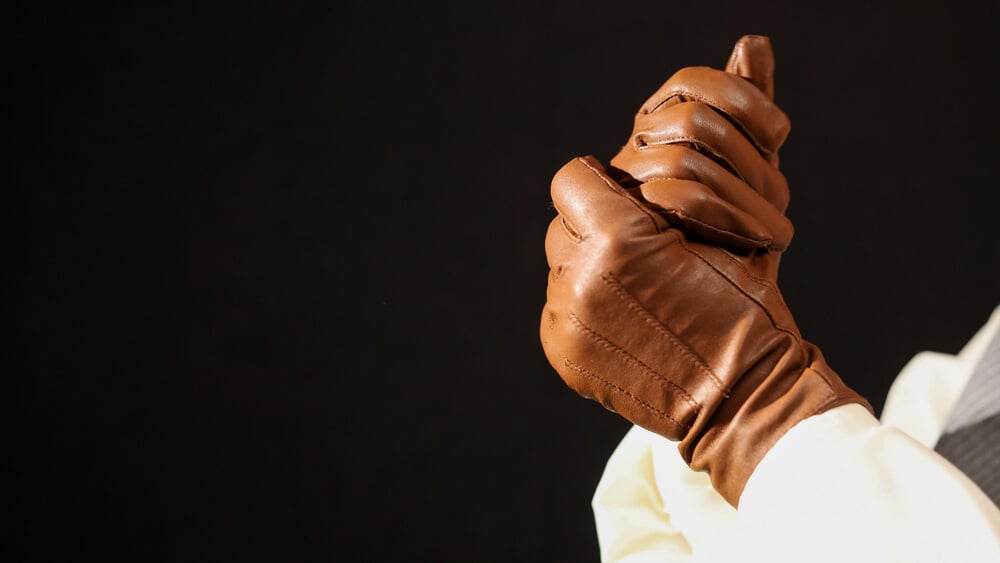
Early motorists drove in open cars with no windshield glass worth the name, so leather gloves with gauntlets kept hands warm and wind-free. Later versions added perforations across the back of the hand for ventilation and a snug cut at the wrist to maintain grip on the wheel.
Pigskin and kidskin were common materials. Original pairs in unscuffed leather have survived mostly in the hands of collectors who never drove in them.
Umbrellas and the Man Mocked for Carrying One
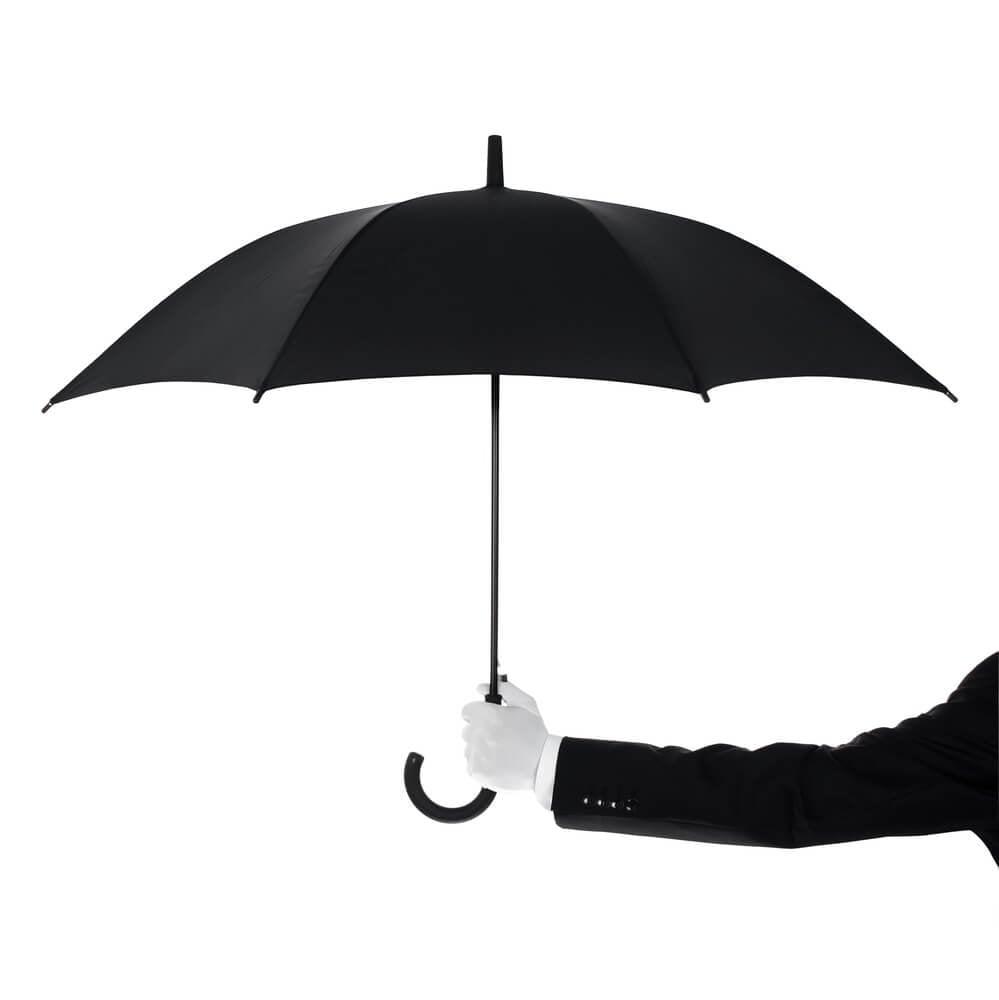
Jonas Hanway, an English philanthropist who died in 1786, is often credited with popularizing the umbrella for men in London. He reportedly carried one in the streets for years while hackney coachmen jeered, since they feared it would cost them business.
Before that, umbrellas were regarded as women’s accessories. Antique examples with carved handles and whalebone ribs are valued for their fittings rather than their canopies.
Signet Rings Cut in Reverse
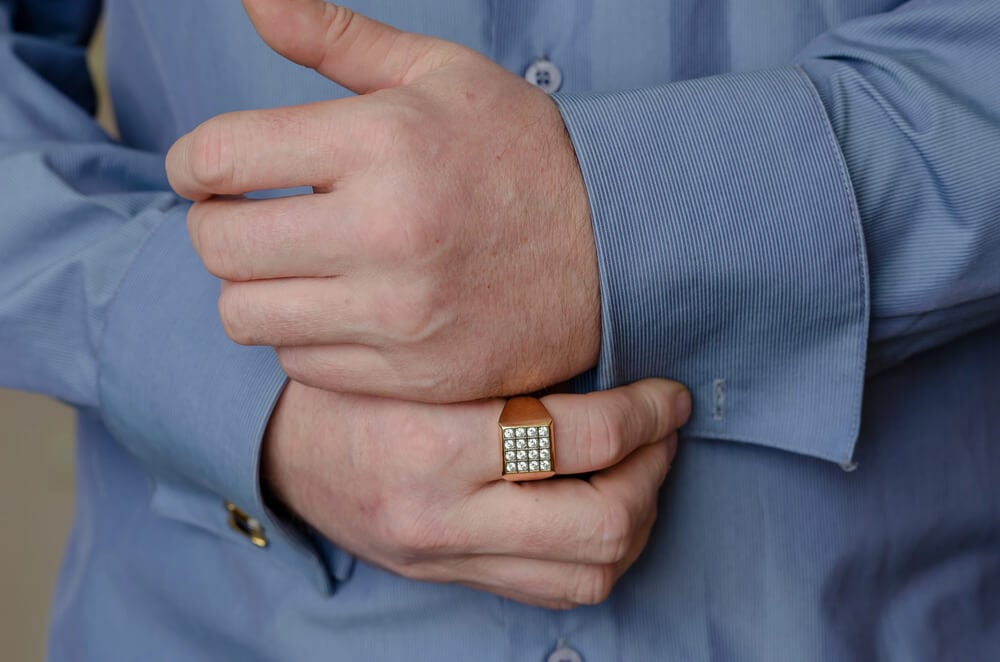
A signet ring carries an engraved design cut in mirror image so that, when pressed into hot wax, the impression reads correctly. The practice stretches back to antiquity, and signets became a mark of identity, family, and office.
Many vintage versions feature crests, monograms, and initials. A ring with a worn face is less valuable than one with a crisp engraving, and shortening a ring to resize it can erase an inscription.
The Small Things That Gave a Man His Shape
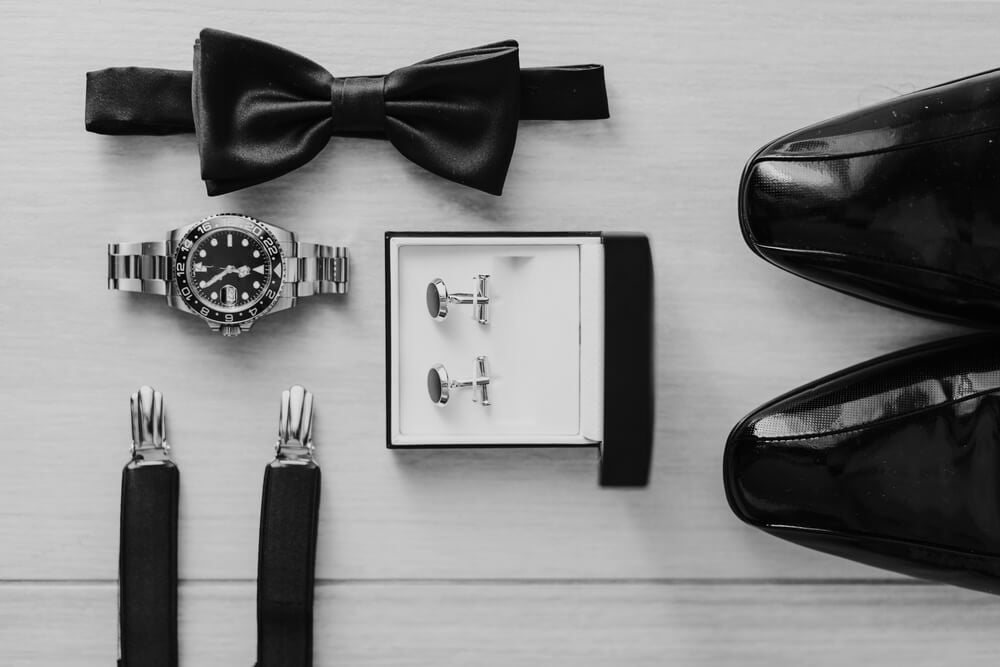
Taken together, these objects explain a lot about how men dressed when clothing was assembled rather than simply put on. A collar came in separate pieces, a shirt required links, and a waistcoat carried a chain with a fob.
Each piece had a job, and each job had a maker whose name can still be read on the underside. Most of these accessories disappeared as clothing became simpler and more casual.
A few survived as costume or ceremony, but the daily knowledge of how to use them went with the people who wore them. They stay interesting because they show that a small object can be both a tool and a signature.
More from Go2Tutors!

- 27 Silver Dollars and Half Dollars Worth Keeping
- 28 Restaurant Menu Items Nobody Orders Anymore
- 17 Places Built in Seemingly Impossible Spots
- 27 Vintage Rings Worth More Than They Look
- 25 Restricted Sites Tourists Can’t Enter
Like Go2Tutors’s content? Follow us on MSN.