29 Grocery Shopping Habits Before Barcode Scanners
Long before a laser could read a pack of gum, buying dinner ran on pencils, memory, and conversation. Every price lived on a handwritten tag or in a cashier’s head, and every shopper had a rough idea what a loaf of bread should cost.
The habits that grew up around that system were practical, social, and sometimes downright strange. Many disappeared so completely that a grocery trip from the 1930s would be nearly unrecognizable today.
Waiting While a Clerk Fetched the Order
Before self-service, shopping meant standing at a counter and reading items aloud to a clerk who gathered them from shelves on the other side. Customers had little chance to compare brands or spot something new, because they received only what they thought to ask for.
Staples such as sugar and flour were often weighed and wrapped by hand, so a shopping list functioned more like a speech than a document. Clarence Saunders built a business on the belief that this arrangement was slow and expensive.
Passing Through a Turnstile at Piggly Wiggly
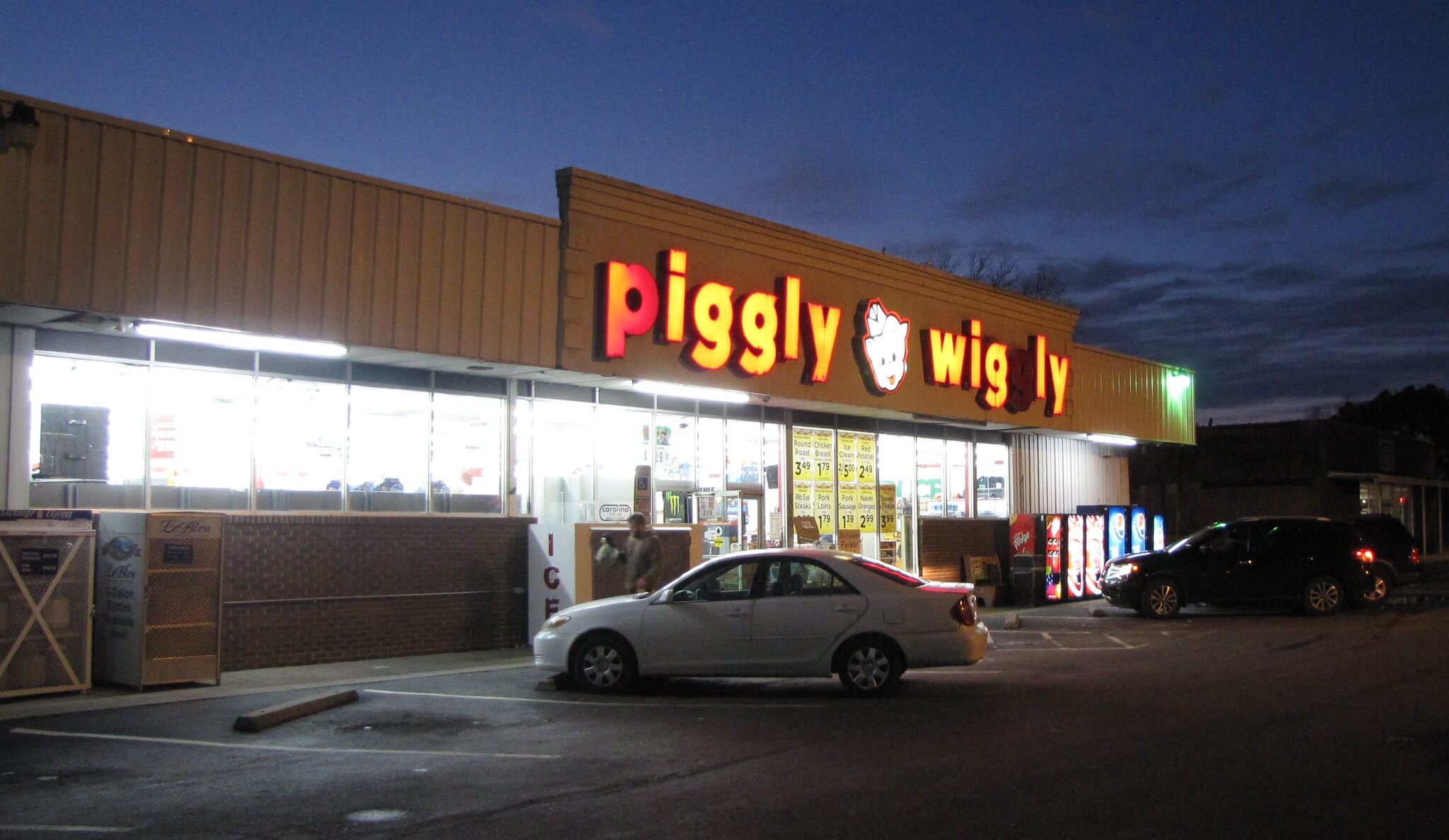
Saunders opened the first Piggly Wiggly in Memphis in 1916 and let shoppers collect a basket and pick up goods themselves. Customers entered through a turnstile and followed a set path past the shelves before reaching the checkout stand.
He received a patent in 1917 for the self-serving store, which covered the layout itself. The concept spread quickly as Piggly Wiggly franchised stores into other cities.
Putting It on the Grocer’s Tab
Neighborhood grocers commonly kept customer accounts in a ledger, letting families buy food now and settle up on payday. The arrangement ran on personal trust, which is why the grocer needed to know who was good for it.
Self-service chains such as Piggly Wiggly leaned on cash sales, which trimmed the bookkeeping that tabs required. A customer who fell far behind could find the account closed, and the neighborhood usually heard about it.
Greeting the Jewel Tea Route Man
The Jewel Tea Company, founded in 1899, sent route men to homes on a regular schedule with coffee, tea, and other household goods. Regular buyers earned premiums, and the most famous was Autumn Leaf dinnerware, made by Hall China and introduced in 1933.
Collectors still hunt for the pieces today, and prices swing widely depending on the condition of the glaze and the pattern. For many families, the weekly visit was grocery shopping that arrived on the porch.
Leaving Notes for the Milkman
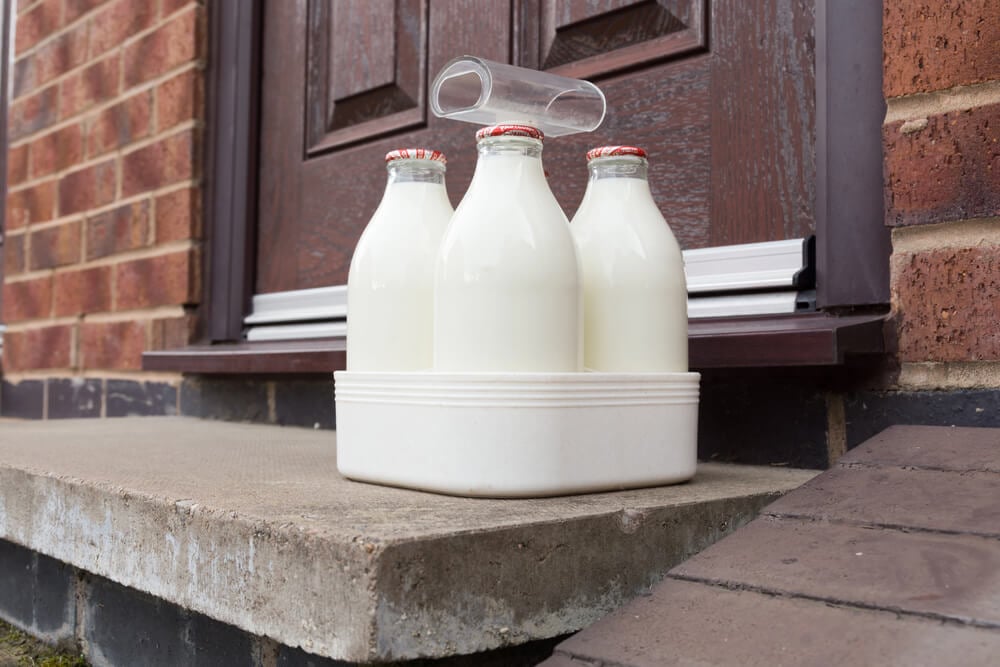
Milk arrived at the door in glass bottles, and the empties went back out with a note and payment. The glass milk bottle dates to 1884, when Dr. Hervey Thatcher of Potsdam, New York, patented his milk jar.
Households learned to rinse bottles and set them out early, since a forgotten empty could mean a missed delivery. The routine made the milkman one of the few retail workers who knew a family’s habits without ever seeing the inside of the house.
Shopping Daily for the Icebox
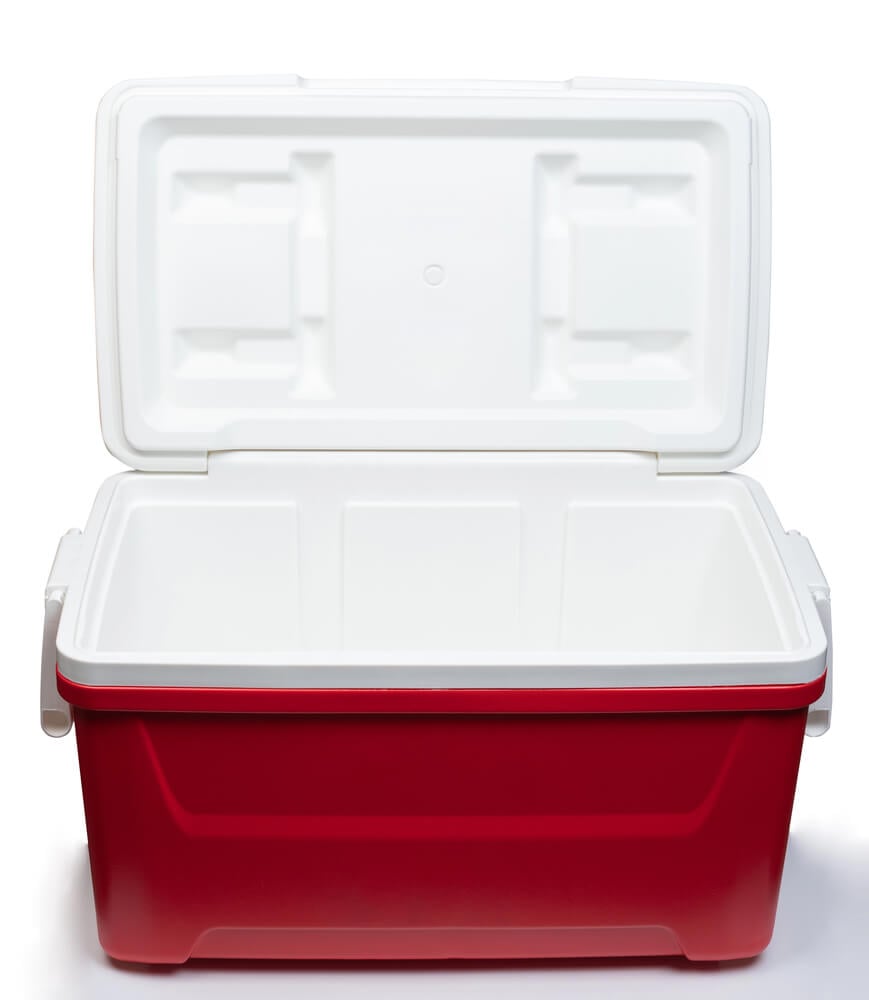
Before electric refrigerators became common, many homes kept food in an icebox cooled by a block of ice delivered by the iceman. Because ice melted in a matter of days, perishables were bought in small amounts nearly every day.
A card in the front window told the driver how many pounds to bring. Meal planning meant working around what the box could hold rather than what the week required.
Scooping Crackers From the Barrel
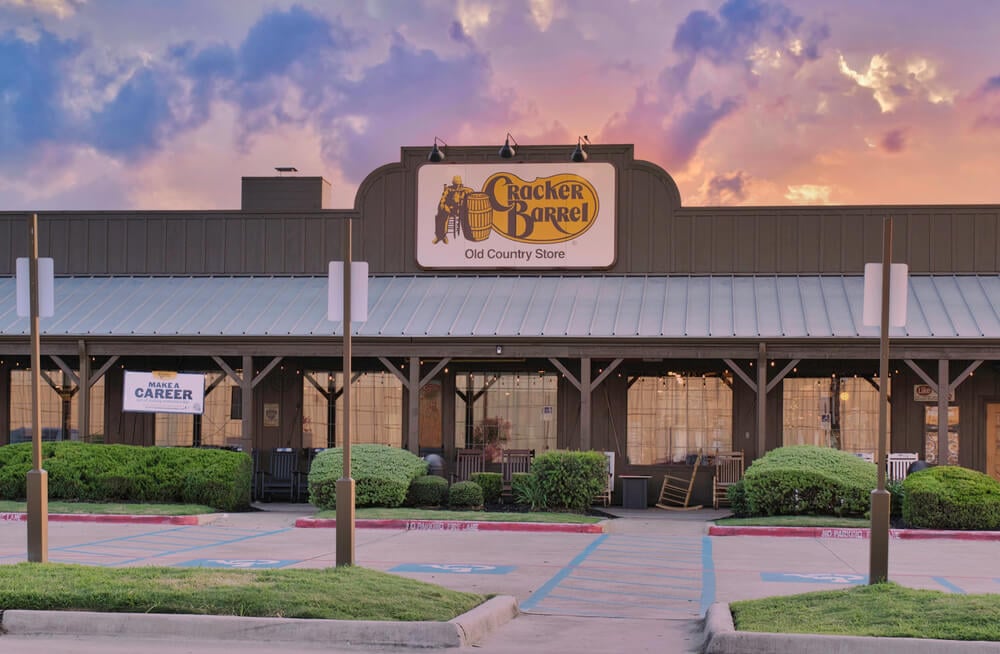
Crackers, pickles, and other staples came out of barrels and bins, scooped and measured by the grocer. In 1898 the National Biscuit Company launched Uneeda Biscuit in a moisture-proof carton, which began the decline of the cracker barrel.
Packaged goods were cleaner and stayed crisp, but they also meant shoppers stopped choosing by sight and smell. The barrel survived mainly as an idiom for informal talk around a store stove.
Grinding Coffee Beans at the Store
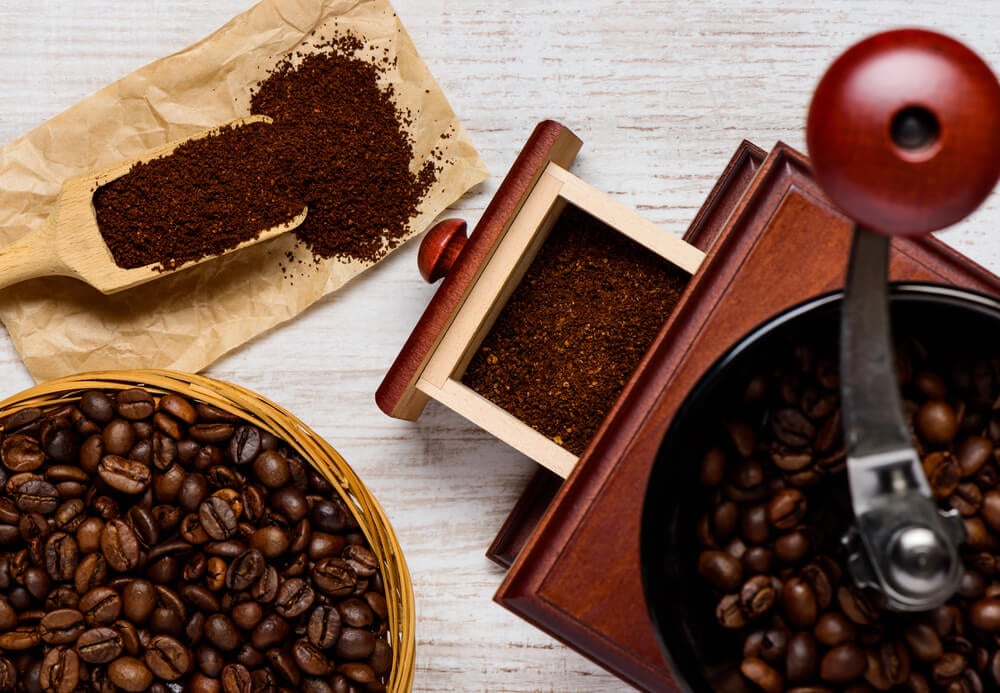
Coffee was commonly sold as raw beans, and shoppers had them ground in the store to match the way they brewed at home. A&P introduced its Eight O’Clock brand in 1919 and sold it to customers who wanted a fresh grind while they waited.
Coarse grinds suited percolators, and finer settings suited other pots, so the clerk usually asked how the coffee would be made. Vacuum-packed cans of preground coffee later replaced much of that ritual.
Visiting Separate Shops for Each Item
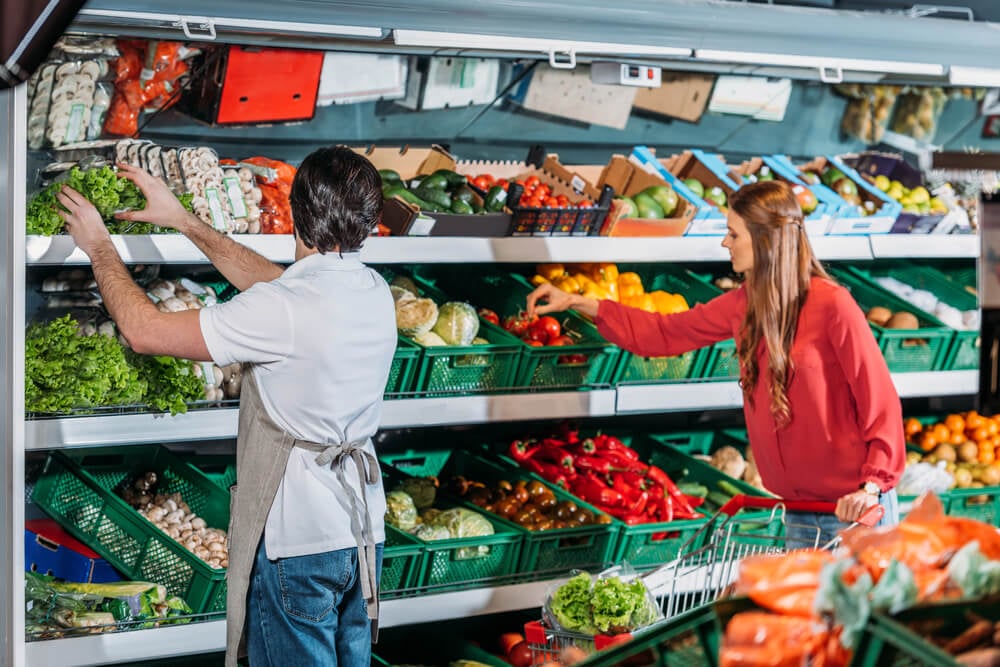
A single dinner could require a stop at the baker, the butcher, the greengrocer, and the dairy. Michael Cullen changed that when he opened King Kullen in Jamaica, Queens, in 1930, billing it as the world’s greatest price wrecker.
The store sold groceries under one roof at low prices and drew crowds willing to drive for the bargains. Neighborhood specialists lost ground, and the single weekly trip began to replace the daily circuit.
Trusting the Neighborhood A&P
The Great Atlantic & Pacific Tea Company began in New York in 1859 and operated roughly 15,000 stores by 1930. Most of those were small neighborhood branches stocked with a limited range of goods and run by a manager who knew regulars by name.
Shoppers learned the house brands and the store’s weekly rhythms instead of roaming a wide selection. As supermarkets arrived, the company closed thousands of those small outlets.
Carrying Groceries in Your Arms
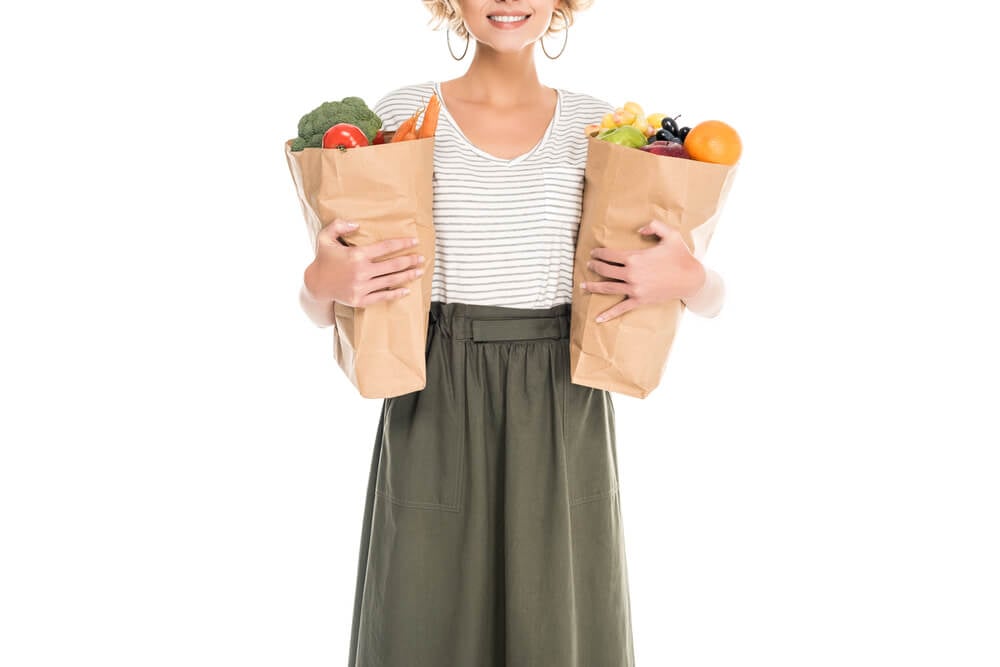
Before paper shopping bags had handles, customers carried loose parcels or brought their own baskets. Walter Deubener, a grocer in St. Paul, Minnesota, introduced a paper bag with cord handles in 1912.
The design let shoppers carry a heavier load in one hand, and the bag doubled as a walking advertisement for the store that printed its name on it. Handled bags became a fixture of retail almost as soon as shoppers saw them.
Refusing to Push a Cart
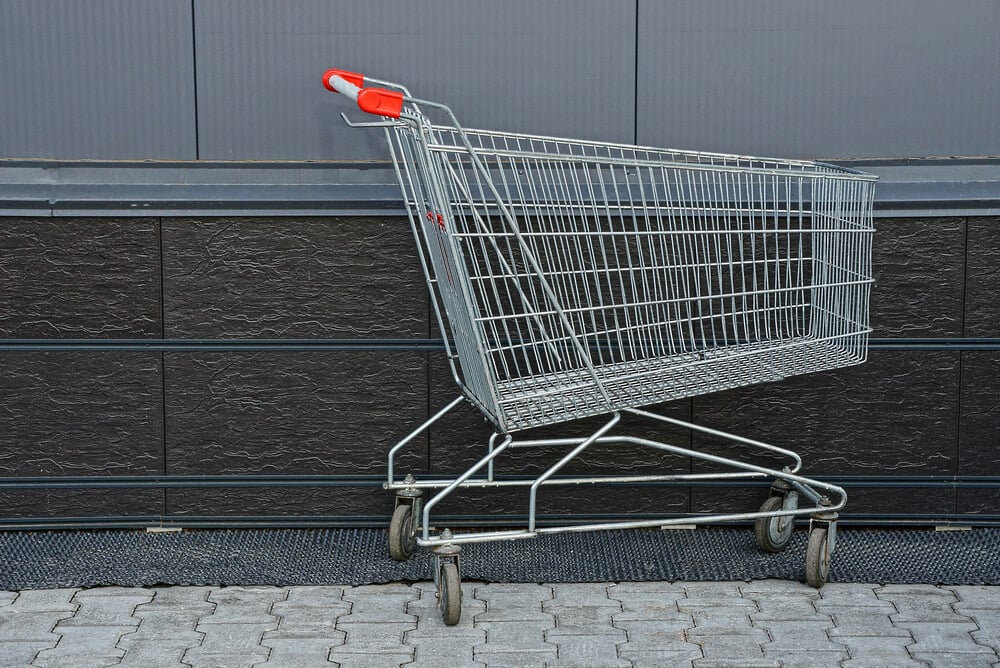
When Sylvan Goldman introduced shopping carts at his Humpty Dumpty stores in Oklahoma City in 1937, early models were folding frames that held two wire baskets. Shoppers resisted, with some men feeling it was unmanly and some women finding the carts too close to baby carriages.
Goldman hired people to push them around the store and look pleased about it. The hand basket gave way to the cart once shoppers realized they could buy more than they could carry.
Carrying Eggs Home in Loose Baskets
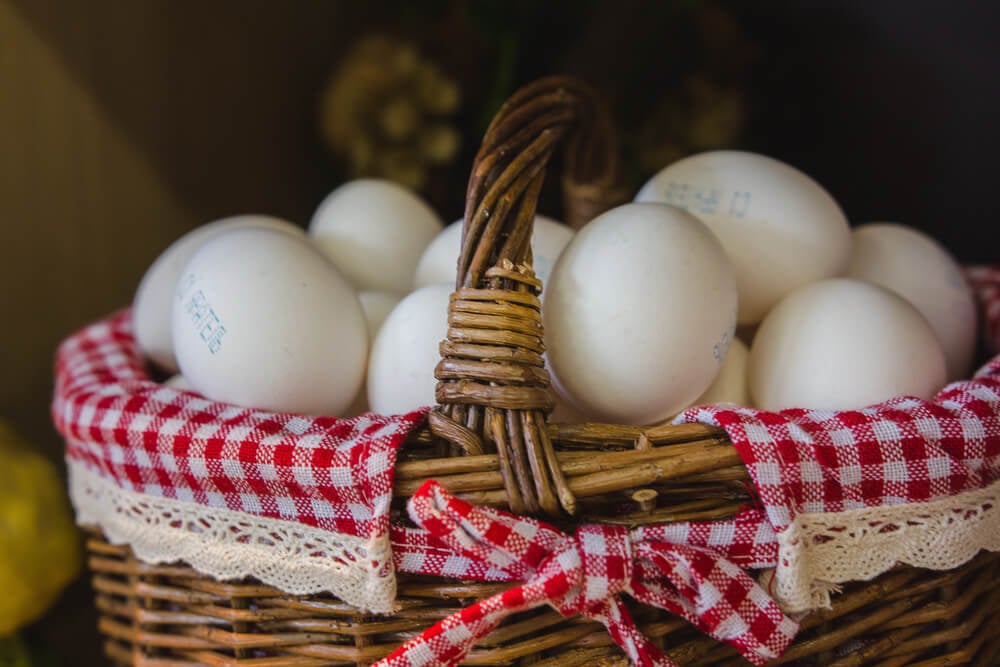
Eggs were once carried in baskets and bags, and breakage was an expected cost of buying them. The egg carton traces to 1911, when Joseph Coyle of Smithers, British Columbia, devised a tray to settle a dispute over cracked eggs.
His design used compartments that cushioned each egg and kept it from touching its neighbors. Cardboard and pulp cartons later turned a risky purchase into a routine one.
Returning Bottles for the Deposit
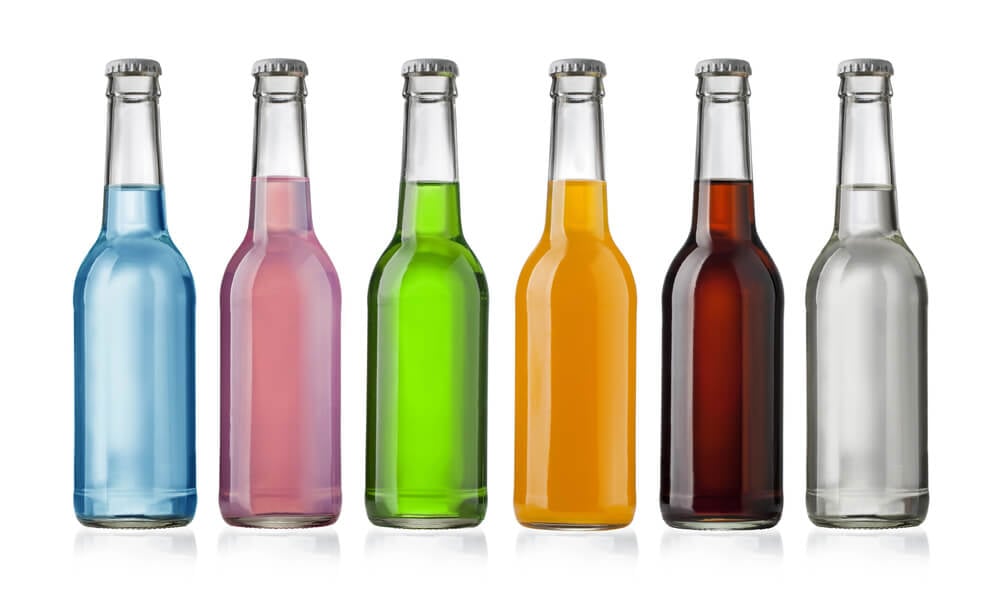
Soda and beer bottles carried a small deposit, and families saved empties to bring back to the store for refunds. Oregon became the first state to pass a bottle bill in 1971, requiring deposits on beverage containers statewide.
Children often collected the bottles for pocket money, and a clerk would count them at the door. The habit made the return trip part of the weekly shop.
Licking and Pasting Green Stamps
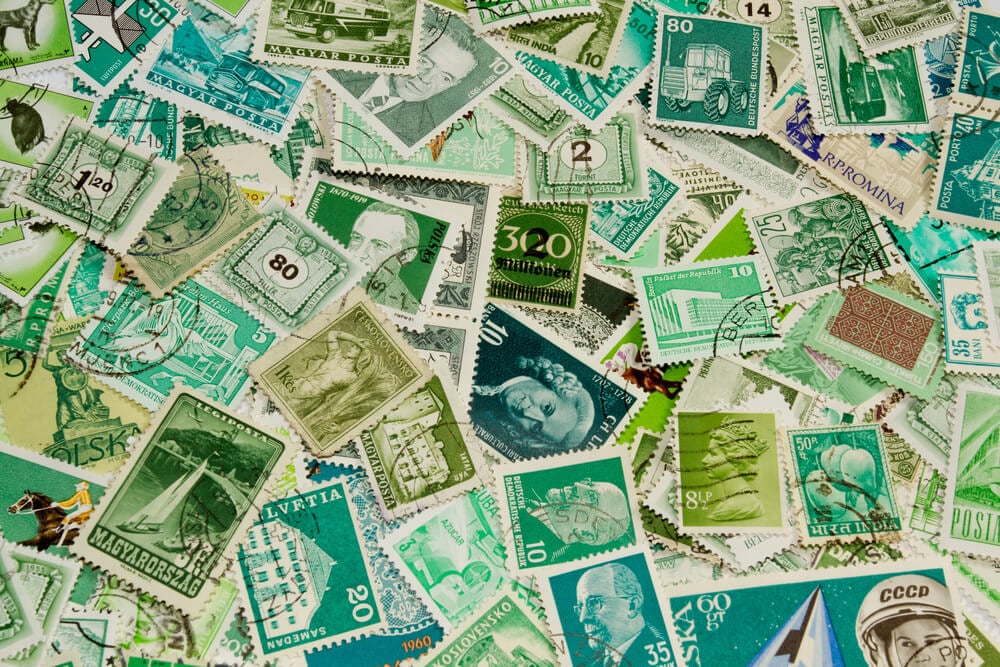
The Sperry & Hutchinson company introduced its trading stamps in 1896, and grocers handed them out with purchases. Shoppers licked the stamps and pasted them into books, then redeemed filled books for household goods from a catalog.
By the 1960s S&H was issuing more stamps than the United States Postal Service. Many families planned their purchases around which store gave the best stamp return.
Clipping Coupons for a Free Glass
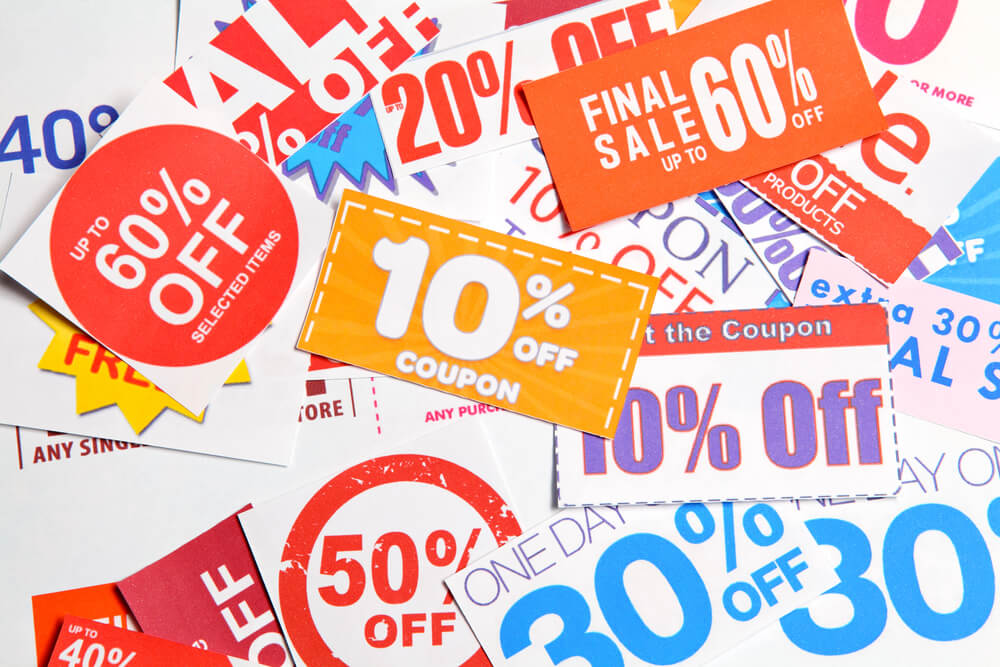
In the late 1880s Asa Candler distributed handwritten tickets good for a free glass of Coca-Cola, an early use of the coupon as a sales tool. Customers who redeemed the tickets became customers who paid for the second glass.
Grocers and manufacturers later copied the idea with paper coupons printed in newspapers and magazines. Shoppers learned to sort, clip, and carry them in envelopes, then match them to sale prices at the register.
Spending Scrip at the Company Store
In many mining and mill towns, workers were paid in scrip that could be spent only at the company store. Prices there were often higher than elsewhere, and the arrangement made it hard for workers to leave.
The 1955 recording of Sixteen Tons by Tennessee Ernie Ford carried the lyric about owing a soul to the company store into mainstream culture. For those families, grocery shopping was inseparable from employment.
Observing Meatless Tuesdays
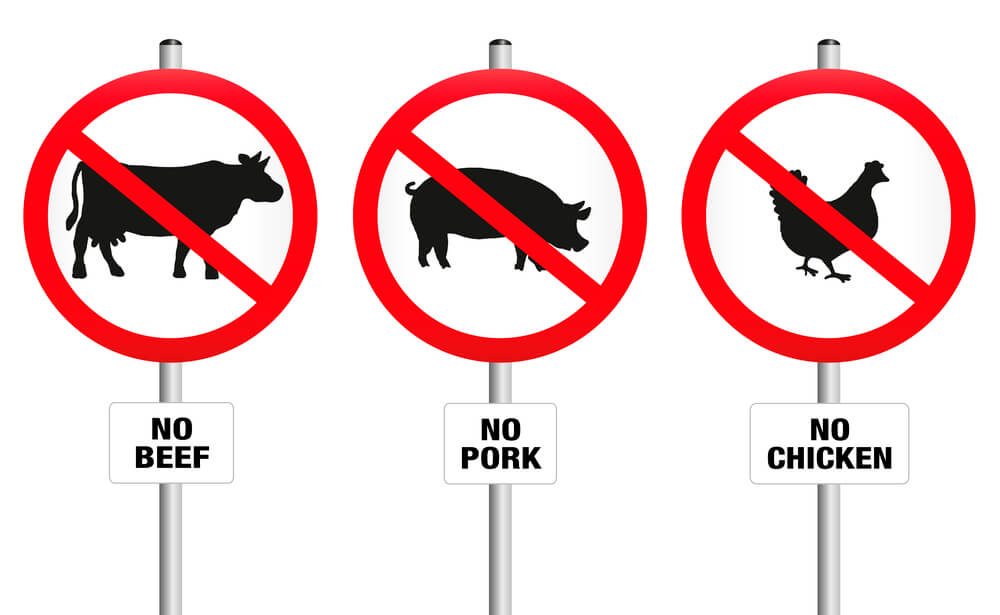
In 1917, the United States Food Administration under Herbert Hoover asked households to observe meatless Tuesdays and wheatless Wednesdays to conserve food for the war. Compliance was voluntary, and neighbors checked on each other with a mix of patriotism and gossip.
The effort was so closely tied to Hoover that the verb to hooverize entered the language, meaning to economize on food. Menus and shopping lists adjusted around the pledge.
Canning Produce in Mason Jars
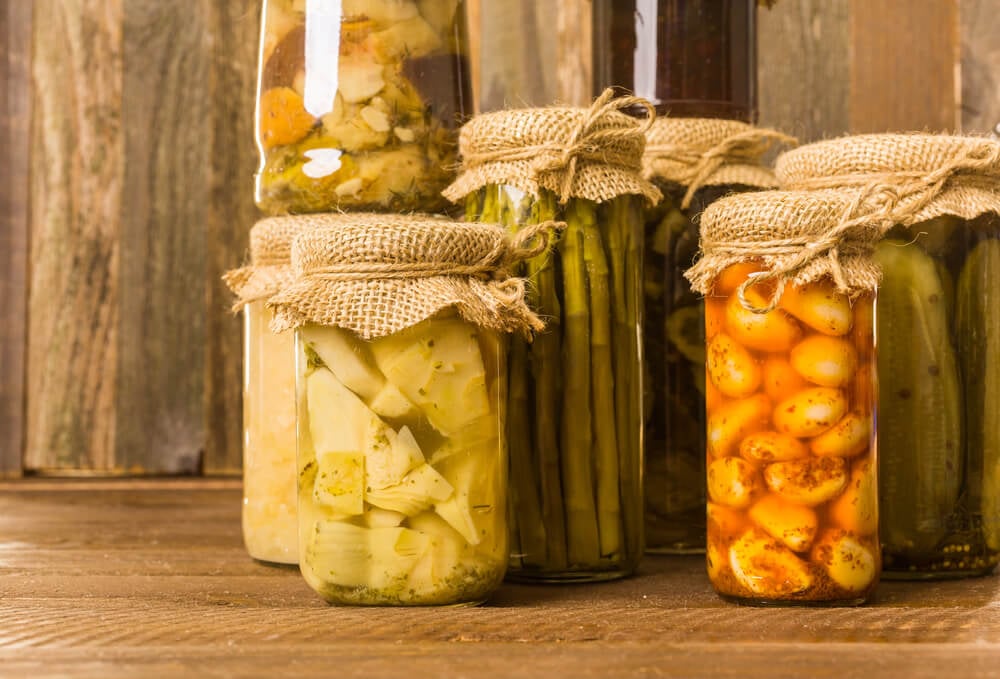
Home canning kept surplus vegetables and fruit available through the winter, and it relied on the screw-neck jar that John Landis Mason patented in 1858. During World War II, families grew victory gardens and preserved the harvest, which freed commercial canned goods for the military.
Women swapped recipes and sterilizing tips, and shelves of jars in the cellar signaled a well-run household. The habit reduced weekly grocery spending while also filling the pantry.
Registering for Ration Books
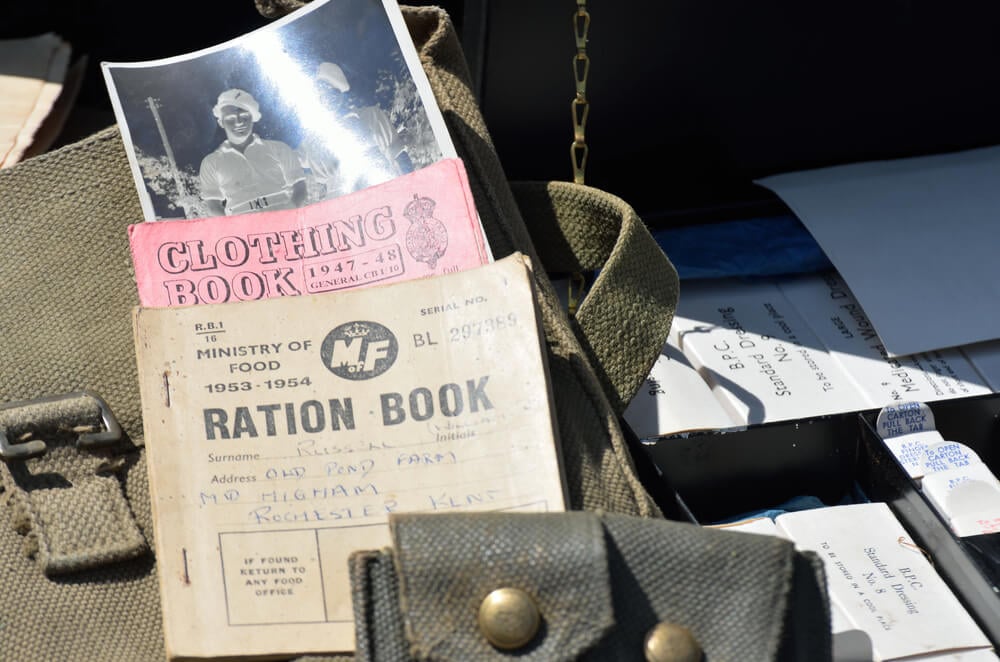
Ration Book One was issued in 1942, after sugar became the first major food to be rationed in the United States. Families registered at local schools, where teachers handled the paperwork.
Blue stamps governed processed foods, while red stamps covered meat and fats, so a shopping trip required both money and the right coupons. A shopper who ran out of points had to wait for the next period, regardless of the cash in a purse.
Saving Kitchen Fat for the War Effort
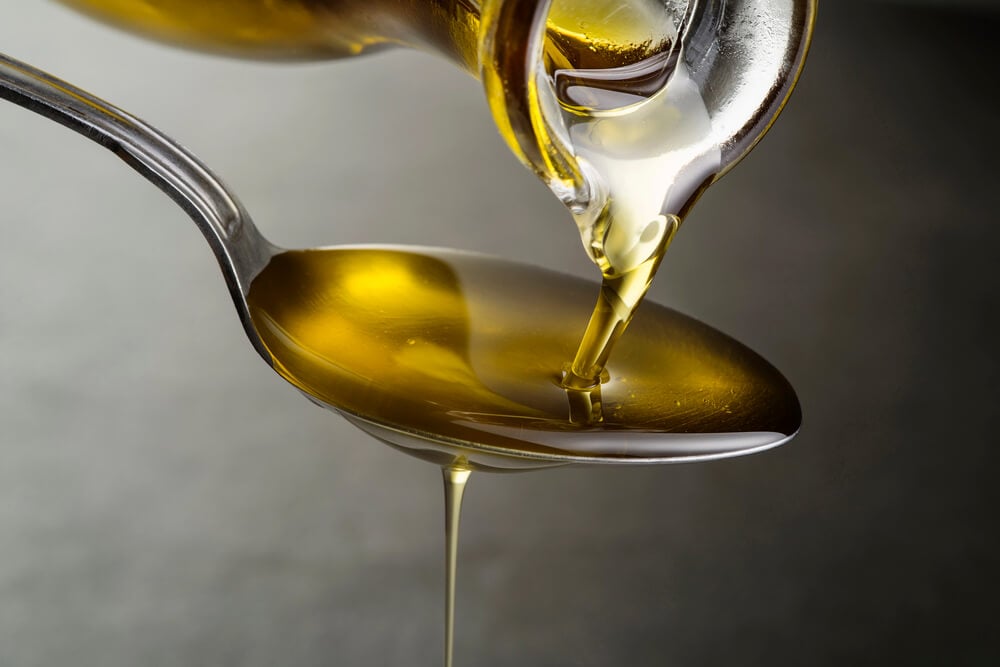
During World War II, households were urged to save used cooking fat and turn it in to butchers, since it could be processed into glycerin for explosives. Cooks strained bacon grease into cans and carried them to the meat counter.
Participants earned ration points for the contribution, which gave the chore a financial incentive. A greasy can by the stove became a small piece of the national effort.
Trading Orange Stamps for Food
The first federal food stamp program began in Rochester, New York, in 1939. Participants bought orange stamps that could be spent on any food, and for every dollar of orange stamps they received 50 cents of blue stamps good for foods the government listed as surplus.
The system put farm surpluses on grocery shelves while helping families who struggled to buy enough. Cashiers sorted the stamps by color before giving change.
Slicing Bread at Home
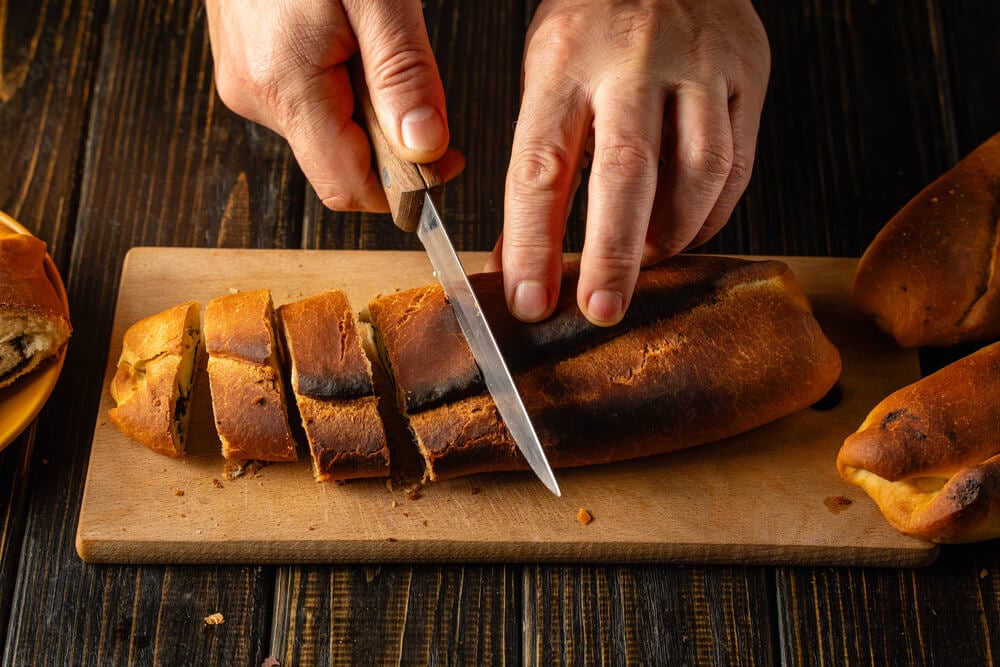
Until the late 1920s, a loaf of bread came uncut, and a knife at the kitchen table handled the rest. Otto Rohwedder’s machine allowed the Chillicothe Baking Company in Missouri to sell sliced bread on July 7, 1928, under the name Kleen Maid.
Bakers worried that sliced bread would go stale faster, so the loaf was wrapped to keep it fresh. The idea caught on, and shoppers quickly preferred bread that was ready for the toaster.
Skipping the Freezer Aisle
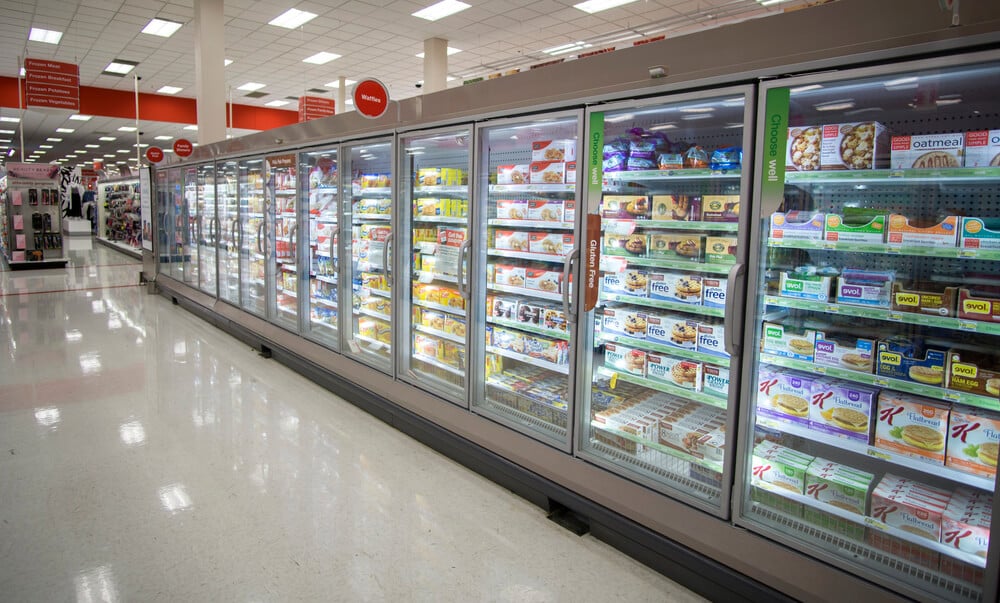
Clarence Birdseye’s frozen foods went on sale in Springfield, Massachusetts, in 1930, as a test of a market that barely existed. Stores had to install low-temperature display cases to carry them, which was a significant investment for a small grocer.
Most households had limited freezer space at home, so the products sold slowly at first. Frozen dinners reached mainstream shoppers only as home freezers became common.
Squeezing the Merchandise
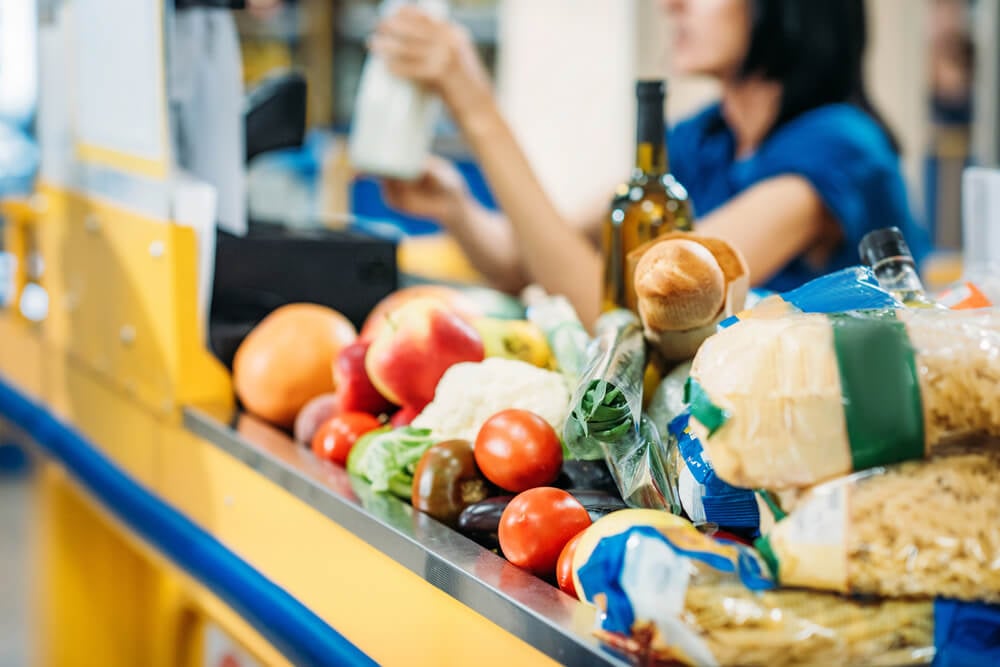
Shoppers were used to testing bread, fruit, and vegetables by hand because they were choosing goods with no sealed packaging. In 1964 Charmin ads introduced Mr. Whipple, a grocery manager who begged shoppers not to squeeze the toilet paper.
The commercials worked because everyone recognized the temptation. Squeezing remains a habit, although packaging has made much of it unnecessary.
Cramming the Week Into Saturday
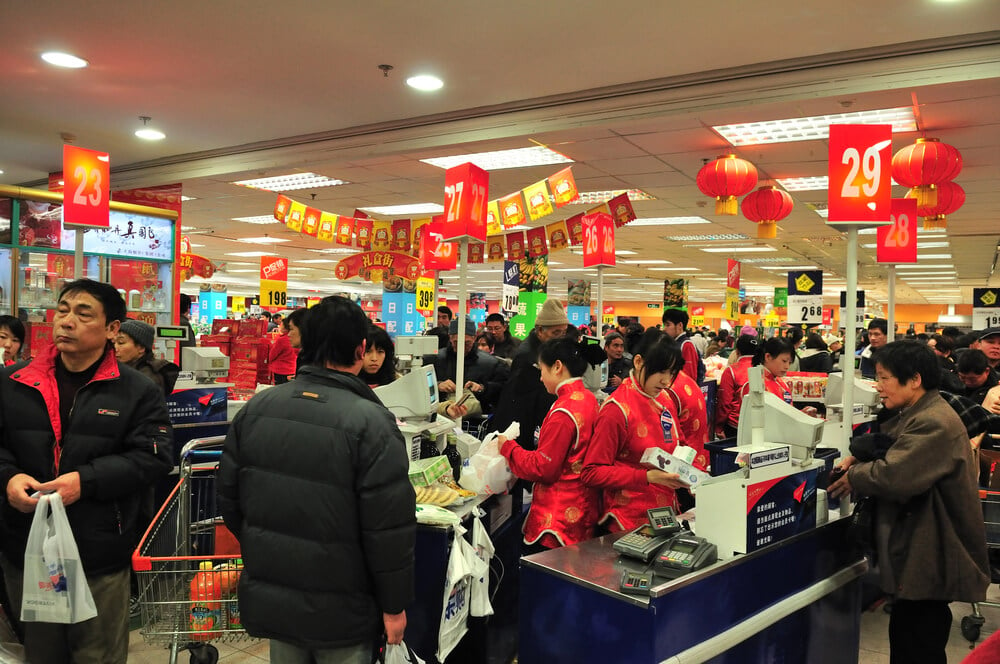
Many states had Sunday closing laws, so the weekly shop had to be completed before the stores locked up on Saturday night. The Supreme Court upheld Maryland’s Sunday closing laws in McGowan v. Maryland in 1961.
Families who forgot the milk simply went without until Monday. The rush made Saturday afternoon the busiest hour of the week for many neighborhood grocers.
Reading Prices Stamped on the Can
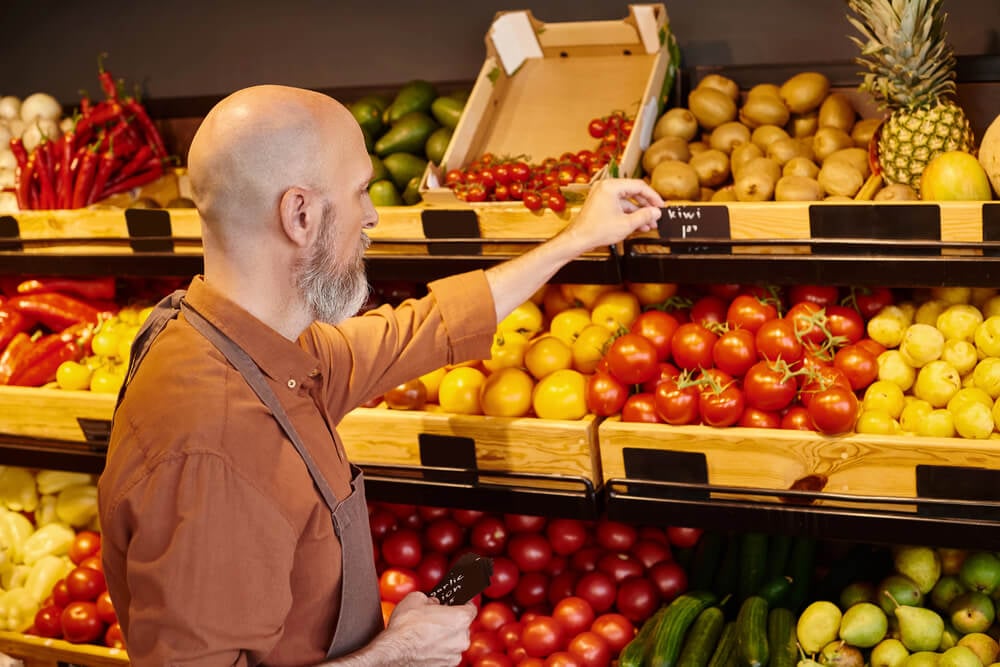
A clerk with a handheld price-marking gun inked a price onto each can and box, so stocking a case of soup meant stamping every unit. Shoppers compared prices by reading the items themselves rather than the shelf edge.
When the UPC arrived, consumer advocates worried that prices would vanish from products, and some states responded with item pricing laws. The stamped number was a small piece of transparency that many shoppers had taken for granted.
Listening for the Cash Register Bell
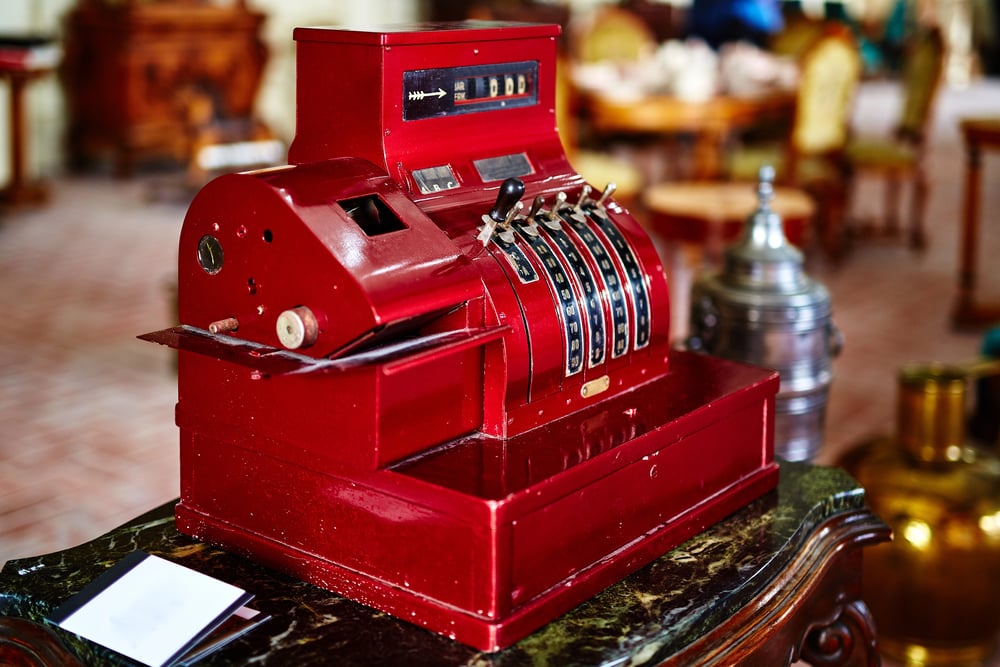
James Ritty patented the first cash register in Dayton, Ohio, in 1879, reportedly to stop employees from pocketing sales. His machine, called the Incorruptible Cashier, rang a bell with each sale so the owner would know a transaction had occurred.
Customers learned to listen for the ring and watch the amount pop up in the window. The sound became the soundtrack of grocery checkout for nearly a century.
Watching the Cashier Key In Every Price
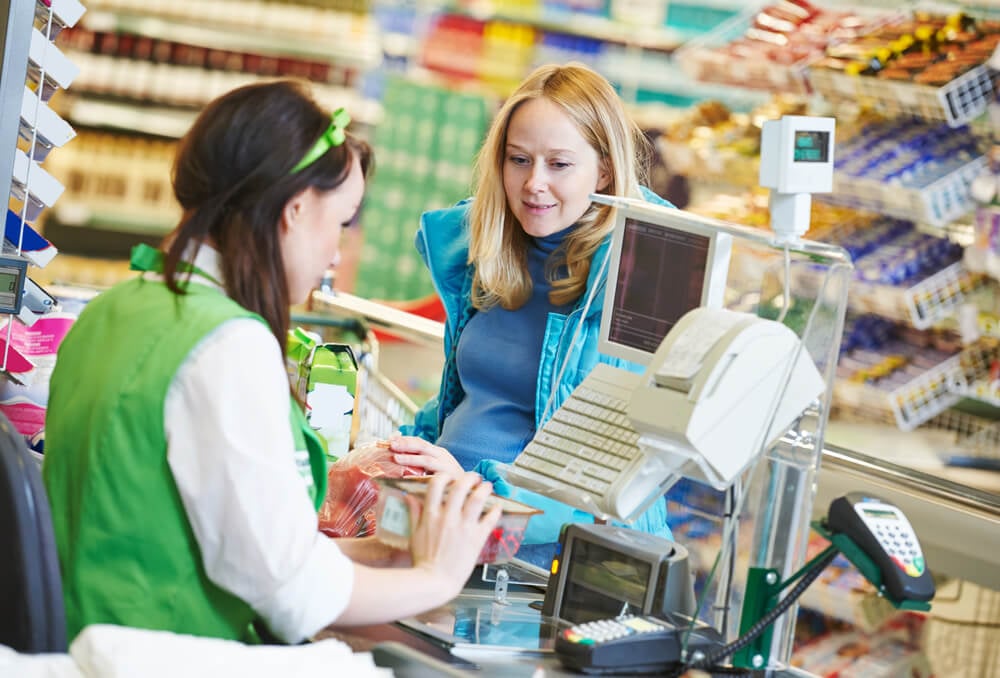
Until the 1970s, a cashier read each price from the item and punched it into the register by hand. On June 26, 1974, cashier Sharon Buchanan at Marsh Supermarket in Troy, Ohio, scanned a 10-pack of Wrigley’s Juicy Fruit gum, which rang up at 67 cents.
That pack is now held by the Smithsonian. The experience of watching a person tap in each number soon yielded to a beep.
What the Old Routines Tell Us
Each of these habits solved a problem that the scanner never fully erased. Shoppers needed to trust prices, preserve food, stretch budgets, and carry everything home.
The tools changed, but the questions did not. Looking back, the older routines were slower, but they were also more personal.
A grocer who knew a family’s tab and a cashier who knew the price of every item were part of a system in which people, not machines, held the details. That human knowledge did not disappear in 1974, but it moved from the checkout lane into a database.
More from Go2Tutors!

- 27 Silver Dollars and Half Dollars Worth Keeping
- 28 Restaurant Menu Items Nobody Orders Anymore
- 17 Places Built in Seemingly Impossible Spots
- 27 Vintage Rings Worth More Than They Look
- 25 Restricted Sites Tourists Can’t Enter
Like Go2Tutors’s content? Follow us on MSN.