Trivia About The Biggest Pop Stars Of The Modern Era
Pop stars live under a microscope, but the most interesting parts of their lives happen between the headlines. Behind every chart-topping hit and stadium tour lies a collection of strange coincidences, hidden talents, and moments that humanize these larger-than-life figures.
These details don’t make it into the official biographies, but they’re often more revealing than any interview.
Taylor Swift
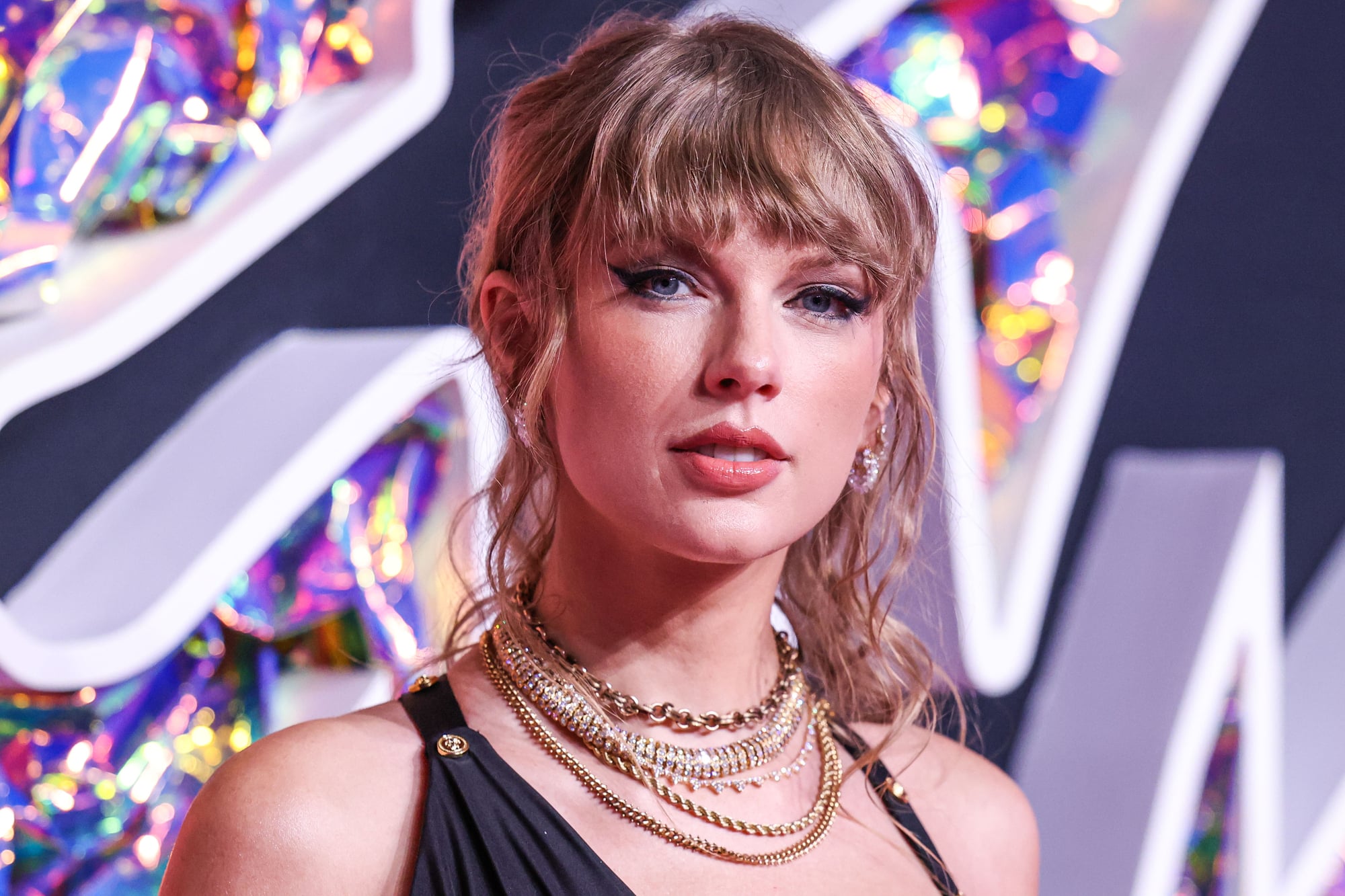
Swift collects snow globes. Not as a casual hobby, but obsessively.
Her homes contain hundreds of them, arranged by theme and season. She’s been doing this since childhood, long before anyone knew her name.
The habit stuck through every career phase and personal reinvention.
Beyoncé

She’s allergic to perfume. Every fragrance line she’s launched required extensive testing with synthetic alternatives because traditional perfumes cause immediate reactions.
Her team carries specific air purifiers to venues before performances. The irony writes itself.
Drake
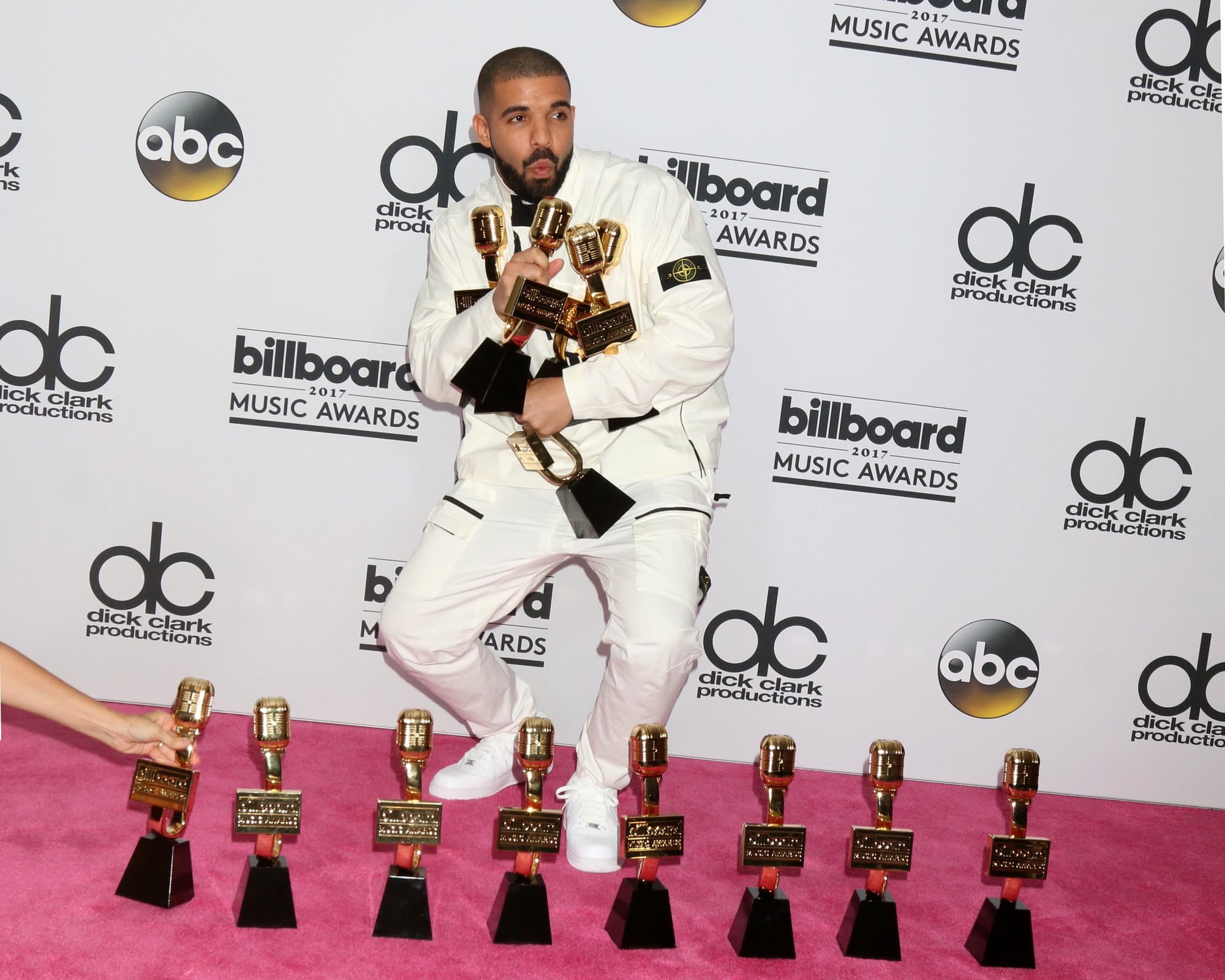
Here’s someone who started as an actor on a Canadian teen drama (and a pretty decent one, which nobody talks about because it doesn’t fit the narrative), then somehow convinced the world he was always destined for hip-hop greatness — which, to be fair, turned out to be true, even if the path there involved more wheelchair-bound high school storylines than most rap origin stories include.
The transition shouldn’t have worked. But Drake has this peculiar talent for making every reinvention feel inevitable after the fact, like of course the kid from “Degrassi” was going to become one of the most streamed artists in history.
So he did.
Ariana Grande
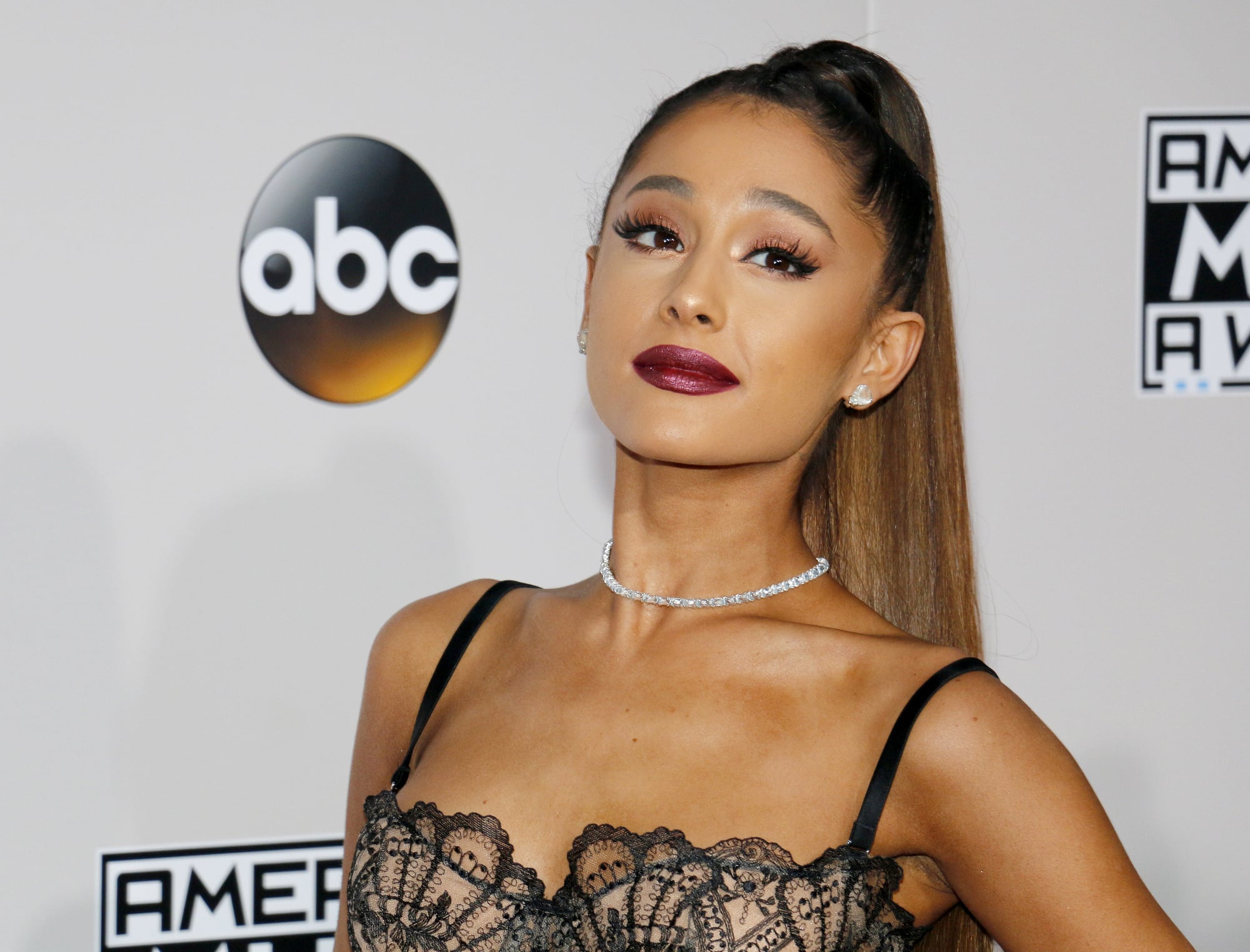
There’s something about watching someone find their true voice that cuts deeper than any technical achievement. Grande spent years performing in a register that wasn’t quite hers, hitting every note perfectly but somehow missing something essential.
Then she stopped trying to sound like anyone else. The change wasn’t gradual or calculated — it happened all at once, like a door opening onto a room she’d been living next to her entire life.
Her vocal cords finally matched her intentions.
Justin Bieber

Bieber’s early success was a fluke that became inevitable. YouTube algorithms in 2007 weren’t designed to create superstars, but his mother’s decision to upload those videos hit the platform at exactly the right moment.
The rest followed a predictable pattern — except for the part where he survived it all.
Adele
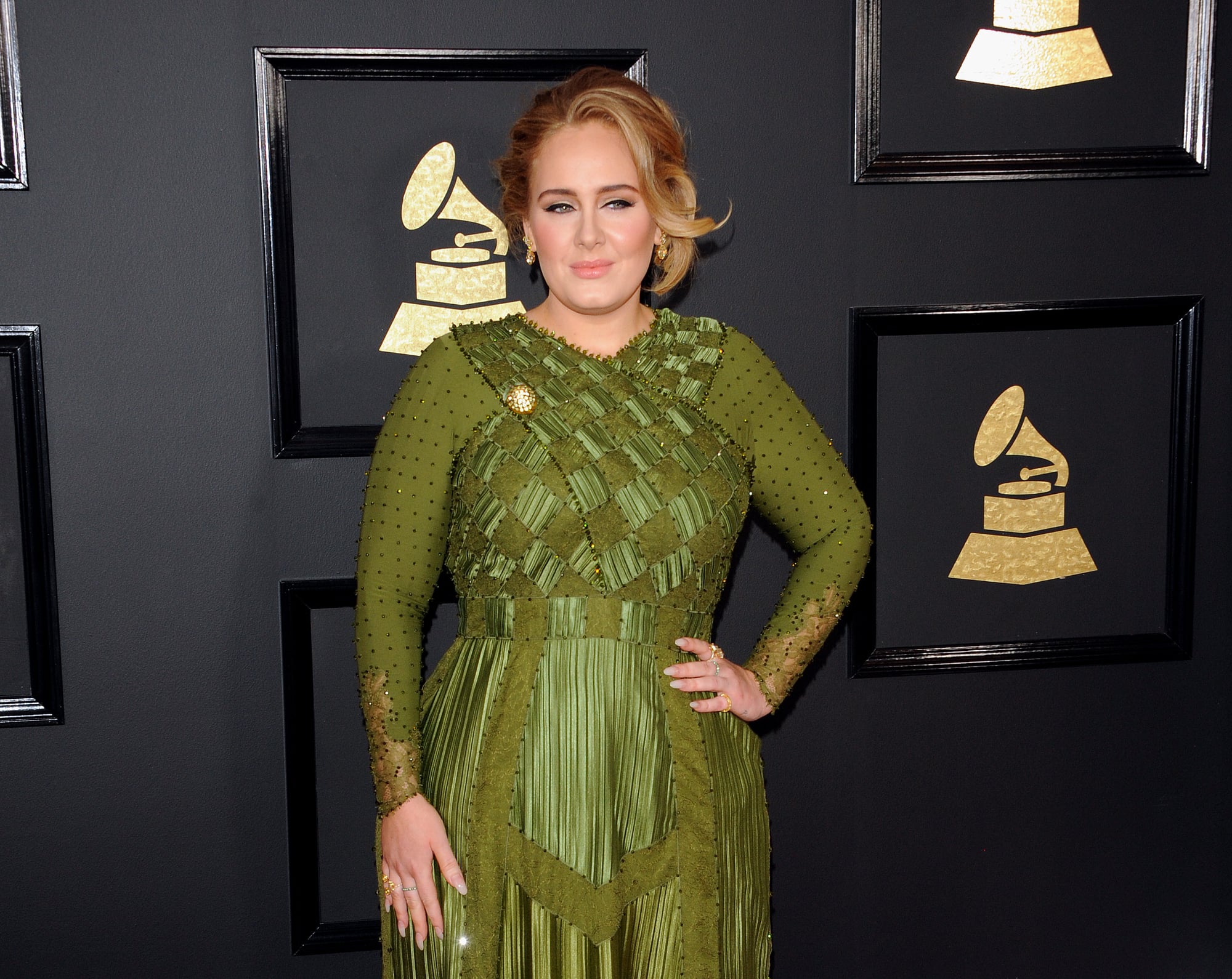
She writes every song on paper first, never directly onto a computer. The physical act of handwriting remains essential to her process.
Digital composition feels wrong to her, like trying to have a conversation through glass. Old habits anchor creativity in ways that efficiency can’t replicate.
Ed Sheeran
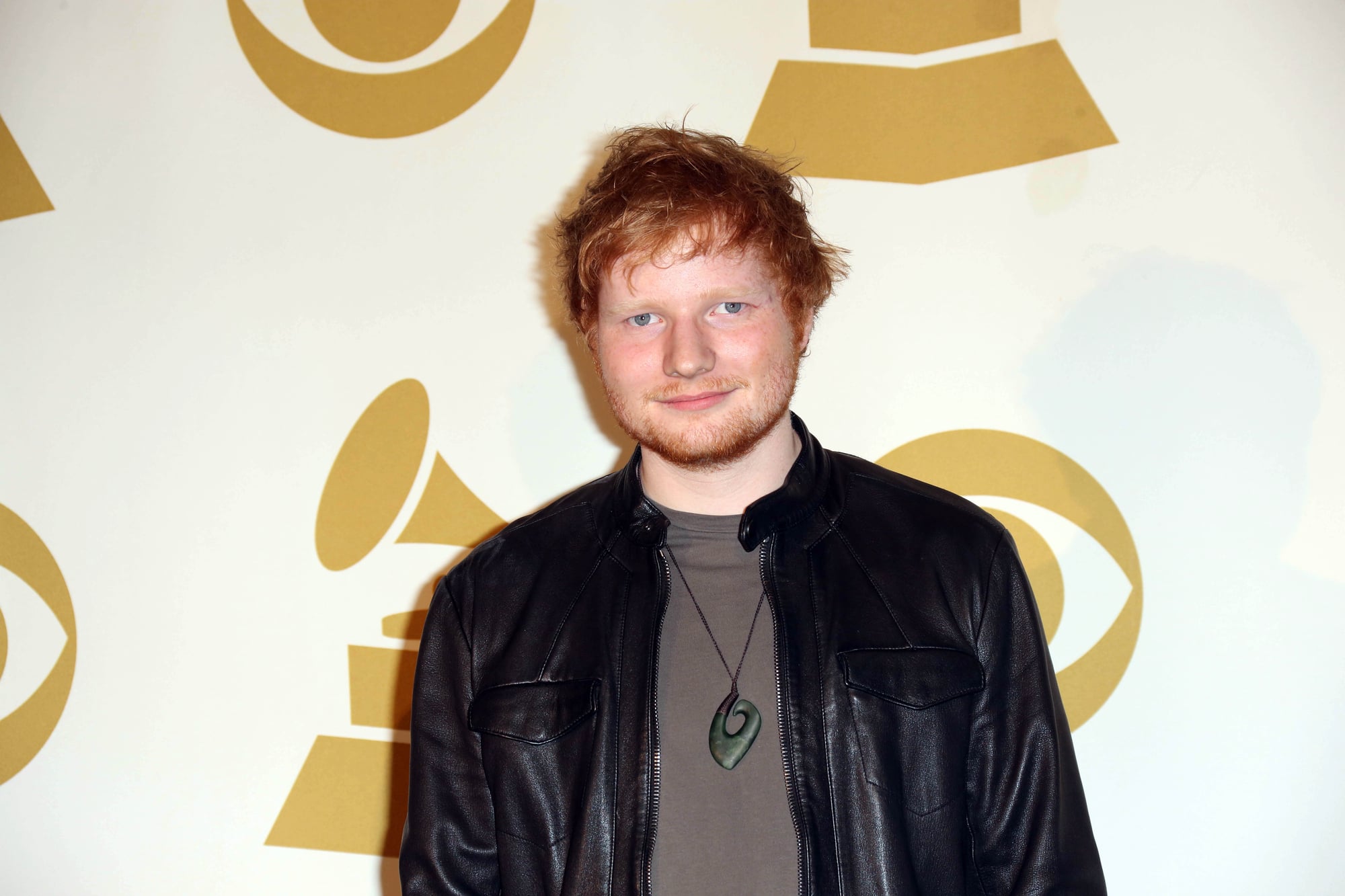
Sheeran doesn’t own a smartphone. He carries a basic phone that only makes calls and sends texts.
No internet, no apps, no social media access. The decision was practical rather than philosophical — he kept getting distracted during writing sessions.
But the side effect has been years of uninterrupted focus that shows in the work.
Billie Eilish

She has synesthesia — sounds create visual patterns and colors in her mind. Every song she writes has a corresponding visual landscape that only she can see.
The condition influences her creative choices in ways that most listeners never realize. Her music videos often attempt to translate these internal visuals for everyone else.
The Weeknd
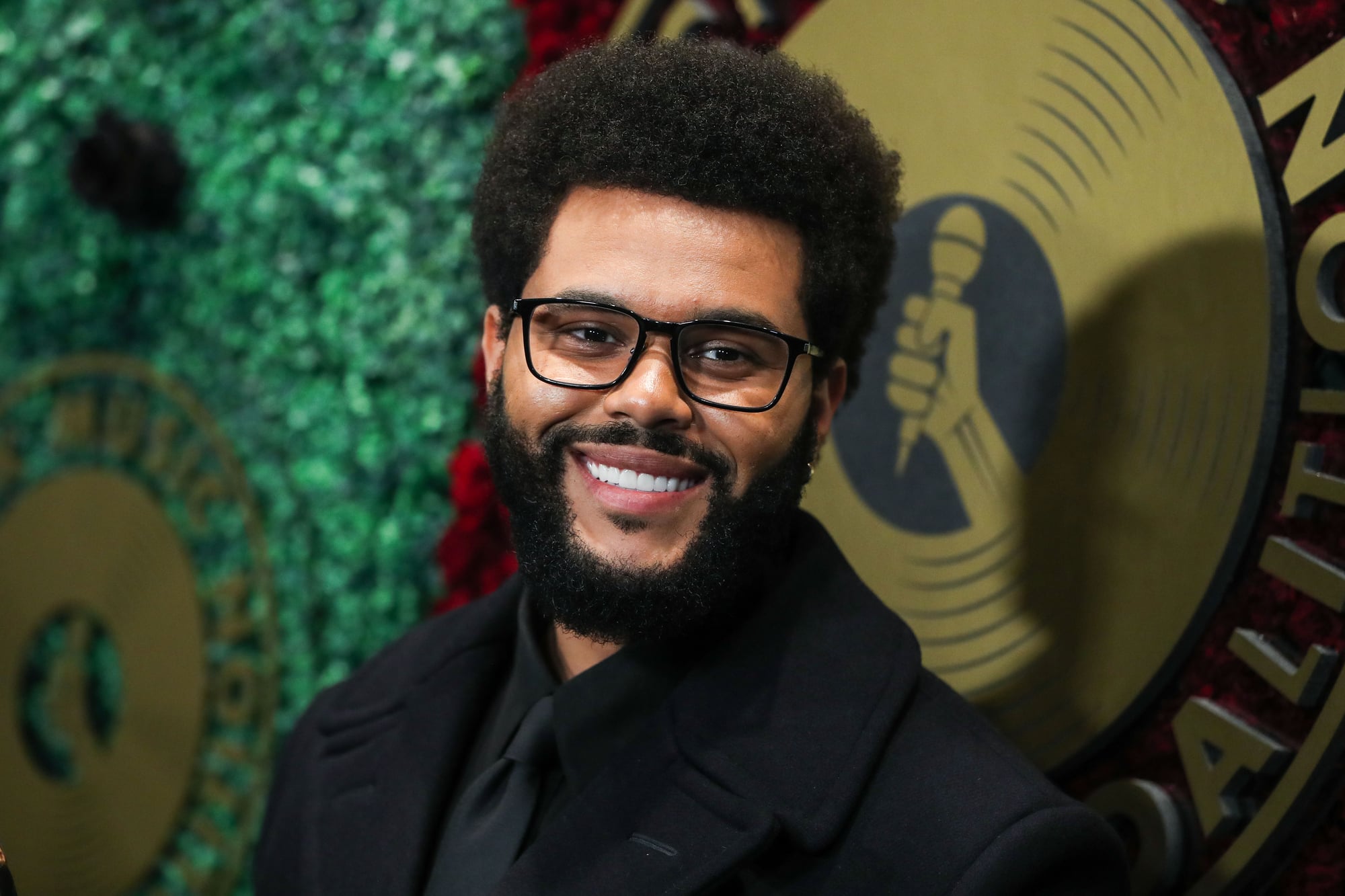
Abel Tesfaye (you know the name, even if you never use it) spent three years releasing music anonymously before anyone knew what he looked like, which seems impossible now but actually happened — he’d upload songs to YouTube under The Weeknd moniker, no photos, no interviews, just this voice that sounded like it was calling from somewhere very far away or very close, depending on your headphones.
The mystique wasn’t a marketing strategy; it was necessity. He wasn’t ready to be a person yet, just a sound.
And the sound was enough to build everything else on, which explains why the music still feels more real than the celebrity wrapped around it.
Rihanna
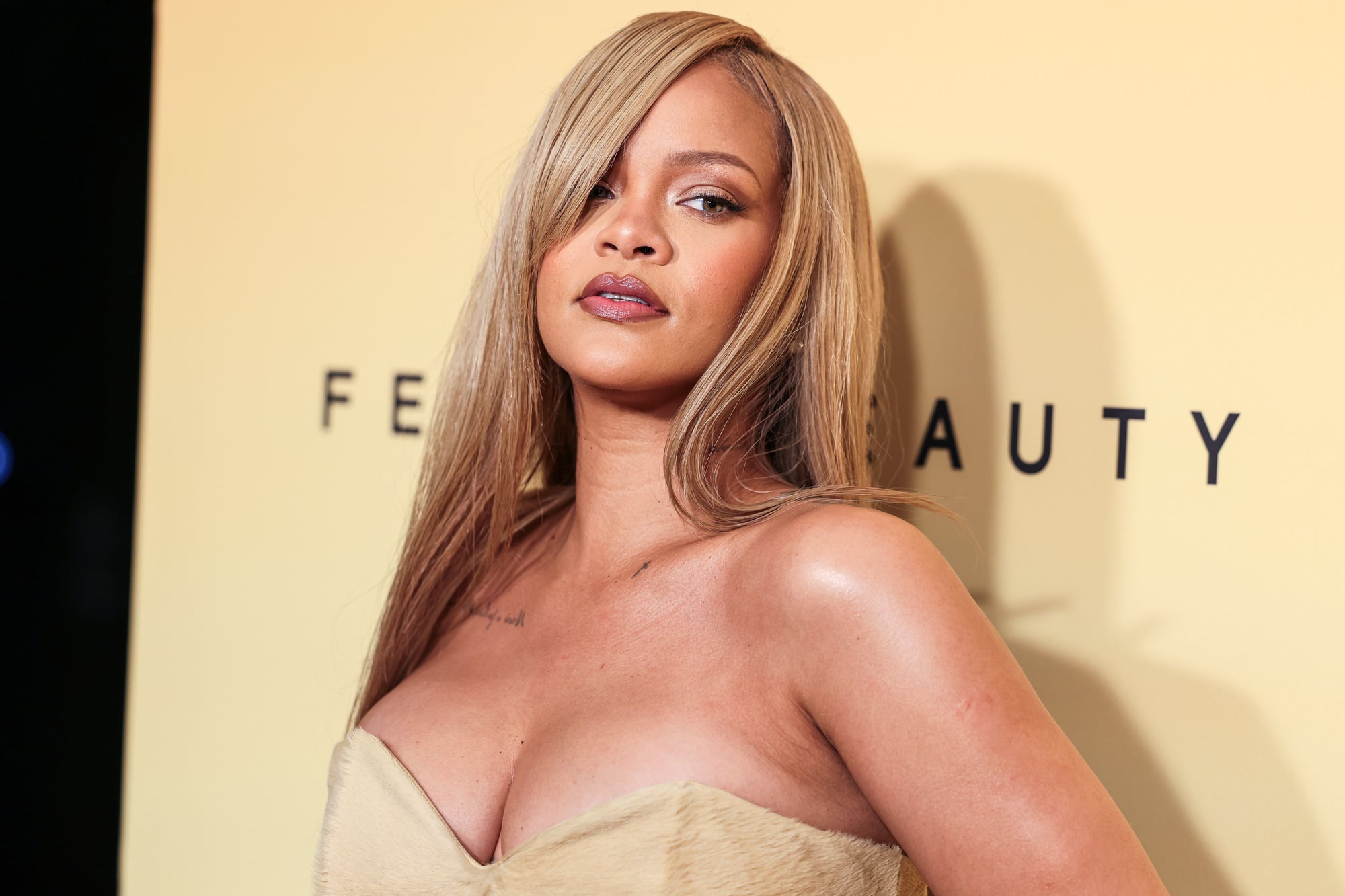
Her relationship with music has always been more complicated than it appears. Each album represents a negotiation between what she wants to express and what the industry expects from her.
The tension creates the spark, but it also explains why she’s been selective about releasing new material. Perfectionism disguised as business savvy.
Bruno Mars

Mars learned to perform by impersonating Elvis at age four for tourists in Hawaii. The experience taught him that entertainment is partly about becoming someone else entirely.
His ability to channel different musical eras isn’t just talent — it’s muscle memory from decades of professional imitation.
Lady Gaga
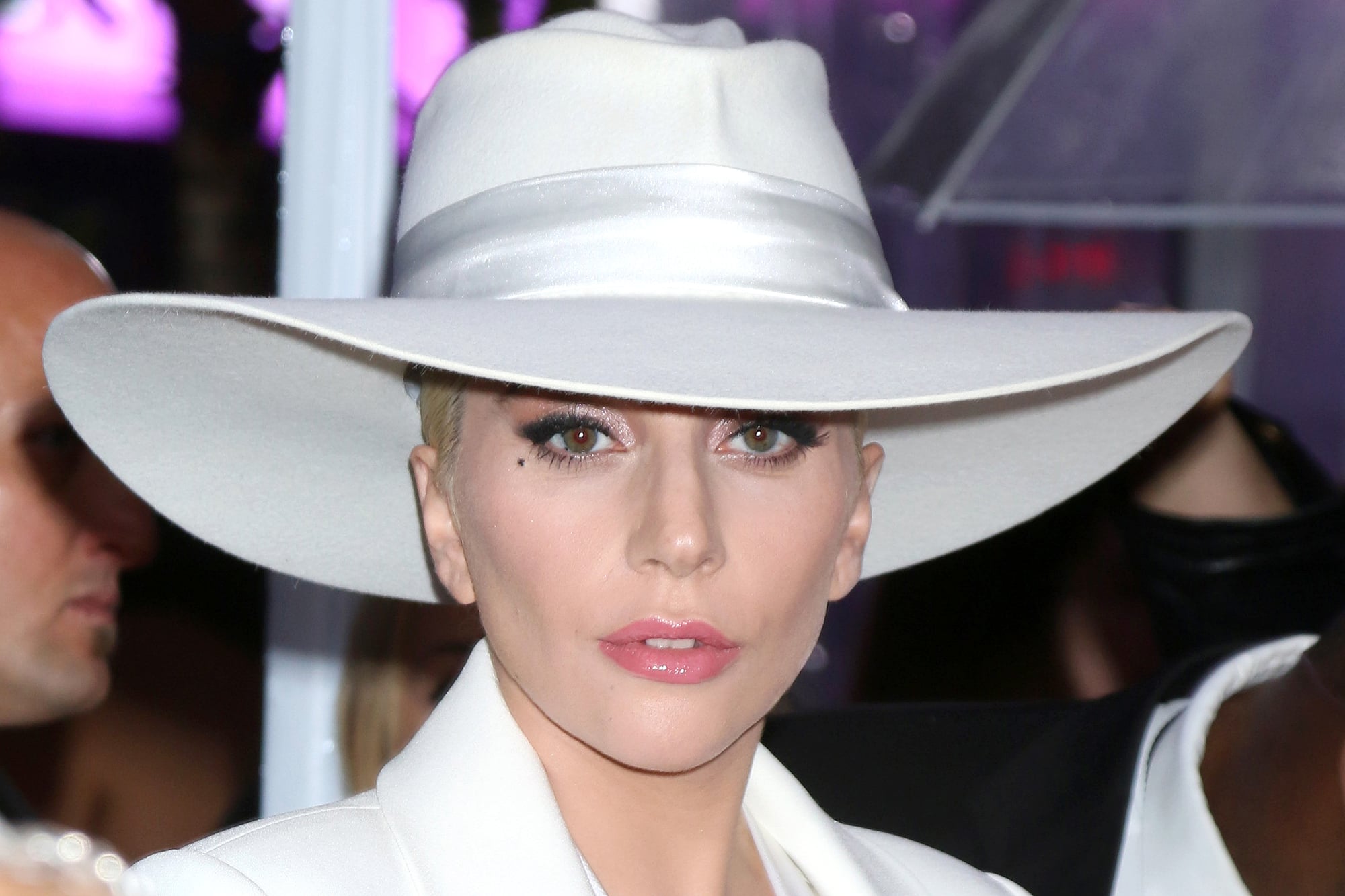
She can’t write music without playing piano. Even her most electronic-sounding songs begin as piano compositions.
The instrument grounds her creative process in something physical and immediate. Every melody has to work stripped down to just voice and keys before she’ll develop it further.
Post Malone

Malone’s face tattoos weren’t planned as a complete design. Each one represents a specific moment or achievement, added individually over years.
The result looks intentional from a distance, but up close it tells the story of someone who uses their body as a living scrapbook. The permanence forces him to live with every decision.
Dua Lipa

She rehearses choreography by herself for hours before working with professional dancers. The solitary practice helps her internalize movements until they feel natural rather than performed.
Most pop stars learn choreography in group sessions, but Lipa needs private time to make the steps her own.
Harry Styles

Styles collects vintage band t-shirts, but only ones that show significant wear. He’s not interested in pristine concert merchandise — he wants shirts that someone else loved enough to wear repeatedly.
The fading and holes tell stories that new clothing can’t replicate. His closet is basically a museum of other people’s musical memories.
The Music Keeps Moving

These fragments don’t add up to complete pictures, but they’re not supposed to. Pop stars exist in the space between public image and private reality, and the most interesting parts live in that gap.
The snow globes and face tattoos matter because they’re choices that nobody else can make for them. In an industry built on collective decision-making, personal quirks become acts of rebellion.
More from Go2Tutors!

- The Romanov Crown Jewels and Their Tragic Fate
- 13 Historical Mysteries That Science Still Can’t Solve
- Famous Hoaxes That Fooled the World for Years
- 15 Child Stars with Tragic Adult Lives
- 16 Famous Jewelry Pieces in History
Like Go2Tutors’s content? Follow us on MSN.