23 Products Sold Through Door-to-Door Demonstrations
Before websites and review stars, the surest way to sell an unfamiliar gadget was to carry it into the customer’s living room and make it work. A salesperson with a sample case, a patient smile, and a handful of dirt could close a deal before the coffee cooled.
Some of the companies behind those visits became household names, and a few still send people to ring doorbells today. These products show how far a good demonstration could carry an invention nobody had asked for.
Fuller Brush Company Brushes

Alfred Fuller left Nova Scotia for Massachusetts and began selling brushes door to door in 1906, eventually building his company in Hartford, Connecticut. His salesmen became so familiar that the Fuller Brush Man turned into a piece of American shorthand, and Red Skelton starred in a 1948 comedy titled The Fuller Brush Man.
The catalog grew to include brushes for chores most households never realized needed a specialized tool. A salesperson who could convince a homeowner that a radiator deserved its own brush could sell almost anything.
Avon Perfume
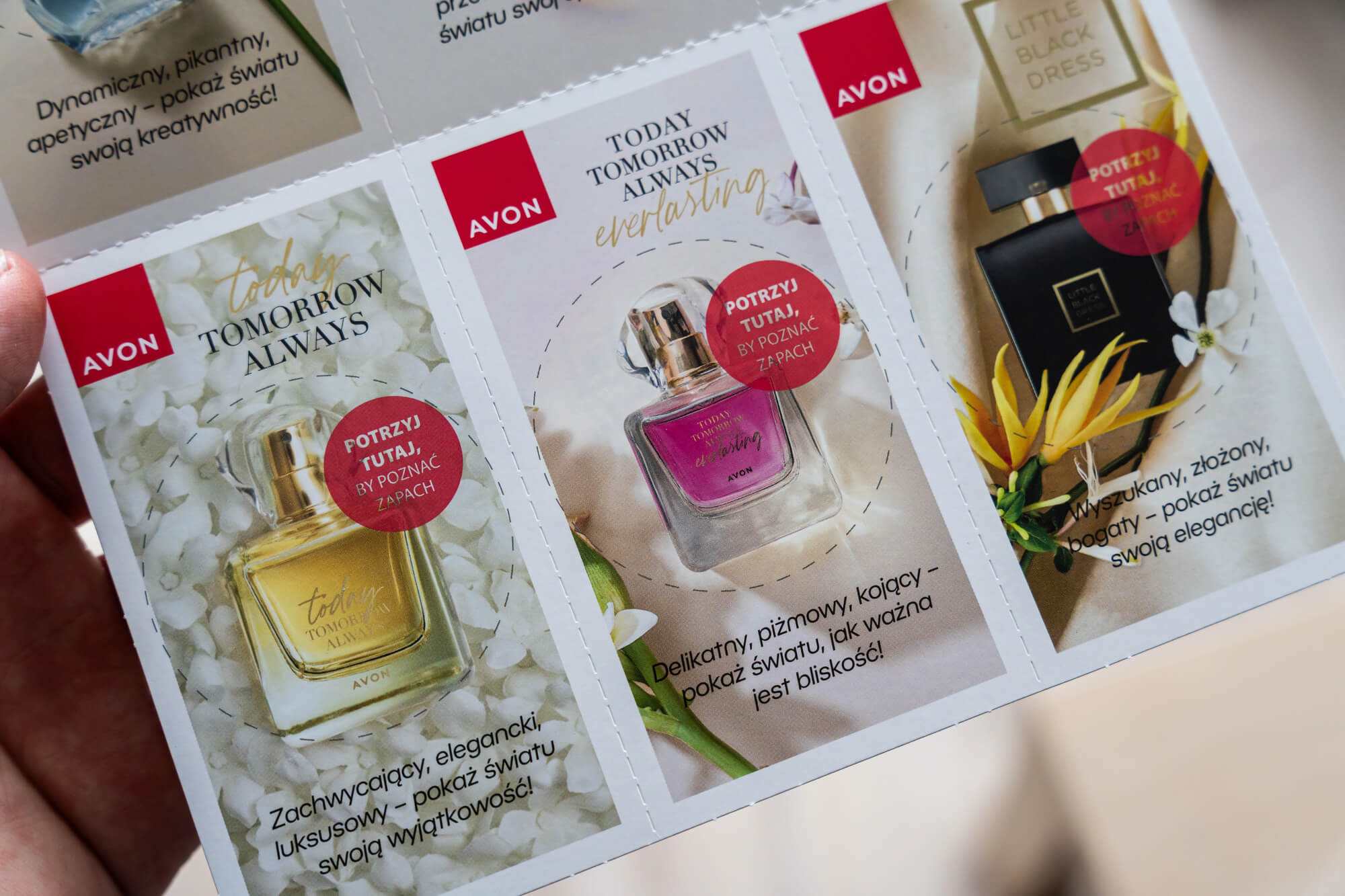
David McConnell, a New York book salesman, handed out small bottles of perfume to win over customers, and the fragrance soon outsold the books. In 1886 he founded the California Perfume Company, and his first sales representative was Persis Foster Eames Albee of Winchester, New Hampshire.
The company adopted the Avon name in 1939, reportedly inspired by Stratford-upon-Avon, the birthplace of Shakespeare. A giveaway meant to open conversations ended up replacing the product it was supposed to support.
Cutco Kitchen Knives

Cutco has made cutlery in Olean, New York, since 1949, and its sales pitch has long depended on showing the blades at work in the customer’s own kitchen. A classic demonstration involves slicing through a thick rope, a stunt that is hard to argue with.
The company sells largely through its sales arm, Vector Marketing, which was established in 1981 and hires many college students for summer work. Cutco backs its knives with a Forever Guarantee, which gives buyers a reason to believe the rope trick was not a fluke.
Electrolux Vacuum Cleaners

Electrolux took shape in Stockholm in 1919, and its growth rested on salespeople who visited homes to prove the machine on the customer’s own rugs. Axel Wenner-Gren, the businessman who drove the company’s early expansion, understood that a vacuum cleaner was a hard sell on paper and an easy one on a dirty carpet.
The compact Model V of 1921 was a cylinder machine on runners, light enough for one person to carry from house to house. That portability turned a bulky appliance into something a single salesperson could bring to a doorstep.
Kirby Vacuum Cleaners

Kirby, based in Cleveland, Ohio, built its reputation on in-home demonstrations that can run well past an hour and often involve cleaning the customer’s mattress, sofa, and carpet in turn. The business sits inside Scott Fetzer, which Berkshire Hathaway bought in 1986 for roughly $315 million.
Warren Buffett has praised that purchase for years, which is an unusual compliment for a company whose product is a vacuum. Few appliances have been sold with so much time spent at the kitchen table.
Hoover Vacuum Cleaners

James Murray Spangler, a janitor in Canton, Ohio, built an early electric sweeper that used a pillowcase to catch dust, and he sold the rights to the leather goods maker William H. Hoover around 1908. Hoover’s company in North Canton relied on free home trials, letting skeptical households watch the machine pull grit out of a carpet before anyone reached for a wallet.
The brand grew so dominant that British English adopted “hoovering” as a verb for vacuuming. Few companies see their name become a household chore.
Rainbow Vacuum Cleaners
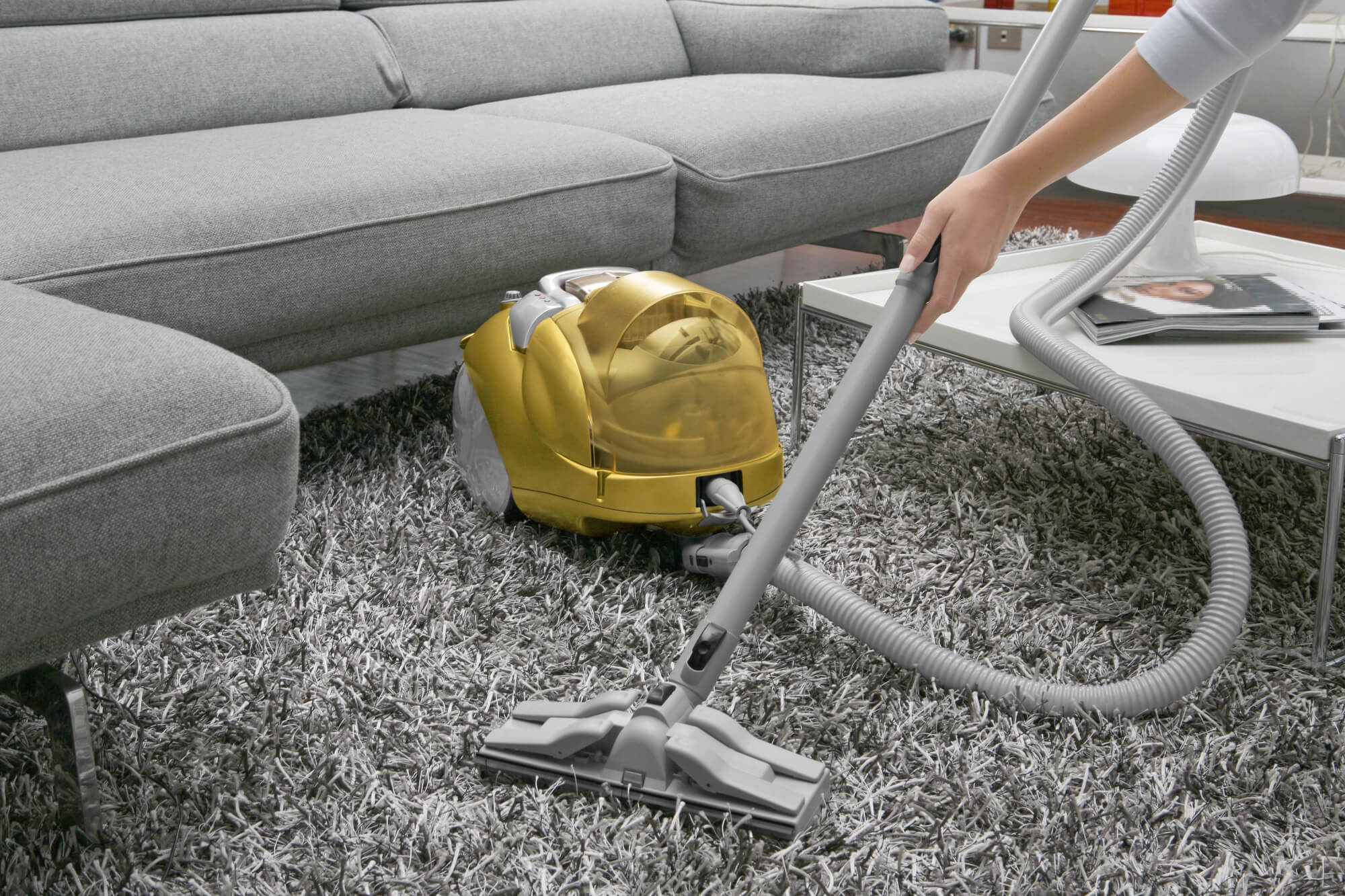
The Rainbow, built by Rexair in Michigan, has been sold since the 1930s using a demonstration that features a basin of water instead of a bag. Dust and debris are drawn into the water, where they settle into a murky sludge that can be poured down the drain.
The visible muddy water does the selling, because customers can see exactly what the machine pulled from their own floors. Few appliances turn dirt into a persuasive argument as effectively.
Vitamix Blenders
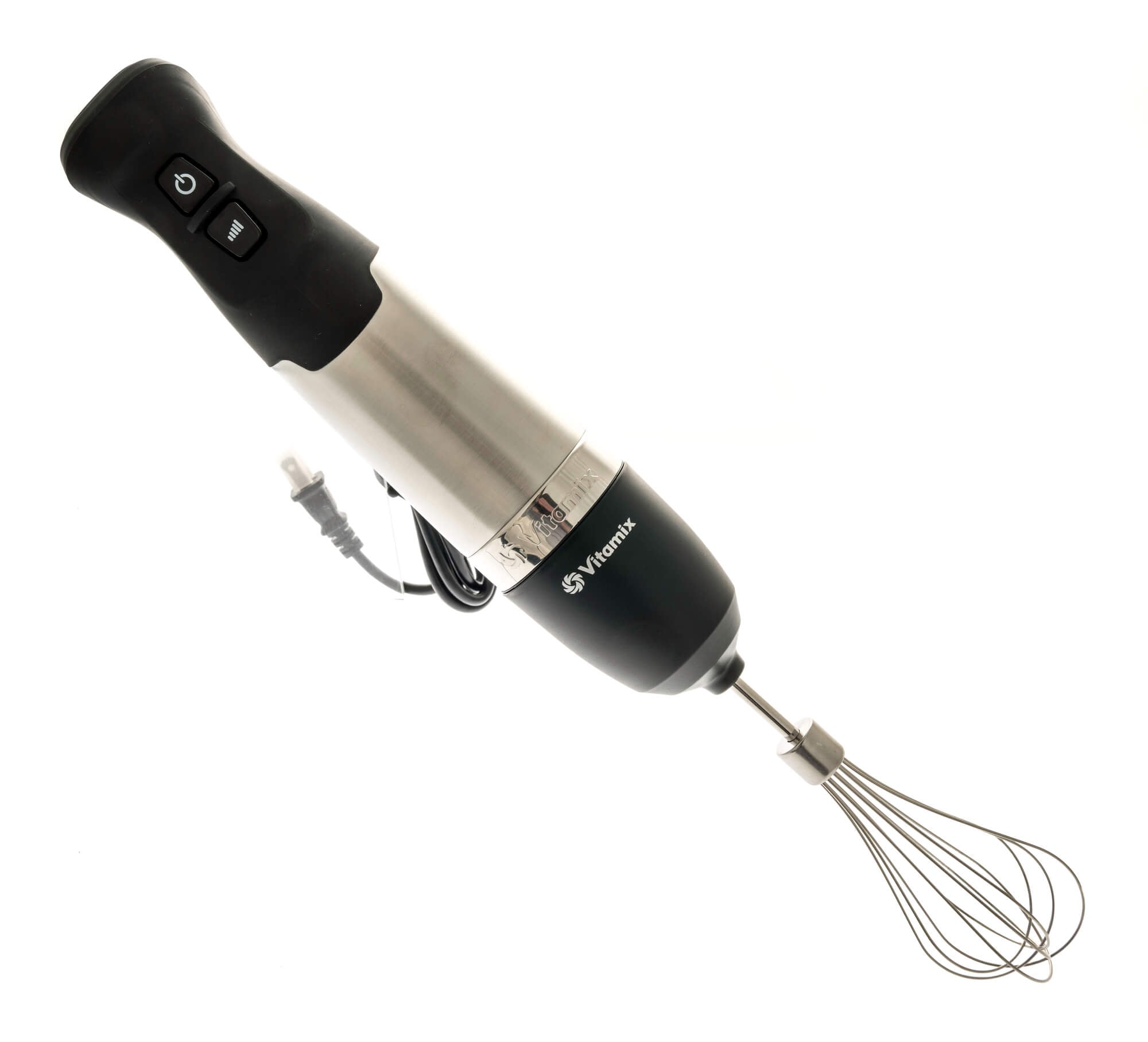
William Grover Barnard founded Vitamix in 1921, and the company still operates in Olmsted Township, Ohio, as a family business. Its machines were sold largely by demonstration, the kind where a motor roars and a pile of produce becomes a smooth drink in seconds.
That approach survives today in fairs and warehouse-store aisles, where a spinning blender draws a crowd better than any brochure. The company’s century of history rests on a simple idea: people trust what they have watched happen.
Tupperware Plastic Containers
Earl Tupper designed his airtight plastic bowls in the 1940s, borrowing the idea for the sealing lid from the way paint cans close. Sales were slow in stores until 1951, when Tupper pulled the line from retail shelves and relied on home parties instead.
Brownie Wise, the saleswoman who built that system, became the first woman to appear on the cover of Business Week in 1954. Tupper dismissed her in 1958, and the party plan she created outlived her time at the company.
Stanley Home Products Cleaning Supplies

Frank Stanley Beveridge, a former Fuller Brush salesman, founded Stanley Home Products in Westfield, Massachusetts, in 1931. He replaced the cold doorstep call with a hostess who invited neighbors for a demonstration of mops, brushes, and polishes.
That format, known as the party plan, spread through the direct-selling industry and shaped companies for decades. Brownie Wise sold Stanley products before she brought the method to Tupperware.
Encyclopaedia Britannica Print Sets

For generations, Britannica sold its sets through salespeople who visited homes with sample volumes and a pitch about a child’s future. The company ended its door-to-door sales force in 1996, a quiet end to a model that had lasted for decades.
The printed edition followed in 2012, when the 32-volume 2010 edition became the last. Parents who once paid for a bookcase full of knowledge now carry the same material in a phone.
Singer Sewing Machines
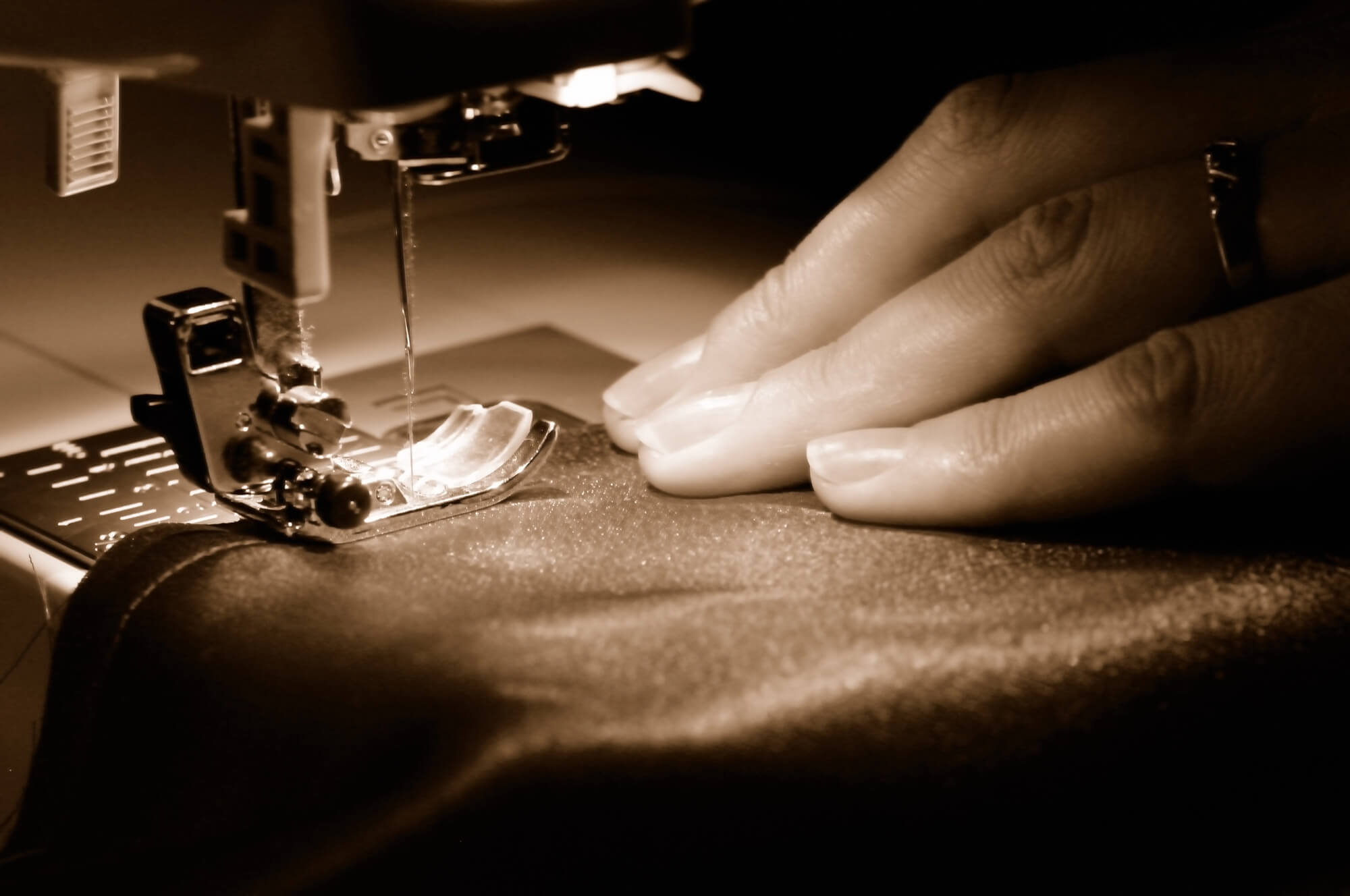
Isaac Singer built the machines, but his partner Edward Clark is widely credited with popularizing installment buying, which made a costly device reachable for ordinary households. Agents demonstrated the machines in homes and shops, showing buyers that a seam could be sewn faster than any hand could manage.
The strategy helped Singer become one of the first truly global American brands. An expensive machine became accessible because someone figured out how to let customers pay for it slowly.
Watkins Liniment and Home Products

J.R. Watkins began selling his liniment in Minnesota in 1868, building a business around traveling salesmen known as Watkins Men. The company eventually settled in Winona, Minnesota, where it grew into a major supplier of extracts, spices, and home remedies.
Watkins vanilla remains on store shelves today, making the brand one of the oldest in direct selling. A product sold from a horse-drawn wagon in the nineteenth century still sits in modern pantries.
The Pampered Chef Kitchen Tools

Doris Christopher founded The Pampered Chef in 1980 after borrowing $3,000 against a life insurance policy. A home economics teacher by training, she sold kitchen tools through cooking shows held in customers’ houses, where guests could handle each gadget.
The company is based in Illinois and was purchased by Berkshire Hathaway in 2002. Few small kitchen businesses have ended up in the portfolio of Warren Buffett.
Mary Kay Skin Care
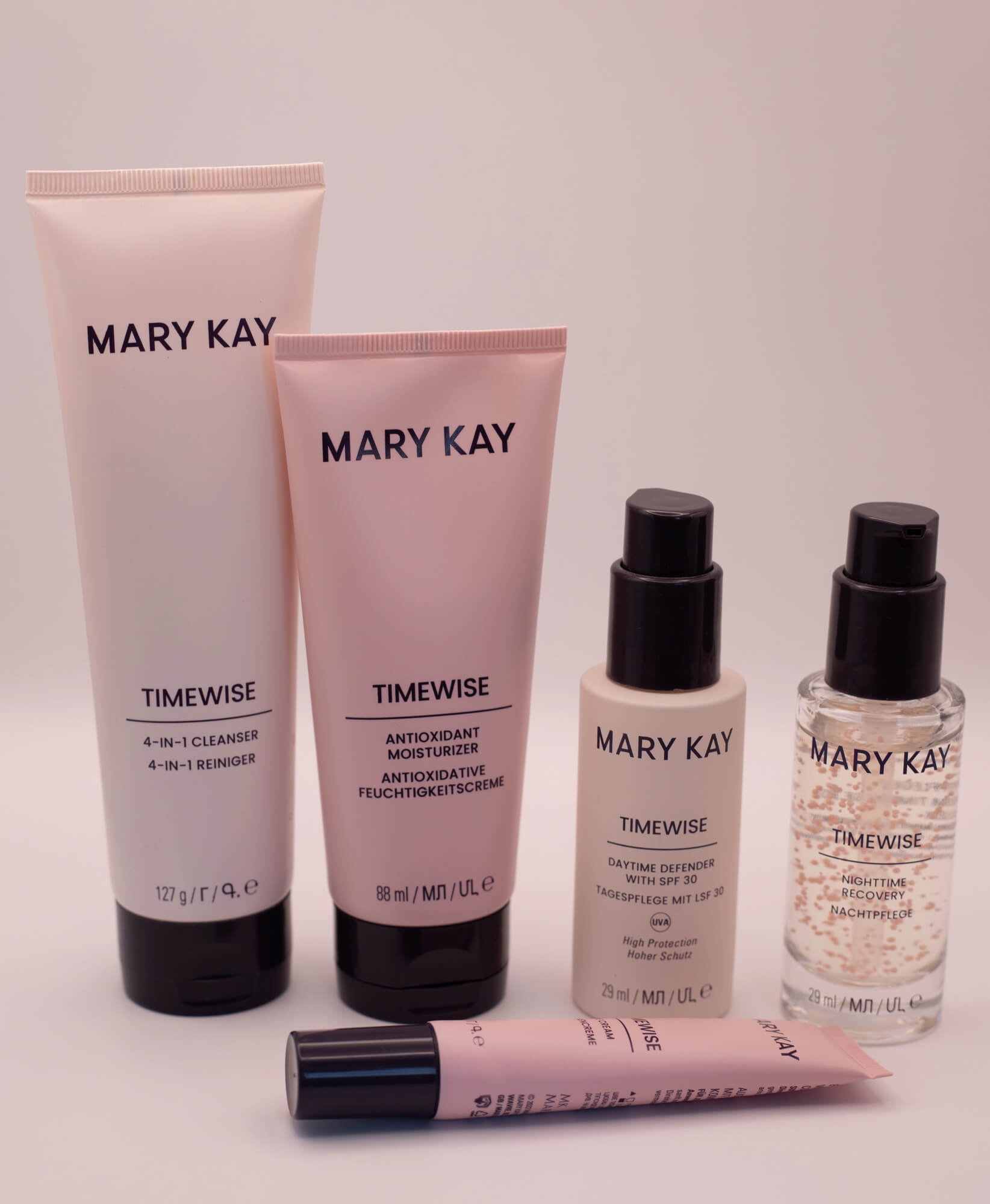
Mary Kay Ash founded her company in Dallas in 1963 after years of selling for Stanley Home Products. Consultants taught customers skin care routines in small group sessions, using the demonstration as both sales tool and social event.
The company became famous for rewarding top sellers with pink Cadillacs, a program that began in the late 1960s. Plenty of cosmetics firms hand out coupons, but few have handed out cars.
Amway Liquid Organic Cleaner
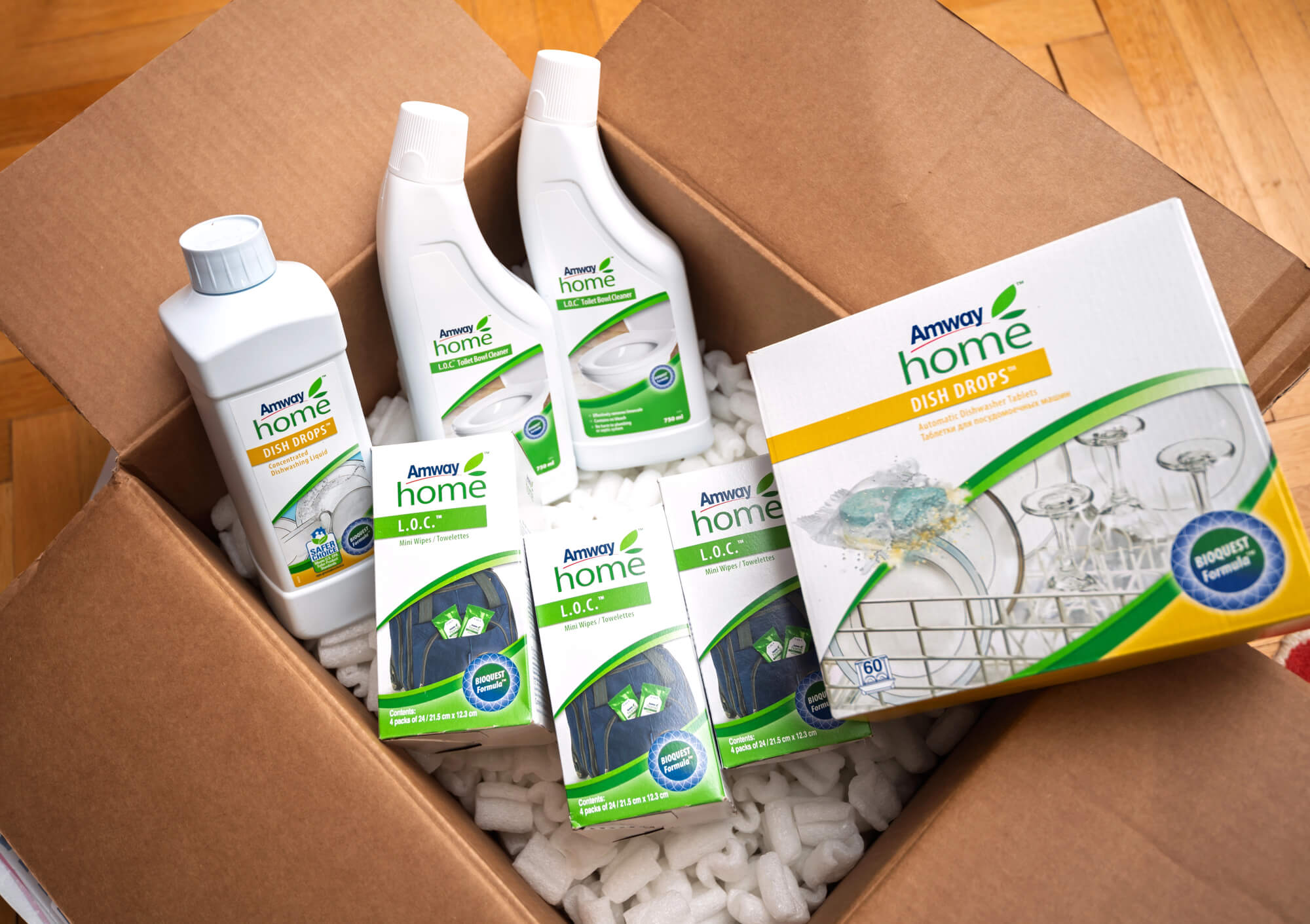
Jay Van Andel and Rich DeVos founded Amway in 1959 in Ada, Michigan, and the name came from “American Way.” Their first product was a concentrated cleaner called Liquid Organic Cleaner, often shortened to L.O.C.
A single bottle could be demonstrated on a greasy stove or a stained counter right in the customer’s own kitchen. The company grew into one of the largest direct-selling firms in the world, all from a bottle of soap.
Thermomix Kitchen Machines
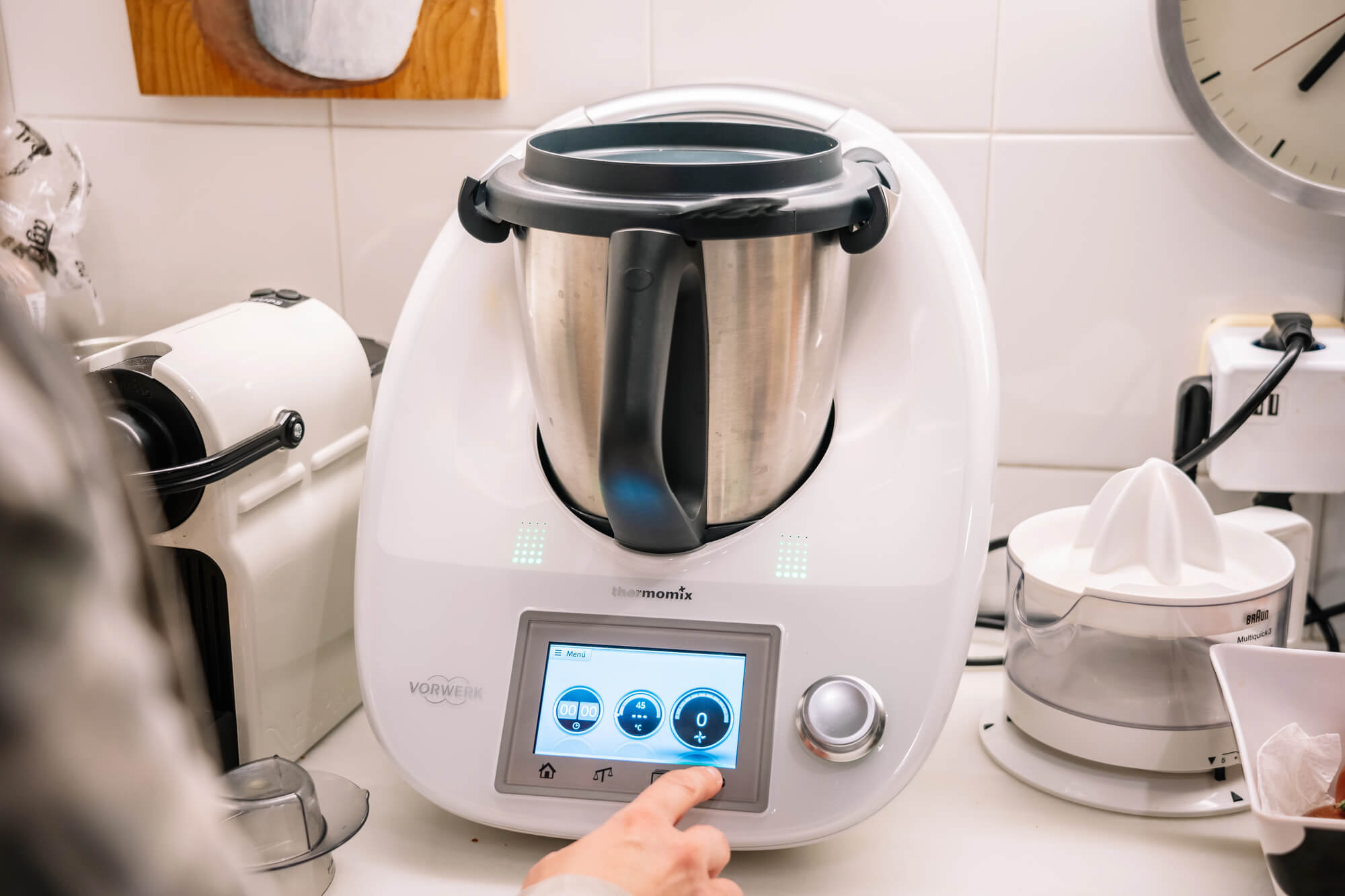
Vorwerk, a German company founded in Wuppertal in 1883, introduced the Thermomix in 1971, combining a blender with a heating element. The appliance is sold mainly through representatives who cook a full meal in the customer’s own kitchen, letting guests taste the results.
Vorwerk calls the approach direct sales, and it has kept the format alive for well over a century. The machine carries a high price tag, and an afternoon of free soup and sauce goes a long way toward justifying it.
Home Interiors & Gifts Wall Decor

Mary Crowley founded Home Interiors & Gifts in Dallas in 1957, selling framed pictures and decorative accessories through demonstrations held in living rooms. Hostesses arranged displays so guests could picture the pieces on their own walls.
The company’s ceramic figurines, sold under the Homco name, now appear in secondhand shops and online marketplaces. Prices for vintage pieces depend heavily on condition, and a chip or missing paint can sharply cut the value.
Wear-Ever Aluminum Cookware

The Aluminum Cooking Utensil Company was set up in the early 1900s by the Pittsburgh Reduction Company, the forerunner of Alcoa, to create a consumer market for aluminum. Its Wear-Ever brand was sold by salespeople who cooked food in the pots right in the customer’s home to prove how evenly the metal heated.
Company founders used the demonstration to turn an industrial material into a kitchen staple. Vintage pieces turn up at estate sales, and collectors know that condition drives the price more than age does.
Sarah Coventry Jewelry

Sarah Coventry was based in Newark, New York, and sold costume jewelry through home fashion shows beginning in 1949. Representatives displayed necklaces, brooches, and earrings on velvet so guests could try pieces on before ordering.
The brand disappeared as a direct seller long ago, but its pieces remain popular with vintage collectors. Prices vary widely, and condition, completeness, and clasp wear all affect what a piece will bring.
Madam C.J. Walker Hair Care

Sarah Breedlove, known professionally as Madam C.J. Walker, built her business in Indianapolis beginning around 1910 and trained thousands of sales agents in her hair care system. Agents visited customers at home, demonstrated the scalp treatment, and showed how to apply the preparations.
She also opened a training school, Lelia College, to prepare agents for the work. Her organization offered thousands of Black women a path to independent income when few other doors were open.
Scentsy Wickless Candles

Scentsy was founded in 2004 in Idaho by Orville and Heide Thompson, built around candle-style wax warmers that use a small heating element instead of a flame. Consultants hold gatherings where guests can smell the fragrances melting from the warmers.
Because there is no wick, the product avoids the open flame that makes traditional candles a hazard. The company was able to turn the absence of fire into its main selling point.
Nutrilite Food Supplements

Carl Rehnborg launched Nutrilite in California in 1934, selling vitamin and mineral supplements through independent distributors. Jay Van Andel and Rich DeVos were Nutrilite distributors before they founded Amway, and Amway later took control of the brand in 1972.
Distributors explained the product in living rooms, relying on trust as much as science. Amway’s founders learned the system from a product that eventually became part of their own empire.
The Doorstep as Showroom

Every product on this list had to prove itself in a stranger’s home, with no store lighting and no return counter nearby. The salespeople who succeeded understood that people rarely buy an idea, but they will buy something they have watched work.
A rope that gets cut in half, a basin of muddy water, or a free bowl of soup does more than a thousand adjectives.
The model has faded in many places, replaced by video reviews and online carts. Yet the underlying lesson still applies to every product pitch.
Trust is built through proof, and proof is most convincing when it happens in front of the customer.
Do you like this personality?
More from Go2Tutors!

- 27 Silver Dollars and Half Dollars Worth Keeping
- 28 Restaurant Menu Items Nobody Orders Anymore
- 17 Places Built in Seemingly Impossible Spots
- 27 Vintage Rings Worth More Than They Look
- 25 Restricted Sites Tourists Can’t Enter
Like Go2Tutors’s content? Follow us on MSN.