Hidden Areas on Cruise Ships Passengers Cannot Visit
Picture yourself standing on the deck of a massive cruise ship, watching the ocean stretch endlessly toward the horizon. Below your feet and beyond the areas where passengers freely roam, an entire hidden world operates in carefully controlled silence.
These floating cities contain dozens of restricted zones that most travelers will never see, spaces where the real business of keeping thousands of people fed, entertained, and safe happens around the clock. These forbidden areas aren’t off-limits out of spite or secrecy.
They exist because modern cruise ships are complex operations requiring specialized spaces, dangerous equipment, and crew-only areas that would pose serious risks to untrained passengers wandering through.
The Engine Room
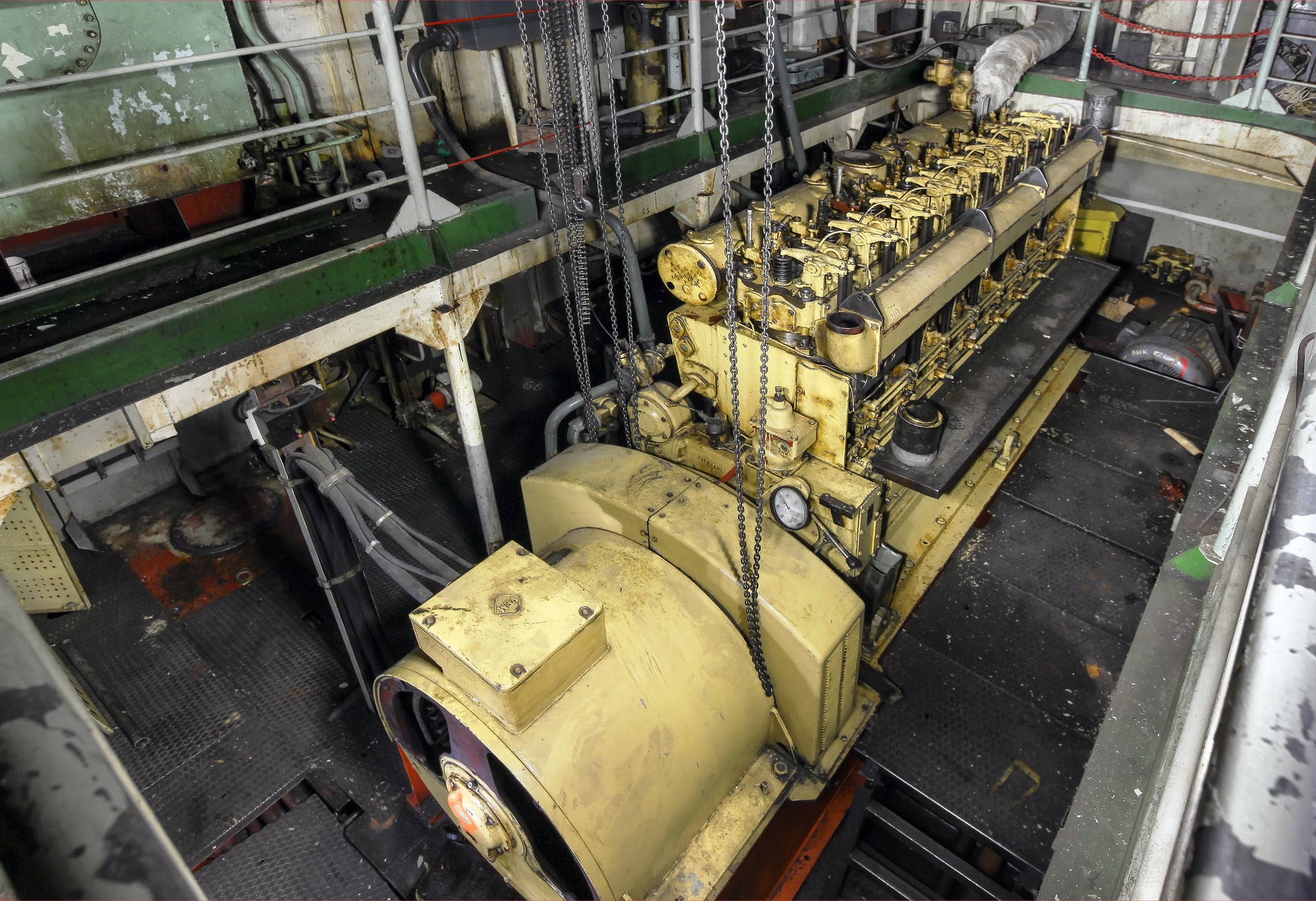
The heart of any ship beats several decks below the main passenger areas. Multiple levels of machinery, diesel engines, and generators create the power needed to move a floating city through the ocean.
Temperatures here reach uncomfortable levels. The noise alone would damage unprotected hearing.
Safety protocols require specialized training just to enter these spaces safely.
Bridge Operations Center
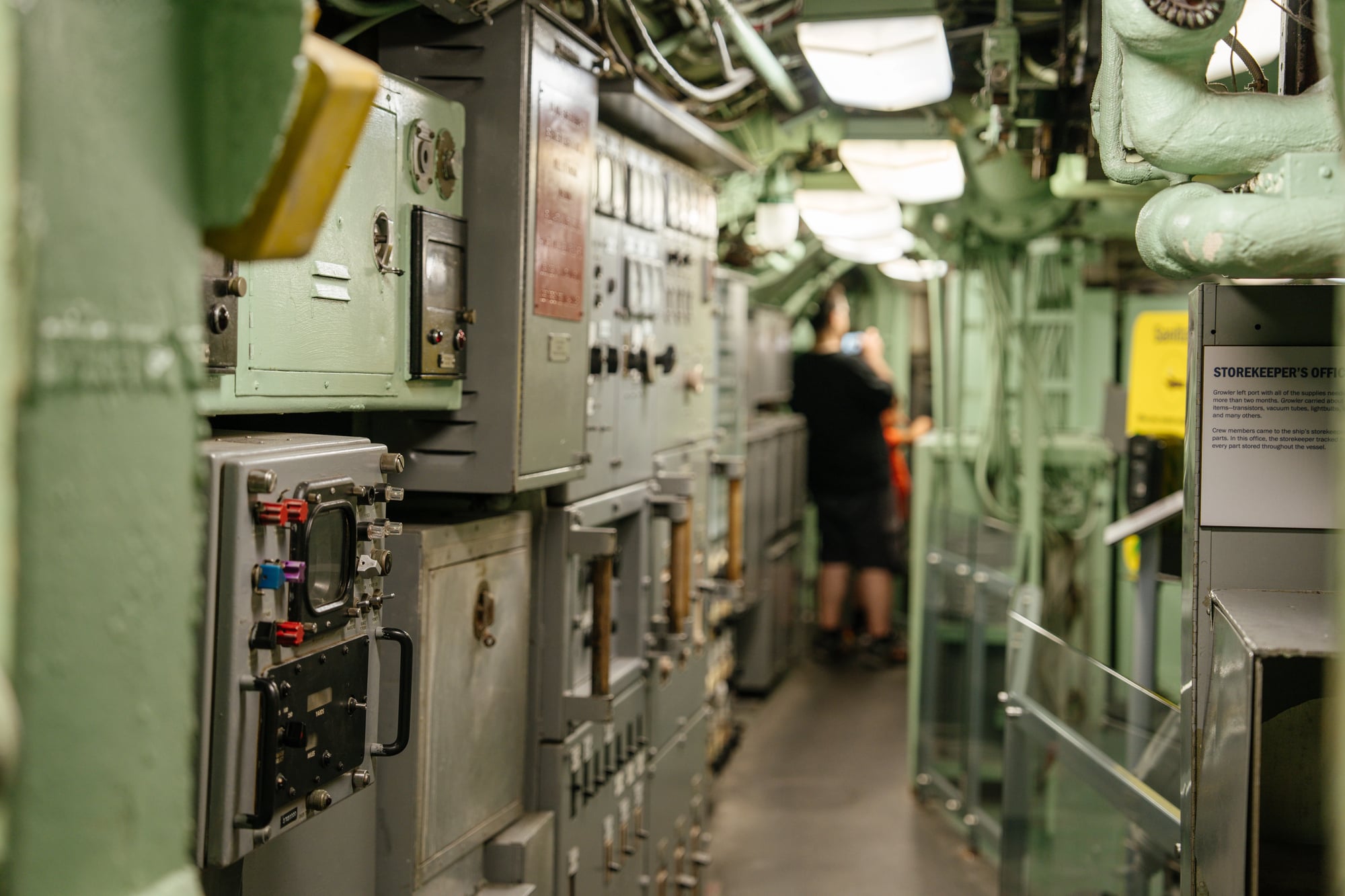
The ship’s brain sits high above the passenger decks, where navigation decisions happen in real time. Officers monitor weather patterns, plot courses, and communicate with port authorities from this command center (which is actually much larger than the small bridge area some passengers might glimpse during special tours, because the real work happens in the adjacent operations rooms where charts, radar systems, and communication equipment fill multiple interconnected spaces where serious maritime business gets handled without interruption).
And yet most passengers assume the bridge they see on a brief tour represents the full scope of navigation operations. Not quite.
Crew Living Quarters
Behind the polished public areas lies an entirely different ship. Crew members live in small cabins, often shared, located deep in the vessel where space comes at a premium and natural light is a luxury few enjoy.
These neighborhoods exist like hidden cities within cities. Crew mess halls, recreation areas, and laundry facilities create a parallel world that passengers never see.
The contrast between passenger opulence and crew practicality is sharp enough to make anyone uncomfortable.
Food Preparation and Storage Areas

Industrial kitchens operate at a scale that would overwhelm most restaurant operations. Walk-in freezers the size of small apartments store enough food for weeks at sea.
Prep areas stretch across entire decks. Health regulations keep these areas strictly off-limits to passengers.
One contaminated surface or improper food handling could sicken hundreds of people within hours.
Medical Facilities Beyond the Infirmary
The small medical center passengers know about represents just the visible portion of shipboard healthcare. Hidden behind those familiar treatment rooms lies a more serious operation: isolation wards for contagious diseases, morgue facilities, and surgical suites equipped for major emergencies.
Nobody talks about the morgue, but every large cruise ship has one. Ships spend weeks at sea, carrying thousands of people, most of them elderly.
Statistics catch up eventually. The facilities exist not as morbid preparation but as practical necessity, tucked away where grieving families and unsettled passengers need never encounter them.
Security Control Rooms
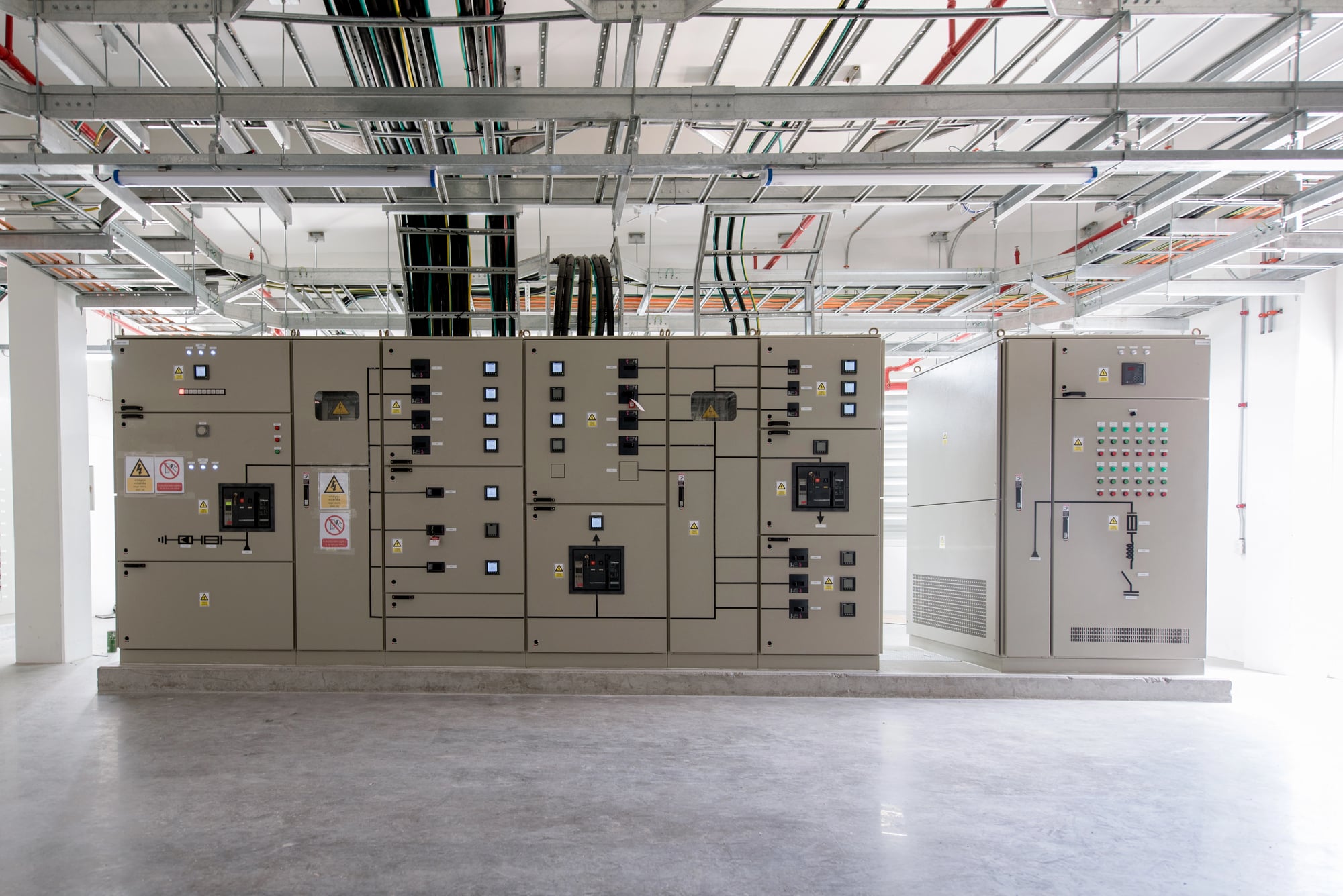
Every corridor, elevator, and public space falls under constant surveillance. Security teams monitor dozens of screens from control rooms that passengers never see, tracking everything from minor disputes to serious crimes.
These operations centers coordinate with law enforcement agencies around the world. Real investigations happen here.
Evidence gets processed and stored in these hidden spaces until ships reach ports where actual arrests can take place.
Waste Management Systems

Thousands of people generate tremendous amounts of waste. Processing all of it requires industrial-scale equipment hidden deep in the ship’s lower levels.
Sewage treatment plants, garbage processing areas, and recycling facilities operate around the clock. Environmental regulations require sophisticated systems to handle everything properly before anything goes overboard.
Communication and IT Centers

Modern cruise ships depend on satellite communication systems that require dedicated technical spaces. Server rooms, communication equipment, and backup systems fill areas passengers never access.
These rooms maintain internet service, phone connections, and the internal networks that run everything from cabin key cards to restaurant reservations.
Technical failures here would cripple ship operations within hours.
Maintenance Workshops
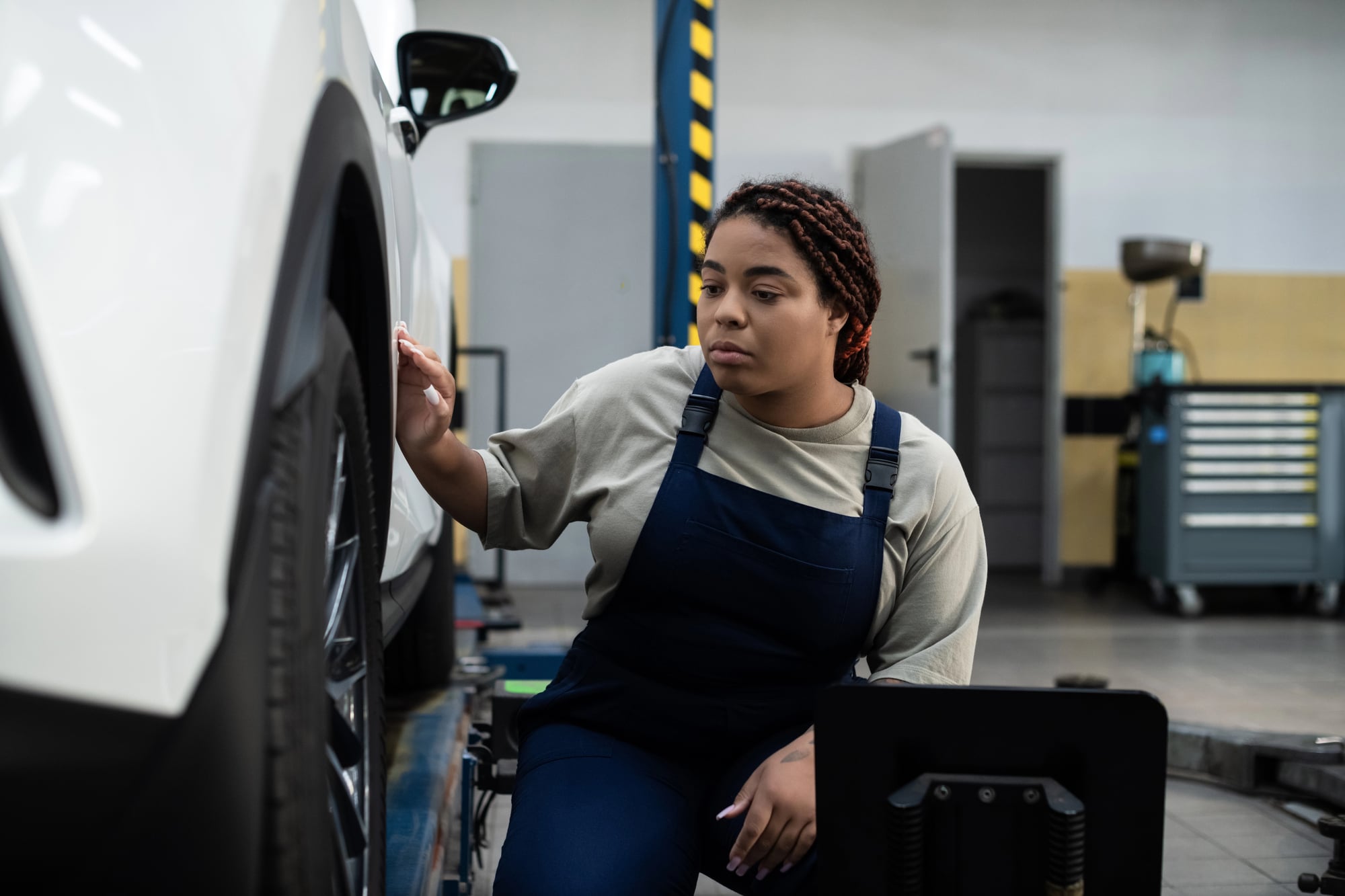
Ships require constant repairs and maintenance. Machine shops, electrical workshops, and parts storage areas occupy significant space below deck.
Welding, electrical work, and mechanical repairs happen daily. These industrial spaces contain equipment and materials that would be dangerous in passenger areas.
Skilled technicians work here around the clock keeping everything functional.
Laundry Operations
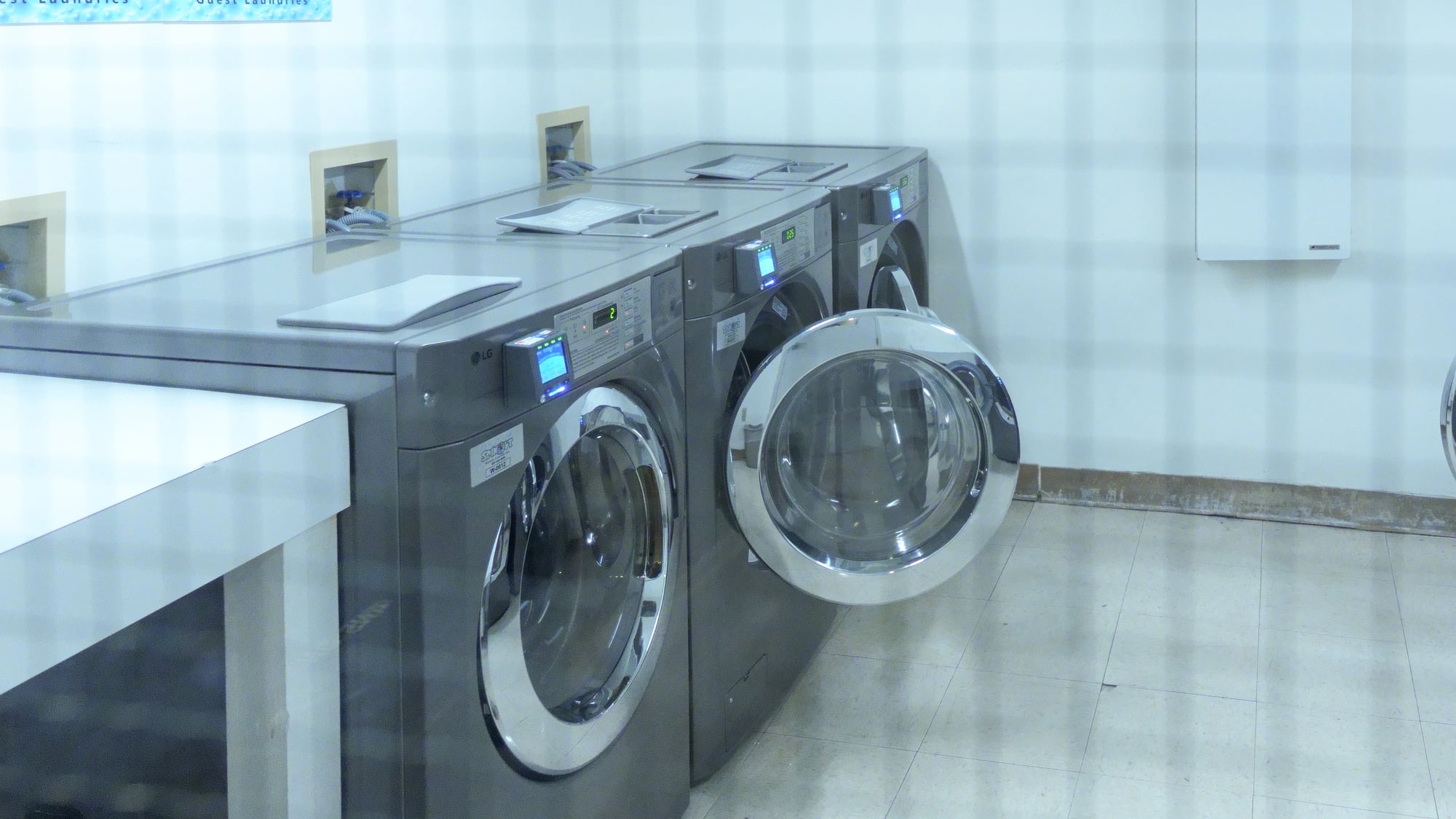
Processing linens and towels for thousands of passengers requires industrial laundry facilities that operate continuously. These spaces contain heavy machinery, high-temperature equipment, and chemical storage areas.
The scale is staggering. Tons of laundry get processed daily through systems that would be hazardous for untrained people to access.
Emergency Equipment Storage
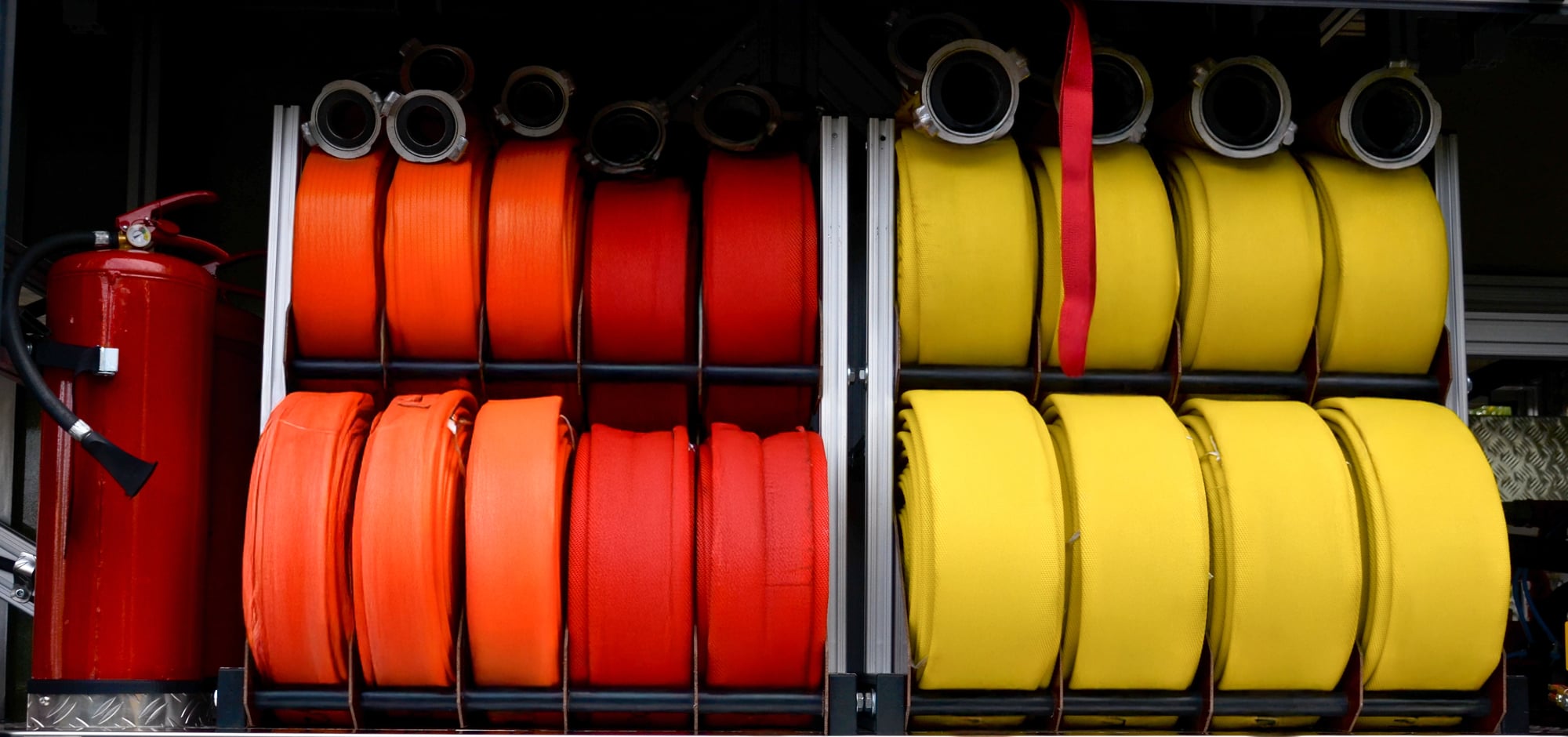
Life rafts, emergency supplies, and safety equipment require dedicated storage areas throughout the ship. These spaces contain everything needed for potential evacuations or emergencies.
Access stays restricted because tampering with safety equipment could prove fatal during actual emergencies.
Regular inspections and maintenance happen in these areas to ensure everything works when needed.
Ballast and Technical Spaces
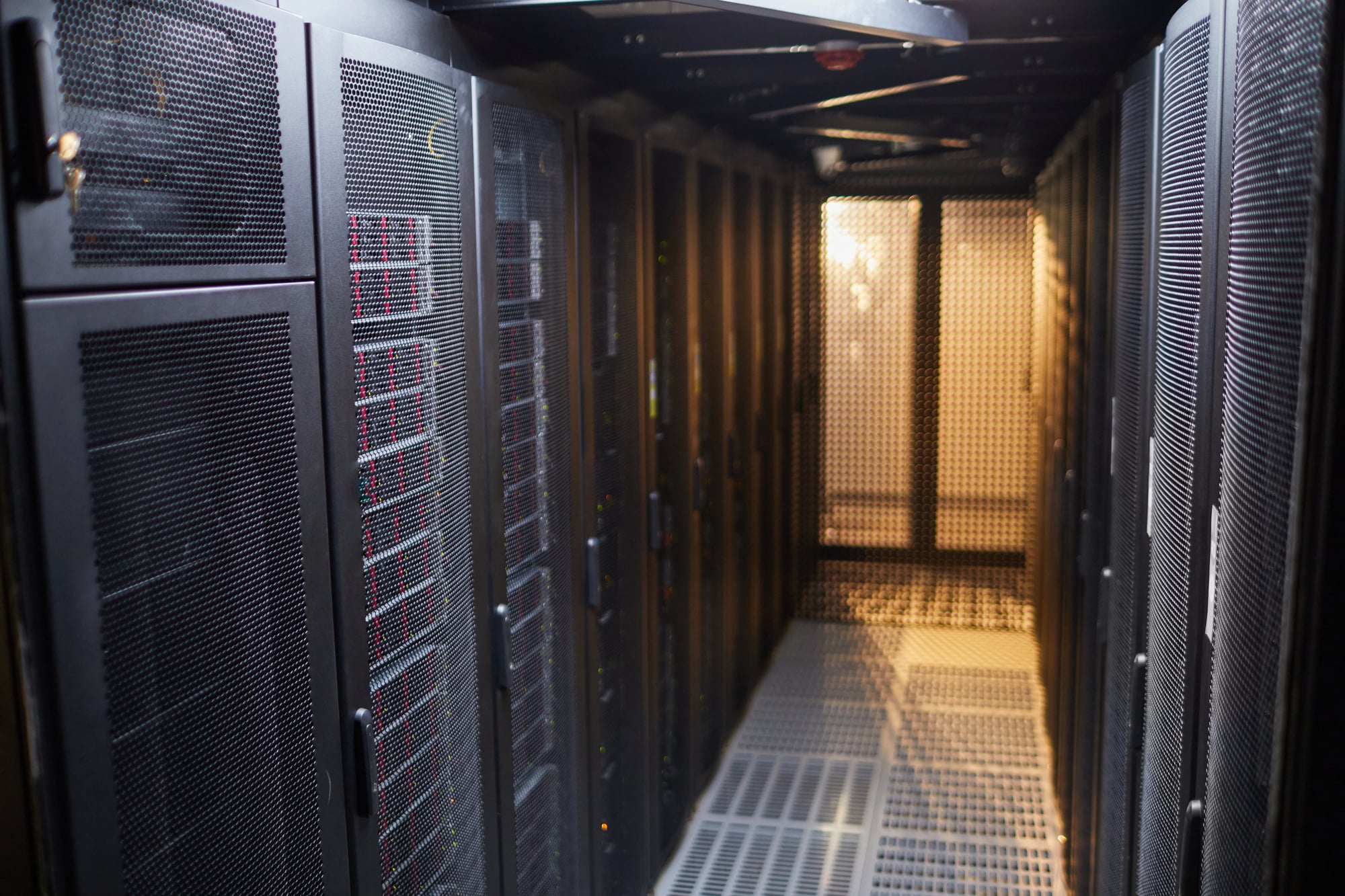
Ships maintain stability through ballast systems and technical equipment spaces that passengers should never enter. These areas contain pumps, valves, and control systems critical for safe operation.
Water ballast tanks help maintain proper ship balance as fuel gets consumed and passenger loads shift.
Technical spaces house the systems that keep everything from elevators to air conditioning working properly.
Staff Training and Meeting Areas

Crew members need spaces for training, meetings, and administrative functions. These areas exist separate from passenger spaces, allowing staff to focus on safety procedures and operational requirements.
Emergency drills, safety training, and crew meetings happen in these dedicated spaces. The serious business of keeping passengers safe requires environments free from distractions and interruptions.
Where the Real Ship Lives
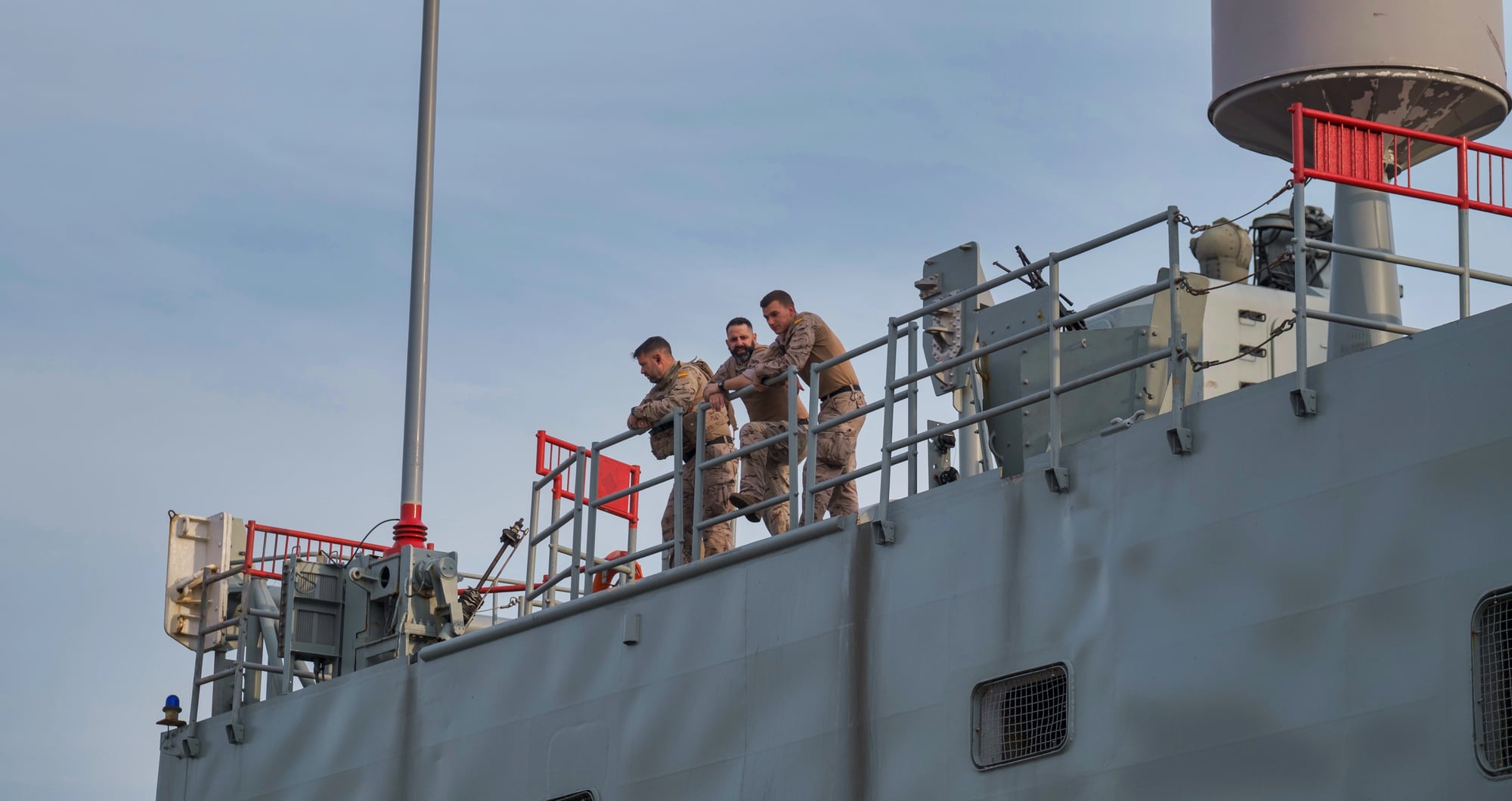
The cruise experience passengers enjoy represents just the surface of something much more complex underneath. Those restricted areas aren’t hidden to create mystery but because they house the serious machinery of keeping thousands of people safe, fed, and entertained while floating in the middle of the ocean.
Every polished surface and elegant dining room depends on the unglamorous work happening in spaces most passengers will never see. The ship passengers experience could not exist without the ship they cannot visit.
More from Go2Tutors!

- The Romanov Crown Jewels and Their Tragic Fate
- 13 Historical Mysteries That Science Still Can’t Solve
- Famous Hoaxes That Fooled the World for Years
- 15 Child Stars with Tragic Adult Lives
- 16 Famous Jewelry Pieces in History
Like Go2Tutors’s content? Follow us on MSN.



