America’s Labor Parades Captured in Old Photos
Long before Labor Day meant a day at the beach, it meant marching. Workers filled city streets in their best clothes, carrying banners that spelled out their demands.
Photographers were there, and their pictures preserved the slogans, the faces and the sheer size of the crowds. These fifteen moments in American labor history were captured on film or glass plate.
Together they show how marching became one of the most visible ways working people made themselves heard.
The First Labor Day Parade in New York
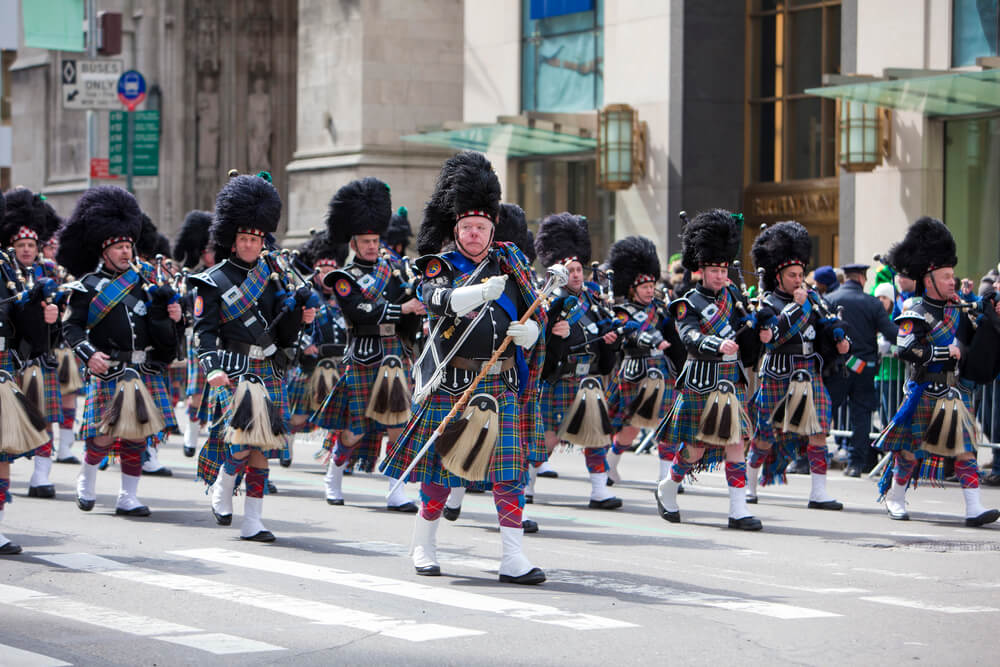
On September 5, 1882, thousands of workers marched through New York City in a parade organized by the Central Labor Union. The day ended with a picnic and speeches.
It is widely regarded as the first Labor Day celebration in the United States.
The Eight-Hour Day Marches of 1886
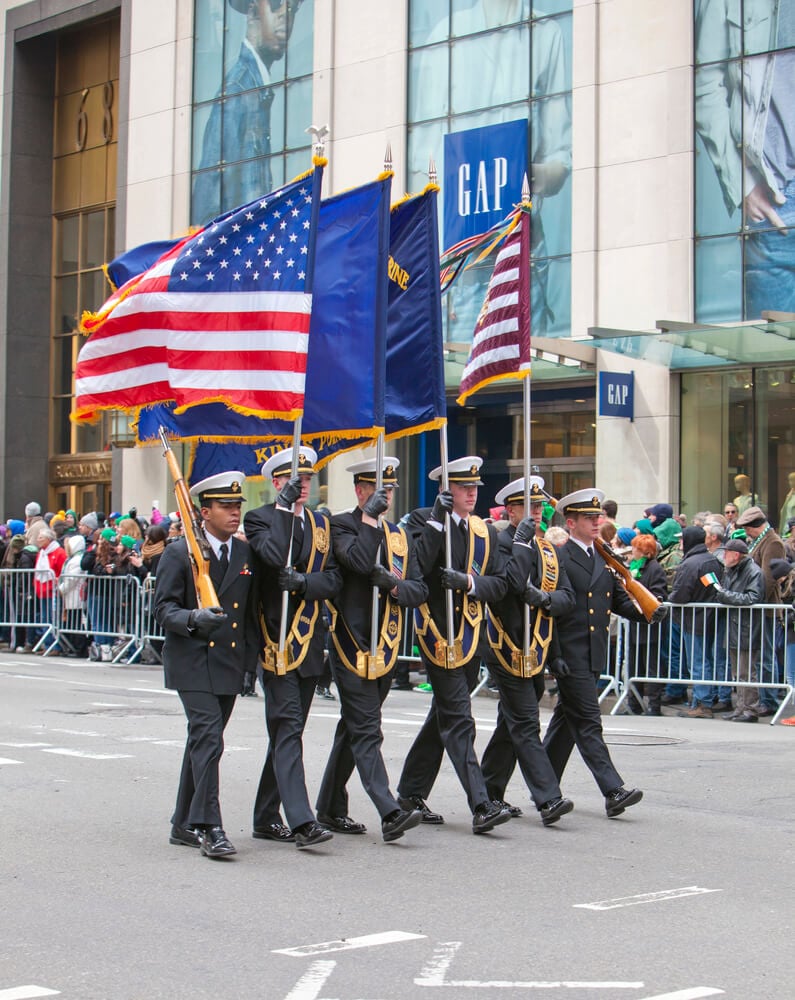
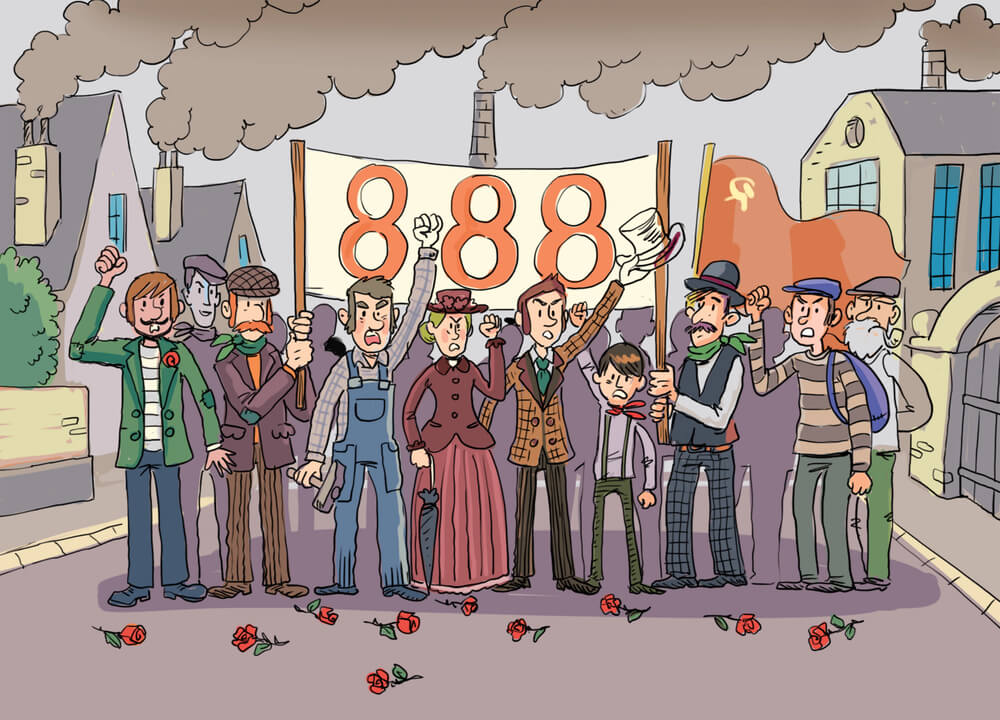
On May 1, 1886, workers across the country demonstrated for an eight-hour working day. Illustrations and early photographs show processions with banners reading in several languages.
The movement ran into the tragedy of Haymarket in Chicago days later, which changed how the era was remembered.
Oregon’s Early Labor Day Observance
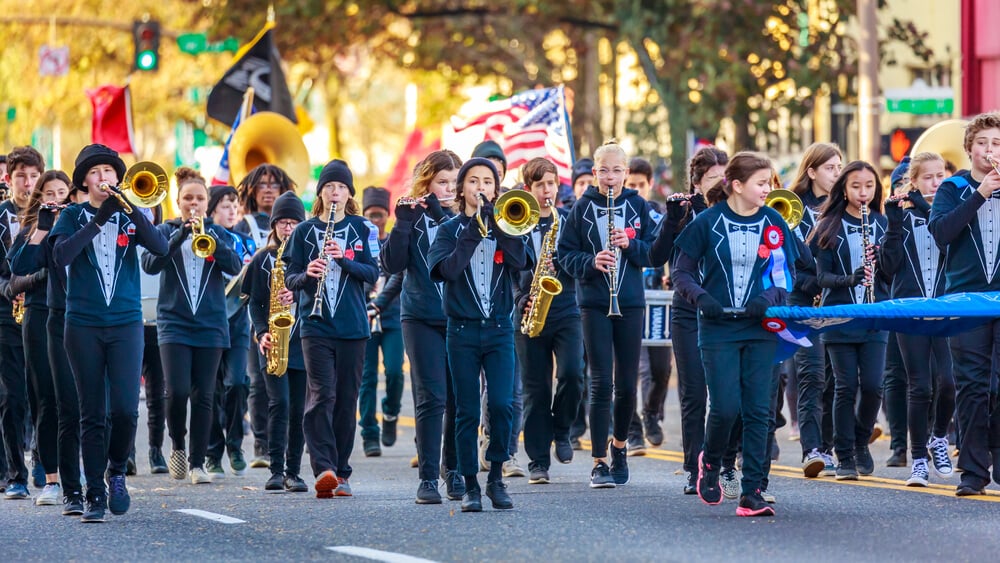
Oregon became the first state to make Labor Day an official holiday in 1887. Parades in Portland and other cities followed the pattern set in the East.
Photographs of the processions show union lodges marching beneath trade banners.
Coxey’s Army Marches on Washington
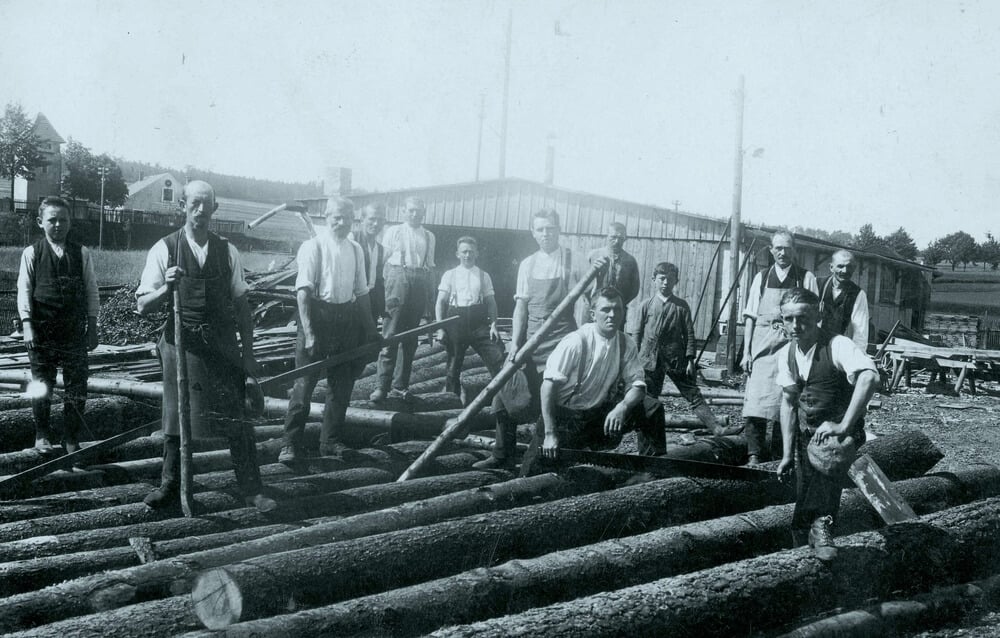
In 1894, Jacob Coxey led a band of unemployed men toward Washington, D.C., to press Congress for public works jobs. Photographs show ragged columns on muddy roads, with curious onlookers lining the sides.
The march ended with Coxey’s arrest on the Capitol grounds, but it drew national attention to unemployment.
Labor Day Becomes a Federal Holiday
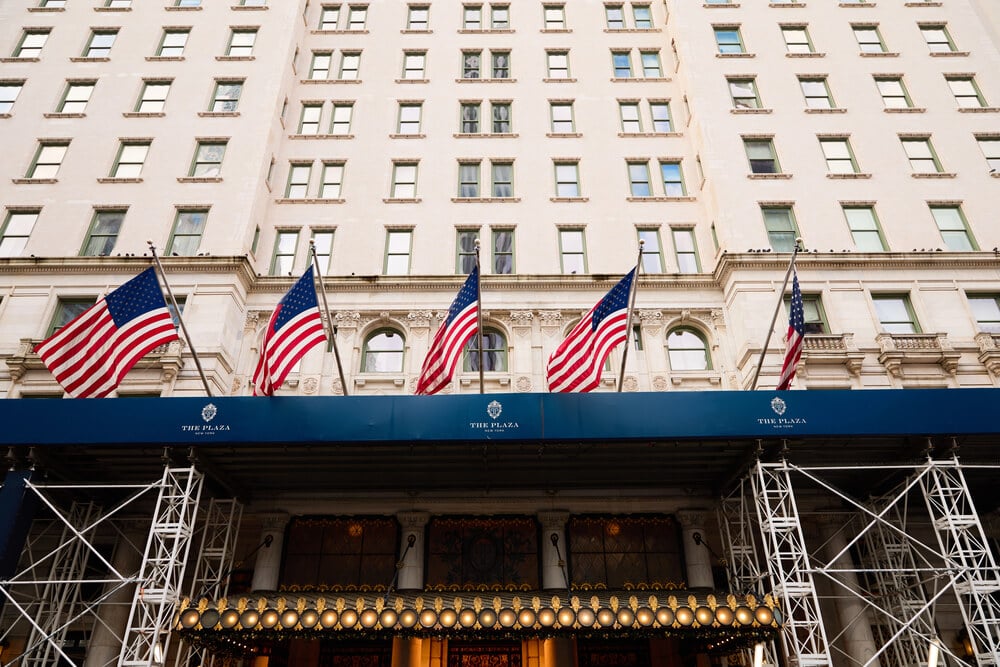
Congress made Labor Day a national holiday in 1894, and President Grover Cleveland signed the law that June. The following years saw parades grow into major civic events.
Photographs from the period show brass bands, decorated wagons and crowds along city streets.
Mother Jones and the Children’s Crusade
In 1903, labor organizer Mary Harris Jones, known as Mother Jones, led a group of child textile workers from Philadelphia toward President Theodore Roosevelt’s home on Long Island. Photographs show young marchers carrying signs about long hours and low pay.
The march highlighted the use of children in mills and mines.
The Uprising of the 20,000
In November 1909, thousands of young women in New York’s shirtwaist trade went on strike. Photographs of picket lines and marches show women in long skirts and hats holding signs in the cold.
Their action became one of the largest strikes by women workers in American history up to that time.
The Triangle Fire Funeral Procession
After the Triangle Shirtwaist Factory fire in March 1911 killed 146 workers, a mass funeral procession filled the streets of New York on April 5. Photographs show a sea of umbrellas and mourners filling avenues.
An estimated 100,000 people joined the march, and the fire spurred safety reforms.
The Lawrence Textile Strike Parades
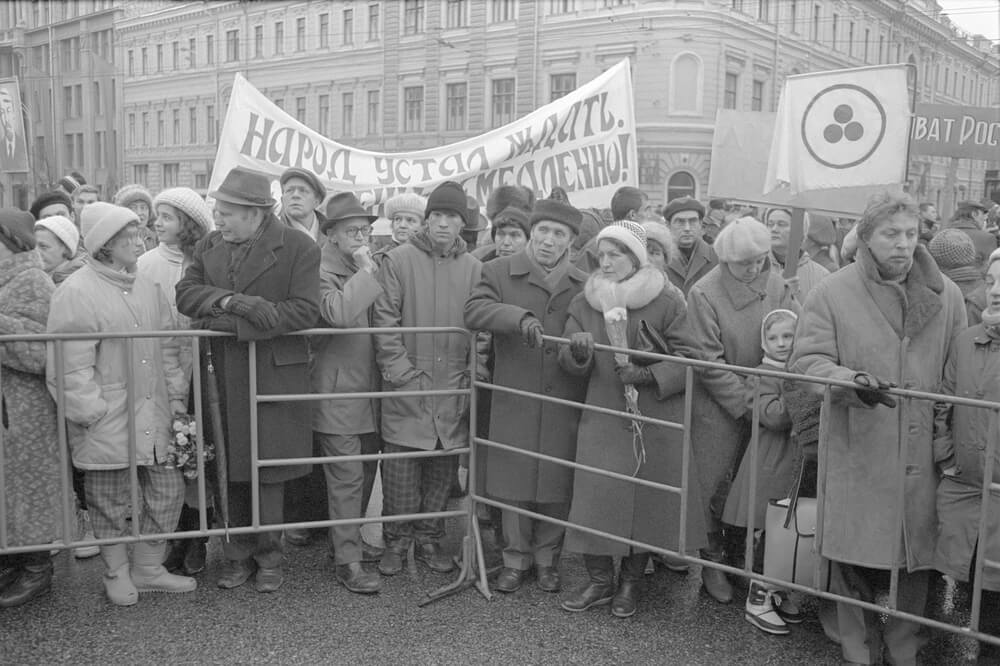
In 1912, textile workers in Lawrence, Massachusetts, struck against pay cuts, and their fight became known as the Bread and Roses strike. Children of strikers were sent to supporters in other cities, and photographs of parades show them with signs.
The strike ended with wage increases for many workers.
The Paterson Silk Strike Pageant
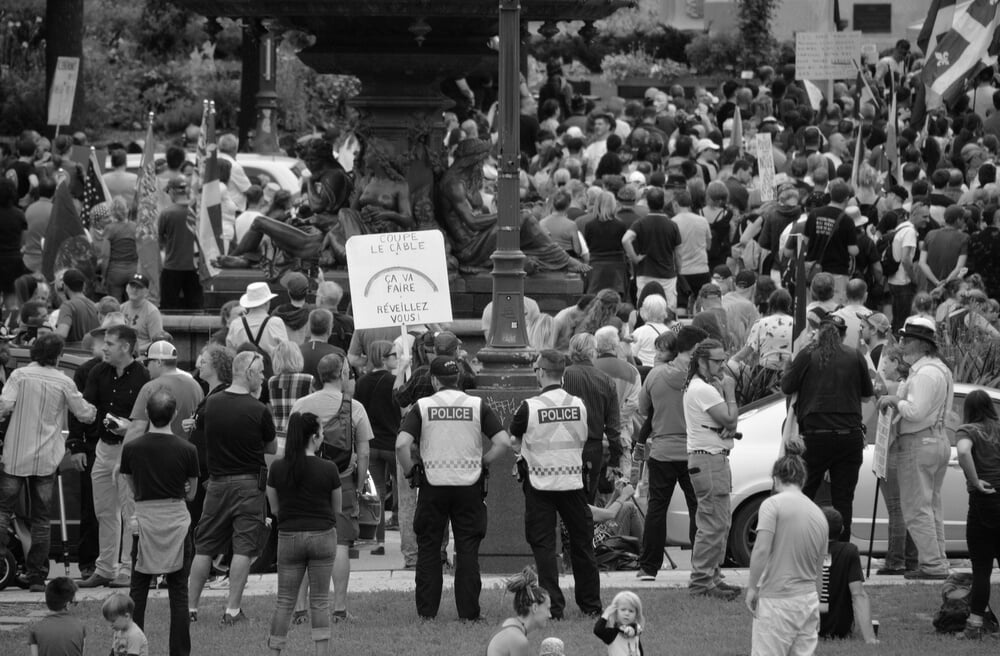
In 1913, silk workers from Paterson, New Jersey, staged a pageant in Madison Square Garden to tell the story of their strike. John Reed helped organize the performance.
Photographs and posters from the event show the size of the effort to take a labor dispute to a public stage.
Labor Day Photographs by the Bain News Service
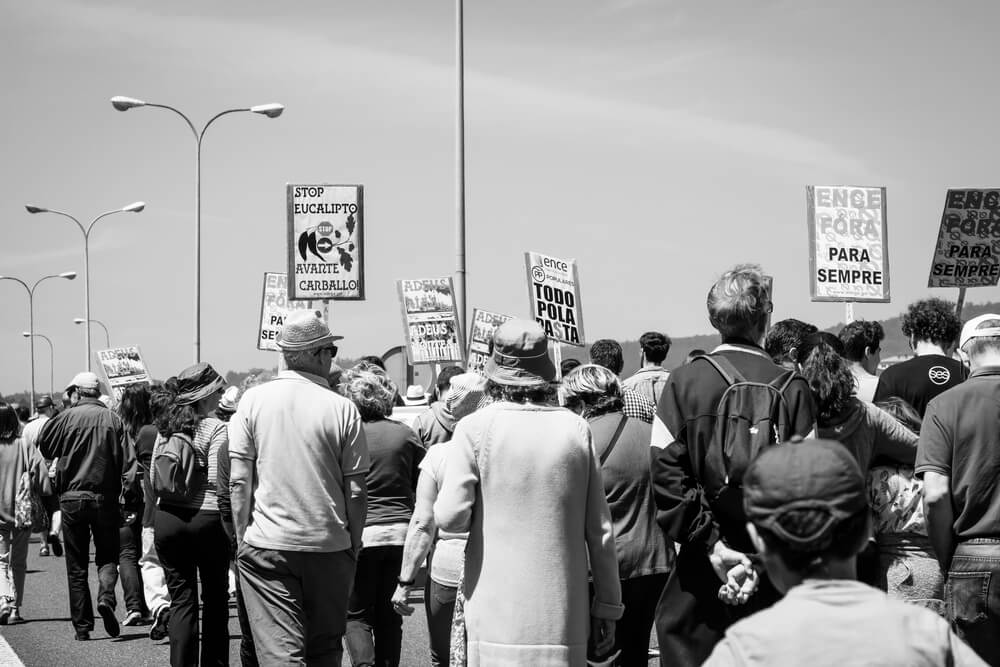
The Bain News Service photographed street scenes across New York in the early twentieth century, including Labor Day parades. Their glass plate negatives show marching bands, union banners and spectators crowding the curbs.
Many of these images are now preserved in public archives.
The CIO Parades of the 1930s
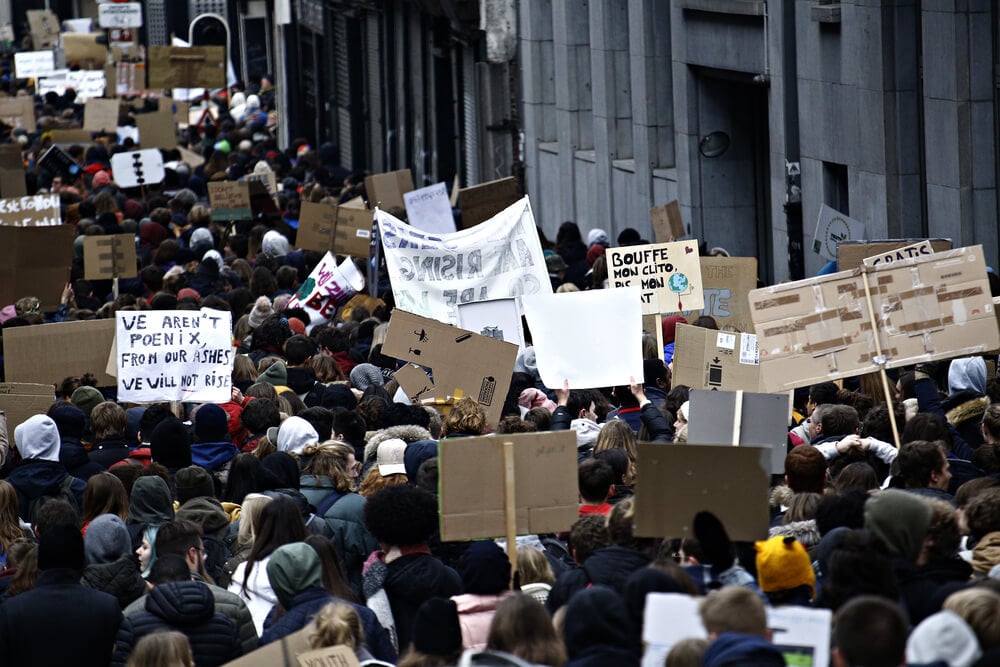
The Committee for Industrial Organization, formed in 1935, drew workers in steel, auto and rubber into unions. Parades by new locals filled industrial cities, with marchers carrying banners and wearing union buttons.
Photographs record a new and energetic phase of the labor movement.
The March on Washington for Jobs and Freedom
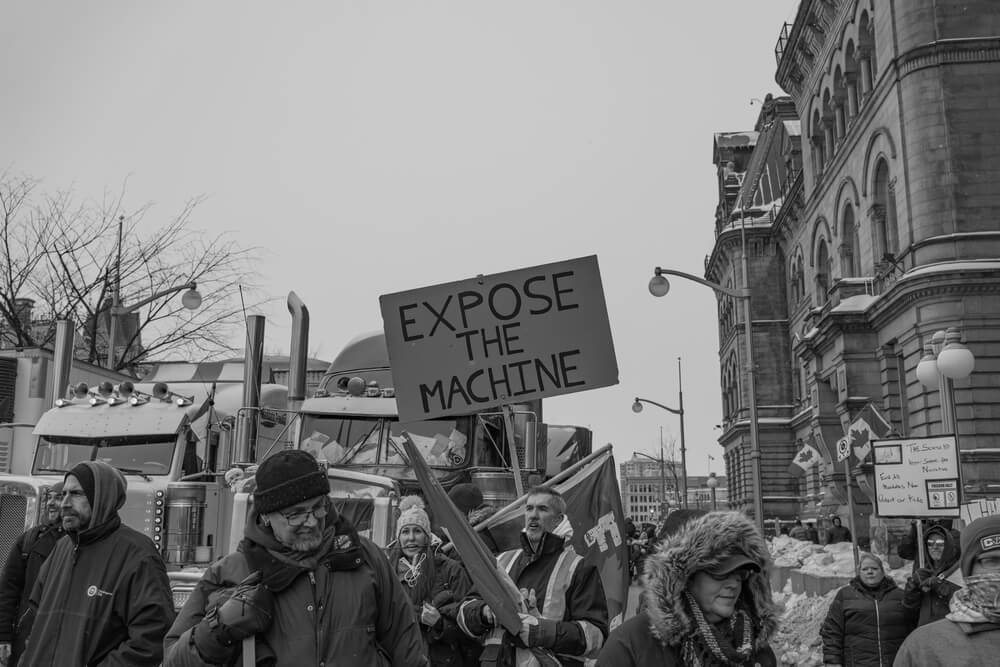
On August 28, 1963, a quarter of a million people gathered in Washington, D.C., in a march that put economic demands beside civil rights. Labor leader A. Philip Randolph was one of its main organizers.
Photographs of union delegations show how closely the labor and civil rights movements were linked.
The Memphis Sanitation Workers’ Marches
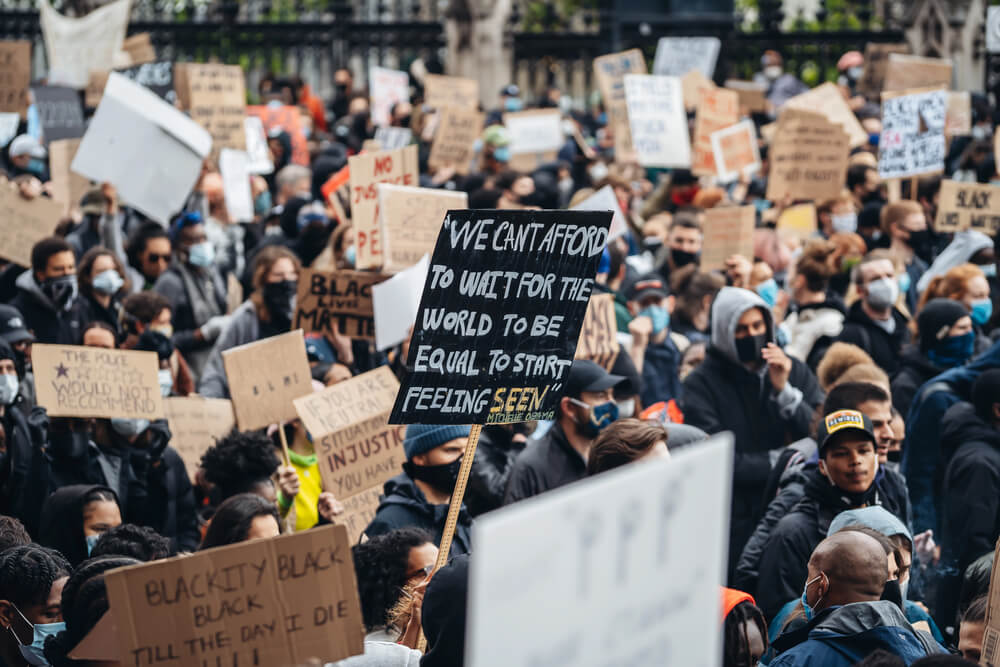
In 1968, Black sanitation workers in Memphis struck over pay and safety, carrying signs reading I AM A MAN. Photographer Ernest Withers recorded the marches, and his images became lasting symbols of the strike.
The campaign drew Martin Luther King Jr. to the city shortly before his death.
The Delano to Sacramento March
In spring 1966, farm workers led by Cesar Chavez marched about 300 miles from Delano to Sacramento, California. Photographs show long lines of marchers carrying banners with the union’s eagle emblem.
The march drew national attention to the struggles of farm laborers.
Banners as Historical Documents
Labor banners and signs were designed to be read at a glance, and they now serve as concise summaries of what workers wanted. Phrases about hours, wages and dignity appear again and again across decades. The photographs preserve slogans that might otherwise have been lost.
Looking at these crowds today, it is easy to forget that many of the rights they sought were still unwon. The shorter workweek, safer factories and the end of child labor did not arrive on their own. They came after years of ordinary people walking together in front of a camera.
More from Go2Tutors!

- 27 Silver Dollars and Half Dollars Worth Keeping
- 28 Restaurant Menu Items Nobody Orders Anymore
- 17 Places Built in Seemingly Impossible Spots
- 27 Vintage Rings Worth More Than They Look
- 25 Restricted Sites Tourists Can’t Enter
Like Go2Tutors’s content? Follow us on MSN.