30 Playground Equipment Schools Eventually Replaced
Older school playgrounds were built from steel, pipe, and poured concrete, and they were designed with far less concern for falls than modern ones. Children climbed higher, spun faster, and landed harder.
Many of these pieces disappeared as safety standards changed and injury data piled up. A few remain in neighborhood parks, rusted but fondly remembered.
The Merry-Go-Round
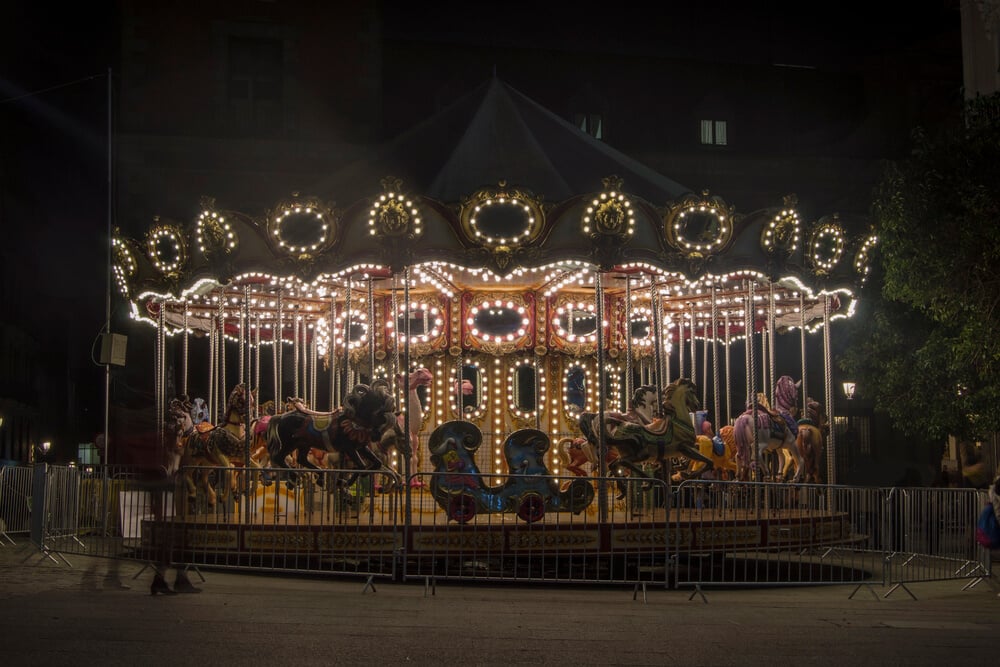
A flat metal disc mounted on a central pole, the merry-go-round was pushed and spun by children until it blurred. Riders gripped bars while others ran alongside, adding speed. It sent plenty of children flying and was among the first pieces schools removed.
The Steel Slide
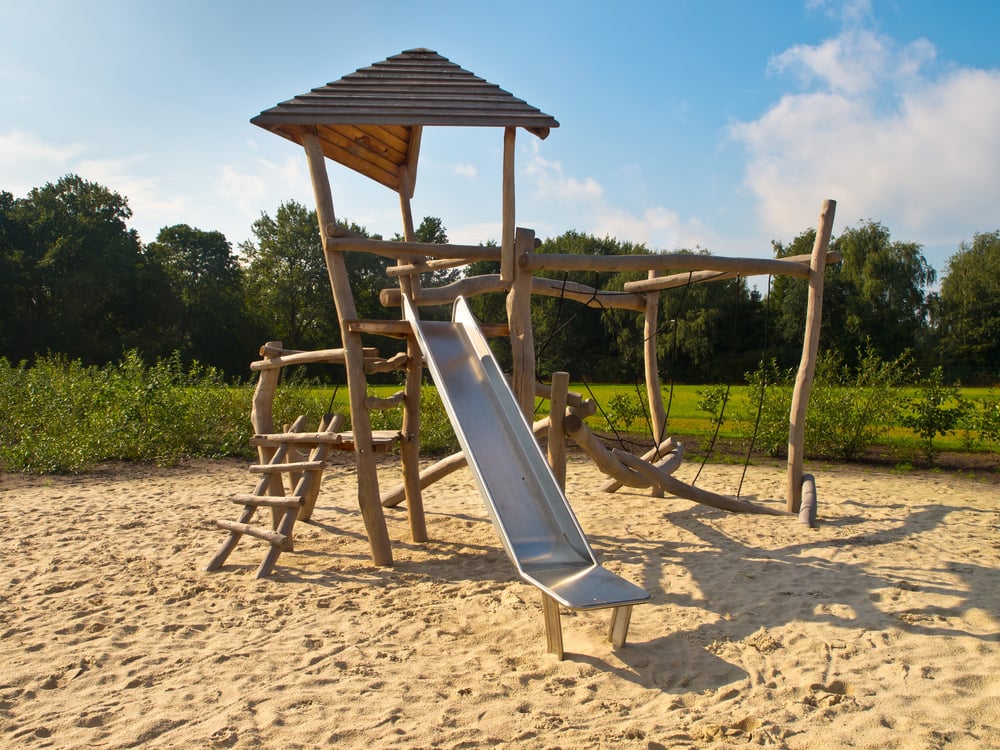
Tall steel slides baked in summer sun until the surface could burn bare legs. Children rode them down with a hiss and a rush of static. Newer slides use plastic and shorter drops, which are gentler on skin and bones.
The Teeter-Totter
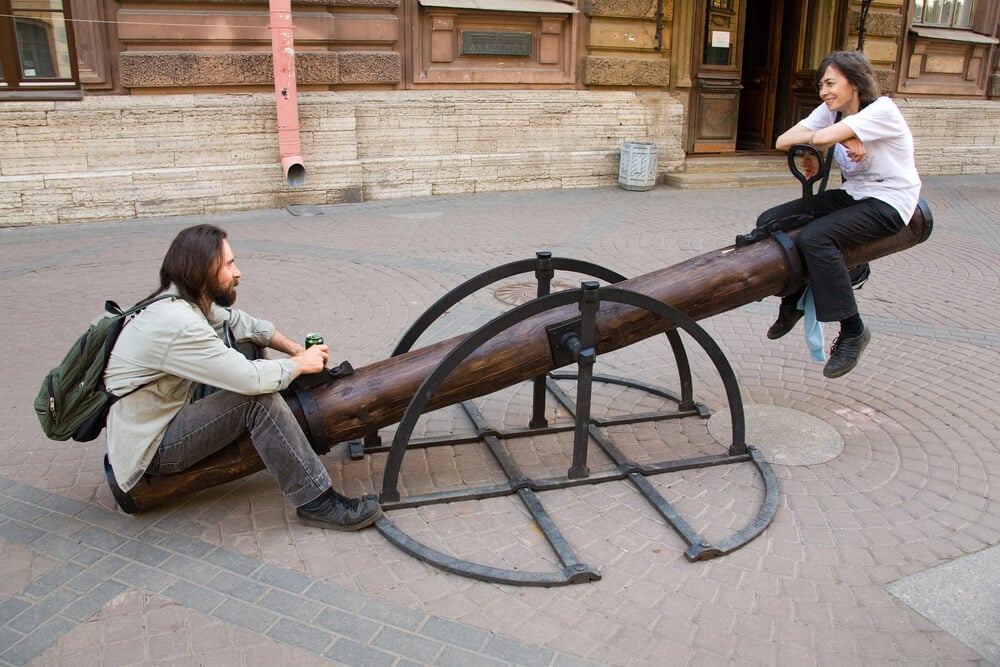
A long plank balanced on a central pivot, the teeter-totter relied on children of similar weight to work. A larger partner could leave the lighter one stranded in the air. A sudden bail-out by one rider often sent the other crashing down.
The Jungle Gym
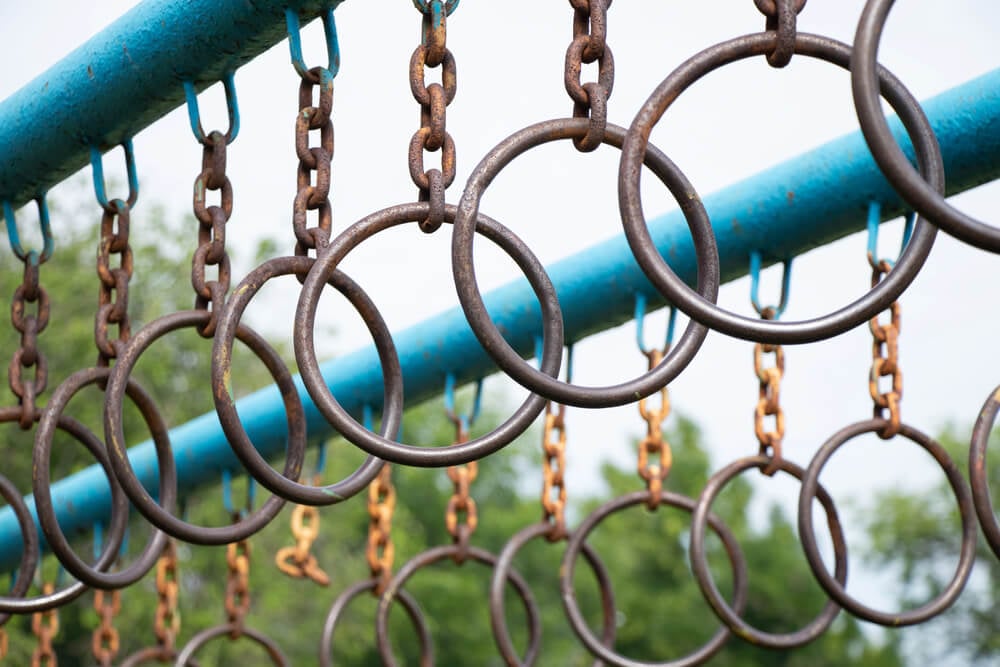
Sebastian Hinton, a Chicago lawyer, patented the Junglegym in the early 1920s, and the cube of crossed pipes spread to schools nationwide. Children climbed it like a puzzle and sat on top like kings. Tall versions over hard ground were later considered too risky.
Chain Swings

Heavy chains and wooden or rubber seats made classic swing sets, and the links could pinch fingers if gripped carelessly. Swings reached high arcs, and some children jumped out at the peak. Modern swings use lighter seats and coated chains.
Rocket Ship Climbers
Welded steel rocket ships, popular during the Space Race, offered levels of platforms and ladders inside a tapered shell. Children pretended to launch from the top while others clung to the rungs. The structures were tall and sat over asphalt, which limited their lifespan.
The Giant Stride
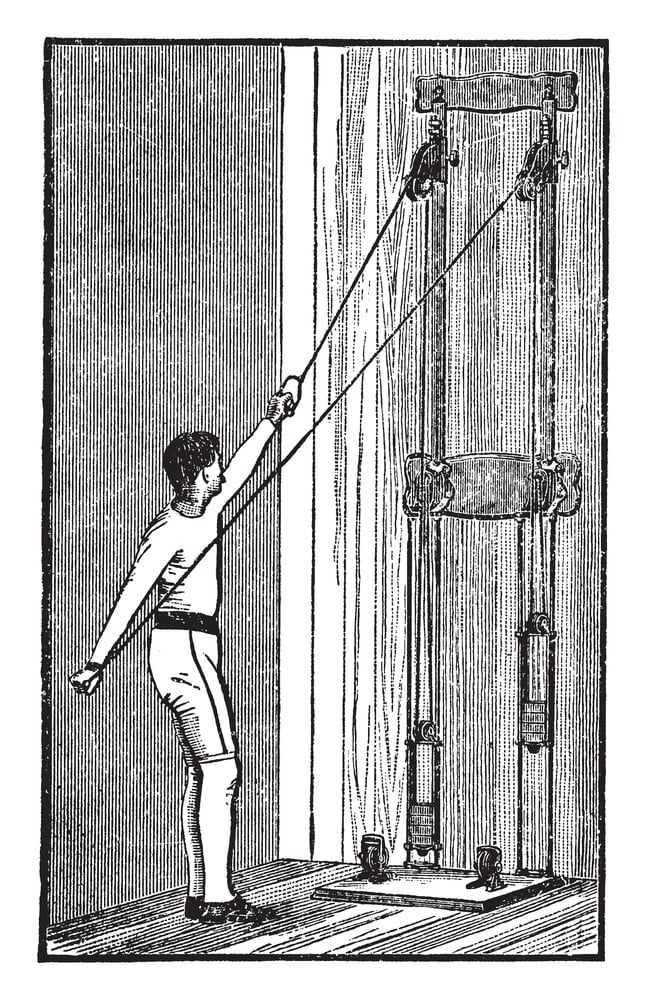
A tall central pole topped with a rotating ring and hanging ropes, the giant stride let children run in circles and leap into the air. The speed grew as riders swung wider. Snapped ropes and collisions ended its run in most schools.
Spring Riders
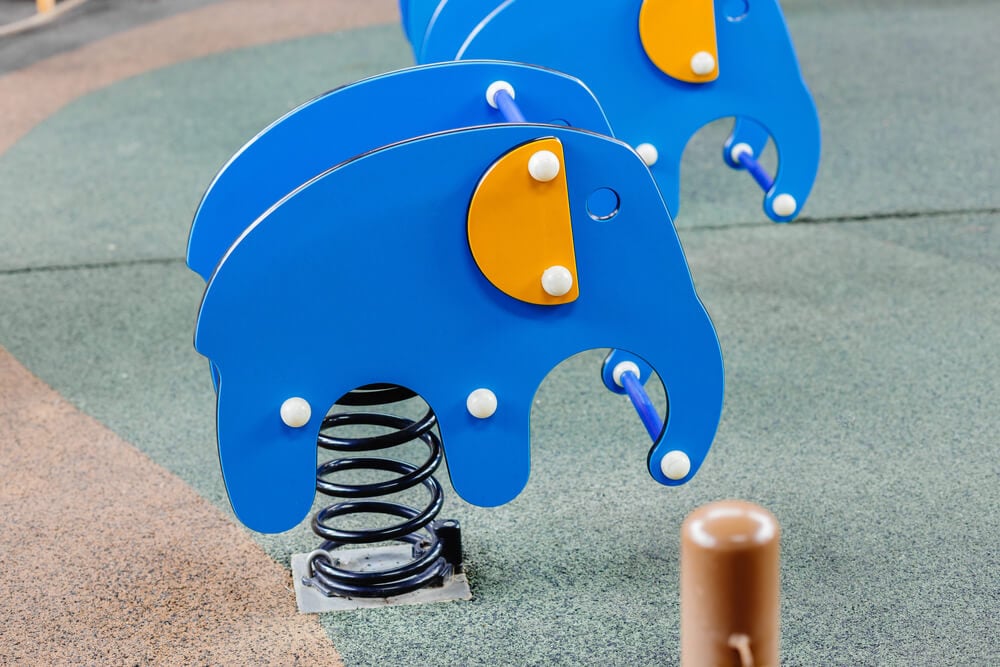
Heavy coil springs under painted animals let small children rock back and forth. The riders looked like horses or ducks and were bolted into the ground. Pinched fingers and sudden jolts made them less common over time.
Horizontal Ladders
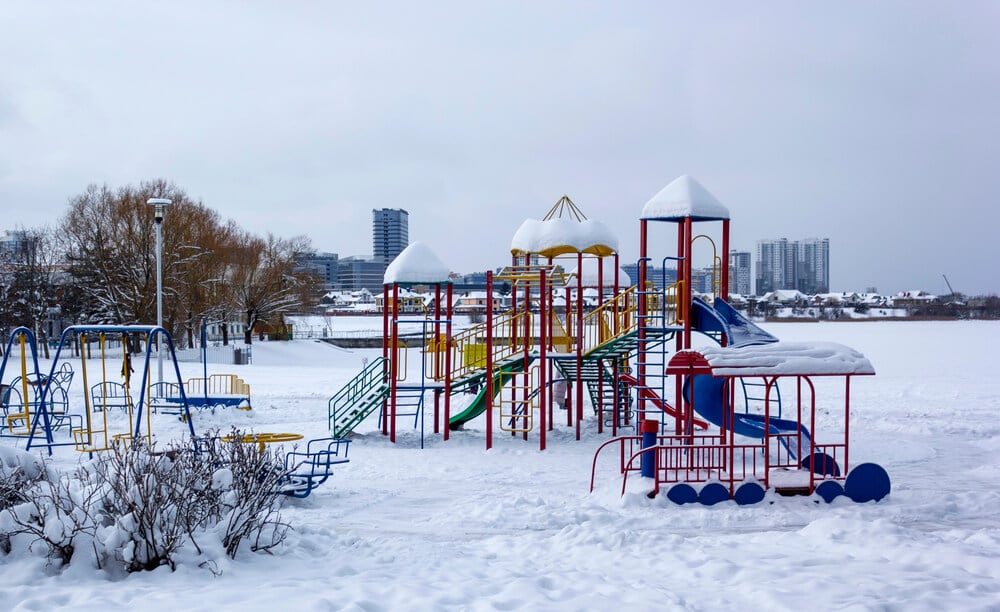
Overhead ladders were the more demanding cousin of monkey bars, requiring children to swing from rung to rung. The height meant a fall landed hard on whatever lay below. Blisters on the palms were a badge of progress.
Climbing Domes
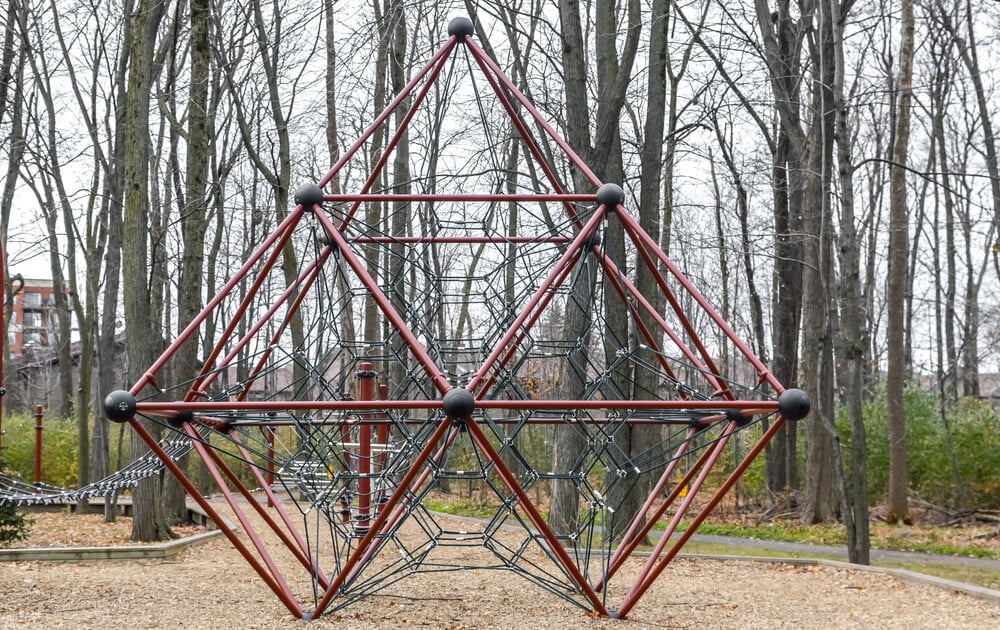
Metal domes made of connected bars, inspired by Buckminster Fuller’s geodesic designs, let children climb in and around the structure. They were popular in the 1950s and 1960s, and a few survive. Falls from the top onto hard ground led to many replacements.
The Fire Pole
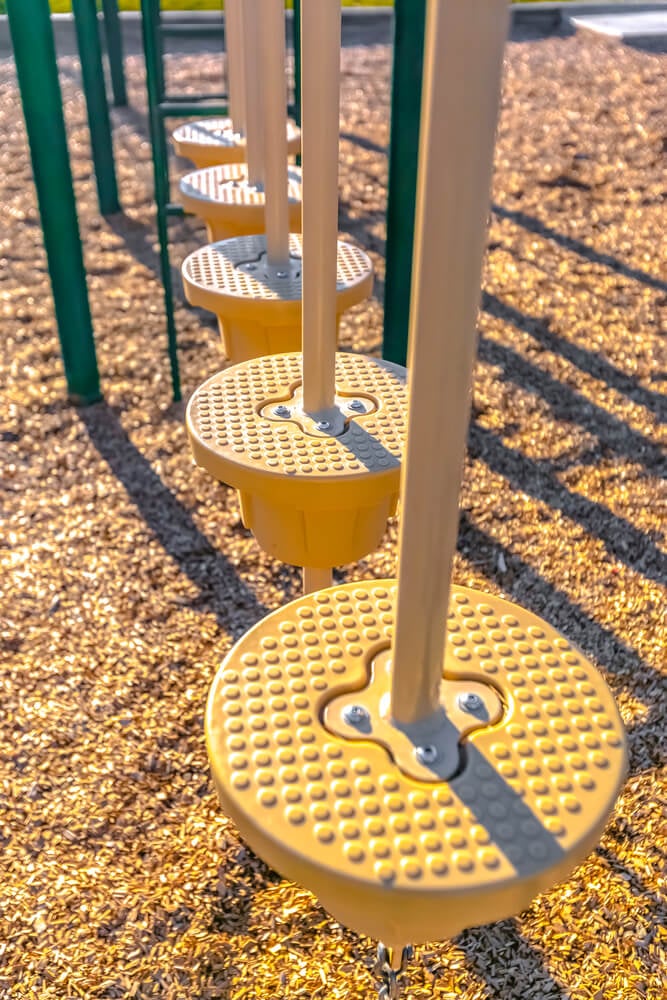
A vertical steel pole mounted on a platform let children slide down like firefighters. The pole was smooth and cold, and a bad grip meant a quick, painful trip. Many schools removed it as fall heights became a concern.
Wooden Swinging Bridges
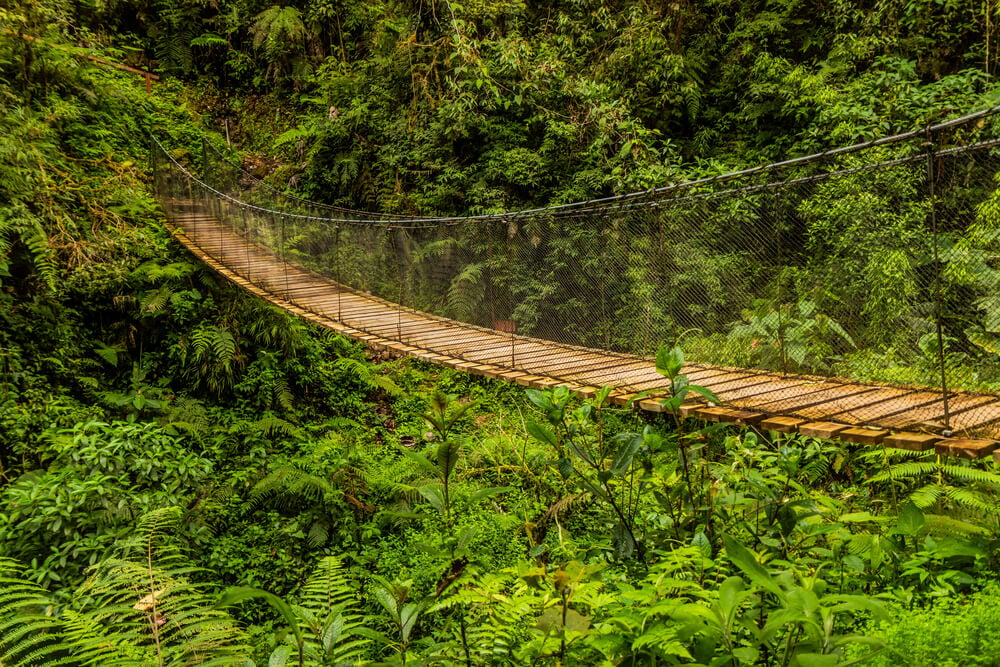
Planks strung on chains or ropes made a bridge that wobbled as children crossed. Splinters and gaps between boards were routine hazards. The bridge was thrilling when crowded and terrifying when empty.
Asphalt Surfacing
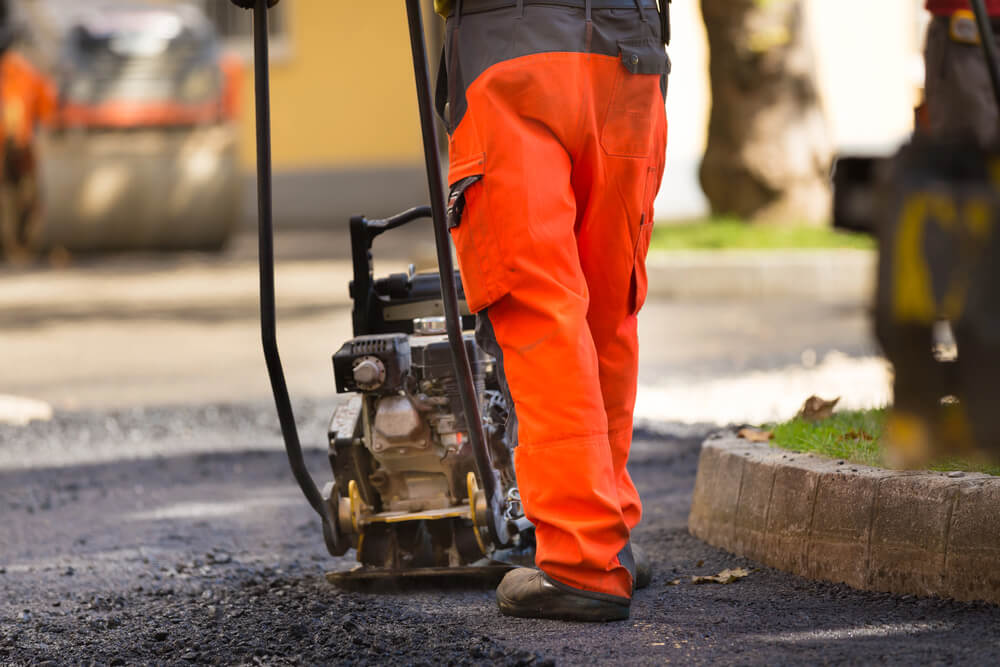
Many playgrounds were paved with asphalt, which was cheap and easy to maintain but unforgiving. A fall onto it meant scraped knees and sometimes worse. Replacement with rubber or wood-fiber surfacing became a standard safety upgrade.
Packed Dirt Under Swings
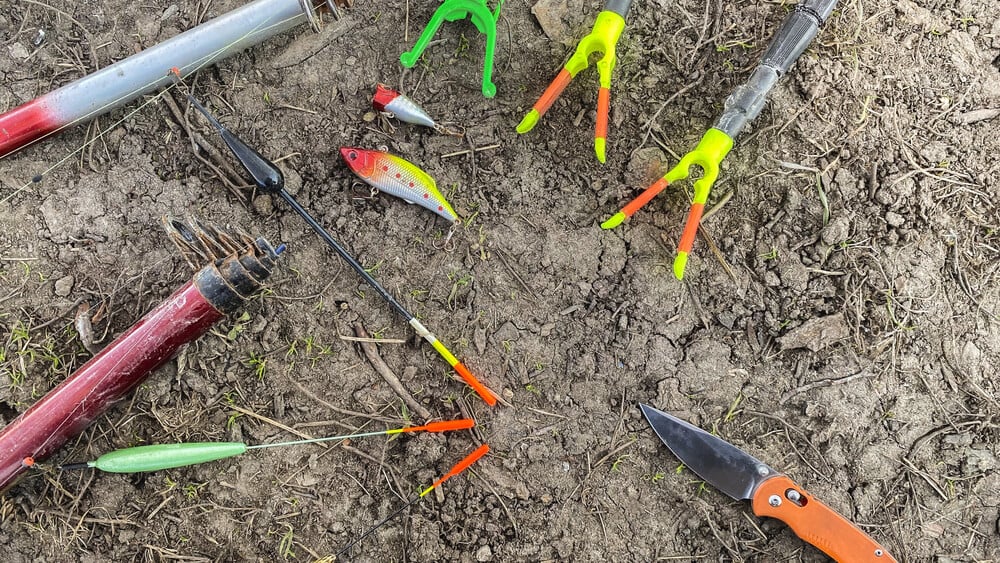
Constant foot traffic wore trenches under swings and slides. The packed dirt turned to dust in summer and mud after rain. It offered little cushion, though it was better than concrete.
Concrete Pads
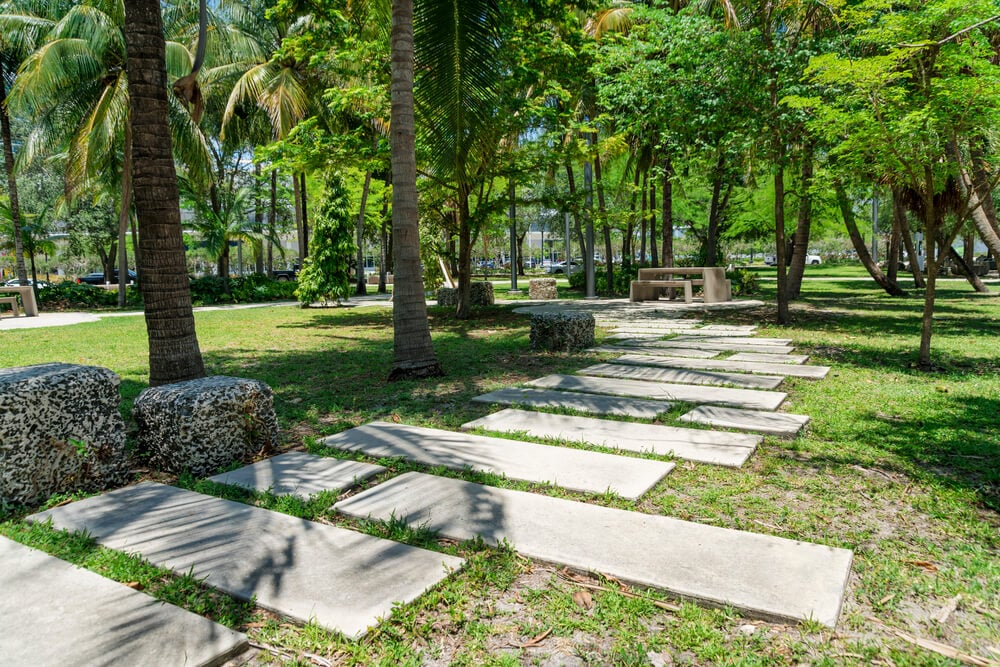
Some schools poured concrete beneath climbing equipment to avoid maintenance. A fall from the top of a jungle gym onto it could be catastrophic. Modern guidelines require impact-absorbing materials under any structure of significant height.
Gravel Surfacing
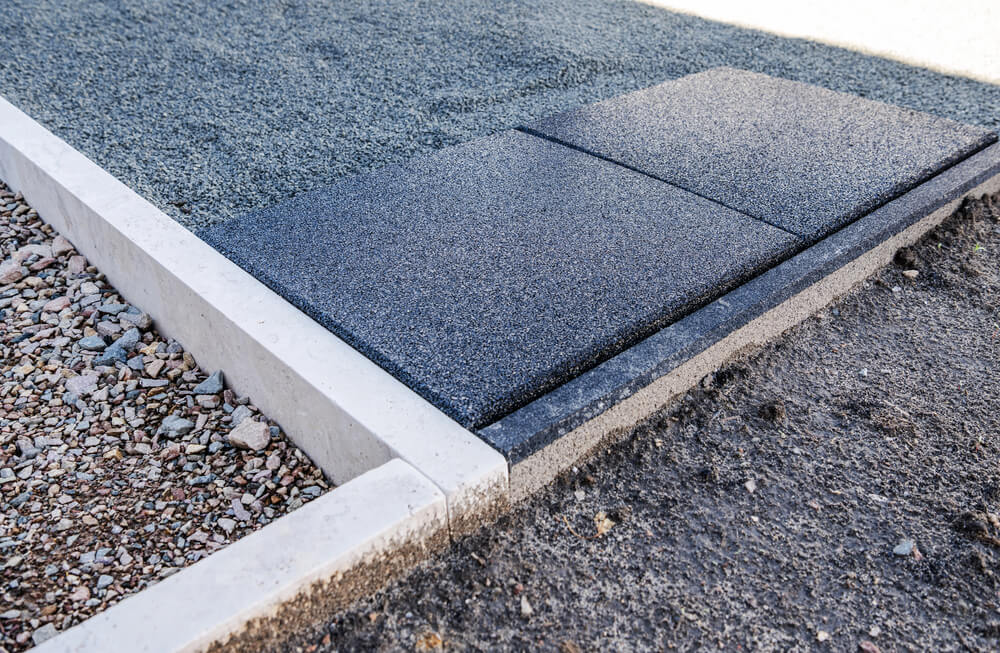
Loose gravel was meant to drain water and absorb some impact. In practice it scraped knees and scattered across the grounds. It was eventually replaced with engineered wood fiber or rubber mulch.
Sandboxes Without Covers
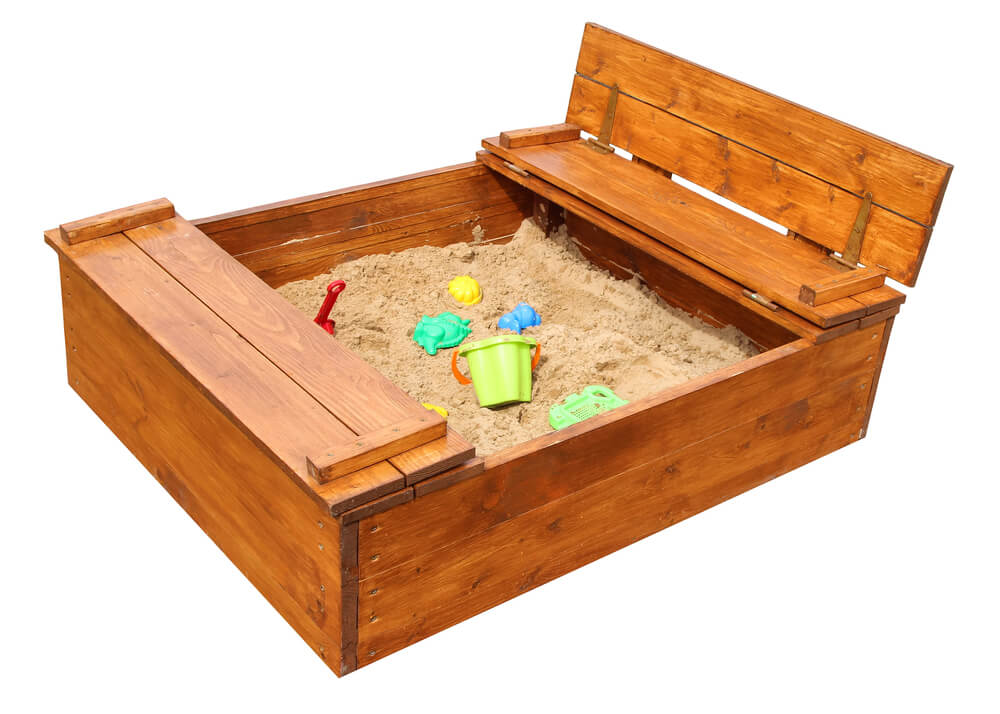
Open sandboxes were a fixture of elementary schools, but animals used them as litter boxes. Covers and regular replacement became standard hygiene practice. A fresh load of sand was a cause for celebration.
Tire Swings
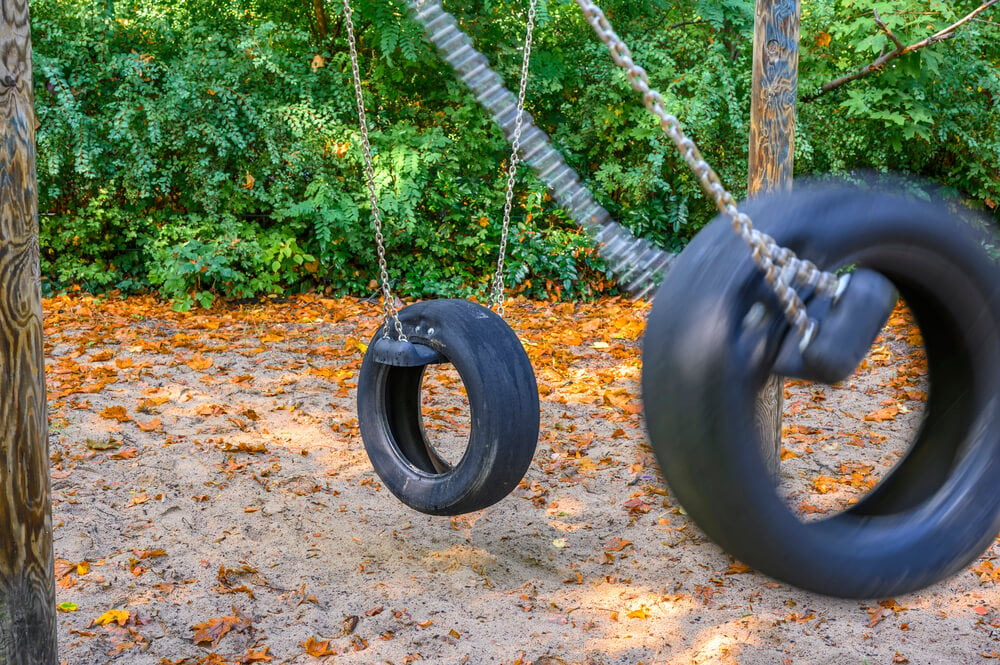
An old truck tire hung from a chain or rope made a swing for several children at once. The weight and rotation could knock heads together. Rainwater collected inside the tire and bred mosquitoes.
Wooden Seat Swings
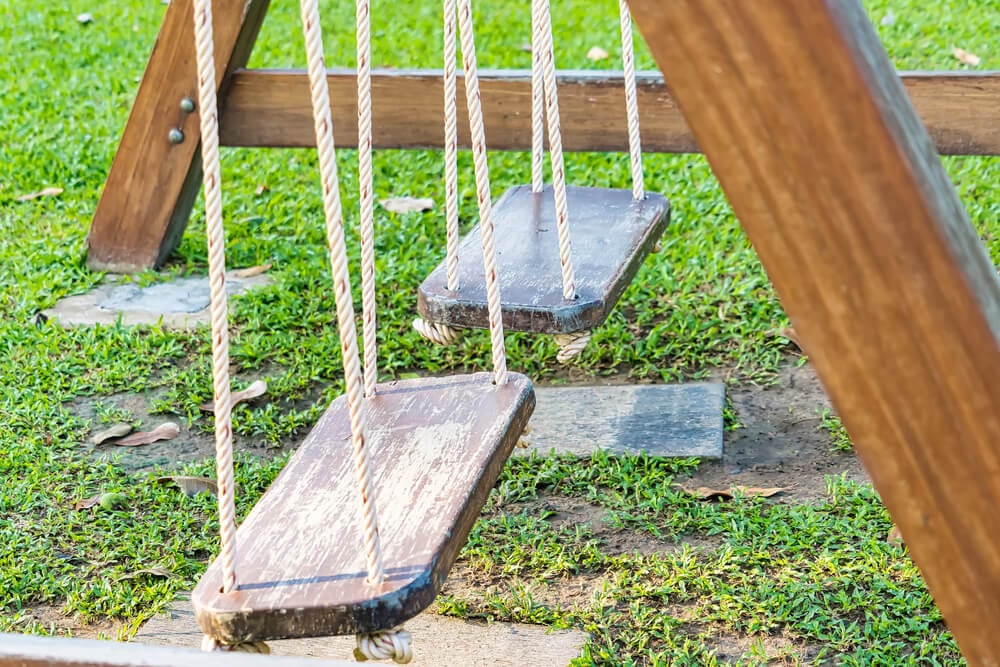
Heavy wooden seats hung from chains and could strike a child who walked behind them. Slivers were common, and the wood warped over time. Soft rubber and plastic seats replaced them in most schools.
High Platform Slides
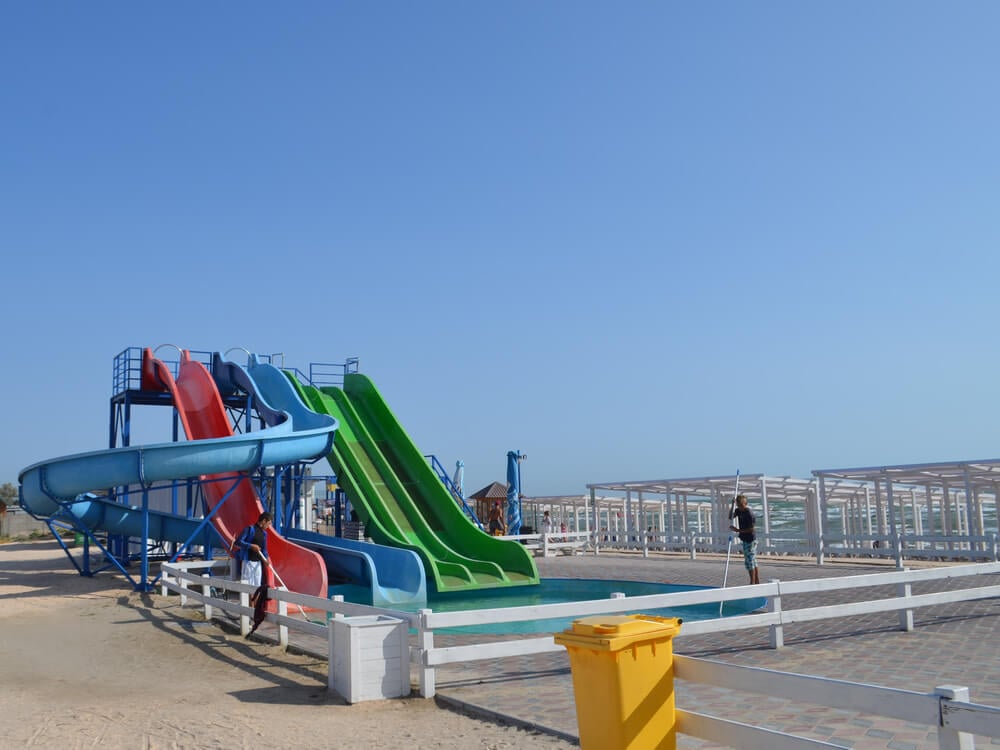
Tall slides with steep ladders and open platforms offered a long drop to the ground. The guardrails were minimal, and the climb was dizzying. Newer designs enclose the platform and lower the height.
Gym Rings
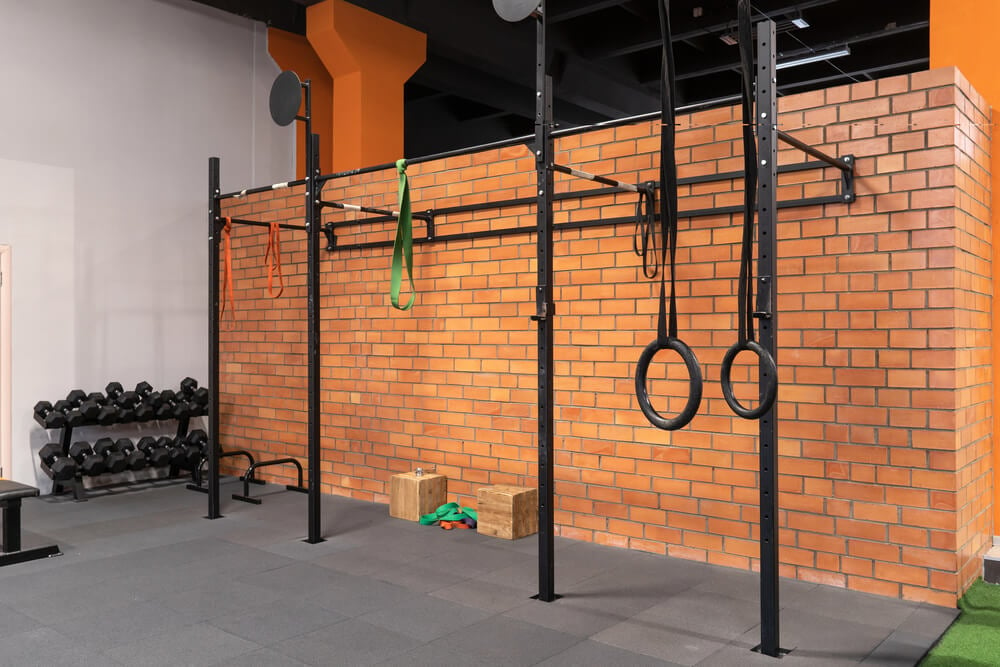
Metal rings hung from chains let children dangle and swing in an arc. The rings were meant for skilled gymnasts but were used by everyone. A slip meant a fall from several feet.
Balance Beams
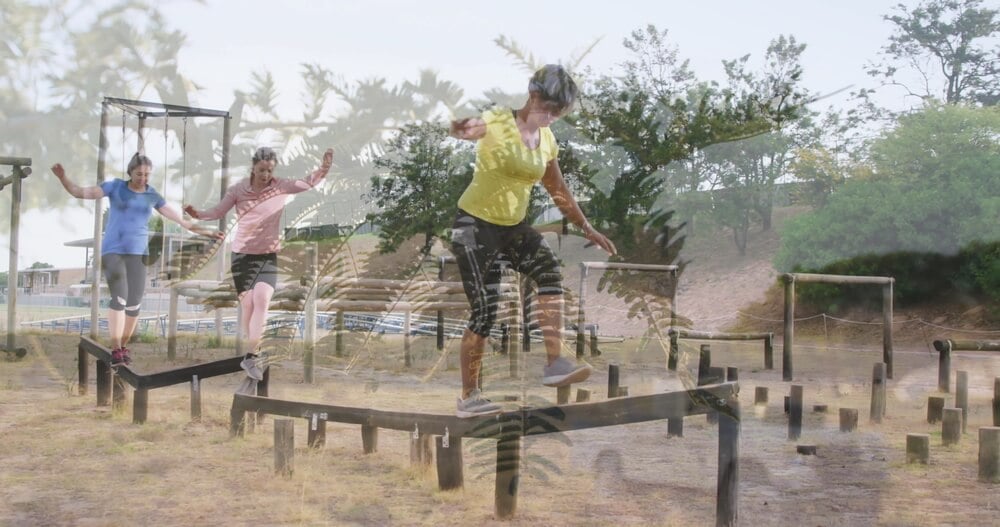
Fixed beams at various heights, often made of steel pipe or logs, taught balance and nerve. Children walked along them with arms out. A misstep on a high beam meant a hard landing.
Climbing Ropes
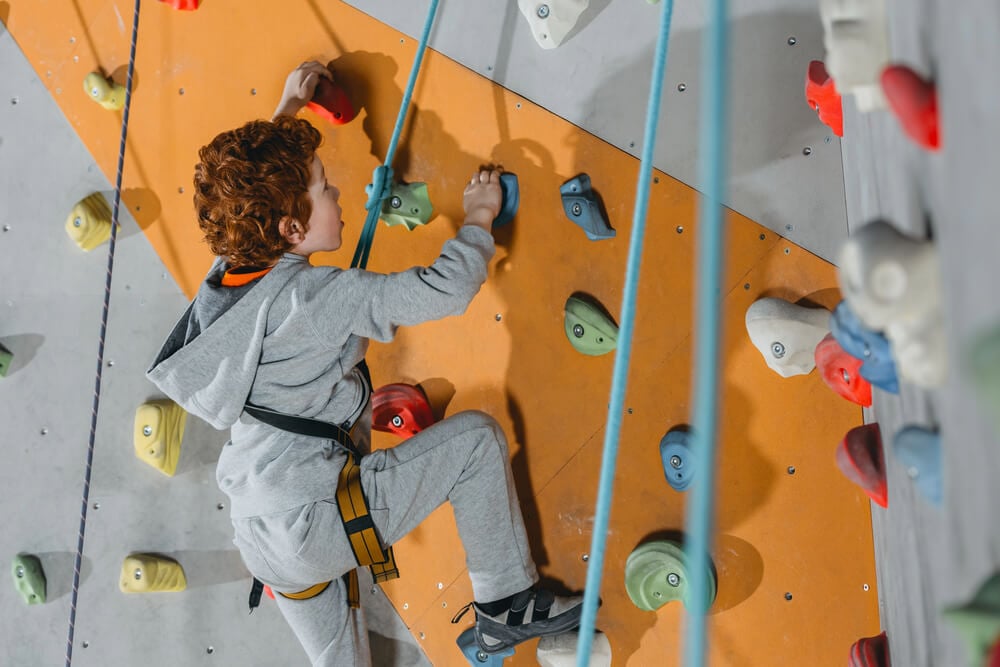
Thick ropes hung from a frame invited children to climb hand over hand. Rope burns on the palms and thighs were common. Gym teachers loved them, and playground designers eventually did not.
Pipe Frame Structures
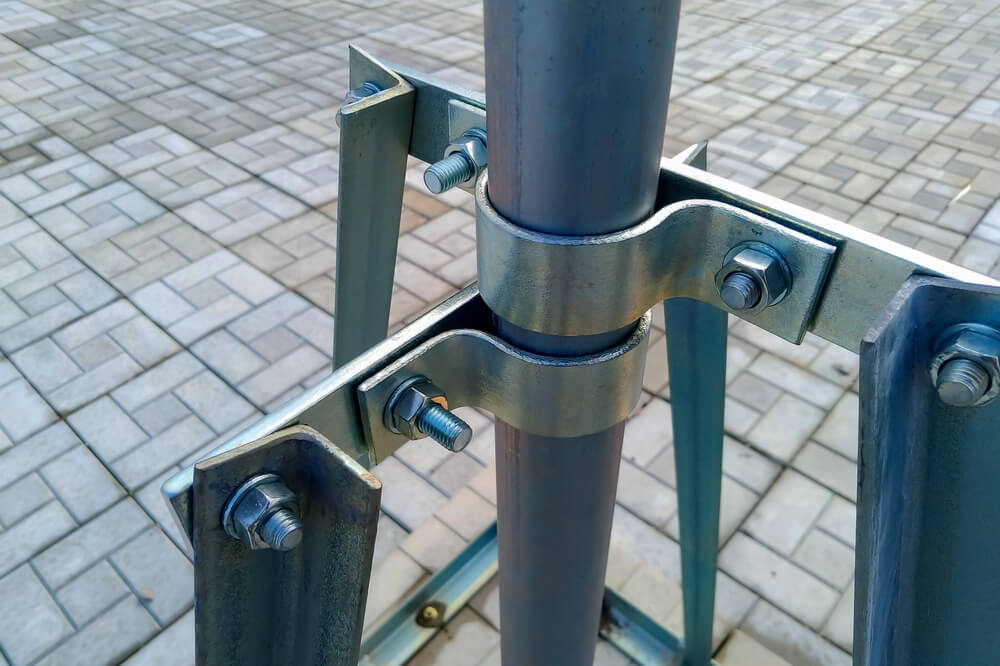
Simple frames of welded pipe formed forts, tunnels, and ladders. They had little padding, and bolts and joints could snag clothing. They were durable but inflexible by modern standards.
Overhead Monkey Bars Set Too High

Some monkey bars were mounted well above the height now recommended for young children. A skilled climber loved them, but a small one risked a long fall. Lower, shorter designs replaced them.
Whirligigs and Spinners

Spinning cups and discs turned rapidly with a push, leaving riders dizzy and sometimes sick. They were more entertaining than safe, and a few children inevitably flew off. Most schools retired them.
Parallel Bars

Steel bars set at shoulder height allowed children to practice swinging, hanging, and crossing hand over hand. The metal could be cold or hot depending on the weather. Few playgrounds kept them as designs shifted to more varied structures.
Wooden Climbing Walls
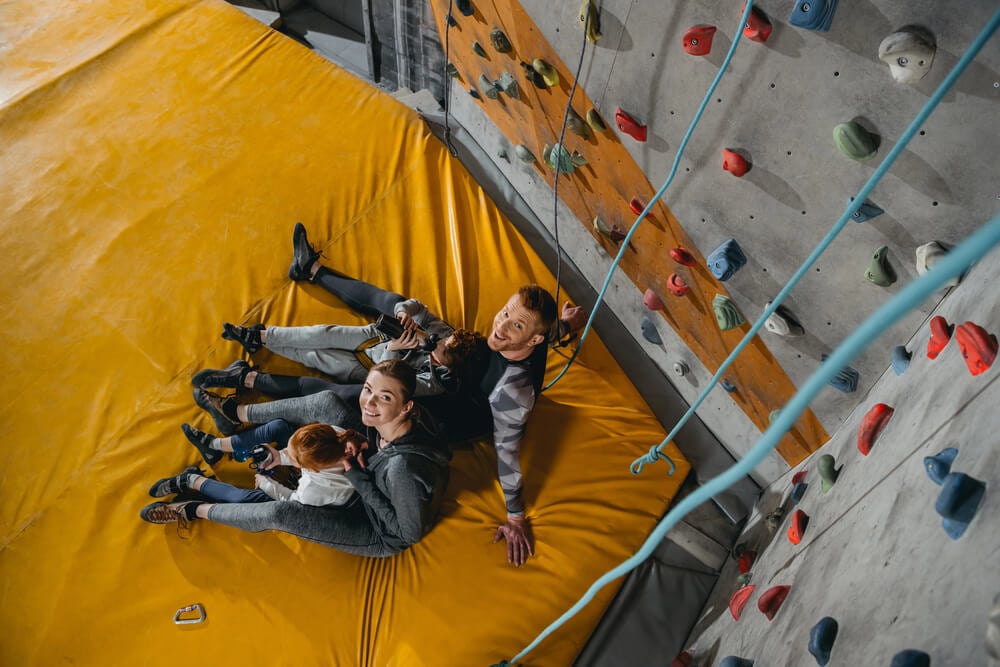
Walls of timber with footholds were built into playground frames. They looked rugged but splintered easily and rotted in wet weather. Rock-style plastic panels replaced them.
Rope Ladders and Cargo Nets
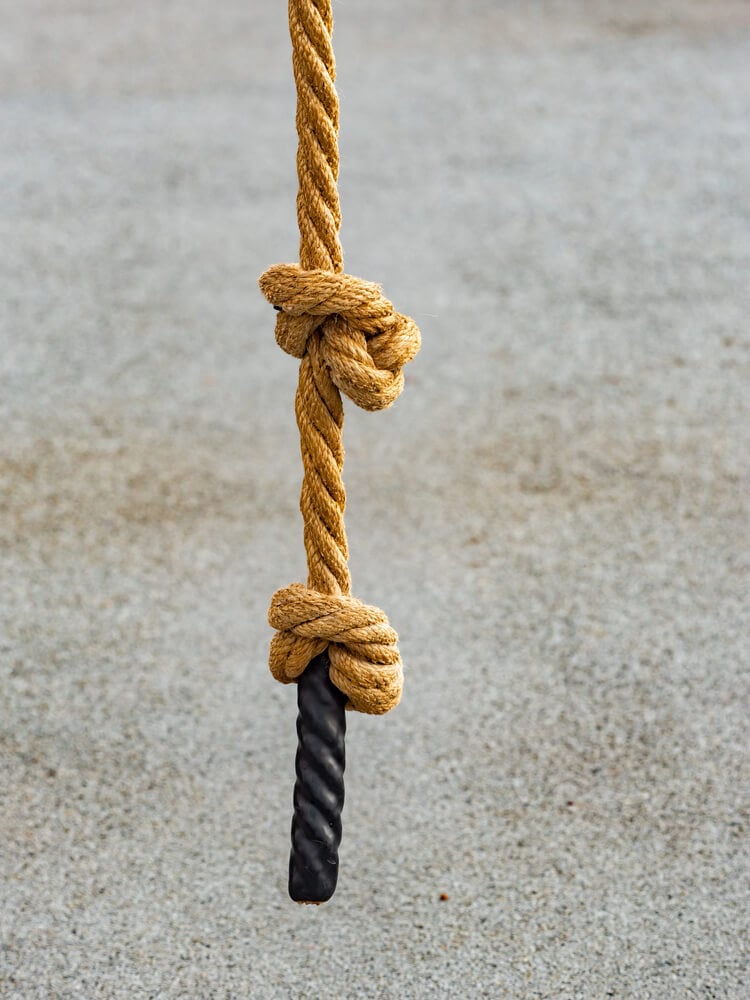
Nets of heavy rope hung from frames and invited children to climb like sailors. The ropes stretched and twisted underfoot, and a loose grip meant a tumble. Today’s versions use coated cables and are set over softer ground.
Pull-Up Bars
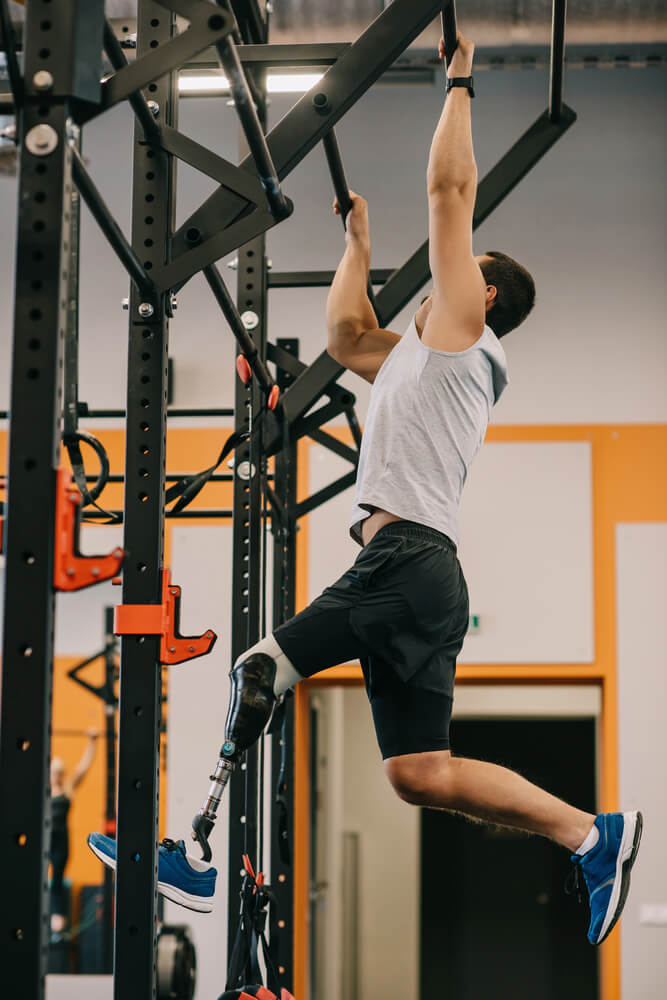
A simple horizontal bar, often at the edge of the playground, invited children to hang and swing. Some used it for flips, which led to falls. Today it is more likely to appear as part of a fitness station.
What the Blacktop Taught

Children who grew up on these playgrounds learned risk firsthand. Falls, scrapes, and near misses taught a rough kind of judgment that adults today debate. The equipment demanded attention, and the surfaces made consequences clear.
Modern playgrounds are safer and, by most measures, better designed, with lower heights and softer ground. Some people miss the thrill of the older pieces, but the injury statistics tell a persuasive story. The challenge now is building spaces that still let children stretch their courage.
More from Go2Tutors!

- 27 Silver Dollars and Half Dollars Worth Keeping
- 28 Restaurant Menu Items Nobody Orders Anymore
- 17 Places Built in Seemingly Impossible Spots
- 27 Vintage Rings Worth More Than They Look
- 25 Restricted Sites Tourists Can’t Enter
Like Go2Tutors’s content? Follow us on MSN.