31 Beach Day Essentials From the 1950s
A beach day in the 1950s required more packing than it does now, and almost every item was heavier. Canvas, glass, rubber, and steel did the work that lightweight plastics handle today.
Postwar prosperity put cars in more driveways and seaside towns within reach of ordinary families. The gear they hauled to the sand tells a surprisingly detailed story about the decade.
Knit Wool Swim Trunks

Men’s trunks were often made of knit wool or cotton, and they sagged noticeably when wet. The fabric held water and weighed more with every wave.
Elastic waistbands and quick-dry synthetics were still on the way.
The Rubber Bathing Cap

Women wore tight rubber caps, often decorated with rubber flowers, to keep hair dry in the surf. They snapped on with a pinch and were hard to remove when wet.
The caps kept styled hair intact long enough to dry on the drive home.
The Canvas Beach Umbrella
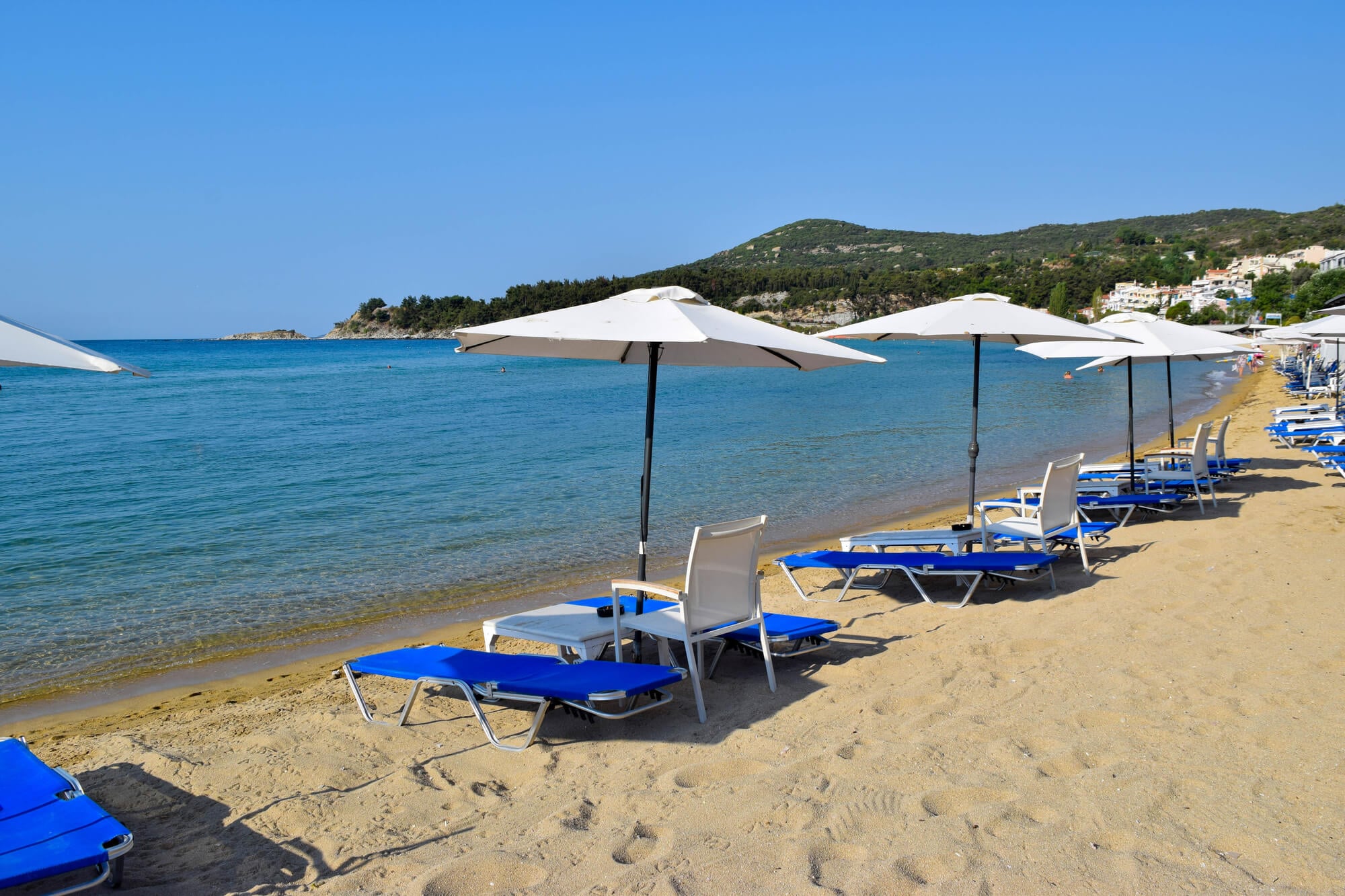
A large canvas umbrella with a wooden or metal pole was driven into the sand to make a patch of shade. Wind could lift it like a sail, so families anchored it with a twist and a prayer.
The stripes and bright colors made it visible from far down the beach.
The Cotton Beach Blanket
Heavy cotton or wool blankets marked each family’s territory on the sand. They soaked up moisture and were tough to shake clean.
A blanket with a fringe or plaid pattern was a status piece.
The Wicker Picnic Basket
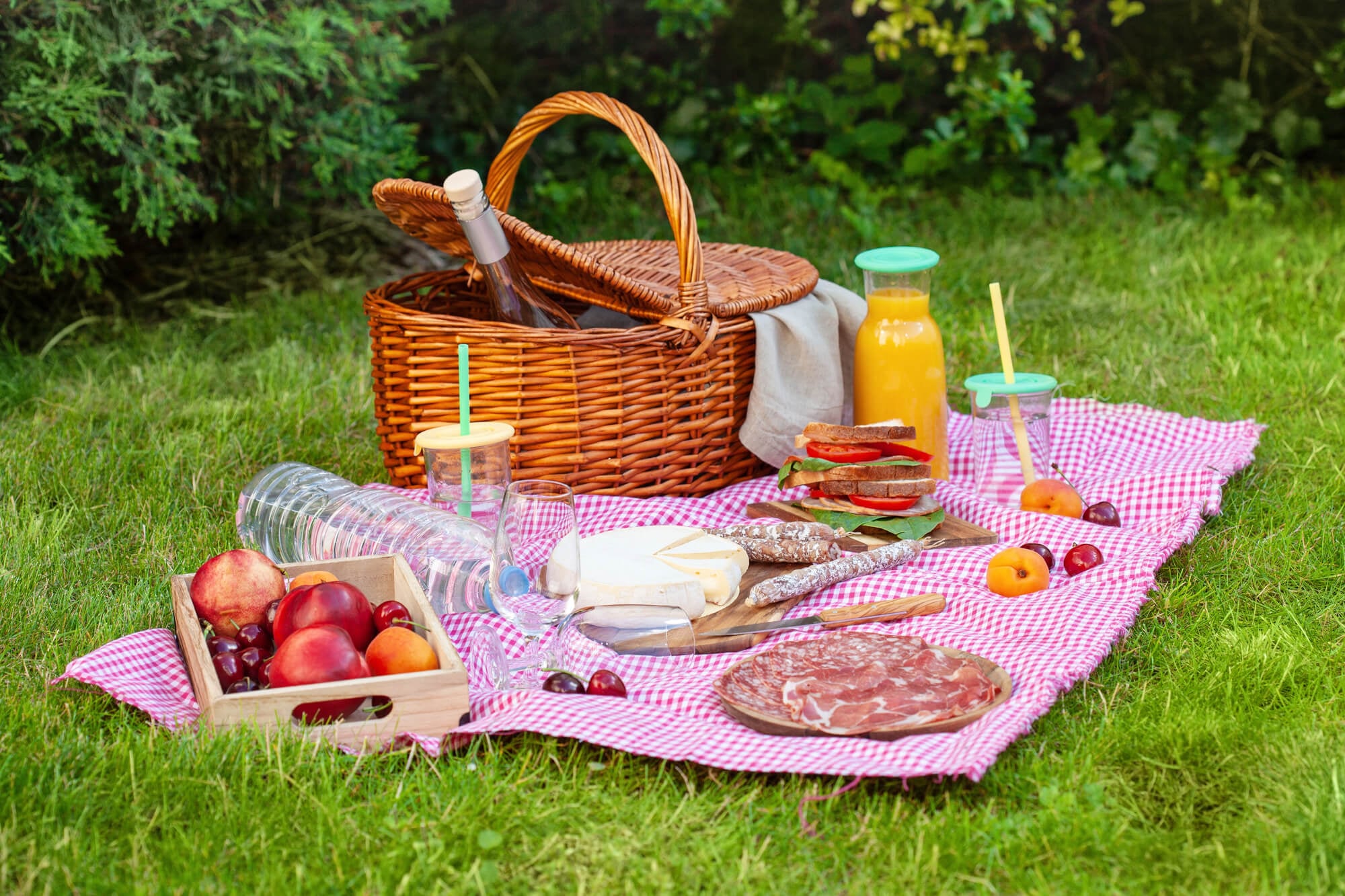
Wicker baskets held sandwiches, fruit, and plates, often with a lid that opened on a leather hinge. Some came fitted with utensils and a tablecloth.
The basket looked charming and weighed a great deal once filled.
The Steel Vacuum Bottle
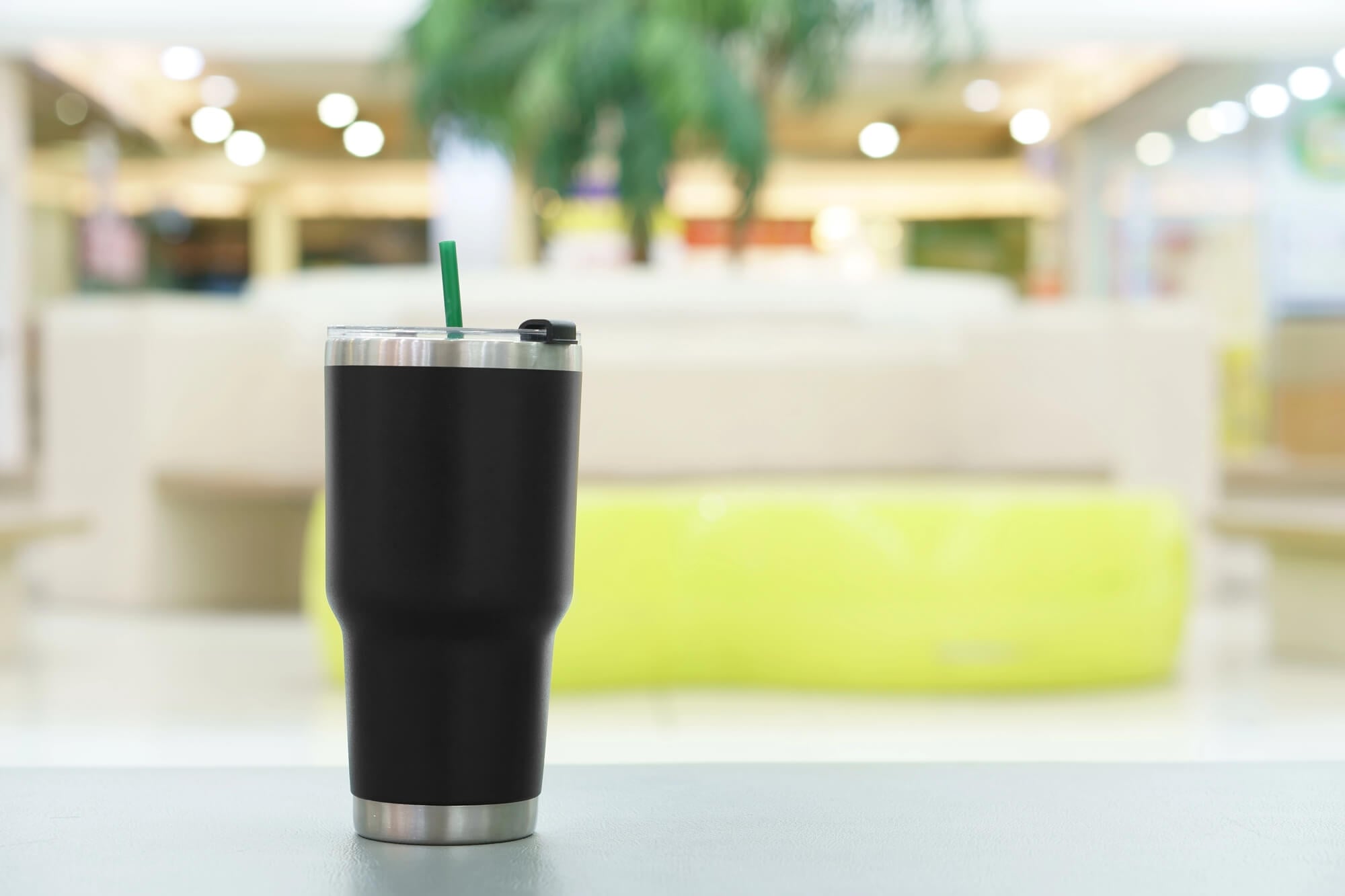
A steel-cased vacuum bottle, commonly called a thermos, kept lemonade cold and coffee hot. Its glass liner was fragile, and a dropped bottle could shatter without any visible damage outside.
Parents guarded it carefully.
The Metal Ice Chest
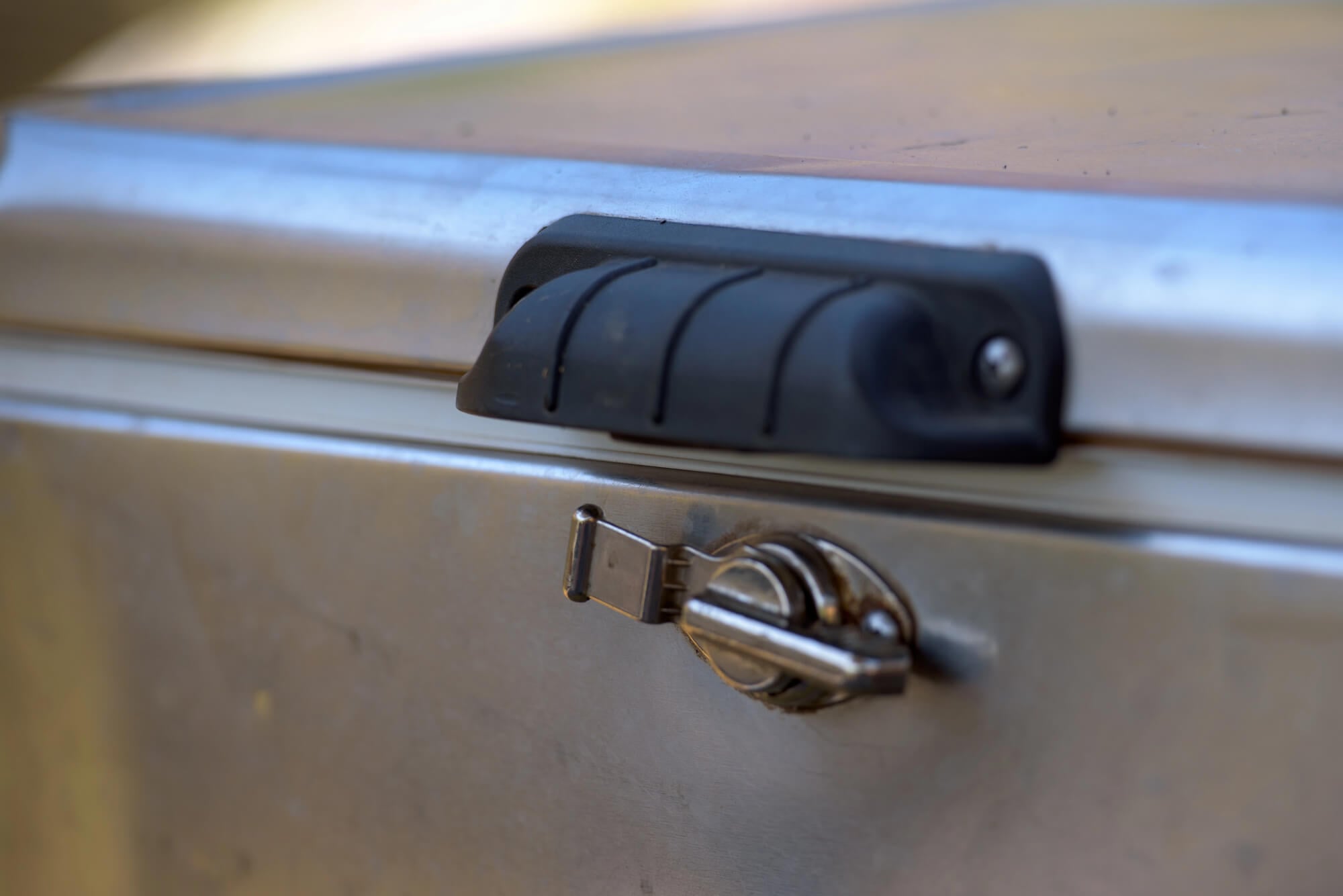
Insulated metal chests held ice, sandwiches, and drinks, and they were heavy even when empty. A drain plug let melted water run out.
The lid doubled as a seat or a table.
Glass Soda Bottles

Soda in thick glass bottles was a beach treat, opened with a church key or a bottle opener. Bottles were returned for a deposit, which turned scavenging into a small business for children.
Broken glass on the sand was a recurring hazard.
The Transistor Radio
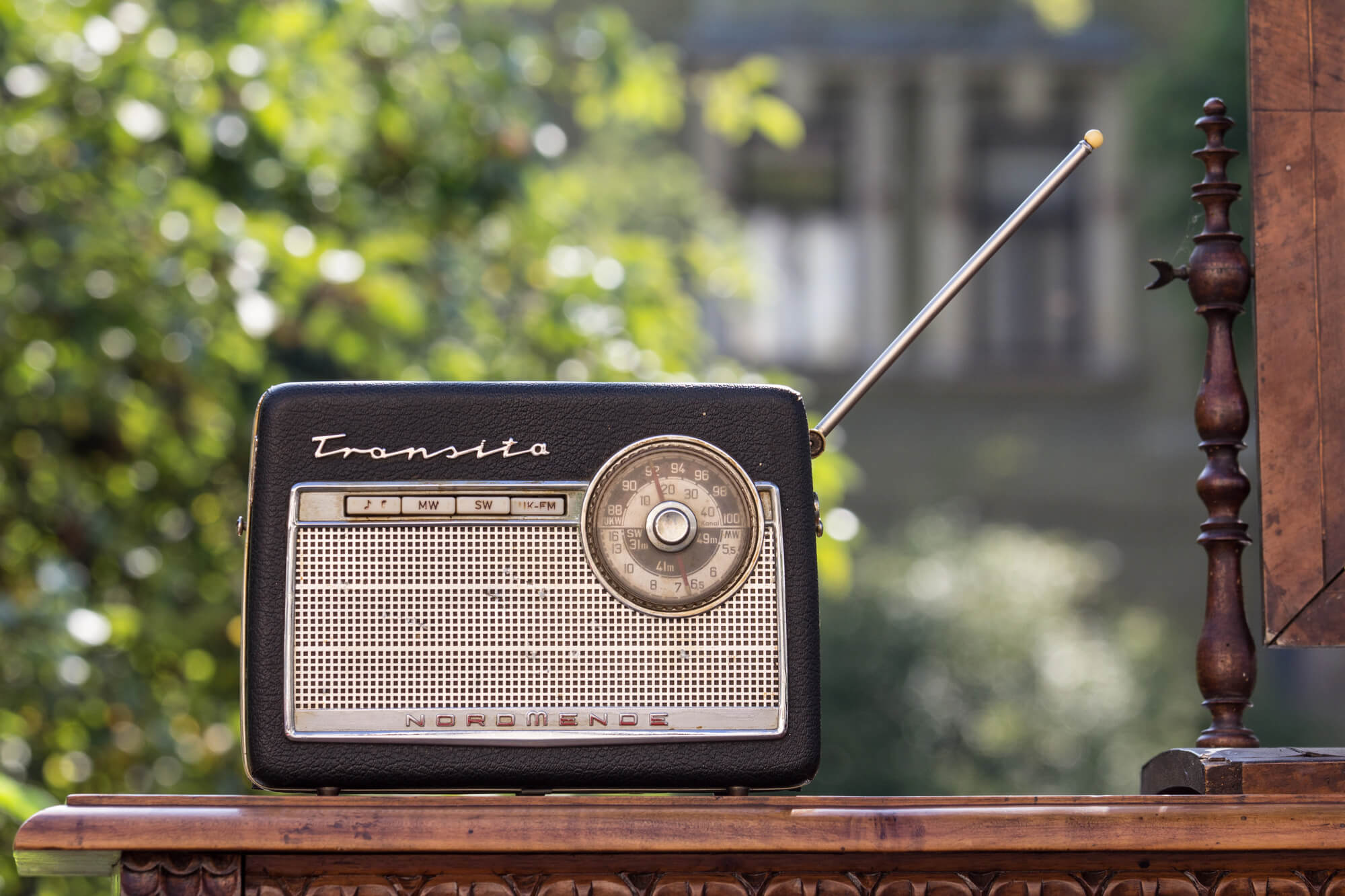
The Regency TR-1, released in 1954, was the first commercially produced transistor radio and brought portable music to the beach. Later models were small enough to sit on a towel.
Teenagers tuned to rock and roll stations and shared the sound with the surrounding blankets.
Wayfarer Sunglasses
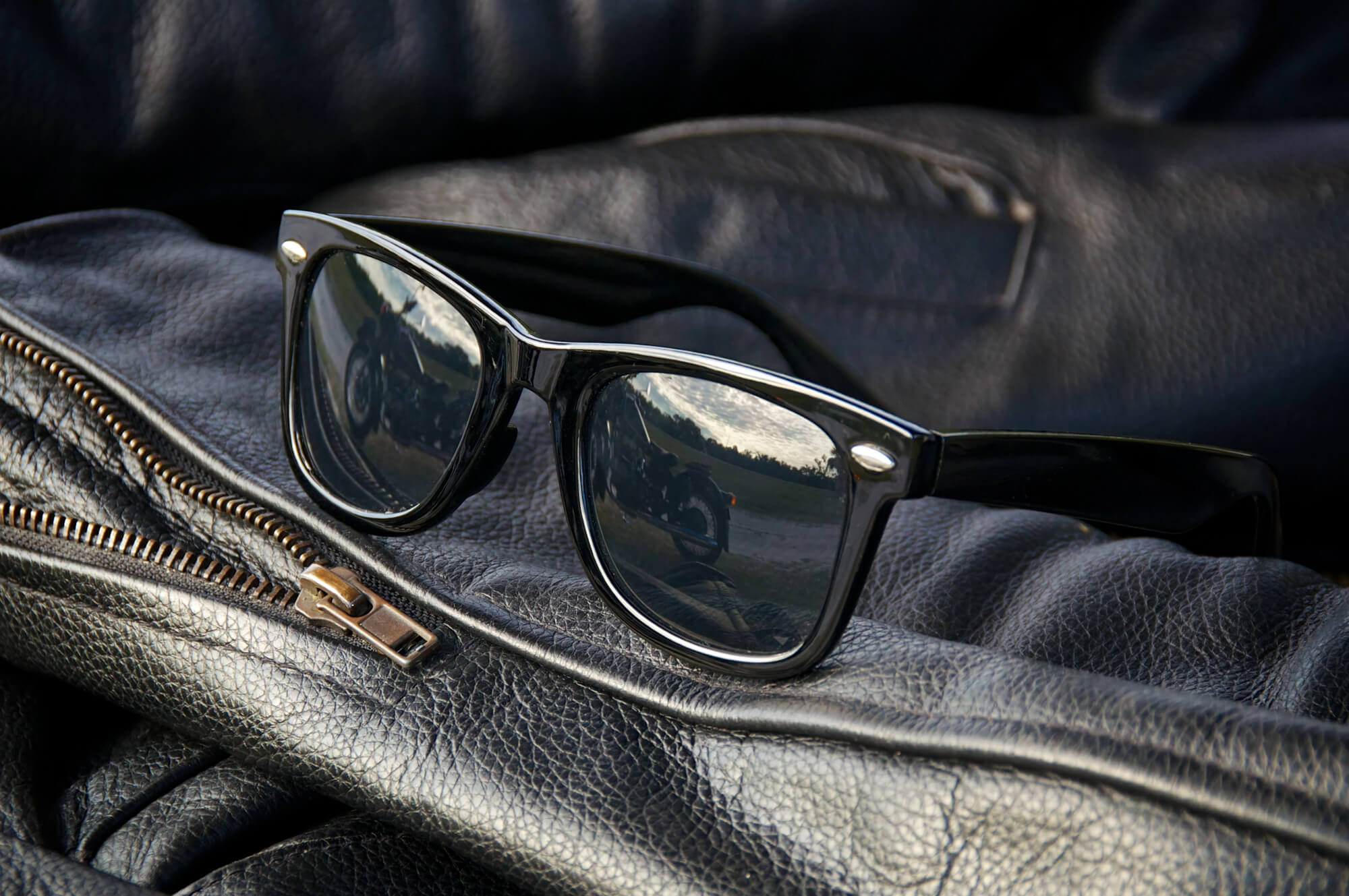
Ray-Ban introduced the Wayfarer in 1952, and its thick plastic frame became a fashion staple. The style was bold, slightly angular, and a break from earlier metal designs.
A pair on the beach said a person was keeping up with the times.
Rubber Flip-Flops
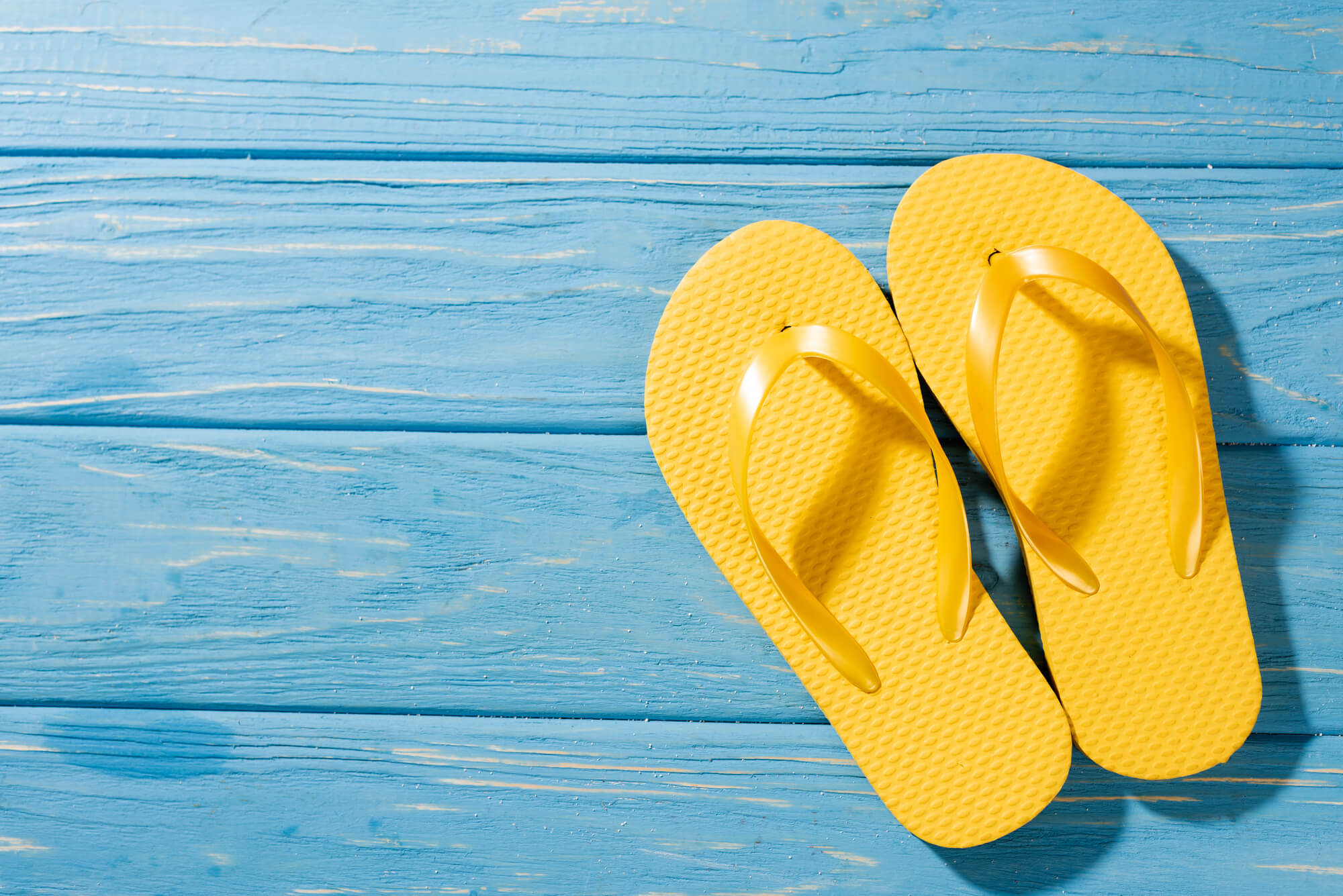
Flip-flops, modeled on Japanese zori sandals, grew popular in the United States after World War II. The thin rubber soles and Y-shaped straps made them cheap and easy to wear.
They slapped on hot sand and became the unofficial footwear of the shore.
The Terry Cloth Cover-Up
A loose terry cloth robe or jacket kept sun and wind off between swims. It dried quickly and doubled as a towel.
The thick pile made it feel like a small piece of home on the beach.
Folding Aluminum Chairs
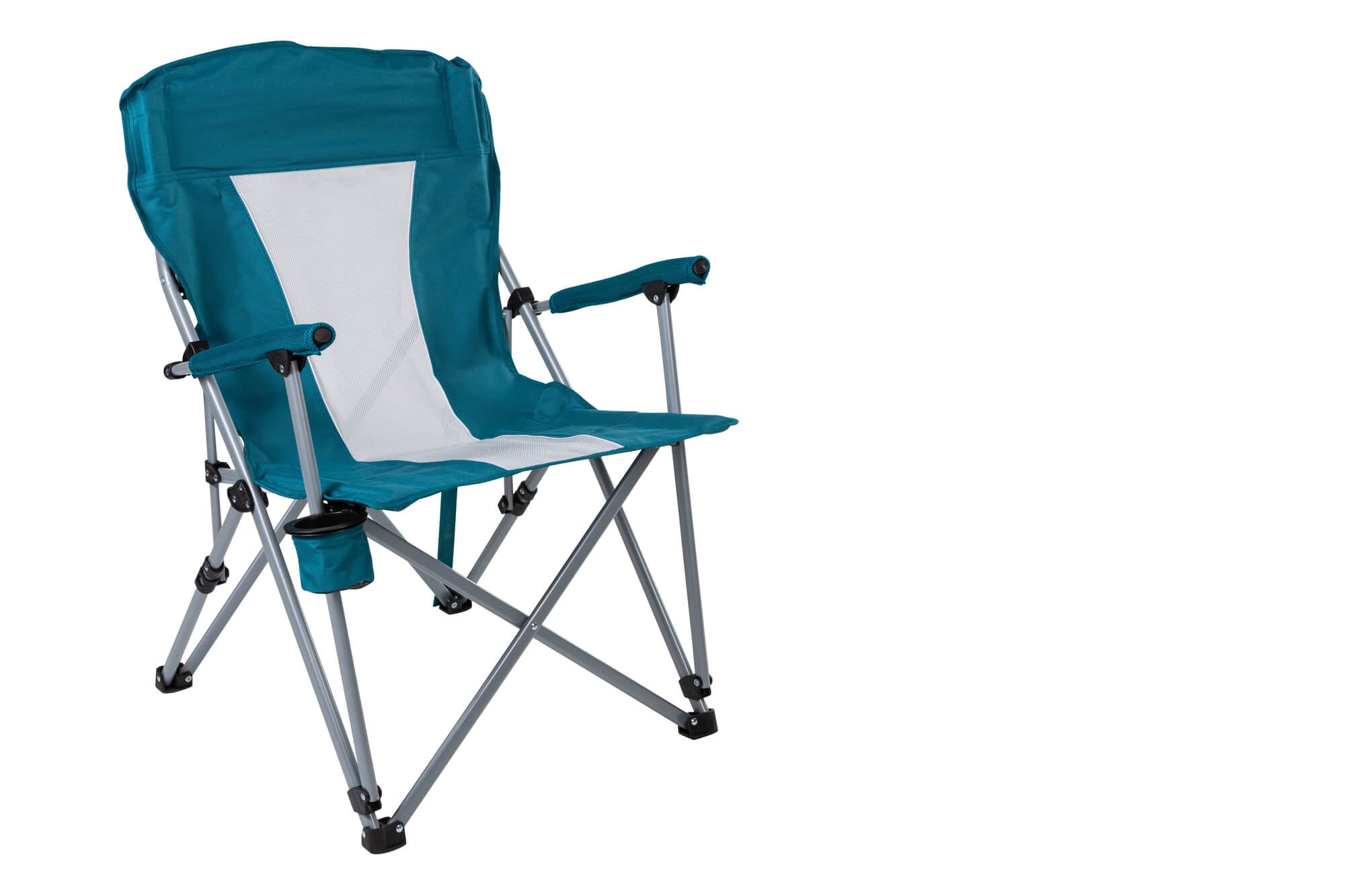
Lightweight aluminum frames with woven nylon or plastic webbing made the beach chair a staple. They folded flat for the trunk and were easy to carry.
A low profile kept them from tipping on soft sand.
Rubber Inner Tubes
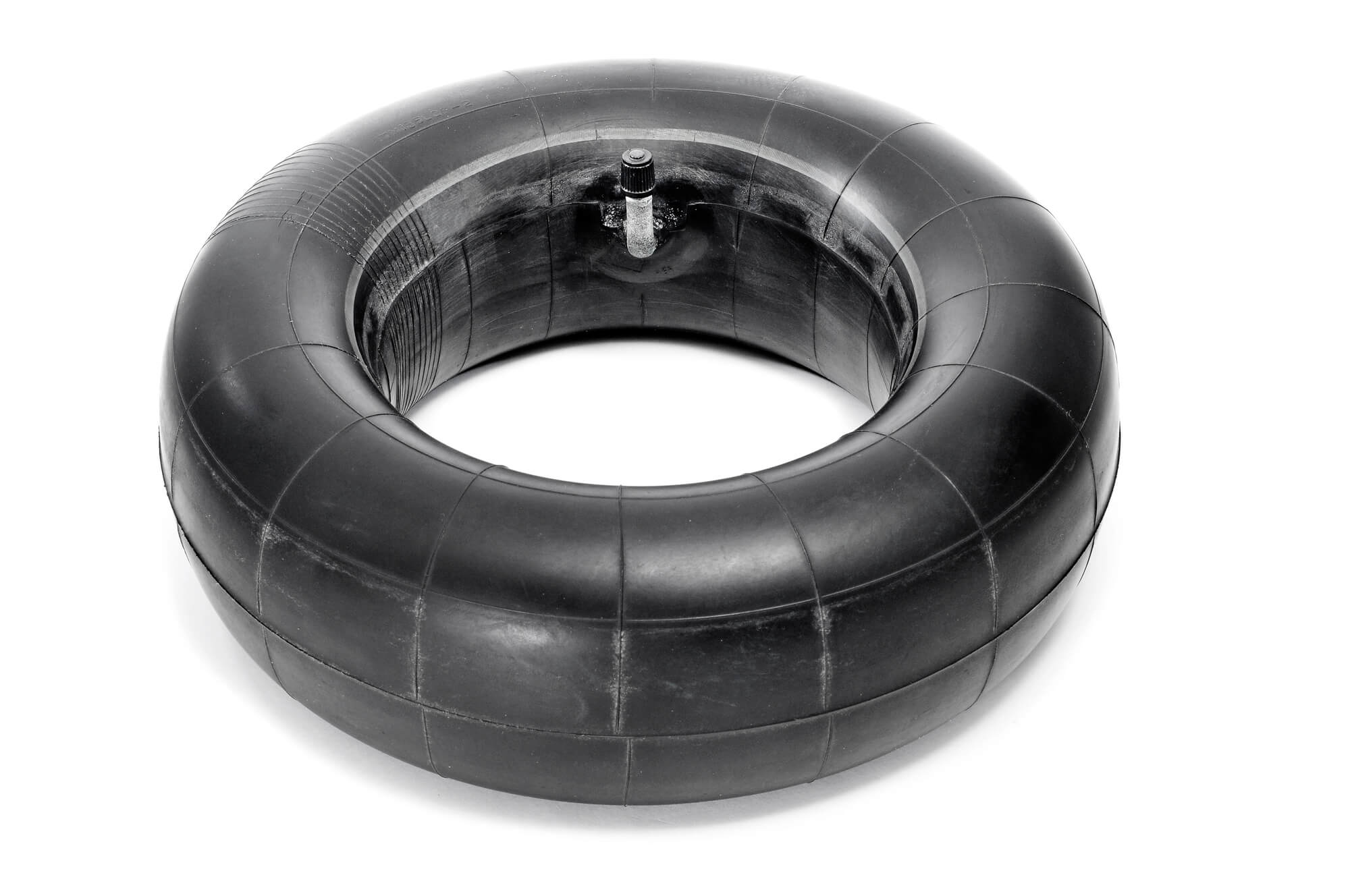
Truck inner tubes inflated at a gas station made inexpensive flotation devices. Children paddled around in them and sometimes carried them down the beach.
The black rubber got hot in sun and left a smell that lingered.
The Inflatable Rubber Raft
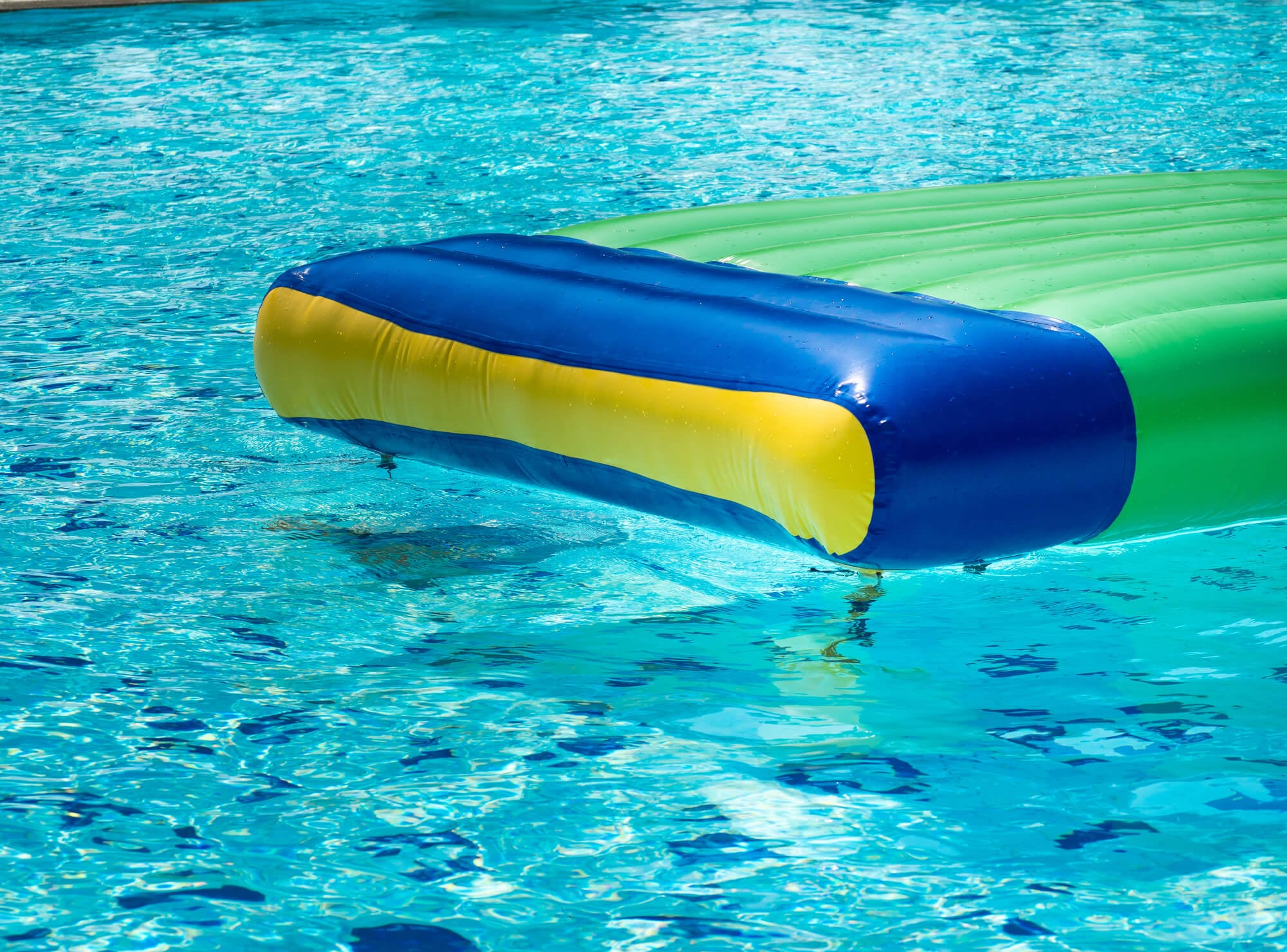
A small rubber raft was often brought for toddlers and older children to paddle in the shallows. Parents blew it up by mouth or with a foot pump.
A tiny leak could end the afternoon quickly.
The Tin Pail and Shovel
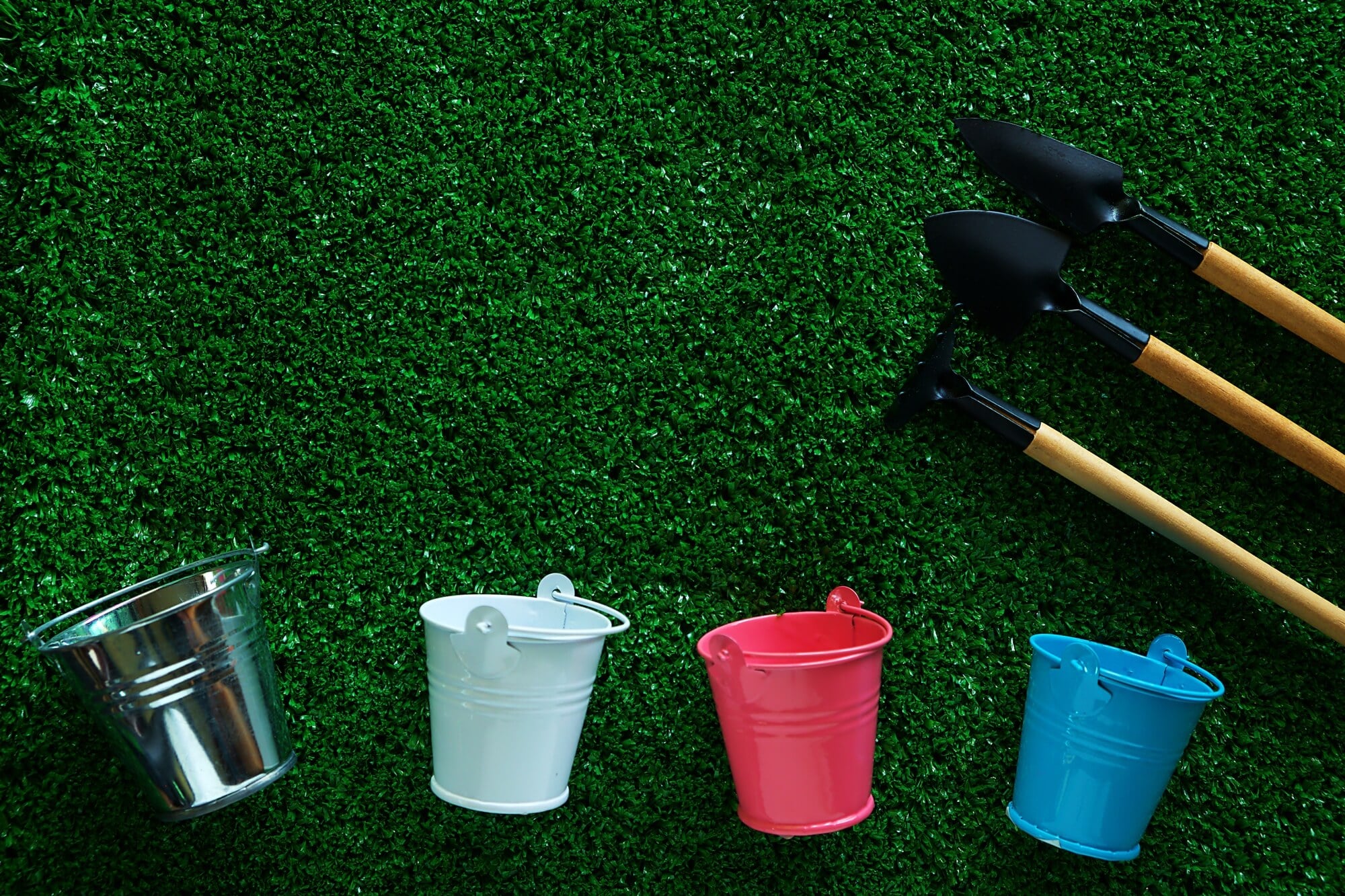
A tin pail and small shovel, often painted with seaside scenes, made sand castles and moats. The metal rusted quickly in salt air.
A child with a new pail felt equipped for the day.
The Diving Mask

Rubber and glass diving masks opened up the underwater world for amateur swimmers. They were often paired with a simple snorkel.
Early designs leaked, and a day of snorkeling meant a lot of mask clearing.
Rubber Swim Fins
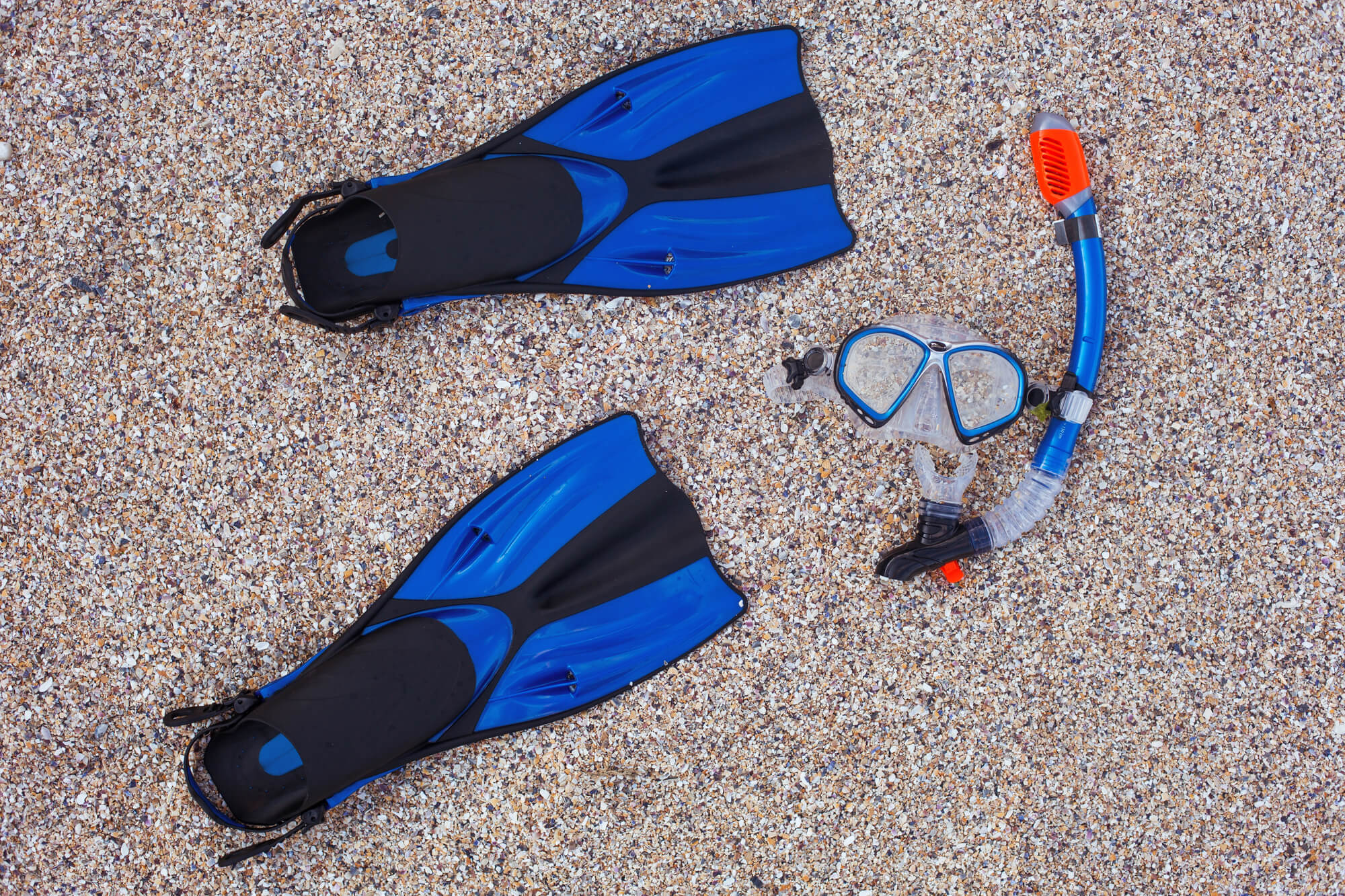
Swim fins let swimmers move farther and faster without getting tired. They were stiff and sometimes pinched the foot.
Divers and lifeguards used them, but so did curious teenagers.
The Canvas Beach Bag
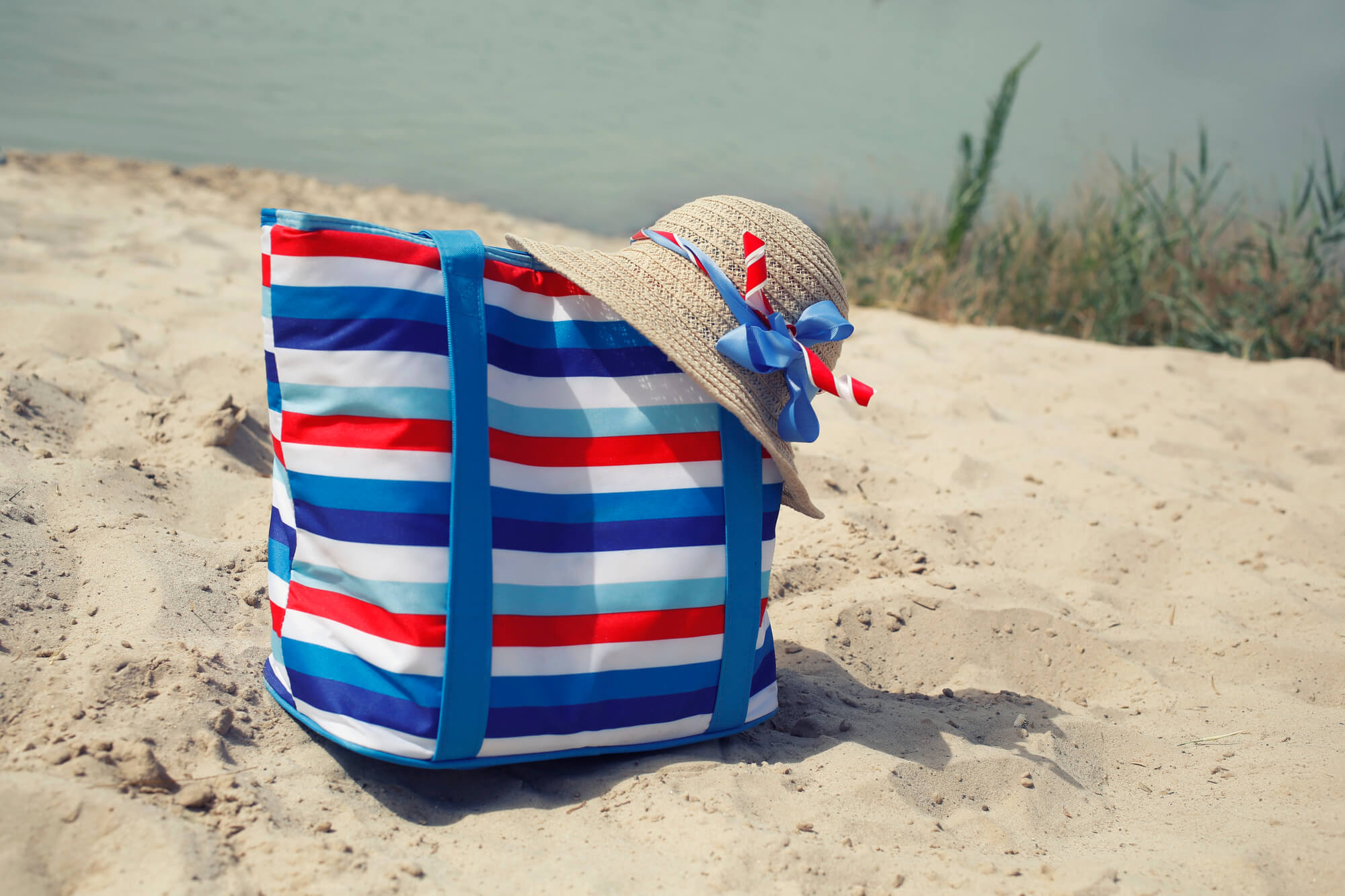
A large canvas tote carried towels, lotion, and a paperback. Rope handles and metal clasps gave it a nautical look.
A damp bag in the trunk meant a long smell of salt on the ride home.
A Deck of Playing Cards
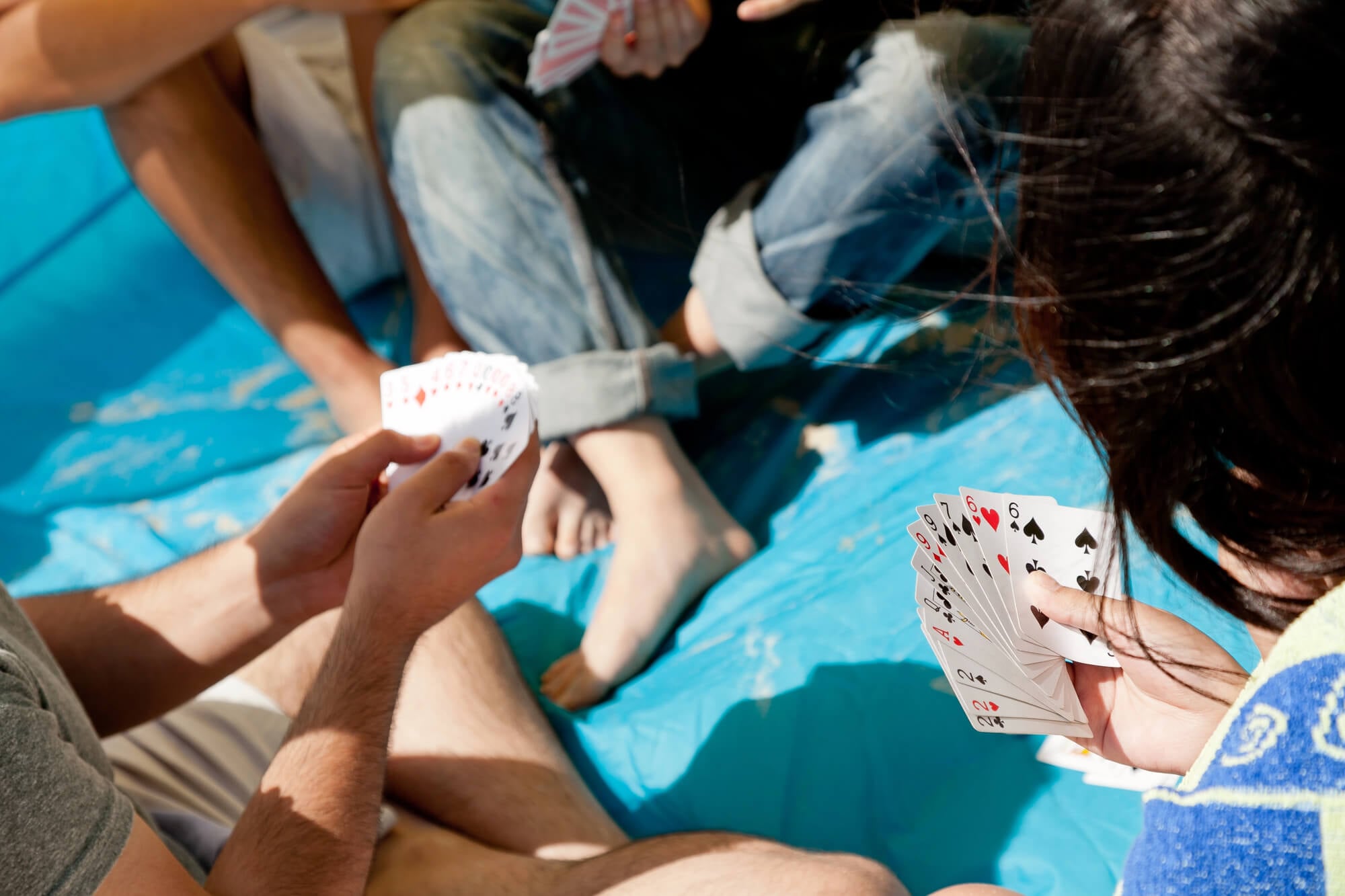
A worn deck of cards kept families entertained during long afternoons. Games such as gin rummy and hearts could stretch for hours.
The cards got sandy and curled in the humidity.
Baby Oil
Baby oil was a popular tanning aid, applied generously to speed the browning. It offered no real sun protection, and sunburns were common.
Many people later learned just how much damage it did.
Cocoa Butter Lotion
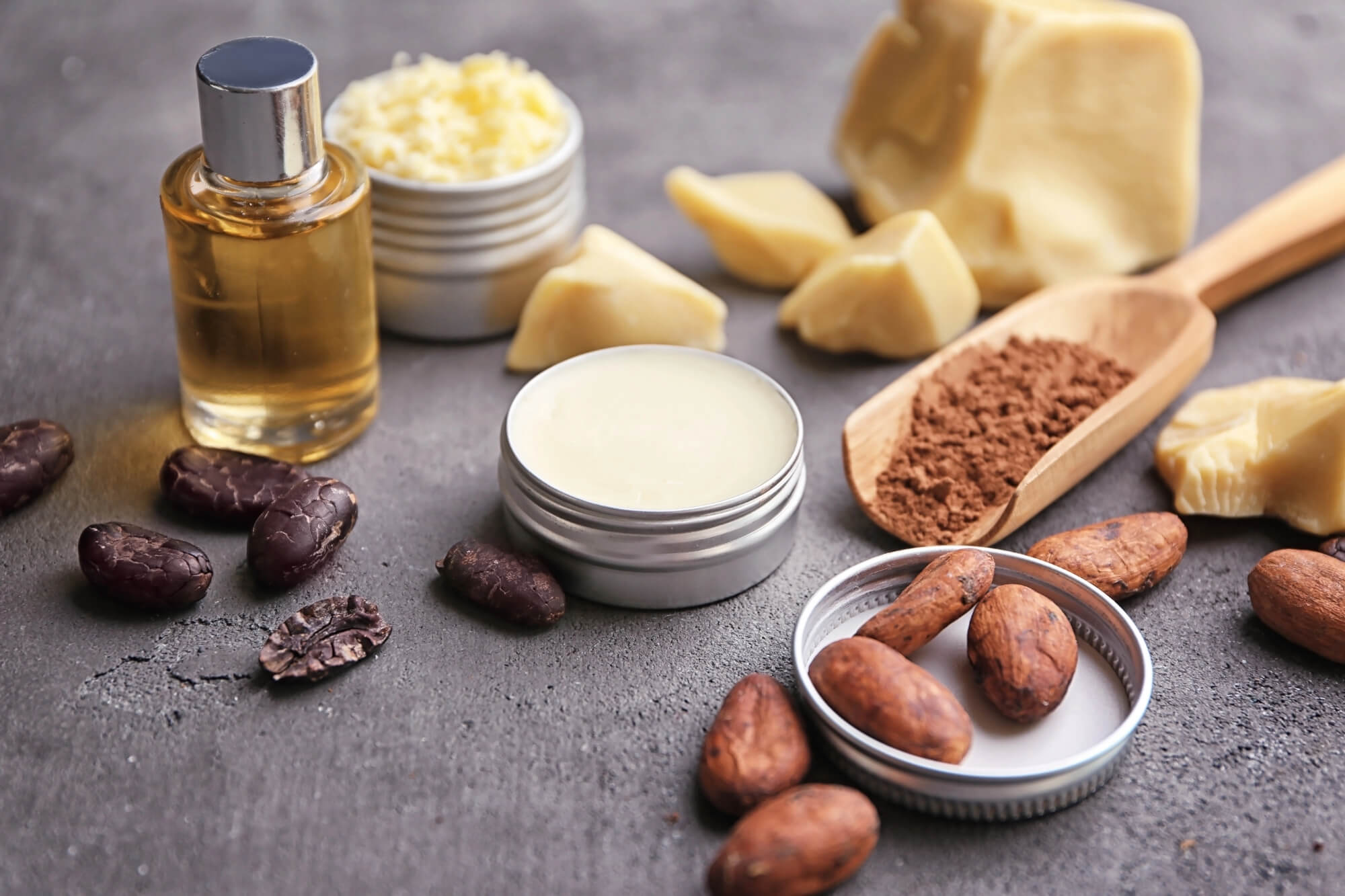
Cocoa butter lotion, with a rich scent, was smoothed on skin to keep it soft and supple. Some versions included a mild sunscreen but many did not.
The smell of chocolate and coconut mingled in the beach air.
Zinc Oxide on the Nose
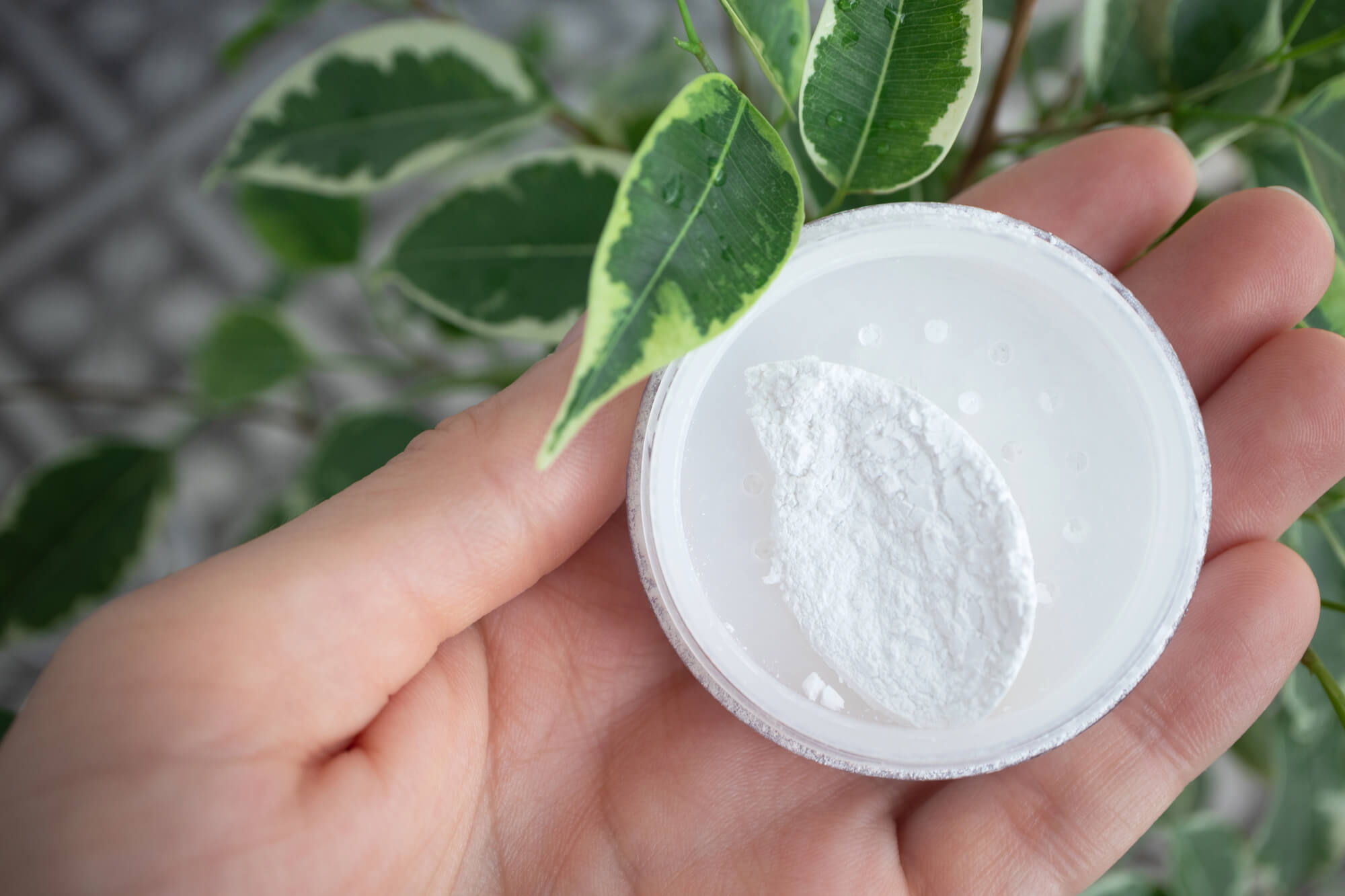
A white stripe of zinc oxide across the nose was a lifeguard staple and a sensible precaution. The paste blocked sun and stayed on in the water.
Children thought the look was hilarious.
The Kodak Brownie Camera
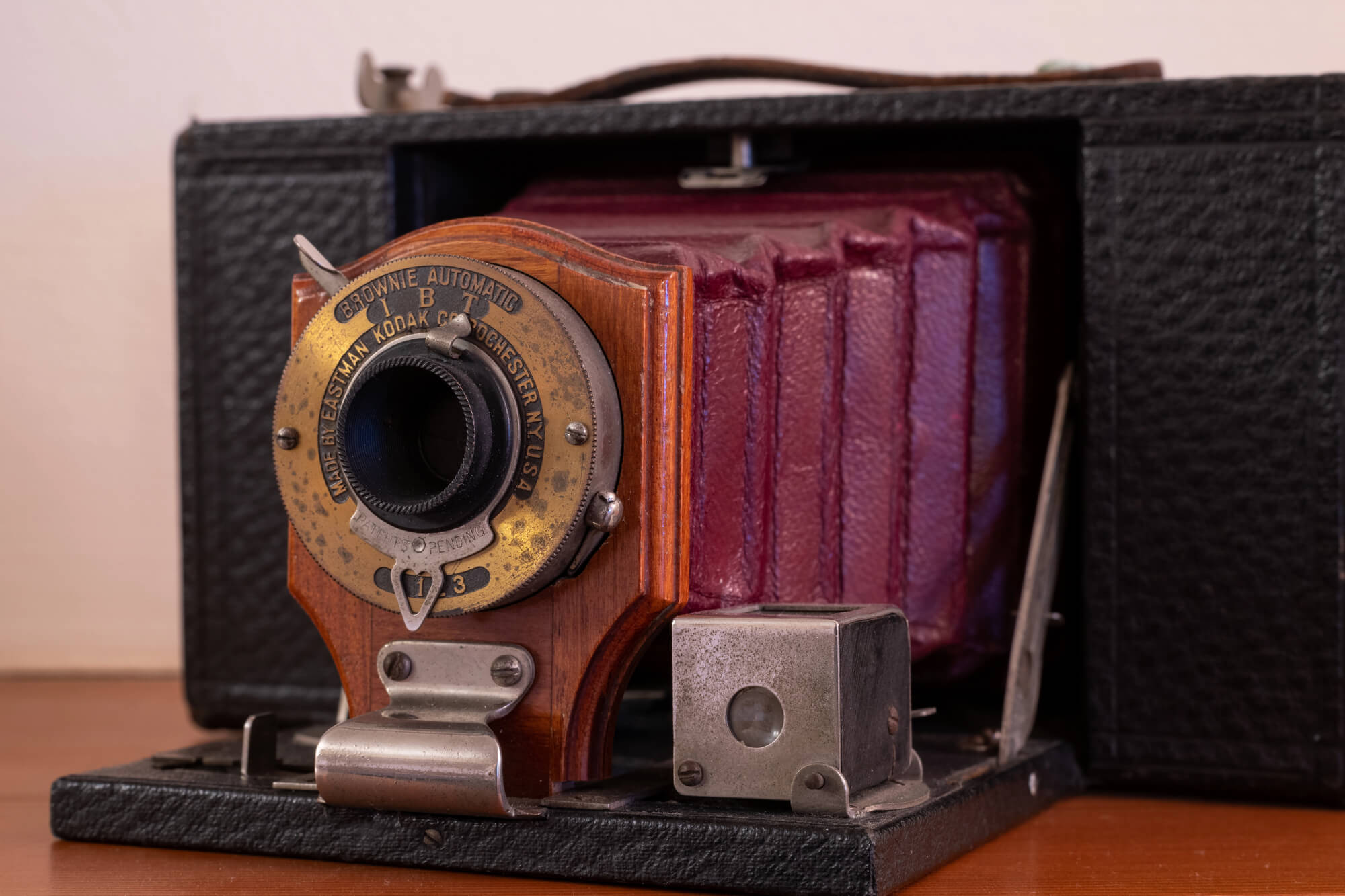
The Brownie camera, a simple box that took roll film, captured family beach trips in small black-and-white or color snapshots. A day at the shore might use up a full roll.
Prints came back from the drugstore weeks later.
Calamine Lotion
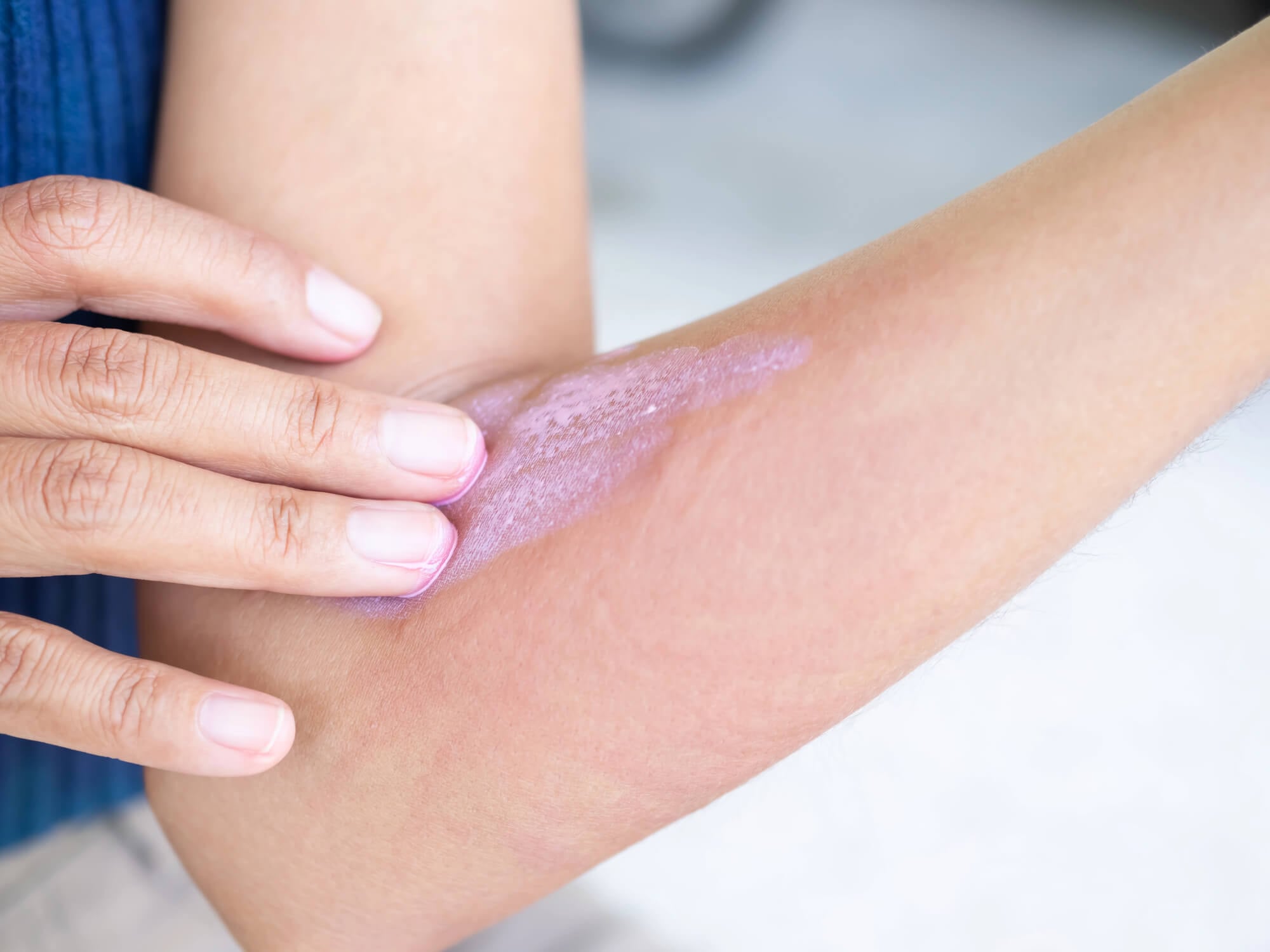
Pink calamine lotion soothed sunburn and bug bites after a long day outside. It dried to a chalky coat that cracked as skin moved.
Medicine cabinets across the country held a bottle for such emergencies.
The Straw Hat
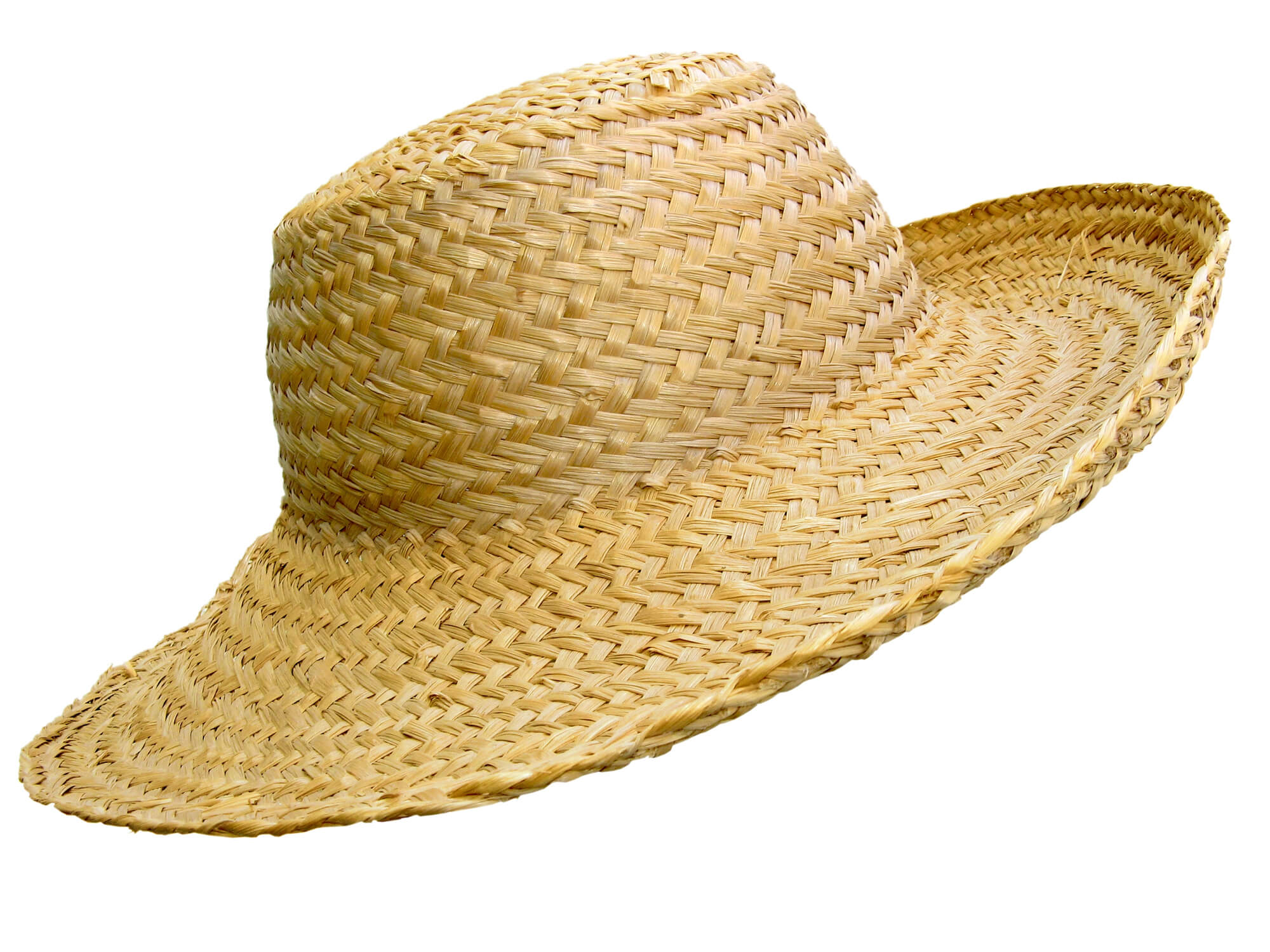
A wide-brimmed straw hat shaded the face and neck, and many were tied under the chin. The weave let air through and the brim kept off glare.
Hats were practical, and also a sign of leisure.
The Aloha Shirt

Brightly printed Hawaiian shirts moved from the islands to the mainland in the 1950s and became casual wear at the shore. Rayon and cotton fabrics carried bold flowers and palm trees.
Wearing one was a quick way to look relaxed.
Heavy Wooden Surfboards
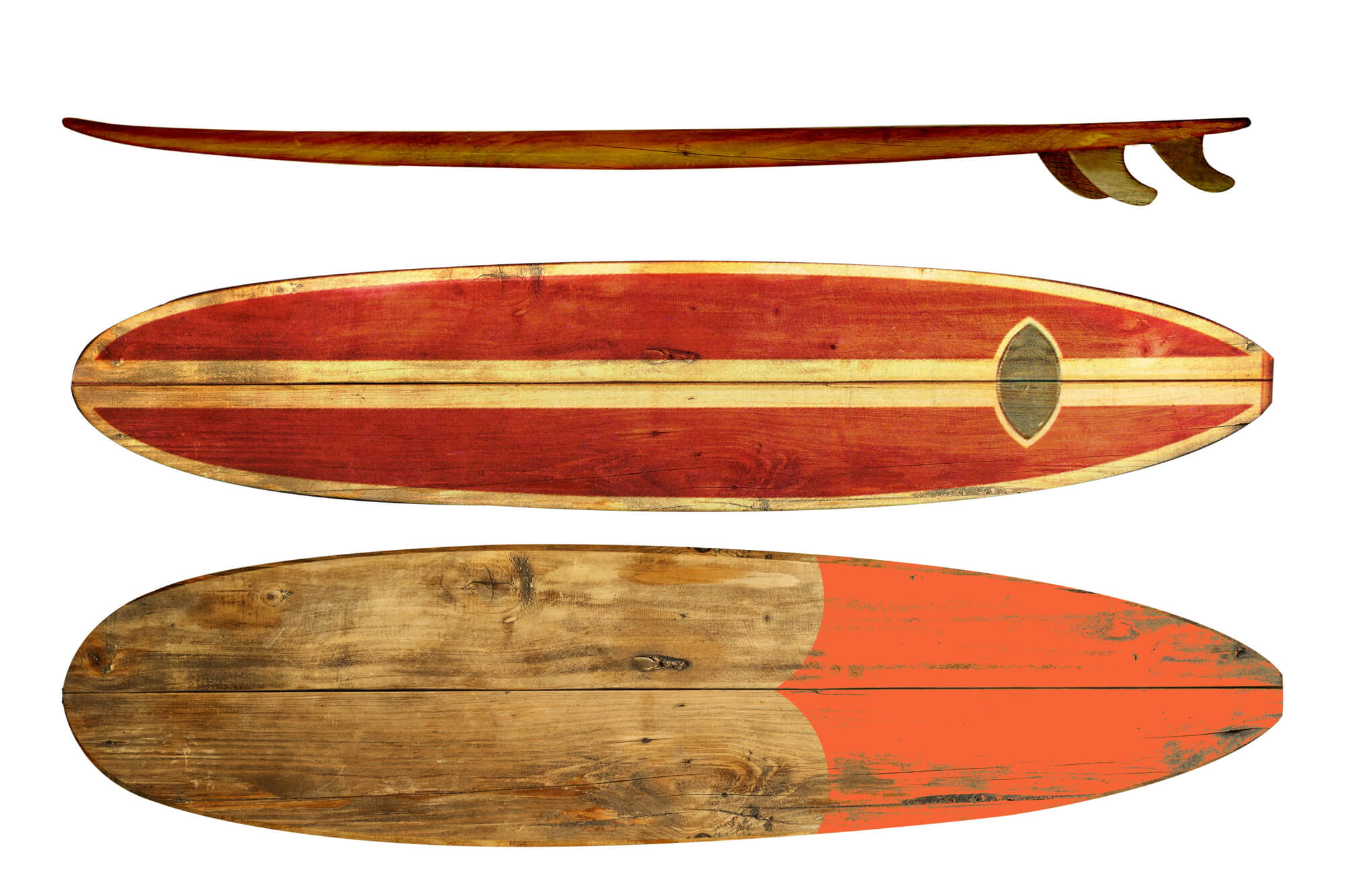
Early surfboards made of balsa, redwood, or hollow wood were long and heavy, sometimes weighing over fifty pounds. California surfers carried them down to the water by hand or on roof racks.
Foam and fiberglass boards began to appear near the end of the decade.
Striped Beach Towels
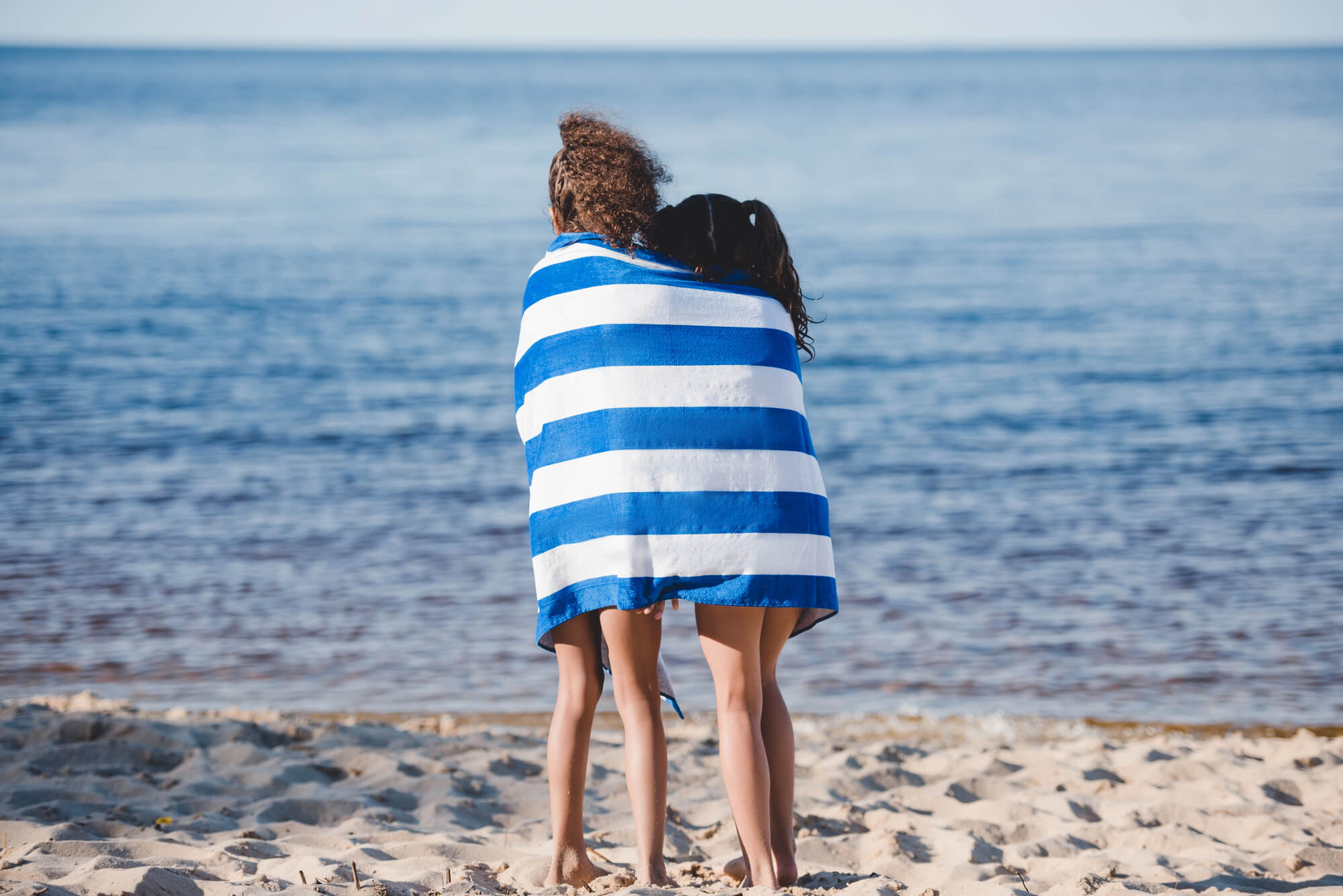
Large cotton towels in bold stripes were laid out as seats and wrapped around shoulders after a swim. They were thick and slow to dry.
Salt and sand turned them stiff by the end of the day.
The Paperback Novel
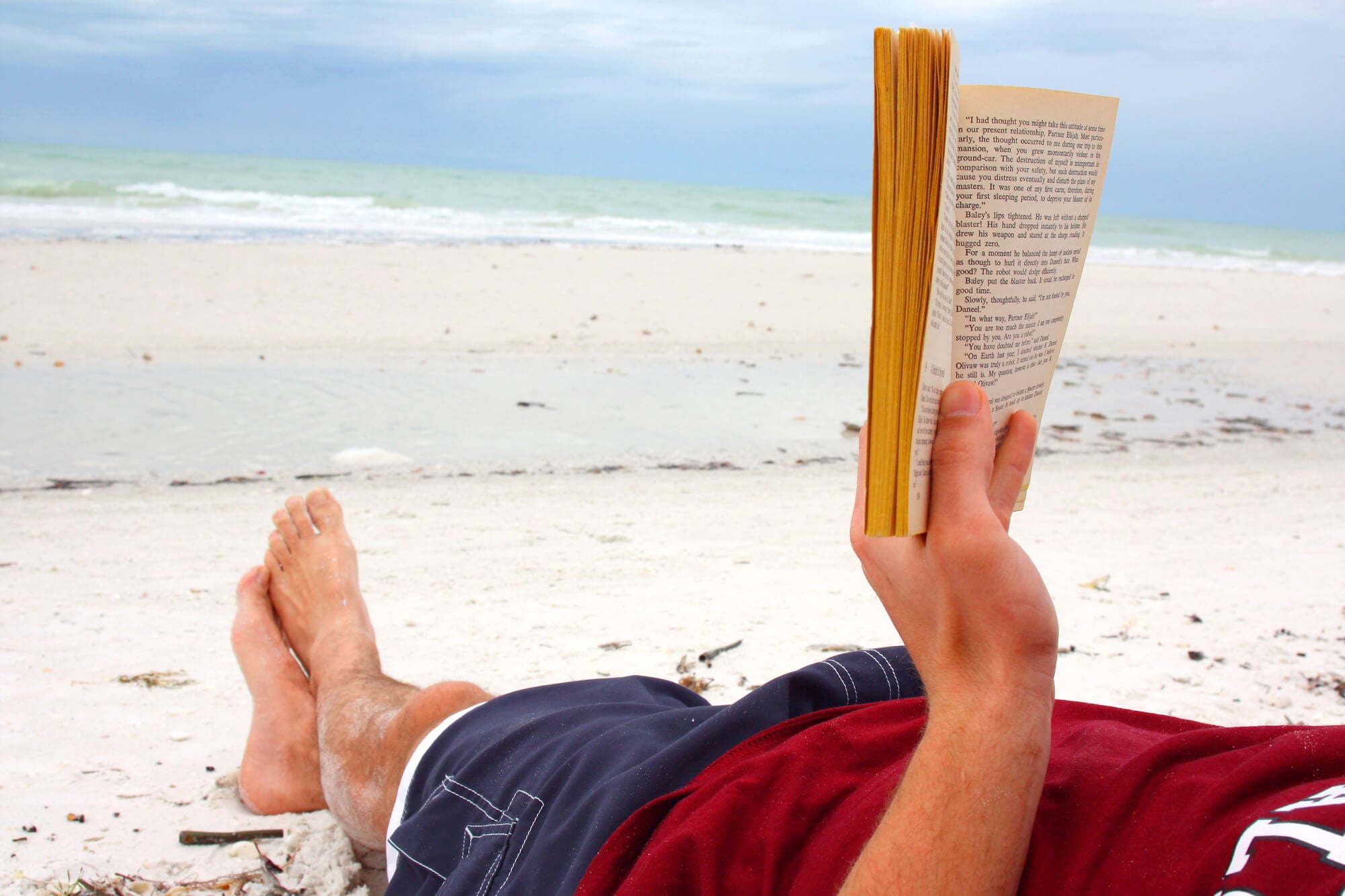
Cheap paperbacks boomed in the 1950s, and a pocket-size mystery or western was an ideal beach read. The covers often featured dramatic illustrations.
A book left in the sun curled and bleached, and few cared.
The Cold Picnic Lunch
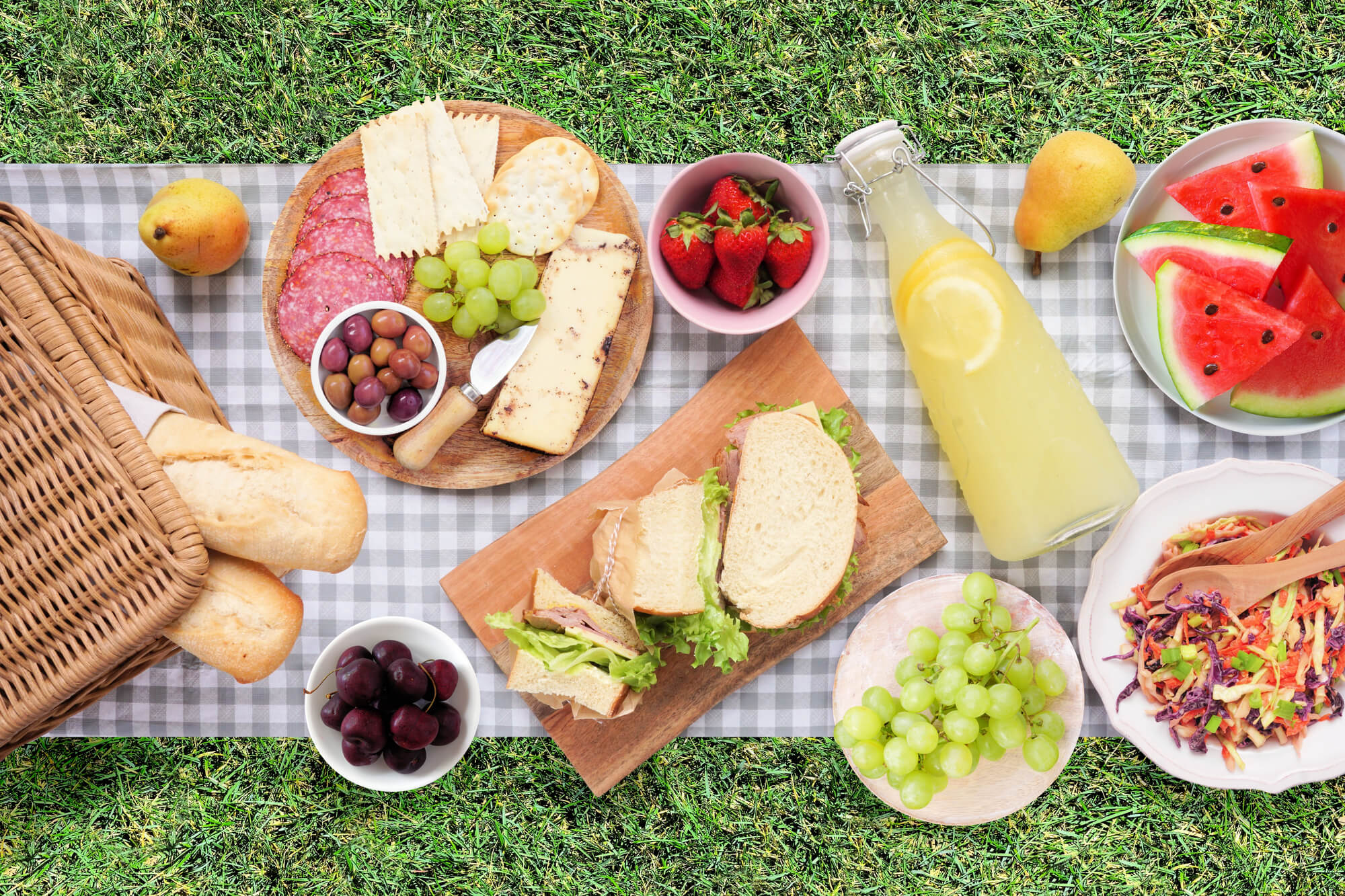
Sandwiches wrapped in wax paper, deviled eggs, potato salad, and cold fried chicken made a typical lunch. The foods were chosen because they traveled well and tasted fine at lukewarm temperatures.
Family members took turns guarding the basket from gulls.
What the Tide Left Behind

The beach gear of the 1950s was heavy and a bit clumsy, but it served a clear purpose. Each piece made a day by the water more comfortable and gave families a ritual to share.
Packing the trunk was part of the fun.
Today’s lighter, brighter equipment makes beach trips easier, yet it lacks some of the charm. A canvas umbrella and a wicker basket belong to a slower era, when a day at the shore meant staying put and enjoying the sound of the surf.
More from Go2Tutors!

- 27 Silver Dollars and Half Dollars Worth Keeping
- 28 Restaurant Menu Items Nobody Orders Anymore
- 17 Places Built in Seemingly Impossible Spots
- 27 Vintage Rings Worth More Than They Look
- 25 Restricted Sites Tourists Can’t Enter
Like Go2Tutors’s content? Follow us on MS