30 Public Buildings Adapted During Wartime
Public buildings are designed for one job, and wars have never cared. Legislatures, theaters, racetracks, and hotels have all been drafted on short notice, with cots where the furniture used to be and sentries where the ushers used to stand.
Some conversions lasted a few weeks, while others changed the building, the neighborhood, and the people who passed through for years afterward. Every one of the buildings below is real, and every one of them found a second life nobody planned for.
The Patent Office Among the Inventions
— Photo by sainaniritu
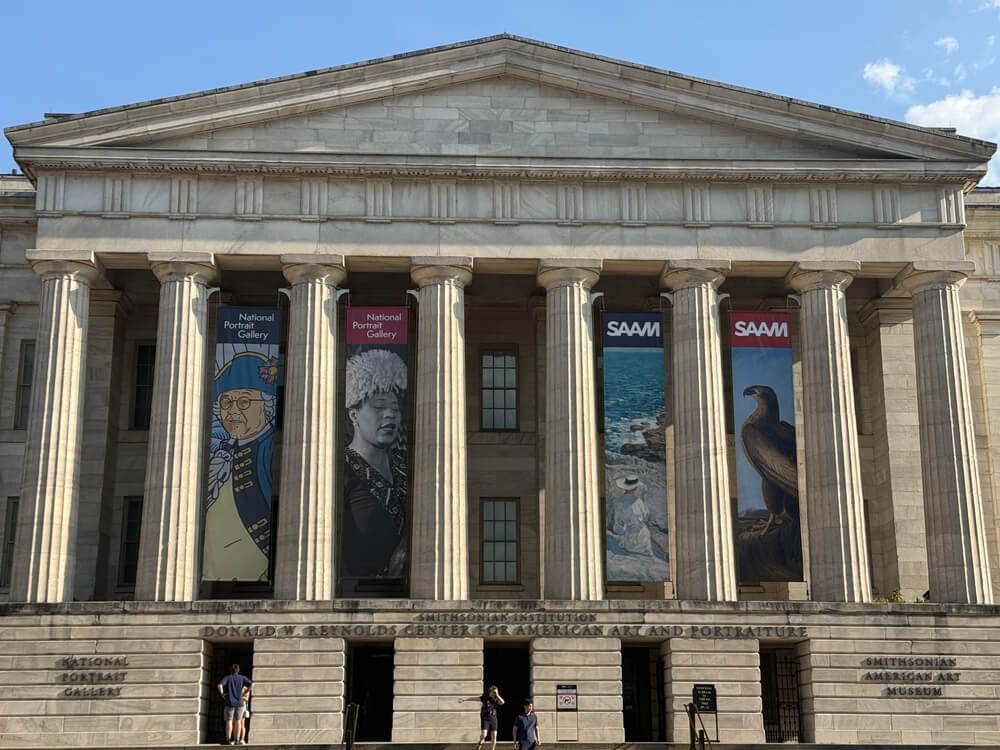
Union soldiers were quartered in the Patent Office in Washington early in the Civil War, and after major battles the wounded were laid on cots in the same halls that held glass cases of patent models. Walt Whitman volunteered there as a nurse and described the scene in Specimen Days.
In March 1865, the building hosted the celebration for Lincoln’s second inauguration, with guests dancing where soldiers had recovered. The building now houses the Smithsonian American Art Museum and the National Portrait Gallery.
The Capitol as Barracks and Bakery
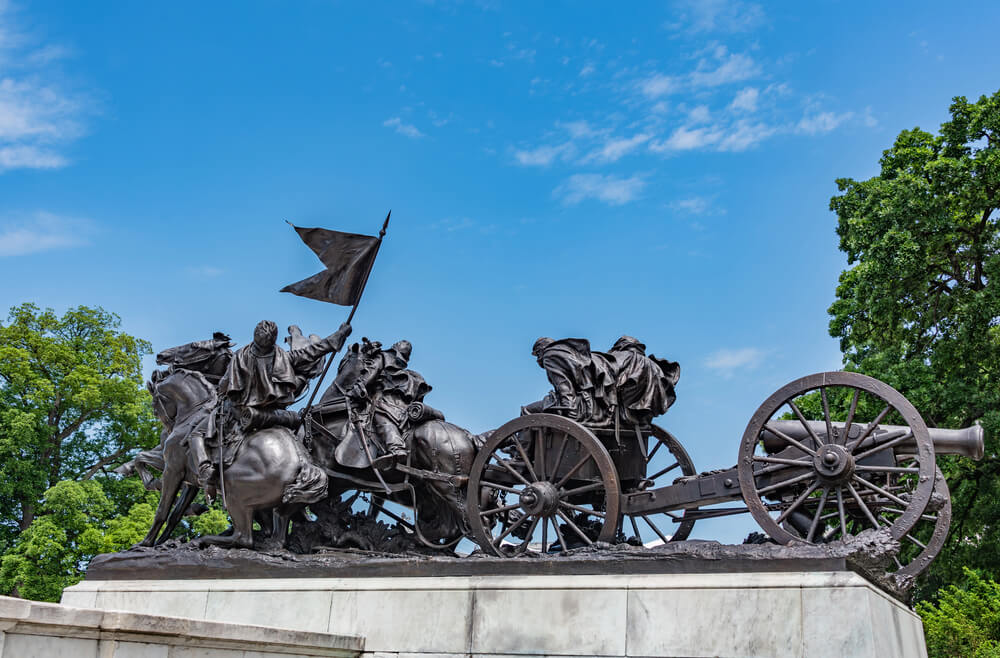
In 1861, Union troops moved into the US Capitol and slept in the Rotunda and the legislative chambers. Ovens built in the basement turned out bread for the garrison, which gave the seat of government a commercial bakery under its marble.
Parts of the building also served as a hospital. Construction of the new cast-iron dome kept going throughout, and the Statue of Freedom was raised on top in December 1863.
The Old Brick Capitol and Its Prisoners
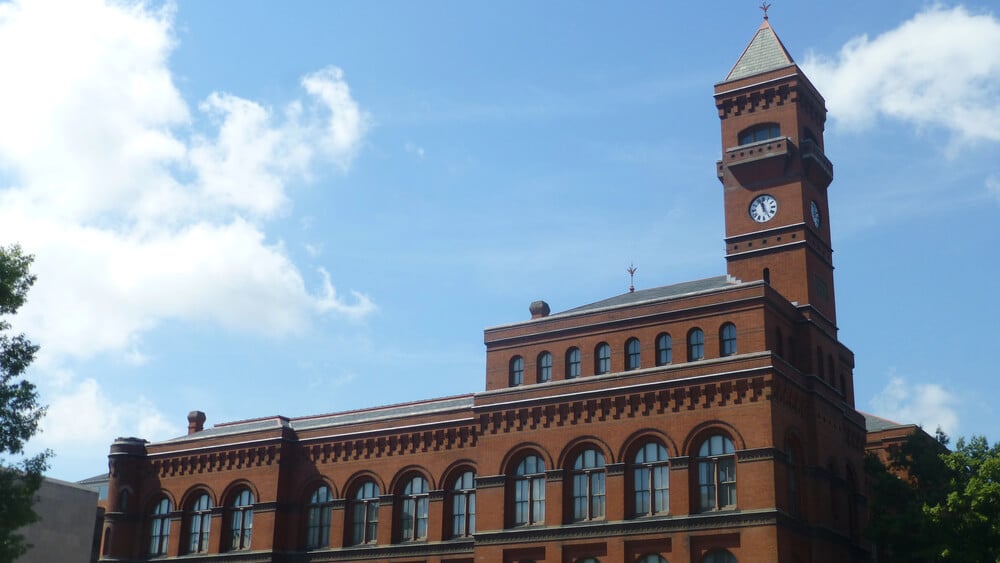
After the British burned the Capitol in 1814, Congress met in a hastily built brick building nearby from 1815 to 1819. It later became a boarding house, and during the Civil War it became a prison for suspected spies and Confederate sympathizers, including Rose Greenhow and Belle Boyd.
Henry Wirz, the commandant of the Andersonville prison camp, was held there and hanged in its yard in November 1865. The US Supreme Court building now stands on the site.
A Georgetown Hotel Where Louisa May Alcott Fell Ill
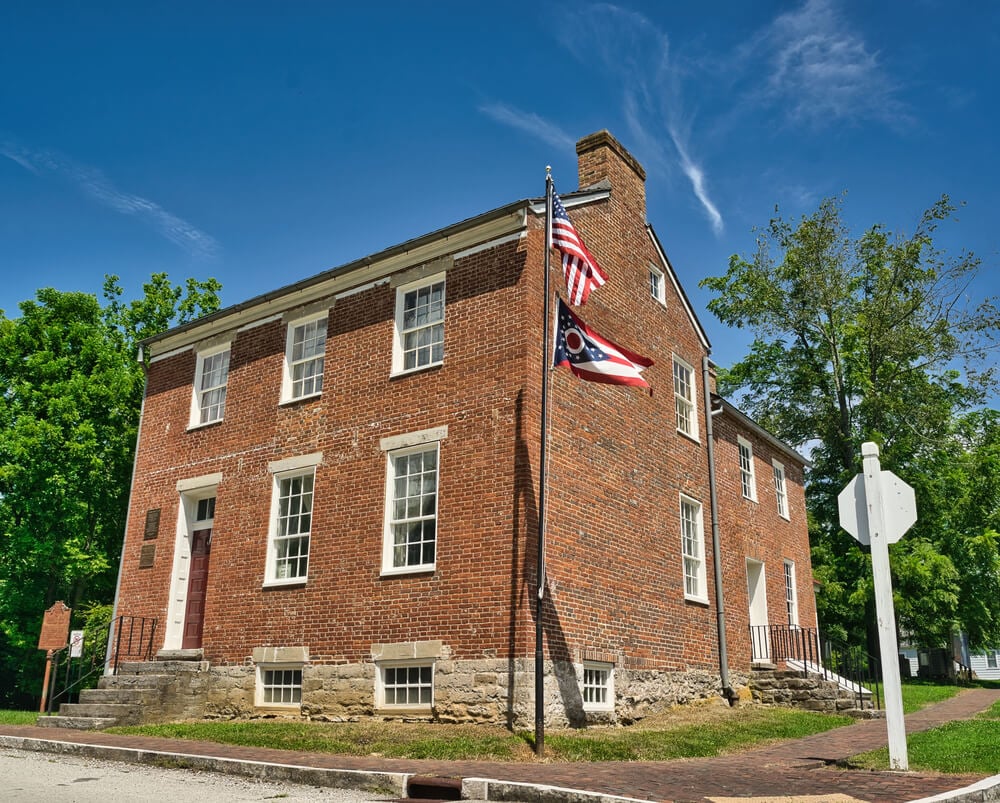
The Union Hotel in Georgetown was converted into an Army hospital early in the Civil War and received casualties from the Battle of Fredericksburg in December 1862. Louisa May Alcott arrived that month as a volunteer nurse and later turned her weeks there into Hospital Sketches, published in 1863.
She soon contracted typhoid pneumonia and was treated with calomel, a mercury compound that damaged her health for the rest of her life. The book that came out of the experience became her breakthrough.
The Alexandria Lyceum as a Union Ward
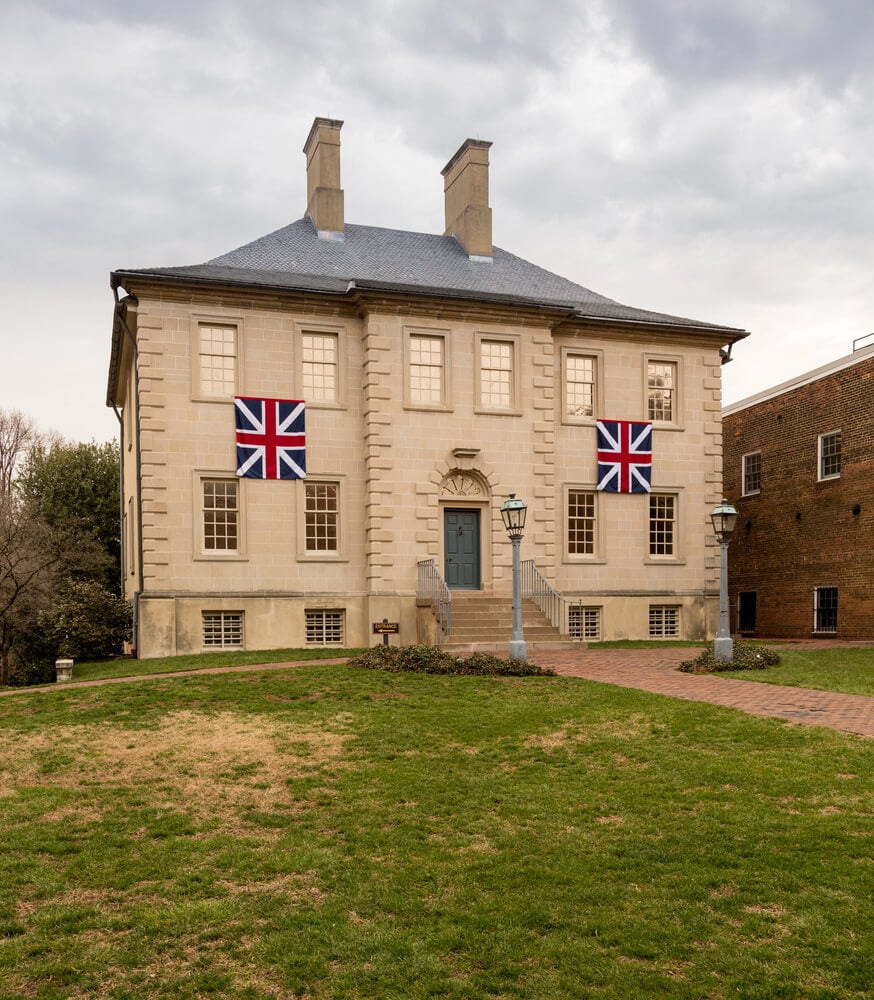
The Lyceum in Alexandria, Virginia, was built in 1839 for lectures and a library, and it became a Union Army hospital after federal forces occupied the city in May 1861. Alexandria stayed under Union control for the entire war, so its public buildings served as hospitals for years instead of weeks.
The city’s Baptist church was converted to a hospital as well. A building meant for debates over literature ended up as a place to recover from amputations.
The Winchester Courthouse and the Writing on Its Walls
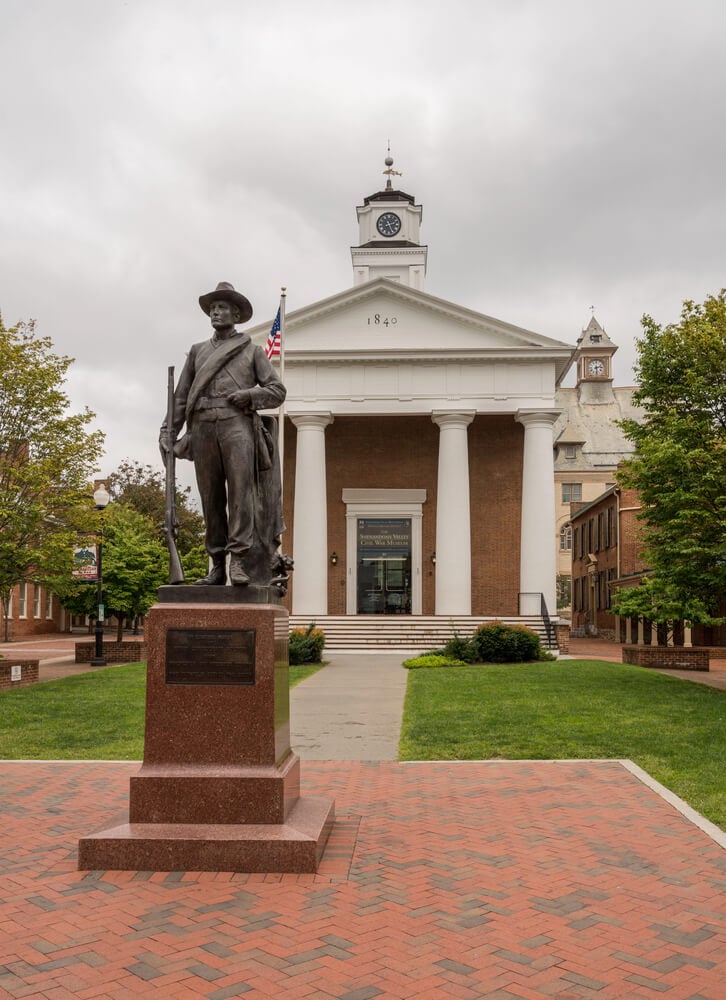
The Frederick County Courthouse in Winchester, Virginia, was completed in 1840 and served as both a hospital and a prison as the town changed hands repeatedly during the Civil War. Soldiers from both armies scratched and penciled graffiti into the plaster walls, leaving names, units, and drawings.
Much of that writing survives, and the building now operates as the Shenandoah Valley Civil War Museum. The people who wrote on the walls never expected to be read by tourists.
Gettysburg’s College Hall and Its Cupola
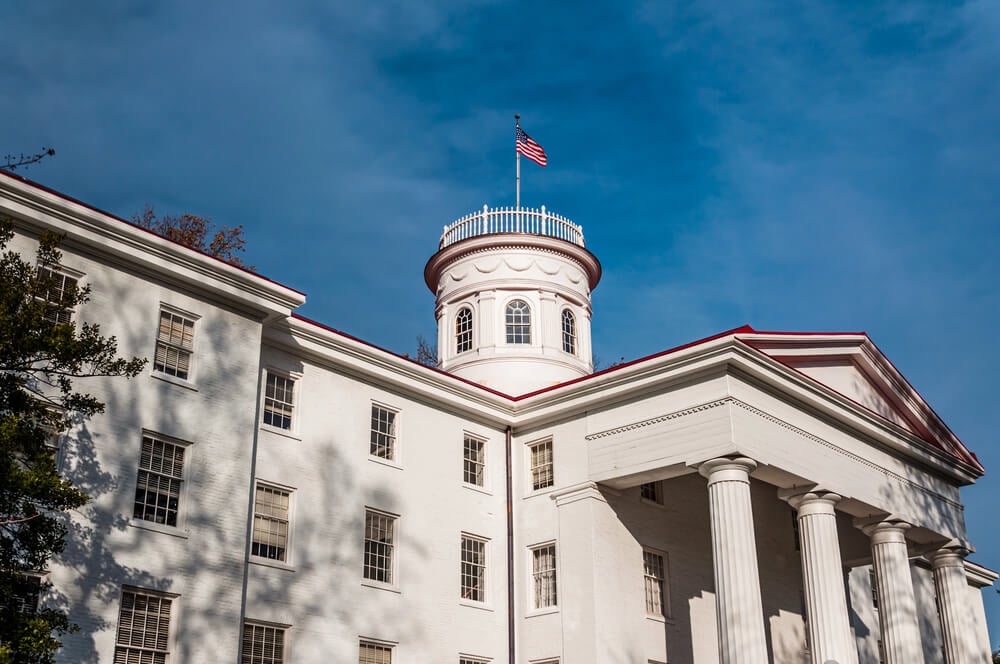
Pennsylvania Hall, built in 1837, is the oldest building on the Gettysburg College campus and stood in the middle of the fighting in July 1863. Its cupola was used for observation as the lines moved back and forth across the town.
The building then filled with wounded soldiers from both armies. It was a college hospital for weeks, which is a long time for a place designed for lectures.
Nashville’s Capitol Fortified as a Fort
— Photo by actionsports
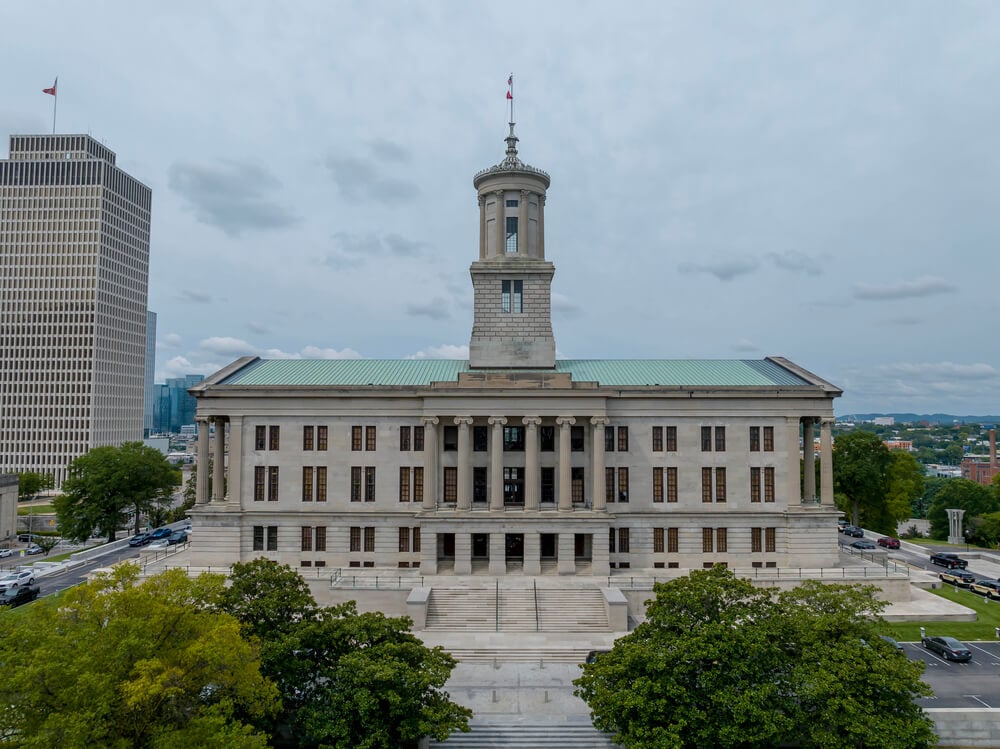
After Union forces captured Nashville in February 1862, the Tennessee State Capitol on its hilltop was turned into a fortress known as Fort Andrew Johnson, named for the military governor, who later became president. Cannon and earthworks changed a building meant for lawmaking into an artillery position.
The architect, William Strickland, is entombed within the Capitol’s walls, so the garrison lived above a grave that was part of the design. The building was left standing and is still the seat of state government.
Independence Hall Under British Occupation
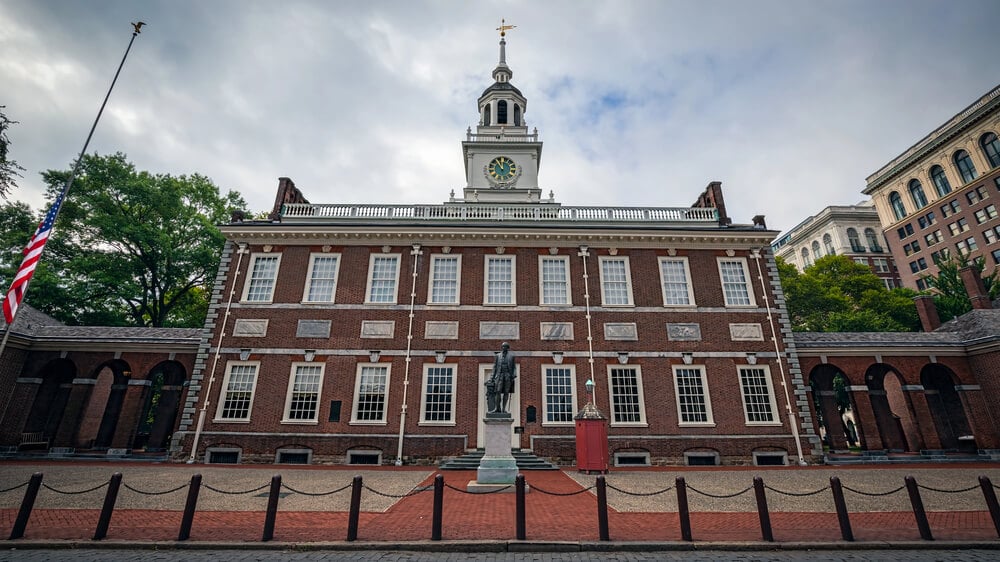
British troops occupied Philadelphia from September 1777 to June 1778 and used the Pennsylvania State House, now known as Independence Hall, as a military hospital and prison. The Liberty Bell had been hauled out of the city before the occupation and hidden in a church in Allentown to keep it from being melted into cannon.
The building was in poor shape when Americans returned. The room where independence was declared had been used to house the sick and captured.
Old South Meeting House as a Riding School
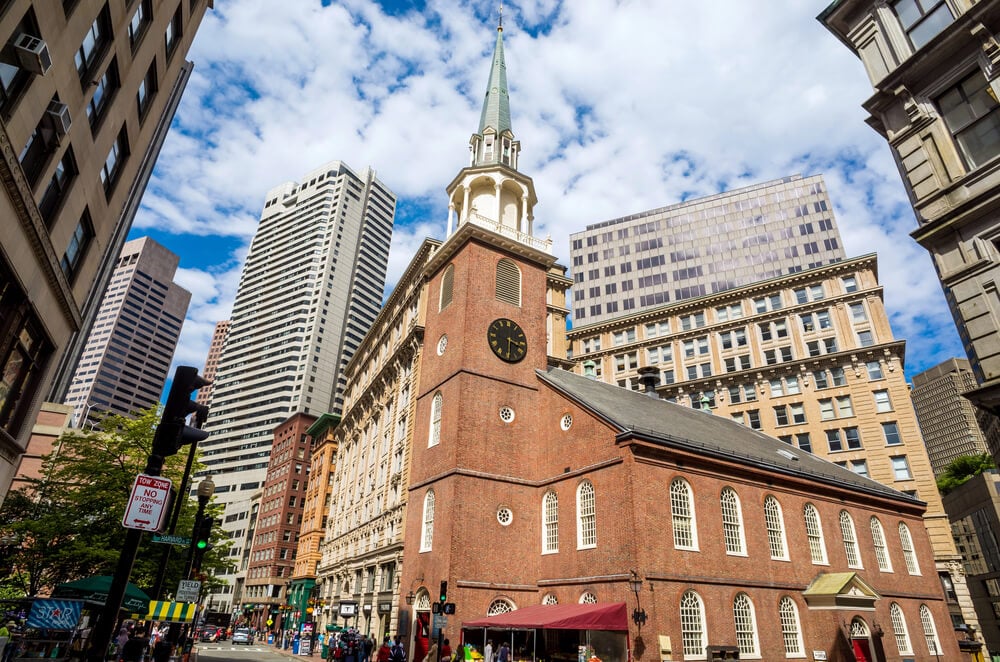
In 1773, thousands of Bostonians gathered at Old South Meeting House before the Boston Tea Party. In 1775, British troops converted the sanctuary into a riding school for cavalry, tearing out the pews and pulpit and covering the floor with dirt.
The galleries were kept for spectators, which turned a house of worship into an indoor arena. The building survived the occupation and is now a museum.
Harvard’s Massachusetts Hall as Barracks
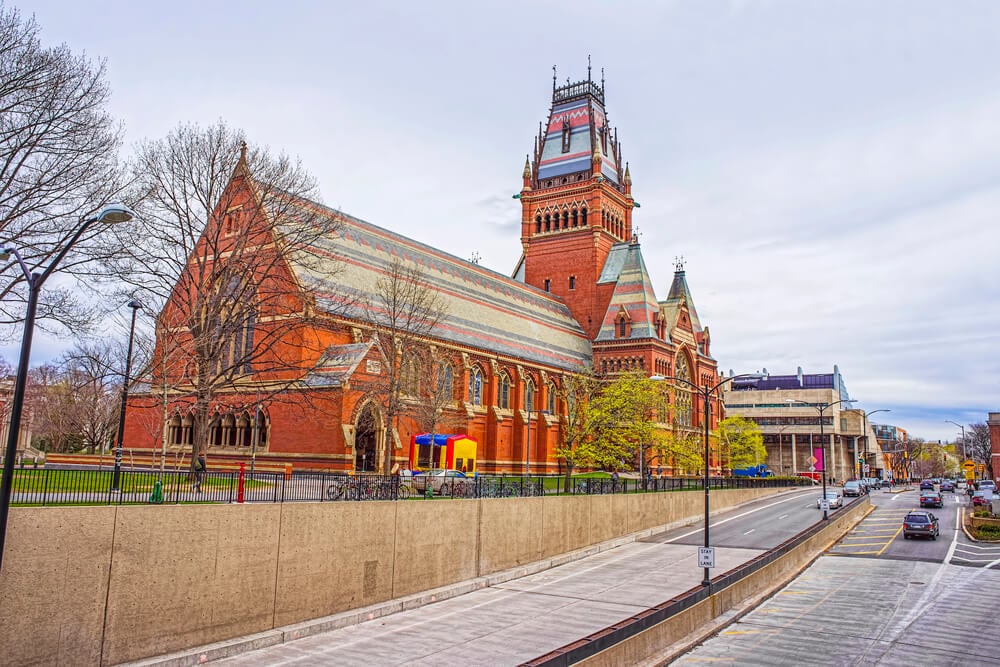
Massachusetts Hall, completed in 1720, is the oldest surviving building at Harvard. After the fighting at Lexington and Concord in April 1775, the college suspended campus life, moved classes to Concord, and gave up its buildings to the colonial army.
Hundreds of Massachusetts soldiers were quartered in the hall during the siege of Boston. It now houses the offices of the university president.
Nassau Hall, Passed Between Armies
— Photo by demerzel21
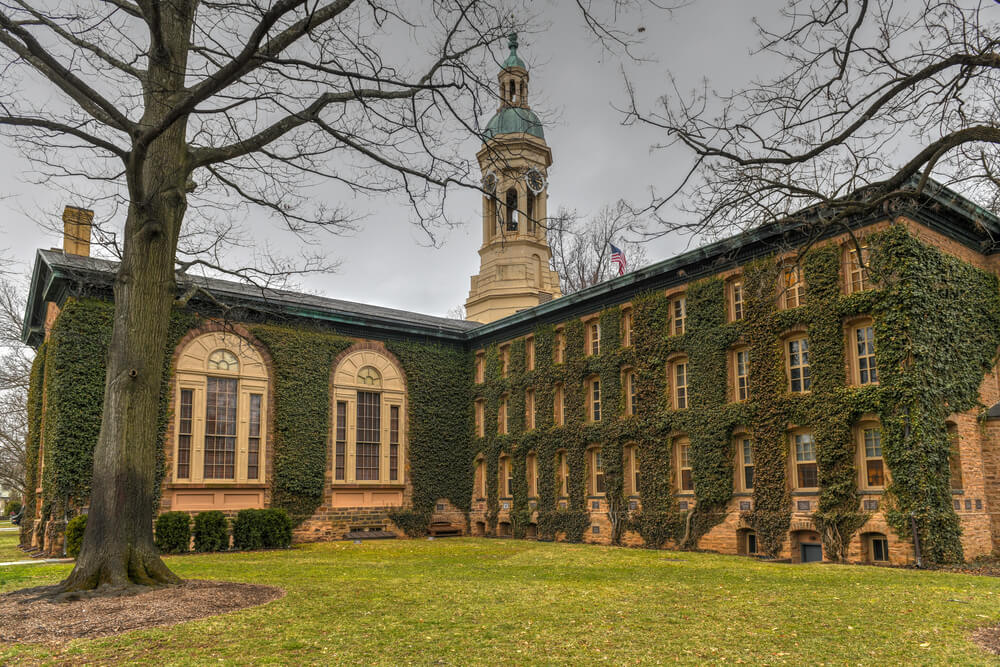
Nassau Hall at Princeton was used as barracks and a hospital by both British and American forces in the winter of 1776 and 1777, and British troops sheltered there during the Battle of Princeton in January 1777 before surrendering. Its wartime career was not over. In the summer of 1783, the Continental Congress met in Nassau Hall for several months after a protest by unpaid soldiers in Philadelphia, which made Princeton the capital of the United States for a short time.
A college building went from barracks to government headquarters in six years.
Grand Central Palace as a Hospital for the Returning Wounded
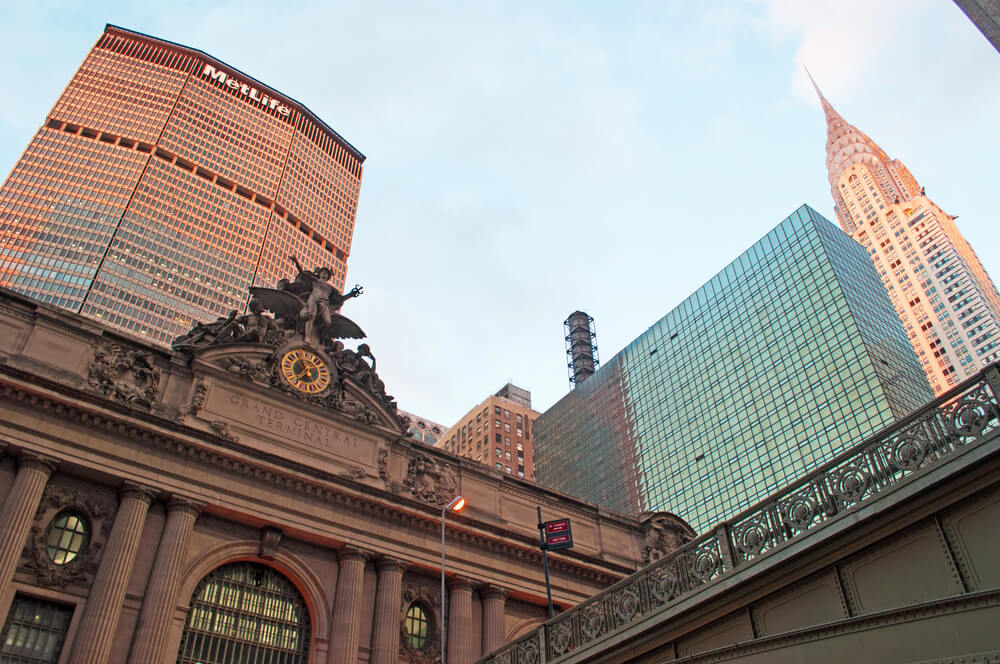
Grand Central Palace, an exhibition hall in Manhattan, was built for trade shows. During the First World War, the Army converted it into Debarkation Hospital No. 5 for soldiers returning from France.
The Army advertised it as a modern fireproof building, a selling point that mattered in a structure full of cots. The hall was later demolished.
Santa Anita Park, Where Horse Stalls Became Homes
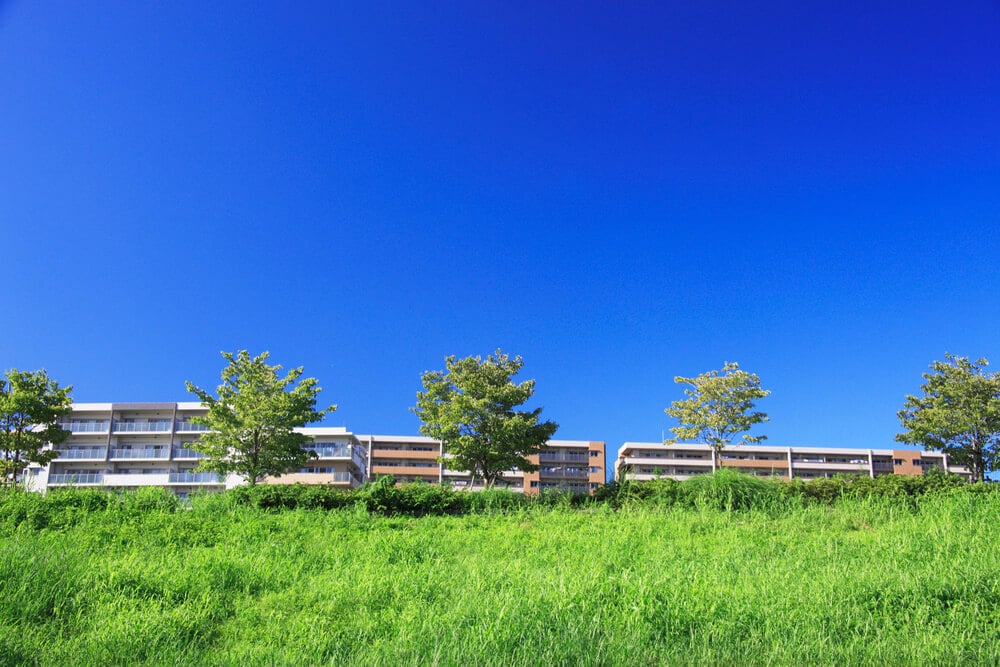
In the spring of 1942, the Santa Anita racetrack in Arcadia, California, became an assembly center, holding nearly 19,000 Japanese Americans at its peak. Families were assigned to former horse stalls, and additional barracks went up in the parking lot.
Residents also worked in a camouflage net operation on the grounds, making equipment for the same government that had removed them from their homes. The racetrack reopened for racing after the war.
Tanforan’s Whitewashed Stalls
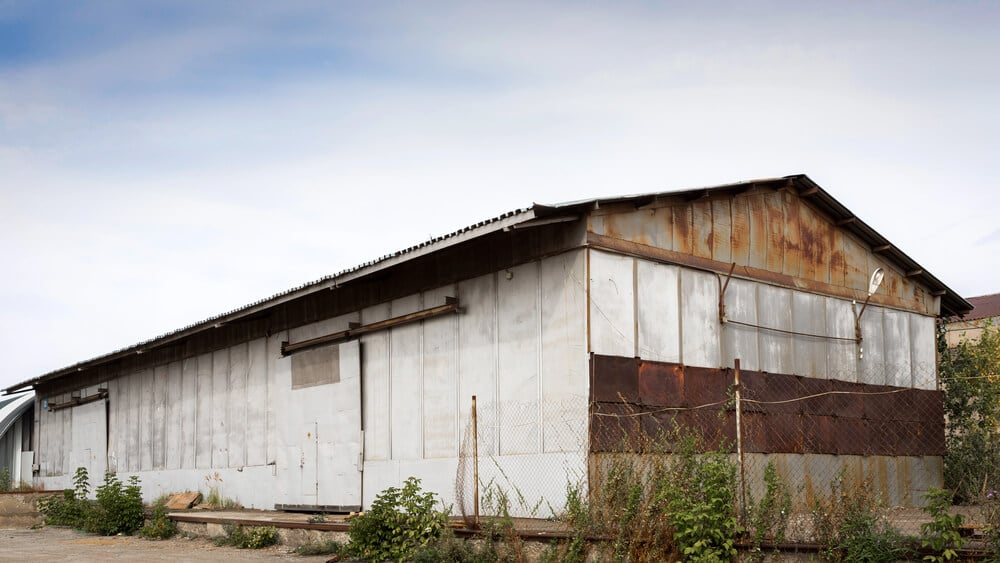
Tanforan Racetrack in San Bruno, California, held about 7,800 Japanese Americans from the Bay Area in 1942. Many lived in whitewashed horse stalls, and artist Mine Okubo documented the experience in drawings that later became part of her book Citizen 13660.
Residents published their own newspaper, the Tanforan Totalizer, named after the track’s betting board. They were moved to Topaz, Utah, in the fall of 1942, and the site is now a shopping center.
Camp Harmony at the Puyallup Fairgrounds
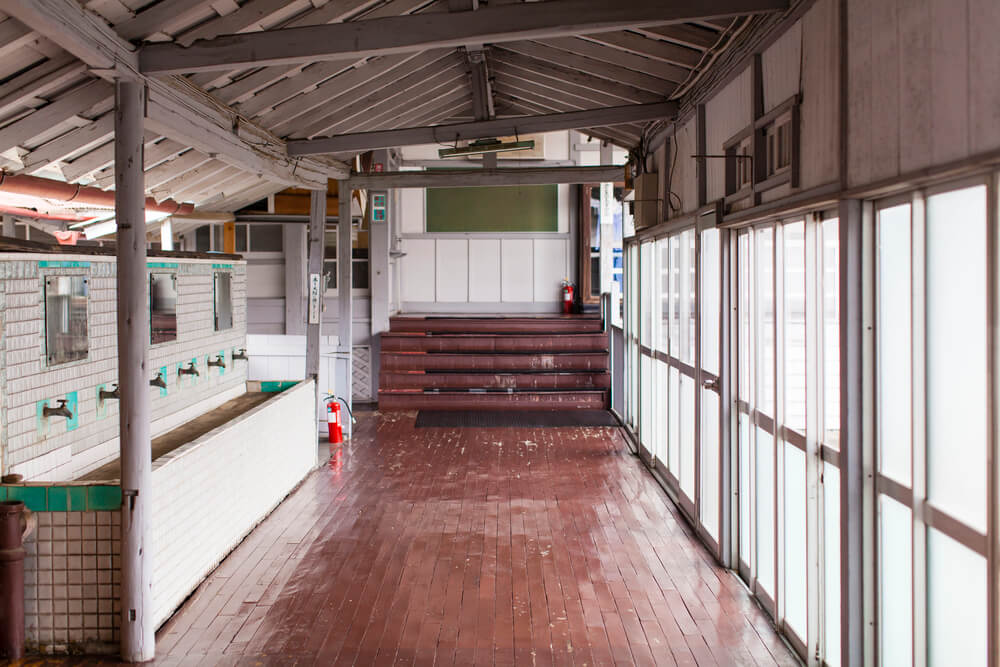
The fairgrounds in Puyallup, Washington, became an assembly center in the spring of 1942 for more than 7,000 Japanese Americans from the Seattle area. The government gave it the name Camp Harmony, a label that sat uneasily over barracks and barbed wire.
Residents were sent on to Minidoka, Idaho, by the end of summer. In 2024, a memorial honoring them was dedicated at the Washington State Fairgrounds.
The Portland Livestock Pavilion
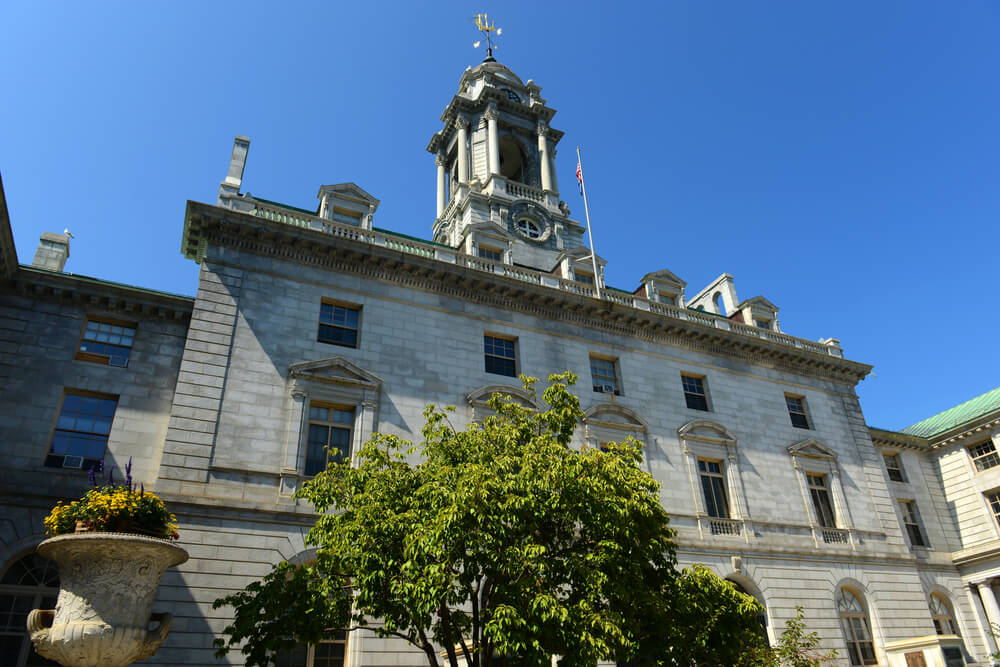
The Pacific International Livestock Exposition pavilion in Portland, Oregon, became the Portland Assembly Center in May 1942 and held more than 3,000 Japanese Americans. Partitions divided the pavilion into small rooms that did not reach the ceiling, so sound traveled across the entire building. Residents were moved to Heart Mountain, Wyoming, over the summer.
The site is now the Portland Expo Center.
Hastings Park in Vancouver
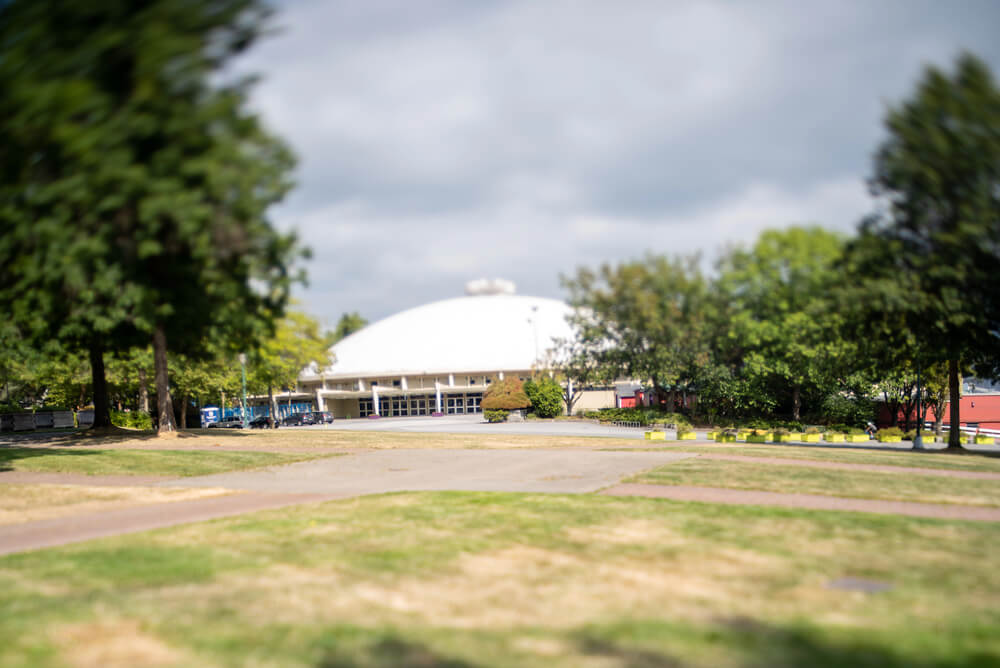
In 1942, the Pacific National Exhibition grounds at Hastings Park in Vancouver became a holding area for Japanese Canadians removed from the British Columbia coast. Women and children were housed in the Livestock Building, where animals had been kept, while men were separated and sent to road camps.
Thousands passed through before being dispersed to the interior. The Livestock Building is recognized as a historic place today.
The Hotels of Miami Beach
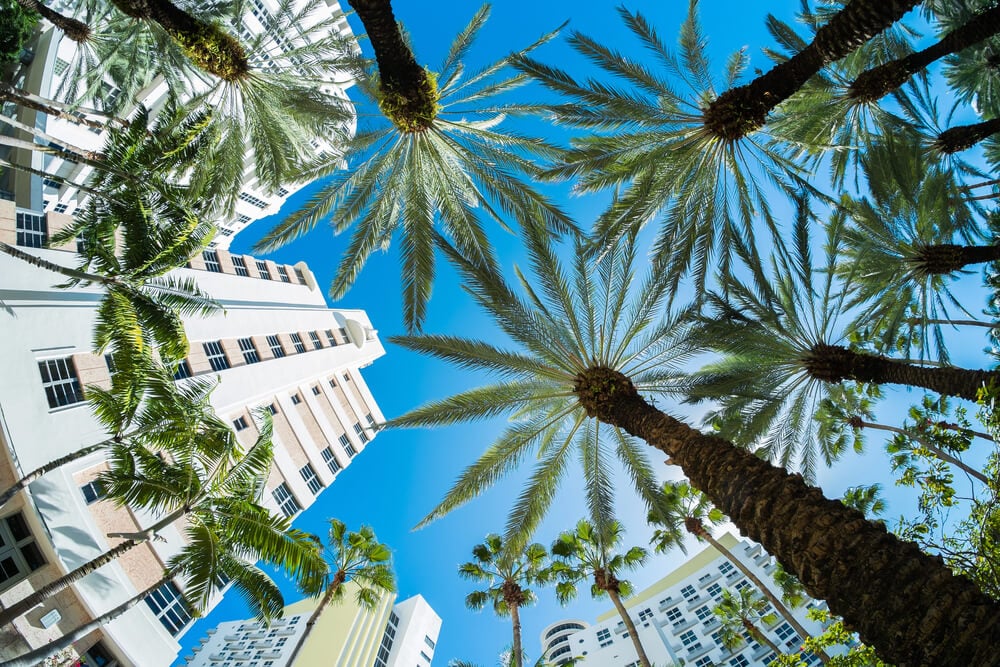
During the Second World War, the Army Air Forces leased hundreds of hotels in Miami Beach for use as barracks, mess halls, and classrooms. Trainees drilled on golf courses and marched on the beach, and the area became a major officer training center.
Hotel lobbies turned into lecture rooms, and the tourist season gave way to basic training. The hotels returned to civilian life afterward, and the Art Deco district they occupied is now a destination for visitors.
The Stevens Hotel in Chicago
— Photo by j.hendrickson3
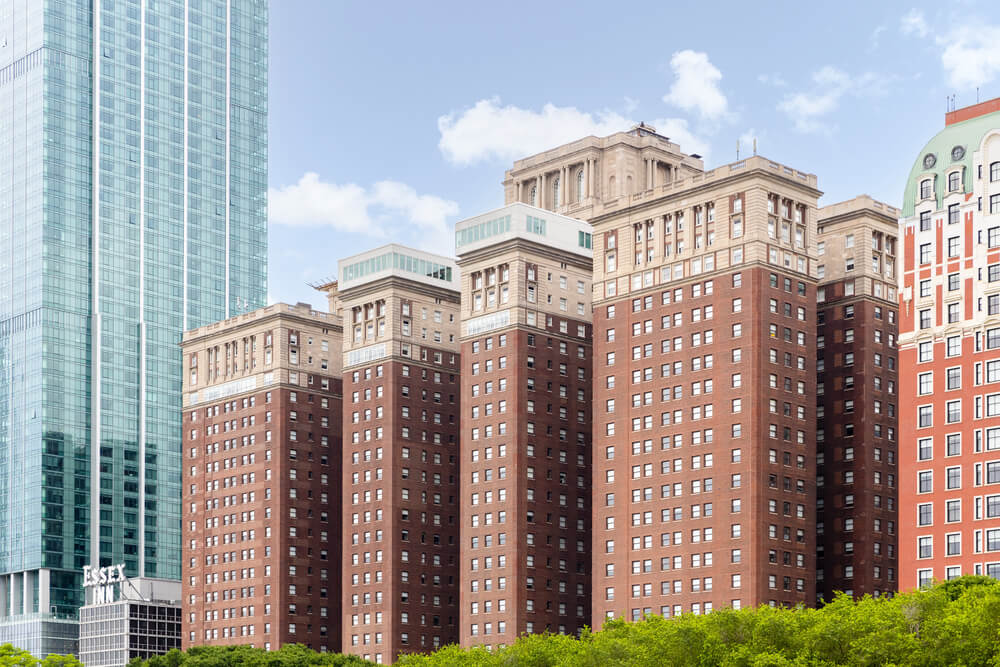
The Stevens Hotel opened in Chicago in 1927 with about 3,000 rooms, making it the largest hotel in the world at the time. Early in the Second World War, the Army took over the building and used it as barracks and a training site for soldiers.
Conrad Hilton bought it in 1945 for $7.5 million and renamed it. It is now the Hilton Chicago.
Navy Pier and the Great Lakes Aircraft Carriers
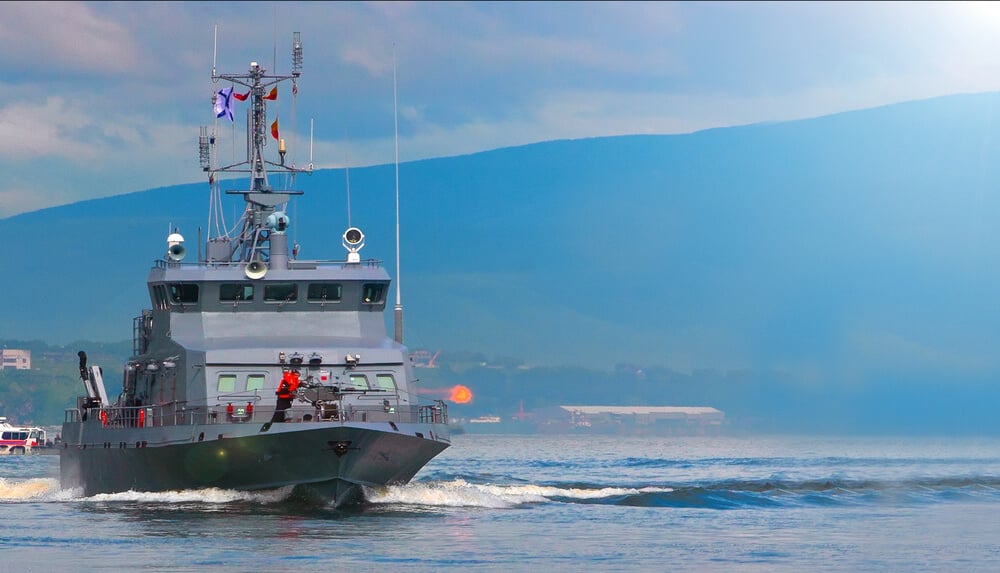
Navy Pier in Chicago, opened in 1916, was used as a Navy training center in the Second World War. The Navy converted two Great Lakes passenger steamers, the Wolverine and the Sable, into training aircraft carriers on Lake Michigan, where thousands of pilots practiced carrier landings.
After the war, the University of Illinois opened a campus on the pier for returning veterans in 1946. The pier went from landing practice to freshman lectures within a year.
Hunter College’s Bronx Campus as a Navy Training Ship
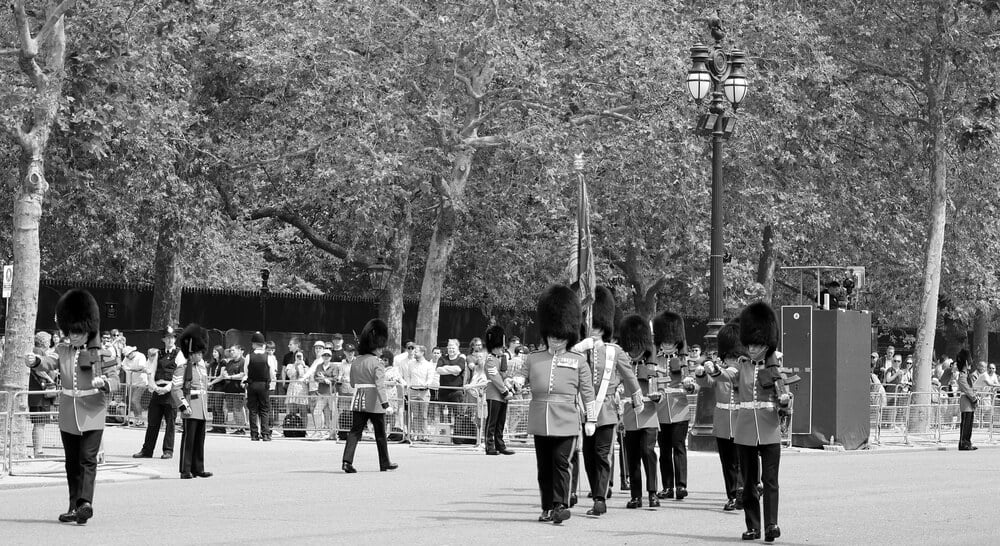
In 1943, the Navy took over Hunter College’s Bronx campus and commissioned it as a shore station, the US Naval Training School for women, where WAVES recruits learned to be sailors. In 1946, the campus hosted meetings of the United Nations Security Council in its gymnasium.
The campus later became Lehman College. Few classrooms have trained sailors and then hosted international diplomacy.
The Stage Door Canteen Under a Broadway Theater
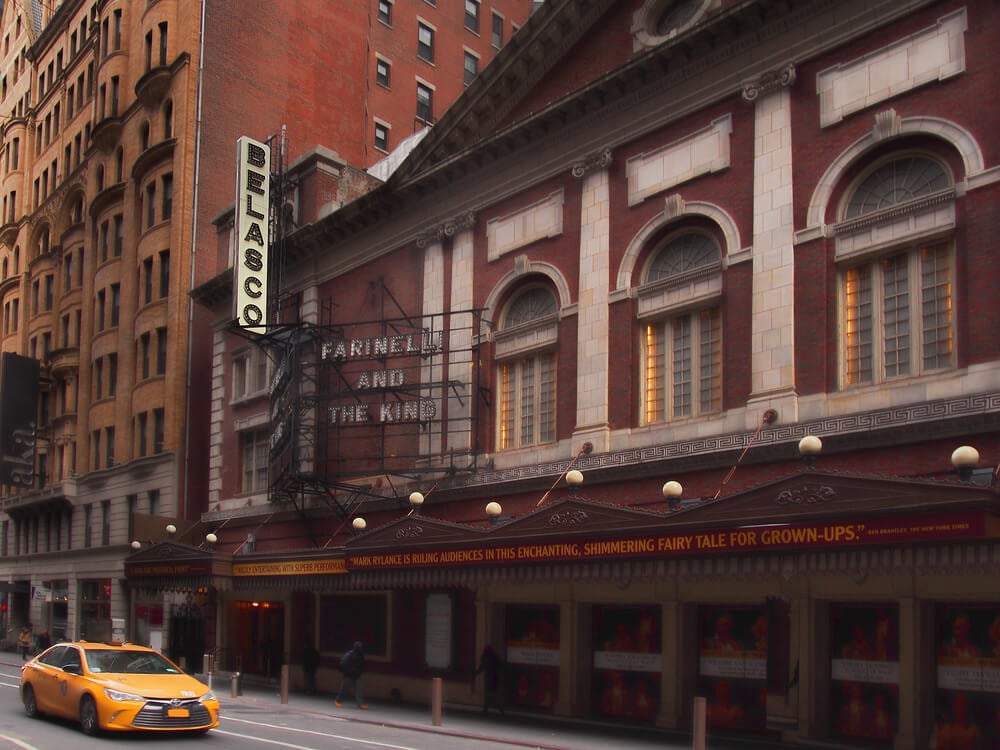
— Photo by debramillet
The Stage Door Canteen opened in March 1942 in the basement of the 44th Street Theatre in Manhattan. Run by the American Theatre Wing, it offered free food, music, and dancing to servicemen in uniform.
Famous actors and musicians worked as waiters, dishwashers, and entertainers. The Canteen closed after the war.
The North Platte Canteen
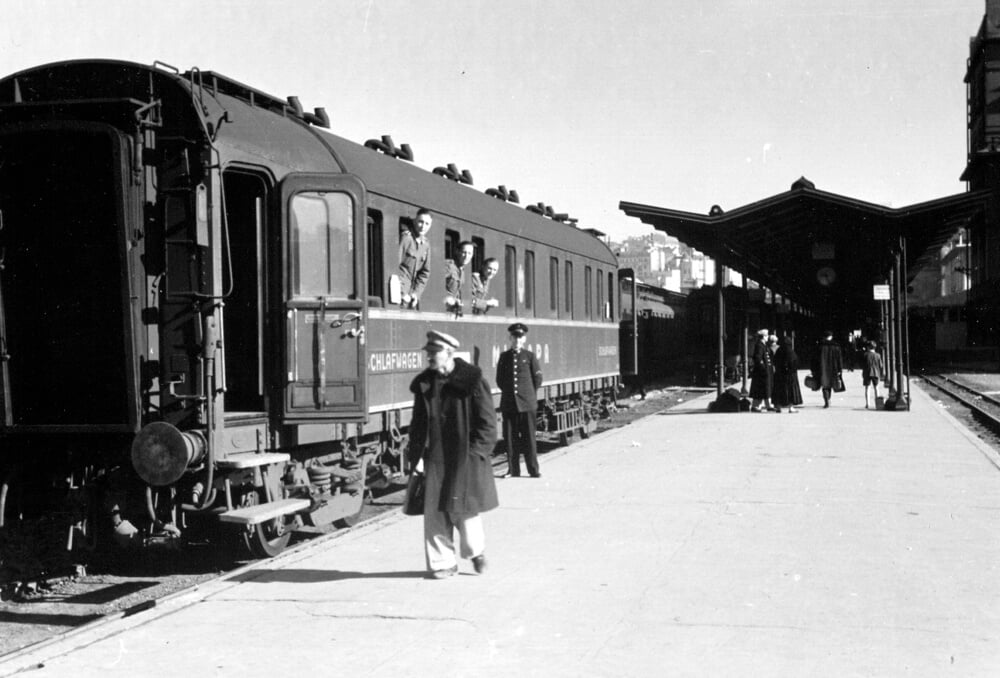
The North Platte Canteen opened at the Union Pacific depot in Nebraska on Christmas Day in 1941, and it greeted troop trains with sandwiches, coffee, and cake. Volunteers from communities across the region ran it, and it served an estimated six million servicemen before closing in 1946.
Trains stopped for only a few minutes, so the volunteers worked at remarkable speed. A small-town railroad depot became one of the most remembered stops of the war.
Griffith Observatory as a Navigation Classroom
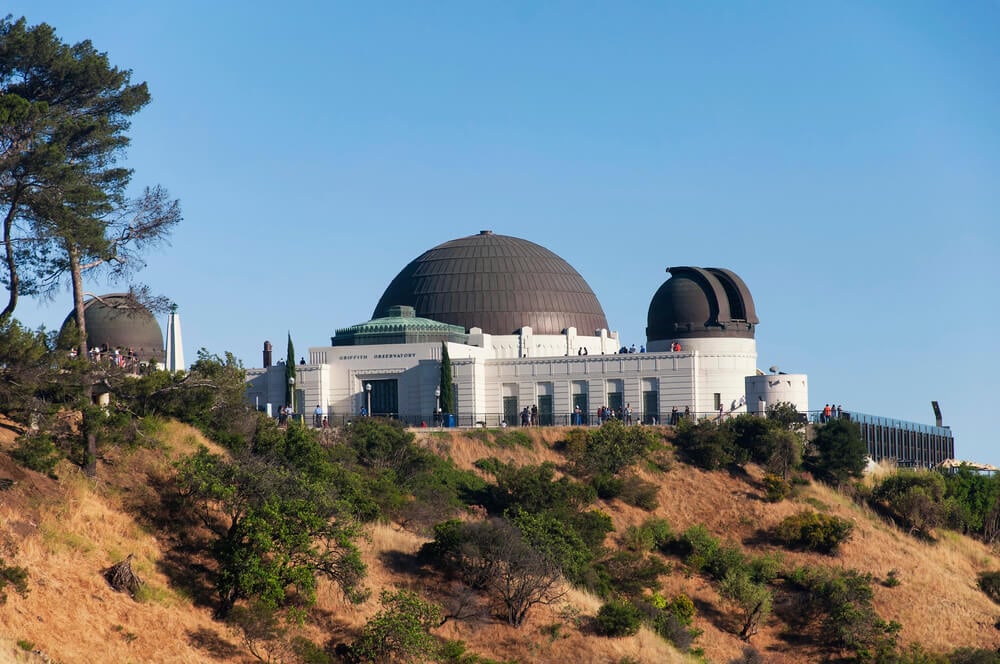
Griffith Observatory in Los Angeles, opened in 1935, was used during the Second World War to teach celestial navigation to military pilots and navigators. Its Zeiss planetarium projector was ideal for the job, since it could show the night sky at any time or latitude in any weather.
Thousands of trainees learned to find their position from the stars under its dome. The observatory returned to public programming after the war.
Atlantic City’s Convention Hall as a Drill Floor
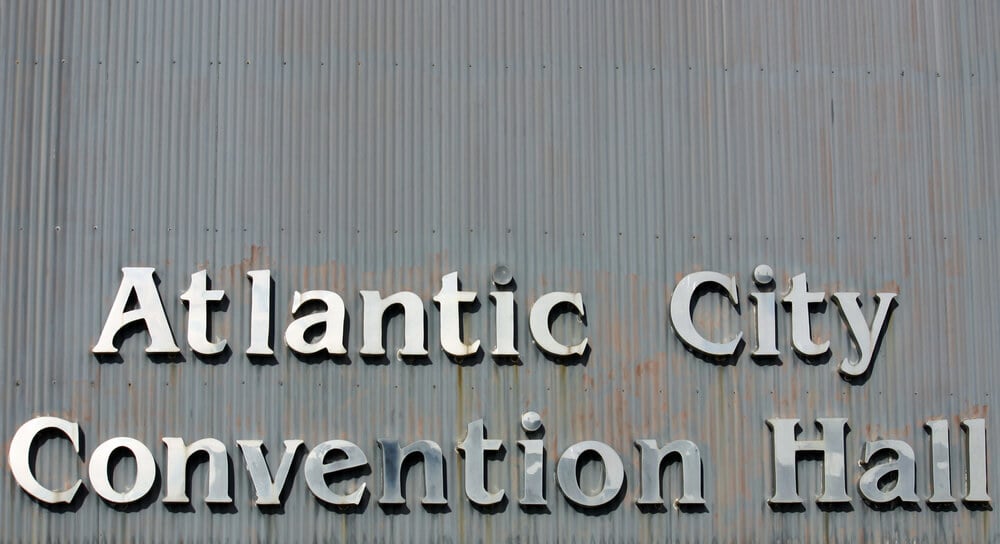
In 1942, Atlantic City became an Army Air Forces basic training center, and the Convention Hall, now called Boardwalk Hall, served as a drill floor, one of the largest indoor spaces in the country. Troops marched beneath the Midmer-Losh pipe organ, one of the largest ever built.
Hotels along the Boardwalk were used as barracks, and hundreds of thousands of recruits passed through the city. The resort was nicknamed Camp Boardwalk.
Aldwych Station as a Museum Vault
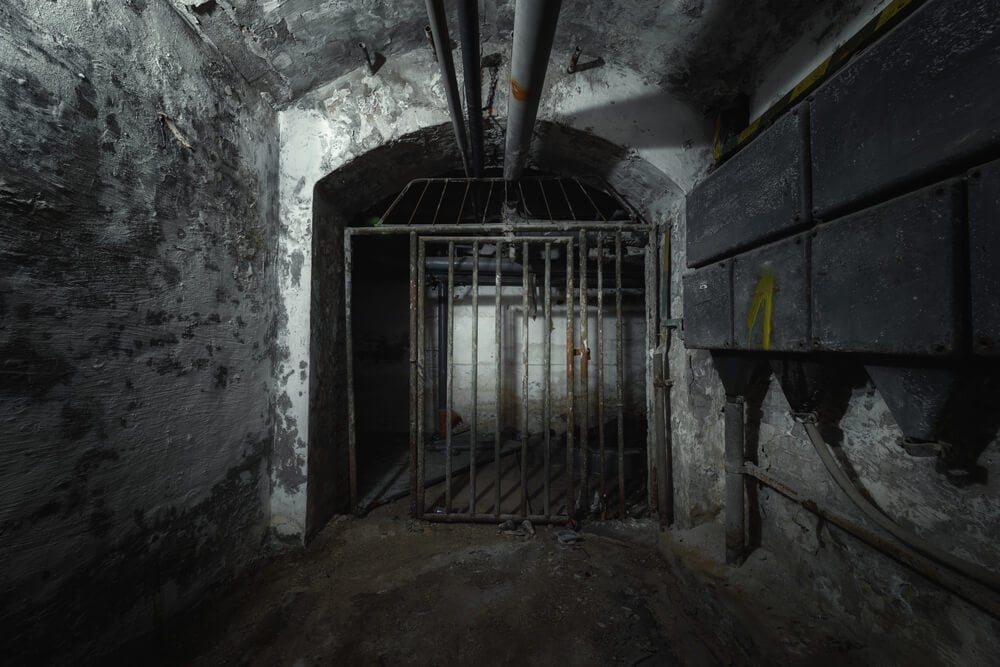
When the Second World War approached, the British Museum moved its most valuable objects out of harm’s way, and the Parthenon sculptures were stored in the closed Aldwych tube station in London. The sculptures had already survived a controversial cleaning in the 1930s.
The station was a safe place from bombing because it was deep underground. It remained a disused station for decades and closed for good in 1994.
The Royal Opera House as a Dance Hall
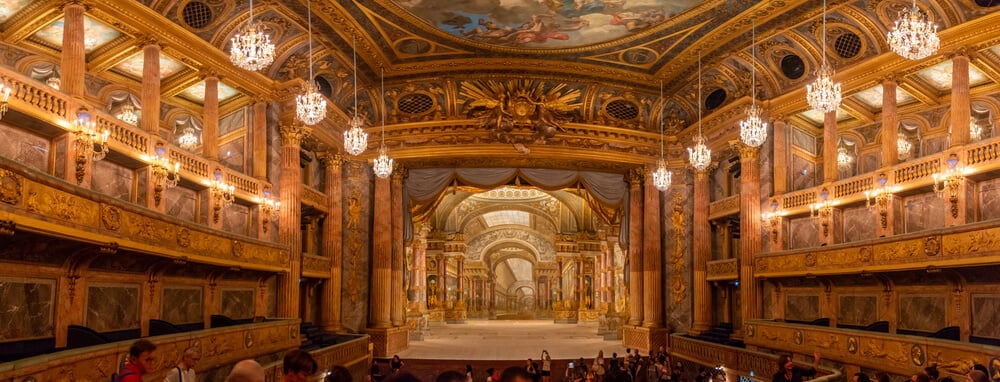
During the Second World War, the Royal Opera House in Covent Garden was leased to Mecca and operated as a dance hall, the Palais de Danse. Opera sets were gone, and wartime dancers took the floor. The Opera House reopened in February 1946 with a production of The Sleeping Beauty by the Sadler’s Wells company.
The building that had hosted lavish operas for generations spent the war as a place for evening dances.
Ellis Island as a Wartime Detention Site
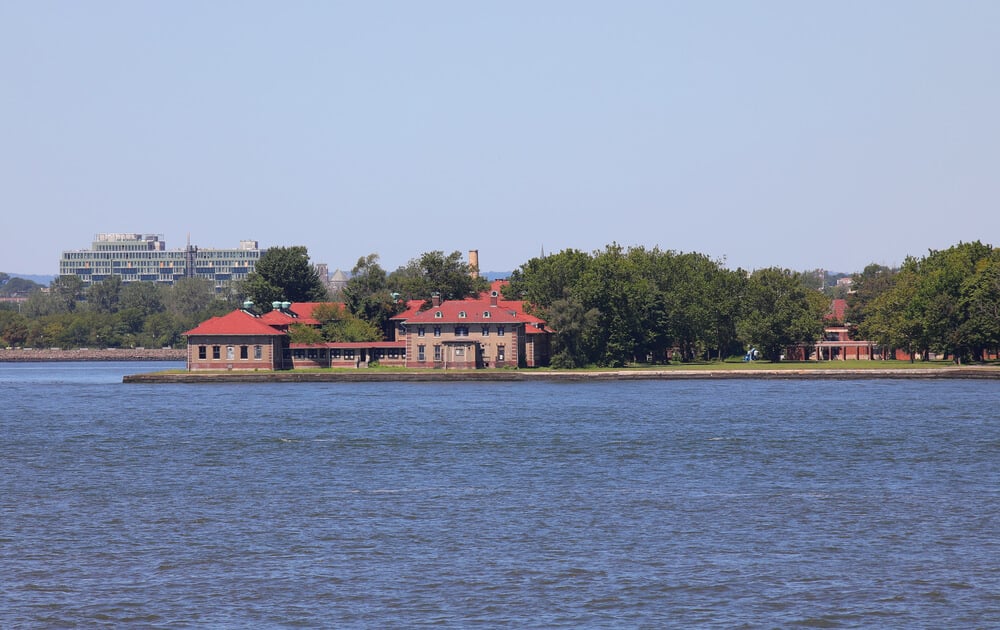
Ellis Island, the main immigration station in New York Harbor, was used for other purposes during both world wars. In the First World War, it held German sailors and served as a military hospital for returning wounded soldiers.
In the Second World War, it was used to detain enemy aliens, and the Coast Guard trained there. A gateway for newcomers became a place where some people were held for the duration of a war.
The Corcoran Gallery Seized by the Army
— Photo by ratherton
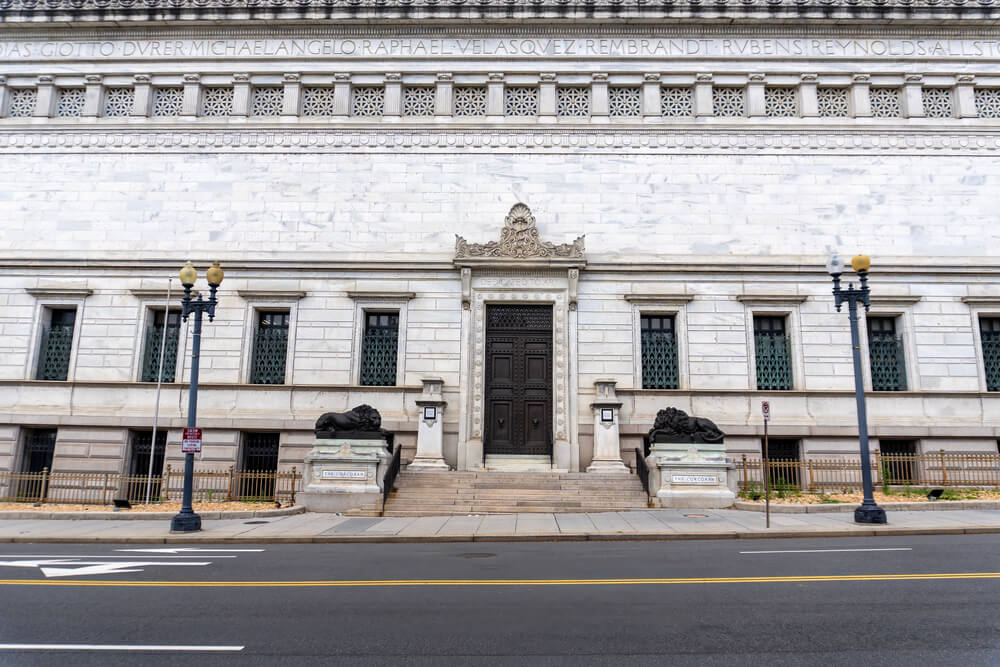
In August 1861, the US Army seized the Corcoran Gallery of Art building near the White House, after its owner, William Wilson Corcoran, a Southern sympathizer, left the country. Quartermaster General Montgomery Meigs used it as his headquarters, so the unfinished art museum became an office for supplying Union armies.
The building returned to Corcoran in 1869 and opened as a gallery in 1874. It is now the Renwick Gallery of the Smithsonian American Art Museum.
What Wartime Does to a Public Building
Public buildings are useful in wars for a plain reason: they are large, sturdy, centrally located, and already owned by the government or a civic institution. Racetracks had stalls, hotels had beds, and auditoriums had floor space, so a signature on a lease or an order could change a purpose overnight. The speed of these conversions says as much about wartime priorities as it does about the buildings.
The same structure could also serve very different ends, sometimes within a few years of each other. A hotel could house nurses and patients, while a racetrack held families who had committed no crime. The buildings did not change, but the decisions made inside them did, and those decisions are what visitors remember when they walk through the doors today.
More from Go2Tutors!

- 27 Silver Dollars and Half Dollars Worth Keeping
- 28 Restaurant Menu Items Nobody Orders Anymore
- 17 Places Built in Seemingly Impossible Spots
- 27 Vintage Rings Worth More Than They Look
- 25 Restricted Sites Tourists Can’t Enter
Like Go2Tutors’s content? Follow us on MSN.