16 Nations Ranked by Resource Wealth
Natural resources give countries an important advantage in the global economy. These materials—such as oil, gas, metals, and minerals—are the building blocks of many industries.
How a nation uses and manages its resources often shapes its future success. Here’s a look at 16 countries with abundant resource wealth and what makes each unique.
Russia
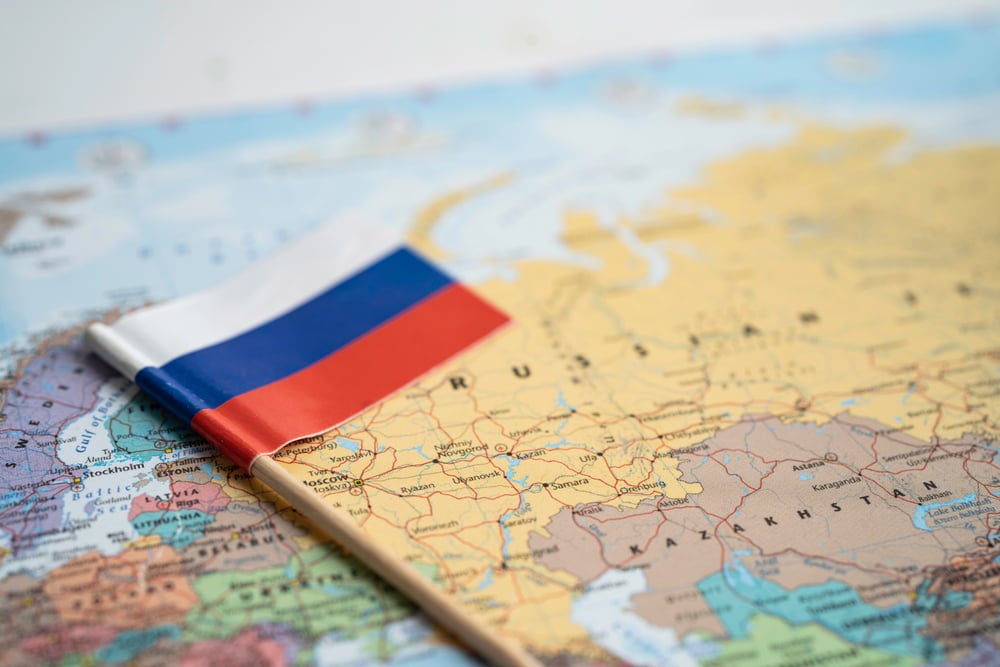
Russia has some of the world’s largest reserves of natural gas and oil. Along with these, it holds vast deposits of coal, iron ore, gold, and diamonds.
These resources have placed Russia among the top energy suppliers globally. The country’s huge size means many deposits lie in remote and difficult areas.
Its cold climate and rough terrain make extraction costly, yet Russia continues to invest heavily to develop these reserves.
Saudi Arabia
Saudi Arabia is famous for having some of the biggest oil reserves in the world. The economy relies heavily on oil exports, which make up a large portion of government revenue.
Over time, Saudi Arabia has improved technology to extract oil more efficiently. As a leading member of OPEC, it influences global oil prices.
Though the country is working to diversify its economy with initiatives like Vision 2030, oil remains dominant.
United States
The United States is rich in a variety of resources including coal, natural gas, copper, and gold. Thanks to technologies like fracking, its oil production has grown significantly in recent years.
This wide range of resources supports many industries such as manufacturing and energy. The U.S. has built strong infrastructure and is now a top producer of oil and gas worldwide.
These resources have helped sustain the economy even during difficult periods.
Canada
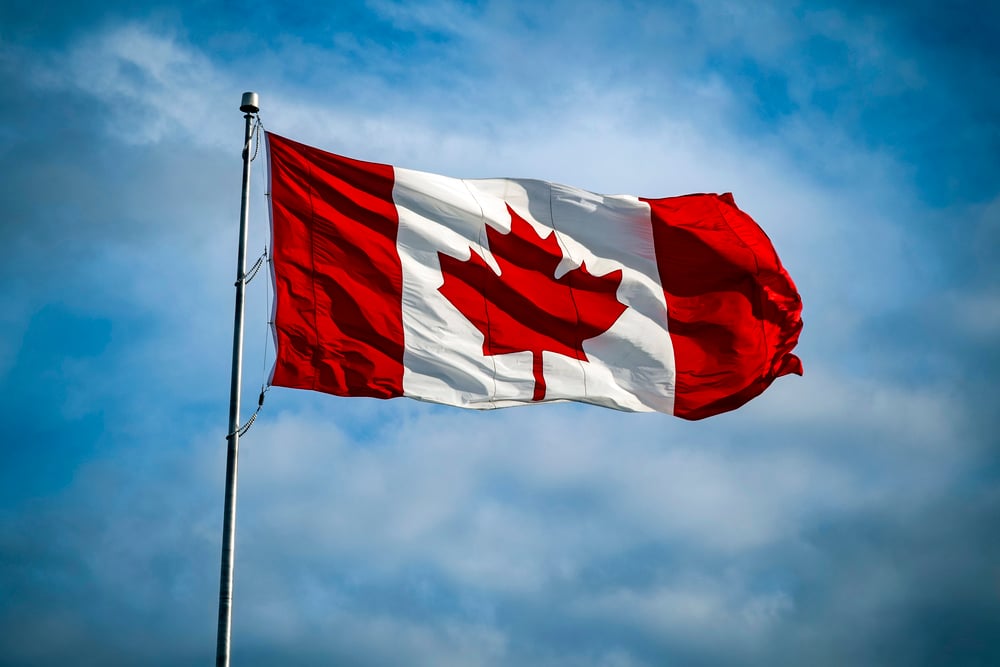
Canada has abundant minerals such as nickel, uranium, and potash, which are essential for agriculture and industry worldwide. It also holds large oil sands mainly in Alberta, a major source of unconventional oil.
Much of the country is covered in forests, providing timber and paper products for export. Political stability and focus on sustainable resource use benefit Canada economically and environmentally.
The country also works to respect indigenous rights and reduce environmental impact.
Australia
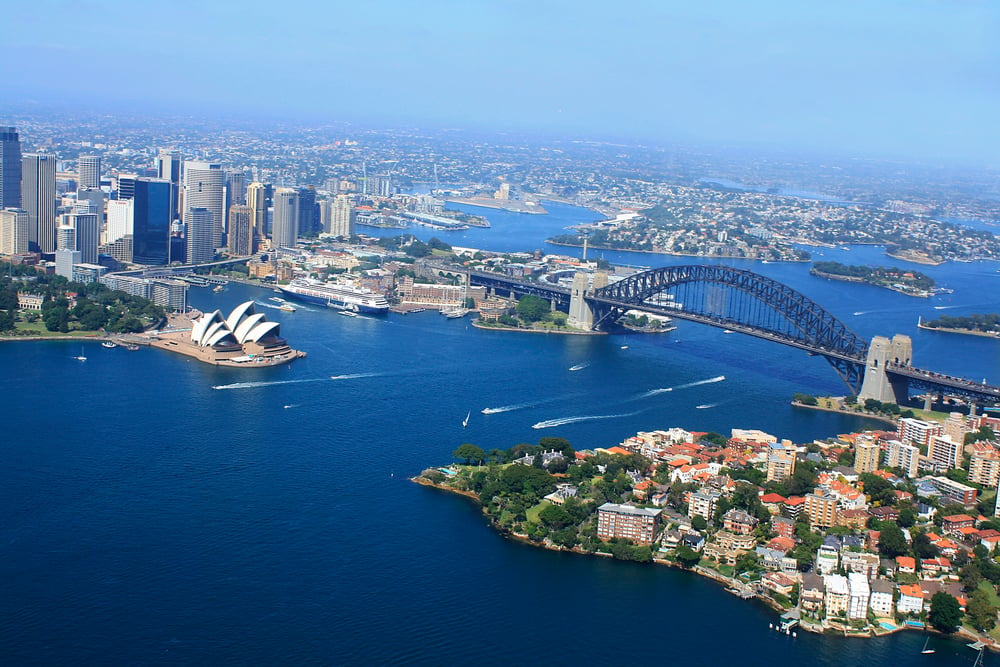
Australia ranks high in iron ore, gold, coal, and bauxite production, making mining a key economic sector. Mining supports many jobs and drives infrastructure development, especially in Western Australia and Queensland.
Beyond minerals, Australia also exports natural gas. The government continues to update mining regulations to address environmental concerns as global pressure grows.
China
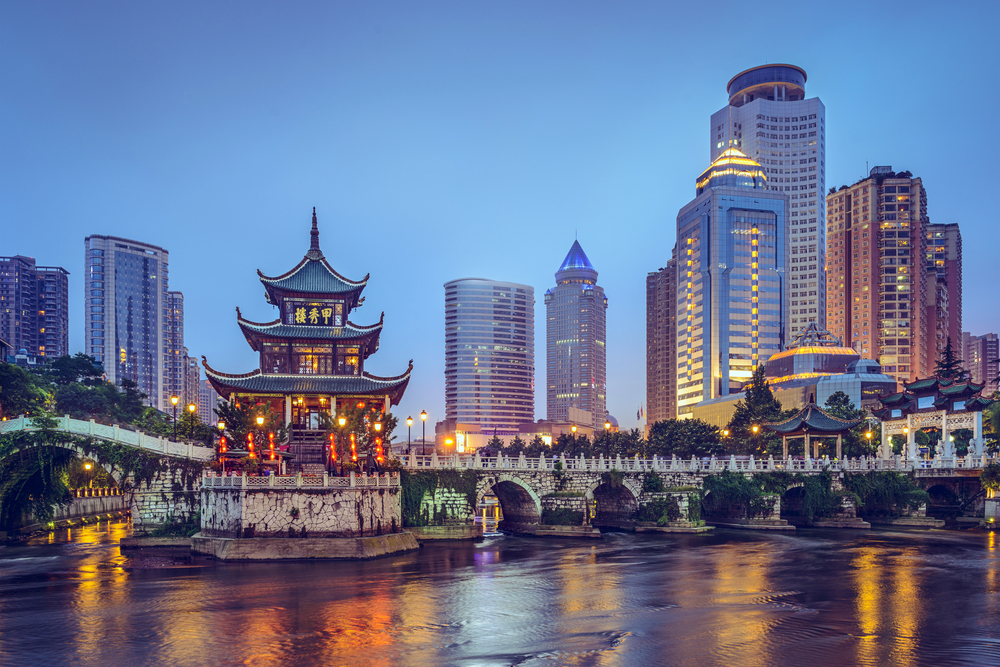
China has vast coal reserves and controls most of the world’s rare earth minerals—critical for electronics and batteries. While coal still fuels much of its energy needs, China is pushing to adopt cleaner sources.
Its hold on rare earth elements gives it a strong position in tech markets globally. Industrial demand fuels both domestic mining and investments in resources abroad.
China also secures supplies by investing in foreign mining projects.
Brazil
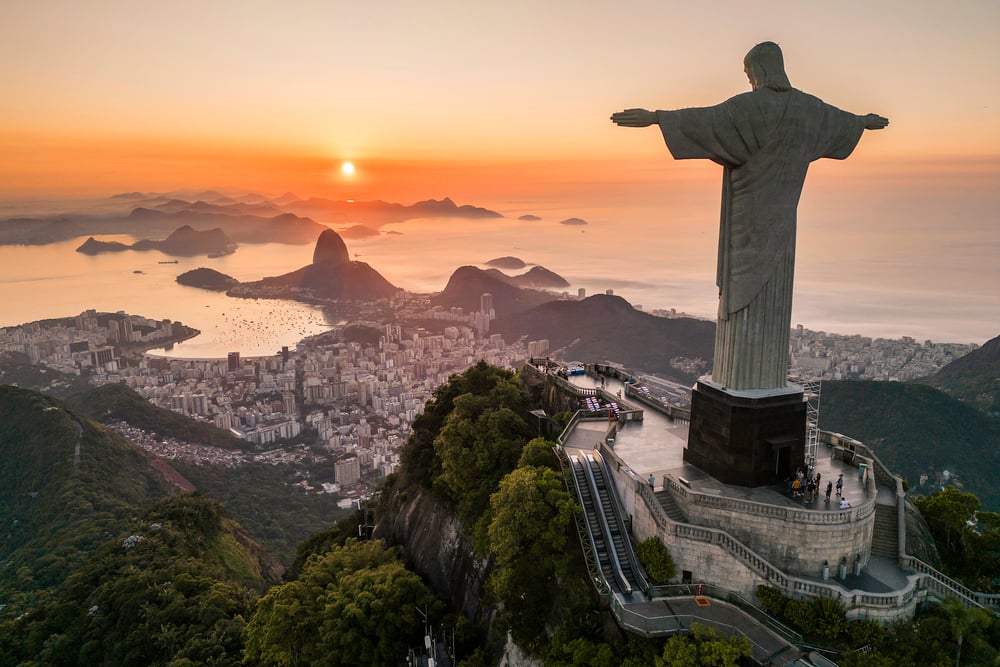
Brazil’s richness includes iron ore, gold, and bauxite, but much wealth lies under the Amazon rainforest—where resources remain largely untapped. Balancing resource extraction with environmental protection presents challenges.
The country’s extensive farmland supports strong agricultural exports alongside mining. Mining generates jobs and export income, with efforts to manage natural resources responsibly.
Brazil also expands hydroelectric and other renewable energy sources to reduce environmental impact.
South Africa
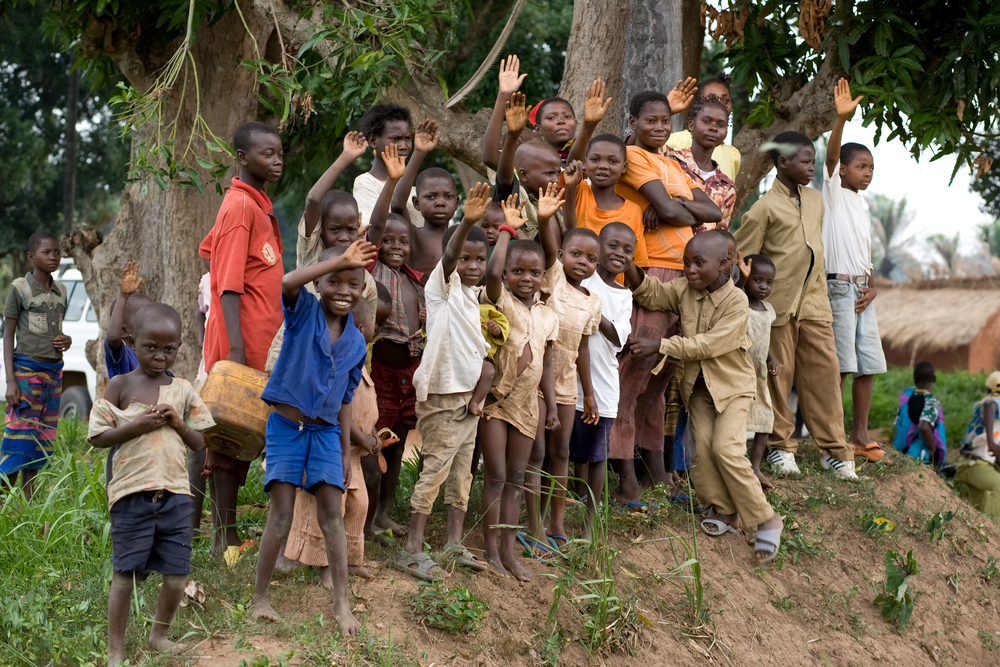
South Africa is well-known for gold, platinum, and diamond mining. These minerals have deeply influenced the country’s economy and social history.
Despite issues like labor strikes and price fluctuations, mining remains vital. The country also mines coal and other minerals essential to local industry and exports.
Investment in new mining technologies and renewable energy seeks to modernize the sector.
Venezuela
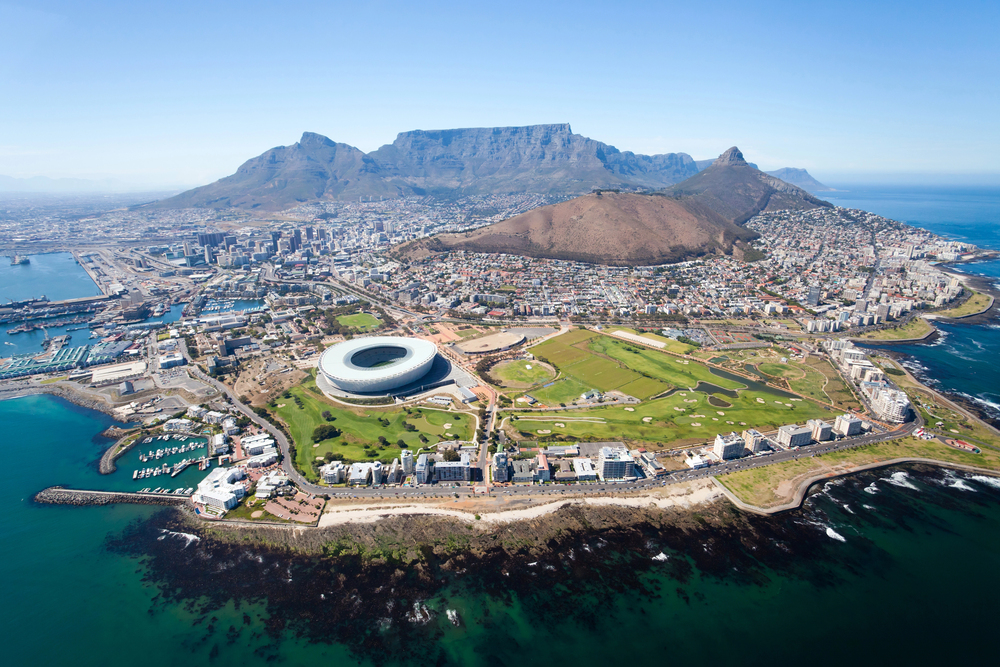
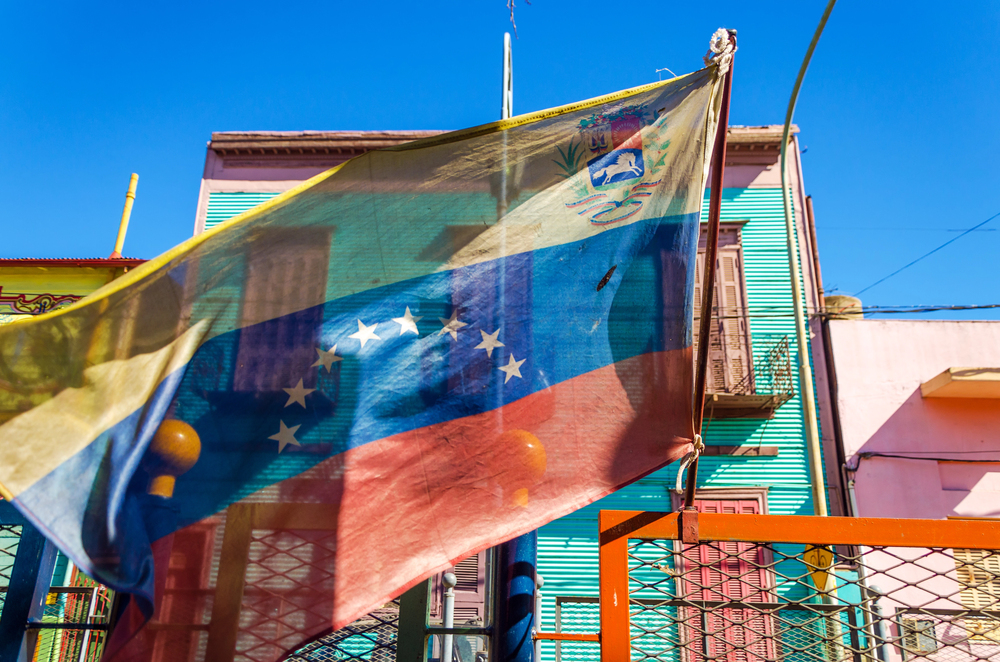
Venezuela possesses some of the largest oil reserves in the world, making it a key player in energy markets. Oil revenues have been the backbone of its economy for decades.
Political and economic troubles have slowed oil industry growth recently. However, the country’s oil wealth is still vast and could support future development if managed well.
Venezuela also has natural gas and minerals not yet fully utilized.
Iran
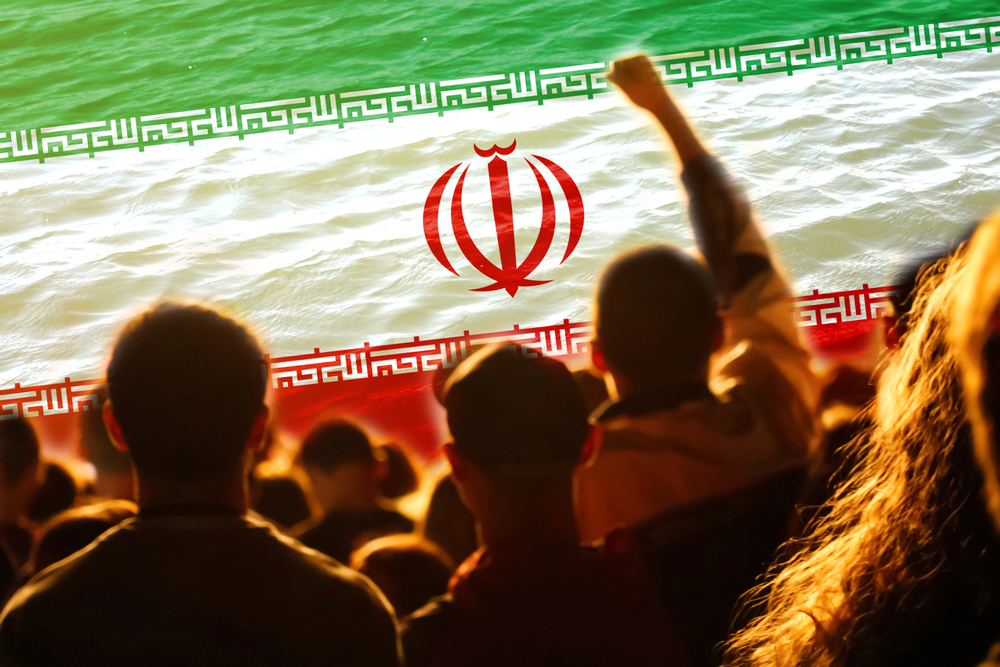
Iran ranks highly in natural gas and oil reserves. These resources are central to its economy and influence in the region.
Though sanctions limit exports, Iran’s reserves remain significant. The country also holds copper, zinc, and iron ore deposits that could help diversify its economy.
Investments continue in infrastructure to boost production despite external challenges.
Indonesia
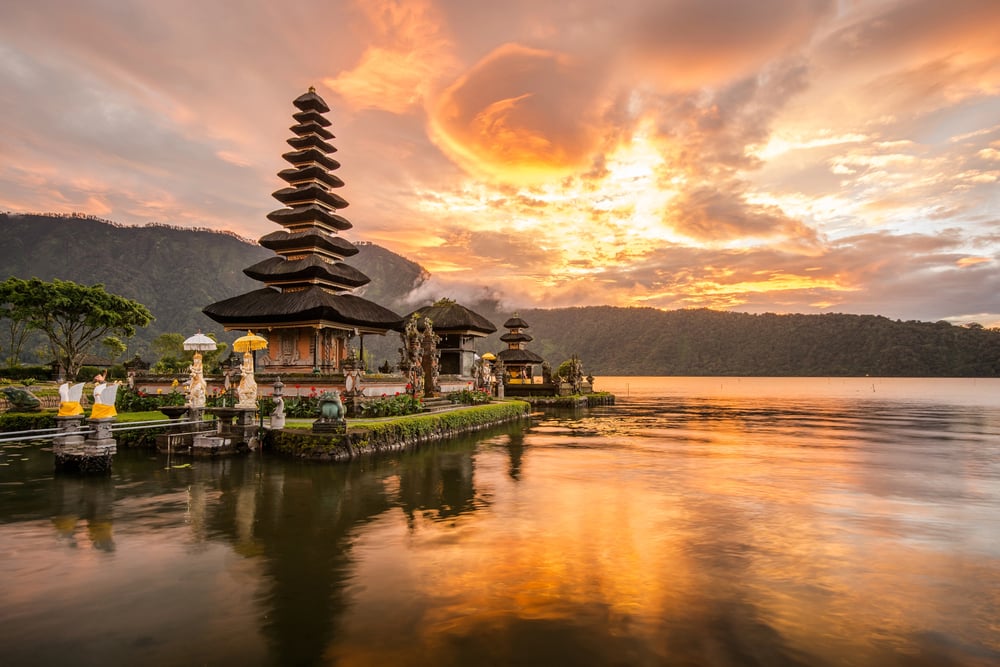
Indonesia’s coal, nickel, and tin deposits are spread across many islands. These minerals power a growing export economy.
Nickel is especially important for electric vehicle batteries, increasing Indonesia’s value in green technology. The nation also produces palm oil and other agricultural goods, balancing mining and farming sectors.
Improving sustainability remains a priority with environmental rules evolving.
Democratic Republic of Congo
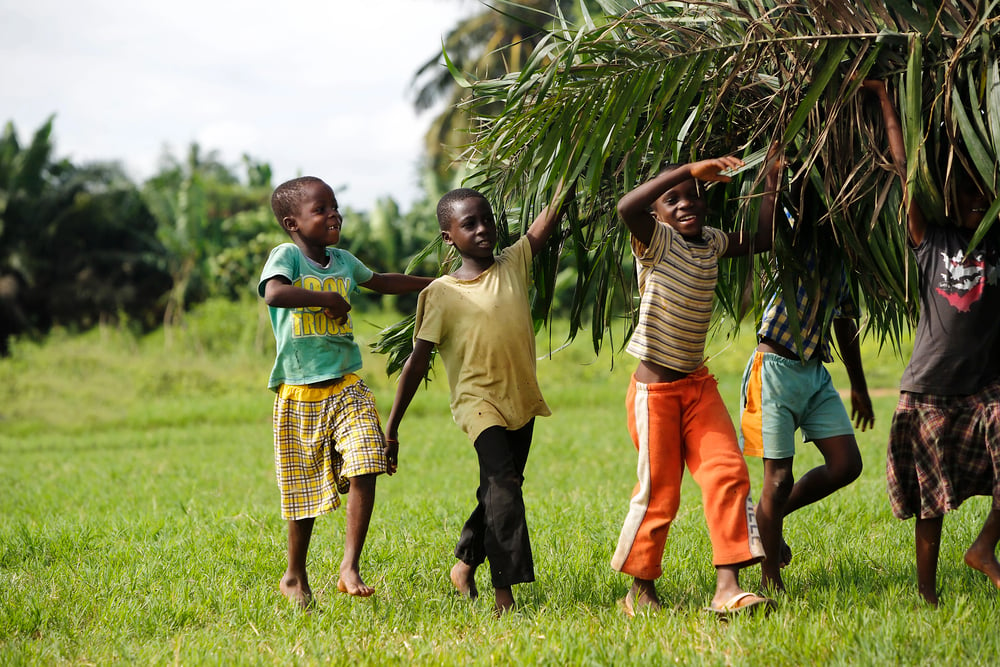
The DRC’s cobalt, copper, and diamonds are crucial for electronics and electric vehicles worldwide. These minerals are highly valuable but managing them fairly is difficult due to political instability and conflict.
The country’s mineral wealth could drive significant growth if governance and infrastructure improve. Foreign investment interest is growing but raises concerns about benefit sharing.
Nigeria
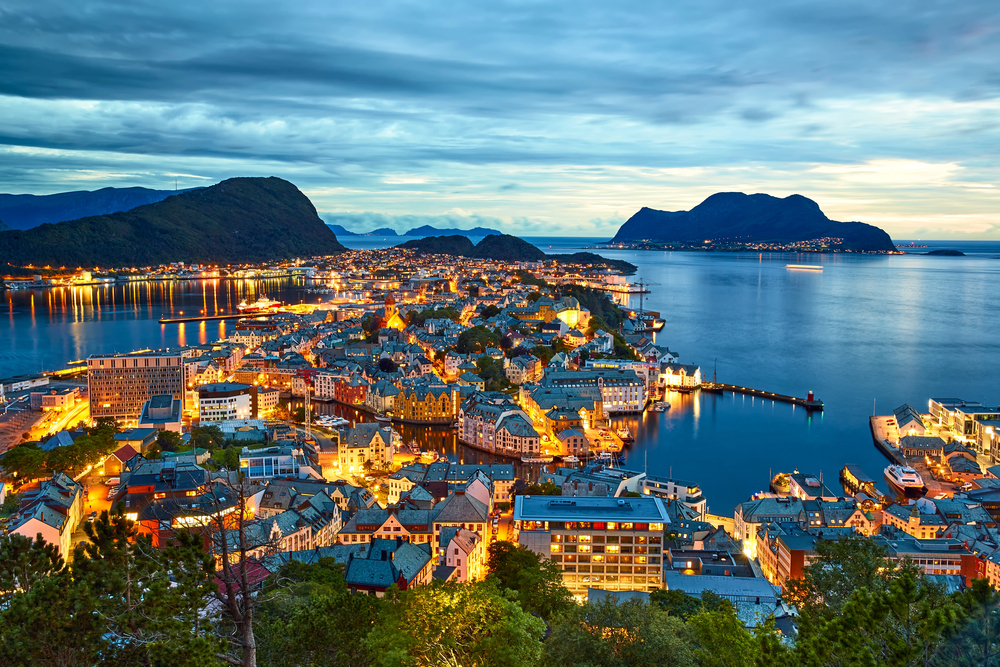
Nigeria is Africa’s largest oil producer, with petroleum central to its economy. Oil wealth has created opportunities but also problems like inequality and environmental harm in the Niger Delta.
The government seeks to diversify through agriculture and manufacturing. Nigeria’s natural gas reserves also offer potential to expand energy supply.
Steps to improve transparency aim to make oil revenues support national development better.
Norway
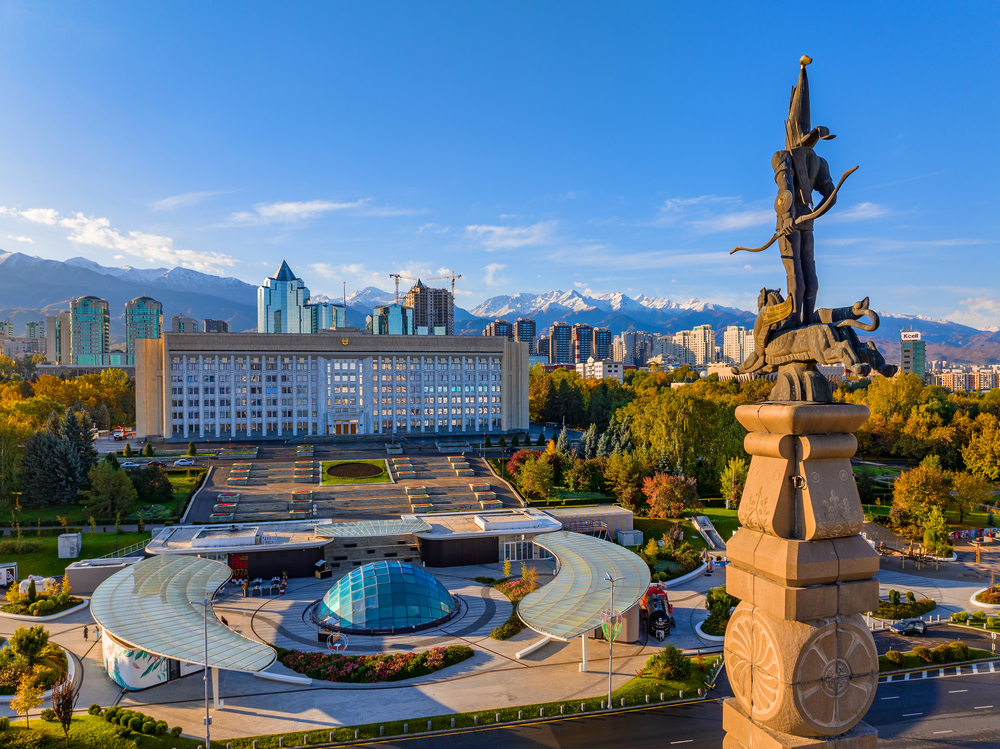
Norway’s offshore oil and gas fields have helped build one of the highest living standards globally. The country wisely places profits in a sovereign wealth fund to support future generations.
Norway also invests in renewable energy while managing its resources responsibly. Its transparent approach offers a model for other resource-rich countries.
This system ensures wealth benefits the whole population fairly.
Kazakhstan .
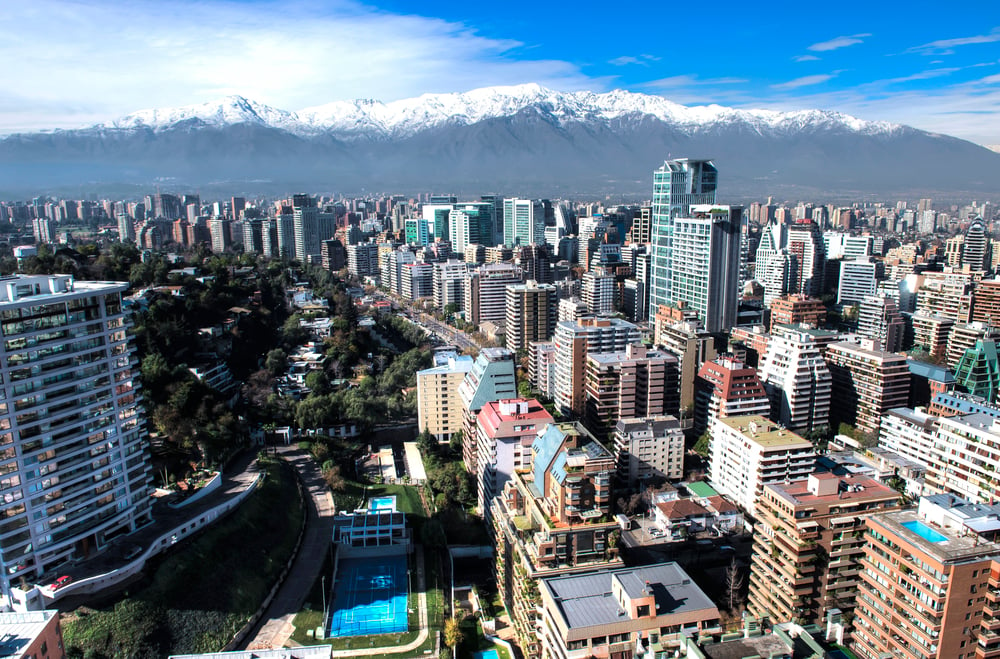
Kazakhstan holds large uranium, oil, and coal reserves, positioning it as an energy and mining hub in Central Asia. Its vast lands facilitate resource extraction, though improvements in transport and processing infrastructure are needed.
The country exports widely and plays a major role in regional energy markets. Welcoming foreign investment is part of Kazakhstan’s strategy to modernize industries.
Chile
Chile is the world’s top copper producer, with large mines driving the economy and exports. Copper is vital for wiring, construction, and technology, giving Chile a key global role.
The country also holds large lithium deposits essential for electric car batteries and energy storage. Mining fuels much of Chile’s growth, but balancing environmental concerns—like water use and indigenous rights—remains a challenge.
How resource wealth has shaped nations
Natural resources have played very different roles across these countries. Some have turned their riches into stable economies, while others face challenges managing their wealth.
The world still depends on these materials, so how nations use them will affect their futures. Resource wealth tells a story full of both promise and responsibility.
These 16 nations show that while underground riches can boost growth, they also require careful stewardship to benefit all.
More from Go2Tutors!

- The Romanov Crown Jewels and Their Tragic Fate
- 13 Historical Mysteries That Science Still Can’t Solve
- Famous Hoaxes That Fooled the World for Years
- 15 Child Stars with Tragic Adult Lives
- 16 Famous Jewelry Pieces in History
Like Go2Tutors’s content? Follow us on MSN.