Desserts Popular In The 1950s
The 1950s brought something different to American kitchens. Women had more time thanks to new appliances, but they also wanted to impress.
Store shelves filled with convenience products that promised to make everything easier. And dessert became a statement—something colorful, elaborate, and modern.
These weren’t just sweets. They were conversation pieces.
Jell-O Molds in Every Shape Imaginable
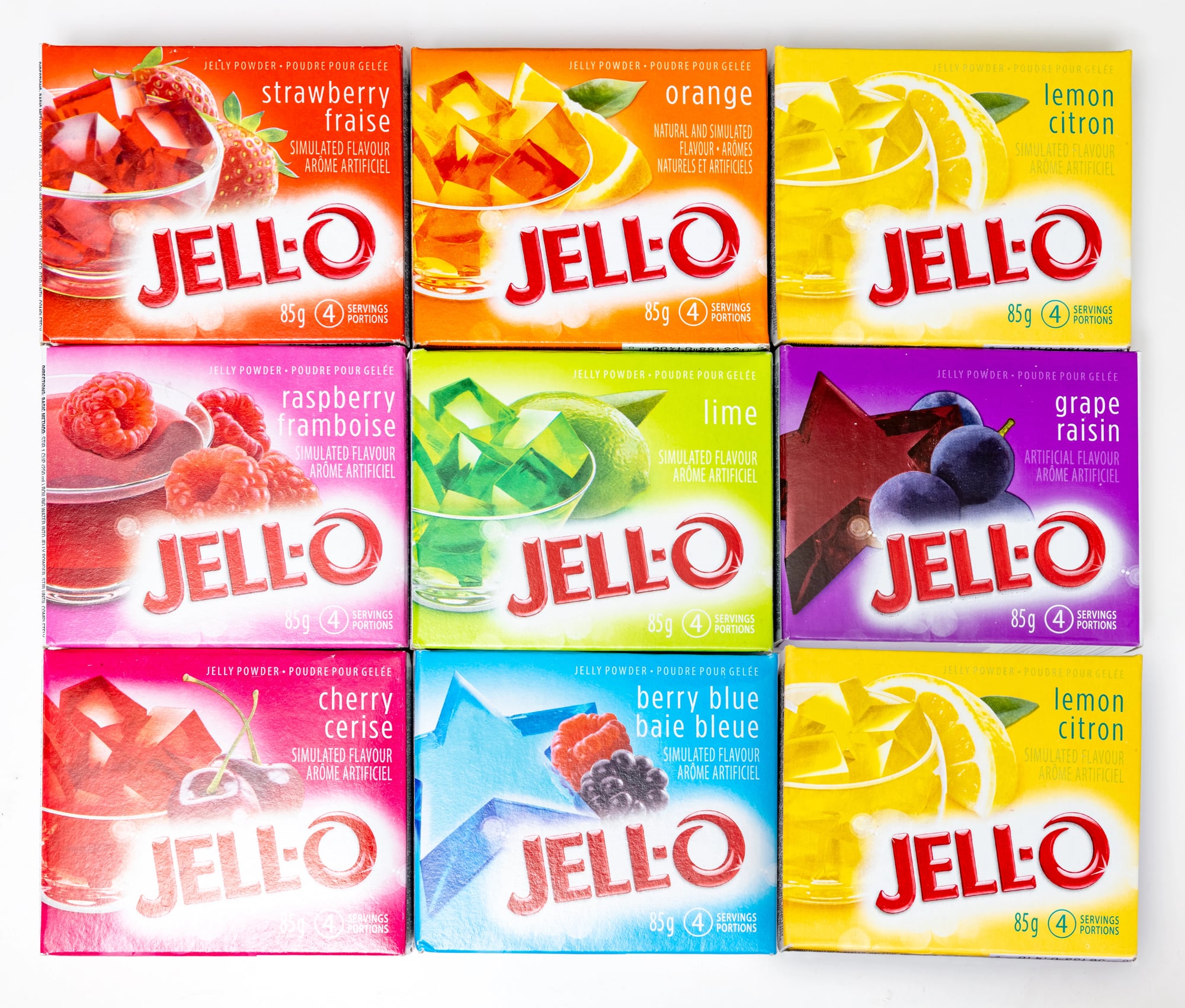
Jell-O took over dinner tables in ways that seem strange now. You’d find it molded into rings, layered with fruit cocktail, or suspended with vegetables.
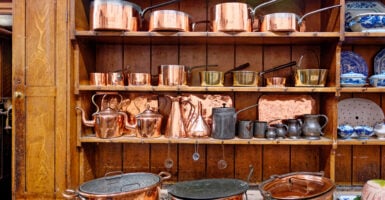
The company pushed recipes that turned gelatin into serious food, not just kids’ treats. Copper molds hung in kitchens specifically for these creations, and hostesses competed to make the most impressive version.
The appeal made sense at the time. Jell-O looked modern and scientific.
It wobbled in ways that fascinated guests. And it seemed elegant when presented on your best china platter.
Pineapple Upside-Down Cake
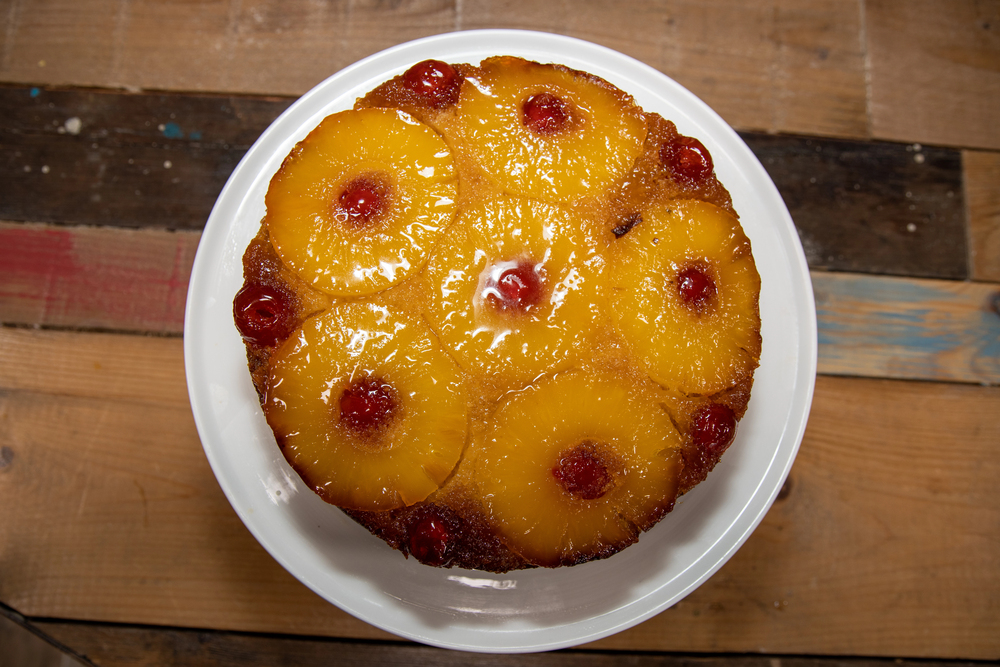
This cake appeared at every church potluck and family gathering. The pattern of pineapple rings and maraschino cherries created a design that looked complicated but wasn’t.
You just arranged the fruit in butter and brown sugar, poured batter over it, then flipped the whole thing after baking. Cast iron skillets worked perfectly for this dessert.
The heavy pan distributed heat evenly and created that caramelized bottom that became the top. Canned pineapple made it possible year-round, which was the whole point.
Fresh pineapple was expensive and hard to find, but a can cost almost nothing.
Baked Alaska
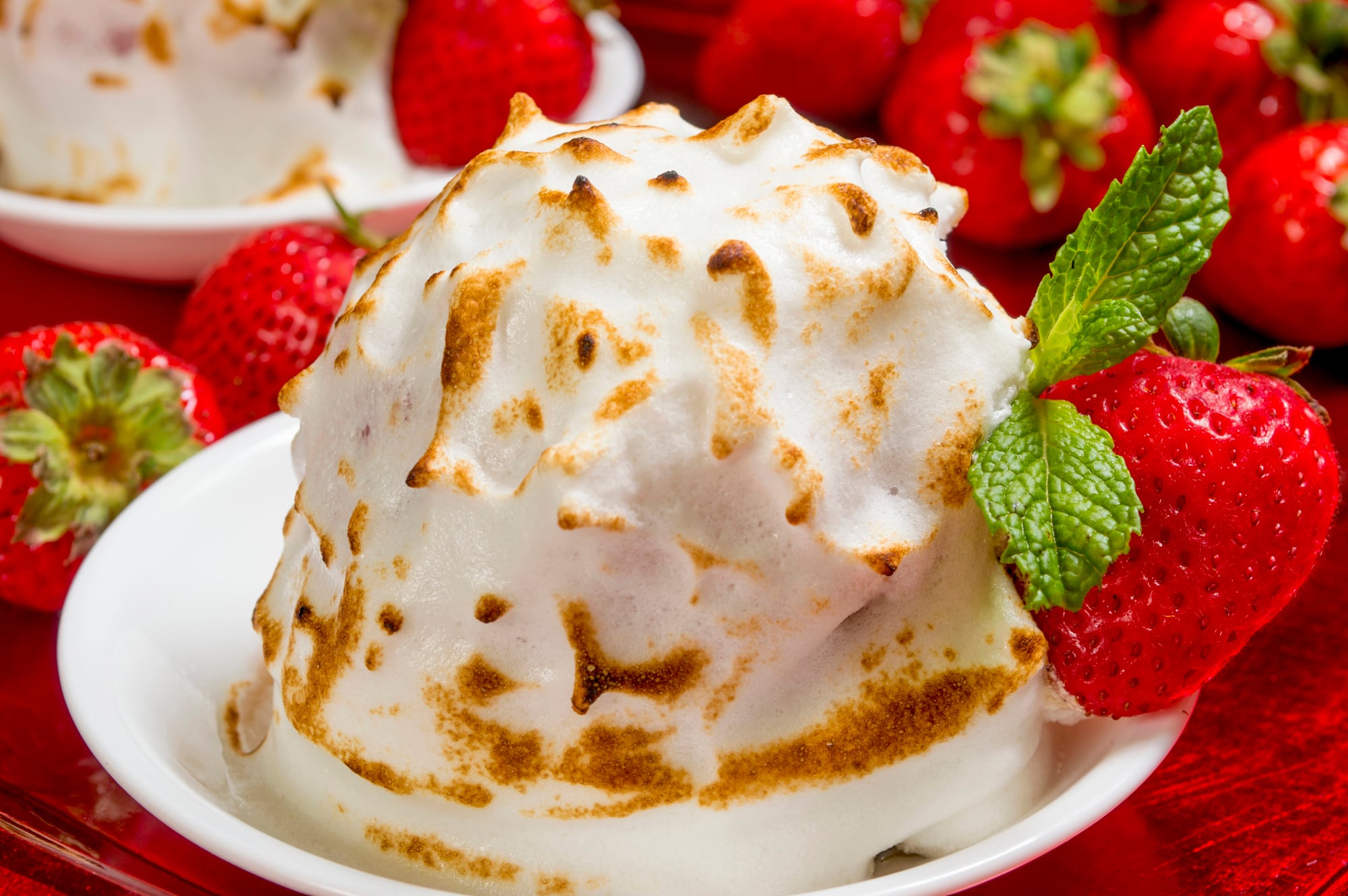
Few desserts impressed guests like Baked Alaska. Ice cream encased in cake, covered with meringue, then briefly baked until the meringue browned—it seemed impossible.
How could ice cream survive an oven? That mystery made it perfect for special occasions.
Making it required confidence and speed. You assembled everything while the ice cream stayed frozen solid, then worked fast to spread the meringue and get it in a hot oven.
The science actually worked. Meringue insulated the ice cream just long enough for the outside to toast.
Guests always wanted to know the secret.
Ambrosia Salad

People called this “salad” even though it contained marshmallows, coconut, and canned mandarin oranges mixed with whipped cream. The name came from Greek mythology—food of the gods.
Every family had their own version, adding pineapple chunks, pecans, or maraschino cherries. It appeared at holiday meals and summer picnics.
The fluffy, creamy mixture didn’t wilt in heat like real salad would. You could make it the night before and it somehow tasted better after sitting in the refrigerator.
Kids loved it because it was basically candy dressed up as something acceptable for dinner.
Chiffon Pie
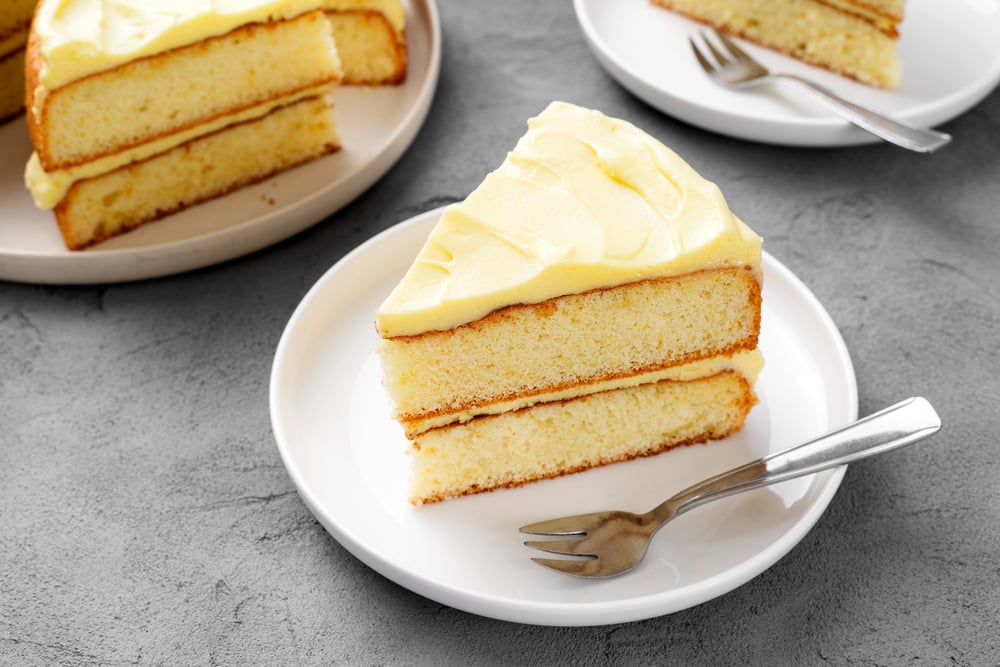
These pies looked impressive with their tall, fluffy filling. The texture came from folding beaten egg whites into a cooked base, creating something between a mousse and a cream pie.
Chocolate, lemon, and lime were the most common flavors. The height mattered.
A good chiffon pie rose above the crust dramatically. You had to be careful not to deflate those egg whites while folding them in, but when it worked, you got this airy texture that felt almost too light to be real food.
Topped with whipped cream, it became the centerpiece of any dessert table.
Banana Pudding
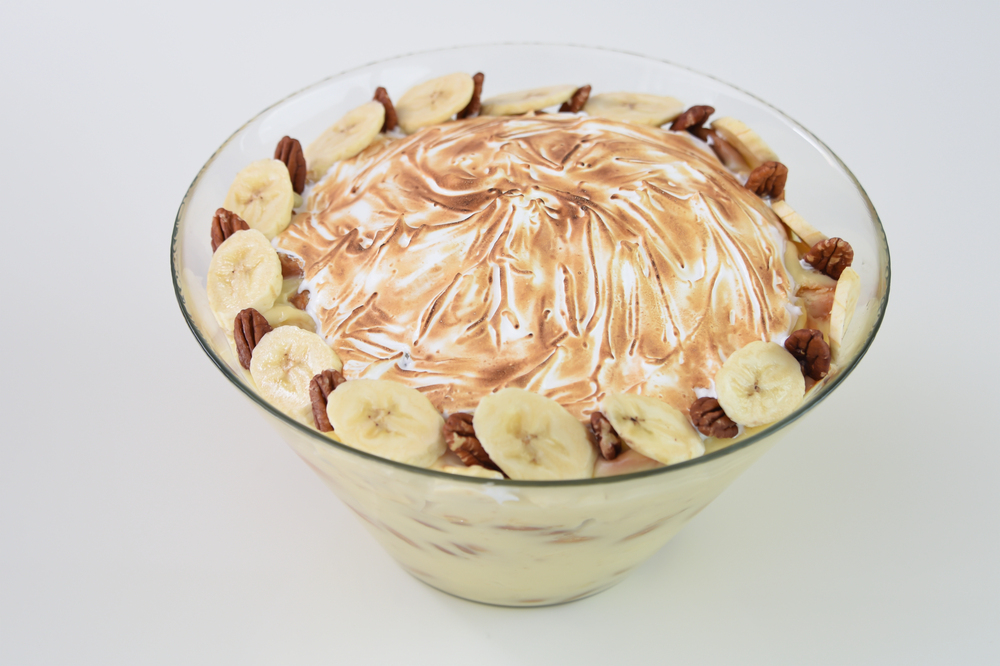
Southern cooks had been making banana pudding for decades, but the 1950s version got standardized. Nilla Wafers became the official cookie.
Instant vanilla pudding replaced homemade custard in many kitchens. The assembly stayed the same—layers of cookies, sliced bananas, and pudding, repeated until you filled your dish.
The cookies softened overnight, creating this texture that wasn’t quite cake but wasn’t pudding either. Some people topped it with meringue and browned it in the oven.
Others used whipped cream. Arguments about the “right” way probably started in this decade and never stopped.
Angel Food Cake
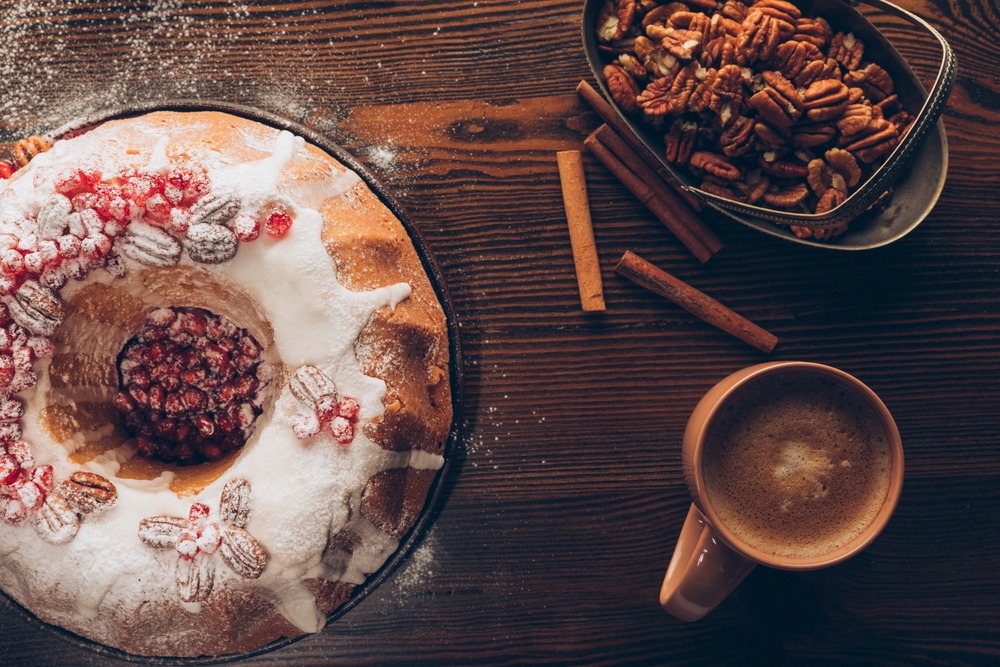
This cake defined lightness. Made entirely from egg whites, sugar, and flour, it rose high and stayed almost weightless.
You needed a special pan with a tube in the middle and feet on top so you could turn it upside down while cooling. Strawberries and whipped cream were the standard topping, but you’d also see it with chocolate glaze or simply dusted with powdered sugar.
The cake absorbed flavors well, so you could add almond or lemon extract to the batter. Frozen angel food cakes appeared in grocery stores, which seemed almost sacrilegious to serious bakers but sold like crazy anyway.
Cherry Pie
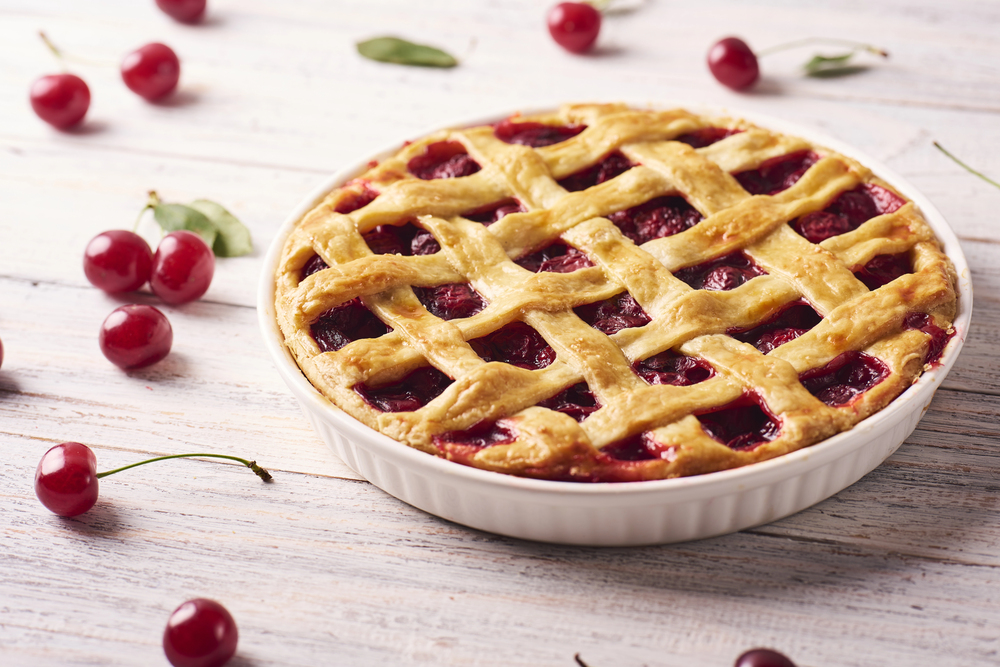
Apple pie might have been more American in theory, but cherry pie dominated the 1950s. The bright red filling looked perfect at patriotic gatherings.
Canned cherry pie filling made it nearly foolproof, though some bakers still used fresh or frozen cherries when they could find them. The lattice top crust became a way to show off your skills.
Weaving those strips took patience, but the finished product looked professional. Store-bought pie crust started appearing in refrigerator sections, which meant even people who couldn’t make pastry could turn out a decent cherry pie.
Ice Cream Parlor Creations
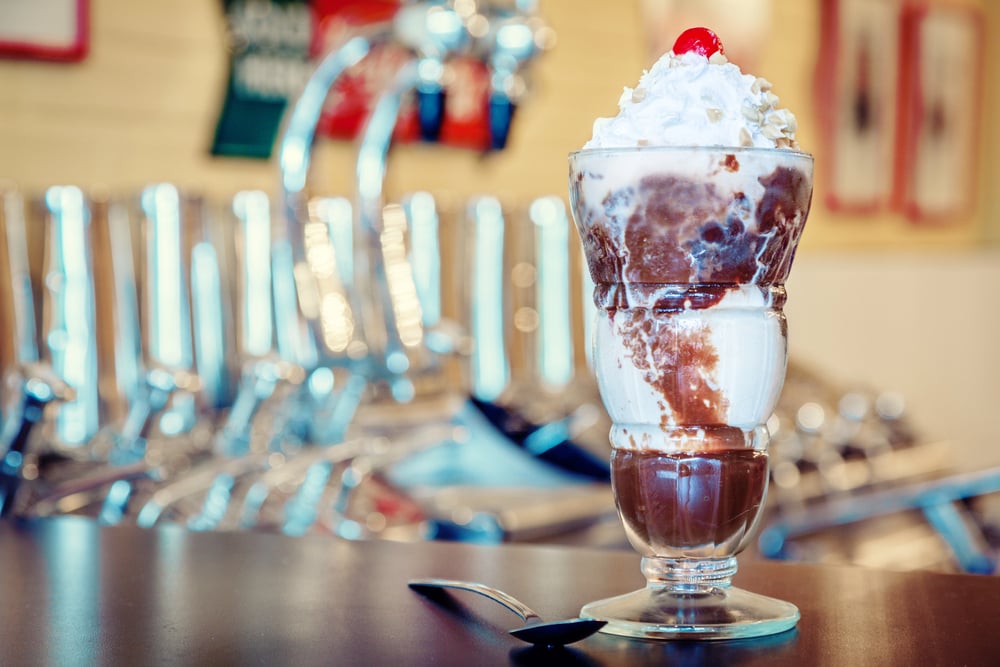
Soda fountains thrived in the 1950s. Every drug store had one, and ordering an ice cream soda or float felt special.
Fountain workers created elaborate sundaes with multiple scoops, various syrups, whipped cream, nuts, and that essential maraschino cherry on top. Root beer floats and Coke floats were standard, but you could order any combination.
Orange soda with vanilla ice cream had its fans. Chocolate sodas came with chocolate ice cream and chocolate syrup, which seemed like overkill but tasted amazing.
These weren’t just desserts. They were experiences, complete with tall glasses, long spoons, and striped straws.
Coffee Cake for Every Morning
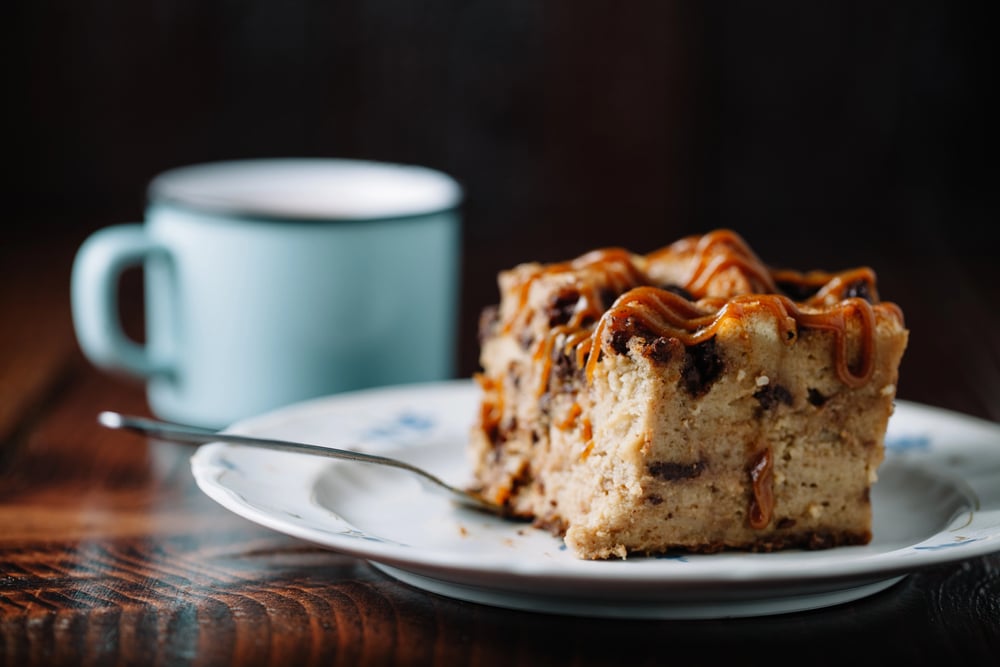
Coffee cake showed up at breakfast, brunch, and afternoon coffee breaks. The crumb topping was essential—a mixture of butter, sugar, flour, and cinnamon that created those chunks everyone fought over.
Sour cream in the batter kept it moist for days. The name was misleading since the cake contained no coffee.
You ate it alongside coffee, which apparently was reason enough to call it that. Bundt pans became popular for these cakes because the shape looked elegant but required no frosting or decoration.
Just dust it with powdered sugar and you are done.
Layer Cakes with Coconut
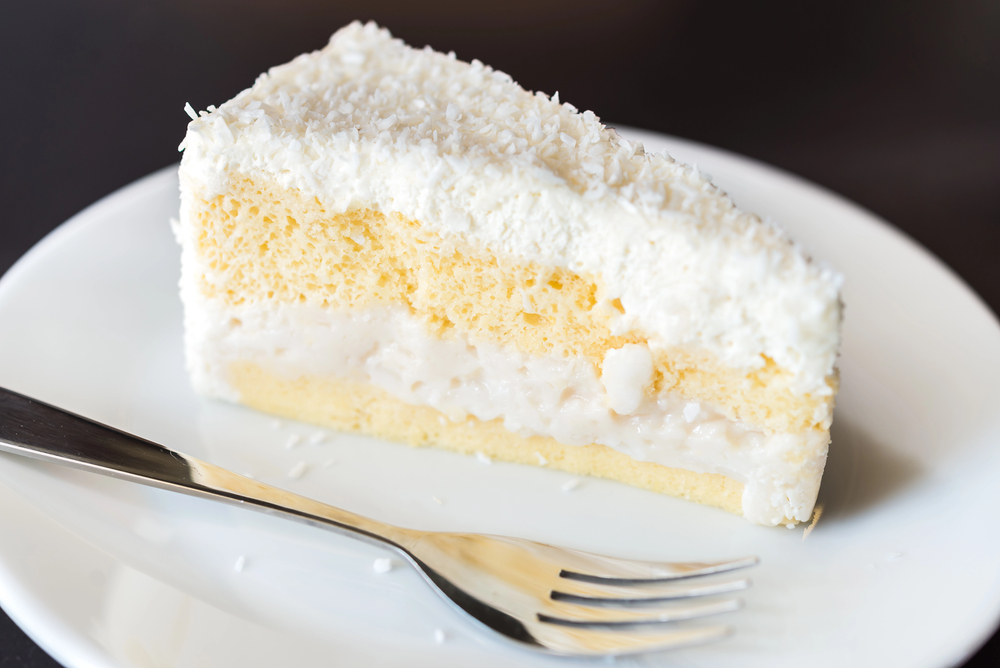
Tall layer cakes covered in coconut flakes appeared at every celebration. The coconut stuck to buttercream frosting, creating a fuzzy exterior that looked like snow.
Inside, you’d find two, three, or even four layers of yellow or white cake. Fresh coconut was too much work for most bakers, so bags of sweetened shredded coconut from the store did the job.
The amount of coconut on these cakes was excessive by any standard, but that was the point. More meant better.
The sweetness was intense, but people in the 1950s liked their desserts sweet.
Chocolate Pudding from a Box
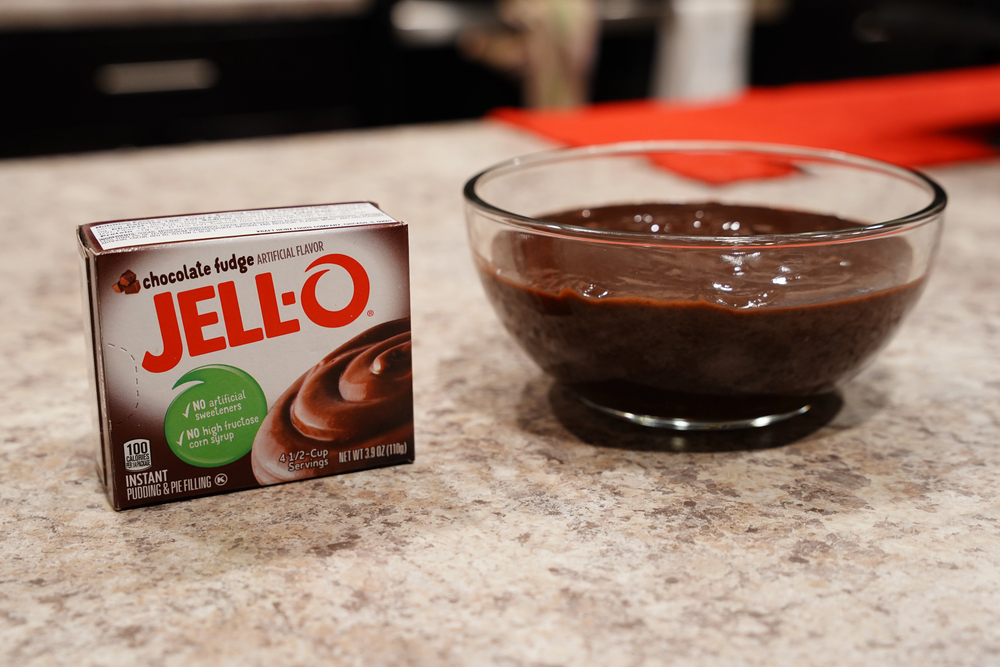
Instant chocolate pudding changed how people thought about dessert. You mixed powder with milk, waited five minutes, and had pudding ready to eat.
Before this, making pudding meant cooking on the stove, stirring constantly, and waiting for it to cool. The instant version wasn’t quite as good, but the convenience won.
Kids could make it themselves, which was part of the appeal. Jell-O brand dominated the market with their chocolate, vanilla, and butterscotch flavors.
The texture was different from cooked pudding—thicker, more consistent, lacking that silky custard quality—but it worked for everyday desserts and pie fillings.
Seven-Layer Cookies
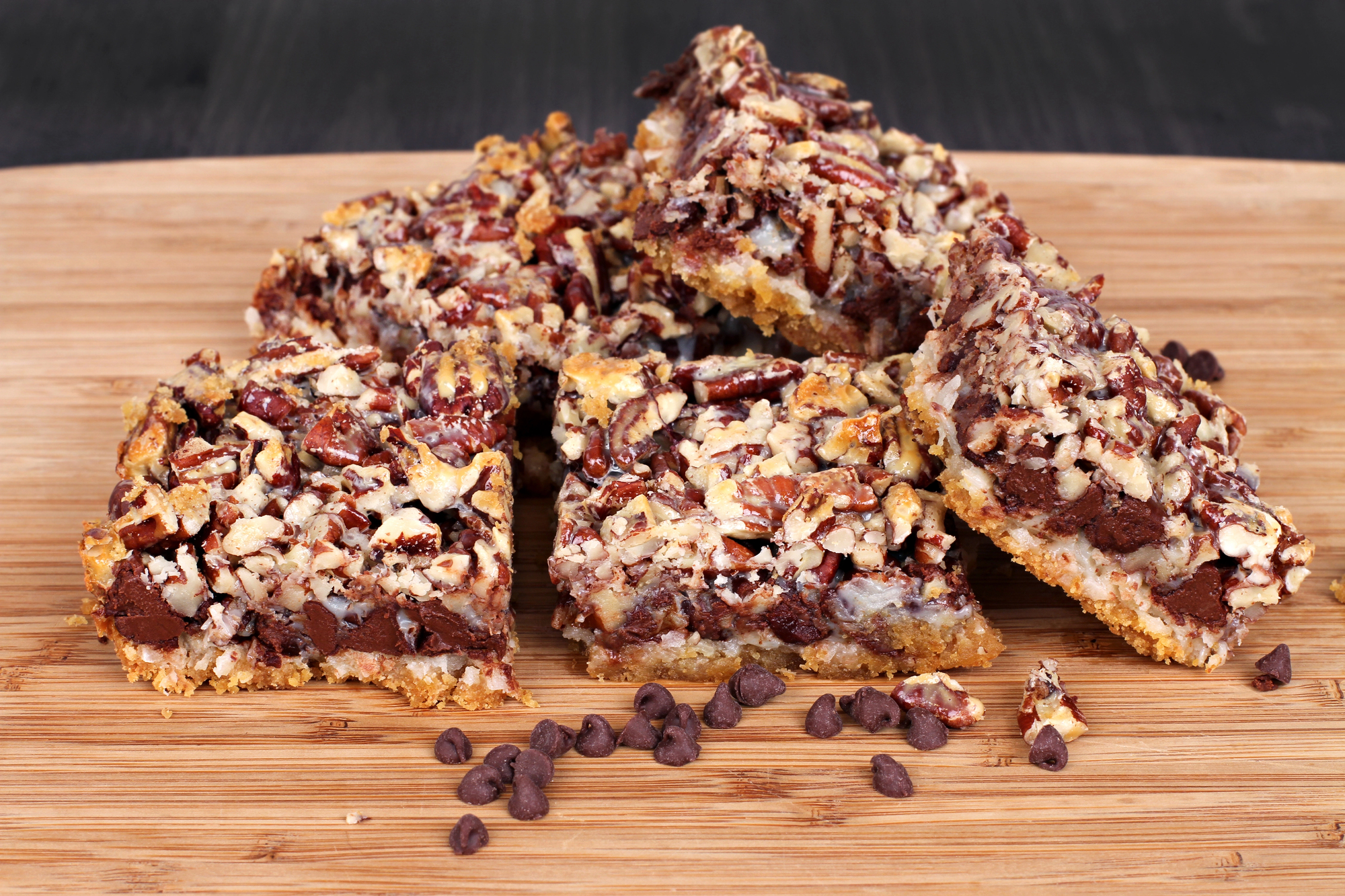
First came a green slice, almond-scented, soft under the fingers. Then white followed, same nutty base, just pale like morning light.
On top, pink rested gently, sweet but not too much. Jam slipped in between, sticky apricot holding pieces together. Chocolate wrapped each end, cool and firm to the touch.
Some counted layers one by one – seven if splits mattered. Bakeries piled them high when holidays neared.
Names changed depending on who spoke: rainbow, flag, something handed down. Baking these at home meant work.
Each layer needed its own time in the oven, after which precise trimming was required. A thin layer of jam came next, applied without rushing.
Pressure and patience followed – weights pressed down through the night. The outer shell? Melted chocolate poured smooth but not too thick.
What emerged stood out, both in flavor and form.
Simple desserts using cake mix
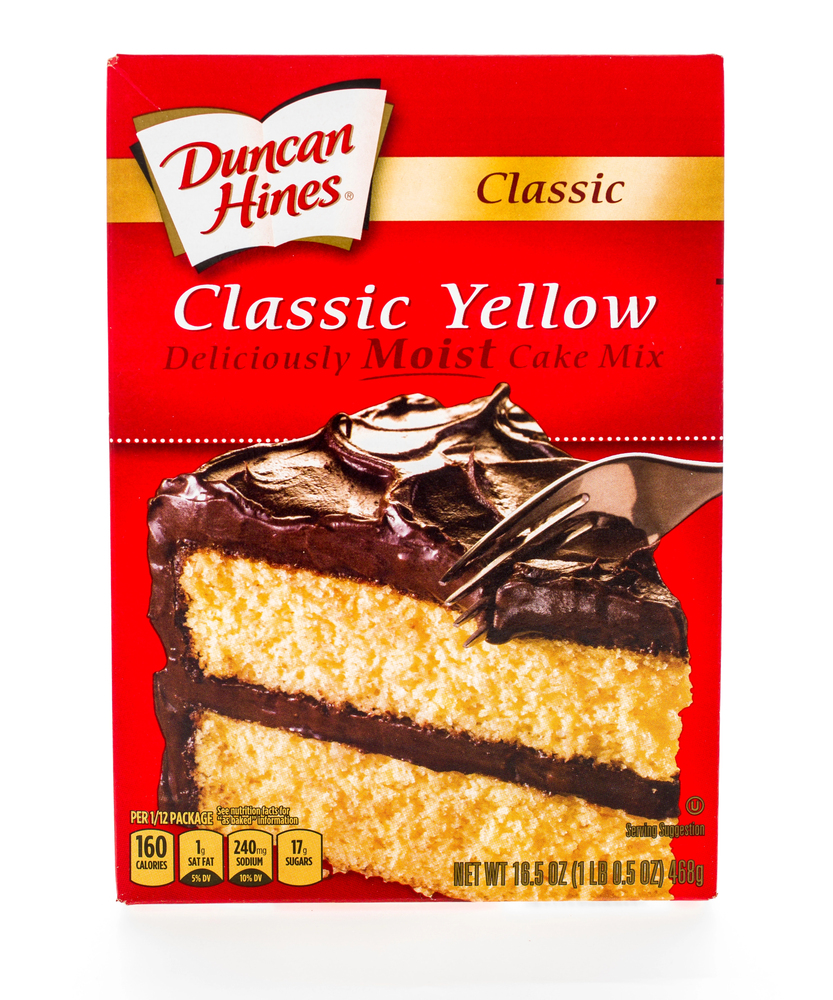
Baking never looked the same after Betty Crocker and Duncan Hines arrived with their powdered mixes. Instead of spending sixty minutes weighing flour and stirring batter, folks just poured in water and cracked open eggs.
To some, that felt like skipping steps. For others, it was simply moving ahead. The kitchen had shifted without warning.
Baking got easier once the mixes started behaving the same every time. Showing up with dessert used to be risky – sometimes it sank, sometimes it felt odd in your mouth.
Chocolate and yellow varieties flew off shelves faster than others. A splash of pudding, a dollop of sour cream, maybe one more egg – they turned store-bought into something that smelled like effort.
Meringue in Various Forms
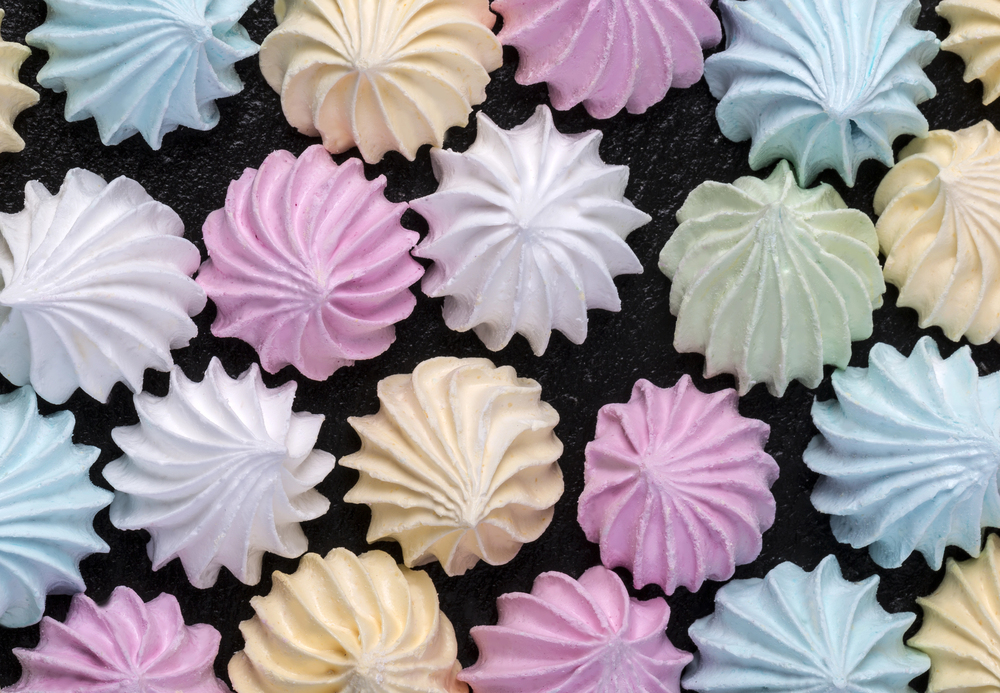
Frothy egg whites shaped sweets back in the 1950s. Not just in airy pies or flame-kissed Alaska treats, but also as crisp little cookies perched on trays.
Think of sour lemon pies crowned with soft peaks. Or hollow sugar nests named pavlovas – stuffed slowly with berries and thick cream.
Baking had its rules. Cold eggs just did not work as well, so using those at room temperature made a real difference.
One bit of sugar at a time helped the mixture hold together. When dried out fully, these light cookies stayed crisp in storage for ages.
People saw them as elegant, even though they were almost nothing but trapped air – odd how that beat richness every time.
The Sweet Architecture of an Era
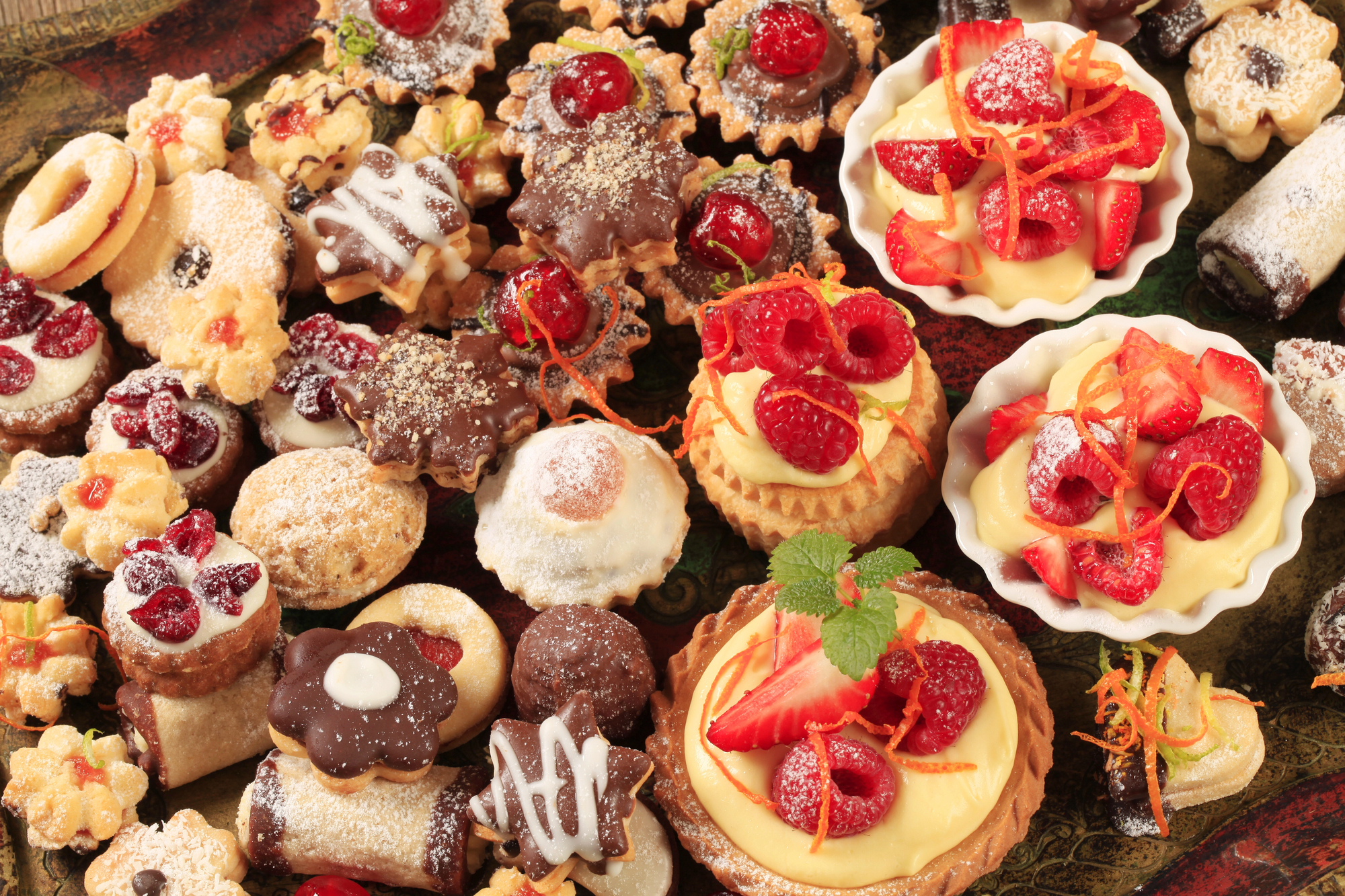
Back then, sweets said a lot without words. Shiny layers and bold shapes filled plates, yet flavors stayed close to old favorites.
Big brand mixes found their way into bowls alongside recipes passed down through years. Confidence rose like cake in an oven, sweet and steady.
Bright molds and fluffy peaks stood high on tables, mirroring hopes that seemed just within reach. A few sweets stayed popular, turning into old favorites over time.
When flavors shifted, some simply faded away after the first excitement ended. Yet each one helped shape a unique part of how people lived, something you might still find today, if you pay attention.
More from Go2Tutors!

- The Romanov Crown Jewels and Their Tragic Fate
- 13 Historical Mysteries That Science Still Can’t Solve
- Famous Hoaxes That Fooled the World for Years
- 15 Child Stars with Tragic Adult Lives
- 16 Famous Jewelry Pieces in History
Like Go2Tutors’s content? Follow us on MSN.