27 Classic Toy Boats With Collector Interest
A toy boat has one job that no toy car or toy train has to worry about: it must stay afloat. That requirement shaped everything about how these playthings were built, from lead-weighted tinplate hulls to carved wooden speedboats to brass boilers fired by a tiny flame.
The collector market has noticed. Old toy boats turn up in auction rooms alongside trains and cars, and the best of them carry the names of famous makers in Germany, Britain, the United States, and Japan.
Condition drives value in every case, and a boat with its paint, rudder, key, and box intact can be worth many times one that has spent decades in a damp shed.
Bowman Models Sea Jay Super Cruiser
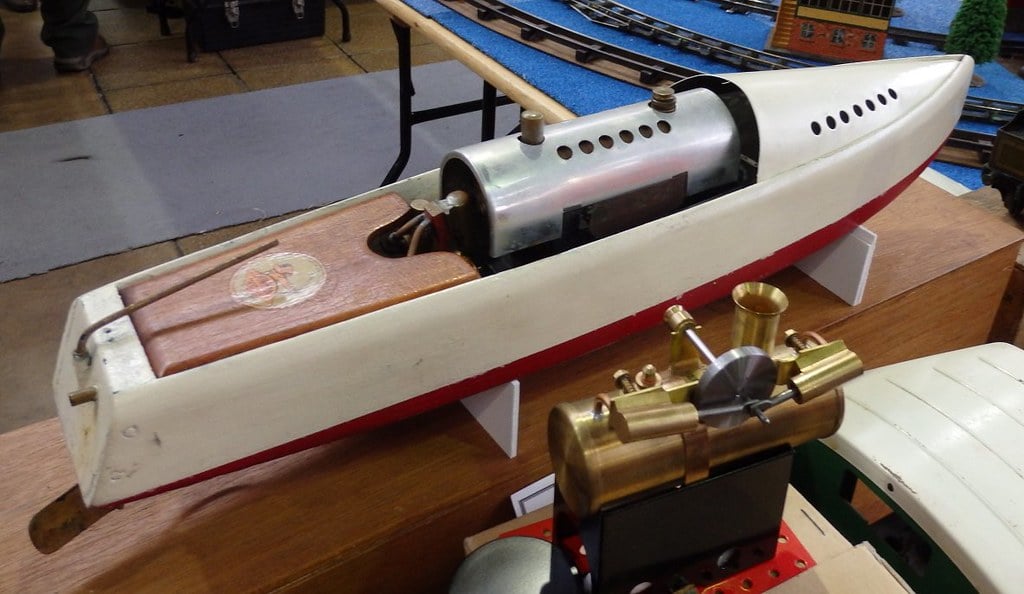
Bowman Models, the English maker best known for live steam locomotives, also built steam-powered boats, and the Sea Jay Super Cruiser from the 1930s is one of them. It measures about 27 inches long and has been offered at auction fitted with a two-cylinder Bowman-Bryant engine.
A boat like this was meant to be fired up and sailed on a pond, so surviving examples with clean paintwork and an unscarred boiler are scarce. Value depends heavily on condition, and the presence of the original box adds a notable premium.
Hobbies-Bowman Greyhound Speedboat
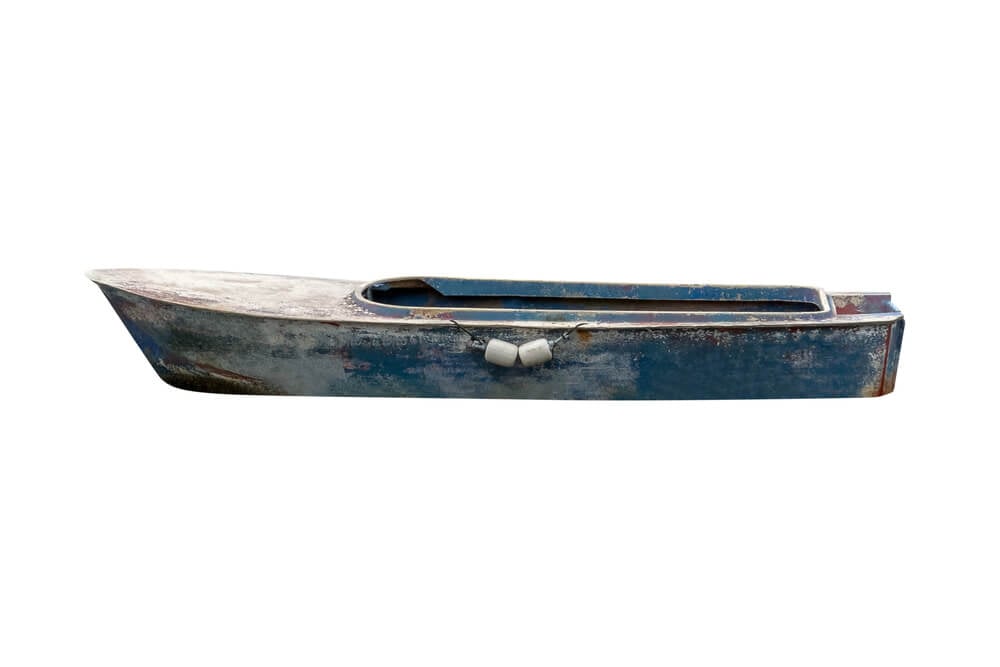
Not every classic toy boat was tinplate. The Greyhound speedboat sold under the Hobbies-Bowman name is a wooden English boat roughly 30 inches long, and it has been sold with its original box.
Wooden hulls suffer from warped planking, cracked varnish, and water damage, which makes a sound one far harder to find than the size and plain looks suggest. As with most toy boats, condition and completeness decide what a buyer will pay.
Märklin HMS Russell Battleship
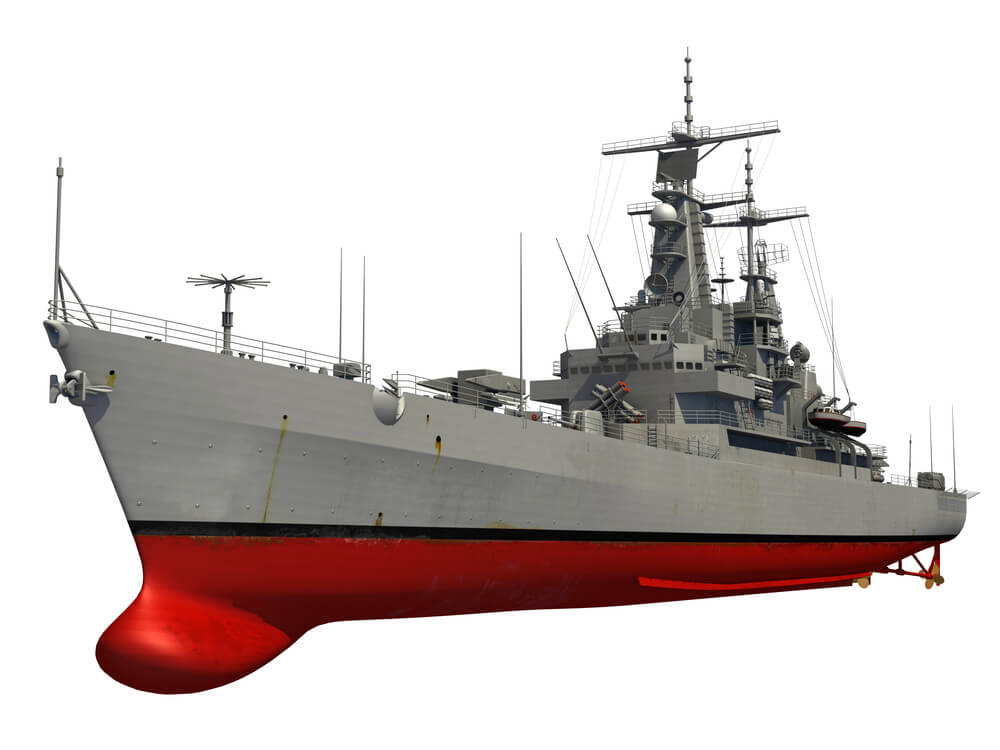
Märklin of Göppingen, Germany, is famous for model railways, yet its early tinplate warships are among the most coveted toy boats ever made. An auction house has described its HMS Russell as the largest of Märklin’s second-series battleships.
These ships were hand-finished with guns, funnels, and rigging, and collectors look closely for missing fittings, because replacement parts are hard to source. A complete, original example is a trophy piece, while a repainted or incomplete one sells for far less.
Märklin Mauretania Ocean Liner
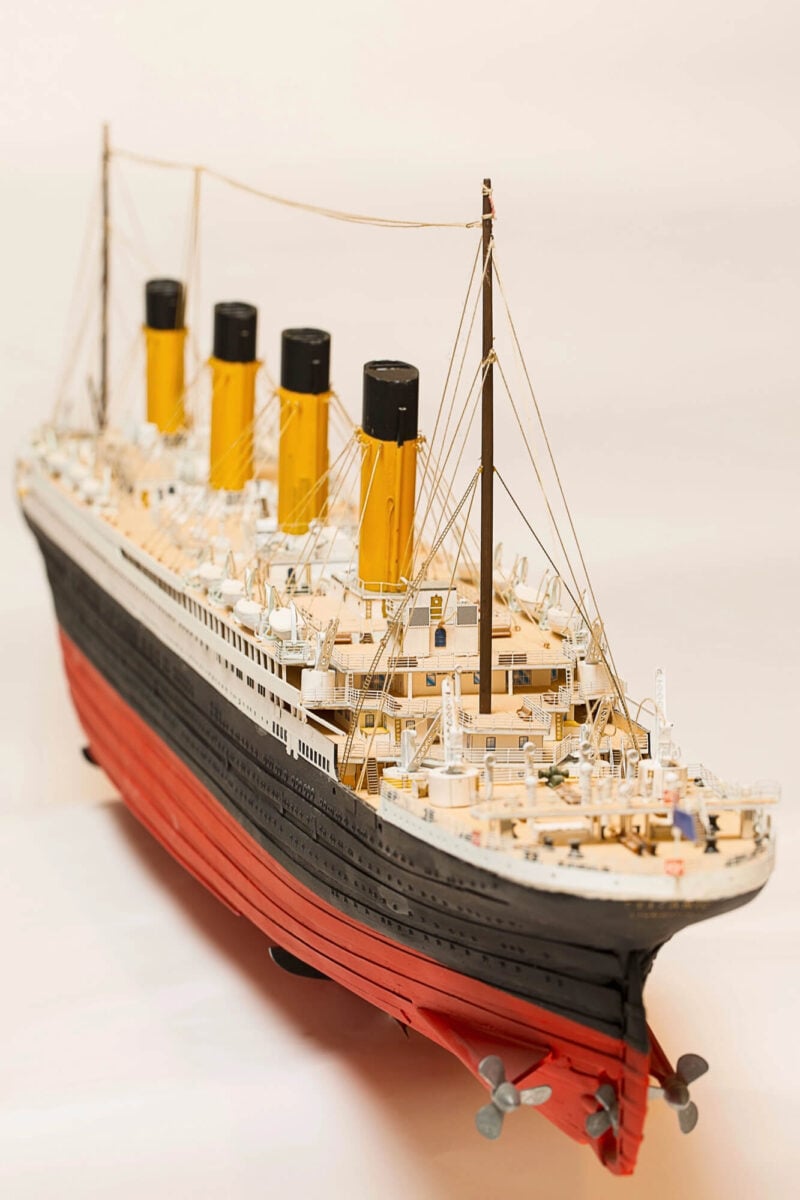
Märklin also modeled the great passenger liners of the early twentieth century, and an auction house in Dorchester has offered a rare Märklin model of the Mauretania. The real Cunard ship held the Atlantic speed record, known as the Blue Riband, for roughly two decades.
Toy versions like this sold to wealthy families when ocean travel was at its peak, so the model carries the aura of its subject. Original paint and intact railings and masts matter enormously to the final price.
Bing Windup Torpedo Boat
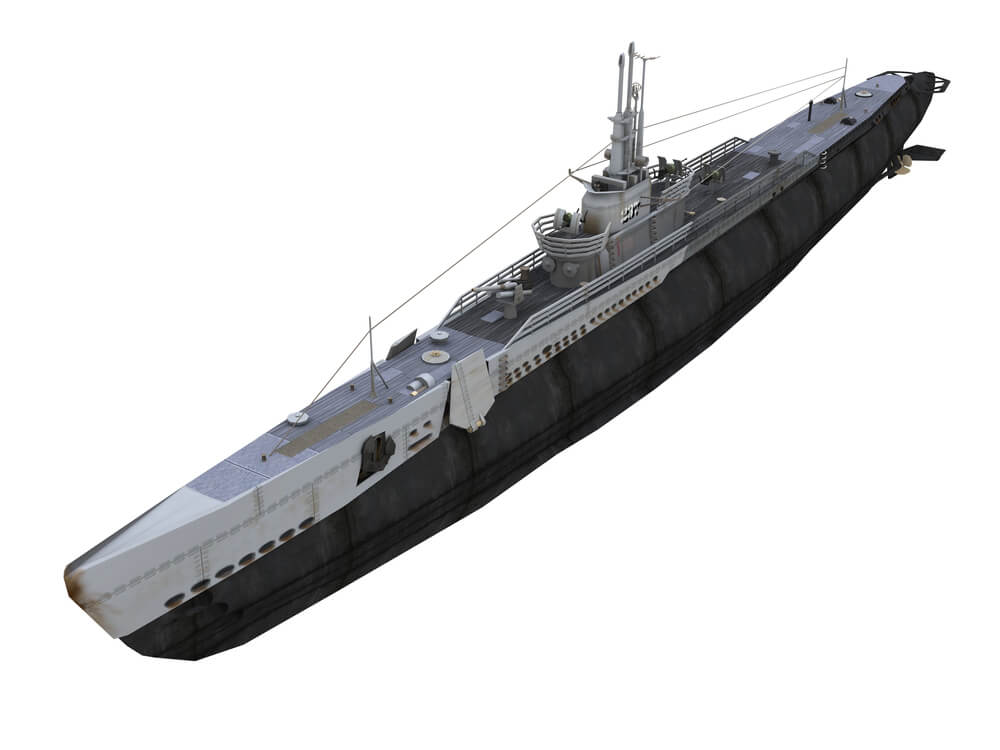
Gebrüder Bing of Nuremberg produced a tin lithographed windup torpedo boat catalogued as number 155/231, and one example came from the well-known Richard T. Claus collection. Bing was among the largest toy manufacturers in the world in its era, and its boats were sold across Europe and beyond.
The slim hull and printed detailing reward close inspection, since lithographed tin is easily scratched by decades of play. Provenance from a respected collection helps, but the surface condition of the tin decides most of the value.
Bing Mechanical Submarine Boat

In the 1930s Bing offered a hand-painted windup submarine, listed under catalog number 10/344/4. Submarines made good toys because the tubular hull could carry a clockwork motor, but they were a tricky shape to keep stable and watertight.
Collectors prize these for their charm and their rarity in good paint. Since the finish was applied by hand, no two surviving examples look exactly alike, and condition varies widely.
Bing Windup Ocean Liner of About 1900
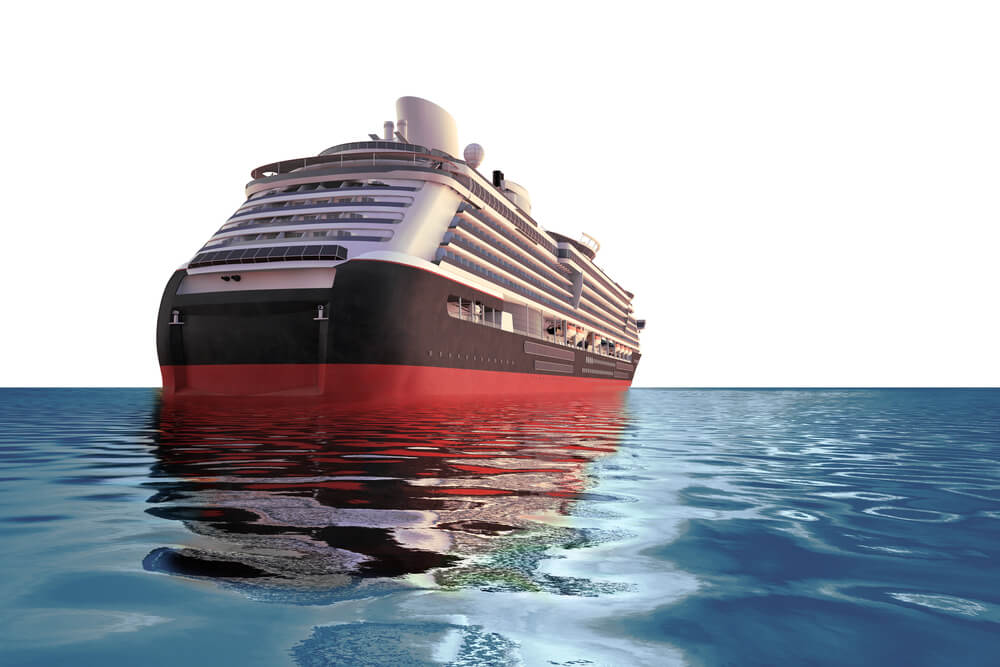
A Gebrüder Bing windup ocean liner dating from around 1900 was appraised on the PBS series Antiques Roadshow, which shows how far these toys reach beyond specialist circles. Liners of this period carried the hand-painted details of real passenger ships, with decks, lifeboats, and funnels rendered in tin.
Many were played with in bathtubs and ponds, so rust and repainting are common. Examples with original paint and complete fittings are the ones that attract serious bidding.
Fleischmann Number 995 Ocean Liner
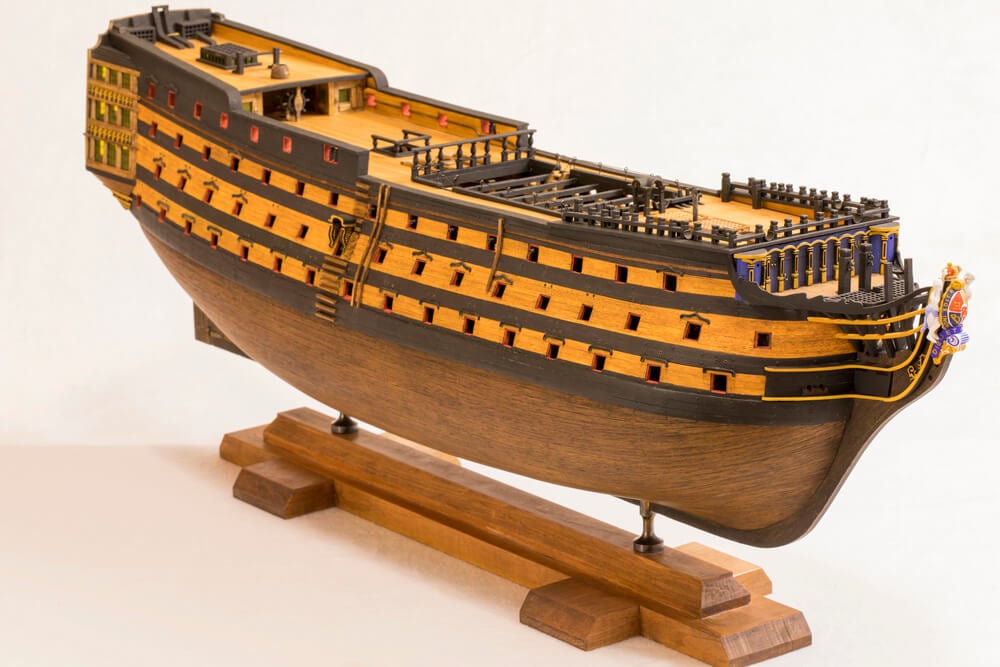
Fleischmann of Nuremberg built a hand-painted tin windup ocean liner numbered 995 that measures about 19 inches long. At that size it is a substantial shelf piece, and the hand painting gives the superstructure a depth that printed tin cannot match.
The firm is today better known for model trains, which means its old tin ships are a niche within a niche. Pricing swings sharply with paint condition and the survival of masts, lifeboats, and railings.
Carette Hand-Painted Windup Ocean Liner
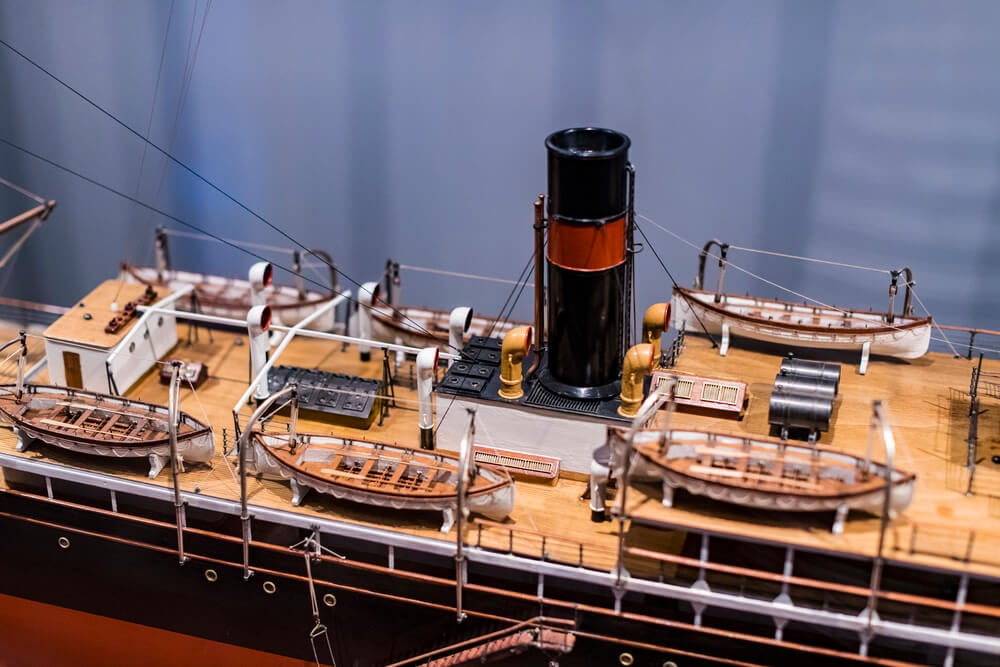
Georges Carette, a Frenchman working in Nuremberg, ran one of the finest German tinplate firms of the early twentieth century until it closed in 1917. His hand-painted clockwork ocean liners are admired for fine detailing and a delicate, almost jewelry-like finish.
Carette boats appear in auctions alongside the work of Märklin and Bing, and the best of them compete on equal terms. Condition is everything, because thin tin and hand painting leave little margin for rough treatment.
Hornby Pre-War Clockwork Speedboats
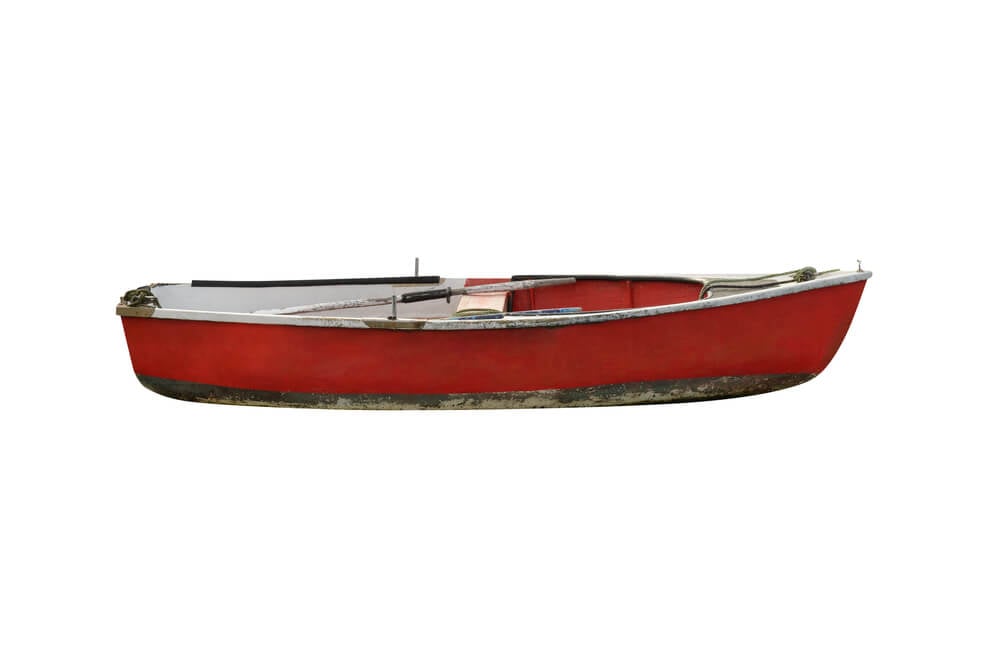
Meccano of Liverpool, maker of Hornby toys, sold a line of clockwork speedboats before the Second World War, among them the Racer, Racer II, and Racer III models and the No. 3 Gannet. These were bright, streamlined boats designed to skim across a pond at speed.
Children’s play took its toll on them, so boats with intact paint, a working motor, and original box are the exception. Sorting the numbered models by hull length, paint scheme, and fittings is half the fun of collecting them.
Tri-ang Minic Ships Queen Mary
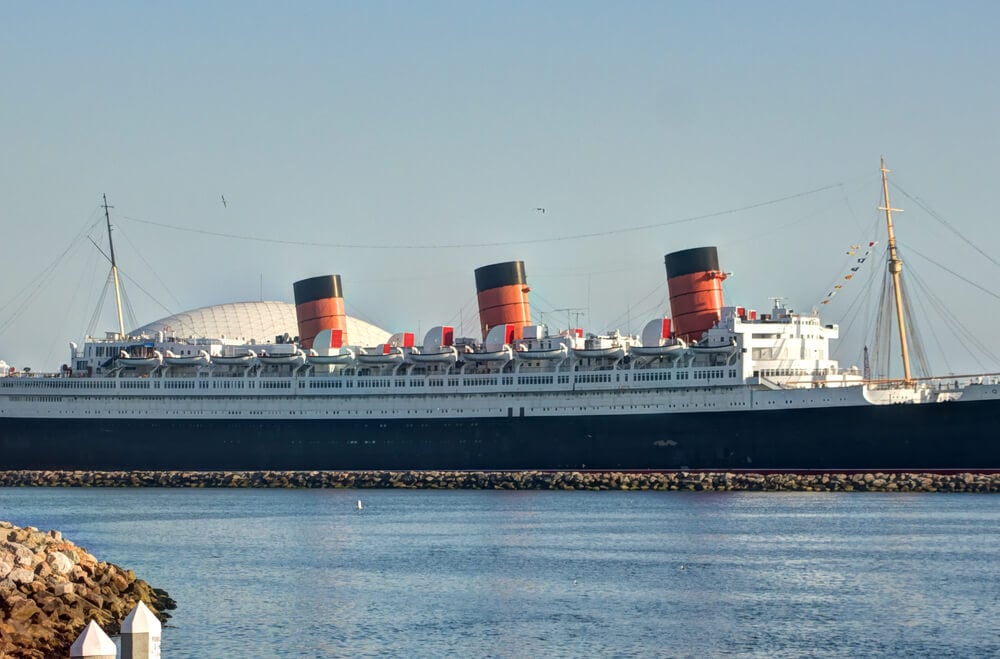
Tri-ang Minic Ships, made by Lines Bros, were waterline models at a scale of 1:1200 that let a child assemble an entire fleet on a carpet or bath. The range included an RMS Queen Mary liner listed as number 703.
Small size meant a collection could fill a shelf, and the ships were later continued under the Hornby name. Boxed sets in good condition are valued well above loose ships, which are usually chipped or missing fittings.
Sutcliffe Unda Wunda Diving Submarine

Sutcliffe Pressings of Leeds made a clockwork tinplate diving submarine called the Unda Wunda. The toy could submerge in a bath or pond, which gave a child a thrill that surface boats could not offer.
Sutcliffe made its name on British tinplate boats, and the Unda Wunda is among the best known of them. Water exposure is hard on tinplate, so survivors in clean condition with working mechanisms are prized.
Sutcliffe Nautilus From 20,000 Leagues Under the Sea
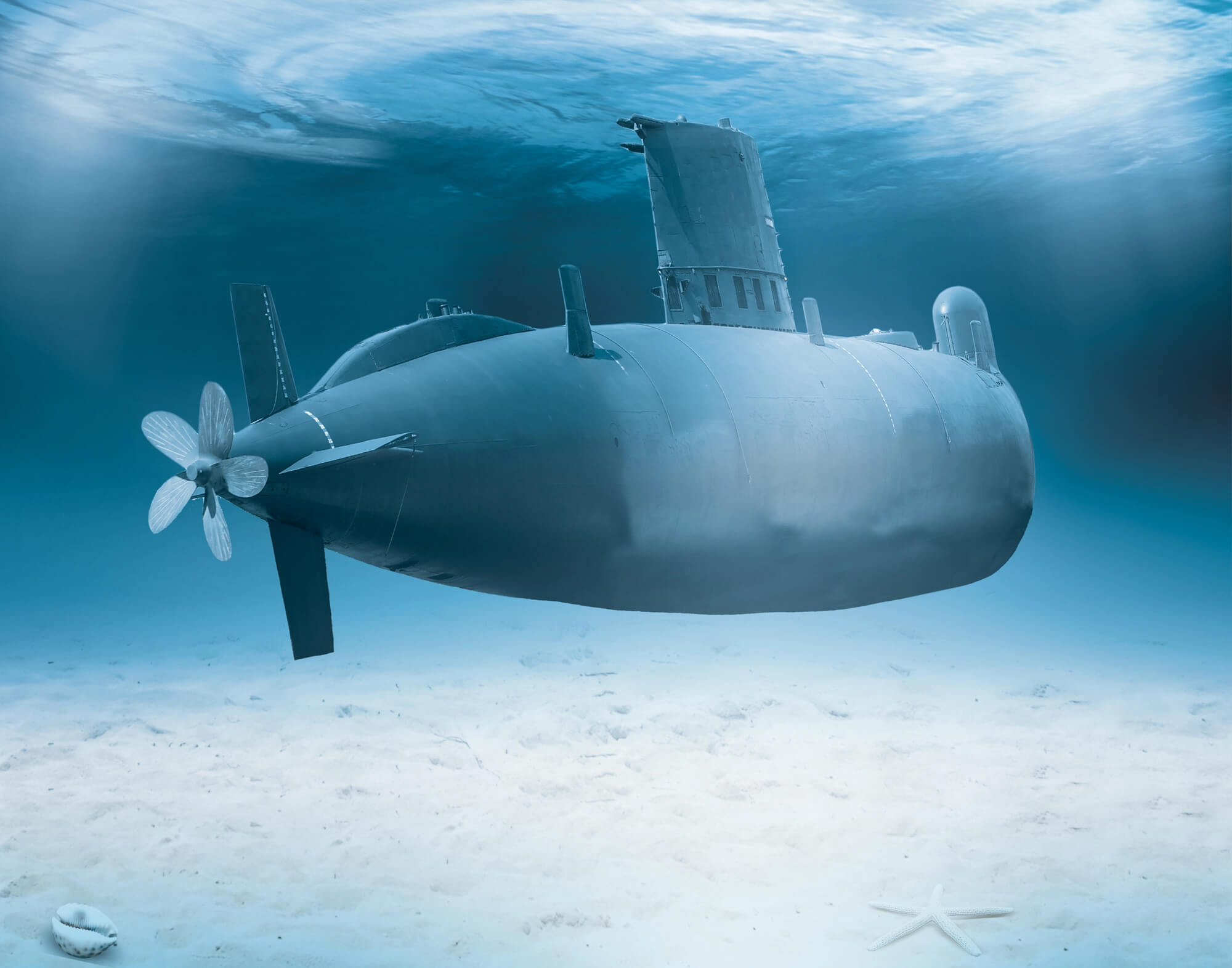
When Walt Disney released 20,000 Leagues Under the Sea in 1954, Sutcliffe Pressings produced a clockwork tinplate Nautilus submarine licensed from the film. It pairs a recognizable movie vehicle with a maker already respected for toy submarines.
Film tie-in toys often command extra interest from collectors outside the toy boat field. As with any tinplate item, the paint, the key, and the original box determine value.
Sutcliffe Fury Clockwork Torpedo Boat
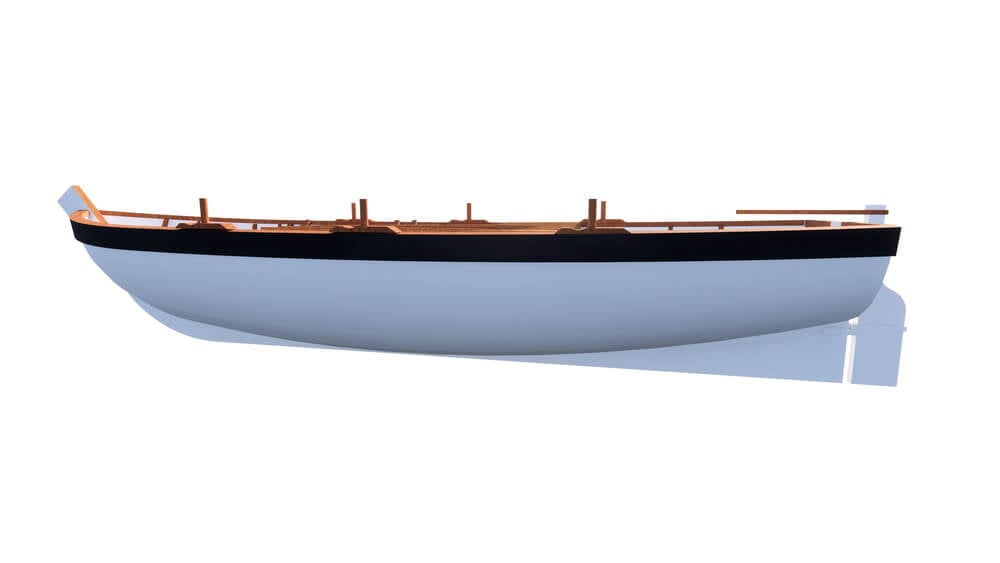
The Fury was a clockwork torpedo boat produced by Sutcliffe Pressings, a Leeds firm with a long record in British toy boats. The narrow, warlike hull was a popular design in tinplate boats, and the name suited it.
Collectors who specialize in Sutcliffe often try to assemble the full family of its subs, speedboats, and warships. Sound paint and a working motor make a large difference to price.
Dinky Toys Queen Mary Number 52
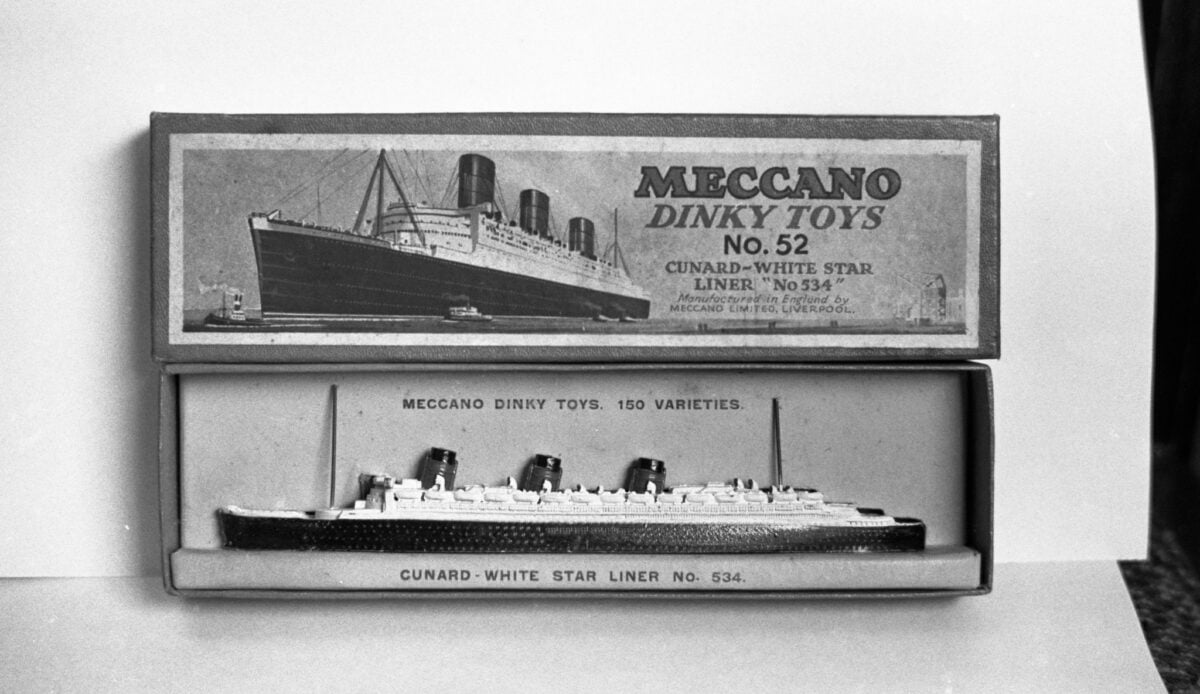
Meccano’s Dinky Toys line included a diecast model of the liner Queen Mary, numbered 52, which dealers date to 1934. Dinky is more famous for cars and lorries, so its ships are a side road that appeals to cross-category collectors.
The model captures the three funnels and long hull of a ship that was a national symbol in Britain. Paint chips are common, and a boxed example is considerably rarer than a loose one.
Bassett-Lowke Clockwork Ships
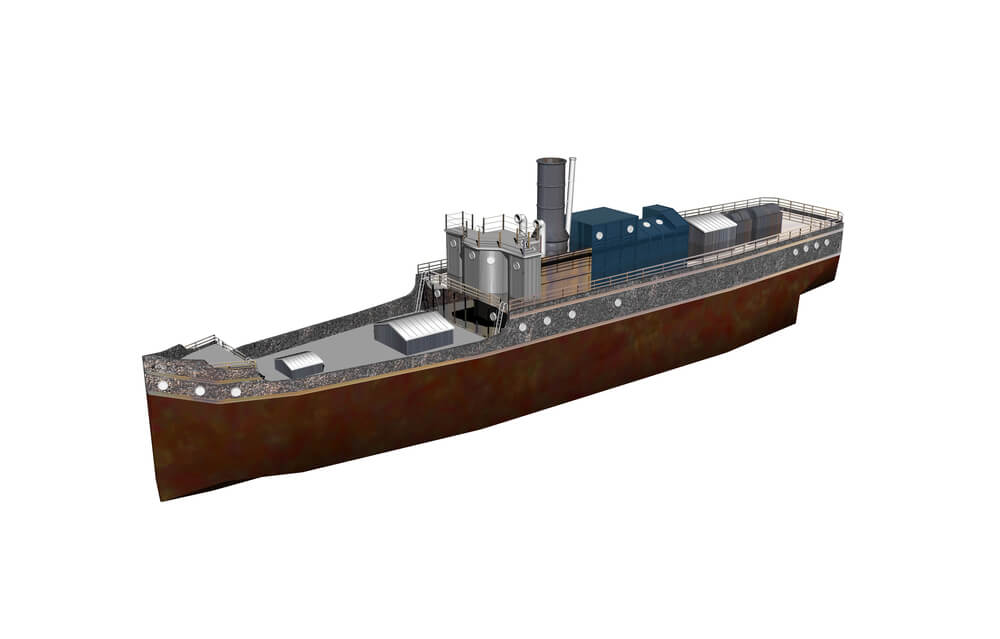
Bassett-Lowke of Northampton is remembered chiefly for model railways, but the firm also made ships, including clockwork boats in the 1930s and a model cargo vessel. The Victoria and Albert Museum has written about the firm’s links with ocean liners, which shows how seriously its marine work is taken.
These models were made to a standard well above that of the average toy shop item. Quality does not protect against wear, so boxed and unrestored examples sell best.
Marx Mechanical Sparkling U.S.S. Washington
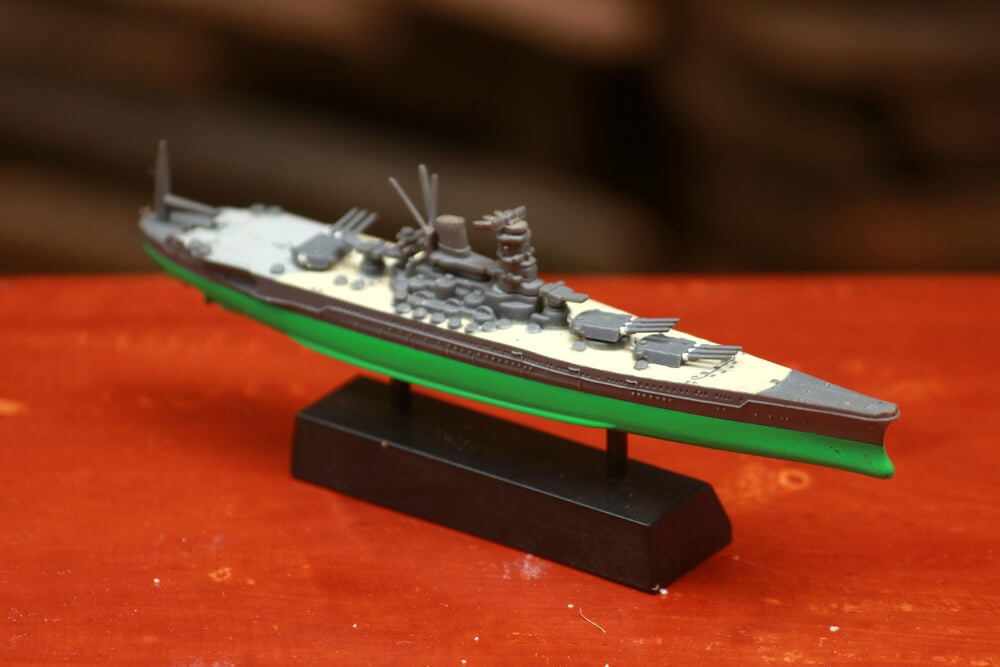
Louis Marx and Company sold a tin lithographed windup warship called the Mechanical Sparkling Warship U.S.S. Washington. The name promised a ship that sparkled, and the lithographed tin was printed to match.
Marx built its fortune on affordable toys sold in huge numbers, so the Washington is a mass-market piece that now draws collectors of American tin. Lithographed tin scratches easily, which puts a premium on clean, bright examples.
Wolverine Tin Navy Submarine
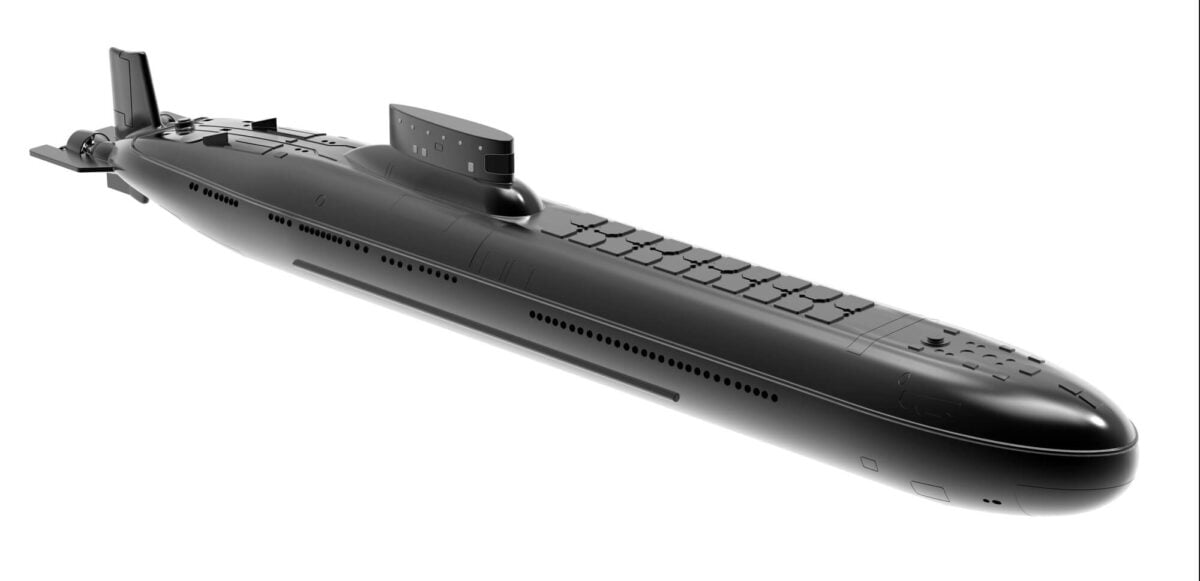
Wolverine of Pittsburgh sold a tin lithographed Navy submarine with a windup motor in the 1940s. Its printed hull gave a child a miniature of the Navy’s underwater fleet.
Like many American tin toys, it is more affordable than German tinplate, yet it is no less appealing. Rust, fading, and a seized motor are the usual problems, so bright examples carry a premium.
Lionel Tinplate Numbers 43 and 44 Boats
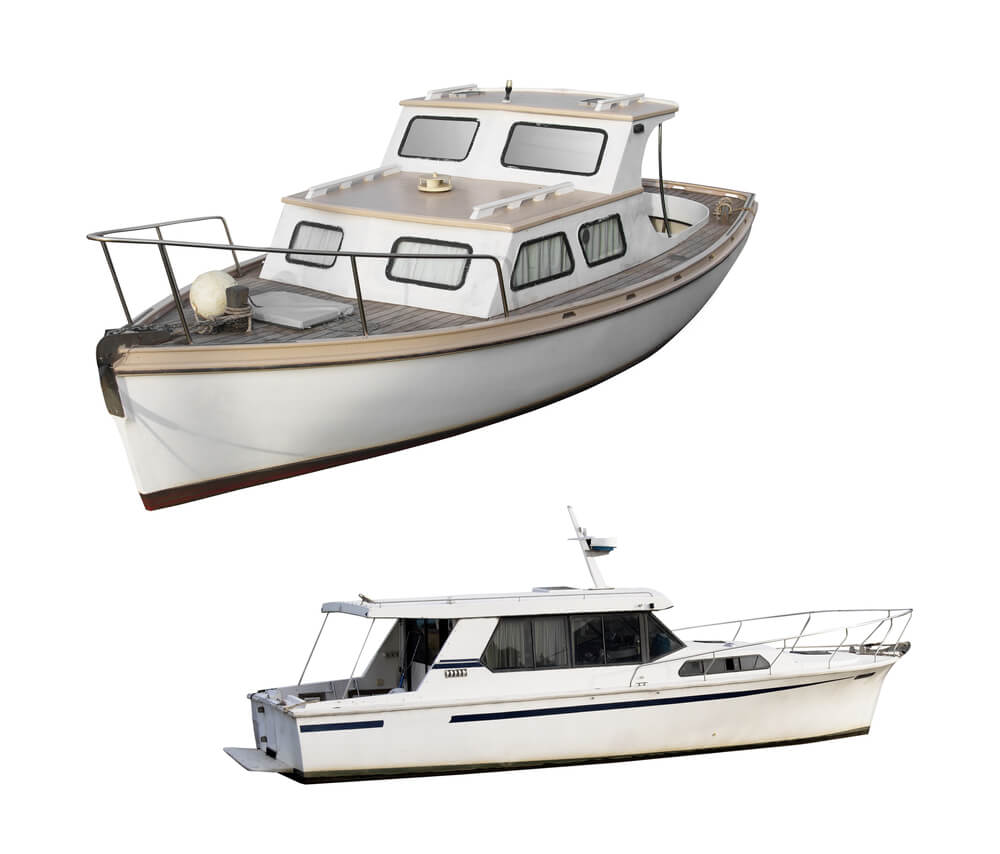
Lionel, the American toy train giant, also produced tinplate boats, including the No. 43 and No. 44, and MTH Electric Trains later reproduced them. That reissue shows that the originals have an enduring following among train and toy collectors.
Boats from a train company are an unusual crossover, which adds to the appeal. Original examples vary in value according to paint condition and whether the mechanism still works.
Hubley Cast Iron Speedboat
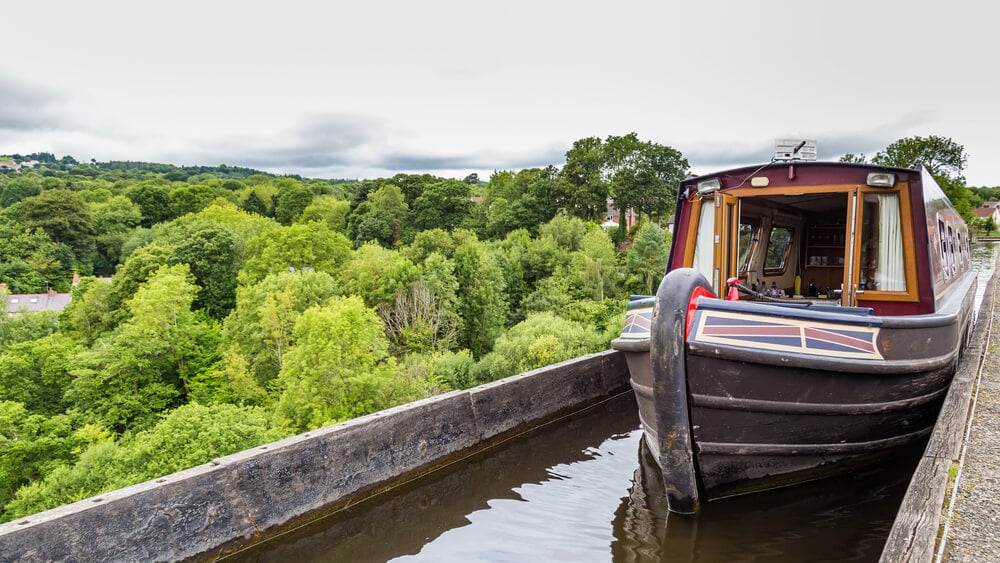
Hubley of Lancaster, Pennsylvania, was one of the best-known makers of cast iron toys, and it produced a small speedboat of about 4.5 inches that carries the name Baby. Cast iron boats are static pull toys with no motor, so their appeal rests on casting detail and original paint.
They are heavy for their size and sink readily, which makes them display pieces rather than pond toys. Value depends heavily on paint condition and the absence of cracks or repairs.
Arcade Cast Iron Showboat Number 3903
Arcade Manufacturing of Freeport, Illinois, produced a cast iron showboat catalogued as number 3903, modeled on the paddle steamers of the American river trade. A showboat is a more unusual subject than a speedboat or a warship, which gives it an edge with collectors of American cast iron.
The paddle wheel and tiered decks give it a distinctive silhouette. As with other cast iron toys, original paint and complete parts determine value, and repainting is a common problem.
Schuco Nautico 3001 Motorboat
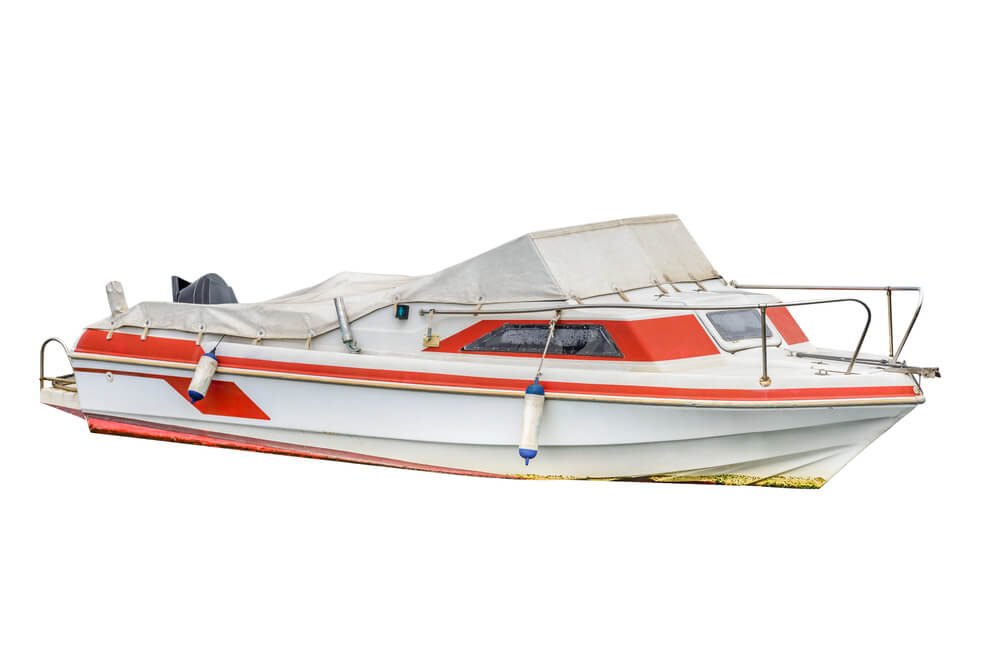
Schuco, founded in Nuremberg in 1912 and named for Schreyer and Company, built a tinplate clockwork motorboat called the Nautico 3001. The company was known for precision, and its boats have neat mechanisms and crisp finishes.
The model is a favorite among collectors of postwar German toys. Because the paint was thin and the mechanism small, examples in good working order carry a premium.
Matchbox Number 48 Meteor Sportsman Boat and Trailer
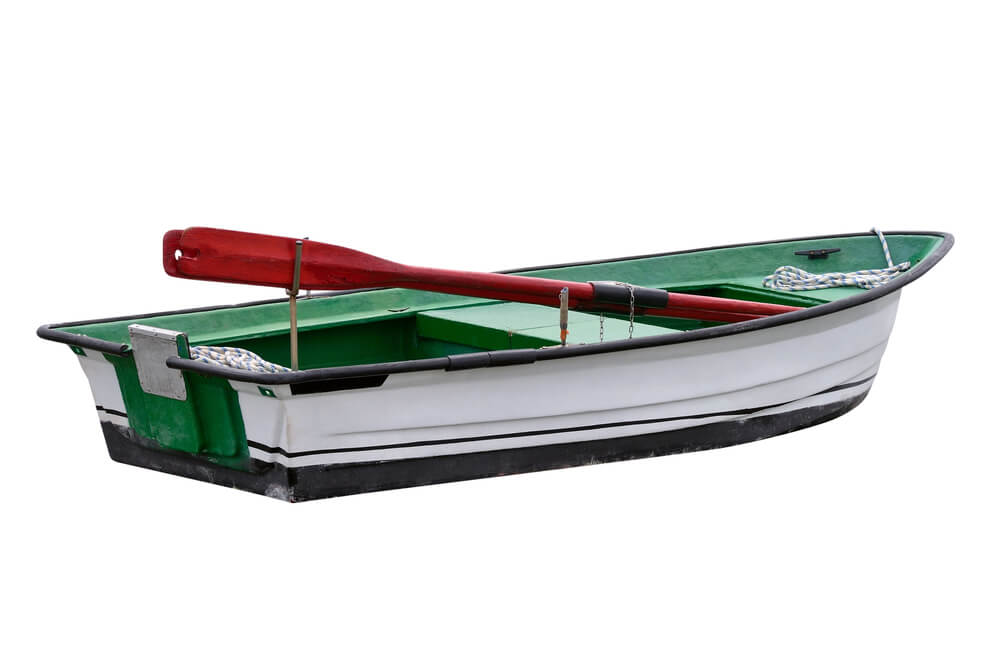
Lesney’s Matchbox range included a Meteor Sportsman Mk II boat and trailer numbered 48a in its famous series of small diecast models. Variations in color and wheel type are the collector’s treasure hunt here, and a metal-wheel version is distinct from later plastic-wheel releases.
The small size means a complete collection of Matchbox vehicles can sit in one drawer. Paint chips and the presence of the original box strongly affect pricing.
Yonezawa Roaring Boat
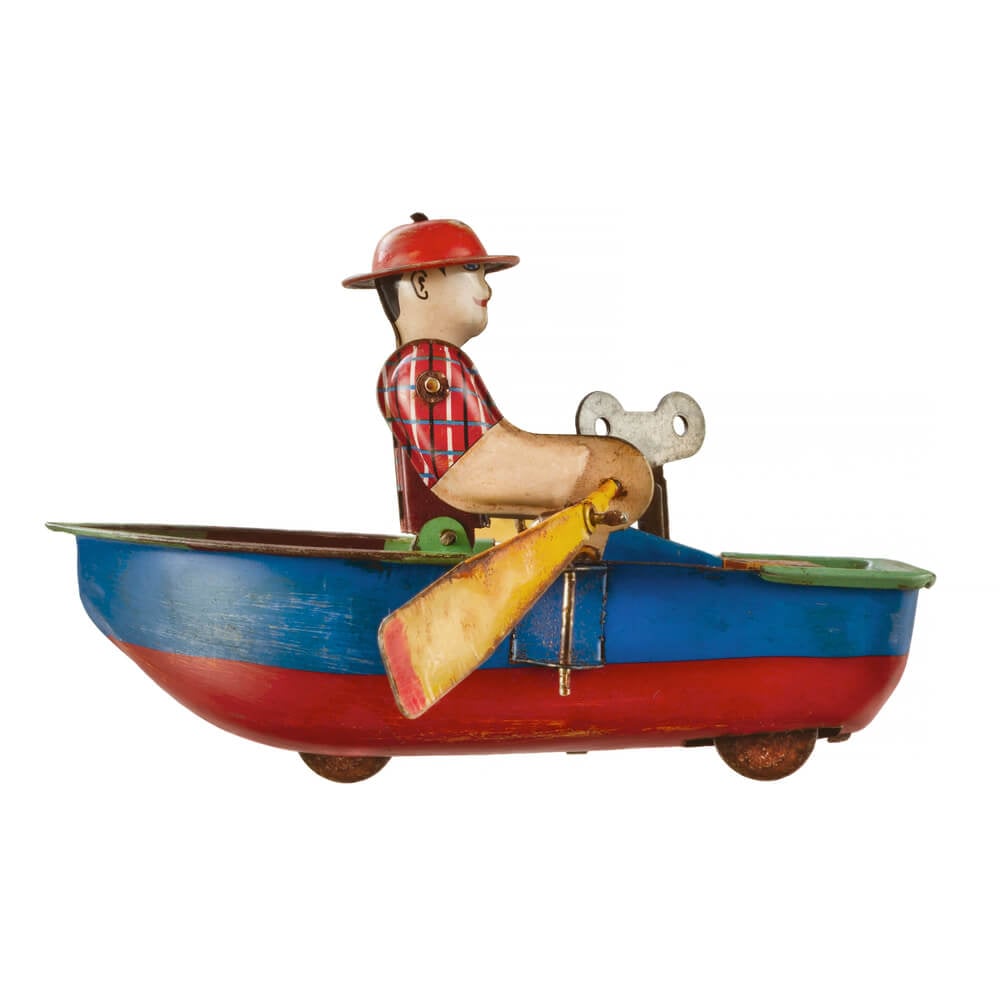
Yonezawa, one of the great Japanese tin toy makers, sold a Roaring Boat in the 1960s, catalogued under the code Ginsei Y-20. Japan’s postwar tin toys turned the country into a toy exporting powerhouse, and the boats were part of that wave.
Many were powered by batteries, which brings the risk of corroded battery compartments. Mint examples with the original box are the ones that collectors pursue.
Bandai Tin Battleship Boston
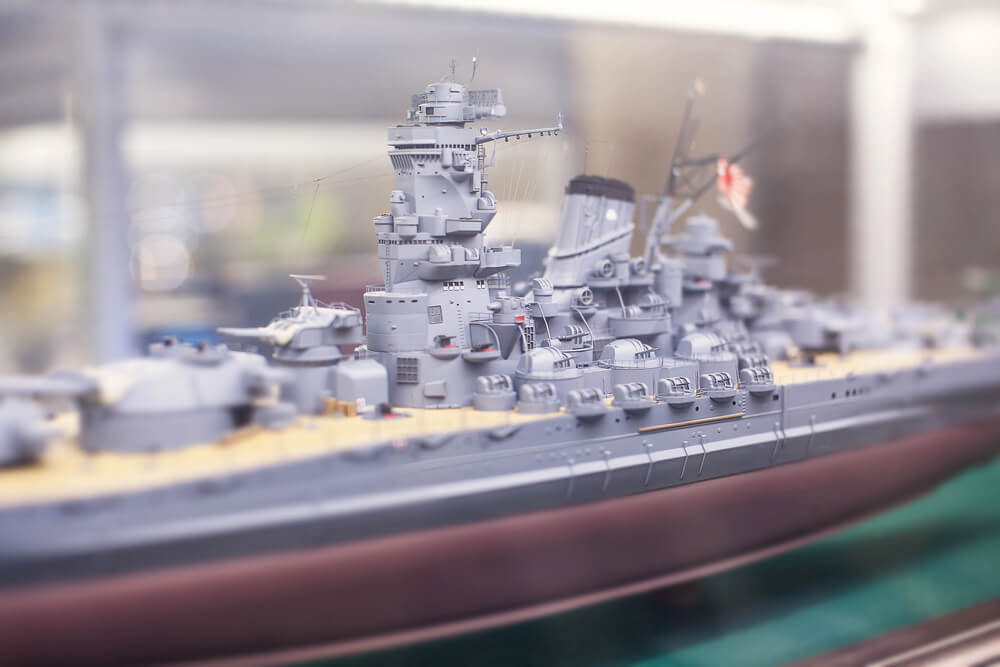
Bandai, the Japanese company founded in 1950, produced a tin toy battleship called the Boston, dated by dealers to the 1950s and 1960s. Postwar Japanese warships have a different feel from the German ones, with bolder printing and simplified shapes.
They are an affordable way into collecting tin ships. Loose, unboxed ships are common, so a boxed Boston stands out.
Star Yachts of Birkenhead Pond Yachts
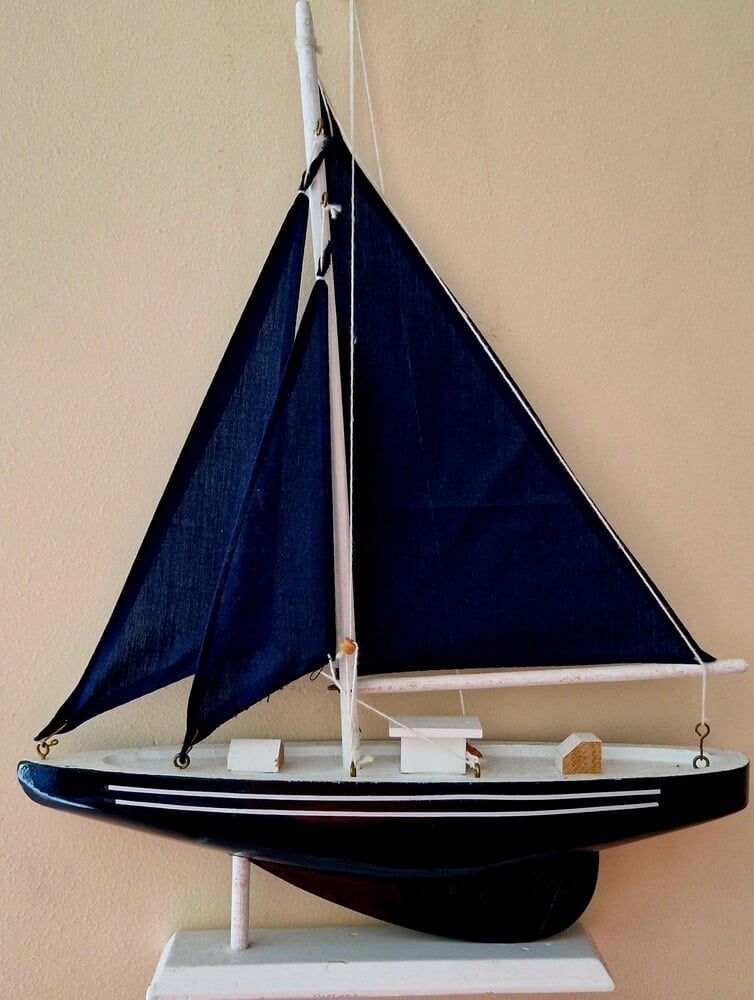
Star Yachts of Birkenhead, England, built model sailing yachts for ponds, and the firm’s history has its own dedicated website. Pond yachts are a separate tradition from tinplate boats, sailing by wind rather than clockwork.
Enthusiasts value them for hull lines, sail plans, and craftsmanship. Collectors care about the hull condition and the originality of the rigging, which can easily be replaced.
Vintage Marblehead Class Model Yachts
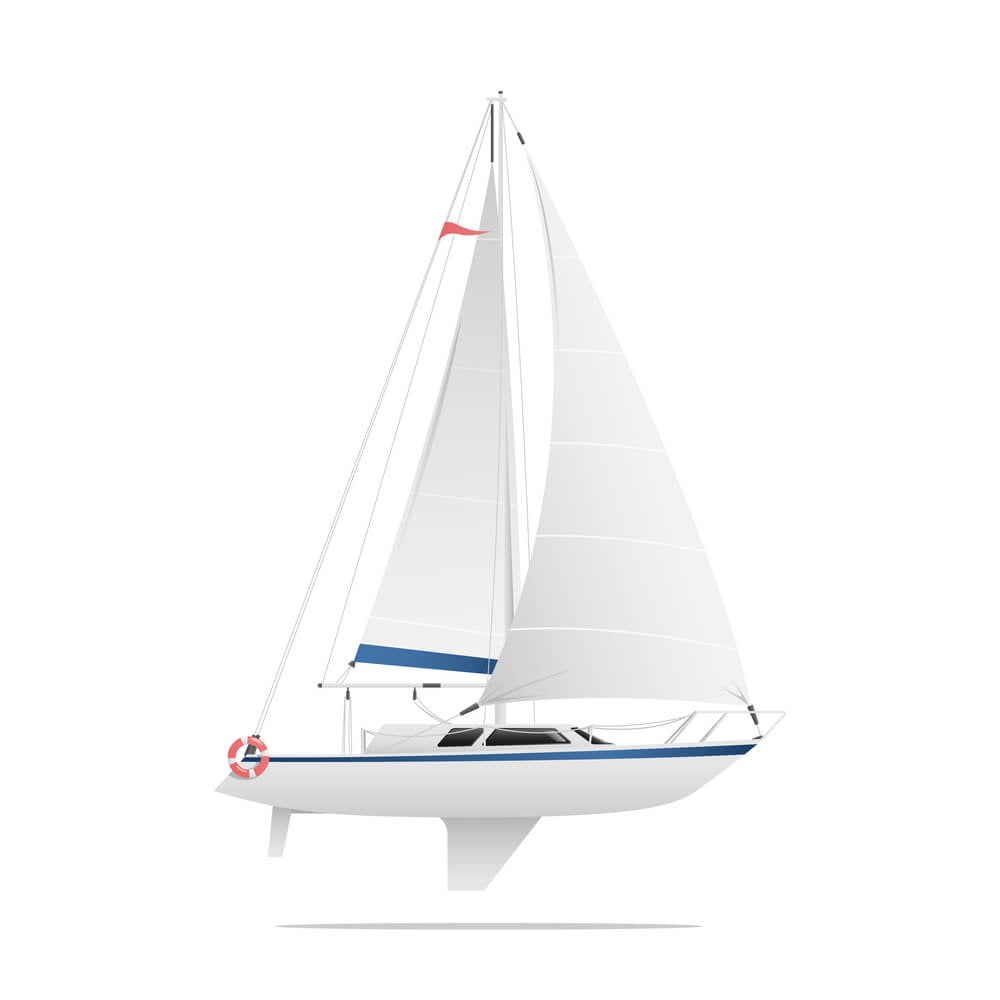
The Marblehead class of racing model yacht takes its name from Marblehead, Massachusetts, and is limited to a hull length of 50 inches. Vintage Marblehead boats are still raced by enthusiasts today, and the class has its own history pages on the website of the United States Vintage Model Yacht Group.
Older examples are sought for their craftsmanship as well as their sailing ability. Condition of the hull and the originality of the fittings strongly influence value.
Small Hulls, Long Memories
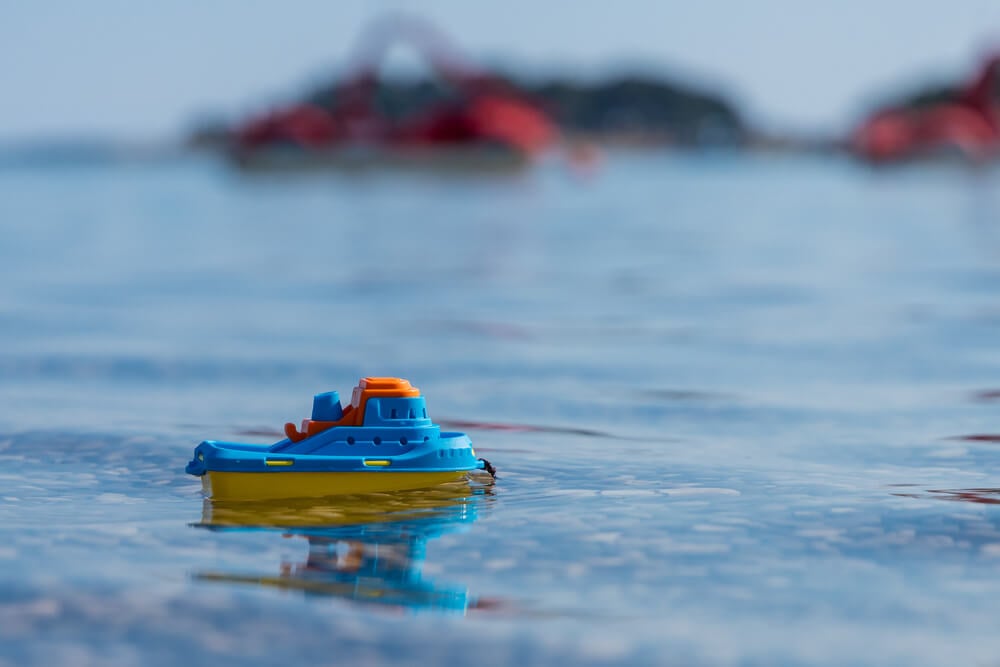
The thread running through these boats is that each was a miniature of something real, whether a Cunard liner, a Royal Navy battleship, or a Disney submarine. Toy makers copied the engineering and the glamour of their day, then handed both to children who sailed them in bathtubs.
That mix of ambition and rough use explains why so few survive in fine shape. For collectors, the lesson is to look closely before paying.
Paint, fittings, working mechanisms, and original boxes can move prices by large margins, and restoration is not always welcome. The best toy boats combine a good name on the hull with a story that still floats.
More from Go2Tutors!

- 27 Silver Dollars and Half Dollars Worth Keeping
- 28 Restaurant Menu Items Nobody Orders Anymore
- 17 Places Built in Seemingly Impossible Spots
- 27 Vintage Rings Worth More Than They Look
- 25 Restricted Sites Tourists Can’t Enter
Like Go2Tutors’s content? Follow us on MSN.