Bizarre Experiments Conducted in Space
When scientists get access to a laboratory floating 250 miles above Earth, they don’t just stick to the basics. The International Space Station has become humanity’s most unusual testing ground, where researchers send everything from microscopic creatures to everyday objects into the void.
Microgravity changes how things work in ways that are both fascinating and weird. What starts as curiosity often leads to breakthroughs that help us back on Earth, but sometimes the journey there involves experiments that sound more like pranks than serious science.
Here is a list of 14 bizarre experiments conducted in space.
Tardigrades Surviving Open Space
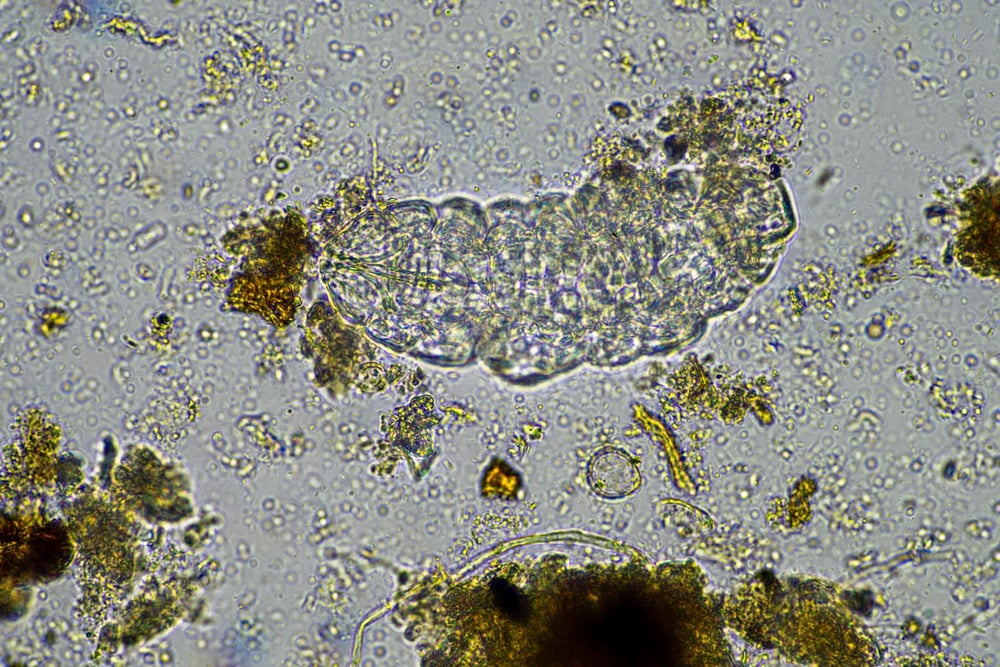
In 2007, dehydrated tardigrades were taken into low Earth orbit on the FOTON-M3 mission, where groups of them were exposed to the hard vacuum of space for 10 days. More than 68 percent of the subjects protected from ultraviolet radiation were reanimated within 30 minutes following rehydration, and many produced viable embryos.
The tardigrades returned to Earth perfectly healthy, becoming the first animal to survive open space. These microscopic water bears demonstrated an astonishing ability to withstand conditions that would destroy most life forms.
Spiders Weaving Webs in Microgravity

Golden-orb weaver spiders were sent to space to observe how they would orient themselves in a gravity-free environment, with researchers photographing the spiders’ webs every five minutes. In microgravity, the spiders spun their webs differently — flatter and rounder, compared to the more three-dimensional, asymmetrical structures they spin on Earth.
Researchers found that gravity is the most important orientation guide for spiders when it comes to web building, with the direction of light working as a sort of backup system in the absence of gravity.
Jellyfish Reproduction Gone Wild

In 1991, over 2,000 jellyfish polyps contained in flasks and bags filled with artificial seawater were sent aboard the Columbia space shuttle. Astronauts injected chemicals into the bags to induce the polyps to swim freely and reproduce, and by the time the mission ended, over 60,000 jellyfish were living in space.
The space jellies had a lot of difficulty trying to swim in normal gravity when they returned to Earth, experiencing extreme vertigo.
Salmonella Becoming Supercharged

In 2007, researchers from Arizona State University sent a sample of salmonella into space to understand how bacteria reacts to zero-gravity. Frighteningly, the bacteria became even more virulent in space — troubling news for future space colonies.
The experiment revealed that the lack of gravity can actually make some disease-causing organisms more dangerous, raising important questions about health risks for long-term space missions.
Frozen Mouse Sperm Experiment

A team of scientists launched freeze-dried samples of mouse sperm into space in 2013, leaving them in storage for over nine months aboard the International Space Station. The freeze-dried sperm returned safely to Earth and led to healthy mouse pups after being rehydrated.
Despite concerns about radiation damage in the harsh space environment, the experiment proved that reproduction might be possible during long-duration space missions.
Cool Flames Burning Invisibly
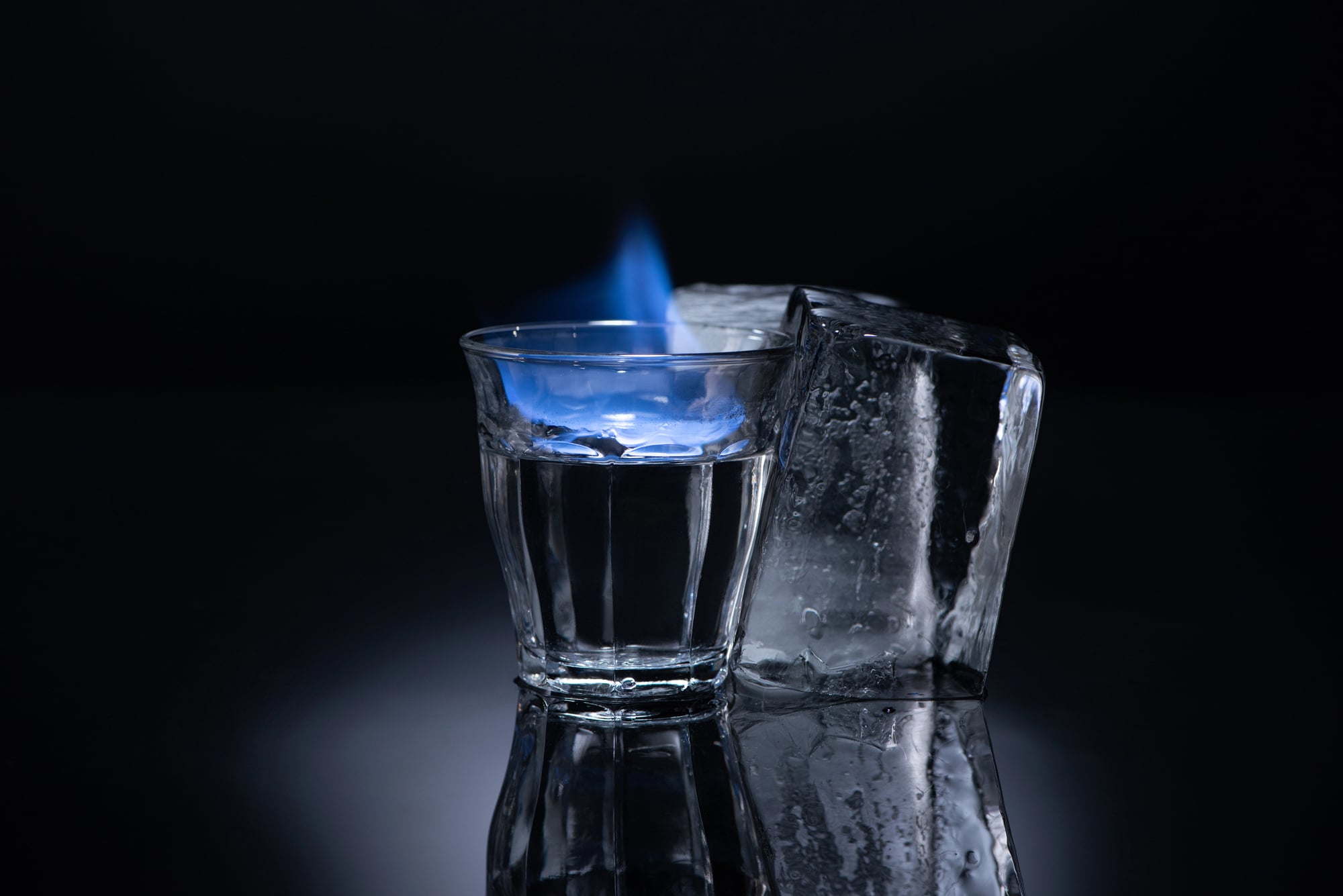
When astronauts aboard the ISS burned fuel droplets as part of the Flame Extinguishing Experiment study, they discovered a phenomenon called steadily burning cool flames. One of the fuel droplets appeared to extinguish, but it actually continued burning with an invisible flame — on Earth, cool flames flicker out in seconds, but in space they can burn for minutes at a time.
The study of cool flames may one day help scientists develop less-polluting vehicles.
Slime Floating Around
In 2020, Nickelodeon sent about two liters of slime to the space station for astronauts to play games, toss slime-filled balloons, and make slime bubbles to understand how a fluid that isn’t water behaves in the absence of gravity. The findings of the experiment could impact how liquids are handled in space and could influence plant watering on the space station, carbon dioxide and wastewater processing, along with life support systems.
What seemed like pure entertainment actually had serious scientific applications.
LEGO Bricks Assembled in Orbit
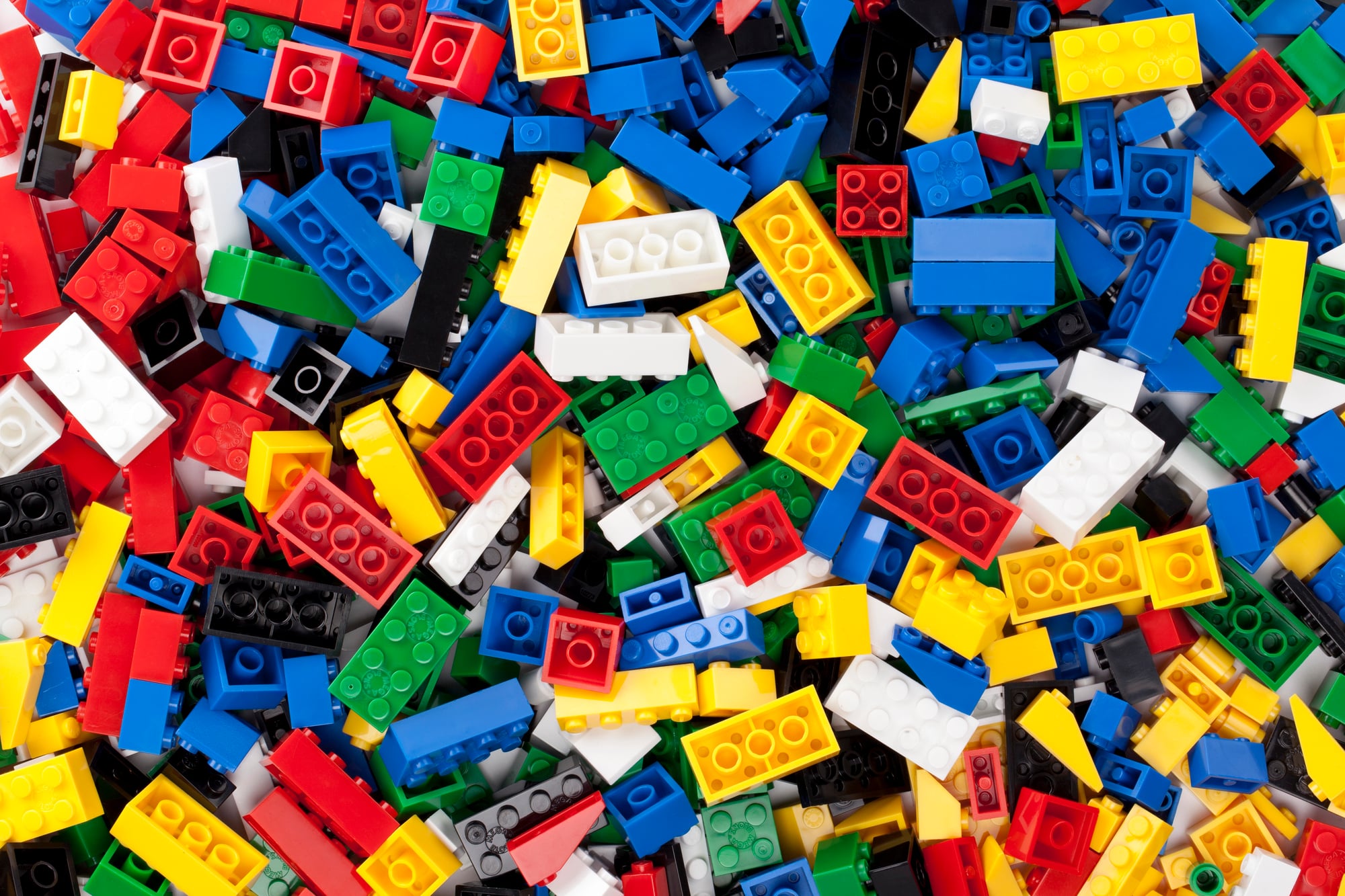
On May 16, 2011, the Endeavor Space Shuttle carried the first LEGO sets to space as part of a joint education program between the LEGO Group and NASA. Japanese astronaut Satoshi Furukawa assembled the sets inside a glovebox to keep the bricks contained and protect against flammability hazards.
Furukawa used the completed LEGO space station model for a series of recorded videos aimed at engaging and educating children about living and working in space.
Flatworms Regenerating in Space

Scientists cut the heads or tails off of flatworms and sent them to the station in September 2014 to study whether the cell signaling mechanisms behind this regeneration work the same way in space as they do on Earth. The results provide insight into how gravity affects tissue regeneration and the rebuilding of damaged organs and nerves, which is important for understanding how wounds heal both in space and on the ground.
These simple creatures helped unlock secrets about healing that could benefit humans.
Barley Seeds for Space Beer
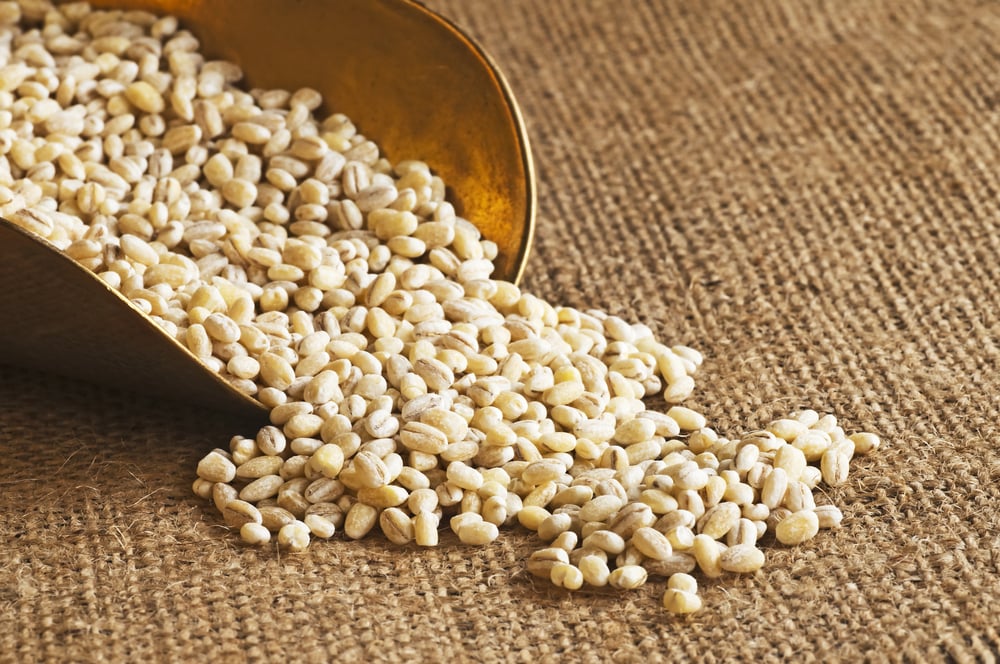
Astronauts aboard the ISS grew barley seeds provided by the Anheuser-Busch company to determine how the grain reacts in a microgravity environment. The grains are contained in shoebox-sized CubeLabs for small experiments, with researchers examining whether the seeds exhibit genetic alterations or morphological abnormalities.
While astronauts aren’t making homebrew in orbit yet, understanding how barley grows in space could help with food production on future missions.
Protein Crystals for Better Medicine

Some pharmaceutical companies use ISS laboratories to study and understand the crystallization processes of certain medications to improve their manufacturing. In the absence of gravity, much more uniform and homogeneous crystals are obtained, which helps researchers develop drugs like pembrolizumab, a cancer treatment.
The perfect crystals grown in microgravity have led to improvements in how medicines are produced back on Earth.
Frying Potatoes in Microgravity

The European Space Agency conducted experiments in microgravity using high-resolution cameras to analyze oil bubbles and potatoes, concluding that it is indeed possible to fry potatoes in space. Although it may seem trivial, this research can be of great help in various fields, such as hydrogen production from solar energy.
Understanding how heat and liquids behave without gravity has applications far beyond making French fries.
Empty Spacesuit Turned Satellite

In February 2006, a Russian Orlan spacesuit nicknamed Ivan Ivanovitch or Mr Smith was stuffed with old clothes and a radio transmitter and deployed from the ISS. The idea was that old spacesuits could be used as satellites, but the experiment was only partially successful, with reports varying about how long the transmitter lasted.
Watching an empty spacesuit float away into the void looked like something out of a nightmare but demonstrated creative recycling in space.
Science Beyond Imagination

These experiments prove that space isn’t just about exploring distant planets or gazing at stars. The microgravity environment offers researchers a unique laboratory where the rules change and the impossible becomes possible.
From creatures surviving in the vacuum to invisible flames burning for minutes, each bizarre experiment teaches us something valuable. Whether it’s developing better medicines, understanding how life adapts, or preparing for long missions to Mars, these strange studies in orbit continue pushing the boundaries of what we know.
The results floating above us today might solve problems we haven’t even thought about yet.
More from Go2Tutors!

- The Romanov Crown Jewels and Their Tragic Fate
- 13 Historical Mysteries That Science Still Can’t Solve
- Famous Hoaxes That Fooled the World for Years
- 15 Child Stars with Tragic Adult Lives
- 16 Famous Jewelry Pieces in History
Like Go2Tutors’s content? Follow us on MSN.