Movie Special Effects That Weren’t Special Effects
Hollywood has always been about creating illusions. Audiences expect smoke, mirrors, and computer-generated wizardry to transport them into different worlds.
But some of the most memorable moments in film history didn’t rely on tricks at all. What looked impossible on screen was sometimes exactly what it appeared to be: real, dangerous, and absolutely authentic.
The magic of cinema often comes from the most unexpected places. Let’s look at some famous movie moments that were far more genuine than anyone realized.
The helicopter crash in The Dark Knight

Christopher Nolan has built his reputation on practical effects, and the truck flip in The Dark Knight proves why. The crew actually flipped an 18-wheeler in downtown Chicago during filming.
No miniatures, no green screens, just a massive semi-truck doing a complete rotation in the middle of a real street. The stunt required precise calculations and multiple safety measures, but the result was worth every bit of planning.
Nolan’s team also crashed a real helicopter for another scene, allowing cameras to capture the actual impact and destruction.
Tom Cruise hanging from a plane in Mission: Impossible – Rogue Nation
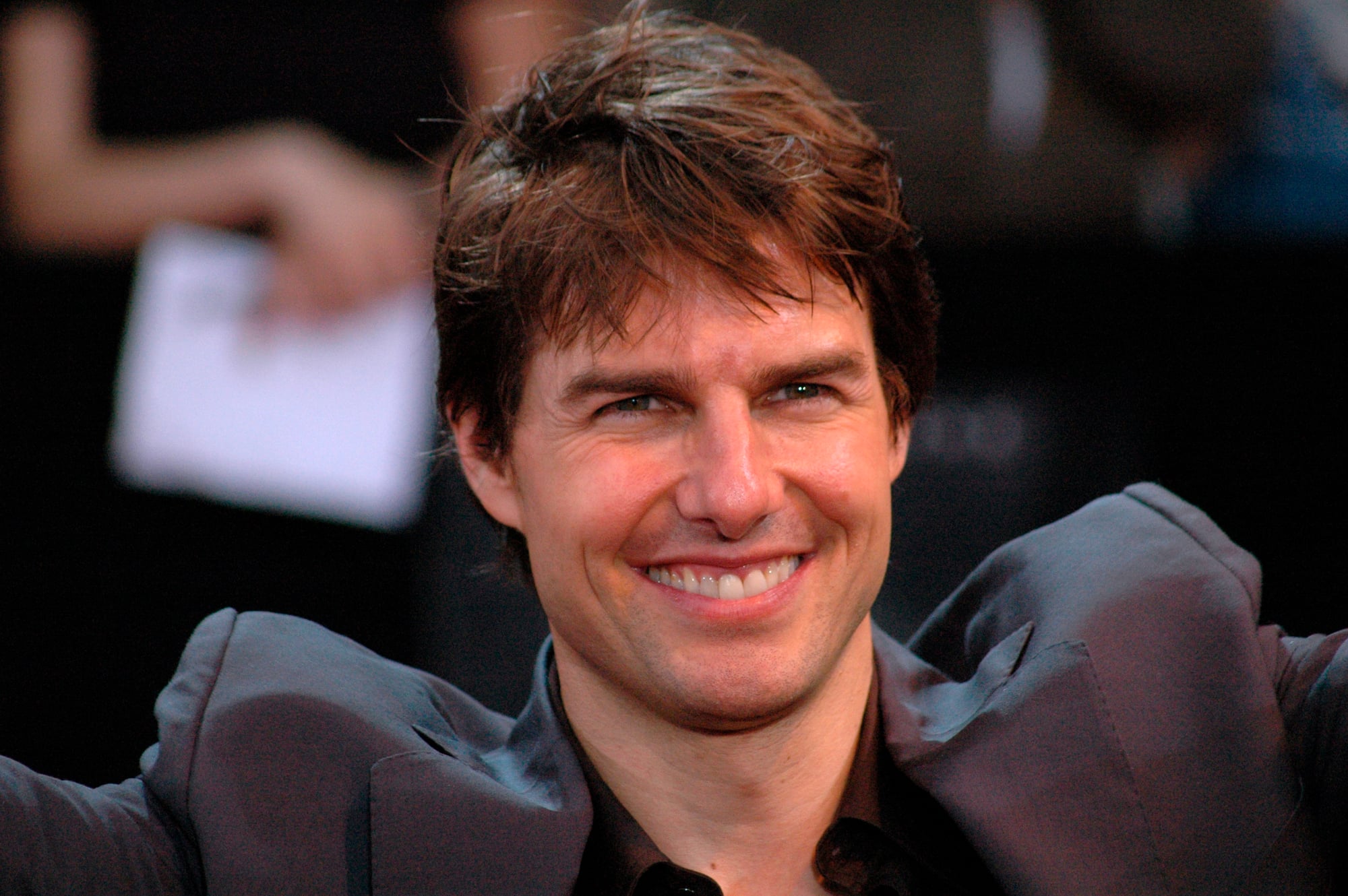
Most actors would have demanded a stunt double and clever camera work for this scene. Tom Cruise strapped himself to the outside of an Airbus A400M military transport plane and held on as it took off.
The plane reached altitudes of 5,000 feet with Cruise exposed to winds exceeding 100 miles per hour. He performed this stunt eight times to get the perfect shot, wearing special contact lenses to protect his eyes from the wind.
The corn field in Interstellar

Christopher Nolan appears again on this list, this time for growing an actual 500-acre corn field in Alberta, Canada. The production team planted, grew, and harvested real corn instead of using artificial plants or computer graphics.
After filming wrapped, they sold the corn and actually made a profit on it. The decision gave the film an authentic look that digital effects couldn’t match, with natural lighting and movement that felt genuinely Midwestern.
Werner Herzog eating his shoe

This wasn’t exactly a movie, but it belongs in film history. Werner Herzog lost a bet to fellow filmmaker Errol Morris and had to eat his shoe on camera.
The documentary ‘Werner Herzog Eats His Shoe’ captured the entire event. Herzog cooked his leather boots for five hours and ate it in front of an audience at a film premiere in Berkeley.
He left the sole on his plate, claiming leather wasn’t considered the entire shoe, but he made good on his word.
The building explosion in The Dark Knight
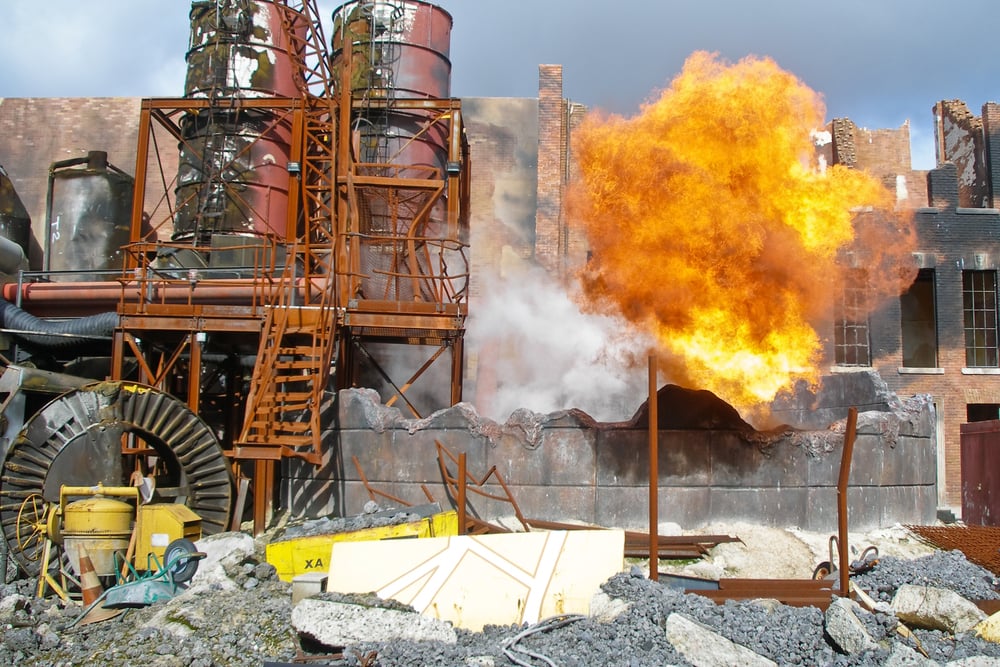
Nolan strikes again with the destruction of the old Brach’s candy factory in Chicago. The crew rigged the entire structure with explosives and brought it down in one take.
Heath Ledger stood in front of the building as it exploded behind him, walking away as debris fell around him. The slight pause in the explosion sequence was actually planned, but Ledger stayed in character so perfectly that many people thought he improvised.
The building was scheduled for demolition anyway, making the stunt both practical and cost-effective.
Jackie Chan’s fall from a clock tower in Project A

Jackie Chan has never been one to shy away from danger. In Project A, he fell through multiple cloth awnings before hitting the ground from several stories up.
The stunt went wrong on the first two takes, causing real injuries. Chan performed it a third time and finally got the shot he wanted.
His willingness to risk his own safety became his trademark, though he’s since expressed some regret about the toll it took on his body.
The car chase in The French Connection

Director William Friedkin didn’t bother getting all the proper permits for this famous chase scene. The crew filmed Gene Hackman driving at high speeds through real New York City traffic with actual pedestrians and cars sharing the road.
Off-duty police officers cleared some intersections, but much of what appears on screen happened spontaneously. The close calls with real people added genuine tension that no amount of stunt coordination could replicate.
Sylvester Stallone getting punched in Rocky IV
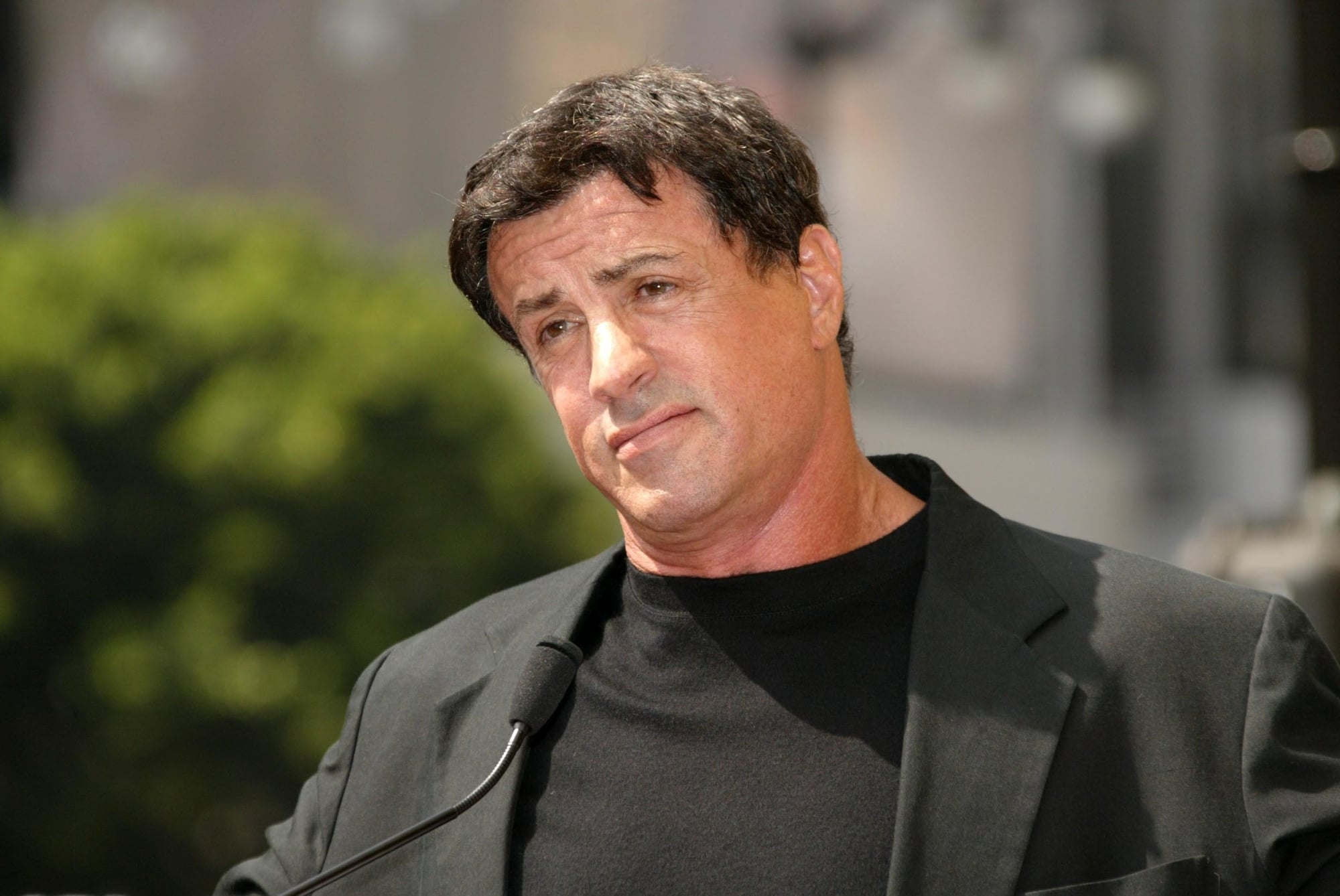
Stallone wanted the fight scenes with Dolph Lundgren to look as realistic as possible. He told Lundgren to actually hit him during filming.
Lundgren connected with one punch so hard that it sent Stallone to the hospital with a swollen heart. Doctors said the impact was similar to hitting a steering wheel during a car accident.
Stallone spent four days in intensive care before returning to finish the movie.
The horse falling in The Man from Snowy River

This Australian film featured a scene where a horse and rider galloped down an incredibly steep mountain slope. Stuntman Tom Burlinson actually rode down the treacherous incline at full speed.
The angle was so severe that the camera could barely capture how dangerous the terrain really was. Horses can navigate steep ground better than most people realize, but this descent pushed those limits to their absolute edge.
Buster Keaton and the falling house wall in Steamboat Bill, Jr.

This 1928 silent film featured one of the most dangerous stunts in cinema history. A real house facade weighing tons fell around Keaton as he stood perfectly still.
Only a small window opening saved him from being crushed. The margin of error was just inches on either side.
Modern safety regulations would never allow such a stunt, but Keaton performed it multiple times for different angles. His commitment to physical comedy was legendary and frankly reckless by today’s standards.
The zero gravity scenes in Apollo 13

Ron Howard could have faked weightlessness with wires and camera tricks. Instead, the cast and crew flew in NASA’s reduced gravity aircraft, nicknamed the Vomit Comet.
The plane flies in parabolic arcs that create brief periods of genuine weightlessness. The crew filmed during these 25-second windows over and over again.
Tom Hanks, Kevin Bacon, and Bill Paxton experienced real zero gravity, giving their performances an authenticity that digital effects couldn’t provide.
The tarantulas on Indiana Jones in Raiders of the Lost Ark
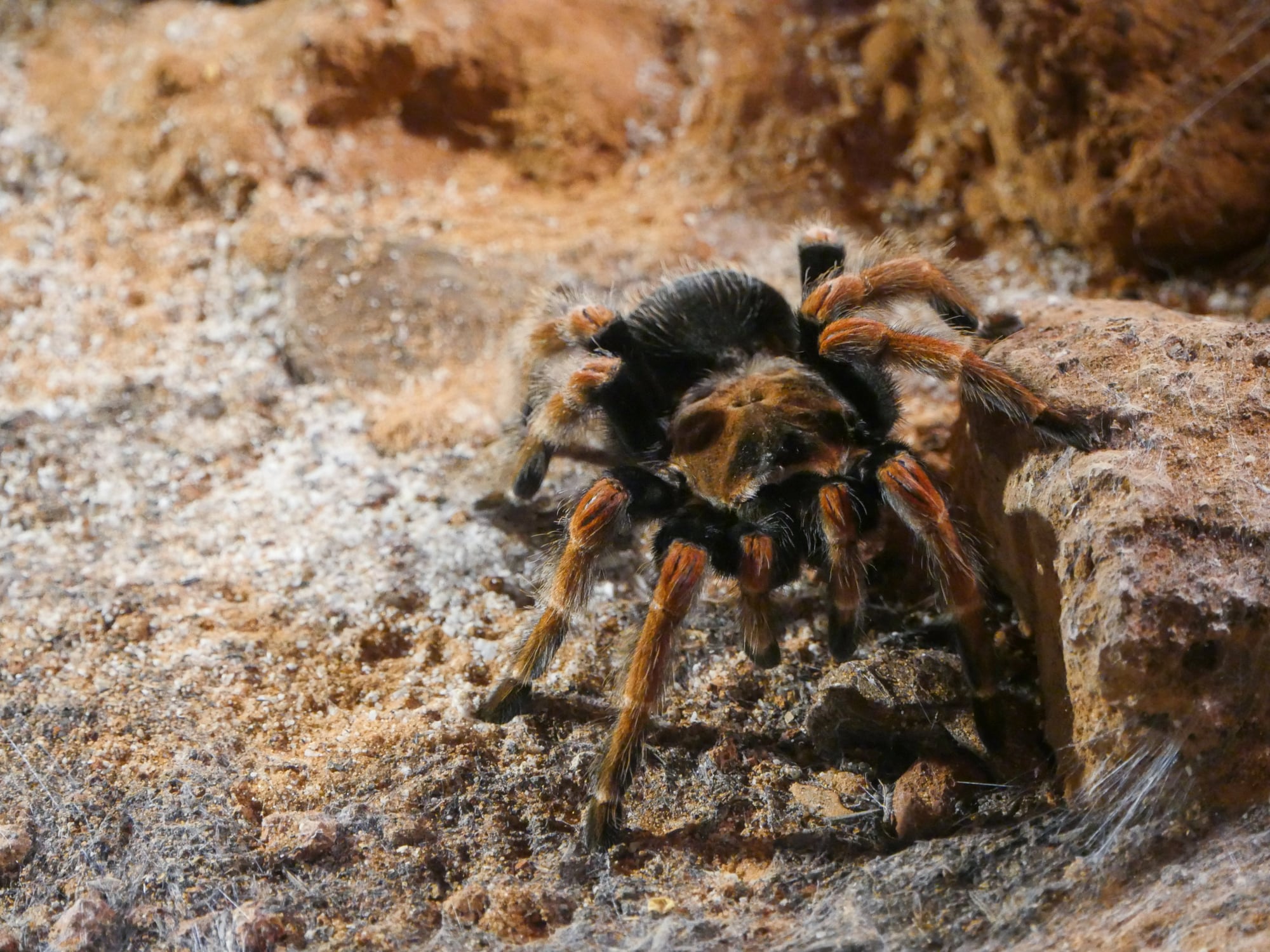
Harrison Ford has a well-documented fear of snakes, but tarantulas posed their own challenge. The production placed real tarantulas on Ford’s back for the scene in the temple.
His discomfort wasn’t acting at all. The spiders were relatively harmless, but having them crawl on him required genuine courage.
Ford’s visible tension made the scene work better than any fake spiders would have.
The avalanche in The Gold Rush
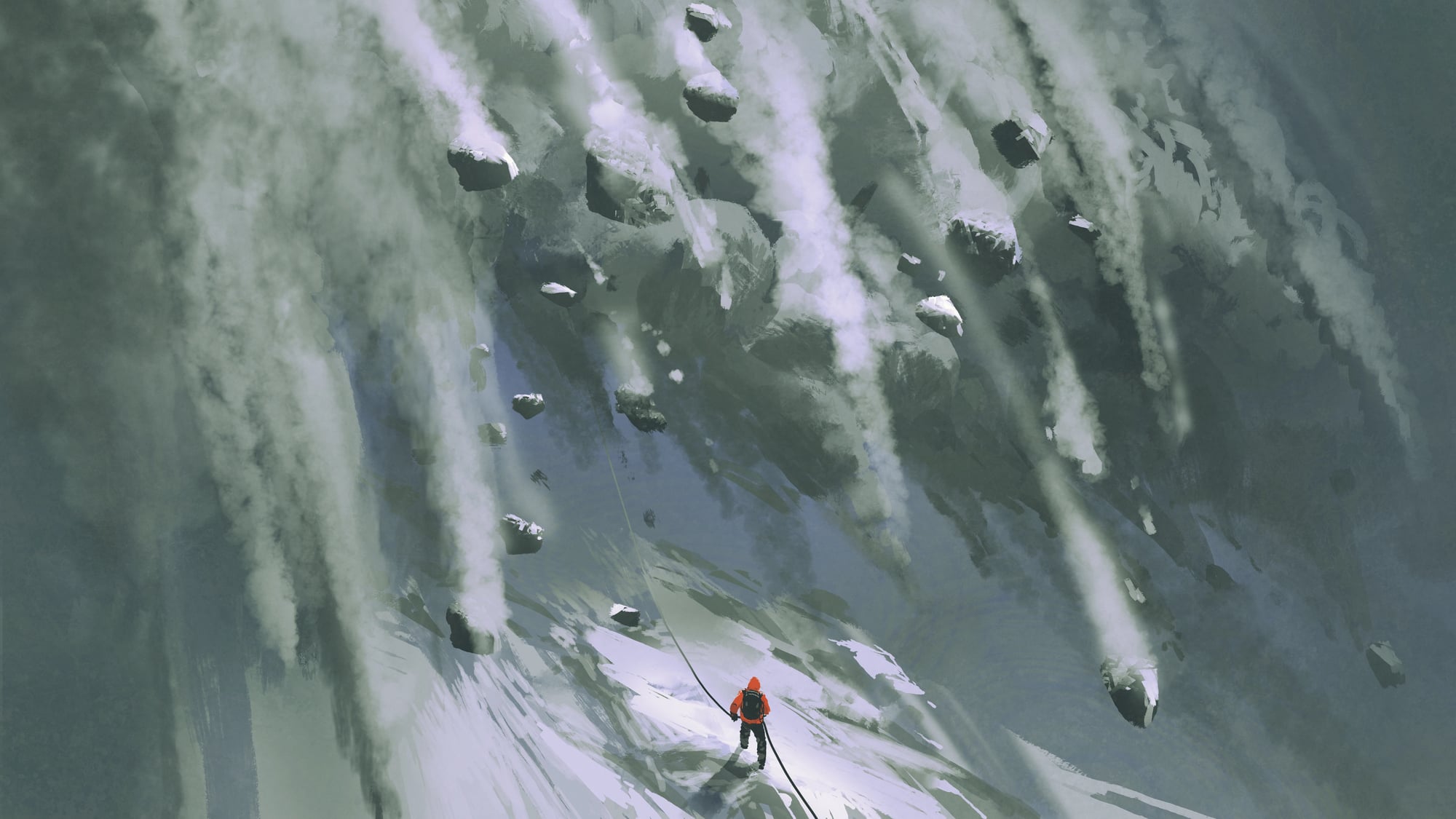
Charlie Chaplin used a real avalanche for this 1925 silent film. The crew triggered an actual snowslide in the Sierra Nevada mountains and filmed it from a safe distance.
They composited the footage with studio shots of Chaplin’s cabin, but the avalanche itself was completely genuine. The scale and power of the real snow gave the scene a terrifying reality that miniatures couldn’t match.
Early filmmakers often took risks that seem unthinkable by modern standards.
George Clooney getting tortured in Syriana

The torture scene in Syriana left Clooney with a genuine injury that plagued him for years. He hit his head during the scene and tore his dura, the wrap around the spine that holds in spinal fluid.
The injury caused severe headaches and memory problems. Clooney has spoken openly about contemplating ending his life during the worst of his recovery.
What audiences saw on screen was an actor pushing himself to dangerous physical limits for the sake of his craft.
The chariot race in Ben-Hur
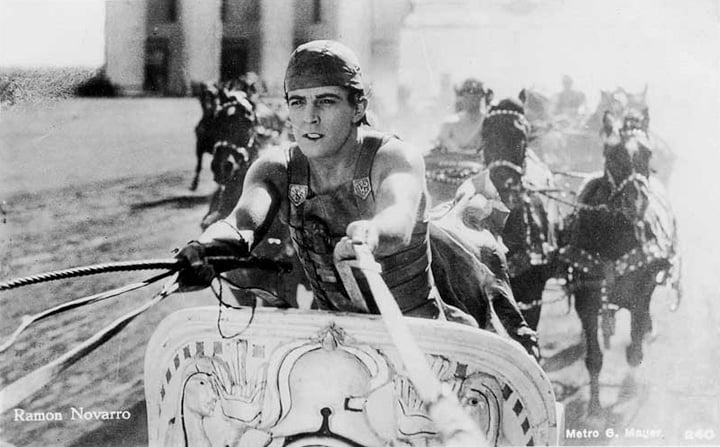
The 1959 version of Ben-Hur featured one of cinema’s most famous action sequences. The chariot race used real horses, real chariots, and real stunts.
One stuntman was thrown from his chariot during filming, and the cameras kept rolling. The shot made it into the final film.
Charlton Heston trained for months to handle the four-horse team himself. The crew built a massive set to accommodate the race, but everything that happened on that track was genuine horsemanship and dangerous stunt work.
Daniel Craig getting punched in Casino Royale

Craig insisted on doing as many of his own stunts as possible for his James Bond debut. During fight scenes, stunt coordinators actually hit him to make the impacts look real.
Craig lost two teeth during production and needed surgery to repair them. He continued filming through various injuries, establishing a pattern that would continue through his entire tenure as Bond.
His commitment to authenticity helped redefine the character for a new generation.
Matthew McConaughey losing weight for Dallas Buyers Club
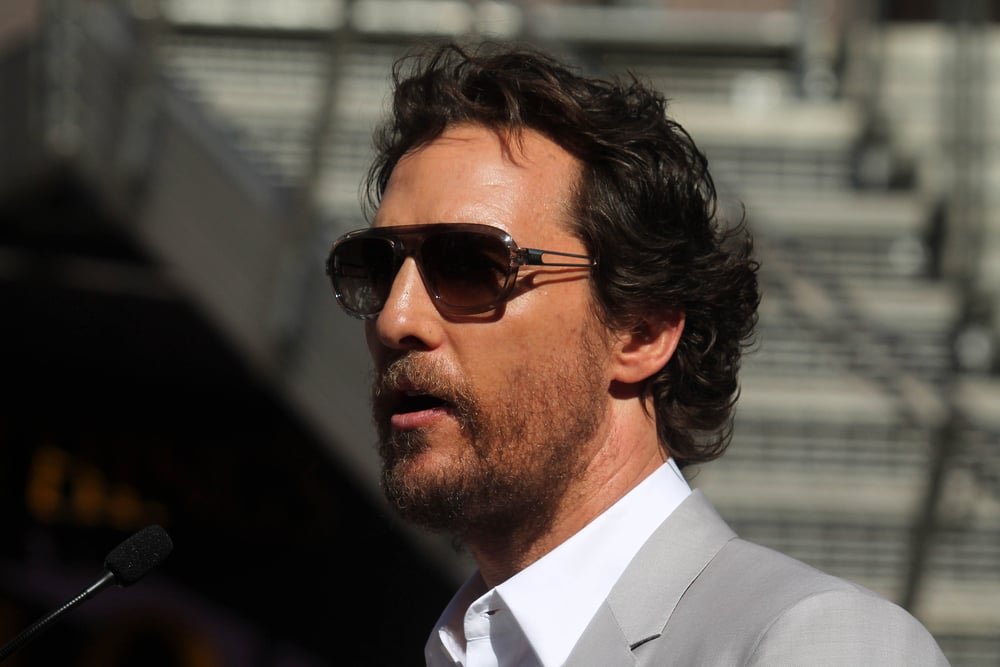
McConaughey lost nearly 50 pounds to play Ron Woodroof, an AIDS patient in the 1980s. He dropped his weight to around 135 pounds through extreme dieting.
The transformation was gradual and medically supervised, but it was entirely real. His gaunt appearance on screen wasn’t makeup or prosthetics.
Christian Bale has also famously transformed his body for roles, but McConaughey’s commitment to this particular part earned him an Academy Award and changed how audiences viewed his range as an actor.
Bruce Willis walking on broken glass in Die Hard

The scene where John McClane walks barefoot across broken glass used real shattered glass. Willis actually walked on it, though safety glass was strategically placed to minimize injury risk.
His grimaces and careful steps weren’t acting. The sound designers enhanced the crunching sounds in post-production, but the physical reality of walking on sharp fragments gave Willis genuine reactions.
This small detail added to the film’s overall sense that John McClane was a regular person enduring real pain, not an invincible action hero.
When reality beats imagination

Hollywood keeps pushing boundaries between what’s real and what’s manufactured. Computer graphics have become so advanced that filmmakers can create almost anything digitally.
Yet some directors still choose practical effects and genuine stunts because they understand something important.
More from Go2Tutors!

- The Romanov Crown Jewels and Their Tragic Fate
- 13 Historical Mysteries That Science Still Can’t Solve
- Famous Hoaxes That Fooled the World for Years
- 15 Child Stars with Tragic Adult Lives
- 16 Famous Jewelry Pieces in History
Like Go2Tutors’s content? Follow us on MSN.