14 Famous Monuments During Repairs and Restoration
A monument wrapped in scaffolding looks unfamiliar, and photographs from those years often become landmarks of their own. Behind the netting and steel poles, conservators clean stone, replace rusted metal, and repair damage that visitors never see.
The restorations below range from a mid-1980s overhaul of the Statue of Liberty to a five-year conservation of Big Ben, each one covering a familiar icon for months or years.
The Washington Monument
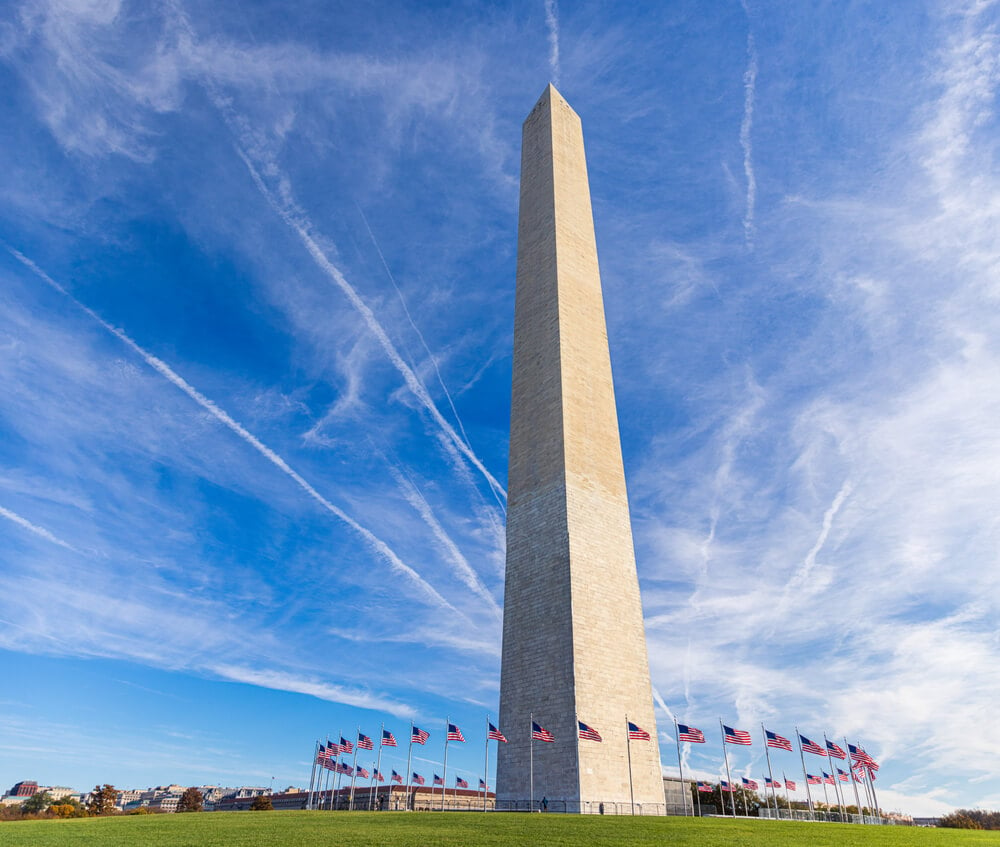
A 5.8-magnitude earthquake on August 23, 2011, cracked and chipped the Washington Monument, and engineers found more than 150 cracks. Repairs took about 32 months and cost roughly $15 million, with half the funds donated by philanthropist David Rubenstein and half allocated by Congress. Around 500 tons of scaffolding surrounded the obelisk, held in place by compression rings because it could not be attached to the stone. From July to November 2013 it glowed at night with 488 lamps, and the monument reopened May 12, 2014.
The Statue of Liberty
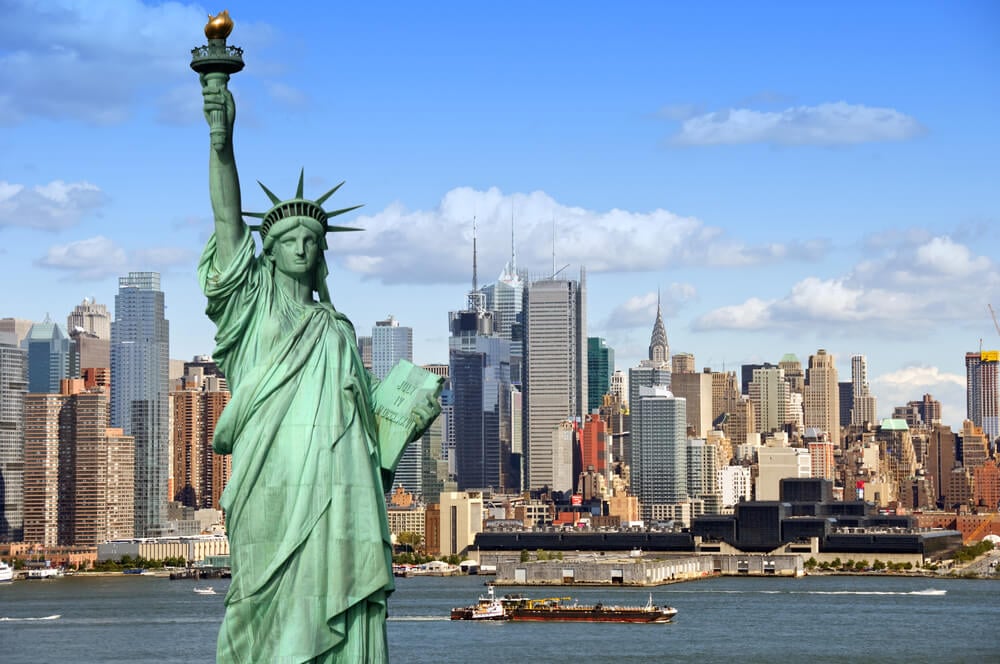
The Statue of Liberty was closed in 1984 for restoration, with scaffolding rising around it and work beginning inside. Workers replaced the iron armature bars joining the copper skin to the internal skeleton with stainless steel, and they used liquid nitrogen to remove layers of interior paint. The badly damaged torch was replaced with a replica of Bartholdi’s original, gilded according to his plans. The statue reopened during the centennial celebration on July 5, 1986.
Big Ben and the Elizabeth Tower
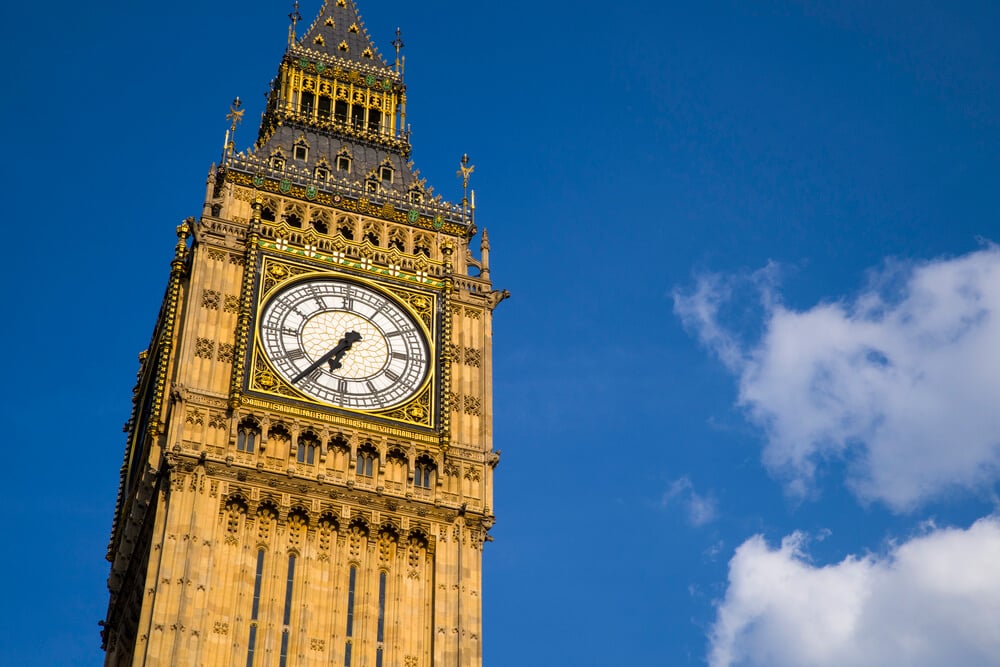
The Elizabeth Tower, home of Big Ben, was shrouded in scaffolding from 2017 to 2022 in the most extensive conservation in its history. Big Ben’s bongs stopped on August 21, 2017, apart from major national events, and the bell returned to regular service in November 2022. The 12-tonne clock mechanism was dismantled for a complete overhaul. Surveyors found damage worse than expected, and the cost rose to nearly £80 million.
The Colosseum
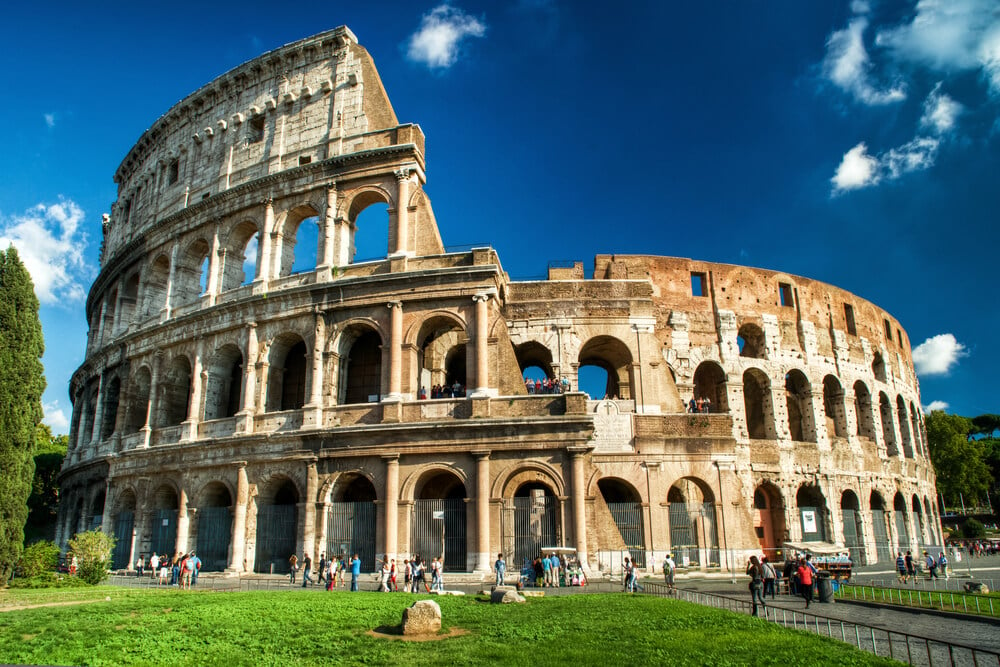
The Colosseum was covered in scaffolding for much of the 2010s during the first major restoration in its history. The work to clean away dirt and grime and return the stone to its original color took 33 months. The Italian fashion brand Tod’s covered the cost.
The Leaning Tower of Pisa
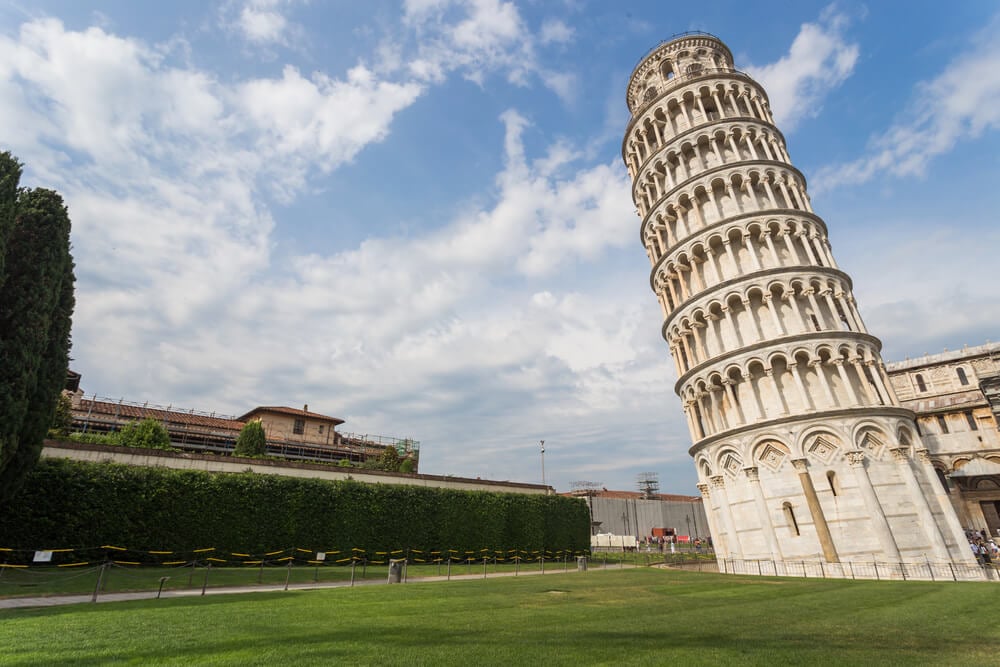
— Photo by kanuman
Pisa’s famous tower was closed to the public in 1990 so engineers could stabilize it, and it reopened in December 2001. The project removed soil from beneath its higher side and used counterweights to reduce the lean, without straightening the tower fully. The goal was to stop it from falling while preserving the lean that made it famous.
The U.S. Capitol Dome
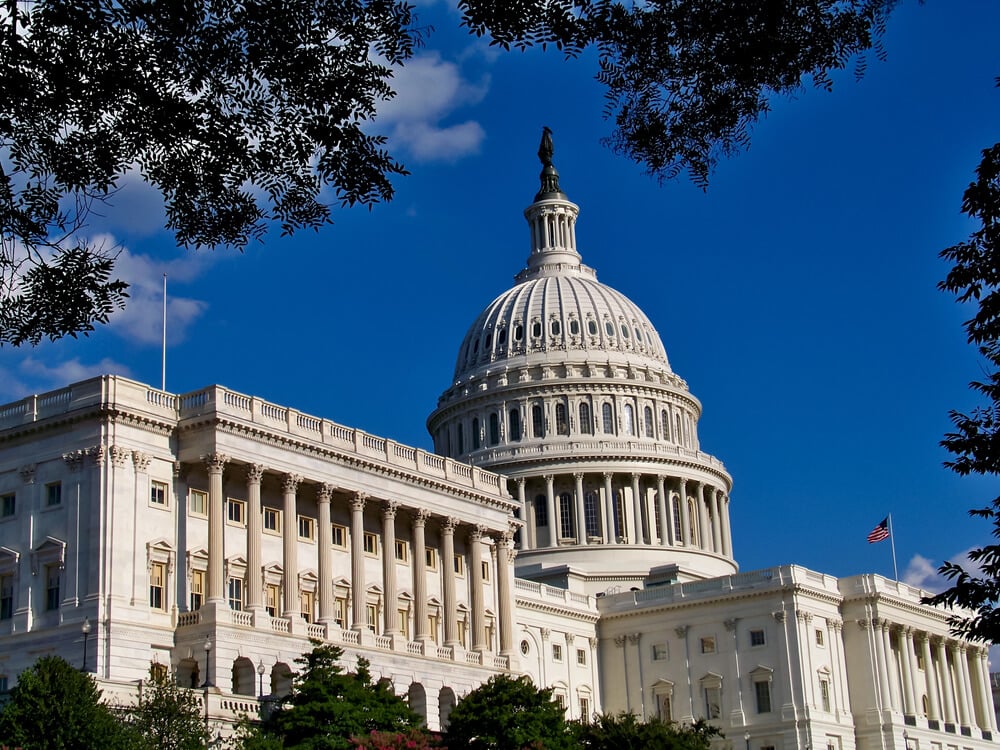
The cast-iron dome of the U.S. Capitol underwent a major restoration from 2014 to 2016, with scaffolding rising around it. Crews repaired more than 1,000 cracks and sealed leaks that had caused rust. The dome, completed in the 1860s during the Civil War, was repainted afterward.
Notre-Dame de Paris
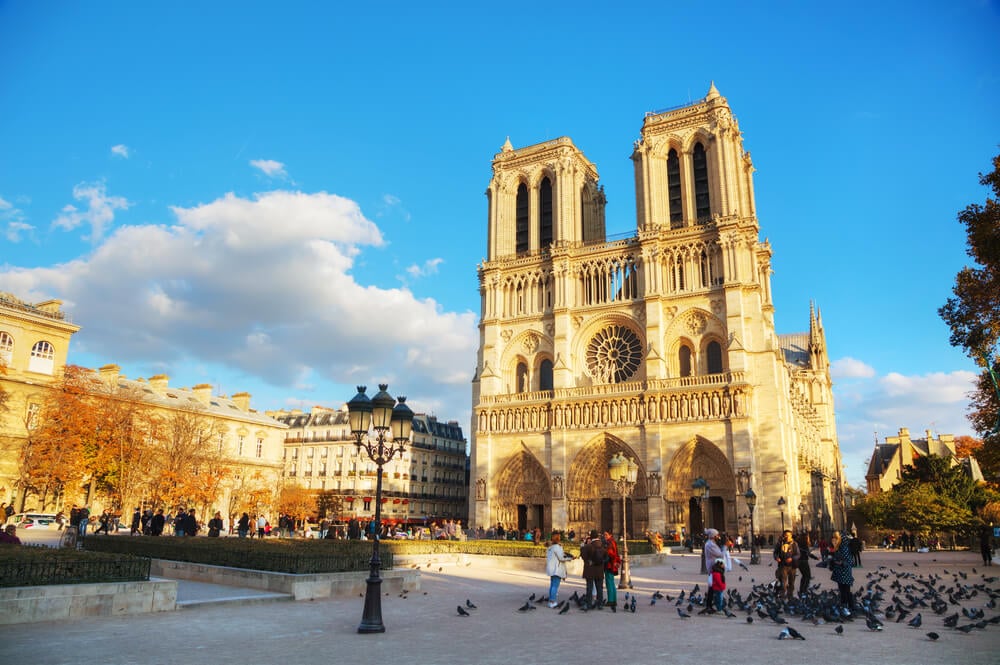
— Photo by AndreyKr
A fire on April 15, 2019, destroyed the cathedral’s spire and much of its roof. Years of reconstruction followed, with scaffolding surrounding the building. The cathedral reopened in December 2024.
The Eiffel Tower
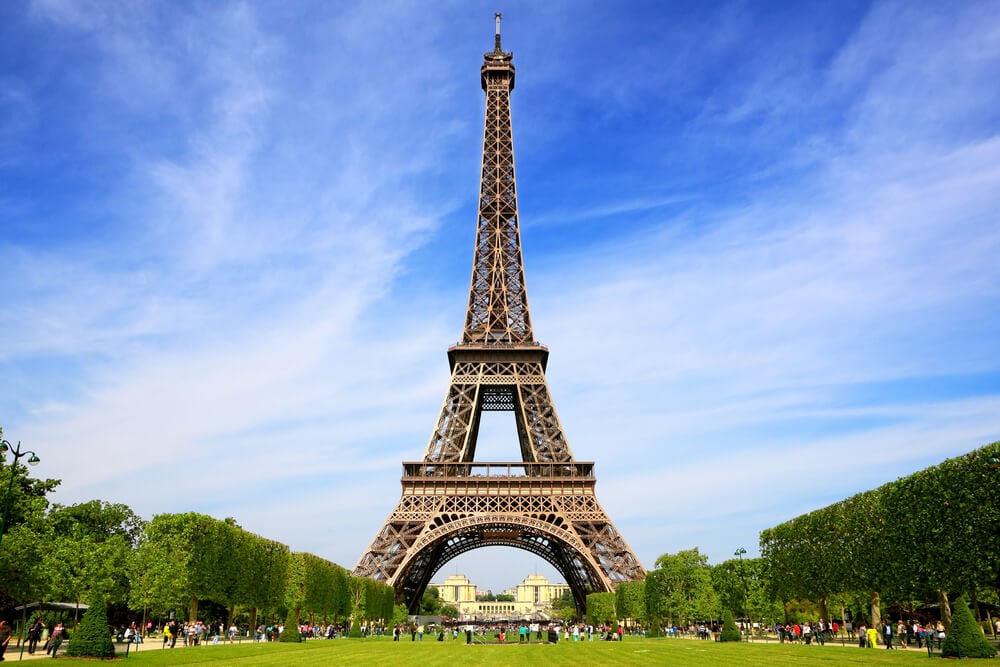
The Eiffel Tower is repainted roughly every seven years, a task that requires about 60 tons of paint and teams working in rope access over the iron structure. The repainting protects the iron from rust and has changed the tower’s color over time. It is a cycle of maintenance rather than a one-time restoration.
The Trevi Fountain
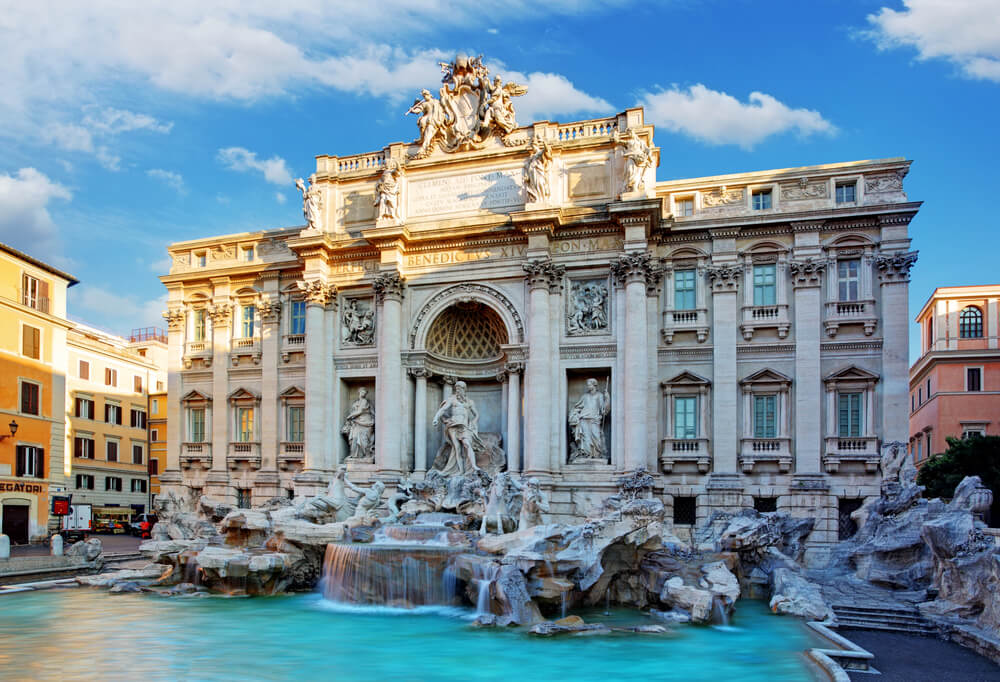
— Photo by TTstudio
Rome’s Trevi Fountain was closed for restoration from 2014 to 2015, with the fashion house Fendi funding the work at about 2.2 million euros. Conservators cleaned the travertine and repaired cracks, and visitors watched through a temporary walkway. The fountain reopened in November 2015.
The Parthenon
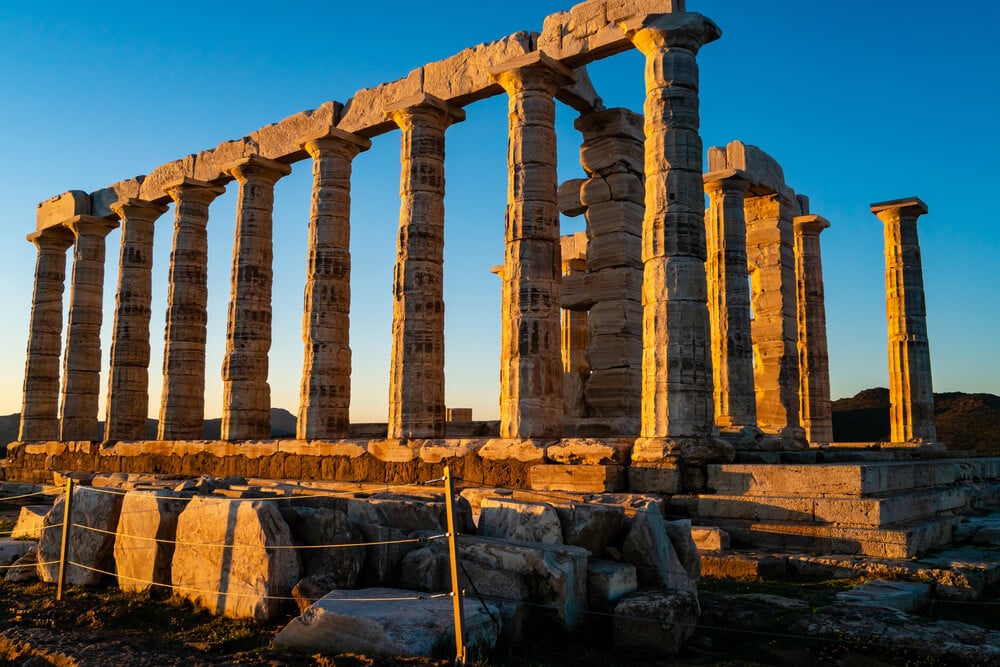
Restoration of the Parthenon has been underway since 1975 under the Acropolis Restoration Service. Workers have taken apart and reassembled ancient blocks, replacing old iron clamps that rusted and damaged the marble with titanium. Cranes and scaffolding have long been a fixture of photographs of the monument.
Stonehenge
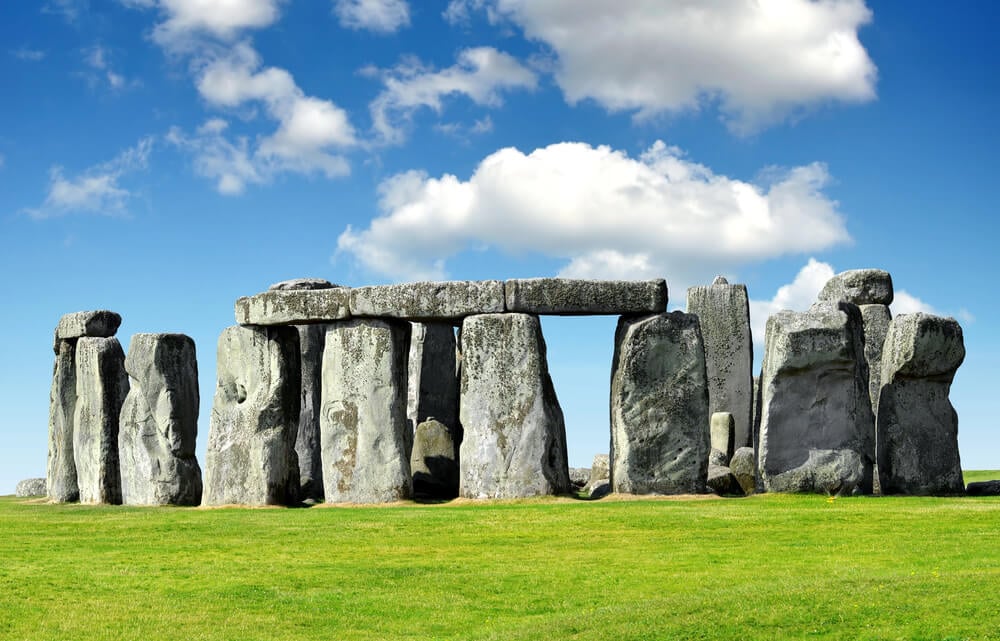
Several of Stonehenge’s stones were straightened and set in concrete in a series of restorations between 1958 and 1964. Fallen stones were raised and leaning ones were propped. The work changed the monument’s appearance, and the concrete footings are largely invisible today.
Borobudur

The ninth-century Buddhist temple of Borobudur in Indonesia underwent a major restoration in the 1970s and 1980s with support from UNESCO. Workers dismantled and rebuilt large parts of the monument to improve drainage and stability. Vast numbers of stones were numbered, cleaned, and replaced during the effort.
Christ the Redeemer
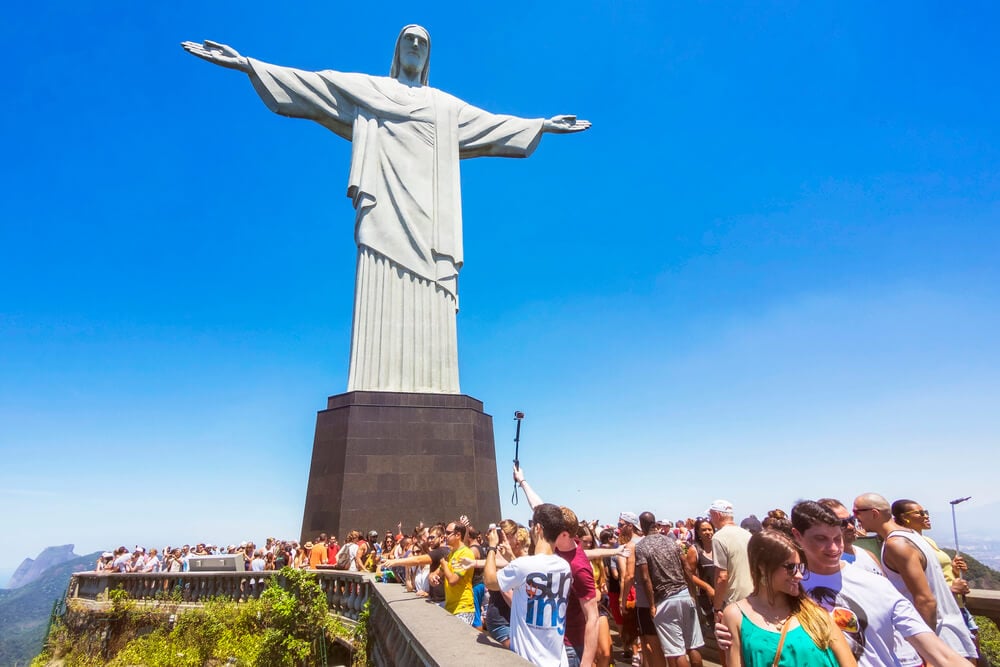
— Photo by rmnunes
Rio de Janeiro’s Christ the Redeemer was restored around 2010 after weather and lightning strikes damaged it. Workers replaced soapstone tiles on the statue’s surface and repaired the structure. The project required scaffolding and rope access on the towering figure.
The Brandenburg Gate
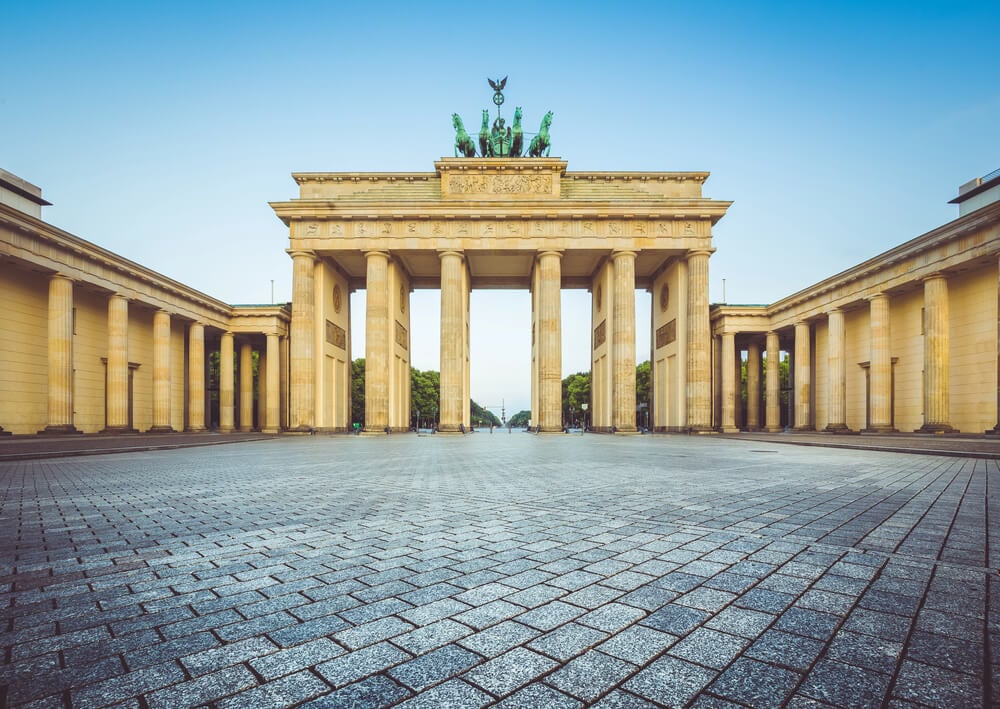
Berlin’s Brandenburg Gate was restored in the early 2000s. The work included cleaning and conserving the sandstone and the Quadriga sculpture on top. The gate was wrapped in scaffolding and cloth during the process.
Scaffolding as a Kind of Portrait
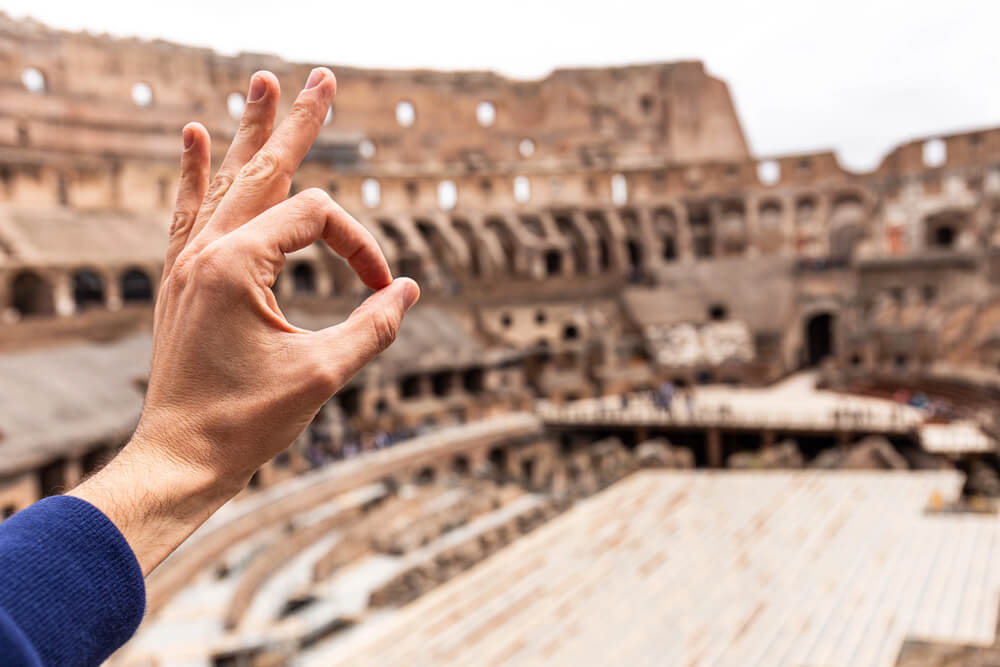
— Photo by IgorVetushko
A restoration changes a monument in two ways: first by covering it, and then by revealing what lies beneath. Photographs from these years often show the structure shrouded in netting, a reminder that even icons need constant care.
The projects above also show how much of a monument’s appearance depends on maintenance that goes unseen. When the scaffolding comes down, visitors see a familiar face, usually without knowing how much work it took.
More from Go2Tutors!

- 27 Silver Dollars and Half Dollars Worth Keeping
- 28 Restaurant Menu Items Nobody Orders Anymore
- 17 Places Built in Seemingly Impossible Spots
- 27 Vintage Rings Worth More Than They Look
- 25 Restricted Sites Tourists Can’t Enter
Like Go2Tutors’s content? Follow us on MSN.