27 Vintage Beach Toys Adults Still Remember
A bucket, a plastic shovel, and a stretch of sand once filled an entire afternoon. The toys carried to the shore were cheap, bright, and designed to be abandoned somewhere between the parking lot and the tide line.
The ones that survived tend to turn up in garages, flea markets, and vivid memories.
The Frisbee
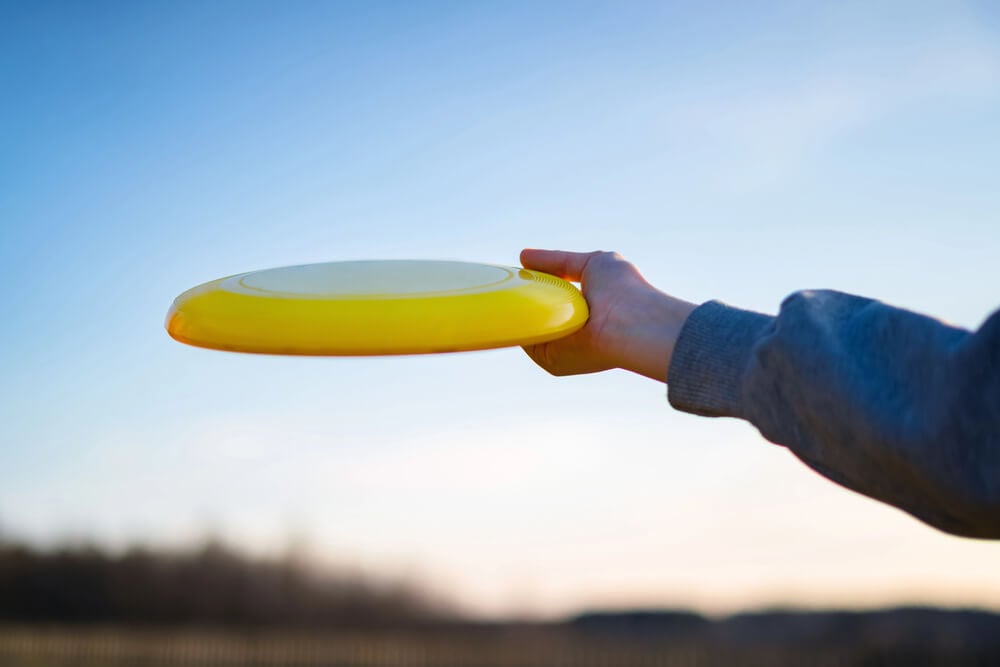
Wham-O bought the rights to Fred Morrison’s plastic flying disc in 1957, when it was sold as the Pluto Platter, and added the name Frisbee in 1958. The name may have come from a comic strip or from pie tins sold by a bakery, though the story is debated.
Early discs in good shape with clear markings sell best, and cracks or warping lower the price.
Slip ‘N Slide
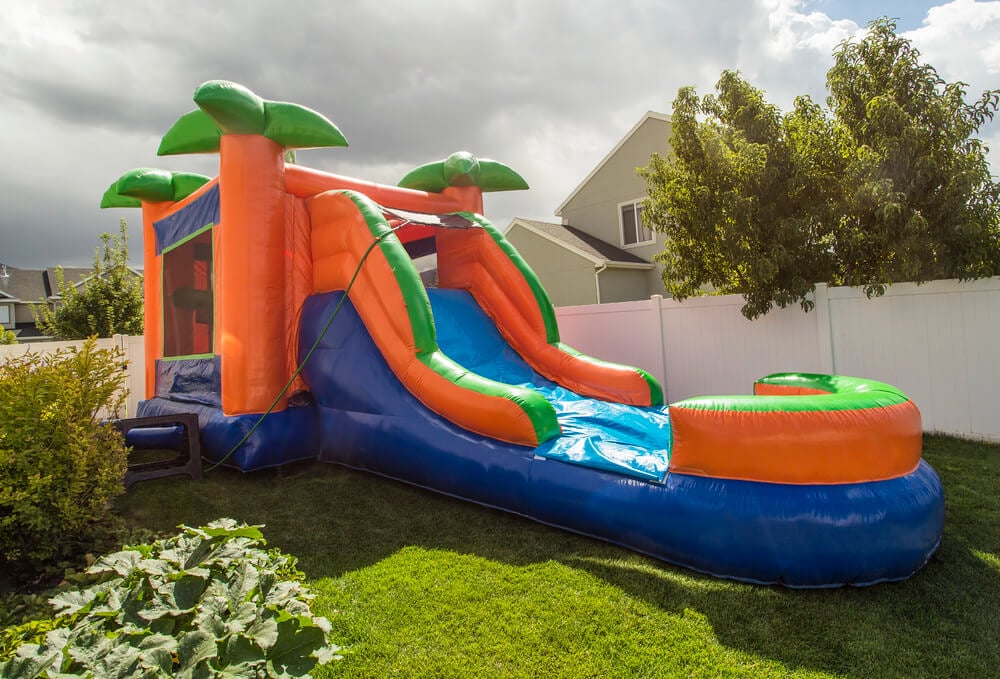
Robert Carrier, an upholsterer, invented the long vinyl sheet that sprayed water across its surface, and Wham-O introduced it in 1961. By September of that year, more than 300,000 had been sold.
Intact, unpatched originals in their boxes are the exception, and brittle vinyl is the usual flaw.
The Boogie Board
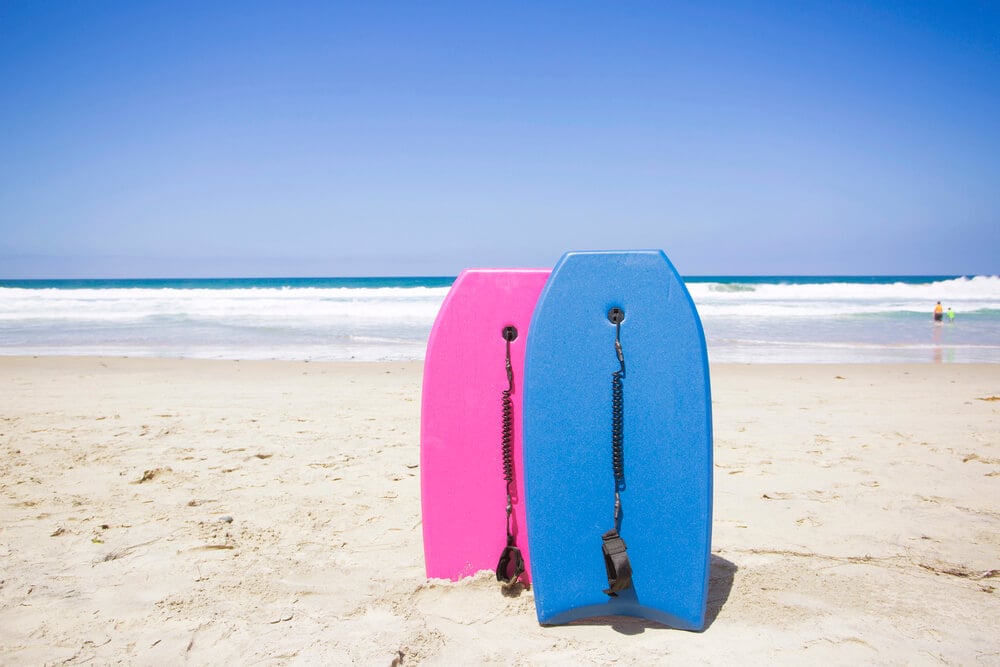
Tom Morey made the first bodyboard in his backyard on July 7, 1971, using an electric carving knife, a household iron, and scrap polyethylene foam. He wrapped the foam in newspaper for the first test.
Original boards with their branding and undamaged surfaces are the most collectible.
Hacky Sack
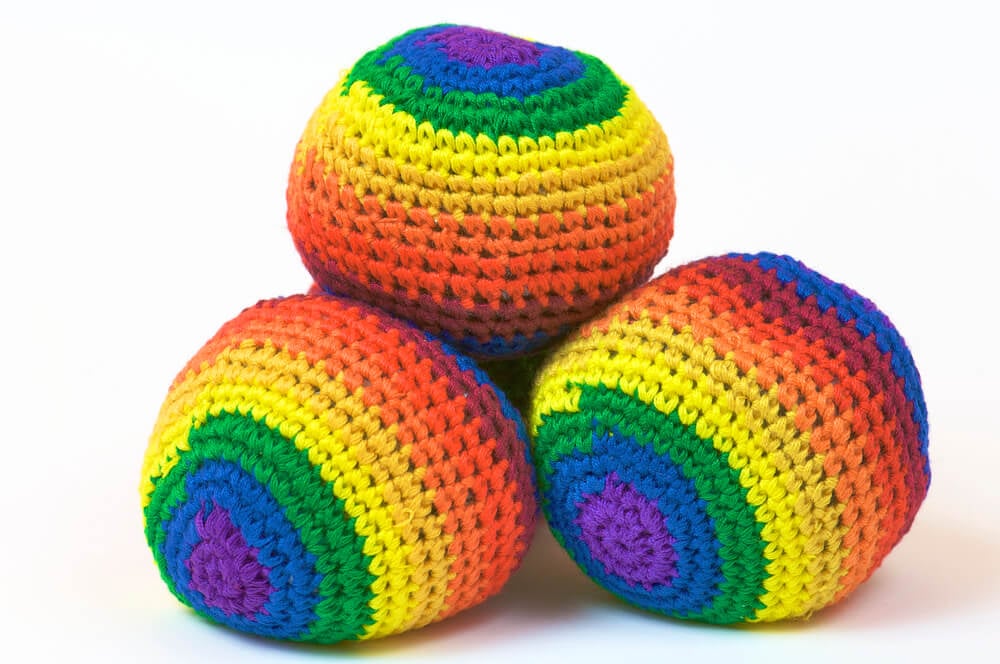
The footbag known as the Hacky Sack was invented in 1974 by Mike Marshall and John Stalberger, and Wham-O began selling it in 1983. It became a staple of sandy lots and campus lawns, played by kicking the small sack back and forth.
Clean stitching and an unsagging shape matter for condition.
Tin Sand Pails
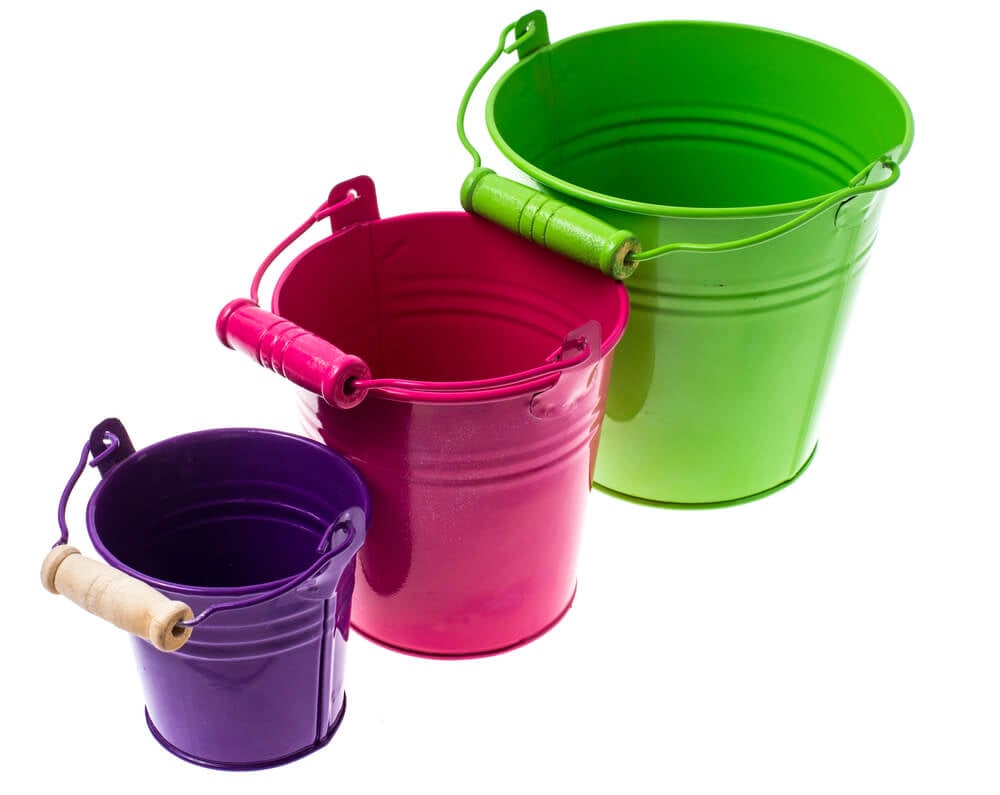
Lithographed tin pails and sand toys from makers such as Chein and Ohio Art were already on the market in the 1920s, decorated with beach scenes and playful characters. The graphics were printed directly onto the metal.
Rust and flaked paint cut prices, while bright, crisp lithography commands a premium.
Castle Mold Buckets
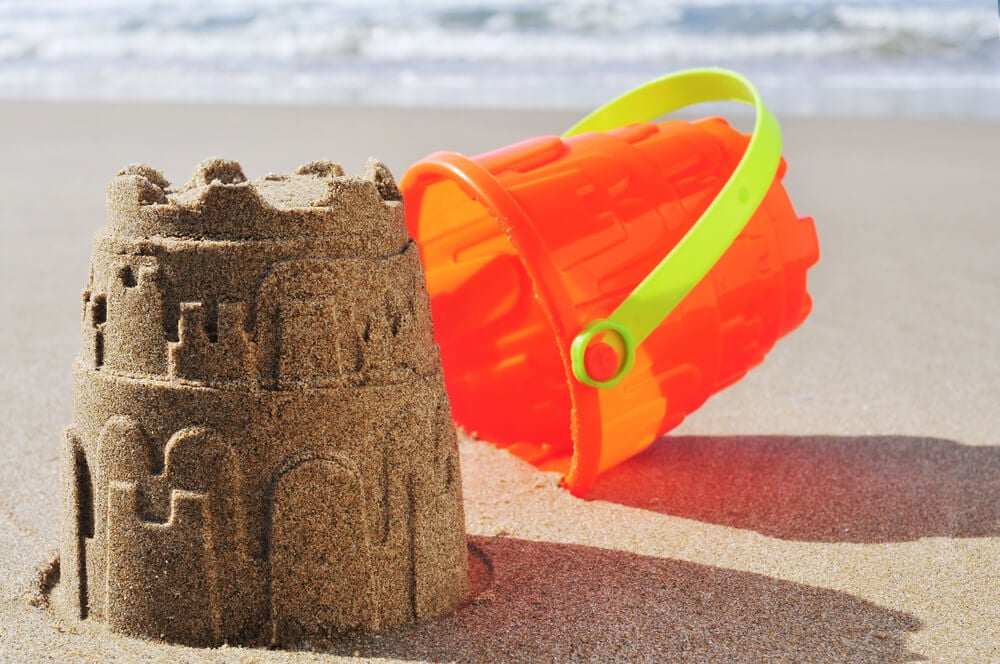
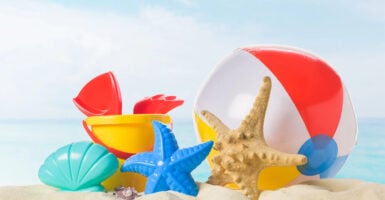
Plastic buckets with turret-shaped molds let a child flip out a tidy castle tower from damp sand. The patterns on the bucket sides often included windows and flags.
Sun-faded plastic and cracked rims lower value.
Sand Rakes and Shovel Sets
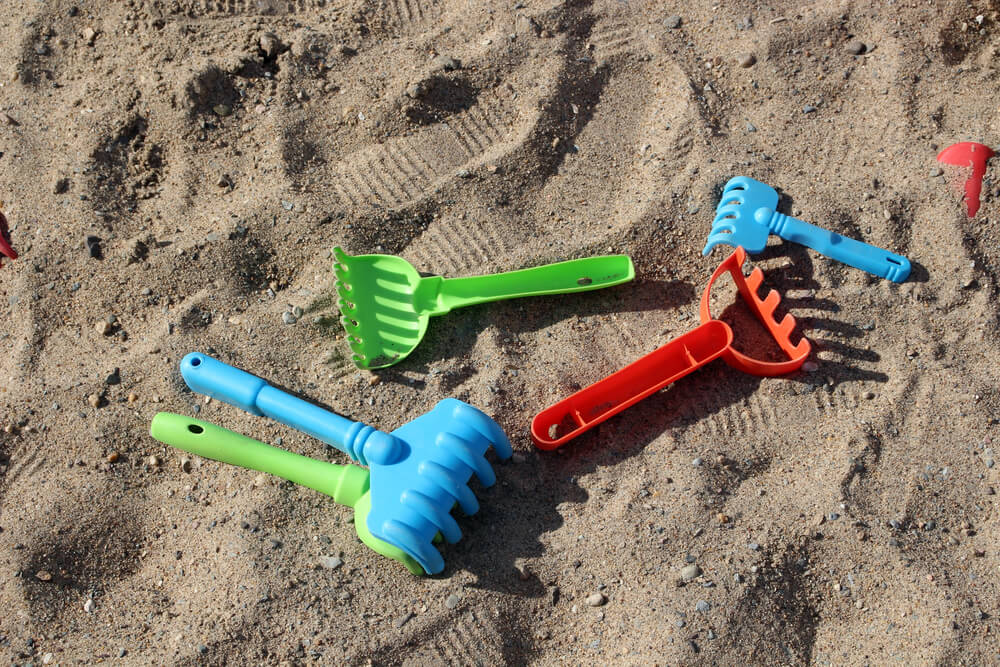
Small rakes and shovels in metal and plastic came as matched sets, and the best ones had wooden handles. They let children dig, smooth, and sculpt.
Rust on metal pieces and warped plastic handles are the main condition concerns.
Tonka Trucks in the Sand
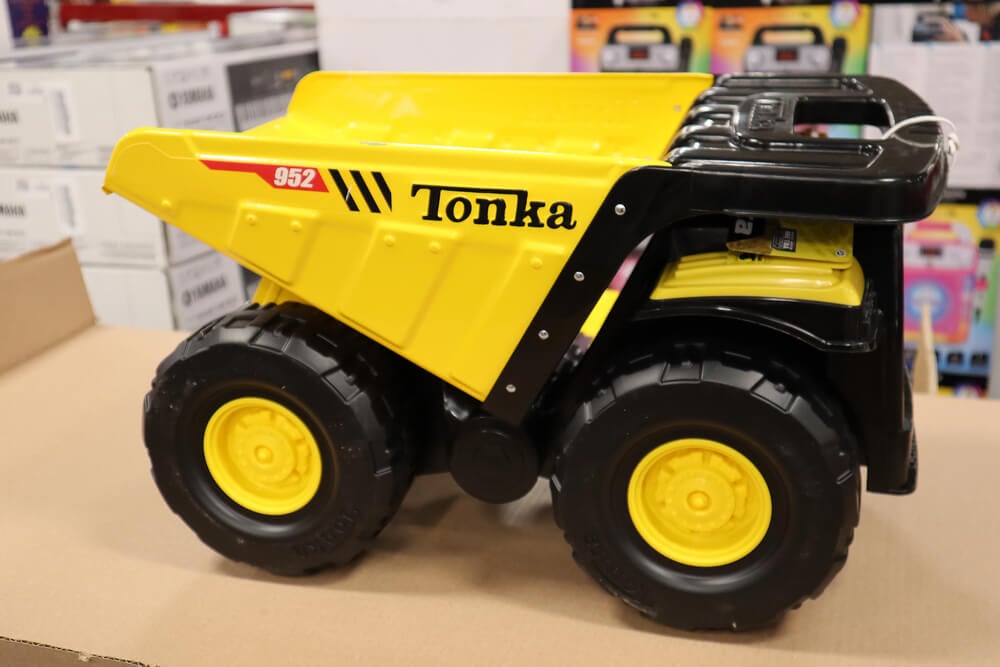
Tonka’s pressed-steel trucks were tough enough to carry loads of sand all day, and many ended up on beaches instead of driveways. Sand scouring and rust are standard wear, and complete trucks with original paint bring the highest prices.
The Super Soaker
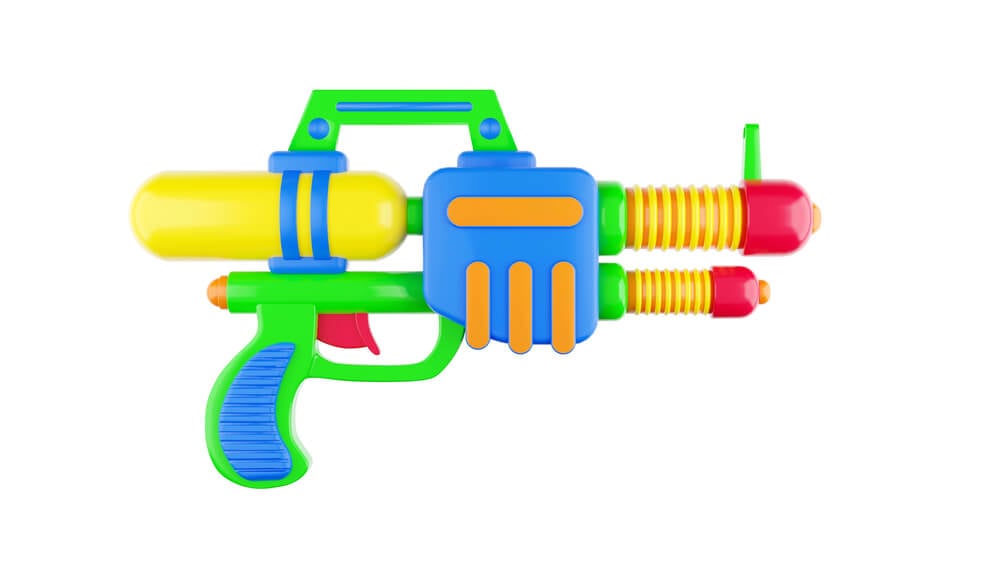
NASA engineer Lonnie Johnson invented the Super Soaker by accident while working on a different project, and its pump-action pressure turned squirt guns into serious equipment. The toy reshaped summer water fights.
Intact pumps and unfaded plastic matter to collectors.
The Water Wiggle
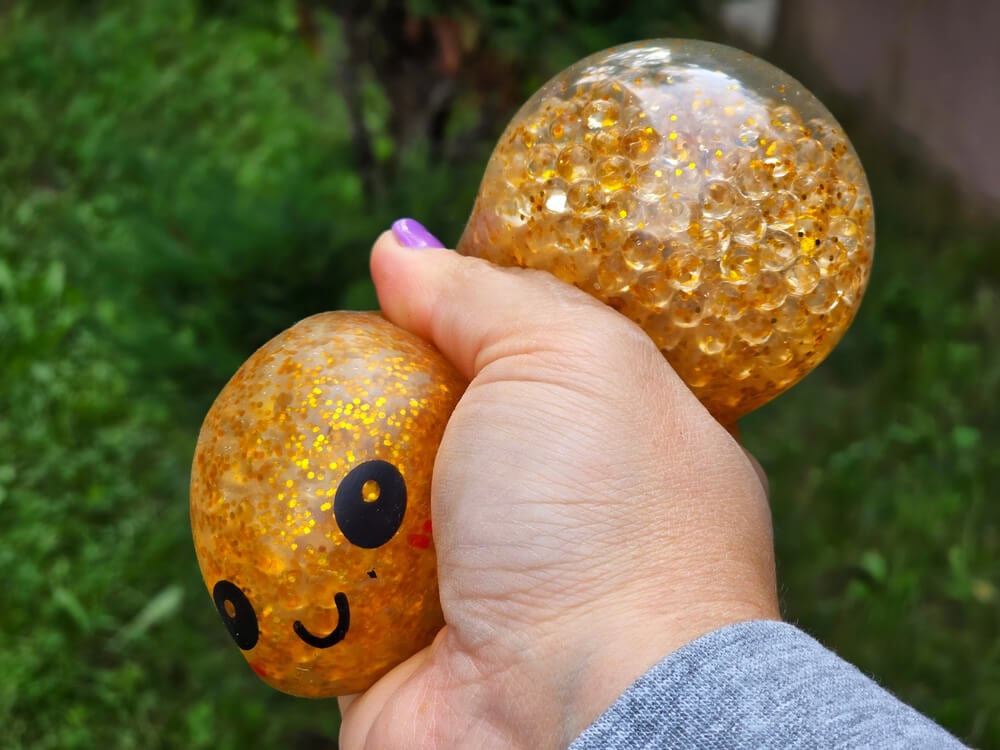
Wham-O introduced the Water Wiggle in 1962, a garden-hose attachment topped with a flexible head that thrashed around as water ran through it. Children chased it through sprinklers.
Cracked hoses and faded plastic are the typical problems.
Inflatable Water Wings
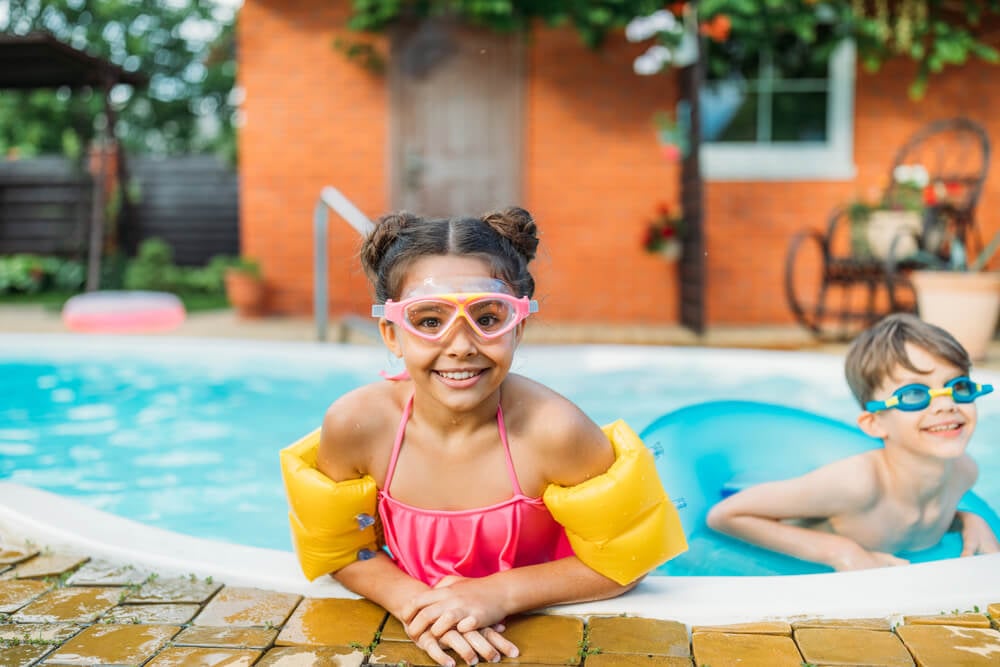
Vinyl armbands filled with air kept small swimmers afloat and were a staple of beach bags. Their bright colors made children easy to spot in the surf.
Brittle vinyl and slow leaks make intact examples uncommon.
Animal Swim Rings
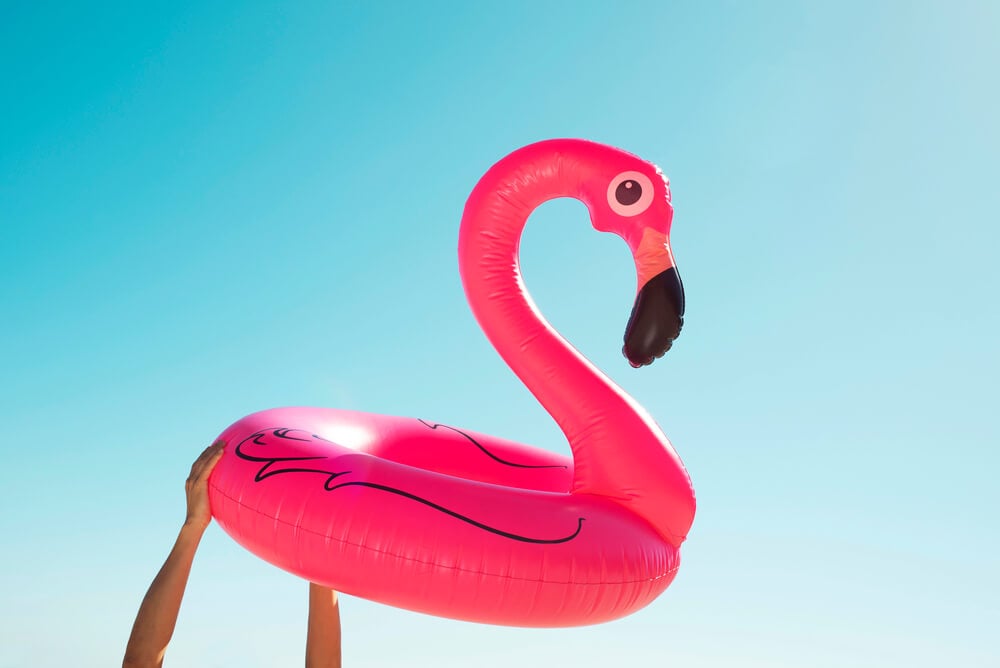
Vinyl swim rings shaped like ducks, swans, and other animals turned an ordinary float into a character. The heads and tails were often the most vulnerable parts.
Intact valves, unpatched seams, and strong color bring the best prices.
Rubber Rafts and Air Mattresses
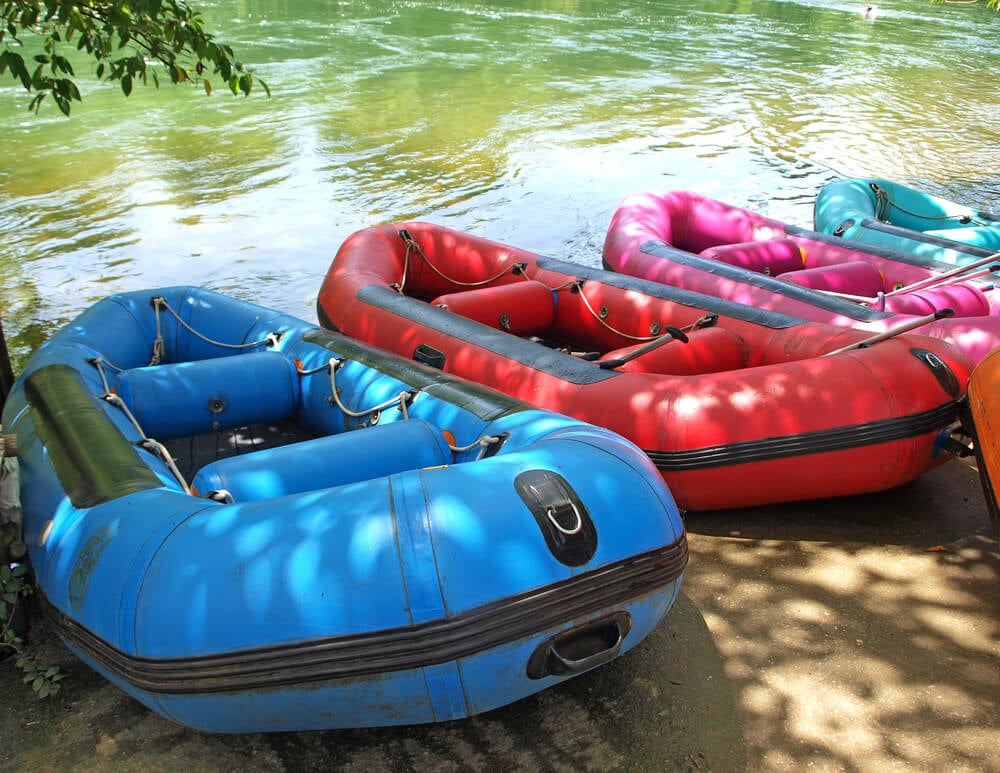
Rubberized rafts and air mattresses were the original beach loungers, hauled out in the trunk and inflated by lung power. Many were covered in canvas for durability.
Cracked rubber and corroded valves are the usual problems.
Diamond Kites
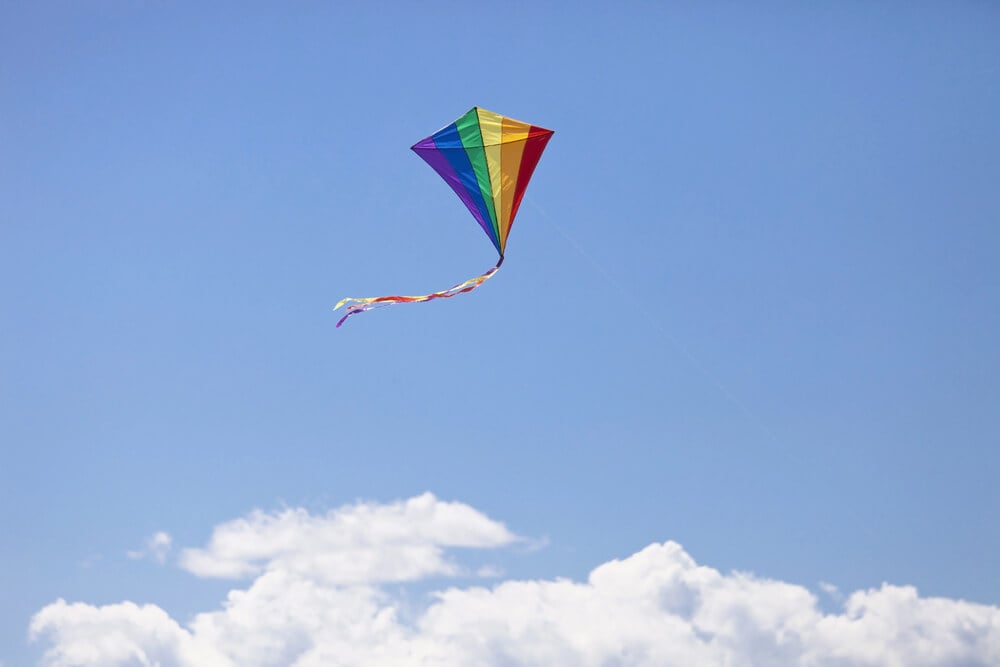
Diamond-shaped kites with paper or plastic sails and wooden spars were a classic of windy beaches. The long tails balanced them in the air.
Intact frames and unfaded graphics increase value, while torn sails lower it.
Sea-Monkeys
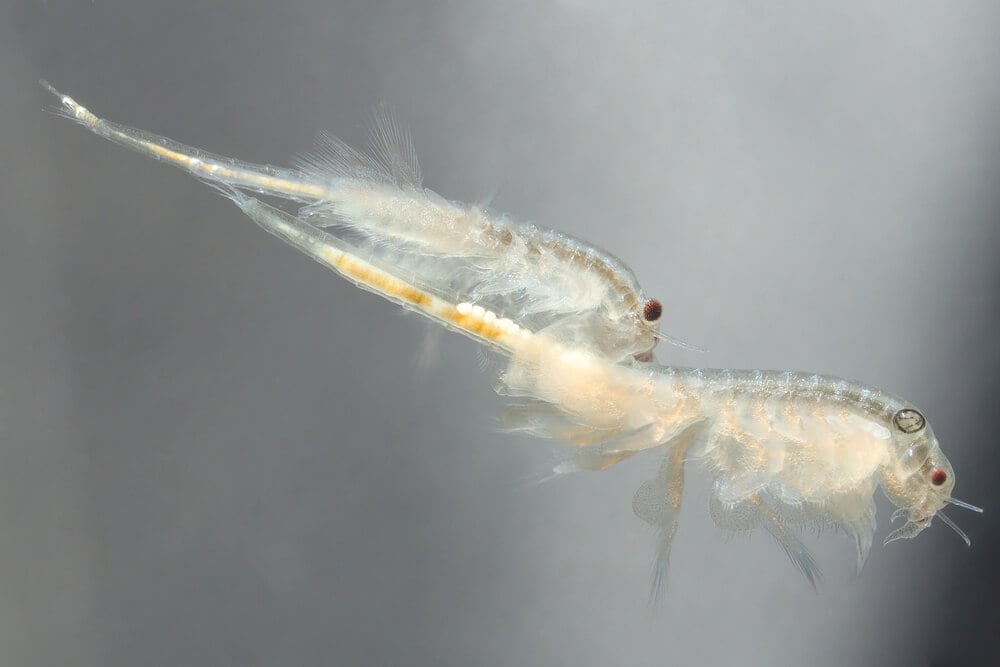
Harold von Braunhut marketed tiny brine shrimp as Sea-Monkeys, and the packets promised an instant aquarium with a few drops of water. The package art showed a smiling family of creatures that bore little resemblance to the real animals.
Unopened packets and original aquarium sets are what collectors want.
Swim Fins
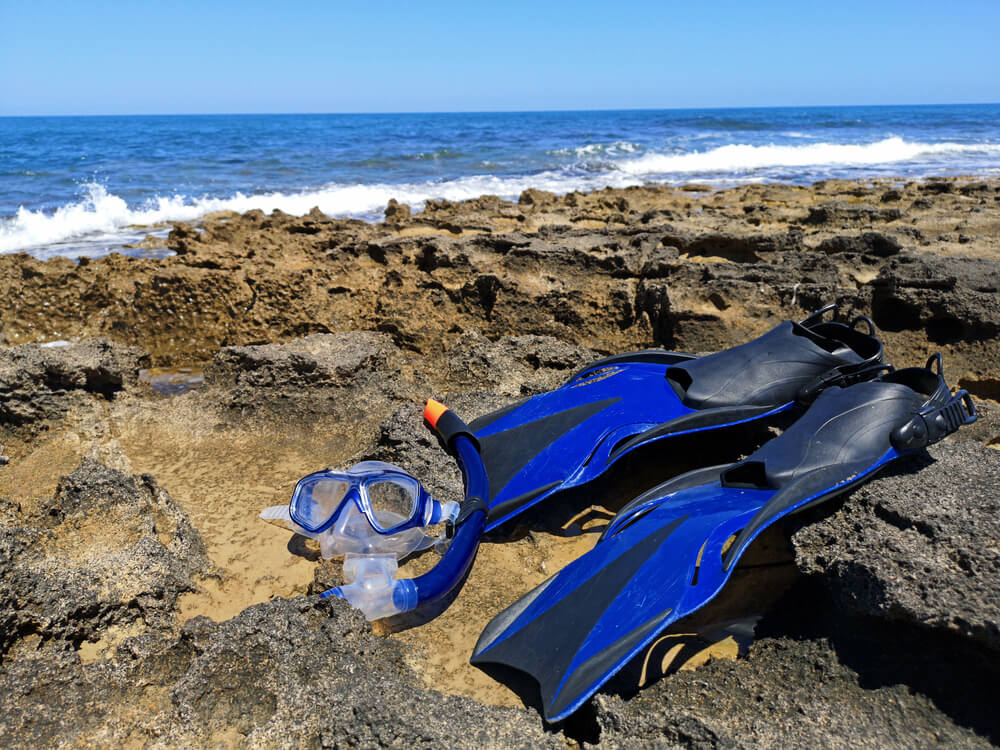
Wham-O’s catalog included Churchill Swimfins, and rubber swim fins were a beach staple for children who wanted to feel like divers. They paired with a mask and snorkel for a full kit.
Dried, cracked rubber is the most common flaw.
Bubble Wands

Plastic wands and small bottles of soap let children conjure shimmering bubbles over the sand. Some wands came in oversize sizes meant for giant bubbles.
Complete sets with intact lids are far scarcer than loose wands.
Sand Sifters
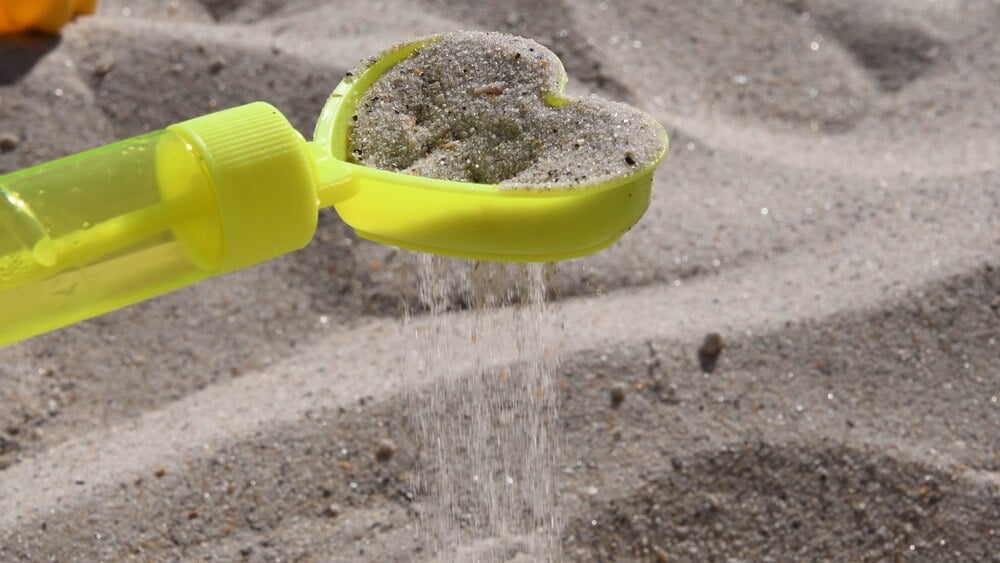
Plastic sifters and sieves let children rinse sand through a mesh to find shells and tiny treasures. They doubled as colanders in a pinch.
Cracked rims and torn mesh are what to look for.
Skimboards
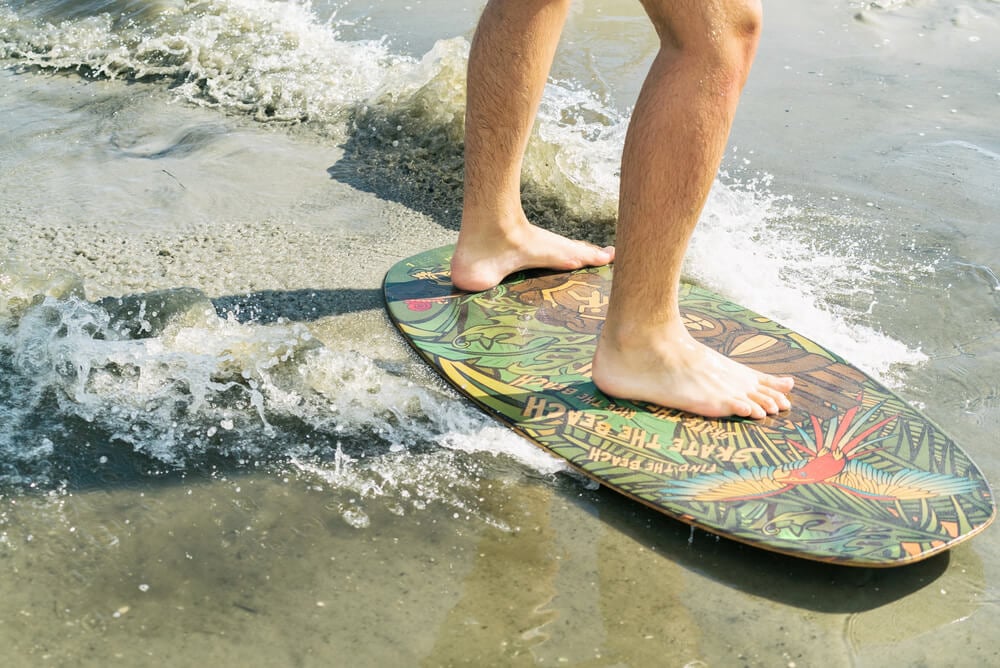
Skimboarding, in which a rider sprints out and glides across a thin sheet of water on a flat board, is associated with Laguna Beach, California, which claims its origins in the 1920s. Early boards were simple pieces of wood.
Warped wood and cracked finishes lower value.
Wooden Beach Paddles
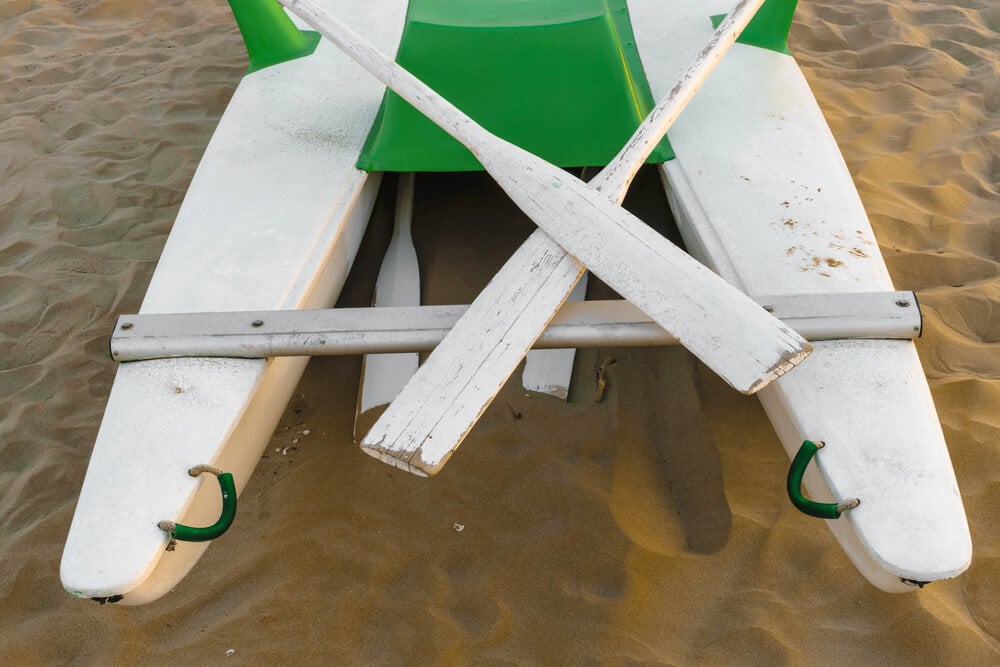
Wooden paddle sets challenged two players to keep a small rubber sphere in the air without letting it touch the sand. The sound of the sphere hitting wood became a beach soundtrack.
Cracked paddles and worn grips reduce the price.
Crab Nets and Buckets
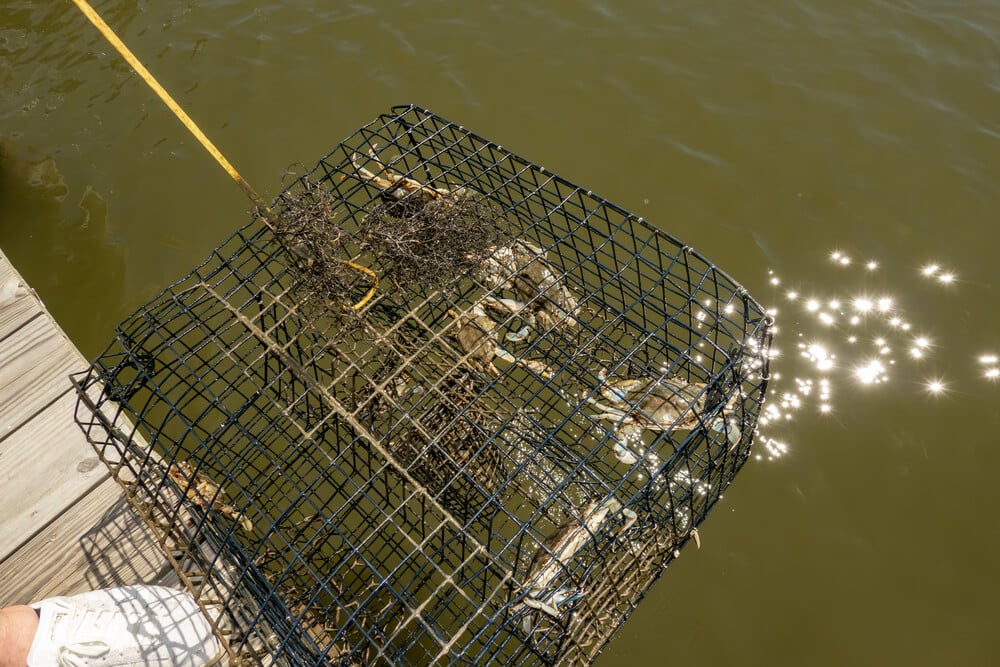
Small nets on bamboo poles and bright buckets turned tide-pool exploration into a hunt. Children dragged them through shallows in search of hermit crabs.
Torn mesh and warped handles are common.
Shell Collecting Kits
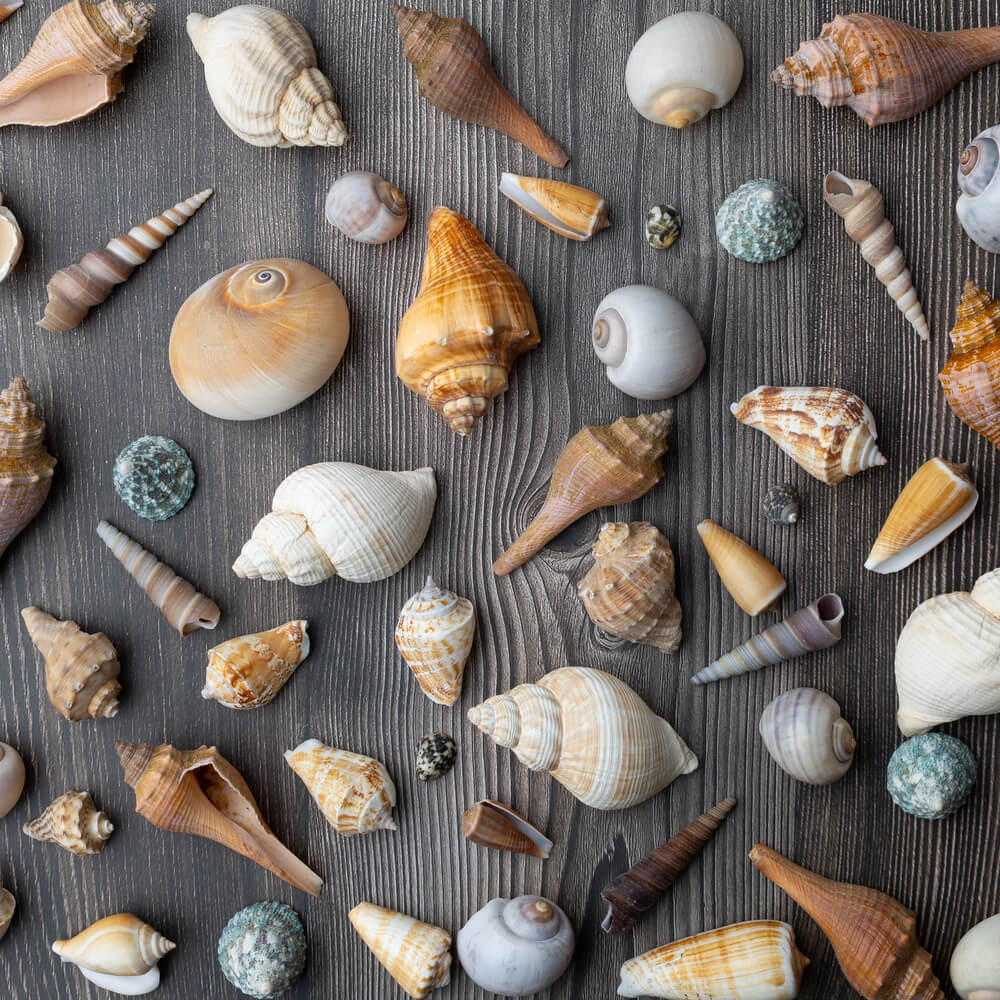
Shell kits included a small magnifier and an illustrated guide for identifying treasures from the shoreline. They encouraged children to look closely at what the tide delivered.
Complete kits with the guide and magnifier are better than loose parts.
Wind-Up Swimming Toys
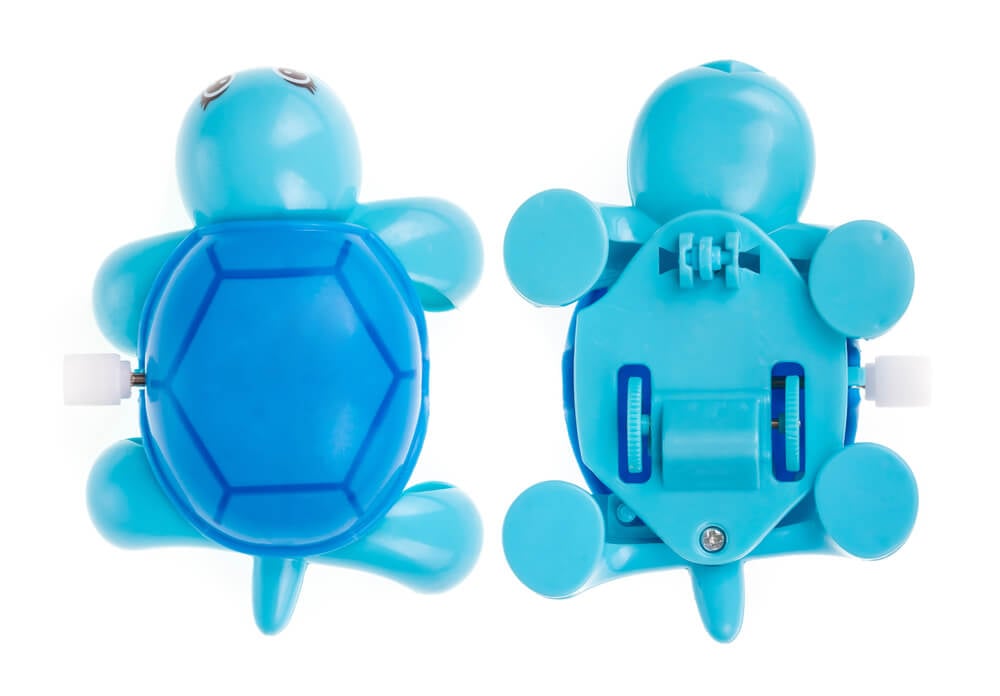
Tin and plastic wind-up ducks and fish paddled across tubs and pools when their keys were turned. The motion was surprisingly lifelike.
Working mechanisms and intact paint are the key to value.
Plastic Dune Buggies
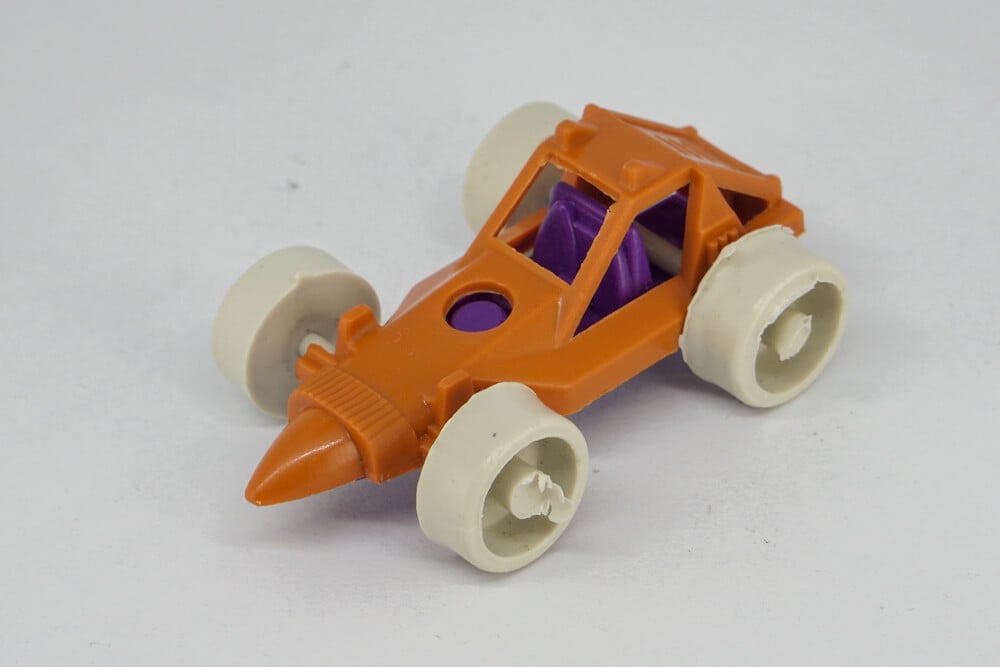
Toy dune buggies reflected the dune buggy craze of the late 1960s and early 1970s, and children drove them over sand mountains. Their oversize wheels were made for rough ground.
Cracked bodies and missing wheels are typical issues.
Sand Art Bottles
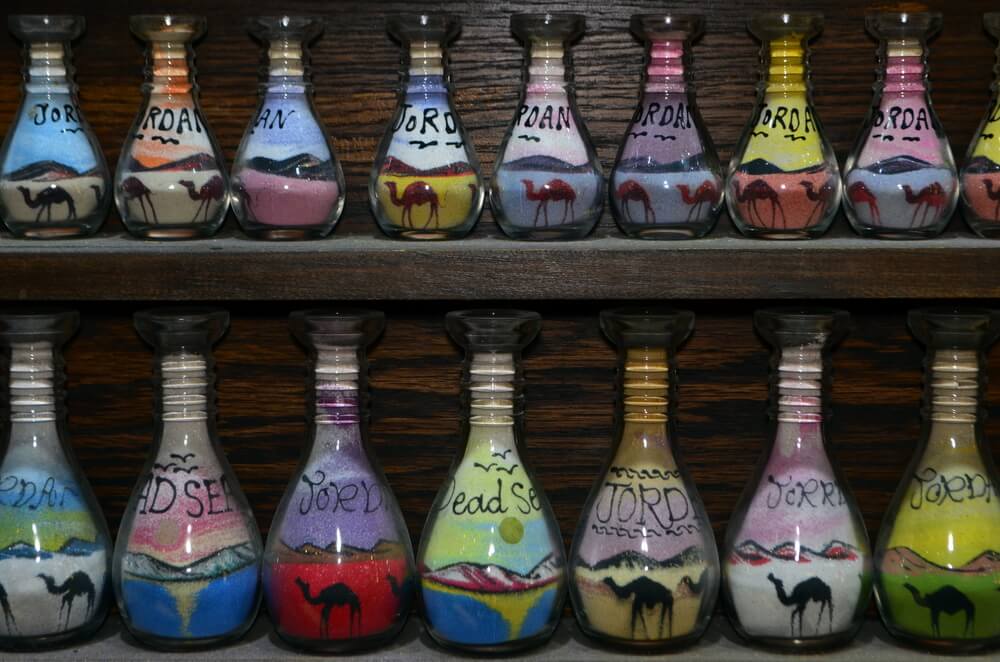
Layers of colored sand poured into glass bottles formed patterns that souvenir stands sold by the shore. Children used a small funnel to build rows of color.
Intact layers and sealed caps are what to look for.
Floating Dive Sticks and Rings
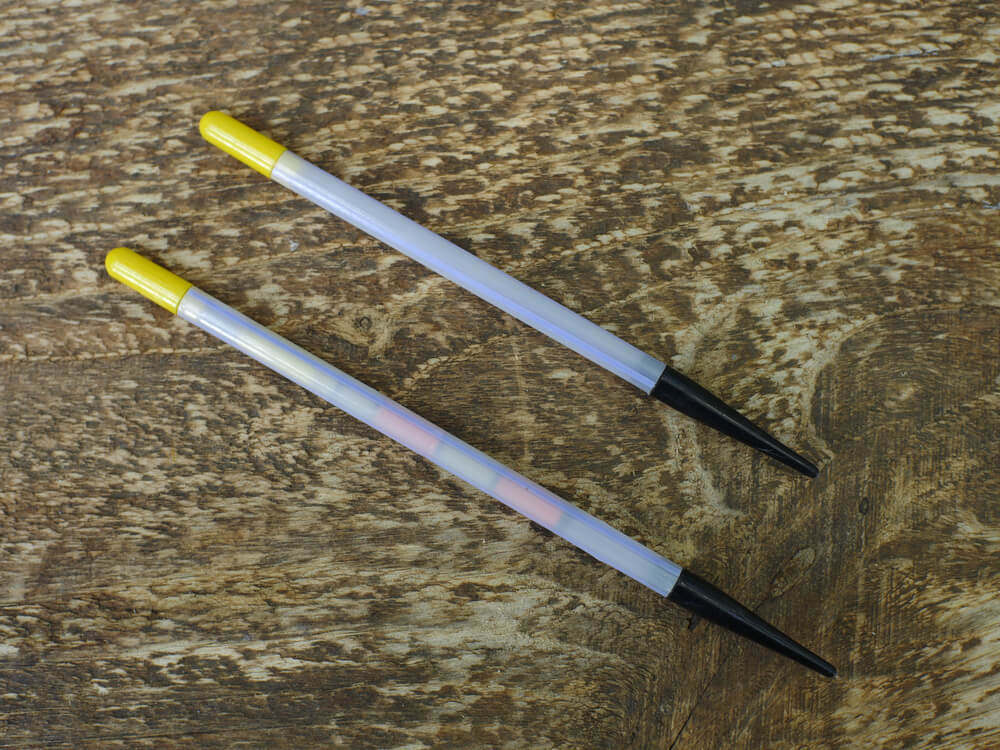
Weighted sticks and rings sank to the bottom of a pool so swimmers could dive after them. They were designed to be bright enough to spot underwater.
Chipped paint and cracked plastic lower value.
Surf Mats
Inflatable surf mats let swimmers ride small waves while lying flat. The rubberized fabric was light enough to carry under an arm.
Leaks and brittle seams are the usual condition problems.
What the Tide Left Behind
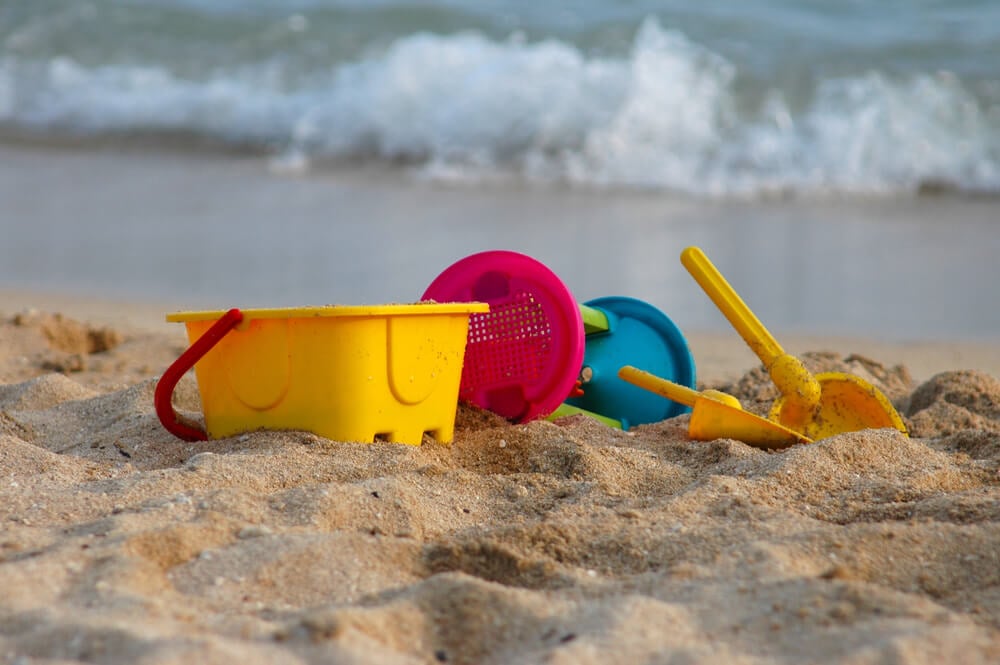
Most of these toys cost almost nothing, and that is why so many of them were lost to the sea or the trunk of a car. Their designs were plain because they had to survive sand, salt, and enthusiasm.
The few that remain carry a tan line of memory. Adults who recognize a Frisbee or a tin pail often remember the afternoon more clearly than the object.
A faded bucket can stir the smell of sunscreen and the feel of wet sand. That is the real value of the beach toy shelf.
More from Go2Tutors!

- 27 Silver Dollars and Half Dollars Worth Keeping
- 28 Restaurant Menu Items Nobody Orders Anymore
- 17 Places Built in Seemingly Impossible Spots
- 27 Vintage Rings Worth More Than They Look
- 25 Restricted Sites Tourists Can’t Enter
Like Go2Tutors’s content? Follow us on MSN.