19 Kitchen Patents That Made Food Last Longer
For most of history, food had an expiration date measured in days, and a good harvest could turn into a loss within a week. Then inventors began filing patents on ways to keep it, and the household kitchen slowly changed.
The patents below span two centuries and cover metal cans, glass jars, ice, plastic wrap, and the first home refrigerators. Each one made a particular kind of spoilage a little less certain.
Peter Durand and the Tin Canister
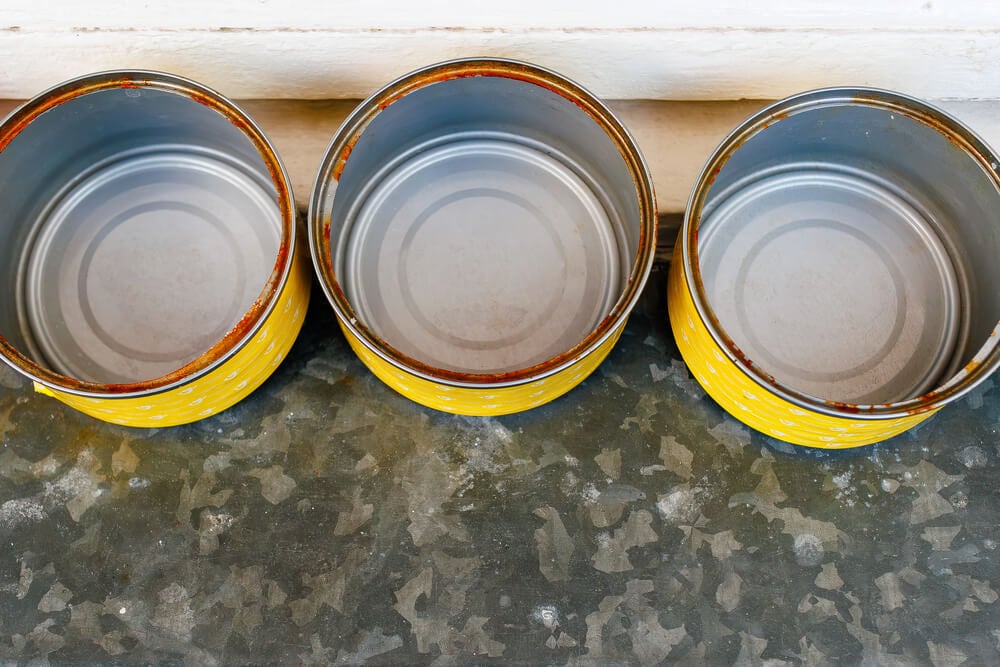
In 1810, the British merchant Peter Durand received a patent for preserving food in containers made of tin-plated iron. The method of preserving food by heat and sealing had been developed by the Frenchman Nicolas Appert, and Durand’s patent applied it to metal.
Early cans were so thick that they had to be opened with a hammer and chisel.
Ezra Warner’s Can Opener
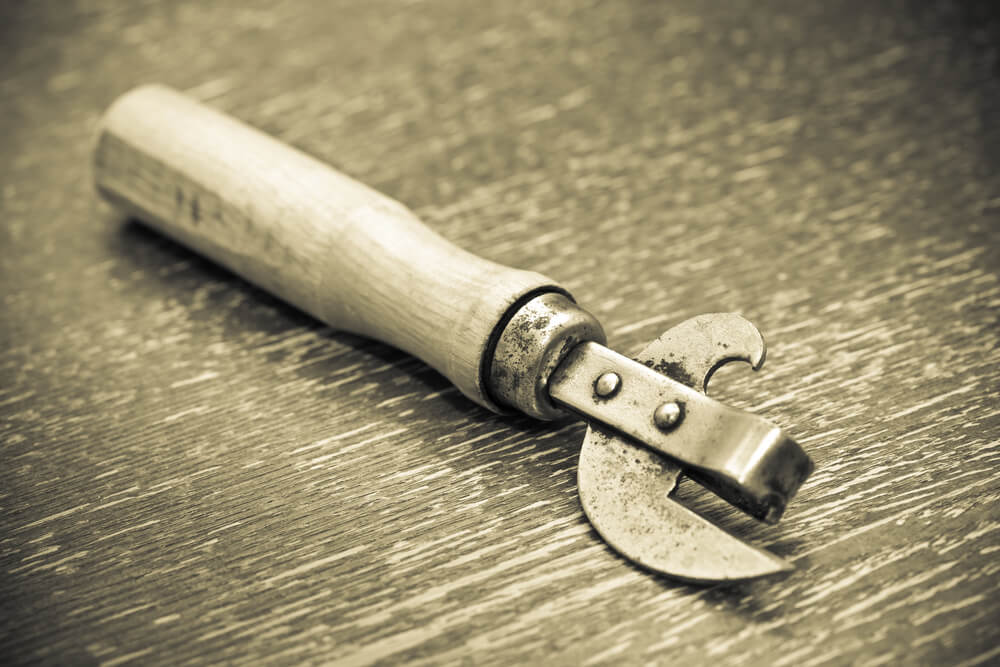
Ezra Warner of Connecticut patented a can opener in 1858, nearly fifty years after the first tin cans appeared. Until then, soldiers and families had used knives and bayonets to cut through the lid.
The device made canned food practical for everyday use.
John Landis Mason and the Screw-Top Jar
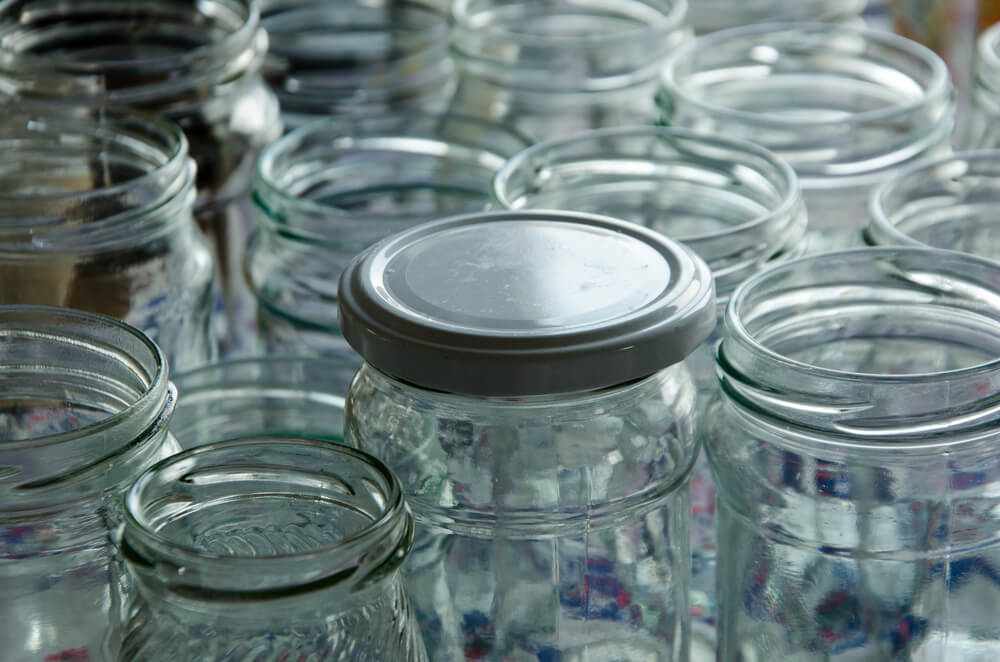
John Landis Mason patented a threaded glass jar with a screw-on metal lid on November 30, 1858. The design made a tight seal that homemakers could use over and over, and his name is still on the jars.
Home canning became a household routine because of it.
Johann Weck and the Glass Lid Jar
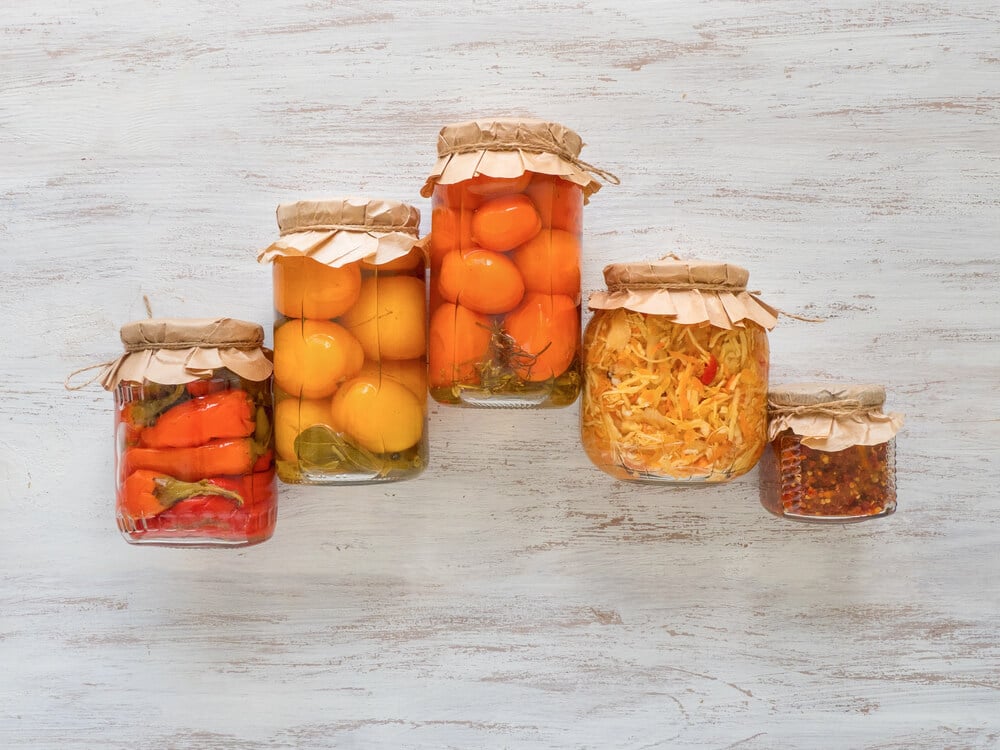
In Germany, Johann Weck patented a preserving jar around 1900 that used a glass lid, a rubber ring, and metal clips to create a seal. The jars are still made, and their distinctive look is a favorite of collectors.
Like most collectibles, their price depends heavily on condition, with chipped glass and missing clips lowering the value.
Alexander Kerr and the Self-Sealing Lid
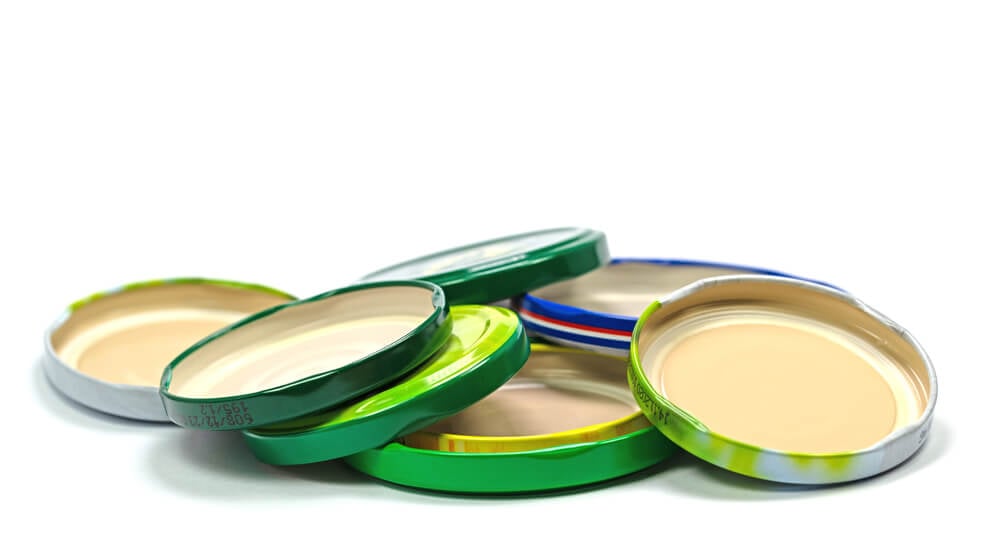
Alexander Kerr developed a self-sealing lid for canning jars in the early 1900s that used a flat metal disc and a band. The disc could be replaced after each use, which kept the seal reliable.
The two-piece lid is still the standard for home canning in America.
Gail Borden’s Condensed Milk

Gail Borden patented a process for condensing milk in 1856 by removing water under a vacuum and adding sugar. The product lasted far longer than fresh milk, which was a serious source of illness in growing cities.
It was widely adopted, and soldiers carried it during the Civil War.
John Meyenberg and Evaporated Milk
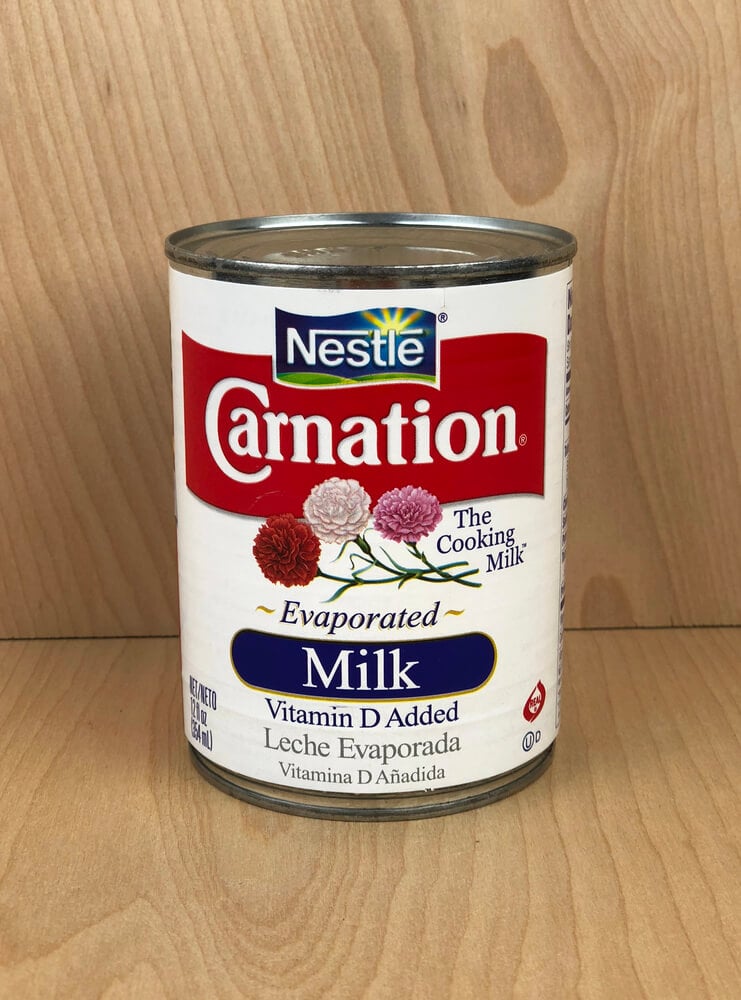
— Photo by dcwcreations
John Meyenberg patented a process for sterilizing evaporated milk in the 1880s, which allowed it to be stored without added sugar. The method was later used by companies that sold evaporated milk across the country.
A can on the shelf could stand in for fresh milk for months.
Thomas Moore’s Icebox
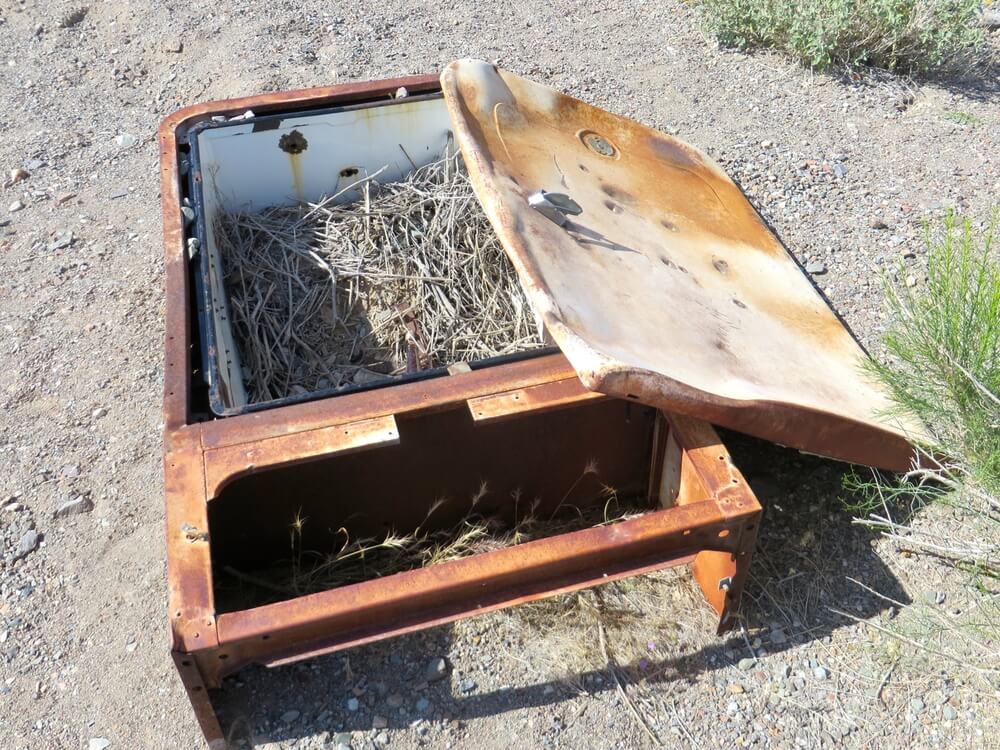
In 1803, Thomas Moore of Maryland received a patent for a refrigerator that used ice to keep butter cold during transport to market. The design was an insulated box with a compartment for ice, and the idea was later adopted for household use.
It was one of the earliest American patents for cold storage.
John Gorrie and Mechanical Ice
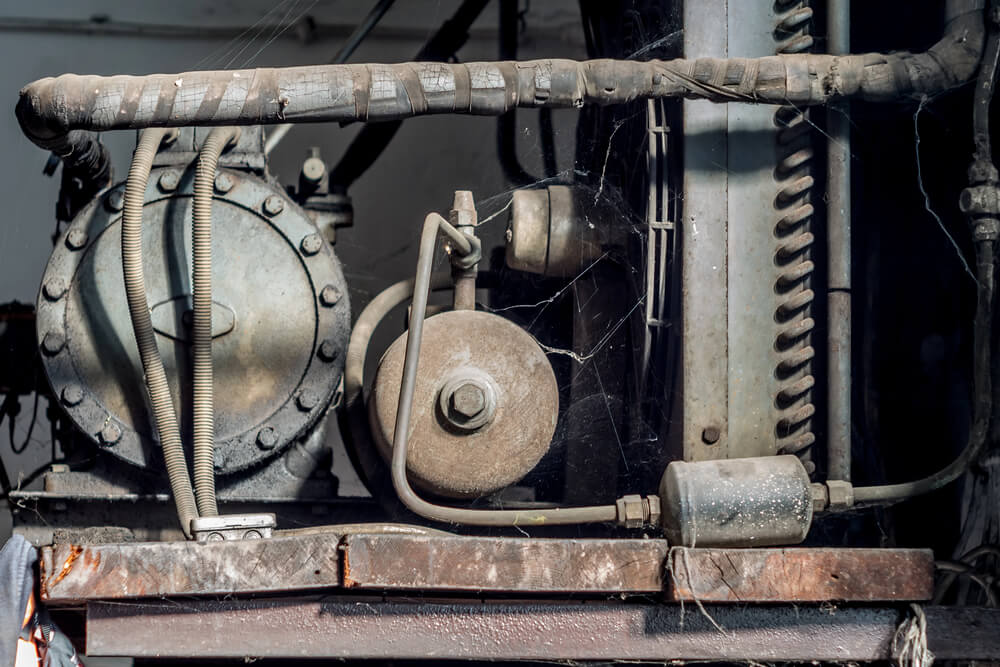
John Gorrie, a Florida physician, received a patent in 1851 for a machine that could make ice. He was trying to cool the rooms of fever patients, and the machine used compressed air that cooled as it expanded.
His work was an early step toward mechanical refrigeration.
The Refrigerated Railroad Car

— Photo by Semiglass
In the late 1860s, inventors patented refrigerated railroad cars that kept meat and produce cool with ice during long hauls. The cars allowed fresh food to be shipped across the continent.
They changed what families in distant cities could eat in any season.
Fred Wolf and the Home Refrigerator

Fred Wolf of Chicago introduced a home refrigeration unit around 1913, sold under the name Domelre, that could be attached to an icebox. It was among the first electric refrigerators for the home.
Early units were expensive and noisy, but they pointed the way to the modern appliance.
The General Electric Monitor Top
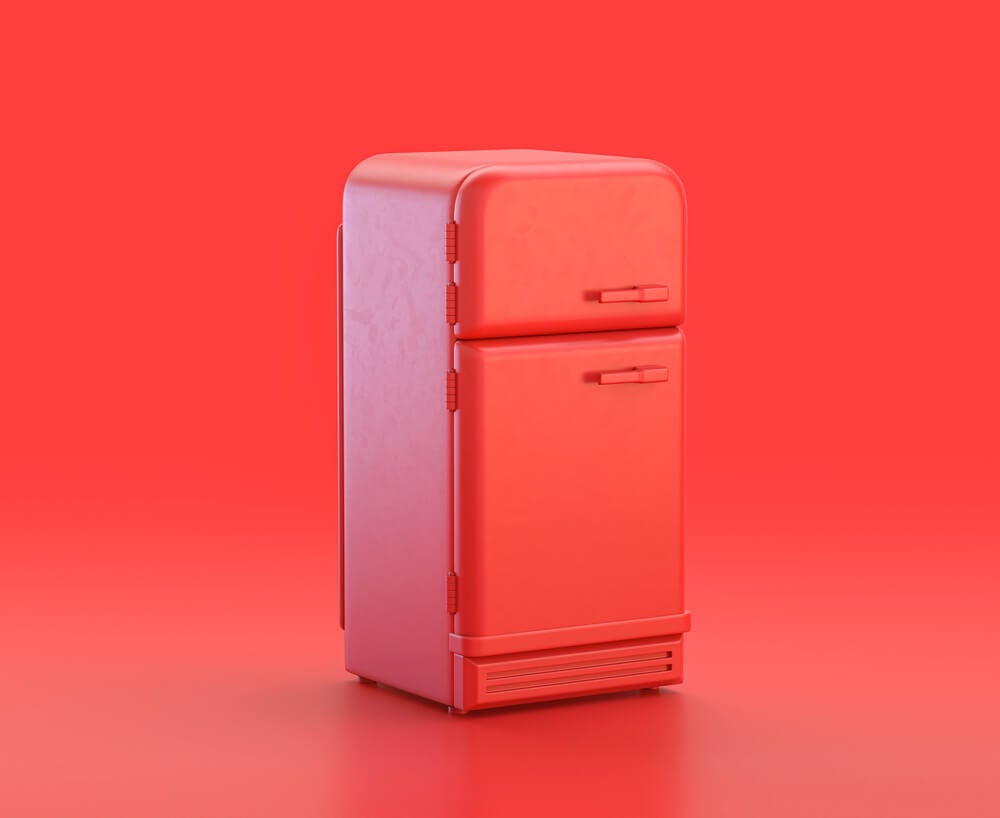
In 1927, General Electric introduced a refrigerator with a round compressor housing on top, which earned it the name Monitor Top. It was a commercial success, and hundreds of thousands were sold.
Many of these refrigerators ran for decades, and collectors now seek them out.
Clarence Birdseye and Quick Freezing

Clarence Birdseye developed methods in the 1920s for freezing food quickly so that ice crystals stayed small and flavor was preserved. His frozen products were sold in grocery stores in Springfield, Massachusetts, in 1930.
The idea created the frozen food aisle.
Reynolds Wrap Aluminum Foil
— Photo by homank76
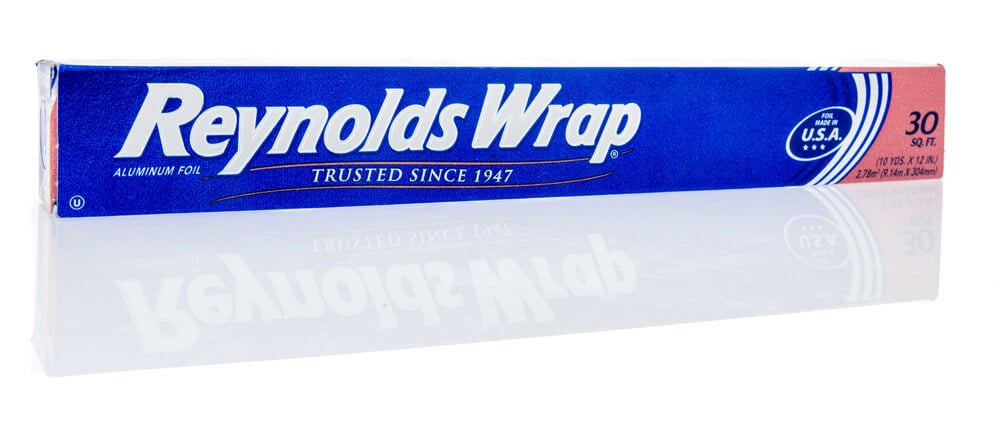
Reynolds Metals introduced household aluminum foil in 1947, offering a thin, flexible barrier against air and moisture. Cooks quickly found uses for it in wrapping leftovers and lining pans.
It remains one of the most common items in American kitchen drawers.
Saran Wrap
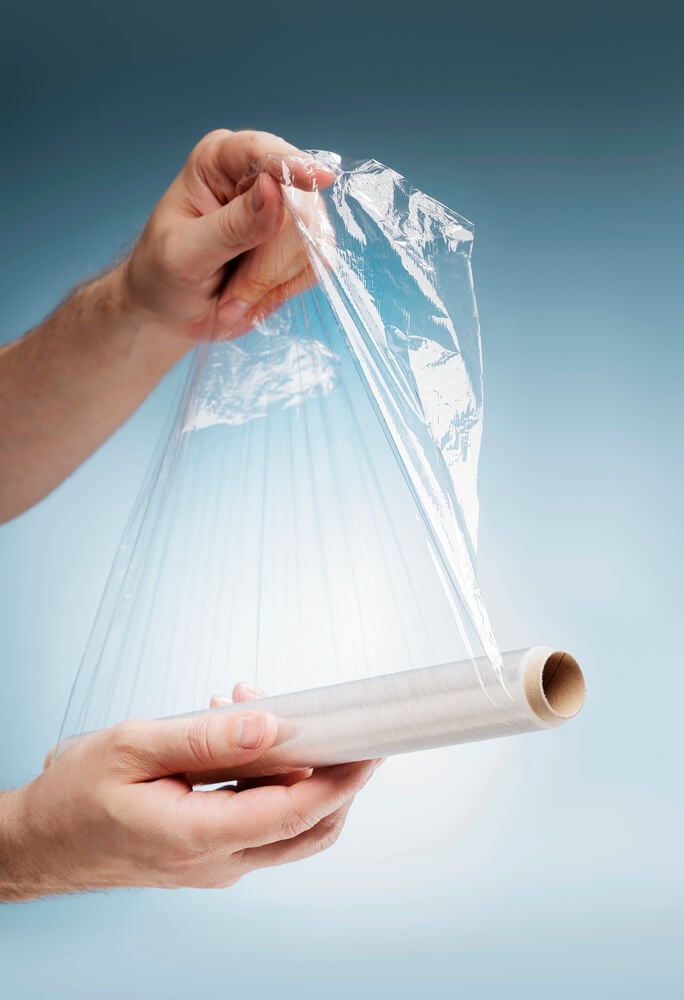
Dow Chemical developed a clinging plastic film from a material called polyvinylidene chloride and introduced it to the public in the 1950s as Saran Wrap. The film clung to bowls and kept food from drying out in the refrigerator.
It turned an industrial material into a household staple.
Earl Tupper and the Burp Seal
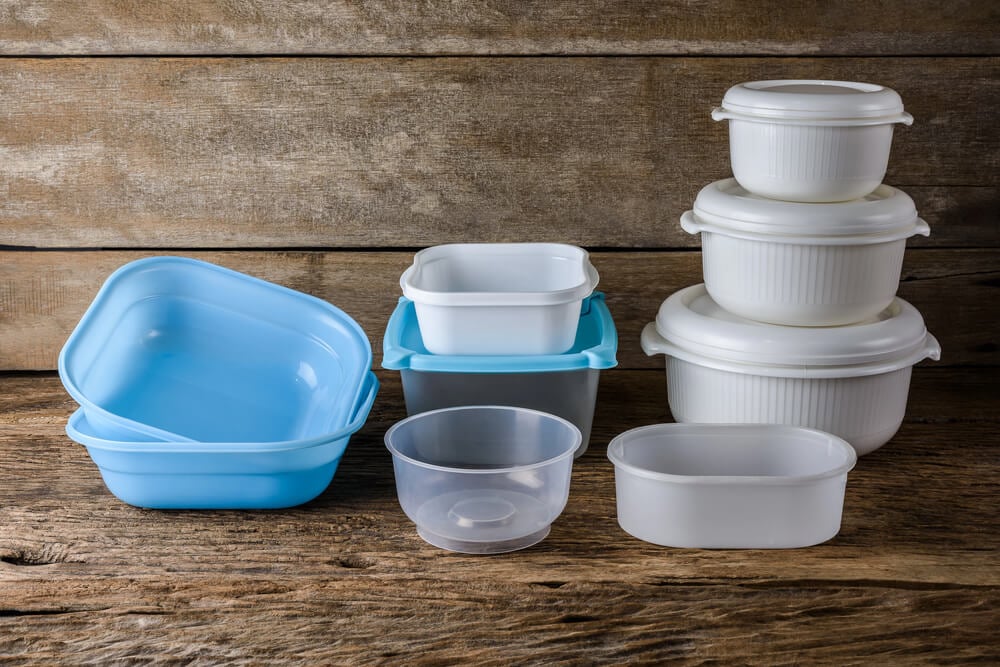
Earl Tupper developed airtight plastic containers in the 1940s, and the lid design that sealed with a small burp was patented in 1949. He drew inspiration from the lids of paint cans.
The containers became famous through home sales parties.
The Ziploc Bag
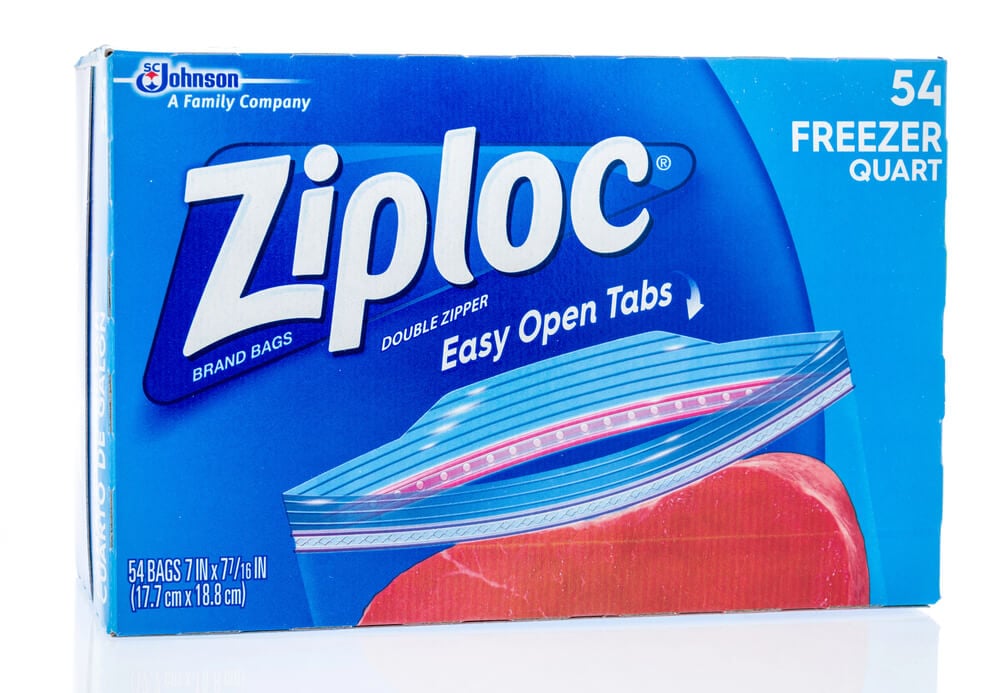
— Photo by homank76
Dow introduced Ziploc bags in 1968, using a plastic zipper design that had been developed years earlier. The bags could be sealed and opened repeatedly, which made them useful for freezing and storing everything from sandwiches to soup.
They replaced waxed paper and rubber bands in many kitchens.
The Thermos Vacuum Flask
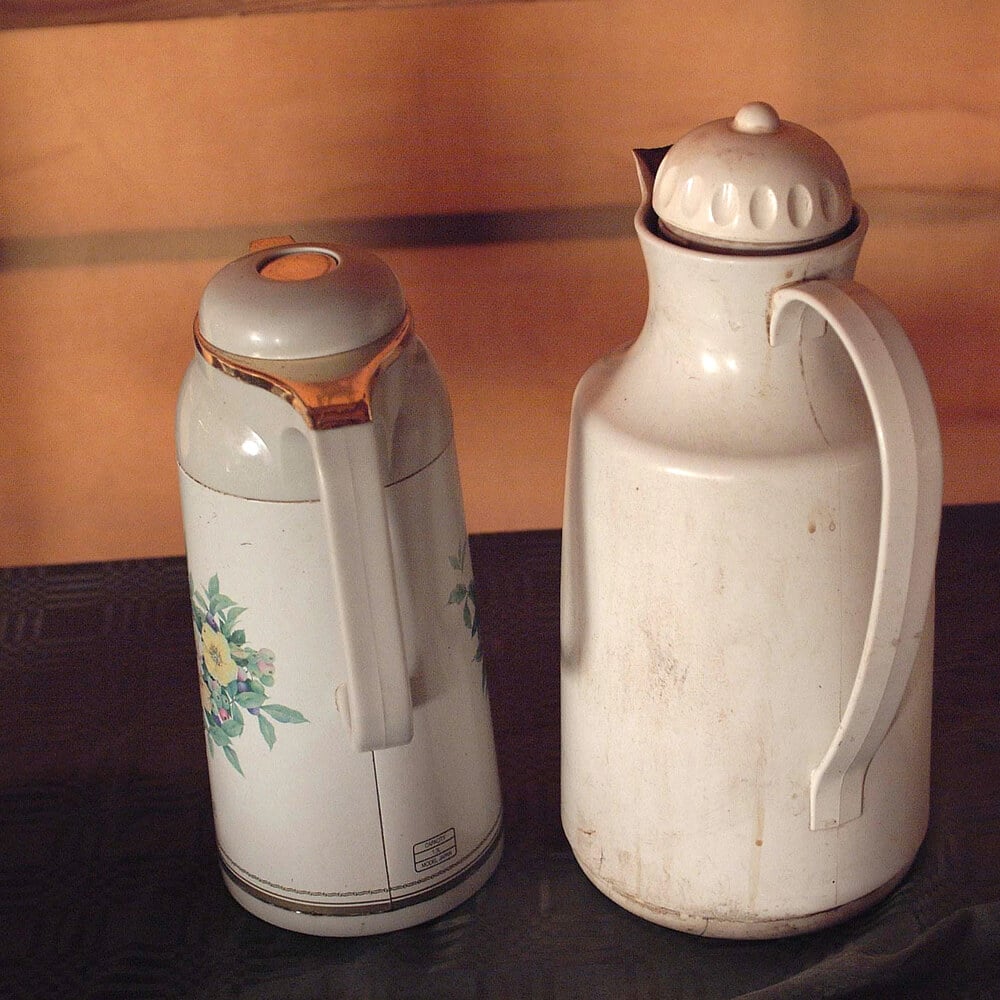
— Photo by simona171
The vacuum flask was invented by the Scottish scientist James Dewar in the 1890s, and a German glassblower named Reinhold Burger patented a commercial version in 1904. The Thermos name came from a company formed to sell it.
Hot soup stayed hot and cold drinks stayed cold for hours.
The Presto Pressure Cooker
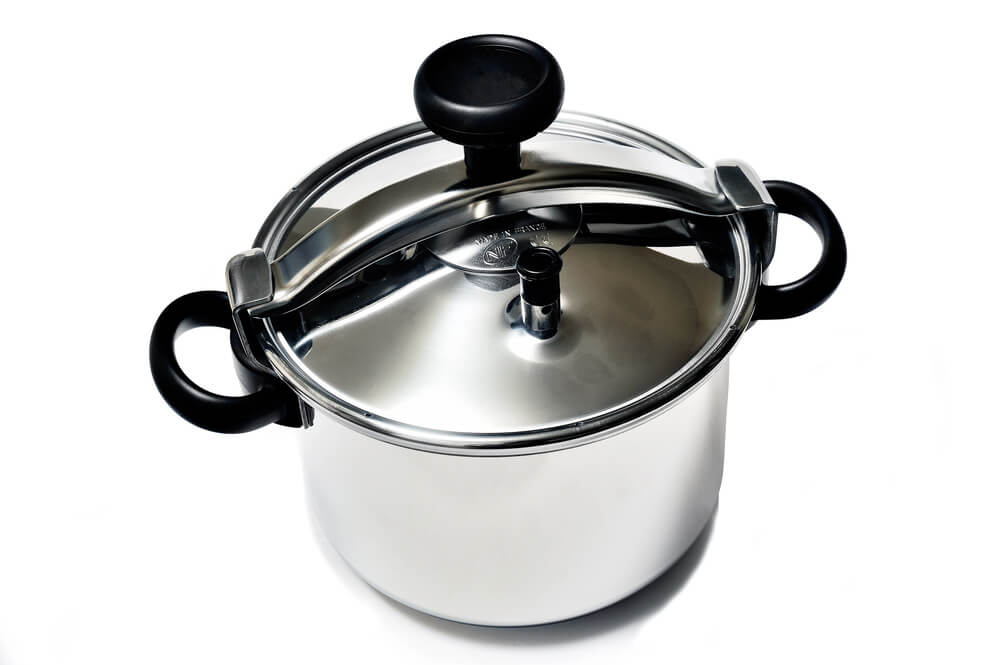
National Presto introduced its pressure cooker for home use in the late 1930s, using steam at high pressure to cook and sterilize food quickly. It became a tool of home canning, particularly for low-acid vegetables.
Cooks learned to follow the instructions carefully, since a mistake could be dangerous.
How Preservation Rewired the Kitchen
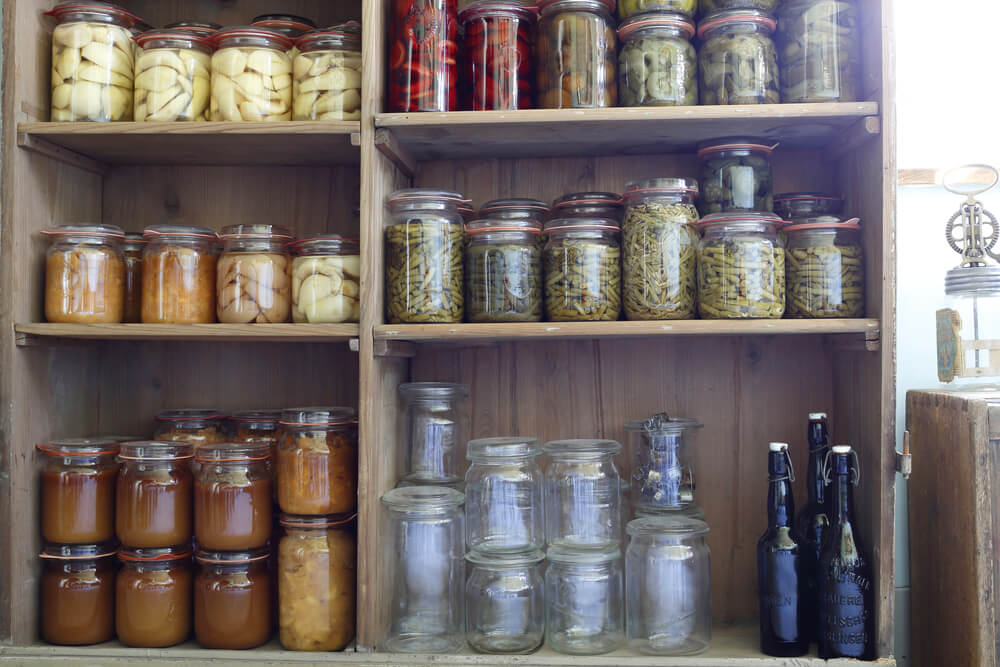
Taken together, these patents moved the kitchen from a place where food had to be eaten quickly to one where it could be stored for weeks or months. Each invention reduced waste, and each one changed what families could afford to buy and plan for.
The inventors rarely thought of themselves as changing society. They were solving a narrow problem, and the combined effect was a quiet revolution in how people ate.
More from Go2Tutors!

- 27 Silver Dollars and Half Dollars Worth Keeping
- 28 Restaurant Menu Items Nobody Orders Anymore
- 17 Places Built in Seemingly Impossible Spots
- 27 Vintage Rings Worth More Than They Look
- 25 Restricted Sites Tourists Can’t Enter
Like Go2Tutors’s content? Follow us on MSN.