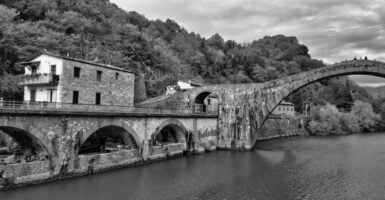
14 Buildings Constructed Around Unusual Natural Obstacles
Most builders clear the site before the first stone is laid. A few have done the opposite, letting a waterfall, a boulder, a cliff, or a living tree dictate the shape of the structure.
The buildings below were designed around obstacles that a more conventional plan would have removed or avoided. The results range from a famous modern house to cliffside monasteries that have been in use for centuries.
Fallingwater Above Bear Run
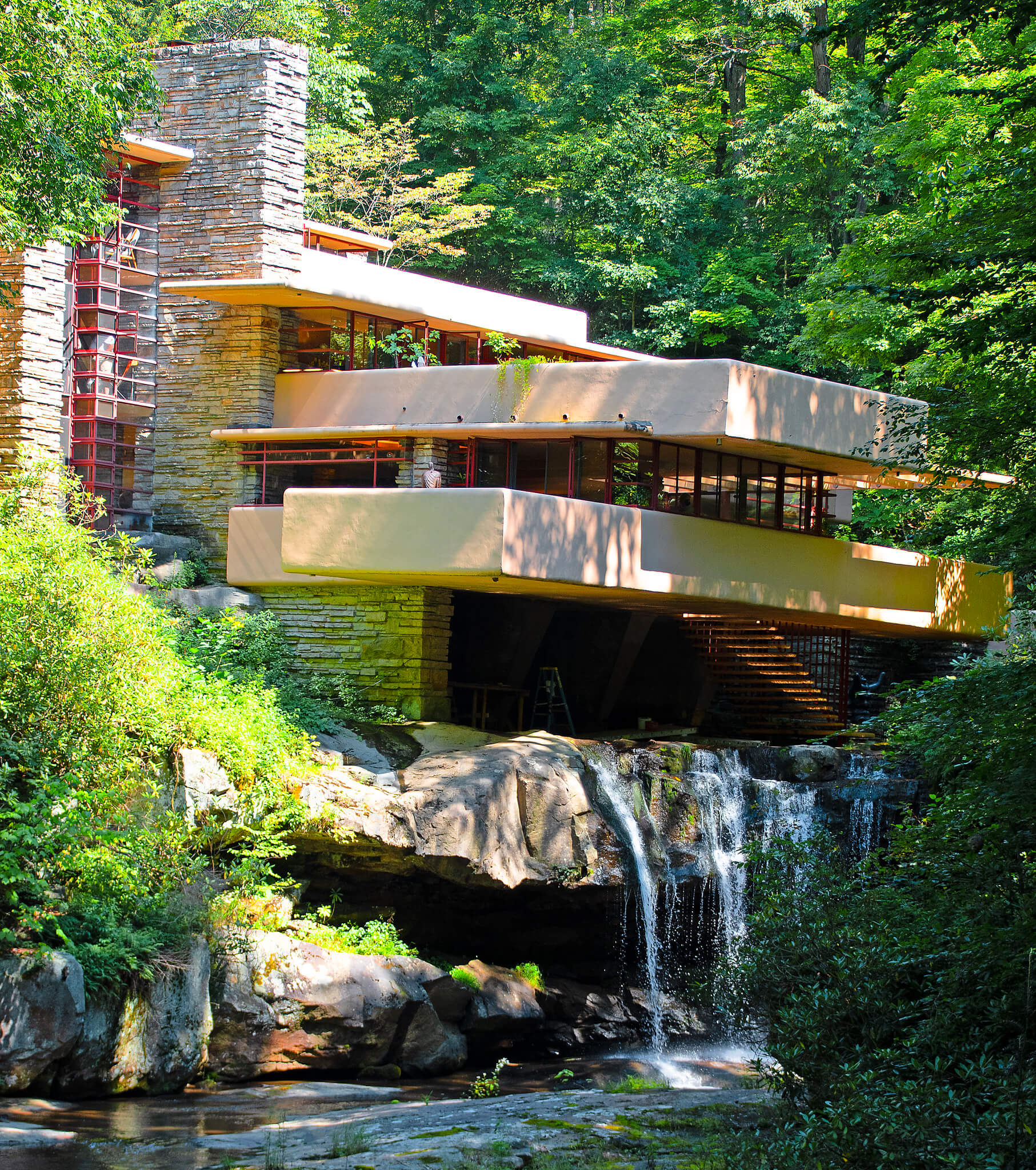
Frank Lloyd Wright designed Fallingwater in Pennsylvania in the 1930s and placed it directly over a waterfall on Bear Run, rather than facing the view from a safe distance. The house cantilevers its terraces over the stream, and a boulder that the Kaufmann family used to sunbathe on was built into the living room as part of the hearth. Wright chose the most difficult spot on the property deliberately, so that the water would be part of daily life inside.
Casa do Penedo Between Four Boulders
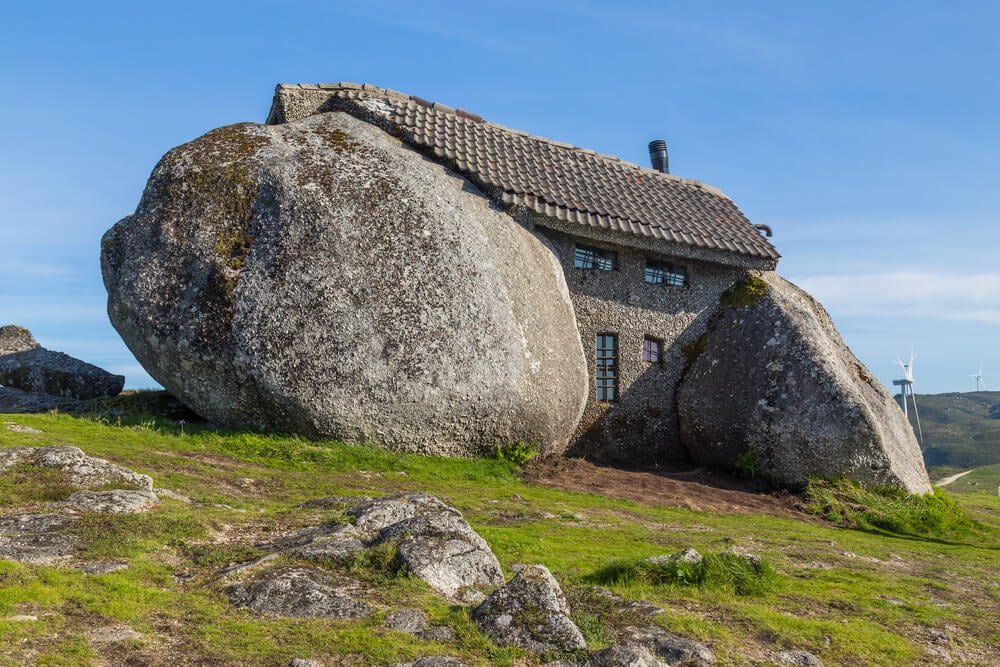
In the mountains near Fafe, Portugal, a small stone house was built in the 1970s between four enormous granite boulders, which serve as its walls and roof. The boulders were left where they stood, and the builders filled the gaps with masonry and fitted a door and windows. The result looks like a cottage that the mountain wrapped around itself.
Setenil de las Bodegas Under the Rock
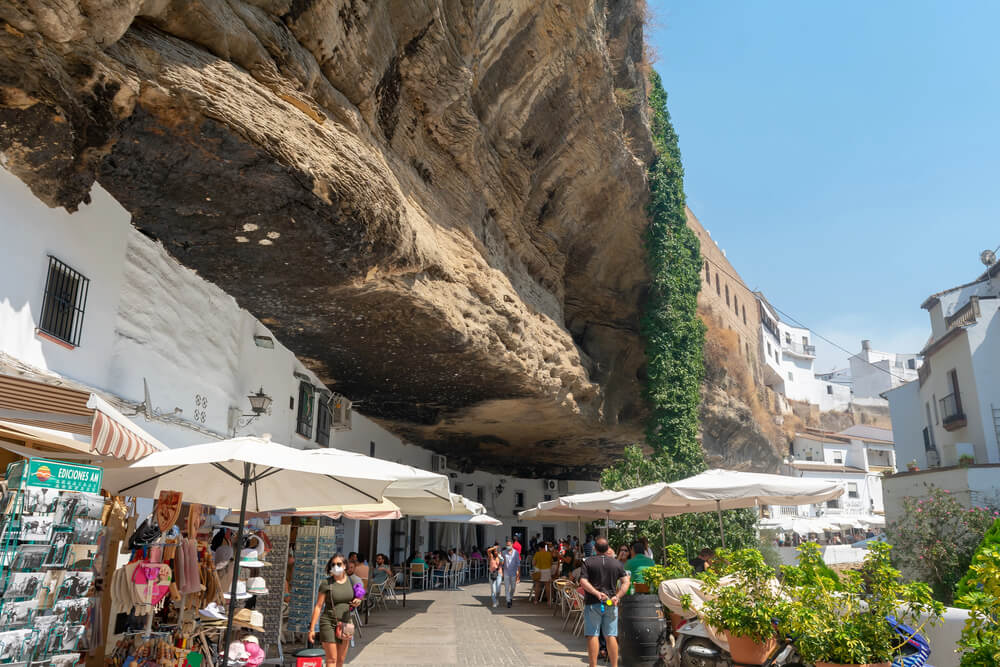
In Setenil de las Bodegas, a town in southern Spain, many houses and shops are tucked beneath huge overhangs of rock above a river gorge. The rock forms the roof of some streets, and the walls of the buildings tuck against the cliff face. Residents have lived this way for centuries, using the stone as natural shelter against summer heat.
Mont-Saint-Michel on a Tidal Rock
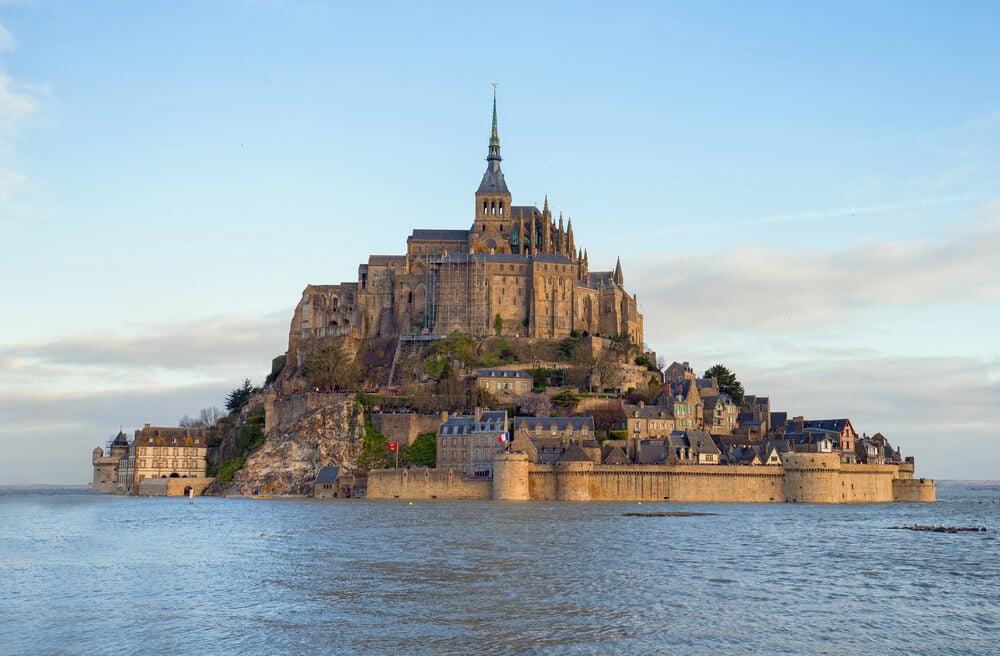
The abbey of Mont-Saint-Michel in Normandy sits on a granite island that is surrounded by water at high tide. Medieval builders stacked the abbey church, cloister, and living quarters on the steep rock, with the buildings climbing to the summit in tiers. The tide, which can rush in quickly across the bay, remained an obstacle for pilgrims for centuries.
Paro Taktsang Clinging to a Cliff
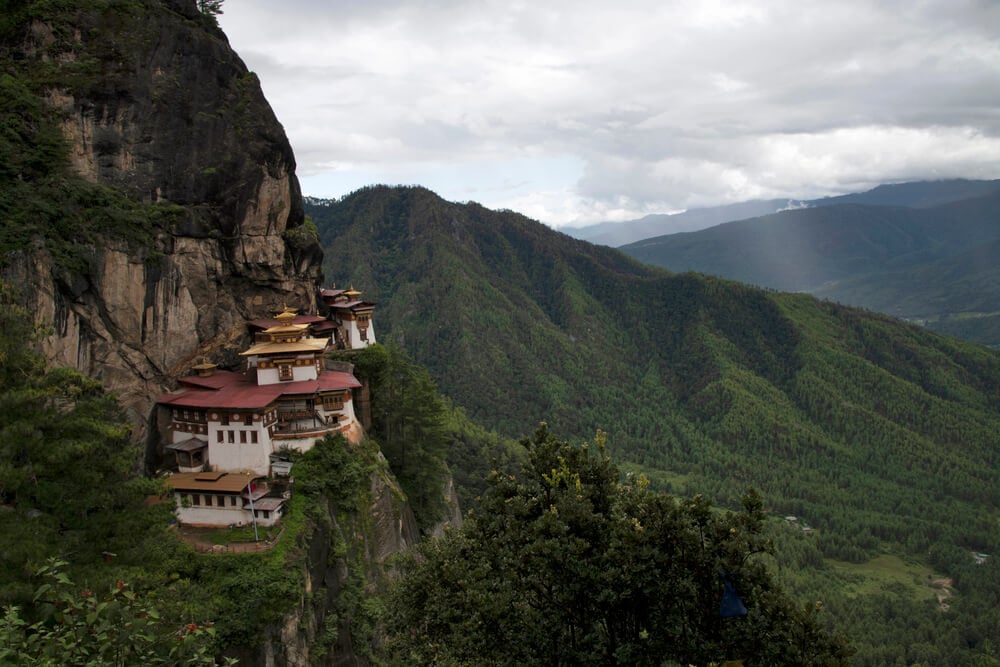
Paro Taktsang, often called the Tiger’s Nest, is a Buddhist monastery in Bhutan that clings to a cliff roughly 900 meters above the Paro valley floor. Its buildings are attached to the rock face with little more than a narrow path to reach them. The cliff was not cleared or shaved to make room, so the temples follow its ledges.
The Hanging Temple of Hengshan
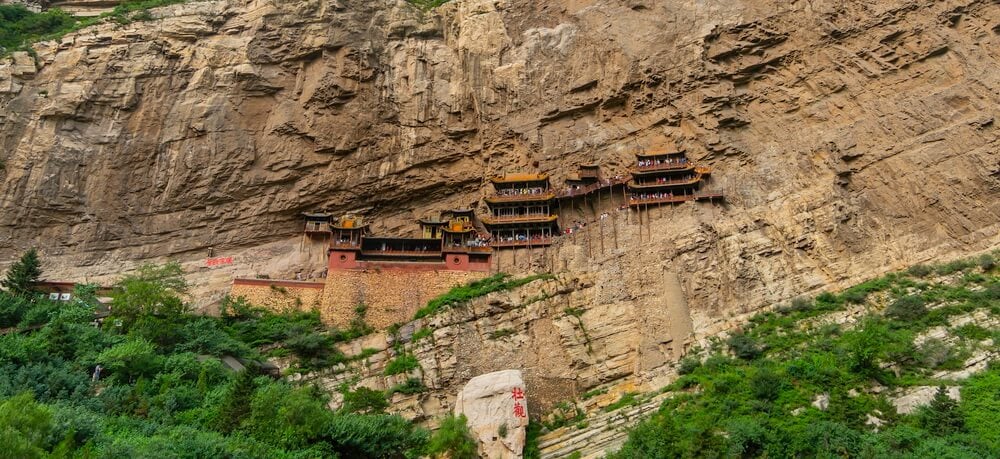
Xuankong Temple near Mount Heng in China’s Shanxi province is a complex of wooden halls built against a cliff and held up by timber supports and rock-cut sockets. Its builders placed it high enough that floodwaters could not reach it, and the overhanging rock offers shelter from rain. The temple dates back more than 1,400 years in its origins, though the buildings have been rebuilt over time.
Ostrog Monastery in Montenegro
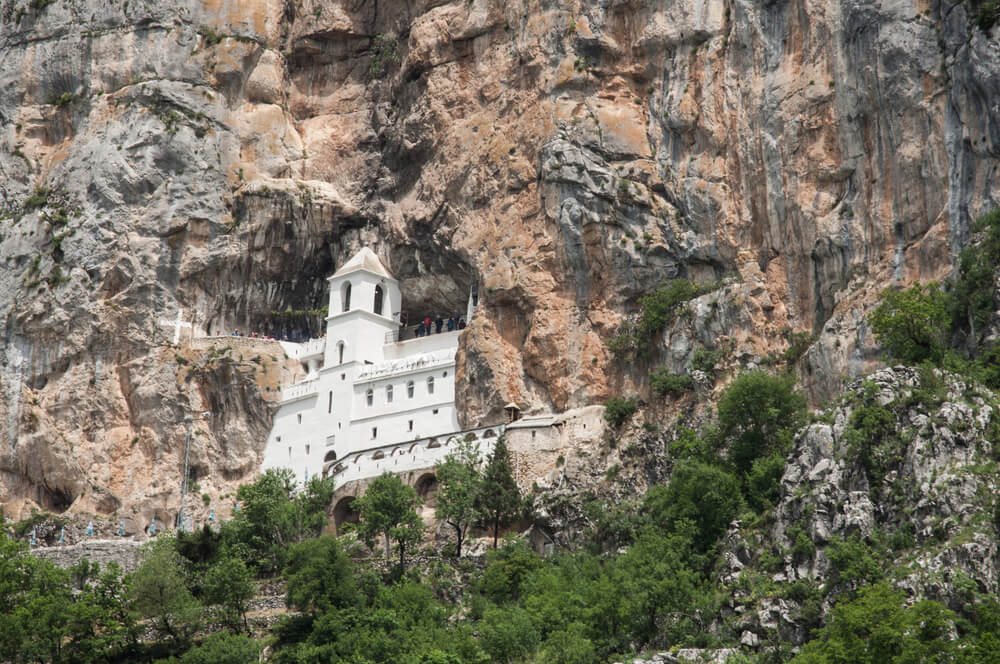
Ostrog Monastery is built into an almost vertical rock face in Montenegro, with its upper and lower sections appearing to grow from the cliff. Pilgrims from many faiths climb to it, and many make the last stretch on foot. The monastery’s whitewashed walls against the dark stone are one of the most recognizable images in the Balkans.
Sumela Monastery Above a Forested Gorge
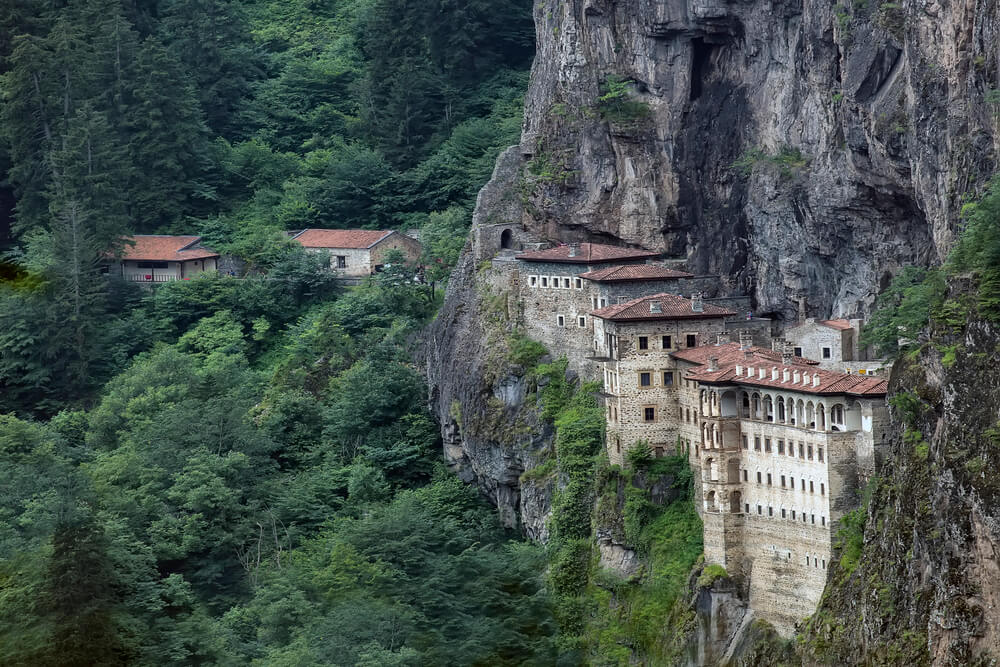
Sumela Monastery, in northeastern Turkey, was built on a ledge high above a gorge in the Pontic Mountains and is attached to the cliff with several levels of rooms and chapels. The Greek Orthodox monastery was founded in the late Roman period and expanded for centuries. Its frescoes are still visible on some of the interior walls, though much of the artwork has suffered from time and vandalism.
The Chapel Oak of Allouville-Bellefosse
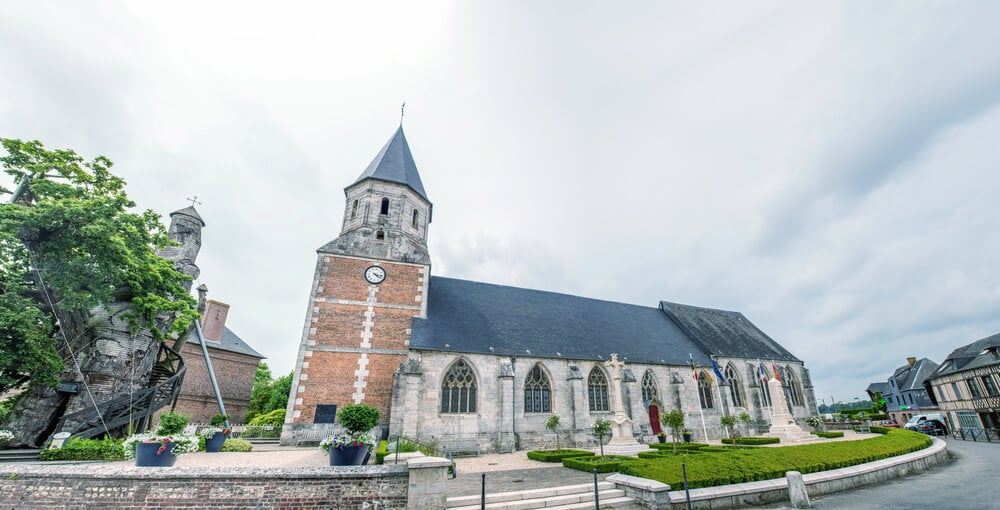
In Normandy, a very old oak tree stands in the village of Allouville-Bellefosse with two small chapels built into its trunk and branches. The oak is believed to be many centuries old, and one chapel was built there in the late 1600s after a lightning strike damaged the tree. A staircase winds around the trunk to reach the upper room.
The Chapel of the Holy Cross in Sedona
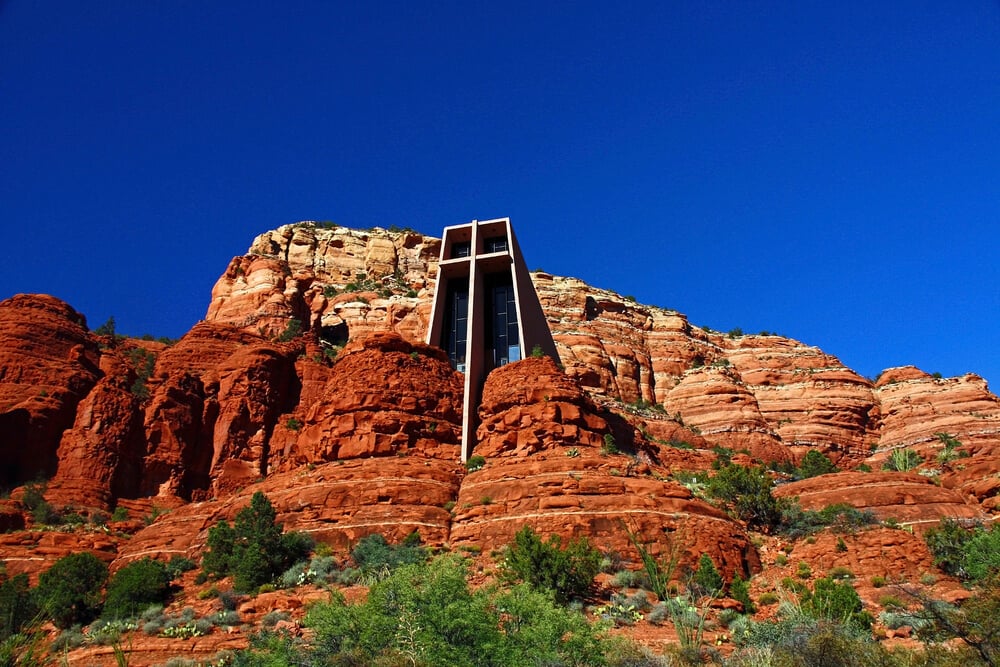
The Chapel of the Holy Cross in Sedona, Arizona, was built in the 1950s into a rust-colored rock formation, with a tall cross embedded in the front glass wall. Its architect designed it to emerge from the buttes instead of sitting on top of them. The chapel is one of the most visited sites in the region.
Cliff Palace at Mesa Verde
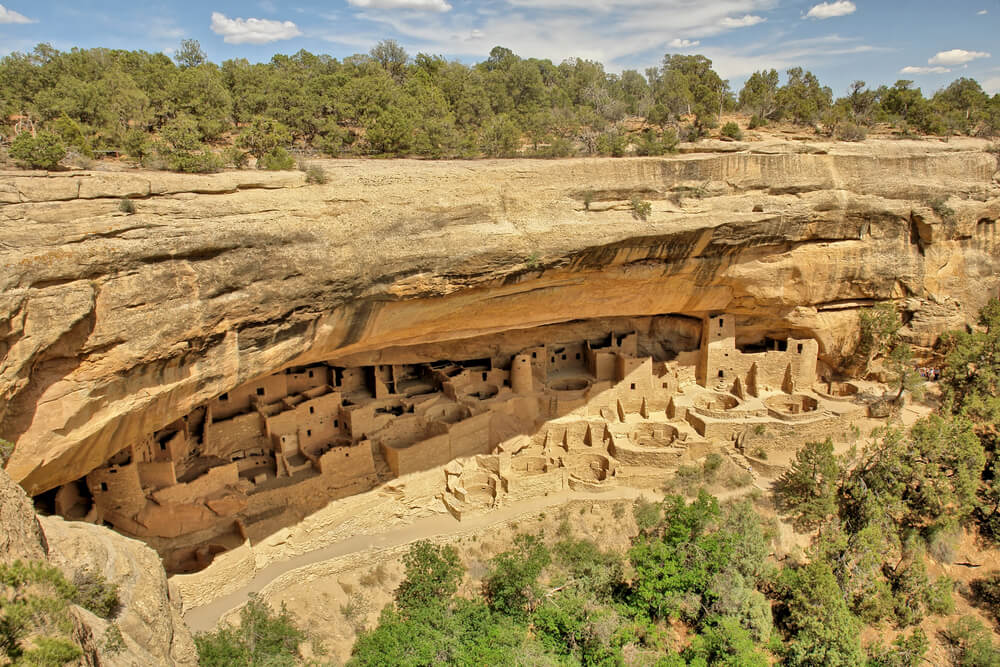
Cliff Palace in Colorado is the largest cliff dwelling in North America, built into a natural alcove in a canyon wall by the Ancestral Puebloan people in the 1200s. Its rooms and towers fill the entire alcove, with the arc of the rock overhead serving as a roof. The alcove protected the stone buildings from rain and snow, which is why so much has survived.
Montezuma Castle in Arizona
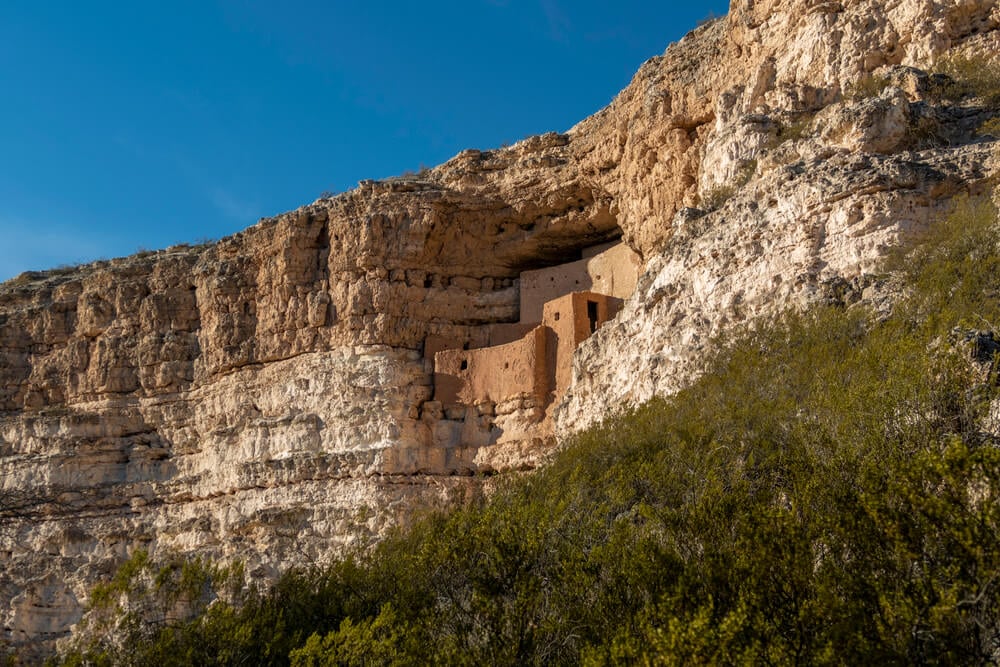
Montezuma Castle is a cliff dwelling in Arizona’s Verde Valley, built by the Sinagua people into a limestone cliff about 90 feet above the valley floor. Its multi-story structure fills a shallow cave, and the builders reached the entrances by ladder. The name is misleading, since the Aztec emperor never had anything to do with it.
Kiyomizu-dera and Its Wooden Stage
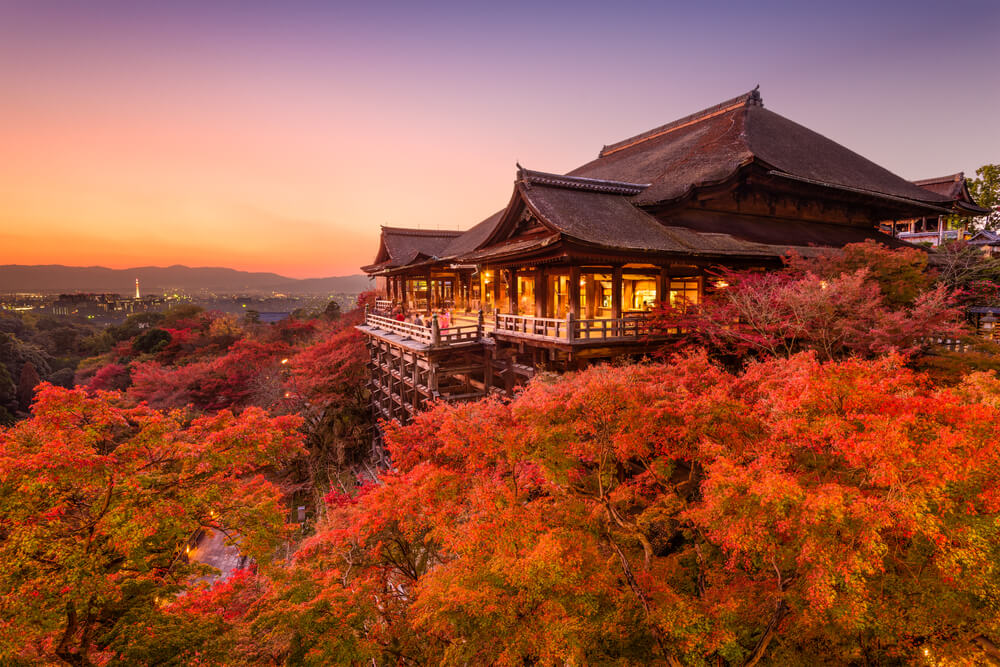
Kiyomizu-dera in Kyoto has a famous main hall with a broad wooden veranda that juts out over a steep hillside, supported by tall pillars joined without nails. Builders extended the hall outward over the slope instead of leveling it. The temple’s origins go back to the late eighth century, though the present buildings date from the 1600s.
Sigiriya, the Palace on the Rock
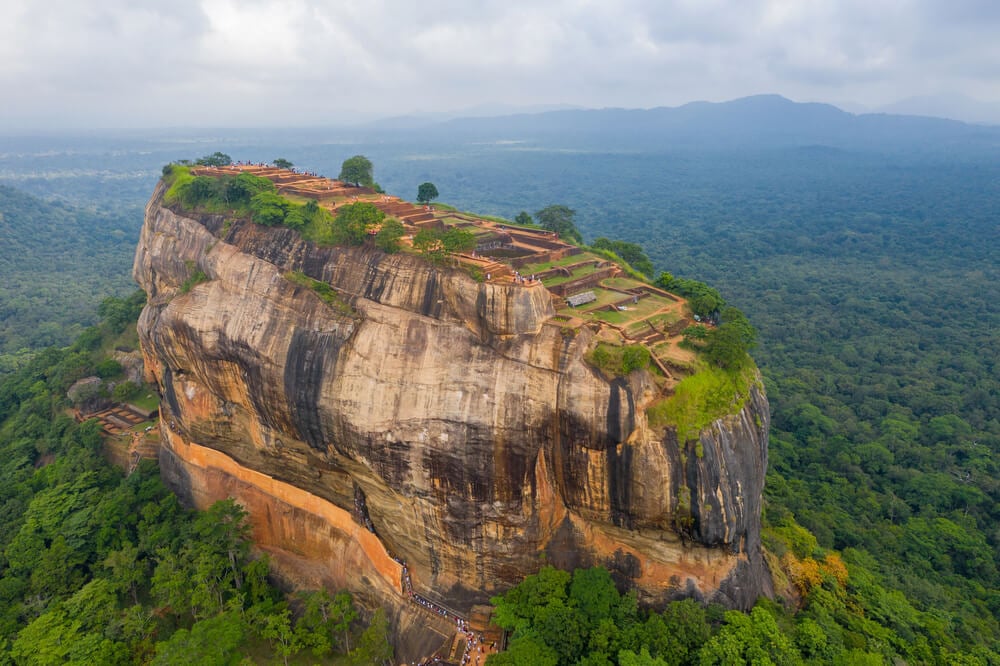
Sigiriya in Sri Lanka is a royal palace and fortress built in the fifth century by King Kashyapa on top of a huge rock rising from the jungle. The builders created terraced gardens at the base and a staircase flanked by giant lion paws at the entrance partway up. The site was later turned into a Buddhist monastery and is now one of the island’s most visited landmarks.
When the Site Wins the Argument
Each of these buildings began with a decision to work with the terrain rather than against it. The results are often more memorable than anything a flat, cleared lot could have produced.
The lesson is not that every obstacle should be preserved. It is that a site with a strong personality can give a building its character, so long as the builder listens first.
More from Go2Tutors!

- 27 Silver Dollars and Half Dollars Worth Keeping
- 28 Restaurant Menu Items Nobody Orders Anymore
- 17 Places Built in Seemingly Impossible Spots
- 27 Vintage Rings Worth More Than They Look
- 25 Restricted Sites Tourists Can’t Enter
Like Go2Tutors’s content? Follow us on MSN.