27 Photos Editors Held Back for Years
Every famous news photograph you know made it past somebody’s desk. An editor looked at it, weighed it against deadline and decency and the mood of the country, and said yes.
You never hear about the ones that got a no. Those pictures went into drawers, trunks, military files, and bank vaults.
Some stayed there for a year. Some for seventy.
The reasons shift from case to case: a censor’s stamp, a squeamish publisher, a government that wanted a quieter war, a photographer who couldn’t look at his own negatives. But the pattern holds.
When a picture finally comes out, it changes the story people thought they knew.
1. The Falling Man, 11 September 2001
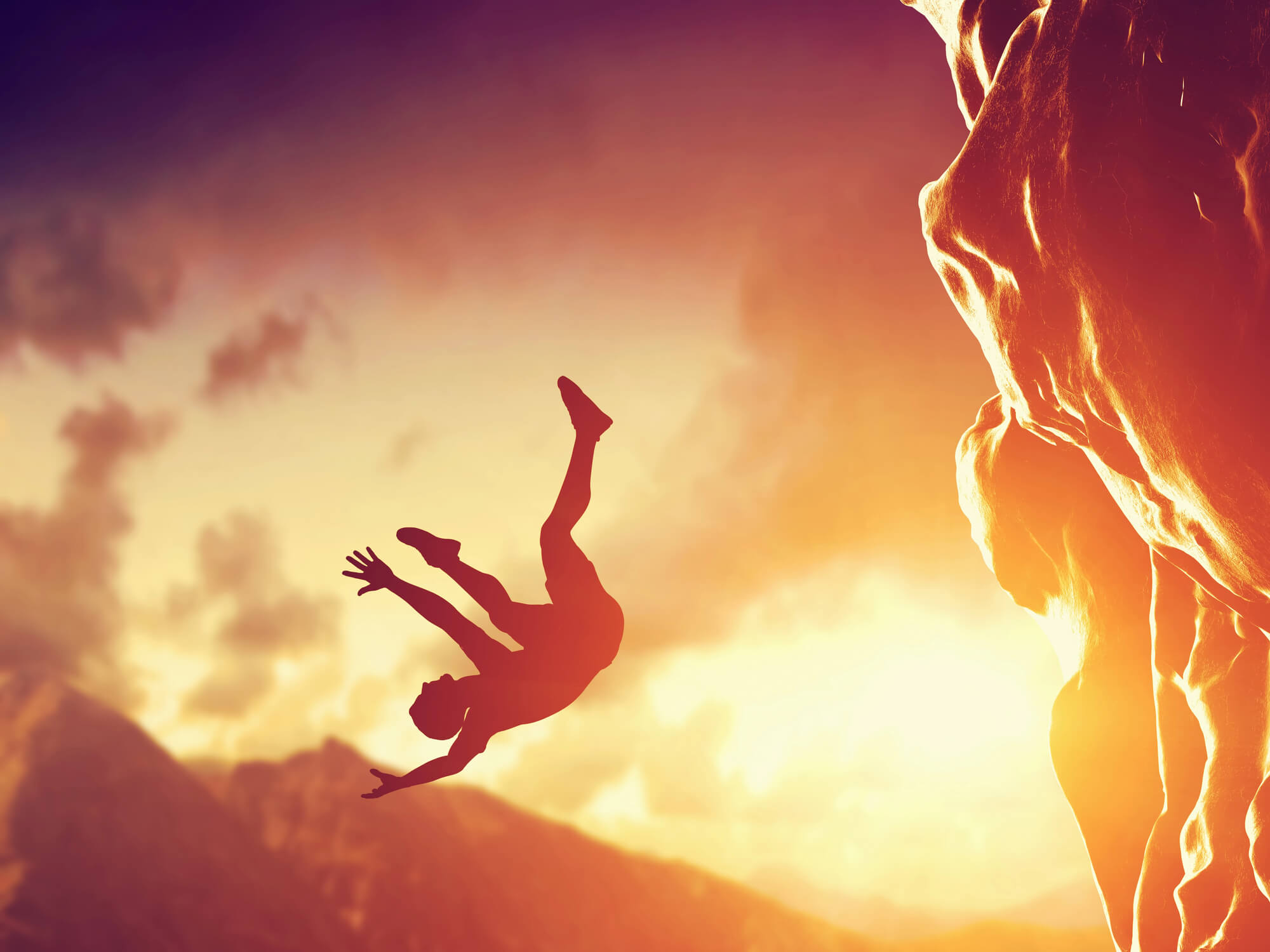
Richard Drew of the Associated Press photographed a man falling headfirst from the North Tower, perfectly vertical against the steel. Newspapers across America ran it on 12 September.
Readers reacted with fury, and editors pulled back almost overnight. For years the picture all but vanished from American print.
A long magazine piece in 2003 brought it back into discussion. It remains the image of that day most people know about and fewest publications print.
2. Yosuke Yamahata’s Nagasaki
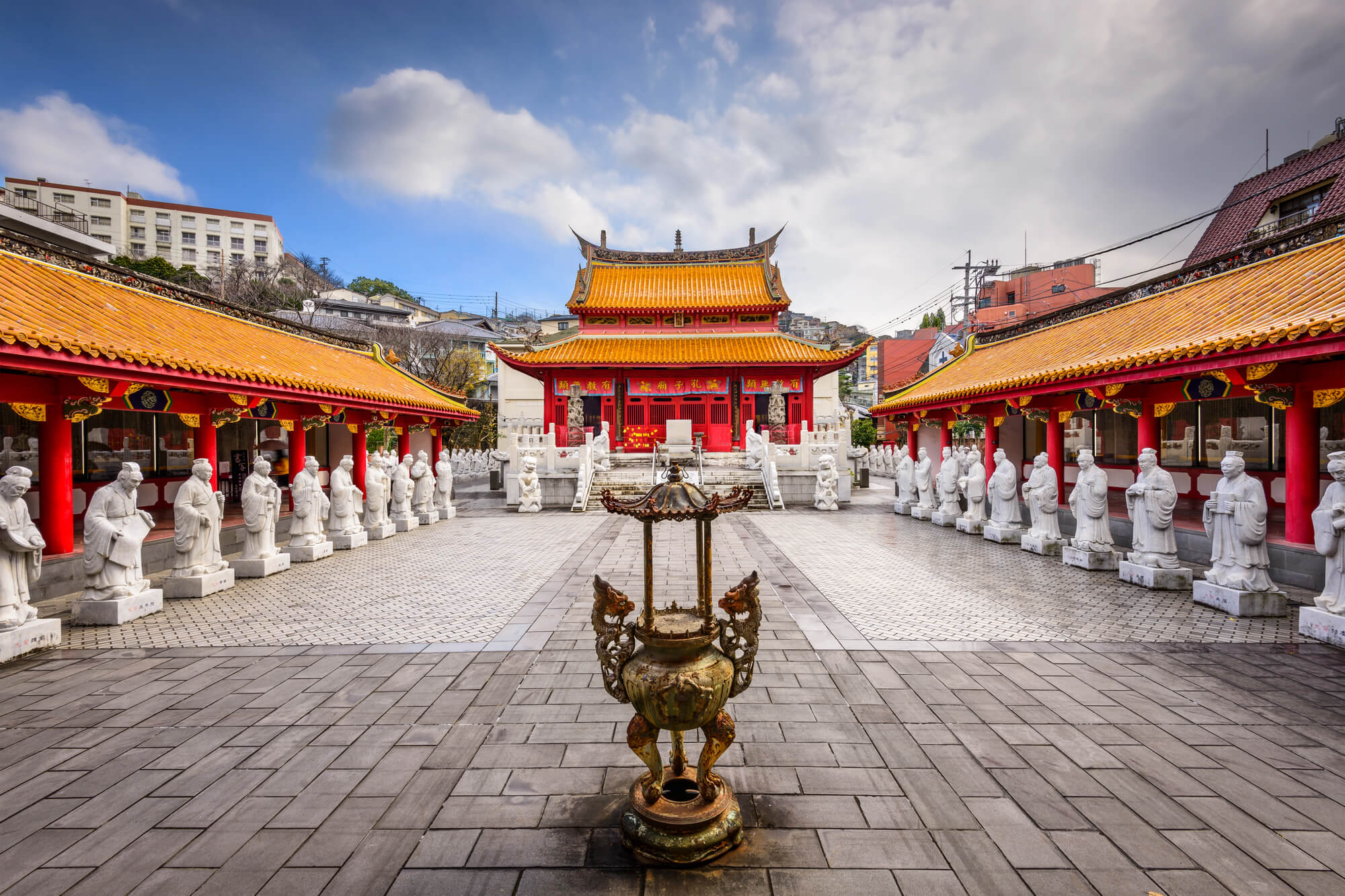
Yamahata, a Japanese military photographer, walked through Nagasaki on 10 August 1945, the day after the bomb, and shot more than a hundred frames. A few appeared in Japanese papers within weeks.
Then the American occupation arrived with a press code that banned images of the bomb’s effect on people. The pictures stayed out of wide circulation until the occupation ended in 1952.
Seven years is a long time to keep a city’s worst day out of view.
3. Joe O’Donnell’s Trunk
O’Donnell was a young US Marine photographer sent to document bomb damage in Japan. He shot official pictures with one camera and personal ones with another.
Back home, he locked the personal negatives in a trunk and didn’t open it for more than forty years. When he finally did, around 1989, one image stopped people cold: a boy of about ten standing at attention at a cremation site, his dead baby brother strapped to his back.
The editor who held that photograph back was the man who took it.
4. Five Frames from Hiroshima
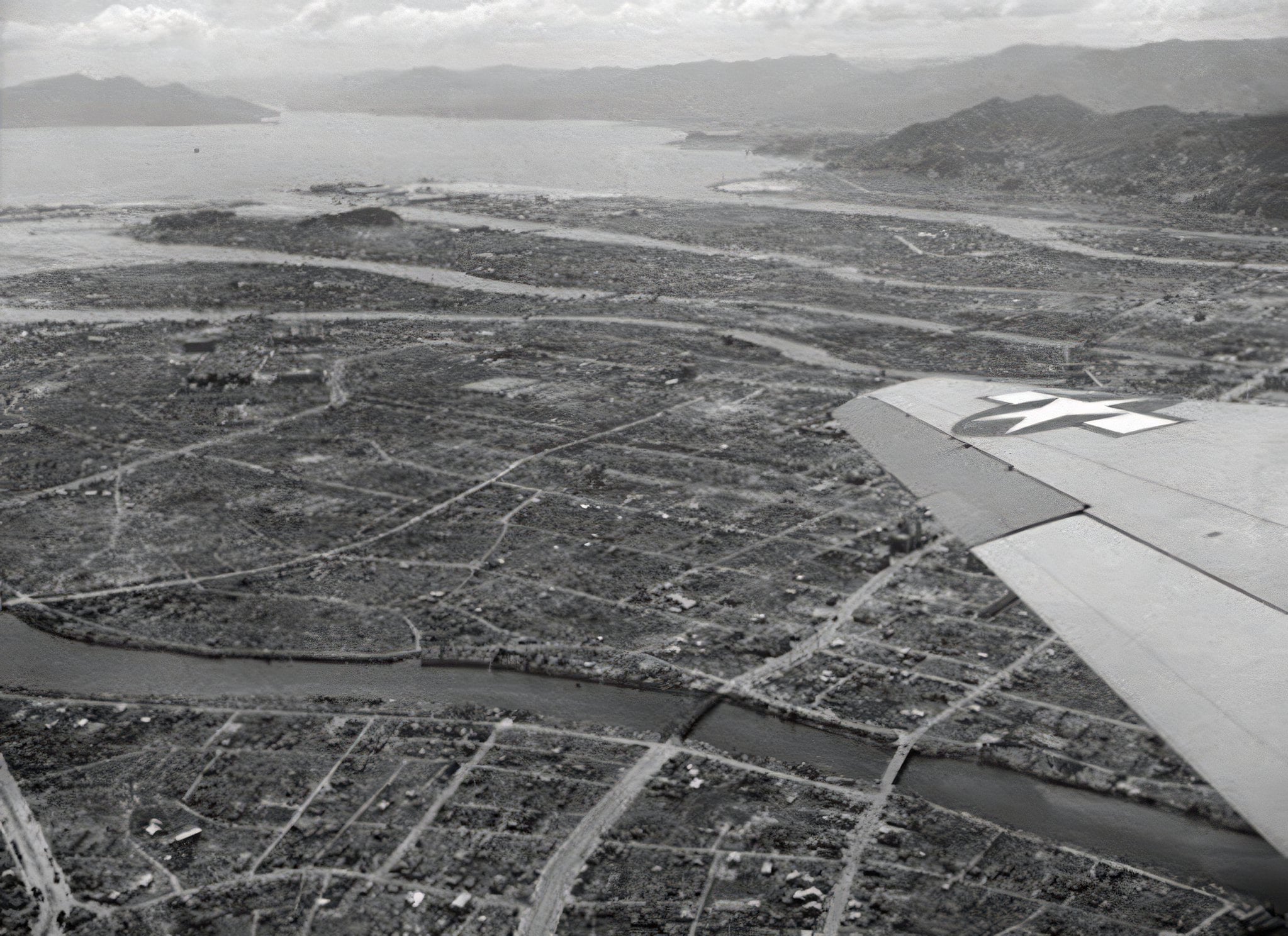
Yoshito Matsushige, a newspaper photographer, was at home 2.7 kilometres from the blast centre on 6 August 1945. He walked toward the city with his camera and managed only five exposures all day.
He said later he couldn’t bring himself to press the shutter, and his viewfinder kept clouding with tears. Occupation censorship kept the frames from a world audience until 1952, when an American magazine published them.
They’re still the only known photographs taken inside Hiroshima on the day itself.
5. Three Americans on Buna Beach
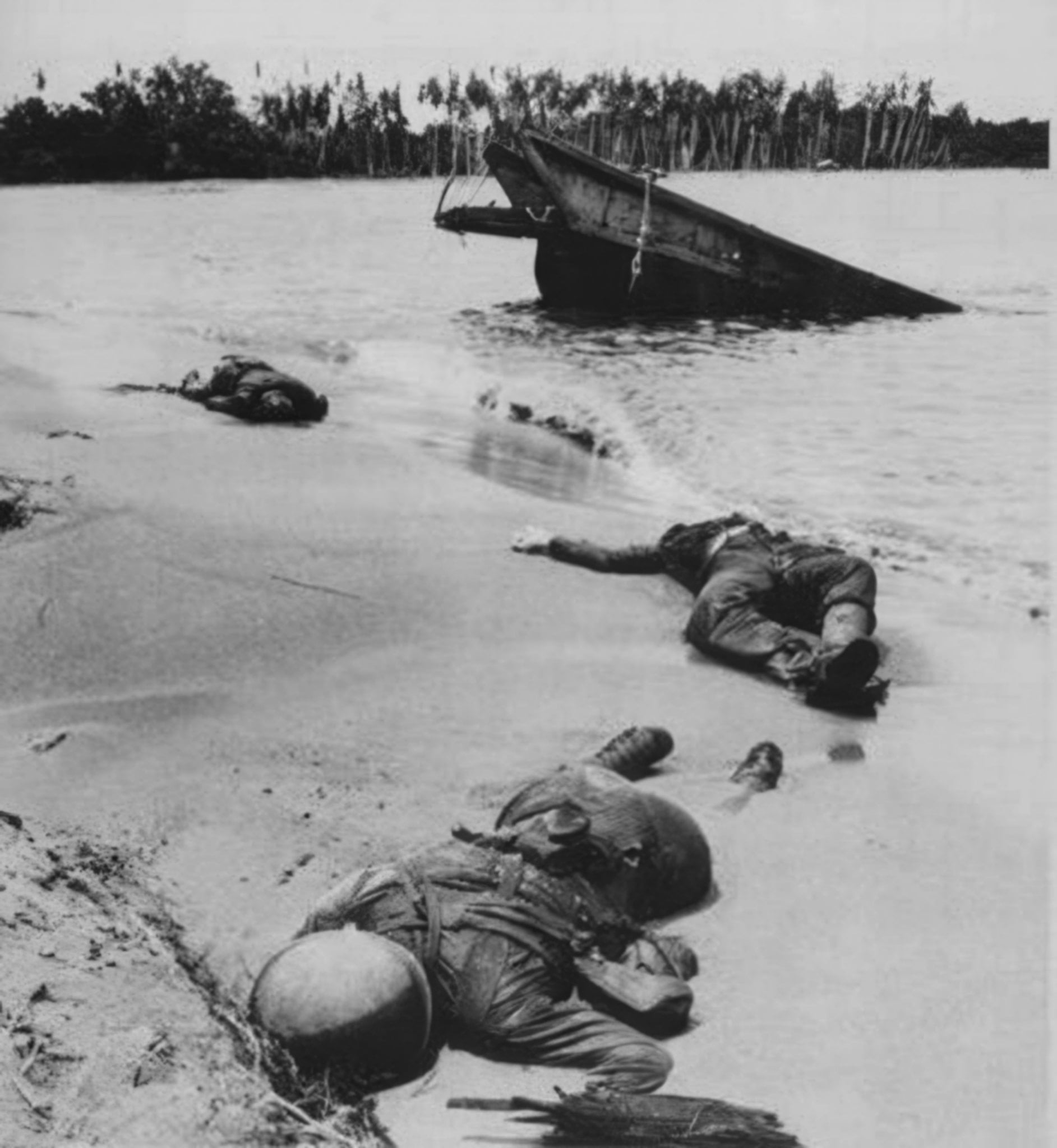
George Strock photographed three dead American soldiers half-buried in the sand of a New Guinea beach in early 1943. At that point in the war, US censors had blocked every picture of American dead.
Life magazine fought for seven months to run it. President Roosevelt eventually agreed, worried that the home front had grown complacent.
The photograph ran that September. It wasn’t years, but it broke a ban that had held since Pearl Harbor.
6. Dorothea Lange’s Internment Pictures
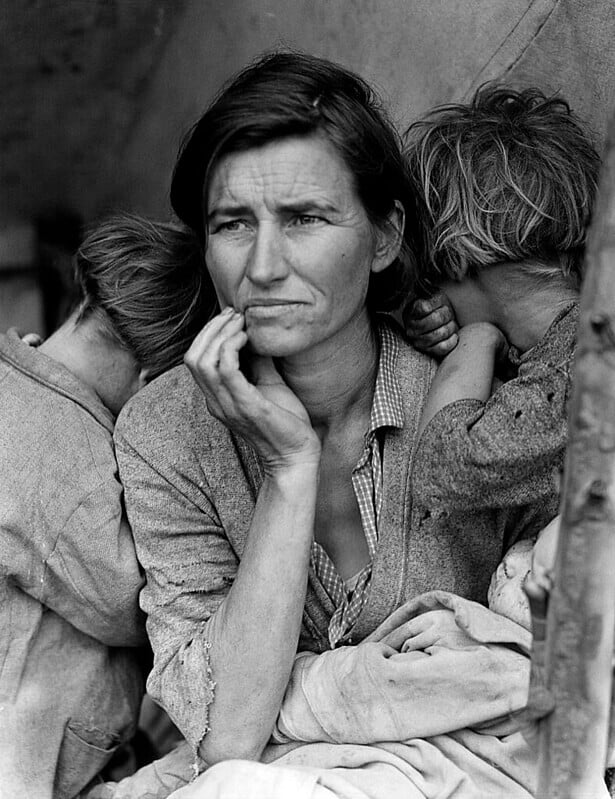
In 1942 the US government hired Lange to document the removal of Japanese Americans to camps. She photographed families tagged like luggage, shopkeepers under signs reading “I am an American,” children pledging allegiance days before their removal.
The Army didn’t like what it saw. Officers impounded the photographs for the duration of the war, and some prints carry the word “Impounded” written across them.
They sat quietly in the National Archives until a 2006 book put them together for the public. The government commissioned the pictures and then buried its own commission.
7. Flag-Draped Coffins at Dover
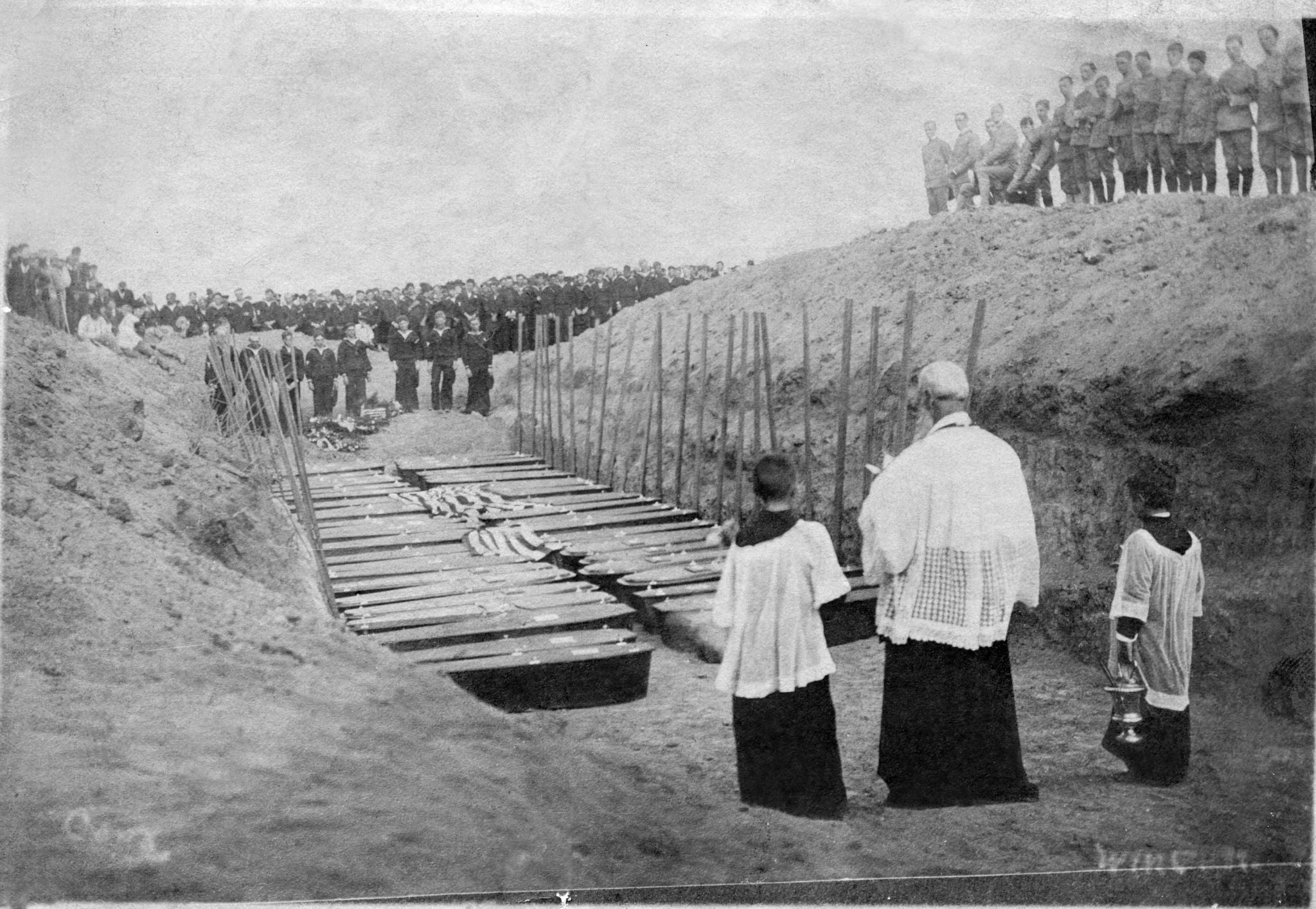
From 1991, the Pentagon banned news photographs of military coffins arriving at Dover Air Force Base. The rule held for eighteen years.
In April 2004, a cargo worker named Tami Silicio photographed rows of flag-covered caskets inside a plane in Kuwait, and a Seattle newspaper printed the shot. Her employer fired her within days.
That same month, a freedom of information request forced the release of hundreds of official Dover images. The ban ended in 2009, with families given the choice.
8. The Burned Soldier on the Highway of Death
Kenneth Jarecke photographed an Iraqi soldier incinerated at the wheel of his truck in the last hours of the 1991 Gulf War. The Associated Press in New York pulled the image from the wire.
American magazines declined it. A British Sunday paper and a French daily ran it within days, and the contrast tells you something.
American readers saw a war of night-vision footage and press briefings, and saw Jarecke’s picture months later if they saw it at all.
9. The Rest of the Abu Ghraib Pictures
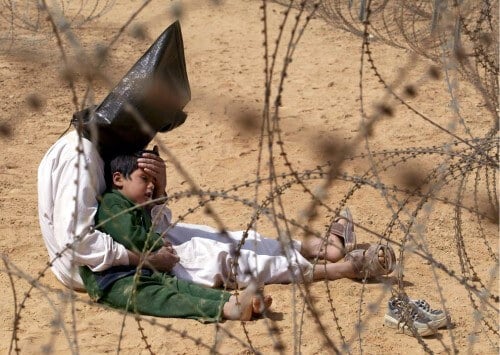
The world saw a few dozen images from Abu Ghraib prison in 2004. Far more existed.
The American Civil Liberties Union sued for the rest, and the government fought the case under two presidents, arguing that publication would endanger troops. In 2016 the Pentagon released 198 photographs, mostly close-ups of injuries.
The bulk of the collection remains sealed. Twelve years of litigation produced a fraction of the file.
10. Roosevelt in His Wheelchair
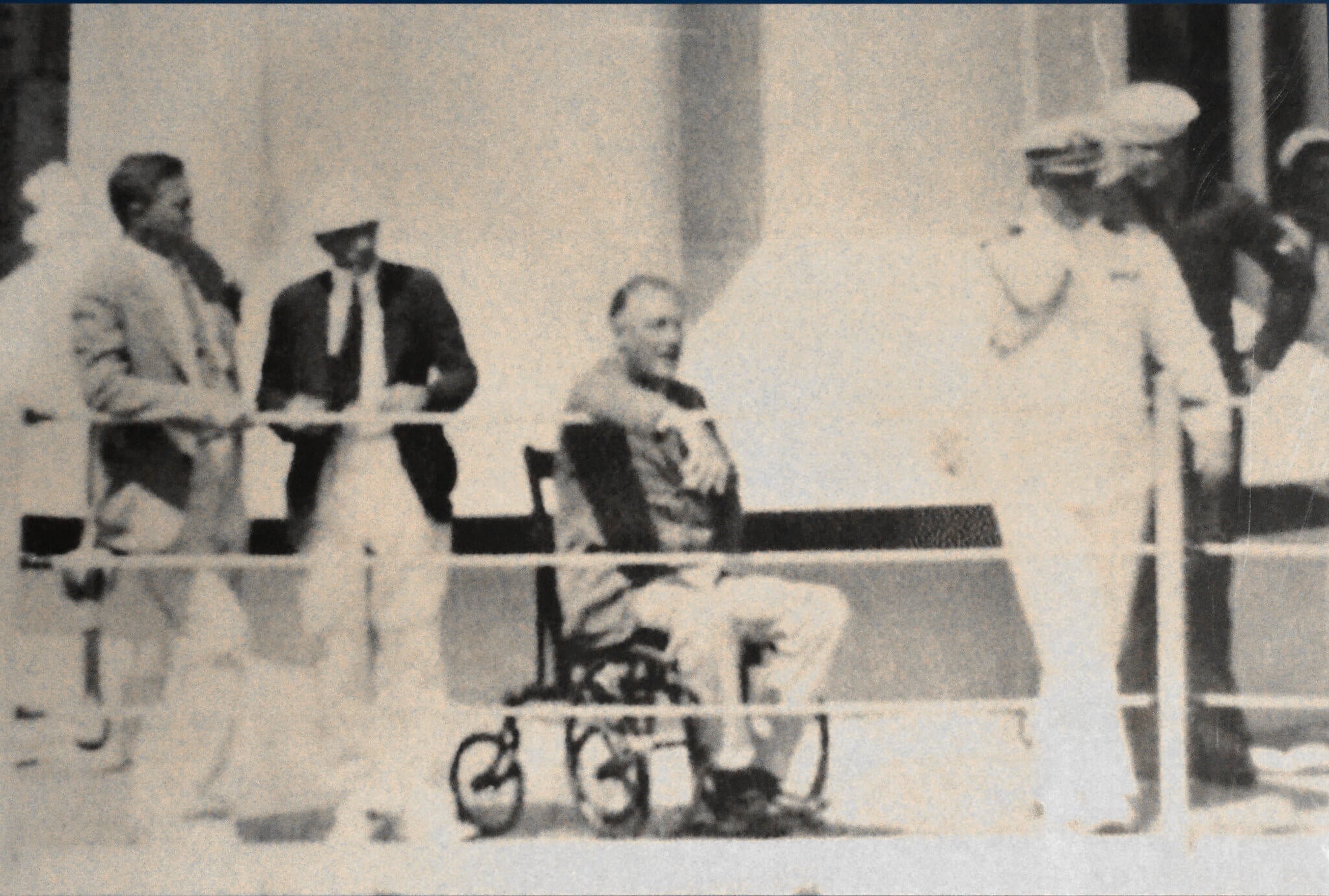
Franklin Roosevelt served twelve years as president and couldn’t walk unaided for any of them. Tens of thousands of photographs of him exist.
Only a handful show the wheelchair. No law required this.
Photographers followed an unwritten agreement, and the Secret Service dealt with the ones who didn’t, sometimes by exposing their film. One of the rare surviving images, taken by a family friend in 1941, shows him on a porch with his dog and a caretaker’s granddaughter.
A whole press corps edited a disability out of history.
11. Ronald Haeberle’s Colour Film from My Lai
Haeberle was an Army photographer at My Lai in March 1968. He shot black-and-white on the Army’s camera and colour on his own.
He handed in the Army’s film. He took his own film home to Ohio.
Twenty months passed. After the story broke in November 1969, he took his slides to a Cleveland newspaper, and the pictures of bodies on a farm road ended any argument about what happened there.
Personal cameras have exposed more official lies than any inquiry.
12. Frame 313 of the Zapruder Film
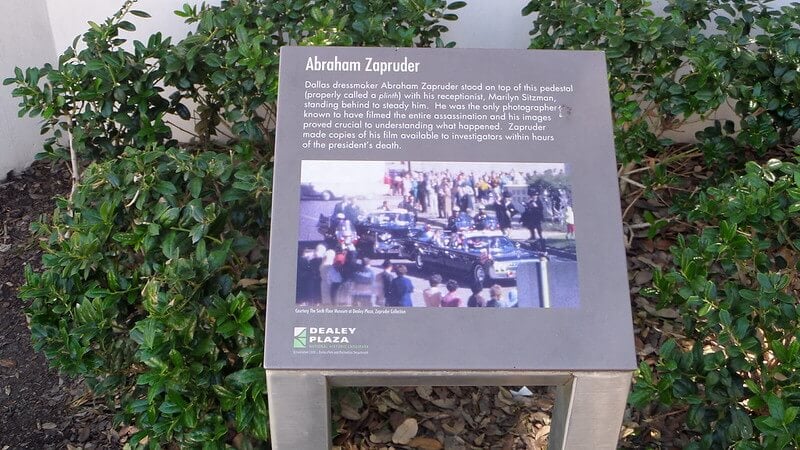
Life magazine bought Abraham Zapruder’s home movie of the Kennedy assassination for 150,000 dollars within days. The magazine printed selected frames and left out frame 313, the fatal head shot.
Its publisher reportedly found the footage so disturbing he wanted it kept from the public. Americans didn’t see the film in motion on television until 1975.
For twelve years, the most important piece of evidence in the country’s most argued-over crime sat in a corporate safe.
13. The Paris Tunnel, August 1997
Photographers reached the wrecked Mercedes in the Pont de l’Alma tunnel within moments and photographed Princess Diana as she lay injured. Agencies offered the pictures around the world that night.
British editors refused them, and they’ve kept refusing for close to three decades. An Italian magazine and an American network each showed an image years later and met a wall of outrage.
This is the rare case where the holding back became permanent.
14. “Grief” by Dmitri Baltermants
In January 1942, Baltermants photographed villagers searching a frozen field near Kerch for their dead after a Nazi massacre. One frame shows a woman with her arms thrown wide over a body.
Soviet wartime editors wanted heroism and victory, not despair. The picture became known only in the 1960s, when Baltermants printed it with a heavy, dramatic sky added from another negative.
Twenty years late, it became one of the defining images of the Soviet war.
15. The Other Tank Man Photograph
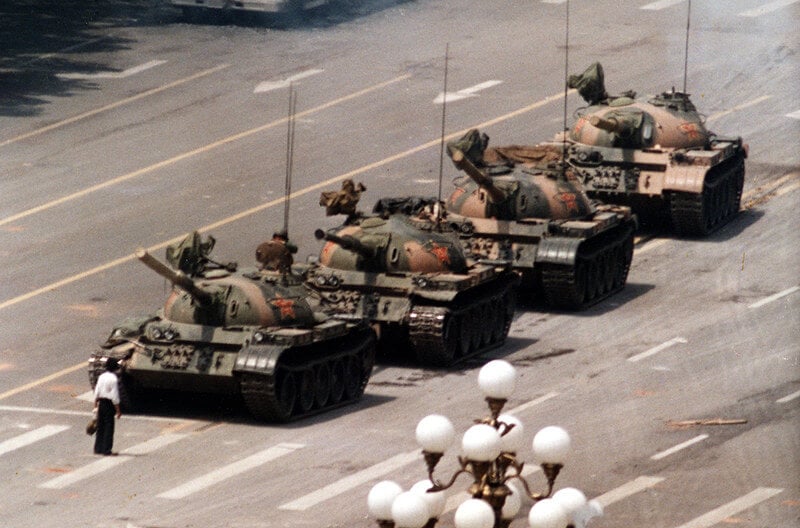
Four photographers shot the famous Tiananmen Square stand-off from a hotel balcony on 5 June 1989. A fifth picture existed.
Terril Jones, an Associated Press reporter, took a ground-level frame that shows the man waiting in the distance while people run and the tanks approach. Jones didn’t realise what he’d caught until weeks later, and then he kept it to himself for twenty years.
He released it in 2009. It shows something the balcony shots don’t, which is how much time the man had to change his mind.
16. The Pentagon’s “Chamber of Horrors”
During the Second World War, American military censors kept a special file of photographs judged too disturbing for the public. Staff called it the Chamber of Horrors.
It held pictures of mutilated soldiers, men broken by shell shock, and racial clashes between troops. Historians only went through the file decades later.
It proved that the clean, stoic war Americans remembered was an editing choice.
17. Ernest Cole’s Bank Vault

Ernest Cole grew up in Eersterust near Pretoria and talked his way into reclassification as coloured so he could move more freely with a camera. He photographed pass raids, mine compounds, and “whites only” benches.
In 1966 he left the country with his negatives, and a year later he published House of Bondage in New York. South Africa banned the book at once.
Cole died in exile in 2000, and most people assumed his archive was lost. Then in 2017 a Swedish bank contacted his family.
Some 60,000 negatives sat in safe deposit boxes in Stockholm. South Africans waited half a century to see their own country through the eyes of the man who saw it clearest.
18. Korda’s Che
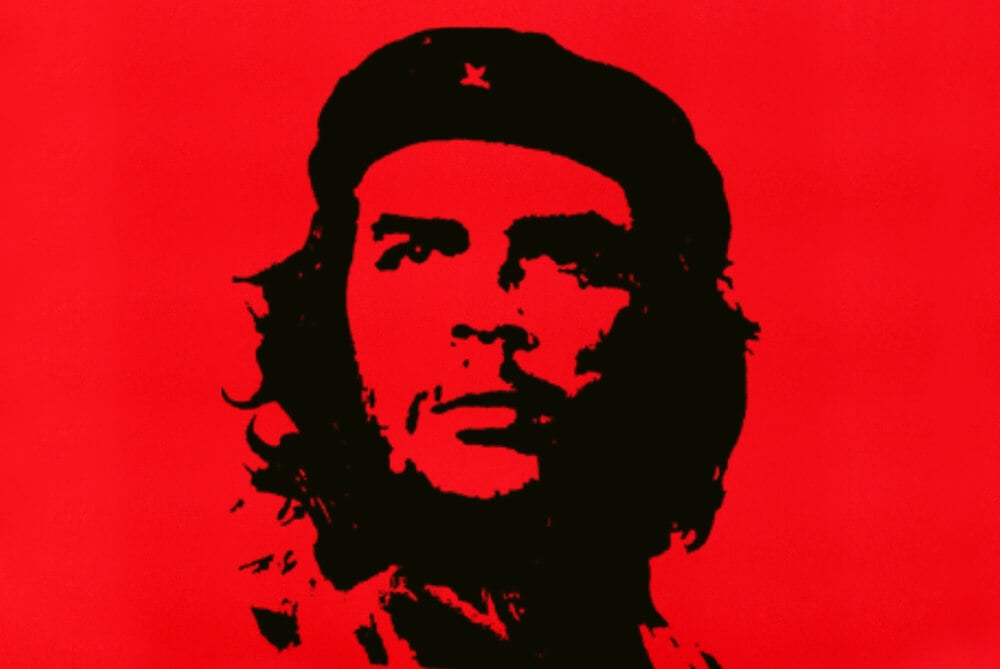
Alberto Korda took two frames of Che Guevara at a Havana memorial service on 5 March 1960. His newspaper’s editors looked at the contact sheet and passed.
They ran pictures of Castro and his famous guests instead. Korda pinned a print to his studio wall, where it hung for seven years.
In 1967 he gave copies to an Italian publisher, Che died in Bolivia months later, and the rejected frame became the most reproduced photograph in history. Editors miss things.
19. Hitler Rehearsing in the Mirror
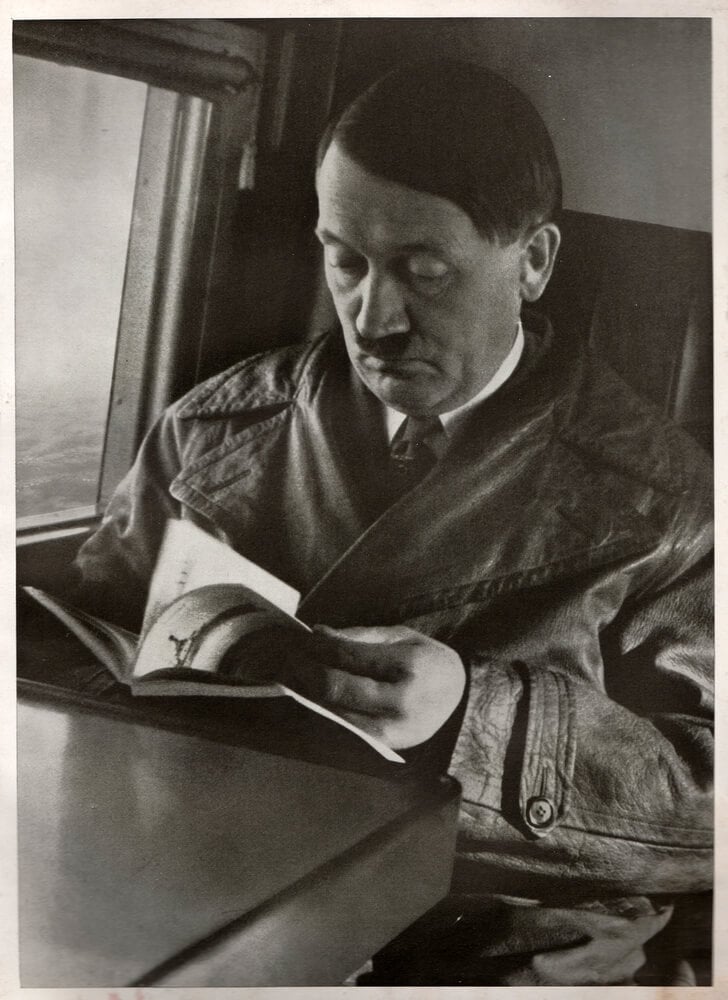
In 1925, Hitler had his personal photographer Heinrich Hoffmann shoot a series of him practising speech gestures to a recording of his own voice. He studied the prints to see what worked, then ordered Hoffmann to destroy the negatives.
They made him look like an actor learning a part, which he was. Hoffmann kept them.
He published them in his memoir in 1955. The pictures show how much of the fury was choreography.
20. Lenin at Gorki, 1923
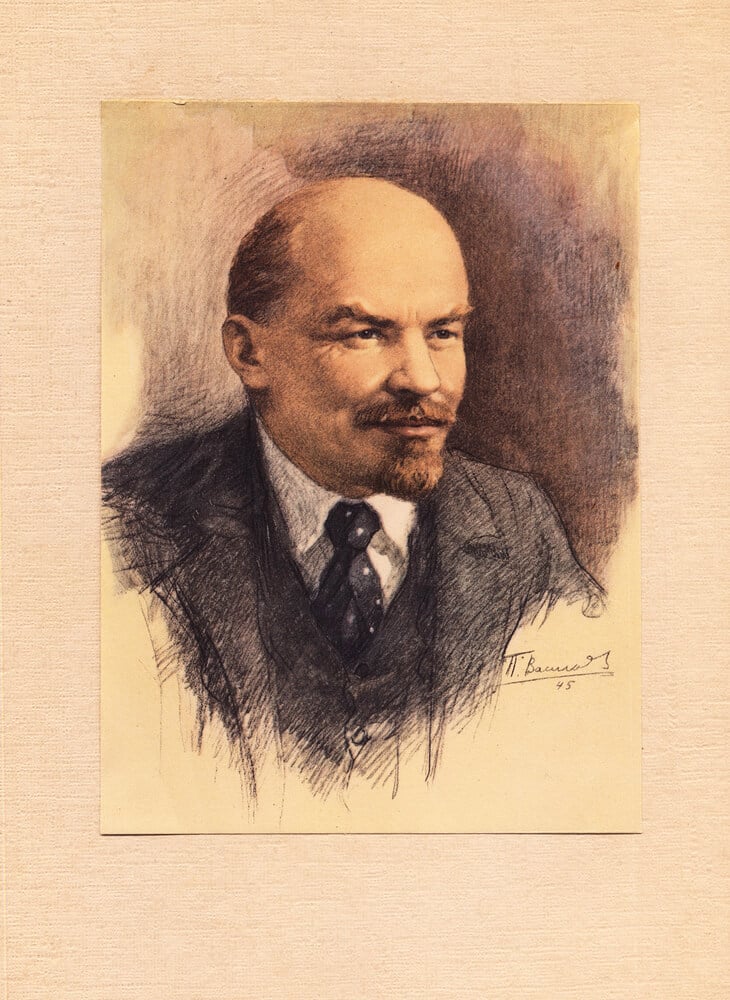
After his third stroke, Lenin spent his last months at an estate outside Moscow, unable to speak and confined to a wheelchair. Photographs from that summer show a hollow-eyed man staring past the camera.
The Soviet state built a cult around a vigorous, pointing Lenin, and these pictures didn’t fit. They stayed in closed archives for most of the Soviet era.
A state that embalmed his body couldn’t bear to show his illness.
21. The Daejeon Executions, 1950
In the first weeks of the Korean War, South Korean forces shot thousands of political prisoners near Daejeon. A US Army officer photographed the killings, including men lying face-down in a trench with hands bound.
Washington classified the pictures. They stayed secret until 1999.
For half a century the official story blamed every mass grave in the area on the North. The photographs existed the entire time.
22. Edward and Mrs Simpson
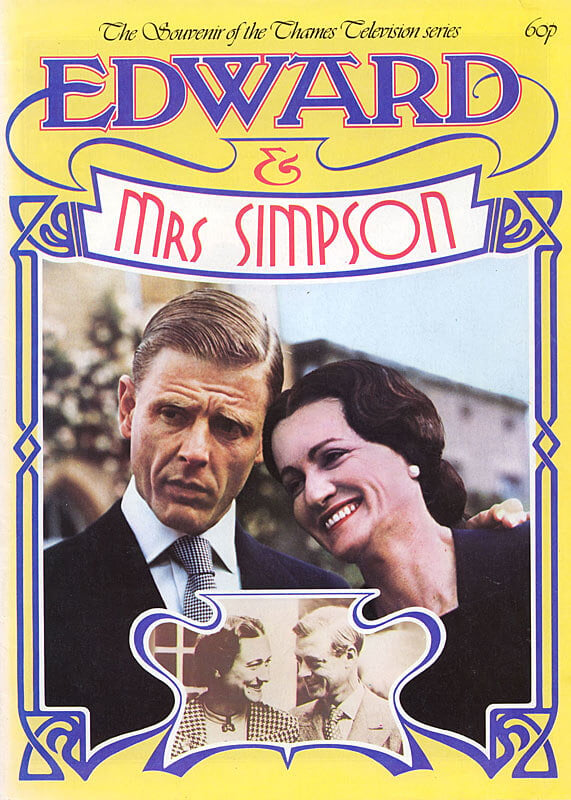
In the summer of 1936, the King of England cruised the Adriatic with a married American woman, and newspapers across Europe and America printed the pictures. British readers saw nothing.
Press barons had agreed to stay silent, and distributors cut pages out of imported American magazines before they reached the newsstands. The affair had been common knowledge in London society for two years.
The British public learned about it in December, days before the abdication. An entire country got the news last.
23. The Real Damage at Pearl Harbor
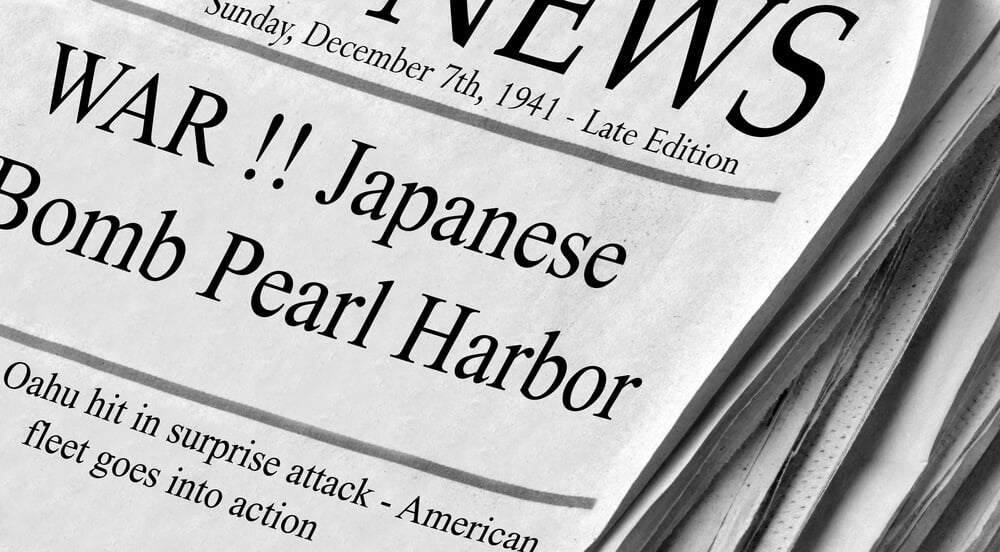
After the attack in December 1941, the US Navy released only limited pictures and played down its losses. The full photographic record, with capsized battleships and a harbour choked with oil, came out a year later on the first anniversary.
By then America had victories to set beside it. Timing a photograph is another way of editing it.
24. Britain’s Blitz Rejects
British censors reviewed every bomb-damage photograph during the war and stamped thousands “Not to be published.” They blocked pictures of dead civilians, direct hits on shelters and schools, and anything showing panic.
Newspaper archives still hold prints with the censor’s blue pencil marks across them. Many surfaced only decades later.
The cheerful image of Londoners carrying on was true, and it was also a selection.
25. The Bin Laden Photographs
American officials photographed Osama bin Laden’s body after the 2011 raid in Pakistan. President Obama decided within days not to release the images, saying America didn’t need to parade trophies.
Freedom of information lawsuits followed, and the courts sided with the government in 2013. The pictures remain classified.
This one is still being held back as you read this.
26. Tomoko in Her Bath

W. Eugene Smith spent three years in Minamata, Japan, documenting mercury poisoning from a chemical factory. His 1971 photograph of a mother cradling her severely disabled daughter in a bath became the image of industrial pollution worldwide.
Tomoko died in 1977 at the age of 21. Two decades later her parents asked that the photograph rest.
In 1998 Smith’s widow, who held the copyright, agreed to stop authorising its publication. Here a family reached back and withdrew a picture the world already knew.
27. The Mexican Suitcase
In 1939, as the Germans advanced on Paris, Robert Capa’s darkroom manager packed 4,500 Spanish Civil War negatives into three small boxes and tried to get them out of France. The boxes disappeared.
They held work by Capa, Gerda Taro, and David Seymour, and for decades historians assumed they were gone. They turned up in Mexico City, among the belongings of a general who had served as a diplomat in wartime France.
The boxes reached a New York photography museum in December 2007, almost seventy years late.
What the Drawer Remembers
Try this the next time you look at an old news photograph: ask what the frame before it showed, and who decided you didn’t need to see it. That habit makes you a sharper reader of every image you scroll past today.
A held-back photograph is patient in a way people aren’t. Censors retire.
Governments fall. Editors die.
The negative sits in its trunk or its vault, unchanged, waiting for someone curious enough to lift the lid.
More from Go2Tutors!

- The Romanov Crown Jewels and Their Tragic Fate
- 13 Historical Mysteries That Science Still Can’t Solve
- Famous Hoaxes That Fooled the World for Years
- 15 Child Stars with Tragic Adult Lives
- 16 Famous Jewelry Pieces in History
Like Go2Tutors’s content? Follow us on MSN.



