14 Vintage Travel Games Made Before Handheld Consoles
Long before handheld electronic games arrived in the late 1970s, families packed the car with dice, pegs, and pencils. The best travel games fit in a lap or a coat pocket and could survive a bumpy road.
The games below all predate the handheld console era and still turn up at estate sales and online auctions. Complete sets with every piece, the original box, and an undamaged board sell for much more than partial ones.
Etch A Sketch
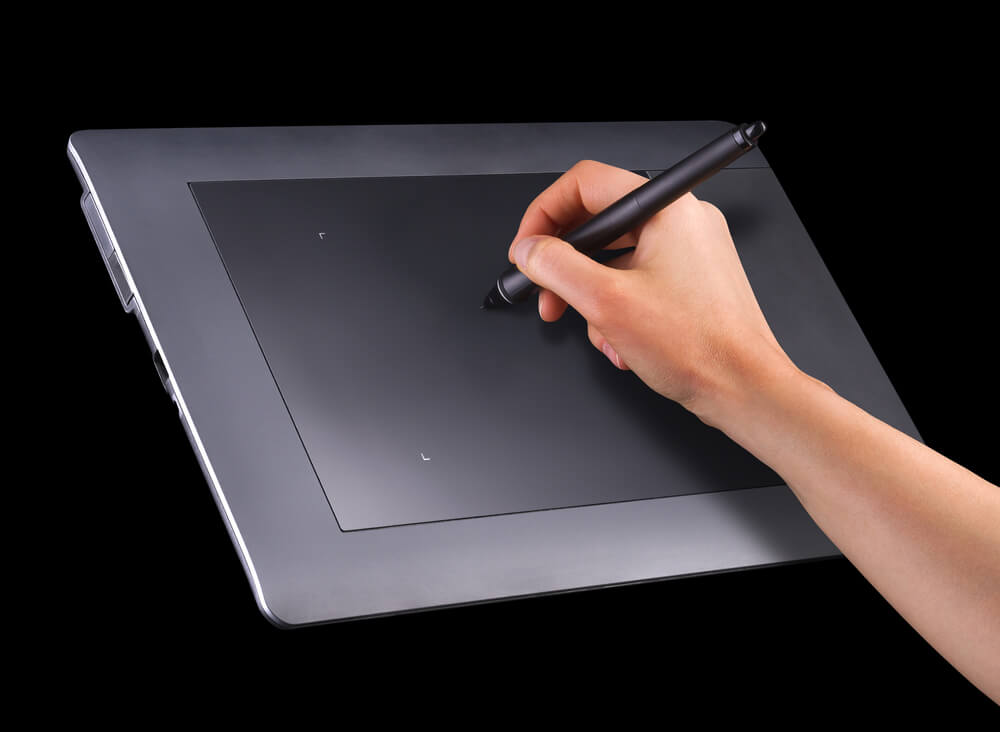
French electrician André Cassagnes invented the drawing toy as L’Écran Magique, and the Ohio Art Company brought it to market in 1960 as Etch A Sketch. A stylus scrapes aluminum powder from the back of a glass screen, and shaking the toy erases the picture.
The red frame and two white knobs made it a car-ride staple, and examples with intact screens and unfaded frames are worth far more than worn ones.
Yahtzee
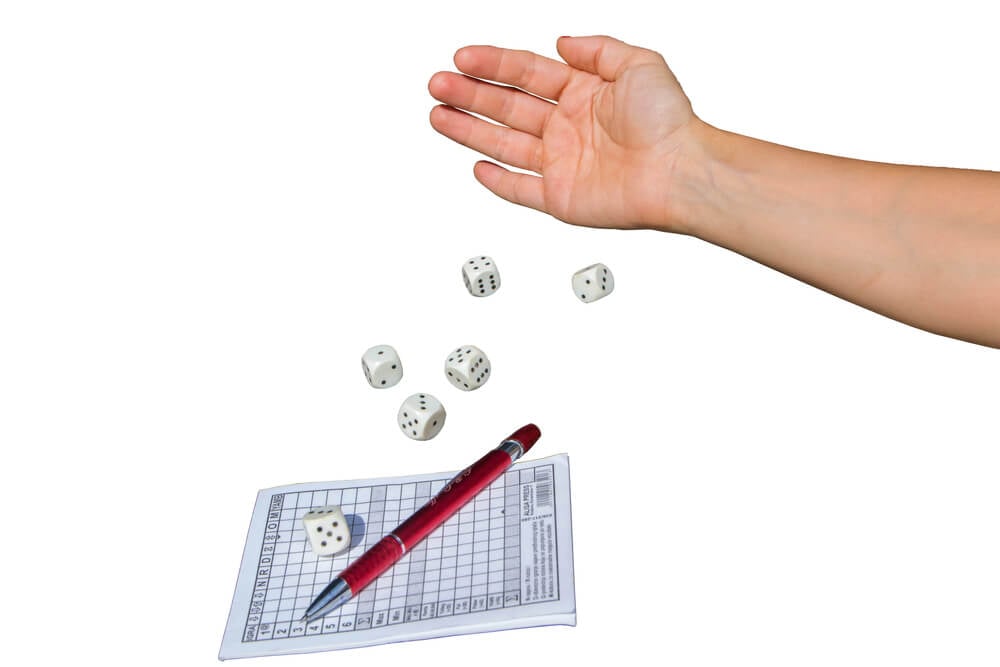
Edwin S. Lowe bought the rights in 1956 to a dice game that a Canadian couple had played aboard their yacht, and he renamed it Yahtzee. Five dice, a cup, and a score pad fit in a small box that rides easily in a bag.
Early boxes from the late 1950s, complete with unused score pads, are collected for their packaging.
Mastermind

Mordecai Meirowitz, an Israeli telecommunications expert, devised the code-breaking game, and Invicta Plastics of Leicester, England, released it in the early 1970s. A decoding board with colored pegs turns a car ride into a duel of logic.
Complete sets are easy to verify, since missing pegs are the usual flaw.
Boggle
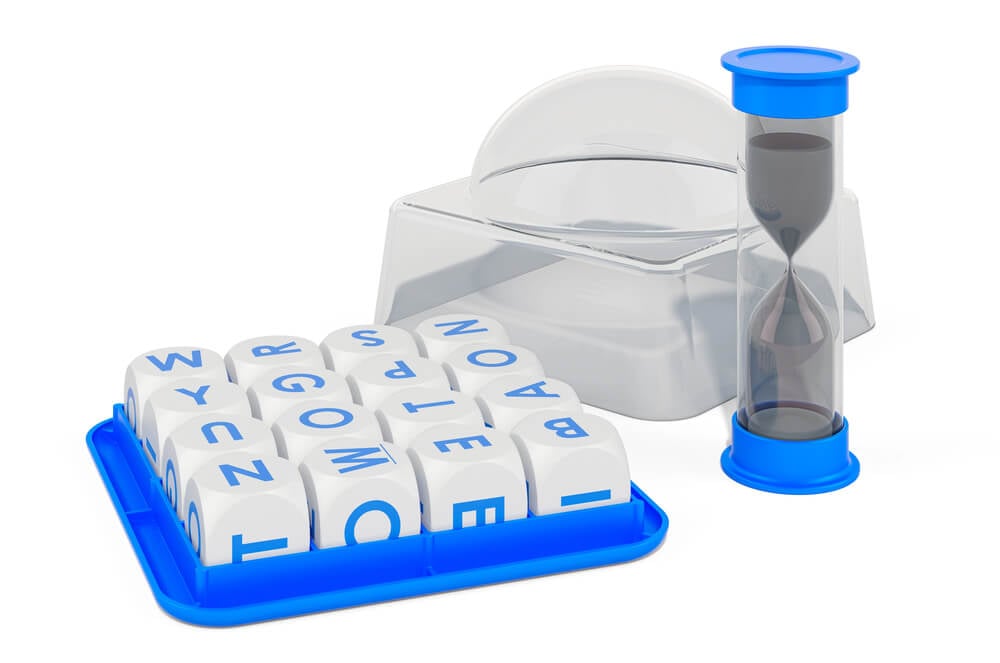
Allan Turoff invented Boggle, and Parker Brothers released it in 1972. Sixteen letter cubes sit in a small tray, and players shake the tray, then race a three-minute sand timer to find words.
A complete set needs all of the cubes and the timer, and a cracked tray lowers the value.
Uno
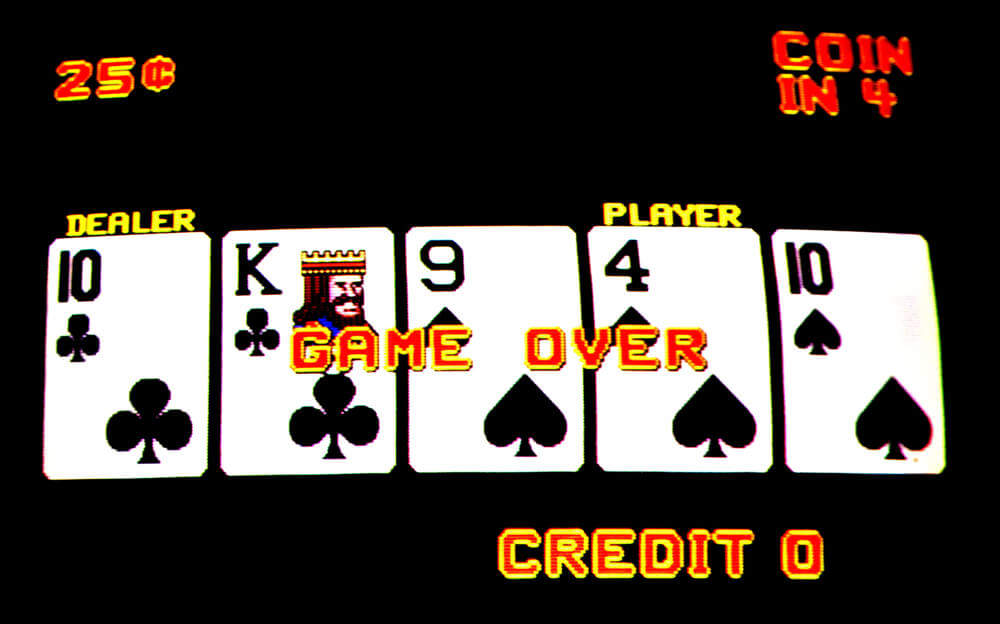
Merle Robbins, a barber in Reading, Ohio, created Uno in 1971 and sold the rights the following year to a company that Mattel acquired in 1992. The 108-card deck fits in a shirt pocket, and the rules can be taught in a minute.
Early decks differ from modern ones in design, so collectors look for original packaging.
Rook

Parker Brothers introduced Rook in 1906 as a card game for families who objected to standard playing cards. Its deck uses numbered cards in four colors, along with a card bearing a rook, a bird in the crow family.
The earliest boxes are the most sought after, and bent corners are the usual condition problem.
Connect Four

Howard Wexler and Ned Strongin created Connect Four, and Milton Bradley released it in 1974. A vertical grid holds dozens of plastic discs, and players take turns dropping them in to line up four in a row.
Missing discs are the most common flaw, so a complete early set is worth checking for.
Battleship

Milton Bradley released a plastic edition of Battleship in 1967, built on an earlier paper-and-pencil game in which players guessed coordinates on a grid. The plastic version added pegs and miniature ships in a case that snaps closed for travel.
Tiny pegs go missing easily, which makes complete sets more valuable.
Spirograph
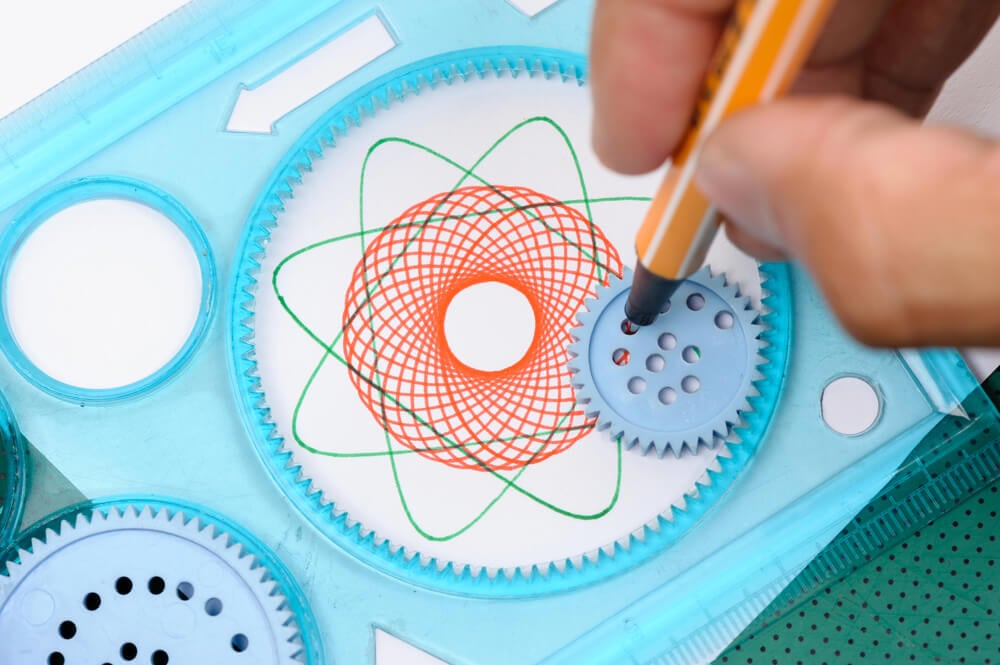
Denys Fisher, a British engineer, presented Spirograph at the 1965 Nuremberg Toy Fair, and Kenner brought it to the United States in 1966. Plastic gear wheels and rings guide a pen through looping geometric patterns, and the kit fits in a flat box.
Original sets with every wheel and ring intact are the ones collectors prize.
Cribbage Boards

Cribbage was invented by the English poet Sir John Suckling in the early seventeenth century. Travel boards of folding wood hold the pegs and a deck of cards in a compact case.
A well-made board with a tight hinge and original pegs is worth seeking out.
Magnetic Chess Sets
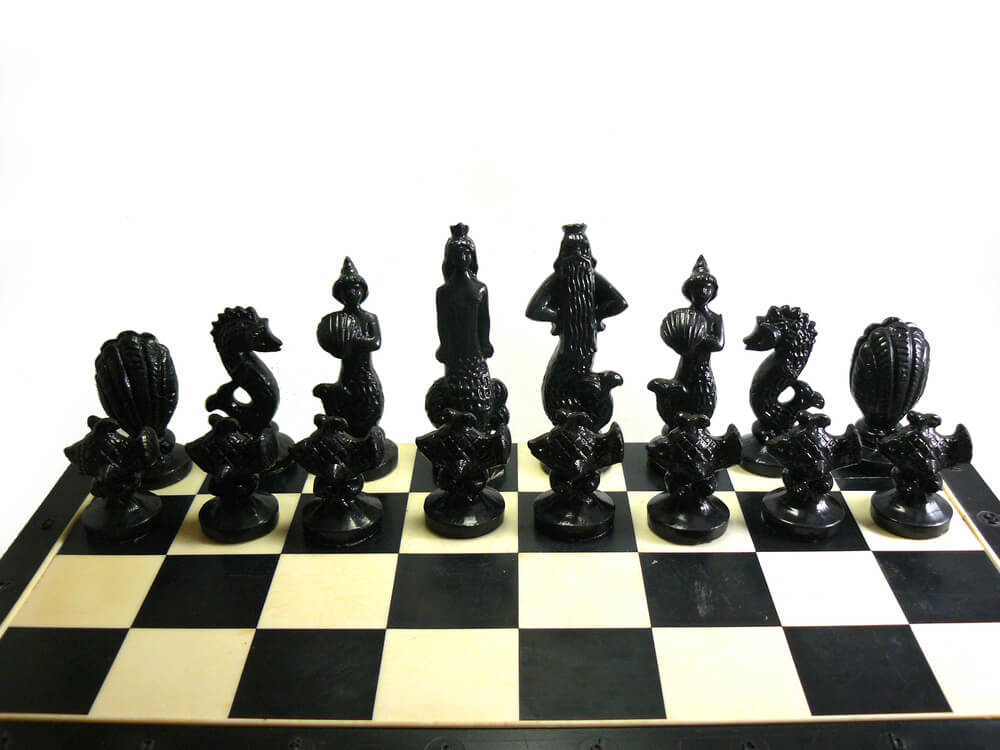
Magnetic travel chess sets let the pieces cling to a folding board, so a game can survive a lurching train or a bumpy road. Chess itself traces back to sixth-century India, where it began as chaturanga.
Missing pieces are the usual flaw, so a complete set with its board is the one to look for.
Backgammon

Backgammon boards fold into a briefcase-style case and carry thirty checkers and two sets of dice. The game’s ancestors include the Royal Game of Ur, played in Mesopotamia roughly 4,500 years ago, with boards uncovered in the royal cemetery at Ur by Leonard Woolley.
Leather-cased travel sets with unmarked boards are the most sought after.
Dominoes
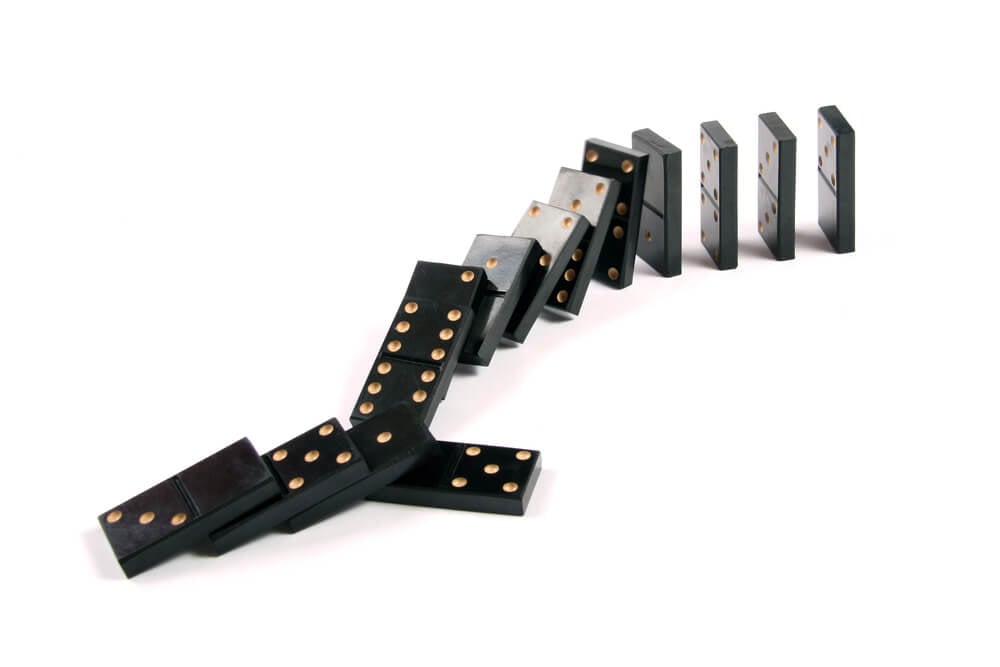
Dominoes arrived in Europe in the eighteenth century, with Italy an early stop, after a long history in China. A standard double-six set holds 28 tiles, and the pieces fit in a small wooden box.
Sets with original boxes and no missing tiles are the version worth paying for.
Bicycle Playing Cards
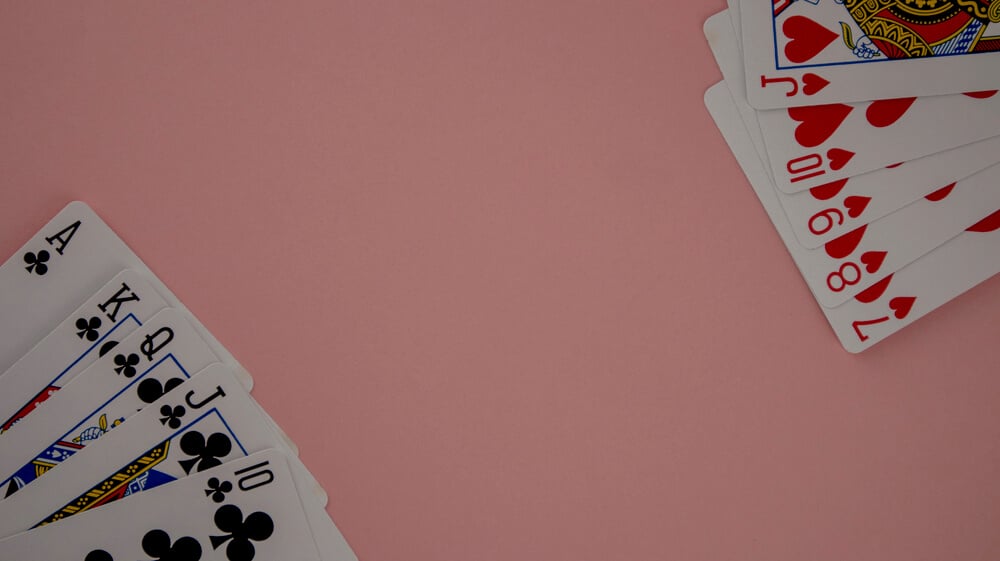
The Bicycle brand dates to 1885 and was produced by Russell, Morgan and Company of Cincinnati before the United States Playing Card Company took over production. A single deck covers dozens of games and fits in a coat pocket.
Older decks with original wrappers and unbent cards are the ones collectors seek.
The Back Seat Before the Screen

These games share a quality that no console could copy: nearly everything about them can be explained by looking at the box. Dice, cubes, pegs, and cards required no batteries and no screen, and a lost piece could often be replaced with a coin.
That simplicity is part of the appeal for collectors who remember playing them.
The same simplicity makes condition easy to judge. A complete set with its original box tells a clear story, while a set missing one piece is a puzzle to be solved.
Checking the contents against a picture of the original packaging is the quickest way to know what a game is worth.
More from Go2Tutors!

- 27 Silver Dollars and Half Dollars Worth Keeping
- 28 Restaurant Menu Items Nobody Orders Anymore
- 17 Places Built in Seemingly Impossible Spots
- 27 Vintage Rings Worth More Than They Look
- 25 Restricted Sites Tourists Can’t Enter
Like Go2Tutors’s content? Follow us on MSN.