15 Historic Famines and Their Causes
Throughout human history, famines have devastated populations across every continent, leaving profound marks on societies, politics, and collective memory. These catastrophic events have reshaped entire civilizations, triggered mass migrations, and fundamentally altered the course of history. From natural disasters like droughts and crop diseases to human-made tragedies born from political manipulation and war, famines represent some of humanity’s darkest chapters.
What makes these historical famines particularly significant is how their causes evolved over time. Early famines were largely the result of environmental factors beyond human control, but as societies became more complex, political decisions and social structures increasingly determined who lived and who starved.
Here is a list of 15 historic famines that showcase the devastating variety of factors that have caused mass starvation throughout history.
Great Chinese Famine (1959-1961)

The deadliest famine in recorded history claimed between 15 to 50 million lives during China’s ‘Great Leap Forward’ campaign. This catastrophe has often been referred to as one of the greatest man-made disasters, though regional droughts did play a part. The famine was caused by a combination of political and social factors brought about by the People’s Republic of China. These policies, namely the Great Leap Forward which began in 1958, and the people’s communes, created a deadly environment that cost tens of millions of lives. Peasants were forced to abandon farming for backyard steel production, while unrealistic grain quotas left rural areas without food. The tragedy demonstrates how catastrophic political ideology can become when it ignores basic agricultural reality.
Irish Potato Famine (1845-1852)

Ireland’s population fell from 8.4 million to 6.6 million as late blight destroyed the leaves and edible roots of the potato plants in successive years from 1845 to 1849. The disaster was amplified by Ireland’s dangerous dependence on a single crop variety and British colonial policies that prioritized profit over Irish lives. Records indicate that commodities such as peas, beans, rabbits, fish and honey continued to be exported from Ireland, even as the Great Hunger ravaged the countryside while Irish people starved. This famine became a rallying point for Irish independence movements and fundamentally changed the relationship between Ireland and Britain.
Holodomor – Ukrainian Famine (1932-1933)
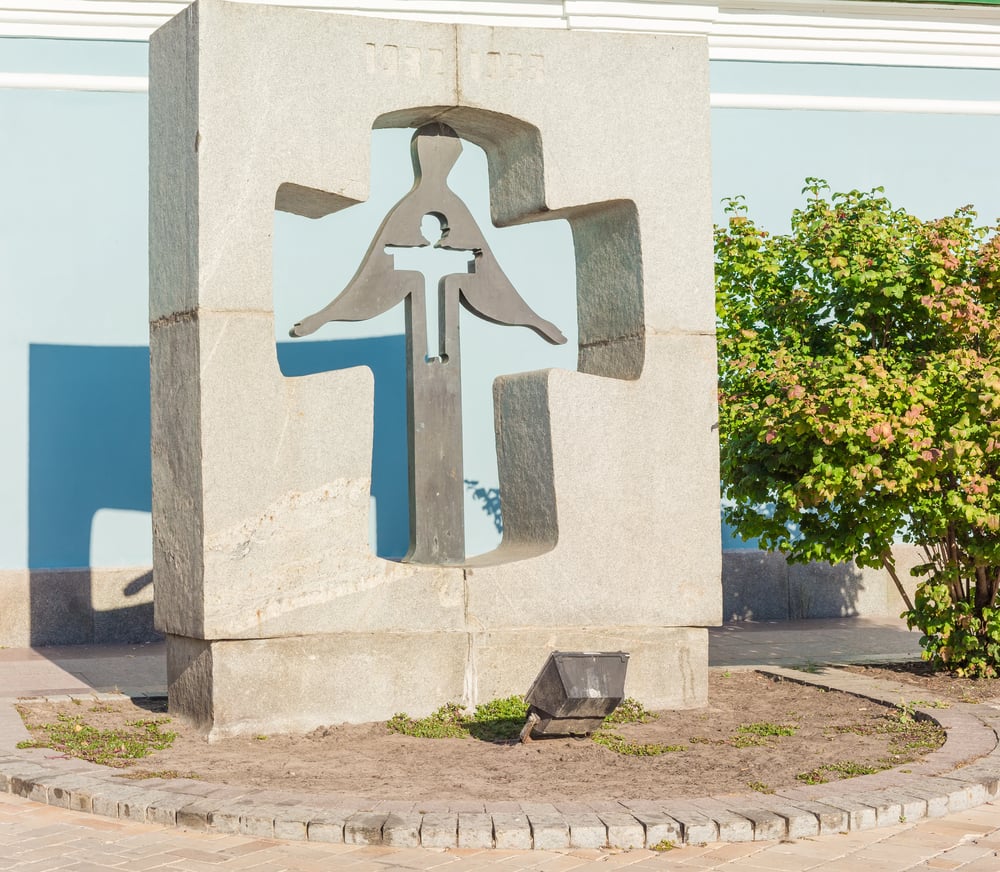
— Photo by anmbph
The Ukrainian famine represents one of history’s most controversial tragedies, with early estimates of the death toll by scholars and government officials vary greatly. A joint statement to the United Nations signed by 25 countries in 2003 declared that 7 to 10 million people died. More recent scholarship has estimated a lower range of between 3.5 and 5 million victims. Stalin’s regime imposed impossible grain quotas on Ukraine while simultaneously preventing food aid from reaching starving regions. Many historians argue this famine was deliberately engineered to crush Ukrainian nationalism, making it both a political weapon and an act of genocide.
Great Bengal Famine (1770)
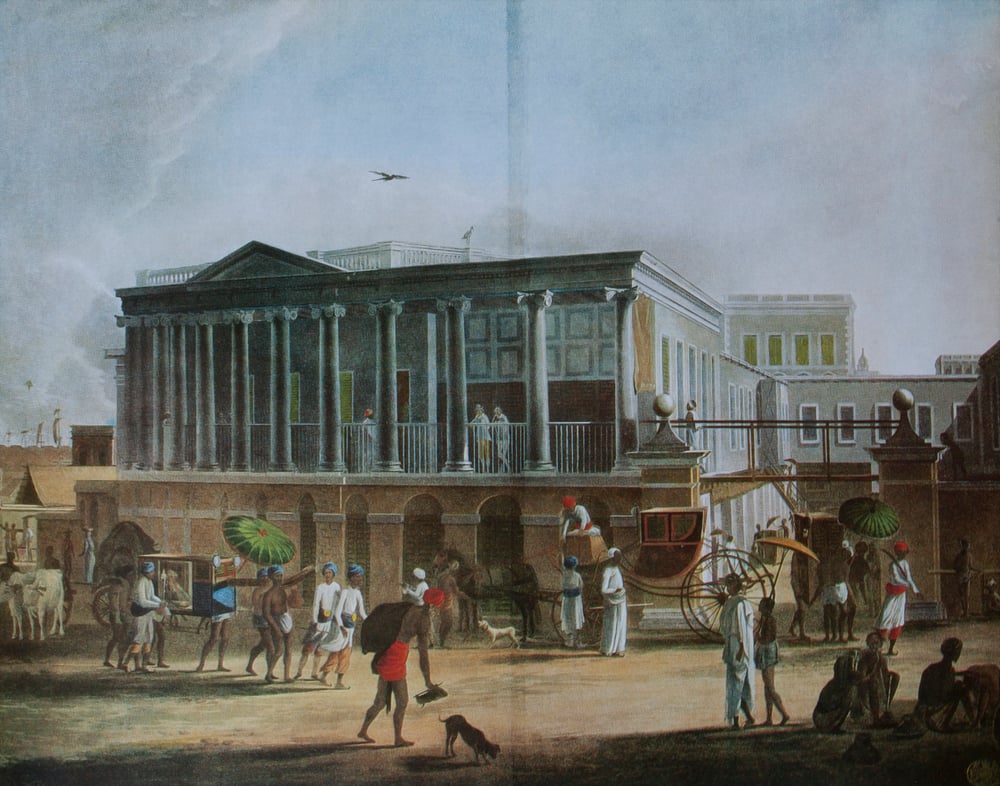
— Photo by WHPics
This colonial-era catastrophe wiped out roughly one-third of Bengal’s population when British East India Company policies turned a drought into a deadly famine. Despite knowledge of the worsened farming conditions, taxes were increased and crops shifted away from rice to the more profitable opium and indigo. This meant that not only were farmers struggling to produce food, but what was available was priced outside of their reach. The tragedy perfectly illustrates how colonial exploitation can transform natural challenges into human disasters, as corporate profits took priority over saving lives.
Russian Famine (1921)
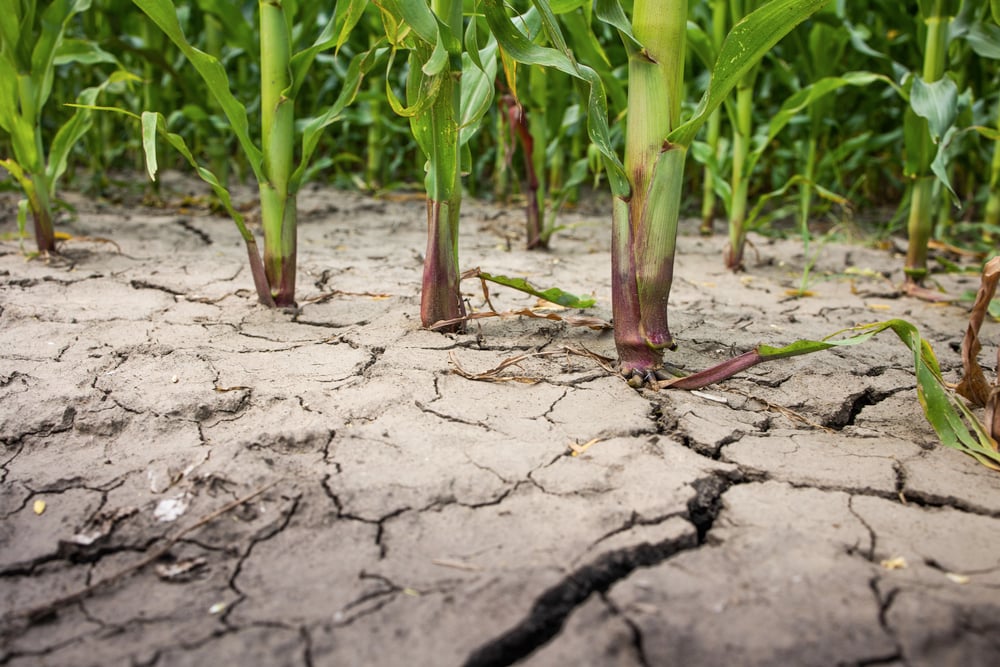
Revolutionary chaos and civil war created the perfect storm for this devastating famine in the Volga region. The Bolshevik soldiers often forced peasants to sacrifice their food throughout the wars, with little in return. As such, many peasants stopped growing crops, as they could not eat what they sowed. This resulted in a massive shortage of food and seed. Drought struck just as the new Soviet state was struggling to establish control, and approximately 5 million people perished. International relief efforts, including aid from the American Relief Administration, helped prevent even more deaths.
Great European Famine (1315-1317)
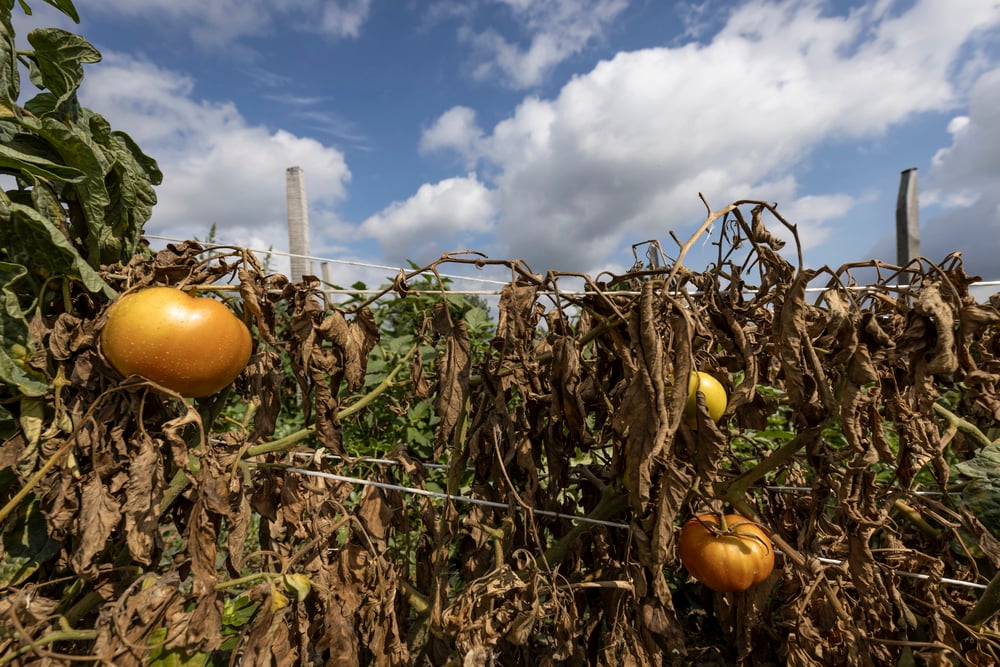
Medieval Europe’s worst famine began when the majority of Europe experienced massive crop failure. Just prior to this, there was a period of population growth triggered by an expansion in agriculture, and the sudden lack of food for the large number of people led to a famine. About 5-12% of the population of northern Europe died from starvation or related disease. The climate shift ended the Medieval Warm Period, forcing people to abandon marginal farmlands and resort to desperate measures like cannibalism. This famine weakened European populations just before the Black Death struck, compounding the demographic catastrophe.
Doji Bara Famine (1791-1792)

Known chillingly as the ‘Skull Famine,’ this Indian subcontinent disaster was brought on by a major El Niño event lasting from 1789–1795 and producing prolonged droughts. The El Niño phenomenon caused monsoon failures for four consecutive years, devastating crop production across vast regions. Both the famine and the year 1791 came to be known in folklore as the Doji bara (also Doĝi Bar) or the “skull famine,” on account, it was said, of the “bones of the victims which lay unburied whitening the roads and the fields.” This famine demonstrates how global climate patterns can trigger regional catastrophes with lasting cultural impacts.
Bengal Famine (1943)

World War II turned Bengal into a death trap where Bengal lost its largest trading partner in Burma. A majority of the food the Bengalis consumed was imported from Burma, but the Japanese suspended the trade. In 1942, Bengal was hit by a cyclone and three separate tidal waves. British wartime policies, including rice exports and denial policies to prevent Japanese access to food supplies, turned shortages into mass starvation. This famine revealed how military priorities during wartime can create devastating civilian casualties far from any battlefield.
Northern China Famine (1876-1879)

This drought-driven catastrophe killed an estimated 9-13 million people when the Yellow River region experienced consecutive crop failures. Poor transportation infrastructure made it impossible to move food from surplus regions to affected areas, while traditional Chinese relief systems proved inadequate for such a massive disaster. The famine coincided with political instability and corruption, which hampered effective relief efforts. Foreign missionaries documented the horror, bringing international attention to the scale of the catastrophe.
Chalisa Famine (1783-1784)
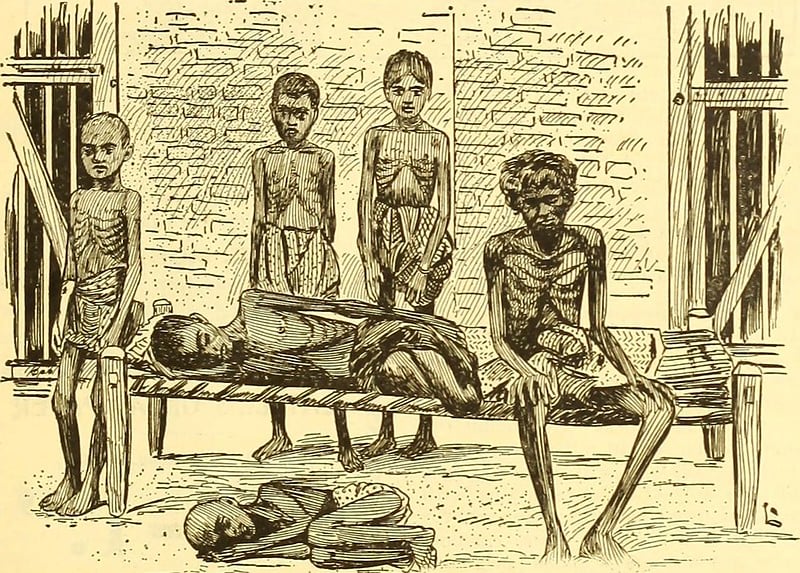
Named after the Hindi word for ‘forty,’ this North Indian famine affected the Delhi territories and surrounding regions during a year of severe drought. The famine struck areas including present-day Uttar Pradesh, Eastern Punjab, and Kashmir, killing millions of people. Poor monsoon rains destroyed crops, while limited transportation networks prevented effective food distribution. This famine demonstrated the vulnerability of densely populated agricultural regions to weather variations in pre-modern India.
Ethiopian Famine (1973-1974)

Emperor Haile Selassie’s government tried to hide this drought-induced famine that killed 40,000 to 200,000 people in Wollo, mostly of the marginalized Afar herders and Oromo tenant farmers, who suffered from the widespread confiscation of land by the wealthy classes. The government’s denial and cover-up attempts backfired spectacularly when leaked reports exposed the scale of suffering. This famine became a key factor in the emperor’s overthrow, showing how natural disasters can trigger political revolutions when governments fail to respond adequately.
Persian Famine (1917-1919)
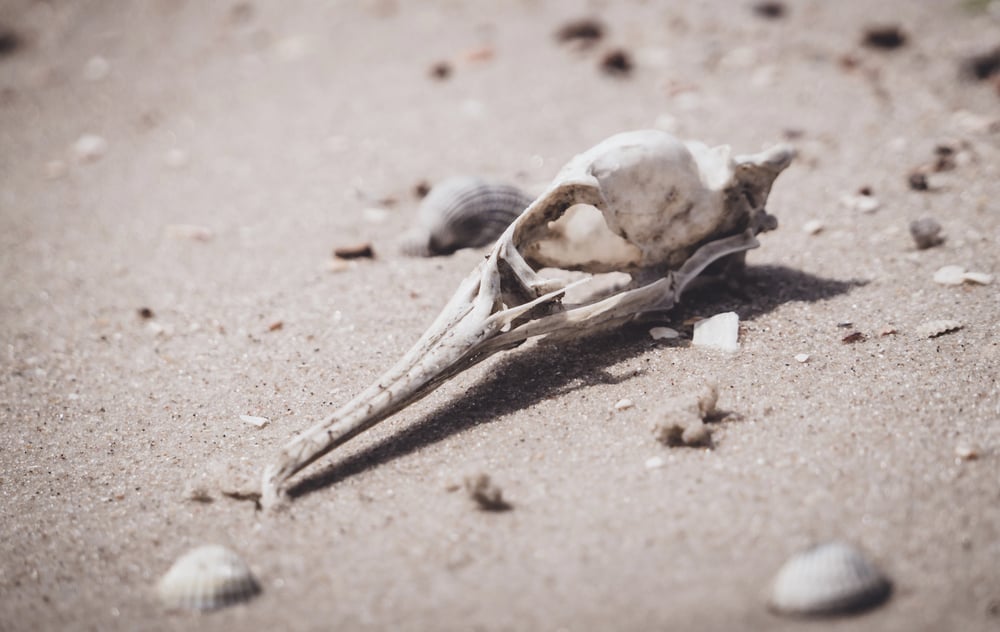
World War I devastated Persia through a combination of drought, military occupation, and economic disruption. Successive years of severe droughts which greatly reduced farming outputs. Additionally, what food was produced was confiscated by occupying forces. Changes to trade as well as general unrest during the war heightened fears and created hoarding situations which further exacerbated the situation. Russian, British, and Ottoman forces competed for control while Persian civilians starved. The famine killed an estimated 2 million people and contributed to the eventual collapse of the Qajar dynasty.
North Korean Famine (1994-1998)

Known as the ‘Arduous March,’ this modern famine combined natural disasters with disastrous political policies. 1995 saw large flooding, destroying over a million tons of grain. North Korea’s policy of ‘military first’ also meant that resources, manpower and food supply were directed to the military over civilians. The regime’s isolation and refusal to implement market reforms prolonged the suffering, while international food aid faced restrictions. An estimated 3 million people died in this preventable tragedy that highlighted how authoritarian politics can worsen natural disasters.
Chinese Famine (1906-1907)

Devastating floods along the Huai River destroyed consecutive harvests and created one of China’s worst famines, killing 20-25 million people. The disaster struck a region already weakened by overpopulation and poverty, while the late Qing Dynasty struggled with internal rebellions and foreign pressures. International relief efforts helped some areas, but the scale of suffering overwhelmed available resources. This famine illustrated the deadly combination of natural disasters and governmental weakness in late imperial China.
Soviet Kazakhstan Famine (1931-1933)

— Photo by kefirm
Stalin’s collectivization policies devastated nomadic Kazakhstan, killing approximately 1.5-2 million people or roughly 40% of the Kazakh population. Forced settlement of nomadic herders destroyed traditional livestock-based food systems, while grain quotas left rural areas without sustenance. The famine represented cultural genocide as it specifically targeted Kazakh traditional ways of life. Many Kazakhs fled to China or other neighboring countries, fundamentally altering the demographic composition of the region.
When Politics Meets Hunger

These 15 famines reveal a troubling evolution in the causes of mass starvation throughout history. While early famines often stemmed from environmental factors like droughts or crop diseases, the most devastating famines of the modern era have been largely man-made disasters caused by political decisions, colonial exploitation, and warfare. The shift from natural to political causes of famine represents one of humanity’s most tragic developments, where the tools meant to organize society instead became weapons of mass destruction. Today’s improved food production and distribution capabilities mean that technical famine solutions exist, but political will and international cooperation remain the determining factors in preventing these ancient horrors from recurring.
More from Go2Tutors!

- 16 Historical Figures Who Were Nothing Like You Think
- 12 Things Sold in the 80s That Are Now Illegal
- 15 VHS Tapes That Could Be Worth Thousands
- 17 Historical “What Ifs” That Would Have Changed Everything
- 18 TV Shows That Vanished Without a Finale
Like Go2Tutors’s content? Follow us on MSN.