Cash Hoards Found Hidden in Walls
Every renovation carries the promise of improvement. New tile, fresh paint, better plumbing.
But sometimes the walls themselves hold something nobody expected. Behind drywall and beneath floorboards, contractors and homeowners have stumbled upon fortunes stuffed into envelopes, rolled into tubes, packed in ammunition cans, and hidden in earthenware cups.
These discoveries happen more often than you might think, and the stories behind them reveal something about how people relate to money, trust, and fear.
The Bathroom Discovery That Became a Legal Nightmare

In 2006, a contractor named Bob Kitts was tearing out the bathroom walls of an 83-year-old home near Lake Erie in Ohio. Behind the medicine cabinet, he found two green metal lockboxes suspended inside the wall, hanging from a wire.
Inside were white envelopes stuffed with Depression-era currency totaling $182,000.
Kitts called the homeowner, Amanda Reece, a former high school classmate who had hired him for the remodeling job. They counted the cash together and posed for photographs, both grinning at their good fortune.
Then things fell apart.
The two couldn’t agree on how to split the money. Kitts wanted 40 percent.
Reece offered 10.
The disagreement went public, and when the story hit the newspapers, descendants of Patrick Dunne, the wealthy businessman who had originally stashed the cash, filed their own claim. The envelopes bore his business address.
By the time the legal dust settled, Kitts walked away with only a few thousand dollars. The Dunne heirs got a share, and Reece ended up facing foreclosure on another property.
An attorney involved in the case summed it up bluntly: if the two had simply sat down and divided the money between themselves, the heirs would never have known about it.
Why People Began Hiding Cash in the First Place
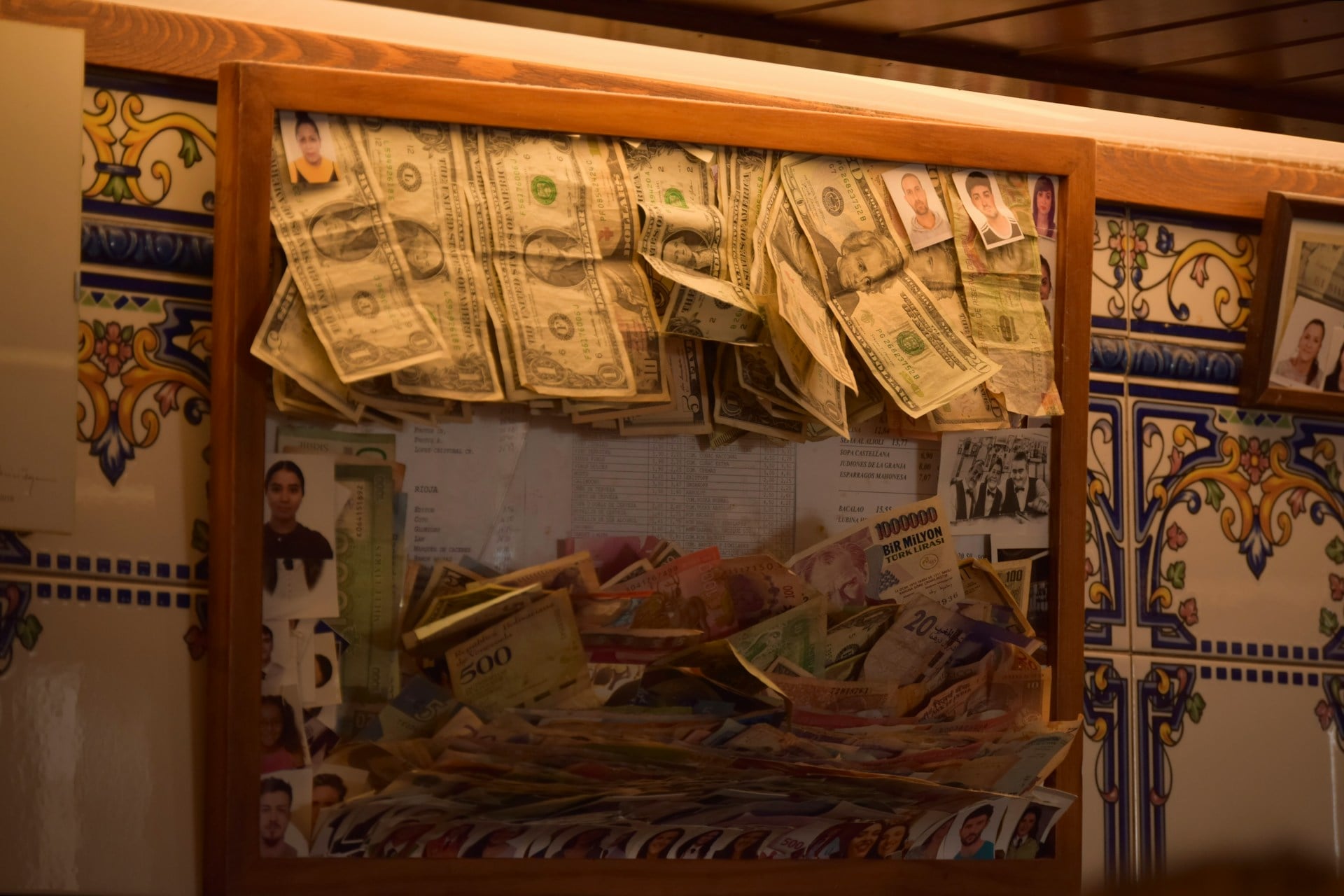
The Great Depression did something permanent to an entire generation. When the stock market crashed in October 1929 and banks began collapsing across the country, millions of Americans watched their life savings vanish.
One of Caldwell and Company’s principal subsidiaries, the Bank of Tennessee in Nashville, closed on November 7, 1930, triggering a cascade of failures. Within weeks, hundreds of banks suspended operations.
The people who lived through those years never forgot. They didn’t trust banks anymore.
They didn’t trust paper money. They trusted walls, mattresses, floorboards, and the dark corners of their own homes.
A family in Cecil County, Maryland, found $10,000 in a coffee can after their father died in 1996. He had lost the family farm during the Depression when he was just six years old.
Decades later, he still preferred keeping his money where he could see it. If he couldn’t pay for something in cash, he didn’t need it.
Half a Million Dollars in Ammunition Cans

Robert A. Spann of Paradise Valley, Arizona, had a habit of hiding valuables in unusual places. After his death in 2001, his two daughters spent seven years combing through his home, finding stocks, bonds, gold, and cash stuffed into hundreds of military-style green ammunition cans.
In 2008, the daughters sold the rundown house “as is” to a new couple. The buyers hired a contractor to renovate.
A worker found two ammunition cans full of cash hidden in a kitchen wall, then two more in an upstairs bathroom. The total came to $500,000.
The case went to court. The Arizona Court of Appeals ruled that the money belonged to Spann’s estate, not the new homeowners who had bought the property.
The reasoning hinged on a legal distinction: the cash wasn’t abandoned. The daughters didn’t know it was there, so they couldn’t have intentionally given it up.
Finders keepers works on the schoolyard. In court, the rules get more complicated.
The Plumber at Lakewood Church

In 2021, a plumber doing repair work at Joel Osteen’s Lakewood Church in Houston found hundreds of envelopes filled with cash, checks, and money orders hidden inside a bathroom wall. He had been removing a loose toilet when he moved some insulation and about 500 envelopes fell out.
Police connected the discovery to a 2014 theft in which approximately $600,000 had been taken from a church safe. The plumber, later identified as Justin Cauley, called a local radio station to share the story.
He turned the money in. The church had already received insurance reimbursement for the stolen funds years earlier.
Cauley received a $20,000 reward from Crime Stoppers of Houston for his honesty. The investigation into the original theft remains unresolved.
Gold Coins Under a Kitchen Floor

Not all hidden treasure comes from the Depression era. In July 2019, a couple in Ellerby, North Yorkshire, was renovating their kitchen when they hit what they thought was an electrical cable beneath the concrete.
It turned out to be a salt-glazed earthenware cup, about the size of a soda can, packed with gold coins.
Inside were more than 260 coins dating from 1610 to 1727. Researchers traced the hoard to a wealthy Hull merchant named Joseph Fernley and his wife Sarah Maister.
Joseph died in 1725, Sarah in 1745.
The Bank of England had been established in 1694, but the couple apparently mistrusted the new institution and its paper money. They preferred keeping their gold close.
The coins sold at auction in October 2022 for £754,000 (about $837,000). Because the most recent coin was just under 300 years old when discovered, the hoard didn’t qualify as “treasure” under British law, and the homeowners got to keep it.
The Reddit User’s Cleveland Basement

In 2016, a Reddit user documented the discovery of $23,000 in cash during a basement renovation of a home in Cleveland. The money had been hidden in the ceiling, stuffed into boxes that dated back to the 1950s.
The posts attracted thousands of comments and became a minor internet sensation. People shared their own stories of finding coins in crawlspaces, bills tucked into old books, and valuables stashed behind heating vents.
The pattern repeats itself across decades and regions. Someone hides money in their home.
Life goes on. They forget, or die, or move away without retrieving what they buried.
Years pass. The house changes hands.
And then a contractor or a new homeowner tears open a wall and finds what was never meant to be found.
The Legal Maze of Found Property
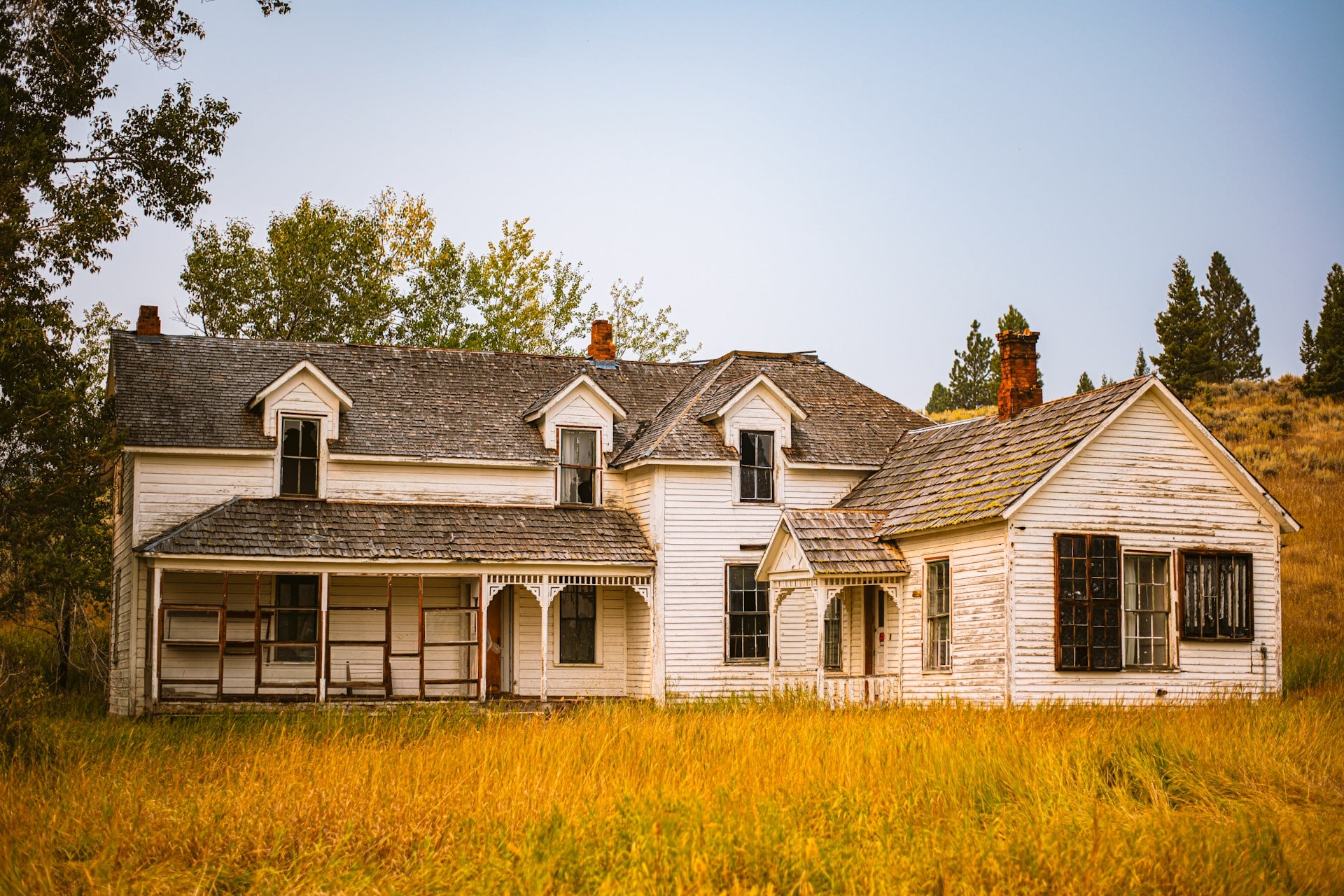
Who actually owns money found hidden in a house? The answer depends on where the house is located and how a court classifies the find.
Legal tradition divides found property into four categories. Lost property is something the owner parted with unintentionally.
Abandoned property was deliberately given up. Treasure trove refers to valuables hidden long enough that the original owner is presumed dead or unknown.
Mislaid property is something intentionally placed somewhere and then forgotten.
The classification matters because the rules differ. Finders of lost, abandoned, or treasure trove property generally get to keep it unless the original owner shows up.
But finders of mislaid property must turn it over to the owner of the premises where it was found.
In the Arizona ammunition can case, the court ruled that the $500,000 was mislaid, not abandoned. The family hadn’t deliberately given up the cash.
They just didn’t know it was there. That distinction cost the new homeowners half a million dollars.
Oregon reached the opposite conclusion in a similar case. A woman bought a house, and eighteen months later an electrician found $122,000 hidden in the basement ceiling.
The court ruled that when the estate sold the house with a contract requiring removal of “all personal property,” the money became part of the sale. The new owner kept everything.
Depression-Era Bills Still Appearing
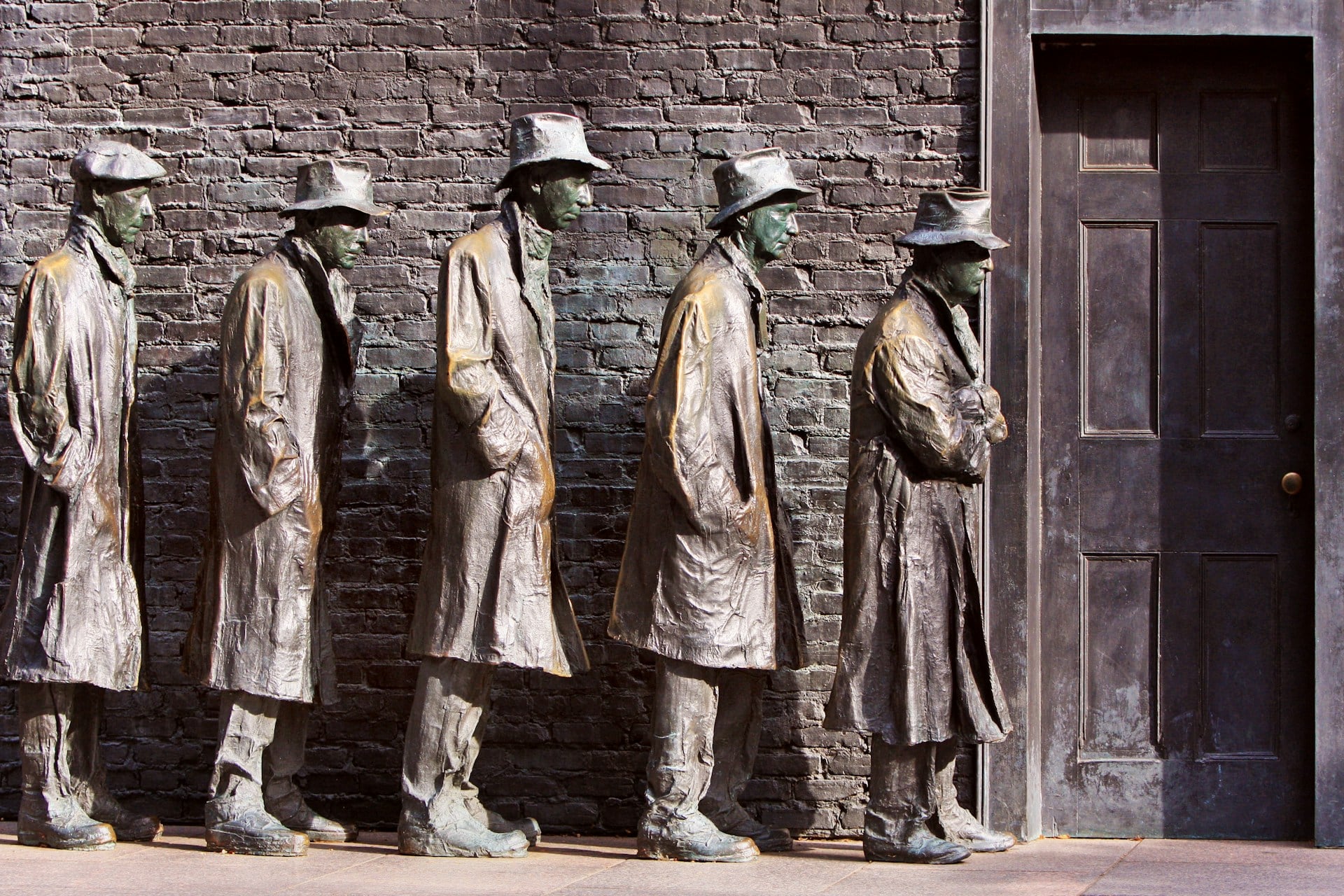
A man in Wildwood, New Jersey, was doing yard work in 2022 when he found two small tubes buried beneath his porch. Inside were rolls of $20 and $10 bills, all from 1934.
The total came to about $1,000, which would have been worth the equivalent of roughly $21,800 when first hidden.
The house dated to the 1920s. Someone had clearly closed a bank account or gathered their savings and buried them beneath the porch for safekeeping.
Then something happened. They died, or forgot, or never came back.
These discoveries keep happening because the generation that lived through the Depression kept hiding money for decades afterward. The habit outlasted the crisis that created it.
The Stories That End Badly

Not every hidden cash story ends with a windfall. The Ohio bathroom case turned what should have been a celebration into years of litigation and bitterness.
The Arizona ammunition cans sparked a legal battle that left everyone frustrated.
Sometimes the money itself has problems. Currency from the 1930s may have degraded.
Coins can corrode. Paper bills hidden in damp spaces get moldy and fall apart.
And inflation erodes value even when the physical currency survives.
A thousand dollars hidden in 1934 would buy what roughly $22,000 buys today. But if that same thousand dollars had been invested in the stock market instead, it would be worth considerably more.
Hiding money protects it from bank failures but also prevents it from growing.
What the Walls Say About Us

People hide money because they’re afraid. Afraid of bank collapses, theft, government seizure, family members, or simply afraid of the unknown.
The people who lived through the Depression learned that institutions could fail, that promises could be broken, that the world could shift beneath your feet without warning.
Their children and grandchildren inherited some of that fear. And so the hiding continued, generation after generation, creating an invisible layer of wealth embedded in American homes.
Behind bathroom walls, under kitchen floors, in attics and basements and the spaces between studs.
Every renovation is an archaeological dig. The walls hold stories.
Sometimes they hold fortunes. And sometimes the money that emerges creates more problems than it solves.
A Different Kind of Inheritance

Finding cash in your walls feels like winning the lottery. But the comparison breaks down quickly.
Lottery winnings come with clear rules about ownership and taxes. Hidden cash comes with questions.
Whose money is this? Who has a legal claim?
What about the contractor who found it? What about the heirs of whoever hid it?
What happens if you spend it and someone else shows up with a claim?
The answers vary by state, by circumstance, by the specific language in a purchase contract.
The safest approach, according to attorneys who have handled these cases, is to consult a lawyer before doing anything else. The second safest approach is to keep quiet and hope nobody finds out.
The contractor in Ohio, Bob Kitts, is often asked why he didn’t just pocket the money and keep his mouth shut. He says he wasn’t raised that way.
The discovery was fascinating, he admits. Seeing that amount of cash in front of him was breathtaking.
But he doesn’t regret being honest.
Not everyone agrees with his choice. And that disagreement itself reveals something about what hidden money does to people.
What Still Waits in the Dark

Millions of dollars in hidden cash remain unaccounted for across the country. Depression-era hiding spots that were never emptied.
Stashes forgotten by people who died before revealing their secrets. Money hidden by people who planned to come back but never did.
The homes are still standing. The walls are still intact.
The cash sits in darkness, waiting for the next renovation, the next curious homeowner, the next contractor with a crowbar and a flashlight.
Somewhere behind a medicine cabinet or beneath a floorboard, there’s another fortune nobody knows about yet. The question is whether finding it will be a gift or a curse.
More from Go2Tutors!

- The Romanov Crown Jewels and Their Tragic Fate
- 13 Historical Mysteries That Science Still Can’t Solve
- Famous Hoaxes That Fooled the World for Years
- 15 Child Stars with Tragic Adult Lives
- 16 Famous Jewelry Pieces in History
Like Go2Tutors’s content? Follow us on MSN.



