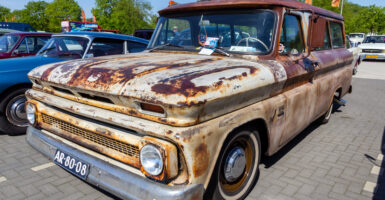
29 Forgotten Features of Family Station Wagons
Before minivans and crossovers took over the school pickup line, the station wagon was the default American family vehicle. It arrived loaded with quirks that no modern car would dare attempt. Some were clever, some were absurdly complicated, and a few existed mainly to impress the neighbors.
Detroit spent decades inventing new ways to open a tailgate, seat a tenth passenger, or let sunlight into the second row. Most of those ideas disappeared along with the wagons themselves. Here is what the long-roof era left behind.
Rear-Facing Third-Row Seats
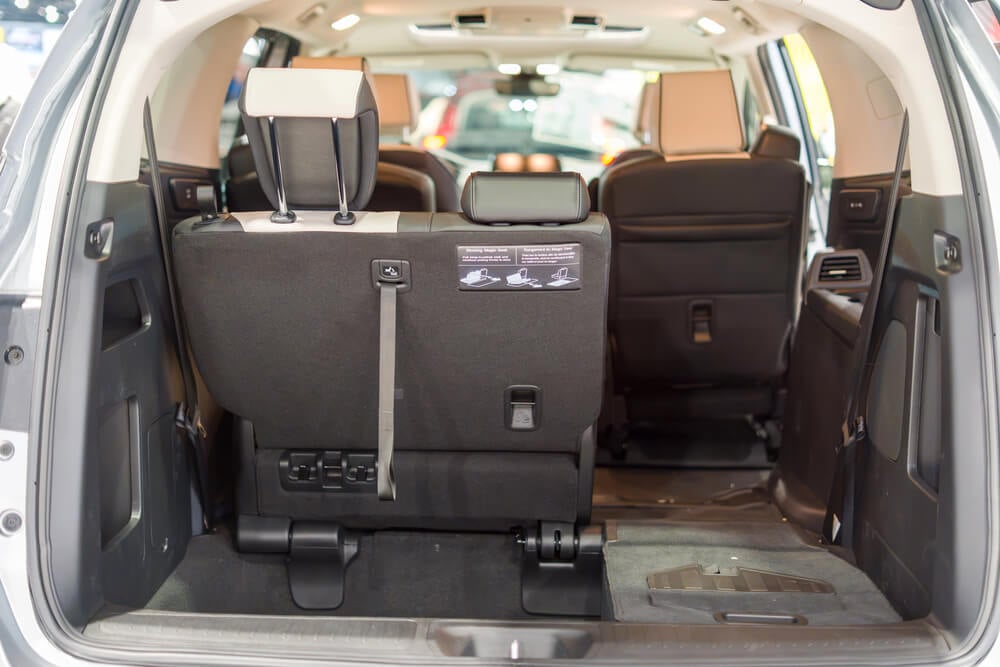
Many full-size wagons of the 1960s tucked a bench into the cargo area that faced backward, giving kids a front-row view of everything the family car had just passed. Ford’s Country Squire made dual-facing rear seats part of its pitch, and the arrangement turned the back of the car into a private clubhouse. Parents got extra seating without buying a bigger vehicle, and children got bragging rights.
Simulated Woodgrain Paneling
Vinyl woodgrain became the signature look of the family wagon, running along the doors and sides in a style that suggested a country estate. The Ford Country Squire wore it so faithfully that the fake timber became the car’s identity. Real wood would have demanded regular varnish, while vinyl needed only a wash.
Real Wood Rear Bodies
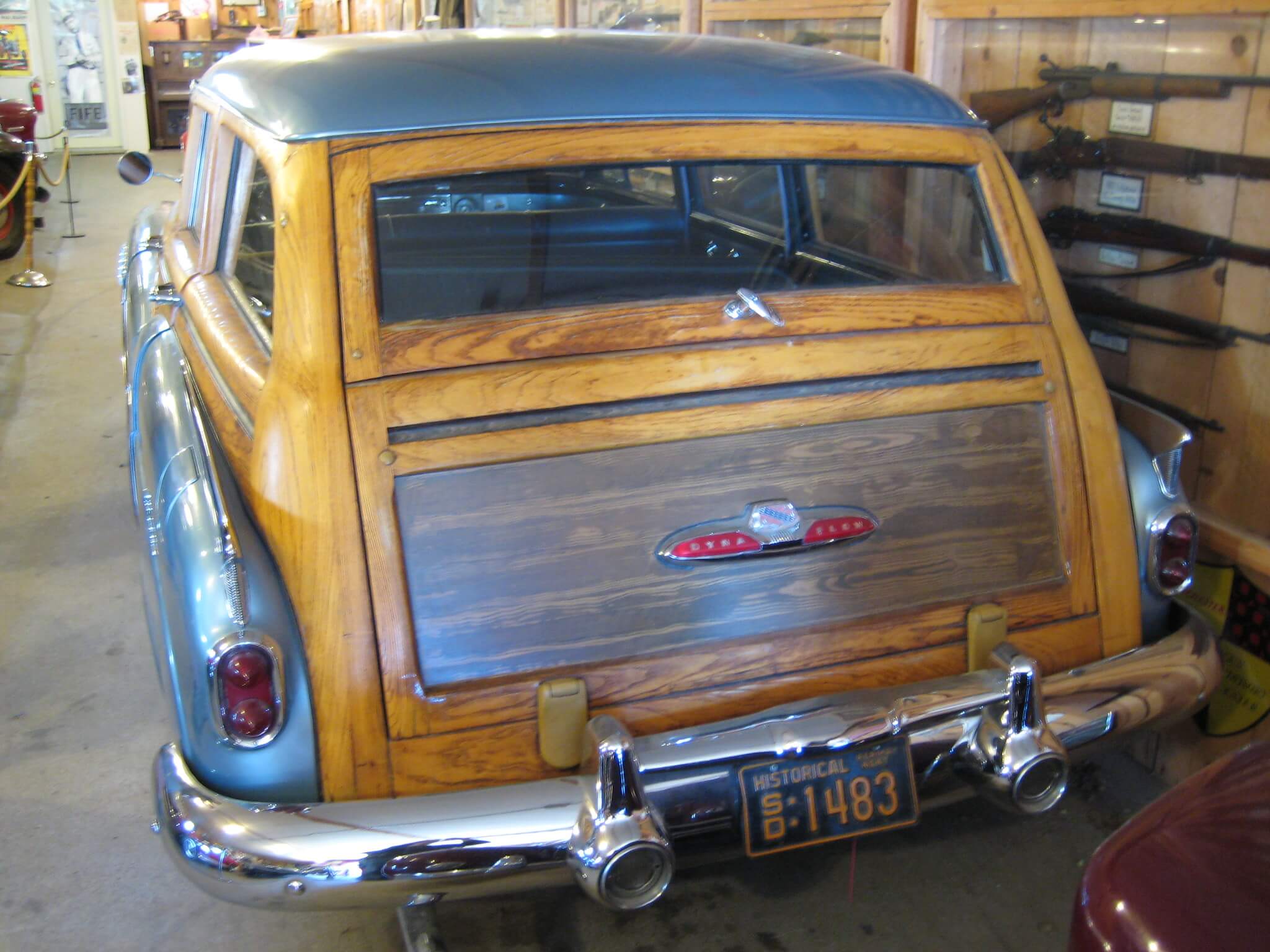
The first Ford Country Squire appeared in 1950 as a modified two-door built on the Custom Deluxe, and its back end was constructed from actual wood. Buyers could choose a six-cylinder engine or Ford’s V8. The imitation grain that followed was a direct descendant of this more demanding original.
The Magic Doorgate
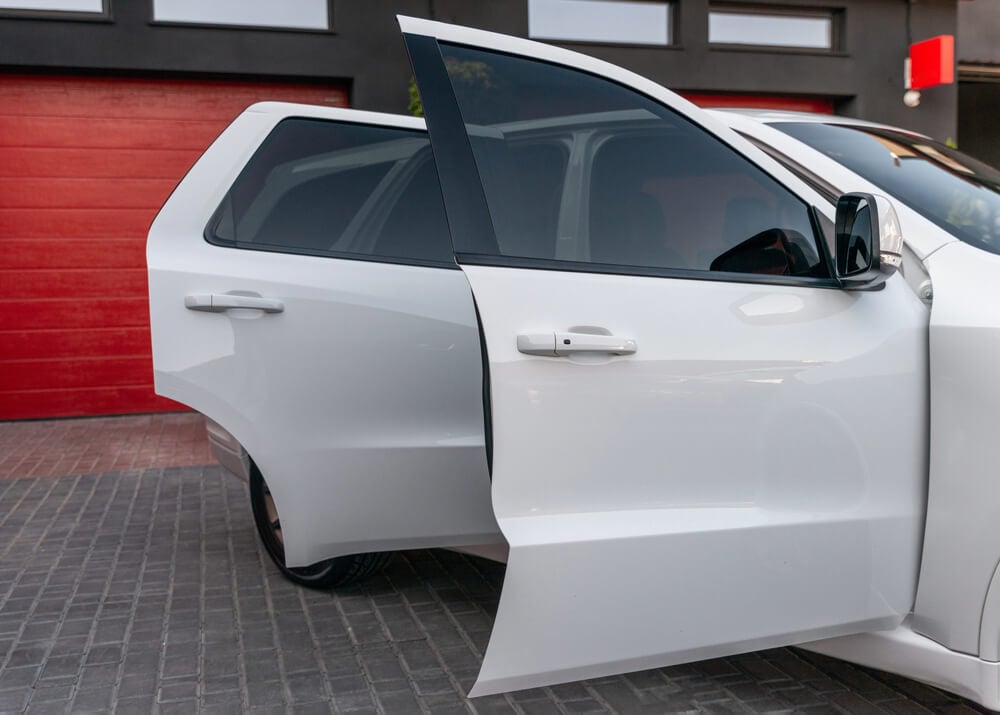
Ford introduced its Magic Doorgate for 1966 on full-size wagons including the Country Squire, and it could fold down like a traditional tailgate or swing open sideways like a door. Ford’s advertising summed it up as a gate that opened for people and dropped for cargo. By 1969 the design was upgraded to a three-way version that worked with the rear window either up or down.
The Clamshell Tailgate
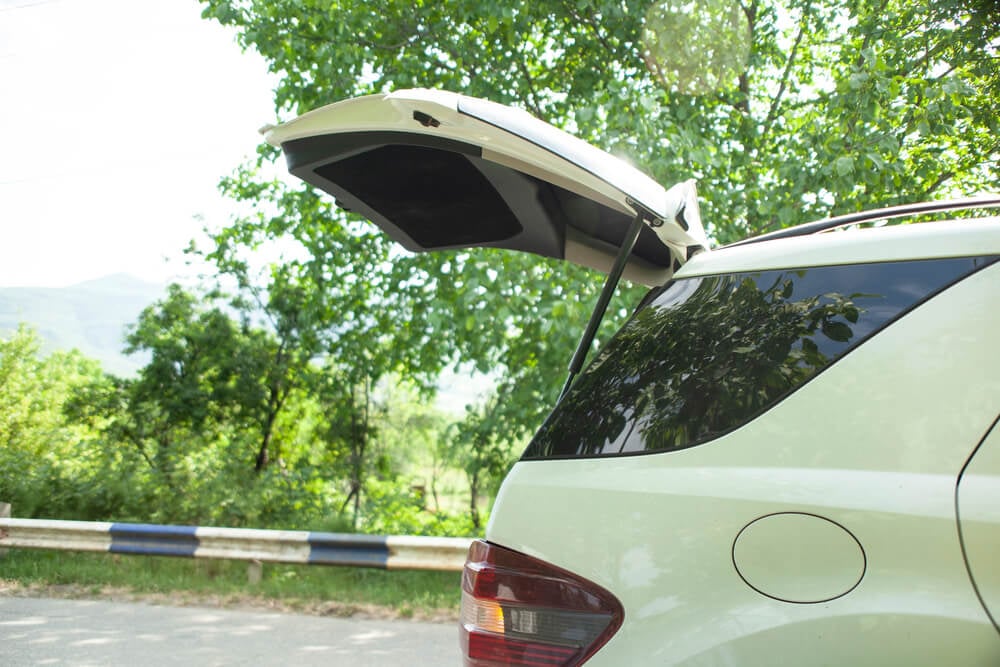
General Motors answered Ford with a far more theatrical solution on its full-size wagons from 1971 through 1976. The rear window slid up into the roof while the lower gate dropped down below the cargo floor, leaving nothing hanging off the back. The mechanism was heavy and complex, and GM replaced it with a three-way tailgate for 1977.
Key Switches on the Tailgate
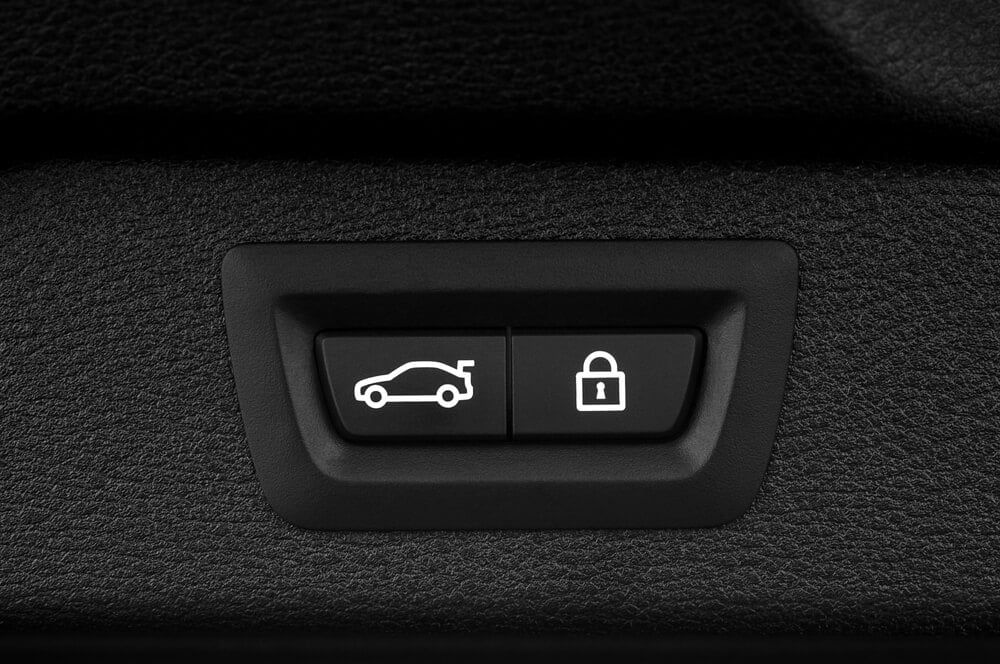
Clamshell wagons were operated with a key slot in the rear of the car, plus a switch on the instrument panel. Turning the key once retracted the rear window into the roof, and turning it twice rolled the tailgate beneath the cargo area. It was the kind of feature that made a grocery run feel like a stage production.
Factory Roof Racks
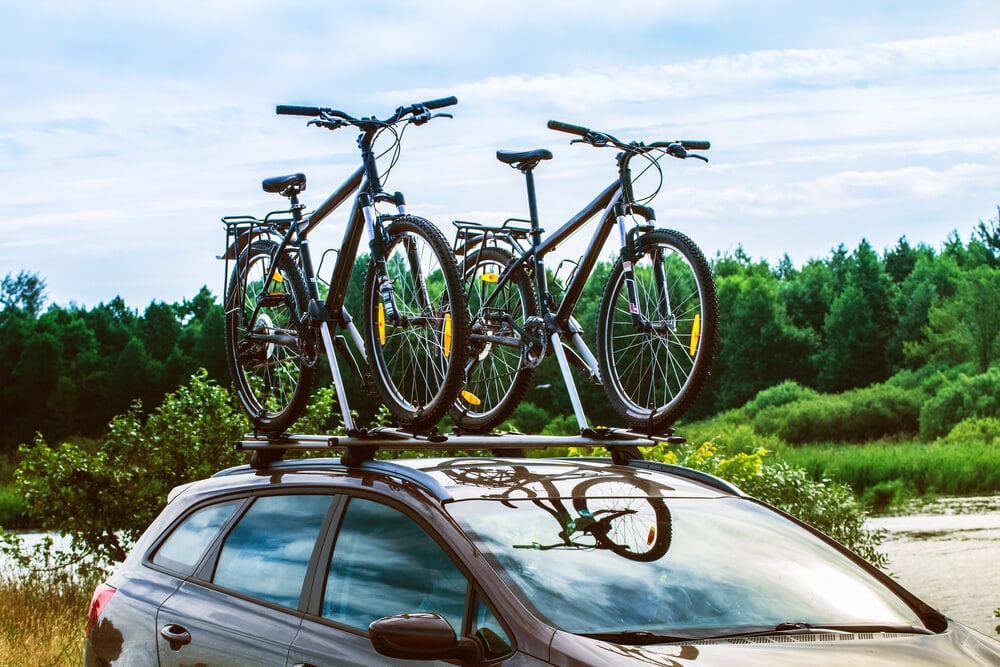
A raised-rail luggage rack on the roof was a common wagon option, built to carry suitcases, skis, and the overflow from a summer vacation. The cargo area could hold only so much, and a rack added a second storage level that nobody had to unload at every motel. Strapping on a load with rope and a tarp was a skill that fathers took pride in.
Forward-Facing Third Seats
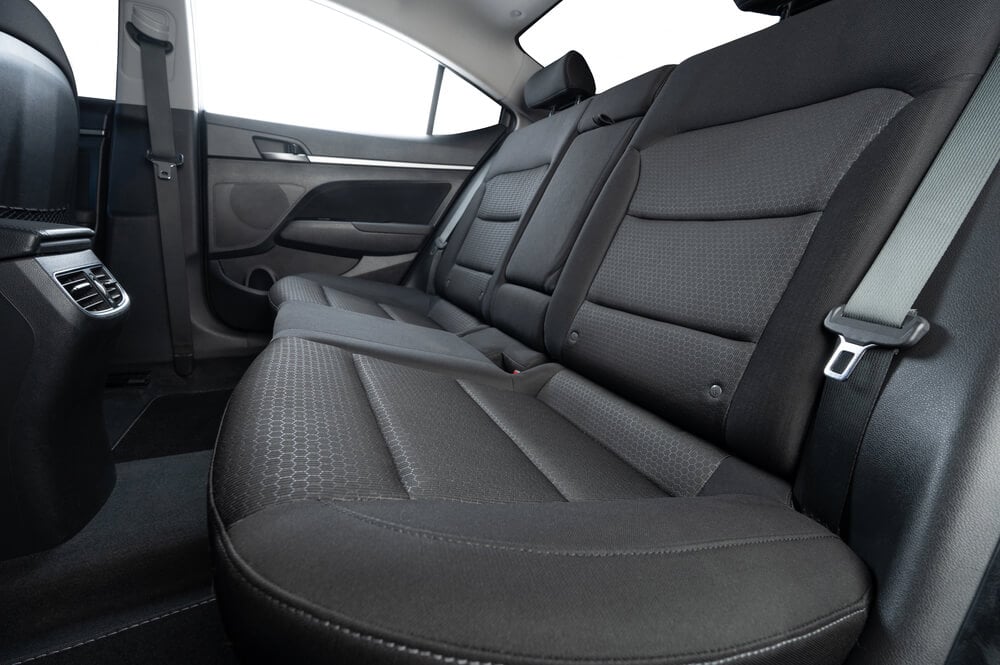
The 1971 through 1976 GM full-size wagons offered an optional third row that faced forward, a break from the rear-facing benches of earlier years. On Buick’s Estate Wagon, one third of the curbside seat folded forward to give passengers access to the back. The roof was raised slightly over the cargo area to make headroom for the extra riders.
Leaf-Sprung Rear Suspension
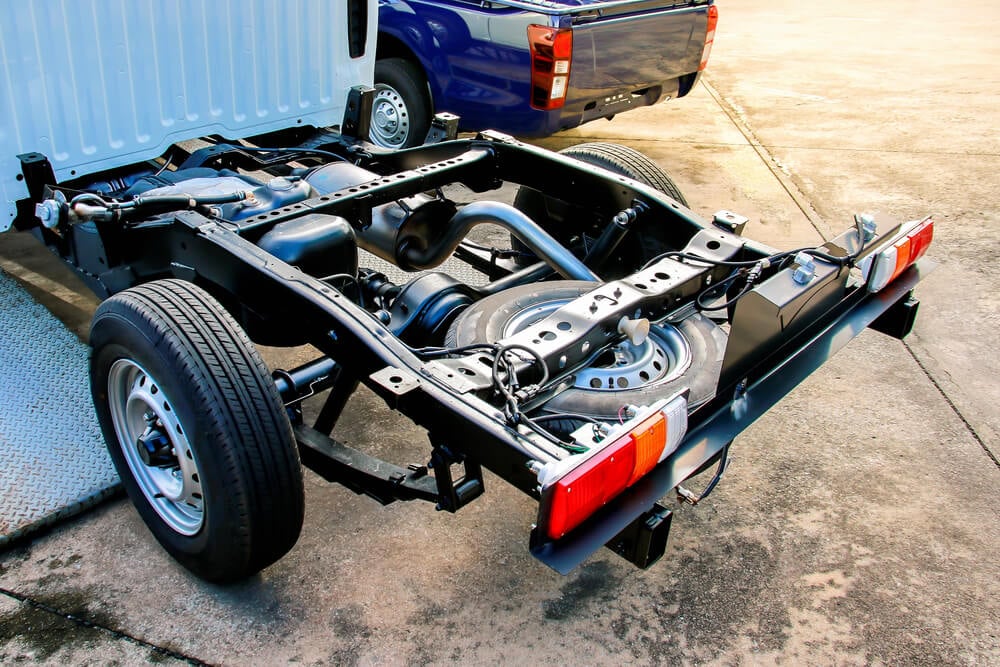
For the 1971 through 1976 model years, GM’s biggest wagons used multi-leaf rear springs rather than the coil springs found on their sedan siblings. The setup suited heavy loads, which was the entire point of owning a wagon. It also marked a rare case where the family hauler had a more truck-like underpinning than the car it was based on.
Vista Cruiser Skylights
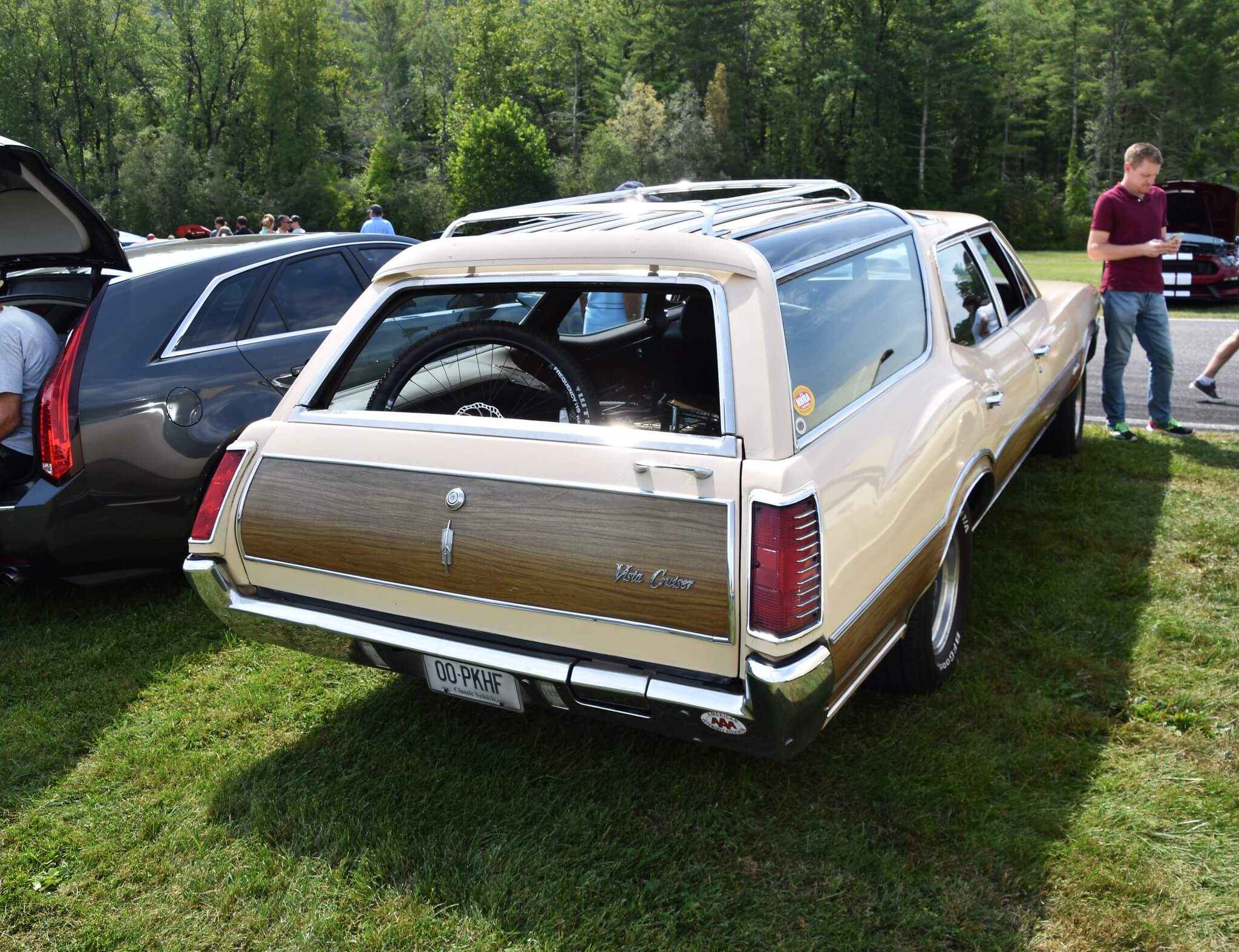
Oldsmobile launched the Vista Cruiser in February 1964, and it came with a raised roof and a split skylight that began over the second-row seating. Glass panels along the sides of the raised roof also lit up the cargo area. Passengers sitting beneath it could watch treetops and billboards slide past overhead.
Skylight Sun Visors
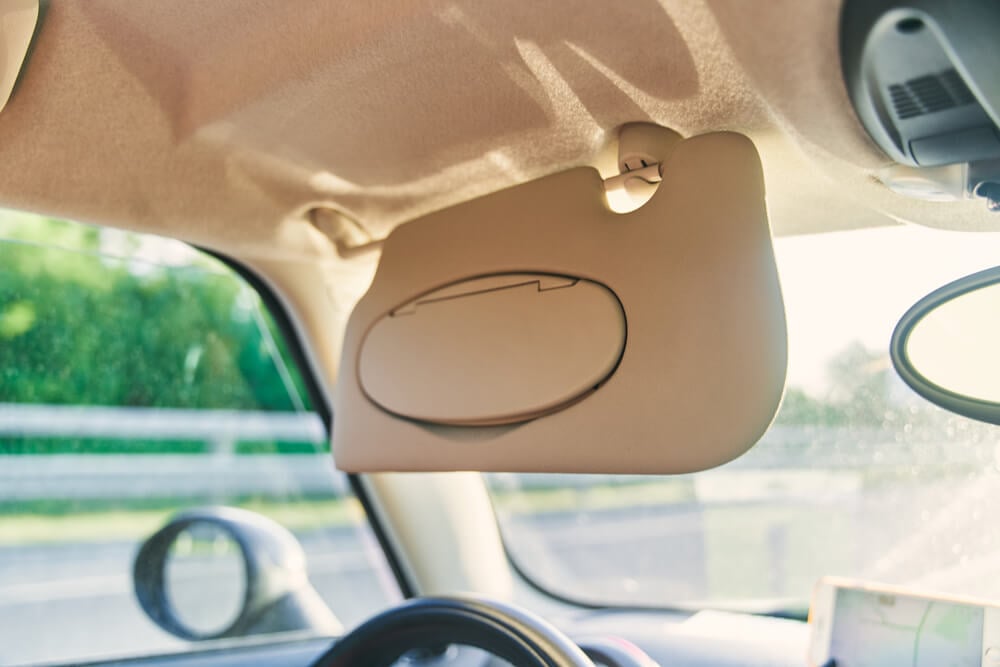
The Vista Cruiser’s roof glass solved one problem and created another, which was direct sunlight on rear passengers. Oldsmobile addressed it with sun visors for the second-row seats, a feature that few other cars have ever needed. Imagine a car whose back seat had better lighting control than the front.
Tinted Single-Piece Roof Glass
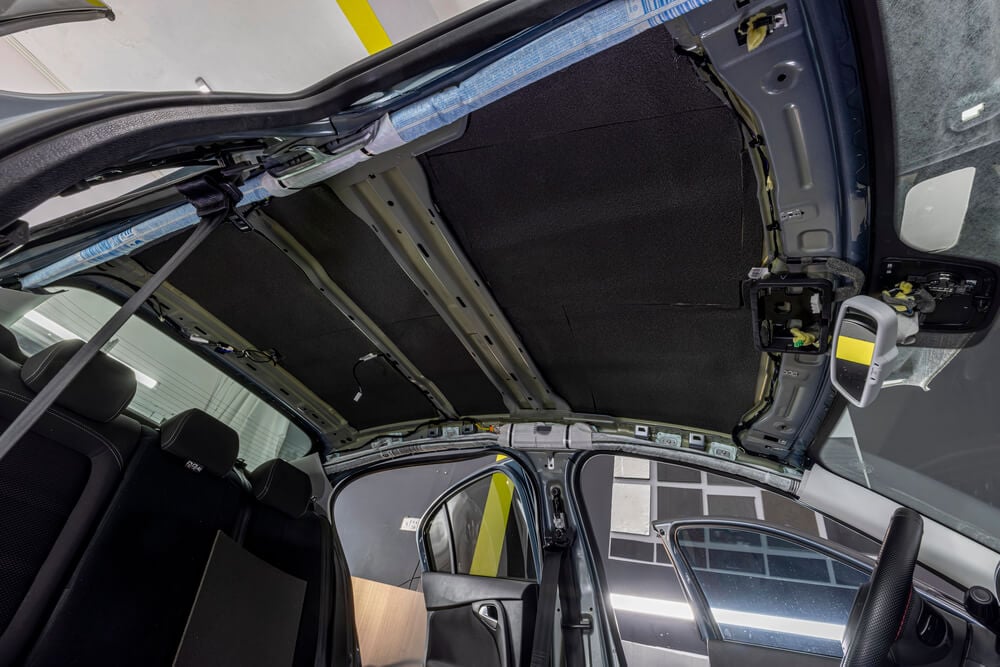
When the second-generation Vista Cruiser was refreshed for 1970, the two-piece skylight gave way to a single sloped panel of green or mirror-tinted glass. The change simplified the roof and cut down on glare. It also gave the design its most polished look, just a few years before the glass roof was dropped.
The Scenicruiser Roof Heritage
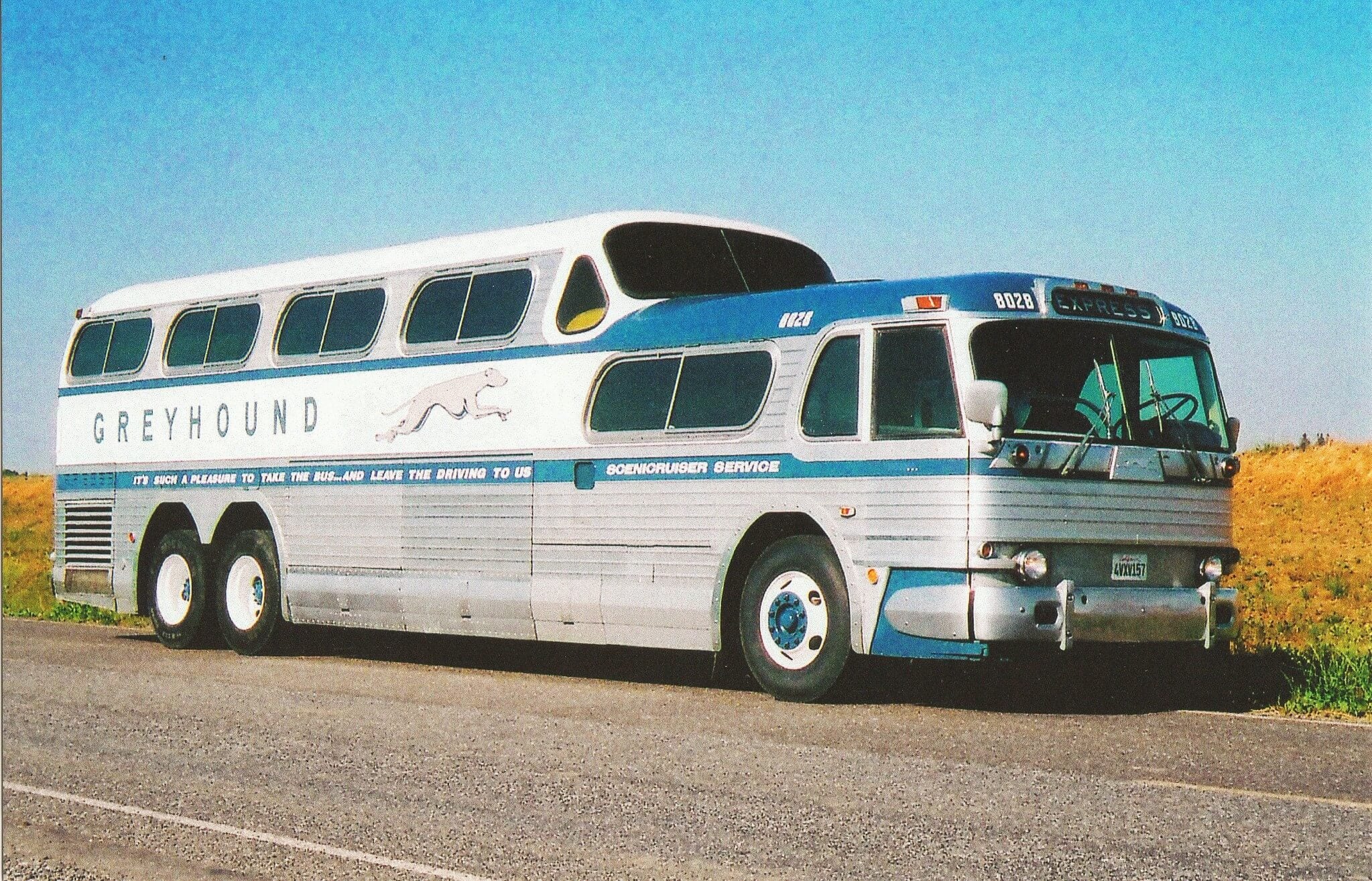
The side glass wrapping up into the raised roof was not an Oldsmobile invention. A similar arrangement appeared on the GMC Scenicruiser bus in 1954, a decade before the Vista Cruiser. Detroit’s designers took an idea from highway coaches and rebuilt it as a family car.
Buick’s Sport Wagon Twin
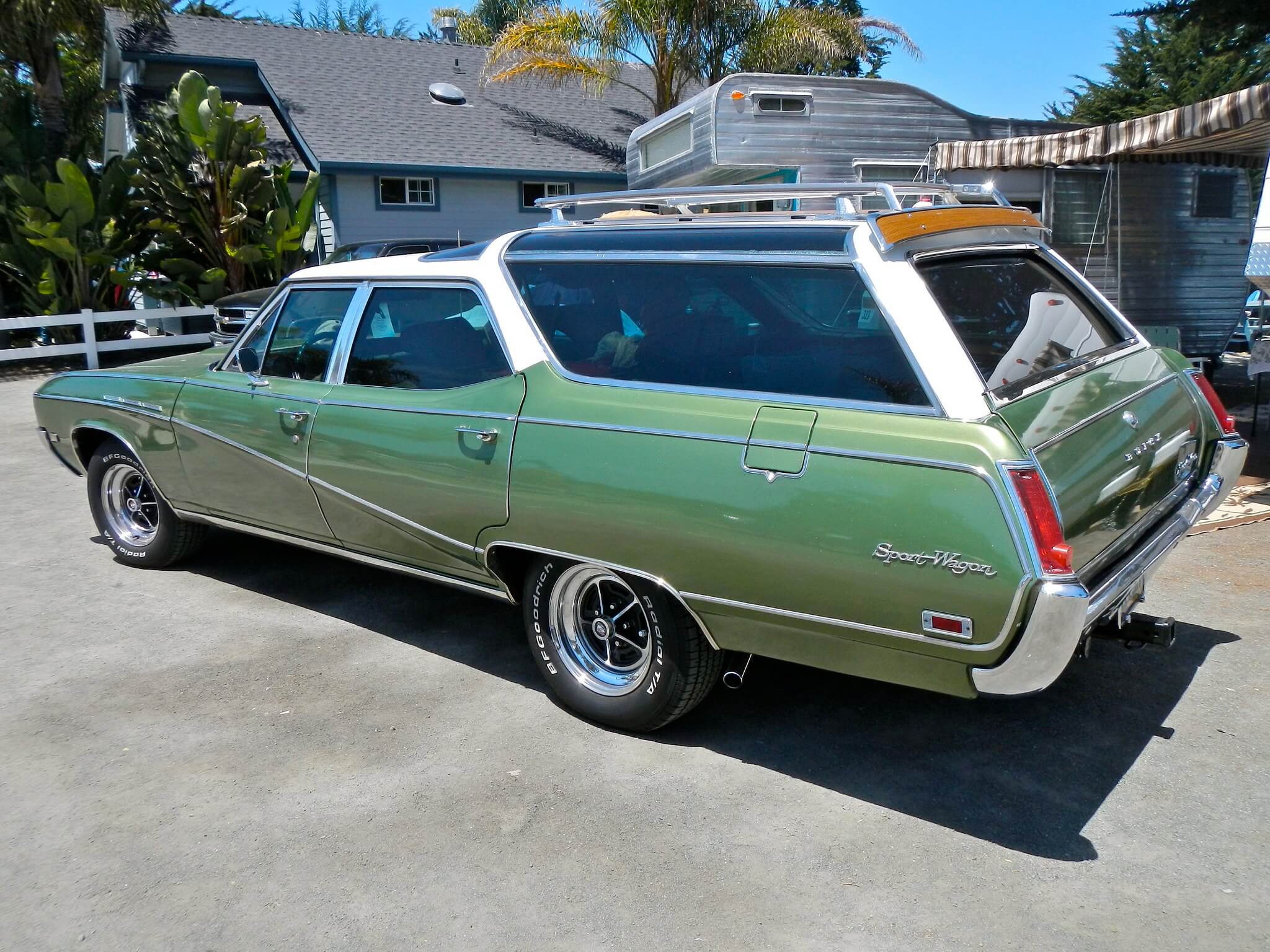
Buick sold its own version of the glass-roofed wagon, the Sport Wagon, which shared its roof design with the Vista Cruiser. It was discontinued after 1969, while Oldsmobile kept its version in production through 1972. The two cars were built to fill gaps in each brand’s lineup, since neither division offered a full-size wagon at the time.
The Roadmaster Estate Glass Roof
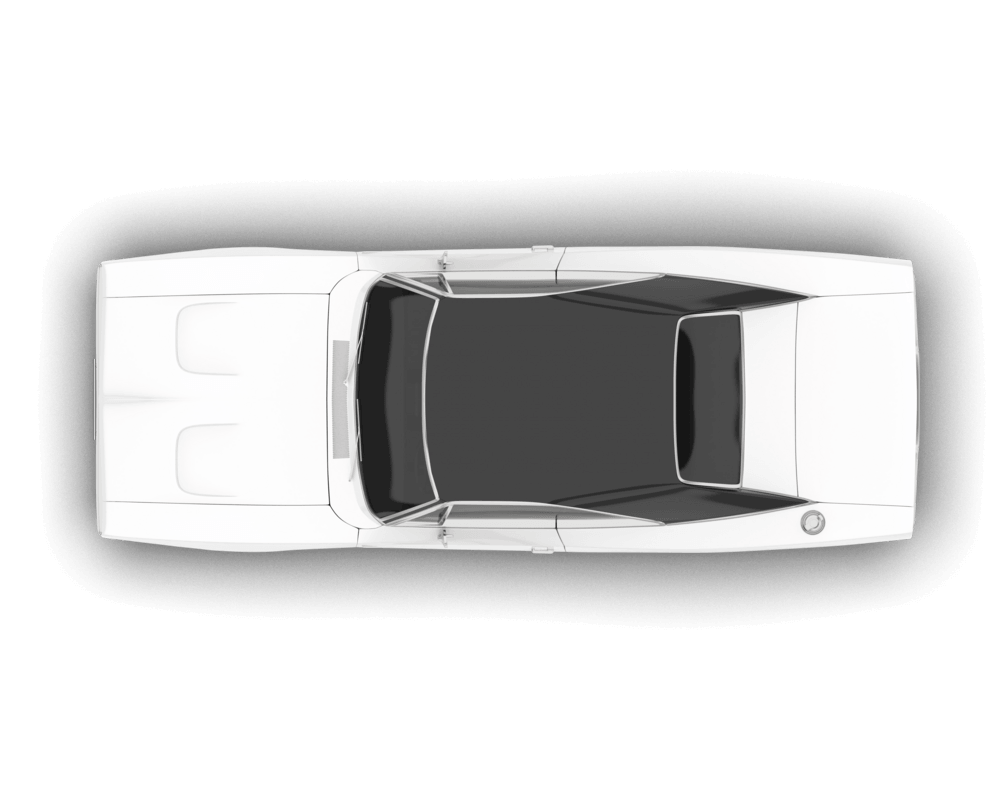
Glass roofs returned to the GM wagon lineup in the early 1990s. The Buick Roadmaster Estate Wagon carried a skylight from 1991 through 1996, and the Oldsmobile Custom Cruiser had one for 1991 and 1992. They were the last big American wagons to bring a roof view to the family.
The Pontiac Grand Safari
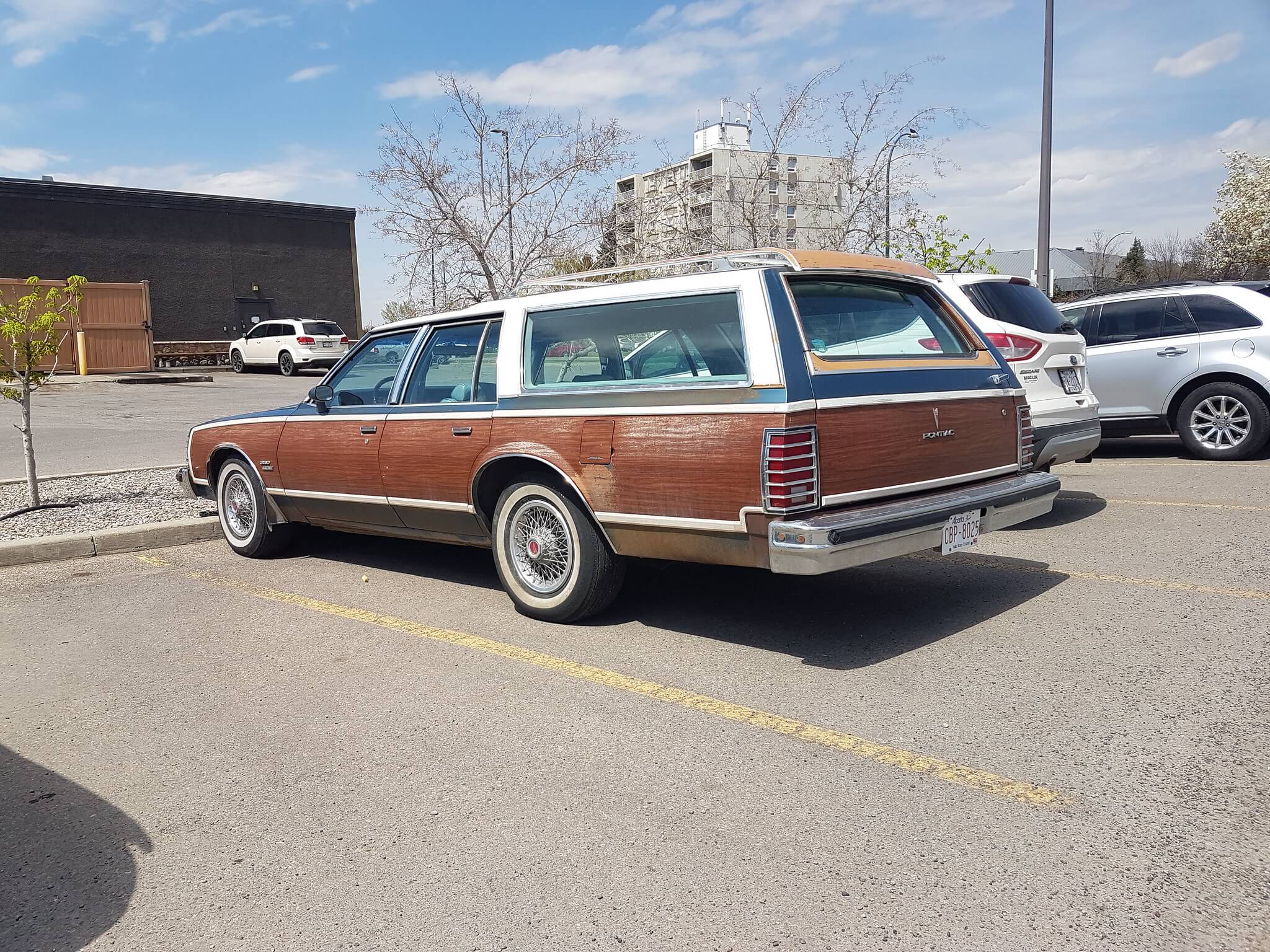
Pontiac’s top-of-the-line wagon was the Grand Safari, offered from 1971 through 1978. It shared its trim with the Grand Ville sedan and brought the clamshell tailgate to a division known for performance. Few vehicles of the decade were larger or more luxurious.
The Mercury Colony Park
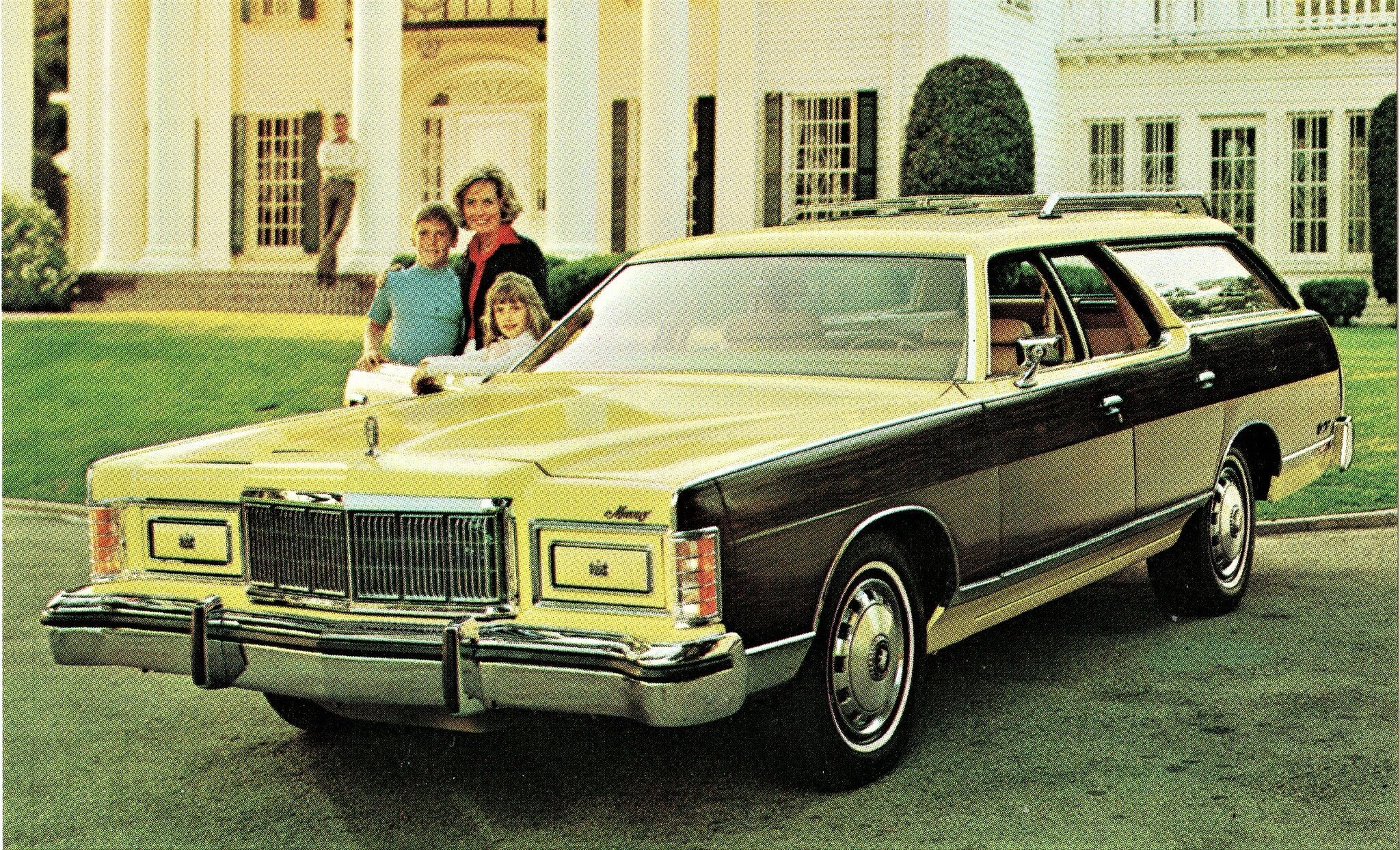
Mercury’s woodgrain-sided Colony Park was the upscale sibling of Ford’s wagons and carried the same two-way doorgate. A 1974 Popular Science comparison of full-size wagons placed it alongside the AMC Ambassador and Dodge Monaco. Those three wagons were found more convenient than the GM models in that test.
The Chevrolet Nomad
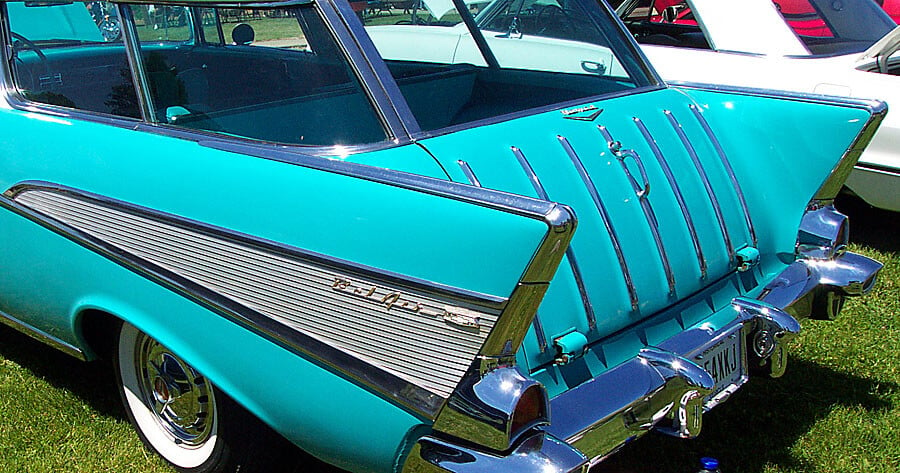
Chevrolet built the Nomad as a two-door wagon from 1955 through 1957. It borrowed more from a hardtop than from a workhorse, with styling that looked sporty rather than practical. The name has survived in collector circles long after most family wagons were forgotten.
The Chevrolet Townsman
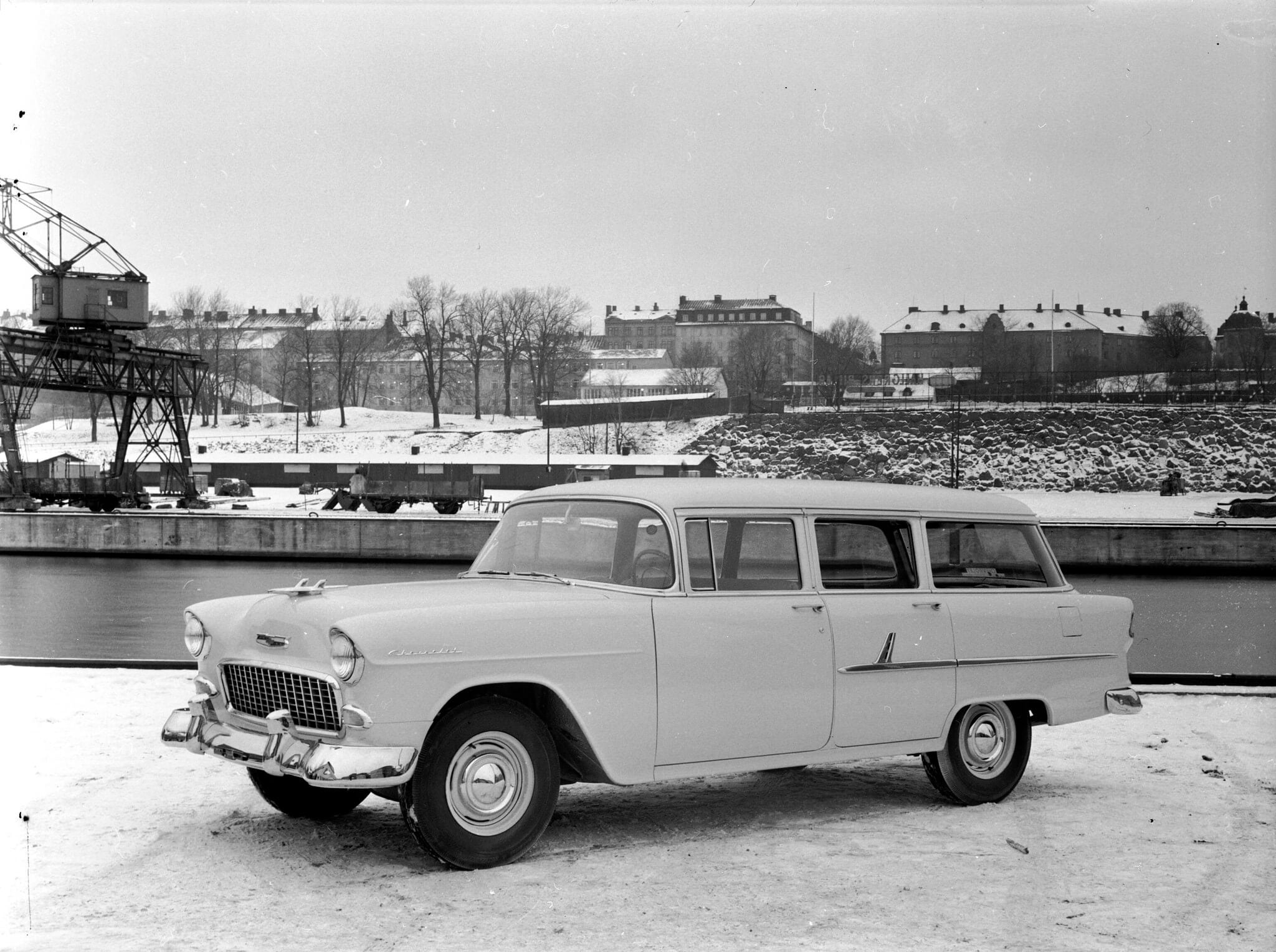
Chevrolet first used the Townsman name in 1953 on the 210 series four-door wagon. In 1954 it moved to the upscale Bel Air line, where it carried DI-NOC woodgrain paneling. It is an early example of imitation wood making its way onto a mainstream family wagon.
The Ford Ranch Wagon
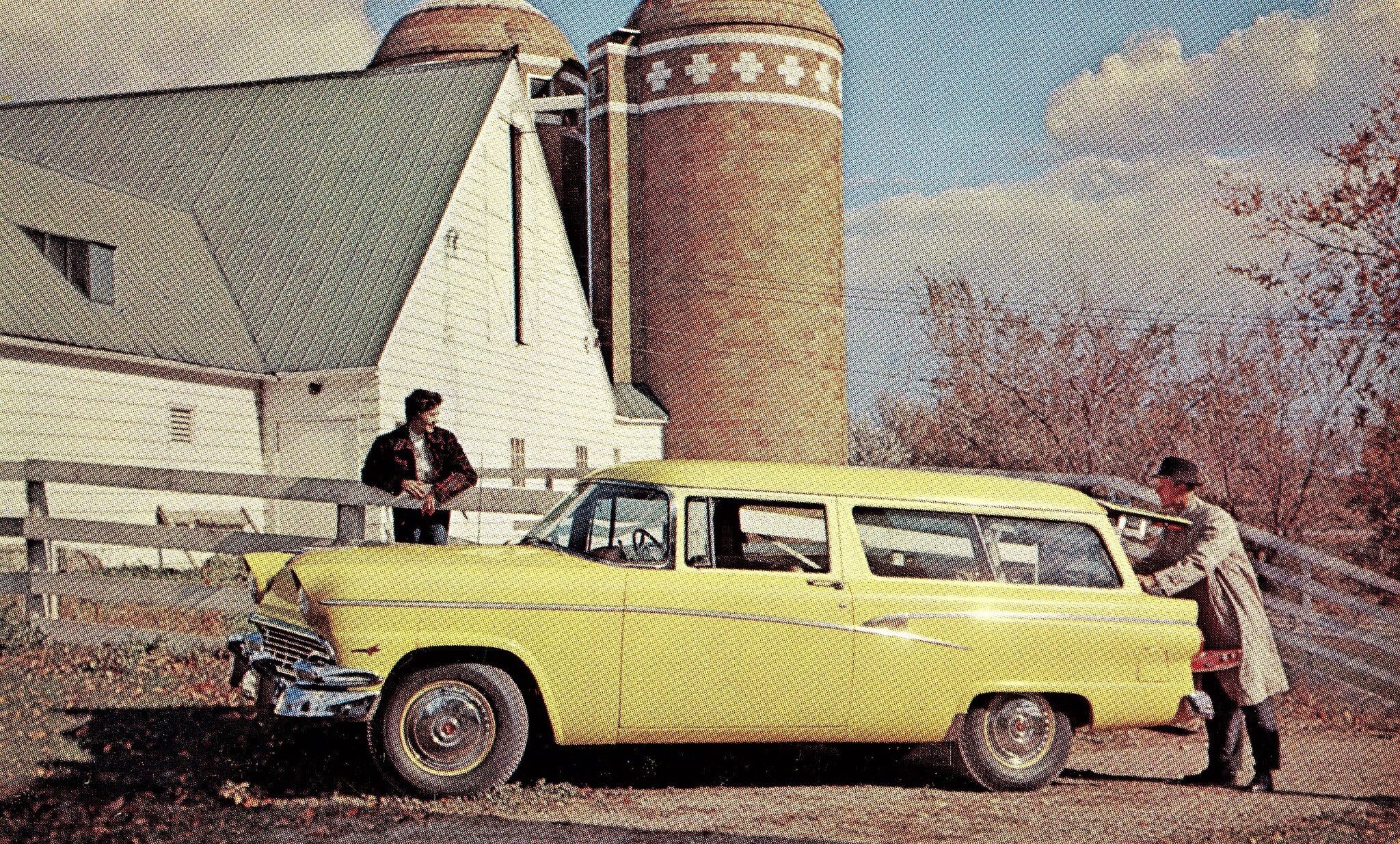
Ford’s Ranch Wagon was the plain-trim wagon in a lineup that included fancier models. For 1965 through 1968 it served as the entry point in the full-size range, and 1968 was its last year as a separate line. Its replacement, the Custom 500, moved in just above it in the order of trim levels.
The Ford Country Sedan
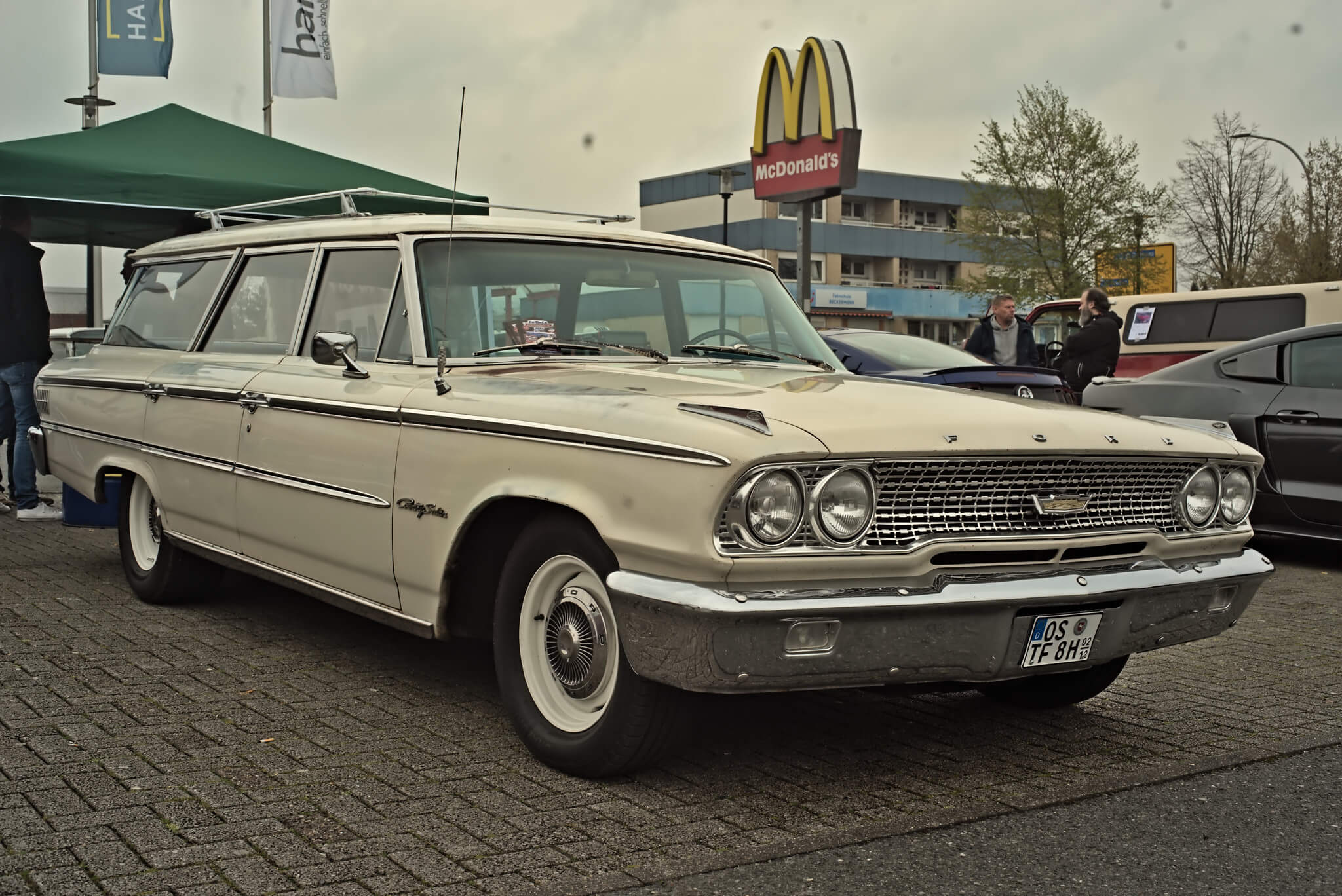
Another rung on Ford’s wagon ladder was the Country Sedan, which received the Magic Doorgate when the feature debuted in 1966. It sat below the Country Squire but offered the same rear-door convenience. Buyers who wanted the clever tailgate without the woodgrain could have it here.
The Oldsmobile Custom Cruiser
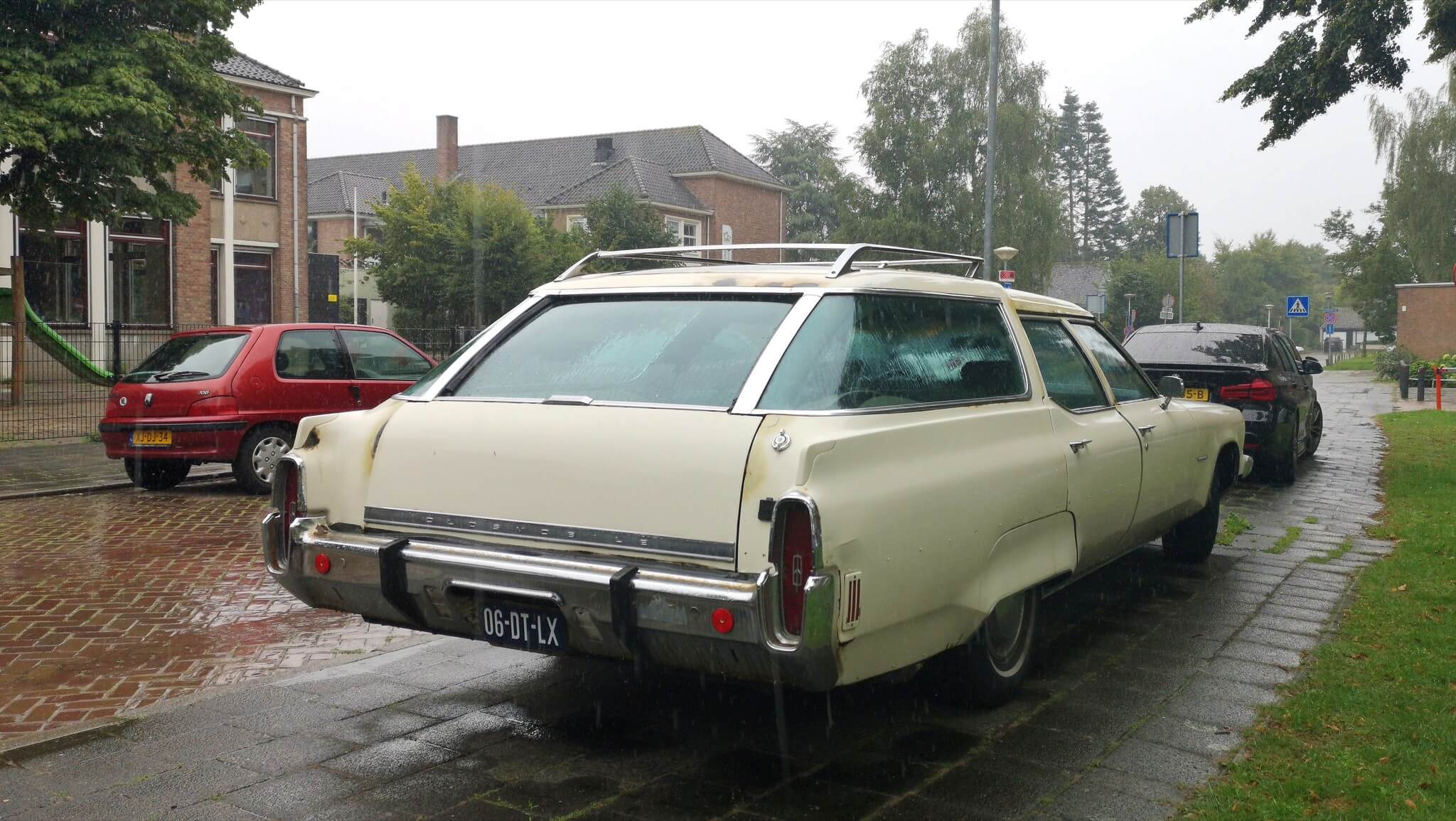
Oldsmobile brought back a full-size wagon for 1971 with the Custom Cruiser, built on the 127-inch-wheelbase 98 chassis. It featured GM’s disappearing clamshell tailgate. The glass-roofed Vista Cruiser kept selling alongside it until 1972.
The Cutlass Cruiser
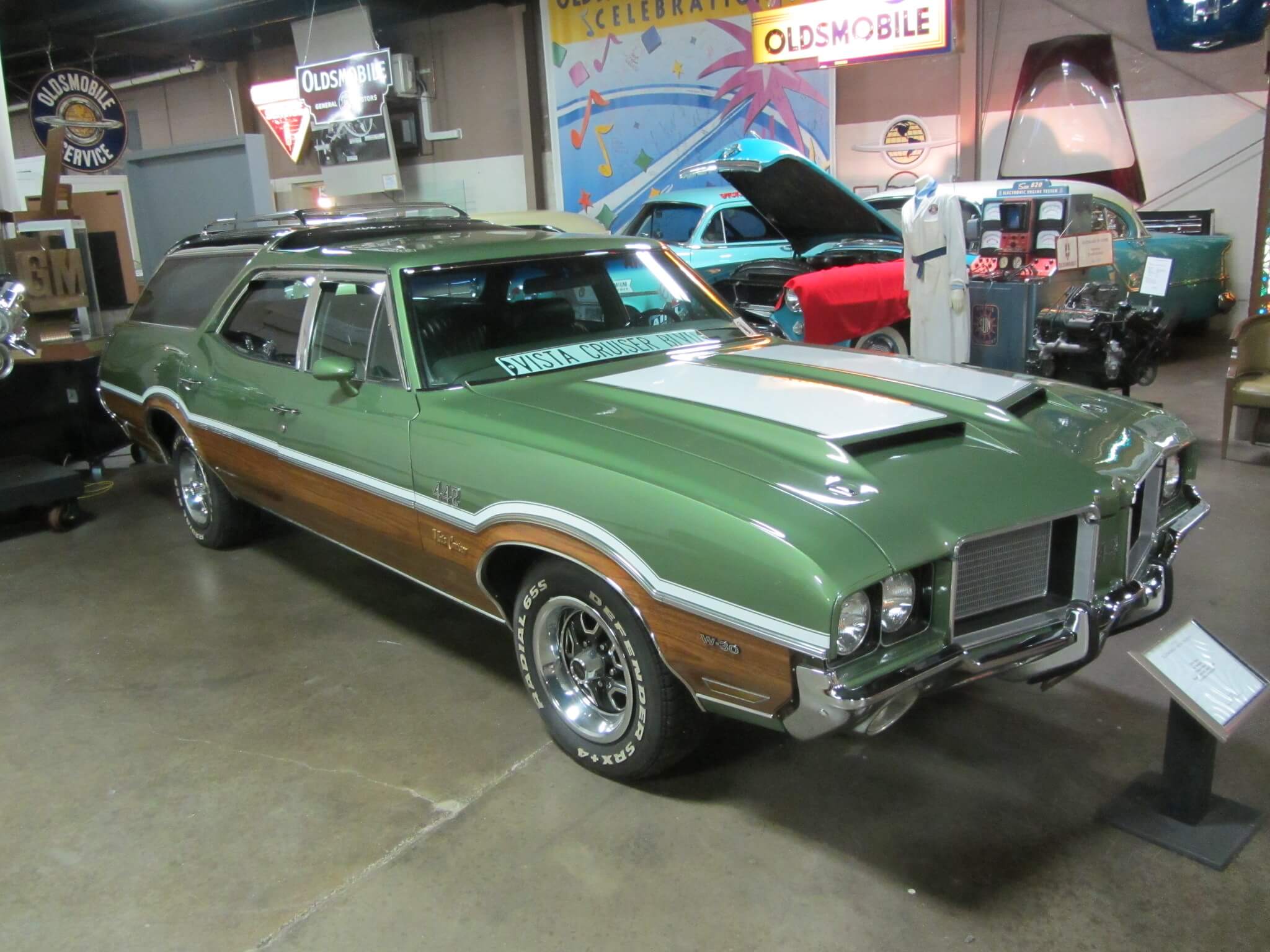
After the Vista Cruiser name faded, Oldsmobile sold mid-size wagons as the Cutlass Cruiser from 1978 through 1983. When the Ciera arrived, its wagon also wore the Cutlass Cruiser badge. The name survived through a change of platform, even though the sunroof did not.
The AMC Eagle Wagon
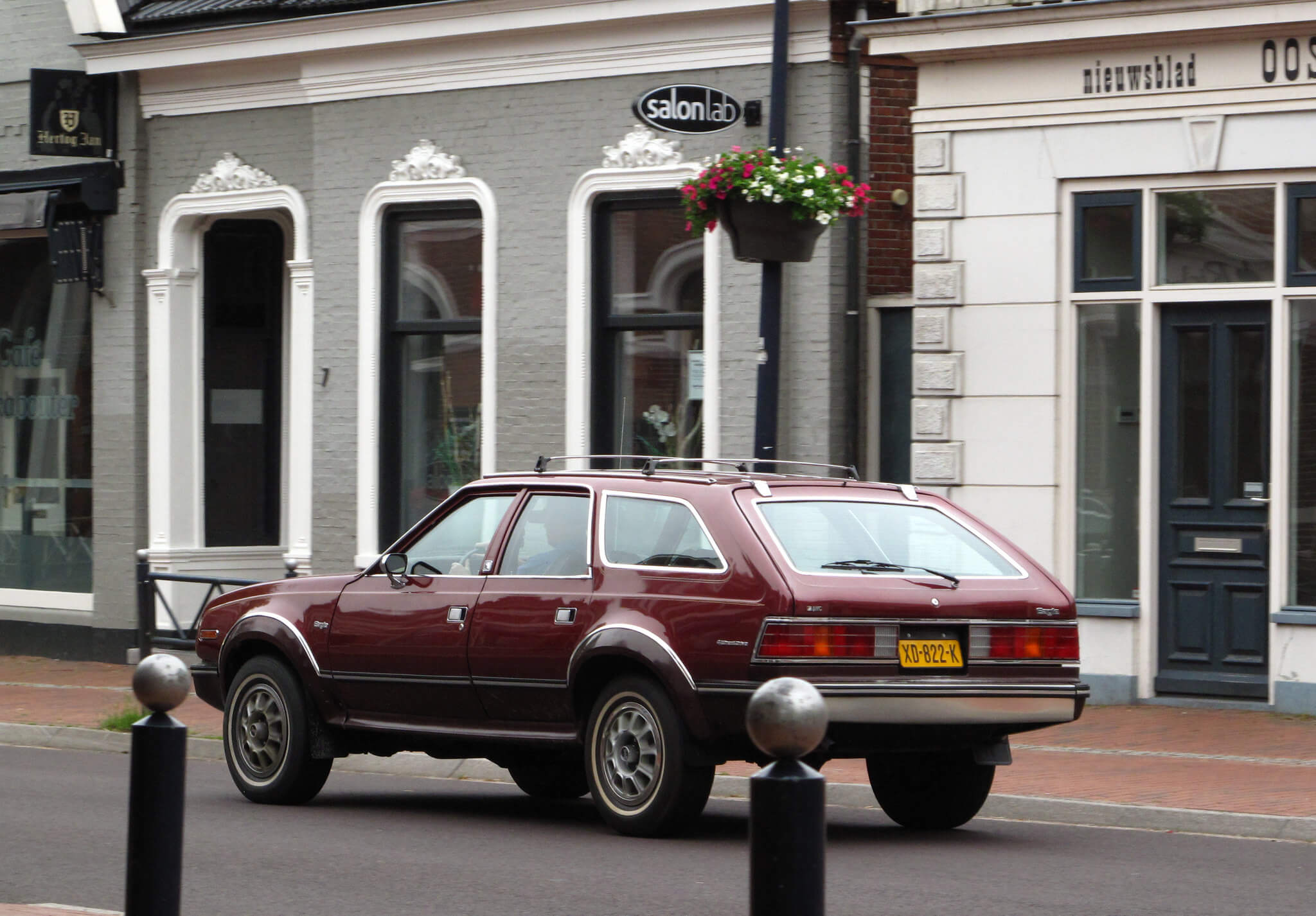
American Motors paired a station wagon body with four-wheel drive in the Eagle, launched for 1980. It gave families in snowy regions a car that could haul groceries and climb a hill in the same afternoon. Decades before crossovers, it was already making the case.
The Volvo 240 Wagon
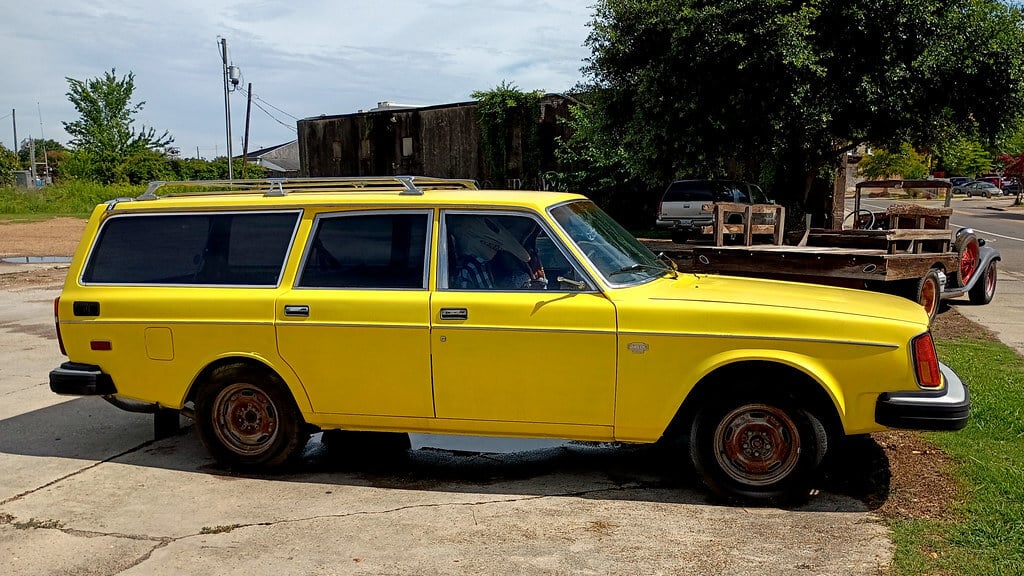
Volvo’s boxy 240 wagon stayed in production through 1993 and became a symbol of safety-minded family driving. Some versions offered a rear-facing jump seat in the cargo area, carrying on the tradition of the backward bench. It looked nothing like a Detroit land yacht but did a similar job.
The Taurus Wagon
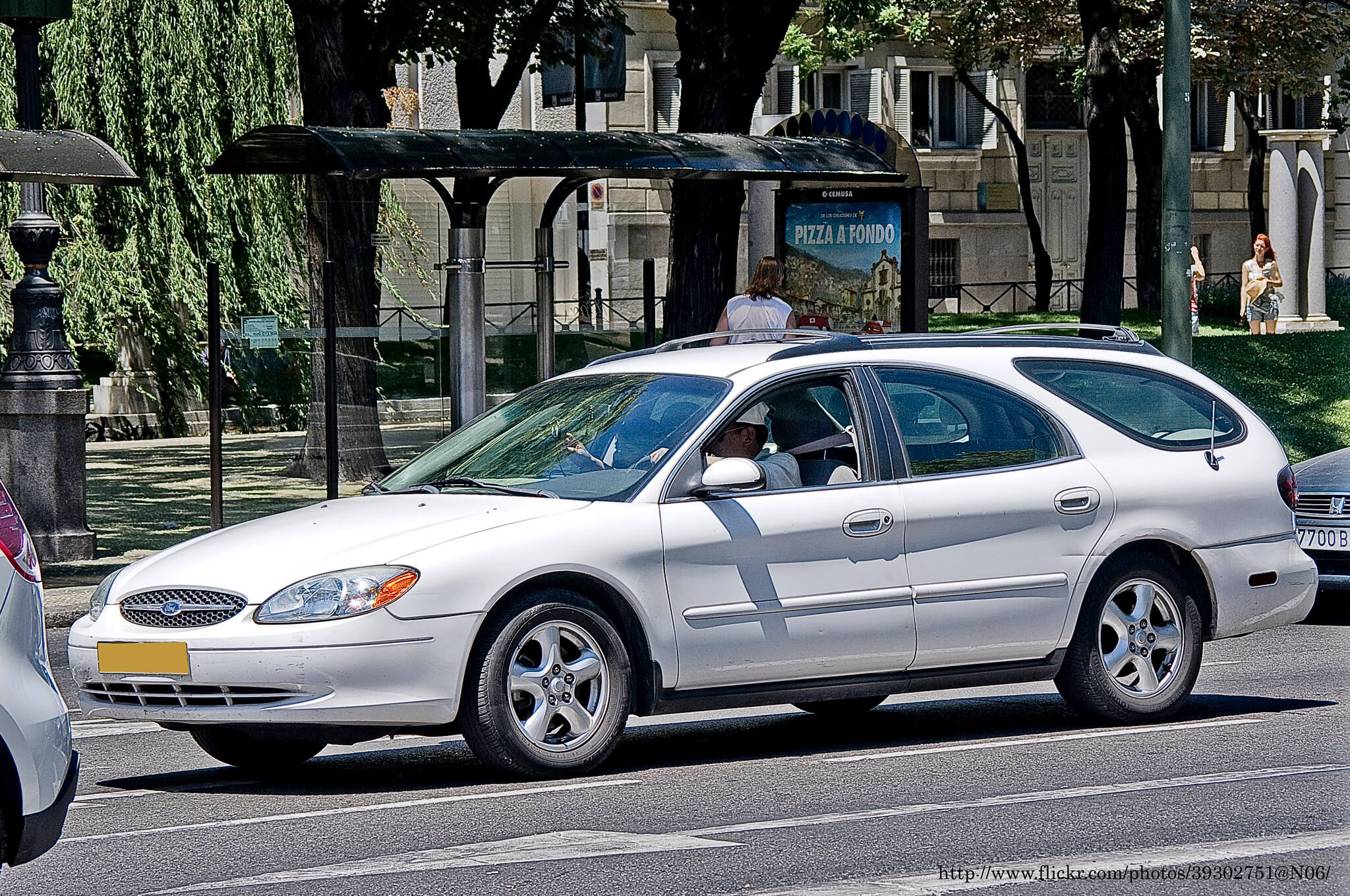
Ford’s Taurus wagon, introduced in the mid-1980s, brought a rounded aerodynamic look to a body style that had been all straight lines. It was available with a rear-facing third-row seat, which kept the old backward bench alive for another generation. When the Taurus wagon arrived, it quietly took over the role the Country Squire had held for decades.
Bench Seats and Column Shifters
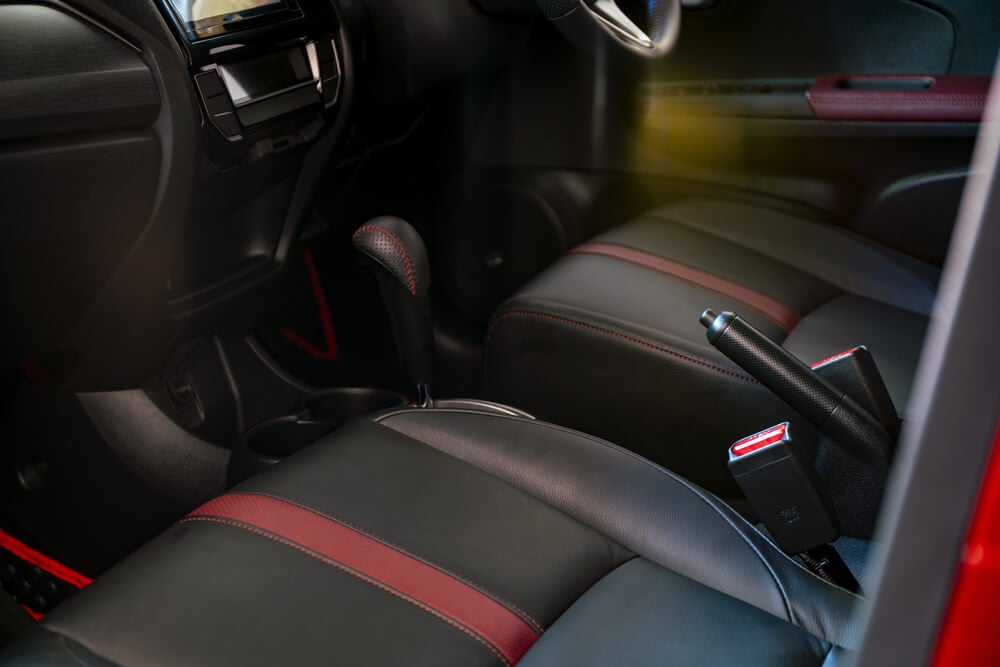
Many wagons seated three across the front with the shifter mounted on the steering column, leaving the floor clear. That meant six adults could ride in a two-row car without anyone straddling a console. Today it sounds like a puzzle, but it was ordinary arithmetic then.
Factory Eight-Track Players
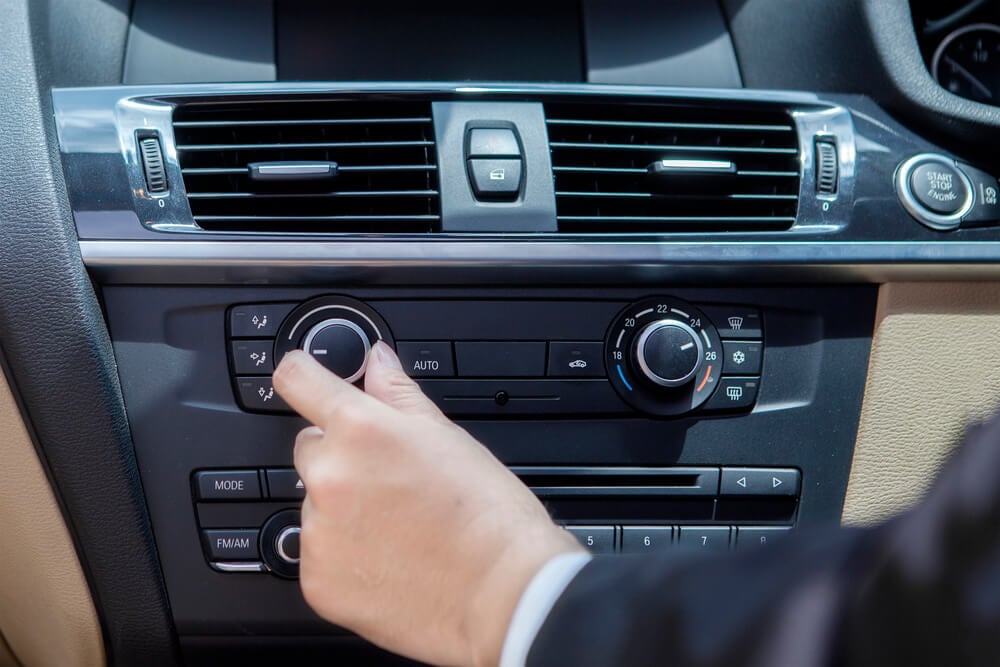
The Vista Cruiser’s option sheet included an eight-track tape player, which turned the family car into a rolling jukebox with a limited playlist. Tapes were bulky, and one clunk between tracks could interrupt a song. For long drives it was the most advanced in-car entertainment available.
Flat Cargo Floors Made for Sleeping
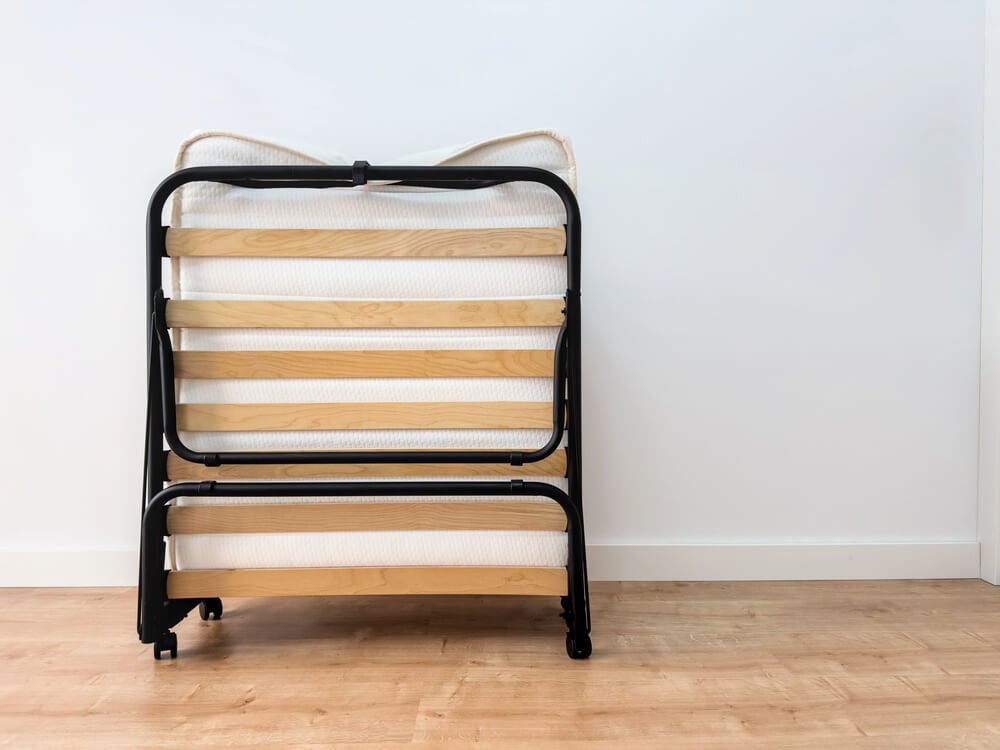
With the rear seats folded down, a wagon’s cargo area created a long flat floor that ran nearly the length of the car. Families used it for camping trips, with sleeping bags laid out under the roof. The same space also hauled lumber, furniture, and the occasional dog.
When Cargo Space Was Theater
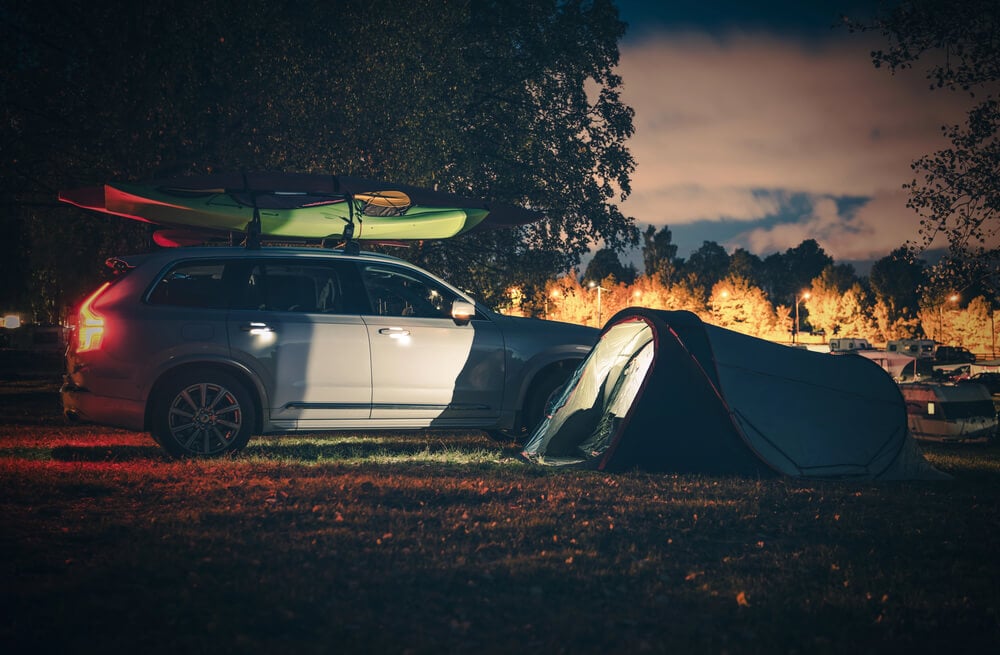
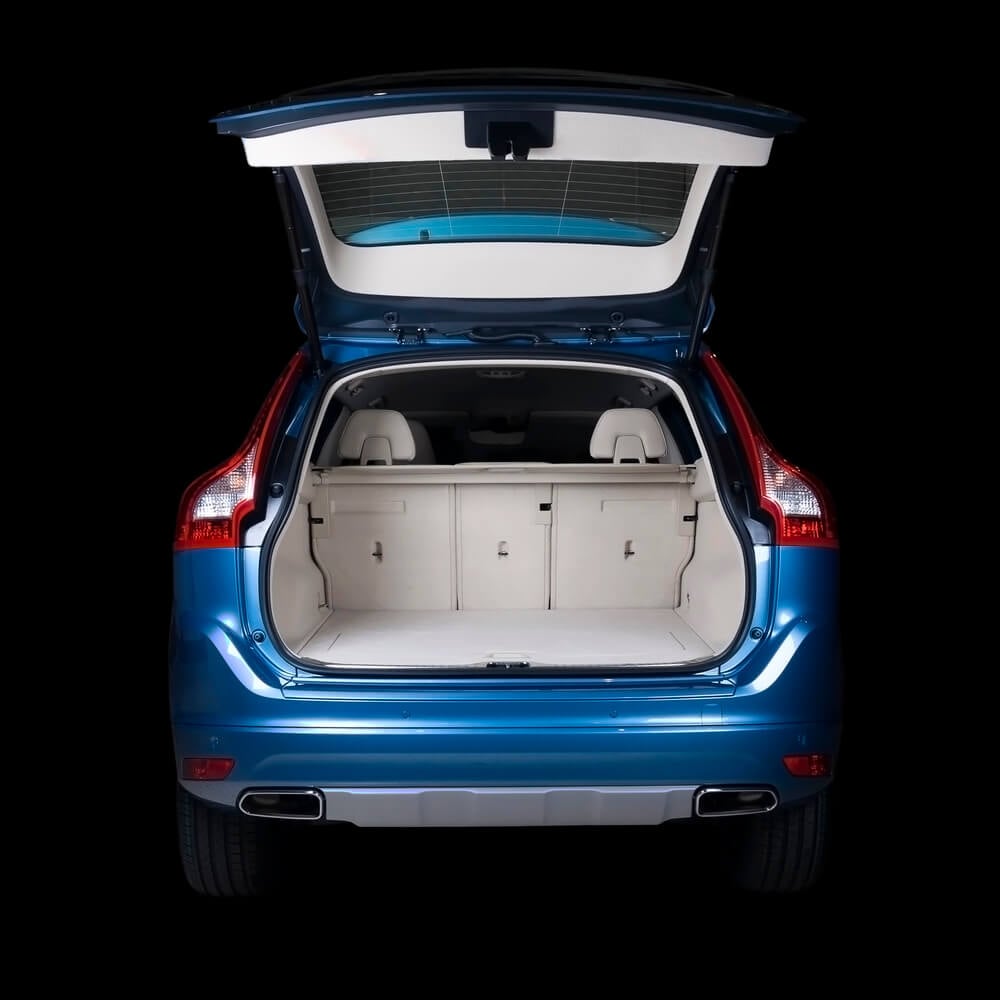
Every feature on this list shared a single goal, which was to make a family car feel bigger than it was. Tailgates opened like doors or vanished into the floor, roofs let in the sky, and seats faced whichever direction the kids preferred. Engineers treated everyday hauling as a chance to show off.
The minivan eventually delivered the same utility with sliding doors and fewer gimmicks, and the wagon’s most inventive tricks faded away. A few of those ideas have since returned in modern crossovers, usually with less drama. The old long-roof designs remain a reminder of an era when even carpool duty could come with a skylight.
More from Go2Tutors!

- 27 Silver Dollars and Half Dollars Worth Keeping
- 28 Restaurant Menu Items Nobody Orders Anymore
- 17 Places Built in Seemingly Impossible Spots
- 27 Vintage Rings Worth More Than They Look
- 25 Restricted Sites Tourists Can’t Enter
Like Go2Tutors’s content? Follow us on MSN.