12 Inventions That Were Deliberately Suppressed by Corporations
Throughout history, countless brilliant innovations have vanished into corporate vaults, buried by companies protecting their existing profit streams. These suppressed technologies could have revolutionized industries, improved lives, or solved major problems decades earlier than they actually did. But when breakthrough inventions threaten established business models, powerful corporations often choose to buy patents just to lock them away forever.
The practice reveals a darker side of capitalism where progress gets sacrificed for short-term profits. Here is a list of 12 inventions that were deliberately suppressed by corporations.
The EV1 Electric Car

General Motors developed a fully functional electric vehicle in the 1990s that could travel 100+ miles on a single charge and accelerate faster than most gas cars. Despite overwhelmingly positive customer response, GM abruptly canceled the program and literally crushed nearly every EV1 ever made — refusing to sell them even to customers who begged to purchase their leased vehicles.
Rife’s Cancer Treatment Machine

Royal Raymond Rife invented a frequency generator in the 1930s that allegedly destroyed cancer cells using specific electromagnetic frequencies — with documented success rates that amazed contemporary physicians. The American Medical Association and pharmaceutical companies launched coordinated attacks against Rife, destroying his laboratory and suppressing his research through legal harassment.
The 200 MPG Carburetor

Tom Ogle developed a carburetor modification in the 1970s that reportedly achieved over 200 miles per gallon in standard automobiles by vaporizing gasoline more efficiently. Oil companies and automotive manufacturers allegedly offered him millions to suppress the technology — and when he refused, mysterious circumstances led to his early death and the disappearance of his prototypes.
Nikola Tesla’s Wireless Power
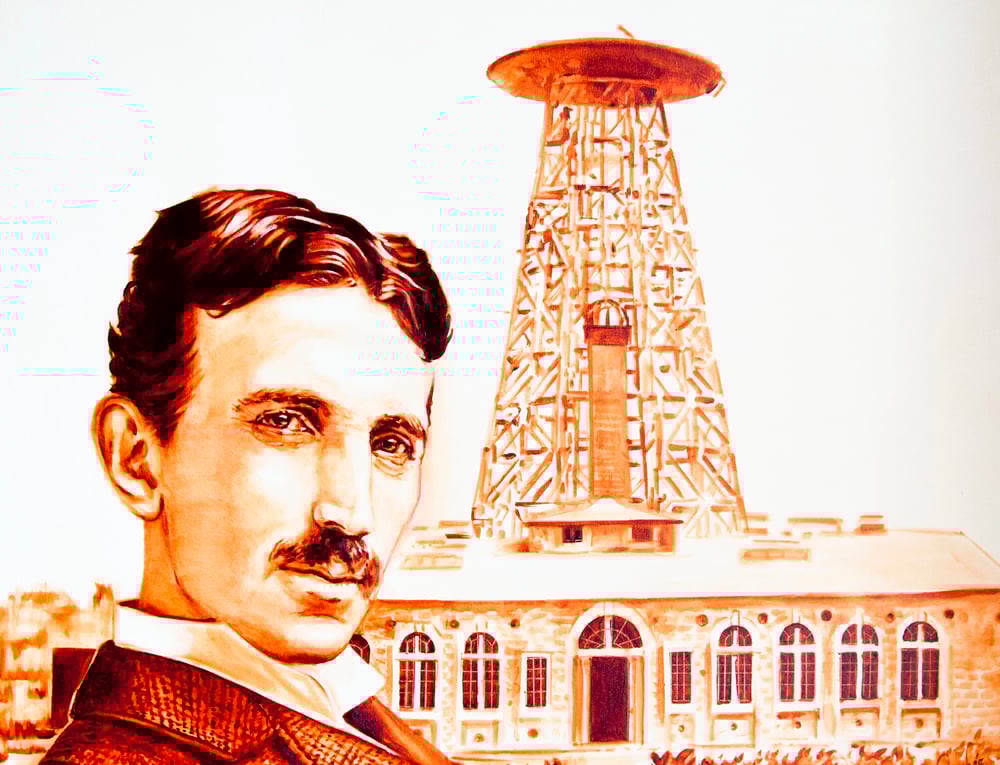
Tesla developed wireless electricity transmission technology that could have provided free energy to the entire world through his Wardenclyffe Tower project. J.P. Morgan and other financiers pulled funding when they realized wireless power couldn’t be easily metered and monetized — effectively killing Tesla’s revolutionary energy distribution system.
The Air Car

Multiple inventors have developed compressed air vehicles that run entirely on air pressure, producing zero emissions and requiring only air compressor stations for ‘refueling.’ Major automotive and oil companies have repeatedly purchased these patents and shelved the technology — preventing mass production of vehicles that could eliminate gasoline dependency entirely.
Perpetual Light Bulbs

Both General Electric and Philips participated in the Phoebus Cartel, an international conspiracy that deliberately limited light bulb lifespans to 1,000 hours to increase replacement sales. Engineers had already developed bulbs lasting 25,000+ hours, but the cartel suppressed longer-lasting designs and actually fined manufacturers whose bulbs exceeded the planned obsolescence limits.
Starlite Fire-Resistant Material

Amateur chemist Maurice Ward created Starlite, a plastic material that could withstand extreme heat without burning, melting, or producing toxic fumes under conditions that would destroy most substances. Despite successful demonstrations where eggs remained uncooked behind Starlite barriers exposed to blowtorch temperatures, Ward refused corporate buyout offers and took his formula to the grave.
The Water-Powered Car

Stanley Meyer claimed to have developed a water fuel cell that split water into hydrogen and oxygen using minimal electrical energy — essentially allowing cars to run on water alone. Oil companies and automotive manufacturers allegedly offered him substantial sums to suppress the technology, and after he refused, he died under mysterious circumstances at a restaurant meeting with potential investors.
Advanced Battery Technology
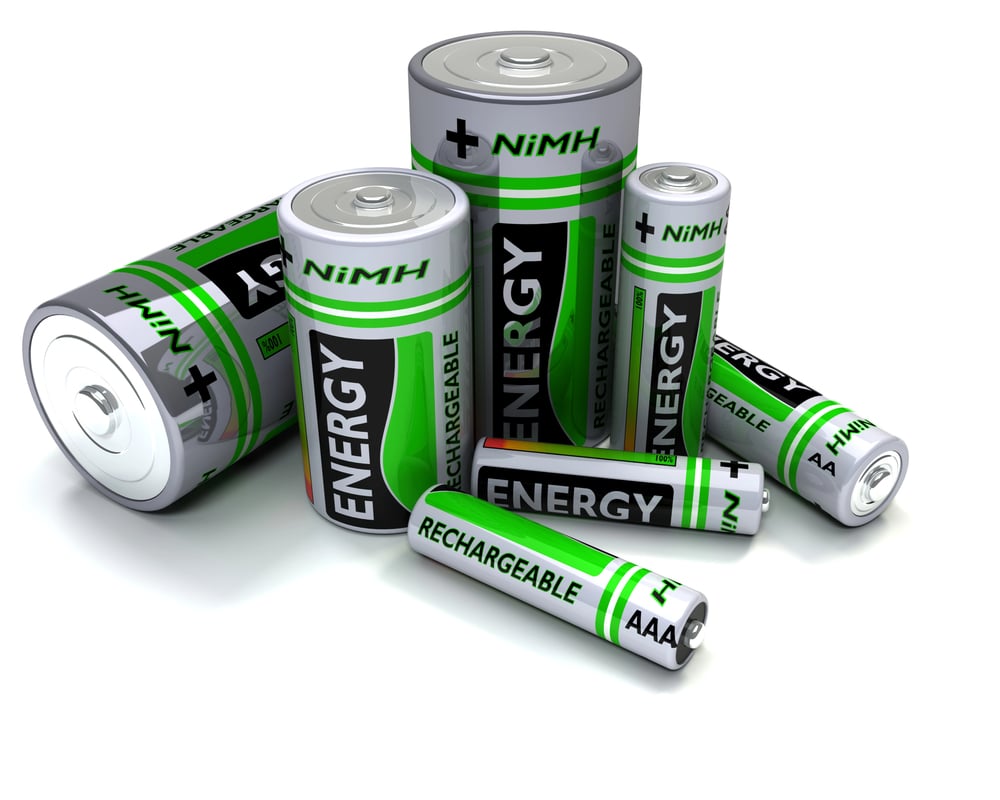
Oil companies have purchased and suppressed numerous battery patents that could have accelerated electric vehicle adoption by decades, including technologies for rapid charging, extended range, and improved safety. Chevron bought the patent rights to advanced NiMH batteries and prevented their use in electric vehicles, while other energy companies acquired promising technologies only to shelve them indefinitely.
The Miracle Fabric

DuPont developed super-strong synthetic fibers that were lighter than cotton but stronger than steel, with applications ranging from bulletproof clothing to unbreakable ropes. The company suppressed the technology because it would have made their existing nylon and polyester products obsolete overnight — potentially costing billions in lost revenue.
Pollution-Free Engines

Multiple inventors have developed internal combustion engines that produce virtually no emissions through advanced fuel injection and combustion chamber designs that burn fuel completely. Automotive and oil companies have systematically purchased these patents and prevented their implementation — fearing that pollution-free engines would reduce demand for catalytic converters and emission control systems.
The Eternal Engine

Tom Bearden and other inventors claimed to have developed over-unity devices that produced more energy than they consumed, potentially providing unlimited clean power through electromagnetic field manipulation. Energy companies and government agencies allegedly suppressed these technologies through patent seizures, laboratory raids, and legal intimidation — preventing any independent verification of the claims.
The Corporate Vault

These suppressed inventions represent just a fraction of the technologies that might have transformed society if profit motives hadn’t interfered with progress. While some of these claims remain disputed or unverified, the documented cases reveal a disturbing pattern where breakthrough innovations disappear whenever they threaten established industries. The practice of patent suppression continues today, though modern inventors increasingly use open-source approaches and international collaboration to prevent corporate burial of potentially world-changing technologies. Perhaps the most troubling aspect of these stories isn’t whether every claimed invention actually worked, but rather the systematic effort to prevent society from finding out.
More from Go2Tutors!

- 16 Historical Figures Who Were Nothing Like You Think
- 12 Things Sold in the 80s That Are Now Illegal
- 15 VHS Tapes That Could Be Worth Thousands
- 17 Historical “What Ifs” That Would Have Changed Everything
- 18 TV Shows That Vanished Without a Finale
Like Go2Tutors’s content? Follow us on MSN.