13 Foods That Taste Nothing Like What Their Name Suggests
Food names can be wildly misleading. Sometimes they’re rooted in history, sometimes they’re completely arbitrary, and sometimes they seem designed to confuse anyone trying to figure out what they’re actually eating.
The disconnect between what something is called and what it tastes like can be jarring — like ordering something that sounds familiar only to discover your taste buds have been pranked by etymology.
Rocky Mountain Oysters
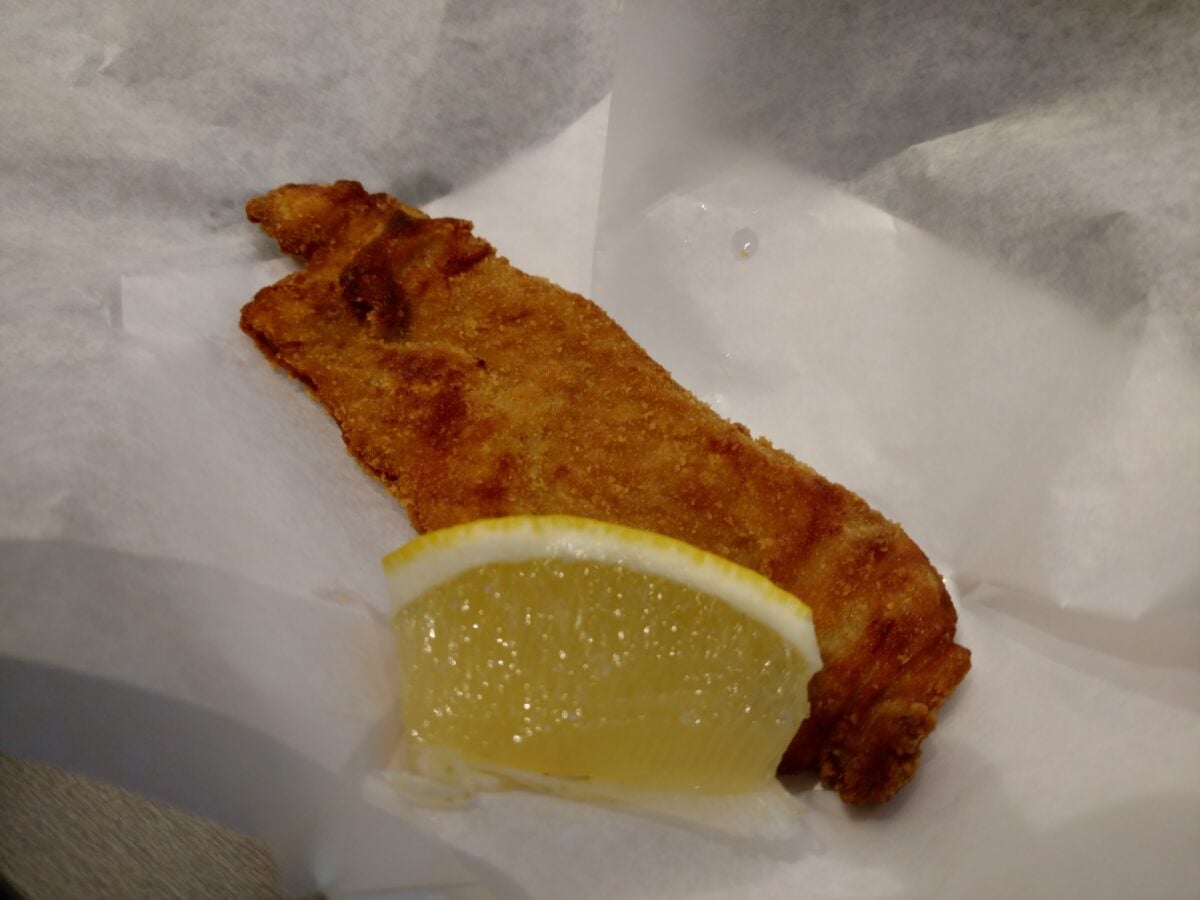
These aren’t oysters. They’re fried bull testicles, and they taste like chicken with a slightly chewier texture.
The name is a polite euphemism that lets restaurants serve them without causing immediate panic.
Sweetbreads
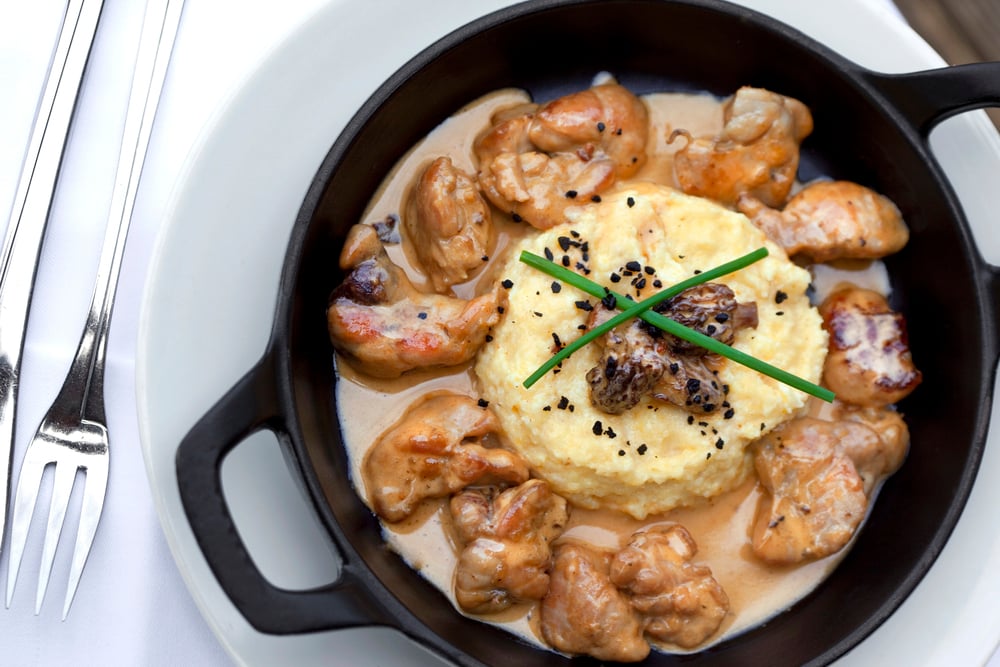
Nothing sweet about them. Nothing bread-like either.
Sweetbreads are organ meat — specifically the thymus or pancreas of young animals. They taste rich and creamy, almost like foie gras, with a texture that’s soft and slightly springy.
Grape-Nuts
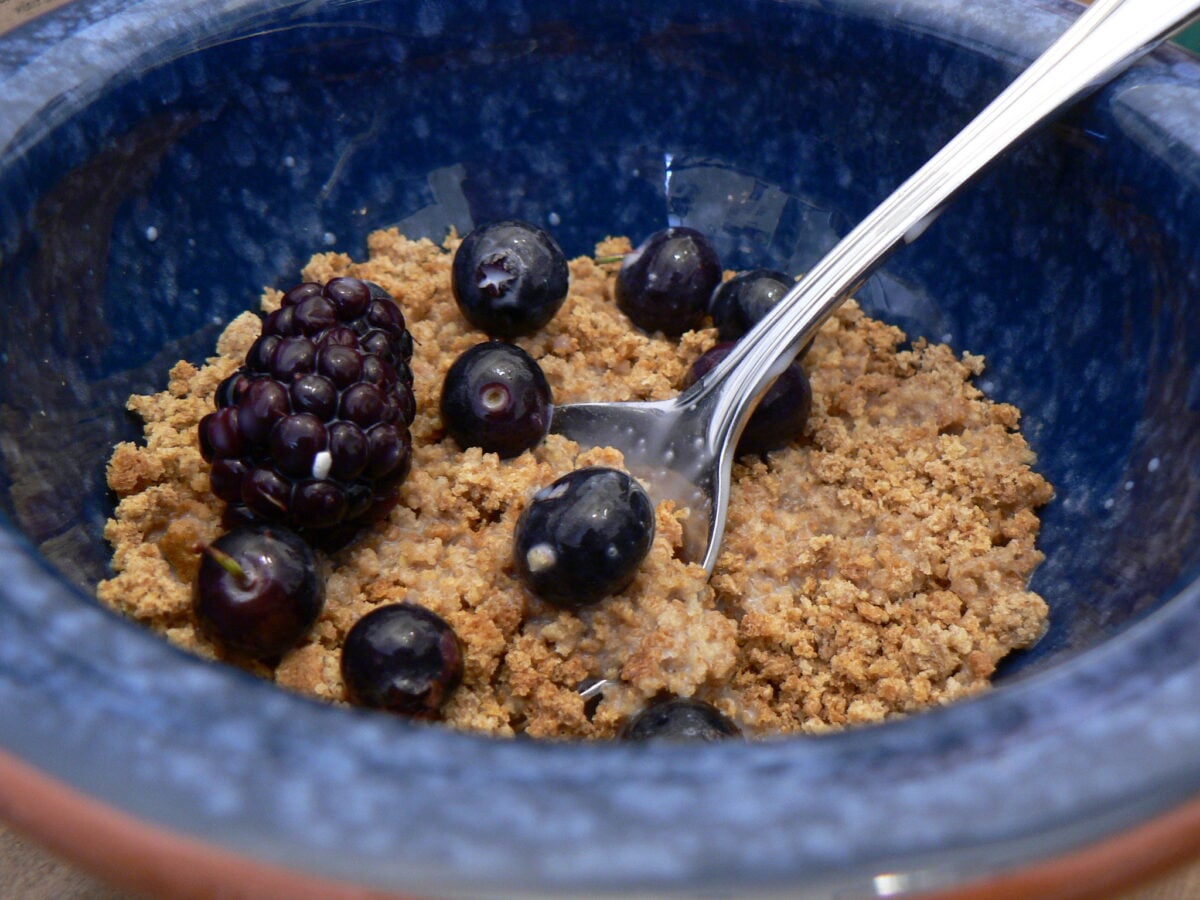
Here’s where food naming gets completely unhinged (because there’s something almost deliberately perverse about calling a cereal “grape” when it contains neither grapes nor nuts), and the story behind it makes even less sense: C.W. Post, the creator, thought the cereal tasted like grape sugar and looked like nuts.
Which raises the question of what Post thought grapes and nuts actually tasted like — or whether he’d ever encountered either. The cereal itself is aggressively crunchy, with a wheaty, malty flavor that bears no resemblance to fruit.
And yet people have been buying it for over a century, which suggests that sometimes the disconnect between name and reality becomes part of the charm.
Head Cheese
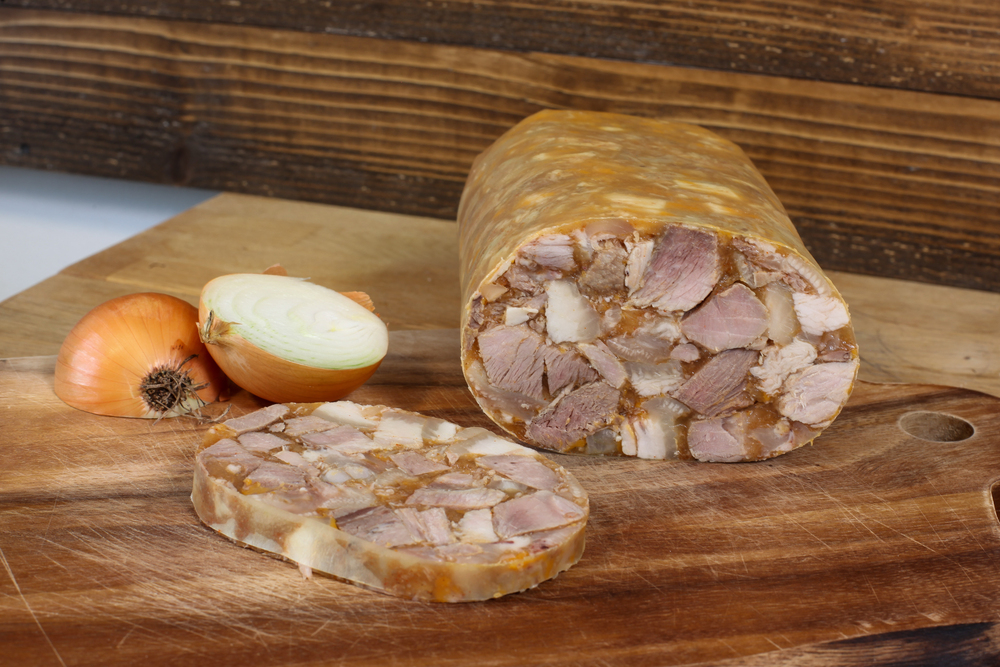
There’s a cruelty in calling something “cheese” when it’s actually jellied meat from a pig’s head. The name sets up an expectation of creamy dairy richness, then delivers something that tastes like seasoned pork in aspic.
No cheese involved anywhere in the process.
Welsh Rarebit
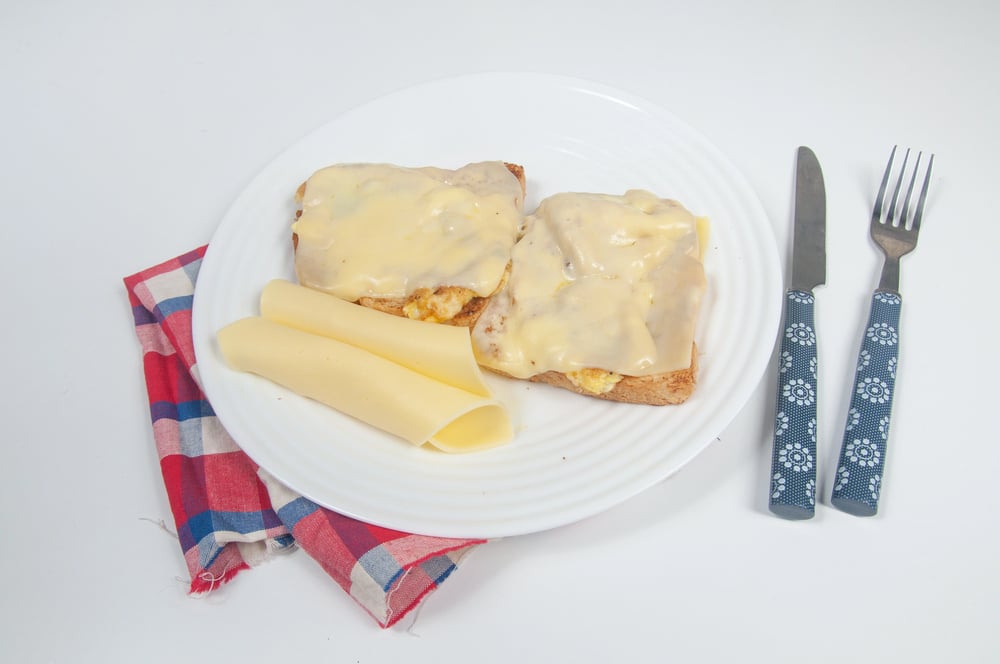
The Welsh didn’t invent this, and there’s nothing rare about it. It’s melted cheese sauce poured over toast — comfort food that tastes like a grilled cheese sandwich that gave up halfway through.
The “rarebit” part is supposedly a joke about rabbits, though the humor has aged poorly.
Bombay Duck
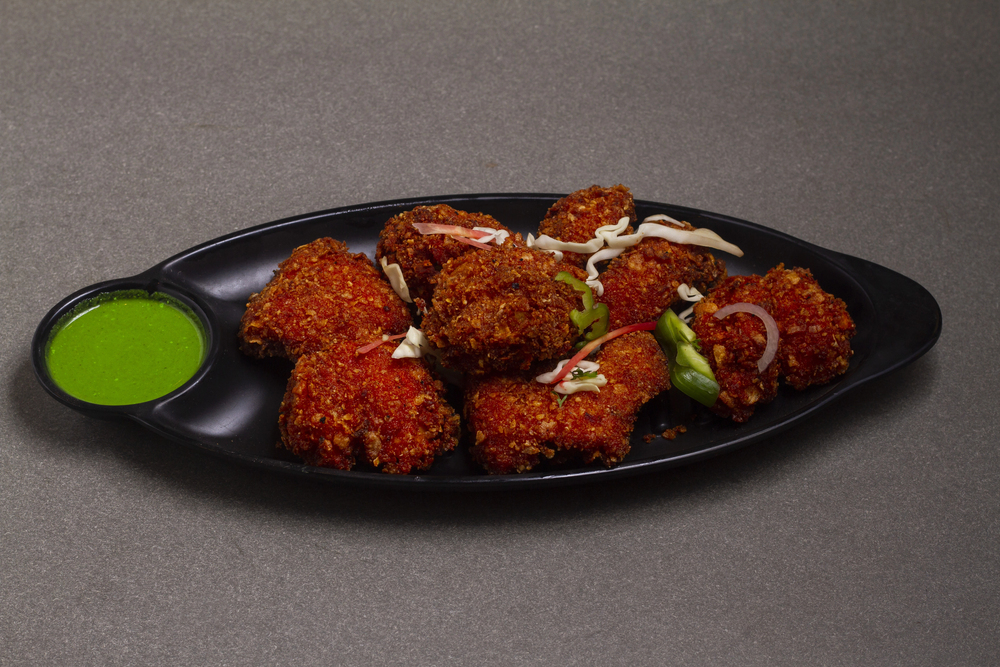
This isn’t a duck, and depending on when you encounter it, it might not even be from Bombay (now Mumbai). It’s a type of lizardfish that’s been dried and salted until it develops an intensely fishy, almost metallic flavor — which is to say it tastes exactly like what it is, just not what its name suggests it should be.
The texture is chewy and fibrous, somewhere between jerky and leather. But there’s something oddly compelling about food that commits so completely to being itself, even when its name is working against it.
Sweetmeat
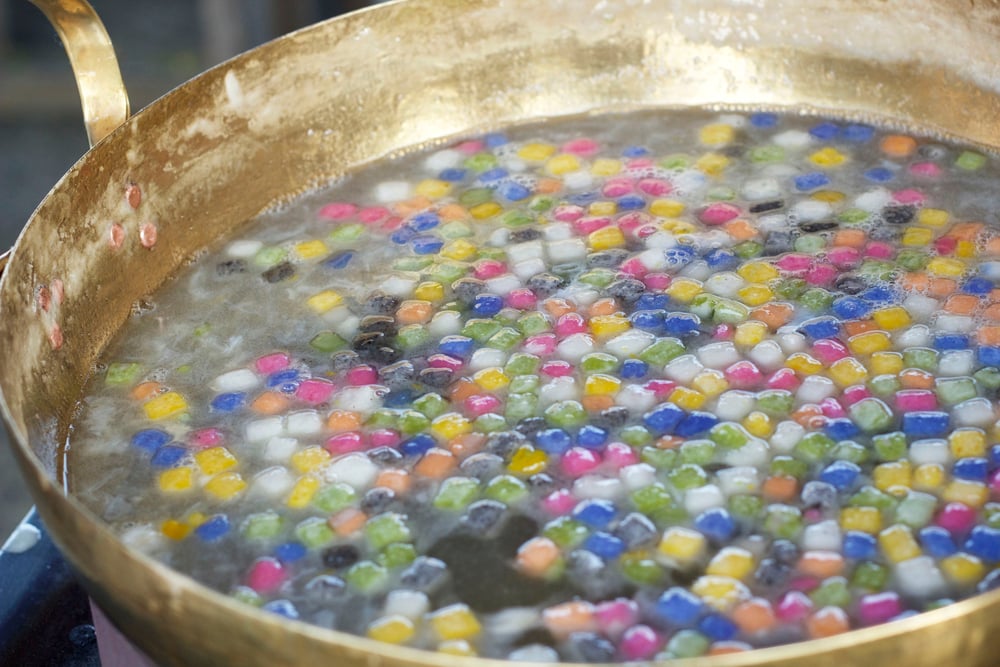
Sweetmeat is candy. Just candy. The “meat” part comes from an old English word meaning food in general, not animal flesh.
These taste like sugar, fruit, and spices — exactly what you’d expect from confections, once you get past the unfortunate name.
Prairie Oysters
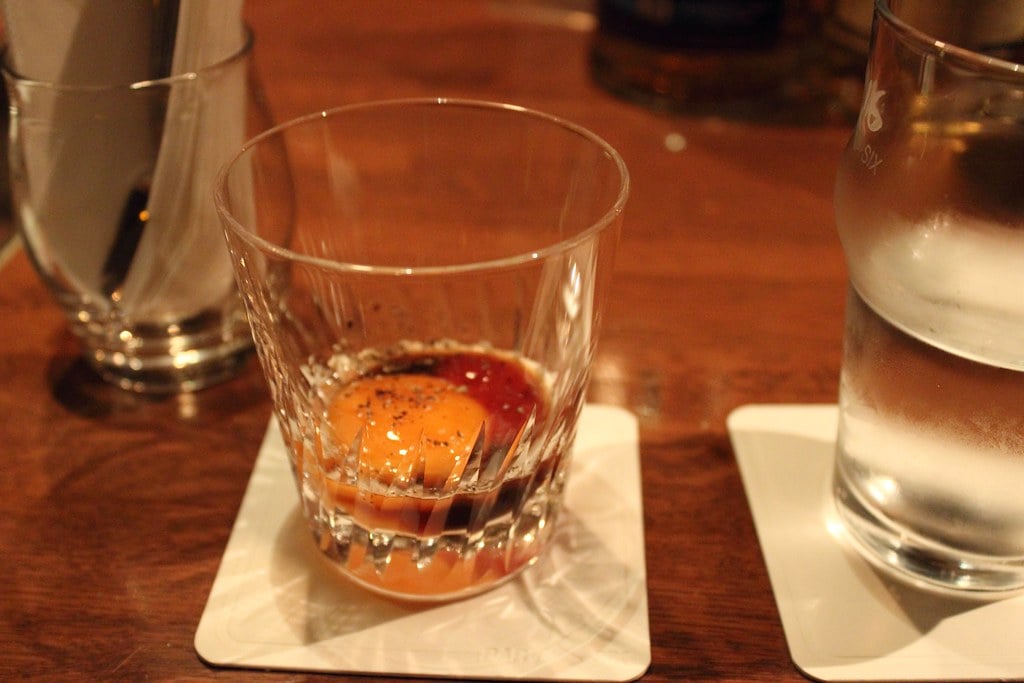
Another fake oyster situation. This one’s a raw egg cracked into a glass with hot sauce and seasonings.
It tastes like a hangover cure — slimy, spicy, and vaguely medicinal. The “prairie” part presumably refers to landlocked regions where actual oysters were scarce.
Buffalo Wings
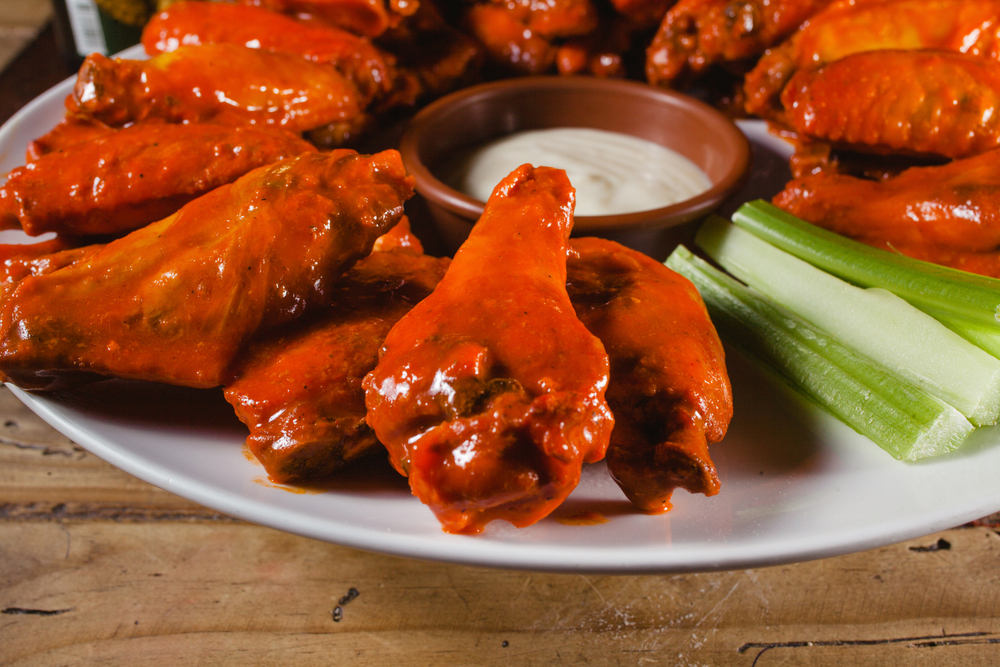
Buffalo don’t have wings, obviously. These are chicken wings coated in hot sauce and butter, named after Buffalo, New York, where they were invented.
They taste like spicy, tangy chicken — which is exactly what they are, geographic confusion aside.
German Chocolate Cake
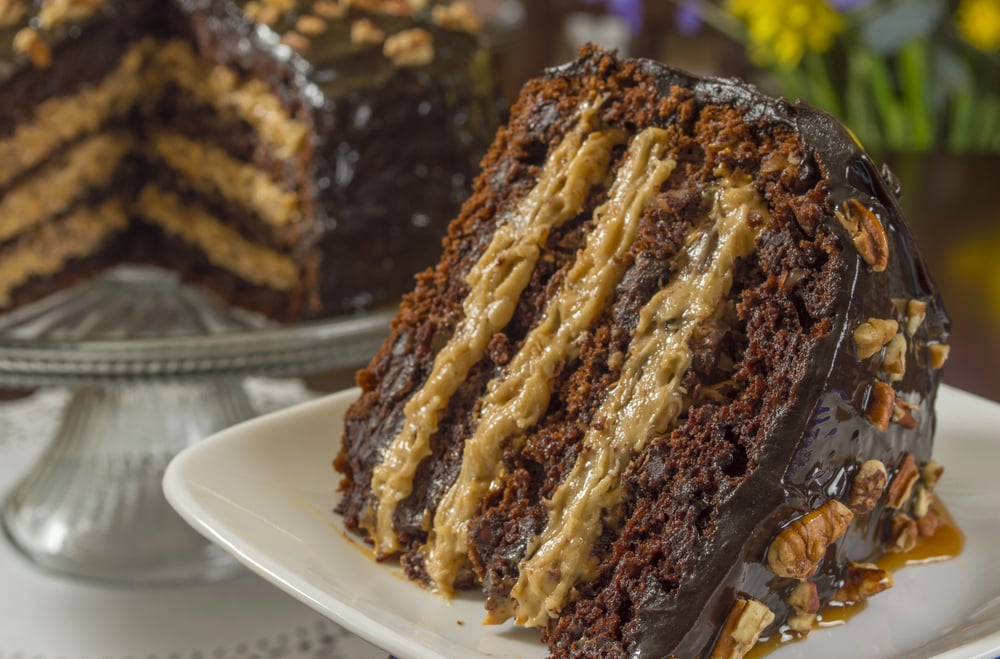
This cake isn’t German. It’s named after Sam German, an American who developed a type of dark chocolate.
The cake tastes distinctly American — sweet, rich, with coconut-pecan frosting that’s more Southern comfort food than European sophistication.
Long Island Iced Tea
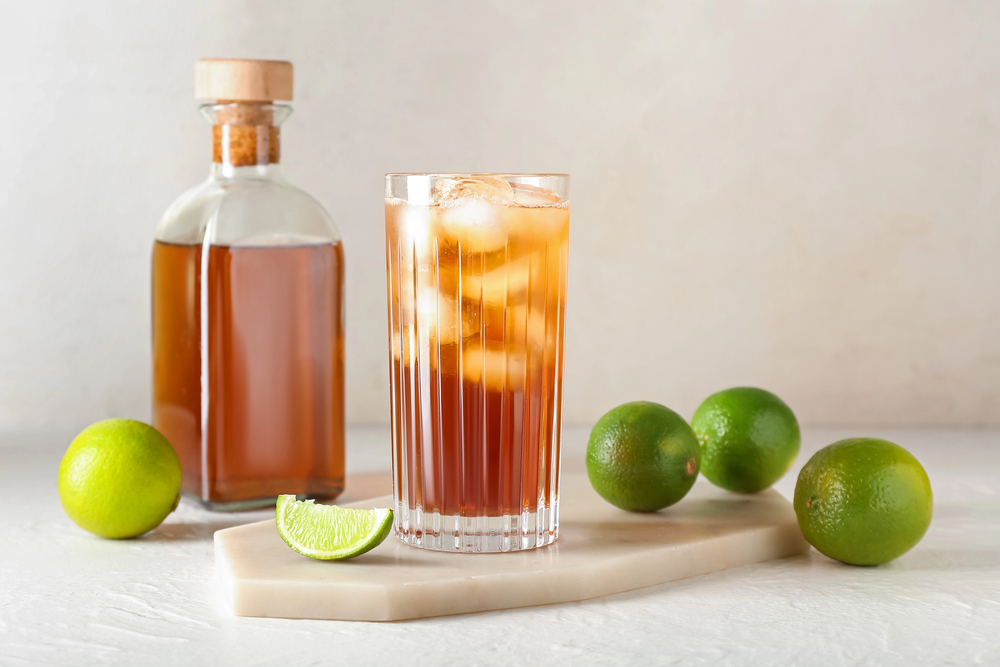
There’s no tea in this drink. It’s a mixture of vodka, rum, gin, tequila, and triple sec topped with cola, designed to look like iced tea while tasting like a fruity punch that sneaks up on you.
The deception is the entire point — a cocktail masquerading as something innocent.
Egg Cream

No eggs, no cream. This is a New York soda fountain drink made with chocolate syrup, milk, and seltzer water (and the chemistry of it is oddly specific — the seltzer has to hit the milk at just the right angle to create the proper foam, which suggests that whoever invented this was both particular about texture and completely indifferent to logical naming).
It tastes fizzy and chocolate-sweet, like a less cloying version of chocolate milk. But the name persists despite making no sense, because sometimes food names become part of local identity rather than description.
Peanut
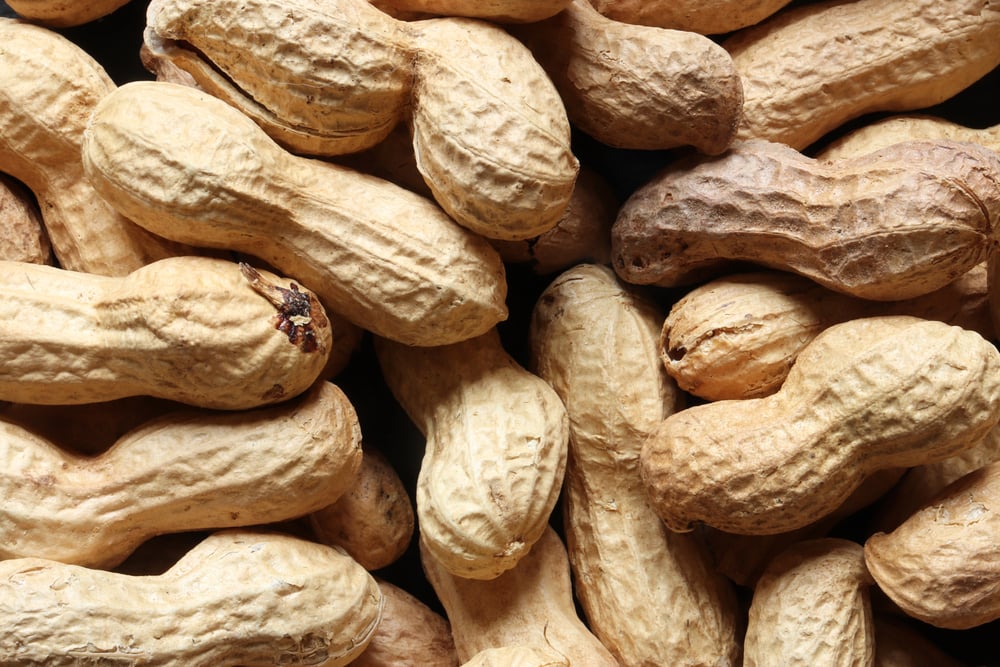
Peanuts aren’t nuts — they’re legumes that grow underground. They taste nutty enough that the name stuck, but botanically they’re closer to beans and peas.
The earthy, rich flavor and crunchy texture fooled everyone into the wrong category, and nobody bothered to correct it.
When Names Stop Mattering
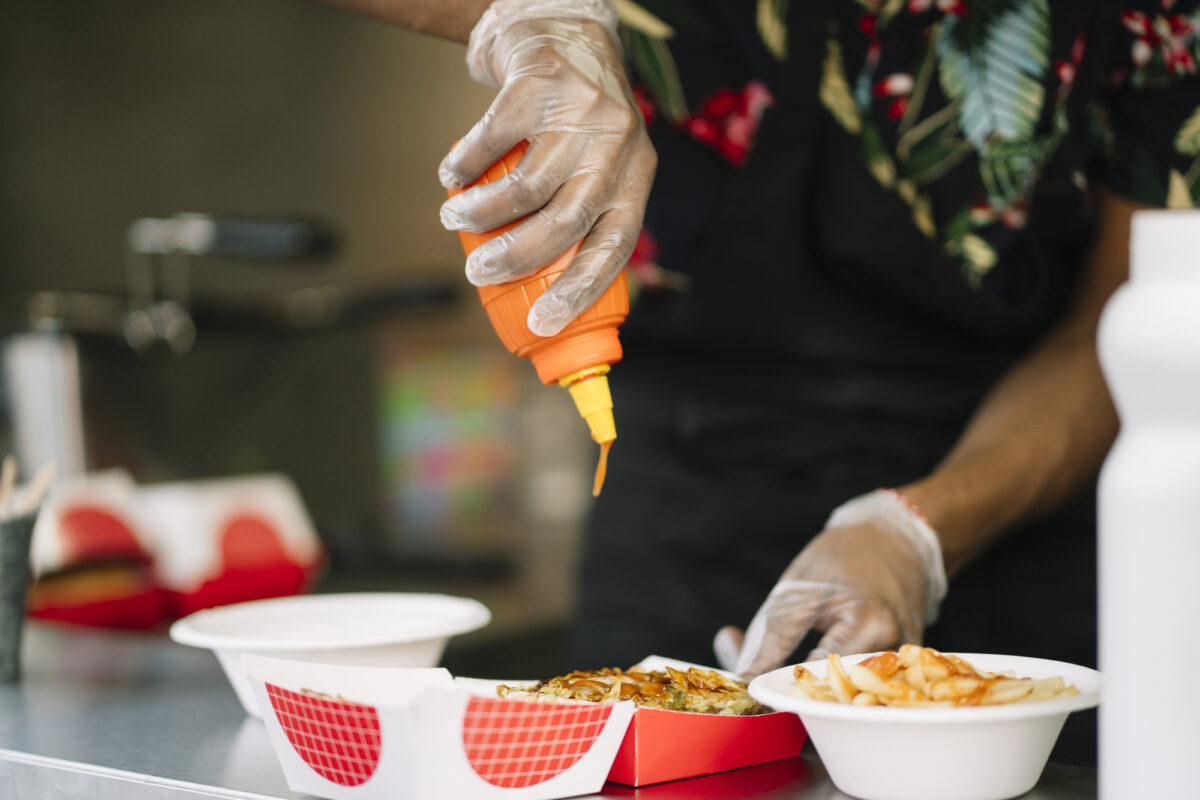
Food names often tell stories about migration, marketing, and historical accidents rather than actual ingredients. The disconnect becomes part of the experience — ordering something that sounds familiar and discovering something entirely different.
Sometimes the surprise is pleasant, sometimes it’s educational, and sometimes it’s just confusing. But the mismatch between expectation and reality keeps eating interesting, even when the names don’t help.
More from Go2Tutors!

- The Romanov Crown Jewels and Their Tragic Fate
- 13 Historical Mysteries That Science Still Can’t Solve
- Famous Hoaxes That Fooled the World for Years
- 15 Child Stars with Tragic Adult Lives
- 16 Famous Jewelry Pieces in History
Like Go2Tutors’s content? Follow us on MSN.