13 Souvenir Spoons That Document Vanished Tourist Attractions
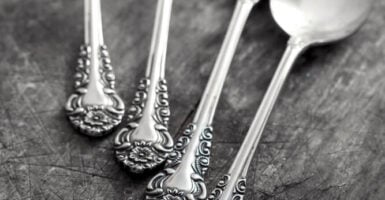
Souvenir spoons were small enough to carry home and sturdy enough to survive a century in a drawer. During the spoon craze of the late nineteenth century, silversmiths covered handles and bowls with views of cliffs, hotels, towers and fairgrounds.
Many of those places no longer exist. The spoons below are tied to landmarks that burned, collapsed or were torn down, and they preserve a small, shiny memory of each one.
The Old Man of the Mountain
New Hampshire’s granite profile in Franconia Notch collapsed on May 3, 2003. Spoons bearing its image were sold for generations, including a sterling example by A.F. Towle and Son marked for Lancaster, New Hampshire.
The face is gone, but the profile lives on in the state’s quarter and on the souvenir silverware.
The White City of 1893
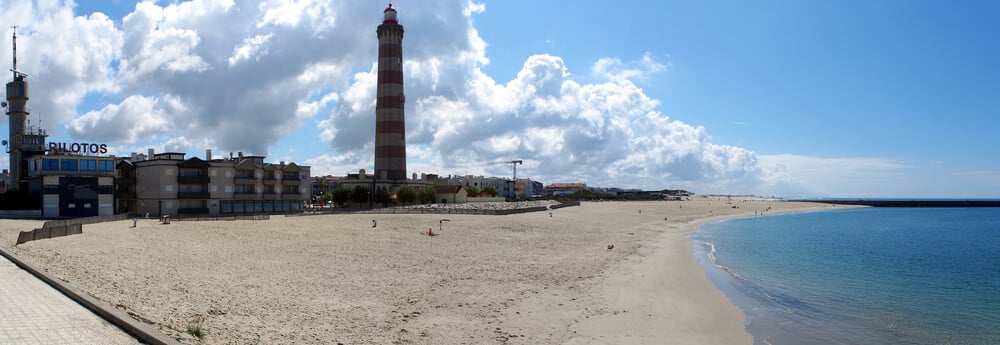
The World’s Columbian Exposition in Chicago filled Jackson Park with plaster-faced buildings painted white. Most of the fair’s grand structures were temporary and were lost to fire or demolition soon after it closed.
Spoons from the exposition are among the most common collectible spoons, since visitors bought them in large numbers.
The Original Ferris Wheel
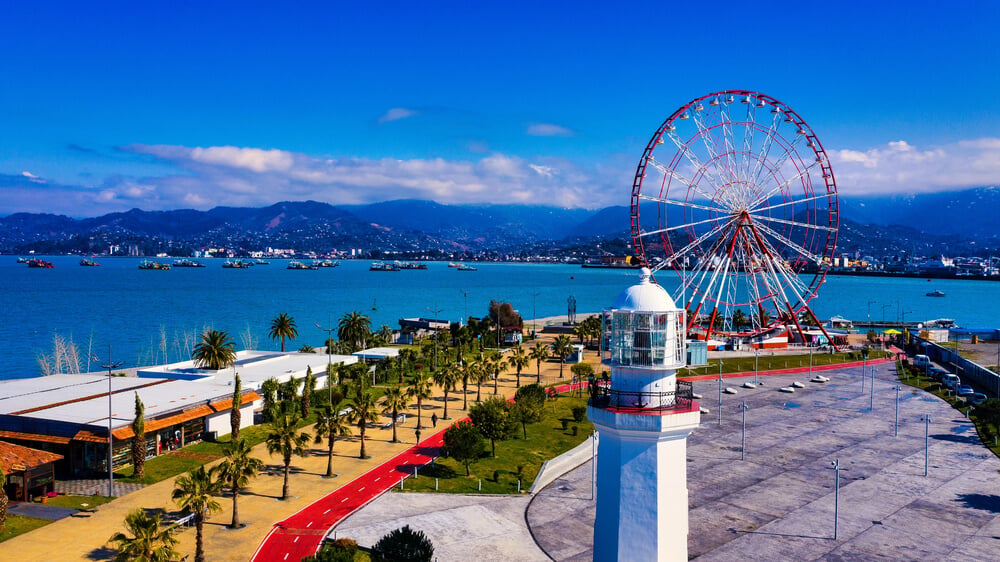
George Ferris built his giant wheel for the 1893 Chicago fair. It was later moved to St. Louis for the 1904 exposition and demolished with dynamite in 1906.
Spoons showing the wheel in its bowl recall a machine that, in its time, was one of the tallest attractions in America.
The Crystal Palace at Sydenham
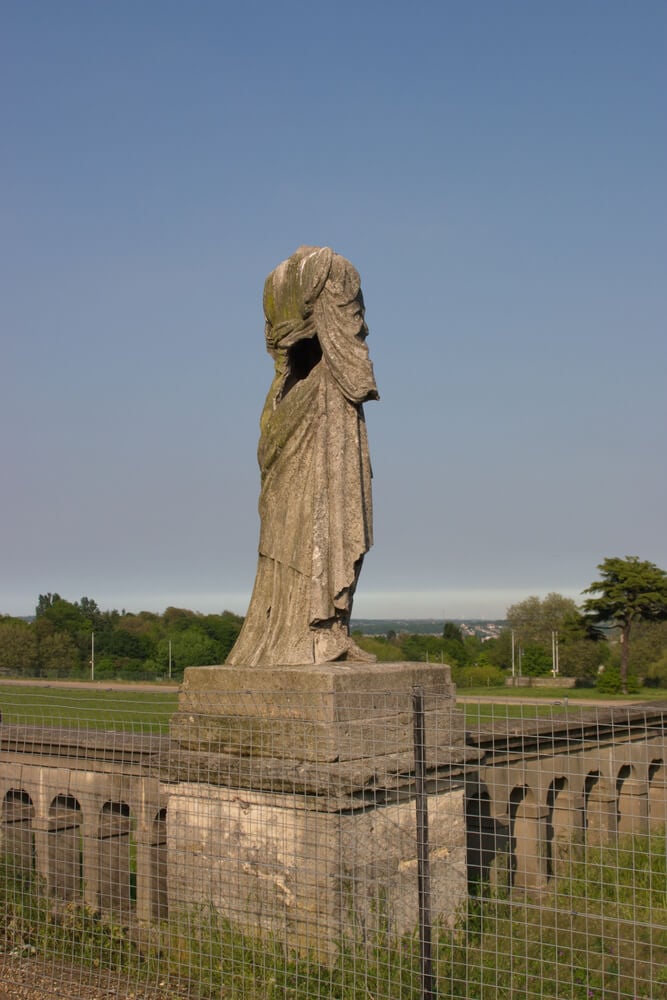
Joseph Paxton’s glass exhibition hall was moved to south London after the Great Exhibition of 1851. It burned down in November 1936, and the fire was visible for miles.
Souvenirs from the building were sold throughout its life, and its outline became a symbol of Victorian ambition.
Dreamland at Coney Island
Dreamland opened in 1904 with a million electric lights and a grand tower. A fire swept through the park in May 1911 and destroyed most of it.
Souvenirs from the park document a place that lasted only seven seasons.
Sutro Baths in San Francisco
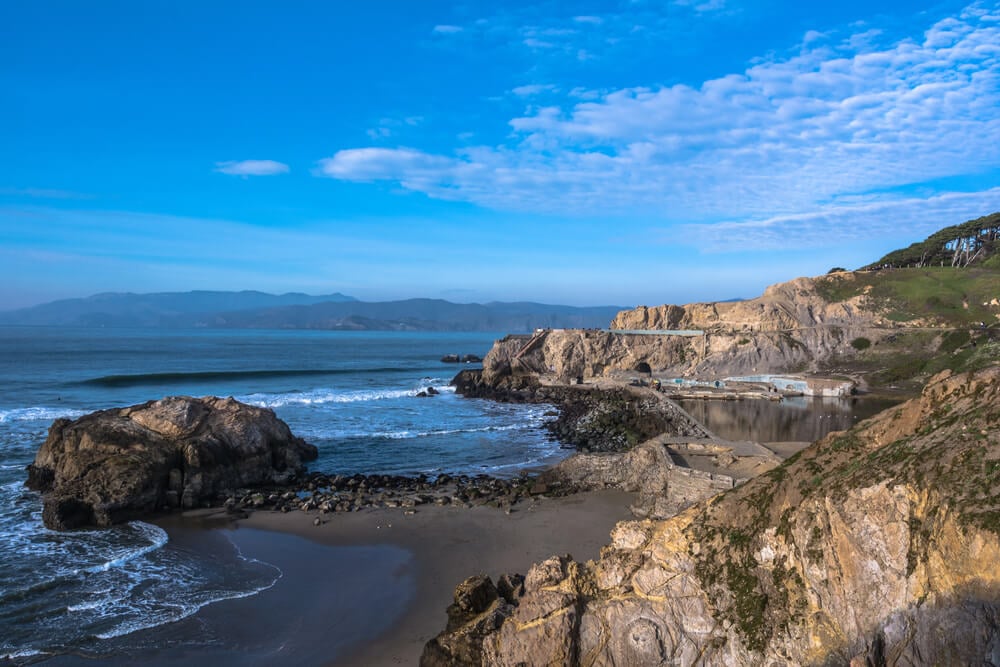
Adolph Sutro built a huge public bathing complex of glass-roofed pools beside the Pacific. It closed as a bathing facility in the 1950s and burned in 1966.
The ruins remain on the cliffs, and period souvenirs show the building when it was a major attraction.
The Temple of Music in Buffalo
The Pan-American Exposition of 1901 included a Temple of Music, where President William McKinley was shot on September 6. The exposition’s buildings were pulled down soon afterward.
Spoons from the fair are tied to a site that changed American history, though the fairgrounds are now a residential neighborhood.
The Palace of Electricity in St. Louis
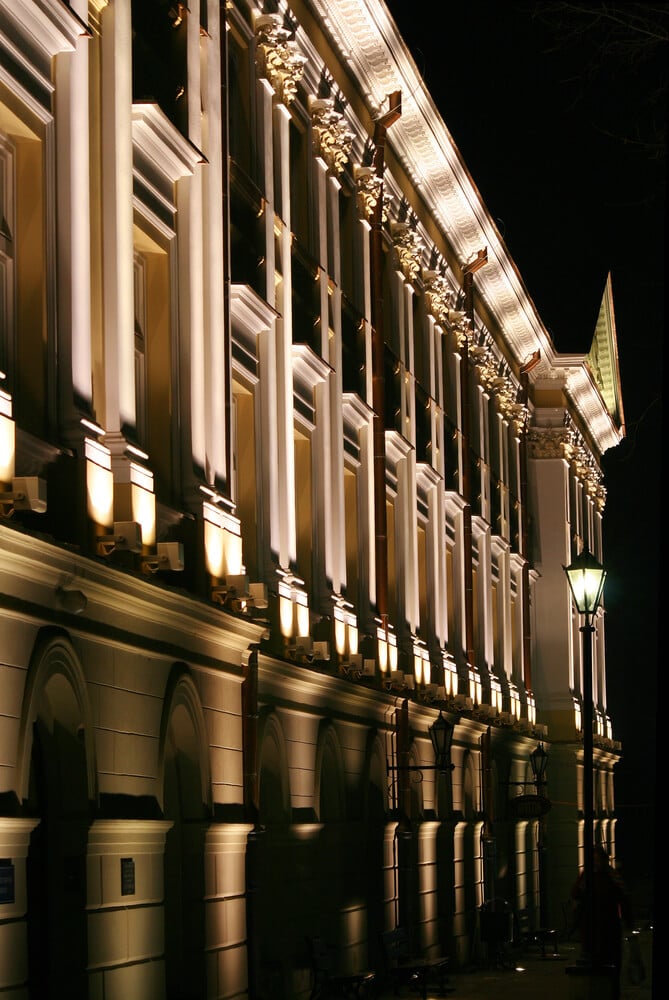
The Louisiana Purchase Exposition of 1904 covered the grounds of Forest Park with elaborate temporary halls. The Palace of Electricity was one of many structures built to be demolished.
Souvenir spoons from the fair show the buildings that disappeared when it ended.
The Gingerbread Cliff House
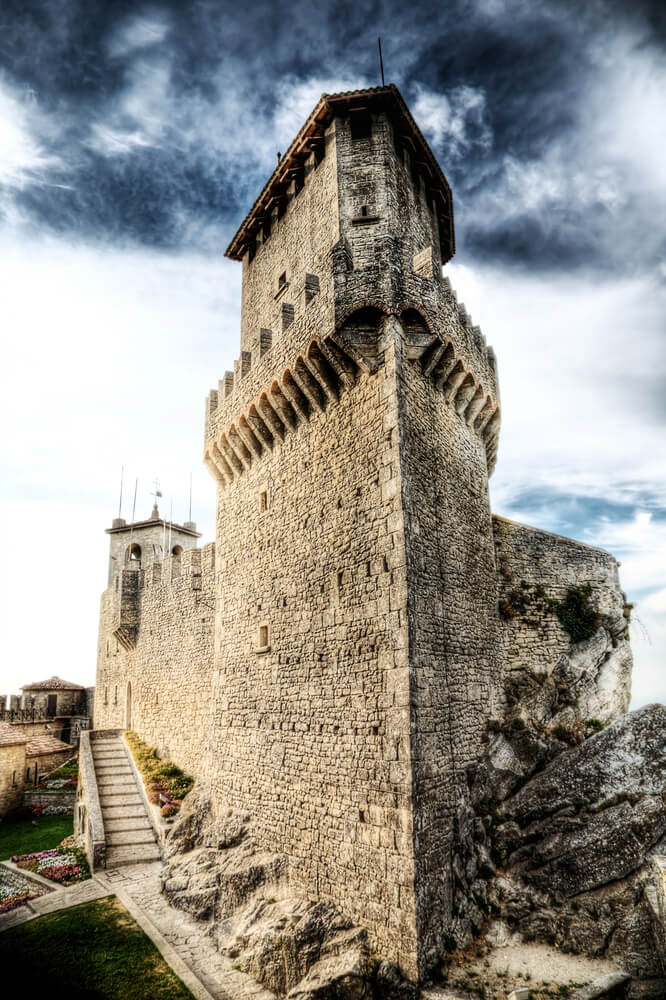
Adolph Sutro’s ornate Cliff House on the San Francisco shore opened in 1896, with turrets and a rambling profile. It burned in 1907, and a plainer building replaced it.
Souvenir spoons recall the earlier structure, whose fanciful silhouette is rarely seen today.
The Original Madison Square Garden
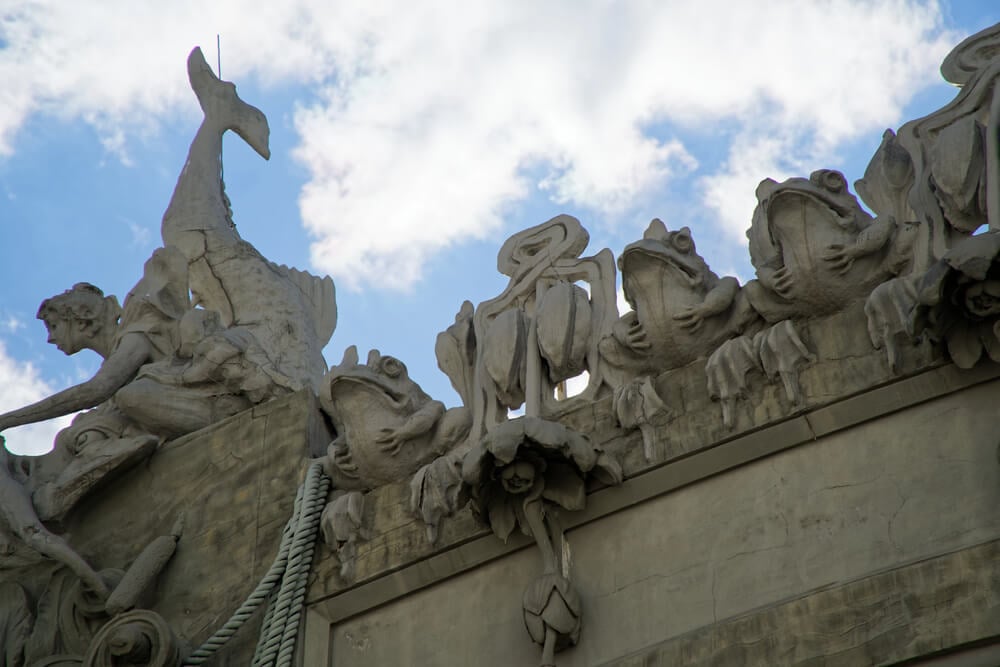
Stanford White designed the second Madison Square Garden in New York, finished in 1890 with a tower modeled on the Giralda in Seville. It was demolished in 1925.
Souvenirs from its era show a building that stood as a landmark of the Gilded Age city.
The Philadelphia Centennial Main Building
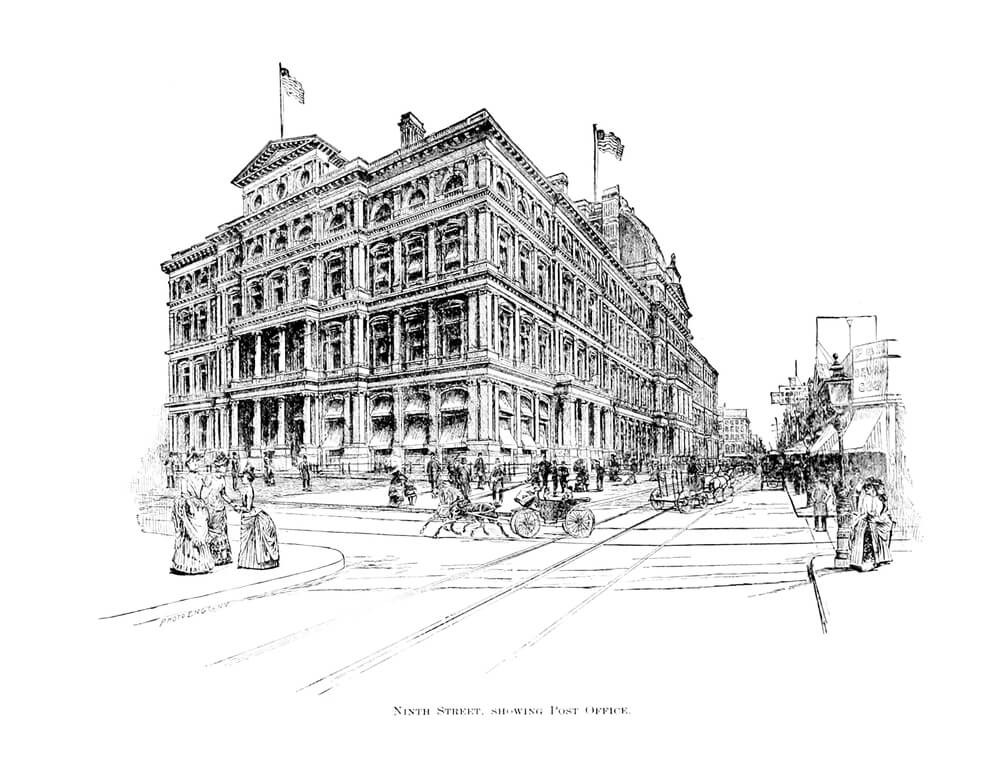
The 1876 Centennial Exhibition in Philadelphia centered on an enormous Main Building, one of the largest structures in the world at the time. After the fair, it was sold and taken apart in 1881.
Mementos from the event survive in many forms, including small metal items sold to visitors.
The Midwinter Fair of San Francisco
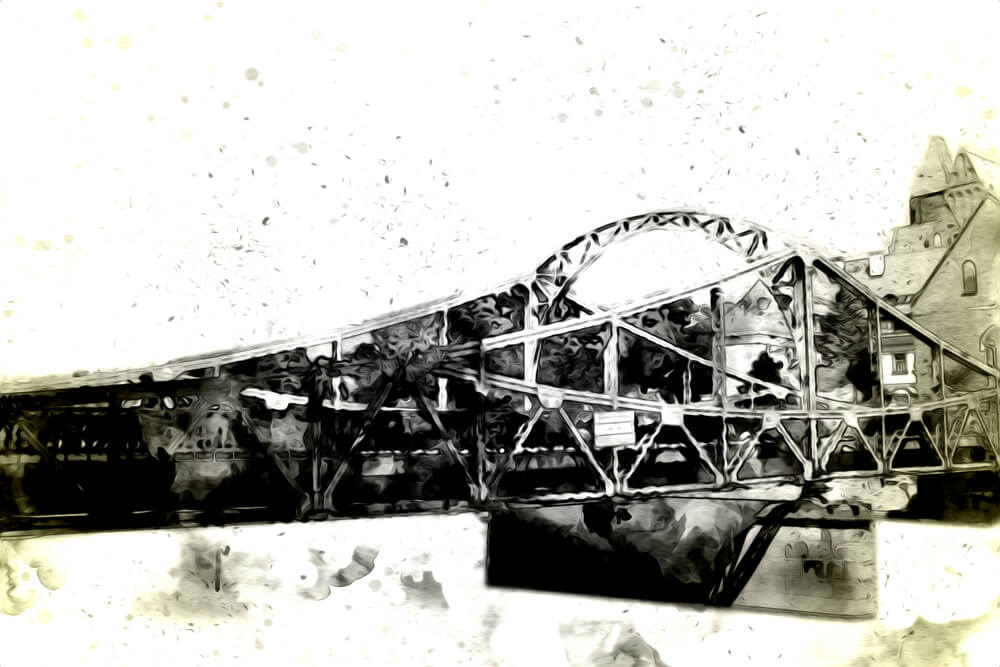
San Francisco held its California Midwinter International Exposition in Golden Gate Park in 1894, with a tall Electric Tower as its centerpiece. Most of the buildings were taken down after the fair, though some parts of the park remain.
Souvenirs recall a fair held in the cold months to promote the region’s mild climate.
The Palace Hotel Before the Fire
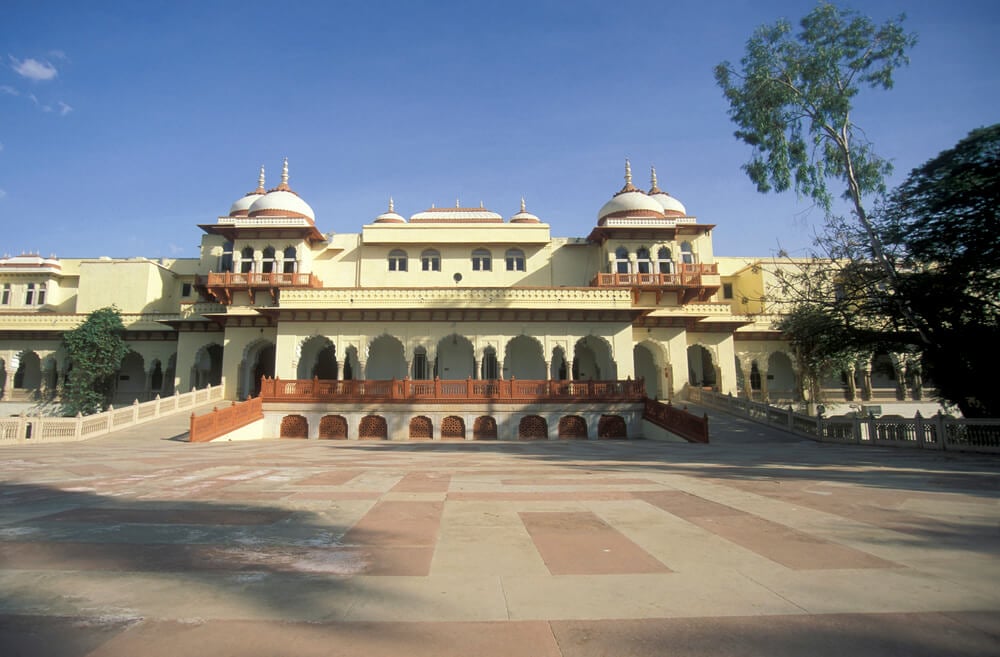
The first Palace Hotel opened in San Francisco in 1875 and was celebrated for its size and luxury. It was destroyed by the fires that followed the 1906 earthquake.
Mementos of the hotel preserve the memory of a building that did not survive the disaster.
Silver as an Archive
A souvenir spoon was never meant to be a historical document, but the best ones function as one. Their bowls and handles hold the shape of buildings that no longer stand.
Condition shapes their value, since worn plating, dents and polished-away details lower prices quickly. Even a battered spoon can still show a skyline that no one will see again.
More from Go2Tutors!

- 27 Silver Dollars and Half Dollars Worth Keeping
- 28 Restaurant Menu Items Nobody Orders Anymore
- 17 Places Built in Seemingly Impossible Spots
- 27 Vintage Rings Worth More Than They Look
- 25 Restricted Sites Tourists Can’t Enter
Like Go2Tutors’s content? Follow us on MSN.