Photos Of Famous Amusement Rides in the 70s
There’s something about old amusement park photos that stops you cold. The washed-out colors, the bell-bottoms, the hairstyles — and then, towering behind all of it, a coaster or a dark ride that looks absolutely terrifying by today’s standards.
The 1970s were a strange, brilliant era for theme parks. New parks were opening.
Old ones were racing to keep up. And riders were lining up for machines that, looking back, had very little padding and even less concern for comfort.
Here are some of the rides that defined the decade — and the photos that prove they were just as wild as they sound.
Space Mountain, Walt Disney World (1975)
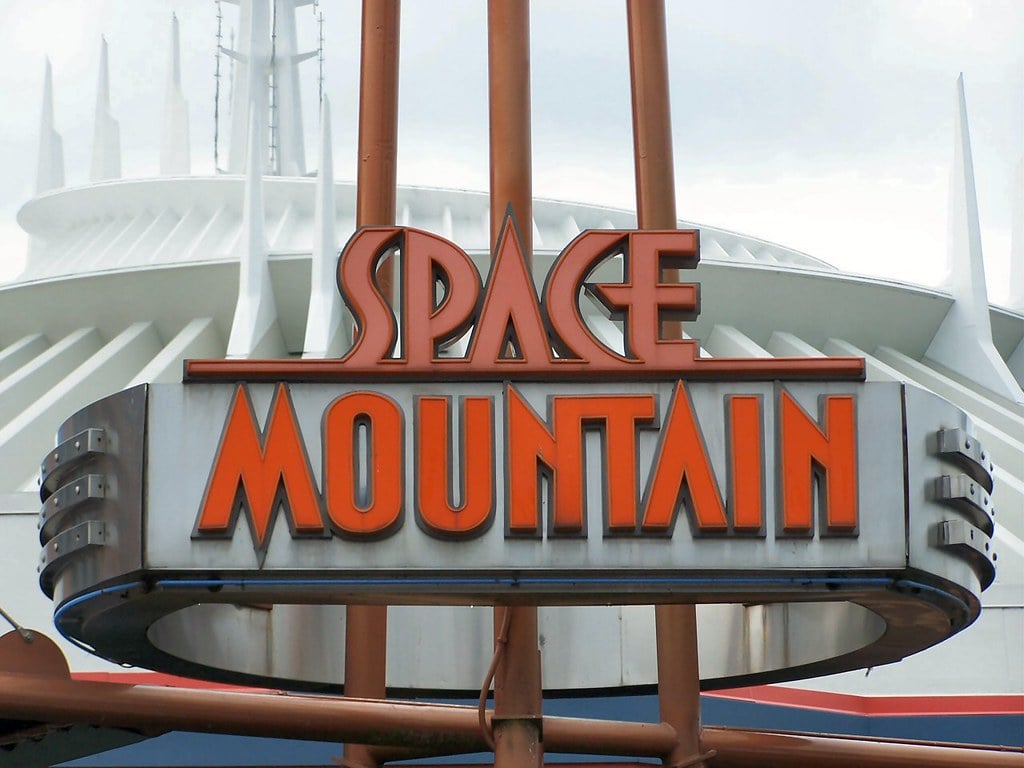
When Space Mountain opened at Walt Disney World in January 1975, it changed what people expected from a theme park experience. The building itself was the attraction before you even got on — a white cone rising out of Tomorrowland like something that had actually landed from orbit.
Photos from opening week show guests in leisure suits and platform shoes boarding small rocket cars in near-total darkness. The ride wasn’t fast by any real measure, but the blackness made everything feel faster.
Disney had figured out something important: darkness plus sound plus a little speed equals a lot of screaming.
The Beast, Kings Island (1979)
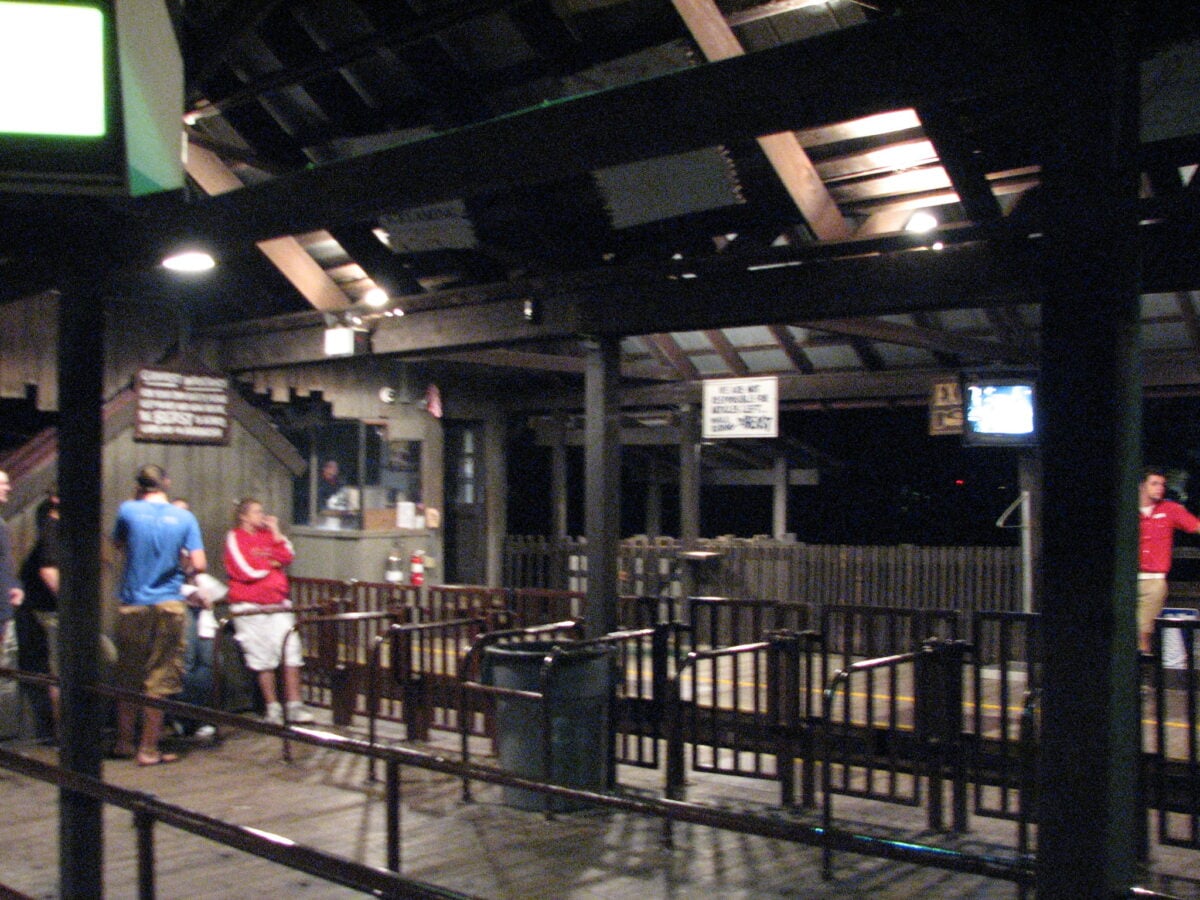
Back in 1979, The Beast started roaring at Kings Island, quickly claiming the title of longest wooden roller coaster on Earth. Snapshots from its debut year reveal something wild – dark tunnels chewing up the cars, curves tilting into woods thick with Ohio air.
Through the park’s rougher ground the ride winds, shaped by hills that were already there. What came out wasn’t polished – it had teeth.
Those who rode first called it unyielding. Just a glance at old pictures makes their words stick.
The Corkscrew at Knott’s Berry Farm opened in 1975
Up until 1975, rides mostly climbed then dropped. Not much else happened.
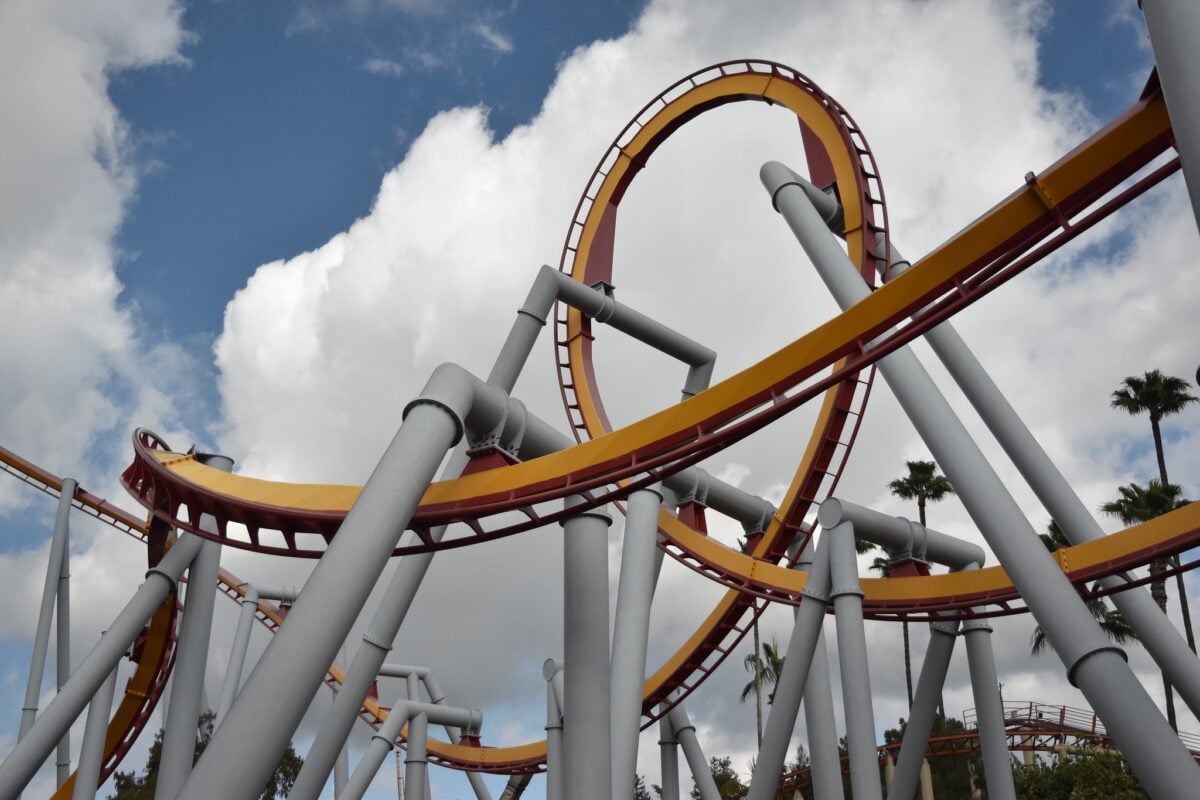
Then came The Corkscrew, out at Knott’s Berry Farm. This one spun riders headfirst into the sky. It did it two times back to back.
Shock floods every face in these pictures. Not knowing what to expect helped.
Upside down was still strange back then. Riders dangled over fairgrounds in bare cars, held by nothing but a bar across the waist – imagining that drop took courage.
This coaster changed how people saw rides. Soon enough, each big park chased its own version.
Revolution Six Flags Magic Mountain 1976

First up, The Revolution at Six Flags Magic Mountain made history as the original modern coaster with a loop. Just one flip mattered more than most would guess.
By the middle of the 1970s, pictures revealed its smooth white frame standing firm over parched Southern California terrain. Not flashy fun – it seemed closer to engineering built into the land.
Back then, folks on the rides dressed like it was the seventies – big collared shirts, muddy colors – and gripped tight with two hands. Standing tall, the lone loop was built just wide enough to soften the push of speed, yet no soul climbing aboard in ’76 could’ve guessed how that would feel till they were already moving.
The Racer at Kings Island opened in 1972
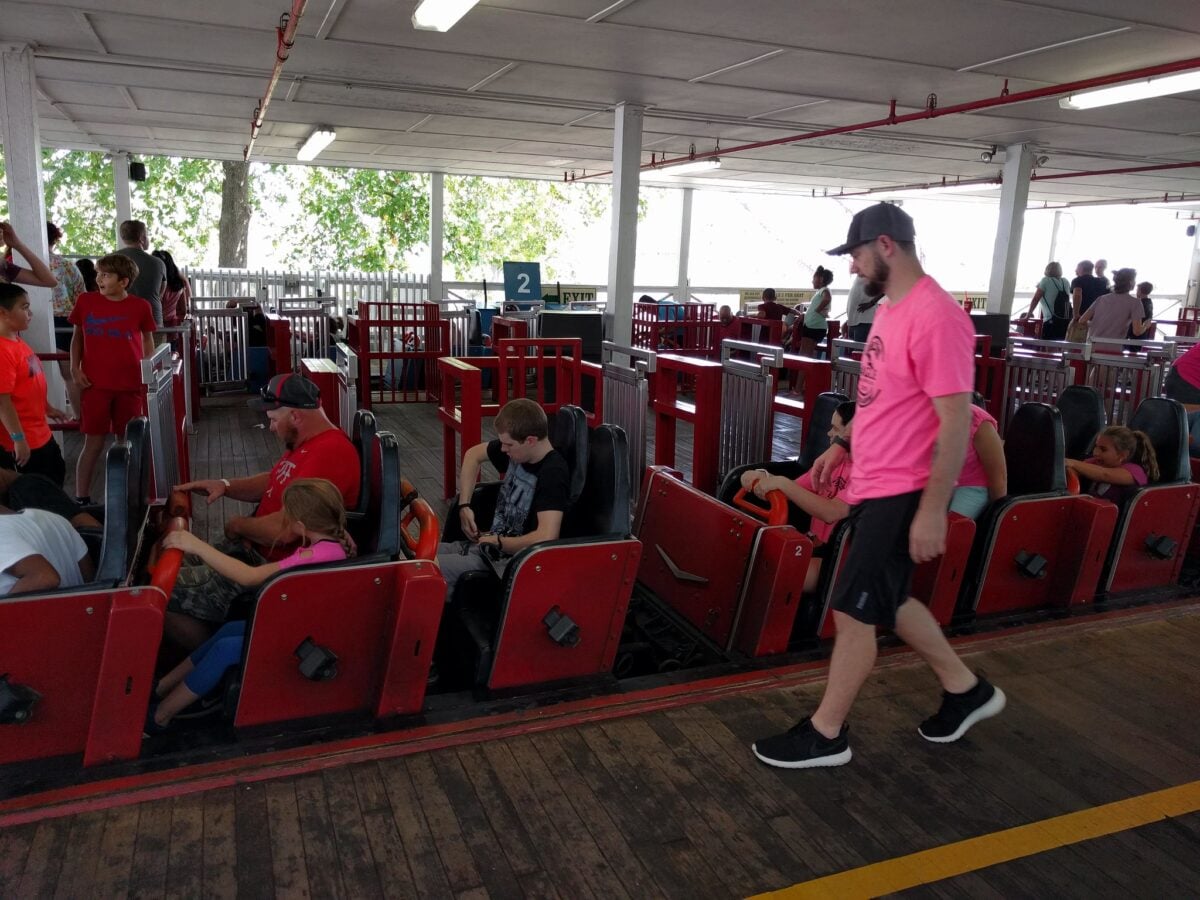
Opened in 1972, Kings Island brought The Racer along right from day one. Not just any ride, two matching wooden coasters raced next to each other, one moving ahead while the other went opposite – though going backward didn’t happen until after opening, still the first version turned heads.
Even without that twist, it stood out. Early pictures capture the park right after it opened – bright, untouched, the timber not yet darkened by sun or rain.
What made the Racer special? It wasn’t fancy.
You didn’t just ride; you competed. Even if victory slipped away, eyes stayed locked on the other track the entire time.
Screamin’ Eagle, Six Flags St. Louis (1976)
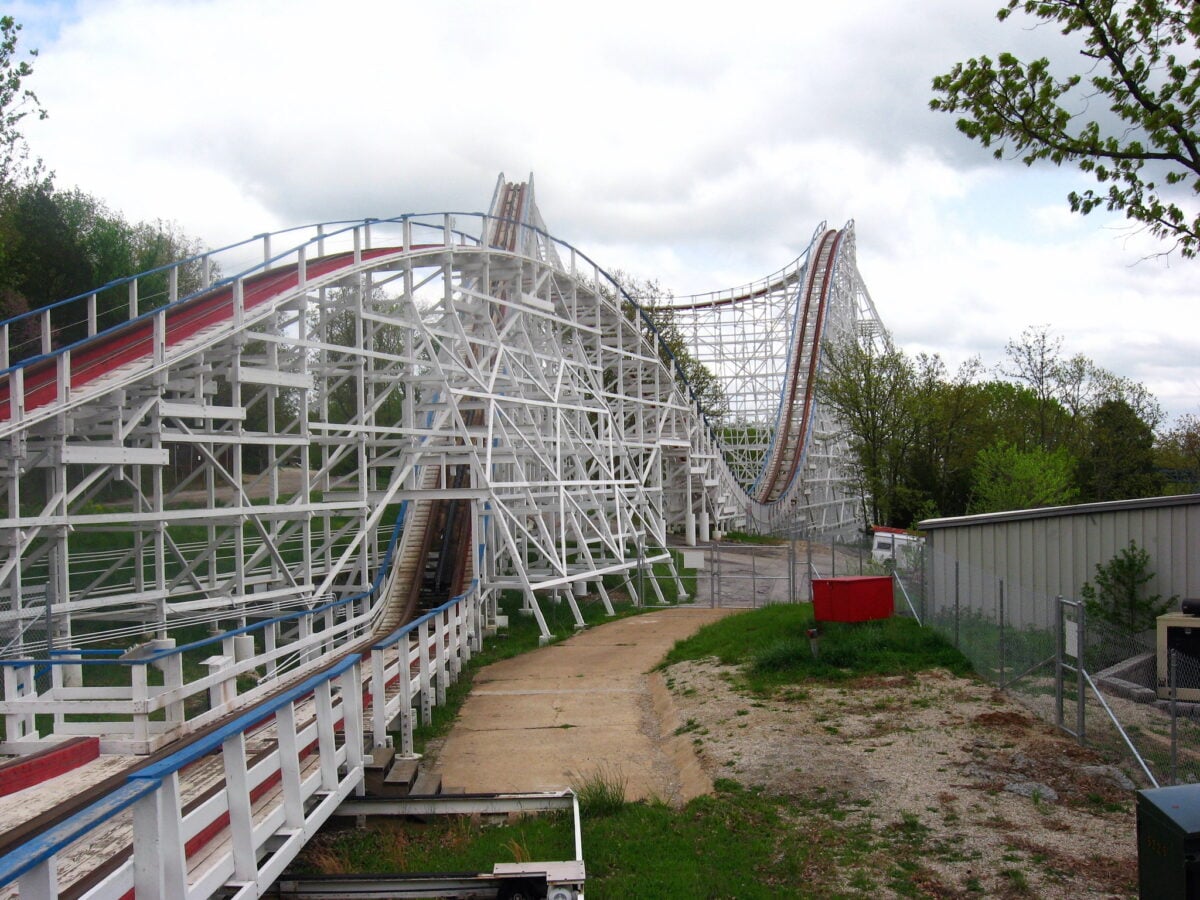
Back in ’76, the Screamin’ Eagle claimed records as both the tallest and speediest wooden roller coaster on Earth. Snapshots from that year capture its lift hill rising 110 feet – something we might shrug at today.
Yet then, set against Missouri’s flat stretch of land, it loomed like a giant. The thing about pictures?
They miss the sounds. Not just creaks – whole rattles, like metal links shaking on their way up.
Then there’s the groan of wood bending beneath moving weight. Steel coasters stay quiet compared to that.
Back when it first opened, you could stand near your car and still catch the rumble of the Screamin’ Eagle doing laps.
The Loch Ness Monster, Busch Gardens Williamsburg (1978)
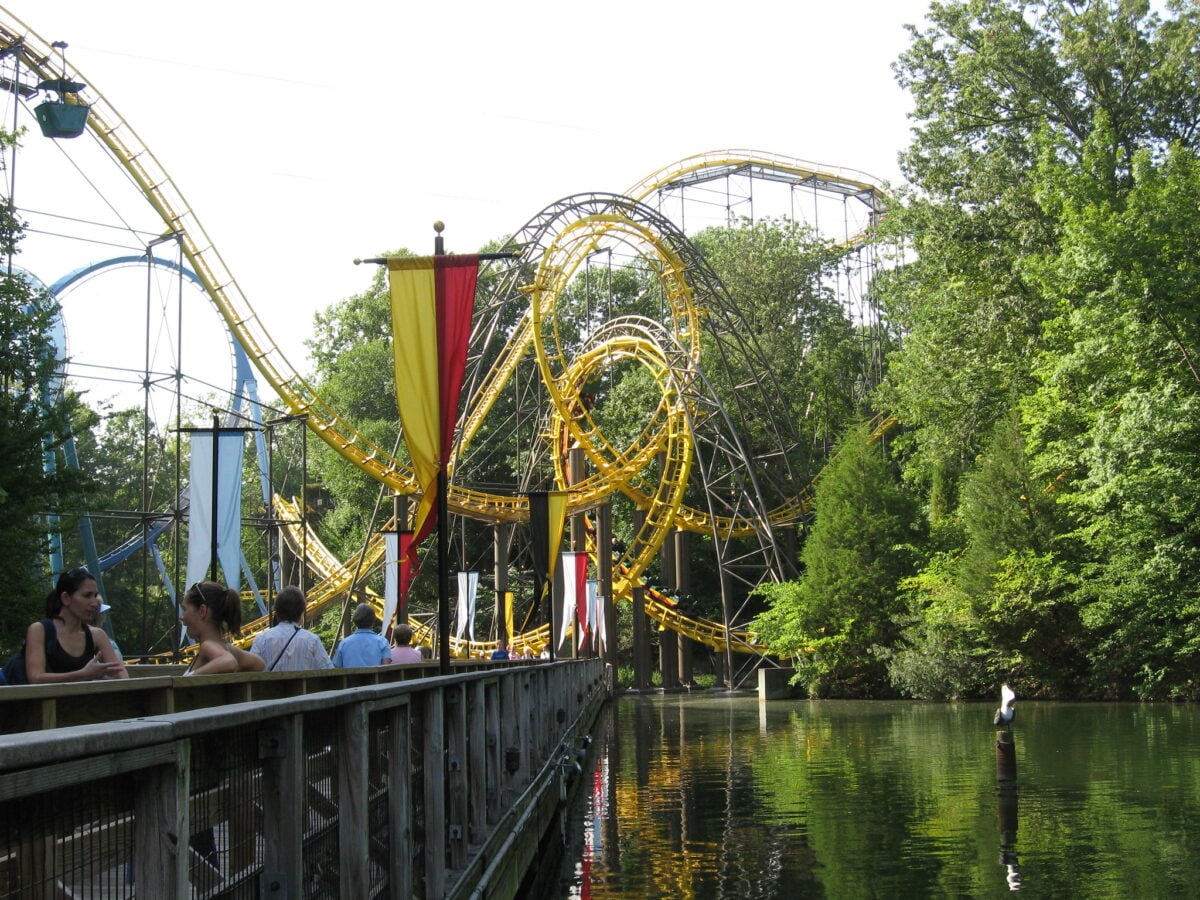
Busch Gardens built the Loch Ness Monster with two interlocking loops — a design that looks almost impossible in photographs. The track passes through itself, the two loops intertwined like a chain link frozen in steel.
Photos from the late 70s show the green structure against the park’s ersatz European backdrop, guests in line wearing expressions that range from confident to openly nervous. The ride still runs today, which says something about how well it was built.
Thunder Road, Carowinds (1976)
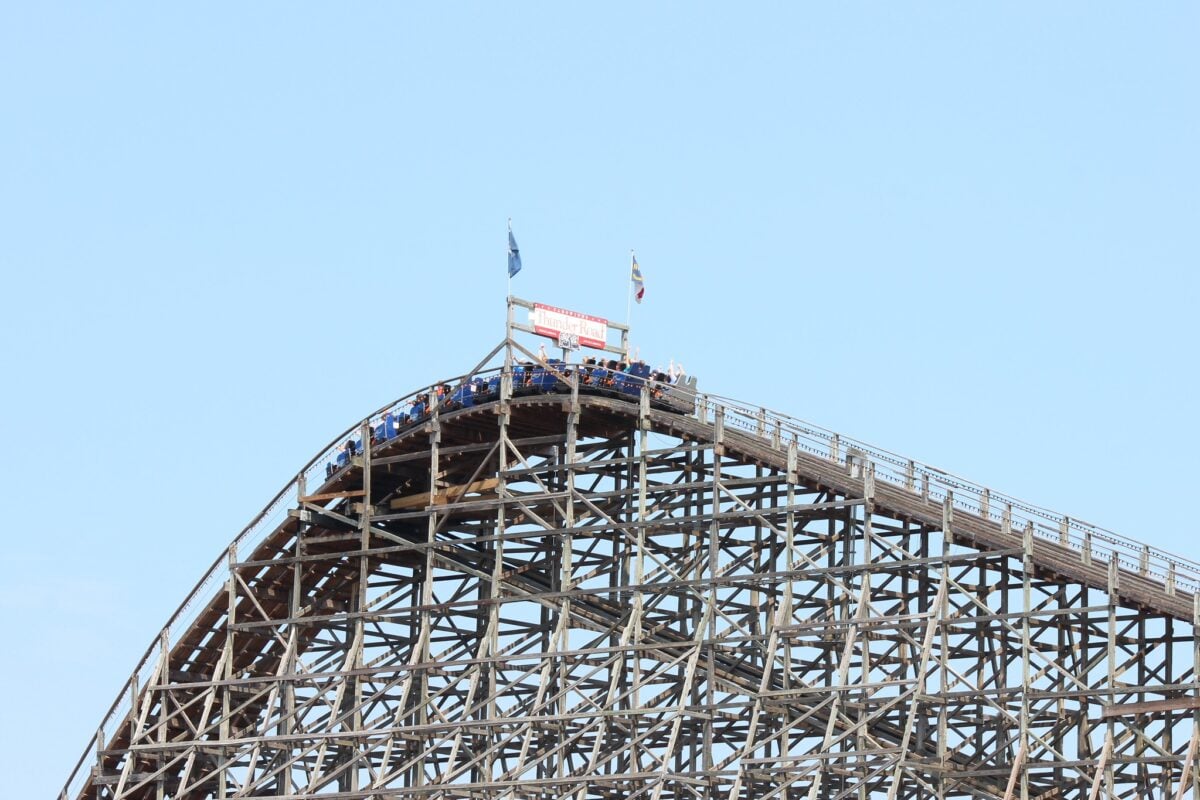
Carowinds sits on the North Carolina–South Carolina border, and Thunder Road leaned into that geography. Two racing coasters, each named for a different state, running parallel down the same hill.
Old photos show the coaster in that particular late-70s color palette — lots of brown and orange and gold. The structure looks modest compared to what came later, but riders who remember it from childhood describe it with the same reverence people reserve for things that shaped them when they were young.
Log Flume Rides (Everywhere, All Decade)
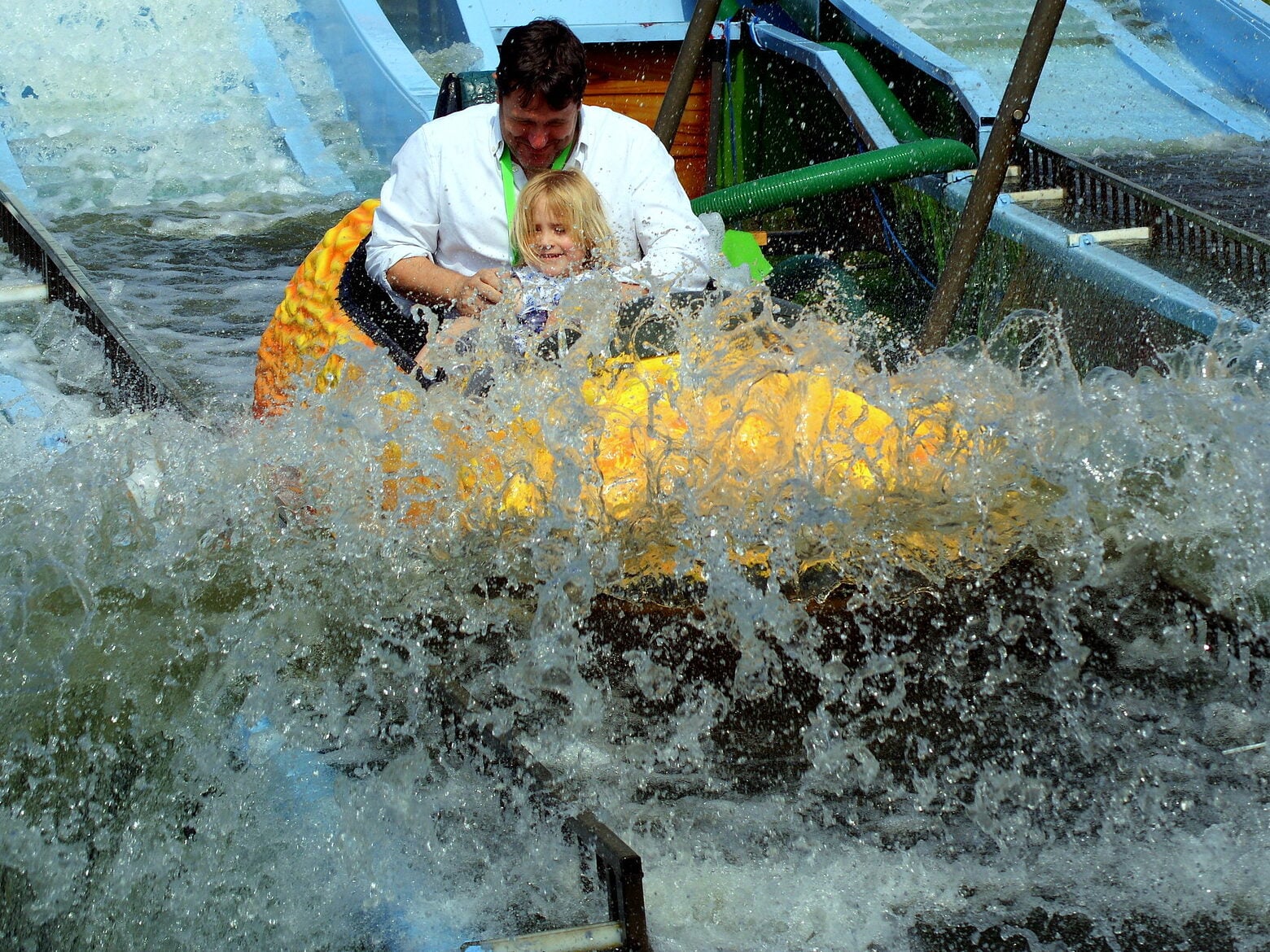
Log flume rides were everywhere in the 1970s. Every park that could build one did.
The photos look almost identical no matter which park they came from — a hollowed-out log shape, a channel of water, a big splash at the bottom, and a row of people drenched from the waist down. What the photos do capture is the expression right before the drop. Pure anticipation.
The flumes were designed to be gentle enough for families but climactic enough to feel like an event. That combination worked for decades, and the photos prove it worked immediately.
The Matterhorn Bobsleds, Disneyland (Throughout the 70s)
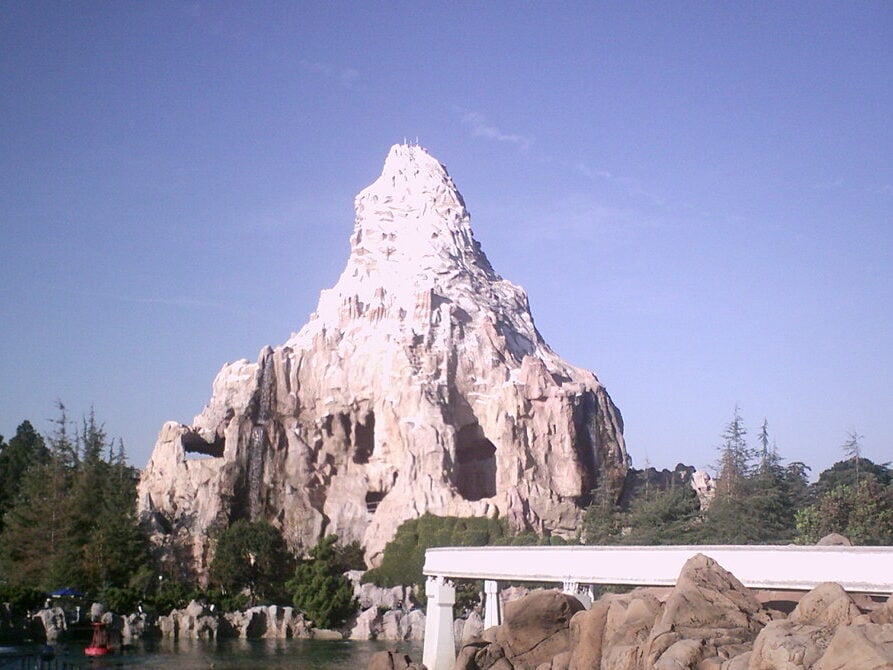
Disneyland’s Matterhorn opened in 1959, but the 1970s photos of it carry a particular kind of energy. The park was older but still thriving, and the mountain itself had become genuinely iconic — the kind of structure you could recognize in silhouette.
Photos from this decade show long queues wrapping around the base of the mountain, families in the clothes of the era, children pressed against the chain rails watching the bobsleds disappear into the tunnels above. The Abominable Snowman was inside, somewhere in the dark.
The Rotor, Various Parks
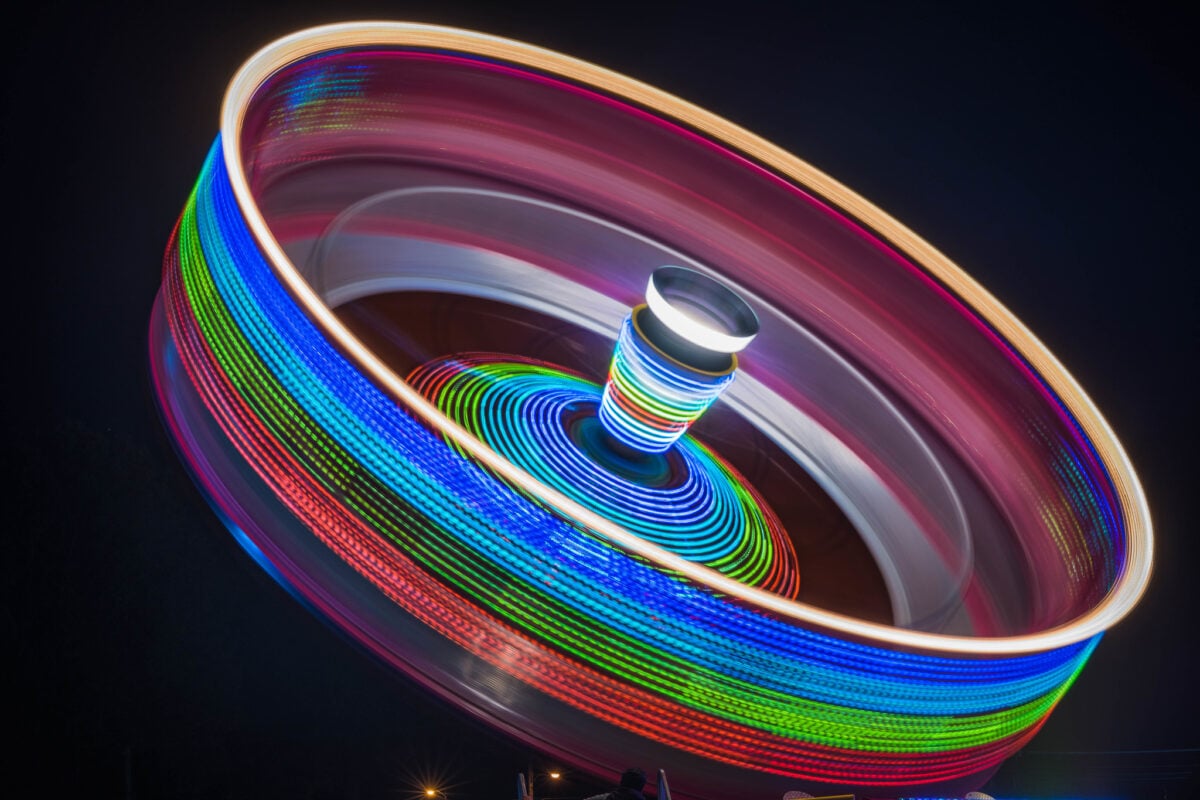
The Rotor wasn’t glamorous. It was a big drum you stood inside, and it spun until centrifugal force pinned you to the wall, and then the floor dropped away.
Photos — mostly grainy, often slightly blurred — show riders plastered to the padded walls at odd angles, grinning or grimacing depending on the person. It was a simple machine.
No track, no drops, no inversions. Just physics.
And it worked on people who’d never thought much about physics before that moment.
The Thunderbolt, Kennywood
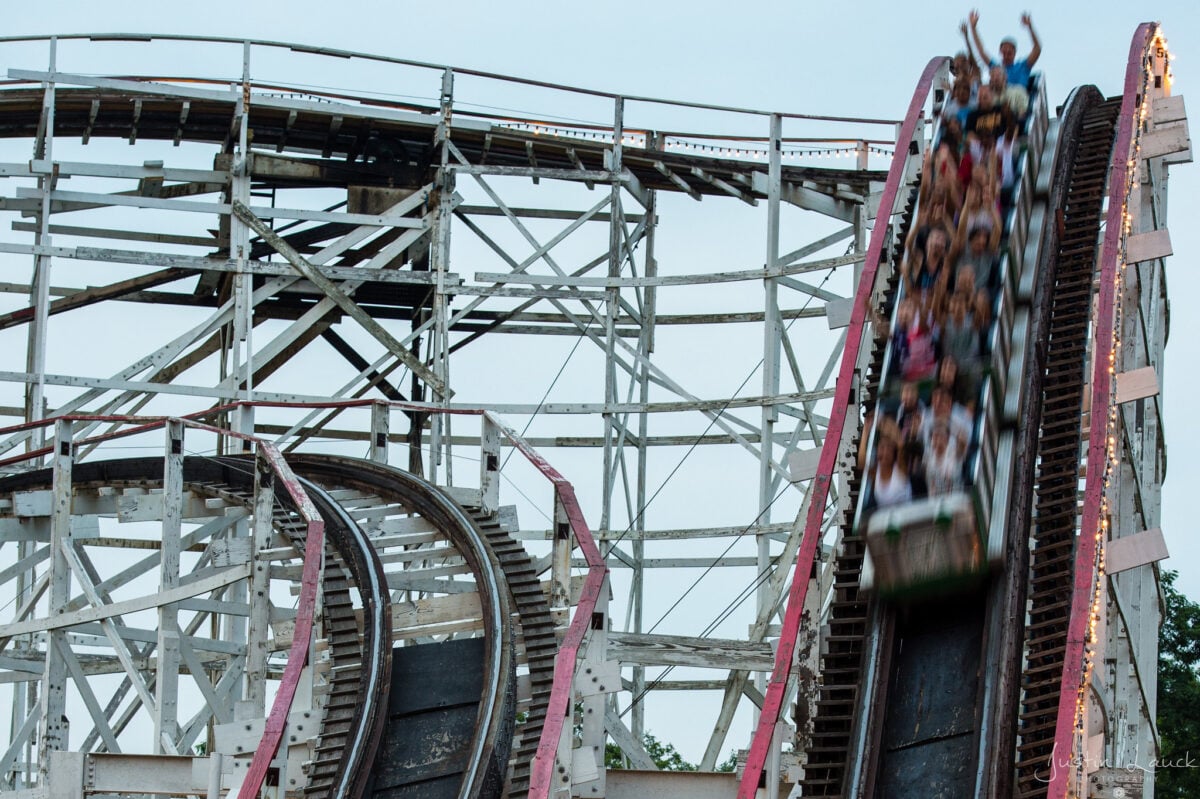
Picture this roller coaster at Kennywood – you see it in snapshots and think, just another modest wood ride tucked inside some average park. But wait until you’re on it.
Those images? They lie flat.
Truth is, it fits the label: a standard-sized timber track in a smaller park. Still, riding it feels nothing like the still frames suggest.
Yet those who’ve ridden it recall another story – one where the land dips into a gorge, keeps its steepest plunge secret till the last moment, then tightens and lets go in rhythms few coasters match today. Pictures fail to capture that.
Being there was necessary.
The Tidal Wave at Six Flags Magic Mountain opened in 1972
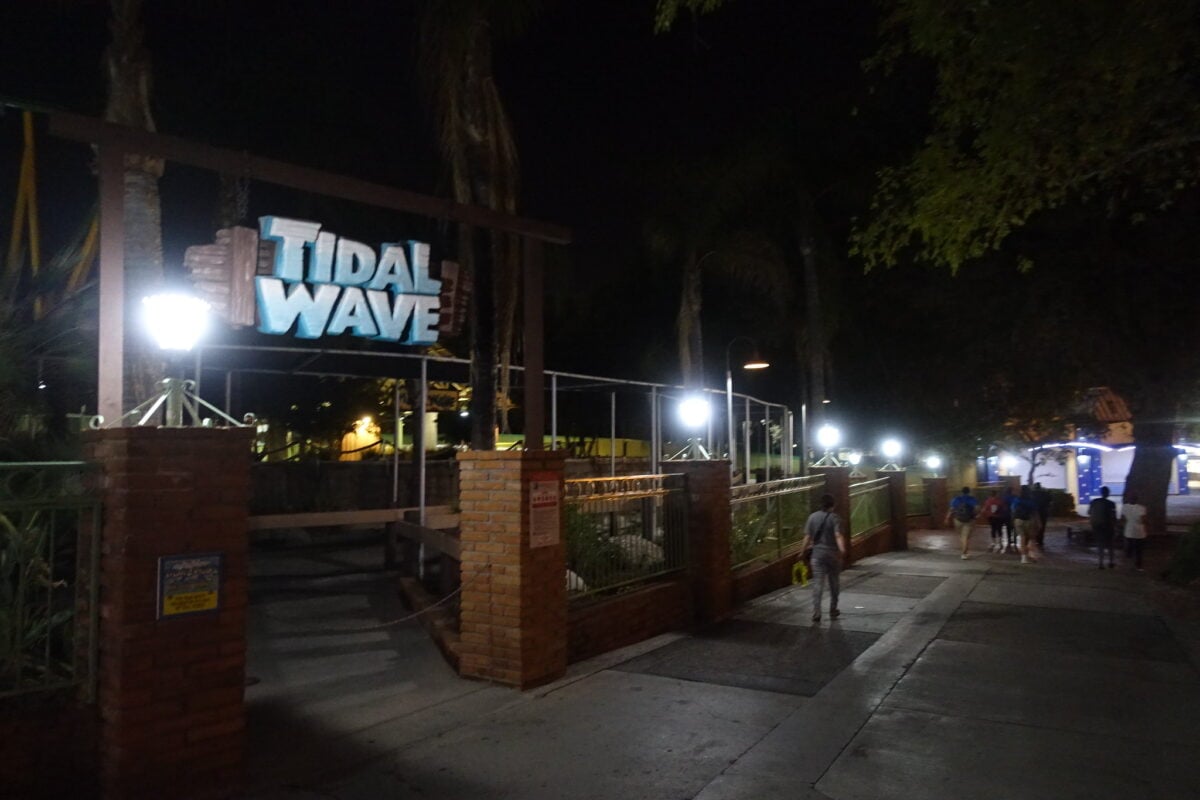
That big drop on Magic Mountain’s Tidal Wave made it stand out, even though parks had long featured water rides. Back then, pictures captured the moment: a boat tipping over the edge, sending up a wave like a tidal burst.
People standing near the base never saw the surge coming – soaked in seconds, laughing mid-shock. The force of the fall turned calm moments into chaos without warning.
People kept gathering by the railing. Seeing the surge hit felt nearly like being on it, yet somehow quieter.
Those shots of onlookers mid-splash – grinning, hands up, drenched through – ended up among the most real pictures of the past ten years.
The Great American Scream Machine at Six Flags Great Adventure opened in 1975
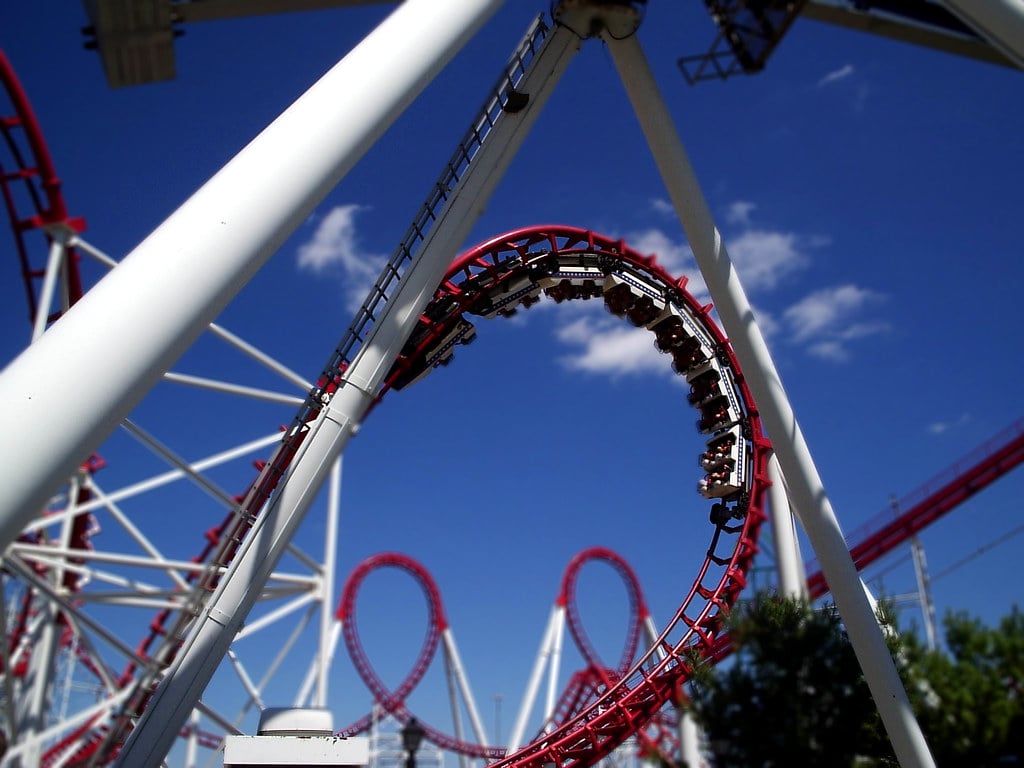
Back in 1975, New Jersey claimed a record with a massive wooden roller coaster. The Great American Scream Machine stood tall where land stretched wide and open.
From the road, drivers could spot its frame rising above everything else. Pictures captured how it dominated the horizon like nothing before it.
It called itself something big – yet delivered every bit. Not just seven peaks, but a track shaped to lift riders free, plus velocity so fierce it made the timber roar within earshot.
Snapshots from its first year reveal lines spilling past the edges of the picture.
Still There in the Negatives
A number of these rides keep operating today. Others have stopped.
Still, the images from the 1970s hold a quality newer records lack – raw amazement on faces seeing such contraptions up close, during an era when wonders like these felt fresh.
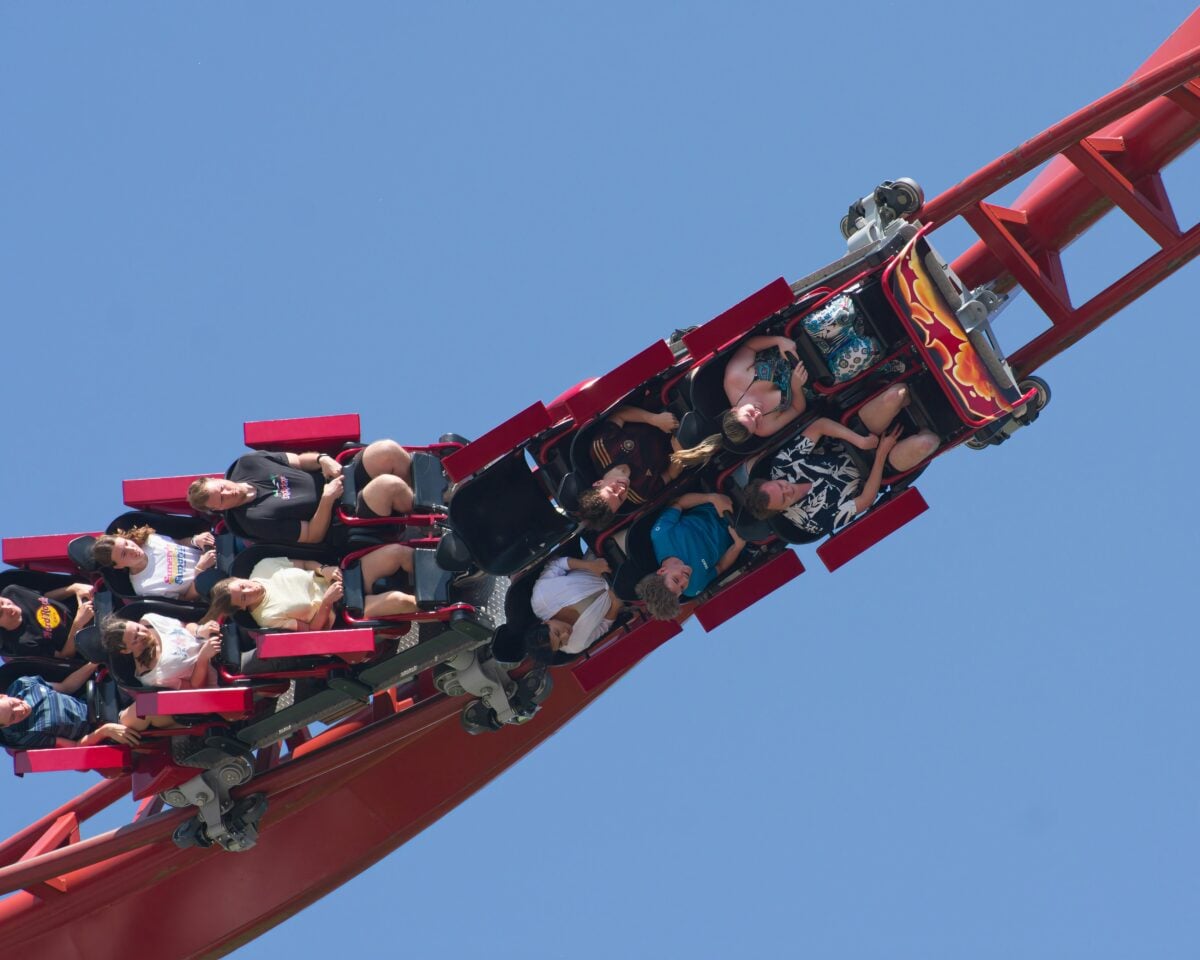
Staring into those faces – their hair wild, outfits loose, eyes blown wide like they’re topping out on a climb – you can tell it was genuine.
Nothing staged. No corporate feel.
Folks just moving quickly, caught off guard by the speed of it all.
More from Go2Tutors!

- The Romanov Crown Jewels and Their Tragic Fate
- 13 Historical Mysteries That Science Still Can’t Solve
- Famous Hoaxes That Fooled the World for Years
- 15 Child Stars with Tragic Adult Lives
- 16 Famous Jewelry Pieces in History
Like Go2Tutors’s content? Follow us on MSN.