14 Historic Photos of Communities Moving Entire Houses
Few photographs are stranger than a two-story house rolling down a main street. In the right circumstances, moving a building was cheaper than replacing it, and some communities went further, relocating entire neighborhoods ahead of floods, dams, mines and urban renewal.
The fourteen scenes below come from across North America and Europe. Each one shows what happens when a town decides that its buildings matter more than its location.
Hibbing Moves South
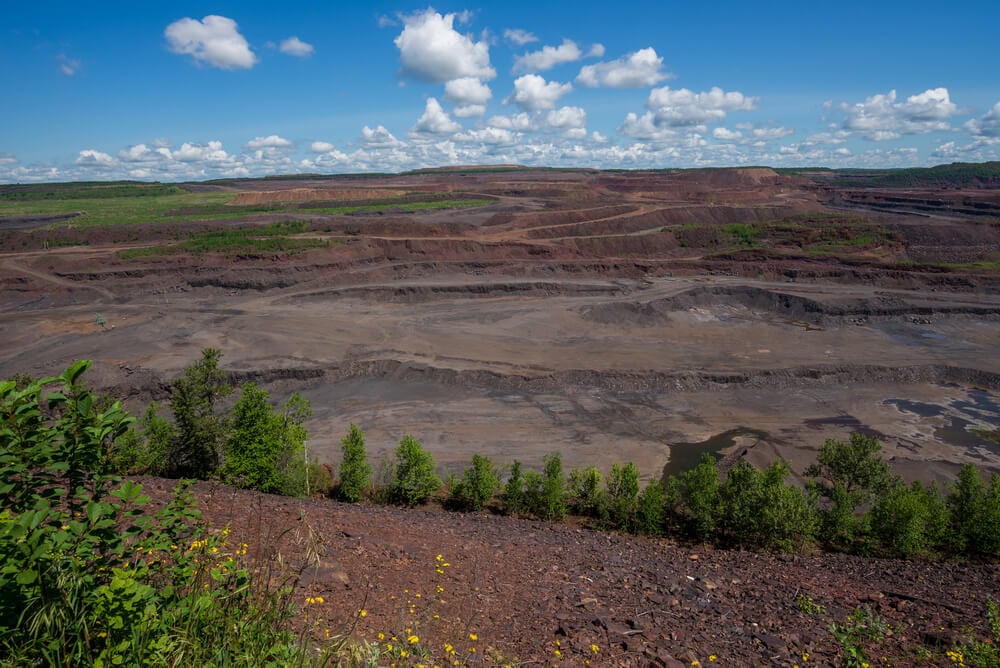
Between 1919 and 1921, the Minnesota iron range town of Hibbing relocated about 188 buildings two miles south to make room for an open-pit mine. Horses, tractors and a steam crawler hauled houses and hotels across the prairie.
The Colonial Hotel survived the trip, but the Sellers Hotel collapsed in transit.
Valmeyer Climbs the Bluff
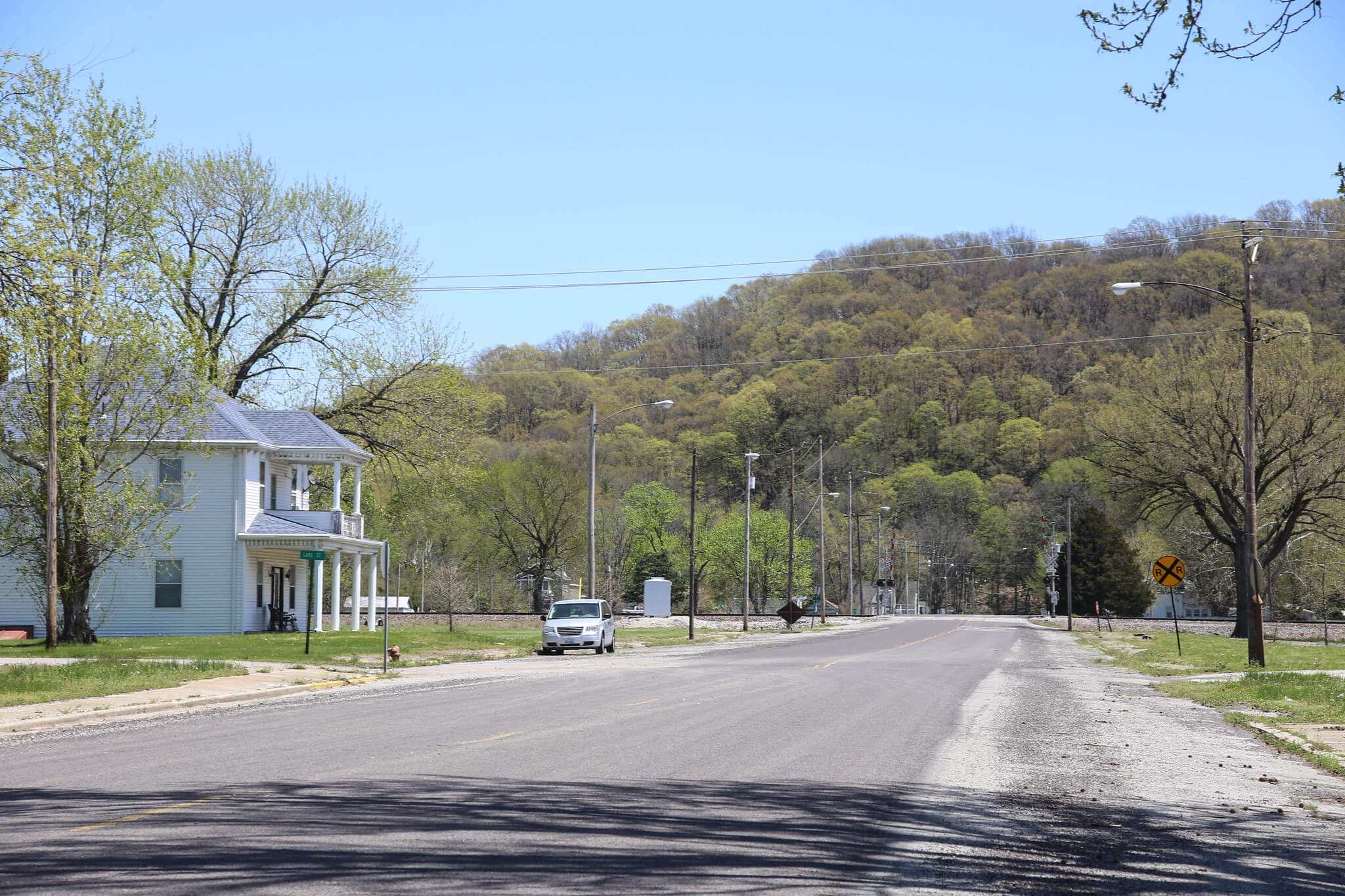
After the great flood of 1993 swamped Valmeyer, Illinois, the village chose to relocate to bluffs about two miles away rather than rebuild in the floodplain. Ground was broken in December 1993, and the work continued through 1996 with federal help.
Photos show new streets laid out on high ground above the Mississippi.
Soldiers Grove Leaves the River

Soldiers Grove, Wisconsin, moved its business district and 24 homes out of the Kickapoo River floodplain in the early 1980s. The town became known for the project, and some of its new buildings used solar heating.
Pictures from the move show the old Main Street emptied and buildings rolling uphill.
Newfoundland’s Floating Houses
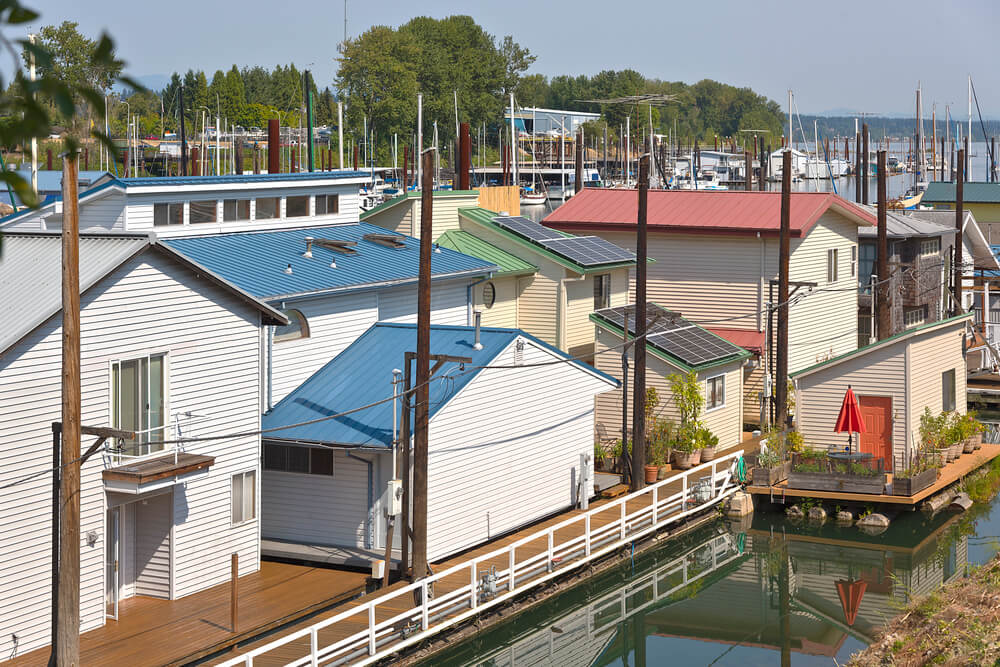
During the resettlement programs of roughly 1965 to 1970, more than 16,000 people left nearly 120 Newfoundland communities. Many families took their houses with them, floating the buildings across the water on boats and rafts.
Arnold’s Cove received a number of the floated houses.
Galveston Rises Above the Gulf

After the 1900 hurricane, Galveston, Texas, raised about 2,000 buildings across roughly 500 city blocks on hand-turned jackscrews while sand was pumped beneath. St. Patrick’s Catholic Church, weighing around 3,000 tons, was lifted five feet using 700 jacks.
Photographs show houses perched on stilts above streets of fresh fill.
Kettle Falls Climbs Away From the Dam

When the Grand Coulee Dam flooded the Columbia River valley in 1940, the original town of Kettle Falls, Washington, moved to higher ground. The Baptist church sold its building to the government for $6,232.95, then bought it back and moved it to Myers Falls.
Most of the rest of the town followed, and Myers Falls took the Kettle Falls name.
The Lost Villages of the St. Lawrence
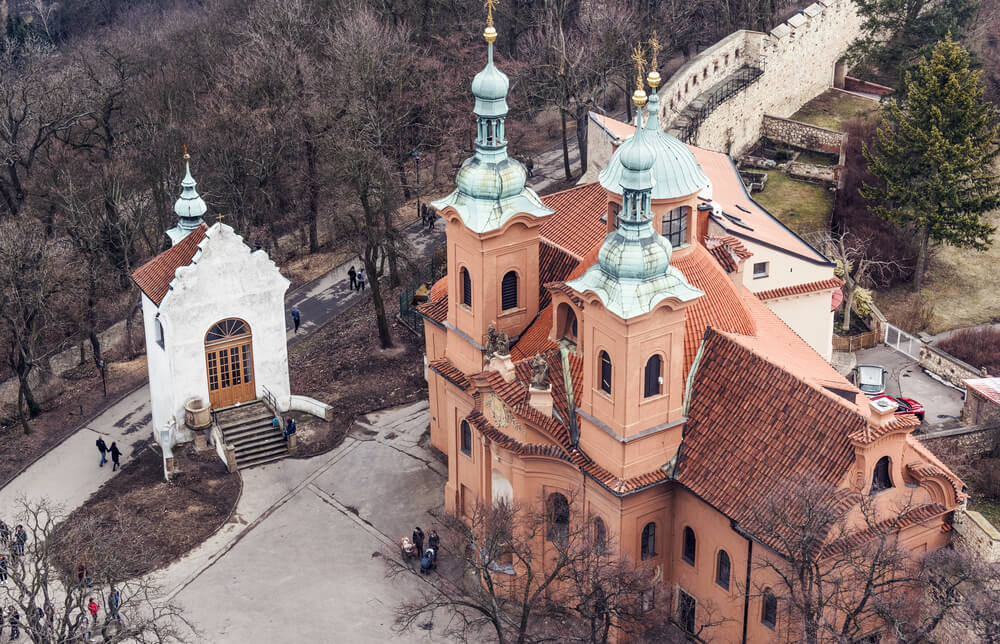
The building of the St. Lawrence Seaway in the 1950s displaced about 6,500 people in Ontario. A total of 531 houses were moved to the new towns of Ingleside and Long Sault and to Upper Canada Village.
Inundation Day was July 1, 1958, when the last cofferdam was blown up.
The Wright Brothers’ Home Goes to Michigan
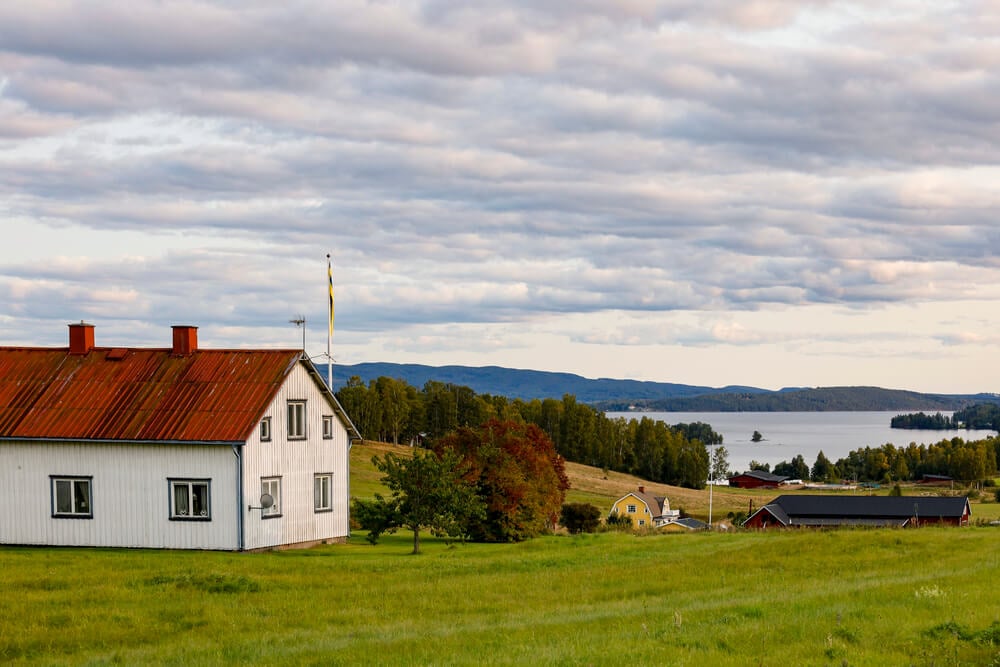
Henry Ford bought the Wright brothers’ Dayton house and cycle shop in 1936 and moved them to Greenfield Village in Dearborn, Michigan. The buildings had stood a few blocks apart in Ohio, but Ford placed them side by side.
Orville Wright and mechanic Charlie Taylor helped to make sure the reconstruction was accurate.
Niobrara, the Town That Moved Twice
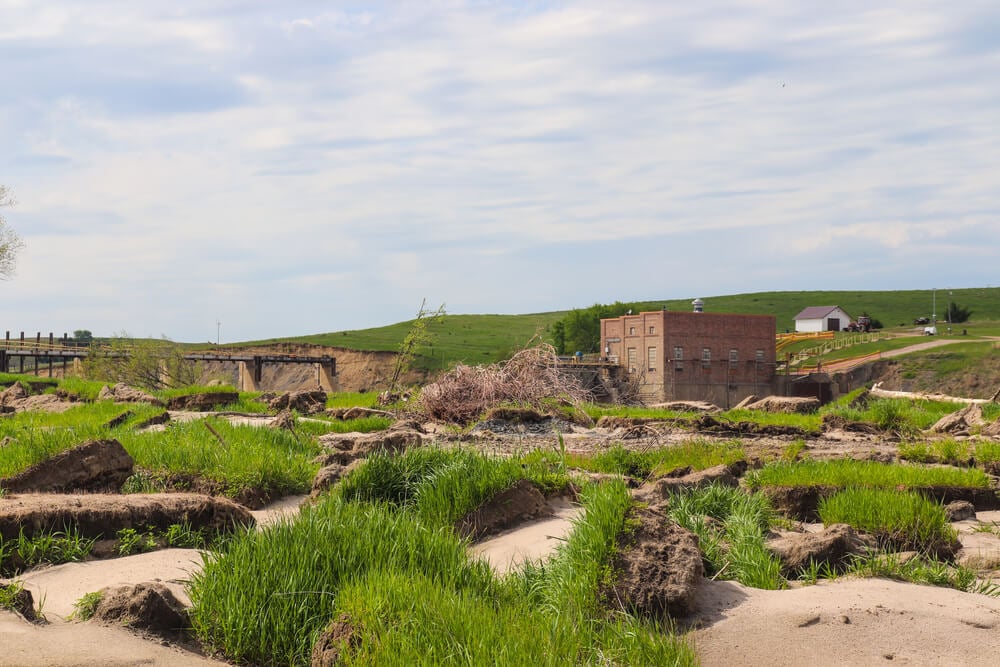
A flood on the Missouri River in 1881 left Niobrara, Nebraska, under three to six feet of water for more than a week. Residents moved their buildings about a mile and a half to higher ground in an event photographed as “Niobrara on wheels.”
After Gavins Point Dam raised the water table, the town moved again, and the third Niobrara was dedicated on July 4, 1977.
Shawneetown Is Moved Inland
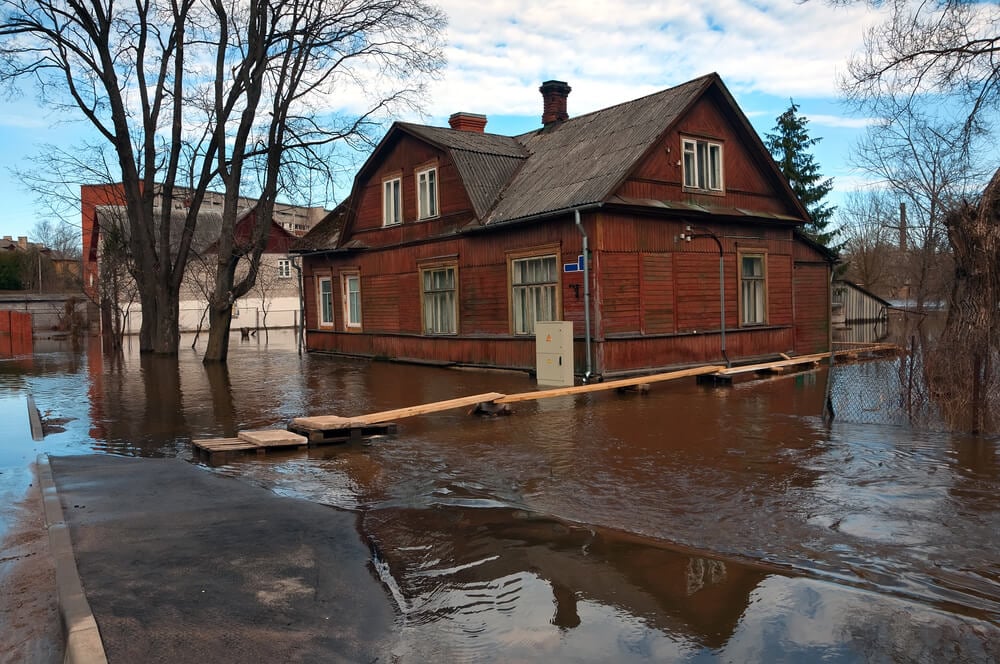
The Ohio River flood of 1937 poured over Shawneetown’s 60-foot levees and left the Illinois town under about fifteen feet of water. On December 14, 1937, the state and federal governments approved a plan to relocate the entire community, a first for the federal government.
The Works Progress Administration moved between 200 and 250 of the roughly 425 residential structures to the new site.
Heritage Square Saves Bunker Hill
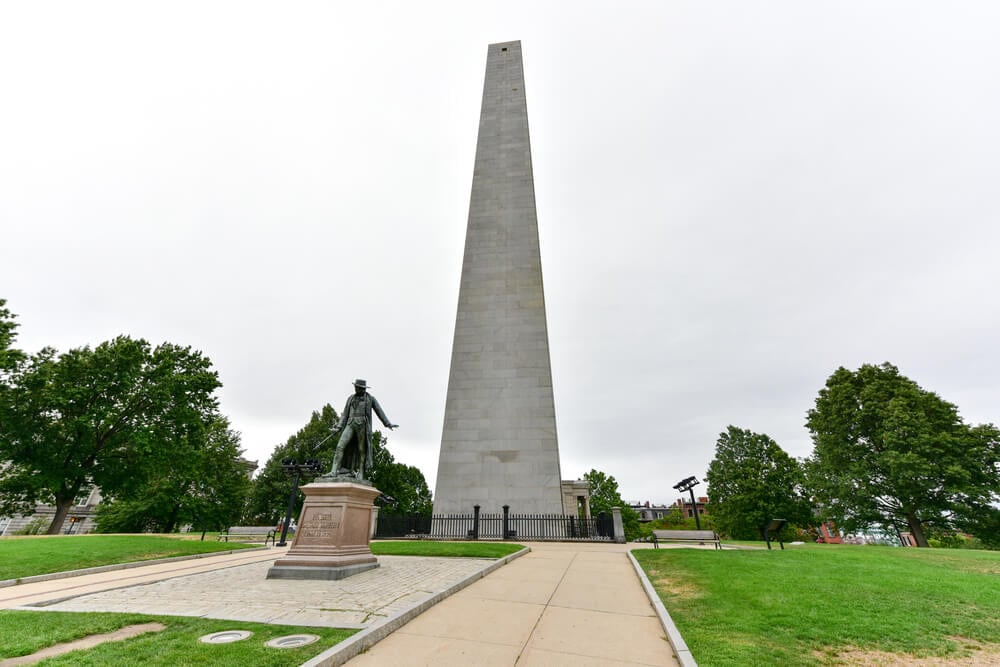
When Los Angeles cleared Bunker Hill for redevelopment in the 1960s, preservationists moved surviving Victorian buildings to a strip of land beside the Arroyo Seco. The Heritage Square Museum opened in 1969.
Two of the first houses moved, nicknamed the Castle and the Salt Box, burned in an arson fire about seven months later.
The Tremont House Rises With Guests Inside
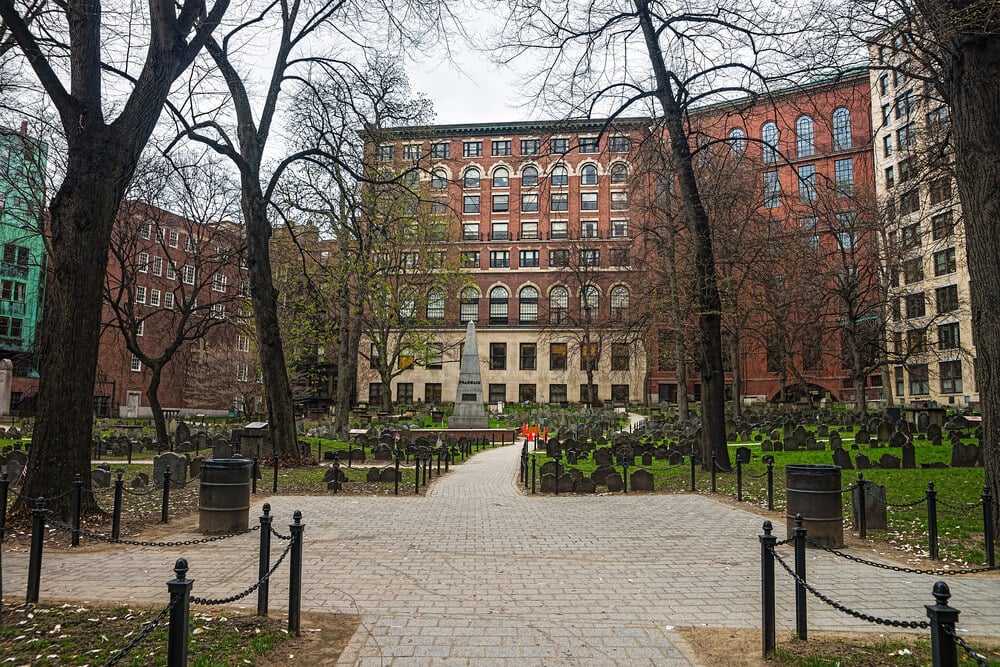
In 1861 a team led by Ely, Smith and George Pullman raised Chicago’s six-story brick Tremont House hotel while guests remained inside. Workers turned jackscrews a notch at a time until the building reached the new street grade.
Photographers and crowds gathered to watch it climb.
An Entire Block on Lake Street
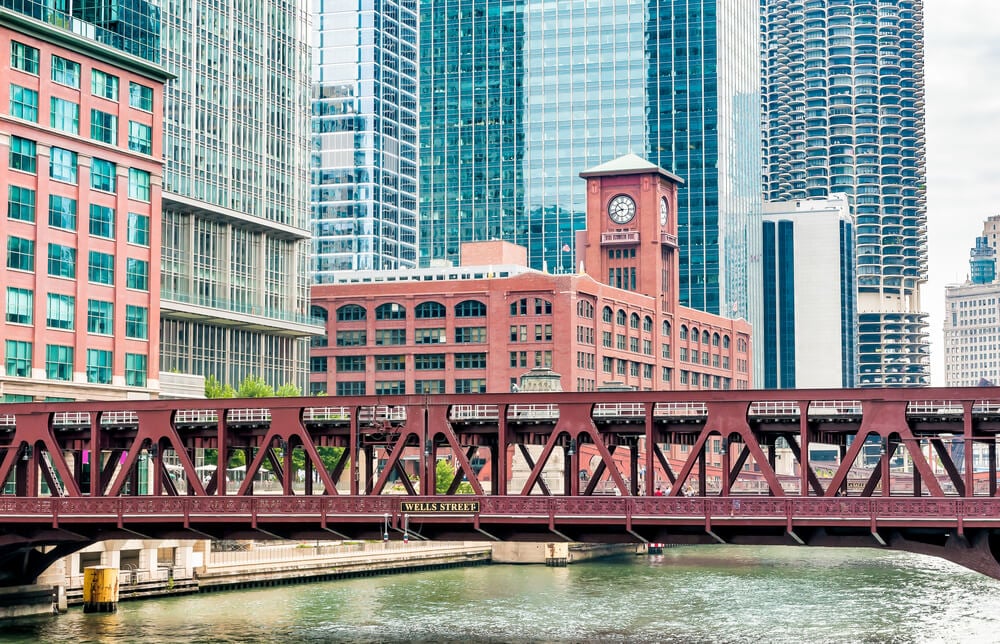
In 1860, engineers raised a half block of brick buildings on Chicago’s Lake Street by 4 feet 8 inches. About 600 men turned 6,000 jackscrews in coordinated steps while shops stayed open.
Crowds of thousands watched, and on the final day spectators were allowed to walk beneath the buildings among the jacks.
Kiruna Church on Wheels
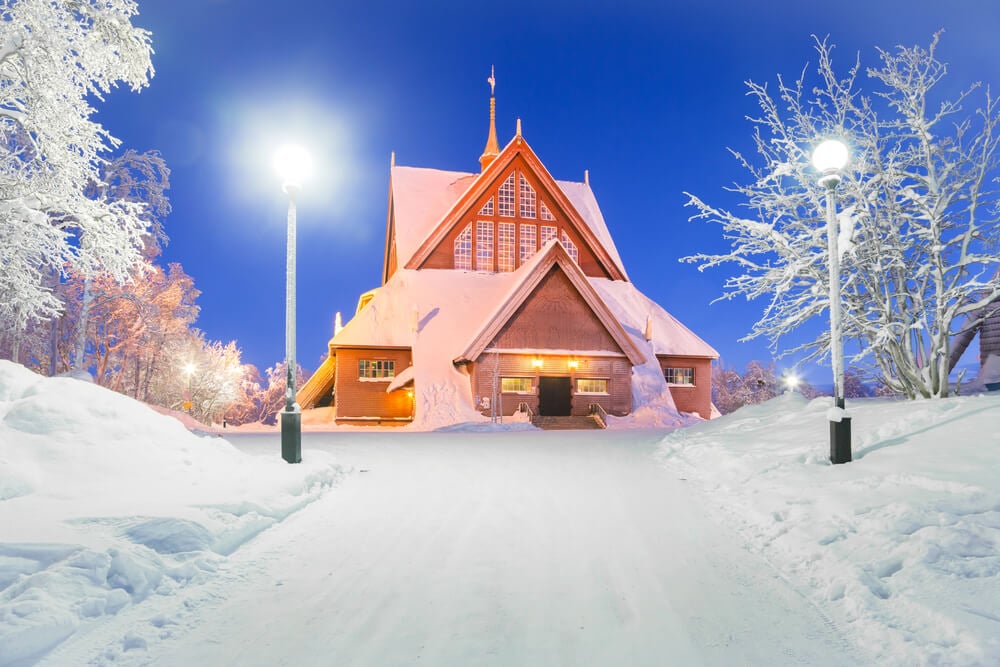
In August 2025, the 113-year-old wooden Kiruna Church in northern Sweden was moved five kilometers to make way for the expansion of an iron ore mine. The 672-tonne church traveled on a remote-controlled trailer with 224 wheels, at about half a kilometer per hour.
It was one of 23 historic buildings relocated as part of the town’s long-planned move.
When Moving Is Cheaper Than Mourning

Every scene here began with a threat: water, a mine, a bulldozer or a plan that ignored the existing neighborhood. Moving a building is expensive, slow and risky, yet communities chose it again and again.
The photographs show more than clever engineering. They show people deciding that a church, a hotel or a family home was worth carrying to a new place rather than losing for good.
More from Go2Tutors!

- 27 Silver Dollars and Half Dollars Worth Keeping
- 28 Restaurant Menu Items Nobody Orders Anymore
- 17 Places Built in Seemingly Impossible Spots
- 27 Vintage Rings Worth More Than They Look
- 25 Restricted Sites Tourists Can’t Enter
Like Go2Tutors’s content? Follow us on MSN.