17 Buildings Torn Down Before Anyone Protested
Not every architectural loss comes with a rally, a petition, or a newspaper campaign. Some of the twentieth century’s most regretted demolitions happened quietly, dismissed at the time as simple progress, and it was only years or decades later that anyone thought to ask what, exactly, had been lost.
The Original Waldorf-Astoria Hotel
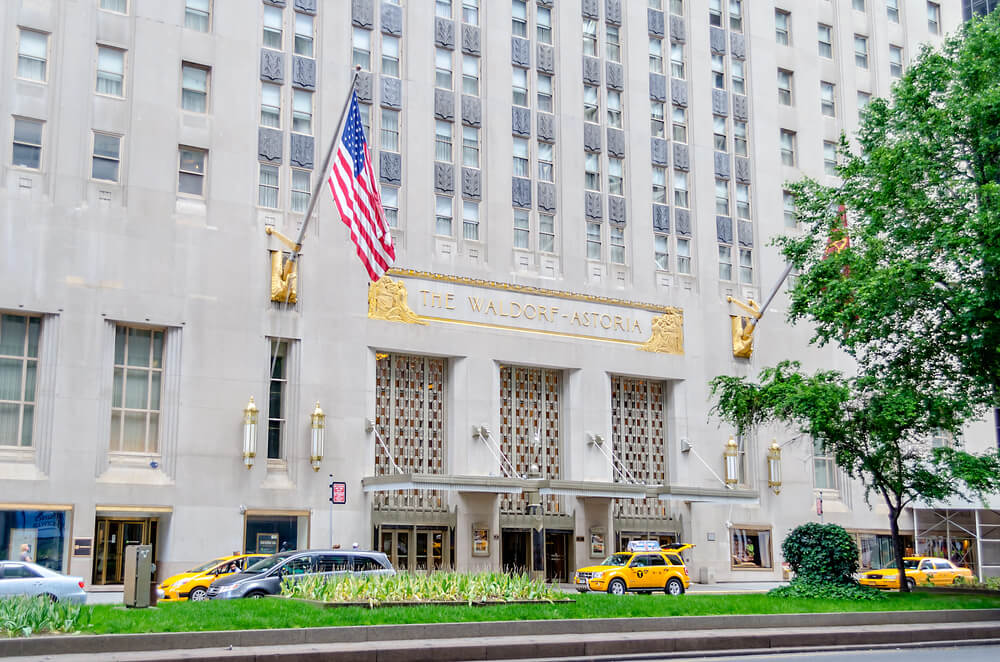
The first Waldorf-Astoria, an opulent combination of two rival hotels built by feuding cousins on Fifth Avenue, was demolished in 1929 to make way for the Empire State Building, and almost no one objected at the time. The country was still riding the last months of a booming economy, taller was assumed to mean better, and the idea of protecting a forty-year-old hotel simply did not occur to most New Yorkers watching the wrecking crews move in.
The Singer Building
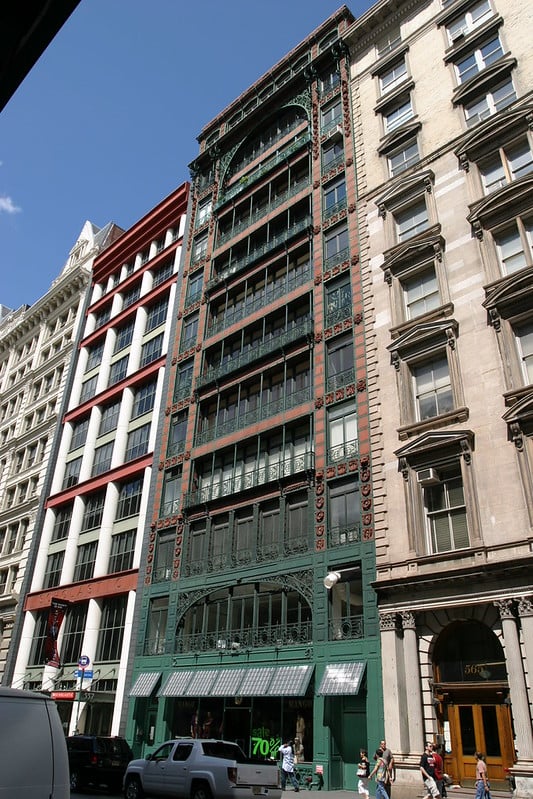
Once the tallest building in the world when it opened in 1908, the ornate Beaux-Arts Singer Tower in lower Manhattan was razed between 1967 and 1969 to make room for the far larger One Liberty Plaza. It remains, decades later, the tallest building ever voluntarily demolished by its owners, a record that stood until the twenty-first century.
New York’s Landmarks Preservation Commission had only just been created and never designated the tower, so no formal objection ever materialized before it came down.
The Larkin Administration Building
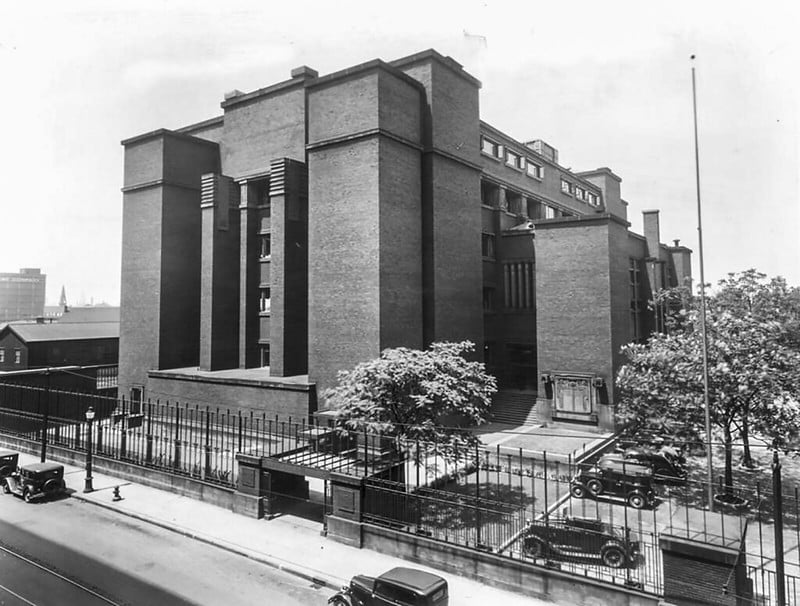
Frank Lloyd Wright considered his 1906 office building for the Larkin Soap Company in Buffalo one of his most important early commissions, an innovation in open-plan office design decades ahead of its time. It sat mostly vacant after the company’s decline and was demolished for a parking lot in 1950 without any organized campaign to save it.
Architectural historians now treat its loss as one of the great unforced errors of American preservation, arriving just a few years too early for the movement that might have stopped it.
The Home Insurance Building
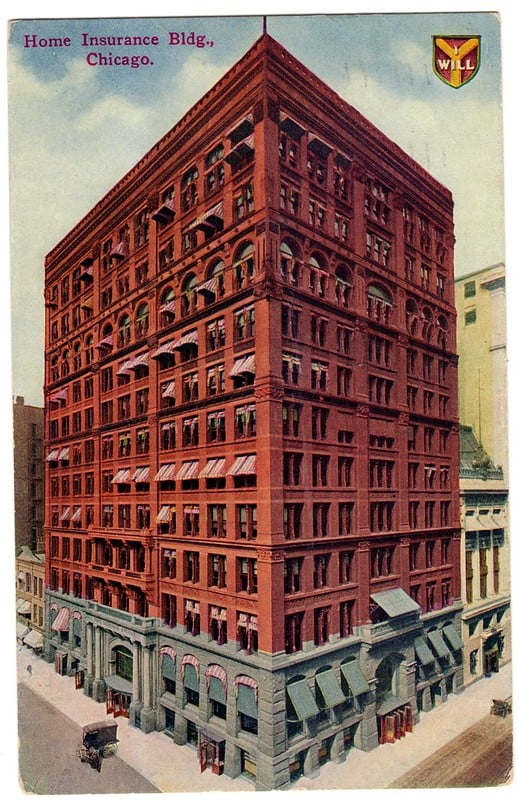
Often credited as the world’s first true skyscraper for its pioneering steel-frame construction, Chicago’s Home Insurance Building opened in 1885 and was torn down in 1931 to make room for a larger office tower, with essentially no public resistance recorded at the time. Its structural innovations are now taught in nearly every architecture curriculum, which makes the silence surrounding its demolition all the more striking in hindsight.
Richfield Tower
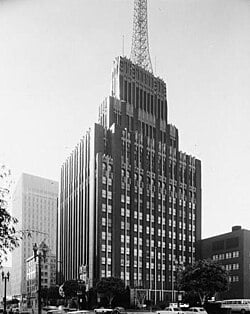
The black-and-gold, zigzag-patterned Richfield Tower in Los Angeles, completed in 1929 as one of the finest Art Deco office buildings on the West Coast, was demolished in 1969 to make way for a pair of modern towers, with barely a comment recorded in local papers. Its loss is now cited routinely in discussions of how thoroughly Los Angeles allowed its early skyline to disappear before any meaningful preservation ordinance existed.
The Traymore Hotel
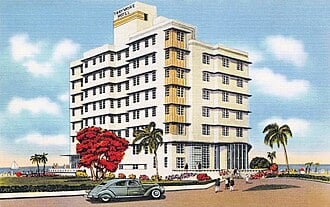
Atlantic City’s Traymore Hotel, a sprawling Art Deco resort that had once hosted presidents and dominated the boardwalk skyline, was imploded in 1972 as the city’s tourism economy collapsed and gambling had not yet arrived to revive it. Few objected at the time; the hotel had become a symbol of a resort town in decline rather than a landmark worth saving, and its implosion drew more curiosity than outrage.
The Marlborough-Blenheim Hotel
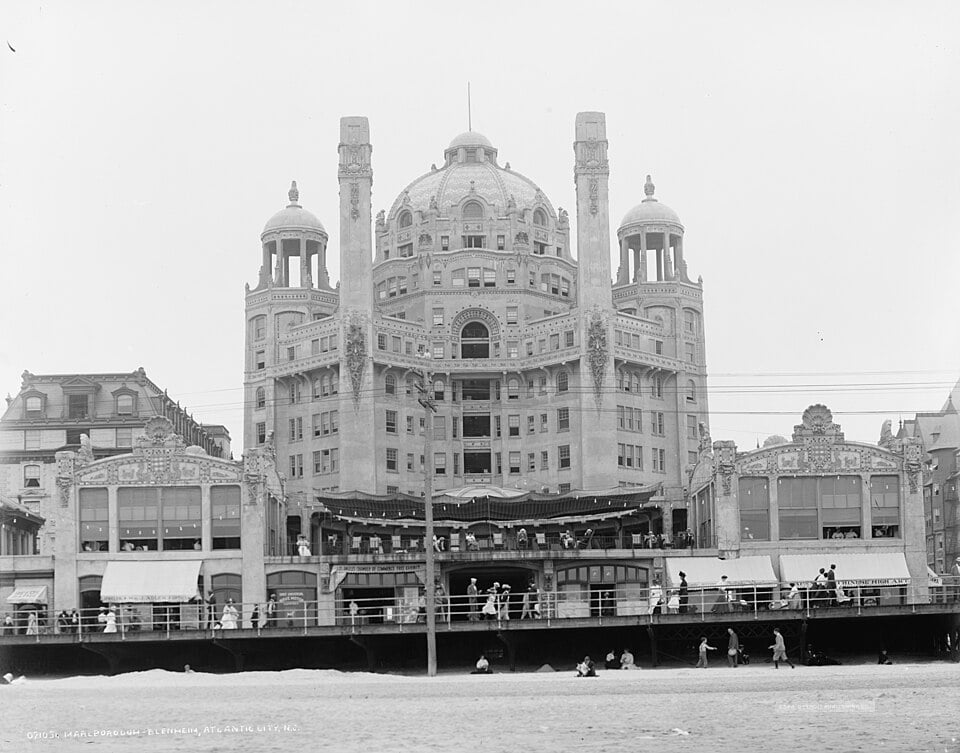
A few years later, in 1978, the neighboring Marlborough-Blenheim Hotel, an early and influential example of reinforced-concrete construction, was also imploded in Atlantic City to clear ground for casino development. Like the Traymore before it, its demolition passed with minimal public objection, part of a broader pattern in which the city’s grand old hotels were cleared out one after another with almost no organized resistance.
The Original Metropolitan Opera House
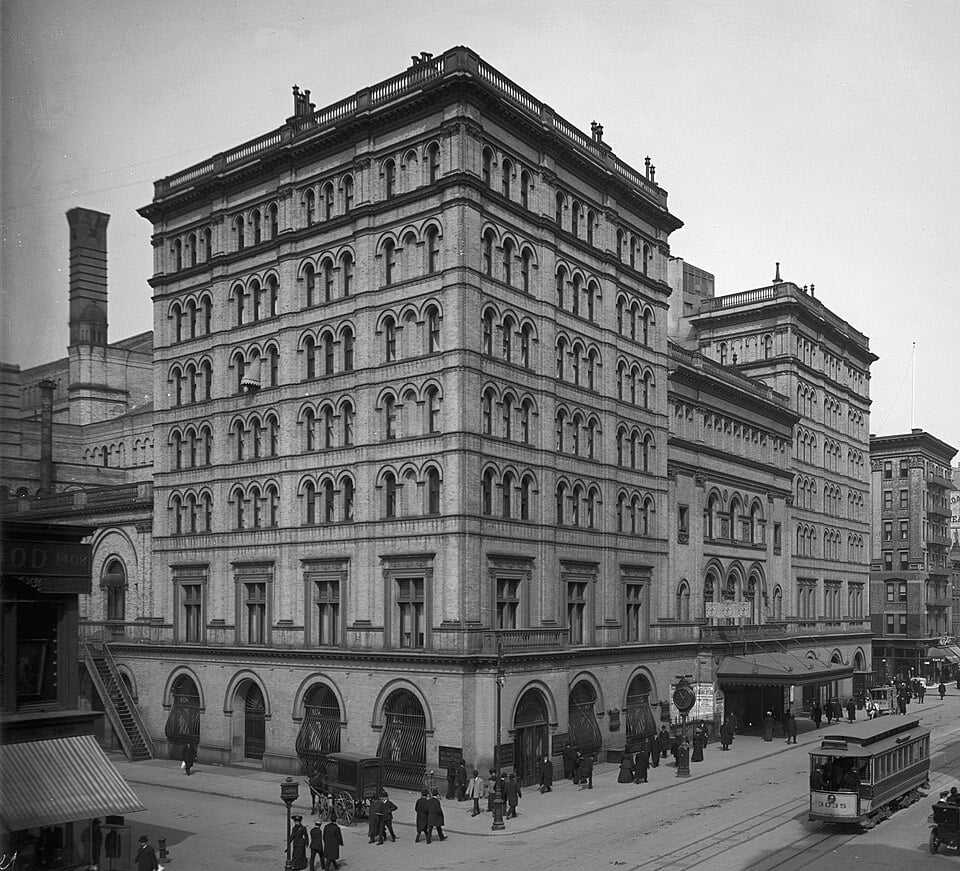
New York’s first Metropolitan Opera House on Broadway, opened in 1883, was demolished in 1967 shortly after the company relocated to its new home at Lincoln Center, and the building came down with little of the outcry that later defined preservation battles elsewhere in the city. At the time, most attention was focused on celebrating the new opera house rather than mourning the old one.
Grand Central Depot
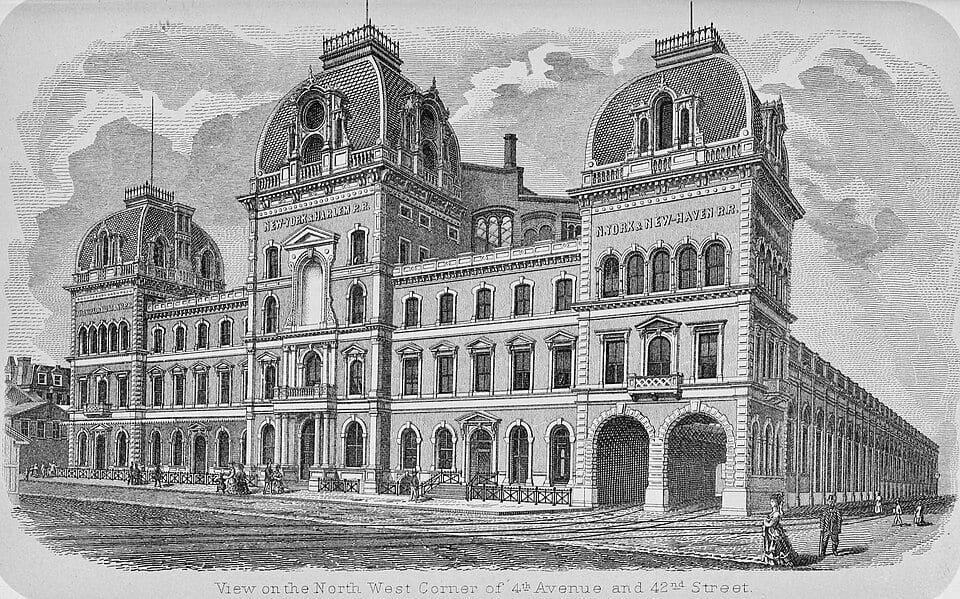
The original Grand Central Depot, completed in 1871 and considered a marvel of railroad architecture in its day, was largely demolished and rebuilt in stages between 1899 and 1900 to create the larger Grand Central Station, a precursor to today’s terminal. The rebuilding was treated purely as necessary modernization, and no meaningful objection to losing the original structure appears in the historical record.
The Astor Hotel
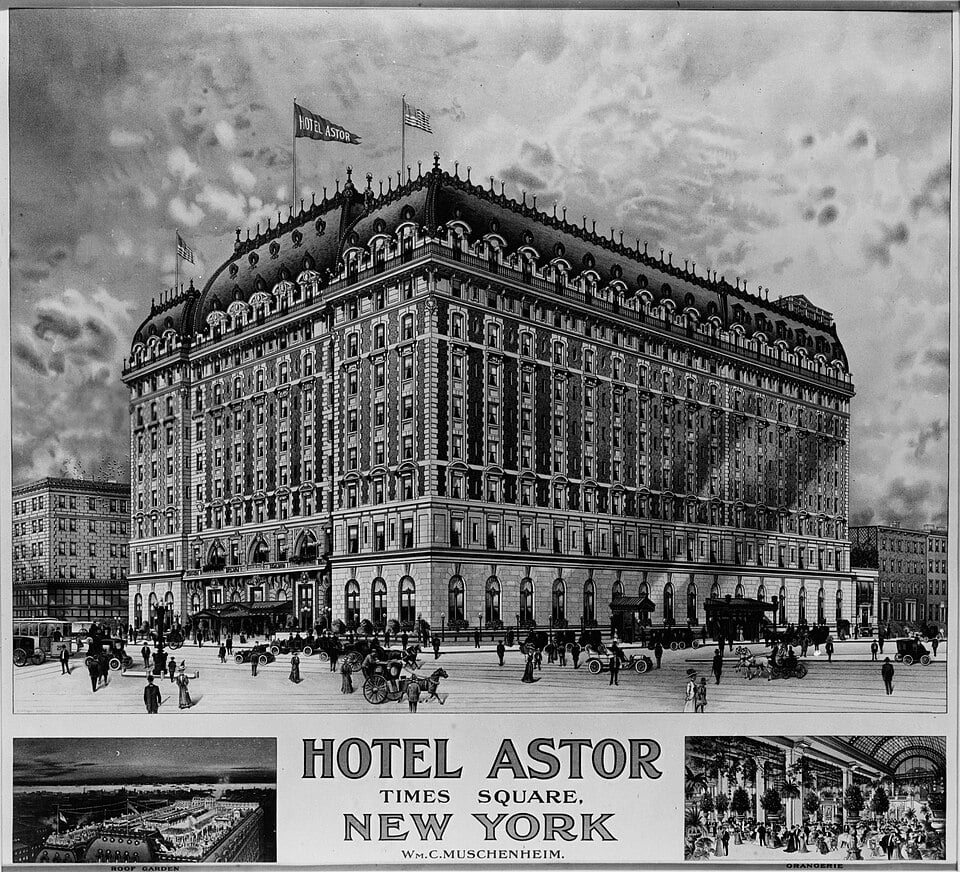
Facing Times Square for six decades, the Astor Hotel was a fixture of New York nightlife before it was demolished in 1967 to make way for an office tower, coming down with barely a ripple of public concern at a moment when Times Square itself was already sliding into decline. Its removal is now grouped by historians with several other under-mourned losses of that same era.
The Ritz-Carlton Hotel, Madison Avenue
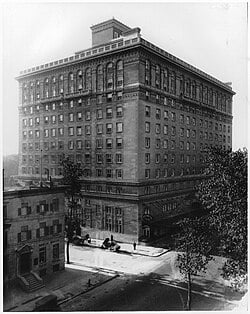
New York’s original Ritz-Carlton on Madison Avenue, celebrated for popularizing the boutique luxury hotel concept in America when it opened in 1910, was torn down in 1951 for an apartment building, its demolition treated at the time as an unremarkable real estate transaction rather than a cultural loss.
Madison Square Garden II
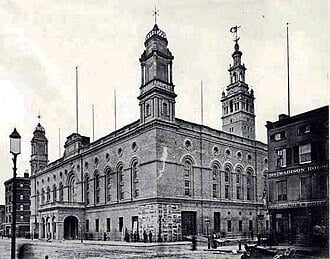
Architect Stanford White’s ornate second Madison Square Garden, completed in 1890 and topped by a famous rooftop garden, was demolished in 1925 to make way for the New York Life Insurance Building, coming down with little fanfare despite White’s stature as one of the era’s most celebrated architects. The site’s earlier notoriety, as the location of White’s own killing in 1906, may have made the building easier for the public to let go of without sentiment.
The Steeplechase Park Pavilion
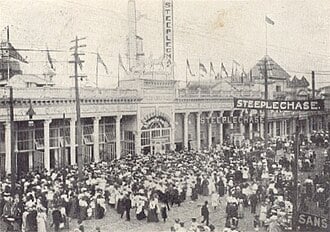
Coney Island’s Steeplechase Park pavilion, an amusement landmark dating to 1907, was bought by developer Fred Trump in 1966 and demolished shortly after, reportedly celebrated with an event where guests were invited to throw bricks through the building’s famous glass facade before the wrecking crews finished the job. Zoning changes meant for redevelopment left the site vacant for years afterward, a fate that in retrospect made the swift, cheerful demolition look considerably worse than it did at the time.
The Roxy Theatre
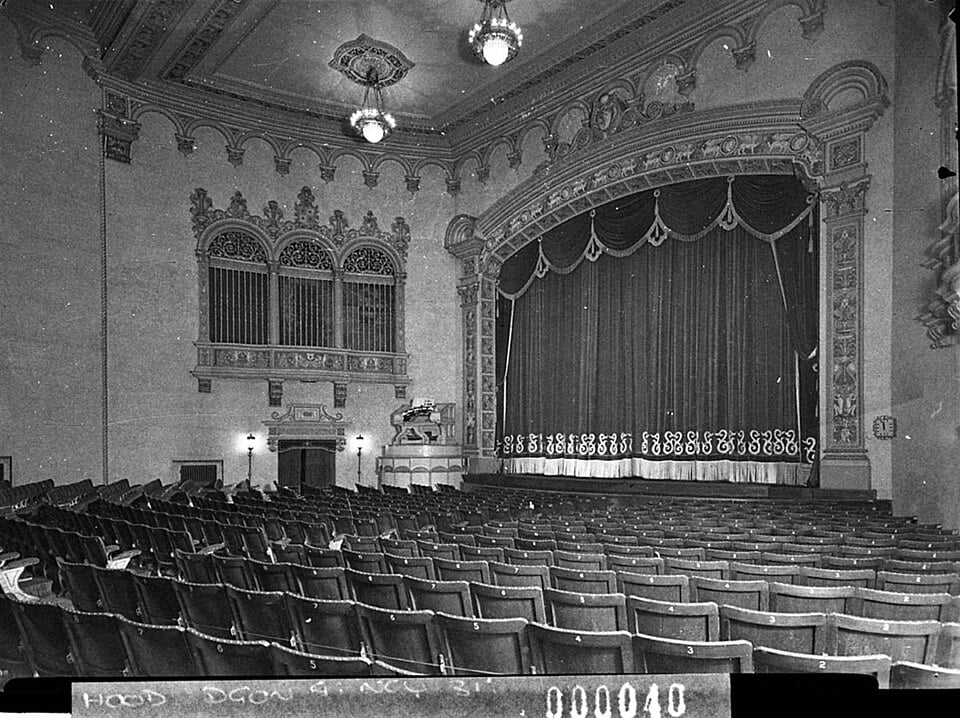
Once billed as the “Cathedral of the Motion Picture” for its lavish 1927 design and seating capacity of nearly 6,000, the Roxy Theatre in Manhattan was demolished in 1960 for an office tower and hotel expansion, going down with only modest public notice compared to the preservation battles that would follow it within the decade. Architectural photographers who documented its final months later described strangers wandering in off the street simply to see the ornate interior once more before it vanished.
The Bonwit Teller Building
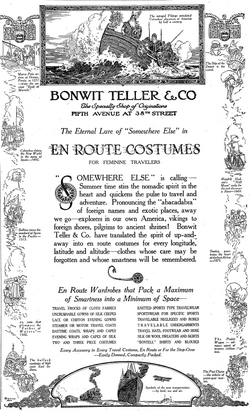
When developer Donald Trump demolished the Art Deco Bonwit Teller department store building on Fifth Avenue in 1980 to build Trump Tower, he had reportedly promised to preserve two fifteen-foot limestone relief sculptures on the facade and donate them to the Metropolitan Museum of Art. Instead, work crews destroyed the sculptures with jackhammers before preservationists or museum officials realized what was happening, a decision Trump later said saved weeks of construction time and tens of thousands of dollars.
By the time anyone could object, the reliefs were already in pieces.
The Morrison Hotel
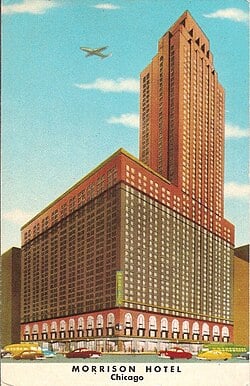
Chicago’s Morrison Hotel, once the tallest hotel in the world at 46 stories when its final addition was completed in 1926, was demolished in 1965 to make way for the First National Bank Plaza, its removal treated by the local press largely as a routine downtown redevelopment story rather than the loss of a onetime world record-holder.
The Rossiya Hotel
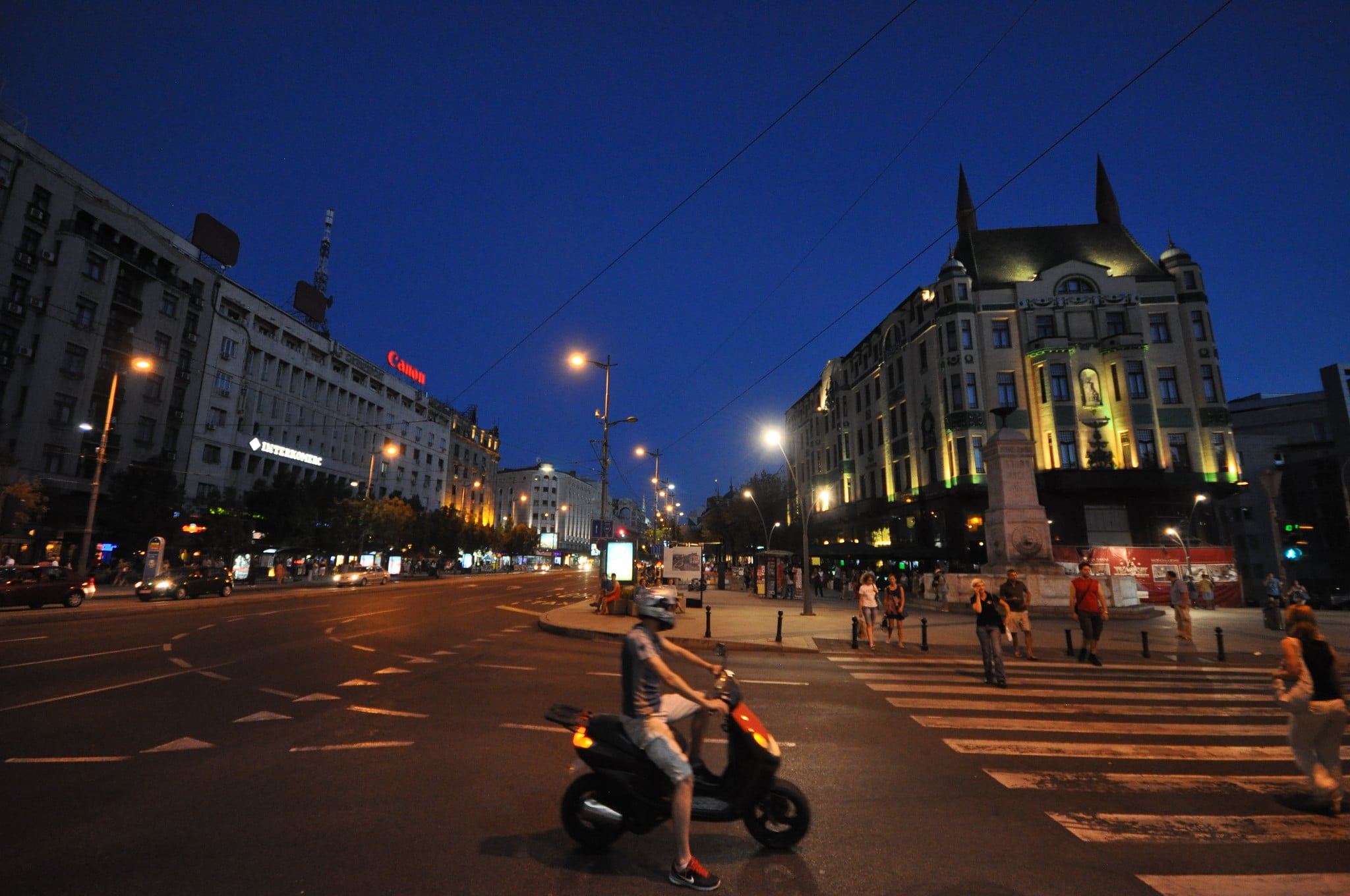
At the time of its 2006 demolition, Moscow’s Rossiya Hotel was the largest hotel in Europe, a Soviet-era landmark that had dominated the view near Red Square for more than three decades. Its removal, intended to clear space for a new development project that stalled for years afterward, drew relatively little public resistance in a city still adjusting to post-Soviet redevelopment on a massive scale.
The Silence Before the Dust Settles
There is a pattern buried in this list, and it has less to do with the buildings than with timing. Nearly every structure here was demolished in the gap between a building’s construction and the moment a culture develops the vocabulary to value it: too old to be considered merely useful, too young to be considered historic.
Preservation, it turns out, is not really about beauty or engineering. It is about arriving at consensus before the demolition crew does.
That gap has narrowed considerably since landmark laws spread through cities worldwide in the decades following losses like these. But narrowed is not closed, and somewhere right now a building is almost certainly crossing that same unguarded stretch between built and beloved, with no one yet organized enough to notice until it is gone.
More from Go2Tutors!

- 27 Silver Dollars and Half Dollars Worth Keeping
- 28 Restaurant Menu Items Nobody Orders Anymore
- 17 Places Built in Seemingly Impossible Spots
- 27 Vintage Rings Worth More Than They Look
- 25 Restricted Sites Tourists Can’t Enter
Like Go2Tutors’s content? Follow us on MSN.