27 TV Reboots and Revivals That Couldn’t Recapture the Magic of the Original
The allure of rebooting a beloved show is obvious: built-in audience, established characters, proven concepts. Yet television history is littered with revivals that fundamentally misunderstood what made their predecessors work; whether through tonal miscalculation, bad casting, or the simple passage of time, these 27 reboots all stumbled when trying to recapture lightning in a bottle.
Heroes Reborn
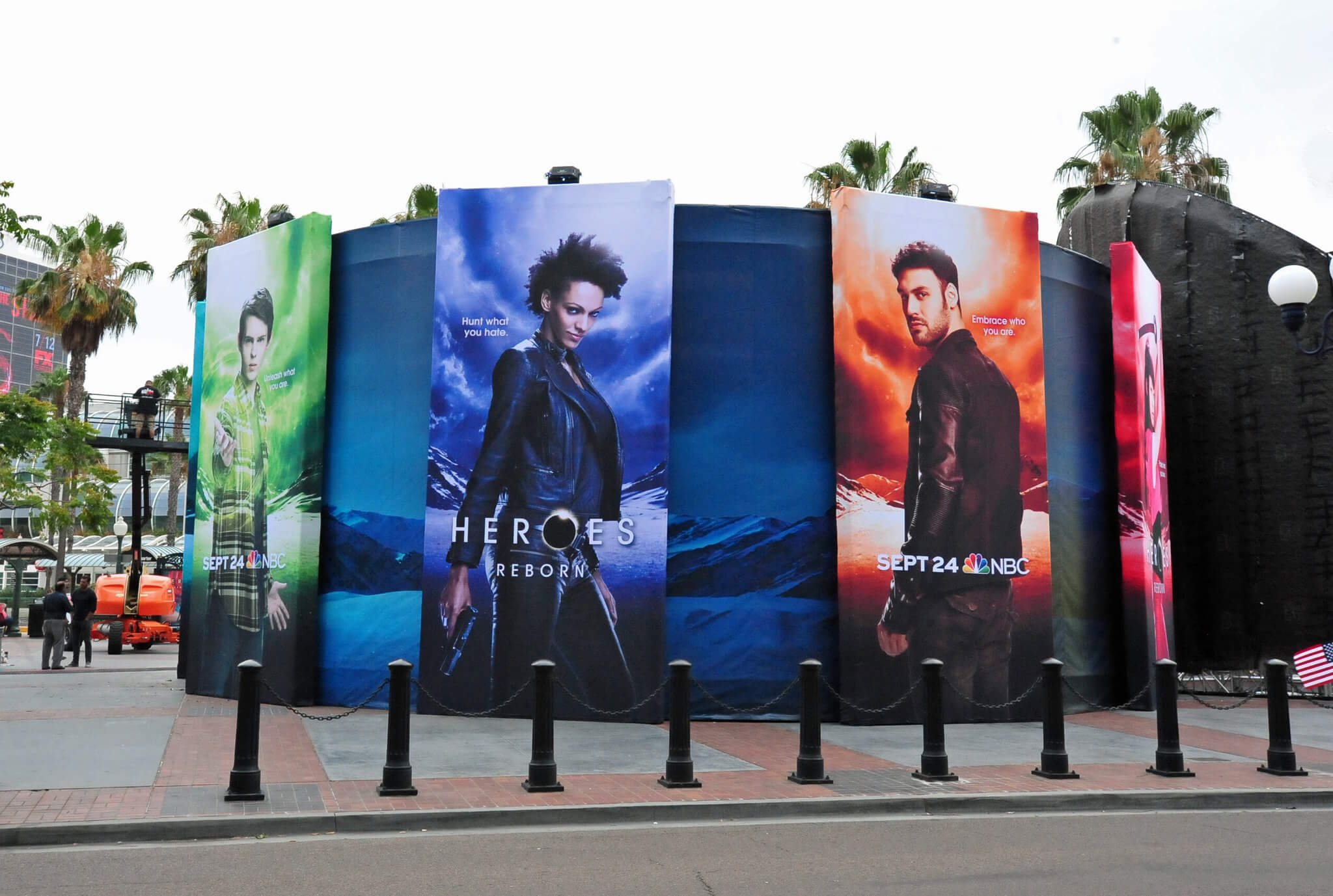
The original Heroes started strong in 2006 but never recaptured the excitement of its debut season. NBC brought the series back in 2015 with Heroes Reborn, which was meant to be a continuation of the original story about people with extraordinary abilities coming together to save the world.
The revival lacked the novelty and narrative momentum that made the original’s first season a phenomenon, ultimately failing to justify its existence beyond nostalgia.
How I Met Your Father
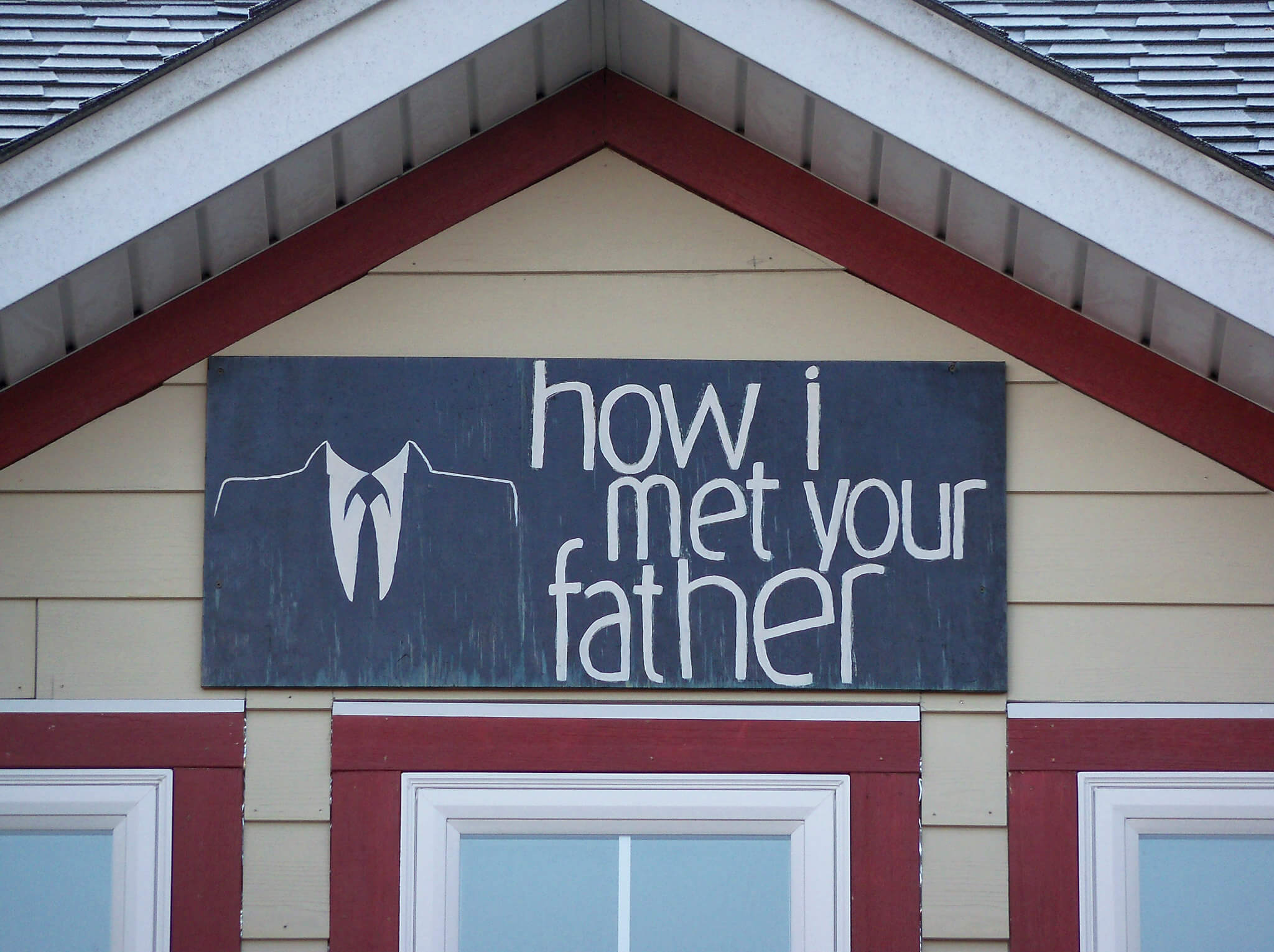
How I Met Your Father was canceled quickly, putting an end to the potential for How I Met Your Mother’s continuation. The spinoff attempted to recreate the sitcom magic of its predecessor but stumbled in casting, chemistry, and the impossible task of replicating a formula that had already run its course.
Gossip Girl Reboot
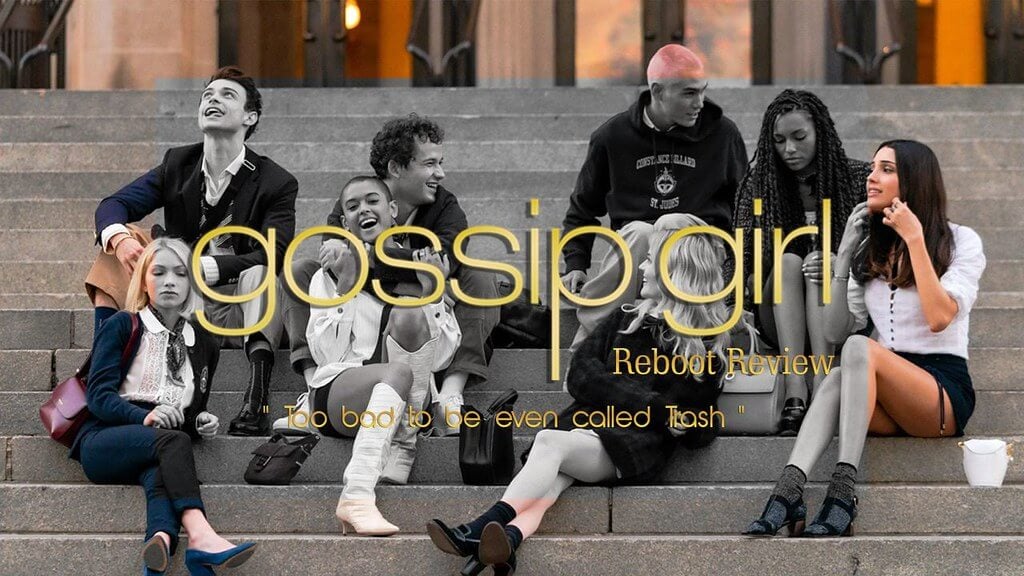
The raw, messy, and melodramatic nature of the original Gossip Girl made critics and parents react harshly against it, but it’s also what made its atmosphere impossible to recapture. When the reboot was announced, many viewers were skeptical but excited.
However, the writing and performances left much to be desired. Despite a larger budget and upgraded aesthetics, the reboot failed to capture the social commentary that made the original compelling.
Mockingbird Lane
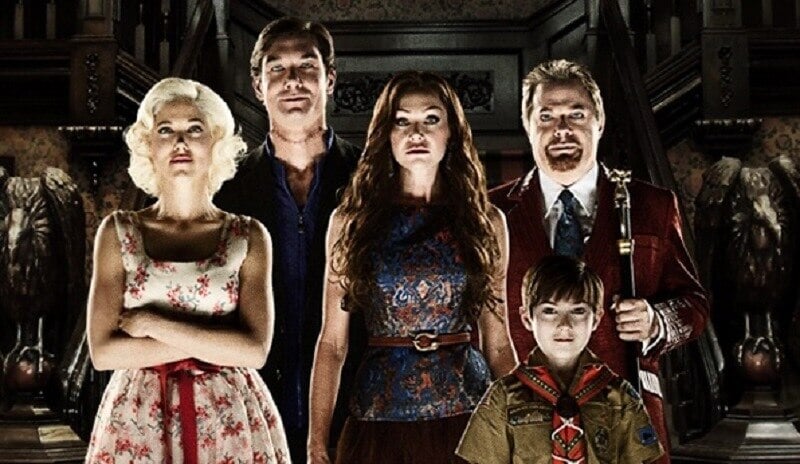
The 2012 reboot of The Munsters, called Mockingbird Lane, was an instant failure. Bryan Fuller reimagined the series as a brooding gothic drama, casting J. O’Connell as a human-looking Herman Munster and Eddie Izzard as a bloodthirsty Grandpa.
Unlike the 1964 original, which leaned into playful parody, this version ditched comedy for complex family melodrama. NBC aired only the pilot as a Halloween special.
Bionic Woman
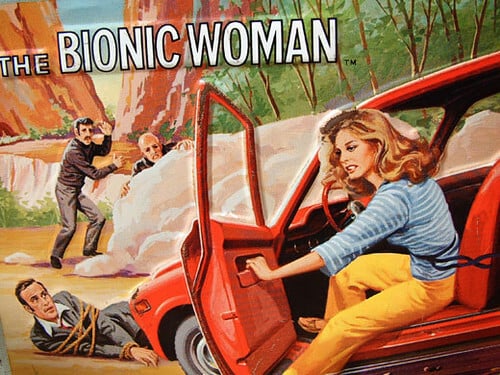
The original 1976 Bionic Woman with Lindsay Wagner became a pop culture phenomenon in the ’70s, known for being funny, warm, and witty. The 2007 reboot paled in comparison, deciding darker and grittier was the way to go.
Audiences tuned in hoping for the same spirit that made Jaime Sommers iconic, but instead got a brooding, humorless version. NBC canceled the series after just eight episodes.
Knight Rider
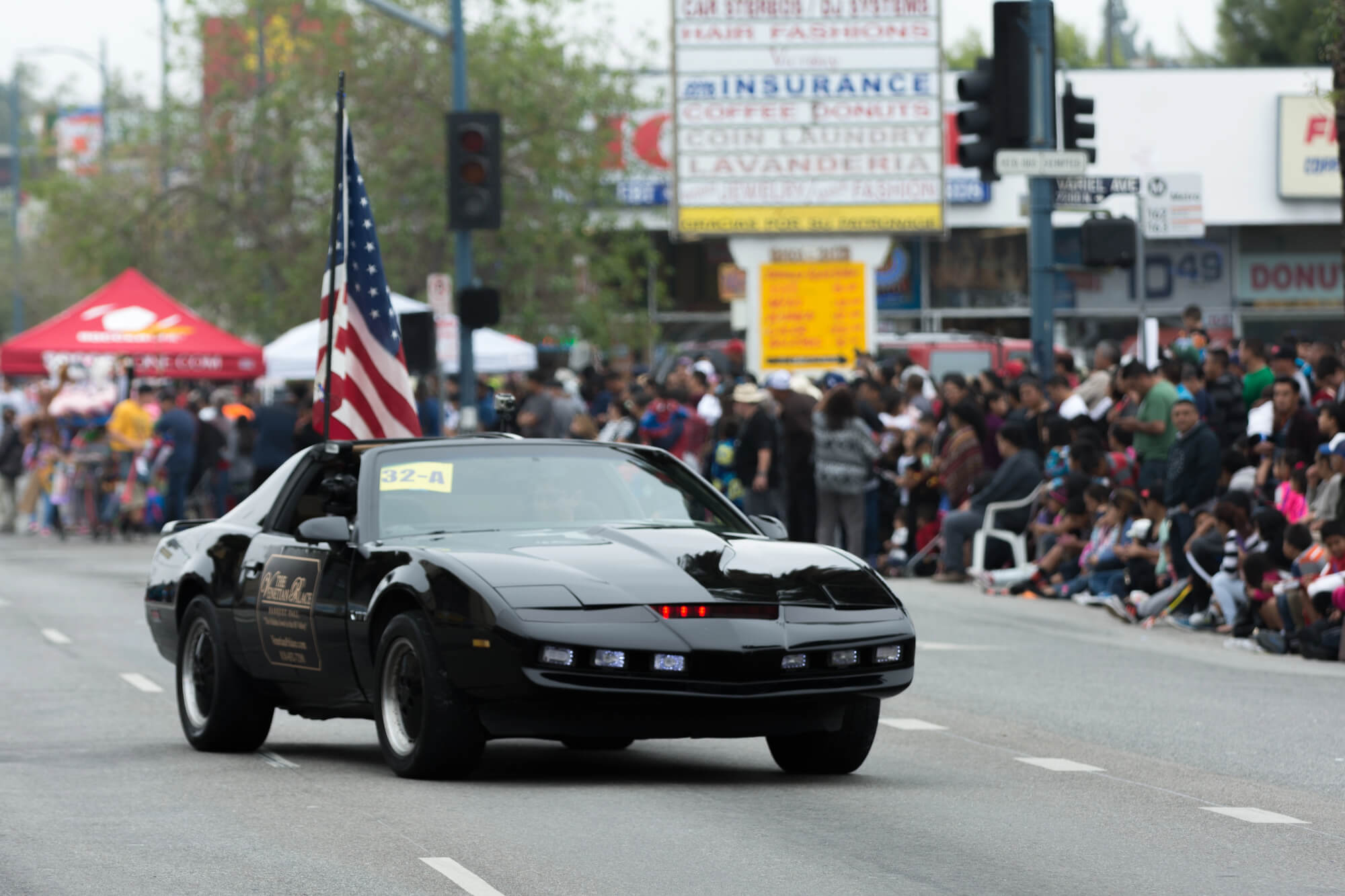
The original Knight Rider came out in 1982 and was a huge hit with audiences, with most credit going to David Hasselhoff’s charm in the lead role. All TV movies and revival attempts without him have largely crashed and burned, as what once seemed cute and charming now comes off as cringeworthy.
The 2008 reboot couldn’t overcome the loss of its star.
Charlie’s Angels
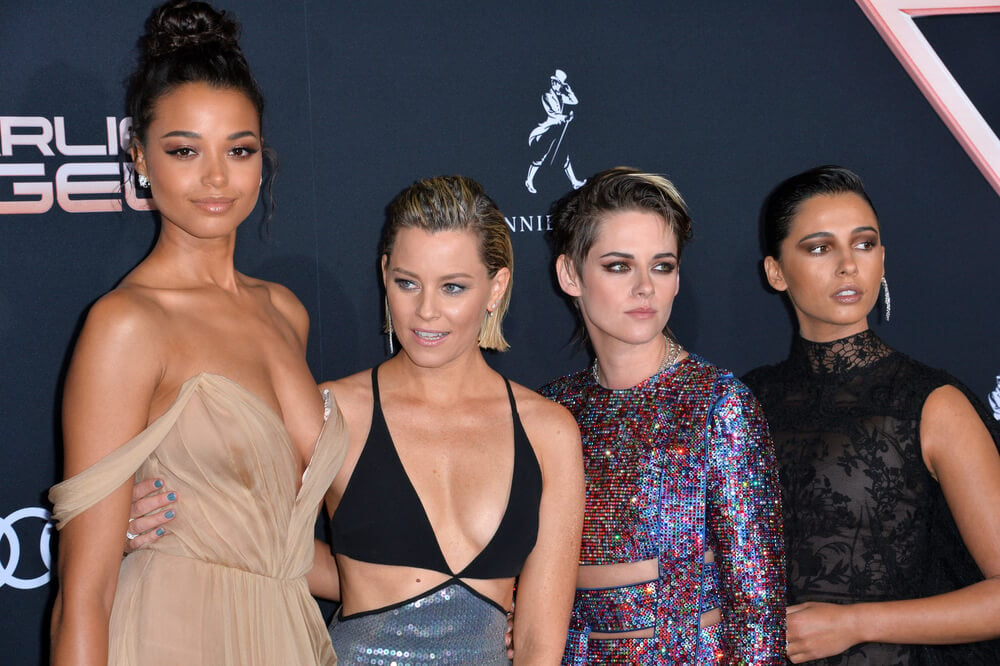
Charlie’s Angels perfectly captured the goofiness of the ’70s, but it felt painfully out of date in 2011. Critics and audiences agreed, and it was canceled after three episodes.
The show couldn’t justify its premise in a modern television landscape.
Kojak
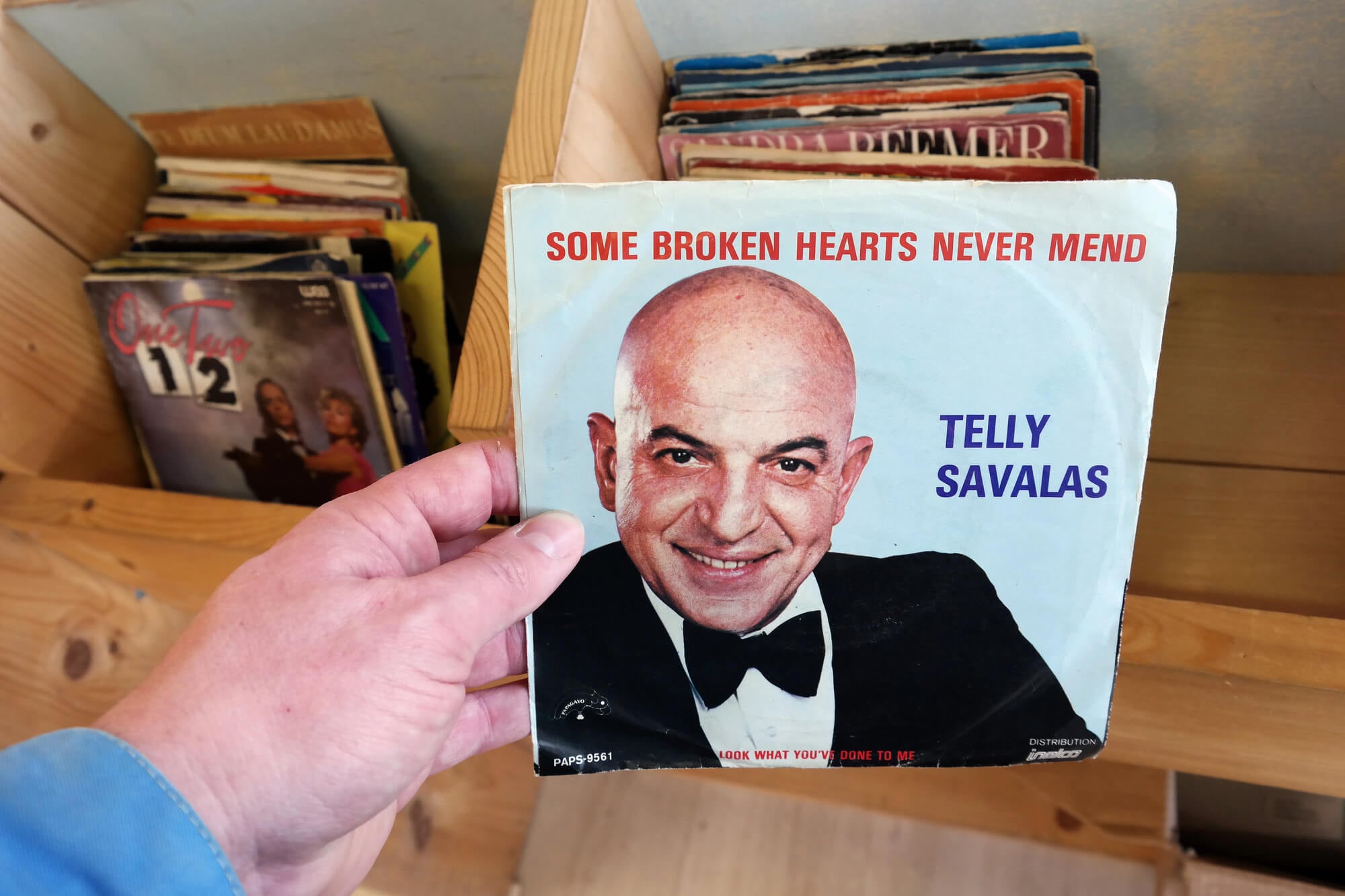
In 2005, Ving Rhames starred in a short-lived TV reboot of Kojak. The modernized version just didn’t work—it wasn’t gritty enough and failed to lean into what made the 1973 series a hit.
The show couldn’t distinguish itself from other police procedurals, and USA Network cut it after just one season.
Charmed
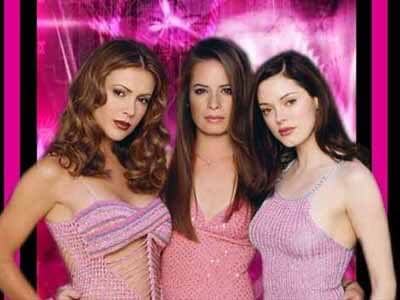
The 2018 reboot of Charmed attempted to reintroduce the supernatural sisterhood for modern audiences but was widely criticized for abandoning the tone and heart of the original 1998 series. Despite running for four seasons, it remained polarizing and never matched the cultural impact of its predecessor.
Ironside
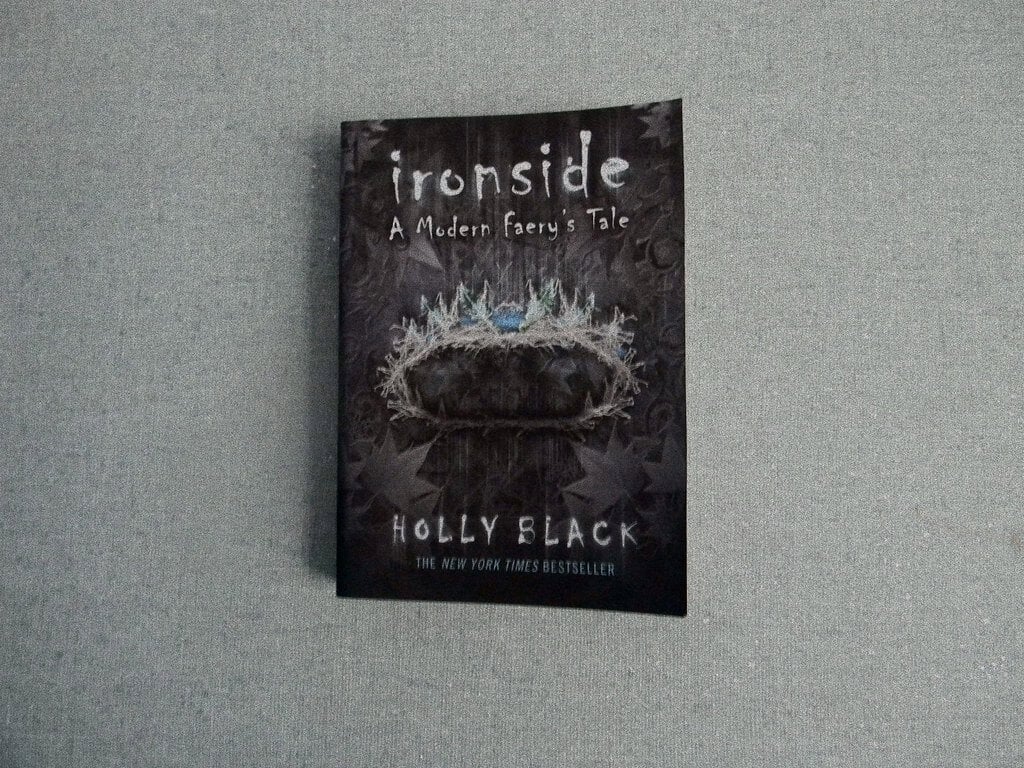
The 2013 reboot of Ironside with Blair Underwood took on the role originally played by Raymond Burr. Critics slammed it as being “mundane and monotonous,” and despite initial interest, ratings fell off quickly, and the revival couldn’t replicate the attraction of the original.
Party of Five

The 2020 Freeform reboot of Party of Five received critical acclaim but struggled with audiences. The show reimagined the core concept around immigration issues faced by the Acosta siblings, a departure from what audiences wanted from the familiar family drama format.
Melrose Place
Back in the 1990s, Melrose Place was appointment television full of scandalous storylines and outrageous characters. The 2009 CW reboot had a tough act to follow and ultimately failed to capture the addictive drama that kept fans glued to their screens.
Gilmore Girls: A Year in the Life
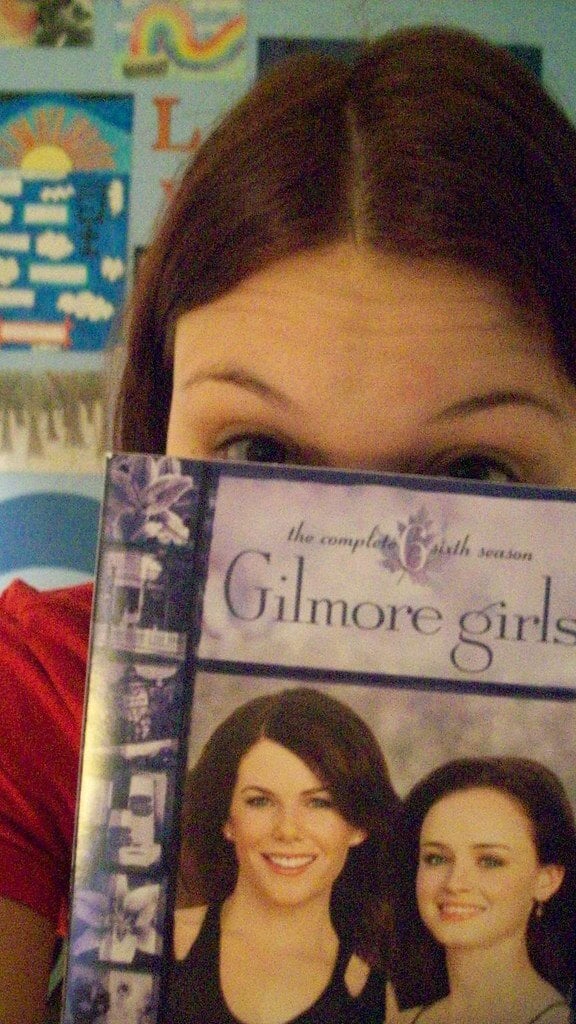
The Netflix revival of Gilmore Girls attempted to show how Stars Hollow evolved after a decade, but critics and longtime fans felt the reboot betrayed the integrity of its characters and the witty dialogue that defined the original series.
Dynasty
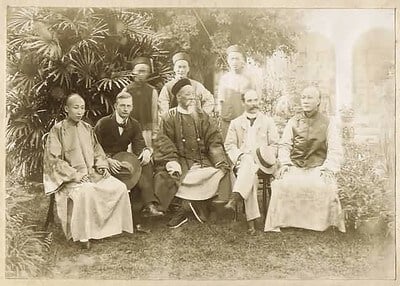
The 2017 reboot of the 1980s soap Dynasty tried to modernize the wealthy Carrington family’s drama but was ultimately canceled after five seasons, failing to achieve the cultural impact of the original.
Prime Suspect
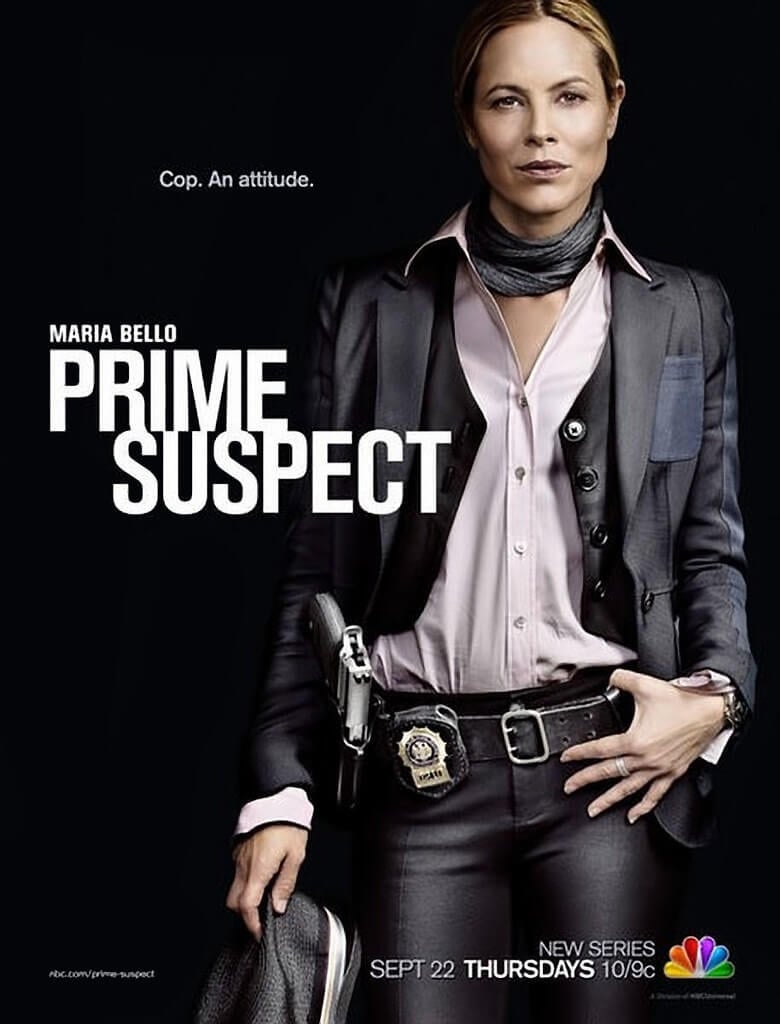
The NBC reboot of Helen Mirren’s 1991 British hit Prime Suspect, starring Maria Bello, struggled to find its voice and lasted just 13 episodes, failing to bring the gritty tension of the original to American television.
Dallas
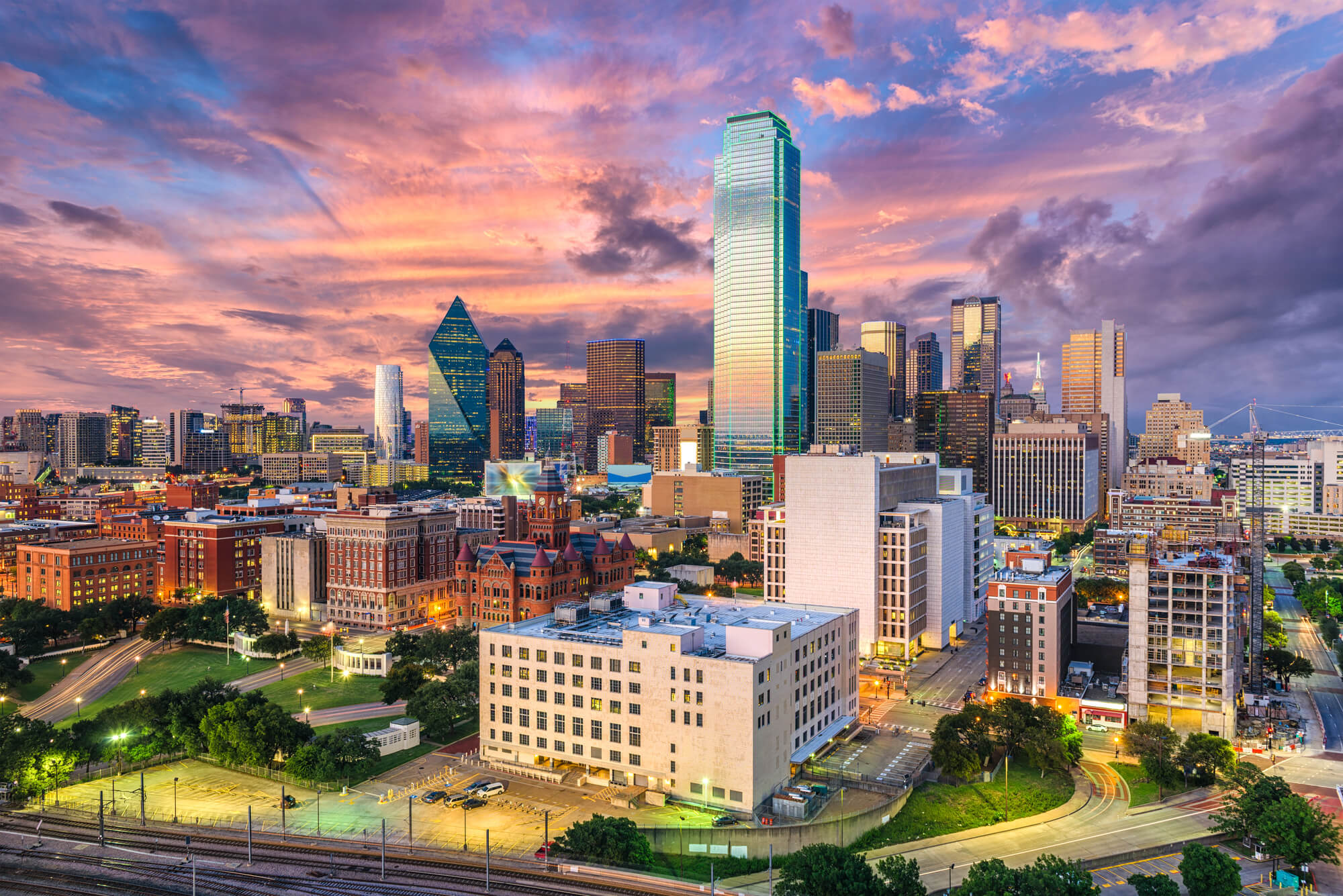
The TNT revival of Dallas began with strong ratings but deteriorated quickly over its three-season run. The writing and acting were frequently criticized as hammy and lacking the charm of the original 1980s series.
The Muppets
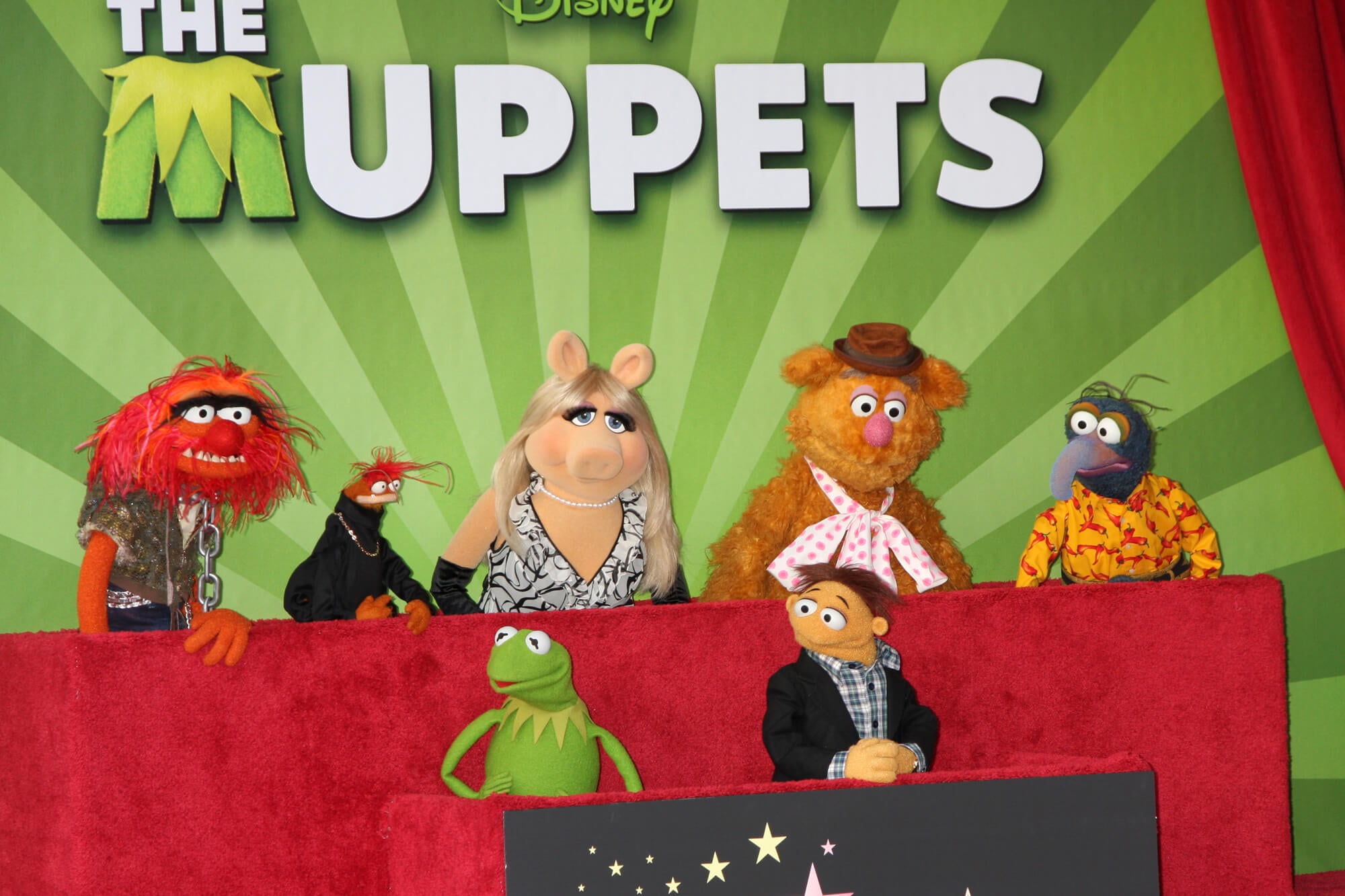
The 2015 ABC reboot of The Muppet Show started with decent ratings but lost audience interest within three episodes as the show shifted toward workplace drama over comedy.
V
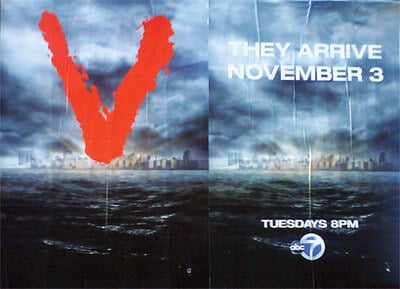
The 2009 ABC reboot of the 1980s alien invasion series V was canceled after just 22 episodes, unable to sustain the intrigue of the original’s premise.
Get Smart
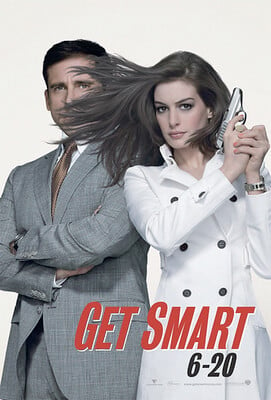
Get Smart was a hilarious sitcom originally airing from 1965 to 1970, but its 1995 reboot was canceled after only seven episodes despite having a talented cast including Don Adams as Maxwell Smart and Barbara Feldon.
Dragnet
The 2003 reboot of the classic police procedural Dragnet failed to connect with audiences, derailed by poor casting choices and an inability to update the procedural format meaningfully.
Twilight Zone
No reboot of this classic sci-fi series has ever managed to live up to Rod Serling’s groundbreaking original. Though Jordan Peele was credited as creator and host for the 2019 reboot, critics complained that episodes were too on-the-nose and melodramatic.
Wonder Woman
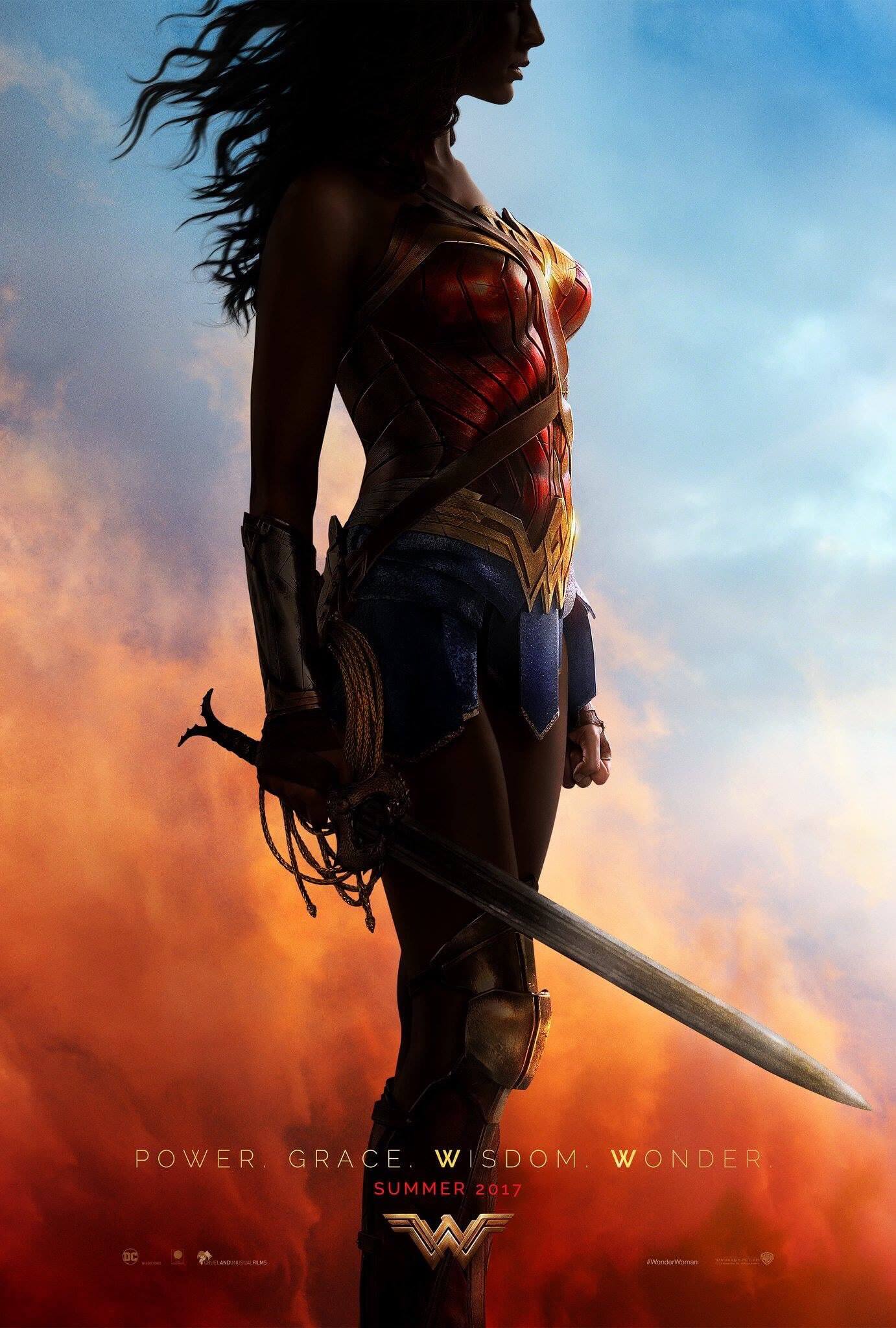
The 1970s Wonder Woman television reboot attempted to bring the superhero to life on screen. It struggled with pacing, dialogue, and the challenge of adapting comic book material for television at that time.
Cupid
NBC’s short-lived reboot of Cupid lasted only seven episodes before cancellation. It was unable to find an audience despite the romantic comedy premise.
Coach

The planned revival of Coach was ultimately scrapped during production. It never even making it to air as networks recognized the concept wouldn’t translate to modern television.
The Rockford Files
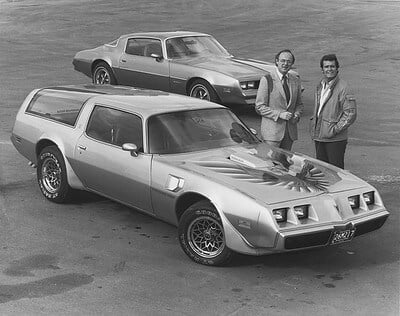
A planned reboot of the 1970s detective series never made it to air. It was abandoned before production could begin.
Sat. Morning Kids Revivals

Various attempts to revive Saturday morning cartoons as live-action properties uniformly failed. They were unable to capture the nostalgia that made the originals beloved.
American Horror Story Spin-Offs
While American Horror Story itself remained successful, several attempted spin-offs and revivals failed to gain traction. It suggested that the original’s appeal didn’t translate to offshoots.
From Conception to Cancellation

The pattern is clear: a successful original doesn’t guarantee a successful reboot. The most common mistake is tonal miscalculation—attempting to make a campy 1960s series dark and brooding, or stripping the humor from a comedy-drama to create false gravitas.
Another persistent problem is the absence of the original’s lead actor, a gap that newer casts struggle to fill. Time itself works against these revivals; what felt fresh and innovative in 1975 can feel quaint or dated in 2015, and no amount of modern production design can change that fundamental disconnect, while the most successful reboots—those that actually worked—shared one trait: they honored what made the original special while adapting it intelligently for their era, and the 27 listed here learned that lesson too late.
More from Go2Tutors!

- The Romanov Crown Jewels and Their Tragic Fate
- 13 Historical Mysteries That Science Still Can’t Solve
- Famous Hoaxes That Fooled the World for Years
- 15 Child Stars with Tragic Adult Lives
- 16 Famous Jewelry Pieces in History
Like Go2Tutors’s content? Follow us on MSN.



