13 Photos Showing Telephone Cables Going Beneath Cities
Nobody photographs the plumbing of a phone call, which is why the few pictures of cables going underground are so striking. They show city streets opened up, tunnels cut under neighborhoods, and wires that once darkened the sky shifted out of sight.
The scenes below run from Gilded Age New York to Cold War Berlin and postwar Britain. Each marks a moment when a city decided that its communications belonged below the pavement.
The Wire-Choked Streets of 1887 New York
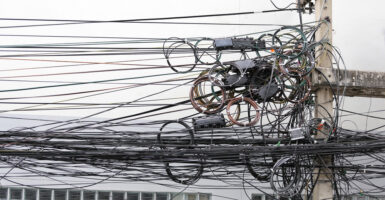
Photographs from 1887 show New York streets cluttered with overhead wires, thick bundles strung from pole to pole in dense, tangled masses. The sight was already seven years after the first telephone installations in the city, a pace that gives some sense of how quickly the wires multiplied.
The pictures explain why burial became a public demand.
The Great Blizzard of 1888

When the Great Blizzard hit New York in March 1888, snow and ice brought down wires across the city. The storm was not the only cause of the burial movement, which had already been building, but it made the case in a vivid way.
Cables underground would not snap under ice, and the idea moved from proposal to policy.
Charles Erdmann and the Burial Order

On October 8, 1889, lineman Charles Erdmann was killed while working on overhead wires. The death pushed Mayor Hugh Grant to call on the Board of Electrical Control, and thousands of wires were ordered buried.
The case showed that overhead lines were a danger to workers as well as an eyesore.
Washington’s Buried Wires
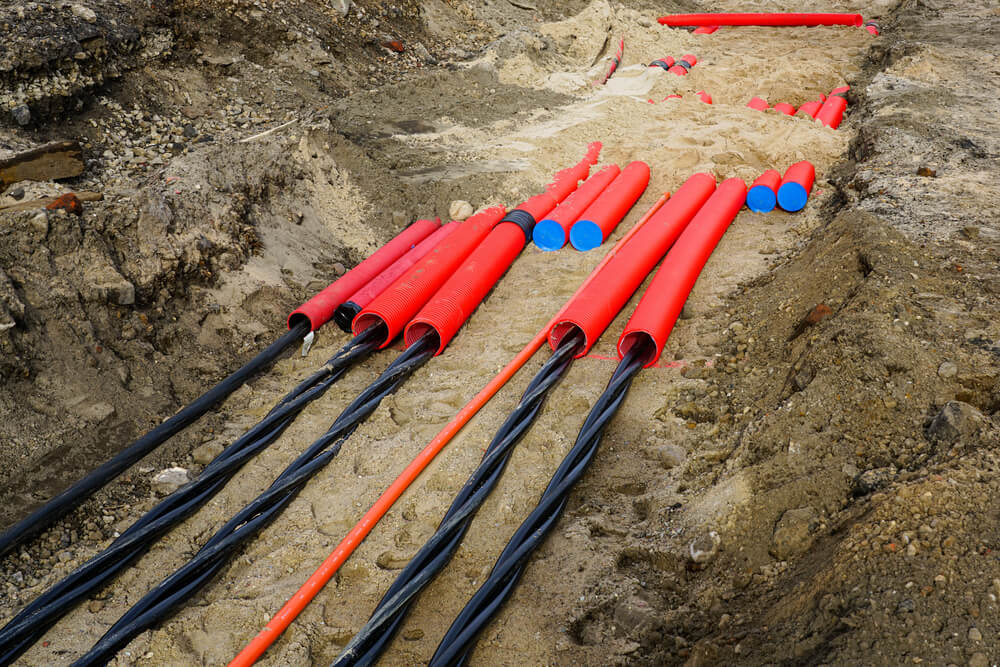
Washington, D.C., buried wires in its downtown, though not everywhere. The Eckington line, which operated the first electric streetcar in October 1888, stayed overhead.
The mix of buried and aerial lines reflected the compromises cities made between cost and safety.
Chicago’s Freight Tunnels

Chicago passed an ordinance on February 20, 1899, allowing the Illinois Telephone and Telegraph Company to run cables through new tunnels beneath the Loop. The tunnels measured about six feet by seven and a half feet, with cables fixed to the walls.
By 1920 all the telephone cables had been removed, though fiber optic lines returned to the tunnels in the 1980s.
Berlin’s Operation Gold
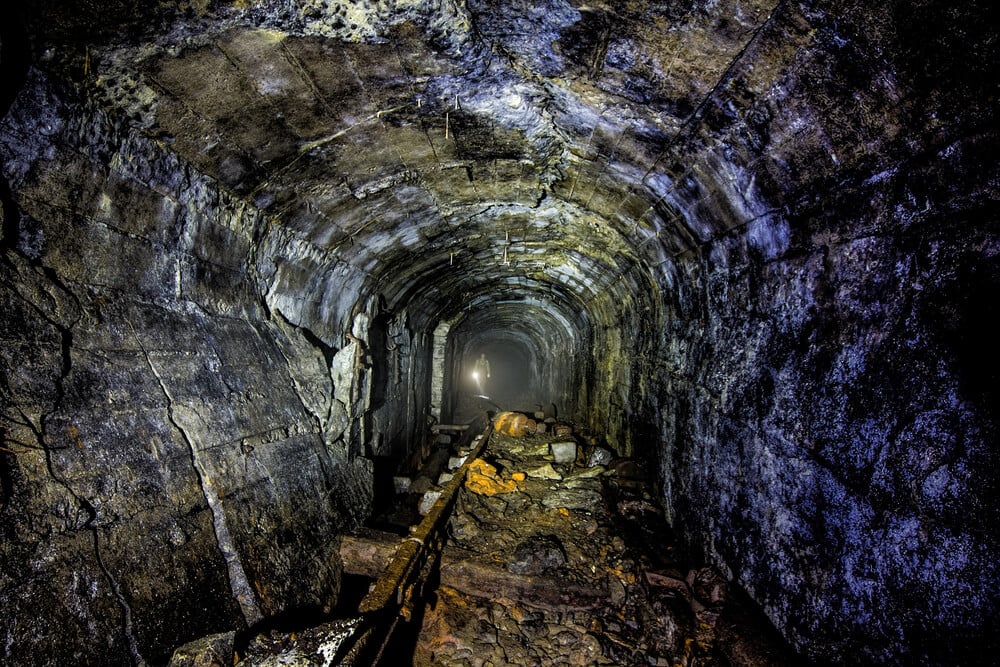
In 1955, American and British intelligence dug a tunnel 1,476 feet long from West Berlin into the East. Three cables ran about 18 inches below Schönefelder Chaussee, and calls were intercepted from May 1955 to April 1956, roughly 440,000 in all.
The tunnel was discovered on April 22, 1956, after the spy George Blake had betrayed it to the Soviets.
Kingsway in London
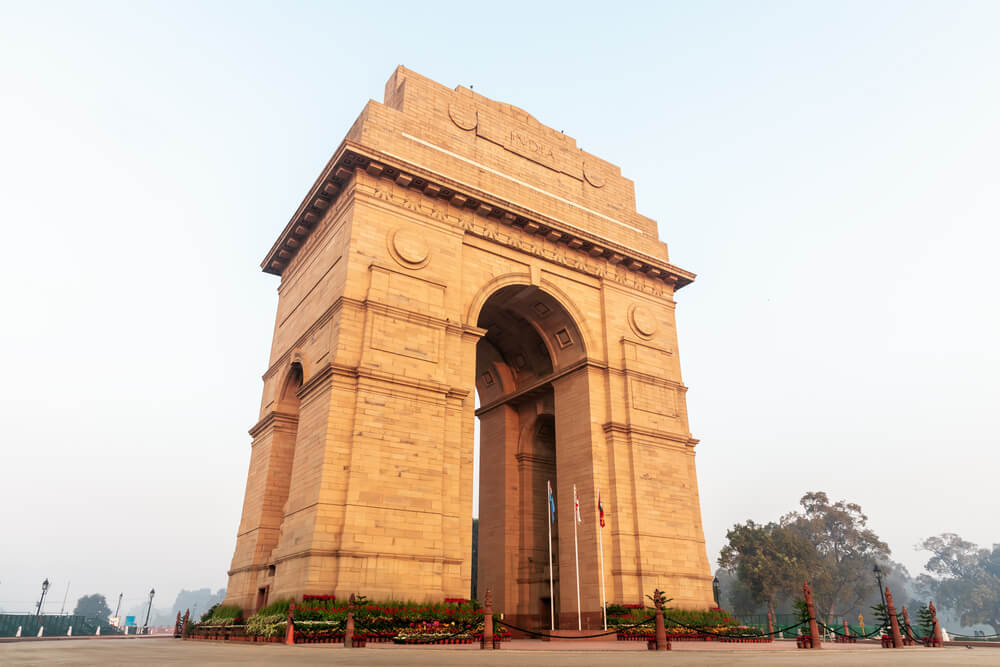
The Kingsway tunnels began in the early 1940s as a deep-level shelter under Chancery Lane. After the war the tunnels became a government communications center, then served as a Cold War trunk telephone exchange.
The site shows how wartime shelters became peacetime telecommunications assets.
Manchester’s Guardian Exchange
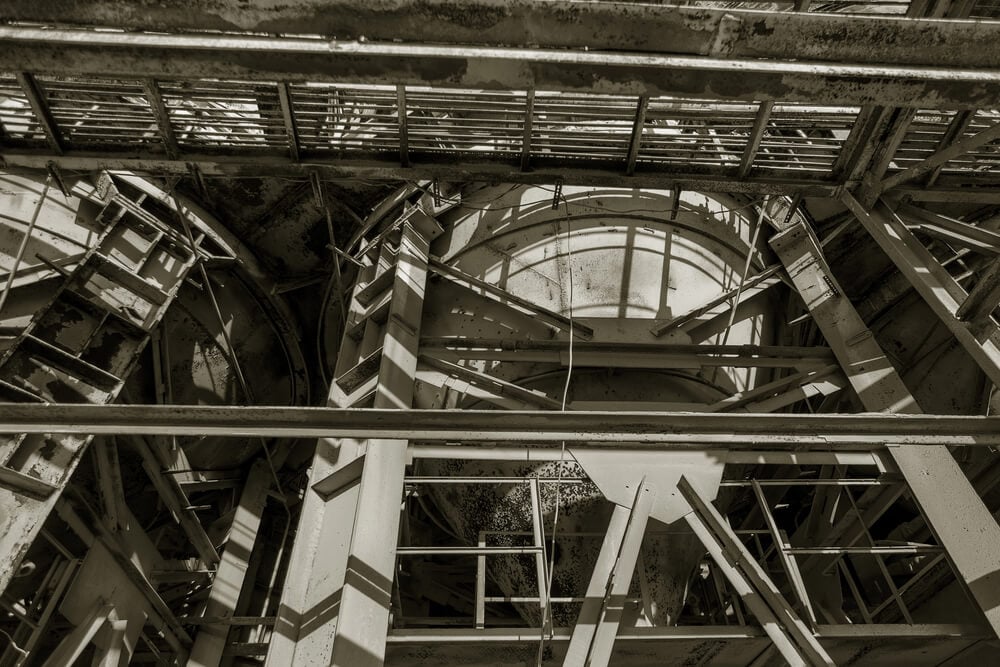
Guardian, the Manchester exchange, cost £2,086,000, of which £1.6 million went to the tunnel itself. Britain acknowledged it publicly in 1968, when Postmaster General John Stonehouse placed a call from 150 feet underground.
The event revealed a hardened network designed to keep communications working through a crisis.
Birmingham’s Anchor Exchange
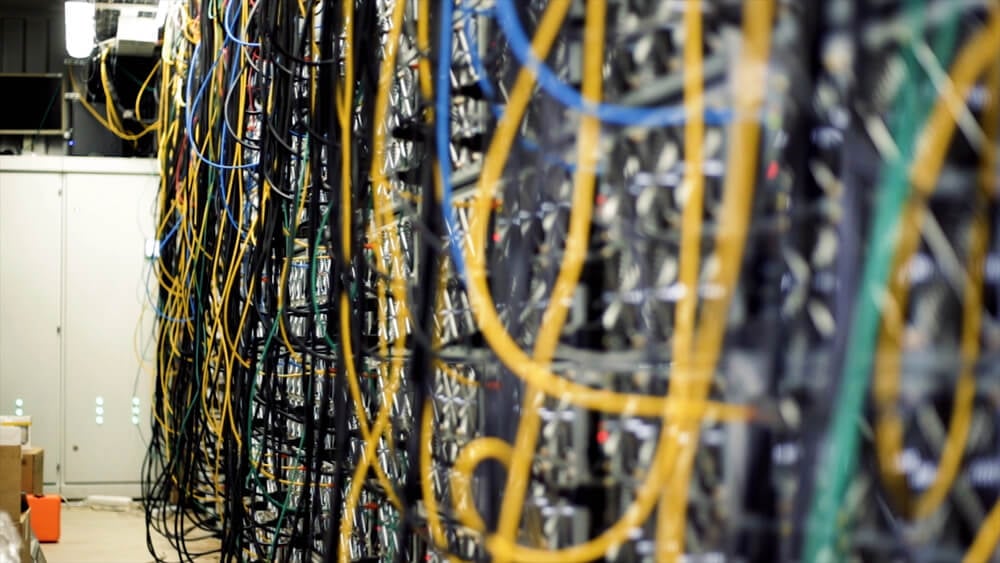
Birmingham’s Anchor exchange, named after the mark of the city’s assay office, was the largest of the three deep-level exchanges and handled about 250,000 calls a day. Construction began in 1953 under the cover of an underground railway project.
The cover story hid a major piece of Cold War infrastructure from public view.
Glasgow’s Abandoned Plan
The third planned exchange, in Glasgow, was abandoned after test drilling. Hansard records that the three exchanges cost £4.6 million in total.
Glasgow’s plan shows that even a well-funded project could stall when the ground did not cooperate.
The Paris Sewers
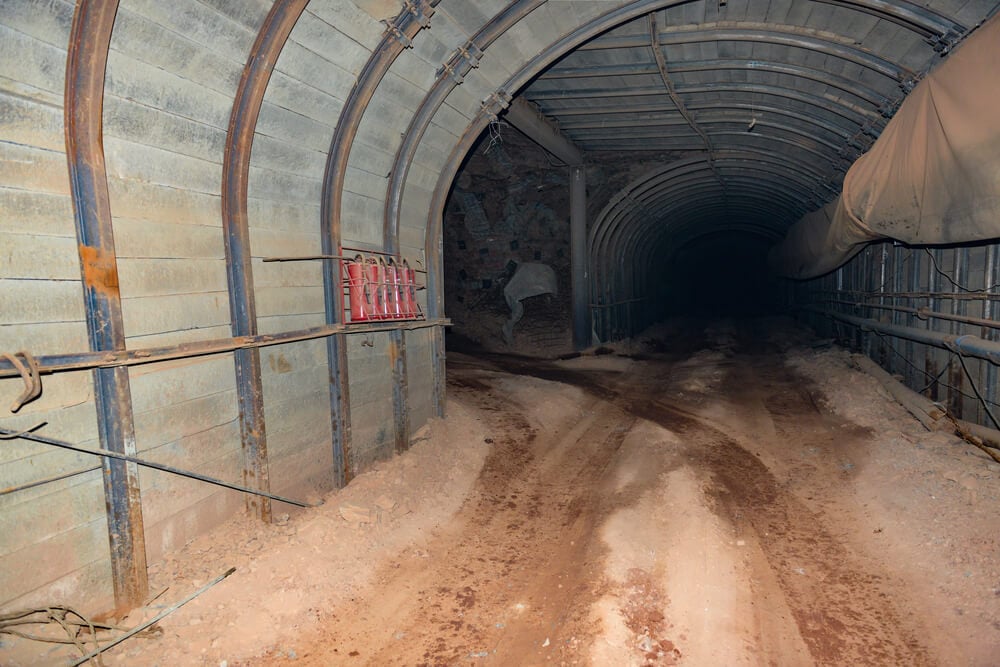
Paris routed telecommunications cables along the ceilings of its sewer tunnels, alongside water pipes and pneumatic tubes. Tours of the tunnels began during the 1867 Exposition, and the network eventually grew past 2,000 kilometers.
The sewers became one of the first multi-use underground corridors in the world.
Tokyo’s First Telecom Tunnel
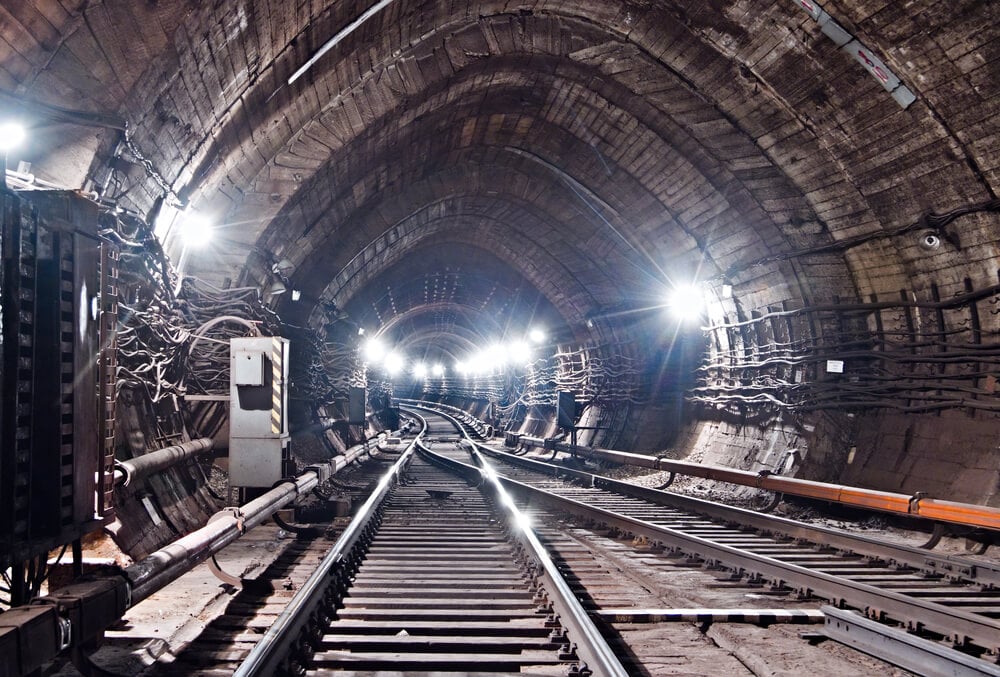
Tokyo opened its first telecommunications tunnel in 1926, and it is still in use. The Great Kanto Earthquake of 1923 shaped the city’s reconstruction plans, which included common ducts for utilities.
The tunnel demonstrates how disaster can steer a city toward safer infrastructure.
The Azabu-Hibiya Common Utility Duct
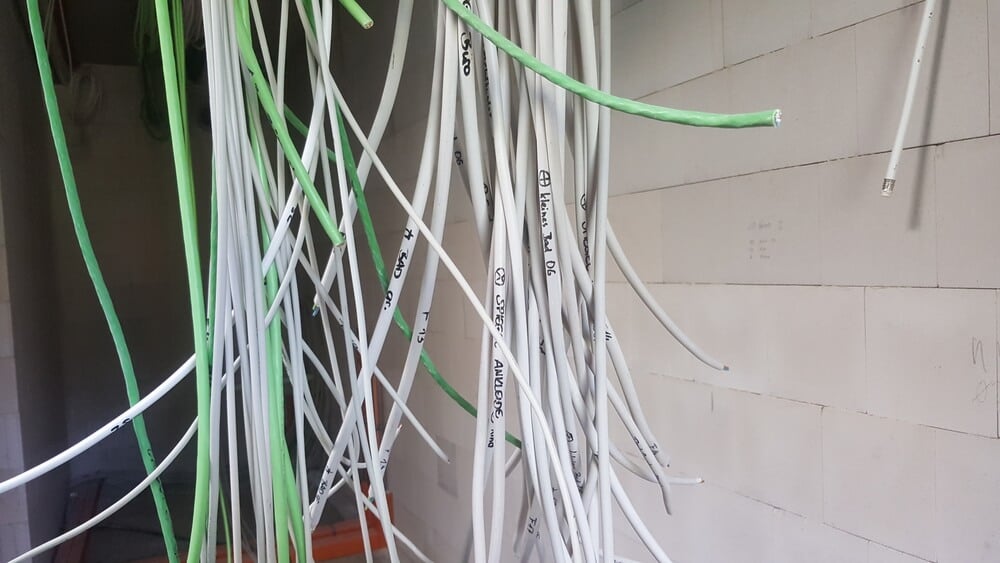
Tokyo’s Azabu-Hibiya common utility duct runs about 40 meters deep, carrying multiple services in a single shared corridor. The design keeps roads from being torn up repeatedly for repairs.
It stands as a modern answer to the same problem that first drove cables underground a century earlier.
Out of Sight by Design
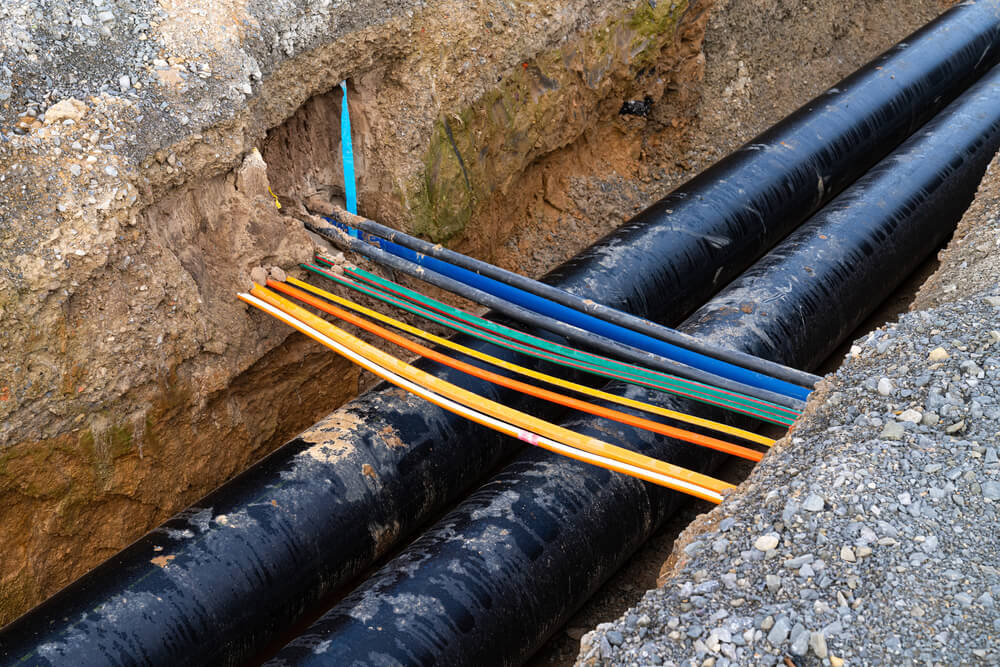
The story of buried cables is a story of cities learning to hide their machinery. What began with storms and accidents became standard policy, and then a branch of civil engineering with its own tunnels and codes.
The pictures that survive hold a quiet lesson. The best infrastructure is the kind residents rarely notice, and the work of putting it underground is a large part of why.
More from Go2Tutors!

- 27 Silver Dollars and Half Dollars Worth Keeping
- 28 Restaurant Menu Items Nobody Orders Anymore
- 17 Places Built in Seemingly Impossible Spots
- 27 Vintage Rings Worth More Than They Look
- 25 Restricted Sites Tourists Can’t Enter
Like Go2Tutors’s content? Follow us on MSN.