20 Facts About the Seven Wonders Of the Ancient World
The Seven Wonders of the Ancient World have always captured our imagination and represented the most magnificent achievements of the ancient world. The Seven Wonders of the Ancient World were not just built as a symbol of grandeur.
They were a symbol of power, religion, technology, and the desire to leave a legacy behind after their lifetime.
The Seven Wonders of the Ancient World are even more interesting due to the small percentage of the structures from the list that have survived the test of time. History, Nature, and Man have destroyed most of these structures, leaving behind a legacy of curiosity.
Let’s now learn 20 facts about the Seven Wonders of the Ancient World in greater detail.
The List Originated In Ancient Greece
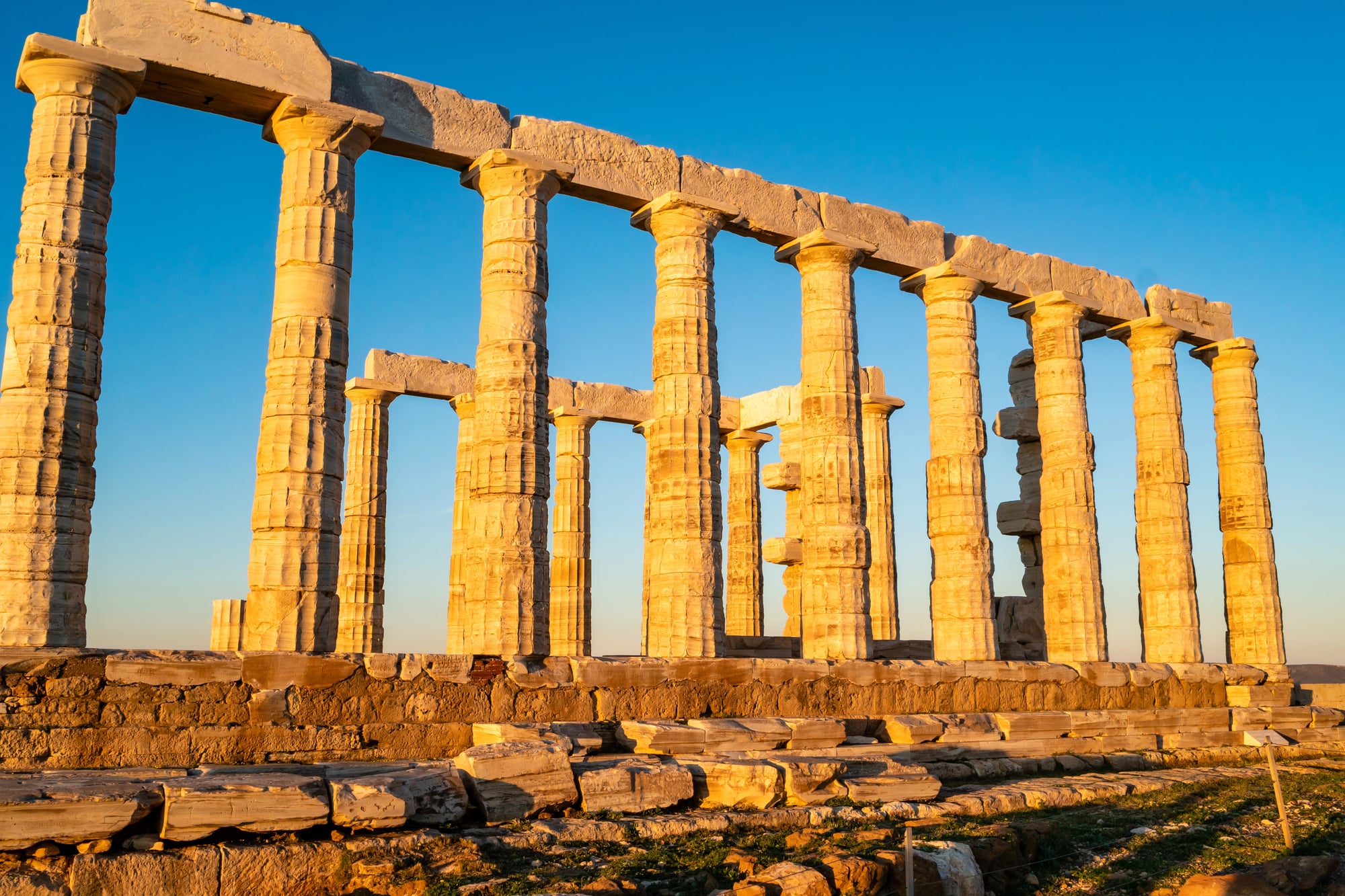
The idea of the Seven Wonders comes from ancient Greek writers who documented remarkable structures known to them. These lists were shaped by travel accounts and cultural exchange across the Mediterranean.
The number seven was chosen deliberately. It held symbolic meaning in Greek culture, often associated with completeness and balance.
Only One Wonder Still Exists
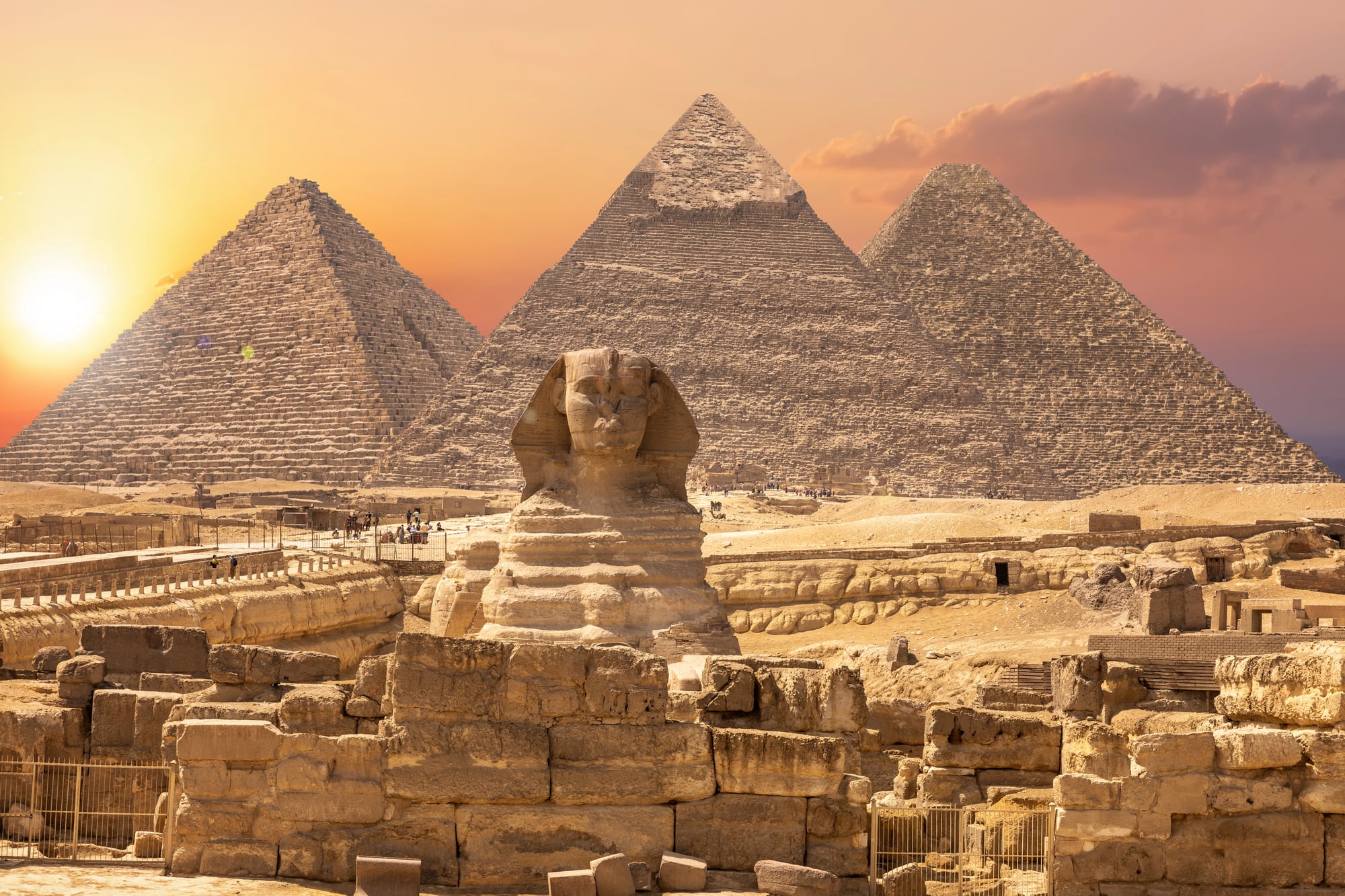
Of the original seven, only the Great Pyramid of Giza still stands today. Built over 4,500 years ago, it has survived natural wear and human impact.
Its endurance sets it apart from the others, many of which were destroyed by earthquakes, fires, or gradual decay.
The Great Pyramid Was The Tallest Structure For Millennia

The Great Pyramid remained the tallest man-made structure in the world for nearly 4,000 years. Its height and precision continue to impress modern engineers.
Even today, its construction methods are still studied and debated, adding to its lasting intrigue.
The Hanging Gardens May Not Have Existed
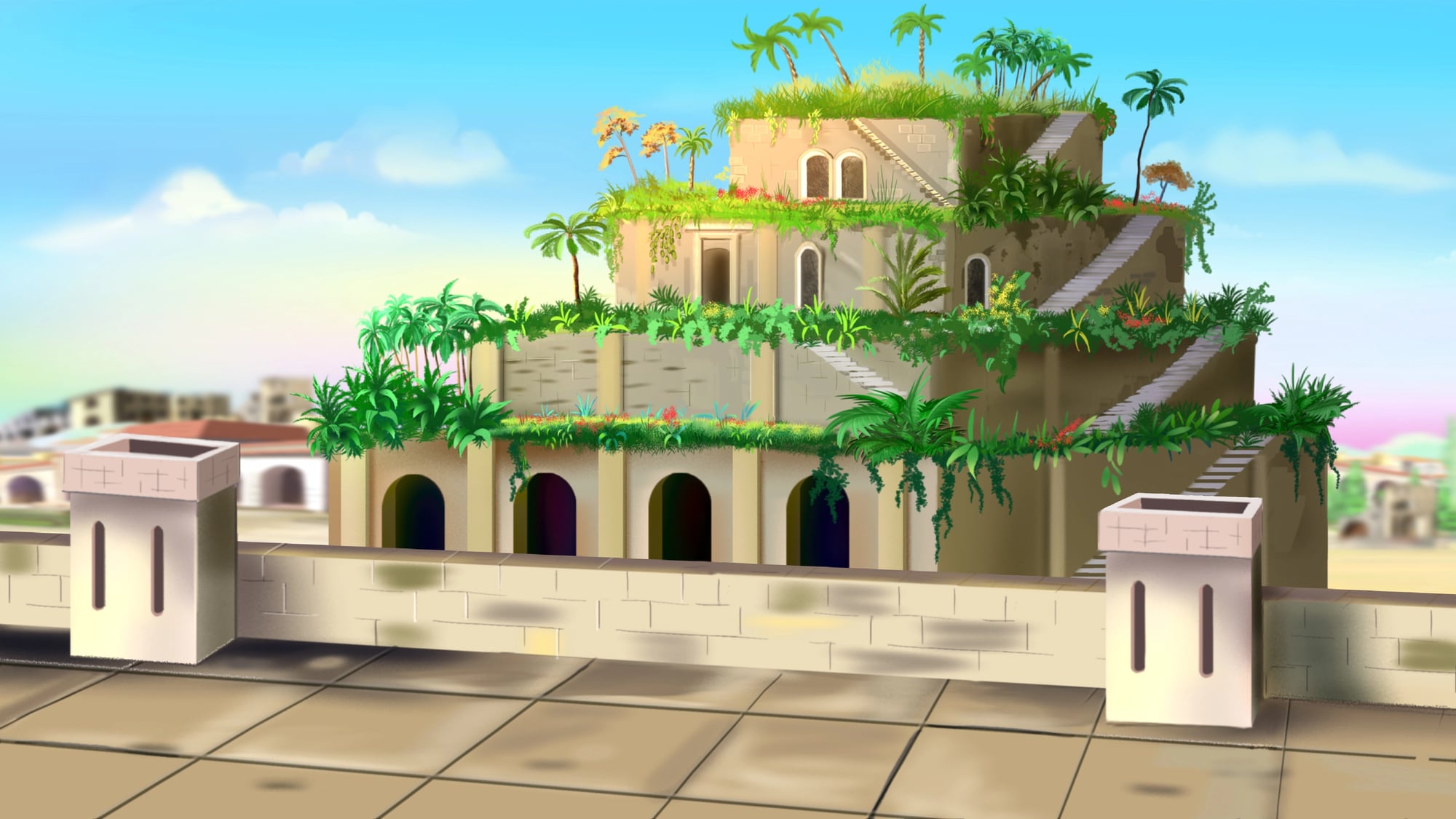
The Hanging Gardens of Babylon are the most mysterious of the seven wonders. Some historians believe they may not have existed at all, as there is limited archaeological evidence.
Most descriptions come from ancient texts rather than physical remains. This uncertainty adds to their legend.
The Statue Of Zeus Was Made Of Ivory And Gold
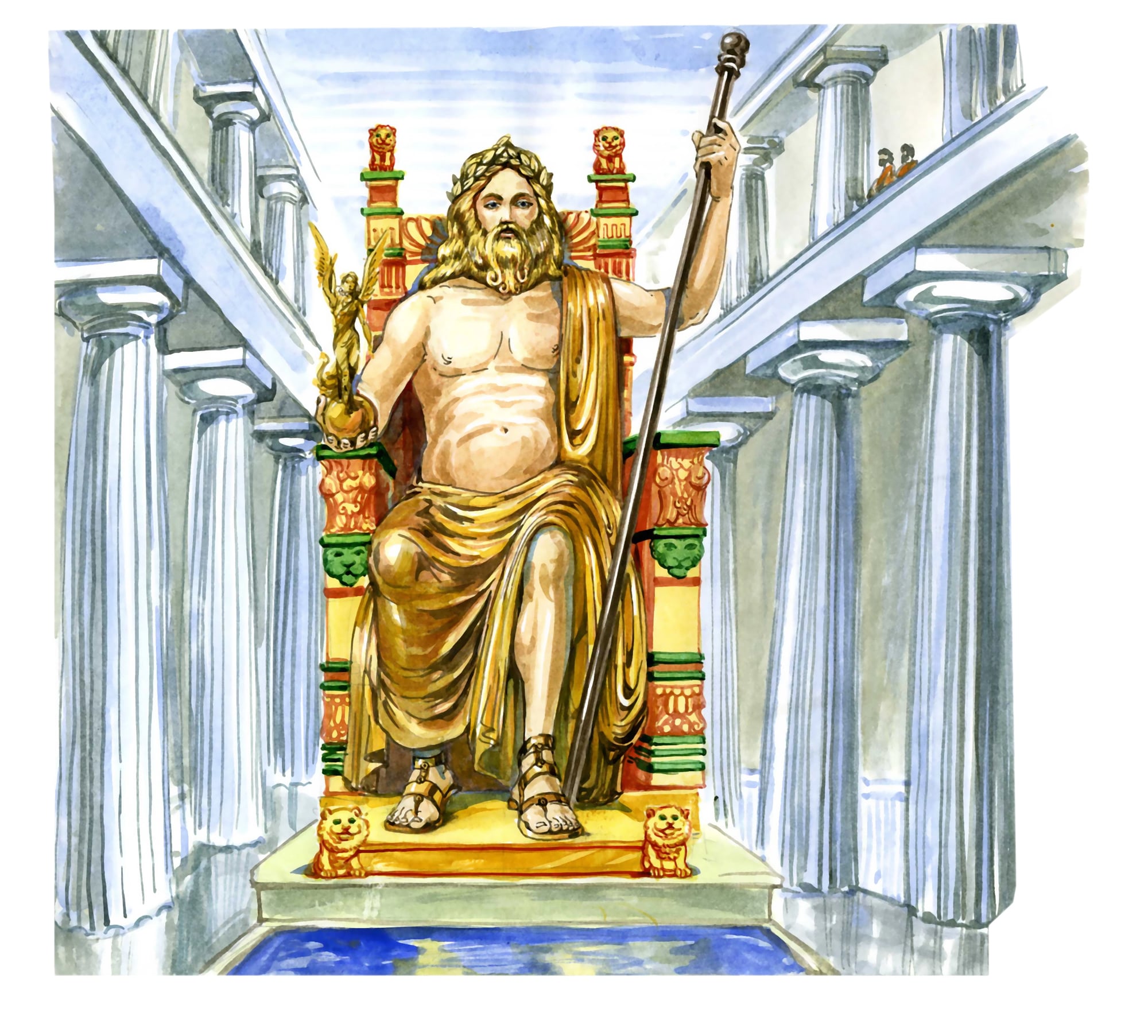
The Statue of Zeus at Olympia was crafted using a technique that combined ivory and gold over a wooden frame. This gave it a striking and lifelike appearance.
It stood inside a temple and was considered one of the greatest sculptures of its time, reflecting both artistic skill and religious devotion.
The Temple Of Artemis Was Rebuilt Multiple Times
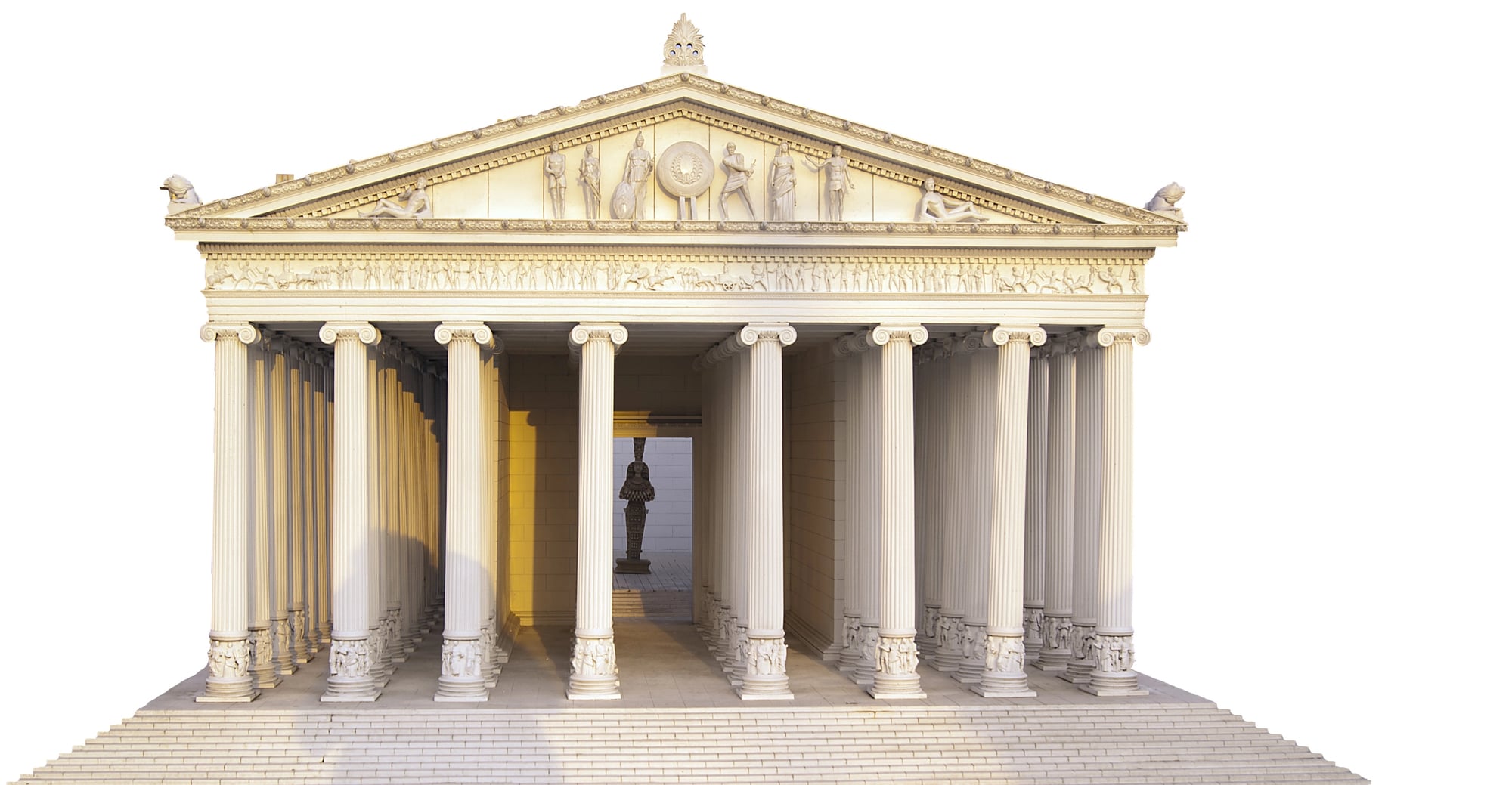
The Temple of Artemis at Ephesus was destroyed and rebuilt more than once. Each version became larger and more elaborate than the last.
This cycle of destruction and reconstruction highlights its importance, as well as the determination to preserve its significance.
The Mausoleum Gave Us The Word ‘Mausoleum’
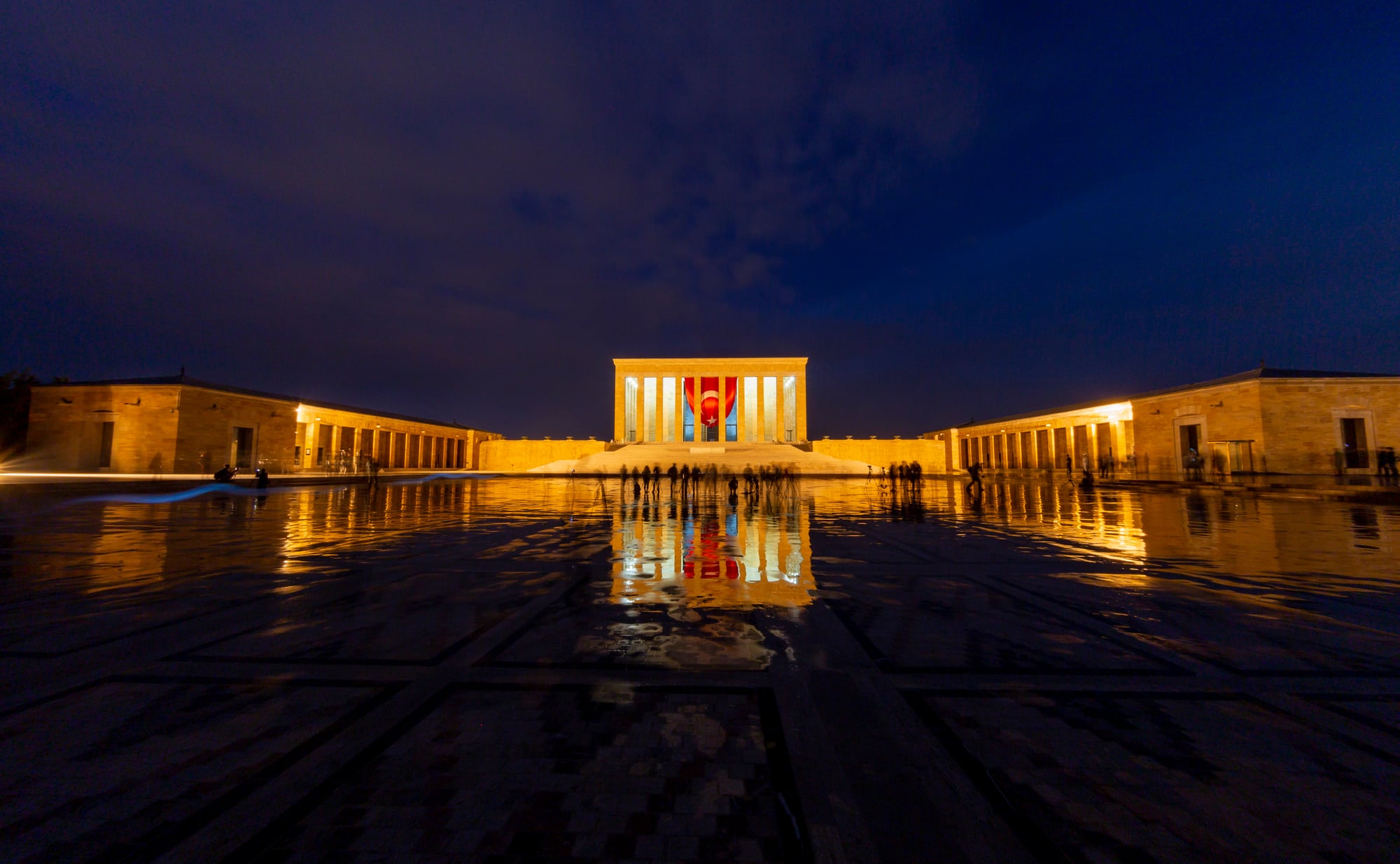
The Mausoleum at Halicarnassus was a grand tomb built for Mausolus, a Persian satrap. Its scale and design were so influential that the word ‘mausoleum’ is now used for large tombs.
It combined elements of Greek, Egyptian, and Lycian architecture, reflecting a blend of cultural influences.
The Colossus Of Rhodes Was A Symbol Of Victory
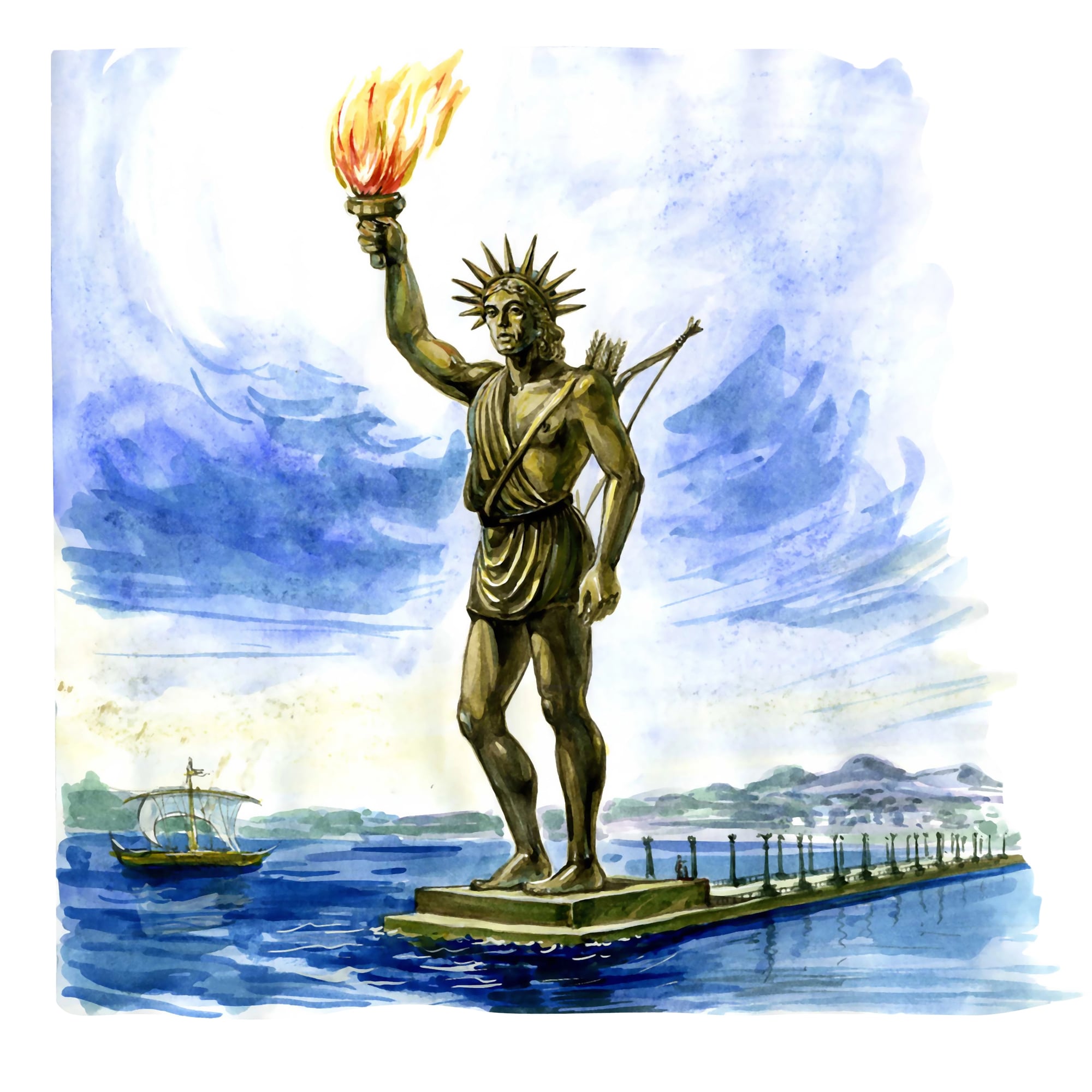
The Colossus of Rhodes was built to celebrate a military victory. It stood near the harbor, representing strength and resilience.
Although it stood for only a few decades before being destroyed by an earthquake, its impact was lasting.
The Lighthouse Of Alexandria Guided Ships For Centuries
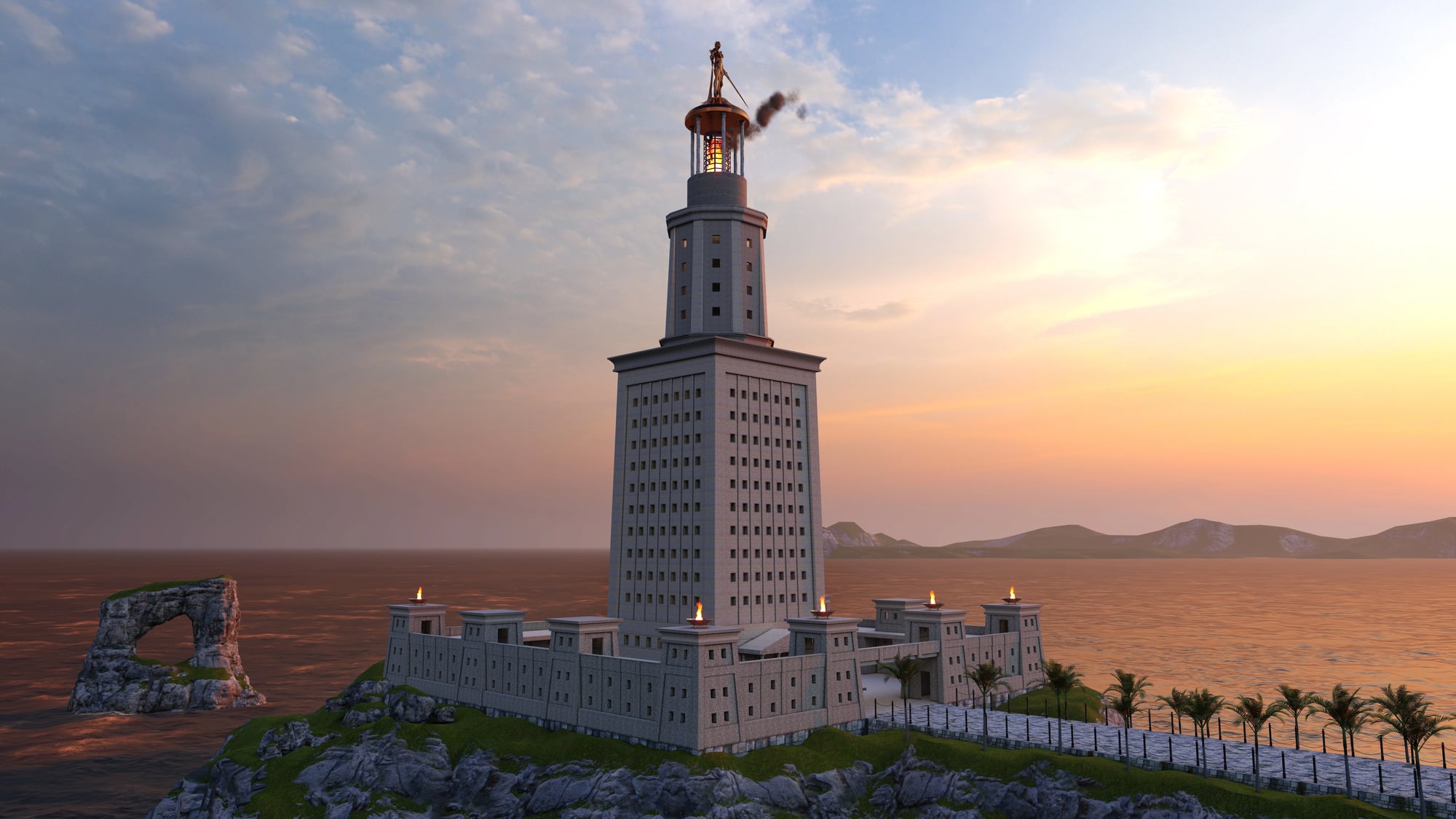
The Lighthouse of Alexandria, also known as the Pharos, was one of the tallest structures of its time. It helped guide ships safely into the busy harbor.
Its design influenced lighthouse construction for centuries, showing how practical function and architectural ambition could align.
Many Wonders Were Destroyed By Earthquakes

Natural disasters played a major role in the destruction of several wonders. Earthquakes, in particular, caused significant damage to structures like the Colossus of Rhodes and the Lighthouse of Alexandria.
These events highlight how even the most impressive creations remain vulnerable to natural forces.
The Wonders Reflected Cultural Priorities

Each wonder represented something important to the society that built it. Some were religious, others political, and some served practical purposes.
Together, they offer insight into what ancient civilizations valued most, from divine worship to public display of power.
They Were Known Through Travel And Storytelling

Many people in the ancient world never saw these wonders in person. Knowledge of them spread through written accounts and word of mouth.
This reliance on storytelling contributed to their legendary status, blending fact with imagination.
Construction Took Decades

Several of the wonders required years, even decades, to complete. The scale of these projects demanded careful planning and significant resources.
This long construction time reflects both ambition and patience, qualities that defined many ancient building efforts.
They Were Built Without Modern Technology
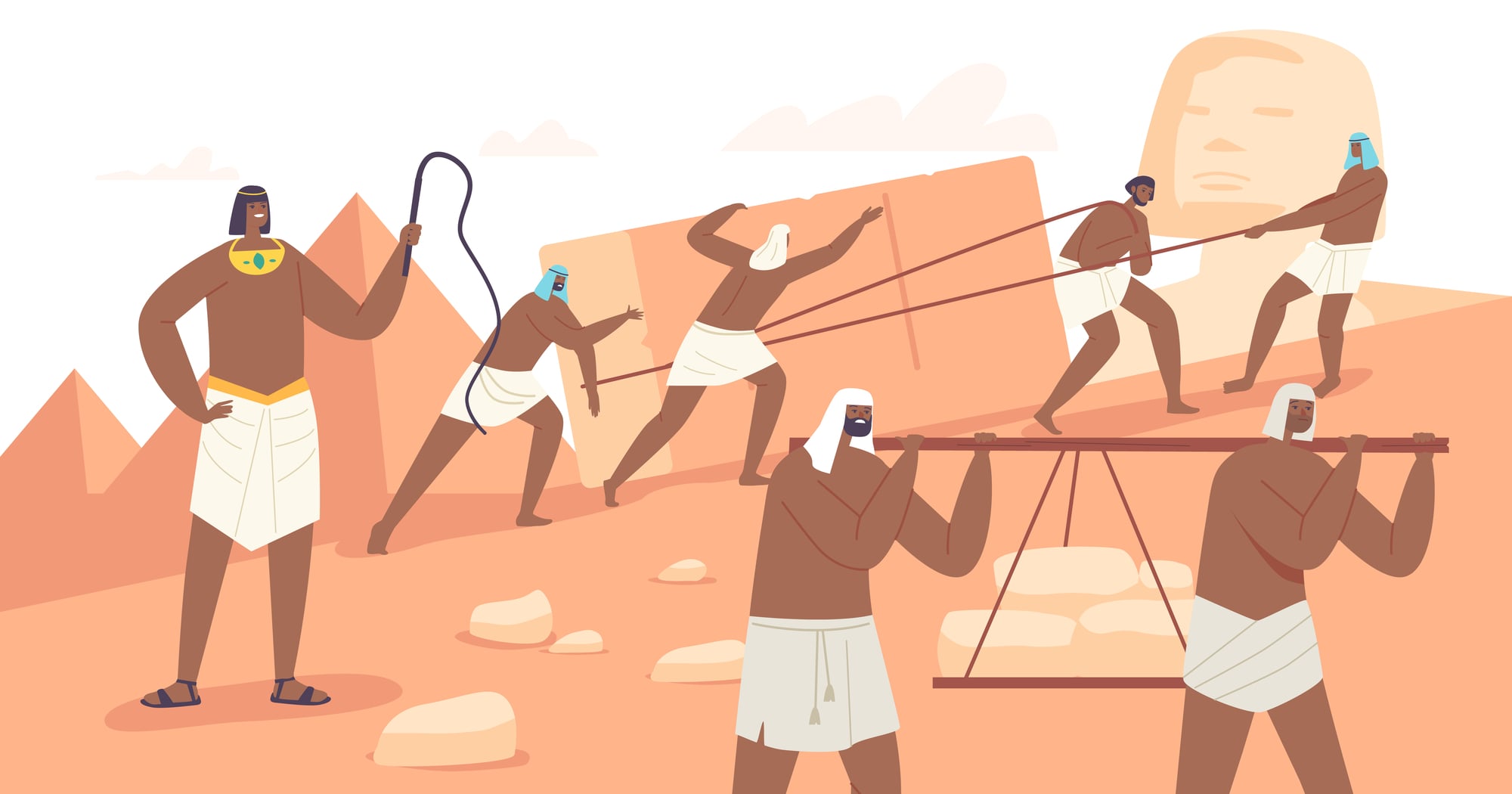
All seven wonders were constructed using tools and techniques available at the time. This makes their scale and precision even more impressive.
The ability to achieve such results without modern machinery continues to inspire curiosity and respect.
Location Played A Key Role
The wonders were located across the Mediterranean and surrounding regions, making them accessible to Greek travelers. This influenced which sites were included in the list.
Geography shaped not only their construction but also their recognition.
Some Wonders Served Practical Functions

While many were symbolic, some had clear practical uses. The Lighthouse of Alexandria, for example, was essential for navigation.
This combination of function and design adds depth to how these structures are understood.
Artistic Detail Was Highly Valued
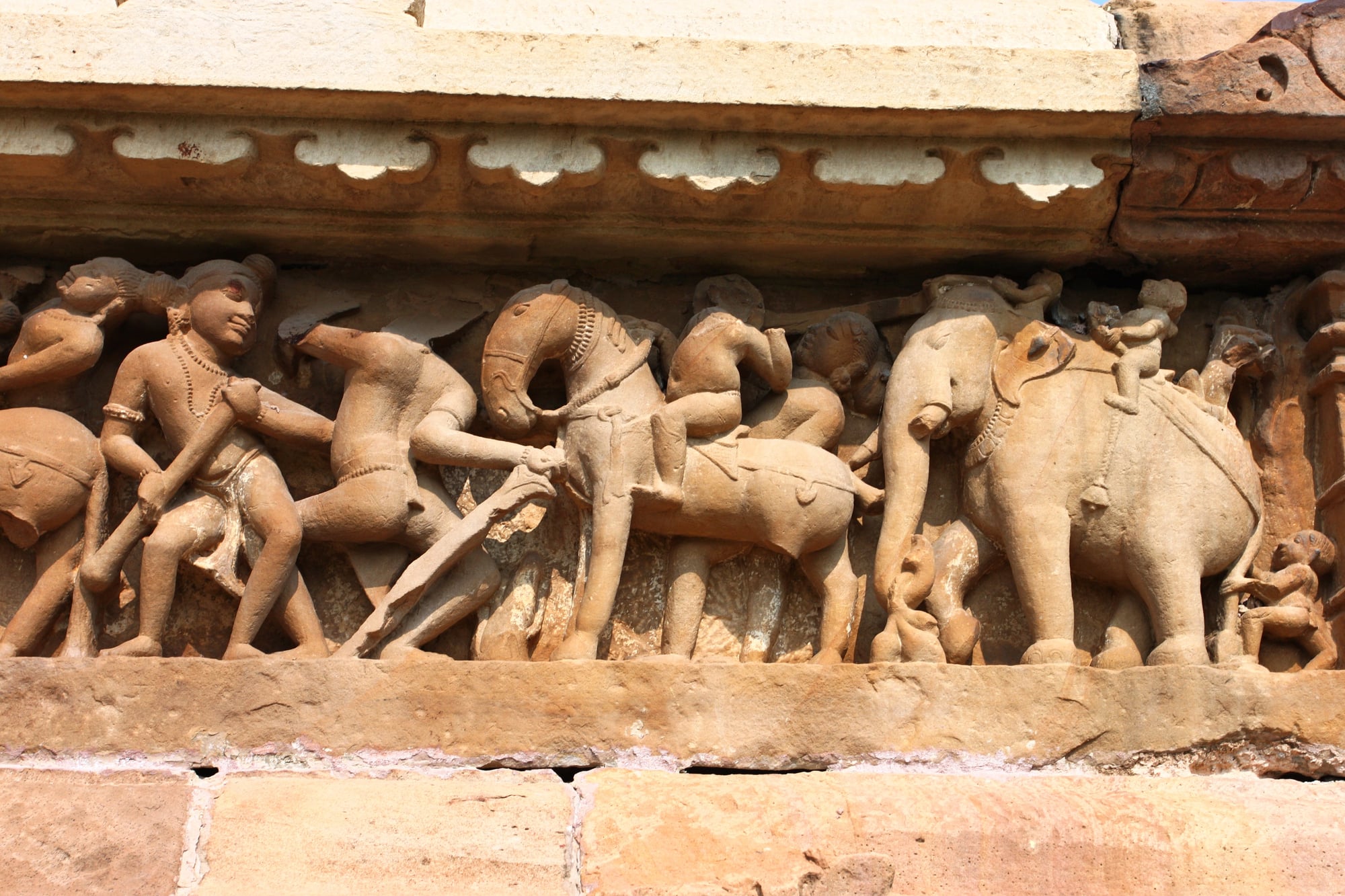
The wonders were not just large; they were detailed and carefully crafted. Sculptures, carvings, and decorative elements played a significant role.
This attention to detail reflects the importance of aesthetics alongside scale.
Their Stories Survived Through Texts

Much of what is known about the wonders comes from ancient writers like Herodotus and later historians. These accounts preserved their memory long after the structures themselves were gone.
Without these records, some wonders might have been forgotten entirely.
They Inspired Future Generations

The idea of the Seven Wonders has influenced how people think about remarkable places. Modern lists of wonders draw directly from this ancient concept.
This legacy shows how powerful the original idea has remained over time.
They Represent A Shared Human Drive
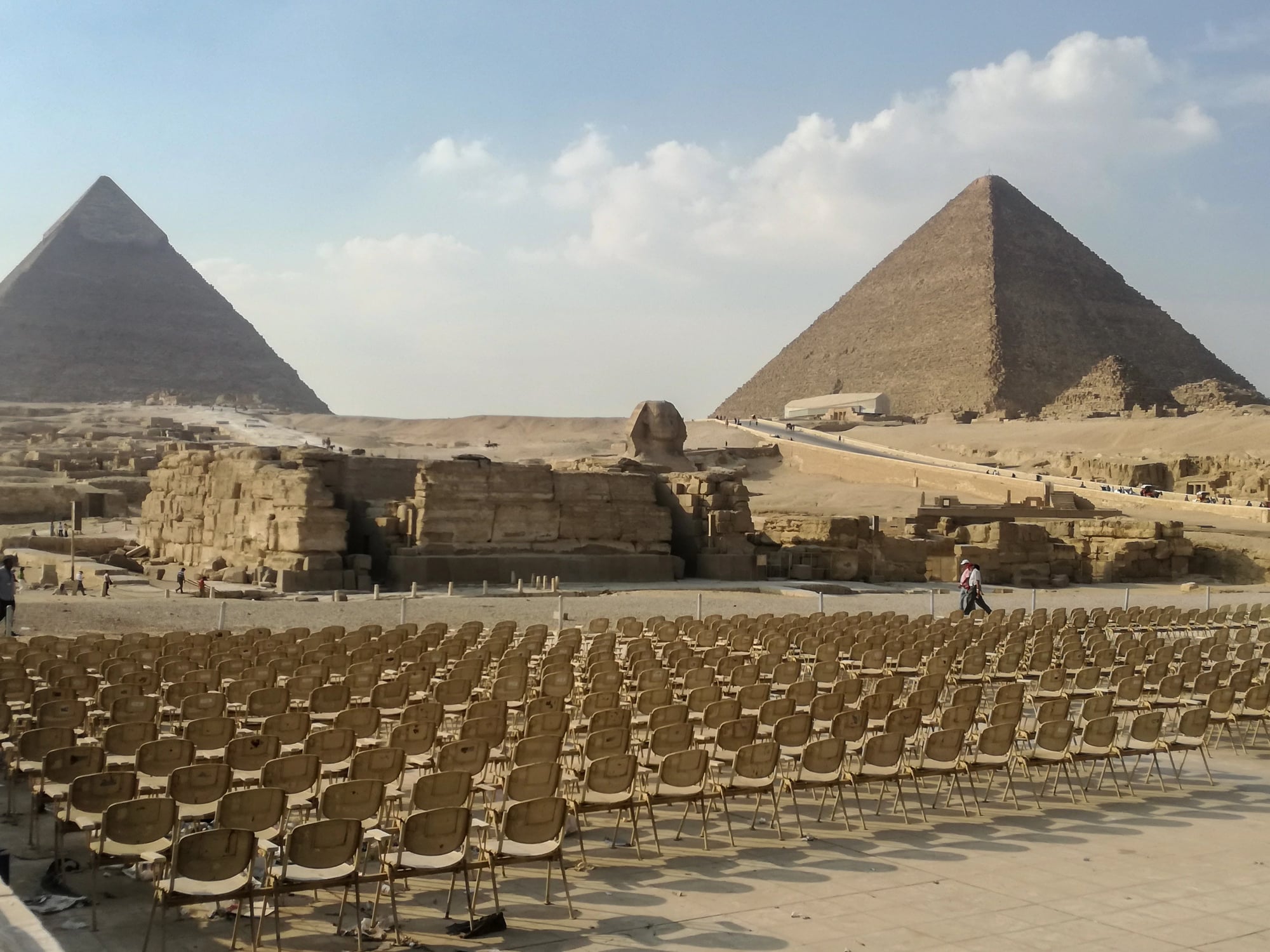
At their core, the Seven Wonders reflect a universal desire to build, create, and leave a lasting mark. Each structure tells a story of ambition and imagination.
Even in their absence, they continue to shape how history is remembered and appreciated.
Echoes Of Greatness

Some remain, albeit in fragments, while most have been reduced to dust over time. However, people continue to visit these creations in their minds and through narratives.
Somewhere in time, imagination and work came together in ways that challenged reality. What was created was unexpected and continues to influence our perception of success even today.
Yet, their stories linger on. Beyond the ruins, beyond the crumbling walls, thoughts stand tall, supported by time rather than mortar and brick.
What remains is not what is left behind in dust and ashes, but how long the spark lasts once it is ignited. These are not memories found in museums or history books.
One idea, pursued, lasts longer than any monument built to house it.
More from Go2Tutors!

- The Romanov Crown Jewels and Their Tragic Fate
- 13 Historical Mysteries That Science Still Can’t Solve
- Famous Hoaxes That Fooled the World for Years
- 15 Child Stars with Tragic Adult Lives
- 16 Famous Jewelry Pieces in History
Like Go2Tutors’s content? Follow us on MSN.



