33 Historic Documents Written on Unexpected Materials
Paper is a latecomer in the story of writing. For most of recorded history, people put their laws, letters, prayers, and grudges onto whatever was nearby, durable, or sacred enough to deserve the effort. The result is a record scattered across clay, metal, bark, bone, cloth, and stone.
The thirty-three documents below show how much the surface shaped the message. A tax record on a stick, a complaint on a clay tablet, and a treasure map on copper all survived for reasons tied directly to what they were made of.
The Copper Scroll

Found in 1952 in a cave at Qumran near the Dead Sea, the Copper Scroll was inscribed on thin sheets of copper that had been rolled up and corroded into a brittle tube. It could not be unrolled, so in the mid-1950s researchers in Manchester cut it into strips to read it. The text lists dozens of locations where gold, silver, and sacred objects were supposedly hidden. No treasure described in it has ever been confirmed.
The Vindolanda Tablets
— Photo by D.serra1
Excavations at the Roman fort of Vindolanda, near Hadrian’s Wall in northern England, turned up thin slivers of wood written on in ink. The damp soil preserved them for nearly two thousand years. Among the surviving texts is a birthday party invitation from Claudia Severa to Sulpicia Lepidina, around AD 100, which includes a few lines in what is believed to be Severa’s own hand. It is among the earliest known examples of writing by a woman in Latin.
The Novgorod Birch Bark Letters
— Photo by APHONUA
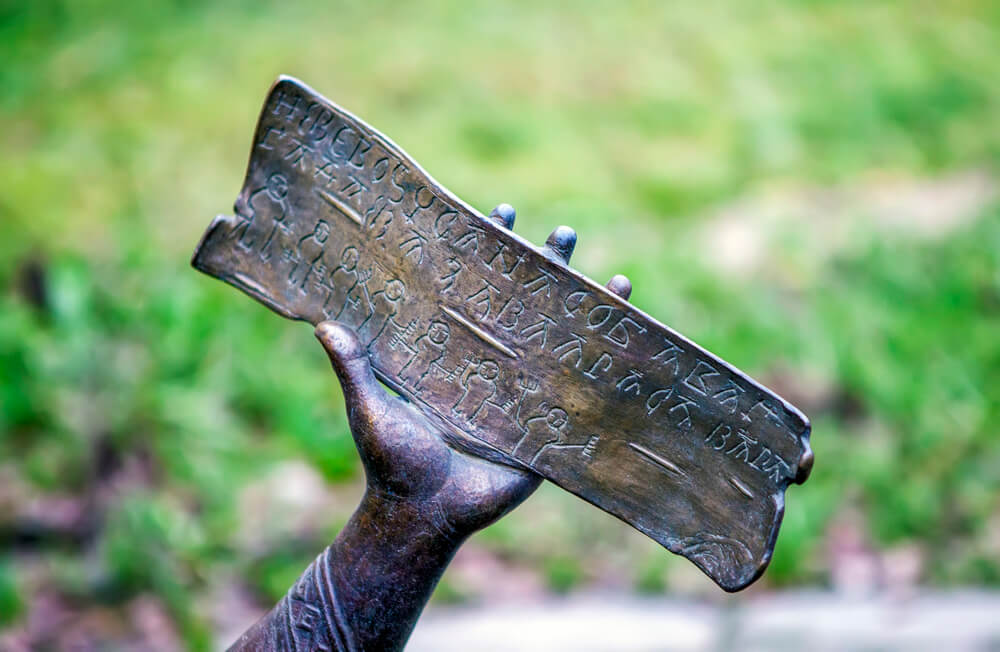
Beginning in 1951, archaeologists in the Russian city of Novgorod began pulling birch bark documents out of the waterlogged soil, where the bark had survived for centuries. Ordinary people had scratched notes into the bark with pointed styluses, covering debts, marriage plans, and household orders. A boy named Onfim, who lived in the thirteenth century, left behind practice alphabets and drawings of a warrior spearing an enemy, labeled with his own name. The collection has grown to well over a thousand pieces.
The Complaint to Ea-nasir
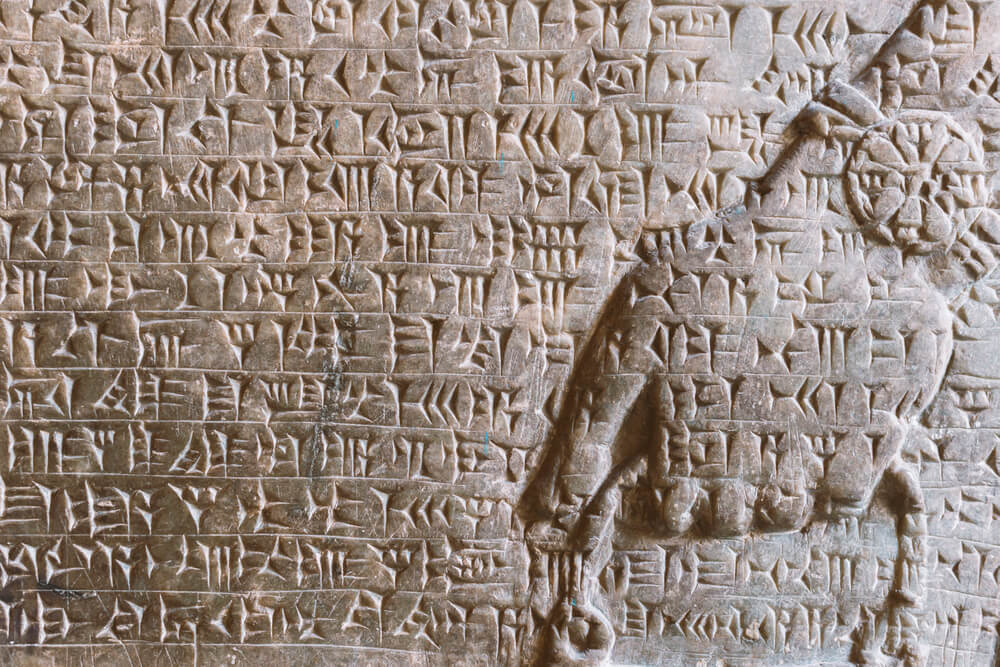
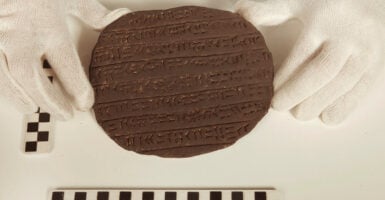
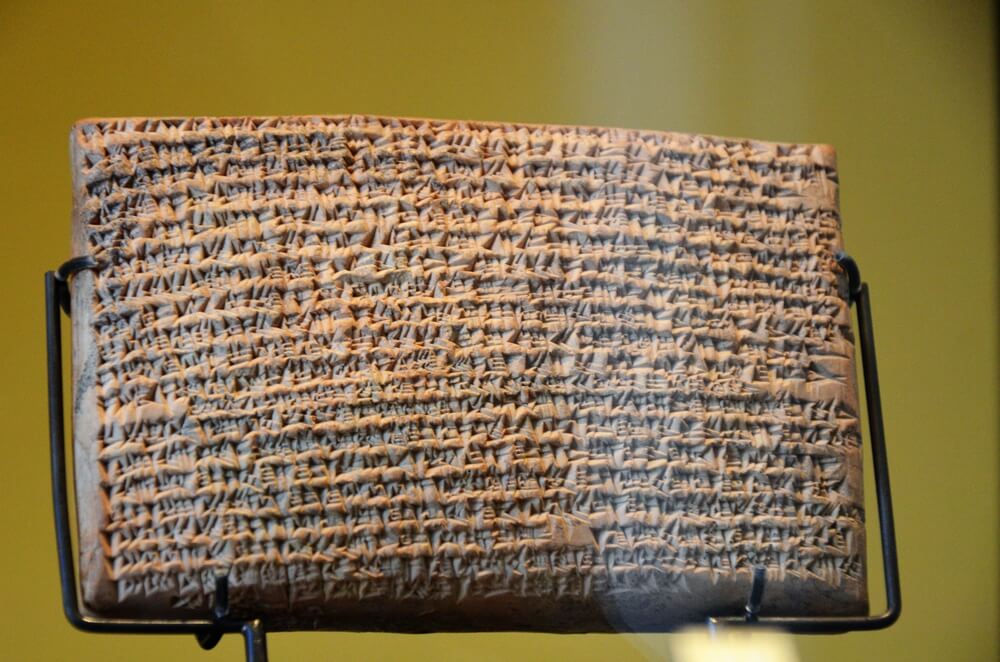
Around 1750 BC, a customer named Nanni inscribed a clay tablet in Ur complaining to a merchant named Ea-nasir about copper ingots of poor quality. The message is angry, sarcastic, and sprinkled with questions about how Nanni has been treated. The tablet is now in the British Museum and has become a modern internet favorite, often described as the oldest known customer complaint. Clay turned out to be the ideal medium for a grievance that outlived everyone involved.
The Cyrus Cylinder
— Photo by bettorodrigues
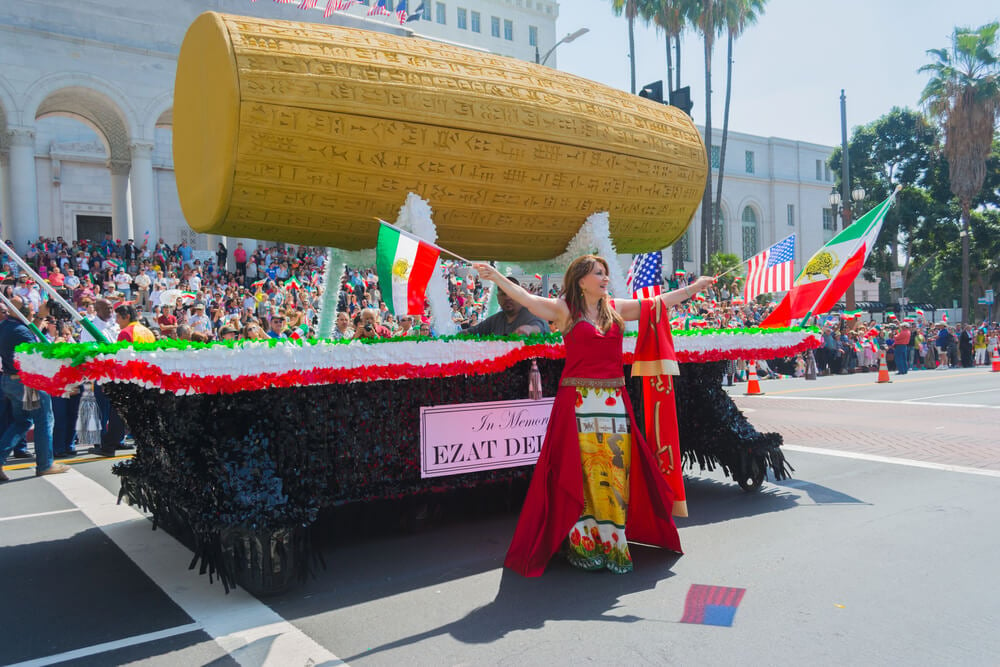
This barrel-shaped object of baked clay was found in Babylon in 1879 and is now in the British Museum. It carries a text in Akkadian cuneiform describing how Cyrus the Great took Babylon in 539 BC and how he restored temples and returned displaced peoples to their homelands. Its precise legal significance is debated, but it remains one of the best-known documents from the ancient Near East. The clay barrel was likely buried in the foundations of a building as a deposit.
The Code of Hammurabi
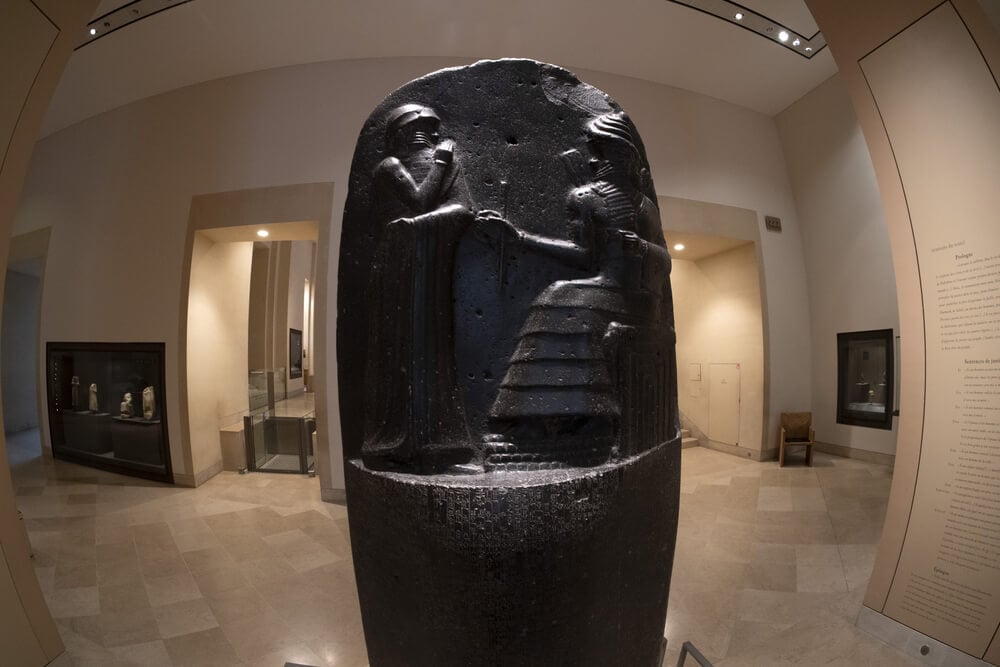
Carved into a black basalt stele about seven feet tall, the Code of Hammurabi lays out some 282 laws on topics from wages to property to family disputes. French archaeologists found the monument at Susa in 1901 and 1902, where it had been carried as a trophy from Babylon. The top of the stele shows the king standing before a seated god. It is now in the Louvre, and the hard stone is the reason it survived in such good condition.
The Liber Linteus
The Liber Linteus is a linen book written in Etruscan, and it is the longest surviving text in that language. The cloth was later cut into strips and used as wrapping for an Egyptian mummy, which is how it survived. The text, now in the Zagreb Archaeological Museum, appears to describe religious rituals and calendars. Linen is a rare surface for a text of this age, which makes the accident of its reuse all the more fortunate.
The Dresden Codex
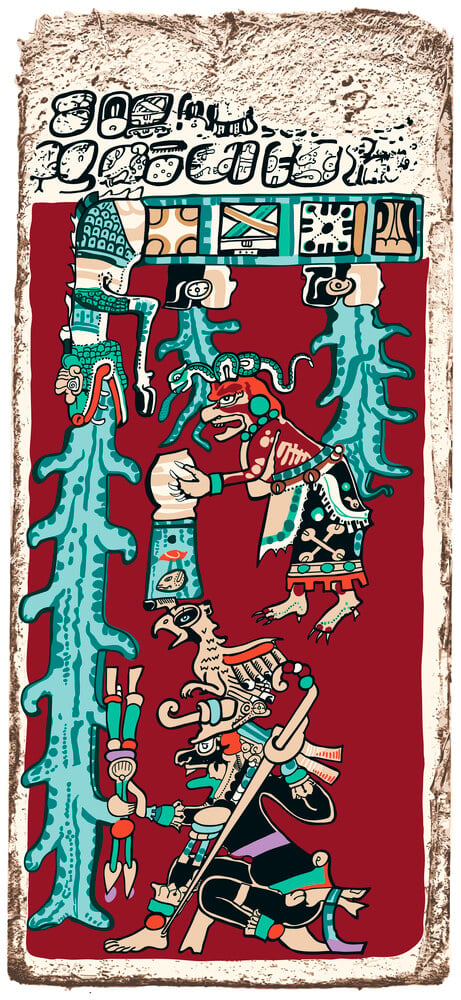
One of the oldest surviving books from the Americas, the Dresden Codex was made by Maya scribes on a long strip of bark paper folded like an accordion. It contains astronomical tables, including calculations for the cycles of Venus and predictions of eclipses. The manuscript was bought in Vienna in 1739 for the library in Dresden, Germany. Bombing in 1945 exposed it to water damage, and parts of it remain faded.
The Tsinghua Bamboo Slips

— Photo by Xcarrot_007
In 2008, a collection of roughly 2,500 bamboo slips dating to the Warring States period of ancient China was donated to Tsinghua University in Beijing. The slips had been tied together with cords that rotted away, leaving the order of the texts to be reconstructed. They include historical writings and documents that were previously unknown or survived only in later versions. Bamboo was the standard writing material in China for centuries before paper became common.
The Mawangdui Silk Manuscripts
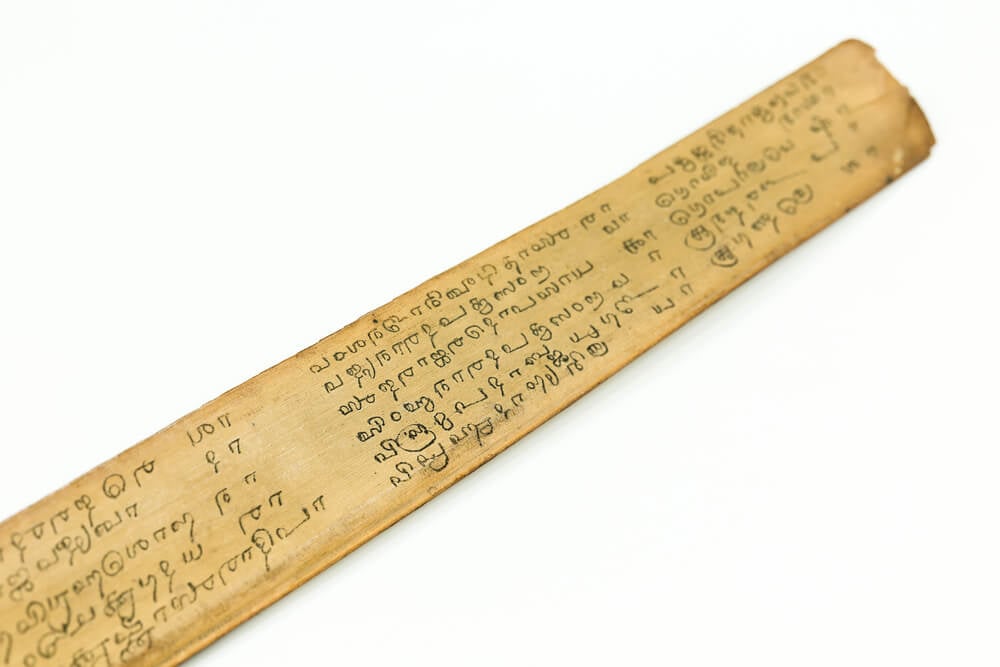
A tomb sealed in 168 BC near Changsha, China, yielded a trove of texts written on silk, including early versions of the Laozi and a range of medical and divination works. The tomb was excavated in the early 1970s. Silk was a luxury surface compared to bamboo, and its use signals the status of the person buried with it. Several of the texts differ from the versions read for centuries afterward, which gave scholars new material for comparison.
The Shang Oracle Bones
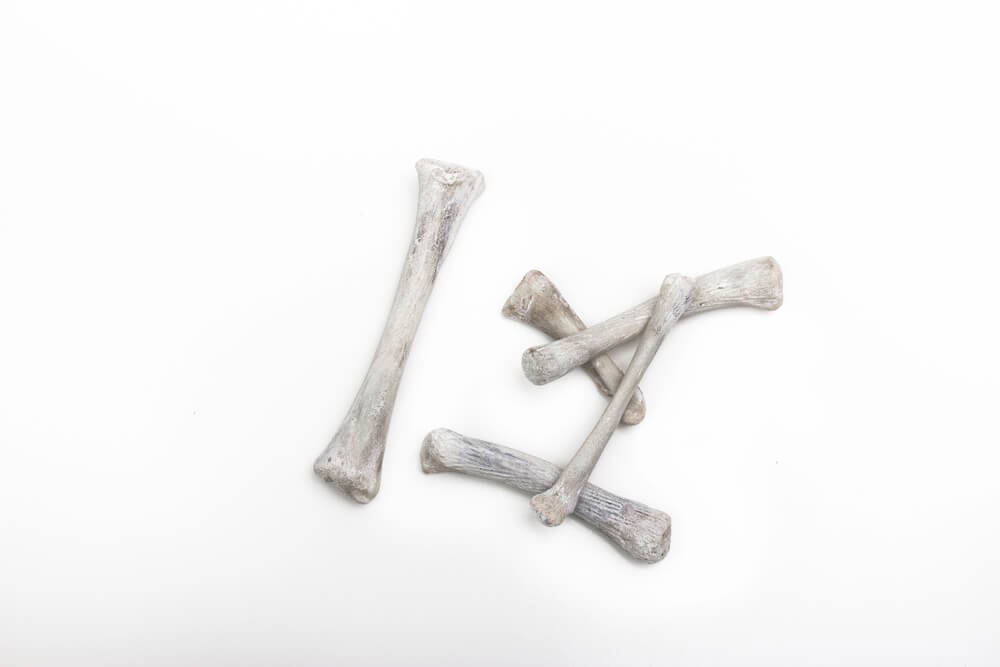
Over three thousand years ago, diviners in Shang dynasty China carved questions onto ox shoulder bones and turtle shells and then applied heat until they cracked. The cracks were read as answers, and the question and sometimes the result were inscribed alongside. The inscriptions are the earliest known body of Chinese writing. Their discovery in the late nineteenth century began when scholars noticed carved markings on pieces of so-called dragon bone sold as medicine.
The Ketef Hinnom Silver Scrolls
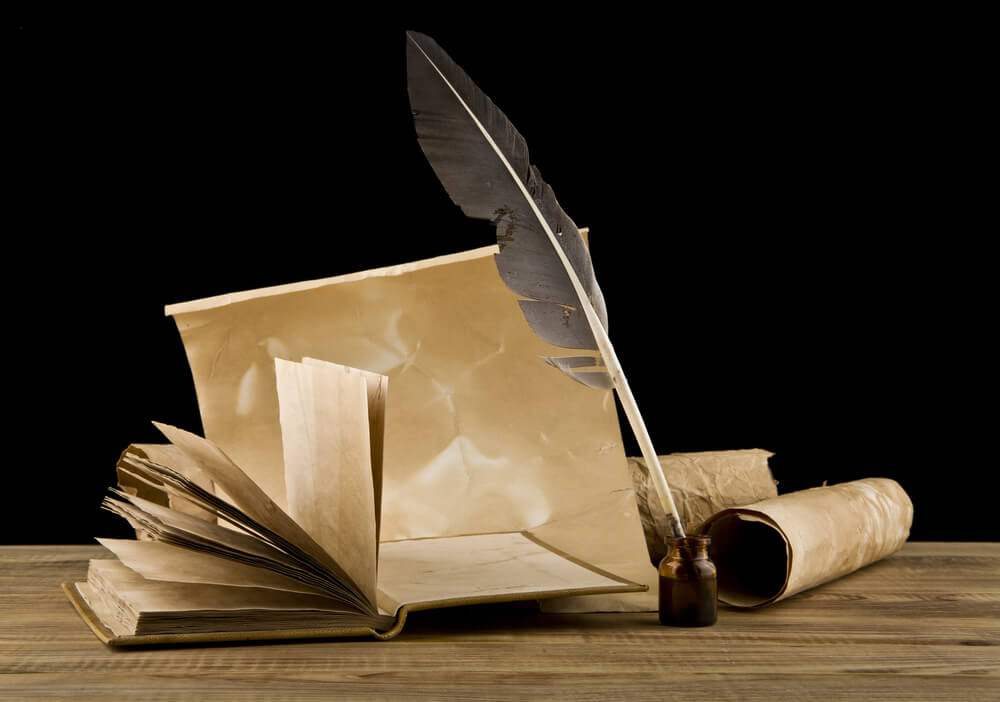
Discovered in 1979 in a burial cave in Jerusalem, two tiny rolled sheets of silver contain a version of a priestly blessing that also appears in the Book of Numbers. They date to the late seventh or early sixth century BC and are among the oldest known passages of biblical text. The silver was so thin and fragile that unrolling it took years of careful conservation. The scrolls were probably worn as amulets.
The Pyrgi Gold Tablets
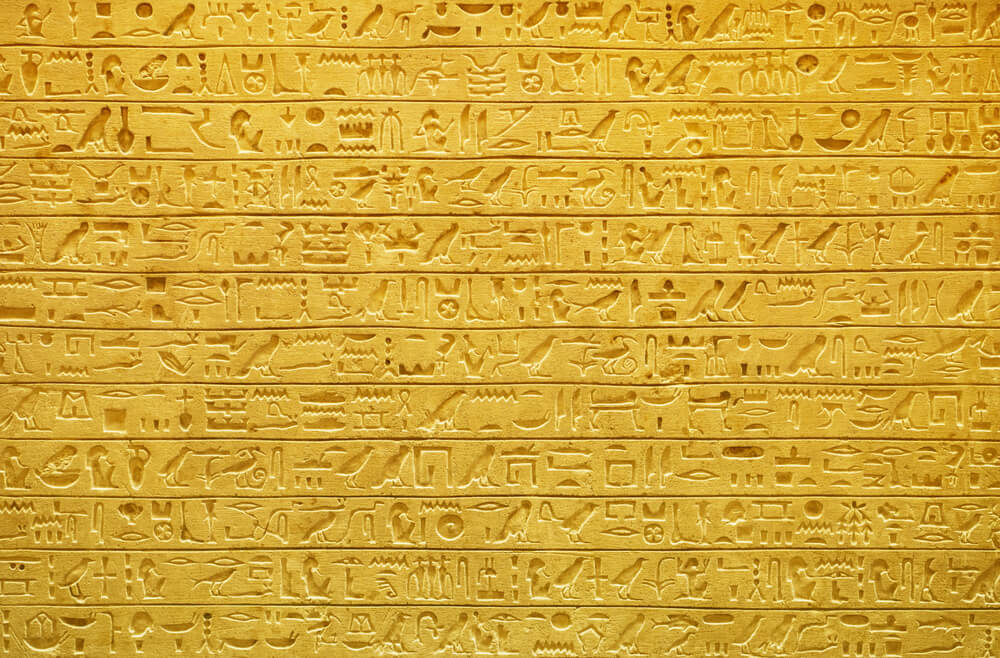
Excavators at the Etruscan port of Pyrgi, on the coast north of Rome, found three gold sheets in 1964. Two are written in Etruscan and one in Phoenician, and they record a dedication to a goddess by a local ruler around 500 BC. The bilingual pairing gave scholars a rare chance to compare the two languages directly. Gold was chosen because the message was meant for a deity, not for a human reader.
The Dodona Lead Tablets
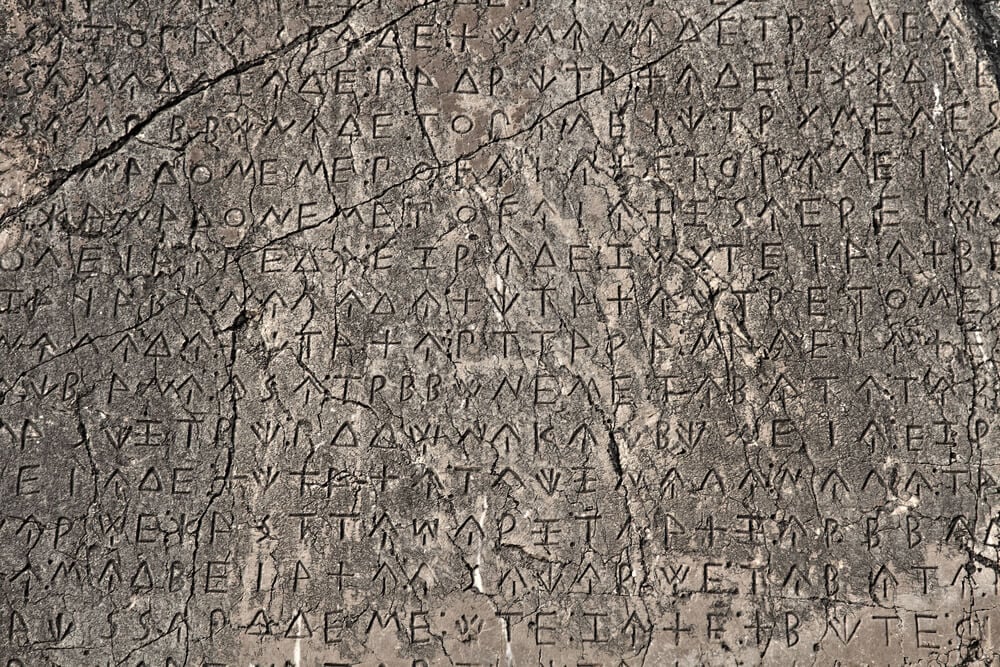
At the sanctuary of Dodona in northwest Greece, visitors scratched questions to the oracle of Zeus onto small strips of lead. The questions concern health, marriage, travel, livestock, and business ventures, and they are written in a plain, anxious tone. Lead was cheap, easy to inscribe, and could be folded up for safekeeping. The tablets give an unusually direct look at the private worries of ordinary Greeks.
The Bath Curse Tablets
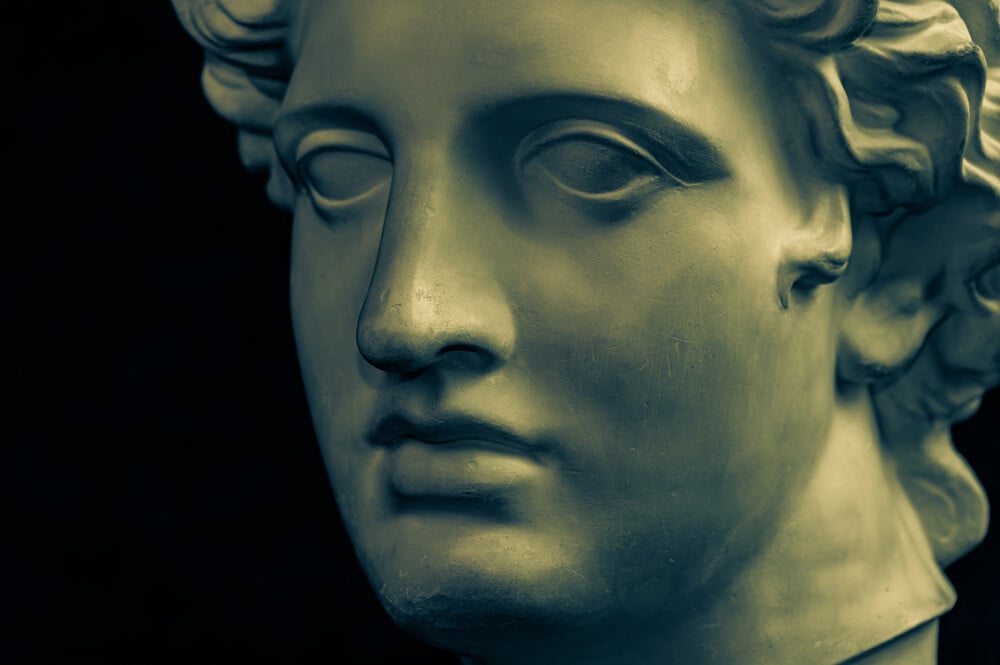
Excavations at the sacred spring in Bath, England, produced well over a hundred thin sheets of lead and pewter. Many are curses asking the goddess Sulis Minerva to punish whoever stole a cloak, a coin purse, or a similar item. Some name suspects, and a few ask that the thief be unable to sleep or eat until the item is returned. The sheets were rolled up and thrown into the water as offerings.
The Behistun Inscription
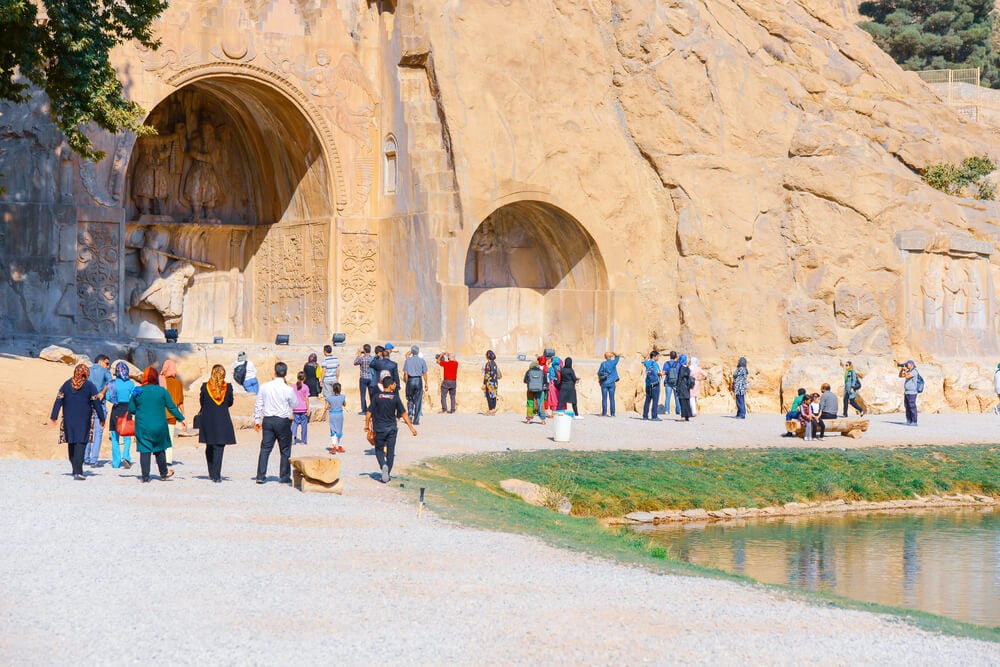
— Photo by Muhur
Carved into a cliff face in western Iran around 520 BC, the Behistun Inscription tells of Darius I’s rise to power in three languages: Old Persian, Elamite, and Babylonian. The text sits high above the ground and is difficult to reach. In the nineteenth century, Henry Rawlinson climbed to copy it, and the work helped unlock the reading of cuneiform. Few documents have a surface as large or as inconvenient.
The Gortyn Code
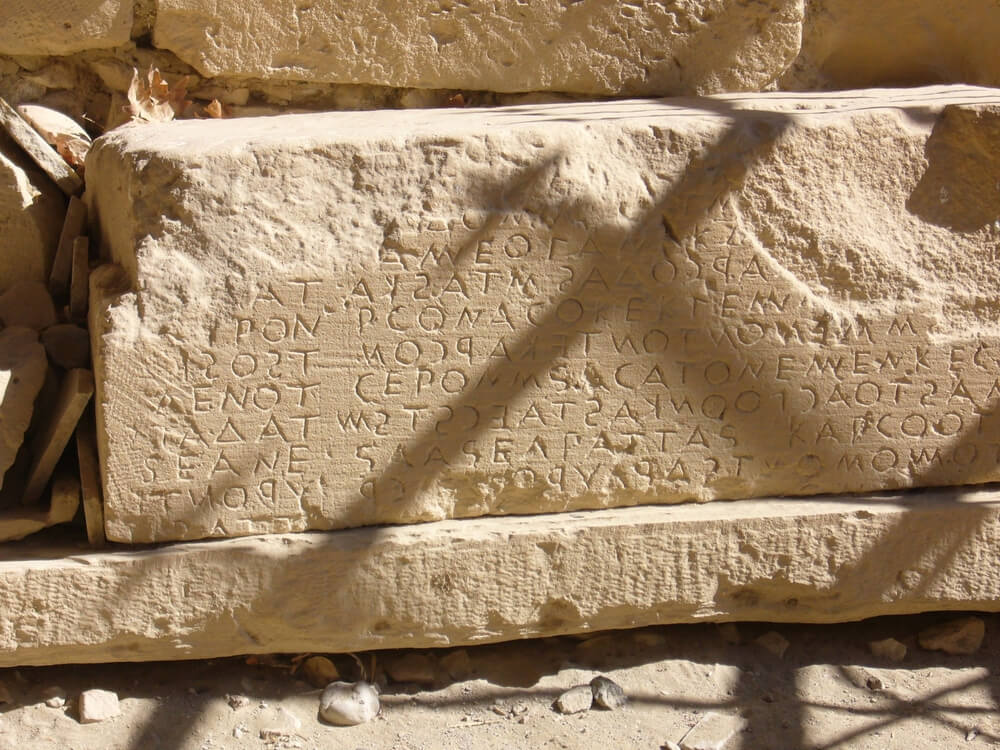
On Crete, a set of laws was carved on the stone blocks of a wall in the city of Gortyn in the fifth century BC. The text runs in alternating directions, a style called boustrophedon, which means it reads like an ox turning at the end of a plowed row. It covers topics including property, marriage, and inheritance. It is the largest surviving ancient Greek legal inscription, and its placement on a wall meant that citizens could read it in public.
The Bakhshali Manuscript
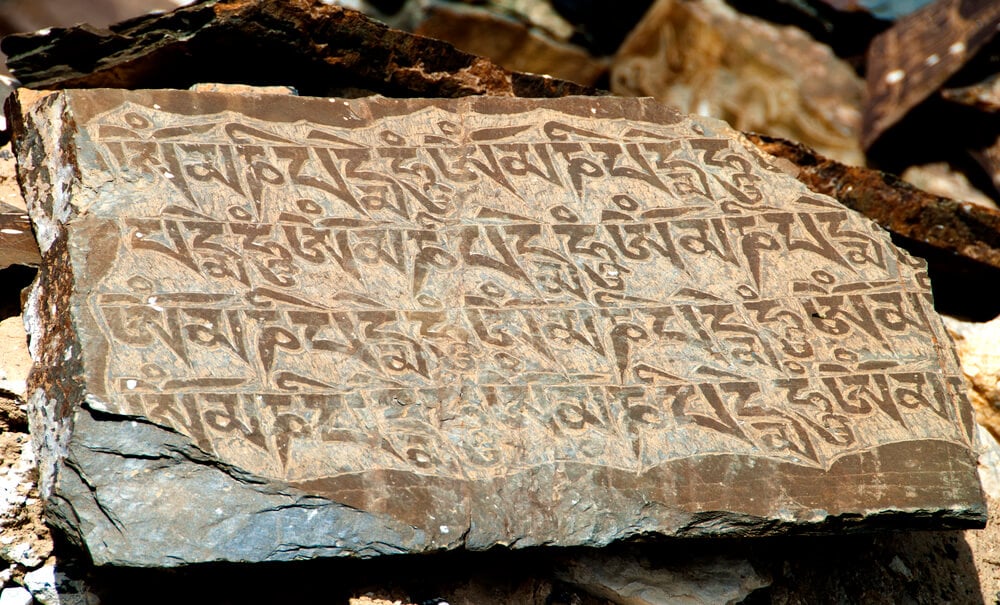
Found in 1881 in a village near Peshawar, in present-day Pakistan, the Bakhshali Manuscript consists of fragile birch bark leaves covered in mathematical problems. It contains one of the earliest known uses of a dot as a placeholder for zero. Radiocarbon dating reported by the University of Oxford in 2017 placed parts of it several centuries earlier than had been assumed. The manuscript is held at the Bodleian Library.
The Gandharan Buddhist Scrolls
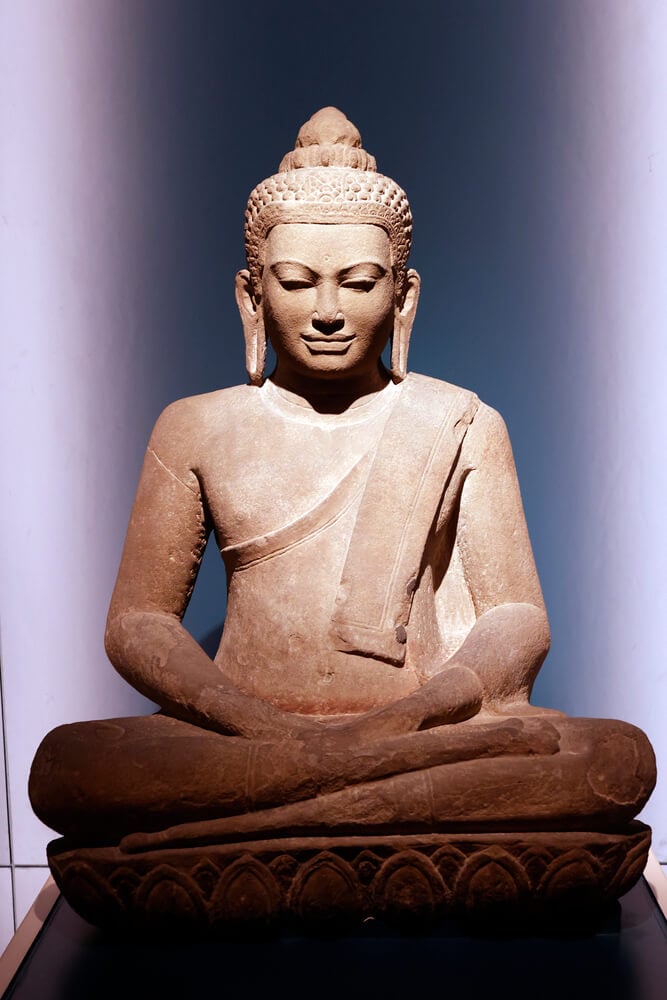
A collection of birch bark scrolls written in the Kharosthi script, acquired by the British Library in the 1990s, is among the oldest Buddhist manuscripts known. The scrolls date to around the first century AD and are thought to have been stored in clay pots. They contain verses, discourses, and commentary. The bark had become so brittle that conservators worked to flatten and stabilize the fragments with extreme care.
The Wax Tablets of Pompeii
In 1875, workers uncovering a house in Pompeii found a wooden chest holding more than 150 wax-coated tablets. They were the business records of a banker and auctioneer named Lucius Caecilius Iucundus. The tablets record the amounts of sales and the fees owed. The eruption of Vesuvius in AD 79 preserved them, because the volcanic material sealed the building and kept the wax from decaying.
The English Exchequer Tally Sticks
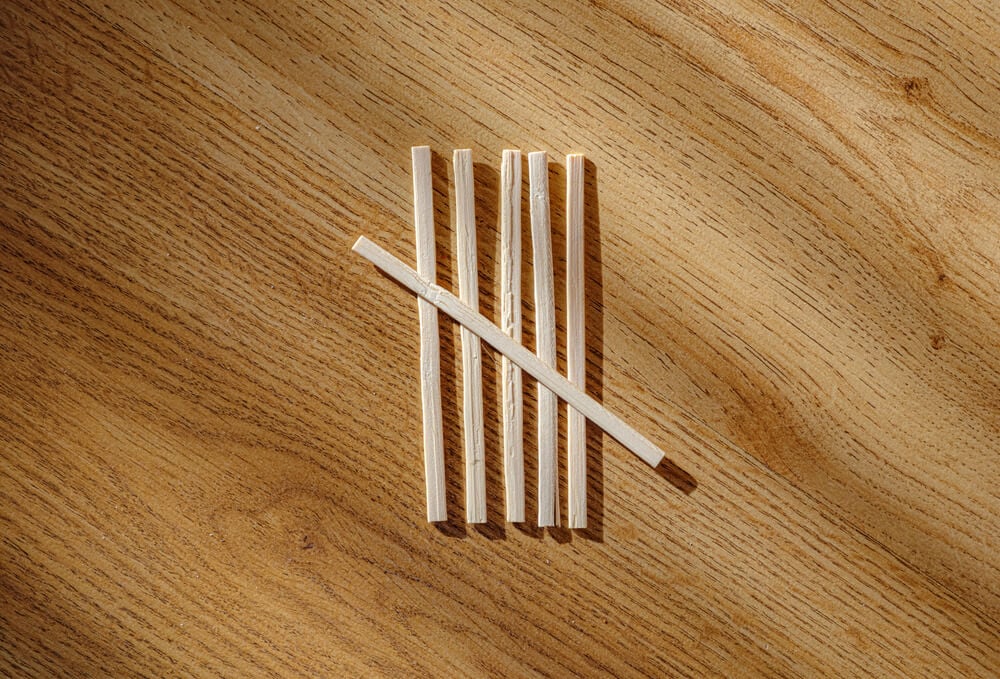
fbv For centuries, the English Exchequer recorded debts and payments by cutting notches into hazel sticks, which were then split lengthwise so each party kept a half. The system lasted into the nineteenth century. When officials decided in 1834 to burn the old tallies in a furnace beneath the House of Lords, the fire spread and destroyed much of the Palace of Westminster. The medium of a medieval accounting system ended up reshaping the skyline of London.
The Two Row Wampum Belt
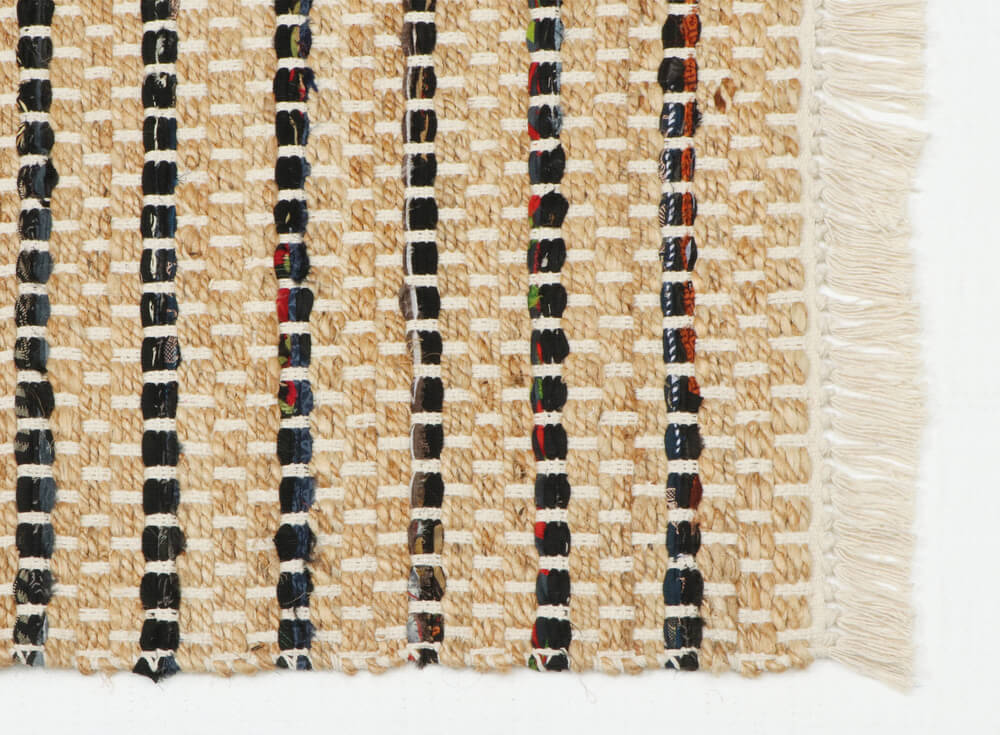
Woven from beads cut from shells, the Two Row Wampum belt features two parallel rows of purple beads on a white background. The rows are traditionally understood to represent two vessels, one for Haudenosaunee people and one for Europeans, traveling side by side without interference. Its origins are linked to an agreement with Dutch traders, traditionally dated to 1613. Wampum belts served as records of treaties and were read aloud and remembered.
The Lakota Winter Counts
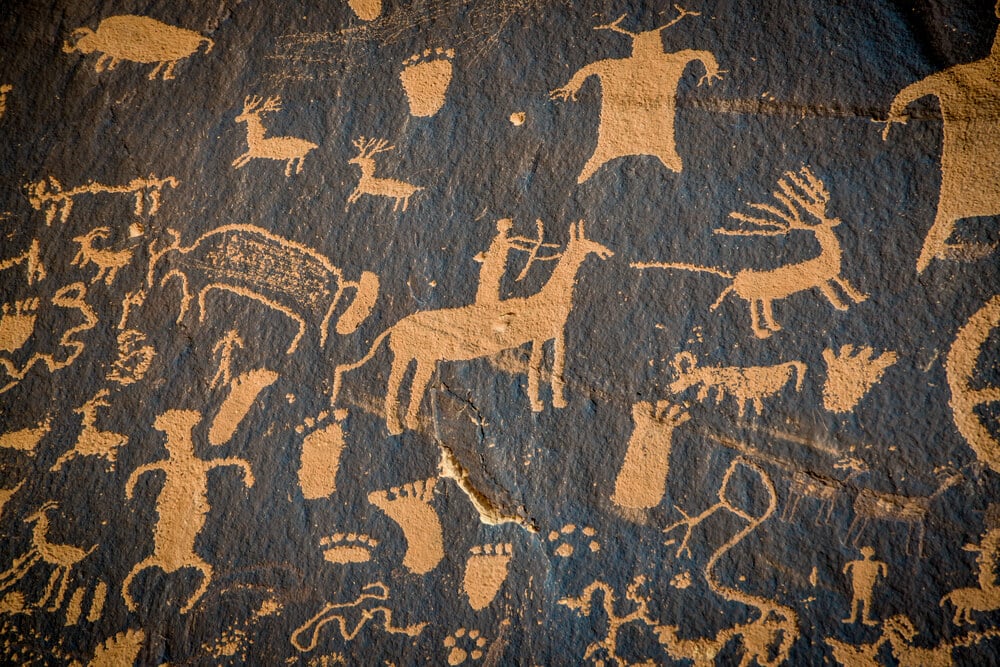
Keepers of Lakota winter counts recorded one image per year, often on buffalo hide and later on muslin or cloth. Each picture was chosen to stand for the most memorable event of that year, such as a battle, an epidemic, or a celestial display. The images served as prompts for oral history, with the keeper reciting the story attached to each. Several examples are preserved in museum collections, including the Smithsonian.
The Ojibwe Birch Bark Scrolls
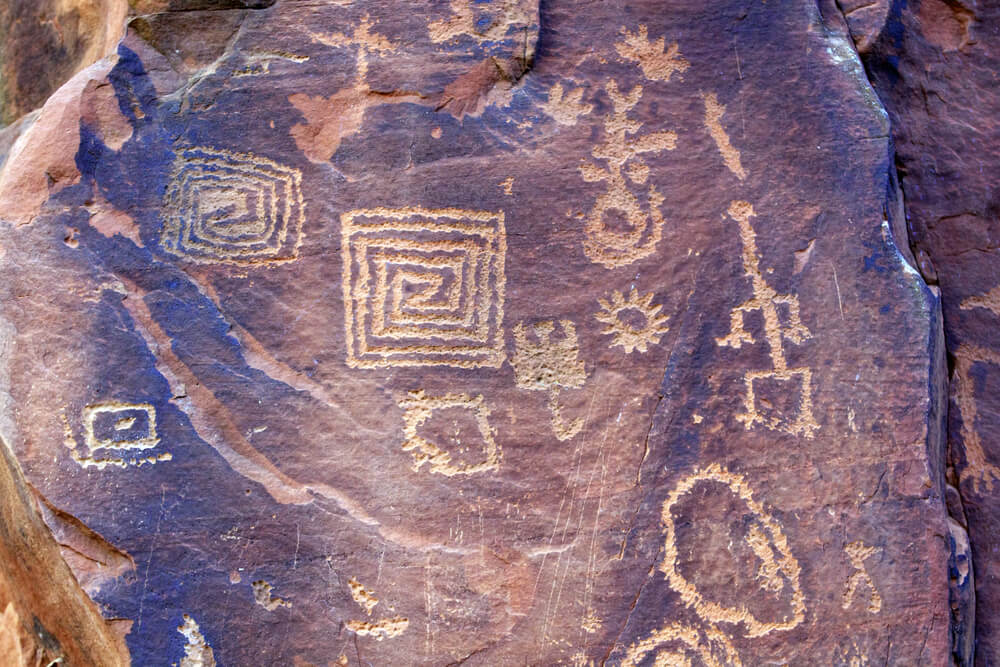
Members of the Midewiwin society of the Ojibwe people incised pictographs onto rolls of birch bark to preserve songs, ceremonies, and teachings. These scrolls, called wiigwaasabakoon in Ojibwe, served as memory aids for the people trained to interpret them. The bark was lightweight, waterproof, and easy to roll. Birch bark was also used for maps and other records across the Great Lakes region.
The Palermo Stone
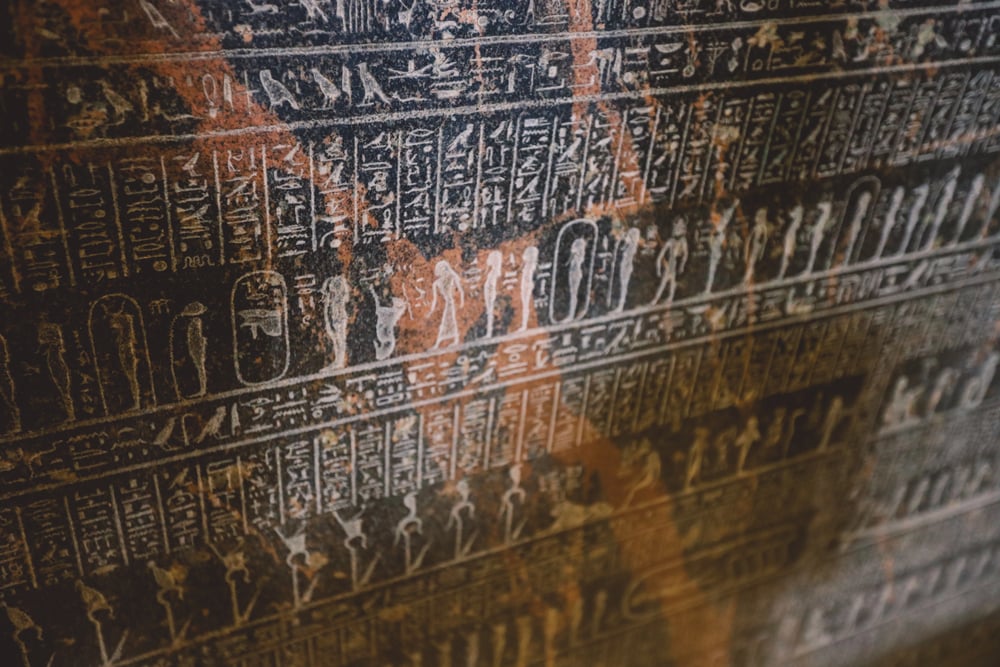
— Photo by DavePrimov
A fragment of black basalt now in a museum in Palermo, Sicily, preserves part of the royal annals of ancient Egypt’s Old Kingdom. The inscription lists kings and the events of each year, including the height reached by the Nile’s annual flood. Other pieces of the same monument are held in Cairo and London. The fragments reveal how Egyptian scribes counted time and kept their accounts of kingship.
The Mesha Stele
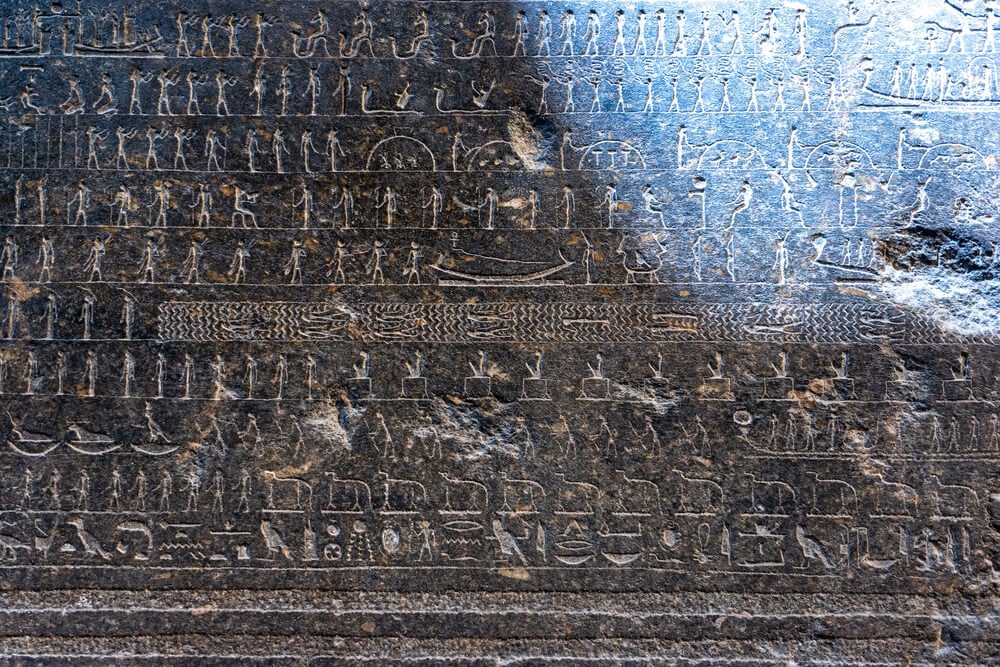
— Photo by syaber
Discovered in 1868 at Dhiban in present-day Jordan, this black basalt monument records the victories of Mesha, king of Moab, in the ninth century BC. It mentions Omri, king of Israel, and is among the oldest references to Israel outside the Bible. Local people broke the stone after its discovery, but a paper impression made beforehand allowed it to be reconstructed. It is now in the Louvre.
The Themistocles Ostraka
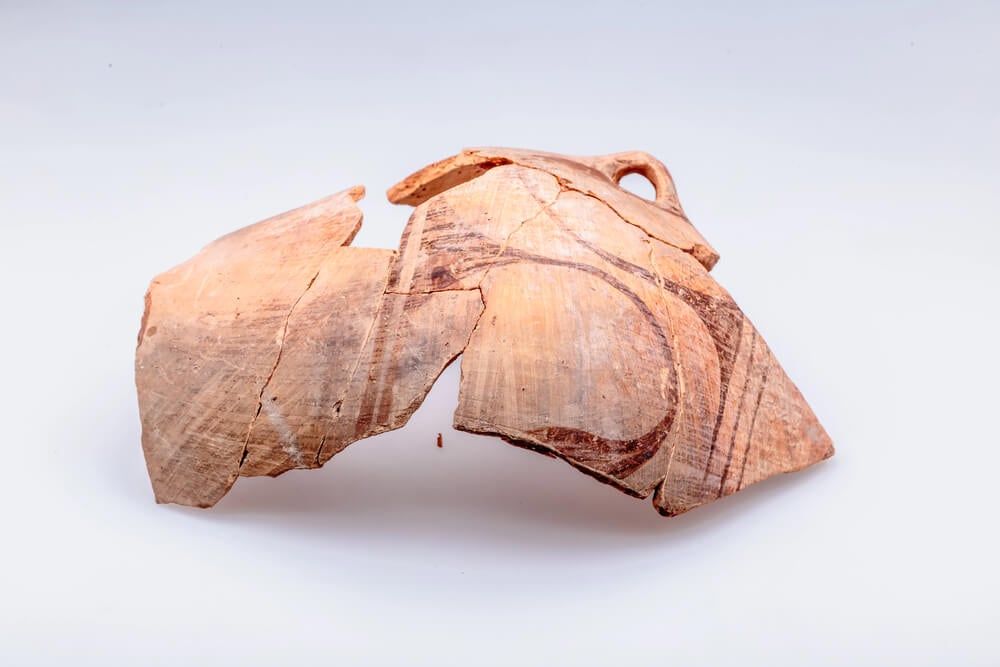
In Athens, citizens could vote to exile a person for ten years by scratching the name onto a broken piece of pottery called an ostrakon. Archaeologists working on the north slope of the Acropolis in the 1930s found a cache of nearly two hundred pottery shards bearing the name of Themistocles. Many were apparently written by only a few hands, suggesting that votes had been prepared in advance. The shards are physical evidence of the political fight that ended the career of the victor of Salamis.
The Deir el-Medina Ostraca
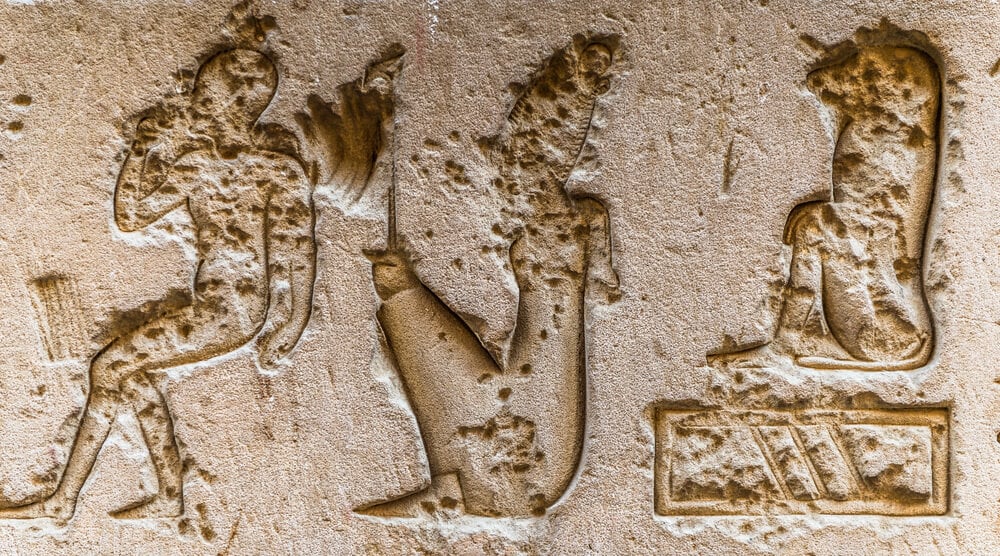
The workers who built the royal tombs in Egypt’s Valley of the Kings lived in a village called Deir el-Medina. They jotted records on limestone flakes and pottery shards, including attendance notes that explain absences from the job. The reasons given range from illness to brewing beer to attending funerals. These humble scraps offer a view of the daily life of skilled laborers that grand monuments never could.
The Rosetta Stone
— Photo by claudiodivizia
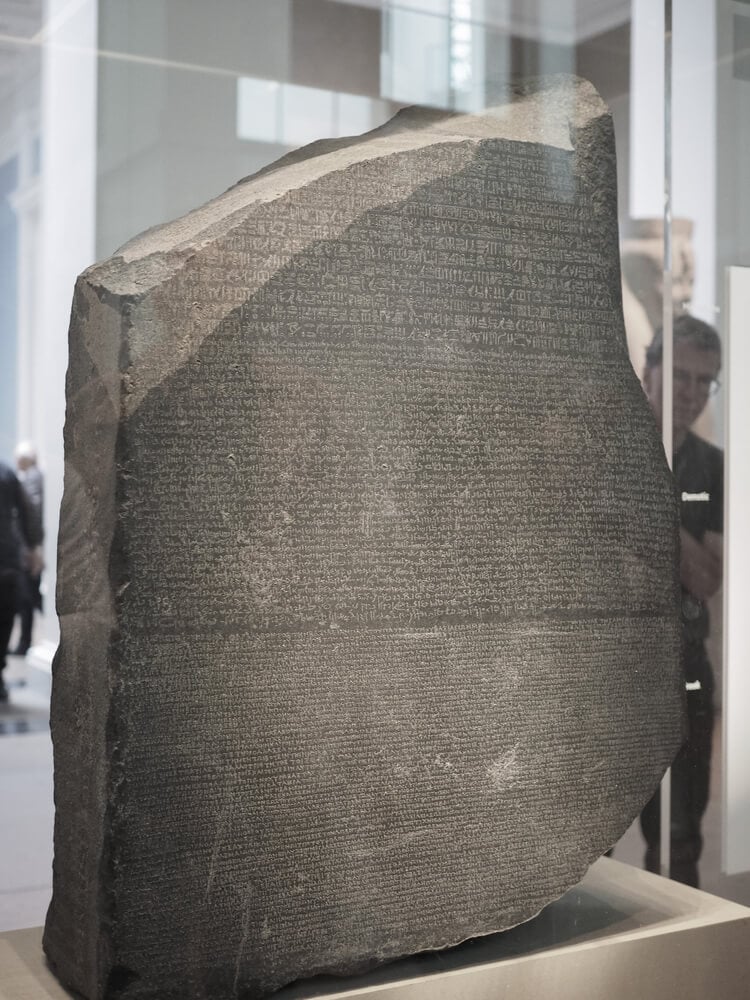
Found in July 1799 by French soldiers near the Egyptian town of Rashid, the Rosetta Stone is a slab of granodiorite carved with a decree from 196 BC in hieroglyphic, Demotic, and Greek. British forces took the stone after the French surrender in Egypt, and it has been in the British Museum since 1802. Jean-Francois Champollion announced his decipherment of the hieroglyphs in 1822. The stone’s three scripts turned out to be the key that opened a lost writing system.
The Declaration of Independence
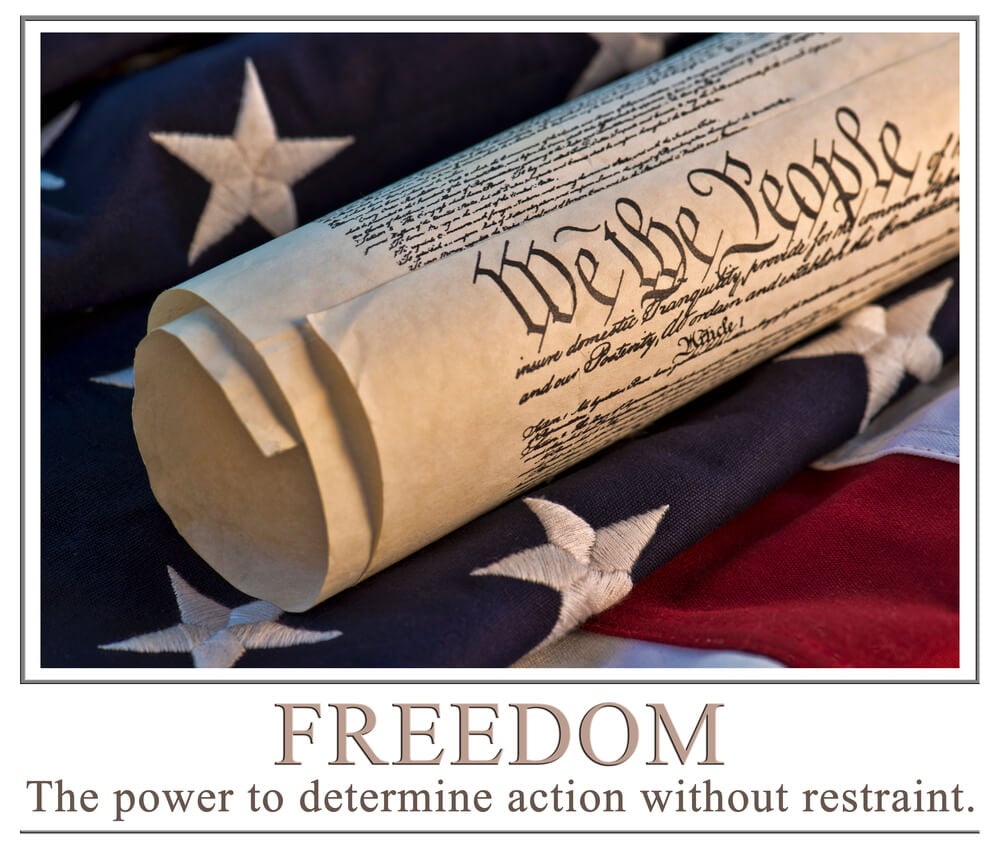
The signed copy of the Declaration of Independence was engrossed on parchment, a material made from animal skin, by the clerk Timothy Matlack. Most delegates signed it on August 2, 1776, weeks after the vote for independence. The document is now held at the National Archives in Washington, D.C. Parchment was chosen for durability, yet exposure to light and handling over time have faded the ink badly.
The Codex Borgia
— Photo by nrotteveel
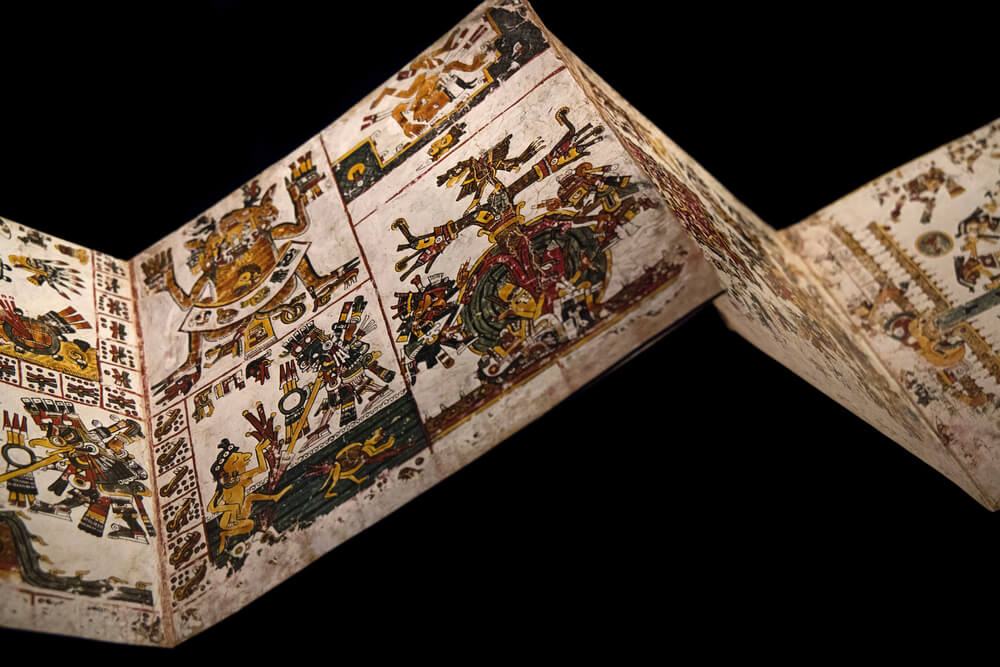
The Codex Borgia is a long strip of animal skin folded like a screen and painted with vividly colored images of gods, rituals, and calendar cycles. It was made in central Mexico before the arrival of the Spanish. The manuscript ended up in Europe and now belongs to the Vatican Library. Scholars read it as a guide for priests who tracked the sacred calendar.
The Siloam Inscription
— Photo by EvrenKalinbacak
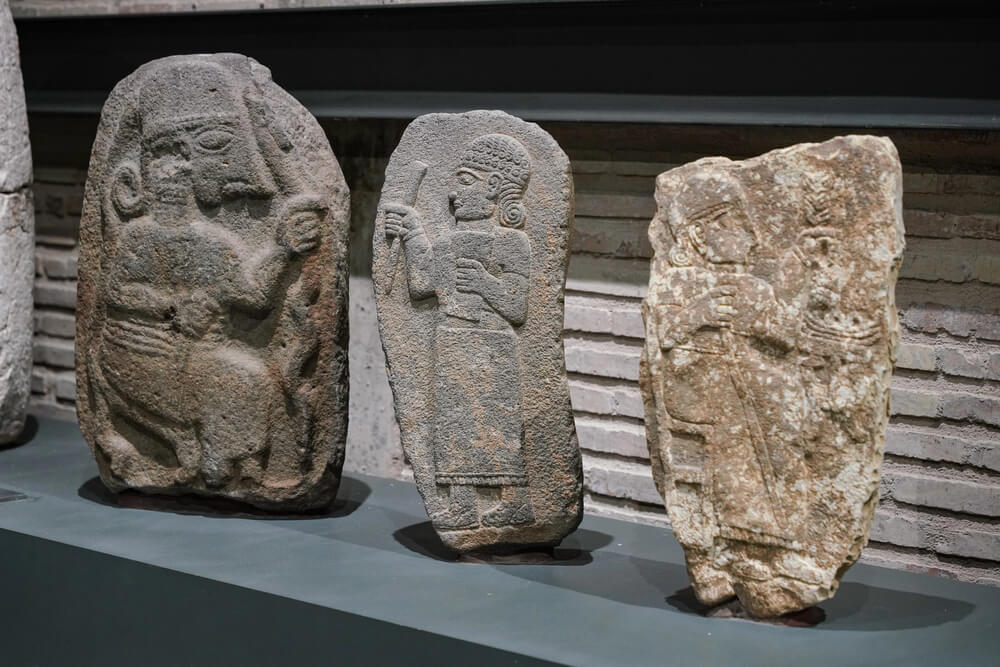
In 1880, a Hebrew inscription was found carved into the wall of a tunnel in Jerusalem that channels water from the Gihon Spring to the Pool of Siloam. It describes how two teams of workers, digging from opposite ends, met in the middle. The text dates to around 700 BC. It was cut out of the rock in 1890 and is now in the Istanbul Archaeology Museum.
The Hipponion Gold Tablet
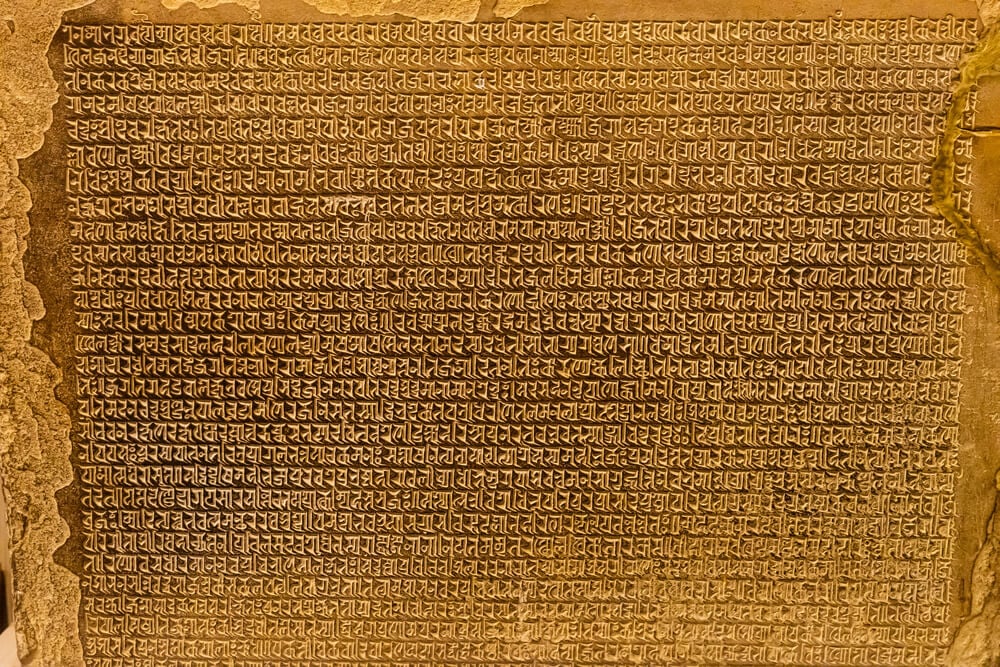
Found in 1969 in a tomb in southern Italy, a small sheet of gold folded into a tiny rectangle carries instructions for the soul of the deceased. It dates to around 400 BC and directs the soul toward a spring of memory rather than a nearby spring of forgetting. The text is written in Greek verse. The tablet is one of a group of gold leaves from the ancient Greek world that were buried with the dead.
What Survives the Medium
— Photo by Mircea Moira
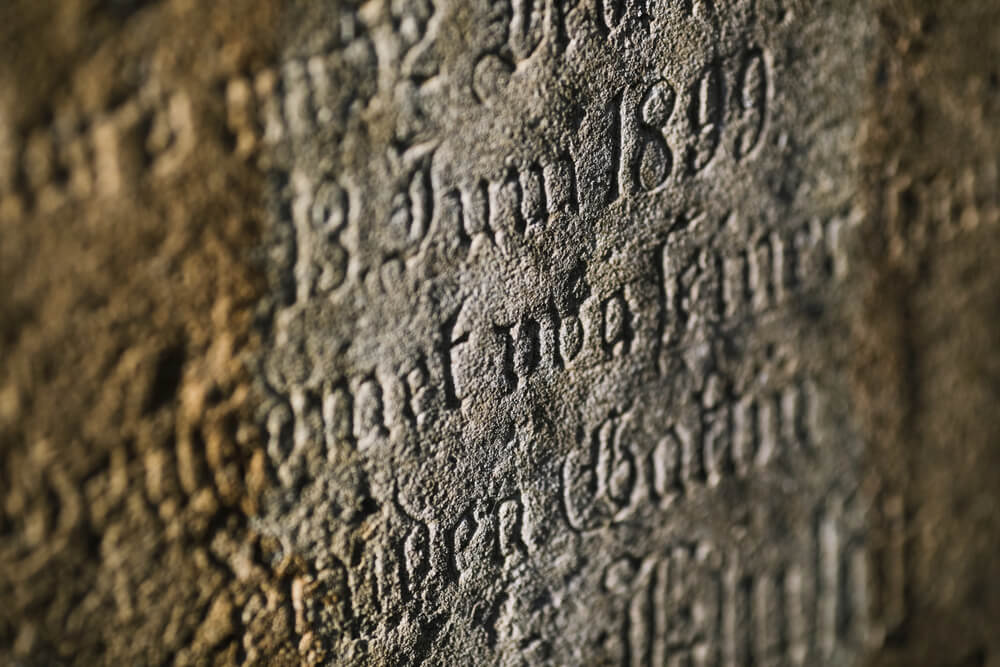
Across these documents, the surface did much of the editing. Clay and stone favored laws, proclamations, and complaints that someone wanted to last. Bark, wood, and wax favored the everyday notes that were never meant to be kept, and survived only when damp soil or volcanic ash intervened.
The pattern suggests that the most revealing records are often the least intended ones. A grudge scratched into lead or a workday excuse on a pottery shard tells more about a society than a monument built to impress. History tends to be preserved by chance, and the materials people chose decided which voices got through.
More from Go2Tutors!

- 27 Silver Dollars and Half Dollars Worth Keeping
- 28 Restaurant Menu Items Nobody Orders Anymore
- 17 Places Built in Seemingly Impossible Spots
- 27 Vintage Rings Worth More Than They Look
- 25 Restricted Sites Tourists Can’t Enter
Like Go2Tutors’s content? Follow us on MSN.