Weird Holiday Folklore Stories You Haven’t Heard
Everyone knows about Santa Claus and his reindeer. Rudolph, the elves, the North Pole workshop—these stories feel as familiar as your own family traditions.
But holiday folklore around the world gets much stranger than a jolly man in a red suit. Some of these tales involve terrifying creatures, bizarre rituals, and origin stories that would make excellent horror movies.
Most people have never encountered them outside their home regions. A few of them still influence how communities celebrate today.
The Yule Cat That Eats Lazy Workers

Iceland has a giant cat that roams the countryside during the Christmas season. The Jólakötturinn, or Yule Cat, belongs to a family of trolls and has one particular obsession: checking whether people received new clothes for Christmas.
Those who worked hard all year and earned new garments have nothing to fear. But anyone caught without at least one new piece of clothing becomes the cat’s dinner.
The story likely started as a way to motivate workers to finish processing autumn wool before the holidays. Farmers needed everyone to pitch in, and the threat of a giant carnivorous feline provided solid incentive.
Today, Icelanders still give each other clothing at Christmas, partly out of tradition and partly because nobody wants to risk it.
Austria’s Krampus Isn’t Just a Scary Santa Sidekick
Most people have heard of Krampus by now—the horned, goat-like demon who accompanies St. Nicholas on December 5th. But the full tradition goes beyond what shows up in American horror films.
In Austrian Alpine villages, young men dress in elaborate Krampus costumes made of animal fur, hand-carved wooden masks, and cowbells. They run through town hitting people with birch branches and dragging chains.
The Krampuslauf, or Krampus Run, gets genuinely rough. Participants sometimes end up with welts and bruises.
Towns have tried to tone down the violence over the years, but the tradition persists because communities see it as an important release valve before the solemn Christmas season begins. Children aren’t just told Krampus exists—they see him, hear him, and sometimes feel the sting of those branches.
Mari Lwyd Wants to Sing Her Way Into Your House

In Wales, a horse skull on a pole shows up at your door during the winter holidays. The Mari Lwyd (Grey Mare) tradition involves decorating a real horse skull with ribbons, bells, and false eyes, then draping it in a white sheet.
A person hides beneath the sheet and operates the jaw with a string so it clacks open and shut. The group carrying Mari Lwyd arrives at houses and pubs to engage in a battle of rhyming insults with whoever answers the door.
This back-and-forth can last for several rounds. If you run out of comebacks or your rhymes fall flat, you have to let the horse skull inside and serve everyone food and drink.
The tradition nearly died out in the 20th century but has seen a revival in recent decades.
Catalonia’s Defecating Log

The Caga Tió, or “pooping log,” sits in Catalan homes from December 8th until Christmas Eve. Families feed the log scraps of food every day and cover it with a blanket to keep it warm.
On Christmas Eve, children beat the log with sticks while singing a song that commands it to defecate presents. The log “produces” small gifts, candy, and nuts, which parents hide underneath the blanket.
The tradition sounds absurd when described plainly, but Catalan families take it seriously. The log even has a face painted on one end, usually with a cheerful expression despite what it’s being asked to do.
Japan’s KFC Christmas Dinner

This one isn’t ancient folklore, but it’s strange enough to qualify. In 1974, Kentucky Fried Chicken launched a marketing campaign in Japan called “Kurisumasu ni wa Kentakkii” (Kentucky for Christmas).
The idea came from store manager Takeshi Okawara, who overheard foreign customers lamenting that they couldn’t get turkey in Japan. The campaign worked so well that eating KFC on Christmas became a national phenomenon.
Today, Japanese families pre-order their Christmas chicken weeks in advance. Lines stretch around the block on December 24th and 25th, and KFC Japan earns billions of yen during the Christmas season alone.
Japan doesn’t have strong Christian traditions, so Christmas evolved as a secular, romantic holiday—and somehow a fast-food chain became its culinary centerpiece.
The Pickle Ornament Nobody Can Explain
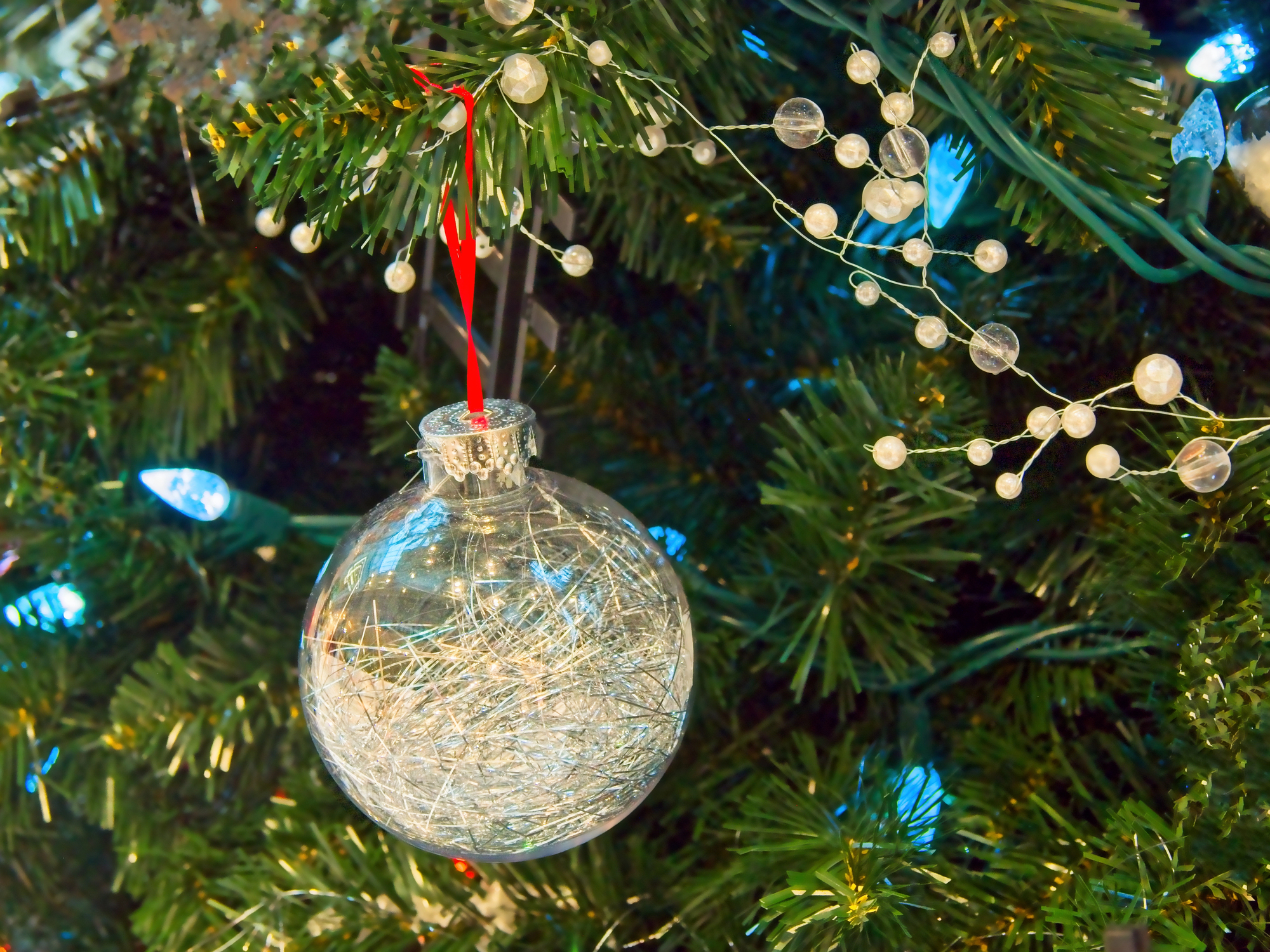
Glass pickle ornaments hang on Christmas trees across America, supposedly following an old German tradition. The story goes that families hide the pickle deep in the branches, and the child who finds it gets an extra present or good luck for the coming year.
The problem: Germans have no idea what this tradition is. Surveys show over 90% of German respondents have never heard of hiding a pickle ornament.
The most likely explanation involves American ornament sellers in the 1890s who needed a way to move unsold pickle-shaped glass decorations imported from Germany. Someone invented a backstory, and it stuck.
Now the fake German tradition has actually been exported to Germany, where some shops sell pickle ornaments as a quirky American custom.
Befana the Christmas Witch

Italy has a gift-giving witch who flies on a broomstick on the night of January 5th, filling children’s stockings with candy or coal depending on their behavior. Befana looks like a classic witch—old, warty, dressed in tattered black clothes—but she’s benevolent rather than evil.
According to legend, the Three Wise Men stopped at Befana’s house on their way to see baby Jesus. They invited her to join them, but she declined because she had too much housework.
She later regretted her decision and has been searching for the Christ child ever since, leaving gifts for children along the way. Some versions say she also sweeps the floor before leaving each house, symbolizing the sweeping away of the old year’s problems.
Père Fouettard and His Disturbing Backstory

Father Whipper travels with St. Nicholas in parts of France and Belgium. His job involves punishing bad children, similar to Krampus.
But his origin story takes a darker turn. The legend claims Père Fouettard was a butcher (or innkeeper, depending on the version) who murdered three boys and planned to serve them as meat.
St. Nicholas discovered the crime, resurrected the children, and forced the butcher to become his servant forever as penance. Now he follows the saint around, dispensing coal, beatings, or—in some tellings—kidnapping naughty children in his sack.
French parents have been telling this story to children for centuries.
The Norwegian Tradition of Hiding Brooms

On Christmas Eve in Norway, families hide all their brooms. The tradition dates back to beliefs that witches and evil spirits roam freely on Christmas Eve, looking for brooms to ride.
By hiding the brooms, families prevent supernatural beings from stealing them and causing mischief. Some Norwegian men also go outside and fire shotguns into the air to scare off any lingering spirits.
The broom-hiding custom has faded in urban areas but persists in rural communities. Even families who don’t believe in witches often hide a broom or two, just because that’s what their grandparents did.
Guatemala’s Devil Burning

On December 7th, Guatemalans drag piles of trash and old furniture into the streets and set them on fire. The tradition, called La Quema del Diablo (The Burning of the Devil), symbolizes cleansing homes of evil before the Christmas season.
Families often top the piles with a devil figure. The fires can get large.
Entire neighborhoods participate, and the smoke fills the air across cities and towns. Environmental and safety concerns have prompted some restrictions in recent years, but the tradition remains popular.
People see it as a way to literally burn away bad luck, illness, and negativity from the past year.
Gävle’s Giant Goat Keeps Getting Torched
The Swedish city of Gävle has erected a giant straw goat in the town square every Christmas season since 1966. The Gävlebocken stands about 13 meters tall and weighs several tons.
As of late 2025, 42 out of 59 goats have been destroyed or damaged in some way. The attacks have become almost as much a tradition as the goat itself.
The city installs webcams, security guards, and fireproofing treatments. Gamblers place bets on whether the goat will survive each year.
Some years it makes it to Christmas. Other years it goes up in flames within days of construction—or gets rammed by a car, shot with flaming arrows by people dressed as gingerbread men, or pecked apart by birds.
The city rebuilds it every time, and the cycle continues.
Sinterklaas Arrives by Boat from Spain
In the Netherlands, St. Nicholas doesn’t live at the North Pole. He resides in Spain and arrives by steamboat in mid-November, accompanied by helpers who climb down chimneys to deliver gifts.
The national arrival ceremony broadcasts on television, and crowds line the harbors to welcome him. Why Spain?
The historical St. Nicholas was a bishop from what is now Turkey, and Spanish-controlled territories once included parts of Italy where his relics were kept. The Dutch origin story stuck even after the historical connection faded.
Children leave carrots and hay in their shoes for Sinterklaas’s white horse, and in return receive small gifts and pepernoten cookies.
Estonia’s Christmas Sauna Tradition
Estonians believe Christmas Eve belongs to the spirits of deceased relatives who return to visit their former homes. To welcome these ancestral ghosts, families heat up the sauna and leave it ready for the spirits to use.
Towels, water, and birch branches for beating oneself are laid out. The living family members take their sauna earlier in the day, then leave the space for their ancestors at night.
Food is also left on the table overnight, and candles burn throughout the house. In the morning, families look for signs that the spirits visited—damp towels, moved objects, or simply a feeling that the ancestors were present.
Stories That Outlast the Reasons Behind Them

Most holiday folklore started with practical purposes. Scary creatures kept workers productive.
Elaborate rituals marked the transition from one year to the next. Gift-giving traditions reinforced community bonds.
But the stories took on lives of their own, passed down through generations long after anyone remembered why they started. The strangest traditions often survive the longest.
A defecating log, a giant arson-prone goat, a horse skull that demands entry through rhyming battles—these aren’t the inventions of efficient, rational minds. They’re the products of communities finding joy in absurdity, fear in the darkness of winter, and meaning in repetition.
The traditions persist because they connect people to their ancestors, their neighbors, and the weird collective imagination that makes human culture so unpredictable. Normal holidays would be boring. These aren’t normal.
More from Go2Tutors!

- The Romanov Crown Jewels and Their Tragic Fate
- 13 Historical Mysteries That Science Still Can’t Solve
- Famous Hoaxes That Fooled the World for Years
- 15 Child Stars with Tragic Adult Lives
- 16 Famous Jewelry Pieces in History
Like Go2Tutors’s content? Follow us on MSN.