Church Basement Traditions That Brought Neighborhoods Together
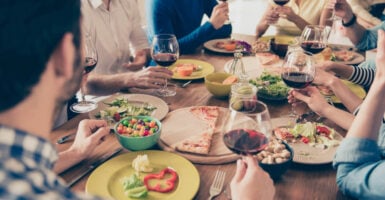
Long before anyone talked about third places, the church basement did the job quietly. Folding tables, fluorescent lights and a kitchen pass-through were enough to draw in people who had never attended a service.
Money raised at these gatherings paid for roofs, missions and food for neighbors in need.
The traditions below grew from real congregations, and many are still running. They share a recipe of volunteers, cheap seating and food that people drive miles to eat.
The Friday Fish Fry
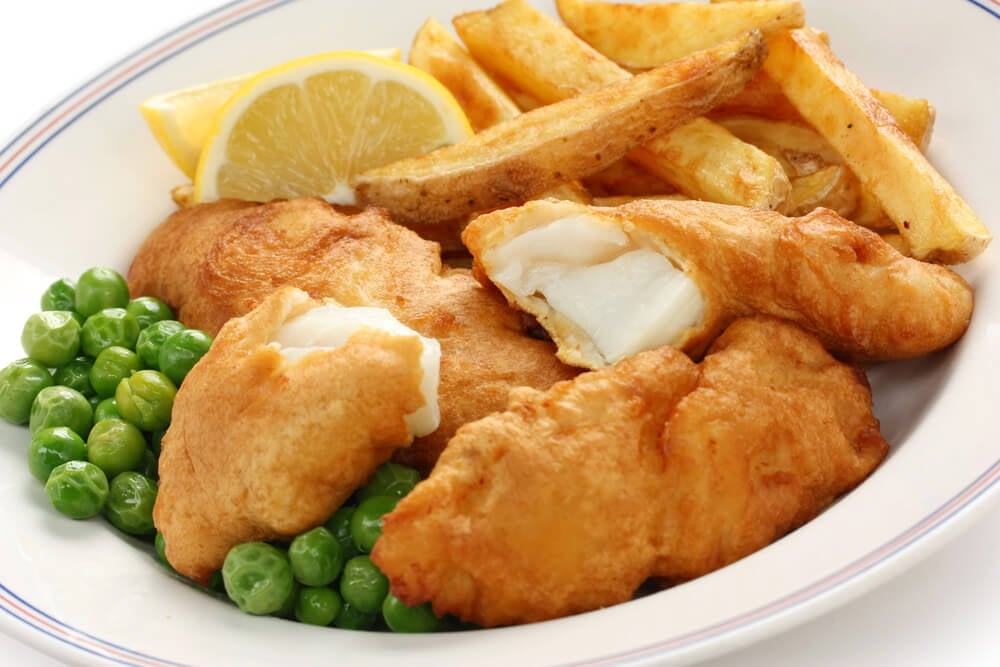
The Lenten fish fry traces back to the Roman Catholic practice of skipping meat on Fridays, which turned church-sponsored fish dinners into a seasonal staple. Other denominations noticed the crowds and borrowed the idea, including First United Methodist Church in Kittanning, Pennsylvania, which launched its own in the early 1990s.
Tim Scaife has overseen that church’s six-night series for 14 years, despite admitting he does not like fish and only eats the potatoes.
The Tiny Congregation That Fries 10,000 Meals
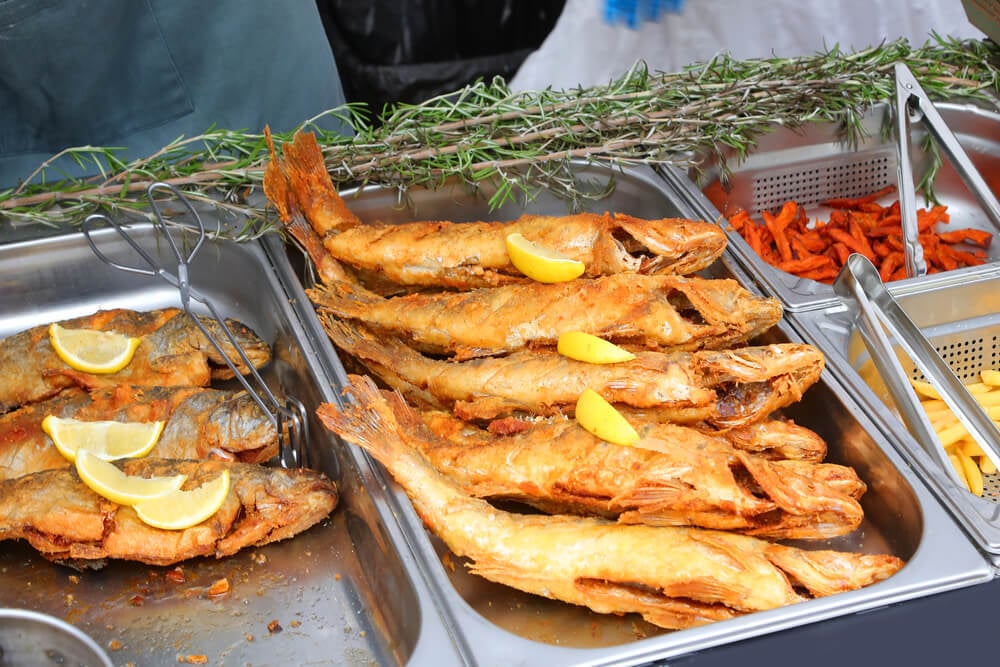
Upper Ten Mile Presbyterian Church in Prosperity, Pennsylvania, has only about 90 faithful, yet it makes more than 10,000 fish fry meals during Lent. Its fish fry was entering its 20th year at the time of one local report, with signs posted well ahead of Ash Wednesday.
Crowds come from miles around, and some visitors cross state lines for a sandwich spilling out of the bun, along with homemade macaroni and cheese and crunchy coleslaw.
The Fish Fry That Funds Ten Charities
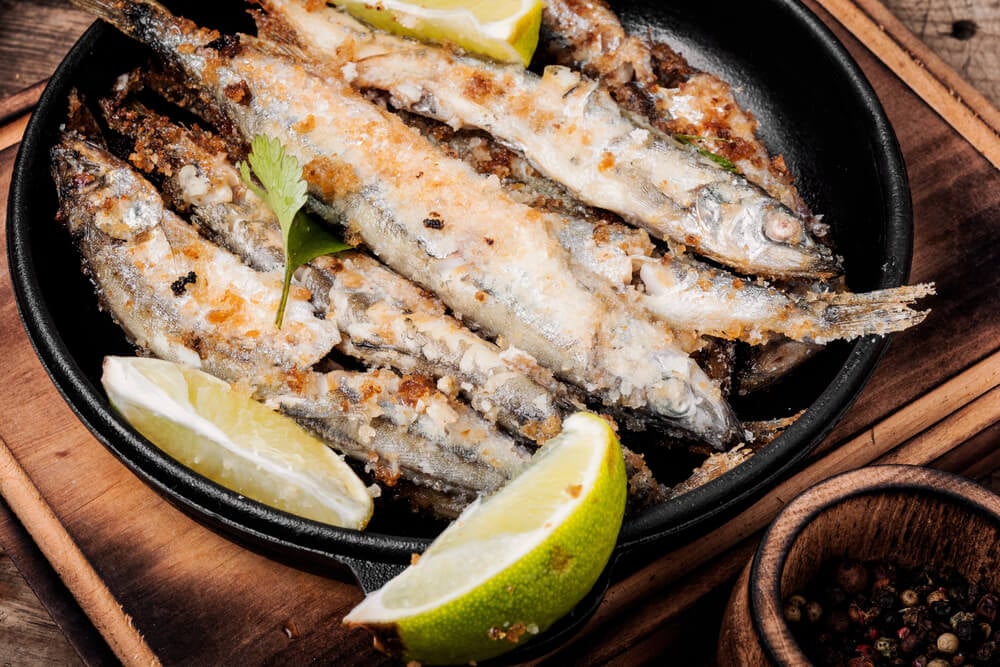
St. John’s United Methodist Church in Albuquerque launched its fish fry ministry in 2012, with Wayne Shirley leading the effort after seeing a similar dinner at his sister’s church. One year’s profit of $21,000 was distributed to 10 local organizations serving people short on food.
The model shows how a Friday dinner in a basement can ripple outward to groups far beyond the congregation.
A Parish Hall Rebuilt on Fried Fish
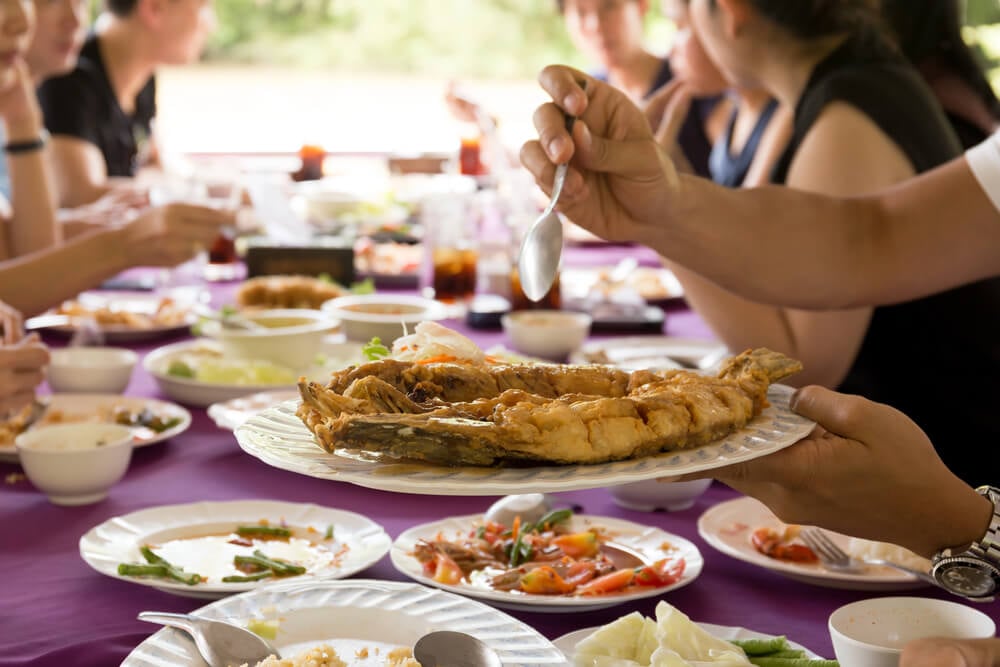
The fish fry in Preston, Connecticut, began as a fundraiser after the old parish hall burned down in 1965. Volunteers served dinners to pay for a replacement, and the church has kept the tradition going ever since.
It is a rare case in which the fundraiser outlived the building project it was meant to fund.
The Monday Lenten Luncheon
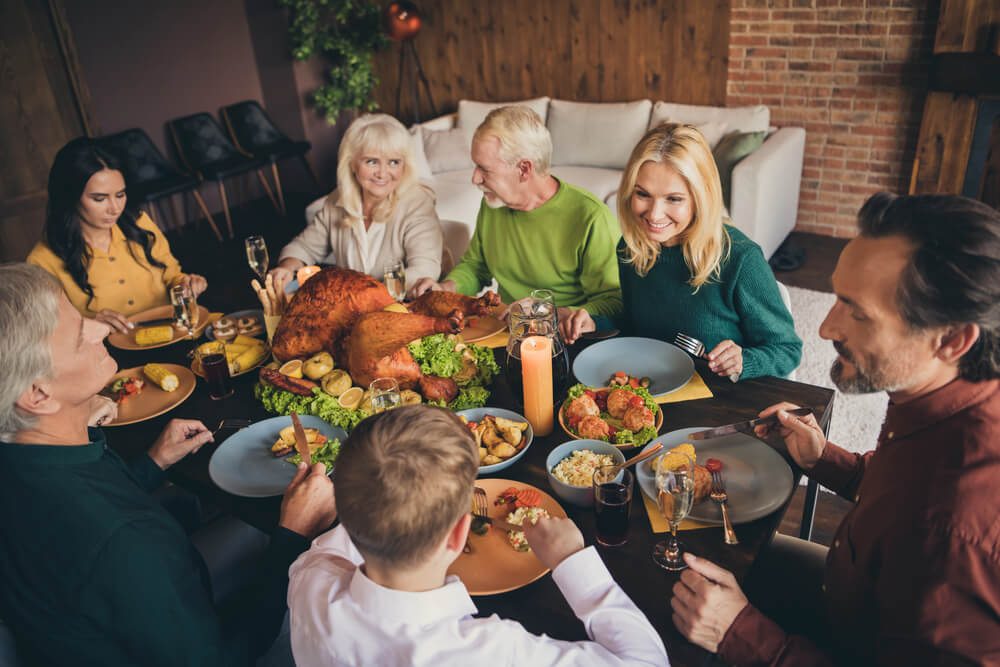
Calvary Church in Stonington, Connecticut, began its Lenten Luncheon fundraiser in the 1960s. Church members deliberately avoided the standard Friday night fish fry and filled a gap in Stonington Borough by serving a meal on Mondays.
The choice shows how basement dinners often respond to what a neighborhood is missing.
Wednesday Church Night Potluck
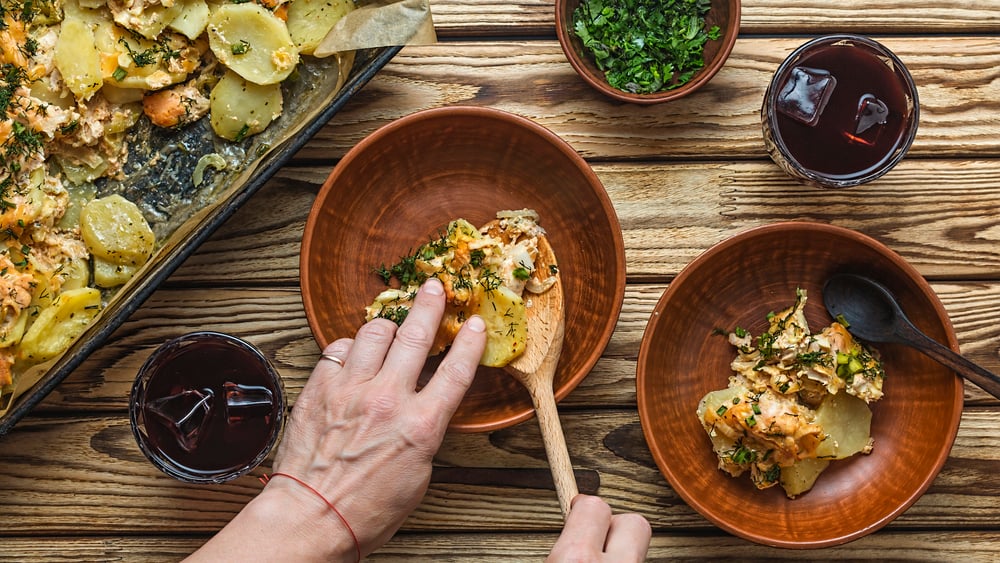
In many congregations, Wednesday is church night, with Bible study for adults, loose games for kids and a potluck in the basement. The potluck is often remembered as the best part of the evening, with dishes arriving from every kitchen in the congregation.
It gives the basement a weekly rhythm that regular attendees plan their schedules around.
Bingo Under the Fluorescent Lights
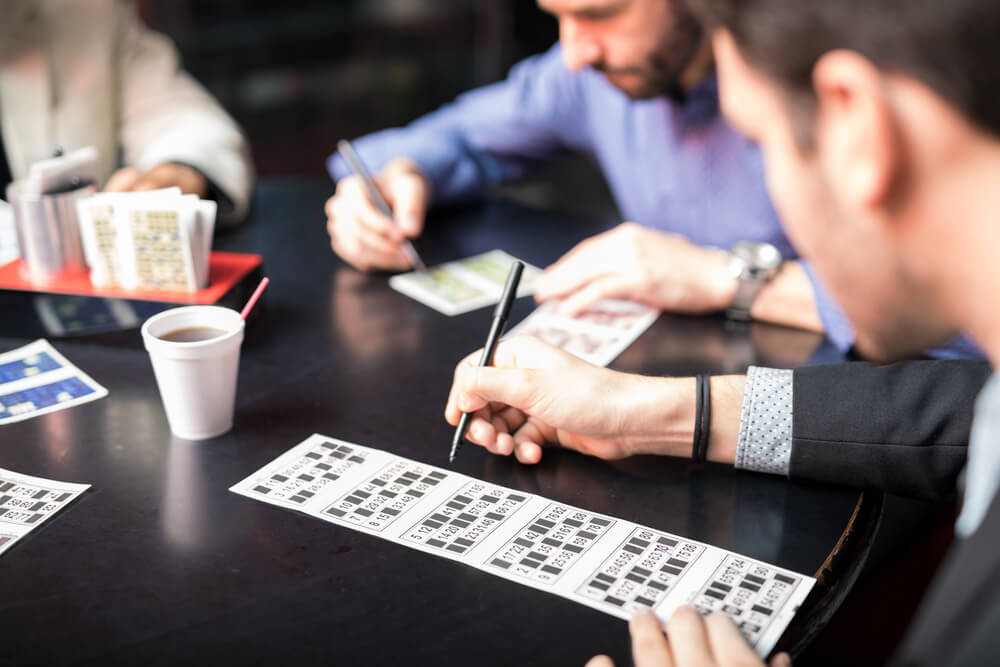
Catholic church basements became famous for bingo, complete with cold hard seats and cards with a little sliding window to mark each spot. Regulars remember it as head and shoulders above anything else the parish offered when it came to fun.
Winners were rare, but the Friday or Saturday night crowd came for the company as much as the prizes.
The Monthly Supper That Keeps a Church Alive
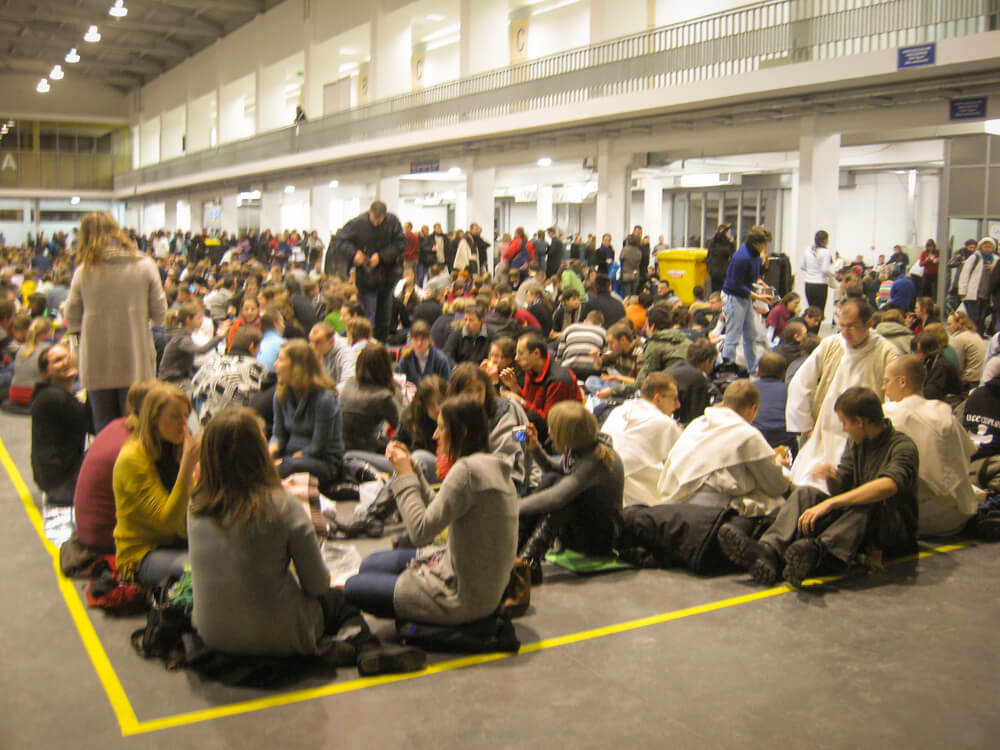
Kingston United Methodist Church in Illinois has held a monthly supper for 45 years, and a member whose mother helped found it says the church was not going to make it without a fundraiser. The church pays for the meat, while the congregation donates every side dish and dessert.
A volunteer kept notes on every single supper, giving the program a handwritten archive of its own.
The Wild Game Supper
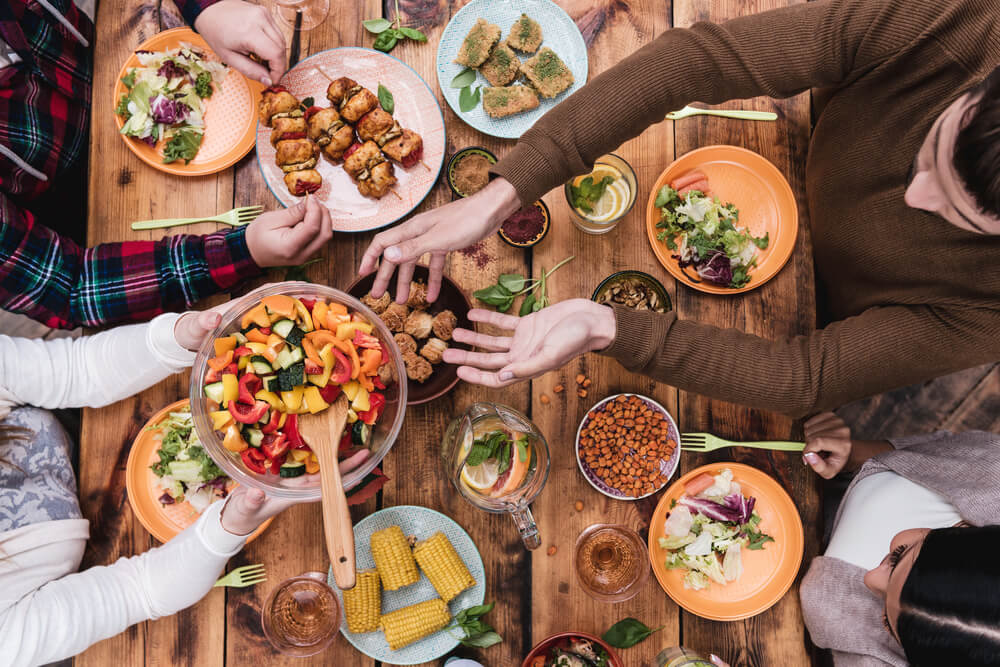
The Congregational Church in Bradford, Vermont, holds an annual Wild Game Supper where people line up before 3 o’clock. The line backs up the basement stairwell and runs down the hall all the way to the piano room before circling back out the door.
It is one of the clearest examples of a basement meal becoming an event that an entire valley plans around.
Funeral Luncheons for Anyone
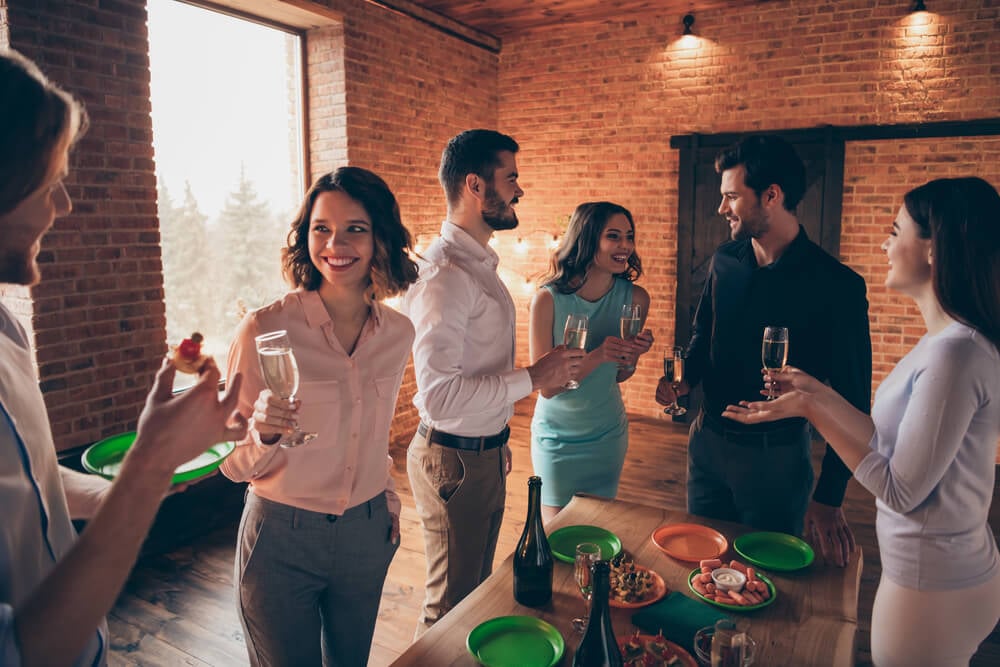
Church basements often host the meal that follows a funeral, bringing neighbors together at a moment when cooking feels impossible. At Kingston United Methodist, the church even conducts non-denominational funerals for people who have no families.
The luncheon turns the building into a place where grief gets fed as well as acknowledged.
Sunday School in the Same Room
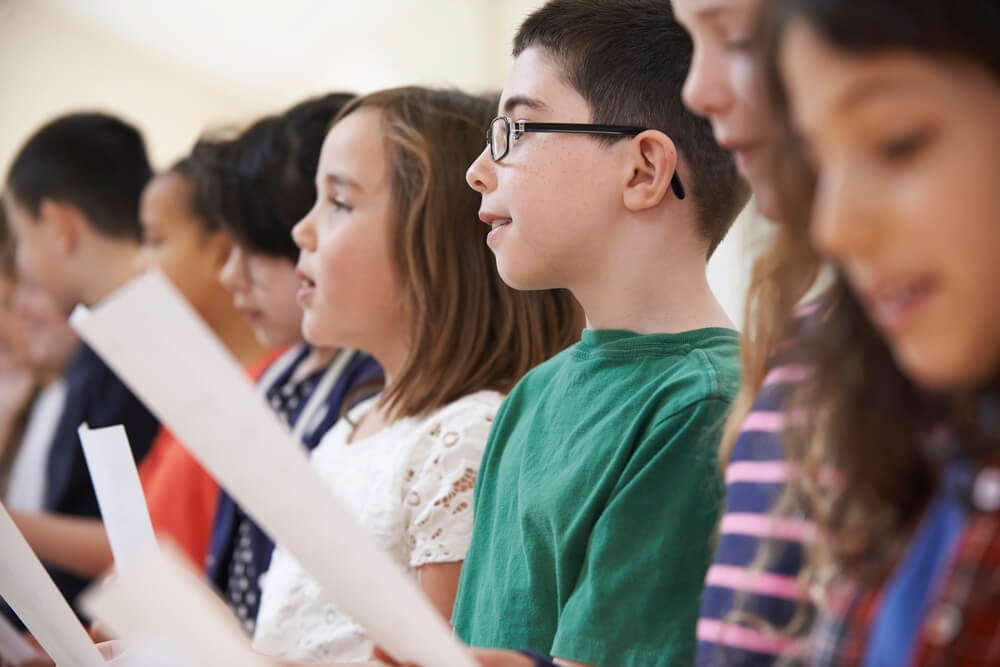
The same basement that hosts the supper also holds Sunday school classes and church meetings during the week. That overlap means children learn their Bible stories under the same ceiling where the community eats dinner.
The room serves as the congregation’s all-purpose workhorse, no matter what the schedule demands.
The Winter Warming Center
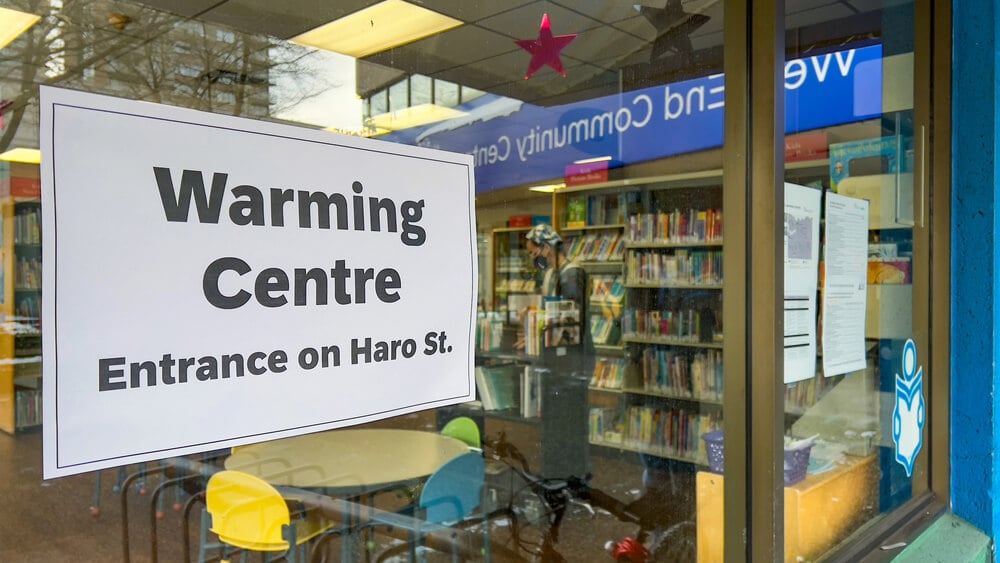
Some basements double as winter warming centers, offering a heated, safe place for neighbors who need to come in from the cold. Kingston United Methodist operates one together with the Kingston Friendship Center.
It extends the basement’s role from fellowship to genuine shelter in the harshest months.
Bake Sale Tables
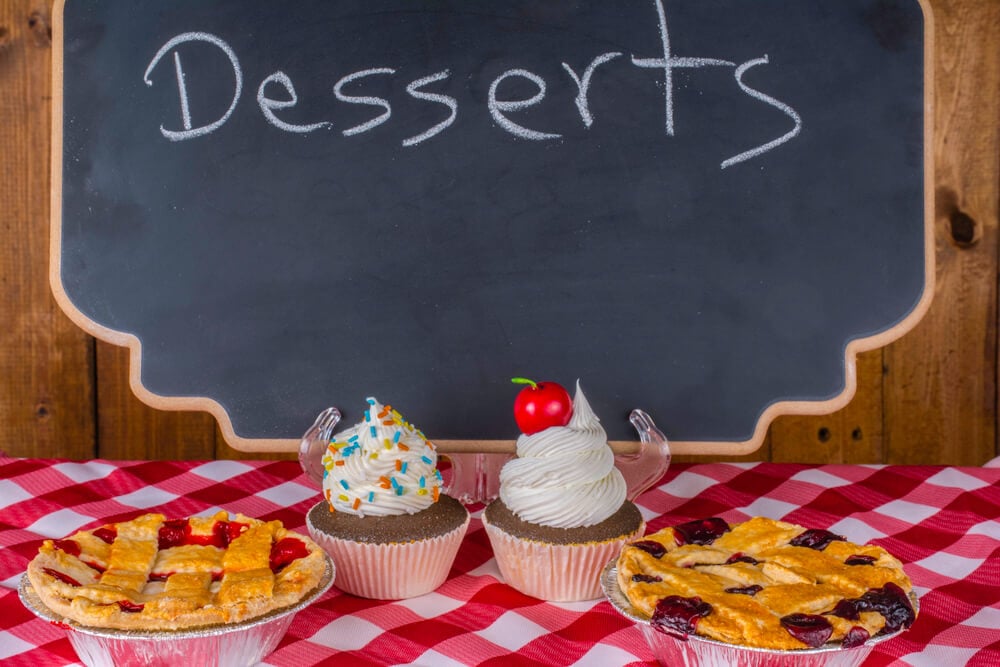
Bake sales fill basement tables with berry-filled pastries and breads that vanish quickly, often sold without a name attached. Treats like these were easy to recognize and even easier to grab on the way to a seat.
Shoppers did not need to know who baked each item, only that the best ones sell out fast.
School Plays and Concerts
In many towns, the church basement or the fire hall next door hosted school plays and concerts alongside weddings, funerals, bingo and festivals. These gathering places became a home away from home for the people who grew up in them.
The spaces shaped a shared memory because every milestone seemed to pass through the same doors.
The Ancient Love Feast
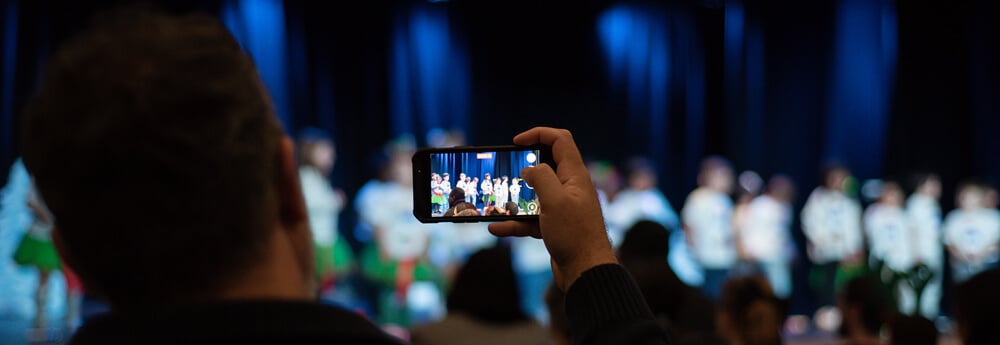
Early Christian communities held shared church suppers that blended fellowship with the Lord’s Supper, and writings such as the Didache mention the practice. These meals gave members a respite from labor and a way to remember saints from church history.
The modern basement potluck is a distant descendant, trading a common table for folding ones with casseroles.
The Room Under the Sanctuary
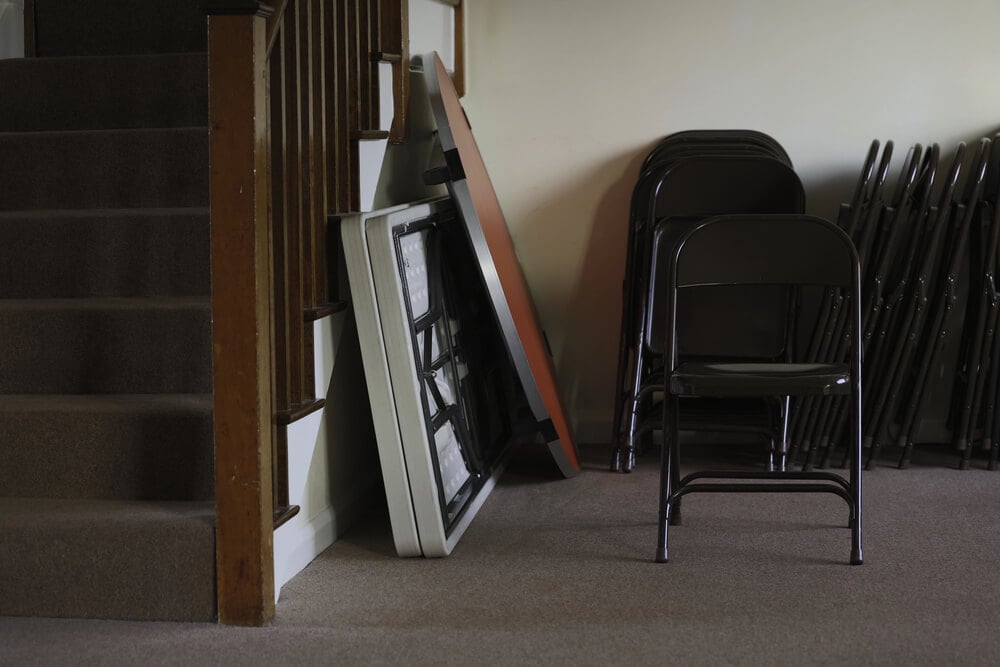
Every tradition on this list depends on a space that is humble, flexible and free of pretense. A folding table can host a funeral meal on Tuesday and a bingo night on Friday, and the same people often fill both.
The building serves the neighborhood because it never tries to be anything more than a good room. Many of these dinners now rely on a shrinking group of volunteers, and some towns have lost their last big supper.
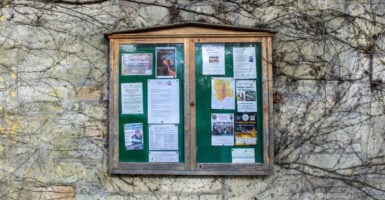
Where they continue, they remind everyone that community is built more by repeated ordinary evenings than by grand gestures. The next time a hand-lettered sign appears outside a church door, it is probably an invitation to something that matters more than the menu.
More from Go2Tutors!

- 27 Silver Dollars and Half Dollars Worth Keeping
- 28 Restaurant Menu Items Nobody Orders Anymore
- 17 Places Built in Seemingly Impossible Spots
- 27 Vintage Rings Worth More Than They Look
- 25 Restricted Sites Tourists Can’t Enter
Like Go2Tutors’s content? Follow us on MSN.