13 Toy Wagons Beyond the Familiar Red
The little red wagon is one of the most recognizable toys in American childhood, but it was never the only wagon on the block. Dozens of companies built steel and wooden wagons, and each had its own trade names, wheel designs, and catalogs.
Radio Flyer dominates the story, and its history includes some surprising chapters. The wider wagon industry, centered in places like Sheboygan and Toledo, adds even more variety.
The Ancient Roots of the Wooden Wagon
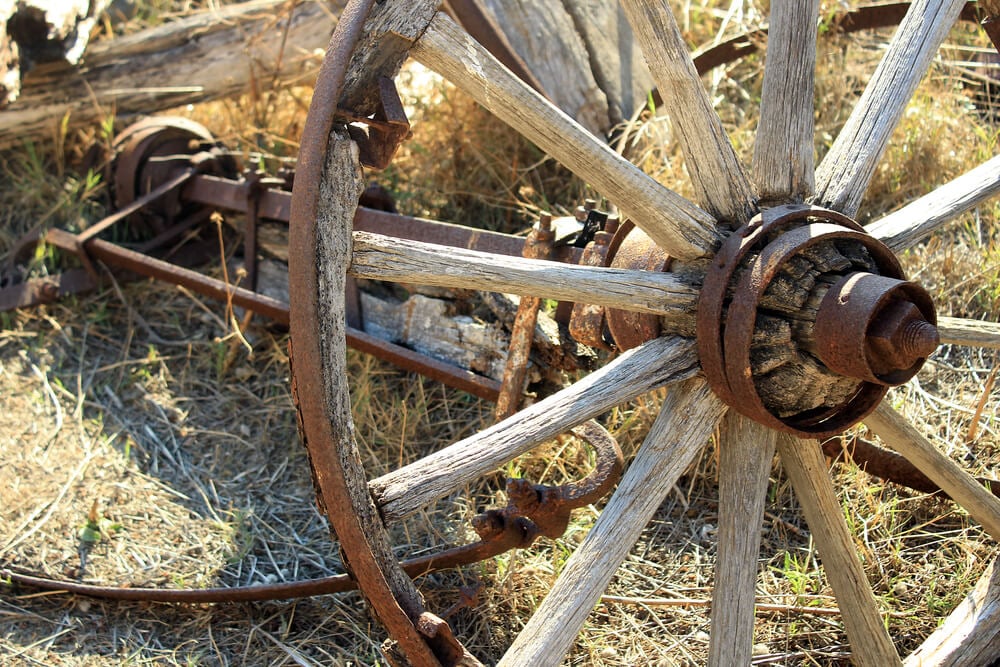
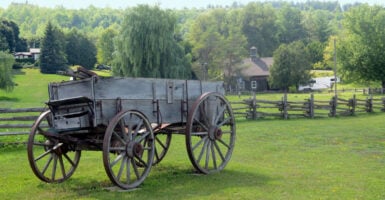
Wagons are thought to have first appeared in Mesopotamia in the fourth millennium B.C., and toy versions became common in the 1880s. Early toy wagons were made of wood, and steel and plastic replaced wood over the following century.
The basic design, with a body, four wheels, and a steering handle, has changed very little.
Garton’s Ironclad Wagons of 1915
The Garton Toy Company of Sheboygan, Wisconsin, introduced a new toy every year, and in 1915 it released ironclad wagons. The company was founded in 1879 by Eusebius Bassingdale Garton, who served as president until his death in 1931.
By its peak, Garton was known as the largest wheel goods toy factory in the world.
Garton’s Steel-Body Coaster and Garton Red
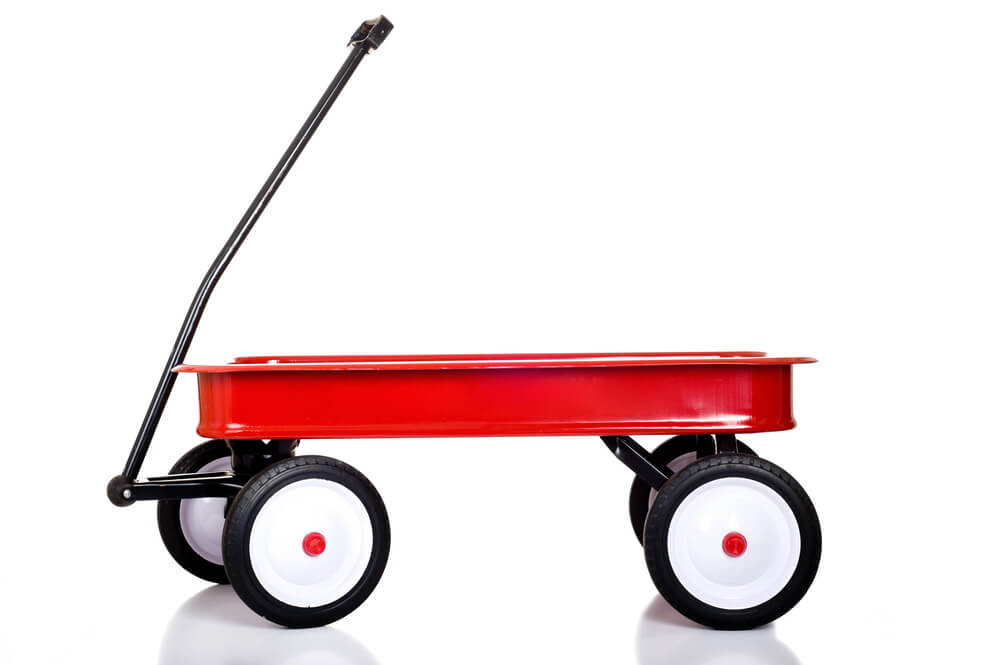
In 1929 Garton introduced a steel-body wagon known as a coaster, which became famous for its paint color, called Garton Red. Even a rival’s wagon leaned on red, which shows how strongly the color was associated with children’s wagons.
After 1920, wheel goods with metal bodies became the company’s specialty.
The Garton Factory That Became Apartments
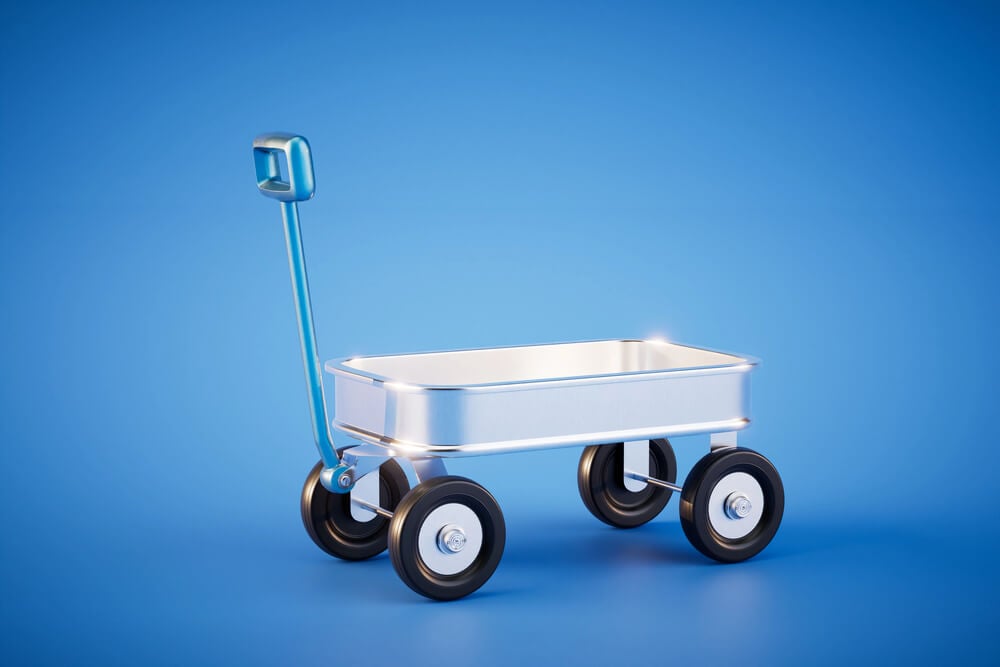
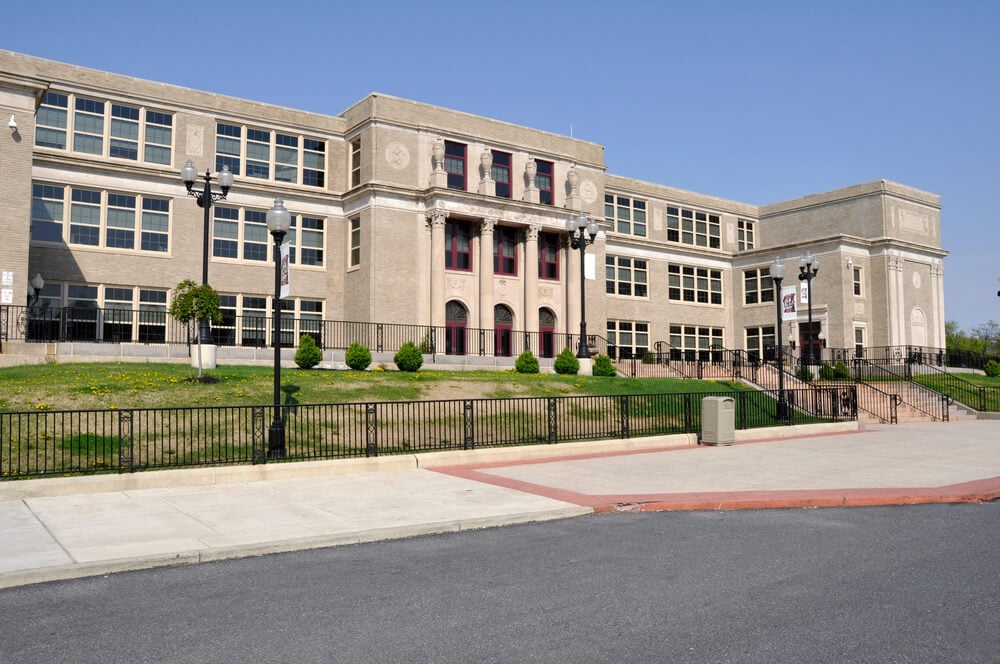
Garton made wagons, sleds, tricycles, scooters, and pedal cars for 94 years before the company closed in 1974. The factory in Sheboygan was listed on the National Register of Historic Places in 2000, after being converted into apartments in 1999.
Residents now live where children’s toys once rolled off the line.
Gendron Iron Wheel Company of Toledo
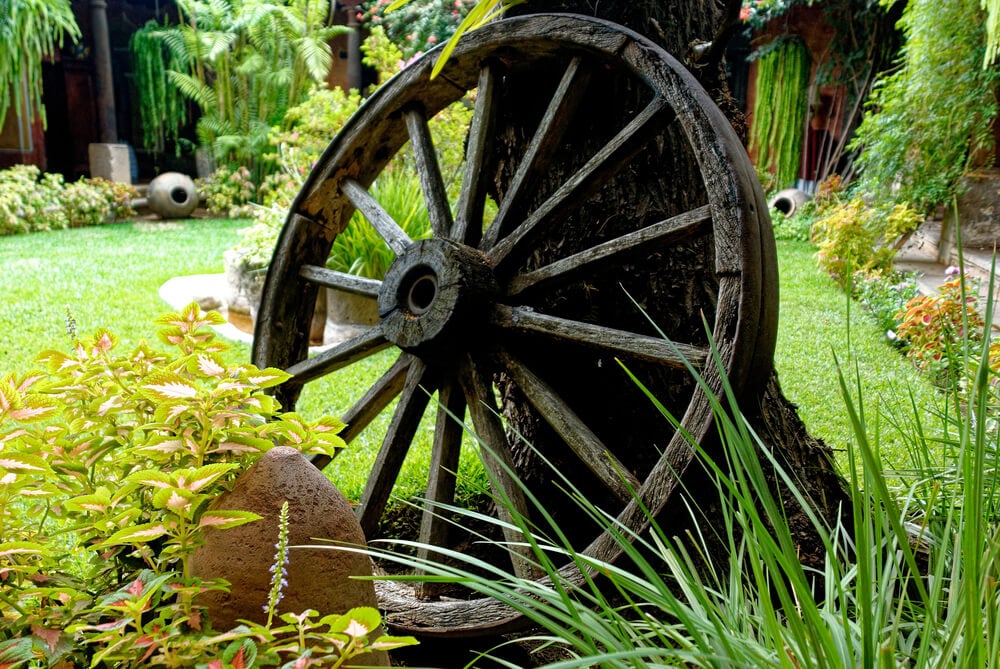
Peter Gendron founded the Gendron Iron Wheel Company in Toledo, Ohio, in 1872, initially making wire wheels for baby carriages. By 1890 the company also made coaster wagons, bicycles, tricycles, doll carriages, and toy wheelbarrows.
Its wheels carried a generation of toy vehicles through neighborhood sidewalks.
American-National and Its Many Trade Names

American-National was formed in 1925 as a holding company for Toledo Metal Wheel, National Wheel, and American Wheel, and it acquired Gendron in 1927. Its products were sold under trade names including Pioneer, Skippy, Express, Reliance, Hi-Speed, Hi-Way, Speed King, Sky King, and Streamline.
Different labels meant a family might own an American-National wagon without ever hearing the company’s name.
Radio Flyer’s Liberty Coaster of 1923
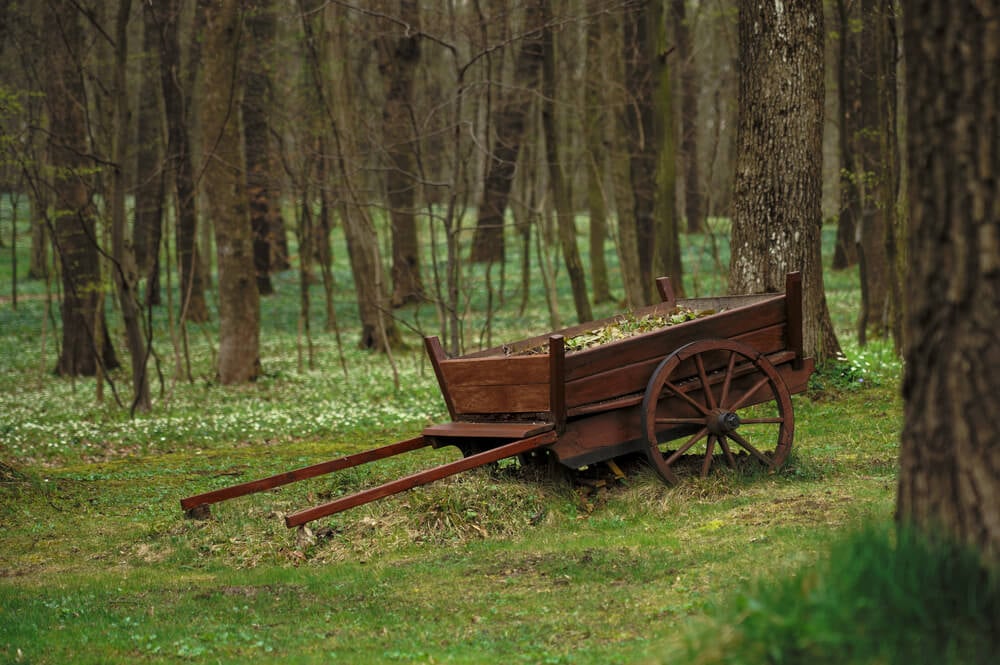
The first Radio Flyer wagon, the No. 4 Liberty Coaster, was introduced in 1923 and was made of wood and steel. The company was founded by Antonio Pasin, an Italian immigrant who came to Chicago in 1914 and began building wagons in 1917.
The wagon’s wood-and-steel construction anticipated decades of changes in materials.
How Radio Steel Became Radio Flyer
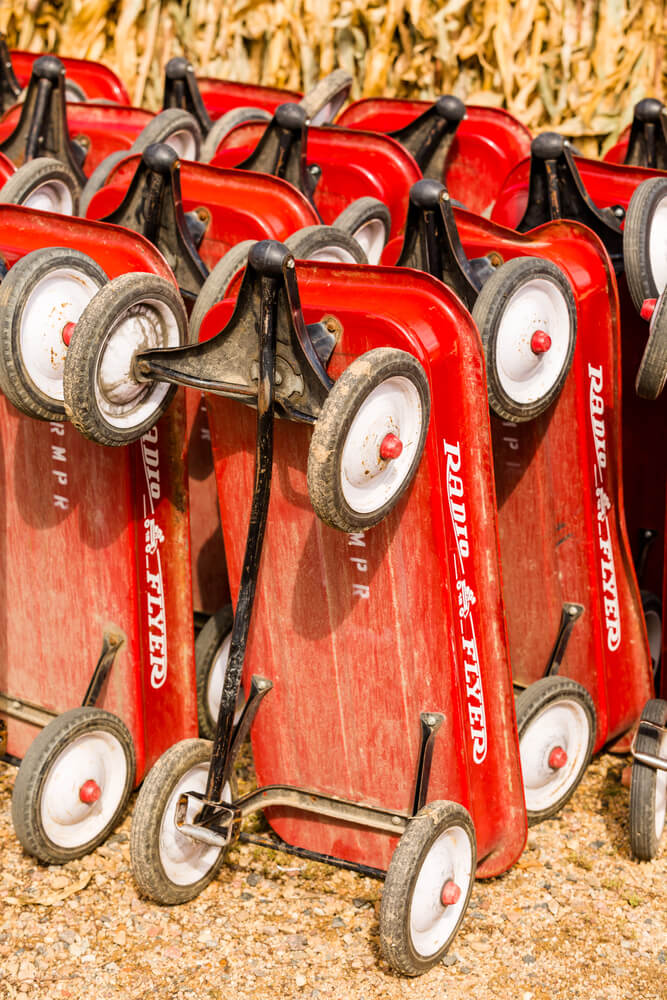
In 1930 Pasin renamed the company Radio Steel & Manufacturing, and the Radio Flyer name reflected the era’s two obsessions, radios and airplanes. By then the company was already the world’s largest producer of toy coaster wagons.
It eventually adopted Radio Flyer as the company name in 1987.
The Wagon Factory That Stopped for the War

From 1942 to 1945, Radio Steel ceased wagon production and converted its factory to wartime manufacturing. Like many American manufacturers, it responded to the government’s call for help.
Toy wagons returned to production after the war, and the company continued to grow.
Garden Carts and the Wagon Grows Up
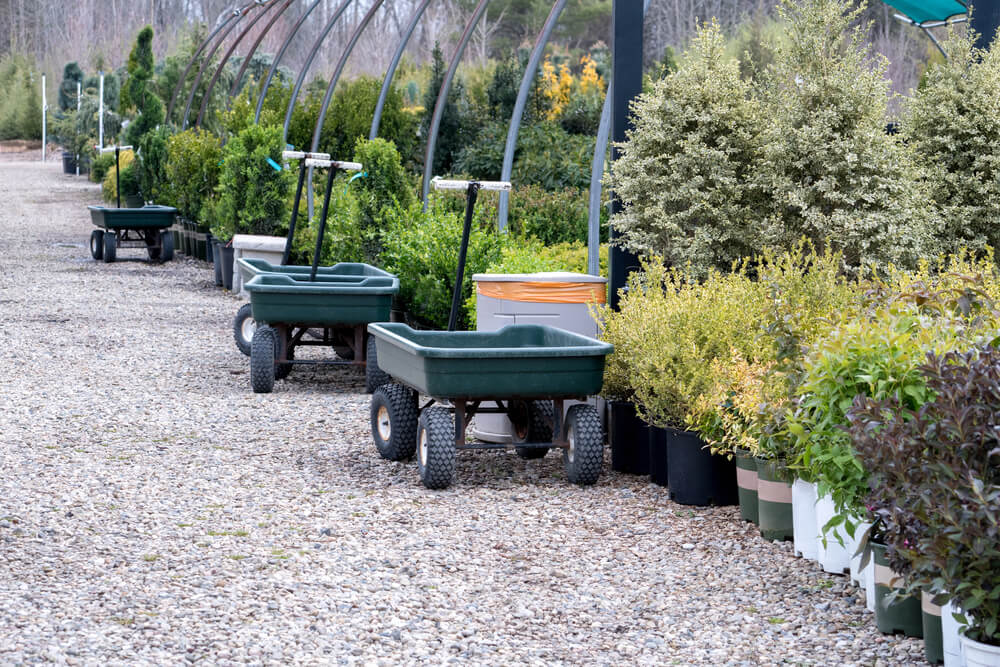
In 1957 Radio Flyer began extending its product line beyond toys, producing garden carts for adults. The move acknowledged that a sturdy cart could haul mulch as well as stuffed animals.
The wagon designers learned that grown-ups had needs too.
Plastic Wagons and the Material Shift
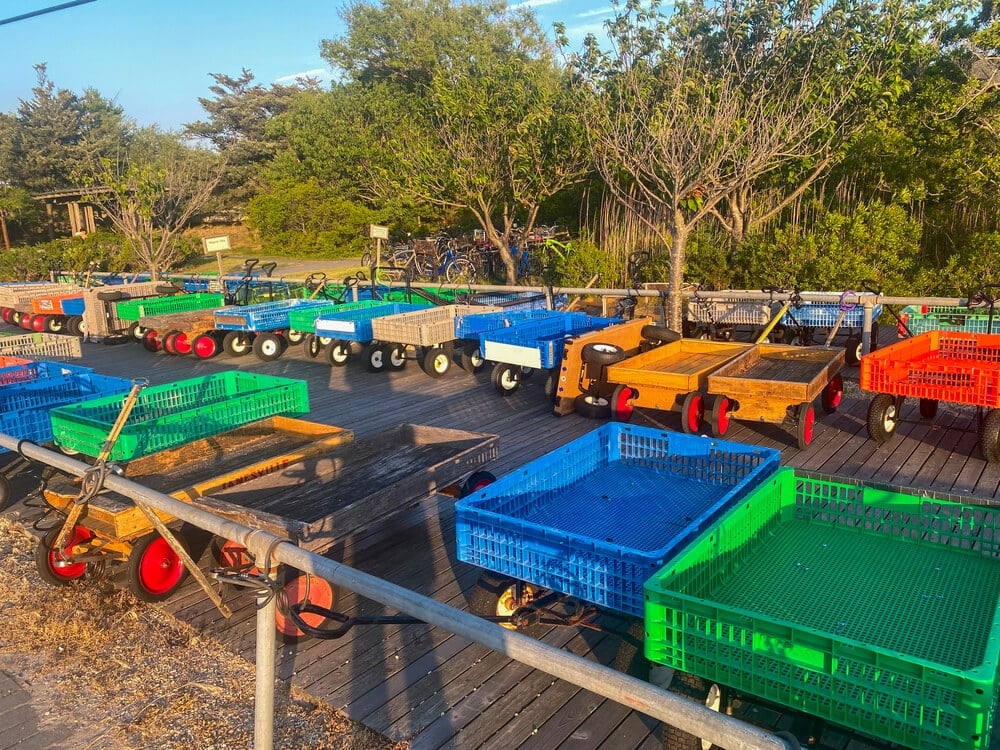
In 1994 Radio Flyer began producing a line of plastic wagons, joining its steel and wood models. The company describes itself as the only manufacturer to produce plastic, steel, and wood wagons.
Plastic offered lighter weight and brighter colors, and it allowed different shapes than stamped steel.
The Giant Wagon of 1997

To celebrate its 80th anniversary in 1997, Radio Flyer built the world’s largest wagon, a steel replica that is 27 feet long and 13 feet wide. It weighs 15,000 pounds, which is considerably more than a child can pull.
The oversized wagon showed how far a simple toy could be stretched.
A Hall of Fame Wagon
Radio Flyer wagons were inducted into the National Toy Hall of Fame in 1999, and Pasin was posthumously inducted into the Toy Industry Hall of Fame in 2003. A 1973 advertisement claimed the Radio Flyer was the only wagon that outsold Ford station wagons.
Radio Flyer once controlled roughly 70 percent of the American wagon market.
One Toy, Many Makers

The wagon is simple enough that many companies could build it, yet distinctive enough that a few names became household words. Garton, Gendron, American-National, and Radio Flyer each approached the same basic design with different materials and marketing.
Together they filled sidewalks with wheels. Few toys connect so many generations of children.
A wagon carried dolls, siblings, groceries, and the occasional contraband, and it survived years of rough handling. Even after plastic and steel replaced wood, the basic idea remained unchanged.
More from Go2Tutors!

- 27 Silver Dollars and Half Dollars Worth Keeping
- 28 Restaurant Menu Items Nobody Orders Anymore
- 17 Places Built in Seemingly Impossible Spots
- 27 Vintage Rings Worth More Than They Look
- 25 Restricted Sites Tourists Can’t Enter
Like Go2Tutors’s content? Follow us on MSN.