Unique Festivals No Longer Celebrated
Some of the most interesting celebrations in history have simply faded away, replaced by modern events or abandoned due to changing times and values. These festivals once brought communities together in ways that seem almost unimaginable today, marking important moments in the calendar with rituals, excitement, and traditions that meant everything to the people who participated.
From ancient Rome to the early 2000s, these lost festivals tell stories about who we were and how we’ve changed.
Saturnalia

The ancient Romans celebrated Saturnalia as their liveliest festival of the year, held in mid-December and originally lasting just one day before expanding to a full week. During this time, work stopped completely, slaves received temporary freedom to do as they pleased, and moral restrictions relaxed in ways that were completely unlike everyday Roman life.
People decorated homes with wreaths and evergreen plants, ate lots of food, drank wine, played games, gave gifts to each other, sang songs, and wore special cone-shaped hats called pillei. The festival featured a mock king chosen for the occasion who would issue silly orders and generally cause chaos.
Wax candles called cerei were popular gifts during Saturnalia, meant to symbolize light returning after the winter solstice. Eventually, as Christianity spread across the Roman Empire, the festival was gradually replaced by Christmas traditions, which borrowed heavily from Saturnalia’s customs.
Lupercalia
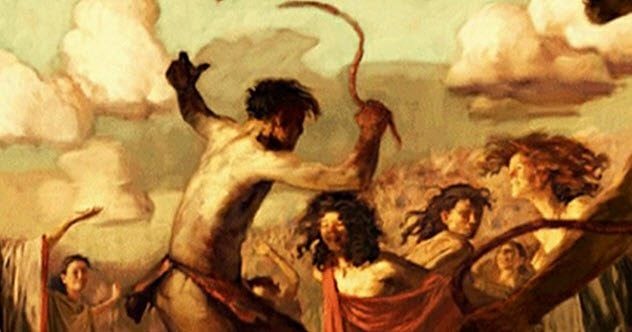
Lupercalia was an ancient Roman pastoral festival held annually on February 15 to purify the city and promote health and fertility. The festival began with the sacrifice of goats and a dog by a group of priests called the Luperci, after which two young men had their foreheads touched with a bloody knife and the blood was wiped away with wool dipped in milk.
Following the sacrificial feast, the Luperci cut thongs from the skins of the sacrificial animals and ran in two bands around the Palatine Hill, striking with the thongs at any woman who came near them, as a blow from the thong was supposed to render a woman fertile. The festival created a strange scene in Rome’s streets, with semi-unclothed priests running through crowds in a controlled chaos that lasted for days.
By the late 5th century, Pope Gelasius I outlawed the festival as Christianity became Rome’s dominant religion, though rumors that he replaced it with Valentine’s Day have no real historical basis.
Floralia
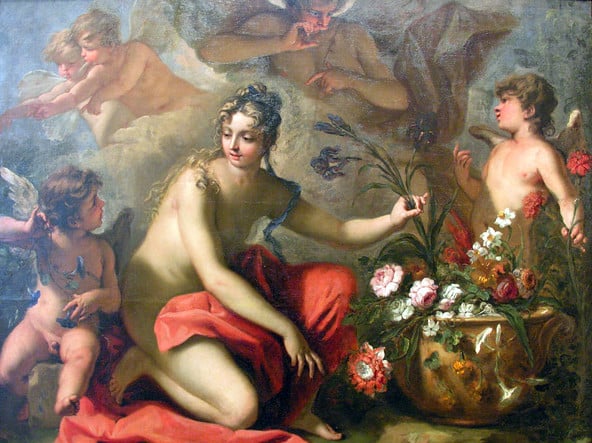
In 238 BC, the Romans built a temple to Flora, an ancient goddess of flowers and blossoming plants, and instituted Floralia to solicit her protection, eventually celebrating it annually from April 28 until May 3. The festival included Ludi Florae, or Games of Flora, which lasted for six days and featured theatrical performances, with people dancing and participating in mock gladiator combat.
Multi-colored clothing was customary during Floralia, in contrast to other festivals, and revelers adorned themselves with garlands while hares and goats—animals considered symbols of fertility—were ceremonially released as part of the festivities. The festival had a wild, uninhibited character that offended stricter Romans, yet it remained popular for centuries.
Like other pagan celebrations, Floralia eventually faded as the Christian church gained power and discouraged non-Christian festivals.
Akitu Festival
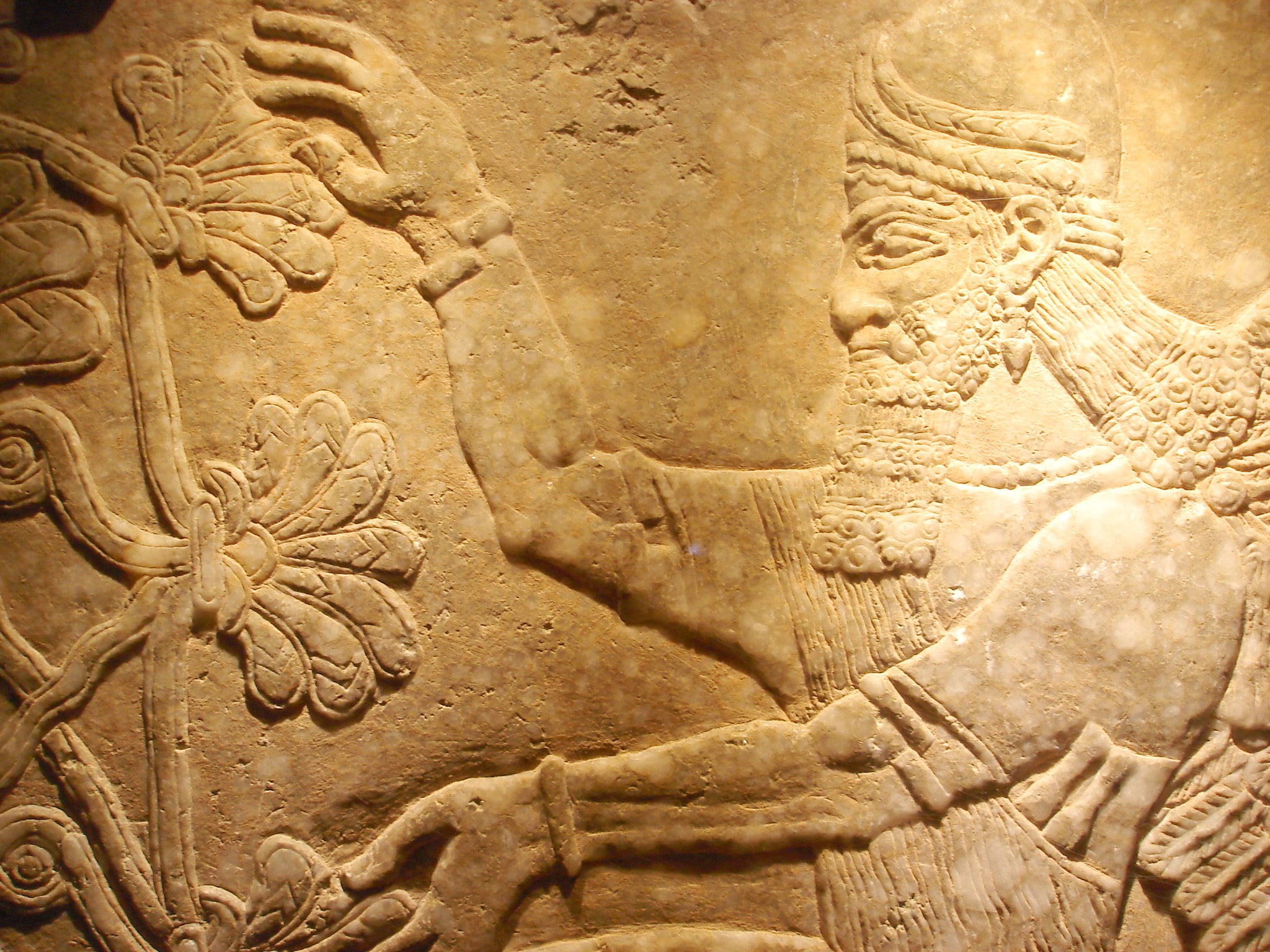
The Akitu Festival was the ancient Babylonian New Year celebration that lasted around 11 days and took place in spring. The festival featured processions through the streets, with statues of gods carried by priests while crowds watched.
A crucial part of the ceremony involved a ritual that renewed the kingship and ensured the fertility of the land for the coming year. During Akitu, people gathered in temples to hear priests recite creation myths and to witness symbolic battles between good and evil played out in the ceremonies.
The festival represented hope for renewal and abundance after the winter months. When Babylonian civilization fell and the Akkadian language and customs were absorbed into other cultures, the Akitu Festival eventually disappeared from practice, though echoes of its themes appear in later spring festivals throughout the Middle East.
Feast of Fools
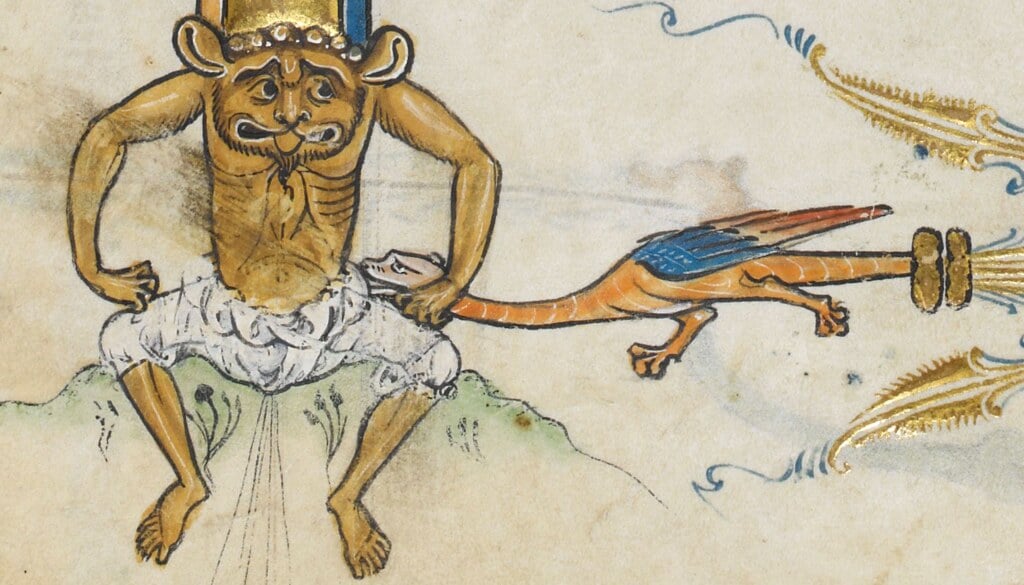
During the medieval period, particularly in France and England, the Feast of Fools turned the social order completely upside down during December celebrations. This festival allowed for role reversals where the usual hierarchy was inverted, similar to how Saturnalia operated.
Lower-ranking clergy and church members would mock their superiors, perform crude comedies, and sing irreverent songs inside sacred spaces. A boy bishop would be crowned and lead proceedings in deliberate mockery of religious authority.
The festival gave people a controlled outlet to express frustrations with the rigid medieval social and religious structures. Eventually, Church officials began to see the Feast of Fools as too disruptive and irreverent, and it was gradually suppressed starting in the 15th century as religious reforms took hold.
St. John’s Eve Festival
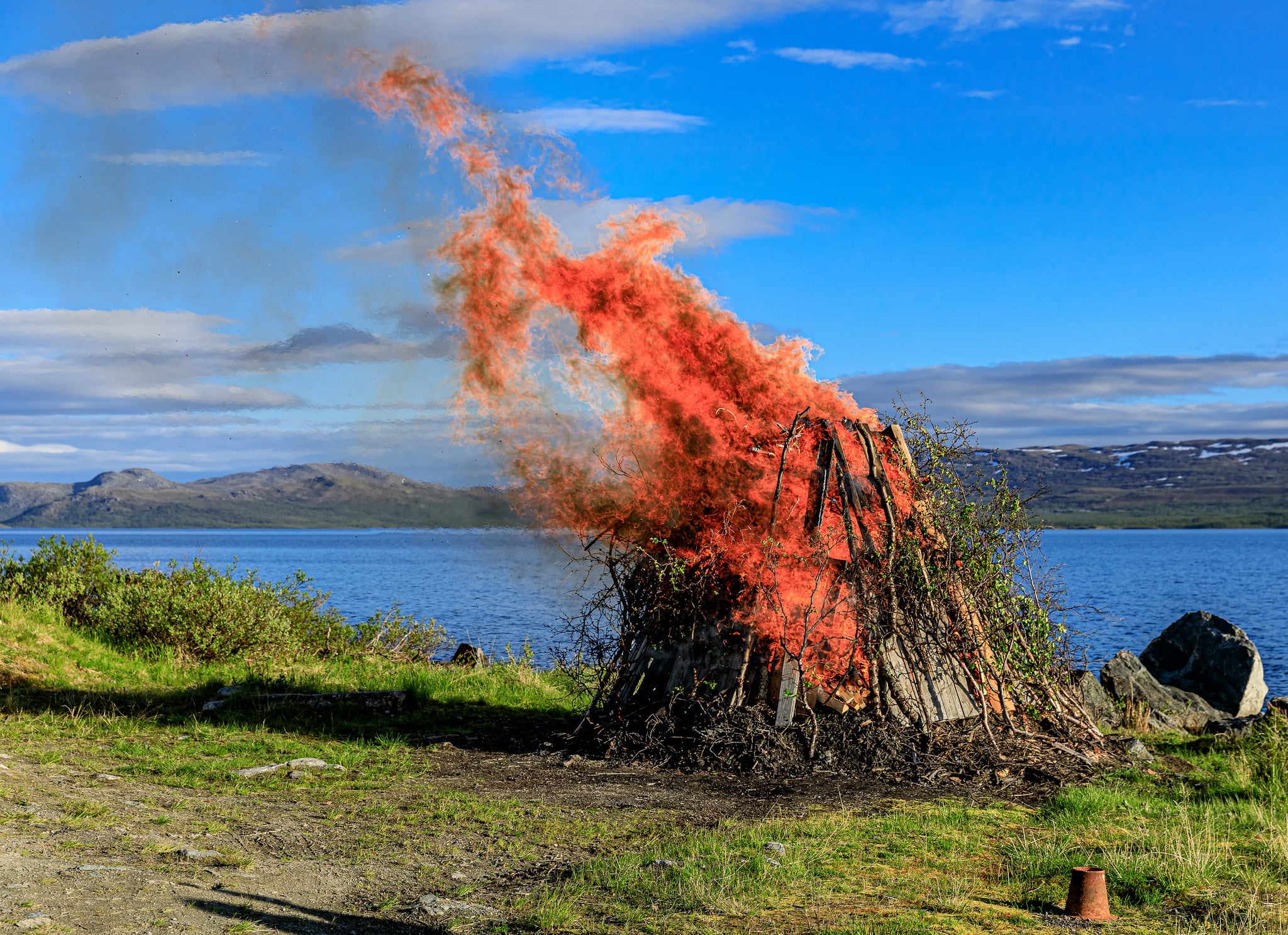
In New Orleans and parts of the American South, St. John’s Eve in June was celebrated with a blend of African, French, and Native American traditions. The celebration involved bonfires, dancing, herbal rituals, and gatherings that mixed Catholicism with folk practices and spiritual traditions brought by enslaved people from Africa.
The festival was particularly associated with Voodoo practices and spiritual ceremonies performed by community leaders who were respected for their knowledge of healing and ritual. St. John’s Eve created a rare public space where people of different backgrounds gathered outside the strict racial and social boundaries that normally separated them.
As modernization spread and organized religion became more dominant in the 20th century, the festival’s public celebration declined sharply, though some private observances continue in limited form.
Ragamuffin Day

Ragamuffin Day, celebrated around Thanksgiving in parts of the American Northeast, was a tradition where children dressed in costumes and masks, going door-to-door asking for money or treats while singing and performing skits. The custom resembled modern Halloween but had distinct regional variations and was tied to the autumn harvest season.
Families treated Ragamuffin Day as a community event where young people could perform for neighborhood residents who appreciated their creativity and effort. The tradition was common enough in the early 1900s that newspapers wrote about it and parents prepared for the annual visits of costumed children.
By the mid-20th century, Ragamuffin Day faded as Halloween became the dominant children’s costume holiday nationwide, eventually absorbing the traditions and enthusiasm that once belonged to this forgotten celebration.
Ozzfest

Ozzfest was founded by Sharon Osbourne and Ozzy Osbourne and was held almost annually between 1996 and 2018. Conceived by Sharon Osbourne as a response after Ozzy was rejected from Lollapalooza, Ozzfest quickly became a roving nerve center for the multi-generational metal faithful and a breeding ground for new heavy metal superstars.
The first Ozzfest was not a national tour but rather a two-day festival held in Phoenix, Arizona, and Devore, California, on October 25 and 26, 1996, respectively. In its first few summers, Ozzfest emerged as an immediate triumph, with its 1997 touring outing being that year’s second-highest grossing touring festival behind Lilith Fair.
The festival grew to feature 20 or 30 bands across multiple stages and toured internationally to the United Kingdom, Europe, Israel, and Japan. Eventually, declining attendance and changing tastes in music led to fewer touring dates, with the final Ozzfest held as a one-day event in Los Angeles on New Year’s Eve in 2018.
T in the Park
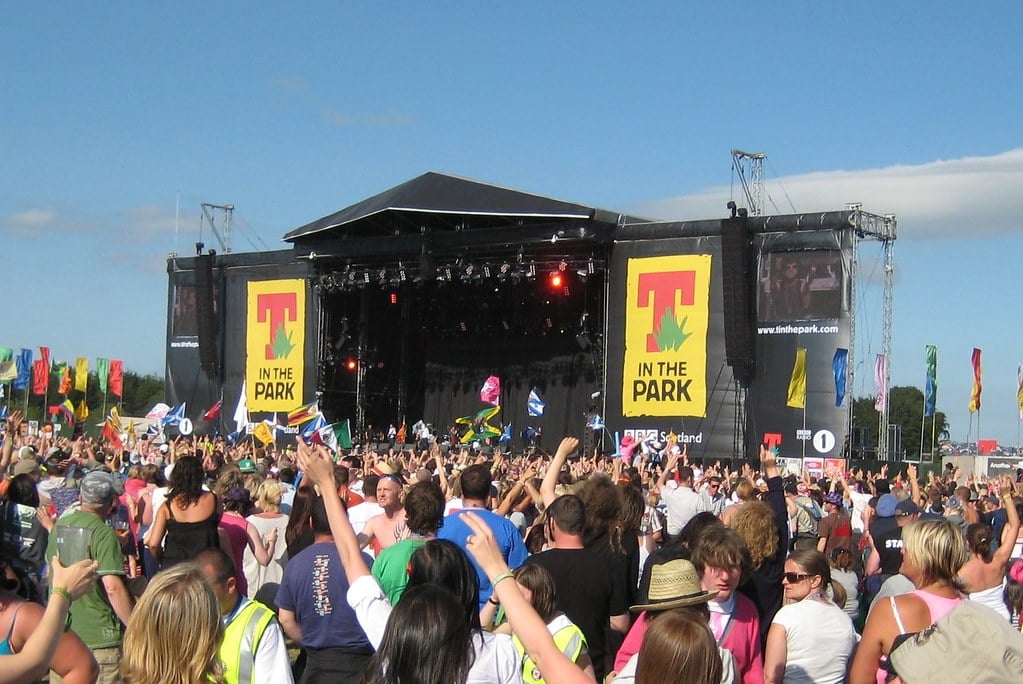
T in the Park was founded in 1994 by Stuart Clumpas and Geoff Ellis as a joint venture between DF Concerts and Tennent’s Lager with help from Irish promotions company MCD Productions. The inaugural presentation of T in the Park was a huge concept that had never been done before in Scotland, with the two-day outdoor camping festival starting on July 30 and 31, 1994, at Strathclyde Country Park with around 17,000 people in attendance.
By 2005 it was named the UK’s best festival, beating Glastonbury for the first time, and later became the second-largest greenfield festival in the United Kingdom with over 85,000 people attending daily. The festival was forced to move away from its longtime home at Balado after 2014 because of underground gas pipeline safety concerns, then relocated to Strathallan Castle for 2015 and 2016, but traffic chaos and other problems made those years unpopular with attendees.
It was officially replaced with the TRNSMT festival at Glasgow Green, and in July 2019, organizers confirmed T in the Park would not be returning.
Opet Festival

The Opet Festival was an ancient Egyptian celebration held during the time of the New Kingdom, particularly during the reign of powerful pharaohs like Thutmose III. The festival involved a grand procession where statues of gods were carried from the temple at Karnak to the temple at Luxor and back again, traveling along the Nile River.
Ordinary Egyptians lined the streets to witness this sacred journey, which they believed ensured the pharaoh’s power and the gods’ favor for the coming year. Music, dancing, and public celebrations marked the procession, and common people received portions of sacrificed animals and foods.
When the New Kingdom eventually fell and Egypt was conquered by foreign powers, the Opet Festival fell out of practice as new religions and authorities replaced the ancient Egyptian belief system.
Lares Compitales

The Lares Compitales was a Roman festival held in early January to honor household spirits and the protective deities of crossroads in the city. Families would decorate small shrines at street intersections, leave offerings of food and wine, and participate in communal celebrations in their neighborhoods.
The festival created a sense of local community identity, as people gathered at specific crossroads that had been sacred gathering points for generations. Merchants and craftspeople used Compitalia to honor the spirits of their trades and to seek protection for their work in the coming year.
The festival reinforced social bonds between neighbors and reminded Romans of their connection to both their homes and their wider community. As Christianity spread and pagan practices were discouraged, the Lares Compitales disappeared from public practice.
All Points West Festival
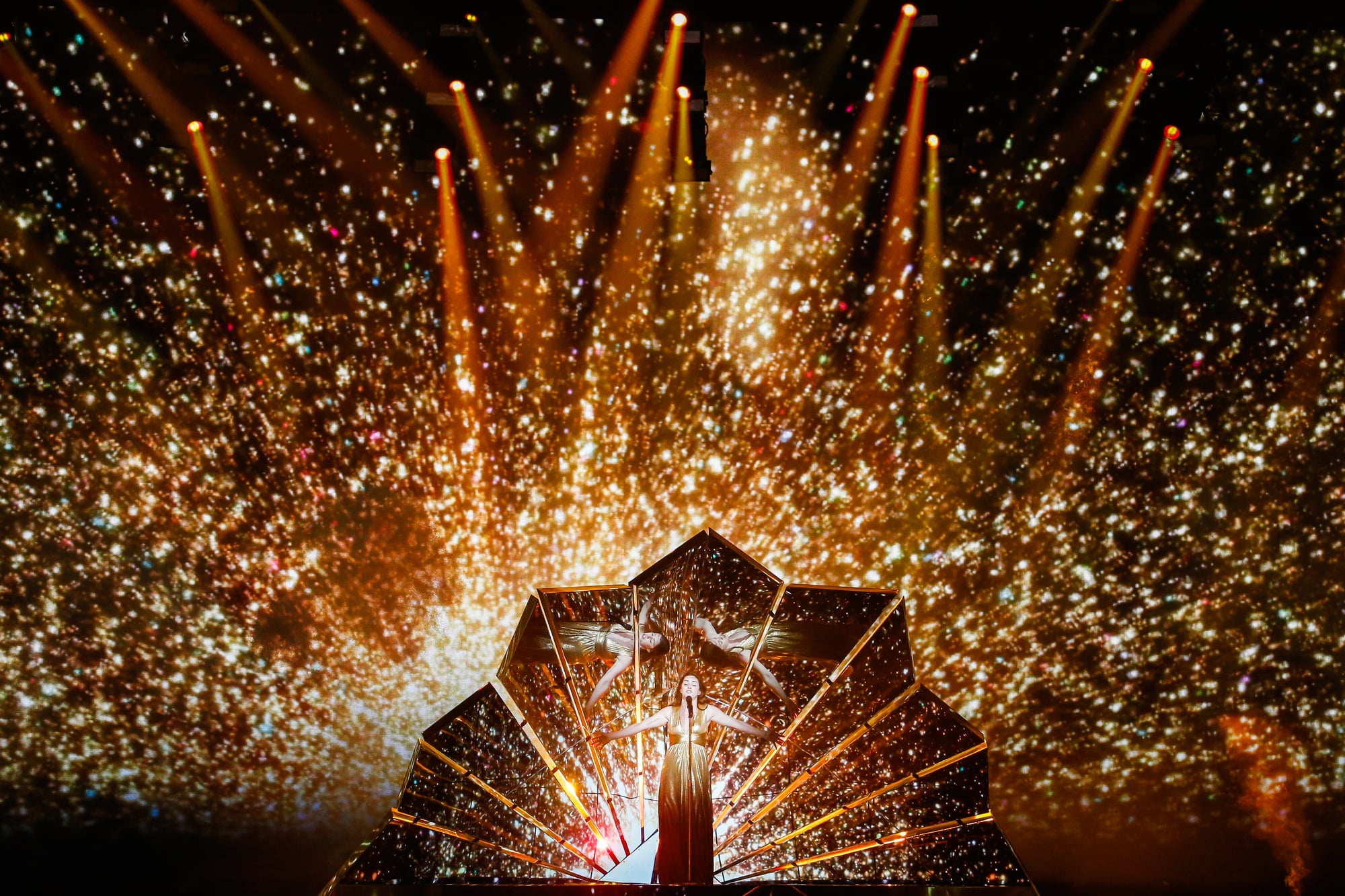
All Points West was a major music festival held in Jersey City, New Jersey, from 2008 to 2010 at Liberty State Park. The festival featured huge lineups of contemporary rock, indie, and alternative bands that drew tens of thousands of attendees each summer.
The first edition in 2008 attracted over 130,000 people across two days, with performances from major acts drawing music fans from across the tri-state area. However, after just three years, the festival was cancelled due to issues with crowd management, noise complaints from nearby residents, and logistical challenges with hosting such large crowds in an urban park setting.
The cancellation marked the end of an era for major music festivals in the New York area, as no comparable festival has replaced it at the same location.
Rockness Festival

Rockness was a Scottish music festival held annually from 2006 to 2013 at Dores Beach near Inverness on the edge of Loch Ness. The festival featured rock and indie bands and attracted thousands of fans who combined the music experience with the novelty of attending an event at Scotland’s most famous lake.
Rockness positioned itself as a smaller, more intimate alternative to the massive T in the Park festival happening elsewhere in Scotland. The festival built a loyal following and became known for good weather, strong lineups, and a friendly atmosphere among attendees.
However, rising costs, declining ticket sales, and increased competition from other Scottish festivals made it difficult to sustain, and organizers decided to end the festival in 2013.
The Festival of the Supreme Being

During the French Revolution, revolutionary leaders created the Festival of the Supreme Being in 1794 as a replacement for Catholic religious festivals. The event was designed to celebrate reason, liberty, and the revolutionary ideals that were transforming France.
Large public ceremonies featured speeches, processions, and symbolic rituals meant to inspire citizens with the values of the Revolution. However, the festival was tied so closely to the political upheaval of the Revolutionary period that it couldn’t survive the changing politics that followed.
Once the immediate revolutionary fervor died down and more moderate politicians took power, the Festival of the Supreme Being disappeared, seen as too radical and too tied to a specific moment in history to continue long-term.
Where celebrations go when nobody watches

The end of a festival marks more than just the cancellation of an annual event. It represents the loss of traditions that connected people to their communities, their histories, and each other.
Some festivals vanished because the world changed around them, leaving their original purpose behind. Others fell away as new powers and belief systems took over, making the old ways seem out of place or even dangerous.
What’s remarkable is how many of these celebrations lasted for centuries despite enormous changes in society, only to disappear relatively quickly once the conditions that supported them shifted. The festivals that remain today may seem permanent and unchangeable, but history suggests otherwise.
Every celebration alive right now exists in a specific moment in time, and like Saturnalia and Lupercalia, like Ozzfest and T in the Park, even the most beloved traditions can eventually fade into memory.
More from Go2Tutors!

- The Romanov Crown Jewels and Their Tragic Fate
- 13 Historical Mysteries That Science Still Can’t Solve
- Famous Hoaxes That Fooled the World for Years
- 15 Child Stars with Tragic Adult Lives
- 16 Famous Jewelry Pieces in History
Like Go2Tutors’s content? Follow us on MSN.